
Key Insights
The South East Asia CRM market, valued at $2.24 billion in 2025, is projected to experience steady growth, driven by increasing digital adoption across various sectors and the rising need for enhanced customer relationship management. The 1.56% CAGR indicates a moderate, yet consistent expansion throughout the forecast period (2025-2033). Key drivers include the burgeoning e-commerce landscape, particularly in countries like Indonesia, Singapore, and the Philippines, fueling the demand for robust CRM solutions to manage expanding customer bases and personalize interactions. Furthermore, the growing adoption of cloud-based CRM systems offers scalability and cost-effectiveness, attracting both large enterprises and SMEs. While data privacy concerns and the initial investment costs associated with CRM implementation could act as restraints, the long-term benefits of improved customer engagement, increased sales conversions, and enhanced operational efficiency are expected to outweigh these challenges. The market is segmented by organization size (SMEs and large enterprises), deployment (cloud, on-premise, hybrid), end-user vertical (services, manufacturing, BFSI, retail & logistics, government, and others), and geography (Indonesia, Singapore, Philippines, Thailand, Malaysia, and the Rest of Southeast Asia). The competitive landscape features a mix of global giants like Salesforce, Microsoft Dynamics, and Oracle, alongside regional players like Hubspot Asia and Barantum, creating a dynamic and evolving market. The preference for cloud-based solutions is expected to increase, given the region's growing digital infrastructure and the associated benefits of accessibility and flexibility.
The sustained growth in the South East Asian CRM market is further amplified by the increasing focus on data analytics and AI integration within CRM platforms. Businesses are leveraging these advanced capabilities to gain deeper insights into customer behavior, personalize marketing campaigns, and optimize sales processes. Government initiatives promoting digital transformation across various sectors in the region are also playing a crucial role in driving CRM adoption. The segment breakdown reveals that the BFSI (Banking, Financial Services, and Insurance) and retail & logistics sectors are currently major contributors to market growth, reflecting their high customer interaction volumes and the need for efficient customer relationship management. However, growth opportunities are anticipated in other sectors, such as manufacturing and government, as these sectors increasingly adopt digital technologies for enhanced efficiency and improved citizen/customer services. The competitive landscape remains fiercely contested, with both established players and emerging startups vying for market share through innovation and competitive pricing strategies.

South East Asia CRM Market: A Comprehensive Market Report (2019-2033)
This detailed report provides a comprehensive analysis of the South East Asia CRM market, covering its structure, competitive landscape, industry trends, dominant segments, product innovations, and future outlook. The study period spans from 2019 to 2033, with 2025 as the base and estimated year, and a forecast period of 2025-2033. The report offers actionable insights for businesses operating within or planning to enter this dynamic market. Market values are expressed in Millions.
South East Asia CRM Market Structure & Competitive Dynamics
The South East Asia CRM market exhibits a moderately concentrated structure with several major players vying for market share. The market is characterized by a dynamic innovation ecosystem, driven by technological advancements and evolving customer needs. Regulatory frameworks vary across the region, influencing the adoption and implementation of CRM solutions. Product substitutes, such as spreadsheets and basic customer relationship management tools, still exist, though their market share is declining with the increased availability of affordable and sophisticated CRM options. End-user trends favor cloud-based solutions due to their scalability, cost-effectiveness, and accessibility. Mergers and acquisitions (M&A) activity is noteworthy, reflecting the industry's ongoing consolidation and expansion efforts. For example, the xx Million acquisition of Aodigy by Capgemini in September 2022 signifies a push towards bolstering Salesforce capabilities in the region. While precise market share data for individual players is proprietary, Salesforce, Microsoft Dynamics, and Zoho are significant players. The total value of M&A deals in the SEA CRM market in 2024 was estimated at xx Million, a figure expected to increase in the coming years.
- Market Concentration: Moderately Concentrated
- Innovation Ecosystem: Strong, driven by technological advancements.
- Regulatory Frameworks: Vary by country.
- M&A Activity: Significant, with deals totaling xx Million in 2024 (estimated).
South East Asia CRM Market Industry Trends & Insights
The South East Asia CRM market is experiencing robust growth, driven by factors such as the increasing adoption of digital technologies across various industries, the expanding e-commerce sector, and the growing need for enhanced customer relationship management. The market's Compound Annual Growth Rate (CAGR) is estimated to be xx% during the forecast period (2025-2033). This growth is fueled by businesses seeking improved operational efficiency, enhanced customer engagement, and data-driven decision-making capabilities. Technological disruptions, such as the rise of artificial intelligence (AI) and machine learning (ML) in CRM solutions, are further accelerating market expansion. Consumer preferences are shifting towards cloud-based, user-friendly, and mobile-accessible CRM systems. The competitive landscape is marked by both established international players and regional vendors, leading to intense competition and innovation. Market penetration remains relatively low in some Southeast Asian countries, presenting significant growth opportunities.

Dominant Markets & Segments in South East Asia CRM Market
- By Country: Indonesia and Singapore remain leading markets due to robust economies and advanced technology adoption. Significant growth is also observed in the Philippines, Thailand, Vietnam, and Malaysia, fueled by burgeoning digital economies and rising internet penetration.
- By Organization Size: While large enterprises continue to dominate due to higher investment capacity, the SME sector shows explosive growth, driven by accessible and affordable cloud-based CRM solutions. This segment is increasingly adopting CRM to improve efficiency, customer relationships, and overall business performance.
- By Deployment Type: Cloud-based deployments maintain their dominance, offering scalability, cost-effectiveness, and accessibility. While on-premise solutions still cater to specific needs, hybrid deployments are gaining traction as organizations seek to optimize their IT infrastructure and leverage the benefits of both cloud and on-premise solutions. This approach allows for flexibility and control over data management and security.
- By End-user Vertical: BFSI (Banking, Financial Services, and Insurance) and retail/e-commerce remain major consumers, prioritizing efficient customer service and data-driven decision-making. However, substantial growth potential exists across diverse sectors such as manufacturing, government, healthcare, education, and the burgeoning tech industry. The expanding e-commerce landscape within these sectors is a key driver for CRM adoption, demanding robust solutions for managing online customer interactions and data. Specific drivers for each segment vary, but include government initiatives supporting digital transformation, improving digital infrastructure, and intensifying competition.
South East Asia CRM Market Product Innovations
The South East Asia CRM market showcases continuous innovation, with a significant emphasis on AI-powered features, intuitive user interfaces, robust mobile accessibility, and seamless integration with other enterprise applications. These advancements facilitate real-time data analysis, personalized customer experiences, improved sales and marketing efficiency, and optimized customer service interactions. The emergence of specialized CRM solutions tailored to specific industry needs further enhances market relevance and addresses the unique demands of different sectors.
Report Segmentation & Scope
This report provides a comprehensive segmentation of the South East Asia CRM market, analyzing it by organization size (small and medium-sized enterprises, large enterprises), deployment type (cloud, on-premise, hybrid), end-user vertical (BFSI, retail & e-commerce, manufacturing, government, healthcare, education, technology, and others), and country (Indonesia, Singapore, Philippines, Thailand, Malaysia, Vietnam, and Rest of Southeast Asia). The report offers detailed analysis of each segment's growth trajectory, market size, and competitive landscape. For example, the cloud segment is projected for significant growth, while the BFSI sector is anticipated to maintain its leading position in CRM adoption.
Key Drivers of South East Asia CRM Market Growth
The expansion of the South East Asia CRM market is propelled by several key factors. These include the widespread adoption of digital technologies across businesses, the exponential growth of the e-commerce sector, the increasing demand for enhanced customer engagement strategies, and supportive government policies promoting digital transformation initiatives. The rising availability of affordable and user-friendly cloud-based CRM solutions, coupled with improved internet access and smartphone penetration, significantly contributes to market expansion. Furthermore, increased competition and the need for data-driven decision-making are driving businesses to adopt CRM systems to optimize operations and gain a competitive advantage.
Challenges in the South East Asia CRM Market Sector
Despite the positive growth outlook, challenges remain in the South East Asia CRM market. These include variations in digital literacy across countries, concerns around data security and privacy, the need for robust internet infrastructure in some regions, and the presence of legacy systems hindering seamless CRM integration. Furthermore, competition among numerous vendors creates price pressure, and convincing some businesses of the ROI of a CRM system remains a hurdle.
Leading Players in the South East Asia CRM Market
- Infusion Software Inc
- HubSpot Asia Pte Ltd
- SugarCRM Inc
- Barantum (PT Kosada Group)
- Soft Solvers Solutions Sdn Bhd
- Tigernix Pte Ltd
- IBM Corporation
- Vinno Software Company
- Sage Group PLC
- Microsoft Dynamics
- Insightly Inc
- Salesforce com Inc
- Capillary Technologies
- Deskera Holdings Ltd
- Zoho Corporation
- Qontak Pte Ltd
- Creatio
- Oracle Siebel
- PT VADS Indonesia
- SAP SE
Key Developments in South East Asia CRM Market Sector
- September 2022: Capgemini acquired Singapore-based Aodigy, boosting its Salesforce capabilities and regional digital transformation offerings.
- June 2022: Microsoft launched Viva Sales, enhancing seller experiences through AI-driven insights and integration with existing CRM systems.
Strategic South East Asia CRM Market Outlook
The South East Asia CRM market is poised for continued strong growth, driven by technological advancements, increasing digital adoption, and the expanding needs of businesses across diverse sectors. Strategic opportunities exist for vendors to focus on developing tailored solutions for specific industry verticals, integrating AI and ML capabilities, and emphasizing data security and privacy to build trust and confidence among customers. The market's future potential lies in catering to the growing needs of SMEs and expanding into less-penetrated regions.
South East Asia CRM Market Segmentation
-
1. Organization Size
- 1.1. Small and Medium
- 1.2. Large Scale
-
2. Deployment Size
- 2.1. Cloud
- 2.2. On-premise
- 2.3. Hybrid
-
3. End-user Vertical
- 3.1. Services
- 3.2. Manufacturing
- 3.3. BFSI
- 3.4. Retail and Logistics
- 3.5. Government
- 3.6. Other En
South East Asia CRM Market Segmentation By Geography
-
1. South East Asia
- 1.1. Indonesia
- 1.2. Malaysia
- 1.3. Singapore
- 1.4. Thailand
- 1.5. Vietnam
- 1.6. Philippines
- 1.7. Myanmar
- 1.8. Cambodia
- 1.9. Laos

South East Asia CRM Market REPORT HIGHLIGHTS
| Aspects | Details |
|---|---|
| Study Period | 2019-2033 |
| Base Year | 2024 |
| Estimated Year | 2025 |
| Forecast Period | 2025-2033 |
| Historical Period | 2019-2024 |
| Growth Rate | CAGR of 1.56% from 2019-2033 |
| Segmentation |
|
Table of Contents
- 1. Introduction
- 1.1. Research Scope
- 1.2. Market Segmentation
- 1.3. Research Methodology
- 1.4. Definitions and Assumptions
- 2. Executive Summary
- 2.1. Introduction
- 3. Market Dynamics
- 3.1. Introduction
- 3.2. Market Drivers
- 3.2.1 Global Cues
- 3.2.2 such as BYOD
- 3.2.3 and Use of IT tools for Driving Decision Making Expected to Provide Ample Scope for Future Growth; Emergence of Several Pure-Play CRM Solutions at a Local and Regional-Level
- 3.2.4 to Compete with the Top 5 incumbents; Increasing Adoption from SME's Aided by Flexible Pricing Strategies Provided by the Vendors
- 3.3. Market Restrains
- 3.3.1. ; Complex Analytical Processes; Existing Data Security Apprehensions
- 3.4. Market Trends
- 3.4.1 Global Cues
- 3.4.2 such as BYOD
- 3.4.3 and Use of IT tools for Driving Decision Making Expected to Provide Ample Scope for Future Growth
- 4. Market Factor Analysis
- 4.1. Porters Five Forces
- 4.2. Supply/Value Chain
- 4.3. PESTEL analysis
- 4.4. Market Entropy
- 4.5. Patent/Trademark Analysis
- 5. South East Asia CRM Market Analysis, Insights and Forecast, 2019-2031
- 5.1. Market Analysis, Insights and Forecast - by Organization Size
- 5.1.1. Small and Medium
- 5.1.2. Large Scale
- 5.2. Market Analysis, Insights and Forecast - by Deployment Size
- 5.2.1. Cloud
- 5.2.2. On-premise
- 5.2.3. Hybrid
- 5.3. Market Analysis, Insights and Forecast - by End-user Vertical
- 5.3.1. Services
- 5.3.2. Manufacturing
- 5.3.3. BFSI
- 5.3.4. Retail and Logistics
- 5.3.5. Government
- 5.3.6. Other En
- 5.4. Market Analysis, Insights and Forecast - by Region
- 5.4.1. South East Asia
- 5.1. Market Analysis, Insights and Forecast - by Organization Size
- 6. China South East Asia CRM Market Analysis, Insights and Forecast, 2019-2031
- 7. Japan South East Asia CRM Market Analysis, Insights and Forecast, 2019-2031
- 8. India South East Asia CRM Market Analysis, Insights and Forecast, 2019-2031
- 9. South Korea South East Asia CRM Market Analysis, Insights and Forecast, 2019-2031
- 10. Taiwan South East Asia CRM Market Analysis, Insights and Forecast, 2019-2031
- 11. Australia South East Asia CRM Market Analysis, Insights and Forecast, 2019-2031
- 12. Rest of Asia-Pacific South East Asia CRM Market Analysis, Insights and Forecast, 2019-2031
- 13. Competitive Analysis
- 13.1. Market Share Analysis 2024
- 13.2. Company Profiles
- 13.2.1 Infusion Software Inc
- 13.2.1.1. Overview
- 13.2.1.2. Products
- 13.2.1.3. SWOT Analysis
- 13.2.1.4. Recent Developments
- 13.2.1.5. Financials (Based on Availability)
- 13.2.2 Hubspot Asia Pte Ltd
- 13.2.2.1. Overview
- 13.2.2.2. Products
- 13.2.2.3. SWOT Analysis
- 13.2.2.4. Recent Developments
- 13.2.2.5. Financials (Based on Availability)
- 13.2.3 SugarCRM Inc
- 13.2.3.1. Overview
- 13.2.3.2. Products
- 13.2.3.3. SWOT Analysis
- 13.2.3.4. Recent Developments
- 13.2.3.5. Financials (Based on Availability)
- 13.2.4 Barantum (PT Kosada Group)
- 13.2.4.1. Overview
- 13.2.4.2. Products
- 13.2.4.3. SWOT Analysis
- 13.2.4.4. Recent Developments
- 13.2.4.5. Financials (Based on Availability)
- 13.2.5 Soft Solvers Solutions Sdn Bhd
- 13.2.5.1. Overview
- 13.2.5.2. Products
- 13.2.5.3. SWOT Analysis
- 13.2.5.4. Recent Developments
- 13.2.5.5. Financials (Based on Availability)
- 13.2.6 Tigernix Pte Ltd
- 13.2.6.1. Overview
- 13.2.6.2. Products
- 13.2.6.3. SWOT Analysis
- 13.2.6.4. Recent Developments
- 13.2.6.5. Financials (Based on Availability)
- 13.2.7 IBM Corporation
- 13.2.7.1. Overview
- 13.2.7.2. Products
- 13.2.7.3. SWOT Analysis
- 13.2.7.4. Recent Developments
- 13.2.7.5. Financials (Based on Availability)
- 13.2.8 Vinno Software Company
- 13.2.8.1. Overview
- 13.2.8.2. Products
- 13.2.8.3. SWOT Analysis
- 13.2.8.4. Recent Developments
- 13.2.8.5. Financials (Based on Availability)
- 13.2.9 Sage Group PLC
- 13.2.9.1. Overview
- 13.2.9.2. Products
- 13.2.9.3. SWOT Analysis
- 13.2.9.4. Recent Developments
- 13.2.9.5. Financials (Based on Availability)
- 13.2.10 Microsoft Dynamics
- 13.2.10.1. Overview
- 13.2.10.2. Products
- 13.2.10.3. SWOT Analysis
- 13.2.10.4. Recent Developments
- 13.2.10.5. Financials (Based on Availability)
- 13.2.11 Insightly Inc
- 13.2.11.1. Overview
- 13.2.11.2. Products
- 13.2.11.3. SWOT Analysis
- 13.2.11.4. Recent Developments
- 13.2.11.5. Financials (Based on Availability)
- 13.2.12 Salesforce com Inc
- 13.2.12.1. Overview
- 13.2.12.2. Products
- 13.2.12.3. SWOT Analysis
- 13.2.12.4. Recent Developments
- 13.2.12.5. Financials (Based on Availability)
- 13.2.13 Capillary Technologies
- 13.2.13.1. Overview
- 13.2.13.2. Products
- 13.2.13.3. SWOT Analysis
- 13.2.13.4. Recent Developments
- 13.2.13.5. Financials (Based on Availability)
- 13.2.14 Deskera Holdings Ltd
- 13.2.14.1. Overview
- 13.2.14.2. Products
- 13.2.14.3. SWOT Analysis
- 13.2.14.4. Recent Developments
- 13.2.14.5. Financials (Based on Availability)
- 13.2.15 Zoho Corporation
- 13.2.15.1. Overview
- 13.2.15.2. Products
- 13.2.15.3. SWOT Analysis
- 13.2.15.4. Recent Developments
- 13.2.15.5. Financials (Based on Availability)
- 13.2.16 Qontak Pte Ltd
- 13.2.16.1. Overview
- 13.2.16.2. Products
- 13.2.16.3. SWOT Analysis
- 13.2.16.4. Recent Developments
- 13.2.16.5. Financials (Based on Availability)
- 13.2.17 Creatio
- 13.2.17.1. Overview
- 13.2.17.2. Products
- 13.2.17.3. SWOT Analysis
- 13.2.17.4. Recent Developments
- 13.2.17.5. Financials (Based on Availability)
- 13.2.18 Oracle Siebel
- 13.2.18.1. Overview
- 13.2.18.2. Products
- 13.2.18.3. SWOT Analysis
- 13.2.18.4. Recent Developments
- 13.2.18.5. Financials (Based on Availability)
- 13.2.19 PT VADS Indonesia*List Not Exhaustive
- 13.2.19.1. Overview
- 13.2.19.2. Products
- 13.2.19.3. SWOT Analysis
- 13.2.19.4. Recent Developments
- 13.2.19.5. Financials (Based on Availability)
- 13.2.20 SAP SE
- 13.2.20.1. Overview
- 13.2.20.2. Products
- 13.2.20.3. SWOT Analysis
- 13.2.20.4. Recent Developments
- 13.2.20.5. Financials (Based on Availability)
- 13.2.1 Infusion Software Inc
List of Figures
- Figure 1: South East Asia CRM Market Revenue Breakdown (Million, %) by Product 2024 & 2032
- Figure 2: South East Asia CRM Market Share (%) by Company 2024
List of Tables
- Table 1: South East Asia CRM Market Revenue Million Forecast, by Region 2019 & 2032
- Table 2: South East Asia CRM Market Revenue Million Forecast, by Organization Size 2019 & 2032
- Table 3: South East Asia CRM Market Revenue Million Forecast, by Deployment Size 2019 & 2032
- Table 4: South East Asia CRM Market Revenue Million Forecast, by End-user Vertical 2019 & 2032
- Table 5: South East Asia CRM Market Revenue Million Forecast, by Region 2019 & 2032
- Table 6: South East Asia CRM Market Revenue Million Forecast, by Country 2019 & 2032
- Table 7: China South East Asia CRM Market Revenue (Million) Forecast, by Application 2019 & 2032
- Table 8: Japan South East Asia CRM Market Revenue (Million) Forecast, by Application 2019 & 2032
- Table 9: India South East Asia CRM Market Revenue (Million) Forecast, by Application 2019 & 2032
- Table 10: South Korea South East Asia CRM Market Revenue (Million) Forecast, by Application 2019 & 2032
- Table 11: Taiwan South East Asia CRM Market Revenue (Million) Forecast, by Application 2019 & 2032
- Table 12: Australia South East Asia CRM Market Revenue (Million) Forecast, by Application 2019 & 2032
- Table 13: Rest of Asia-Pacific South East Asia CRM Market Revenue (Million) Forecast, by Application 2019 & 2032
- Table 14: South East Asia CRM Market Revenue Million Forecast, by Organization Size 2019 & 2032
- Table 15: South East Asia CRM Market Revenue Million Forecast, by Deployment Size 2019 & 2032
- Table 16: South East Asia CRM Market Revenue Million Forecast, by End-user Vertical 2019 & 2032
- Table 17: South East Asia CRM Market Revenue Million Forecast, by Country 2019 & 2032
- Table 18: Indonesia South East Asia CRM Market Revenue (Million) Forecast, by Application 2019 & 2032
- Table 19: Malaysia South East Asia CRM Market Revenue (Million) Forecast, by Application 2019 & 2032
- Table 20: Singapore South East Asia CRM Market Revenue (Million) Forecast, by Application 2019 & 2032
- Table 21: Thailand South East Asia CRM Market Revenue (Million) Forecast, by Application 2019 & 2032
- Table 22: Vietnam South East Asia CRM Market Revenue (Million) Forecast, by Application 2019 & 2032
- Table 23: Philippines South East Asia CRM Market Revenue (Million) Forecast, by Application 2019 & 2032
- Table 24: Myanmar South East Asia CRM Market Revenue (Million) Forecast, by Application 2019 & 2032
- Table 25: Cambodia South East Asia CRM Market Revenue (Million) Forecast, by Application 2019 & 2032
- Table 26: Laos South East Asia CRM Market Revenue (Million) Forecast, by Application 2019 & 2032
Frequently Asked Questions
1. What is the projected Compound Annual Growth Rate (CAGR) of the South East Asia CRM Market?
The projected CAGR is approximately 1.56%.
2. Which companies are prominent players in the South East Asia CRM Market?
Key companies in the market include Infusion Software Inc, Hubspot Asia Pte Ltd, SugarCRM Inc, Barantum (PT Kosada Group), Soft Solvers Solutions Sdn Bhd, Tigernix Pte Ltd, IBM Corporation, Vinno Software Company, Sage Group PLC, Microsoft Dynamics, Insightly Inc, Salesforce com Inc, Capillary Technologies, Deskera Holdings Ltd, Zoho Corporation, Qontak Pte Ltd, Creatio, Oracle Siebel, PT VADS Indonesia*List Not Exhaustive, SAP SE.
3. What are the main segments of the South East Asia CRM Market?
The market segments include Organization Size, Deployment Size, End-user Vertical.
4. Can you provide details about the market size?
The market size is estimated to be USD 2.24 Million as of 2022.
5. What are some drivers contributing to market growth?
Global Cues. such as BYOD. and Use of IT tools for Driving Decision Making Expected to Provide Ample Scope for Future Growth; Emergence of Several Pure-Play CRM Solutions at a Local and Regional-Level. to Compete with the Top 5 incumbents; Increasing Adoption from SME's Aided by Flexible Pricing Strategies Provided by the Vendors.
6. What are the notable trends driving market growth?
Global Cues. such as BYOD. and Use of IT tools for Driving Decision Making Expected to Provide Ample Scope for Future Growth.
7. Are there any restraints impacting market growth?
; Complex Analytical Processes; Existing Data Security Apprehensions.
8. Can you provide examples of recent developments in the market?
September 2022 : Capgemini acquired Singapore-based Aodigy to expand its Salesforce expertise. The acquisition of the Singapore-based specialized partner is intended to boost Capgemini's regional capabilities to provide "end-to-end digital transformation at scale." Access to Aodigy's entire suite of Salesforce ecosystem customer engagement products, including cloud migration, customer interaction, sales optimization, and business process automation, would be central to such efforts, with offices in Singapore and Vietnam.
9. What pricing options are available for accessing the report?
Pricing options include single-user, multi-user, and enterprise licenses priced at USD 4750, USD 4950, and USD 6800 respectively.
10. Is the market size provided in terms of value or volume?
The market size is provided in terms of value, measured in Million.
11. Are there any specific market keywords associated with the report?
Yes, the market keyword associated with the report is "South East Asia CRM Market," which aids in identifying and referencing the specific market segment covered.
12. How do I determine which pricing option suits my needs best?
The pricing options vary based on user requirements and access needs. Individual users may opt for single-user licenses, while businesses requiring broader access may choose multi-user or enterprise licenses for cost-effective access to the report.
13. Are there any additional resources or data provided in the South East Asia CRM Market report?
While the report offers comprehensive insights, it's advisable to review the specific contents or supplementary materials provided to ascertain if additional resources or data are available.
14. How can I stay updated on further developments or reports in the South East Asia CRM Market?
To stay informed about further developments, trends, and reports in the South East Asia CRM Market, consider subscribing to industry newsletters, following relevant companies and organizations, or regularly checking reputable industry news sources and publications.
Methodology
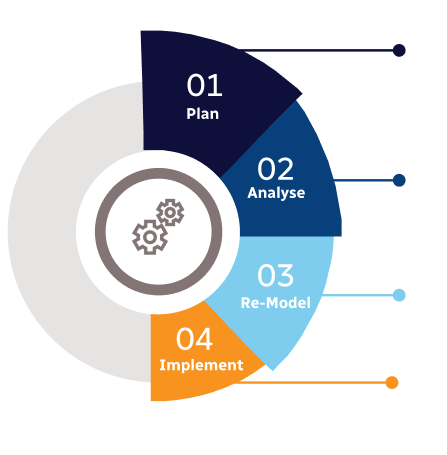
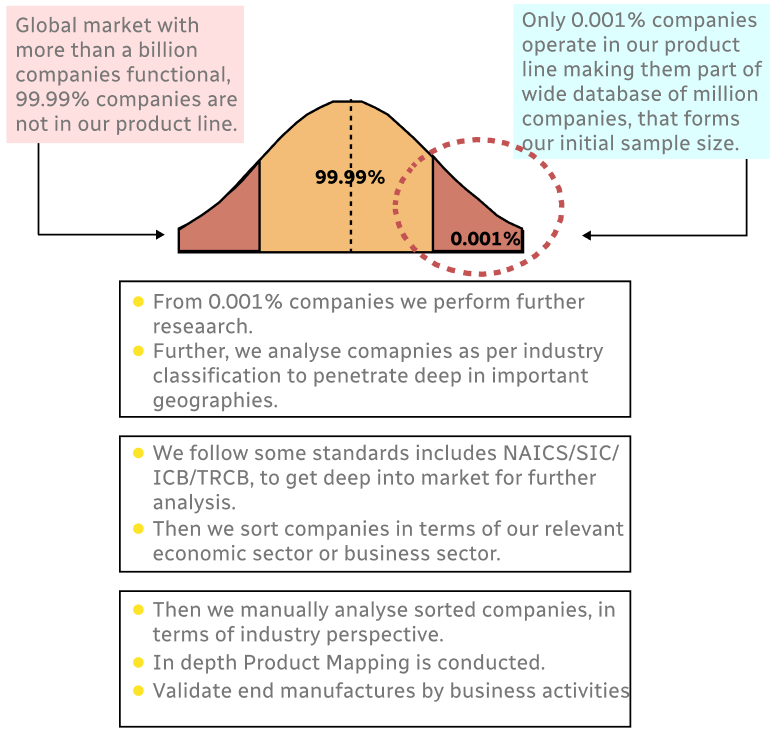
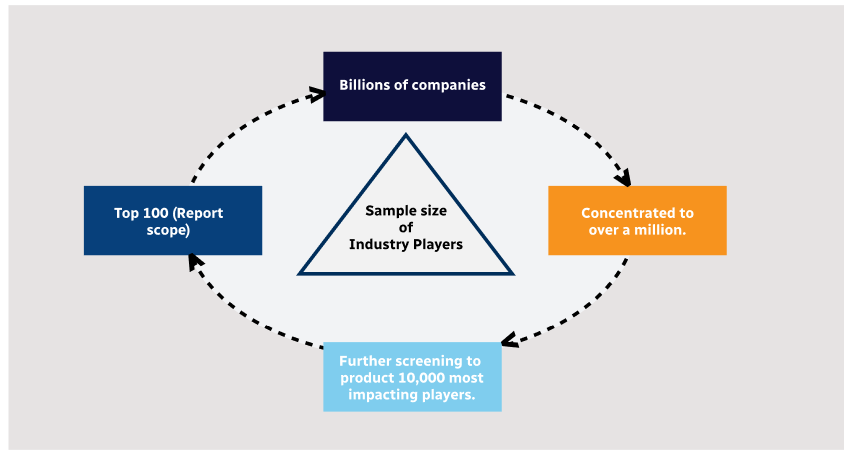
Step 1 - Identification of Relevant Samples Size from Population Database
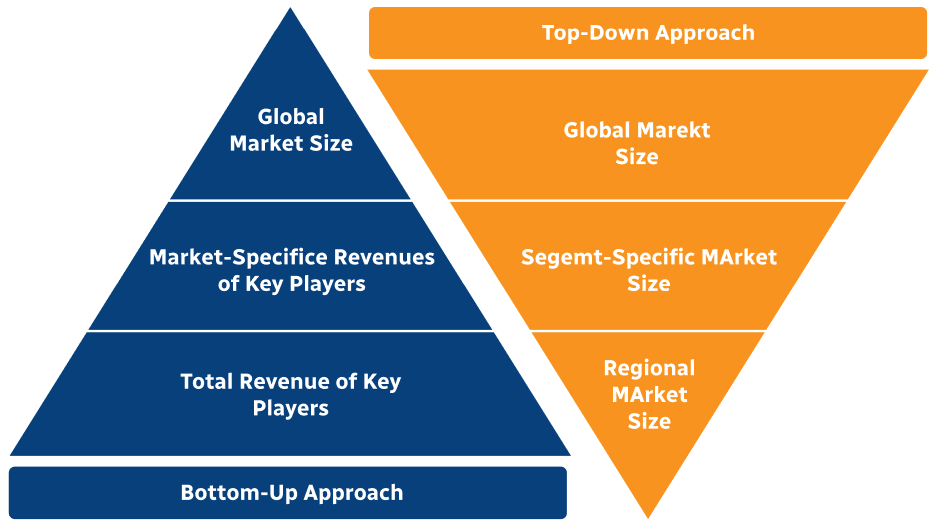
Step 2 - Approaches for Defining Global Market Size (Value, Volume* & Price*)
Note*: In applicable scenarios
Step 3 - Data Sources
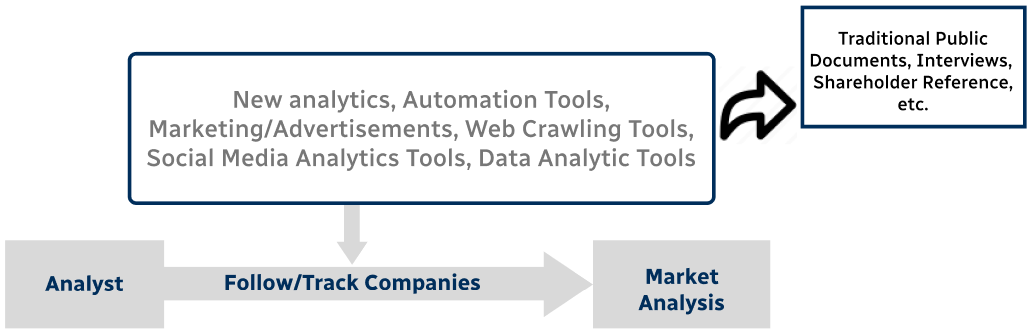
Primary Research
- Web Analytics
- Survey Reports
- Research Institute
- Latest Research Reports
- Opinion Leaders
Secondary Research
- Annual Reports
- White Paper
- Latest Press Release
- Industry Association
- Paid Database
- Investor Presentations
Step 4 - Data Triangulation
Involves using different sources of information in order to increase the validity of a study
These sources are likely to be stakeholders in a program - participants, other researchers, program staff, other community members, and so on.
Then we put all data in single framework & apply various statistical tools to find out the dynamic on the market.
During the analysis stage, feedback from the stakeholder groups would be compared to determine areas of agreement as well as areas of divergence