


Key Insights
The global proximity sensor market is projected for substantial growth, with an estimated market size of USD 4.97 billion by 2025, exhibiting a CAGR of 5.8% from 2025 to 2033. This expansion is fueled by the escalating demand for automation in manufacturing, the critical role of sensors in advanced driver-assistance systems (ADAS) and autonomous driving, and continuous innovation in consumer electronics. Proximity sensors are integral to enhancing efficiency, safety, and functionality across these sectors. Inductive and photoelectric sensor technologies are anticipated to see increased adoption due to their reliability and cost-effectiveness in industrial settings. The complexity of modern machinery and the need for precise object detection in intricate assembly lines will further drive market expansion.
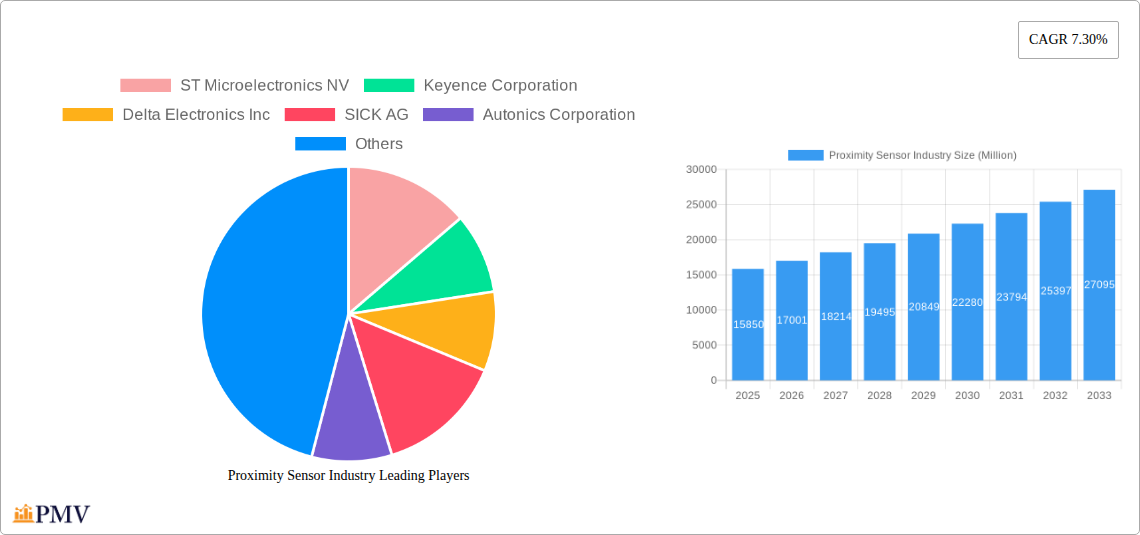
Proximity Sensor Industry Market Size (In Billion)

The forecast period (2025-2033) will be characterized by significant advancements, including sensor miniaturization, IoT integration for remote monitoring and predictive maintenance, and the development of smart sensors with enhanced diagnostic capabilities. Industrial automation and manufacturing will remain the leading end-user segments, aligned with Industry 4.0 initiatives. The automotive sector's transition to electrified and autonomous vehicles, alongside demand from aerospace and defense for high-reliability sensors, will also contribute to growth. While high initial costs and the need for skilled personnel may present challenges, ongoing R&D efforts are expected to mitigate these concerns, ensuring a sustained upward trajectory for the proximity sensor market.

Proximity Sensor Industry Company Market Share
Proximity Sensor Market Analysis: Global Trends, Innovations, and Forecasts (2025-2033)
This comprehensive report offers in-depth analysis of the dynamic proximity sensor industry from the base year 2025 through the forecast period 2025-2033. It examines market structure, key trends, dominant segments, product innovations, growth drivers, challenges, and the competitive landscape. Understand the critical roles of inductive, capacitive, photoelectric, and magnetic proximity sensors across diverse end-user industries including automotive, industrial automation, aerospace and defense, consumer electronics, and food and beverage. This report provides actionable intelligence for stakeholders seeking to capitalize on the projected growth of the global proximity sensor market.
Proximity Sensor Industry Market Structure & Competitive Dynamics
The proximity sensor market exhibits a moderately concentrated structure, with key players like ST Microelectronics NV, Keyence Corporation, Delta Electronics Inc, SICK AG, Autonics Corporation, Riko Opto-electronics Technology Co Ltd, OMRON Corporation, Rockwell Automation Inc, Pepperl+Fuchs GmbH, Datalogic SpA, Panasonic Corporation, and Honeywell International Inc holding significant market share. Innovation ecosystems are vibrant, driven by continuous R&D in miniaturization, increased sensing accuracy, and enhanced durability for harsh environments. Regulatory frameworks, particularly concerning safety standards and material compliance, are evolving, impacting product development and market entry. The threat of product substitutes exists, though direct replacements offering the same level of integration and performance are limited. End-user trends heavily influence demand, with the adoption of Industry 4.0 technologies and the Internet of Things (IoT) creating new application opportunities. Mergers and acquisitions (M&A) are crucial for strategic expansion and technological integration. For example, the November 2020 acquisition of Fiix Inc. by Rockwell Automation signifies a trend towards integrating software solutions for enhanced maintenance and asset management, directly impacting the data analytics capabilities of proximity sensor applications. The total M&A deal value in the proximity sensor industry is projected to reach approximately $150 Million by 2028, reflecting the strategic importance of these acquisitions. Key players are actively investing in advanced sensor technologies and expanding their product portfolios to cater to the evolving needs of high-growth sectors.
Proximity Sensor Industry Industry Trends & Insights
The global proximity sensor market is poised for robust growth, driven by an increasing demand for automation across various industries. The market is projected to grow at a Compound Annual Growth Rate (CAGR) of approximately 7.5% during the forecast period of 2025-2033. This upward trajectory is propelled by the burgeoning adoption of Industry 4.0 principles and the Internet of Things (IoT), which necessitate sophisticated sensing solutions for real-time data collection and control. Technological advancements, such as the development of smaller, more energy-efficient, and highly accurate proximity sensors, are opening up new application frontiers in sectors like robotics, medical devices, and advanced manufacturing. Consumer preferences are also shifting towards smarter, more integrated devices, indirectly driving the demand for compact and reliable sensors in consumer electronics. Competitive dynamics are intensifying, with established players focusing on product differentiation through enhanced features and specialized solutions, while new entrants are leveraging disruptive technologies to gain market traction. The market penetration of smart sensors is expected to reach over 60% by 2030. Key growth drivers include the automotive industry's transition to electric vehicles (EVs) and autonomous driving, requiring an array of proximity sensors for obstacle detection and vehicle control. Furthermore, the food and beverage sector's emphasis on precision filling, packaging, and quality control, along with the aerospace and defense industry's need for robust and reliable sensing in critical applications, contribute significantly to market expansion. The increasing investment in smart cities and infrastructure projects also presents substantial opportunities for the widespread deployment of proximity sensors.
Dominant Markets & Segments in Proximity Sensor Industry
The proximity sensor industry is characterized by several dominant markets and segments, each contributing significantly to the overall market growth.
Dominant Technology Segment:
- Inductive Proximity Sensors: These sensors remain a dominant force, primarily due to their widespread application in industrial automation, robotics, and the automotive sector. Their robustness, reliability, and cost-effectiveness in detecting metallic objects make them indispensable. Key drivers for their dominance include extensive use in manufacturing assembly lines, material handling systems, and machine tool control. The market size for inductive proximity sensors is projected to reach approximately $3.2 Billion by 2028.
- Photoelectric Proximity Sensors: These are gaining significant traction due to their versatility in detecting a wide range of materials and their ability to operate over longer distances. Their application in packaging, food and beverage, and logistics sectors is a major growth catalyst. Enhanced capabilities like background suppression and diffuse sensing contribute to their rising market share.
Dominant End-User Industry:
- Industrial Sector: This sector represents the largest and most significant market for proximity sensors. The relentless pursuit of operational efficiency, automation, and predictive maintenance in manufacturing plants, warehouses, and heavy machinery applications fuels the demand. Government initiatives promoting industrial modernization and the adoption of smart factory technologies further bolster this segment. The market share of the industrial sector is expected to remain above 45% throughout the forecast period.
- Automotive Sector: The rapid evolution of the automotive industry, particularly the drive towards electric vehicles (EVs) and autonomous driving, is a major growth engine. Proximity sensors are crucial for object detection, parking assist systems, adaptive cruise control, and battery management systems in EVs. The increasing complexity of vehicle designs and the integration of advanced driver-assistance systems (ADAS) directly translate into higher demand for sophisticated proximity sensing solutions.
Dominant Regional Market:
- Asia Pacific: This region is the largest and fastest-growing market for proximity sensors, driven by rapid industrialization, a strong manufacturing base, and increasing investments in automation and smart technologies in countries like China, Japan, and South Korea. Government support for technological innovation and the burgeoning automotive and electronics industries contribute significantly to this dominance. The region's economic policies promoting foreign investment and technological adoption create a fertile ground for market expansion.
Proximity Sensor Industry Product Innovations
Product innovation in the proximity sensor industry is characterized by a focus on miniaturization, enhanced accuracy, increased sensing range, and improved environmental resistance. Companies are developing sensors with integrated intelligence, enabling self-diagnosis and connectivity for seamless integration into IoT ecosystems. Advancements in materials science are leading to more durable and cost-effective sensor designs suitable for extreme operating conditions. Key innovations include the development of IO-Link enabled proximity sensors for simplified integration and data exchange, as well as smart sensors with predictive maintenance capabilities. These innovations offer significant competitive advantages by enabling more precise control, improved safety, and greater operational efficiency across various applications, from intricate robotic movements to robust industrial machinery.
Report Segmentation & Scope
This comprehensive report segments the proximity sensor market across key dimensions to provide granular insights.
- Technology Segmentation: The market is analyzed based on Inductive, Capacitive, Photoelectric, and Magnetic proximity sensor technologies. Each segment's market size, growth projections (e.g., Inductive projected at $3.2 Billion by 2028, Photoelectric at $2.8 Billion by 2028), and competitive dynamics are detailed.
- End-User Industry Segmentation: The report delves into the Aerospace and Defense, Automotive, Industrial, Consumer Electronics, Food and Beverage, and Other End-user Industries segments. Detailed analysis includes market share, growth drivers, and specific application trends within each sector. For instance, the Automotive segment is projected to grow at a CAGR of 8.1%, while the Industrial segment is expected to maintain a dominant share of over 45%.
Key Drivers of Proximity Sensor Industry Growth
Several key factors are driving the expansion of the proximity sensor industry. The pervasive adoption of Industry 4.0 and IoT technologies necessitates sophisticated sensing for real-time data acquisition and automated decision-making. The burgeoning automotive sector, particularly the shift towards electric and autonomous vehicles, is a major growth accelerator, demanding an increased number and variety of proximity sensors for safety and performance. Continuous technological advancements leading to smaller, more accurate, and energy-efficient sensors are expanding application possibilities. Furthermore, government initiatives promoting industrial automation and smart manufacturing globally, coupled with rising demand for enhanced safety and efficiency in end-user industries, are significant growth enablers.
Challenges in the Proximity Sensor Industry Sector
Despite the positive growth outlook, the proximity sensor industry faces several challenges. Intense market competition among numerous players can lead to price pressures and reduced profit margins. Rapid technological obsolescence requires continuous investment in R&D, posing a challenge for smaller companies. Supply chain disruptions, as witnessed in recent global events, can impact the availability of raw materials and components, leading to production delays and increased costs. Evolving regulatory landscapes, particularly concerning environmental standards and data privacy, can add complexity and compliance burdens. The estimated impact of supply chain disruptions on market growth is a potential reduction of 1.5% in CAGR during periods of severe disruption.
Leading Players in the Proximity Sensor Industry Market
- ST Microelectronics NV
- Keyence Corporation
- Delta Electronics Inc
- SICK AG
- Autonics Corporation
- Riko Opto-electronics Technology Co Ltd
- OMRON Corporation
- Rockwell Automation Inc
- Pepperl+Fuchs GmbH
- Datalogic SpA
- Panasonic Corporation
- Honeywell International Inc
Key Developments in Proximity Sensor Industry Sector
- November 2020: Rockwell Automation acquired Fiix Inc., a cloud software company for leading-edge maintenance solutions. With the addition of the Fiix platform and expertise, customers are expected to benefit from a 360-degree view of integrated data across automation, production, and maintenance, helping them to monitor and improve the performance of their assets and optimize how maintenance work is done.
- September 2019: Panasonic formed a strategic alliance with Samsonite to launch IoT-enabled smart luggage. The collaboration is aimed at enabling customers to tag and track their luggage. Samsonite's EVOA Tech will come with Panasonic's Seekit Bluetooth tracker.
Strategic Proximity Sensor Industry Market Outlook
The strategic outlook for the proximity sensor industry remains highly promising, driven by megatrends such as automation, digitalization, and the increasing sophistication of smart devices. The growing demand for IoT-enabled solutions and smart factory integration presents significant opportunities for market players to develop and deploy advanced proximity sensors with enhanced connectivity and analytical capabilities. Strategic partnerships and M&A activities are expected to continue as companies seek to consolidate market positions, expand technological portfolios, and access new geographical markets. The projected growth in the automotive sector, particularly in advanced driver-assistance systems and electric vehicle technologies, will be a key growth accelerator. Furthermore, the increasing adoption of sensors in emerging applications like smart wearables and advanced robotics will contribute to sustained market expansion, with the global proximity sensor market value estimated to reach approximately $18.5 Billion by 2033.
Proximity Sensor Industry Segmentation
-
1. Technolgy
- 1.1. Inductive
- 1.2. Capacitive
- 1.3. Photoelectric
- 1.4. Magnetic
-
2. End-user Industry
- 2.1. Aerospace and Defense
- 2.2. Automotive
- 2.3. Industrial
- 2.4. Consumer Electronics
- 2.5. Food and Beverage
- 2.6. Other End-user Industries
Proximity Sensor Industry Segmentation By Geography
-
1. North America
- 1.1. United States
- 1.2. Canada
- 1.3. Mexico
-
2. Europe
- 2.1. United Kingdom
- 2.2. Germany
- 2.3. France
- 2.4. Rest of Europe
-
3. Asia Pacific
- 3.1. China
- 3.2. Japan
- 3.3. South Korea
- 3.4. Rest of Asia Pacific
- 4. Rest of the World
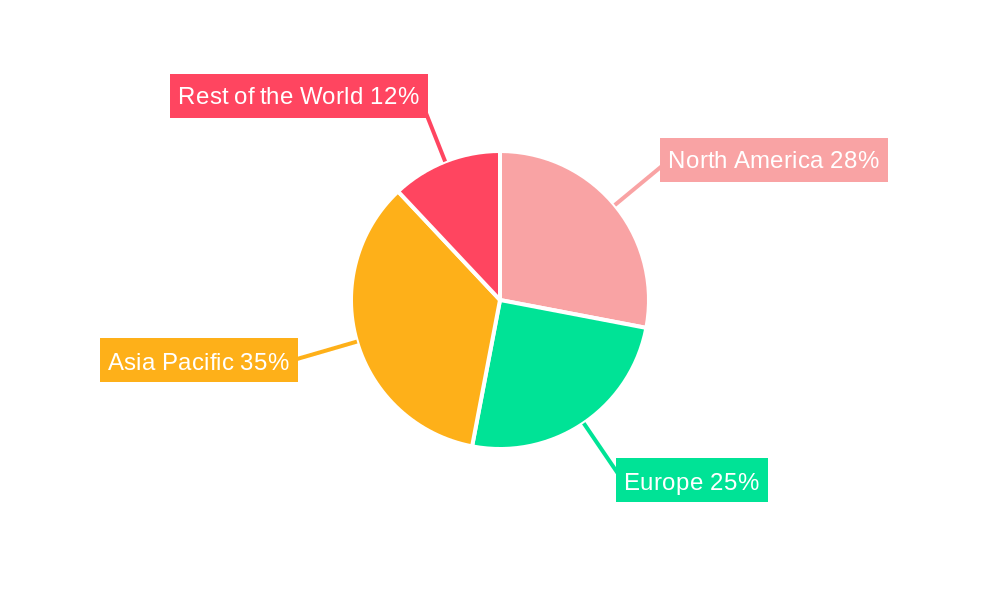
Proximity Sensor Industry Regional Market Share
Geographic Coverage of Proximity Sensor Industry
Proximity Sensor Industry REPORT HIGHLIGHTS
| Aspects | Details |
|---|---|
| Study Period | 2020-2034 |
| Base Year | 2025 |
| Estimated Year | 2026 |
| Forecast Period | 2026-2034 |
| Historical Period | 2020-2025 |
| Growth Rate | CAGR of 5.8% from 2020-2034 |
| Segmentation |
|
Table of Contents
- 1. Introduction
- 1.1. Research Scope
- 1.2. Market Segmentation
- 1.3. Research Methodology
- 1.4. Definitions and Assumptions
- 2. Executive Summary
- 2.1. Introduction
- 3. Market Dynamics
- 3.1. Introduction
- 3.2. Market Drivers
- 3.2.1. Increase in Demand for Non-contact Sensing Technology; Growth in Industrial Automation
- 3.3. Market Restrains
- 3.3.1. Limitations in Sensing Capabilities
- 3.4. Market Trends
- 3.4.1. Automotive Industry is Expected to Hold the Largest Market Share
- 4. Market Factor Analysis
- 4.1. Porters Five Forces
- 4.2. Supply/Value Chain
- 4.3. PESTEL analysis
- 4.4. Market Entropy
- 4.5. Patent/Trademark Analysis
- 5. Global Proximity Sensor Industry Analysis, Insights and Forecast, 2020-2032
- 5.1. Market Analysis, Insights and Forecast - by Technolgy
- 5.1.1. Inductive
- 5.1.2. Capacitive
- 5.1.3. Photoelectric
- 5.1.4. Magnetic
- 5.2. Market Analysis, Insights and Forecast - by End-user Industry
- 5.2.1. Aerospace and Defense
- 5.2.2. Automotive
- 5.2.3. Industrial
- 5.2.4. Consumer Electronics
- 5.2.5. Food and Beverage
- 5.2.6. Other End-user Industries
- 5.3. Market Analysis, Insights and Forecast - by Region
- 5.3.1. North America
- 5.3.2. Europe
- 5.3.3. Asia Pacific
- 5.3.4. Rest of the World
- 5.1. Market Analysis, Insights and Forecast - by Technolgy
- 6. North America Proximity Sensor Industry Analysis, Insights and Forecast, 2020-2032
- 6.1. Market Analysis, Insights and Forecast - by Technolgy
- 6.1.1. Inductive
- 6.1.2. Capacitive
- 6.1.3. Photoelectric
- 6.1.4. Magnetic
- 6.2. Market Analysis, Insights and Forecast - by End-user Industry
- 6.2.1. Aerospace and Defense
- 6.2.2. Automotive
- 6.2.3. Industrial
- 6.2.4. Consumer Electronics
- 6.2.5. Food and Beverage
- 6.2.6. Other End-user Industries
- 6.1. Market Analysis, Insights and Forecast - by Technolgy
- 7. Europe Proximity Sensor Industry Analysis, Insights and Forecast, 2020-2032
- 7.1. Market Analysis, Insights and Forecast - by Technolgy
- 7.1.1. Inductive
- 7.1.2. Capacitive
- 7.1.3. Photoelectric
- 7.1.4. Magnetic
- 7.2. Market Analysis, Insights and Forecast - by End-user Industry
- 7.2.1. Aerospace and Defense
- 7.2.2. Automotive
- 7.2.3. Industrial
- 7.2.4. Consumer Electronics
- 7.2.5. Food and Beverage
- 7.2.6. Other End-user Industries
- 7.1. Market Analysis, Insights and Forecast - by Technolgy
- 8. Asia Pacific Proximity Sensor Industry Analysis, Insights and Forecast, 2020-2032
- 8.1. Market Analysis, Insights and Forecast - by Technolgy
- 8.1.1. Inductive
- 8.1.2. Capacitive
- 8.1.3. Photoelectric
- 8.1.4. Magnetic
- 8.2. Market Analysis, Insights and Forecast - by End-user Industry
- 8.2.1. Aerospace and Defense
- 8.2.2. Automotive
- 8.2.3. Industrial
- 8.2.4. Consumer Electronics
- 8.2.5. Food and Beverage
- 8.2.6. Other End-user Industries
- 8.1. Market Analysis, Insights and Forecast - by Technolgy
- 9. Rest of the World Proximity Sensor Industry Analysis, Insights and Forecast, 2020-2032
- 9.1. Market Analysis, Insights and Forecast - by Technolgy
- 9.1.1. Inductive
- 9.1.2. Capacitive
- 9.1.3. Photoelectric
- 9.1.4. Magnetic
- 9.2. Market Analysis, Insights and Forecast - by End-user Industry
- 9.2.1. Aerospace and Defense
- 9.2.2. Automotive
- 9.2.3. Industrial
- 9.2.4. Consumer Electronics
- 9.2.5. Food and Beverage
- 9.2.6. Other End-user Industries
- 9.1. Market Analysis, Insights and Forecast - by Technolgy
- 10. Competitive Analysis
- 10.1. Global Market Share Analysis 2025
- 10.2. Company Profiles
- 10.2.1 ST Microelectronics NV
- 10.2.1.1. Overview
- 10.2.1.2. Products
- 10.2.1.3. SWOT Analysis
- 10.2.1.4. Recent Developments
- 10.2.1.5. Financials (Based on Availability)
- 10.2.2 Keyence Corporation
- 10.2.2.1. Overview
- 10.2.2.2. Products
- 10.2.2.3. SWOT Analysis
- 10.2.2.4. Recent Developments
- 10.2.2.5. Financials (Based on Availability)
- 10.2.3 Delta Electronics Inc
- 10.2.3.1. Overview
- 10.2.3.2. Products
- 10.2.3.3. SWOT Analysis
- 10.2.3.4. Recent Developments
- 10.2.3.5. Financials (Based on Availability)
- 10.2.4 SICK AG
- 10.2.4.1. Overview
- 10.2.4.2. Products
- 10.2.4.3. SWOT Analysis
- 10.2.4.4. Recent Developments
- 10.2.4.5. Financials (Based on Availability)
- 10.2.5 Autonics Corporation
- 10.2.5.1. Overview
- 10.2.5.2. Products
- 10.2.5.3. SWOT Analysis
- 10.2.5.4. Recent Developments
- 10.2.5.5. Financials (Based on Availability)
- 10.2.6 Riko Opto-electronics Technology Co Ltd
- 10.2.6.1. Overview
- 10.2.6.2. Products
- 10.2.6.3. SWOT Analysis
- 10.2.6.4. Recent Developments
- 10.2.6.5. Financials (Based on Availability)
- 10.2.7 OMRON Corporation
- 10.2.7.1. Overview
- 10.2.7.2. Products
- 10.2.7.3. SWOT Analysis
- 10.2.7.4. Recent Developments
- 10.2.7.5. Financials (Based on Availability)
- 10.2.8 Rockwell Automation Inc
- 10.2.8.1. Overview
- 10.2.8.2. Products
- 10.2.8.3. SWOT Analysis
- 10.2.8.4. Recent Developments
- 10.2.8.5. Financials (Based on Availability)
- 10.2.9 Pepperl+Fuchs GmbH
- 10.2.9.1. Overview
- 10.2.9.2. Products
- 10.2.9.3. SWOT Analysis
- 10.2.9.4. Recent Developments
- 10.2.9.5. Financials (Based on Availability)
- 10.2.10 Datalogic SpA
- 10.2.10.1. Overview
- 10.2.10.2. Products
- 10.2.10.3. SWOT Analysis
- 10.2.10.4. Recent Developments
- 10.2.10.5. Financials (Based on Availability)
- 10.2.11 Panasonic Corporation
- 10.2.11.1. Overview
- 10.2.11.2. Products
- 10.2.11.3. SWOT Analysis
- 10.2.11.4. Recent Developments
- 10.2.11.5. Financials (Based on Availability)
- 10.2.12 Honeywell International Inc *List Not Exhaustive
- 10.2.12.1. Overview
- 10.2.12.2. Products
- 10.2.12.3. SWOT Analysis
- 10.2.12.4. Recent Developments
- 10.2.12.5. Financials (Based on Availability)
- 10.2.1 ST Microelectronics NV
List of Figures
- Figure 1: Global Proximity Sensor Industry Revenue Breakdown (billion, %) by Region 2025 & 2033
- Figure 2: North America Proximity Sensor Industry Revenue (billion), by Technolgy 2025 & 2033
- Figure 3: North America Proximity Sensor Industry Revenue Share (%), by Technolgy 2025 & 2033
- Figure 4: North America Proximity Sensor Industry Revenue (billion), by End-user Industry 2025 & 2033
- Figure 5: North America Proximity Sensor Industry Revenue Share (%), by End-user Industry 2025 & 2033
- Figure 6: North America Proximity Sensor Industry Revenue (billion), by Country 2025 & 2033
- Figure 7: North America Proximity Sensor Industry Revenue Share (%), by Country 2025 & 2033
- Figure 8: Europe Proximity Sensor Industry Revenue (billion), by Technolgy 2025 & 2033
- Figure 9: Europe Proximity Sensor Industry Revenue Share (%), by Technolgy 2025 & 2033
- Figure 10: Europe Proximity Sensor Industry Revenue (billion), by End-user Industry 2025 & 2033
- Figure 11: Europe Proximity Sensor Industry Revenue Share (%), by End-user Industry 2025 & 2033
- Figure 12: Europe Proximity Sensor Industry Revenue (billion), by Country 2025 & 2033
- Figure 13: Europe Proximity Sensor Industry Revenue Share (%), by Country 2025 & 2033
- Figure 14: Asia Pacific Proximity Sensor Industry Revenue (billion), by Technolgy 2025 & 2033
- Figure 15: Asia Pacific Proximity Sensor Industry Revenue Share (%), by Technolgy 2025 & 2033
- Figure 16: Asia Pacific Proximity Sensor Industry Revenue (billion), by End-user Industry 2025 & 2033
- Figure 17: Asia Pacific Proximity Sensor Industry Revenue Share (%), by End-user Industry 2025 & 2033
- Figure 18: Asia Pacific Proximity Sensor Industry Revenue (billion), by Country 2025 & 2033
- Figure 19: Asia Pacific Proximity Sensor Industry Revenue Share (%), by Country 2025 & 2033
- Figure 20: Rest of the World Proximity Sensor Industry Revenue (billion), by Technolgy 2025 & 2033
- Figure 21: Rest of the World Proximity Sensor Industry Revenue Share (%), by Technolgy 2025 & 2033
- Figure 22: Rest of the World Proximity Sensor Industry Revenue (billion), by End-user Industry 2025 & 2033
- Figure 23: Rest of the World Proximity Sensor Industry Revenue Share (%), by End-user Industry 2025 & 2033
- Figure 24: Rest of the World Proximity Sensor Industry Revenue (billion), by Country 2025 & 2033
- Figure 25: Rest of the World Proximity Sensor Industry Revenue Share (%), by Country 2025 & 2033
List of Tables
- Table 1: Global Proximity Sensor Industry Revenue billion Forecast, by Technolgy 2020 & 2033
- Table 2: Global Proximity Sensor Industry Revenue billion Forecast, by End-user Industry 2020 & 2033
- Table 3: Global Proximity Sensor Industry Revenue billion Forecast, by Region 2020 & 2033
- Table 4: Global Proximity Sensor Industry Revenue billion Forecast, by Technolgy 2020 & 2033
- Table 5: Global Proximity Sensor Industry Revenue billion Forecast, by End-user Industry 2020 & 2033
- Table 6: Global Proximity Sensor Industry Revenue billion Forecast, by Country 2020 & 2033
- Table 7: United States Proximity Sensor Industry Revenue (billion) Forecast, by Application 2020 & 2033
- Table 8: Canada Proximity Sensor Industry Revenue (billion) Forecast, by Application 2020 & 2033
- Table 9: Mexico Proximity Sensor Industry Revenue (billion) Forecast, by Application 2020 & 2033
- Table 10: Global Proximity Sensor Industry Revenue billion Forecast, by Technolgy 2020 & 2033
- Table 11: Global Proximity Sensor Industry Revenue billion Forecast, by End-user Industry 2020 & 2033
- Table 12: Global Proximity Sensor Industry Revenue billion Forecast, by Country 2020 & 2033
- Table 13: United Kingdom Proximity Sensor Industry Revenue (billion) Forecast, by Application 2020 & 2033
- Table 14: Germany Proximity Sensor Industry Revenue (billion) Forecast, by Application 2020 & 2033
- Table 15: France Proximity Sensor Industry Revenue (billion) Forecast, by Application 2020 & 2033
- Table 16: Rest of Europe Proximity Sensor Industry Revenue (billion) Forecast, by Application 2020 & 2033
- Table 17: Global Proximity Sensor Industry Revenue billion Forecast, by Technolgy 2020 & 2033
- Table 18: Global Proximity Sensor Industry Revenue billion Forecast, by End-user Industry 2020 & 2033
- Table 19: Global Proximity Sensor Industry Revenue billion Forecast, by Country 2020 & 2033
- Table 20: China Proximity Sensor Industry Revenue (billion) Forecast, by Application 2020 & 2033
- Table 21: Japan Proximity Sensor Industry Revenue (billion) Forecast, by Application 2020 & 2033
- Table 22: South Korea Proximity Sensor Industry Revenue (billion) Forecast, by Application 2020 & 2033
- Table 23: Rest of Asia Pacific Proximity Sensor Industry Revenue (billion) Forecast, by Application 2020 & 2033
- Table 24: Global Proximity Sensor Industry Revenue billion Forecast, by Technolgy 2020 & 2033
- Table 25: Global Proximity Sensor Industry Revenue billion Forecast, by End-user Industry 2020 & 2033
- Table 26: Global Proximity Sensor Industry Revenue billion Forecast, by Country 2020 & 2033
Frequently Asked Questions
1. What is the projected Compound Annual Growth Rate (CAGR) of the Proximity Sensor Industry?
The projected CAGR is approximately 5.8%.
2. Which companies are prominent players in the Proximity Sensor Industry?
Key companies in the market include ST Microelectronics NV, Keyence Corporation, Delta Electronics Inc, SICK AG, Autonics Corporation, Riko Opto-electronics Technology Co Ltd, OMRON Corporation, Rockwell Automation Inc, Pepperl+Fuchs GmbH, Datalogic SpA, Panasonic Corporation, Honeywell International Inc *List Not Exhaustive.
3. What are the main segments of the Proximity Sensor Industry?
The market segments include Technolgy, End-user Industry.
4. Can you provide details about the market size?
The market size is estimated to be USD 4.97 billion as of 2022.
5. What are some drivers contributing to market growth?
Increase in Demand for Non-contact Sensing Technology; Growth in Industrial Automation.
6. What are the notable trends driving market growth?
Automotive Industry is Expected to Hold the Largest Market Share.
7. Are there any restraints impacting market growth?
Limitations in Sensing Capabilities.
8. Can you provide examples of recent developments in the market?
November 2020 - Rockwell automation acquired Fiix inc., a cloud software company for leading edge maintenance solutions. With the addition of the Fiix platform and expertise, the customers are expected to benefit from a 360-degree view of integrated data across automation, production, and maintenance, helping them to monitor and improve the performance of their assets and optimize how maintenance work is done.
9. What pricing options are available for accessing the report?
Pricing options include single-user, multi-user, and enterprise licenses priced at USD 4750, USD 5250, and USD 8750 respectively.
10. Is the market size provided in terms of value or volume?
The market size is provided in terms of value, measured in billion.
11. Are there any specific market keywords associated with the report?
Yes, the market keyword associated with the report is "Proximity Sensor Industry," which aids in identifying and referencing the specific market segment covered.
12. How do I determine which pricing option suits my needs best?
The pricing options vary based on user requirements and access needs. Individual users may opt for single-user licenses, while businesses requiring broader access may choose multi-user or enterprise licenses for cost-effective access to the report.
13. Are there any additional resources or data provided in the Proximity Sensor Industry report?
While the report offers comprehensive insights, it's advisable to review the specific contents or supplementary materials provided to ascertain if additional resources or data are available.
14. How can I stay updated on further developments or reports in the Proximity Sensor Industry?
To stay informed about further developments, trends, and reports in the Proximity Sensor Industry, consider subscribing to industry newsletters, following relevant companies and organizations, or regularly checking reputable industry news sources and publications.
Methodology
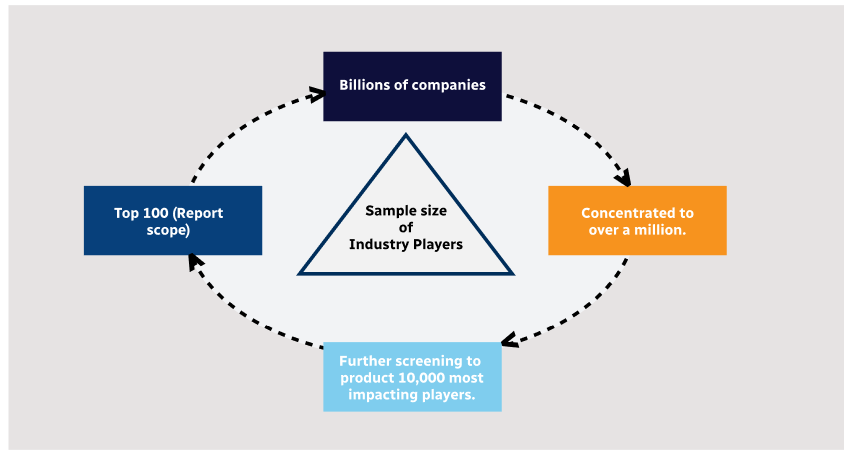
Step 1 - Identification of Relevant Samples Size from Population Database
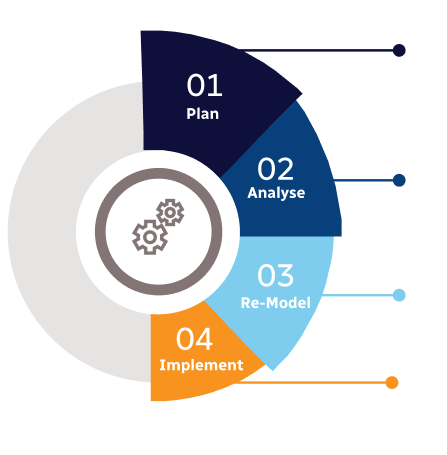
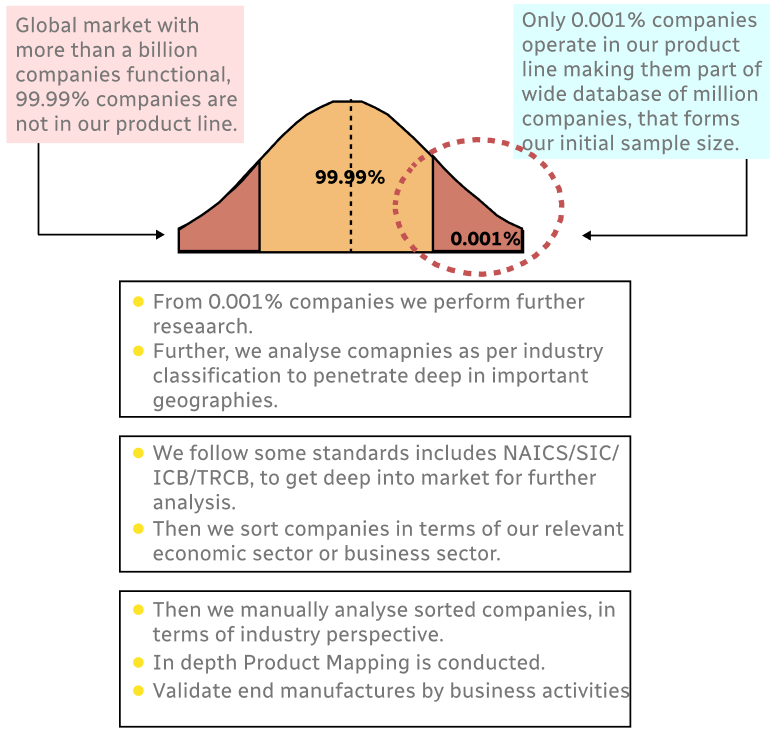
Step 2 - Approaches for Defining Global Market Size (Value, Volume* & Price*)
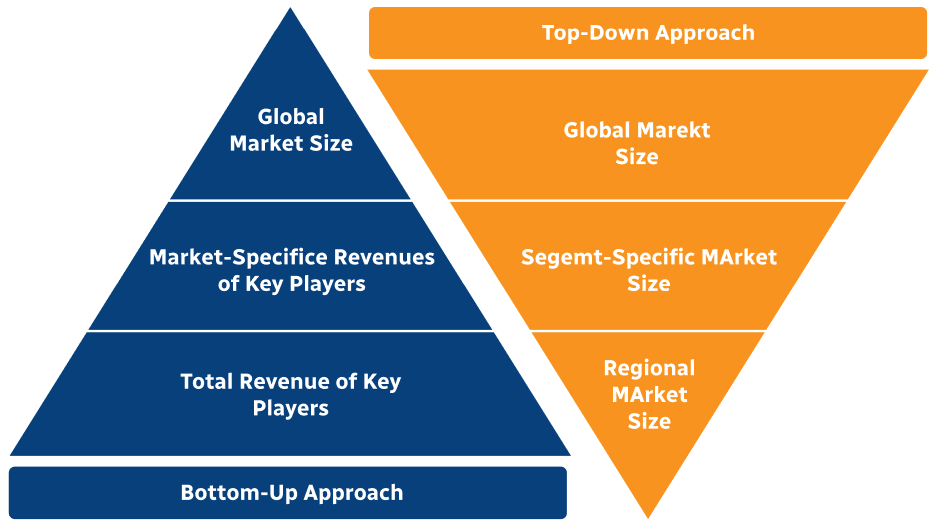
Note*: In applicable scenarios
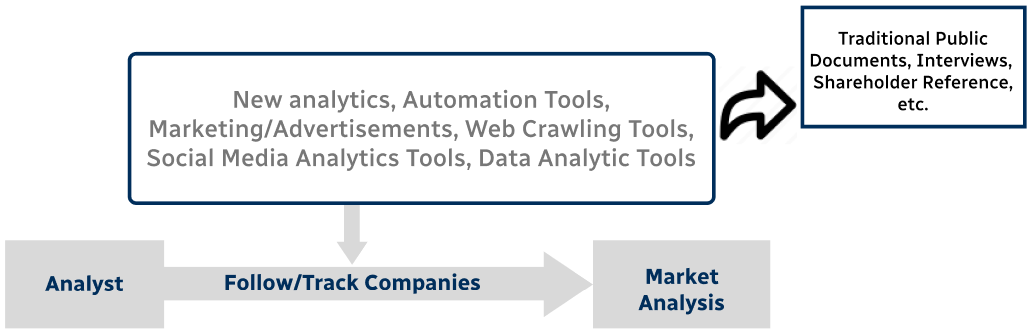
Step 3 - Data Sources
Primary Research
- Web Analytics
- Survey Reports
- Research Institute
- Latest Research Reports
- Opinion Leaders
Secondary Research
- Annual Reports
- White Paper
- Latest Press Release
- Industry Association
- Paid Database
- Investor Presentations
Step 4 - Data Triangulation
Involves using different sources of information in order to increase the validity of a study
These sources are likely to be stakeholders in a program - participants, other researchers, program staff, other community members, and so on.
Then we put all data in single framework & apply various statistical tools to find out the dynamic on the market.
During the analysis stage, feedback from the stakeholder groups would be compared to determine areas of agreement as well as areas of divergence