



Key Insights
The Telecom Service Assurance Market is experiencing robust growth, projected to reach $11.13 million with a Compound Annual Growth Rate (CAGR) of 10.04% from 2025 to 2033. This expansion is primarily fueled by the increasing complexity of telecommunication networks, the escalating demand for high-quality customer experiences, and the rapid adoption of 5G technology. As service providers grapple with managing vast amounts of data and ensuring seamless connectivity across diverse platforms, the need for advanced service assurance solutions becomes paramount. Key drivers include the growing emphasis on network performance optimization, proactive fault detection, and efficient resource management to minimize downtime and operational costs. The market is witnessing a significant shift towards sophisticated network management and fault management systems, alongside a rise in quality monitoring tools to maintain service level agreements (SLAs) and customer satisfaction in an increasingly competitive landscape.
The market is segmented across component types, services, and deployment models. Component types like System Type, encompassing Probe Systems, Network Management, Workforce Management, Fault Management, and Quality Monitoring, are seeing substantial investment as operators seek comprehensive visibility into their network operations. Services are bifurcating into Professional Services, aiding in implementation and customization, and Managed Services, offering ongoing operational support and expertise. The deployment landscape is moving towards a hybrid approach, with both On-Premise and Hosted solutions gaining traction, catering to varying business needs and regulatory requirements. Geographically, North America and Europe are currently leading the market due to early adoption of advanced technologies and stringent regulatory frameworks, but the Asia-Pacific region is poised for significant growth driven by massive investments in 5G infrastructure and a burgeoning digital economy. Restrains, such as the high initial investment cost for advanced solutions and the need for skilled professionals, are being mitigated by the long-term benefits of improved network efficiency and customer retention.
Telecom Service Assurance Market: Comprehensive Market Research Report 2024-2033
This in-depth Telecom Service Assurance Market report provides a granular analysis of the global market dynamics, offering actionable insights for stakeholders. The study encompasses a historical period of 2019-2024, a base year of 2025, and a detailed forecast period spanning 2025-2033, with an estimated year of 2025. Leveraging extensive market research, this report delves into the intricate landscape of telecom network monitoring, service quality management, and customer experience assurance solutions. With a projected market size of USD 15,000 Million by 2033, growing at a Compound Annual Growth Rate (CAGR) of 9.5%, this analysis is critical for understanding the future trajectory of the telecommunications service management industry. Explore the impact of 5G deployment, IoT integration, and AI in telecommunications on the demand for robust service assurance solutions.
Telecom Service Assurance Market Market Structure & Competitive Dynamics
The Telecom Service Assurance Market exhibits a moderately concentrated structure, characterized by a blend of large, established players and agile niche providers. Innovation ecosystems are rapidly evolving, driven by the imperative to manage increasingly complex telecom networks and deliver superior customer experience. Regulatory frameworks play a significant role, influencing standards for service level agreements (SLAs) and data privacy, thereby shaping the competitive landscape. The threat of product substitutes is generally low for core service assurance functions, though advancements in adjacent technologies can offer alternative approaches to problem-solving. End-user trends are heavily influenced by the demand for seamless connectivity, low latency, and personalized services, pushing telcos to invest heavily in robust assurance tools. Mergers and Acquisition (M&A) activities are a key feature, with strategic deals valued in the hundreds of millions of dollars aimed at consolidating market share and acquiring specialized capabilities. For instance, the acquisition of smaller AI-driven analytics firms by larger telecom OSS/BSS providers is a recurring theme, bolstering their fault management and performance monitoring portfolios. Market share distribution sees dominant players like Accenture PLC, IBM Corporation, and Hewlett Packard Enterprise holding significant portions, while specialized vendors like Viavi Solutions Inc and MYCOM OSI focus on specific areas of network performance assurance.
Telecom Service Assurance Market Industry Trends & Insights
The Telecom Service Assurance Market is experiencing robust growth, propelled by several interconnected industry trends. The escalating adoption of 5G technology, with its promise of higher speeds and lower latency, necessitates sophisticated network monitoring and service assurance solutions to guarantee performance and reliability. The exponential growth of Internet of Things (IoT) devices further amplifies the complexity of telecom networks, creating a demand for comprehensive IoT service assurance capabilities to manage vast numbers of connections and diverse traffic patterns. This surge in network traffic and device proliferation is a primary market growth driver.
Technological disruptions are fundamentally reshaping the industry. The integration of Artificial Intelligence (AI) and Machine Learning (ML) into service assurance platforms is transforming proactive issue detection, root cause analysis, and automated remediation. Vendors are increasingly embedding AI-powered analytics to predict potential network failures and optimize resource allocation, leading to enhanced network management and reduced downtime. Cloud adoption, particularly hybrid cloud and multi-cloud environments, is also driving demand for flexible and scalable hosted service assurance solutions that can adapt to dynamic IT infrastructures.
Consumer preferences are shifting towards hyper-personalized services and uninterrupted connectivity. Any degradation in service quality can lead to significant customer churn, making customer experience assurance a paramount concern for telecommunication operators. This escalating customer expectation fuels the need for advanced quality monitoring tools and workflow automation to ensure a seamless user journey. The competitive dynamics are characterized by a race to innovate, with companies investing heavily in R&D to develop more intelligent and integrated service assurance platforms. The market penetration of advanced service assurance solutions is steadily increasing as telcos recognize the ROI in terms of reduced operational costs, improved customer satisfaction, and enhanced network efficiency. The projected CAGR of 9.5% underscores the significant market expansion anticipated over the forecast period, driven by these powerful industry forces. The market size is estimated to reach USD 15,000 Million by 2033, reflecting the increasing reliance on sophisticated telecom service management solutions.
Dominant Markets & Segments in Telecom Service Assurance Market
The Telecom Service Assurance Market is witnessing significant dominance in specific regions and segments, driven by infrastructural development, technological adoption, and economic policies. North America currently holds a leading position, owing to its advanced telecommunications infrastructure, high 5G penetration, and a strong concentration of leading telecom operators investing heavily in network performance optimization and service quality management. The United States stands out as a dominant country within this region, fueled by substantial investments in R&D and the early adoption of innovative telecom service assurance technologies.
Within the Component Type segmentation, Network Management systems are the most dominant. These systems are foundational for monitoring, controlling, and optimizing network operations, directly impacting service quality. The proliferation of complex telecom networks, including wired, wireless, and satellite infrastructure, necessitates robust network management capabilities.
- Key Drivers for Network Management Dominance:
- 5G Network Rollout: The intricate architecture of 5G networks requires sophisticated management tools for efficient deployment and operation.
- Increased Network Complexity: The convergence of various network technologies demands unified management platforms.
- Demand for High Availability: Ensuring continuous service delivery is critical for telcos, making proactive network management indispensable.
In terms of Services Type, Managed Services are experiencing accelerated growth and are increasingly becoming the dominant choice for many telecommunication providers. This trend is driven by the desire to leverage specialized expertise, reduce operational overhead, and focus on core business competencies.
- Key Drivers for Managed Services Dominance:
- Skill Shortage: A global shortage of skilled professionals in network management and service assurance drives outsourcing.
- Cost Efficiency: Managed services often provide a more predictable and cost-effective operational model than in-house management.
- Focus on Innovation: Telcos can reallocate internal resources to strategic initiatives and innovation by outsourcing routine assurance tasks.
Regarding Deployment Type, Hosted solutions are rapidly gaining traction and are projected to dominate the market. The flexibility, scalability, and reduced upfront investment associated with cloud-based service assurance platforms are highly attractive to telcos of all sizes.
- Key Drivers for Hosted Deployment Dominance:
- Scalability and Agility: Hosted solutions can easily scale up or down based on business needs, offering greater flexibility.
- Reduced TCO: Eliminates the need for significant on-premise hardware and maintenance costs, leading to a lower Total Cost of Ownership.
- Faster Deployment: Cloud-based platforms can be deployed more quickly, enabling telcos to realize benefits sooner.
The dominance of these segments and regions underscores the evolving needs of the telecommunications industry, emphasizing efficiency, agility, and enhanced customer experience through advanced service assurance solutions. The global market size is projected to reach USD 15,000 Million by 2033, with these dominant segments contributing significantly to this growth.
Telecom Service Assurance Market Product Innovations
Product innovations in the Telecom Service Assurance Market are heavily focused on leveraging advanced technologies like AI, ML, and cloud computing. Companies are developing integrated platforms that offer end-to-end visibility across complex networks, from the core infrastructure to the end-user device. Key innovations include AI-powered predictive analytics for proactive fault detection and root cause analysis, enabling telcos to resolve issues before they impact customers. Enhanced quality monitoring tools are providing deeper insights into real-time service performance, ensuring compliance with stringent SLAs. Furthermore, the development of automated workforce management solutions is streamlining field operations and improving technician efficiency. These innovations aim to reduce operational expenses, enhance customer satisfaction, and enable telcos to capitalize on new revenue streams by delivering superior service quality. The competitive advantage lies in offering comprehensive, intelligent, and user-friendly solutions that address the dynamic challenges of modern telecommunications.
Report Segmentation & Scope
This comprehensive report segments the Telecom Service Assurance Market into several key areas to provide a granular understanding of market dynamics. The Component Type segmentation includes: Probe System, Network Management, Workforce Management, Fault Management, Quality Monitoring, and Other System Types. The Services Type segmentation is divided into Professional Services and Managed Services. Furthermore, the Deployment Type segmentation covers On-Premise and Hosted solutions. The scope of this report encompasses the global market, with detailed analysis across major geographical regions and key industry verticals. Market sizes and growth projections are provided for each segment, alongside an assessment of competitive dynamics and key players influencing these segments. The Network Management segment is expected to lead in terms of market share, followed by Managed Services and Hosted deployment models, reflecting the industry's drive towards efficiency and advanced capabilities.
Key Drivers of Telecom Service Assurance Market Growth
The growth of the Telecom Service Assurance Market is propelled by a confluence of technological advancements, economic imperatives, and evolving regulatory landscapes. The accelerated rollout of 5G networks is a primary driver, necessitating sophisticated service assurance to manage higher bandwidth, lower latency, and increased device density. The burgeoning adoption of the Internet of Things (IoT), with its vast and diverse range of connected devices, also creates complex network challenges that demand robust monitoring and management. Furthermore, the increasing demand for high-quality customer experiences, driven by competitive pressures and evolving consumer expectations, compels telcos to invest in solutions that guarantee uninterrupted service delivery and optimal quality of experience (QoE). Economic factors, such as the pursuit of operational efficiency and cost reduction through automation and predictive analytics, also fuel market expansion. Regulatory mandates focused on network reliability and data protection further incentivize telcos to adopt comprehensive telecom service management solutions.
Challenges in the Telecom Service Assurance Market Sector
Despite the robust growth, the Telecom Service Assurance Market faces several significant challenges. The increasing complexity of telecom networks, driven by technologies like 5G, NFV (Network Functions Virtualization), and SDN (Software-Defined Networking), makes end-to-end visibility and seamless assurance increasingly difficult. Talent shortage for skilled professionals in areas like AI-driven analytics and network automation can hinder the effective implementation and management of advanced assurance solutions. Integration challenges with existing legacy systems can also pose a hurdle for telcos looking to adopt new assurance platforms. Furthermore, data security and privacy concerns are paramount, requiring vendors to implement stringent security measures for sensitive network and customer data. Competitive pressures and the need for continuous innovation, while driving growth, also create challenges in terms of research and development investment and market differentiation. The substantial initial investment required for some advanced assurance solutions can also be a restraint for smaller operators.
Leading Players in the Telecom Service Assurance Market Market
- Accenture PLC
- IBM Corporation
- Hewlett Packard Enterprise
- Viavi Solutions Inc
- Cisco Systems Inc
- Tata Consultancy Services Limited
- Telefonaktiebolaget LM Ericsso
- NEC Corporation
- Nokia Corporation
- Broadcom Inc (CA Technologies Inc )
Key Developments in Telecom Service Assurance Market Sector
- March 2024: ServiceNow deepened its collaboration with NVIDIA, focusing on delivering industry-specific GenAI for telcos. Their initial offering, called Now Assist for Telecommunications Service Management (TSM), harnesses NVIDIA AI on the Now Platform, streamlining AI-driven and automated processes, especially in critical telco use cases like network management assurance.
- February 2024: MYCOM OSI unveiled enhanced features for its Experience Assurance and Analytics (EAA) Service Assurance suite. These upgrades aim to expedite identifying, diagnosing, and resolving network issues on mobile and fixed lines.
Strategic Telecom Service Assurance Market Market Outlook
The strategic outlook for the Telecom Service Assurance Market is highly positive, driven by an increasing recognition of its critical role in maintaining network performance, ensuring customer satisfaction, and enabling new service monetization opportunities. The ongoing global expansion of 5G networks and the pervasive growth of IoT devices will continue to fuel demand for sophisticated telecom network monitoring and service quality management solutions. The increasing adoption of AI and ML in predictive analytics and automated root-cause analysis will further solidify the market's growth trajectory. Strategic opportunities lie in offering integrated, end-to-end assurance platforms that can manage the complexity of hybrid and multi-cloud environments. Furthermore, vendors focusing on delivering exceptional customer experience assurance through proactive issue resolution and personalized service insights will be well-positioned for success. The market's ability to adapt to evolving technological paradigms and customer expectations will be key to realizing its substantial future potential, projected to reach USD 15,000 Million by 2033.
Telecom Service Assurance Market Segmentation
-
1. Component Type
-
1.1. System Type
- 1.1.1. Probe System
- 1.1.2. Network Management
- 1.1.3. Workforce Management
- 1.1.4. Fault Management
- 1.1.5. Quality Monitoring
- 1.1.6. Other System Types
-
1.2. Services Type
- 1.2.1. Professional Services
- 1.2.2. Managed Services
-
1.1. System Type
-
2. Deployment Type
- 2.1. On-Premise
- 2.2. Hosted
Telecom Service Assurance Market Segmentation By Geography
- 1. North America
- 2. Europe
- 3. Asia
- 4. Australia and New Zealand
- 5. Latin America
- 6. Middle East
Telecom Service Assurance Market REPORT HIGHLIGHTS
| Aspects | Details |
|---|---|
| Study Period | 2019-2033 |
| Base Year | 2024 |
| Estimated Year | 2025 |
| Forecast Period | 2025-2033 |
| Historical Period | 2019-2024 |
| Growth Rate | CAGR of 10.04% from 2019-2033 |
| Segmentation |
|
Table of Contents
- 1. Introduction
- 1.1. Research Scope
- 1.2. Market Segmentation
- 1.3. Research Methodology
- 1.4. Definitions and Assumptions
- 2. Executive Summary
- 2.1. Introduction
- 3. Market Dynamics
- 3.1. Introduction
- 3.2. Market Drivers
- 3.2.1. Increasing Demand for Service Quality; Significant Increase in the Number of Cellular Subscribers; Rising Need for High Optimization and Increased Saving Costs
- 3.3. Market Restrains
- 3.3.1. Data Privacy Concerns; Lack of Infrastructure in Emerging Economies
- 3.4. Market Trends
- 3.4.1. Network Management System Expected to Witness Significant Growth
- 4. Market Factor Analysis
- 4.1. Porters Five Forces
- 4.2. Supply/Value Chain
- 4.3. PESTEL analysis
- 4.4. Market Entropy
- 4.5. Patent/Trademark Analysis
- 5. Global Telecom Service Assurance Market Analysis, Insights and Forecast, 2019-2031
- 5.1. Market Analysis, Insights and Forecast - by Component Type
- 5.1.1. System Type
- 5.1.1.1. Probe System
- 5.1.1.2. Network Management
- 5.1.1.3. Workforce Management
- 5.1.1.4. Fault Management
- 5.1.1.5. Quality Monitoring
- 5.1.1.6. Other System Types
- 5.1.2. Services Type
- 5.1.2.1. Professional Services
- 5.1.2.2. Managed Services
- 5.1.1. System Type
- 5.2. Market Analysis, Insights and Forecast - by Deployment Type
- 5.2.1. On-Premise
- 5.2.2. Hosted
- 5.3. Market Analysis, Insights and Forecast - by Region
- 5.3.1. North America
- 5.3.2. Europe
- 5.3.3. Asia
- 5.3.4. Australia and New Zealand
- 5.3.5. Latin America
- 5.3.6. Middle East
- 5.1. Market Analysis, Insights and Forecast - by Component Type
- 6. North America Telecom Service Assurance Market Analysis, Insights and Forecast, 2019-2031
- 6.1. Market Analysis, Insights and Forecast - by Component Type
- 6.1.1. System Type
- 6.1.1.1. Probe System
- 6.1.1.2. Network Management
- 6.1.1.3. Workforce Management
- 6.1.1.4. Fault Management
- 6.1.1.5. Quality Monitoring
- 6.1.1.6. Other System Types
- 6.1.2. Services Type
- 6.1.2.1. Professional Services
- 6.1.2.2. Managed Services
- 6.1.1. System Type
- 6.2. Market Analysis, Insights and Forecast - by Deployment Type
- 6.2.1. On-Premise
- 6.2.2. Hosted
- 6.1. Market Analysis, Insights and Forecast - by Component Type
- 7. Europe Telecom Service Assurance Market Analysis, Insights and Forecast, 2019-2031
- 7.1. Market Analysis, Insights and Forecast - by Component Type
- 7.1.1. System Type
- 7.1.1.1. Probe System
- 7.1.1.2. Network Management
- 7.1.1.3. Workforce Management
- 7.1.1.4. Fault Management
- 7.1.1.5. Quality Monitoring
- 7.1.1.6. Other System Types
- 7.1.2. Services Type
- 7.1.2.1. Professional Services
- 7.1.2.2. Managed Services
- 7.1.1. System Type
- 7.2. Market Analysis, Insights and Forecast - by Deployment Type
- 7.2.1. On-Premise
- 7.2.2. Hosted
- 7.1. Market Analysis, Insights and Forecast - by Component Type
- 8. Asia Telecom Service Assurance Market Analysis, Insights and Forecast, 2019-2031
- 8.1. Market Analysis, Insights and Forecast - by Component Type
- 8.1.1. System Type
- 8.1.1.1. Probe System
- 8.1.1.2. Network Management
- 8.1.1.3. Workforce Management
- 8.1.1.4. Fault Management
- 8.1.1.5. Quality Monitoring
- 8.1.1.6. Other System Types
- 8.1.2. Services Type
- 8.1.2.1. Professional Services
- 8.1.2.2. Managed Services
- 8.1.1. System Type
- 8.2. Market Analysis, Insights and Forecast - by Deployment Type
- 8.2.1. On-Premise
- 8.2.2. Hosted
- 8.1. Market Analysis, Insights and Forecast - by Component Type
- 9. Australia and New Zealand Telecom Service Assurance Market Analysis, Insights and Forecast, 2019-2031
- 9.1. Market Analysis, Insights and Forecast - by Component Type
- 9.1.1. System Type
- 9.1.1.1. Probe System
- 9.1.1.2. Network Management
- 9.1.1.3. Workforce Management
- 9.1.1.4. Fault Management
- 9.1.1.5. Quality Monitoring
- 9.1.1.6. Other System Types
- 9.1.2. Services Type
- 9.1.2.1. Professional Services
- 9.1.2.2. Managed Services
- 9.1.1. System Type
- 9.2. Market Analysis, Insights and Forecast - by Deployment Type
- 9.2.1. On-Premise
- 9.2.2. Hosted
- 9.1. Market Analysis, Insights and Forecast - by Component Type
- 10. Latin America Telecom Service Assurance Market Analysis, Insights and Forecast, 2019-2031
- 10.1. Market Analysis, Insights and Forecast - by Component Type
- 10.1.1. System Type
- 10.1.1.1. Probe System
- 10.1.1.2. Network Management
- 10.1.1.3. Workforce Management
- 10.1.1.4. Fault Management
- 10.1.1.5. Quality Monitoring
- 10.1.1.6. Other System Types
- 10.1.2. Services Type
- 10.1.2.1. Professional Services
- 10.1.2.2. Managed Services
- 10.1.1. System Type
- 10.2. Market Analysis, Insights and Forecast - by Deployment Type
- 10.2.1. On-Premise
- 10.2.2. Hosted
- 10.1. Market Analysis, Insights and Forecast - by Component Type
- 11. Middle East Telecom Service Assurance Market Analysis, Insights and Forecast, 2019-2031
- 11.1. Market Analysis, Insights and Forecast - by Component Type
- 11.1.1. System Type
- 11.1.1.1. Probe System
- 11.1.1.2. Network Management
- 11.1.1.3. Workforce Management
- 11.1.1.4. Fault Management
- 11.1.1.5. Quality Monitoring
- 11.1.1.6. Other System Types
- 11.1.2. Services Type
- 11.1.2.1. Professional Services
- 11.1.2.2. Managed Services
- 11.1.1. System Type
- 11.2. Market Analysis, Insights and Forecast - by Deployment Type
- 11.2.1. On-Premise
- 11.2.2. Hosted
- 11.1. Market Analysis, Insights and Forecast - by Component Type
- 12. North America Telecom Service Assurance Market Analysis, Insights and Forecast, 2019-2031
- 12.1. Market Analysis, Insights and Forecast - By Country/Sub-region
- 12.1.1.
- 13. Europe Telecom Service Assurance Market Analysis, Insights and Forecast, 2019-2031
- 13.1. Market Analysis, Insights and Forecast - By Country/Sub-region
- 13.1.1.
- 14. Asia Telecom Service Assurance Market Analysis, Insights and Forecast, 2019-2031
- 14.1. Market Analysis, Insights and Forecast - By Country/Sub-region
- 14.1.1.
- 15. Australia and New Zealand Telecom Service Assurance Market Analysis, Insights and Forecast, 2019-2031
- 15.1. Market Analysis, Insights and Forecast - By Country/Sub-region
- 15.1.1.
- 16. Latin America Telecom Service Assurance Market Analysis, Insights and Forecast, 2019-2031
- 16.1. Market Analysis, Insights and Forecast - By Country/Sub-region
- 16.1.1.
- 17. Middle East Telecom Service Assurance Market Analysis, Insights and Forecast, 2019-2031
- 17.1. Market Analysis, Insights and Forecast - By Country/Sub-region
- 17.1.1.
- 18. Competitive Analysis
- 18.1. Global Market Share Analysis 2024
- 18.2. Company Profiles
- 18.2.1 Accenture PLC
- 18.2.1.1. Overview
- 18.2.1.2. Products
- 18.2.1.3. SWOT Analysis
- 18.2.1.4. Recent Developments
- 18.2.1.5. Financials (Based on Availability)
- 18.2.2 IBM Corporation
- 18.2.2.1. Overview
- 18.2.2.2. Products
- 18.2.2.3. SWOT Analysis
- 18.2.2.4. Recent Developments
- 18.2.2.5. Financials (Based on Availability)
- 18.2.3 Hewlett Packard Enterprise
- 18.2.3.1. Overview
- 18.2.3.2. Products
- 18.2.3.3. SWOT Analysis
- 18.2.3.4. Recent Developments
- 18.2.3.5. Financials (Based on Availability)
- 18.2.4 Viavi Solutions Inc
- 18.2.4.1. Overview
- 18.2.4.2. Products
- 18.2.4.3. SWOT Analysis
- 18.2.4.4. Recent Developments
- 18.2.4.5. Financials (Based on Availability)
- 18.2.5 Cisco Systems Inc
- 18.2.5.1. Overview
- 18.2.5.2. Products
- 18.2.5.3. SWOT Analysis
- 18.2.5.4. Recent Developments
- 18.2.5.5. Financials (Based on Availability)
- 18.2.6 Tata Consultancy Services Limited
- 18.2.6.1. Overview
- 18.2.6.2. Products
- 18.2.6.3. SWOT Analysis
- 18.2.6.4. Recent Developments
- 18.2.6.5. Financials (Based on Availability)
- 18.2.7 Telefonaktiebolaget LM Ericsso
- 18.2.7.1. Overview
- 18.2.7.2. Products
- 18.2.7.3. SWOT Analysis
- 18.2.7.4. Recent Developments
- 18.2.7.5. Financials (Based on Availability)
- 18.2.8 NEC Corporation
- 18.2.8.1. Overview
- 18.2.8.2. Products
- 18.2.8.3. SWOT Analysis
- 18.2.8.4. Recent Developments
- 18.2.8.5. Financials (Based on Availability)
- 18.2.9 Nokia Corporation
- 18.2.9.1. Overview
- 18.2.9.2. Products
- 18.2.9.3. SWOT Analysis
- 18.2.9.4. Recent Developments
- 18.2.9.5. Financials (Based on Availability)
- 18.2.10 Broadcom Inc (CA Technologies Inc )
- 18.2.10.1. Overview
- 18.2.10.2. Products
- 18.2.10.3. SWOT Analysis
- 18.2.10.4. Recent Developments
- 18.2.10.5. Financials (Based on Availability)
- 18.2.1 Accenture PLC
List of Figures
- Figure 1: Global Telecom Service Assurance Market Revenue Breakdown (Million, %) by Region 2024 & 2032
- Figure 2: North America Telecom Service Assurance Market Revenue (Million), by Country 2024 & 2032
- Figure 3: North America Telecom Service Assurance Market Revenue Share (%), by Country 2024 & 2032
- Figure 4: Europe Telecom Service Assurance Market Revenue (Million), by Country 2024 & 2032
- Figure 5: Europe Telecom Service Assurance Market Revenue Share (%), by Country 2024 & 2032
- Figure 6: Asia Telecom Service Assurance Market Revenue (Million), by Country 2024 & 2032
- Figure 7: Asia Telecom Service Assurance Market Revenue Share (%), by Country 2024 & 2032
- Figure 8: Australia and New Zealand Telecom Service Assurance Market Revenue (Million), by Country 2024 & 2032
- Figure 9: Australia and New Zealand Telecom Service Assurance Market Revenue Share (%), by Country 2024 & 2032
- Figure 10: Latin America Telecom Service Assurance Market Revenue (Million), by Country 2024 & 2032
- Figure 11: Latin America Telecom Service Assurance Market Revenue Share (%), by Country 2024 & 2032
- Figure 12: Middle East Telecom Service Assurance Market Revenue (Million), by Country 2024 & 2032
- Figure 13: Middle East Telecom Service Assurance Market Revenue Share (%), by Country 2024 & 2032
- Figure 14: North America Telecom Service Assurance Market Revenue (Million), by Component Type 2024 & 2032
- Figure 15: North America Telecom Service Assurance Market Revenue Share (%), by Component Type 2024 & 2032
- Figure 16: North America Telecom Service Assurance Market Revenue (Million), by Deployment Type 2024 & 2032
- Figure 17: North America Telecom Service Assurance Market Revenue Share (%), by Deployment Type 2024 & 2032
- Figure 18: North America Telecom Service Assurance Market Revenue (Million), by Country 2024 & 2032
- Figure 19: North America Telecom Service Assurance Market Revenue Share (%), by Country 2024 & 2032
- Figure 20: Europe Telecom Service Assurance Market Revenue (Million), by Component Type 2024 & 2032
- Figure 21: Europe Telecom Service Assurance Market Revenue Share (%), by Component Type 2024 & 2032
- Figure 22: Europe Telecom Service Assurance Market Revenue (Million), by Deployment Type 2024 & 2032
- Figure 23: Europe Telecom Service Assurance Market Revenue Share (%), by Deployment Type 2024 & 2032
- Figure 24: Europe Telecom Service Assurance Market Revenue (Million), by Country 2024 & 2032
- Figure 25: Europe Telecom Service Assurance Market Revenue Share (%), by Country 2024 & 2032
- Figure 26: Asia Telecom Service Assurance Market Revenue (Million), by Component Type 2024 & 2032
- Figure 27: Asia Telecom Service Assurance Market Revenue Share (%), by Component Type 2024 & 2032
- Figure 28: Asia Telecom Service Assurance Market Revenue (Million), by Deployment Type 2024 & 2032
- Figure 29: Asia Telecom Service Assurance Market Revenue Share (%), by Deployment Type 2024 & 2032
- Figure 30: Asia Telecom Service Assurance Market Revenue (Million), by Country 2024 & 2032
- Figure 31: Asia Telecom Service Assurance Market Revenue Share (%), by Country 2024 & 2032
- Figure 32: Australia and New Zealand Telecom Service Assurance Market Revenue (Million), by Component Type 2024 & 2032
- Figure 33: Australia and New Zealand Telecom Service Assurance Market Revenue Share (%), by Component Type 2024 & 2032
- Figure 34: Australia and New Zealand Telecom Service Assurance Market Revenue (Million), by Deployment Type 2024 & 2032
- Figure 35: Australia and New Zealand Telecom Service Assurance Market Revenue Share (%), by Deployment Type 2024 & 2032
- Figure 36: Australia and New Zealand Telecom Service Assurance Market Revenue (Million), by Country 2024 & 2032
- Figure 37: Australia and New Zealand Telecom Service Assurance Market Revenue Share (%), by Country 2024 & 2032
- Figure 38: Latin America Telecom Service Assurance Market Revenue (Million), by Component Type 2024 & 2032
- Figure 39: Latin America Telecom Service Assurance Market Revenue Share (%), by Component Type 2024 & 2032
- Figure 40: Latin America Telecom Service Assurance Market Revenue (Million), by Deployment Type 2024 & 2032
- Figure 41: Latin America Telecom Service Assurance Market Revenue Share (%), by Deployment Type 2024 & 2032
- Figure 42: Latin America Telecom Service Assurance Market Revenue (Million), by Country 2024 & 2032
- Figure 43: Latin America Telecom Service Assurance Market Revenue Share (%), by Country 2024 & 2032
- Figure 44: Middle East Telecom Service Assurance Market Revenue (Million), by Component Type 2024 & 2032
- Figure 45: Middle East Telecom Service Assurance Market Revenue Share (%), by Component Type 2024 & 2032
- Figure 46: Middle East Telecom Service Assurance Market Revenue (Million), by Deployment Type 2024 & 2032
- Figure 47: Middle East Telecom Service Assurance Market Revenue Share (%), by Deployment Type 2024 & 2032
- Figure 48: Middle East Telecom Service Assurance Market Revenue (Million), by Country 2024 & 2032
- Figure 49: Middle East Telecom Service Assurance Market Revenue Share (%), by Country 2024 & 2032
List of Tables
- Table 1: Global Telecom Service Assurance Market Revenue Million Forecast, by Region 2019 & 2032
- Table 2: Global Telecom Service Assurance Market Revenue Million Forecast, by Component Type 2019 & 2032
- Table 3: Global Telecom Service Assurance Market Revenue Million Forecast, by Deployment Type 2019 & 2032
- Table 4: Global Telecom Service Assurance Market Revenue Million Forecast, by Region 2019 & 2032
- Table 5: Global Telecom Service Assurance Market Revenue Million Forecast, by Country 2019 & 2032
- Table 6: Telecom Service Assurance Market Revenue (Million) Forecast, by Application 2019 & 2032
- Table 7: Global Telecom Service Assurance Market Revenue Million Forecast, by Country 2019 & 2032
- Table 8: Telecom Service Assurance Market Revenue (Million) Forecast, by Application 2019 & 2032
- Table 9: Global Telecom Service Assurance Market Revenue Million Forecast, by Country 2019 & 2032
- Table 10: Telecom Service Assurance Market Revenue (Million) Forecast, by Application 2019 & 2032
- Table 11: Global Telecom Service Assurance Market Revenue Million Forecast, by Country 2019 & 2032
- Table 12: Telecom Service Assurance Market Revenue (Million) Forecast, by Application 2019 & 2032
- Table 13: Global Telecom Service Assurance Market Revenue Million Forecast, by Country 2019 & 2032
- Table 14: Telecom Service Assurance Market Revenue (Million) Forecast, by Application 2019 & 2032
- Table 15: Global Telecom Service Assurance Market Revenue Million Forecast, by Country 2019 & 2032
- Table 16: Telecom Service Assurance Market Revenue (Million) Forecast, by Application 2019 & 2032
- Table 17: Global Telecom Service Assurance Market Revenue Million Forecast, by Component Type 2019 & 2032
- Table 18: Global Telecom Service Assurance Market Revenue Million Forecast, by Deployment Type 2019 & 2032
- Table 19: Global Telecom Service Assurance Market Revenue Million Forecast, by Country 2019 & 2032
- Table 20: Global Telecom Service Assurance Market Revenue Million Forecast, by Component Type 2019 & 2032
- Table 21: Global Telecom Service Assurance Market Revenue Million Forecast, by Deployment Type 2019 & 2032
- Table 22: Global Telecom Service Assurance Market Revenue Million Forecast, by Country 2019 & 2032
- Table 23: Global Telecom Service Assurance Market Revenue Million Forecast, by Component Type 2019 & 2032
- Table 24: Global Telecom Service Assurance Market Revenue Million Forecast, by Deployment Type 2019 & 2032
- Table 25: Global Telecom Service Assurance Market Revenue Million Forecast, by Country 2019 & 2032
- Table 26: Global Telecom Service Assurance Market Revenue Million Forecast, by Component Type 2019 & 2032
- Table 27: Global Telecom Service Assurance Market Revenue Million Forecast, by Deployment Type 2019 & 2032
- Table 28: Global Telecom Service Assurance Market Revenue Million Forecast, by Country 2019 & 2032
- Table 29: Global Telecom Service Assurance Market Revenue Million Forecast, by Component Type 2019 & 2032
- Table 30: Global Telecom Service Assurance Market Revenue Million Forecast, by Deployment Type 2019 & 2032
- Table 31: Global Telecom Service Assurance Market Revenue Million Forecast, by Country 2019 & 2032
- Table 32: Global Telecom Service Assurance Market Revenue Million Forecast, by Component Type 2019 & 2032
- Table 33: Global Telecom Service Assurance Market Revenue Million Forecast, by Deployment Type 2019 & 2032
- Table 34: Global Telecom Service Assurance Market Revenue Million Forecast, by Country 2019 & 2032
Frequently Asked Questions
1. What is the projected Compound Annual Growth Rate (CAGR) of the Telecom Service Assurance Market?
The projected CAGR is approximately 10.04%.
2. Which companies are prominent players in the Telecom Service Assurance Market?
Key companies in the market include Accenture PLC, IBM Corporation, Hewlett Packard Enterprise, Viavi Solutions Inc, Cisco Systems Inc, Tata Consultancy Services Limited, Telefonaktiebolaget LM Ericsso, NEC Corporation, Nokia Corporation, Broadcom Inc (CA Technologies Inc ).
3. What are the main segments of the Telecom Service Assurance Market?
The market segments include Component Type, Deployment Type.
4. Can you provide details about the market size?
The market size is estimated to be USD 11.13 Million as of 2022.
5. What are some drivers contributing to market growth?
Increasing Demand for Service Quality; Significant Increase in the Number of Cellular Subscribers; Rising Need for High Optimization and Increased Saving Costs.
6. What are the notable trends driving market growth?
Network Management System Expected to Witness Significant Growth.
7. Are there any restraints impacting market growth?
Data Privacy Concerns; Lack of Infrastructure in Emerging Economies.
8. Can you provide examples of recent developments in the market?
March 2024: ServiceNow deepened its collaboration with NVIDIA, focusing on delivering industry-specific GenAI for telcos. Their initial offering, called Now Assist for Telecommunications Service Management (TSM), harnesses NVIDIA AI on the Now Platform, streamlining AI-driven and automated processes, especially in critical telco use cases like network management assurance.
9. What pricing options are available for accessing the report?
Pricing options include single-user, multi-user, and enterprise licenses priced at USD 4750, USD 5250, and USD 8750 respectively.
10. Is the market size provided in terms of value or volume?
The market size is provided in terms of value, measured in Million.
11. Are there any specific market keywords associated with the report?
Yes, the market keyword associated with the report is "Telecom Service Assurance Market," which aids in identifying and referencing the specific market segment covered.
12. How do I determine which pricing option suits my needs best?
The pricing options vary based on user requirements and access needs. Individual users may opt for single-user licenses, while businesses requiring broader access may choose multi-user or enterprise licenses for cost-effective access to the report.
13. Are there any additional resources or data provided in the Telecom Service Assurance Market report?
While the report offers comprehensive insights, it's advisable to review the specific contents or supplementary materials provided to ascertain if additional resources or data are available.
14. How can I stay updated on further developments or reports in the Telecom Service Assurance Market?
To stay informed about further developments, trends, and reports in the Telecom Service Assurance Market, consider subscribing to industry newsletters, following relevant companies and organizations, or regularly checking reputable industry news sources and publications.
Methodology
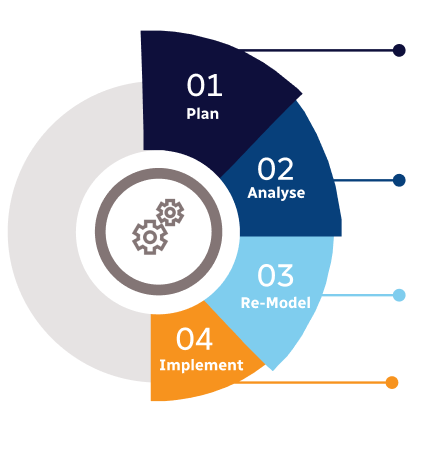
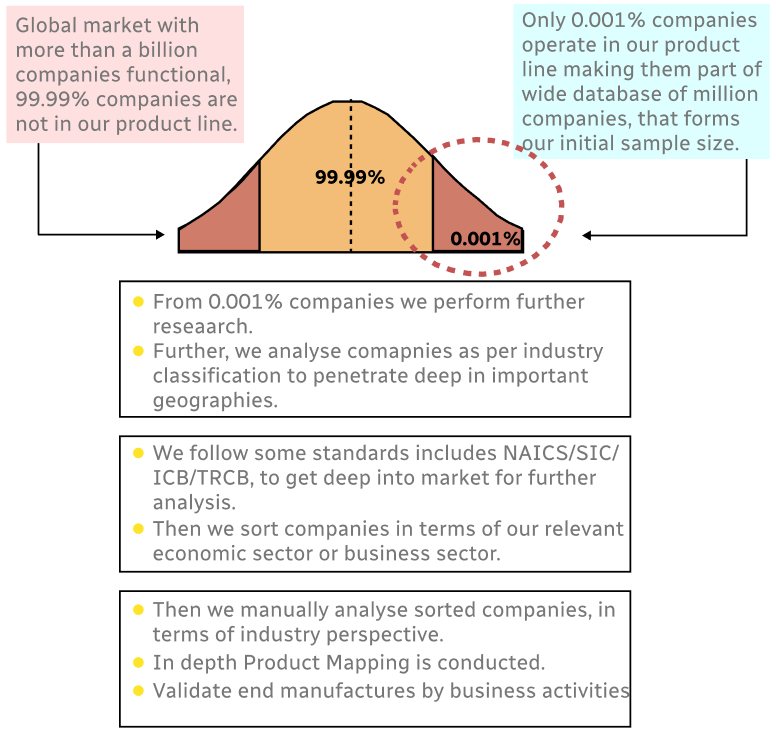
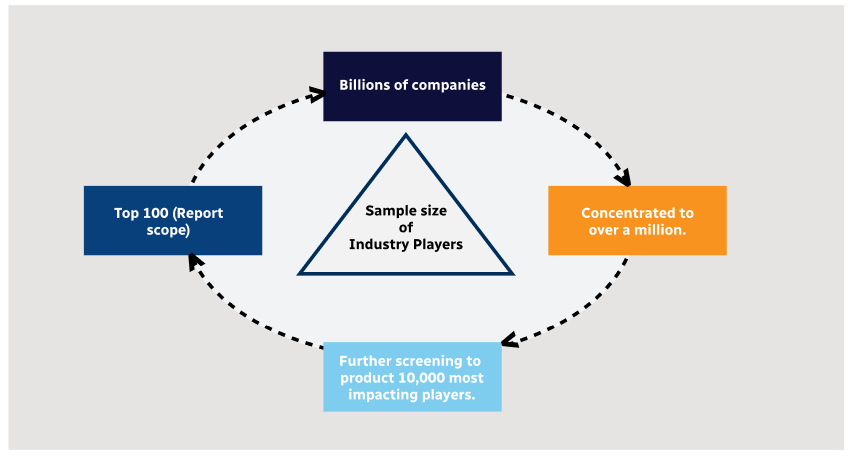
Step 1 - Identification of Relevant Samples Size from Population Database
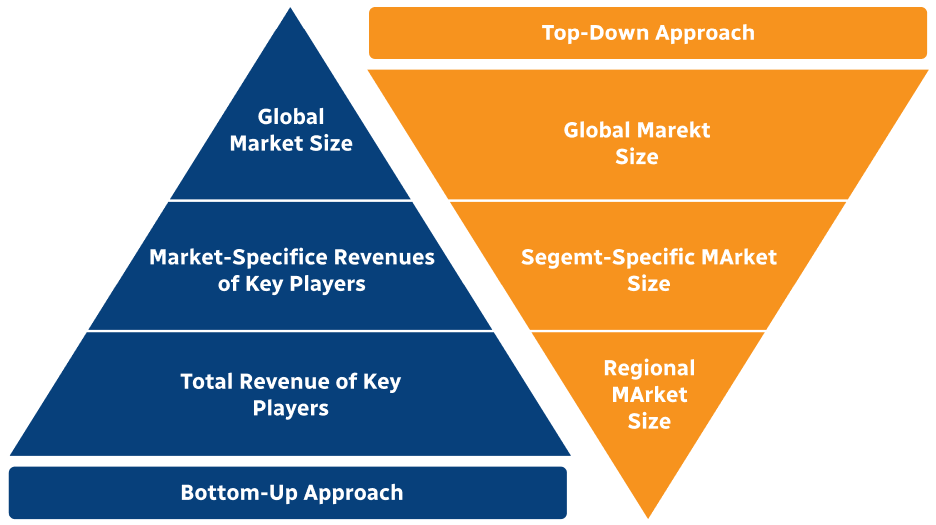
Step 2 - Approaches for Defining Global Market Size (Value, Volume* & Price*)
Note*: In applicable scenarios
Step 3 - Data Sources
Primary Research
- Web Analytics
- Survey Reports
- Research Institute
- Latest Research Reports
- Opinion Leaders
Secondary Research
- Annual Reports
- White Paper
- Latest Press Release
- Industry Association
- Paid Database
- Investor Presentations
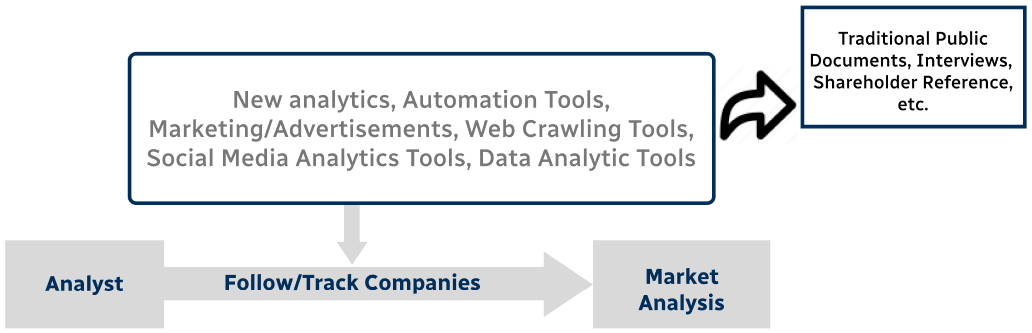
Step 4 - Data Triangulation
Involves using different sources of information in order to increase the validity of a study
These sources are likely to be stakeholders in a program - participants, other researchers, program staff, other community members, and so on.
Then we put all data in single framework & apply various statistical tools to find out the dynamic on the market.
During the analysis stage, feedback from the stakeholder groups would be compared to determine areas of agreement as well as areas of divergence


