


Key Insights
The Automation-as-a-Service (AaaS) market is poised for explosive growth, projected to reach a substantial market size of $8.39 billion by 2025. This impressive valuation is fueled by a staggering Compound Annual Growth Rate (CAGR) of 27.75%, indicating a dynamic and rapidly evolving landscape. The primary drivers behind this surge are the increasing demand for operational efficiency, cost reduction, and enhanced customer experiences across various industries. Businesses are increasingly recognizing the transformative power of automation in streamlining complex processes, minimizing human error, and freeing up valuable human resources for more strategic tasks. The rise of cloud-based solutions has further democratized access to automation technologies, making them more scalable and cost-effective for a wider range of enterprises, from large corporations to small and medium-sized businesses (SMBs).

Automation-as-a-Service Market Market Size (In Million)

The AaaS market is characterized by a diverse range of deployment options, with cloud-based solutions emerging as the dominant preference due to their flexibility and reduced upfront investment. Key business functions benefiting from automation include Information Technology, Finance, Human Resources, Sales and Marketing, and Operations, highlighting its pervasive applicability. The BFSI, Telecom and IT, Retail and Consumer Goods, Healthcare and Life Sciences, and Manufacturing sectors are at the forefront of AaaS adoption, driven by their inherent need for process optimization and data management. While the market enjoys robust growth, potential restraints such as the complexity of integration with legacy systems and the need for skilled personnel to manage and maintain automated workflows require careful consideration. Despite these challenges, the relentless pursuit of digital transformation and competitive advantage ensures a bright future for the Automation-as-a-Service market, with North America and Europe expected to lead in adoption, followed by a significant expansion in the Asia Pacific region.

Automation-as-a-Service Market Company Market Share
Automation-as-a-Service Market: Comprehensive Forecast & Analysis (2019-2033)
This in-depth report provides a thorough analysis of the global Automation-as-a-Service (AaaS) market, offering critical insights into current trends, future projections, and competitive dynamics. Covering the period from 2019 to 2033, with a base year of 2025 and a forecast period extending to 2033, this research is essential for stakeholders seeking to understand and capitalize on the rapidly evolving AaaS landscape. We delve into key segments, growth drivers, challenges, and strategic opportunities shaping this dynamic industry, including the significant impact of Robotic Process Automation (RPA), Intelligent Automation, Generative AI, and AI-powered automation.
Automation-as-a-Service Market Market Structure & Competitive Dynamics
The Automation-as-a-Service market is characterized by a dynamic and evolving competitive landscape, marked by significant innovation and strategic collaborations. While the market is moderately concentrated, with key players like Automation Anywhere Inc, UiPath Inc, and Microsoft Corporation holding substantial market share, a growing number of specialized vendors and emerging startups are fostering a vibrant innovation ecosystem. Regulatory frameworks, particularly concerning data privacy and AI ethics, are increasingly influencing market development, pushing vendors to prioritize responsible automation solutions. Product substitutes, ranging from in-house developed automation tools to traditional IT services, exist but are increasingly challenged by the agility, scalability, and cost-effectiveness of AaaS. End-user trends are leaning towards cloud-based AaaS solutions, driven by the desire for flexible deployment and reduced IT overhead. Merger and acquisition (M&A) activities are prevalent, as established companies seek to expand their AaaS offerings and acquire innovative technologies. For instance, recent M&A deals, with transaction values often in the hundreds of millions of dollars, highlight the strategic importance of consolidating capabilities within this high-growth sector. Market participants are focused on developing advanced capabilities in areas such as workflow automation, intelligent document processing, and hyperautomation, aiming to address diverse business needs across various verticals.
Automation-as-a-Service Market Industry Trends & Insights
The Automation-as-a-Service (AaaS) market is experiencing robust growth, propelled by an escalating demand for enhanced operational efficiency, cost reduction, and improved customer experiences across diverse industries. The global market is projected to witness a Compound Annual Growth Rate (CAGR) of approximately 18.5% between 2025 and 2033, reaching an estimated market size of over $XX Billion by the end of the forecast period. This surge is primarily driven by the pervasive adoption of Robotic Process Automation (RPA) and the increasing integration of Artificial Intelligence (AI) and Machine Learning (ML) into automation platforms. The shift towards digital transformation initiatives has further accelerated AaaS adoption, as businesses across all sectors seek to streamline complex processes, minimize manual intervention, and unlock new levels of productivity. Consumer preferences are increasingly shaped by the expectation of seamless, rapid, and personalized services, which AaaS is uniquely positioned to deliver. Technological disruptions, such as the advent of Generative AI and its integration into automation workflows, are fundamentally reshaping the market. These advancements are not only automating routine tasks but also empowering creative and strategic functions, leading to enhanced business agility and innovation. Competitive dynamics are intensifying, with leading players continuously investing in R&D to offer more sophisticated and intelligent automation solutions. The market penetration of AaaS is expected to continue its upward trajectory, moving beyond early adopters in sectors like BFSI and IT to gain significant traction in manufacturing, healthcare, and retail. The focus is shifting from task automation to end-to-end process automation, enabling businesses to achieve comprehensive digital operational resilience.
Dominant Markets & Segments in Automation-as-a-Service Market
The Automation-as-a-Service market exhibits distinct dominance across various segments, driven by a confluence of technological advancements, economic factors, and industry-specific needs.
Deployment Type:
- Cloud: Cloud deployment reigns supreme, accounting for over 70% of the market share in 2025. This dominance is fueled by its inherent scalability, flexibility, cost-effectiveness, and ease of implementation, making it the preferred choice for both large enterprises and SMEs. The ability to access sophisticated automation tools without significant upfront infrastructure investment is a key driver.
- Key Drivers: Lower TCO, rapid deployment, scalability, remote accessibility, reduced IT burden.
Business Function:
- Operations: The Operations function is the largest segment, capturing an estimated 30% market share in 2025. This is due to the direct impact of AaaS on streamlining core business processes, supply chain management, production, and logistics.
- Key Drivers: Efficiency gains, defect reduction, optimized resource allocation, improved throughput.
- Information Technology (IT): IT departments are significant adopters, utilizing AaaS for task automation, system monitoring, cybersecurity, and infrastructure management, representing approximately 25% of the market.
- Key Drivers: Reduced IT workload, faster issue resolution, enhanced system reliability, improved security posture.
Enterprise Size:
- Large Enterprises: Large enterprises represent the dominant segment, holding over 65% of the market share in 2025. Their substantial IT budgets and complex operational structures necessitate sophisticated automation solutions to manage scale and drive efficiency.
- Key Drivers: High volume of repetitive tasks, need for process standardization, large-scale digital transformation initiatives, potential for significant ROI.
End-user Vertical:
- BFSI (Banking, Financial Services, and Insurance): This vertical is the leading adopter, accounting for approximately 25% of the market share. The highly regulated nature of BFSI, coupled with the need for precision, security, and rapid transaction processing, makes AaaS a critical enabler.
- Key Drivers: Compliance requirements, fraud detection, customer onboarding automation, claims processing acceleration, risk management.
- Telecom and IT: This sector is another major contributor, driven by the need to automate customer service, network management, and software development lifecycle processes, representing around 20% of the market share.
- Key Drivers: High volume of customer interactions, network optimization, rapid service deployment, efficient IT support.
- Manufacturing: Witnessing rapid growth, the manufacturing sector utilizes AaaS for production automation, quality control, supply chain optimization, and predictive maintenance, capturing around 15% of the market share.
- Key Drivers: Increased production output, reduced manufacturing defects, improved worker safety, supply chain visibility.
North America currently leads the global market due to early adoption and strong R&D investments, followed closely by Europe and Asia Pacific, which is experiencing the fastest growth.
Automation-as-a-Service Market Product Innovations
Product innovations in the Automation-as-a-Service market are intensely focused on enhancing intelligence, user-friendliness, and integration capabilities. The emergence of Generative AI is a significant trend, empowering platforms to not only execute predefined tasks but also to create content, assist in problem-solving, and personalize user interactions. This is driving the development of advanced AI-powered automation solutions that can learn, adapt, and predict. Competitive advantages are being derived from platforms offering seamless integration with existing enterprise systems, robust Intelligent Document Processing (IDP) capabilities, and end-to-end hyperautomation suites. Vendors are emphasizing low-code/no-code development environments to democratize automation and enable citizen developers.
Report Segmentation & Scope
This report segments the Automation-as-a-Service market across key dimensions to provide a granular understanding of its dynamics. The Deployment Type includes On-premise and Cloud, with Cloud expected to dominate due to its flexibility and scalability. The Business Function segmentation covers Information Technology, Finance, Human Resources, Sales and Marketing, and Operations, with Operations and IT currently holding significant market shares. In terms of Enterprise Size, both Large Enterprises and Small and Medium-sized Enterprises (SMEs) are analyzed, with Large Enterprises currently leading in adoption. The End-user Vertical segment examines BFSI, Telecom and IT, Retail and Consumer Goods, Healthcare and Life Sciences, Manufacturing, and Other End-user Industries, with BFSI and Telecom & IT being key markets. The scope encompasses market size, growth projections, competitive landscapes, and key trends within each segment.
Key Drivers of Automation-as-a-Service Market Growth
The Automation-as-a-Service market is propelled by several critical growth drivers. Technologically, the maturation of Robotic Process Automation (RPA), coupled with the advanced capabilities of Artificial Intelligence (AI) and Machine Learning (ML), enables more sophisticated and intelligent automation solutions. Economically, the persistent pressure to reduce operational costs, enhance productivity, and improve efficiency across industries is a primary catalyst. Regulatory factors, such as the increasing need for compliance and data security in sectors like BFSI, also drive the adoption of automated, auditable processes. Furthermore, the growing emphasis on digital transformation initiatives and the desire for enhanced customer experiences are compelling businesses to invest in AaaS.
Challenges in the Automation-as-a-Service Market Sector
Despite its robust growth, the Automation-as-a-Service market faces several challenges. A significant barrier is the initial cost and complexity associated with implementing and integrating automation solutions, particularly for SMEs. Concerns regarding data privacy, security, and ethical implications of AI in automation can also act as a restraint, demanding careful governance and transparent practices. Resistance to change within organizations, the need for skilled personnel to manage and maintain automation systems, and the potential for job displacement are additional hurdles. Furthermore, fragmented market offerings and the need for interoperability between different automation tools can pose integration challenges.
Leading Players in the Automation-as-a-Service Market Market
- Pegasystems Inc
- IBM Corporation
- Kofax Inc
- Nice Ltd
- Hewlett Packard Enterprise
- Microsoft Corporation
- Automation Anywhere Inc
- UiPath Inc
- Blue Prism Group PLC
- HCL Technologies Limited
Key Developments in Automation-as-a-Service Market Sector
- November 2023: Walter Surface Technologies partnered with a network of North American system integrators and tool manufacturers focused on robotic systems and material removal. The partnerships with PushCorp, ATI Automation, and Effecto will help Walter provide comprehensive automation solutions to industrial manufacturers, from planning to installation and optimization. This development signals a strategic push towards integrated industrial automation solutions.
- September 2023: Automation Anywhere enhanced its platform by introducing a new ‘Responsible AI Layer’ and integrating features from its generative AI product range. The ‘Responsible AI Layer’ offers custom automation models developed using Large Language Models (LLMs) like OpenAI, Google’s Palm, Microsoft’s Azure AI, and Amazon’s Bedrock. This blend of generative AI and intelligent automation represents a significant technological shift aimed at boosting productivity and fostering creativity.
- August 2022: Truist Corporation expanded its digital investment offerings with Truist Invest, a Robo advisor, and Truist Invest Pro, a hybrid investing solution by automatic making plans and an objective environment as well as a choice for advisor-driven recommendations to businesses related to finance, Healthcare, Sports, etc. This highlights the growing application of AaaS in personalized financial advisory services.
- March 2022: GreyOrange, a provider of warehouse automation, provided robotic fulfillment systems that H&M used. H&M made this choice in light of previous instances when GreyOrange's warehouse automation technology was successfully implemented at other companies, leading to continuously better performance and higher efficiencies. H&M uses grey-orange robots in its warehouses to complete various tasks. This showcases the impactful adoption of warehouse automation for enhanced retail logistics.
Strategic Automation-as-a-Service Market Market Outlook
The strategic outlook for the Automation-as-a-Service market remains exceptionally strong, driven by continuous technological advancements and increasing enterprise adoption. The integration of Generative AI and hyperautomation will unlock new frontiers in process optimization and intelligent decision-making, offering significant growth accelerators. Strategic opportunities lie in addressing the evolving needs of SMEs through more accessible and affordable AaaS solutions, and in expanding specialized offerings for emerging verticals. The focus will shift towards end-to-end automation, creating a more seamless and integrated digital operational environment. Companies that invest in robust AI capabilities, user-centric design, and strong partner ecosystems will be well-positioned to capture market share and drive future growth. The market's trajectory indicates a sustained period of innovation and expansion.
Automation-as-a-Service Market Segmentation
-
1. Deployment Type
- 1.1. On-premise
- 1.2. Cloud
-
2. Business Function
- 2.1. Information Technology
- 2.2. Finance
- 2.3. Human Resources
- 2.4. Sales and Marketing
- 2.5. Operations
-
3. Enterprise Size
- 3.1. Large Enterprises
- 3.2. Small and Medium-sized Enterprises
-
4. End-user Vertical
- 4.1. BFSI
- 4.2. Telecom and IT
- 4.3. Retail and Consumer Goods
- 4.4. Healthcare and Life Sciences
- 4.5. Manufacturing
- 4.6. Other End-user Industries
Automation-as-a-Service Market Segmentation By Geography
- 1. North America
- 2. Europe
- 3. Asia Pacific
- 4. Latin America
- 5. Middle East and Africa

Automation-as-a-Service Market Regional Market Share
Geographic Coverage of Automation-as-a-Service Market
Automation-as-a-Service Market REPORT HIGHLIGHTS
| Aspects | Details |
|---|---|
| Study Period | 2020-2034 |
| Base Year | 2025 |
| Estimated Year | 2026 |
| Forecast Period | 2026-2034 |
| Historical Period | 2020-2025 |
| Growth Rate | CAGR of 27.75% from 2020-2034 |
| Segmentation |
|
Table of Contents
- 1. Introduction
- 1.1. Research Scope
- 1.2. Market Segmentation
- 1.3. Research Methodology
- 1.4. Definitions and Assumptions
- 2. Executive Summary
- 2.1. Introduction
- 3. Market Dynamics
- 3.1. Introduction
- 3.2. Market Drivers
- 3.2.1. Increased Demand for Automation Across Business Processes; Increasing Adoption of Cloud Services
- 3.3. Market Restrains
- 3.3.1. Concerns Regarding Data Security and Privacy
- 3.4. Market Trends
- 3.4.1. BFSI is Expected Hold Major Share
- 4. Market Factor Analysis
- 4.1. Porters Five Forces
- 4.2. Supply/Value Chain
- 4.3. PESTEL analysis
- 4.4. Market Entropy
- 4.5. Patent/Trademark Analysis
- 5. Global Automation-as-a-Service Market Analysis, Insights and Forecast, 2020-2032
- 5.1. Market Analysis, Insights and Forecast - by Deployment Type
- 5.1.1. On-premise
- 5.1.2. Cloud
- 5.2. Market Analysis, Insights and Forecast - by Business Function
- 5.2.1. Information Technology
- 5.2.2. Finance
- 5.2.3. Human Resources
- 5.2.4. Sales and Marketing
- 5.2.5. Operations
- 5.3. Market Analysis, Insights and Forecast - by Enterprise Size
- 5.3.1. Large Enterprises
- 5.3.2. Small and Medium-sized Enterprises
- 5.4. Market Analysis, Insights and Forecast - by End-user Vertical
- 5.4.1. BFSI
- 5.4.2. Telecom and IT
- 5.4.3. Retail and Consumer Goods
- 5.4.4. Healthcare and Life Sciences
- 5.4.5. Manufacturing
- 5.4.6. Other End-user Industries
- 5.5. Market Analysis, Insights and Forecast - by Region
- 5.5.1. North America
- 5.5.2. Europe
- 5.5.3. Asia Pacific
- 5.5.4. Latin America
- 5.5.5. Middle East and Africa
- 5.1. Market Analysis, Insights and Forecast - by Deployment Type
- 6. North America Automation-as-a-Service Market Analysis, Insights and Forecast, 2020-2032
- 6.1. Market Analysis, Insights and Forecast - by Deployment Type
- 6.1.1. On-premise
- 6.1.2. Cloud
- 6.2. Market Analysis, Insights and Forecast - by Business Function
- 6.2.1. Information Technology
- 6.2.2. Finance
- 6.2.3. Human Resources
- 6.2.4. Sales and Marketing
- 6.2.5. Operations
- 6.3. Market Analysis, Insights and Forecast - by Enterprise Size
- 6.3.1. Large Enterprises
- 6.3.2. Small and Medium-sized Enterprises
- 6.4. Market Analysis, Insights and Forecast - by End-user Vertical
- 6.4.1. BFSI
- 6.4.2. Telecom and IT
- 6.4.3. Retail and Consumer Goods
- 6.4.4. Healthcare and Life Sciences
- 6.4.5. Manufacturing
- 6.4.6. Other End-user Industries
- 6.1. Market Analysis, Insights and Forecast - by Deployment Type
- 7. Europe Automation-as-a-Service Market Analysis, Insights and Forecast, 2020-2032
- 7.1. Market Analysis, Insights and Forecast - by Deployment Type
- 7.1.1. On-premise
- 7.1.2. Cloud
- 7.2. Market Analysis, Insights and Forecast - by Business Function
- 7.2.1. Information Technology
- 7.2.2. Finance
- 7.2.3. Human Resources
- 7.2.4. Sales and Marketing
- 7.2.5. Operations
- 7.3. Market Analysis, Insights and Forecast - by Enterprise Size
- 7.3.1. Large Enterprises
- 7.3.2. Small and Medium-sized Enterprises
- 7.4. Market Analysis, Insights and Forecast - by End-user Vertical
- 7.4.1. BFSI
- 7.4.2. Telecom and IT
- 7.4.3. Retail and Consumer Goods
- 7.4.4. Healthcare and Life Sciences
- 7.4.5. Manufacturing
- 7.4.6. Other End-user Industries
- 7.1. Market Analysis, Insights and Forecast - by Deployment Type
- 8. Asia Pacific Automation-as-a-Service Market Analysis, Insights and Forecast, 2020-2032
- 8.1. Market Analysis, Insights and Forecast - by Deployment Type
- 8.1.1. On-premise
- 8.1.2. Cloud
- 8.2. Market Analysis, Insights and Forecast - by Business Function
- 8.2.1. Information Technology
- 8.2.2. Finance
- 8.2.3. Human Resources
- 8.2.4. Sales and Marketing
- 8.2.5. Operations
- 8.3. Market Analysis, Insights and Forecast - by Enterprise Size
- 8.3.1. Large Enterprises
- 8.3.2. Small and Medium-sized Enterprises
- 8.4. Market Analysis, Insights and Forecast - by End-user Vertical
- 8.4.1. BFSI
- 8.4.2. Telecom and IT
- 8.4.3. Retail and Consumer Goods
- 8.4.4. Healthcare and Life Sciences
- 8.4.5. Manufacturing
- 8.4.6. Other End-user Industries
- 8.1. Market Analysis, Insights and Forecast - by Deployment Type
- 9. Latin America Automation-as-a-Service Market Analysis, Insights and Forecast, 2020-2032
- 9.1. Market Analysis, Insights and Forecast - by Deployment Type
- 9.1.1. On-premise
- 9.1.2. Cloud
- 9.2. Market Analysis, Insights and Forecast - by Business Function
- 9.2.1. Information Technology
- 9.2.2. Finance
- 9.2.3. Human Resources
- 9.2.4. Sales and Marketing
- 9.2.5. Operations
- 9.3. Market Analysis, Insights and Forecast - by Enterprise Size
- 9.3.1. Large Enterprises
- 9.3.2. Small and Medium-sized Enterprises
- 9.4. Market Analysis, Insights and Forecast - by End-user Vertical
- 9.4.1. BFSI
- 9.4.2. Telecom and IT
- 9.4.3. Retail and Consumer Goods
- 9.4.4. Healthcare and Life Sciences
- 9.4.5. Manufacturing
- 9.4.6. Other End-user Industries
- 9.1. Market Analysis, Insights and Forecast - by Deployment Type
- 10. Middle East and Africa Automation-as-a-Service Market Analysis, Insights and Forecast, 2020-2032
- 10.1. Market Analysis, Insights and Forecast - by Deployment Type
- 10.1.1. On-premise
- 10.1.2. Cloud
- 10.2. Market Analysis, Insights and Forecast - by Business Function
- 10.2.1. Information Technology
- 10.2.2. Finance
- 10.2.3. Human Resources
- 10.2.4. Sales and Marketing
- 10.2.5. Operations
- 10.3. Market Analysis, Insights and Forecast - by Enterprise Size
- 10.3.1. Large Enterprises
- 10.3.2. Small and Medium-sized Enterprises
- 10.4. Market Analysis, Insights and Forecast - by End-user Vertical
- 10.4.1. BFSI
- 10.4.2. Telecom and IT
- 10.4.3. Retail and Consumer Goods
- 10.4.4. Healthcare and Life Sciences
- 10.4.5. Manufacturing
- 10.4.6. Other End-user Industries
- 10.1. Market Analysis, Insights and Forecast - by Deployment Type
- 11. Competitive Analysis
- 11.1. Global Market Share Analysis 2025
- 11.2. Company Profiles
- 11.2.1 Pegasystems Inc
- 11.2.1.1. Overview
- 11.2.1.2. Products
- 11.2.1.3. SWOT Analysis
- 11.2.1.4. Recent Developments
- 11.2.1.5. Financials (Based on Availability)
- 11.2.2 IBM Corporation
- 11.2.2.1. Overview
- 11.2.2.2. Products
- 11.2.2.3. SWOT Analysis
- 11.2.2.4. Recent Developments
- 11.2.2.5. Financials (Based on Availability)
- 11.2.3 Kofax Inc
- 11.2.3.1. Overview
- 11.2.3.2. Products
- 11.2.3.3. SWOT Analysis
- 11.2.3.4. Recent Developments
- 11.2.3.5. Financials (Based on Availability)
- 11.2.4 Nice Ltd
- 11.2.4.1. Overview
- 11.2.4.2. Products
- 11.2.4.3. SWOT Analysis
- 11.2.4.4. Recent Developments
- 11.2.4.5. Financials (Based on Availability)
- 11.2.5 Hewlett Packard Enterprise
- 11.2.5.1. Overview
- 11.2.5.2. Products
- 11.2.5.3. SWOT Analysis
- 11.2.5.4. Recent Developments
- 11.2.5.5. Financials (Based on Availability)
- 11.2.6 Microsoft Corporation
- 11.2.6.1. Overview
- 11.2.6.2. Products
- 11.2.6.3. SWOT Analysis
- 11.2.6.4. Recent Developments
- 11.2.6.5. Financials (Based on Availability)
- 11.2.7 Automation Anywhere Inc
- 11.2.7.1. Overview
- 11.2.7.2. Products
- 11.2.7.3. SWOT Analysis
- 11.2.7.4. Recent Developments
- 11.2.7.5. Financials (Based on Availability)
- 11.2.8 Uipath Inc
- 11.2.8.1. Overview
- 11.2.8.2. Products
- 11.2.8.3. SWOT Analysis
- 11.2.8.4. Recent Developments
- 11.2.8.5. Financials (Based on Availability)
- 11.2.9 Blue Prism Group PLC
- 11.2.9.1. Overview
- 11.2.9.2. Products
- 11.2.9.3. SWOT Analysis
- 11.2.9.4. Recent Developments
- 11.2.9.5. Financials (Based on Availability)
- 11.2.10 HCL Technologies Limited
- 11.2.10.1. Overview
- 11.2.10.2. Products
- 11.2.10.3. SWOT Analysis
- 11.2.10.4. Recent Developments
- 11.2.10.5. Financials (Based on Availability)
- 11.2.1 Pegasystems Inc
List of Figures
- Figure 1: Global Automation-as-a-Service Market Revenue Breakdown (Million, %) by Region 2025 & 2033
- Figure 2: North America Automation-as-a-Service Market Revenue (Million), by Deployment Type 2025 & 2033
- Figure 3: North America Automation-as-a-Service Market Revenue Share (%), by Deployment Type 2025 & 2033
- Figure 4: North America Automation-as-a-Service Market Revenue (Million), by Business Function 2025 & 2033
- Figure 5: North America Automation-as-a-Service Market Revenue Share (%), by Business Function 2025 & 2033
- Figure 6: North America Automation-as-a-Service Market Revenue (Million), by Enterprise Size 2025 & 2033
- Figure 7: North America Automation-as-a-Service Market Revenue Share (%), by Enterprise Size 2025 & 2033
- Figure 8: North America Automation-as-a-Service Market Revenue (Million), by End-user Vertical 2025 & 2033
- Figure 9: North America Automation-as-a-Service Market Revenue Share (%), by End-user Vertical 2025 & 2033
- Figure 10: North America Automation-as-a-Service Market Revenue (Million), by Country 2025 & 2033
- Figure 11: North America Automation-as-a-Service Market Revenue Share (%), by Country 2025 & 2033
- Figure 12: Europe Automation-as-a-Service Market Revenue (Million), by Deployment Type 2025 & 2033
- Figure 13: Europe Automation-as-a-Service Market Revenue Share (%), by Deployment Type 2025 & 2033
- Figure 14: Europe Automation-as-a-Service Market Revenue (Million), by Business Function 2025 & 2033
- Figure 15: Europe Automation-as-a-Service Market Revenue Share (%), by Business Function 2025 & 2033
- Figure 16: Europe Automation-as-a-Service Market Revenue (Million), by Enterprise Size 2025 & 2033
- Figure 17: Europe Automation-as-a-Service Market Revenue Share (%), by Enterprise Size 2025 & 2033
- Figure 18: Europe Automation-as-a-Service Market Revenue (Million), by End-user Vertical 2025 & 2033
- Figure 19: Europe Automation-as-a-Service Market Revenue Share (%), by End-user Vertical 2025 & 2033
- Figure 20: Europe Automation-as-a-Service Market Revenue (Million), by Country 2025 & 2033
- Figure 21: Europe Automation-as-a-Service Market Revenue Share (%), by Country 2025 & 2033
- Figure 22: Asia Pacific Automation-as-a-Service Market Revenue (Million), by Deployment Type 2025 & 2033
- Figure 23: Asia Pacific Automation-as-a-Service Market Revenue Share (%), by Deployment Type 2025 & 2033
- Figure 24: Asia Pacific Automation-as-a-Service Market Revenue (Million), by Business Function 2025 & 2033
- Figure 25: Asia Pacific Automation-as-a-Service Market Revenue Share (%), by Business Function 2025 & 2033
- Figure 26: Asia Pacific Automation-as-a-Service Market Revenue (Million), by Enterprise Size 2025 & 2033
- Figure 27: Asia Pacific Automation-as-a-Service Market Revenue Share (%), by Enterprise Size 2025 & 2033
- Figure 28: Asia Pacific Automation-as-a-Service Market Revenue (Million), by End-user Vertical 2025 & 2033
- Figure 29: Asia Pacific Automation-as-a-Service Market Revenue Share (%), by End-user Vertical 2025 & 2033
- Figure 30: Asia Pacific Automation-as-a-Service Market Revenue (Million), by Country 2025 & 2033
- Figure 31: Asia Pacific Automation-as-a-Service Market Revenue Share (%), by Country 2025 & 2033
- Figure 32: Latin America Automation-as-a-Service Market Revenue (Million), by Deployment Type 2025 & 2033
- Figure 33: Latin America Automation-as-a-Service Market Revenue Share (%), by Deployment Type 2025 & 2033
- Figure 34: Latin America Automation-as-a-Service Market Revenue (Million), by Business Function 2025 & 2033
- Figure 35: Latin America Automation-as-a-Service Market Revenue Share (%), by Business Function 2025 & 2033
- Figure 36: Latin America Automation-as-a-Service Market Revenue (Million), by Enterprise Size 2025 & 2033
- Figure 37: Latin America Automation-as-a-Service Market Revenue Share (%), by Enterprise Size 2025 & 2033
- Figure 38: Latin America Automation-as-a-Service Market Revenue (Million), by End-user Vertical 2025 & 2033
- Figure 39: Latin America Automation-as-a-Service Market Revenue Share (%), by End-user Vertical 2025 & 2033
- Figure 40: Latin America Automation-as-a-Service Market Revenue (Million), by Country 2025 & 2033
- Figure 41: Latin America Automation-as-a-Service Market Revenue Share (%), by Country 2025 & 2033
- Figure 42: Middle East and Africa Automation-as-a-Service Market Revenue (Million), by Deployment Type 2025 & 2033
- Figure 43: Middle East and Africa Automation-as-a-Service Market Revenue Share (%), by Deployment Type 2025 & 2033
- Figure 44: Middle East and Africa Automation-as-a-Service Market Revenue (Million), by Business Function 2025 & 2033
- Figure 45: Middle East and Africa Automation-as-a-Service Market Revenue Share (%), by Business Function 2025 & 2033
- Figure 46: Middle East and Africa Automation-as-a-Service Market Revenue (Million), by Enterprise Size 2025 & 2033
- Figure 47: Middle East and Africa Automation-as-a-Service Market Revenue Share (%), by Enterprise Size 2025 & 2033
- Figure 48: Middle East and Africa Automation-as-a-Service Market Revenue (Million), by End-user Vertical 2025 & 2033
- Figure 49: Middle East and Africa Automation-as-a-Service Market Revenue Share (%), by End-user Vertical 2025 & 2033
- Figure 50: Middle East and Africa Automation-as-a-Service Market Revenue (Million), by Country 2025 & 2033
- Figure 51: Middle East and Africa Automation-as-a-Service Market Revenue Share (%), by Country 2025 & 2033
List of Tables
- Table 1: Global Automation-as-a-Service Market Revenue Million Forecast, by Deployment Type 2020 & 2033
- Table 2: Global Automation-as-a-Service Market Revenue Million Forecast, by Business Function 2020 & 2033
- Table 3: Global Automation-as-a-Service Market Revenue Million Forecast, by Enterprise Size 2020 & 2033
- Table 4: Global Automation-as-a-Service Market Revenue Million Forecast, by End-user Vertical 2020 & 2033
- Table 5: Global Automation-as-a-Service Market Revenue Million Forecast, by Region 2020 & 2033
- Table 6: Global Automation-as-a-Service Market Revenue Million Forecast, by Deployment Type 2020 & 2033
- Table 7: Global Automation-as-a-Service Market Revenue Million Forecast, by Business Function 2020 & 2033
- Table 8: Global Automation-as-a-Service Market Revenue Million Forecast, by Enterprise Size 2020 & 2033
- Table 9: Global Automation-as-a-Service Market Revenue Million Forecast, by End-user Vertical 2020 & 2033
- Table 10: Global Automation-as-a-Service Market Revenue Million Forecast, by Country 2020 & 2033
- Table 11: Global Automation-as-a-Service Market Revenue Million Forecast, by Deployment Type 2020 & 2033
- Table 12: Global Automation-as-a-Service Market Revenue Million Forecast, by Business Function 2020 & 2033
- Table 13: Global Automation-as-a-Service Market Revenue Million Forecast, by Enterprise Size 2020 & 2033
- Table 14: Global Automation-as-a-Service Market Revenue Million Forecast, by End-user Vertical 2020 & 2033
- Table 15: Global Automation-as-a-Service Market Revenue Million Forecast, by Country 2020 & 2033
- Table 16: Global Automation-as-a-Service Market Revenue Million Forecast, by Deployment Type 2020 & 2033
- Table 17: Global Automation-as-a-Service Market Revenue Million Forecast, by Business Function 2020 & 2033
- Table 18: Global Automation-as-a-Service Market Revenue Million Forecast, by Enterprise Size 2020 & 2033
- Table 19: Global Automation-as-a-Service Market Revenue Million Forecast, by End-user Vertical 2020 & 2033
- Table 20: Global Automation-as-a-Service Market Revenue Million Forecast, by Country 2020 & 2033
- Table 21: Global Automation-as-a-Service Market Revenue Million Forecast, by Deployment Type 2020 & 2033
- Table 22: Global Automation-as-a-Service Market Revenue Million Forecast, by Business Function 2020 & 2033
- Table 23: Global Automation-as-a-Service Market Revenue Million Forecast, by Enterprise Size 2020 & 2033
- Table 24: Global Automation-as-a-Service Market Revenue Million Forecast, by End-user Vertical 2020 & 2033
- Table 25: Global Automation-as-a-Service Market Revenue Million Forecast, by Country 2020 & 2033
- Table 26: Global Automation-as-a-Service Market Revenue Million Forecast, by Deployment Type 2020 & 2033
- Table 27: Global Automation-as-a-Service Market Revenue Million Forecast, by Business Function 2020 & 2033
- Table 28: Global Automation-as-a-Service Market Revenue Million Forecast, by Enterprise Size 2020 & 2033
- Table 29: Global Automation-as-a-Service Market Revenue Million Forecast, by End-user Vertical 2020 & 2033
- Table 30: Global Automation-as-a-Service Market Revenue Million Forecast, by Country 2020 & 2033
Frequently Asked Questions
1. What is the projected Compound Annual Growth Rate (CAGR) of the Automation-as-a-Service Market?
The projected CAGR is approximately 27.75%.
2. Which companies are prominent players in the Automation-as-a-Service Market?
Key companies in the market include Pegasystems Inc, IBM Corporation, Kofax Inc, Nice Ltd, Hewlett Packard Enterprise, Microsoft Corporation, Automation Anywhere Inc, Uipath Inc, Blue Prism Group PLC, HCL Technologies Limited.
3. What are the main segments of the Automation-as-a-Service Market?
The market segments include Deployment Type, Business Function, Enterprise Size, End-user Vertical.
4. Can you provide details about the market size?
The market size is estimated to be USD 8.39 Million as of 2022.
5. What are some drivers contributing to market growth?
Increased Demand for Automation Across Business Processes; Increasing Adoption of Cloud Services.
6. What are the notable trends driving market growth?
BFSI is Expected Hold Major Share.
7. Are there any restraints impacting market growth?
Concerns Regarding Data Security and Privacy.
8. Can you provide examples of recent developments in the market?
November 2023: Walter Surface Technologies partnered with a network of North American system integrators and tool manufacturers focused on robotic systems and material removal. The partnerships with PushCorp, ATI Automation, and Effecto will help Walter provide comprehensive automation solutions to industrial manufacturers, from planning to installation and optimization.
9. What pricing options are available for accessing the report?
Pricing options include single-user, multi-user, and enterprise licenses priced at USD 4750, USD 5250, and USD 8750 respectively.
10. Is the market size provided in terms of value or volume?
The market size is provided in terms of value, measured in Million.
11. Are there any specific market keywords associated with the report?
Yes, the market keyword associated with the report is "Automation-as-a-Service Market," which aids in identifying and referencing the specific market segment covered.
12. How do I determine which pricing option suits my needs best?
The pricing options vary based on user requirements and access needs. Individual users may opt for single-user licenses, while businesses requiring broader access may choose multi-user or enterprise licenses for cost-effective access to the report.
13. Are there any additional resources or data provided in the Automation-as-a-Service Market report?
While the report offers comprehensive insights, it's advisable to review the specific contents or supplementary materials provided to ascertain if additional resources or data are available.
14. How can I stay updated on further developments or reports in the Automation-as-a-Service Market?
To stay informed about further developments, trends, and reports in the Automation-as-a-Service Market, consider subscribing to industry newsletters, following relevant companies and organizations, or regularly checking reputable industry news sources and publications.
Methodology
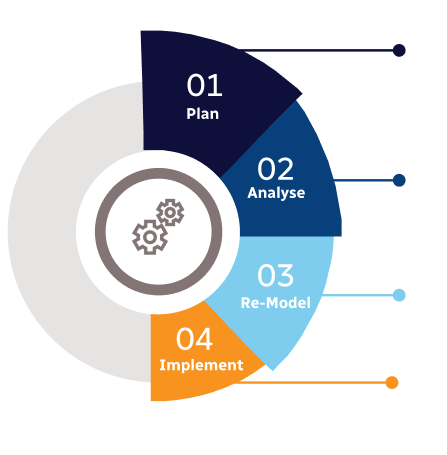
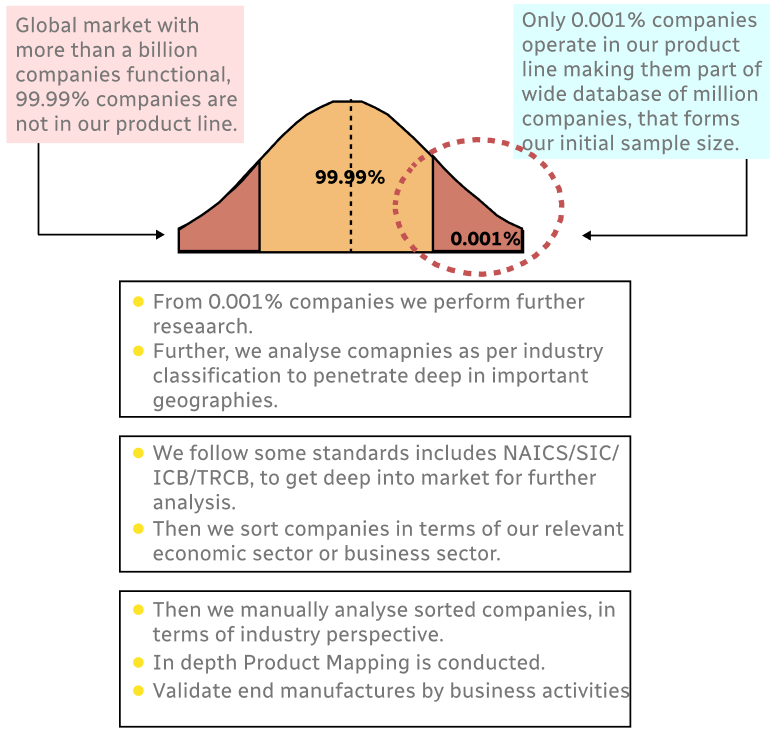
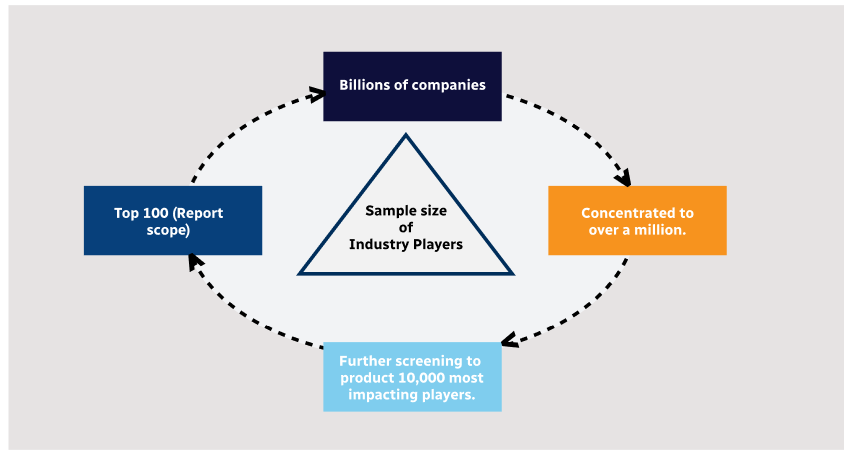
Step 1 - Identification of Relevant Samples Size from Population Database
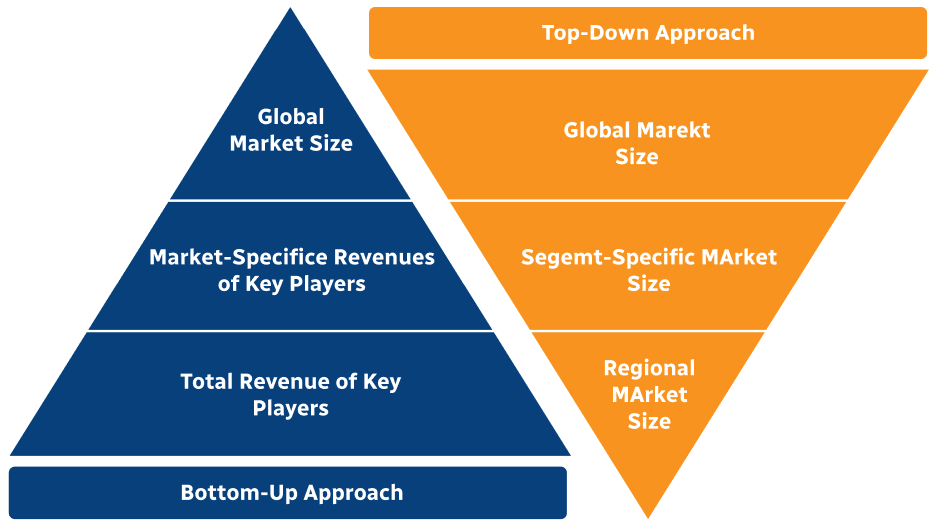
Step 2 - Approaches for Defining Global Market Size (Value, Volume* & Price*)
Note*: In applicable scenarios
Step 3 - Data Sources
Primary Research
- Web Analytics
- Survey Reports
- Research Institute
- Latest Research Reports
- Opinion Leaders
Secondary Research
- Annual Reports
- White Paper
- Latest Press Release
- Industry Association
- Paid Database
- Investor Presentations
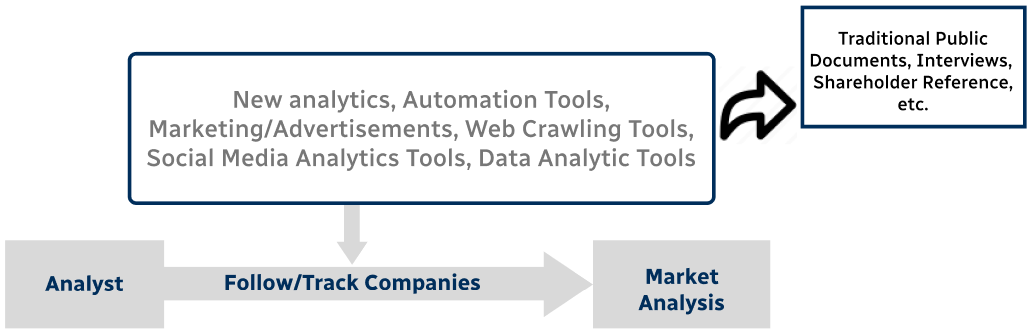
Step 4 - Data Triangulation
Involves using different sources of information in order to increase the validity of a study
These sources are likely to be stakeholders in a program - participants, other researchers, program staff, other community members, and so on.
Then we put all data in single framework & apply various statistical tools to find out the dynamic on the market.
During the analysis stage, feedback from the stakeholder groups would be compared to determine areas of agreement as well as areas of divergence