



Key Insights
The In-Building Cellular Market is poised for robust expansion, projected to reach an impressive market size of approximately \$7,500 million by 2025, with a compelling Compound Annual Growth Rate (CAGR) of 13.20% anticipated to continue through 2033. This significant growth trajectory is primarily fueled by the escalating demand for seamless indoor cellular connectivity across various sectors. The increasing adoption of advanced technologies like 5G and the proliferation of IoT devices necessitate robust in-building wireless solutions to overcome signal attenuation issues within commercial, residential, and industrial spaces. Key market drivers include the growing need for reliable mobile broadband, enhanced public safety communications, and the ever-increasing data consumption by mobile users. Furthermore, the continuous innovation in distributed antenna systems (DAS), small cells, and repeaters is making these solutions more efficient, scalable, and cost-effective, thereby accelerating market penetration.
The market is segmented by component type, with antennas, distributed antenna systems (DAS), and small cells emerging as critical elements driving in-building cellular coverage. End-user industries such as commercial establishments (offices, retail spaces, hospitality), residential complexes, and industrial facilities are all experiencing a surge in demand for improved indoor signal strength. North America and Europe are expected to lead the market in terms of revenue due to early adoption of 5G and high smartphone penetration. However, the Asia Pacific region is set to witness the fastest growth, driven by rapid urbanization, increasing investments in smart buildings, and a burgeoning middle class with high mobile data dependency. Despite the strong growth outlook, potential restraints such as high initial deployment costs for complex systems and the need for skilled technical expertise for installation and maintenance could pose challenges. Nonetheless, the pervasive need for ubiquitous indoor connectivity, coupled with evolving network infrastructure, ensures a dynamic and promising future for the In-Building Cellular Market.
This comprehensive report provides an in-depth analysis of the global In-Building Cellular Market, offering critical insights into market dynamics, key trends, and future growth trajectories from 2019 to 2033. The study focuses on the Base Year 2025, with a detailed Forecast Period from 2025–2033 and historical data spanning 2019–2024. This report is an indispensable resource for industry stakeholders seeking to understand the competitive landscape, technological advancements, and strategic opportunities within this rapidly evolving sector. The In-Building Cellular Market is projected to reach over $XX Million by 2033, exhibiting a robust Compound Annual Growth Rate (CAGR) of over XX%.
In-Building Cellular Market Market Structure & Competitive Dynamics
The In-Building Cellular Market is characterized by a moderately fragmented structure, with a mix of large, established players and agile, emerging companies. Market concentration is influenced by significant R&D investments and strategic partnerships essential for delivering advanced solutions like 5G-enabled Distributed Antenna Systems (DAS) and small cells. Innovation ecosystems thrive on the collaboration between technology providers, mobile network operators, and infrastructure developers. Regulatory frameworks, particularly those pertaining to spectrum allocation and deployment standards, play a crucial role in shaping market entry and growth. Product substitutes, such as Wi-Fi offloading and fixed wireless access, are present but often complement rather than fully replace dedicated in-building cellular solutions, especially for mission-critical applications and high-density environments. End-user trends are increasingly demanding ubiquitous, high-speed connectivity, driving demand for robust in-building solutions. Mergers & Acquisitions (M&A) activities are strategic for consolidating market share, acquiring new technologies, and expanding geographical reach. Recent M&A deals have seen valuations in the tens to hundreds of Millions as companies aim to strengthen their portfolios in areas like active DAS and advanced antenna technologies. Key players are continuously evaluating potential acquisition targets to enhance their competitive edge.
In-Building Cellular Market Industry Trends & Insights
The In-Building Cellular Market is experiencing substantial growth driven by several interconnected factors. The relentless demand for enhanced mobile broadband (eMBB) and the expanding deployment of 5G networks are primary growth engines. As user expectations for seamless connectivity intensify across all environments – from busy commercial spaces to dense residential complexes and critical industrial facilities – the need for robust in-building coverage and capacity solutions becomes paramount. Technological disruptions, particularly the evolution of DAS architectures, the proliferation of small cells, and advancements in antenna design, are reshaping how connectivity is delivered indoors. The transition to software-defined networking (SDN) and open RAN principles is also influencing the development of more flexible and scalable in-building solutions. Consumer preferences are increasingly oriented towards devices that leverage high-speed, reliable cellular data for a multitude of applications, including IoT devices, augmented reality, and seamless communication. This is compelling building owners and operators to invest in sophisticated in-building wireless infrastructure. Competitive dynamics are intensifying, with significant investments in R&D and strategic partnerships aimed at capturing market share. The market penetration of advanced in-building cellular solutions is still relatively low in many regions, presenting a significant opportunity for growth. The market is projected to witness a CAGR of over XX% during the forecast period, reaching an estimated market size of over $XX Million by 2033. This growth is further fueled by the increasing adoption of Internet of Things (IoT) devices within buildings, requiring reliable and pervasive wireless connectivity. The ongoing densification of mobile networks necessitates complementary in-building solutions to ensure consistent service delivery.
Dominant Markets & Segments in In-Building Cellular Market
The Commercial end-user industry segment currently dominates the In-Building Cellular Market. This is primarily due to the high concentration of mobile data usage in office buildings, retail spaces, hospitality venues, and transportation hubs. These environments experience significant foot traffic and a high density of connected devices, necessitating robust cellular solutions to ensure seamless communication and data access. Economic policies that encourage the development of smart buildings and the adoption of advanced technologies further bolster this segment.
- Key Drivers for Commercial Dominance:
- High User Density: Offices, shopping malls, and stadiums are hotspots for mobile device usage, requiring significant capacity.
- Business-Critical Connectivity: Reliable connectivity is essential for business operations, productivity, and customer experience.
- IoT Integration: The growing deployment of IoT devices in commercial spaces for building management and automation relies on pervasive wireless networks.
- Enterprise Spending: Businesses are increasingly investing in upgrading their infrastructure to support advanced mobile services.
Within Component Type, Distributed Antenna Systems (DAS) are a leading segment. DAS offers a scalable and efficient solution for distributing cellular signals throughout large and complex indoor spaces, ensuring uniform coverage. Its ability to support multiple network operators and frequency bands makes it a preferred choice for many commercial and public venues.
- Key Drivers for DAS Dominance:
- Scalability & Flexibility: DAS can be adapted to buildings of various sizes and complexities.
- Multi-Operator Support: Enables multiple carriers to provide service through a single infrastructure.
- Future-Proofing: Can be upgraded to support new technologies like 5G mmWave.
- Cost-Effectiveness: For large venues, DAS can be more cost-effective than multiple individual solutions.
Geographically, North America and Europe are leading regions due to early adoption of 5G technologies, strong regulatory support for wireless infrastructure, and a high demand for advanced connectivity in commercial and residential sectors. The Asia-Pacific region is emerging as a significant growth market, driven by rapid urbanization, increasing smartphone penetration, and government initiatives to boost digital infrastructure.
In-Building Cellular Market Product Innovations
Product innovation in the In-Building Cellular Market is largely focused on enhancing performance, scalability, and integration for 5G and beyond. Advances in active DAS technology offer more intelligence and capacity, while the development of more compact and cost-effective small cells addresses the need for granular coverage in specific areas. Smart antenna designs are improving signal directionality and interference reduction. Furthermore, integrated solutions that combine cellular and Wi-Fi capabilities are emerging, offering a unified connectivity experience. These innovations aim to reduce deployment complexity, lower operational costs, and deliver superior user experiences, aligning with the market's demand for seamless, high-capacity wireless access.
Report Segmentation & Scope
This report segments the In-Building Cellular Market by Component Type and End-User Industry.
- Component Type: The analysis covers Antenna, Distributed Antenna Systems (DAS), Cables, Repeaters, and Small Cells. Each segment is examined for its market size, growth projections, and competitive dynamics. The Small Cells segment is expected to witness significant growth due to its suitability for 5G densification and targeted coverage solutions, projected to reach over $XX Million by 2033.
- End-User Industry: The report details the Commercial, Residential, and Industrial segments. The Commercial segment is the largest, with significant growth anticipated from smart building initiatives and the increasing need for high-density connectivity in offices and public spaces. The Residential segment is also poised for growth as users demand better cellular service within their homes. The Industrial segment, driven by IIoT and automation, presents a niche but high-value growth area.
Key Drivers of In-Building Cellular Market Growth
The In-Building Cellular Market is propelled by several key drivers. The accelerating global rollout of 5G networks necessitates complementary in-building solutions to ensure consistent and high-performance connectivity. The increasing penetration of smartphones and other connected devices within homes and workplaces is creating a demand for greater indoor coverage and capacity. Furthermore, the growing adoption of the Internet of Things (IoT) for smart building management, industrial automation, and consumer applications requires robust and reliable wireless infrastructure. Government initiatives and regulatory frameworks that promote digital transformation and improved connectivity also play a significant role in driving market growth.
Challenges in the In-Building Cellular Market Sector
Despite robust growth, the In-Building Cellular Market faces several challenges. Complex regulatory environments and varying permitting processes across different jurisdictions can delay deployments. The high upfront cost of deploying sophisticated in-building cellular systems, particularly for older buildings, can be a deterrent for some property owners. Supply chain disruptions and the availability of specialized components can also impact project timelines and costs. Furthermore, competition from alternative connectivity solutions like Wi-Fi and fixed wireless access requires continuous innovation and demonstration of the unique value proposition of in-building cellular solutions.
Leading Players in the In-Building Cellular Market Market
- Anixter Inc
- CommScope Inc
- Verizon Communications Inc
- Dali Wireless Inc
- TE Connectivity Ltd
- Pierson Wireless Corp
- Ericsson Inc
- Beatcom Incorporated
- Cobham PLC
- AT&T Inc
- Corning Incorporated
Key Developments in In-Building Cellular Market Sector
- October 2022: PROSE Technologies, a provider of wireless antenna, transmission, capacity, and coverage solutions, announced today the release of a new Active DAS system for the 5G network. PROSE Technologies has been working closely with operators to help them scale out their backhaul using E-band microwave solutions due to the large offtake capacity of RANs. After understanding the consumers' primary needs, PROSE Technologies offers a variety of solutions to meet those needs.
- October 2022: The US company Corning announced that it is carefully considering the prospect of producing its wireless equipment, such as small cells and distributed antenna systems, in India using the government's incentive program. The Gurugram wireless research center expands the company's US facility.
Strategic In-Building Cellular Market Market Outlook
The strategic outlook for the In-Building Cellular Market remains highly positive, fueled by the continued expansion of 5G, the proliferation of IoT, and the increasing demand for seamless indoor connectivity. Future growth will likely be driven by the adoption of AI-powered network management, advanced antenna technologies, and integrated wireless solutions. Opportunities lie in targeting underserved markets, developing cost-effective solutions for diverse building types, and forging strategic partnerships with real estate developers and technology providers. The increasing emphasis on smart buildings and connected environments will further accelerate the deployment of sophisticated in-building cellular infrastructure, positioning the market for sustained expansion.
In-Building Cellular Market Segmentation
-
1. Component Type
- 1.1. Antenna
- 1.2. Distributed Antenna Systems (DAS)
- 1.3. Cables
- 1.4. Repeaters
- 1.5. Small Cells
-
2. End-user Industry
- 2.1. Commercial
- 2.2. Residential
- 2.3. Industrial
In-Building Cellular Market Segmentation By Geography
- 1. North America
- 2. Europe
- 3. Asia Pacific
- 4. Latin America
- 5. Middle East
In-Building Cellular Market REPORT HIGHLIGHTS
| Aspects | Details |
|---|---|
| Study Period | 2019-2033 |
| Base Year | 2024 |
| Estimated Year | 2025 |
| Forecast Period | 2025-2033 |
| Historical Period | 2019-2024 |
| Growth Rate | CAGR of 13.20% from 2019-2033 |
| Segmentation |
|
Table of Contents
- 1. Introduction
- 1.1. Research Scope
- 1.2. Market Segmentation
- 1.3. Research Methodology
- 1.4. Definitions and Assumptions
- 2. Executive Summary
- 2.1. Introduction
- 3. Market Dynamics
- 3.1. Introduction
- 3.2. Market Drivers
- 3.2.1. Growing Volume of Data Consumption; Increasing Demand for Smooth and uninterrupted Connectivity
- 3.3. Market Restrains
- 3.3.1. High Cost of High Speed Cameras
- 3.4. Market Trends
- 3.4.1. Residential is Expected to Hold the Major Share
- 4. Market Factor Analysis
- 4.1. Porters Five Forces
- 4.2. Supply/Value Chain
- 4.3. PESTEL analysis
- 4.4. Market Entropy
- 4.5. Patent/Trademark Analysis
- 5. Global In-Building Cellular Market Analysis, Insights and Forecast, 2019-2031
- 5.1. Market Analysis, Insights and Forecast - by Component Type
- 5.1.1. Antenna
- 5.1.2. Distributed Antenna Systems (DAS)
- 5.1.3. Cables
- 5.1.4. Repeaters
- 5.1.5. Small Cells
- 5.2. Market Analysis, Insights and Forecast - by End-user Industry
- 5.2.1. Commercial
- 5.2.2. Residential
- 5.2.3. Industrial
- 5.3. Market Analysis, Insights and Forecast - by Region
- 5.3.1. North America
- 5.3.2. Europe
- 5.3.3. Asia Pacific
- 5.3.4. Latin America
- 5.3.5. Middle East
- 5.1. Market Analysis, Insights and Forecast - by Component Type
- 6. North America In-Building Cellular Market Analysis, Insights and Forecast, 2019-2031
- 6.1. Market Analysis, Insights and Forecast - by Component Type
- 6.1.1. Antenna
- 6.1.2. Distributed Antenna Systems (DAS)
- 6.1.3. Cables
- 6.1.4. Repeaters
- 6.1.5. Small Cells
- 6.2. Market Analysis, Insights and Forecast - by End-user Industry
- 6.2.1. Commercial
- 6.2.2. Residential
- 6.2.3. Industrial
- 6.1. Market Analysis, Insights and Forecast - by Component Type
- 7. Europe In-Building Cellular Market Analysis, Insights and Forecast, 2019-2031
- 7.1. Market Analysis, Insights and Forecast - by Component Type
- 7.1.1. Antenna
- 7.1.2. Distributed Antenna Systems (DAS)
- 7.1.3. Cables
- 7.1.4. Repeaters
- 7.1.5. Small Cells
- 7.2. Market Analysis, Insights and Forecast - by End-user Industry
- 7.2.1. Commercial
- 7.2.2. Residential
- 7.2.3. Industrial
- 7.1. Market Analysis, Insights and Forecast - by Component Type
- 8. Asia Pacific In-Building Cellular Market Analysis, Insights and Forecast, 2019-2031
- 8.1. Market Analysis, Insights and Forecast - by Component Type
- 8.1.1. Antenna
- 8.1.2. Distributed Antenna Systems (DAS)
- 8.1.3. Cables
- 8.1.4. Repeaters
- 8.1.5. Small Cells
- 8.2. Market Analysis, Insights and Forecast - by End-user Industry
- 8.2.1. Commercial
- 8.2.2. Residential
- 8.2.3. Industrial
- 8.1. Market Analysis, Insights and Forecast - by Component Type
- 9. Latin America In-Building Cellular Market Analysis, Insights and Forecast, 2019-2031
- 9.1. Market Analysis, Insights and Forecast - by Component Type
- 9.1.1. Antenna
- 9.1.2. Distributed Antenna Systems (DAS)
- 9.1.3. Cables
- 9.1.4. Repeaters
- 9.1.5. Small Cells
- 9.2. Market Analysis, Insights and Forecast - by End-user Industry
- 9.2.1. Commercial
- 9.2.2. Residential
- 9.2.3. Industrial
- 9.1. Market Analysis, Insights and Forecast - by Component Type
- 10. Middle East In-Building Cellular Market Analysis, Insights and Forecast, 2019-2031
- 10.1. Market Analysis, Insights and Forecast - by Component Type
- 10.1.1. Antenna
- 10.1.2. Distributed Antenna Systems (DAS)
- 10.1.3. Cables
- 10.1.4. Repeaters
- 10.1.5. Small Cells
- 10.2. Market Analysis, Insights and Forecast - by End-user Industry
- 10.2.1. Commercial
- 10.2.2. Residential
- 10.2.3. Industrial
- 10.1. Market Analysis, Insights and Forecast - by Component Type
- 11. North America In-Building Cellular Market Analysis, Insights and Forecast, 2019-2031
- 11.1. Market Analysis, Insights and Forecast - By Country/Sub-region
- 11.1.1.
- 12. Europe In-Building Cellular Market Analysis, Insights and Forecast, 2019-2031
- 12.1. Market Analysis, Insights and Forecast - By Country/Sub-region
- 12.1.1.
- 13. Asia Pacific In-Building Cellular Market Analysis, Insights and Forecast, 2019-2031
- 13.1. Market Analysis, Insights and Forecast - By Country/Sub-region
- 13.1.1.
- 14. Latin America In-Building Cellular Market Analysis, Insights and Forecast, 2019-2031
- 14.1. Market Analysis, Insights and Forecast - By Country/Sub-region
- 14.1.1.
- 15. Middle East In-Building Cellular Market Analysis, Insights and Forecast, 2019-2031
- 15.1. Market Analysis, Insights and Forecast - By Country/Sub-region
- 15.1.1.
- 16. Competitive Analysis
- 16.1. Global Market Share Analysis 2024
- 16.2. Company Profiles
- 16.2.1 Anixter Inc
- 16.2.1.1. Overview
- 16.2.1.2. Products
- 16.2.1.3. SWOT Analysis
- 16.2.1.4. Recent Developments
- 16.2.1.5. Financials (Based on Availability)
- 16.2.2 CommScope Inc
- 16.2.2.1. Overview
- 16.2.2.2. Products
- 16.2.2.3. SWOT Analysis
- 16.2.2.4. Recent Developments
- 16.2.2.5. Financials (Based on Availability)
- 16.2.3 Verizon Communications Inc
- 16.2.3.1. Overview
- 16.2.3.2. Products
- 16.2.3.3. SWOT Analysis
- 16.2.3.4. Recent Developments
- 16.2.3.5. Financials (Based on Availability)
- 16.2.4 Dali Wireless Inc *List Not Exhaustive
- 16.2.4.1. Overview
- 16.2.4.2. Products
- 16.2.4.3. SWOT Analysis
- 16.2.4.4. Recent Developments
- 16.2.4.5. Financials (Based on Availability)
- 16.2.5 TE Connectivity Ltd
- 16.2.5.1. Overview
- 16.2.5.2. Products
- 16.2.5.3. SWOT Analysis
- 16.2.5.4. Recent Developments
- 16.2.5.5. Financials (Based on Availability)
- 16.2.6 Pierson Wireless Corp
- 16.2.6.1. Overview
- 16.2.6.2. Products
- 16.2.6.3. SWOT Analysis
- 16.2.6.4. Recent Developments
- 16.2.6.5. Financials (Based on Availability)
- 16.2.7 Ericsson Inc
- 16.2.7.1. Overview
- 16.2.7.2. Products
- 16.2.7.3. SWOT Analysis
- 16.2.7.4. Recent Developments
- 16.2.7.5. Financials (Based on Availability)
- 16.2.8 Beatcom Incorporated
- 16.2.8.1. Overview
- 16.2.8.2. Products
- 16.2.8.3. SWOT Analysis
- 16.2.8.4. Recent Developments
- 16.2.8.5. Financials (Based on Availability)
- 16.2.9 Cobham PLC
- 16.2.9.1. Overview
- 16.2.9.2. Products
- 16.2.9.3. SWOT Analysis
- 16.2.9.4. Recent Developments
- 16.2.9.5. Financials (Based on Availability)
- 16.2.10 AT&T Inc
- 16.2.10.1. Overview
- 16.2.10.2. Products
- 16.2.10.3. SWOT Analysis
- 16.2.10.4. Recent Developments
- 16.2.10.5. Financials (Based on Availability)
- 16.2.11 Corning Incorporated
- 16.2.11.1. Overview
- 16.2.11.2. Products
- 16.2.11.3. SWOT Analysis
- 16.2.11.4. Recent Developments
- 16.2.11.5. Financials (Based on Availability)
- 16.2.1 Anixter Inc
List of Figures
- Figure 1: Global In-Building Cellular Market Revenue Breakdown (Million, %) by Region 2024 & 2032
- Figure 2: North America In-Building Cellular Market Revenue (Million), by Country 2024 & 2032
- Figure 3: North America In-Building Cellular Market Revenue Share (%), by Country 2024 & 2032
- Figure 4: Europe In-Building Cellular Market Revenue (Million), by Country 2024 & 2032
- Figure 5: Europe In-Building Cellular Market Revenue Share (%), by Country 2024 & 2032
- Figure 6: Asia Pacific In-Building Cellular Market Revenue (Million), by Country 2024 & 2032
- Figure 7: Asia Pacific In-Building Cellular Market Revenue Share (%), by Country 2024 & 2032
- Figure 8: Latin America In-Building Cellular Market Revenue (Million), by Country 2024 & 2032
- Figure 9: Latin America In-Building Cellular Market Revenue Share (%), by Country 2024 & 2032
- Figure 10: Middle East In-Building Cellular Market Revenue (Million), by Country 2024 & 2032
- Figure 11: Middle East In-Building Cellular Market Revenue Share (%), by Country 2024 & 2032
- Figure 12: North America In-Building Cellular Market Revenue (Million), by Component Type 2024 & 2032
- Figure 13: North America In-Building Cellular Market Revenue Share (%), by Component Type 2024 & 2032
- Figure 14: North America In-Building Cellular Market Revenue (Million), by End-user Industry 2024 & 2032
- Figure 15: North America In-Building Cellular Market Revenue Share (%), by End-user Industry 2024 & 2032
- Figure 16: North America In-Building Cellular Market Revenue (Million), by Country 2024 & 2032
- Figure 17: North America In-Building Cellular Market Revenue Share (%), by Country 2024 & 2032
- Figure 18: Europe In-Building Cellular Market Revenue (Million), by Component Type 2024 & 2032
- Figure 19: Europe In-Building Cellular Market Revenue Share (%), by Component Type 2024 & 2032
- Figure 20: Europe In-Building Cellular Market Revenue (Million), by End-user Industry 2024 & 2032
- Figure 21: Europe In-Building Cellular Market Revenue Share (%), by End-user Industry 2024 & 2032
- Figure 22: Europe In-Building Cellular Market Revenue (Million), by Country 2024 & 2032
- Figure 23: Europe In-Building Cellular Market Revenue Share (%), by Country 2024 & 2032
- Figure 24: Asia Pacific In-Building Cellular Market Revenue (Million), by Component Type 2024 & 2032
- Figure 25: Asia Pacific In-Building Cellular Market Revenue Share (%), by Component Type 2024 & 2032
- Figure 26: Asia Pacific In-Building Cellular Market Revenue (Million), by End-user Industry 2024 & 2032
- Figure 27: Asia Pacific In-Building Cellular Market Revenue Share (%), by End-user Industry 2024 & 2032
- Figure 28: Asia Pacific In-Building Cellular Market Revenue (Million), by Country 2024 & 2032
- Figure 29: Asia Pacific In-Building Cellular Market Revenue Share (%), by Country 2024 & 2032
- Figure 30: Latin America In-Building Cellular Market Revenue (Million), by Component Type 2024 & 2032
- Figure 31: Latin America In-Building Cellular Market Revenue Share (%), by Component Type 2024 & 2032
- Figure 32: Latin America In-Building Cellular Market Revenue (Million), by End-user Industry 2024 & 2032
- Figure 33: Latin America In-Building Cellular Market Revenue Share (%), by End-user Industry 2024 & 2032
- Figure 34: Latin America In-Building Cellular Market Revenue (Million), by Country 2024 & 2032
- Figure 35: Latin America In-Building Cellular Market Revenue Share (%), by Country 2024 & 2032
- Figure 36: Middle East In-Building Cellular Market Revenue (Million), by Component Type 2024 & 2032
- Figure 37: Middle East In-Building Cellular Market Revenue Share (%), by Component Type 2024 & 2032
- Figure 38: Middle East In-Building Cellular Market Revenue (Million), by End-user Industry 2024 & 2032
- Figure 39: Middle East In-Building Cellular Market Revenue Share (%), by End-user Industry 2024 & 2032
- Figure 40: Middle East In-Building Cellular Market Revenue (Million), by Country 2024 & 2032
- Figure 41: Middle East In-Building Cellular Market Revenue Share (%), by Country 2024 & 2032
List of Tables
- Table 1: Global In-Building Cellular Market Revenue Million Forecast, by Region 2019 & 2032
- Table 2: Global In-Building Cellular Market Revenue Million Forecast, by Component Type 2019 & 2032
- Table 3: Global In-Building Cellular Market Revenue Million Forecast, by End-user Industry 2019 & 2032
- Table 4: Global In-Building Cellular Market Revenue Million Forecast, by Region 2019 & 2032
- Table 5: Global In-Building Cellular Market Revenue Million Forecast, by Country 2019 & 2032
- Table 6: In-Building Cellular Market Revenue (Million) Forecast, by Application 2019 & 2032
- Table 7: Global In-Building Cellular Market Revenue Million Forecast, by Country 2019 & 2032
- Table 8: In-Building Cellular Market Revenue (Million) Forecast, by Application 2019 & 2032
- Table 9: Global In-Building Cellular Market Revenue Million Forecast, by Country 2019 & 2032
- Table 10: In-Building Cellular Market Revenue (Million) Forecast, by Application 2019 & 2032
- Table 11: Global In-Building Cellular Market Revenue Million Forecast, by Country 2019 & 2032
- Table 12: In-Building Cellular Market Revenue (Million) Forecast, by Application 2019 & 2032
- Table 13: Global In-Building Cellular Market Revenue Million Forecast, by Country 2019 & 2032
- Table 14: In-Building Cellular Market Revenue (Million) Forecast, by Application 2019 & 2032
- Table 15: Global In-Building Cellular Market Revenue Million Forecast, by Component Type 2019 & 2032
- Table 16: Global In-Building Cellular Market Revenue Million Forecast, by End-user Industry 2019 & 2032
- Table 17: Global In-Building Cellular Market Revenue Million Forecast, by Country 2019 & 2032
- Table 18: Global In-Building Cellular Market Revenue Million Forecast, by Component Type 2019 & 2032
- Table 19: Global In-Building Cellular Market Revenue Million Forecast, by End-user Industry 2019 & 2032
- Table 20: Global In-Building Cellular Market Revenue Million Forecast, by Country 2019 & 2032
- Table 21: Global In-Building Cellular Market Revenue Million Forecast, by Component Type 2019 & 2032
- Table 22: Global In-Building Cellular Market Revenue Million Forecast, by End-user Industry 2019 & 2032
- Table 23: Global In-Building Cellular Market Revenue Million Forecast, by Country 2019 & 2032
- Table 24: Global In-Building Cellular Market Revenue Million Forecast, by Component Type 2019 & 2032
- Table 25: Global In-Building Cellular Market Revenue Million Forecast, by End-user Industry 2019 & 2032
- Table 26: Global In-Building Cellular Market Revenue Million Forecast, by Country 2019 & 2032
- Table 27: Global In-Building Cellular Market Revenue Million Forecast, by Component Type 2019 & 2032
- Table 28: Global In-Building Cellular Market Revenue Million Forecast, by End-user Industry 2019 & 2032
- Table 29: Global In-Building Cellular Market Revenue Million Forecast, by Country 2019 & 2032
Frequently Asked Questions
1. What is the projected Compound Annual Growth Rate (CAGR) of the In-Building Cellular Market?
The projected CAGR is approximately 13.20%.
2. Which companies are prominent players in the In-Building Cellular Market?
Key companies in the market include Anixter Inc, CommScope Inc, Verizon Communications Inc, Dali Wireless Inc *List Not Exhaustive, TE Connectivity Ltd, Pierson Wireless Corp, Ericsson Inc, Beatcom Incorporated, Cobham PLC, AT&T Inc, Corning Incorporated.
3. What are the main segments of the In-Building Cellular Market?
The market segments include Component Type, End-user Industry.
4. Can you provide details about the market size?
The market size is estimated to be USD XX Million as of 2022.
5. What are some drivers contributing to market growth?
Growing Volume of Data Consumption; Increasing Demand for Smooth and uninterrupted Connectivity.
6. What are the notable trends driving market growth?
Residential is Expected to Hold the Major Share.
7. Are there any restraints impacting market growth?
High Cost of High Speed Cameras.
8. Can you provide examples of recent developments in the market?
October 2022: PROSE Technologies, a provider of wireless antenna, transmission, capacity, and coverage solutions, announced today the release of a new Active DAS system for the 5G network. PROSE Technologies has been working closely with operators to help them scale out their backhaul using E-band microwave solutions due to the large offtake capacity of RANs. After understanding the consumers' primary needs, PROSE Technologies offers a variety of solutions to meet those needs.
9. What pricing options are available for accessing the report?
Pricing options include single-user, multi-user, and enterprise licenses priced at USD 4750, USD 5250, and USD 8750 respectively.
10. Is the market size provided in terms of value or volume?
The market size is provided in terms of value, measured in Million.
11. Are there any specific market keywords associated with the report?
Yes, the market keyword associated with the report is "In-Building Cellular Market," which aids in identifying and referencing the specific market segment covered.
12. How do I determine which pricing option suits my needs best?
The pricing options vary based on user requirements and access needs. Individual users may opt for single-user licenses, while businesses requiring broader access may choose multi-user or enterprise licenses for cost-effective access to the report.
13. Are there any additional resources or data provided in the In-Building Cellular Market report?
While the report offers comprehensive insights, it's advisable to review the specific contents or supplementary materials provided to ascertain if additional resources or data are available.
14. How can I stay updated on further developments or reports in the In-Building Cellular Market?
To stay informed about further developments, trends, and reports in the In-Building Cellular Market, consider subscribing to industry newsletters, following relevant companies and organizations, or regularly checking reputable industry news sources and publications.
Methodology
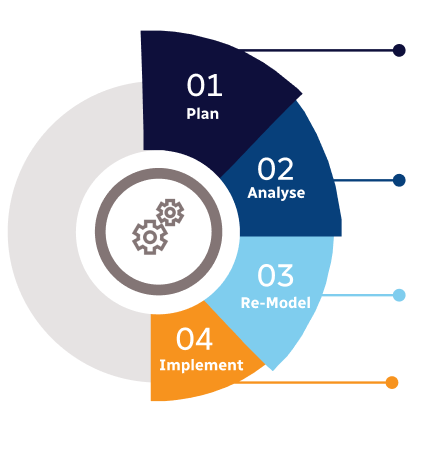
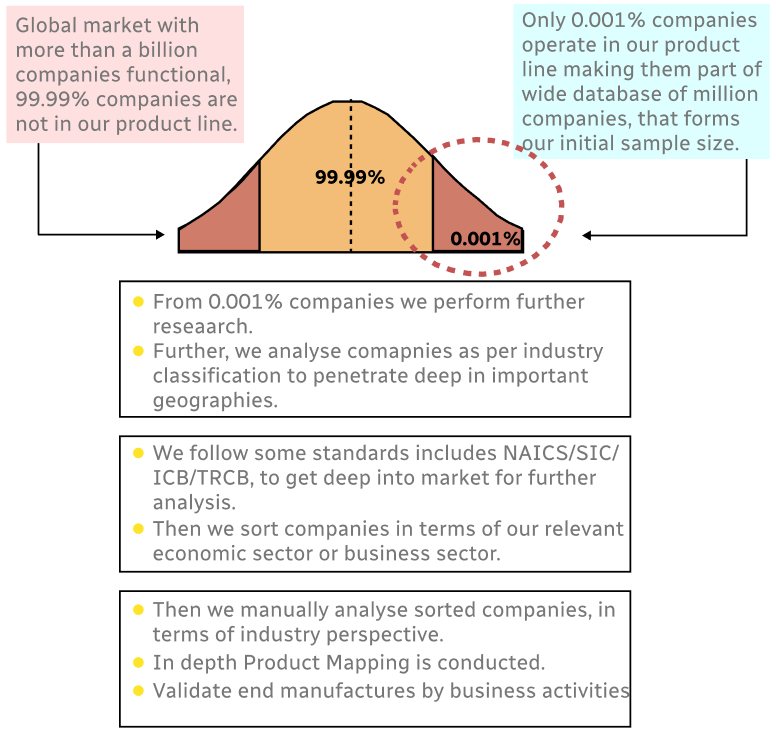
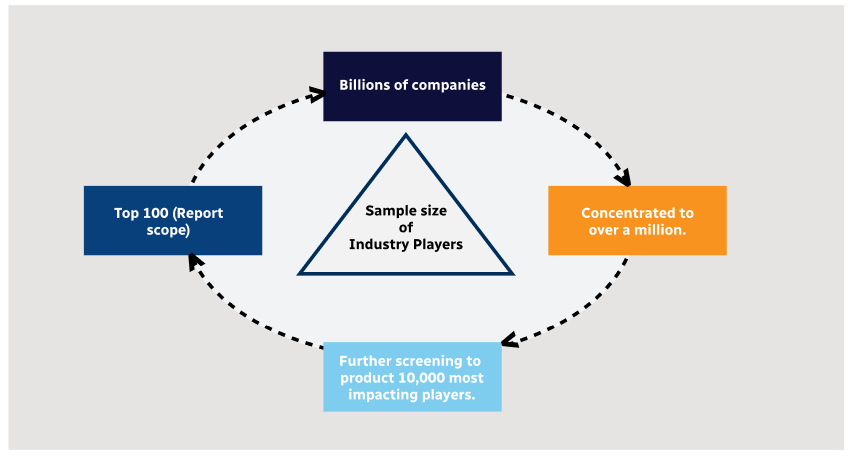
Step 1 - Identification of Relevant Samples Size from Population Database
Step 2 - Approaches for Defining Global Market Size (Value, Volume* & Price*)
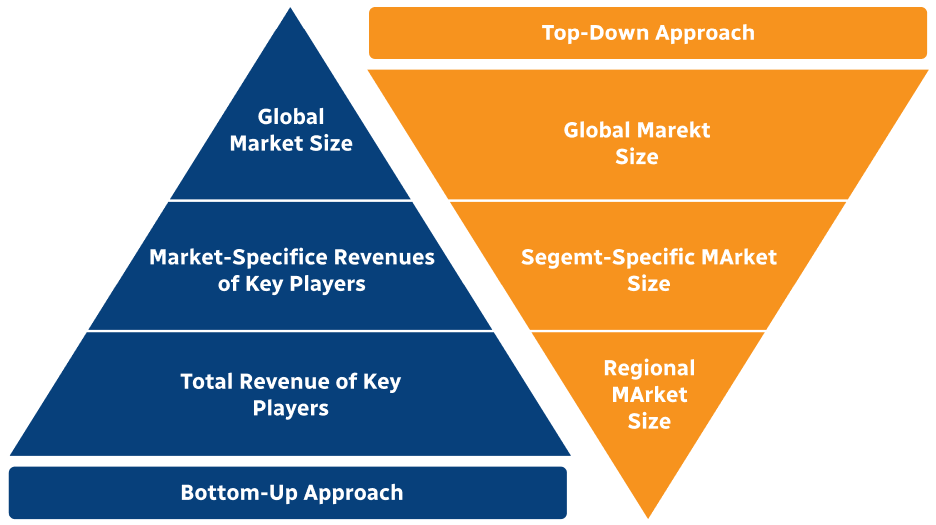
Note*: In applicable scenarios
Step 3 - Data Sources
Primary Research
- Web Analytics
- Survey Reports
- Research Institute
- Latest Research Reports
- Opinion Leaders
Secondary Research
- Annual Reports
- White Paper
- Latest Press Release
- Industry Association
- Paid Database
- Investor Presentations
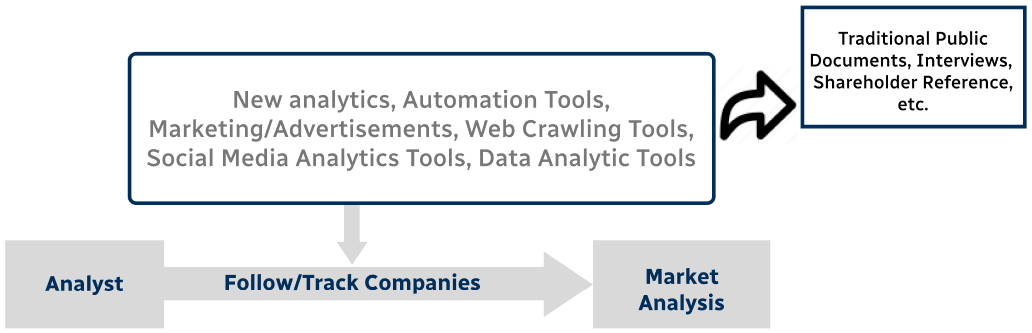
Step 4 - Data Triangulation
Involves using different sources of information in order to increase the validity of a study
These sources are likely to be stakeholders in a program - participants, other researchers, program staff, other community members, and so on.
Then we put all data in single framework & apply various statistical tools to find out the dynamic on the market.
During the analysis stage, feedback from the stakeholder groups would be compared to determine areas of agreement as well as areas of divergence


