


Key Insights
The North American SSD Caching Market is projected to experience substantial growth, reaching an estimated market size of $52.94 billion by 2025. This market is expected to grow at a Compound Annual Growth Rate (CAGR) of 14.94% through 2033. This expansion is driven by the escalating demand for accelerated data access and enhanced application performance across enterprise and consumer segments. In enterprises, SSD caching is vital for optimizing database operations, virtualization, and big data analytics, directly boosting productivity and efficiency. Businesses are increasingly adopting SSD caching as a cost-effective strategy to improve existing storage infrastructure. The integration of cloud computing, edge computing, and the Internet of Things (IoT) further propels market growth, as these technologies necessitate the low-latency data processing capabilities that SSD caching provides.

NA SSD Caching Market Market Size (In Billion)

Consumer applications are also significant contributors to market expansion, fueled by high-performance gaming, content creation, and the need for rapid loading times. Declining SSD prices and increasing capacities are making integrated SSD caching more accessible to a broader consumer base. Key growth drivers include the exponential increase in data generation, the demand for superior read/write speeds, and continuous innovation in NAND flash technology, leading to more efficient and affordable caching solutions. Market challenges include initial implementation costs for small businesses, cache management complexity for novice users, and advancements in native SSD performance, which may reduce the perceived need for dedicated caching drives in certain scenarios. Nevertheless, the pervasive trend toward data-intensive applications and the pursuit of exceptional user experiences will continue to drive the North American SSD Caching Market.

NA SSD Caching Market Company Market Share
This comprehensive report offers an in-depth analysis of the North American Solid State Drive (SSD) Caching Market, providing critical insights for industry stakeholders. Spanning the historical period of 2019-2024 and projecting growth up to 2033, with a base year of 2025, this research dissects market structure, competitive landscape, key trends, dominant segments, product innovations, growth drivers, challenges, and leading market participants.
NA SSD Caching Market Market Structure & Competitive Dynamics
The North American SSD Caching market exhibits a moderately consolidated structure, with key players investing heavily in research and development to gain a competitive edge. Innovation is a significant driver, fueled by the constant evolution of NAND flash technology and NVMe interface advancements. Regulatory frameworks primarily focus on data security and privacy, influencing enterprise adoption. Product substitutes, such as hybrid drives and traditional HDDs, are gradually losing ground to the superior performance of SSD caching solutions. End-user trends reveal an increasing demand for faster data access and improved application performance across both enterprise and personal storage segments. Mergers and acquisitions (M&A) activities, while present, are strategically focused on acquiring technological capabilities or expanding market reach. Key players are projected to hold substantial market share, with estimated market share figures for leading entities ranging from 10% to 25% in the base year of 2025. M&A deal values are expected to range from xx Million to xx Million, indicative of the strategic importance of this market.
NA SSD Caching Market Industry Trends & Insights
The North American SSD Caching market is experiencing robust growth, propelled by the escalating demand for high-performance storage solutions driven by data-intensive applications and Big Data analytics. The increasing adoption of cloud computing, Artificial Intelligence (AI), and Machine Learning (ML) workloads necessitates ultra-low latency and rapid data retrieval, making SSD caching an indispensable technology. Technological disruptions, including advancements in NAND flash endurance and density, alongside the widespread adoption of PCIe Gen4 and Gen5 interfaces, are continuously enhancing SSD caching capabilities. Consumer preferences are shifting towards systems that offer seamless multitasking and rapid application loading, further fueling the demand for personal storage solutions incorporating SSD caching. The competitive dynamics are characterized by continuous innovation, with companies striving to offer higher capacities, improved performance, and enhanced power efficiency. The market penetration of SSD caching solutions is projected to grow significantly, with an estimated Compound Annual Growth Rate (CAGR) of approximately 15% to 20% during the forecast period of 2025–2033. The increasing affordability of SSDs, coupled with their superior performance benefits over traditional storage, is a key market growth driver. Furthermore, the integration of NVMe interfaces in consumer and enterprise-grade devices is enhancing the overall efficiency and speed of SSD caching. The growing emphasis on data analytics and real-time processing across various industries, from finance to healthcare, is creating sustained demand for these advanced storage technologies. The trend towards smaller, more powerful devices in the personal computing segment also benefits from the space-saving and performance-enhancing aspects of SSD caching.
Dominant Markets & Segments in NA SSD Caching Market
The North American SSD Caching market is currently dominated by the Enterprise Storage segment. This dominance is driven by a confluence of factors critical to business operations and data-intensive workflows.
- Economic Policies and Infrastructure: Favorable economic policies that encourage technological investment and robust IT infrastructure development within businesses in countries like the United States and Canada provide a fertile ground for the adoption of advanced storage solutions. Government initiatives aimed at promoting digital transformation further bolster this trend.
- Data-Intensive Workloads: The proliferation of Big Data analytics, AI/ML applications, high-frequency trading in finance, and complex scientific simulations in research institutions generates massive volumes of data that require rapid access and processing. Enterprise SSD caching directly addresses these needs by significantly reducing latency and improving read/write speeds.
- Virtualization and Cloud Computing: The widespread adoption of server virtualization and private/hybrid cloud environments within enterprises necessitates high I/O performance. SSD caching plays a crucial role in optimizing virtual machine performance and enhancing the responsiveness of cloud-based services.
- Mission-Critical Applications: For businesses where downtime is exceptionally costly, such as in e-commerce, healthcare, and financial services, the reliability and speed offered by SSD caching are paramount for ensuring the continuous operation of mission-critical applications.
- Performance Demands: Organizations are constantly seeking to improve employee productivity and customer experience. Faster application load times, quicker data retrieval for analysis, and smoother multitasking are direct benefits derived from implementing SSD caching in enterprise systems. The demand for these improvements is consistently high.
While the Personal Storage segment is also growing, driven by gamers, content creators, and power users seeking enhanced system responsiveness, the sheer scale of enterprise IT infrastructure deployments and the critical nature of data management in the corporate world currently position Enterprise Storage as the leading and most influential segment in the North American SSD Caching market. The market size for Enterprise Storage is projected to reach xx Billion USD in 2025, with a projected growth rate significantly higher than the Personal Storage segment.
NA SSD Caching Market Product Innovations
Product innovations in the NA SSD Caching market are characterized by advancements in NAND flash technology, controller architecture, and interface speeds. Manufacturers are focusing on developing higher density QLC and TLC NAND-based SSDs that offer improved endurance and cost-effectiveness for caching applications. Innovations in NVMe controllers are enabling lower latency and higher throughput, crucial for enterprise workloads. The competitive advantage lies in delivering solutions that balance performance, power efficiency, and total cost of ownership, catering to the specific demands of both enterprise and consumer markets.
Report Segmentation & Scope
This report meticulously segments the North American SSD Caching market into key application areas, providing granular insights into each.
The Enterprise Storage segment encompasses the application of SSD caching in servers, data centers, storage arrays, and network-attached storage (NAS) devices for business-critical applications. This segment is projected to witness substantial growth, driven by the increasing need for high-performance computing and data analytics. Market size for this segment is estimated to be xx Billion USD in 2025, with an anticipated CAGR of 18% during the forecast period. Competitive dynamics are fierce, with leading enterprise storage providers actively integrating advanced SSD caching technologies.
The Personal Storage segment includes the use of SSD caching in consumer-grade desktops, laptops, and gaming consoles. This segment is fueled by the demand for faster boot times, quicker application loading, and an enhanced overall user experience for gamers and content creators. Growth projections for this segment are also strong, with an estimated market size of xx Billion USD in 2025 and a CAGR of 16%. Competition is driven by the consumer electronics market, with brands focusing on delivering accessible and performance-boosting SSD caching solutions.
Key Drivers of NA SSD Caching Market Growth
Several key factors are propelling the growth of the NA SSD Caching market.
- Technological Advancements: Continuous improvements in NAND flash technology, including higher densities and improved endurance, coupled with the adoption of faster interfaces like PCIe Gen4 and Gen5, are enhancing the performance and reducing the cost of SSD caching.
- Data Growth: The exponential increase in data generation across all sectors, driven by Big Data, IoT, and AI, necessitates faster data access and processing, making SSD caching indispensable for maintaining optimal performance.
- Demand for Improved Performance: End-users, both in enterprise and personal computing, increasingly expect faster application load times, reduced latency, and seamless multitasking, directly driving the demand for SSD caching solutions.
- Cloud Computing and Virtualization: The widespread adoption of cloud infrastructure and server virtualization environments requires high I/O performance, which SSD caching effectively provides, thus boosting its adoption in enterprise data centers.
Challenges in the NA SSD Caching Market Sector
Despite the robust growth, the NA SSD Caching market faces certain challenges.
- Cost Sensitivity: While prices are decreasing, the initial cost of SSDs can still be a barrier for some smaller businesses and individual consumers, especially when compared to traditional HDDs.
- Endurance Concerns (for some applications): Although greatly improved, for extremely write-intensive enterprise applications, ensuring adequate endurance remains a consideration, leading to careful product selection and potential tiering of storage.
- Supply Chain Disruptions: Global supply chain volatility, as seen in recent years, can impact the availability and pricing of NAND flash components, affecting the overall market.
- Competition from All-Flash Arrays: The increasing affordability and performance of all-flash arrays can sometimes reduce the need for traditional caching solutions in specific high-end enterprise scenarios.
Leading Players in the NA SSD Caching Market Market
- Seagate Technology LLC
- Microsemi (Microchip Technology Inc)
- Micron Technology Inc
- Inspur Group
- Samsung Electronics Co Ltd
- Transcend Information Inc
- Kioxia (Toshiba Memory Corporation)
- ADATA Technology Co Ltd
- Western Digital Corporation
- SK Hynix Inc
- NetApp Inc
- Intel Corporation
- QNAP Systems Inc
Key Developments in NA SSD Caching Market Sector
- March 2021: Intel released the Solid State Drive (SSD) 670p. This client SSD is a 144-layer quad-level cell-based device with a capacity of up to two terabytes. It is designed for everyday computing and extreme gaming, offering improved performance, including a 2-times sequential read and a 20% endurance boost compared to its predecessor, optimized for low queue depth and mixed workloads.
- August 2020: Intel launched the SSD D7-P550/5600 Series. These SSDs are engineered to enhance IT efficiency and data security for all-TLC arrays by providing optimal performance and capacity. Featuring an all-new Intel PCIe Gen4 controller and firmware, they deliver low latency, improved administration capabilities, scalability, and crucial new NVMe features for enterprise and cloud environments.
Strategic NA SSD Caching Market Market Outlook
The strategic outlook for the NA SSD Caching market remains highly positive, driven by continued technological innovation and the ever-increasing demand for faster data processing. Growth accelerators include the sustained adoption of AI, machine learning, and Big Data analytics across industries, which inherently require high-performance storage. The ongoing miniaturization and performance enhancement of consumer devices will also fuel demand in the personal storage segment. Strategic opportunities lie in developing integrated caching solutions that offer seamless performance optimization across diverse workloads and in exploring new applications in edge computing and 5G infrastructure. The market is poised for further expansion as businesses and consumers alike prioritize speed, efficiency, and responsiveness in their digital operations.
NA SSD Caching Market Segmentation
-
1. Application
- 1.1. Enterprise Storage
- 1.2. Personal Storage
NA SSD Caching Market Segmentation By Geography
-
1. North America
- 1.1. United States
- 1.2. Canada
- 1.3. Mexico
-
2. South America
- 2.1. Brazil
- 2.2. Argentina
- 2.3. Rest of South America
-
3. Europe
- 3.1. United Kingdom
- 3.2. Germany
- 3.3. France
- 3.4. Italy
- 3.5. Spain
- 3.6. Russia
- 3.7. Benelux
- 3.8. Nordics
- 3.9. Rest of Europe
-
4. Middle East & Africa
- 4.1. Turkey
- 4.2. Israel
- 4.3. GCC
- 4.4. North Africa
- 4.5. South Africa
- 4.6. Rest of Middle East & Africa
-
5. Asia Pacific
- 5.1. China
- 5.2. India
- 5.3. Japan
- 5.4. South Korea
- 5.5. ASEAN
- 5.6. Oceania
- 5.7. Rest of Asia Pacific

NA SSD Caching Market Regional Market Share
Geographic Coverage of NA SSD Caching Market
NA SSD Caching Market REPORT HIGHLIGHTS
| Aspects | Details |
|---|---|
| Study Period | 2020-2034 |
| Base Year | 2025 |
| Estimated Year | 2026 |
| Forecast Period | 2026-2034 |
| Historical Period | 2020-2025 |
| Growth Rate | CAGR of 14.94% from 2020-2034 |
| Segmentation |
|
Table of Contents
- 1. Introduction
- 1.1. Research Scope
- 1.2. Market Segmentation
- 1.3. Research Methodology
- 1.4. Definitions and Assumptions
- 2. Executive Summary
- 2.1. Introduction
- 3. Market Dynamics
- 3.1. Introduction
- 3.2. Market Drivers
- 3.2.1. Improvements Offered by SSDs Over Conventional HDDs
- 3.3. Market Restrains
- 3.3.1. Slow Pace in Development of Applications Despite Heavy investments in R&D; Commplexities in Hardware Designing
- 3.4. Market Trends
- 3.4.1. Enterprise Storage Expected to Hold Major Share
- 4. Market Factor Analysis
- 4.1. Porters Five Forces
- 4.2. Supply/Value Chain
- 4.3. PESTEL analysis
- 4.4. Market Entropy
- 4.5. Patent/Trademark Analysis
- 5. Global NA SSD Caching Market Analysis, Insights and Forecast, 2020-2032
- 5.1. Market Analysis, Insights and Forecast - by Application
- 5.1.1. Enterprise Storage
- 5.1.2. Personal Storage
- 5.2. Market Analysis, Insights and Forecast - by Region
- 5.2.1. North America
- 5.2.2. South America
- 5.2.3. Europe
- 5.2.4. Middle East & Africa
- 5.2.5. Asia Pacific
- 5.1. Market Analysis, Insights and Forecast - by Application
- 6. North America NA SSD Caching Market Analysis, Insights and Forecast, 2020-2032
- 6.1. Market Analysis, Insights and Forecast - by Application
- 6.1.1. Enterprise Storage
- 6.1.2. Personal Storage
- 6.1. Market Analysis, Insights and Forecast - by Application
- 7. South America NA SSD Caching Market Analysis, Insights and Forecast, 2020-2032
- 7.1. Market Analysis, Insights and Forecast - by Application
- 7.1.1. Enterprise Storage
- 7.1.2. Personal Storage
- 7.1. Market Analysis, Insights and Forecast - by Application
- 8. Europe NA SSD Caching Market Analysis, Insights and Forecast, 2020-2032
- 8.1. Market Analysis, Insights and Forecast - by Application
- 8.1.1. Enterprise Storage
- 8.1.2. Personal Storage
- 8.1. Market Analysis, Insights and Forecast - by Application
- 9. Middle East & Africa NA SSD Caching Market Analysis, Insights and Forecast, 2020-2032
- 9.1. Market Analysis, Insights and Forecast - by Application
- 9.1.1. Enterprise Storage
- 9.1.2. Personal Storage
- 9.1. Market Analysis, Insights and Forecast - by Application
- 10. Asia Pacific NA SSD Caching Market Analysis, Insights and Forecast, 2020-2032
- 10.1. Market Analysis, Insights and Forecast - by Application
- 10.1.1. Enterprise Storage
- 10.1.2. Personal Storage
- 10.1. Market Analysis, Insights and Forecast - by Application
- 11. Competitive Analysis
- 11.1. Global Market Share Analysis 2025
- 11.2. Company Profiles
- 11.2.1 Seagate Technology LLC
- 11.2.1.1. Overview
- 11.2.1.2. Products
- 11.2.1.3. SWOT Analysis
- 11.2.1.4. Recent Developments
- 11.2.1.5. Financials (Based on Availability)
- 11.2.2 Microsemi (Microchip Technology Inc
- 11.2.2.1. Overview
- 11.2.2.2. Products
- 11.2.2.3. SWOT Analysis
- 11.2.2.4. Recent Developments
- 11.2.2.5. Financials (Based on Availability)
- 11.2.3 Micron Technology Inc
- 11.2.3.1. Overview
- 11.2.3.2. Products
- 11.2.3.3. SWOT Analysis
- 11.2.3.4. Recent Developments
- 11.2.3.5. Financials (Based on Availability)
- 11.2.4 Inspur Group
- 11.2.4.1. Overview
- 11.2.4.2. Products
- 11.2.4.3. SWOT Analysis
- 11.2.4.4. Recent Developments
- 11.2.4.5. Financials (Based on Availability)
- 11.2.5 Samsung Electronics Co Ltd
- 11.2.5.1. Overview
- 11.2.5.2. Products
- 11.2.5.3. SWOT Analysis
- 11.2.5.4. Recent Developments
- 11.2.5.5. Financials (Based on Availability)
- 11.2.6 Transcend Information Inc
- 11.2.6.1. Overview
- 11.2.6.2. Products
- 11.2.6.3. SWOT Analysis
- 11.2.6.4. Recent Developments
- 11.2.6.5. Financials (Based on Availability)
- 11.2.7 Kioxia (Toshiba Memory Corporation)
- 11.2.7.1. Overview
- 11.2.7.2. Products
- 11.2.7.3. SWOT Analysis
- 11.2.7.4. Recent Developments
- 11.2.7.5. Financials (Based on Availability)
- 11.2.8 ADATA Technology Co Ltd
- 11.2.8.1. Overview
- 11.2.8.2. Products
- 11.2.8.3. SWOT Analysis
- 11.2.8.4. Recent Developments
- 11.2.8.5. Financials (Based on Availability)
- 11.2.9 Western Digital Corporation
- 11.2.9.1. Overview
- 11.2.9.2. Products
- 11.2.9.3. SWOT Analysis
- 11.2.9.4. Recent Developments
- 11.2.9.5. Financials (Based on Availability)
- 11.2.10 SK Hynix Inc
- 11.2.10.1. Overview
- 11.2.10.2. Products
- 11.2.10.3. SWOT Analysis
- 11.2.10.4. Recent Developments
- 11.2.10.5. Financials (Based on Availability)
- 11.2.11 NetApp Inc
- 11.2.11.1. Overview
- 11.2.11.2. Products
- 11.2.11.3. SWOT Analysis
- 11.2.11.4. Recent Developments
- 11.2.11.5. Financials (Based on Availability)
- 11.2.12 Intel Corporation
- 11.2.12.1. Overview
- 11.2.12.2. Products
- 11.2.12.3. SWOT Analysis
- 11.2.12.4. Recent Developments
- 11.2.12.5. Financials (Based on Availability)
- 11.2.13 QNAP Systems Inc
- 11.2.13.1. Overview
- 11.2.13.2. Products
- 11.2.13.3. SWOT Analysis
- 11.2.13.4. Recent Developments
- 11.2.13.5. Financials (Based on Availability)
- 11.2.1 Seagate Technology LLC
List of Figures
- Figure 1: Global NA SSD Caching Market Revenue Breakdown (billion, %) by Region 2025 & 2033
- Figure 2: North America NA SSD Caching Market Revenue (billion), by Application 2025 & 2033
- Figure 3: North America NA SSD Caching Market Revenue Share (%), by Application 2025 & 2033
- Figure 4: North America NA SSD Caching Market Revenue (billion), by Country 2025 & 2033
- Figure 5: North America NA SSD Caching Market Revenue Share (%), by Country 2025 & 2033
- Figure 6: South America NA SSD Caching Market Revenue (billion), by Application 2025 & 2033
- Figure 7: South America NA SSD Caching Market Revenue Share (%), by Application 2025 & 2033
- Figure 8: South America NA SSD Caching Market Revenue (billion), by Country 2025 & 2033
- Figure 9: South America NA SSD Caching Market Revenue Share (%), by Country 2025 & 2033
- Figure 10: Europe NA SSD Caching Market Revenue (billion), by Application 2025 & 2033
- Figure 11: Europe NA SSD Caching Market Revenue Share (%), by Application 2025 & 2033
- Figure 12: Europe NA SSD Caching Market Revenue (billion), by Country 2025 & 2033
- Figure 13: Europe NA SSD Caching Market Revenue Share (%), by Country 2025 & 2033
- Figure 14: Middle East & Africa NA SSD Caching Market Revenue (billion), by Application 2025 & 2033
- Figure 15: Middle East & Africa NA SSD Caching Market Revenue Share (%), by Application 2025 & 2033
- Figure 16: Middle East & Africa NA SSD Caching Market Revenue (billion), by Country 2025 & 2033
- Figure 17: Middle East & Africa NA SSD Caching Market Revenue Share (%), by Country 2025 & 2033
- Figure 18: Asia Pacific NA SSD Caching Market Revenue (billion), by Application 2025 & 2033
- Figure 19: Asia Pacific NA SSD Caching Market Revenue Share (%), by Application 2025 & 2033
- Figure 20: Asia Pacific NA SSD Caching Market Revenue (billion), by Country 2025 & 2033
- Figure 21: Asia Pacific NA SSD Caching Market Revenue Share (%), by Country 2025 & 2033
List of Tables
- Table 1: Global NA SSD Caching Market Revenue billion Forecast, by Application 2020 & 2033
- Table 2: Global NA SSD Caching Market Revenue billion Forecast, by Region 2020 & 2033
- Table 3: Global NA SSD Caching Market Revenue billion Forecast, by Application 2020 & 2033
- Table 4: Global NA SSD Caching Market Revenue billion Forecast, by Country 2020 & 2033
- Table 5: United States NA SSD Caching Market Revenue (billion) Forecast, by Application 2020 & 2033
- Table 6: Canada NA SSD Caching Market Revenue (billion) Forecast, by Application 2020 & 2033
- Table 7: Mexico NA SSD Caching Market Revenue (billion) Forecast, by Application 2020 & 2033
- Table 8: Global NA SSD Caching Market Revenue billion Forecast, by Application 2020 & 2033
- Table 9: Global NA SSD Caching Market Revenue billion Forecast, by Country 2020 & 2033
- Table 10: Brazil NA SSD Caching Market Revenue (billion) Forecast, by Application 2020 & 2033
- Table 11: Argentina NA SSD Caching Market Revenue (billion) Forecast, by Application 2020 & 2033
- Table 12: Rest of South America NA SSD Caching Market Revenue (billion) Forecast, by Application 2020 & 2033
- Table 13: Global NA SSD Caching Market Revenue billion Forecast, by Application 2020 & 2033
- Table 14: Global NA SSD Caching Market Revenue billion Forecast, by Country 2020 & 2033
- Table 15: United Kingdom NA SSD Caching Market Revenue (billion) Forecast, by Application 2020 & 2033
- Table 16: Germany NA SSD Caching Market Revenue (billion) Forecast, by Application 2020 & 2033
- Table 17: France NA SSD Caching Market Revenue (billion) Forecast, by Application 2020 & 2033
- Table 18: Italy NA SSD Caching Market Revenue (billion) Forecast, by Application 2020 & 2033
- Table 19: Spain NA SSD Caching Market Revenue (billion) Forecast, by Application 2020 & 2033
- Table 20: Russia NA SSD Caching Market Revenue (billion) Forecast, by Application 2020 & 2033
- Table 21: Benelux NA SSD Caching Market Revenue (billion) Forecast, by Application 2020 & 2033
- Table 22: Nordics NA SSD Caching Market Revenue (billion) Forecast, by Application 2020 & 2033
- Table 23: Rest of Europe NA SSD Caching Market Revenue (billion) Forecast, by Application 2020 & 2033
- Table 24: Global NA SSD Caching Market Revenue billion Forecast, by Application 2020 & 2033
- Table 25: Global NA SSD Caching Market Revenue billion Forecast, by Country 2020 & 2033
- Table 26: Turkey NA SSD Caching Market Revenue (billion) Forecast, by Application 2020 & 2033
- Table 27: Israel NA SSD Caching Market Revenue (billion) Forecast, by Application 2020 & 2033
- Table 28: GCC NA SSD Caching Market Revenue (billion) Forecast, by Application 2020 & 2033
- Table 29: North Africa NA SSD Caching Market Revenue (billion) Forecast, by Application 2020 & 2033
- Table 30: South Africa NA SSD Caching Market Revenue (billion) Forecast, by Application 2020 & 2033
- Table 31: Rest of Middle East & Africa NA SSD Caching Market Revenue (billion) Forecast, by Application 2020 & 2033
- Table 32: Global NA SSD Caching Market Revenue billion Forecast, by Application 2020 & 2033
- Table 33: Global NA SSD Caching Market Revenue billion Forecast, by Country 2020 & 2033
- Table 34: China NA SSD Caching Market Revenue (billion) Forecast, by Application 2020 & 2033
- Table 35: India NA SSD Caching Market Revenue (billion) Forecast, by Application 2020 & 2033
- Table 36: Japan NA SSD Caching Market Revenue (billion) Forecast, by Application 2020 & 2033
- Table 37: South Korea NA SSD Caching Market Revenue (billion) Forecast, by Application 2020 & 2033
- Table 38: ASEAN NA SSD Caching Market Revenue (billion) Forecast, by Application 2020 & 2033
- Table 39: Oceania NA SSD Caching Market Revenue (billion) Forecast, by Application 2020 & 2033
- Table 40: Rest of Asia Pacific NA SSD Caching Market Revenue (billion) Forecast, by Application 2020 & 2033
Frequently Asked Questions
1. What is the projected Compound Annual Growth Rate (CAGR) of the NA SSD Caching Market?
The projected CAGR is approximately 14.94%.
2. Which companies are prominent players in the NA SSD Caching Market?
Key companies in the market include Seagate Technology LLC, Microsemi (Microchip Technology Inc, Micron Technology Inc, Inspur Group, Samsung Electronics Co Ltd, Transcend Information Inc, Kioxia (Toshiba Memory Corporation), ADATA Technology Co Ltd, Western Digital Corporation, SK Hynix Inc, NetApp Inc, Intel Corporation, QNAP Systems Inc.
3. What are the main segments of the NA SSD Caching Market?
The market segments include Application.
4. Can you provide details about the market size?
The market size is estimated to be USD 52.94 billion as of 2022.
5. What are some drivers contributing to market growth?
Improvements Offered by SSDs Over Conventional HDDs.
6. What are the notable trends driving market growth?
Enterprise Storage Expected to Hold Major Share.
7. Are there any restraints impacting market growth?
Slow Pace in Development of Applications Despite Heavy investments in R&D; Commplexities in Hardware Designing.
8. Can you provide examples of recent developments in the market?
March 2021 - A Solid State Drive (SSD) 670p has been released by Intel. The client SSD is a 144-layer quad-level cell-based device. The SSD can hold up to two terabytes of data in a single drive. According to Intel, SSDs can be used to supplement everyday computing needs and assist extreme gaming. When compared to the previous generation Intel QLC 3D NAND SSD, the new SSD 670p is said to give improved performance, including a 2-times sequential read and a 20% endurance boost. To meet normal processing demands, the Intel SSD 670p has been optimized for low queue depth and mixed workloads.
9. What pricing options are available for accessing the report?
Pricing options include single-user, multi-user, and enterprise licenses priced at USD 3800, USD 4500, and USD 5800 respectively.
10. Is the market size provided in terms of value or volume?
The market size is provided in terms of value, measured in billion.
11. Are there any specific market keywords associated with the report?
Yes, the market keyword associated with the report is "NA SSD Caching Market," which aids in identifying and referencing the specific market segment covered.
12. How do I determine which pricing option suits my needs best?
The pricing options vary based on user requirements and access needs. Individual users may opt for single-user licenses, while businesses requiring broader access may choose multi-user or enterprise licenses for cost-effective access to the report.
13. Are there any additional resources or data provided in the NA SSD Caching Market report?
While the report offers comprehensive insights, it's advisable to review the specific contents or supplementary materials provided to ascertain if additional resources or data are available.
14. How can I stay updated on further developments or reports in the NA SSD Caching Market?
To stay informed about further developments, trends, and reports in the NA SSD Caching Market, consider subscribing to industry newsletters, following relevant companies and organizations, or regularly checking reputable industry news sources and publications.
Methodology
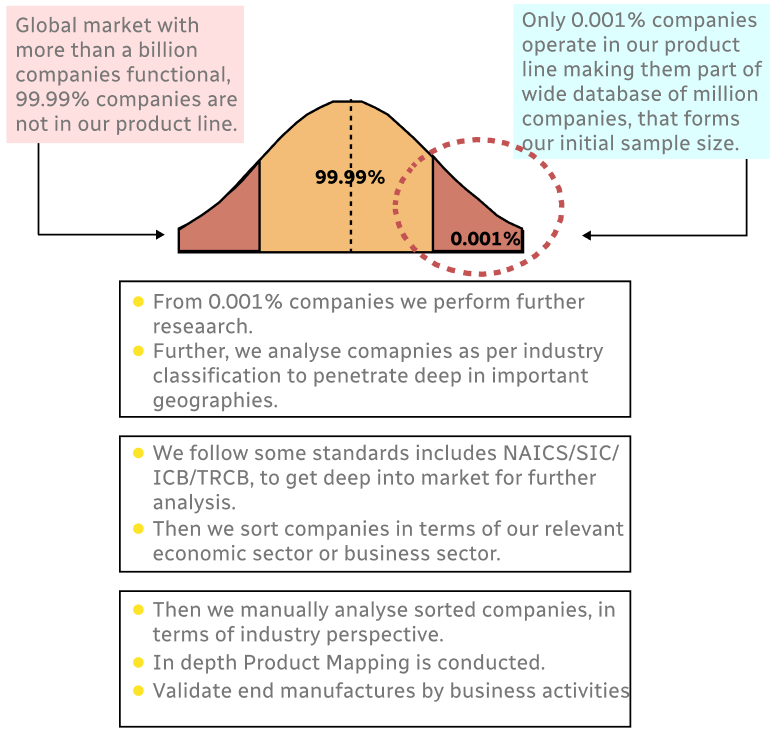
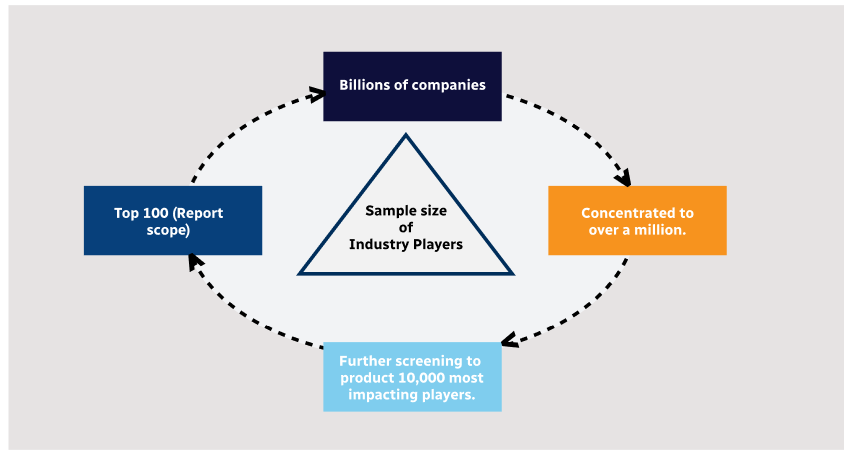
Step 1 - Identification of Relevant Samples Size from Population Database
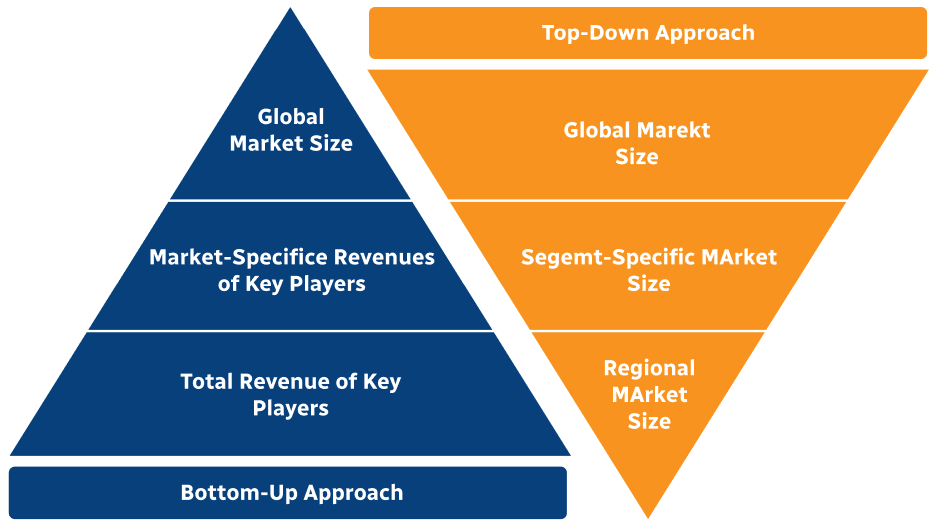
Step 2 - Approaches for Defining Global Market Size (Value, Volume* & Price*)
Note*: In applicable scenarios
Step 3 - Data Sources
Primary Research
- Web Analytics
- Survey Reports
- Research Institute
- Latest Research Reports
- Opinion Leaders
Secondary Research
- Annual Reports
- White Paper
- Latest Press Release
- Industry Association
- Paid Database
- Investor Presentations
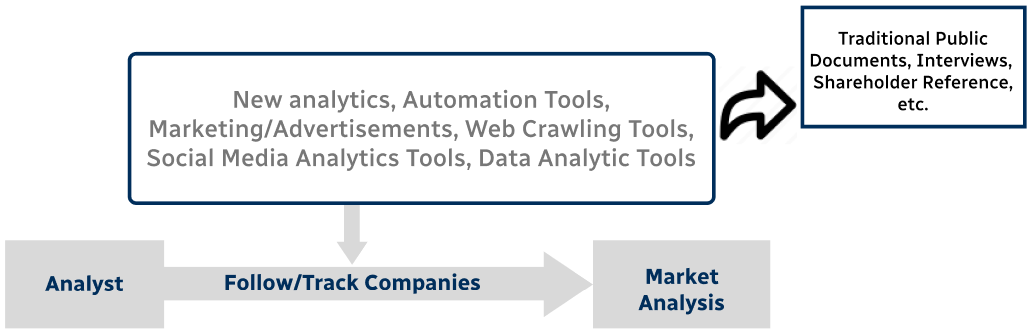
Step 4 - Data Triangulation
Involves using different sources of information in order to increase the validity of a study
These sources are likely to be stakeholders in a program - participants, other researchers, program staff, other community members, and so on.
Then we put all data in single framework & apply various statistical tools to find out the dynamic on the market.
During the analysis stage, feedback from the stakeholder groups would be compared to determine areas of agreement as well as areas of divergence