
Key Insights
The global pharmaceutical filtration devices market is projected to reach $13.21 billion by 2025, with a Compound Annual Growth Rate (CAGR) of 7.94% through 2033. This expansion is driven by increasing demand for biopharmaceuticals, stringent regulatory requirements for drug purity, and advancements in filtration technologies. The biopharmaceutical sector, in particular, necessitates high-efficiency filtration for complex protein-based drugs and therapies. Growing global health initiatives are also fueling R&D, indirectly increasing the need for advanced filtration systems. A significant trend is the adoption of single-use filtration systems, enhancing sterility and operational efficiency in bioprocessing.
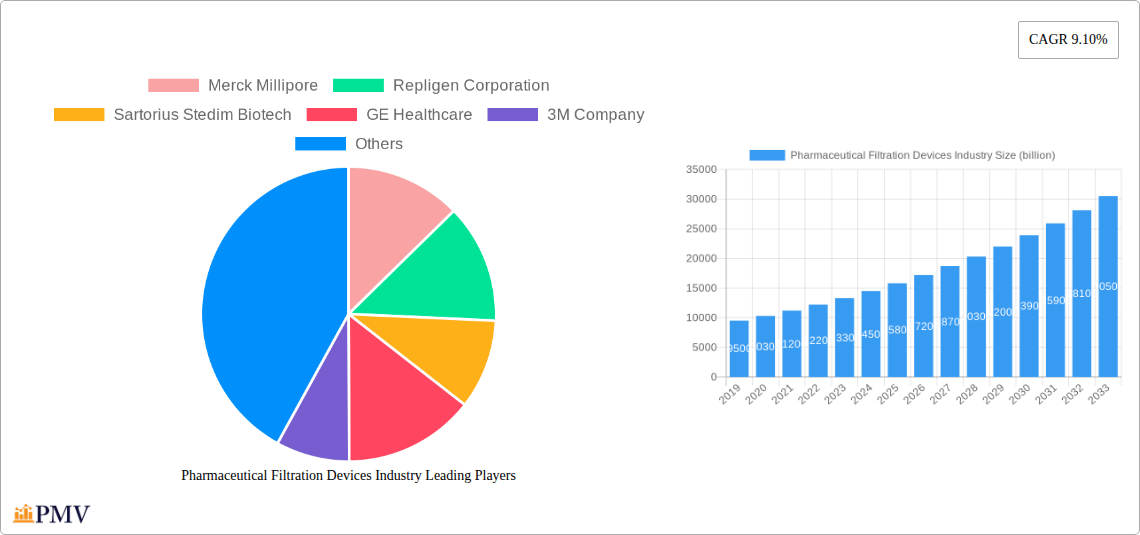
Pharmaceutical Filtration Devices Industry Market Size (In Billion)

The market is segmented by material and technology. Polyethersulfone (PES) and Polyvinylidene Difluoride (PVDF) are anticipated to lead due to their compatibility and low protein binding. Microfiltration and ultrafiltration techniques are expected to dominate in applications such as clarification, sterile filtration, and concentration. Geographically, North America and Europe currently lead, supported by established pharmaceutical industries and strict quality standards. The Asia Pacific region presents a high-growth opportunity due to expanding manufacturing and healthcare investments. Key industry players are focusing on innovation and strategic partnerships to meet evolving market demands.
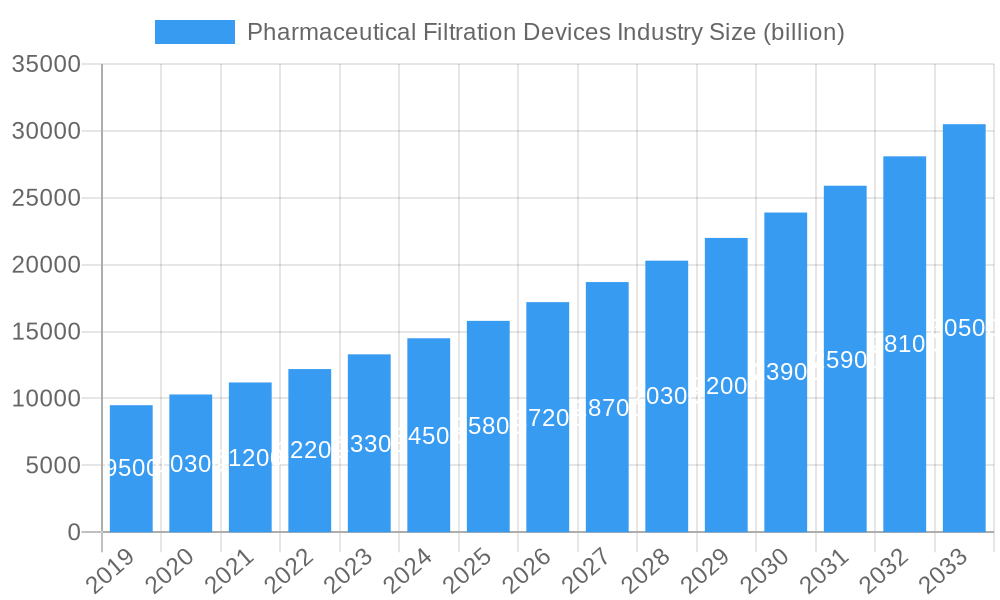
Pharmaceutical Filtration Devices Industry Company Market Share
Pharmaceutical Filtration Devices Market Analysis: Global Trends & Forecast (2025-2033)
Gain comprehensive insights into the dynamic pharmaceutical filtration devices market, crucial for drug development and manufacturing. This report details market size, growth drivers, and future projections. Understand drug purification, biopharmaceutical filtration, and sterile manufacturing processes with expert analysis. Our study covers microfiltration, ultrafiltration, and nanofiltration for applications including final product processing, raw material filtration, cell separation, water purification, and air purification. We analyze market share, collaborations, and innovations to aid strategic decisions for pharmaceutical companies, biotechnology firms, medical device manufacturers, equipment suppliers, and investment firms in this significant market.
Pharmaceutical Filtration Devices Industry Market Structure & Competitive Dynamics
The pharmaceutical filtration devices industry is characterized by a moderate to high market concentration, with key players like Merck Millipore, Sartorius Stedim Biotech, and Thermo Fisher Scientific holding significant market shares, estimated in the tens of billions of dollars globally. Innovation ecosystems are thriving, driven by continuous research and development in advanced membrane materials such as Polyethersulfone (PES), Polyvinylidene Difluoride (PVDF), and specialized Mixed Cellulose Ester (MCE) filters. Regulatory frameworks, including stringent FDA and EMA guidelines for bioprocessing and sterile filtration, play a crucial role in shaping product development and market entry. The threat of product substitutes, while present in less critical applications, is mitigated by the high performance and regulatory compliance requirements in pharmaceutical manufacturing. End-user trends emphasize the demand for higher throughput, improved yields, and enhanced purity in drug manufacturing. Mergers and acquisitions (M&A) activities are strategically significant, with deal values often reaching hundreds of millions to billions of dollars, as larger corporations seek to expand their portfolios and technological capabilities. For example, recent M&A activities have consolidated market share, impacting competitive dynamics.
Pharmaceutical Filtration Devices Industry Industry Trends & Insights
The pharmaceutical filtration devices industry is poised for robust growth, projected at a Compound Annual Growth Rate (CAGR) of approximately 7.5% over the forecast period (2025–2033). This expansion is fueled by several key market growth drivers. The increasing prevalence of chronic diseases and an aging global population are escalating the demand for novel therapeutics and biologics, thereby boosting the need for advanced filtration solutions. Technological disruptions are at the forefront, with the development of novel membrane materials offering superior selectivity, flow rates, and chemical compatibility. Nanotechnology integration in filters, for instance, is enabling finer particle removal critical for biopharmaceutical purification. Consumer preferences are shifting towards safer, more effective, and personalized medicines, necessitating stringent quality control and sterility assurance throughout the drug lifecycle, directly benefiting the demand for high-performance filtration devices. The competitive dynamics are intensifying, with companies focusing on product differentiation through enhanced performance, cost-effectiveness, and customized solutions for specific therapeutic areas like monoclonal antibody purification and vaccine manufacturing. Market penetration is deepening across both developed and emerging economies, driven by increased investment in biopharmaceutical R&D and the growing complexity of drug molecules. The global market size is projected to exceed $40 billion by 2033.
Dominant Markets & Segments in Pharmaceutical Filtration Devices Industry
The Pharmaceutical Filtration Devices Industry exhibits distinct regional dominance and segment preferences. North America and Europe currently represent the largest markets, driven by established pharmaceutical and biotechnology sectors, extensive R&D investments, and stringent regulatory standards. Within North America, the United States, with its vast biopharmaceutical industry and numerous leading companies like Thermo Fisher Scientific and Danaher Corporation, holds a commanding market share. Key drivers for this dominance include supportive government policies for R&D, robust healthcare infrastructure, and a high concentration of manufacturing facilities.
Material Segment Dominance:
- Polyethersulfone (PES): This material dominates owing to its excellent flow characteristics, broad pH range compatibility, and low protein binding, making it ideal for biopharmaceutical processing, sterile filtration, and water purification. Its widespread adoption in the final product processing segment further solidifies its leading position.
- Polyvinylidene Difluoride (PVDF): PVDF is highly valued for its chemical resistance and hydrophobicity, making it a preferred choice for applications involving organic solvents and in air purification systems within pharmaceutical facilities.
- Nylon Membrane Filters: While significant, Nylon filters often cater to specific applications requiring good mechanical strength and compatibility with certain aqueous solutions, finding use in raw material filtration.
- Mixed Cellulose Ester (MCE): Historically significant, MCE filters are still utilized in various applications but are increasingly being supplanted by PES and PVDF in more demanding biopharmaceutical processes.
- Others: This includes specialized materials like PTFE and ceramics, which are gaining traction in niche high-performance applications.
Technique Segment Dominance:
- Microfiltration: This technique remains dominant due to its broad applicability in removing bacteria, yeast, and particulate matter from liquids and gases, crucial for sterility assurance and cell separation.
- Ultrafiltration: Experiencing rapid growth, ultrafiltration is essential for concentrating and purifying macromolecules, such as proteins and antibodies, making it indispensable for biopharmaceutical purification and final product processing.
- Nanofiltration: This segment is expanding significantly as the complexity of drug molecules increases, requiring more precise separation of smaller contaminants and valuable components.
- Others: This category includes techniques like reverse osmosis, primarily for water purification in pharmaceutical settings.
Application Segment Dominance:
- Final Product Processing: This is the largest and most critical application, encompassing the purification and sterilization of the final drug product, directly impacting patient safety and therapeutic efficacy.
- Raw Material Filtration: Ensuring the purity of incoming materials is paramount to avoid contamination throughout the manufacturing process.
- Cell Separation: Crucial for upstream bioprocessing, this application involves isolating or clarifying cells for downstream processing.
- Water Purification: High-purity water is a fundamental requirement in all pharmaceutical manufacturing processes.
- Air Purification: Maintaining sterile environments within manufacturing facilities is essential to prevent microbial contamination.
The strategic importance of these segments, coupled with ongoing technological advancements and market demand, will continue to shape the future landscape of the pharmaceutical filtration devices industry.
Pharmaceutical Filtration Devices Industry Product Innovations
Product innovations in the pharmaceutical filtration devices market are driven by the relentless pursuit of enhanced efficiency, purity, and sustainability in drug manufacturing. Companies are developing advanced filter media with improved pore structures for finer particulate removal and superior flow rates. Innovations include single-use filtration systems that minimize cross-contamination risks and reduce cleaning validation efforts, a significant competitive advantage. Furthermore, the integration of smart technologies for real-time monitoring of filter performance and integrity is emerging, allowing for proactive intervention and process optimization. These developments are crucial for addressing the increasing complexity of biologics and the demand for personalized medicine, directly impacting biopharmaceutical purification and sterile manufacturing.
Report Segmentation & Scope
This comprehensive report meticulously segments the Pharmaceutical Filtration Devices Industry market by Material, Technique, and Application.
Material Segmentation: The market is analyzed across Polyethersulfone (PES), Mixed Cellulose Ester (MCE), Polyvinylidene Difluoride (PVDF), Nylon Membrane Filters, and Others. Each material segment is assessed for its market size, growth projections, and competitive landscape, detailing their specific advantages in applications like drug purification and sterile filtration.
Technique Segmentation: Key techniques covered include Microfiltration, Ultrafiltration, Nanofiltration, and Others. This segmentation highlights the evolving demand for advanced separation technologies, critical for biopharmaceutical processing and the development of complex therapeutics.
Application Segmentation: The report delves into applications such as Final Product Processing, Raw Material Filtration, Cell Separation, Water Purification, and Air Purification. Each application segment is evaluated based on its market share, growth potential, and the specific filtration device requirements driven by regulatory compliance and therapeutic advancements.
Key Drivers of Pharmaceutical Filtration Devices Industry Growth
Several factors are propelling the growth of the pharmaceutical filtration devices industry. The escalating global demand for biopharmaceuticals and vaccines, driven by an aging population and rising healthcare expenditure, is a primary catalyst. Technological advancements in filtration membranes, offering enhanced selectivity and efficiency for drug purification, are opening new market avenues. Stringent regulatory requirements from bodies like the FDA and EMA for product safety and sterility are mandating the use of high-performance filtration solutions in bioprocessing and sterile manufacturing. Furthermore, increasing investments in research and development by pharmaceutical and biotechnology companies, focused on novel drug discovery and development, directly translate to higher demand for sophisticated filtration devices. The trend towards single-use technologies also contributes significantly to market expansion by reducing validation times and contamination risks.
Challenges in the Pharmaceutical Filtration Devices Industry Sector
Despite robust growth prospects, the pharmaceutical filtration devices industry faces several challenges. The high cost associated with advanced filtration technologies and materials can be a barrier, particularly for smaller biotechnology firms and in emerging markets. Strict and evolving regulatory landscapes require continuous investment in validation and compliance, adding to operational expenses. Supply chain disruptions, as witnessed globally in recent years, can impact the availability and cost of critical raw materials for filter manufacturing. Intense competition among established players and the emergence of new entrants also exert pricing pressures. Moreover, the development of novel drug modalities, such as gene therapies and cell therapies, presents unique and complex filtration challenges that require specialized and often custom-designed solutions, demanding significant R&D investment.
Leading Players in the Pharmaceutical Filtration Devices Industry Market
- Merck Millipore
- Repligen Corporation
- Sartorius Stedim Biotech
- GE Healthcare
- 3M Company
- GEA Group
- Danaher Corporation
- Graver Technologies
- Thermo Fisher Scientific
- Parker Hannifin Corporation
Key Developments in Pharmaceutical Filtration Devices Industry Sector
- 2024: Launch of next-generation PES membranes offering enhanced throughput and reduced protein adsorption for monoclonal antibody purification.
- 2023: Sartorius Stedim Biotech acquired a leading single-use technology provider, expanding its portfolio in sterile processing solutions.
- 2022: GE Healthcare introduced advanced sterile filters designed for rapid clarification of cell culture media, improving upstream bioprocessing efficiency.
- 2021: Thermo Fisher Scientific unveiled a novel nanoselective filtration platform for the purification of viral vectors in gene therapy.
- 2020: Merck Millipore expanded its bioprocessing solutions with innovative downstream filtration technologies for biopharmaceutical manufacturing.
Strategic Pharmaceutical Filtration Devices Industry Market Outlook
The strategic outlook for the pharmaceutical filtration devices industry remains exceptionally positive, driven by sustained innovation and increasing global demand for advanced therapeutics. Growth accelerators include the expanding biologics market, the rise of personalized medicine, and the growing adoption of single-use filtration technologies. Investments in emerging markets, particularly in Asia-Pacific, present significant opportunities for market penetration. Companies are strategically focusing on developing integrated filtration solutions that offer end-to-end process optimization, from upstream cell culture to downstream drug purification. Furthermore, collaborations and partnerships aimed at developing novel materials and technologies for complex applications like gene therapy filtration and vaccine production will be crucial for maintaining competitive advantage and capturing future market share in this multi-billion dollar sector. The continuous emphasis on patient safety and product quality will ensure the enduring importance of advanced pharmaceutical filtration devices.
Pharmaceutical Filtration Devices Industry Segmentation
-
1. Material
- 1.1. Polyethersulfone (PES)
- 1.2. Mixed Ce
- 1.3. Polyvinylidene Difluoride (PVDF)
- 1.4. Nylon Membrane Filters
- 1.5. Others
-
2. Technique
- 2.1. Microfiltration
- 2.2. Ultrafiltration
- 2.3. Nanofiltration
- 2.4. Others
-
3. Application
- 3.1. Final Product Processing
- 3.2. Raw Material Filtration
- 3.3. Cell Separation
- 3.4. Water Purification
- 3.5. Air Purification
Pharmaceutical Filtration Devices Industry Segmentation By Geography
-
1. North America
- 1.1. United States
- 1.2. Canada
- 1.3. Mexico
-
2. Europe
- 2.1. Germany
- 2.2. United Kingdom
- 2.3. France
- 2.4. Italy
- 2.5. Spain
- 2.6. Rest of Europe
-
3. Asia Pacific
- 3.1. China
- 3.2. Japan
- 3.3. India
- 3.4. Australia
- 3.5. South Korea
- 3.6. Rest of Asia Pacific
- 4. Rest of the World
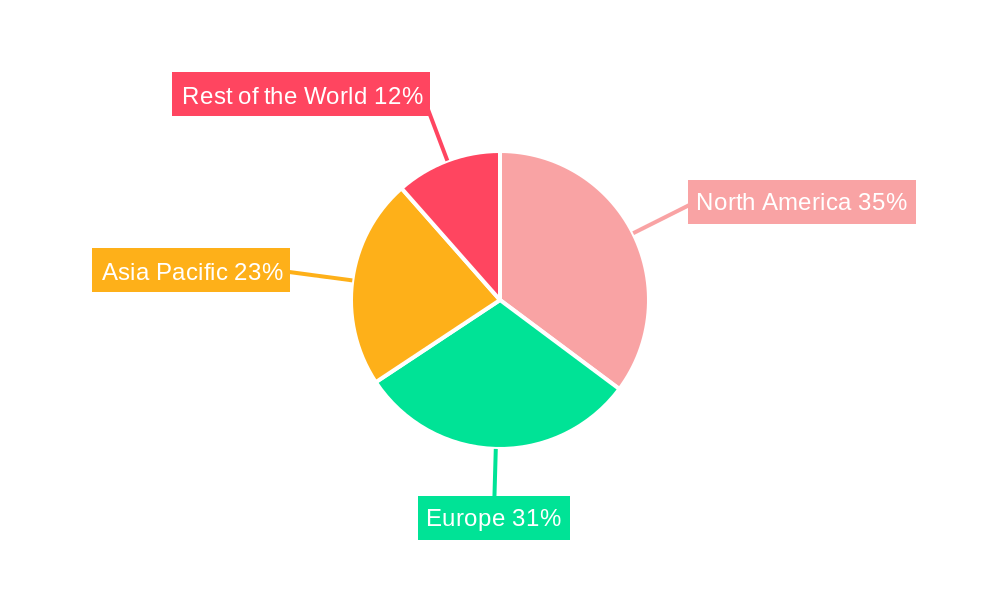
Pharmaceutical Filtration Devices Industry Regional Market Share
Geographic Coverage of Pharmaceutical Filtration Devices Industry
Pharmaceutical Filtration Devices Industry REPORT HIGHLIGHTS
| Aspects | Details |
|---|---|
| Study Period | 2020-2034 |
| Base Year | 2025 |
| Estimated Year | 2026 |
| Forecast Period | 2026-2034 |
| Historical Period | 2020-2025 |
| Growth Rate | CAGR of 7.94% from 2020-2034 |
| Segmentation |
|
Table of Contents
- 1. Introduction
- 1.1. Research Scope
- 1.2. Market Segmentation
- 1.3. Research Methodology
- 1.4. Definitions and Assumptions
- 2. Executive Summary
- 2.1. Introduction
- 3. Market Dynamics
- 3.1. Introduction
- 3.2. Market Drivers
- 3.2.1. Increasing Adoption of Single-Use Technologies; Advancements in Nanofiltration Technology
- 3.3. Market Restrains
- 3.3.1. High Capital Required for Operations; Membrane Fouling
- 3.4. Market Trends
- 3.4.1. Microfiltration is Expected to Register a High CAGR Through the Forecast Period
- 4. Market Factor Analysis
- 4.1. Porters Five Forces
- 4.2. Supply/Value Chain
- 4.3. PESTEL analysis
- 4.4. Market Entropy
- 4.5. Patent/Trademark Analysis
- 5. Global Pharmaceutical Filtration Devices Industry Analysis, Insights and Forecast, 2020-2032
- 5.1. Market Analysis, Insights and Forecast - by Material
- 5.1.1. Polyethersulfone (PES)
- 5.1.2. Mixed Ce
- 5.1.3. Polyvinylidene Difluoride (PVDF)
- 5.1.4. Nylon Membrane Filters
- 5.1.5. Others
- 5.2. Market Analysis, Insights and Forecast - by Technique
- 5.2.1. Microfiltration
- 5.2.2. Ultrafiltration
- 5.2.3. Nanofiltration
- 5.2.4. Others
- 5.3. Market Analysis, Insights and Forecast - by Application
- 5.3.1. Final Product Processing
- 5.3.2. Raw Material Filtration
- 5.3.3. Cell Separation
- 5.3.4. Water Purification
- 5.3.5. Air Purification
- 5.4. Market Analysis, Insights and Forecast - by Region
- 5.4.1. North America
- 5.4.2. Europe
- 5.4.3. Asia Pacific
- 5.4.4. Rest of the World
- 5.1. Market Analysis, Insights and Forecast - by Material
- 6. North America Pharmaceutical Filtration Devices Industry Analysis, Insights and Forecast, 2020-2032
- 6.1. Market Analysis, Insights and Forecast - by Material
- 6.1.1. Polyethersulfone (PES)
- 6.1.2. Mixed Ce
- 6.1.3. Polyvinylidene Difluoride (PVDF)
- 6.1.4. Nylon Membrane Filters
- 6.1.5. Others
- 6.2. Market Analysis, Insights and Forecast - by Technique
- 6.2.1. Microfiltration
- 6.2.2. Ultrafiltration
- 6.2.3. Nanofiltration
- 6.2.4. Others
- 6.3. Market Analysis, Insights and Forecast - by Application
- 6.3.1. Final Product Processing
- 6.3.2. Raw Material Filtration
- 6.3.3. Cell Separation
- 6.3.4. Water Purification
- 6.3.5. Air Purification
- 6.1. Market Analysis, Insights and Forecast - by Material
- 7. Europe Pharmaceutical Filtration Devices Industry Analysis, Insights and Forecast, 2020-2032
- 7.1. Market Analysis, Insights and Forecast - by Material
- 7.1.1. Polyethersulfone (PES)
- 7.1.2. Mixed Ce
- 7.1.3. Polyvinylidene Difluoride (PVDF)
- 7.1.4. Nylon Membrane Filters
- 7.1.5. Others
- 7.2. Market Analysis, Insights and Forecast - by Technique
- 7.2.1. Microfiltration
- 7.2.2. Ultrafiltration
- 7.2.3. Nanofiltration
- 7.2.4. Others
- 7.3. Market Analysis, Insights and Forecast - by Application
- 7.3.1. Final Product Processing
- 7.3.2. Raw Material Filtration
- 7.3.3. Cell Separation
- 7.3.4. Water Purification
- 7.3.5. Air Purification
- 7.1. Market Analysis, Insights and Forecast - by Material
- 8. Asia Pacific Pharmaceutical Filtration Devices Industry Analysis, Insights and Forecast, 2020-2032
- 8.1. Market Analysis, Insights and Forecast - by Material
- 8.1.1. Polyethersulfone (PES)
- 8.1.2. Mixed Ce
- 8.1.3. Polyvinylidene Difluoride (PVDF)
- 8.1.4. Nylon Membrane Filters
- 8.1.5. Others
- 8.2. Market Analysis, Insights and Forecast - by Technique
- 8.2.1. Microfiltration
- 8.2.2. Ultrafiltration
- 8.2.3. Nanofiltration
- 8.2.4. Others
- 8.3. Market Analysis, Insights and Forecast - by Application
- 8.3.1. Final Product Processing
- 8.3.2. Raw Material Filtration
- 8.3.3. Cell Separation
- 8.3.4. Water Purification
- 8.3.5. Air Purification
- 8.1. Market Analysis, Insights and Forecast - by Material
- 9. Rest of the World Pharmaceutical Filtration Devices Industry Analysis, Insights and Forecast, 2020-2032
- 9.1. Market Analysis, Insights and Forecast - by Material
- 9.1.1. Polyethersulfone (PES)
- 9.1.2. Mixed Ce
- 9.1.3. Polyvinylidene Difluoride (PVDF)
- 9.1.4. Nylon Membrane Filters
- 9.1.5. Others
- 9.2. Market Analysis, Insights and Forecast - by Technique
- 9.2.1. Microfiltration
- 9.2.2. Ultrafiltration
- 9.2.3. Nanofiltration
- 9.2.4. Others
- 9.3. Market Analysis, Insights and Forecast - by Application
- 9.3.1. Final Product Processing
- 9.3.2. Raw Material Filtration
- 9.3.3. Cell Separation
- 9.3.4. Water Purification
- 9.3.5. Air Purification
- 9.1. Market Analysis, Insights and Forecast - by Material
- 10. Competitive Analysis
- 10.1. Global Market Share Analysis 2025
- 10.2. Company Profiles
- 10.2.1 Merck Millipore
- 10.2.1.1. Overview
- 10.2.1.2. Products
- 10.2.1.3. SWOT Analysis
- 10.2.1.4. Recent Developments
- 10.2.1.5. Financials (Based on Availability)
- 10.2.2 Repligen Corporation
- 10.2.2.1. Overview
- 10.2.2.2. Products
- 10.2.2.3. SWOT Analysis
- 10.2.2.4. Recent Developments
- 10.2.2.5. Financials (Based on Availability)
- 10.2.3 Sartorius Stedim Biotech
- 10.2.3.1. Overview
- 10.2.3.2. Products
- 10.2.3.3. SWOT Analysis
- 10.2.3.4. Recent Developments
- 10.2.3.5. Financials (Based on Availability)
- 10.2.4 GE Healthcare
- 10.2.4.1. Overview
- 10.2.4.2. Products
- 10.2.4.3. SWOT Analysis
- 10.2.4.4. Recent Developments
- 10.2.4.5. Financials (Based on Availability)
- 10.2.5 3M Company
- 10.2.5.1. Overview
- 10.2.5.2. Products
- 10.2.5.3. SWOT Analysis
- 10.2.5.4. Recent Developments
- 10.2.5.5. Financials (Based on Availability)
- 10.2.6 GEA Group
- 10.2.6.1. Overview
- 10.2.6.2. Products
- 10.2.6.3. SWOT Analysis
- 10.2.6.4. Recent Developments
- 10.2.6.5. Financials (Based on Availability)
- 10.2.7 Danaher Corporation
- 10.2.7.1. Overview
- 10.2.7.2. Products
- 10.2.7.3. SWOT Analysis
- 10.2.7.4. Recent Developments
- 10.2.7.5. Financials (Based on Availability)
- 10.2.8 Graver Technologies
- 10.2.8.1. Overview
- 10.2.8.2. Products
- 10.2.8.3. SWOT Analysis
- 10.2.8.4. Recent Developments
- 10.2.8.5. Financials (Based on Availability)
- 10.2.9 Thermo Fisher Scientific
- 10.2.9.1. Overview
- 10.2.9.2. Products
- 10.2.9.3. SWOT Analysis
- 10.2.9.4. Recent Developments
- 10.2.9.5. Financials (Based on Availability)
- 10.2.10 Parker Hannifin Corporation
- 10.2.10.1. Overview
- 10.2.10.2. Products
- 10.2.10.3. SWOT Analysis
- 10.2.10.4. Recent Developments
- 10.2.10.5. Financials (Based on Availability)
- 10.2.1 Merck Millipore
List of Figures
- Figure 1: Global Pharmaceutical Filtration Devices Industry Revenue Breakdown (billion, %) by Region 2025 & 2033
- Figure 2: Global Pharmaceutical Filtration Devices Industry Volume Breakdown (K Units, %) by Region 2025 & 2033
- Figure 3: North America Pharmaceutical Filtration Devices Industry Revenue (billion), by Material 2025 & 2033
- Figure 4: North America Pharmaceutical Filtration Devices Industry Volume (K Units), by Material 2025 & 2033
- Figure 5: North America Pharmaceutical Filtration Devices Industry Revenue Share (%), by Material 2025 & 2033
- Figure 6: North America Pharmaceutical Filtration Devices Industry Volume Share (%), by Material 2025 & 2033
- Figure 7: North America Pharmaceutical Filtration Devices Industry Revenue (billion), by Technique 2025 & 2033
- Figure 8: North America Pharmaceutical Filtration Devices Industry Volume (K Units), by Technique 2025 & 2033
- Figure 9: North America Pharmaceutical Filtration Devices Industry Revenue Share (%), by Technique 2025 & 2033
- Figure 10: North America Pharmaceutical Filtration Devices Industry Volume Share (%), by Technique 2025 & 2033
- Figure 11: North America Pharmaceutical Filtration Devices Industry Revenue (billion), by Application 2025 & 2033
- Figure 12: North America Pharmaceutical Filtration Devices Industry Volume (K Units), by Application 2025 & 2033
- Figure 13: North America Pharmaceutical Filtration Devices Industry Revenue Share (%), by Application 2025 & 2033
- Figure 14: North America Pharmaceutical Filtration Devices Industry Volume Share (%), by Application 2025 & 2033
- Figure 15: North America Pharmaceutical Filtration Devices Industry Revenue (billion), by Country 2025 & 2033
- Figure 16: North America Pharmaceutical Filtration Devices Industry Volume (K Units), by Country 2025 & 2033
- Figure 17: North America Pharmaceutical Filtration Devices Industry Revenue Share (%), by Country 2025 & 2033
- Figure 18: North America Pharmaceutical Filtration Devices Industry Volume Share (%), by Country 2025 & 2033
- Figure 19: Europe Pharmaceutical Filtration Devices Industry Revenue (billion), by Material 2025 & 2033
- Figure 20: Europe Pharmaceutical Filtration Devices Industry Volume (K Units), by Material 2025 & 2033
- Figure 21: Europe Pharmaceutical Filtration Devices Industry Revenue Share (%), by Material 2025 & 2033
- Figure 22: Europe Pharmaceutical Filtration Devices Industry Volume Share (%), by Material 2025 & 2033
- Figure 23: Europe Pharmaceutical Filtration Devices Industry Revenue (billion), by Technique 2025 & 2033
- Figure 24: Europe Pharmaceutical Filtration Devices Industry Volume (K Units), by Technique 2025 & 2033
- Figure 25: Europe Pharmaceutical Filtration Devices Industry Revenue Share (%), by Technique 2025 & 2033
- Figure 26: Europe Pharmaceutical Filtration Devices Industry Volume Share (%), by Technique 2025 & 2033
- Figure 27: Europe Pharmaceutical Filtration Devices Industry Revenue (billion), by Application 2025 & 2033
- Figure 28: Europe Pharmaceutical Filtration Devices Industry Volume (K Units), by Application 2025 & 2033
- Figure 29: Europe Pharmaceutical Filtration Devices Industry Revenue Share (%), by Application 2025 & 2033
- Figure 30: Europe Pharmaceutical Filtration Devices Industry Volume Share (%), by Application 2025 & 2033
- Figure 31: Europe Pharmaceutical Filtration Devices Industry Revenue (billion), by Country 2025 & 2033
- Figure 32: Europe Pharmaceutical Filtration Devices Industry Volume (K Units), by Country 2025 & 2033
- Figure 33: Europe Pharmaceutical Filtration Devices Industry Revenue Share (%), by Country 2025 & 2033
- Figure 34: Europe Pharmaceutical Filtration Devices Industry Volume Share (%), by Country 2025 & 2033
- Figure 35: Asia Pacific Pharmaceutical Filtration Devices Industry Revenue (billion), by Material 2025 & 2033
- Figure 36: Asia Pacific Pharmaceutical Filtration Devices Industry Volume (K Units), by Material 2025 & 2033
- Figure 37: Asia Pacific Pharmaceutical Filtration Devices Industry Revenue Share (%), by Material 2025 & 2033
- Figure 38: Asia Pacific Pharmaceutical Filtration Devices Industry Volume Share (%), by Material 2025 & 2033
- Figure 39: Asia Pacific Pharmaceutical Filtration Devices Industry Revenue (billion), by Technique 2025 & 2033
- Figure 40: Asia Pacific Pharmaceutical Filtration Devices Industry Volume (K Units), by Technique 2025 & 2033
- Figure 41: Asia Pacific Pharmaceutical Filtration Devices Industry Revenue Share (%), by Technique 2025 & 2033
- Figure 42: Asia Pacific Pharmaceutical Filtration Devices Industry Volume Share (%), by Technique 2025 & 2033
- Figure 43: Asia Pacific Pharmaceutical Filtration Devices Industry Revenue (billion), by Application 2025 & 2033
- Figure 44: Asia Pacific Pharmaceutical Filtration Devices Industry Volume (K Units), by Application 2025 & 2033
- Figure 45: Asia Pacific Pharmaceutical Filtration Devices Industry Revenue Share (%), by Application 2025 & 2033
- Figure 46: Asia Pacific Pharmaceutical Filtration Devices Industry Volume Share (%), by Application 2025 & 2033
- Figure 47: Asia Pacific Pharmaceutical Filtration Devices Industry Revenue (billion), by Country 2025 & 2033
- Figure 48: Asia Pacific Pharmaceutical Filtration Devices Industry Volume (K Units), by Country 2025 & 2033
- Figure 49: Asia Pacific Pharmaceutical Filtration Devices Industry Revenue Share (%), by Country 2025 & 2033
- Figure 50: Asia Pacific Pharmaceutical Filtration Devices Industry Volume Share (%), by Country 2025 & 2033
- Figure 51: Rest of the World Pharmaceutical Filtration Devices Industry Revenue (billion), by Material 2025 & 2033
- Figure 52: Rest of the World Pharmaceutical Filtration Devices Industry Volume (K Units), by Material 2025 & 2033
- Figure 53: Rest of the World Pharmaceutical Filtration Devices Industry Revenue Share (%), by Material 2025 & 2033
- Figure 54: Rest of the World Pharmaceutical Filtration Devices Industry Volume Share (%), by Material 2025 & 2033
- Figure 55: Rest of the World Pharmaceutical Filtration Devices Industry Revenue (billion), by Technique 2025 & 2033
- Figure 56: Rest of the World Pharmaceutical Filtration Devices Industry Volume (K Units), by Technique 2025 & 2033
- Figure 57: Rest of the World Pharmaceutical Filtration Devices Industry Revenue Share (%), by Technique 2025 & 2033
- Figure 58: Rest of the World Pharmaceutical Filtration Devices Industry Volume Share (%), by Technique 2025 & 2033
- Figure 59: Rest of the World Pharmaceutical Filtration Devices Industry Revenue (billion), by Application 2025 & 2033
- Figure 60: Rest of the World Pharmaceutical Filtration Devices Industry Volume (K Units), by Application 2025 & 2033
- Figure 61: Rest of the World Pharmaceutical Filtration Devices Industry Revenue Share (%), by Application 2025 & 2033
- Figure 62: Rest of the World Pharmaceutical Filtration Devices Industry Volume Share (%), by Application 2025 & 2033
- Figure 63: Rest of the World Pharmaceutical Filtration Devices Industry Revenue (billion), by Country 2025 & 2033
- Figure 64: Rest of the World Pharmaceutical Filtration Devices Industry Volume (K Units), by Country 2025 & 2033
- Figure 65: Rest of the World Pharmaceutical Filtration Devices Industry Revenue Share (%), by Country 2025 & 2033
- Figure 66: Rest of the World Pharmaceutical Filtration Devices Industry Volume Share (%), by Country 2025 & 2033
List of Tables
- Table 1: Global Pharmaceutical Filtration Devices Industry Revenue billion Forecast, by Material 2020 & 2033
- Table 2: Global Pharmaceutical Filtration Devices Industry Volume K Units Forecast, by Material 2020 & 2033
- Table 3: Global Pharmaceutical Filtration Devices Industry Revenue billion Forecast, by Technique 2020 & 2033
- Table 4: Global Pharmaceutical Filtration Devices Industry Volume K Units Forecast, by Technique 2020 & 2033
- Table 5: Global Pharmaceutical Filtration Devices Industry Revenue billion Forecast, by Application 2020 & 2033
- Table 6: Global Pharmaceutical Filtration Devices Industry Volume K Units Forecast, by Application 2020 & 2033
- Table 7: Global Pharmaceutical Filtration Devices Industry Revenue billion Forecast, by Region 2020 & 2033
- Table 8: Global Pharmaceutical Filtration Devices Industry Volume K Units Forecast, by Region 2020 & 2033
- Table 9: Global Pharmaceutical Filtration Devices Industry Revenue billion Forecast, by Material 2020 & 2033
- Table 10: Global Pharmaceutical Filtration Devices Industry Volume K Units Forecast, by Material 2020 & 2033
- Table 11: Global Pharmaceutical Filtration Devices Industry Revenue billion Forecast, by Technique 2020 & 2033
- Table 12: Global Pharmaceutical Filtration Devices Industry Volume K Units Forecast, by Technique 2020 & 2033
- Table 13: Global Pharmaceutical Filtration Devices Industry Revenue billion Forecast, by Application 2020 & 2033
- Table 14: Global Pharmaceutical Filtration Devices Industry Volume K Units Forecast, by Application 2020 & 2033
- Table 15: Global Pharmaceutical Filtration Devices Industry Revenue billion Forecast, by Country 2020 & 2033
- Table 16: Global Pharmaceutical Filtration Devices Industry Volume K Units Forecast, by Country 2020 & 2033
- Table 17: United States Pharmaceutical Filtration Devices Industry Revenue (billion) Forecast, by Application 2020 & 2033
- Table 18: United States Pharmaceutical Filtration Devices Industry Volume (K Units) Forecast, by Application 2020 & 2033
- Table 19: Canada Pharmaceutical Filtration Devices Industry Revenue (billion) Forecast, by Application 2020 & 2033
- Table 20: Canada Pharmaceutical Filtration Devices Industry Volume (K Units) Forecast, by Application 2020 & 2033
- Table 21: Mexico Pharmaceutical Filtration Devices Industry Revenue (billion) Forecast, by Application 2020 & 2033
- Table 22: Mexico Pharmaceutical Filtration Devices Industry Volume (K Units) Forecast, by Application 2020 & 2033
- Table 23: Global Pharmaceutical Filtration Devices Industry Revenue billion Forecast, by Material 2020 & 2033
- Table 24: Global Pharmaceutical Filtration Devices Industry Volume K Units Forecast, by Material 2020 & 2033
- Table 25: Global Pharmaceutical Filtration Devices Industry Revenue billion Forecast, by Technique 2020 & 2033
- Table 26: Global Pharmaceutical Filtration Devices Industry Volume K Units Forecast, by Technique 2020 & 2033
- Table 27: Global Pharmaceutical Filtration Devices Industry Revenue billion Forecast, by Application 2020 & 2033
- Table 28: Global Pharmaceutical Filtration Devices Industry Volume K Units Forecast, by Application 2020 & 2033
- Table 29: Global Pharmaceutical Filtration Devices Industry Revenue billion Forecast, by Country 2020 & 2033
- Table 30: Global Pharmaceutical Filtration Devices Industry Volume K Units Forecast, by Country 2020 & 2033
- Table 31: Germany Pharmaceutical Filtration Devices Industry Revenue (billion) Forecast, by Application 2020 & 2033
- Table 32: Germany Pharmaceutical Filtration Devices Industry Volume (K Units) Forecast, by Application 2020 & 2033
- Table 33: United Kingdom Pharmaceutical Filtration Devices Industry Revenue (billion) Forecast, by Application 2020 & 2033
- Table 34: United Kingdom Pharmaceutical Filtration Devices Industry Volume (K Units) Forecast, by Application 2020 & 2033
- Table 35: France Pharmaceutical Filtration Devices Industry Revenue (billion) Forecast, by Application 2020 & 2033
- Table 36: France Pharmaceutical Filtration Devices Industry Volume (K Units) Forecast, by Application 2020 & 2033
- Table 37: Italy Pharmaceutical Filtration Devices Industry Revenue (billion) Forecast, by Application 2020 & 2033
- Table 38: Italy Pharmaceutical Filtration Devices Industry Volume (K Units) Forecast, by Application 2020 & 2033
- Table 39: Spain Pharmaceutical Filtration Devices Industry Revenue (billion) Forecast, by Application 2020 & 2033
- Table 40: Spain Pharmaceutical Filtration Devices Industry Volume (K Units) Forecast, by Application 2020 & 2033
- Table 41: Rest of Europe Pharmaceutical Filtration Devices Industry Revenue (billion) Forecast, by Application 2020 & 2033
- Table 42: Rest of Europe Pharmaceutical Filtration Devices Industry Volume (K Units) Forecast, by Application 2020 & 2033
- Table 43: Global Pharmaceutical Filtration Devices Industry Revenue billion Forecast, by Material 2020 & 2033
- Table 44: Global Pharmaceutical Filtration Devices Industry Volume K Units Forecast, by Material 2020 & 2033
- Table 45: Global Pharmaceutical Filtration Devices Industry Revenue billion Forecast, by Technique 2020 & 2033
- Table 46: Global Pharmaceutical Filtration Devices Industry Volume K Units Forecast, by Technique 2020 & 2033
- Table 47: Global Pharmaceutical Filtration Devices Industry Revenue billion Forecast, by Application 2020 & 2033
- Table 48: Global Pharmaceutical Filtration Devices Industry Volume K Units Forecast, by Application 2020 & 2033
- Table 49: Global Pharmaceutical Filtration Devices Industry Revenue billion Forecast, by Country 2020 & 2033
- Table 50: Global Pharmaceutical Filtration Devices Industry Volume K Units Forecast, by Country 2020 & 2033
- Table 51: China Pharmaceutical Filtration Devices Industry Revenue (billion) Forecast, by Application 2020 & 2033
- Table 52: China Pharmaceutical Filtration Devices Industry Volume (K Units) Forecast, by Application 2020 & 2033
- Table 53: Japan Pharmaceutical Filtration Devices Industry Revenue (billion) Forecast, by Application 2020 & 2033
- Table 54: Japan Pharmaceutical Filtration Devices Industry Volume (K Units) Forecast, by Application 2020 & 2033
- Table 55: India Pharmaceutical Filtration Devices Industry Revenue (billion) Forecast, by Application 2020 & 2033
- Table 56: India Pharmaceutical Filtration Devices Industry Volume (K Units) Forecast, by Application 2020 & 2033
- Table 57: Australia Pharmaceutical Filtration Devices Industry Revenue (billion) Forecast, by Application 2020 & 2033
- Table 58: Australia Pharmaceutical Filtration Devices Industry Volume (K Units) Forecast, by Application 2020 & 2033
- Table 59: South Korea Pharmaceutical Filtration Devices Industry Revenue (billion) Forecast, by Application 2020 & 2033
- Table 60: South Korea Pharmaceutical Filtration Devices Industry Volume (K Units) Forecast, by Application 2020 & 2033
- Table 61: Rest of Asia Pacific Pharmaceutical Filtration Devices Industry Revenue (billion) Forecast, by Application 2020 & 2033
- Table 62: Rest of Asia Pacific Pharmaceutical Filtration Devices Industry Volume (K Units) Forecast, by Application 2020 & 2033
- Table 63: Global Pharmaceutical Filtration Devices Industry Revenue billion Forecast, by Material 2020 & 2033
- Table 64: Global Pharmaceutical Filtration Devices Industry Volume K Units Forecast, by Material 2020 & 2033
- Table 65: Global Pharmaceutical Filtration Devices Industry Revenue billion Forecast, by Technique 2020 & 2033
- Table 66: Global Pharmaceutical Filtration Devices Industry Volume K Units Forecast, by Technique 2020 & 2033
- Table 67: Global Pharmaceutical Filtration Devices Industry Revenue billion Forecast, by Application 2020 & 2033
- Table 68: Global Pharmaceutical Filtration Devices Industry Volume K Units Forecast, by Application 2020 & 2033
- Table 69: Global Pharmaceutical Filtration Devices Industry Revenue billion Forecast, by Country 2020 & 2033
- Table 70: Global Pharmaceutical Filtration Devices Industry Volume K Units Forecast, by Country 2020 & 2033
Frequently Asked Questions
1. What is the projected Compound Annual Growth Rate (CAGR) of the Pharmaceutical Filtration Devices Industry?
The projected CAGR is approximately 7.94%.
2. Which companies are prominent players in the Pharmaceutical Filtration Devices Industry?
Key companies in the market include Merck Millipore, Repligen Corporation, Sartorius Stedim Biotech, GE Healthcare, 3M Company, GEA Group, Danaher Corporation, Graver Technologies, Thermo Fisher Scientific, Parker Hannifin Corporation.
3. What are the main segments of the Pharmaceutical Filtration Devices Industry?
The market segments include Material, Technique, Application.
4. Can you provide details about the market size?
The market size is estimated to be USD 13.21 billion as of 2022.
5. What are some drivers contributing to market growth?
Increasing Adoption of Single-Use Technologies; Advancements in Nanofiltration Technology.
6. What are the notable trends driving market growth?
Microfiltration is Expected to Register a High CAGR Through the Forecast Period.
7. Are there any restraints impacting market growth?
High Capital Required for Operations; Membrane Fouling.
8. Can you provide examples of recent developments in the market?
N/A
9. What pricing options are available for accessing the report?
Pricing options include single-user, multi-user, and enterprise licenses priced at USD 4750, USD 5250, and USD 8750 respectively.
10. Is the market size provided in terms of value or volume?
The market size is provided in terms of value, measured in billion and volume, measured in K Units.
11. Are there any specific market keywords associated with the report?
Yes, the market keyword associated with the report is "Pharmaceutical Filtration Devices Industry," which aids in identifying and referencing the specific market segment covered.
12. How do I determine which pricing option suits my needs best?
The pricing options vary based on user requirements and access needs. Individual users may opt for single-user licenses, while businesses requiring broader access may choose multi-user or enterprise licenses for cost-effective access to the report.
13. Are there any additional resources or data provided in the Pharmaceutical Filtration Devices Industry report?
While the report offers comprehensive insights, it's advisable to review the specific contents or supplementary materials provided to ascertain if additional resources or data are available.
14. How can I stay updated on further developments or reports in the Pharmaceutical Filtration Devices Industry?
To stay informed about further developments, trends, and reports in the Pharmaceutical Filtration Devices Industry, consider subscribing to industry newsletters, following relevant companies and organizations, or regularly checking reputable industry news sources and publications.
Methodology
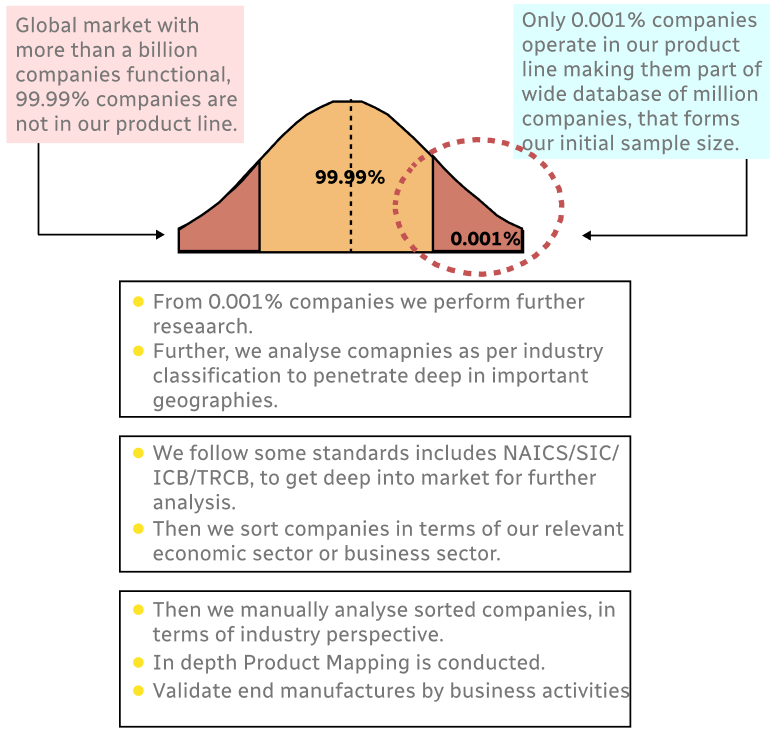
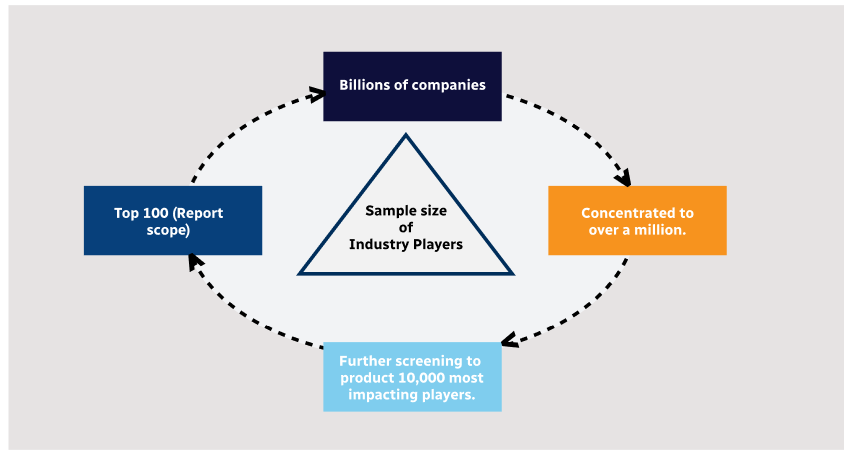
Step 1 - Identification of Relevant Samples Size from Population Database
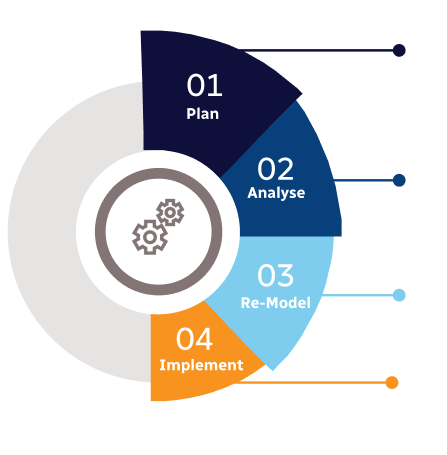
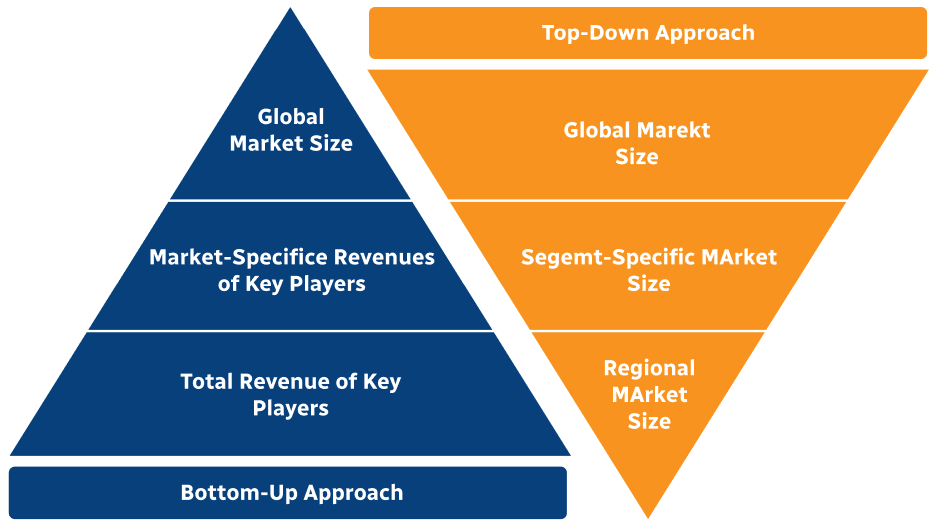
Step 2 - Approaches for Defining Global Market Size (Value, Volume* & Price*)
Note*: In applicable scenarios
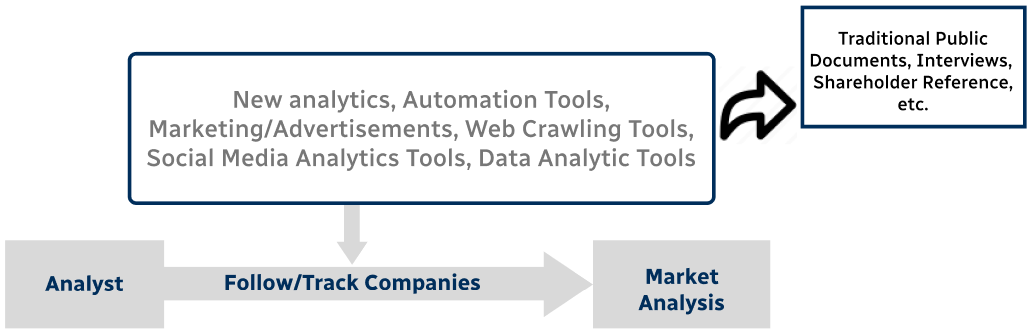
Step 3 - Data Sources
Primary Research
- Web Analytics
- Survey Reports
- Research Institute
- Latest Research Reports
- Opinion Leaders
Secondary Research
- Annual Reports
- White Paper
- Latest Press Release
- Industry Association
- Paid Database
- Investor Presentations
Step 4 - Data Triangulation
Involves using different sources of information in order to increase the validity of a study
These sources are likely to be stakeholders in a program - participants, other researchers, program staff, other community members, and so on.
Then we put all data in single framework & apply various statistical tools to find out the dynamic on the market.
During the analysis stage, feedback from the stakeholder groups would be compared to determine areas of agreement as well as areas of divergence