
Key Insights
The United States Container Glass Market is projected to grow at a Compound Annual Growth Rate (CAGR) of 4.57% from 2025 to 2033, with the market size expected to reach approximately $12.3 billion by 2033. This growth is primarily driven by the increasing demand for sustainable packaging solutions across various industries, including food and beverage, pharmaceuticals, and cosmetics. The shift towards eco-friendly packaging is a significant trend, as consumers and corporations alike prioritize reducing plastic usage. Additionally, technological advancements in glass manufacturing have led to the production of lighter, more durable glass containers, further fueling market expansion.
Despite these positive trends, the market faces certain restraints, such as the high cost of glass production and the fragility of glass products, which can limit their use in certain applications. However, key players like O-I Glass Inc, Ardagh Group S.A., and Gerresheimer AG continue to innovate and expand their product portfolios to meet evolving consumer needs. The competitive landscape is characterized by strategic collaborations and mergers aimed at enhancing production capabilities and market reach. The market's growth trajectory is also supported by the ongoing recovery of the global economy and the stabilization of supply chains, which are crucial for the consistent supply of raw materials required for glass manufacturing.

United States Container Glass Market Market Structure & Competitive Dynamics
The United States Container Glass Market is characterized by a mix of established players and emerging innovators, with a market concentration that reflects the competitive nature of the industry. Major players like O-I Glass Inc, Ardagh Group S.A, and Gerresheimer AG dominate the market, holding significant market shares, with O-I Glass Inc estimated to control around 30% of the market. The innovation ecosystem is thriving, driven by continuous advancements in glass manufacturing technology and sustainable practices. Regulatory frameworks play a crucial role, with stringent environmental regulations pushing companies to adopt greener technologies and practices.
- Market Concentration: The top five companies hold approximately 70% of the market share, indicating a moderately concentrated market.
- Innovation Ecosystems: Investments in R&D are increasing, with a focus on developing lightweight and eco-friendly glass containers.
- Regulatory Frameworks: The EPA and other regulatory bodies enforce standards that impact production processes and product design.
- Product Substitutes: Alternatives like plastic and metal containers pose challenges, but glass remains preferred for its recyclability and premium appeal.
- End-User Trends: There is a growing demand for sustainable packaging solutions across various industries, including beverages, pharmaceuticals, and food.
- M&A Activities: Notable mergers and acquisitions include Ardagh Group's acquisition of Consol Glass for $1.05 Billion in 2021, aimed at expanding its footprint in the glass packaging sector.
United States Container Glass Market Industry Trends & Insights
The United States Container Glass Market is witnessing significant growth, driven by multiple factors including a heightened focus on sustainability and consumer preference for premium packaging. The market is projected to grow at a CAGR of 4.5% from 2025 to 2033, reaching an estimated value of $xx Million by the end of the forecast period. Technological disruptions, such as the adoption of digital printing and advanced molding techniques, are reshaping the industry. Consumer preferences are shifting towards eco-friendly and aesthetically pleasing packaging, which has led to increased market penetration of glass containers across various sectors.
Glass containers are increasingly favored in the beverage industry, particularly in the craft beer and wine segments, where the material's ability to preserve taste and quality is highly valued. In the pharmaceutical sector, glass's inert nature makes it ideal for packaging sensitive medications. The competitive dynamics are intense, with companies continuously innovating to meet consumer demands and regulatory standards. For instance, the introduction of lightweight glass bottles has reduced transportation costs and environmental impact, thereby enhancing market competitiveness.

Dominant Markets & Segments in United States Container Glass Market
The United States container glass market is significantly driven by the beverage sector, especially in states like California and New York, known for their thriving wine and craft brewery industries. This segment's dominance stems from several factors:
- Supportive Economic Policies: Government initiatives promoting eco-friendly packaging, including favorable trade policies and tax incentives, bolster the use of glass containers.
- Robust Infrastructure: A well-established manufacturing and distribution network ensures efficient production and delivery of glass containers across the country.
- Growing Consumer Preference for Sustainability: Consumers increasingly favor sustainable packaging options, leading to a higher demand for glass containers perceived as environmentally friendly and premium.
- Premiumization Trend: The burgeoning premiumization trend within the alcohol industry, particularly for wine and spirits, significantly contributes to the demand for high-quality glass packaging that enhances the perceived value of the product.
Beyond beverages, the food sector demonstrates substantial growth, fueled by the need for safe and hygienic packaging, particularly in the gourmet and specialty food markets. Glass containers are highly valued for their ability to preserve product freshness and integrity, enhancing shelf life and maintaining product quality.
United States Container Glass Market Product Innovations
Innovation within the U.S. container glass market is heavily focused on sustainability and technological advancements. Key developments include the creation of lightweight glass bottles that minimize the carbon footprint without compromising structural integrity or aesthetic appeal. Companies such as Ardagh Group are at the forefront of incorporating digital printing technologies, enabling highly customizable and visually appealing packaging solutions. These advancements cater to consumer demand for eco-friendly products while offering brands a powerful tool for differentiation and enhanced brand recognition.
Report Segmentation & Scope
The United States Container Glass Market is segmented into several categories, each with distinct growth trajectories and competitive dynamics:
- Beverage Segment: Expected to grow at a CAGR of 5% from 2025 to 2033, reaching $xx Million by 2033. Dominated by companies like O-I Glass Inc and Ardagh Group S.A.
- Food Segment: Projected to grow at a CAGR of 4% over the same period, with a market size of $xx Million by 2033. Key players include Gerresheimer AG and Anchor Glass Container Corporation.
- Pharmaceutical Segment: Anticipated to expand at a CAGR of 3.5%, reaching $xx Million by 2033. Companies such as Gerresheimer AG and Ardagh Group S.A are prominent in this segment.
Key Drivers of United States Container Glass Market Growth
The growth of the United States Container Glass Market is driven by several key factors:
- Technological Advancements: Innovations in glass manufacturing, such as digital printing and lightweighting, enhance product offerings.
- Economic Factors: Rising disposable incomes and consumer preference for premium packaging solutions.
- Regulatory Environment: Stringent environmental regulations promoting the use of recyclable materials like glass.
Challenges in the United States Container Glass Market Sector
Despite the market's growth potential, several challenges persist:
- Stringent Regulations: Compliance with rigorous environmental and safety regulations adds to production costs and necessitates ongoing investments in meeting regulatory standards.
- Supply Chain Volatility: Fluctuations in raw material prices (e.g., silica sand, soda ash), coupled with potential transportation bottlenecks, significantly impact profitability and require effective supply chain management strategies.
- Competitive Landscape: Intense competition from alternative packaging materials like plastic and metal necessitates continuous innovation and strategic differentiation to maintain market share.
- Energy Costs: The energy-intensive nature of glass manufacturing makes the industry vulnerable to fluctuations in energy prices.
Leading Players in the United States Container Glass Market Market
- O-I Glass Inc
- Ardagh Group S.A
- Gerresheimer AG
- Arkansas Glass Container Corporation
- MJS Packaging
- O-Berk Company L.L.C
- Kaufman Container Company
- Burch Bottle & Packaging Inc
- Anchor Glass Container Corporation
- West Coast Container Inc
- PGP Glass Private Limited
- *List Not Exhaustive
Key Developments in United States Container Glass Market Sector
- October 2024: Ardagh Glass Packaging-North America (AGP-North America), a division of Ardagh Group, expanded its American-made bottle portfolio with a new 500ml Celebration bottle in flint (clear) glass. This addition complements the existing 500ml Celebration bottle in amber (brown) glass, enhancing AGP-North America's beer and beverage bottle collection. The new flint glass bottles, designed and manufactured in the United States, are packaged in plain craft cardboard cases with partition dividers, each containing 12 bottles. This development strengthens Ardagh Group's market position by offering diverse and sustainable packaging solutions.
- July 2024: Ardagh Glass Packaging-North America (AGP-North America), a business unit of Ardagh Group, introduced a new series of craft beverage containers. The new 12oz glass bottles come in emerald green, flint, and amber, all designed and produced domestically. These 100% recyclable glass bottles cater to the growing demand for eco-friendly packaging in the craft beverage industry, reinforcing Ardagh Group's commitment to sustainability and innovation.
Strategic United States Container Glass Market Market Outlook
The strategic outlook for the United States container glass market remains positive, with several key factors driving future expansion. The increasing consumer awareness of environmental sustainability and the ongoing premiumization of packaged goods are significant growth catalysts. Strategic opportunities include expanding into niche markets such as craft beverages and specialty foods, while also focusing on technological innovation to enhance product offerings and manufacturing processes. Companies prioritizing sustainability and embracing innovative solutions are best positioned to leverage these trends and achieve sustained long-term success within this dynamic market.
United States Container Glass Market Segmentation
-
1. End-user Vertical
-
1.1. Bevarages
-
1.1.1. Alcoholi
- 1.1.1.1. Beer and Cider
- 1.1.1.2. Wine and Spirits
- 1.1.1.3. Other Alcoholic Beverages
-
1.1.2. Non-alco
- 1.1.2.1. Carbonated Soft Drinks
- 1.1.2.2. Milk
- 1.1.2.3. Water and Other Non-alcoholic Beverages
-
1.1.1. Alcoholi
- 1.2. Food
- 1.3. Cosmetics
- 1.4. Pharmaceutical
- 1.5. Other End-user Verticals
-
1.1. Bevarages
United States Container Glass Market Segmentation By Geography
- 1. United States

United States Container Glass Market REPORT HIGHLIGHTS
| Aspects | Details |
|---|---|
| Study Period | 2019-2033 |
| Base Year | 2024 |
| Estimated Year | 2025 |
| Forecast Period | 2025-2033 |
| Historical Period | 2019-2024 |
| Growth Rate | CAGR of 4.57% from 2019-2033 |
| Segmentation |
|
Table of Contents
- 1. Introduction
- 1.1. Research Scope
- 1.2. Market Segmentation
- 1.3. Research Methodology
- 1.4. Definitions and Assumptions
- 2. Executive Summary
- 2.1. Introduction
- 3. Market Dynamics
- 3.1. Introduction
- 3.2. Market Drivers
- 3.2.1. Growing Demand from Food and Beverage Industry; Sustainability and Recyclability Initiatives Are Expanding End-Users Demand For Glass Packaging
- 3.3. Market Restrains
- 3.3.1. Growing Demand from Food and Beverage Industry; Sustainability and Recyclability Initiatives Are Expanding End-Users Demand For Glass Packaging
- 3.4. Market Trends
- 3.4.1. Cosmetic Segment to Hold Significant Market Share
- 4. Market Factor Analysis
- 4.1. Porters Five Forces
- 4.2. Supply/Value Chain
- 4.3. PESTEL analysis
- 4.4. Market Entropy
- 4.5. Patent/Trademark Analysis
- 5. United States Container Glass Market Analysis, Insights and Forecast, 2019-2031
- 5.1. Market Analysis, Insights and Forecast - by End-user Vertical
- 5.1.1. Bevarages
- 5.1.1.1. Alcoholi
- 5.1.1.1.1. Beer and Cider
- 5.1.1.1.2. Wine and Spirits
- 5.1.1.1.3. Other Alcoholic Beverages
- 5.1.1.2. Non-alco
- 5.1.1.2.1. Carbonated Soft Drinks
- 5.1.1.2.2. Milk
- 5.1.1.2.3. Water and Other Non-alcoholic Beverages
- 5.1.1.1. Alcoholi
- 5.1.2. Food
- 5.1.3. Cosmetics
- 5.1.4. Pharmaceutical
- 5.1.5. Other End-user Verticals
- 5.1.1. Bevarages
- 5.2. Market Analysis, Insights and Forecast - by Region
- 5.2.1. United States
- 5.1. Market Analysis, Insights and Forecast - by End-user Vertical
- 6. Competitive Analysis
- 6.1. Market Share Analysis 2024
- 6.2. Company Profiles
- 6.2.1 O-I Glass Inc
- 6.2.1.1. Overview
- 6.2.1.2. Products
- 6.2.1.3. SWOT Analysis
- 6.2.1.4. Recent Developments
- 6.2.1.5. Financials (Based on Availability)
- 6.2.2 Ardagh Group S A
- 6.2.2.1. Overview
- 6.2.2.2. Products
- 6.2.2.3. SWOT Analysis
- 6.2.2.4. Recent Developments
- 6.2.2.5. Financials (Based on Availability)
- 6.2.3 Gerresheimer AG
- 6.2.3.1. Overview
- 6.2.3.2. Products
- 6.2.3.3. SWOT Analysis
- 6.2.3.4. Recent Developments
- 6.2.3.5. Financials (Based on Availability)
- 6.2.4 Arksansas Glass Container Corporation
- 6.2.4.1. Overview
- 6.2.4.2. Products
- 6.2.4.3. SWOT Analysis
- 6.2.4.4. Recent Developments
- 6.2.4.5. Financials (Based on Availability)
- 6.2.5 MJS Packaging
- 6.2.5.1. Overview
- 6.2.5.2. Products
- 6.2.5.3. SWOT Analysis
- 6.2.5.4. Recent Developments
- 6.2.5.5. Financials (Based on Availability)
- 6.2.6 O Berk Company L L C
- 6.2.6.1. Overview
- 6.2.6.2. Products
- 6.2.6.3. SWOT Analysis
- 6.2.6.4. Recent Developments
- 6.2.6.5. Financials (Based on Availability)
- 6.2.7 Kaufman Container Company
- 6.2.7.1. Overview
- 6.2.7.2. Products
- 6.2.7.3. SWOT Analysis
- 6.2.7.4. Recent Developments
- 6.2.7.5. Financials (Based on Availability)
- 6.2.8 Burch Bottle & Packaging Inc
- 6.2.8.1. Overview
- 6.2.8.2. Products
- 6.2.8.3. SWOT Analysis
- 6.2.8.4. Recent Developments
- 6.2.8.5. Financials (Based on Availability)
- 6.2.9 Anchor Glass Container Corporation
- 6.2.9.1. Overview
- 6.2.9.2. Products
- 6.2.9.3. SWOT Analysis
- 6.2.9.4. Recent Developments
- 6.2.9.5. Financials (Based on Availability)
- 6.2.10 West Coast Container Inc
- 6.2.10.1. Overview
- 6.2.10.2. Products
- 6.2.10.3. SWOT Analysis
- 6.2.10.4. Recent Developments
- 6.2.10.5. Financials (Based on Availability)
- 6.2.11 PGP Glass Private Limited*List Not Exhaustive
- 6.2.11.1. Overview
- 6.2.11.2. Products
- 6.2.11.3. SWOT Analysis
- 6.2.11.4. Recent Developments
- 6.2.11.5. Financials (Based on Availability)
- 6.2.1 O-I Glass Inc
List of Figures
- Figure 1: United States Container Glass Market Revenue Breakdown (Million, %) by Product 2024 & 2032
- Figure 2: United States Container Glass Market Share (%) by Company 2024
List of Tables
- Table 1: United States Container Glass Market Revenue Million Forecast, by Region 2019 & 2032
- Table 2: United States Container Glass Market Revenue Million Forecast, by End-user Vertical 2019 & 2032
- Table 3: United States Container Glass Market Revenue Million Forecast, by Region 2019 & 2032
- Table 4: United States Container Glass Market Revenue Million Forecast, by End-user Vertical 2019 & 2032
- Table 5: United States Container Glass Market Revenue Million Forecast, by Country 2019 & 2032
Frequently Asked Questions
1. What is the projected Compound Annual Growth Rate (CAGR) of the United States Container Glass Market?
The projected CAGR is approximately 4.57%.
2. Which companies are prominent players in the United States Container Glass Market?
Key companies in the market include O-I Glass Inc, Ardagh Group S A, Gerresheimer AG, Arksansas Glass Container Corporation, MJS Packaging, O Berk Company L L C, Kaufman Container Company, Burch Bottle & Packaging Inc, Anchor Glass Container Corporation, West Coast Container Inc, PGP Glass Private Limited*List Not Exhaustive.
3. What are the main segments of the United States Container Glass Market?
The market segments include End-user Vertical.
4. Can you provide details about the market size?
The market size is estimated to be USD XX Million as of 2022.
5. What are some drivers contributing to market growth?
Growing Demand from Food and Beverage Industry; Sustainability and Recyclability Initiatives Are Expanding End-Users Demand For Glass Packaging.
6. What are the notable trends driving market growth?
Cosmetic Segment to Hold Significant Market Share.
7. Are there any restraints impacting market growth?
Growing Demand from Food and Beverage Industry; Sustainability and Recyclability Initiatives Are Expanding End-Users Demand For Glass Packaging.
8. Can you provide examples of recent developments in the market?
October 2024: Ardagh Glass Packaging-North America (AGP-North America), a division of Ardagh Group, has expanded its American-made bottle portfolio with a new 500ml Celebration bottle in flint (clear) glass. This addition complements the 500ml Celebration bottle in amber (brown) glass, part of AGP-North America's beer and beverage bottle collection. The new flint glass bottles, designed and manufactured in the United States, are packaged in plain craft cardboard cases with partition dividers, each containing 12 bottles.July 2024: Ardagh Glass Packaging-North America (AGP-North America), a business unit of Ardagh Group, has expanded its American-made bottle offerings with a new series of craft beverage containers. The new 12oz glass bottles are emerald green, flint, and amber. AGP-North America designs and produces these 100% recyclable glass bottles domestically.
9. What pricing options are available for accessing the report?
Pricing options include single-user, multi-user, and enterprise licenses priced at USD 3800, USD 4500, and USD 5800 respectively.
10. Is the market size provided in terms of value or volume?
The market size is provided in terms of value, measured in Million.
11. Are there any specific market keywords associated with the report?
Yes, the market keyword associated with the report is "United States Container Glass Market," which aids in identifying and referencing the specific market segment covered.
12. How do I determine which pricing option suits my needs best?
The pricing options vary based on user requirements and access needs. Individual users may opt for single-user licenses, while businesses requiring broader access may choose multi-user or enterprise licenses for cost-effective access to the report.
13. Are there any additional resources or data provided in the United States Container Glass Market report?
While the report offers comprehensive insights, it's advisable to review the specific contents or supplementary materials provided to ascertain if additional resources or data are available.
14. How can I stay updated on further developments or reports in the United States Container Glass Market?
To stay informed about further developments, trends, and reports in the United States Container Glass Market, consider subscribing to industry newsletters, following relevant companies and organizations, or regularly checking reputable industry news sources and publications.
Methodology
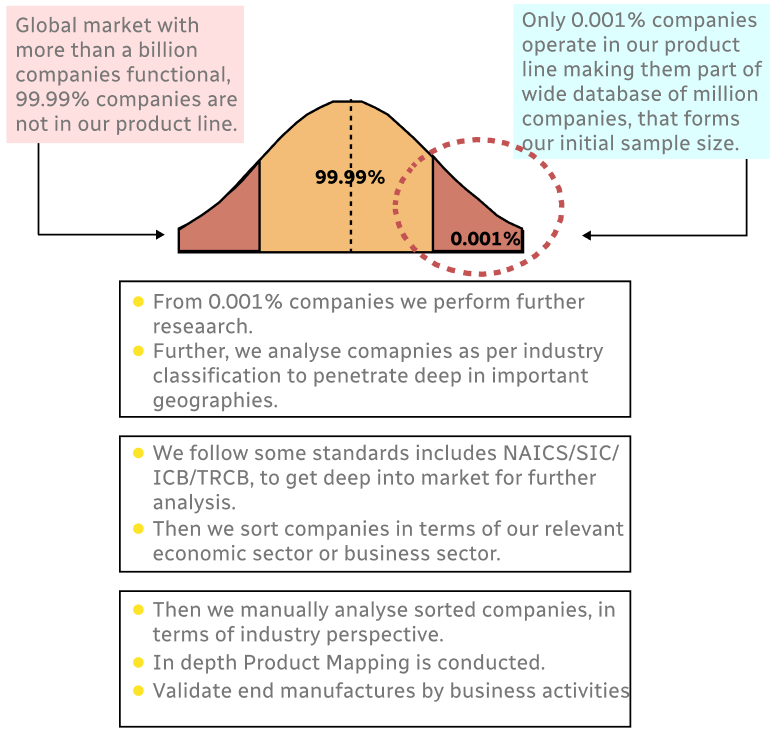
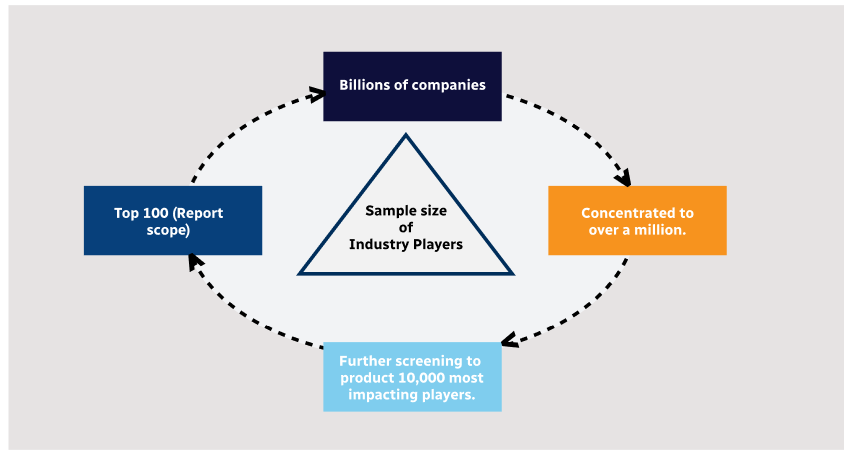
Step 1 - Identification of Relevant Samples Size from Population Database
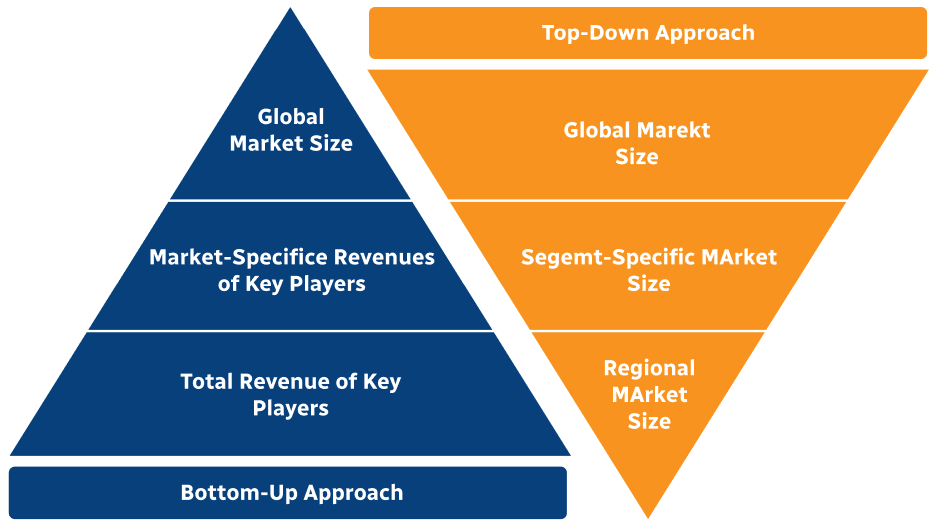
Step 2 - Approaches for Defining Global Market Size (Value, Volume* & Price*)
Note*: In applicable scenarios
Step 3 - Data Sources
Primary Research
- Web Analytics
- Survey Reports
- Research Institute
- Latest Research Reports
- Opinion Leaders
Secondary Research
- Annual Reports
- White Paper
- Latest Press Release
- Industry Association
- Paid Database
- Investor Presentations
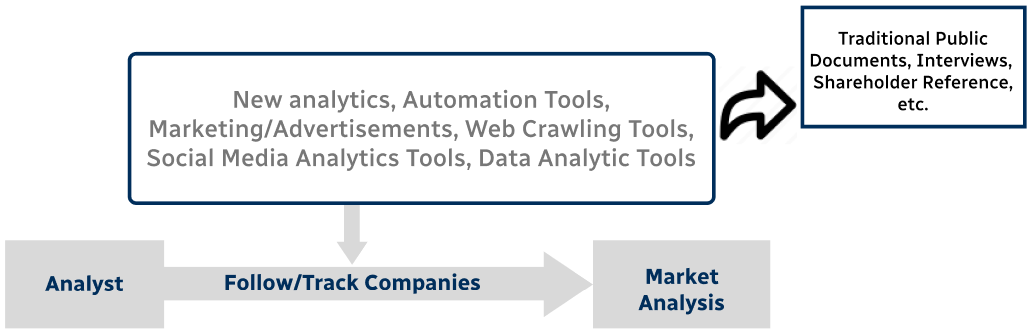
Step 4 - Data Triangulation
Involves using different sources of information in order to increase the validity of a study
These sources are likely to be stakeholders in a program - participants, other researchers, program staff, other community members, and so on.
Then we put all data in single framework & apply various statistical tools to find out the dynamic on the market.
During the analysis stage, feedback from the stakeholder groups would be compared to determine areas of agreement as well as areas of divergence