


Key Insights
The global Tumor Tracking Systems Market is projected for significant growth, expected to reach $1.8 billion by 2024, with a Compound Annual Growth Rate (CAGR) of 9.3% through 2033. This expansion is driven by the increasing global cancer incidence, advancements in diagnostic imaging, and the growing adoption of personalized oncology treatments. The demand for precise tumor monitoring systems is critical for improving therapeutic effectiveness and patient outcomes by accurately tracking tumor size, location, and treatment response. Key applications include Prostate Cancer, Gastric Cancer, Lung Cancer, and Breast Cancer, reflecting their prevalence. Hospitals and radiotherapy centers are the primary end-user segments, highlighting the integration of these systems in clinical cancer care. Innovations in AI-powered image analysis, advanced imaging technologies (MRI, CT), and integrated software are accelerating market penetration.

Tumor Tracking Systems Market Market Size (In Billion)

Emerging trends indicate a shift towards more accurate and minimally invasive cancer management. The integration of AI and machine learning in tumor tracking systems is transforming oncological data analysis, enabling earlier detection of treatment resistance and facilitating adaptive radiotherapy. The emphasis on early diagnosis and proactive cancer management further fuels the adoption of advanced tracking systems capable of detecting subtle tumor changes. While significant growth potential exists, high initial investment costs and the need for specialized training present potential challenges. However, increasing awareness of early and accurate tumor tracking benefits, coupled with supportive government initiatives and ongoing R&D, is expected to drive sustained market expansion. North America and Europe lead adoption due to developed healthcare infrastructure and R&D spending, while the Asia Pacific region shows rapid growth driven by increasing healthcare investments and a rising cancer burden.
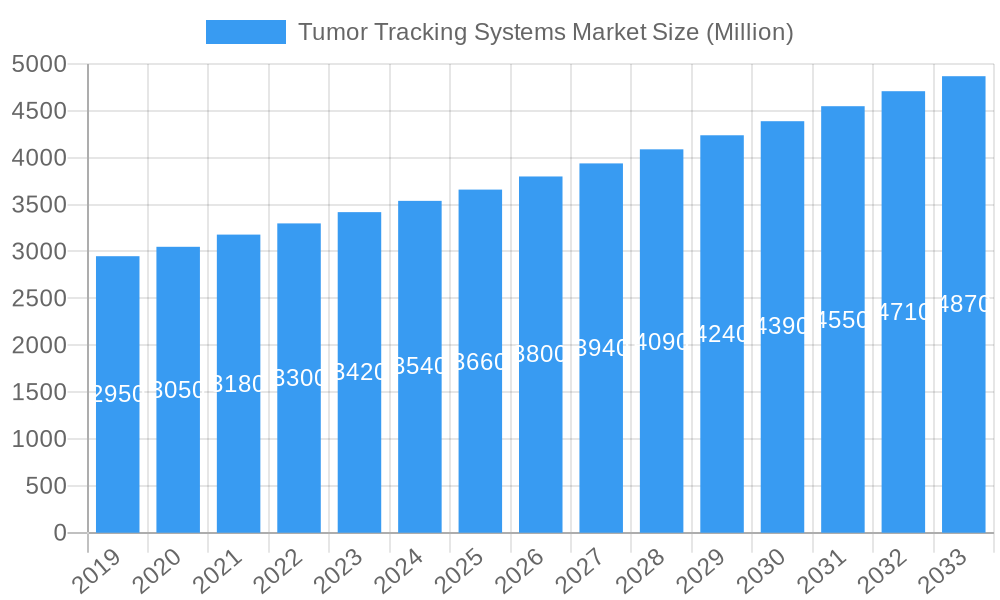
Tumor Tracking Systems Market Company Market Share
This comprehensive market research report offers a detailed analysis of the global Tumor Tracking Systems market, including its structure, competitive landscape, industry trends, and future outlook. Covering the period from 2019 to 2033, with a base year of 2024 and a forecast period of 2024-2033, this report provides actionable insights for stakeholders focused on advanced cancer treatment monitoring and precision oncology. Key market segments analyzed include applications such as Prostate Cancer, Gastric Cancer, Lung Cancer, Breast Cancer, and Others, and end-users including Hospitals, Radiotherapy Centers, and Others.
Tumor Tracking Systems Market Market Structure & Competitive Dynamics
The Tumor Tracking Systems market is characterized by a moderate to high level of concentration, with key players investing heavily in research and development to maintain their competitive edge. The innovation ecosystem thrives on advancements in medical imaging, artificial intelligence (AI) for image analysis, and sophisticated software solutions designed for precise tumor localization and trajectory monitoring. Regulatory frameworks, while stringent, are evolving to accommodate novel technologies that enhance radiation therapy accuracy and improve patient outcomes. Product substitutes, such as manual tracking methods or less advanced imaging techniques, are gradually being replaced by the superior precision offered by dedicated tumor tracking systems. End-user trends reveal a growing demand for integrated solutions that streamline workflows and provide real-time feedback during treatment delivery. Mergers and acquisitions (M&A) activities are observed, driven by the desire for market expansion, technology acquisition, and portfolio diversification. For instance, recent M&A deals in the broader medical device market suggest a valuation range of XX Million to XXX Million for well-positioned companies in the oncology treatment technology space. Market share is closely guarded, with leading companies like ThermoFisher Scientific, Elekta, and Siemens Healthineers holding significant portions due to their established presence and comprehensive product offerings in medical imaging and radiation oncology.
Tumor Tracking Systems Market Industry Trends & Insights
The Tumor Tracking Systems market is experiencing robust growth, propelled by several key trends. The increasing global incidence of cancer, particularly lung cancer, breast cancer, and prostate cancer, is a primary growth driver, necessitating more effective and precise treatment modalities. Technological disruptions are at the forefront, with the integration of AI and machine learning revolutionizing image registration, segmentation, and real-time motion management during radiotherapy. These advancements enable a CAGR of approximately 8-12% over the forecast period, indicating substantial market expansion. Consumer preferences are shifting towards personalized medicine and minimally invasive treatment options, where accurate tumor tracking is paramount for maximizing therapeutic efficacy while minimizing damage to healthy tissues. The competitive dynamics are intensifying, with both established players and emerging innovators vying for market dominance through product differentiation and strategic partnerships. The penetration of image-guided radiation therapy (IGRT) systems, which heavily rely on precise tumor tracking, is projected to exceed 70% in developed markets by 2030. Furthermore, the growing adoption of adaptive radiotherapy, which continuously adjusts treatment based on real-time tumor and patient anatomy changes, is a significant trend driving the demand for sophisticated tumor tracking solutions. The increasing healthcare expenditure globally, coupled with a growing awareness of the benefits of advanced cancer treatment technologies, further bolsters market growth.
Dominant Markets & Segments in Tumor Tracking Systems Market
North America, particularly the United States, currently dominates the Tumor Tracking Systems market. This dominance is attributed to several factors, including high healthcare expenditure, early adoption of advanced medical technologies, a strong presence of leading cancer research institutions, and favorable reimbursement policies for innovative cancer treatments. Economic policies promoting investment in healthcare infrastructure and a well-established regulatory pathway for medical devices also contribute significantly.
- Key Drivers for North American Dominance:
- High incidence rates of prevalent cancers like lung cancer and prostate cancer.
- Significant R&D investments by pharmaceutical and medical device companies.
- Availability of advanced radiotherapy centers equipped with cutting-edge technology.
- Patient awareness and preference for precision oncology and image-guided treatments.
Within the Application segment, Lung Cancer is a significant contributor to the Tumor Tracking Systems market. The complexity of lung tumors, their tendency for movement during respiration, and the critical proximity to vital organs necessitate highly accurate tracking for effective radiation therapy delivery.
- Dominance Drivers for Lung Cancer Segment:
- High mortality rates and the need for advanced treatment interventions.
- Technological challenges in accurately targeting mobile tumors in the thoracic cavity.
- Government initiatives and research funding focused on combating lung cancer.
The Hospitals end-user segment holds the largest market share. Hospitals are the primary centers for cancer diagnosis, treatment planning, and delivery, housing the majority of advanced radiotherapy equipment and requiring integrated tumor tracking solutions for various cancer types.
- Dominance Drivers for Hospitals Segment:
- Comprehensive cancer care facilities and multidisciplinary treatment teams.
- Bulk purchasing power and established procurement processes.
- Demand for integrated oncology information systems and treatment planning software.
Tumor Tracking Systems Market Product Innovations
Product innovations in the Tumor Tracking Systems market are focused on enhancing real-time accuracy, improving patient comfort, and expanding treatment capabilities. Key trends include the development of AI-powered algorithms for predictive motion tracking, non-ionizing imaging modalities for frequent monitoring, and miniaturized tracking devices. These innovations offer significant competitive advantages by enabling more precise tumor ablation, reducing treatment times, and expanding the applicability of advanced radiotherapy techniques to a wider range of cancers, including those previously deemed untreatable.
Report Segmentation & Scope
The Tumor Tracking Systems market is segmented by Application and End User. The Application segment includes Prostate Cancer, Gastric Cancer, Lung Cancer, Breast Cancer, and Others. Each of these applications presents unique challenges and opportunities for tumor tracking technology, with growth projections varying based on disease prevalence and treatment trends. The End User segment comprises Hospitals, Radiotherapy Centers, and Others. Hospitals, with their comprehensive infrastructure, are expected to drive significant market growth, while specialized Radiotherapy Centers will continue to be key adopters of highly specialized tracking systems. The projected market size for Lung Cancer tracking systems is estimated to reach $XXX Million by 2033, exhibiting a CAGR of XX%.
Key Drivers of Tumor Tracking Systems Market Growth
Several key factors are propelling the growth of the Tumor Tracking Systems market. Technologically, the continuous evolution of imaging modalities like Cone-Beam CT (CBCT) and MRI-guided systems, coupled with advancements in AI for image analysis and real-time motion compensation, are paramount. Economically, increased global healthcare spending and government initiatives to improve cancer care access are significant drivers. Regulatory approvals for novel tumor tracking technologies and the growing demand for evidence-based, precise oncology treatments also contribute to market expansion. The increasing adoption of stereotactic body radiation therapy (SBRT) and other precision radiation techniques directly fuels the need for sophisticated tumor tracking.
Challenges in the Tumor Tracking Systems Market Sector
Despite the robust growth, the Tumor Tracking Systems market faces certain challenges. High initial investment costs for advanced tracking systems can be a barrier for smaller healthcare facilities, particularly in developing economies. The need for specialized training for healthcare professionals to effectively operate and interpret data from these sophisticated systems also presents a hurdle. Moreover, the integration of disparate IT systems within healthcare institutions and ensuring seamless data flow for real-time tracking can be complex. Reimbursement policies, while generally supportive, can vary by region and can impact the adoption rates of newer, more expensive technologies. Supply chain disruptions for critical components can also pose a challenge in maintaining production and delivery timelines, potentially impacting market growth by XX%.
Leading Players in the Tumor Tracking Systems Market Market
- Cell Biolabs Inc
- Menarini Silicon Biosystems
- STEMCELL Technologies Inc
- Genekam
- Miltenyi Biotec
- ThermoFisher Scientific
- Elekta
- Siemens Healthineers
- QIAGEN
Key Developments in Tumor Tracking Systems Market Sector
- August 2022: Elekta received the CE mark for its Elekta Esprit, a new Leksell Gamma Knife radiosurgery platform. This regulatory clearance is the first step in enabling people with brain disease in Europe and other countries where the CE mark is recognized and successively the rest of the world to receive treatment with this state-of-the-art system. This development signifies a crucial advancement in stereotactic radiosurgery and enhances the precision of brain tumor treatment.
- July 2022: RefleXion Medical signed an agreement with Mirada Medical. The agreement allows for integrating Mirada's RegEngine image registration algorithms into the RefleXion X1 treatment planning software. This collaboration is expected to significantly improve the accuracy and efficiency of image-guided radiation therapy planning and delivery, particularly for metastatic cancer.
Strategic Tumor Tracking Systems Market Market Outlook
The strategic outlook for the Tumor Tracking Systems market is highly promising, driven by an increasing focus on personalized medicine and the continuous quest for improved cancer treatment outcomes. Growth accelerators include the expanding application of adaptive radiotherapy, the development of AI-driven predictive tumor tracking, and the increasing demand for minimally invasive treatment options. Strategic opportunities lie in developing cost-effective solutions for emerging markets, fostering strategic partnerships with AI developers and imaging technology providers, and expanding the product portfolio to address a wider spectrum of cancer types and treatment modalities. The market is poised for sustained growth as healthcare providers increasingly invest in technologies that offer superior precision and efficacy in the fight against cancer.
Tumor Tracking Systems Market Segmentation
-
1. Application
- 1.1. Prostate Cancer
- 1.2. Gastric Cancer
- 1.3. Lung Cancer
- 1.4. Breast Cancer
- 1.5. Others
-
2. End User
- 2.1. Hospitals
- 2.2. Radiotherapy Centers
- 2.3. Others
Tumor Tracking Systems Market Segmentation By Geography
-
1. North America
- 1.1. United States
- 1.2. Canada
- 1.3. Mexico
-
2. Europe
- 2.1. Germany
- 2.2. United Kingdom
- 2.3. France
- 2.4. Italy
- 2.5. Spain
- 2.6. Rest of Europe
-
3. Asia Pacific
- 3.1. China
- 3.2. Japan
- 3.3. India
- 3.4. Australia
- 3.5. South Korea
- 3.6. Rest of Asia Pacific
-
4. Middle East and Africa
- 4.1. GCC
- 4.2. South Africa
- 4.3. Rest of Middle East and Africa
-
5. South America
- 5.1. Brazil
- 5.2. Argentina
- 5.3. Rest of South America

Tumor Tracking Systems Market Regional Market Share
Geographic Coverage of Tumor Tracking Systems Market
Tumor Tracking Systems Market REPORT HIGHLIGHTS
| Aspects | Details |
|---|---|
| Study Period | 2020-2034 |
| Base Year | 2025 |
| Estimated Year | 2026 |
| Forecast Period | 2026-2034 |
| Historical Period | 2020-2025 |
| Growth Rate | CAGR of 9.3% from 2020-2034 |
| Segmentation |
|
Table of Contents
- 1. Introduction
- 1.1. Research Scope
- 1.2. Market Segmentation
- 1.3. Research Methodology
- 1.4. Definitions and Assumptions
- 2. Executive Summary
- 2.1. Introduction
- 3. Market Dynamics
- 3.1. Introduction
- 3.2. Market Drivers
- 3.2.1. Increasing Prevalence of Tumor Cancers; Technological Advancements
- 3.3. Market Restrains
- 3.3.1. Lack of Skilled Professional
- 3.4. Market Trends
- 3.4.1. Breast Cancer Holds Significant Share in the Global Tumor Tracking Systems Market
- 4. Market Factor Analysis
- 4.1. Porters Five Forces
- 4.2. Supply/Value Chain
- 4.3. PESTEL analysis
- 4.4. Market Entropy
- 4.5. Patent/Trademark Analysis
- 5. Global Tumor Tracking Systems Market Analysis, Insights and Forecast, 2020-2032
- 5.1. Market Analysis, Insights and Forecast - by Application
- 5.1.1. Prostate Cancer
- 5.1.2. Gastric Cancer
- 5.1.3. Lung Cancer
- 5.1.4. Breast Cancer
- 5.1.5. Others
- 5.2. Market Analysis, Insights and Forecast - by End User
- 5.2.1. Hospitals
- 5.2.2. Radiotherapy Centers
- 5.2.3. Others
- 5.3. Market Analysis, Insights and Forecast - by Region
- 5.3.1. North America
- 5.3.2. Europe
- 5.3.3. Asia Pacific
- 5.3.4. Middle East and Africa
- 5.3.5. South America
- 5.1. Market Analysis, Insights and Forecast - by Application
- 6. North America Tumor Tracking Systems Market Analysis, Insights and Forecast, 2020-2032
- 6.1. Market Analysis, Insights and Forecast - by Application
- 6.1.1. Prostate Cancer
- 6.1.2. Gastric Cancer
- 6.1.3. Lung Cancer
- 6.1.4. Breast Cancer
- 6.1.5. Others
- 6.2. Market Analysis, Insights and Forecast - by End User
- 6.2.1. Hospitals
- 6.2.2. Radiotherapy Centers
- 6.2.3. Others
- 6.1. Market Analysis, Insights and Forecast - by Application
- 7. Europe Tumor Tracking Systems Market Analysis, Insights and Forecast, 2020-2032
- 7.1. Market Analysis, Insights and Forecast - by Application
- 7.1.1. Prostate Cancer
- 7.1.2. Gastric Cancer
- 7.1.3. Lung Cancer
- 7.1.4. Breast Cancer
- 7.1.5. Others
- 7.2. Market Analysis, Insights and Forecast - by End User
- 7.2.1. Hospitals
- 7.2.2. Radiotherapy Centers
- 7.2.3. Others
- 7.1. Market Analysis, Insights and Forecast - by Application
- 8. Asia Pacific Tumor Tracking Systems Market Analysis, Insights and Forecast, 2020-2032
- 8.1. Market Analysis, Insights and Forecast - by Application
- 8.1.1. Prostate Cancer
- 8.1.2. Gastric Cancer
- 8.1.3. Lung Cancer
- 8.1.4. Breast Cancer
- 8.1.5. Others
- 8.2. Market Analysis, Insights and Forecast - by End User
- 8.2.1. Hospitals
- 8.2.2. Radiotherapy Centers
- 8.2.3. Others
- 8.1. Market Analysis, Insights and Forecast - by Application
- 9. Middle East and Africa Tumor Tracking Systems Market Analysis, Insights and Forecast, 2020-2032
- 9.1. Market Analysis, Insights and Forecast - by Application
- 9.1.1. Prostate Cancer
- 9.1.2. Gastric Cancer
- 9.1.3. Lung Cancer
- 9.1.4. Breast Cancer
- 9.1.5. Others
- 9.2. Market Analysis, Insights and Forecast - by End User
- 9.2.1. Hospitals
- 9.2.2. Radiotherapy Centers
- 9.2.3. Others
- 9.1. Market Analysis, Insights and Forecast - by Application
- 10. South America Tumor Tracking Systems Market Analysis, Insights and Forecast, 2020-2032
- 10.1. Market Analysis, Insights and Forecast - by Application
- 10.1.1. Prostate Cancer
- 10.1.2. Gastric Cancer
- 10.1.3. Lung Cancer
- 10.1.4. Breast Cancer
- 10.1.5. Others
- 10.2. Market Analysis, Insights and Forecast - by End User
- 10.2.1. Hospitals
- 10.2.2. Radiotherapy Centers
- 10.2.3. Others
- 10.1. Market Analysis, Insights and Forecast - by Application
- 11. Competitive Analysis
- 11.1. Global Market Share Analysis 2025
- 11.2. Company Profiles
- 11.2.1 Cell Biolabs Inc
- 11.2.1.1. Overview
- 11.2.1.2. Products
- 11.2.1.3. SWOT Analysis
- 11.2.1.4. Recent Developments
- 11.2.1.5. Financials (Based on Availability)
- 11.2.2 Menarini Silicon Biosystems
- 11.2.2.1. Overview
- 11.2.2.2. Products
- 11.2.2.3. SWOT Analysis
- 11.2.2.4. Recent Developments
- 11.2.2.5. Financials (Based on Availability)
- 11.2.3 STEMCELL Technologies Inc
- 11.2.3.1. Overview
- 11.2.3.2. Products
- 11.2.3.3. SWOT Analysis
- 11.2.3.4. Recent Developments
- 11.2.3.5. Financials (Based on Availability)
- 11.2.4 Genekam
- 11.2.4.1. Overview
- 11.2.4.2. Products
- 11.2.4.3. SWOT Analysis
- 11.2.4.4. Recent Developments
- 11.2.4.5. Financials (Based on Availability)
- 11.2.5 Miltenyi Biotec
- 11.2.5.1. Overview
- 11.2.5.2. Products
- 11.2.5.3. SWOT Analysis
- 11.2.5.4. Recent Developments
- 11.2.5.5. Financials (Based on Availability)
- 11.2.6 ThermoFisher Scientific
- 11.2.6.1. Overview
- 11.2.6.2. Products
- 11.2.6.3. SWOT Analysis
- 11.2.6.4. Recent Developments
- 11.2.6.5. Financials (Based on Availability)
- 11.2.7 Elekta
- 11.2.7.1. Overview
- 11.2.7.2. Products
- 11.2.7.3. SWOT Analysis
- 11.2.7.4. Recent Developments
- 11.2.7.5. Financials (Based on Availability)
- 11.2.8 Siemens Healthineers
- 11.2.8.1. Overview
- 11.2.8.2. Products
- 11.2.8.3. SWOT Analysis
- 11.2.8.4. Recent Developments
- 11.2.8.5. Financials (Based on Availability)
- 11.2.9 QIAGEN
- 11.2.9.1. Overview
- 11.2.9.2. Products
- 11.2.9.3. SWOT Analysis
- 11.2.9.4. Recent Developments
- 11.2.9.5. Financials (Based on Availability)
- 11.2.1 Cell Biolabs Inc
List of Figures
- Figure 1: Global Tumor Tracking Systems Market Revenue Breakdown (billion, %) by Region 2025 & 2033
- Figure 2: North America Tumor Tracking Systems Market Revenue (billion), by Application 2025 & 2033
- Figure 3: North America Tumor Tracking Systems Market Revenue Share (%), by Application 2025 & 2033
- Figure 4: North America Tumor Tracking Systems Market Revenue (billion), by End User 2025 & 2033
- Figure 5: North America Tumor Tracking Systems Market Revenue Share (%), by End User 2025 & 2033
- Figure 6: North America Tumor Tracking Systems Market Revenue (billion), by Country 2025 & 2033
- Figure 7: North America Tumor Tracking Systems Market Revenue Share (%), by Country 2025 & 2033
- Figure 8: Europe Tumor Tracking Systems Market Revenue (billion), by Application 2025 & 2033
- Figure 9: Europe Tumor Tracking Systems Market Revenue Share (%), by Application 2025 & 2033
- Figure 10: Europe Tumor Tracking Systems Market Revenue (billion), by End User 2025 & 2033
- Figure 11: Europe Tumor Tracking Systems Market Revenue Share (%), by End User 2025 & 2033
- Figure 12: Europe Tumor Tracking Systems Market Revenue (billion), by Country 2025 & 2033
- Figure 13: Europe Tumor Tracking Systems Market Revenue Share (%), by Country 2025 & 2033
- Figure 14: Asia Pacific Tumor Tracking Systems Market Revenue (billion), by Application 2025 & 2033
- Figure 15: Asia Pacific Tumor Tracking Systems Market Revenue Share (%), by Application 2025 & 2033
- Figure 16: Asia Pacific Tumor Tracking Systems Market Revenue (billion), by End User 2025 & 2033
- Figure 17: Asia Pacific Tumor Tracking Systems Market Revenue Share (%), by End User 2025 & 2033
- Figure 18: Asia Pacific Tumor Tracking Systems Market Revenue (billion), by Country 2025 & 2033
- Figure 19: Asia Pacific Tumor Tracking Systems Market Revenue Share (%), by Country 2025 & 2033
- Figure 20: Middle East and Africa Tumor Tracking Systems Market Revenue (billion), by Application 2025 & 2033
- Figure 21: Middle East and Africa Tumor Tracking Systems Market Revenue Share (%), by Application 2025 & 2033
- Figure 22: Middle East and Africa Tumor Tracking Systems Market Revenue (billion), by End User 2025 & 2033
- Figure 23: Middle East and Africa Tumor Tracking Systems Market Revenue Share (%), by End User 2025 & 2033
- Figure 24: Middle East and Africa Tumor Tracking Systems Market Revenue (billion), by Country 2025 & 2033
- Figure 25: Middle East and Africa Tumor Tracking Systems Market Revenue Share (%), by Country 2025 & 2033
- Figure 26: South America Tumor Tracking Systems Market Revenue (billion), by Application 2025 & 2033
- Figure 27: South America Tumor Tracking Systems Market Revenue Share (%), by Application 2025 & 2033
- Figure 28: South America Tumor Tracking Systems Market Revenue (billion), by End User 2025 & 2033
- Figure 29: South America Tumor Tracking Systems Market Revenue Share (%), by End User 2025 & 2033
- Figure 30: South America Tumor Tracking Systems Market Revenue (billion), by Country 2025 & 2033
- Figure 31: South America Tumor Tracking Systems Market Revenue Share (%), by Country 2025 & 2033
List of Tables
- Table 1: Global Tumor Tracking Systems Market Revenue billion Forecast, by Application 2020 & 2033
- Table 2: Global Tumor Tracking Systems Market Revenue billion Forecast, by End User 2020 & 2033
- Table 3: Global Tumor Tracking Systems Market Revenue billion Forecast, by Region 2020 & 2033
- Table 4: Global Tumor Tracking Systems Market Revenue billion Forecast, by Application 2020 & 2033
- Table 5: Global Tumor Tracking Systems Market Revenue billion Forecast, by End User 2020 & 2033
- Table 6: Global Tumor Tracking Systems Market Revenue billion Forecast, by Country 2020 & 2033
- Table 7: United States Tumor Tracking Systems Market Revenue (billion) Forecast, by Application 2020 & 2033
- Table 8: Canada Tumor Tracking Systems Market Revenue (billion) Forecast, by Application 2020 & 2033
- Table 9: Mexico Tumor Tracking Systems Market Revenue (billion) Forecast, by Application 2020 & 2033
- Table 10: Global Tumor Tracking Systems Market Revenue billion Forecast, by Application 2020 & 2033
- Table 11: Global Tumor Tracking Systems Market Revenue billion Forecast, by End User 2020 & 2033
- Table 12: Global Tumor Tracking Systems Market Revenue billion Forecast, by Country 2020 & 2033
- Table 13: Germany Tumor Tracking Systems Market Revenue (billion) Forecast, by Application 2020 & 2033
- Table 14: United Kingdom Tumor Tracking Systems Market Revenue (billion) Forecast, by Application 2020 & 2033
- Table 15: France Tumor Tracking Systems Market Revenue (billion) Forecast, by Application 2020 & 2033
- Table 16: Italy Tumor Tracking Systems Market Revenue (billion) Forecast, by Application 2020 & 2033
- Table 17: Spain Tumor Tracking Systems Market Revenue (billion) Forecast, by Application 2020 & 2033
- Table 18: Rest of Europe Tumor Tracking Systems Market Revenue (billion) Forecast, by Application 2020 & 2033
- Table 19: Global Tumor Tracking Systems Market Revenue billion Forecast, by Application 2020 & 2033
- Table 20: Global Tumor Tracking Systems Market Revenue billion Forecast, by End User 2020 & 2033
- Table 21: Global Tumor Tracking Systems Market Revenue billion Forecast, by Country 2020 & 2033
- Table 22: China Tumor Tracking Systems Market Revenue (billion) Forecast, by Application 2020 & 2033
- Table 23: Japan Tumor Tracking Systems Market Revenue (billion) Forecast, by Application 2020 & 2033
- Table 24: India Tumor Tracking Systems Market Revenue (billion) Forecast, by Application 2020 & 2033
- Table 25: Australia Tumor Tracking Systems Market Revenue (billion) Forecast, by Application 2020 & 2033
- Table 26: South Korea Tumor Tracking Systems Market Revenue (billion) Forecast, by Application 2020 & 2033
- Table 27: Rest of Asia Pacific Tumor Tracking Systems Market Revenue (billion) Forecast, by Application 2020 & 2033
- Table 28: Global Tumor Tracking Systems Market Revenue billion Forecast, by Application 2020 & 2033
- Table 29: Global Tumor Tracking Systems Market Revenue billion Forecast, by End User 2020 & 2033
- Table 30: Global Tumor Tracking Systems Market Revenue billion Forecast, by Country 2020 & 2033
- Table 31: GCC Tumor Tracking Systems Market Revenue (billion) Forecast, by Application 2020 & 2033
- Table 32: South Africa Tumor Tracking Systems Market Revenue (billion) Forecast, by Application 2020 & 2033
- Table 33: Rest of Middle East and Africa Tumor Tracking Systems Market Revenue (billion) Forecast, by Application 2020 & 2033
- Table 34: Global Tumor Tracking Systems Market Revenue billion Forecast, by Application 2020 & 2033
- Table 35: Global Tumor Tracking Systems Market Revenue billion Forecast, by End User 2020 & 2033
- Table 36: Global Tumor Tracking Systems Market Revenue billion Forecast, by Country 2020 & 2033
- Table 37: Brazil Tumor Tracking Systems Market Revenue (billion) Forecast, by Application 2020 & 2033
- Table 38: Argentina Tumor Tracking Systems Market Revenue (billion) Forecast, by Application 2020 & 2033
- Table 39: Rest of South America Tumor Tracking Systems Market Revenue (billion) Forecast, by Application 2020 & 2033
Frequently Asked Questions
1. What is the projected Compound Annual Growth Rate (CAGR) of the Tumor Tracking Systems Market?
The projected CAGR is approximately 9.3%.
2. Which companies are prominent players in the Tumor Tracking Systems Market?
Key companies in the market include Cell Biolabs Inc, Menarini Silicon Biosystems, STEMCELL Technologies Inc, Genekam, Miltenyi Biotec, ThermoFisher Scientific, Elekta, Siemens Healthineers, QIAGEN.
3. What are the main segments of the Tumor Tracking Systems Market?
The market segments include Application, End User.
4. Can you provide details about the market size?
The market size is estimated to be USD 1.8 billion as of 2022.
5. What are some drivers contributing to market growth?
Increasing Prevalence of Tumor Cancers; Technological Advancements.
6. What are the notable trends driving market growth?
Breast Cancer Holds Significant Share in the Global Tumor Tracking Systems Market.
7. Are there any restraints impacting market growth?
Lack of Skilled Professional.
8. Can you provide examples of recent developments in the market?
August 2022: Elekta received the CE mark for its Elekta Esprit, a new Leksell Gamma Knife radiosurgery platform. This regulatory clearance is the first step in enabling people with brain disease in Europe and other countries where the CE mark is recognized and successively the rest of the world to receive treatment with this state-of-the-art system.
9. What pricing options are available for accessing the report?
Pricing options include single-user, multi-user, and enterprise licenses priced at USD 4750, USD 5250, and USD 8750 respectively.
10. Is the market size provided in terms of value or volume?
The market size is provided in terms of value, measured in billion.
11. Are there any specific market keywords associated with the report?
Yes, the market keyword associated with the report is "Tumor Tracking Systems Market," which aids in identifying and referencing the specific market segment covered.
12. How do I determine which pricing option suits my needs best?
The pricing options vary based on user requirements and access needs. Individual users may opt for single-user licenses, while businesses requiring broader access may choose multi-user or enterprise licenses for cost-effective access to the report.
13. Are there any additional resources or data provided in the Tumor Tracking Systems Market report?
While the report offers comprehensive insights, it's advisable to review the specific contents or supplementary materials provided to ascertain if additional resources or data are available.
14. How can I stay updated on further developments or reports in the Tumor Tracking Systems Market?
To stay informed about further developments, trends, and reports in the Tumor Tracking Systems Market, consider subscribing to industry newsletters, following relevant companies and organizations, or regularly checking reputable industry news sources and publications.
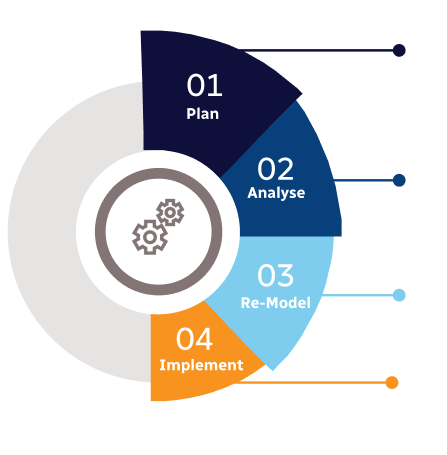
Methodology
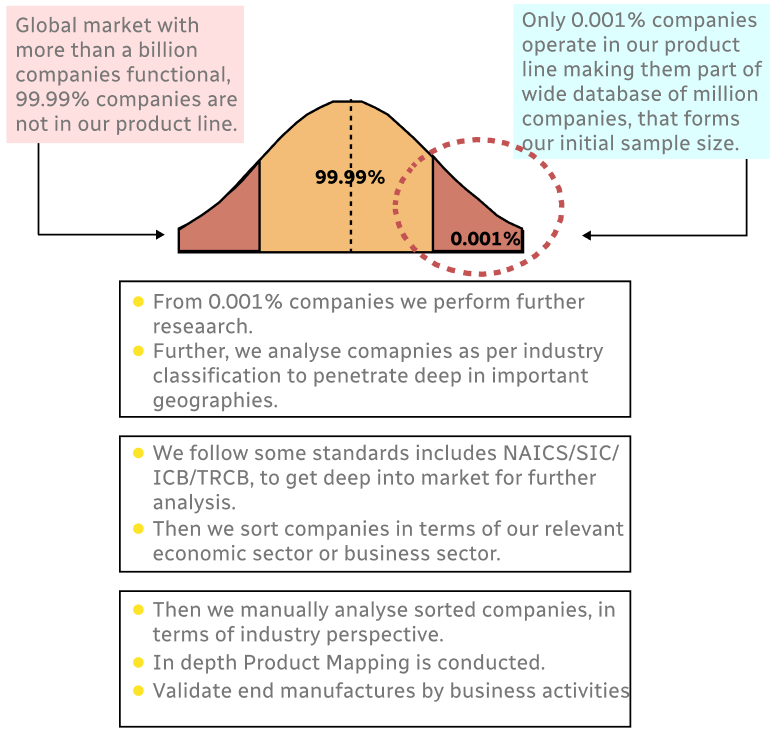
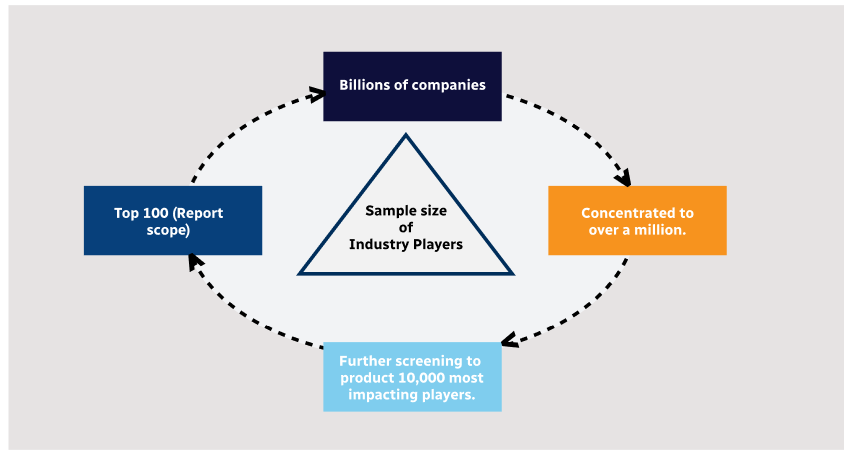
Step 1 - Identification of Relevant Samples Size from Population Database
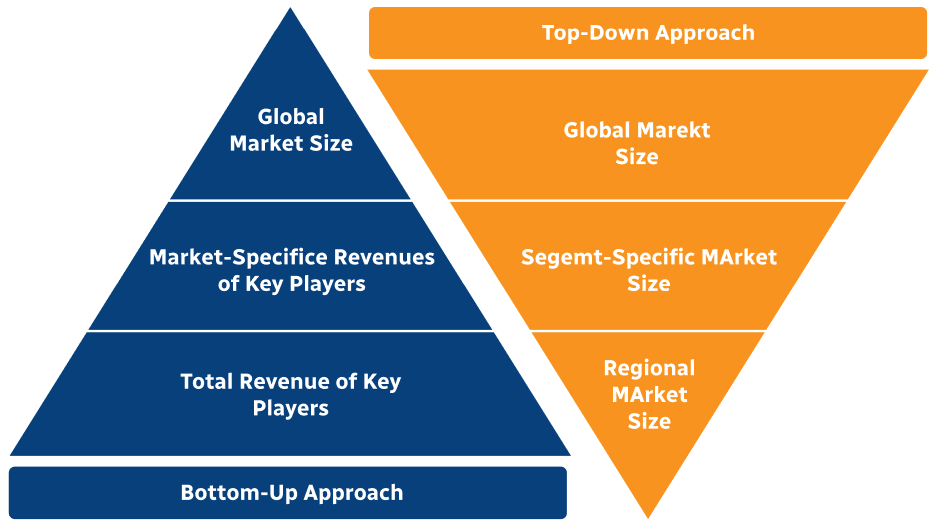
Step 2 - Approaches for Defining Global Market Size (Value, Volume* & Price*)
Note*: In applicable scenarios
Step 3 - Data Sources
Primary Research
- Web Analytics
- Survey Reports
- Research Institute
- Latest Research Reports
- Opinion Leaders
Secondary Research
- Annual Reports
- White Paper
- Latest Press Release
- Industry Association
- Paid Database
- Investor Presentations
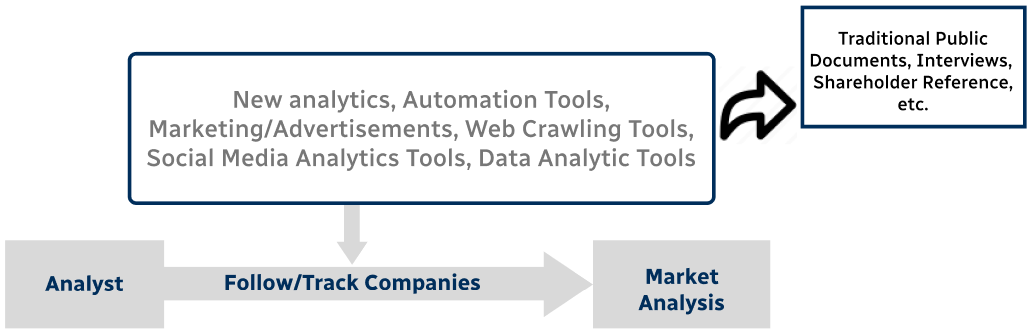
Step 4 - Data Triangulation
Involves using different sources of information in order to increase the validity of a study
These sources are likely to be stakeholders in a program - participants, other researchers, program staff, other community members, and so on.
Then we put all data in single framework & apply various statistical tools to find out the dynamic on the market.
During the analysis stage, feedback from the stakeholder groups would be compared to determine areas of agreement as well as areas of divergence