


Key Insights
The Brazil Ultrasound Devices Market is poised for significant expansion, projected to reach USD 246.51 million in 2025 and exhibit a robust Compound Annual Growth Rate (CAGR) of 5.13% through the forecast period of 2025-2033. This growth is propelled by a confluence of factors, primarily driven by the increasing adoption of advanced ultrasound technologies across various medical specialties. The demand for sophisticated imaging solutions in anesthesiology, cardiology, and gynecology/obstetrics is a key catalyst, enabling earlier and more accurate diagnoses, thereby improving patient outcomes. Furthermore, the rising prevalence of chronic diseases and an aging population contribute to a greater need for diagnostic imaging services, with ultrasound devices playing a crucial role in their non-invasive nature and versatility. The market's trajectory is also being shaped by technological advancements, particularly the proliferation of 3D and 4D ultrasound imaging, which offers enhanced visualization and diagnostic capabilities, further stimulating market penetration. Investment in healthcare infrastructure and a growing emphasis on preventative healthcare are also contributing to this positive market outlook.

Brazil Ultrasound Devices Market Market Size (In Million)

The market dynamics are further influenced by the increasing preference for both stationary and portable ultrasound systems. While stationary units cater to the needs of larger healthcare facilities and specialized departments, the demand for portable ultrasound devices is surging due to their convenience, affordability, and ability to extend diagnostic reach to remote areas and point-of-care settings. This trend is particularly relevant in a country like Brazil, where geographical diversity necessitates flexible healthcare solutions. Key players such as GE Healthcare, Siemens Healthineers AG, and Philips NV are actively innovating and expanding their product portfolios to cater to these evolving demands. The competitive landscape is characterized by strategic partnerships, product launches, and a focus on enhancing imaging resolution and user-friendliness to gain a competitive edge. Despite the promising growth, potential challenges such as high initial investment costs for advanced equipment and the need for skilled personnel to operate them may require strategic planning and governmental support to ensure sustained and equitable market development.

Brazil Ultrasound Devices Market Company Market Share
This in-depth report provides a detailed analysis of the Brazil Ultrasound Devices Market, offering critical insights into market dynamics, competitive landscapes, and future growth trajectories. Covering the study period from 2019–2033, with a base year of 2025, this report is an indispensable resource for stakeholders seeking to understand and capitalize on opportunities within this evolving market. We meticulously examine ultrasound imaging technology, diagnostic ultrasound systems, medical imaging equipment, and the specific applications driving demand for cardiology ultrasound, obstetric ultrasound, radiology ultrasound, and anesthesiology ultrasound.
The report delves into key industry developments, including significant government investments in healthcare infrastructure and the expansion of emergency medical services, highlighting the increasing adoption of portable ultrasound devices and advanced 3D and 4D ultrasound imaging. We project the market size to reach USD 950 million by 2033, with a CAGR of 5.8% from 2025 to 2033.
Brazil Ultrasound Devices Market Market Structure & Competitive Dynamics
The Brazil Ultrasound Devices Market exhibits a moderately consolidated structure, characterized by the presence of global giants and a growing number of local players. Key companies like Hologic Inc., GE Healthcare, Samsung Electronics Co Ltd., Mindray Medical International Limited, Siemens Healthineers AG, Koninklijke Philips NV, Canon Medical Systems Corporation, Carestream Health Inc, Esaote SpA, and Fujifilm Holdings Corporation hold significant market share, driven by extensive product portfolios and established distribution networks. Innovation ecosystems are thriving, fueled by ongoing research and development in areas such as artificial intelligence-powered diagnostics and miniaturization of ultrasound technology.
Regulatory frameworks, overseen by ANVISA, play a crucial role in shaping market entry and product approvals. Product substitutes, while present in the broader medical imaging space, are less direct for the specific diagnostic capabilities offered by ultrasound. End-user trends indicate a rising demand for portable ultrasound devices in remote areas and for point-of-care applications, alongside a steady demand for high-end stationary ultrasound systems in specialized medical centers. Mergers and acquisitions (M&A) activities, though not extensively detailed in public records for this specific region, remain a strategic avenue for market expansion and technological integration for leading players. For instance, strategic partnerships and distribution agreements are common, indirectly impacting market concentration.
Brazil Ultrasound Devices Market Industry Trends & Insights
The Brazil Ultrasound Devices Market is experiencing robust growth, propelled by several converging trends. A primary growth driver is the increasing healthcare expenditure in Brazil, coupled with a growing emphasis on early disease detection and preventative care. The rising prevalence of chronic diseases, such as cardiovascular conditions and gynecological disorders, is significantly boosting the demand for diagnostic ultrasound systems. Furthermore, government initiatives aimed at expanding access to advanced medical technologies, particularly in underserved regions, are creating new market opportunities.
Technological disruptions are at the forefront of market evolution. The continuous advancement in ultrasound imaging technology, including the development of higher resolution probes, Doppler capabilities, and contrast-enhanced ultrasound, is enhancing diagnostic accuracy and broadening the scope of applications. The transition towards 3D and 4D Ultrasound Imaging is transforming fields like gynecology/obstetrics, providing more detailed fetal visualization. Consumer preferences are shifting towards more user-friendly, portable, and cost-effective solutions. This has led to a surge in demand for portable ultrasound devices, suitable for mobile clinics, emergency services, and remote patient monitoring. The Unified Health System (SUS) plays a pivotal role, driving demand for affordable and reliable ultrasound solutions. Competitive dynamics are intense, with companies focusing on product differentiation, strategic collaborations, and after-sales services to gain market share. The market penetration of advanced ultrasound technologies is steadily increasing as healthcare providers recognize their value in improving patient outcomes and operational efficiency. We anticipate a CAGR of 5.8% for the Brazil Ultrasound Devices Market during the forecast period.
Dominant Markets & Segments in Brazil Ultrasound Devices Market
Within the Brazil Ultrasound Devices Market, several segments demonstrate significant dominance and growth potential. Radiology stands out as a leading application segment, driven by the widespread use of ultrasound for general imaging, abdominal scans, and musculoskeletal assessments. The demand for Radiology Ultrasound is further fueled by the increasing incidence of oncological and gastrointestinal diseases.
Application Dominance:
- Radiology: This segment consistently accounts for the largest market share due to its versatility in diagnostic imaging across various anatomical regions. Economic policies supporting advanced diagnostic imaging infrastructure and the availability of trained radiologists contribute to its prominence.
- Cardiology: With a high burden of cardiovascular diseases in Brazil, Cardiology Ultrasound (echocardiography) is a critical diagnostic tool. Investments in cardiac care and the growing demand for non-invasive cardiac imaging techniques are key drivers.
- Gynecology/Obstetrics: This segment is characterized by strong and consistent demand, particularly for prenatal care and women's health screenings. The adoption of 3D and 4D Ultrasound Imaging significantly enhances its appeal.
- Anesthesiology: The increasing use of ultrasound for regional anesthesia and pain management has led to steady growth in this segment. Its role in improving procedural accuracy and patient safety is well-recognized.
Technology Dominance:
- 2D Ultrasound Imaging: Remains the cornerstone of most ultrasound procedures due to its reliability, cost-effectiveness, and wide applicability. Its established presence in clinical settings ensures continued dominance.
- 3D and 4D Ultrasound Imaging: Experiencing rapid adoption, especially in gynecology/obstetrics and cardiology, due to its ability to provide detailed anatomical views and functional assessments. Technological advancements are making these systems more accessible and sophisticated.
Type Dominance:
- Stationary Ultrasound: Continues to hold a significant market share, particularly in large hospitals and imaging centers, where its advanced features and higher power output are leveraged for complex diagnostics.
- Portable Ultrasound: This segment is witnessing the most rapid growth. Government initiatives to expand healthcare access to remote areas, the rise of emergency medical services, and the increasing preference for point-of-care diagnostics are major contributors. The inauguration of new emergency rooms equipped with such technology underscores this trend.
The dominance of these segments is reinforced by Brazil's extensive healthcare network, improving economic conditions in certain regions, and a growing awareness among the populace regarding the benefits of advanced medical diagnostics.
Brazil Ultrasound Devices Market Product Innovations
The Brazil Ultrasound Devices Market is characterized by continuous product innovation, focusing on enhancing imaging quality, portability, and diagnostic capabilities. Companies are investing heavily in developing advanced features like artificial intelligence-driven image optimization, streamlined workflows, and miniaturized designs for portable ultrasound devices. Innovations in contrast-enhanced ultrasound are expanding diagnostic possibilities, particularly in radiology and cardiology. The integration of touch-screen interfaces and cloud connectivity is improving user experience and data management. These advancements are crucial for staying competitive and meeting the evolving needs of healthcare professionals.
Report Segmentation & Scope
This report meticulously segments the Brazil Ultrasound Devices Market to provide a granular understanding of its dynamics. The segmentation covers:
- Application: Anesthesiology, Cardiology, Gynecology/Obstetrics, Radiology, and Other Applications. Each application segment is analyzed for its market size, growth projections, and specific drivers, reflecting the diverse utilization of ultrasound technology.
- Technology: 2D Ultrasound Imaging and 3D and 4D Ultrasound Imaging. The report details the market share and growth trends for each technology, highlighting the increasing adoption of advanced imaging modalities.
- Type: Stationary Ultrasound and Portable Ultrasound. This segmentation examines the market dynamics of both types, with a particular focus on the rapid expansion of the portable segment.
The scope encompasses the entire Brazilian market, providing a comprehensive overview of market size, key players, trends, and future outlook.
Key Drivers of Brazil Ultrasound Devices Market Growth
Several factors are propelling the growth of the Brazil Ultrasound Devices Market. Increased government investment in healthcare infrastructure, exemplified by initiatives to build and equip new hospitals and specialized centers, directly translates to higher demand for ultrasound equipment. The growing awareness of the benefits of early disease detection and preventative healthcare among the Brazilian population is also a significant driver. Furthermore, technological advancements, such as the development of more sophisticated and user-friendly ultrasound systems, are making these devices more accessible and attractive to healthcare providers.
- Government Funding for Healthcare Infrastructure: Recent investments, like the BRL 232 million allocated by the Government of Minas, demonstrate a strong commitment to upgrading healthcare facilities, leading to increased procurement of medical equipment.
- Rising Demand for Point-of-Care Diagnostics: The increasing need for rapid and accurate diagnostics at the bedside, particularly in emergency settings, fuels the demand for portable ultrasound devices.
- Technological Advancements: Continuous innovation in image quality, AI integration, and user interface design enhances the value proposition of ultrasound devices.
Challenges in the Brazil Ultrasound Devices Market Sector
Despite the promising growth, the Brazil Ultrasound Devices Market faces certain challenges. Economic volatility and currency fluctuations can impact the affordability of imported medical equipment. Regulatory hurdles and the time taken for product approvals can sometimes slow down market entry for new technologies. Supply chain disruptions, particularly for specialized components, can also pose a challenge. Intense competition among global and local manufacturers, leading to price pressures, is another restraint.
- Economic Instability: Fluctuations in the Brazilian Real can affect the cost of imported ultrasound devices.
- Regulatory Compliance: Navigating ANVISA's approval processes can be time-consuming for manufacturers.
- Logistical Complexities: Ensuring efficient distribution and maintenance of equipment across Brazil's vast geography presents logistical challenges.
Leading Players in the Brazil Ultrasound Devices Market Market
- Hologic Inc.
- GE Healthcare
- Samsung Electronics Co Ltd.
- Mindray Medical International Limited
- Siemens Healthineers AG
- Koninklijke Philips NV
- Canon Medical Systems Corporation
- Carestream Health Inc
- Esaote SpA
- Fujifilm Holdings Corporation
Key Developments in Brazil Ultrasound Devices Market Sector
- March 2023: The Government of Minas, Brazil, invested over BRL 232 million (USD 48.61 million) from a judicial agreement. Of this, over BRL 218.7 million (USD 45.82 million) is earmarked for the construction of the Valdemar de Assis Barcelos Hospital Complex, which includes an imaging center, thereby boosting the demand for advanced ultrasound equipment.
- April 2023: A new Emergency Room was inaugurated at the Regional Hospital of Lapa São Sebastião in the Metropolitan Region of Curitiba, Brazil. The facility is equipped with a tomography unit operating 24 hours, along with ultrasound and digital X-ray equipment, catering to a population of approximately 270 thousand, underscoring the expansion of accessible diagnostic services.
Strategic Brazil Ultrasound Devices Market Market Outlook
The Brazil Ultrasound Devices Market is poised for continued expansion, driven by a confluence of favorable factors. Strategic opportunities lie in addressing the unmet needs in rural and underserved areas through the deployment of cost-effective and portable ultrasound devices. The increasing adoption of AI and machine learning in ultrasound diagnostics presents a significant growth avenue, promising enhanced accuracy and efficiency. Furthermore, collaborations with local healthcare providers and government bodies will be crucial for market penetration and sustained growth. The market's outlook is strong, with continuous technological advancements and increasing healthcare investments paving the way for significant future development.
Brazil Ultrasound Devices Market Segmentation
-
1. Application
- 1.1. Anesthesiology
- 1.2. Cardiology
- 1.3. Gynecology/Obstetrics
- 1.4. Radiology
- 1.5. Other Applications
-
2. Technology
- 2.1. 2D Ultrasound Imaging
- 2.2. 3D and 4D Ultrasound Imaging
-
3. Type
- 3.1. Stationary Ultrasound
- 3.2. Portable Ultrasound
Brazil Ultrasound Devices Market Segmentation By Geography
- 1. Brazil

Brazil Ultrasound Devices Market Regional Market Share
Geographic Coverage of Brazil Ultrasound Devices Market
Brazil Ultrasound Devices Market REPORT HIGHLIGHTS
| Aspects | Details |
|---|---|
| Study Period | 2020-2034 |
| Base Year | 2025 |
| Estimated Year | 2026 |
| Forecast Period | 2026-2034 |
| Historical Period | 2020-2025 |
| Growth Rate | CAGR of 5.13% from 2020-2034 |
| Segmentation |
|
Table of Contents
- 1. Introduction
- 1.1. Research Scope
- 1.2. Market Segmentation
- 1.3. Research Methodology
- 1.4. Definitions and Assumptions
- 2. Executive Summary
- 2.1. Introduction
- 3. Market Dynamics
- 3.1. Introduction
- 3.2. Market Drivers
- 3.2.1. Increasing Incidences of Chronic Diseases; Improving Healthcare Infrastructure and Healthcare Programs
- 3.3. Market Restrains
- 3.3.1. Stringent Regulatory Policies
- 3.4. Market Trends
- 3.4.1. The Radiology Segment is Expected to Witness Significant Growth Over the Forecast Period
- 4. Market Factor Analysis
- 4.1. Porters Five Forces
- 4.2. Supply/Value Chain
- 4.3. PESTEL analysis
- 4.4. Market Entropy
- 4.5. Patent/Trademark Analysis
- 5. Brazil Ultrasound Devices Market Analysis, Insights and Forecast, 2020-2032
- 5.1. Market Analysis, Insights and Forecast - by Application
- 5.1.1. Anesthesiology
- 5.1.2. Cardiology
- 5.1.3. Gynecology/Obstetrics
- 5.1.4. Radiology
- 5.1.5. Other Applications
- 5.2. Market Analysis, Insights and Forecast - by Technology
- 5.2.1. 2D Ultrasound Imaging
- 5.2.2. 3D and 4D Ultrasound Imaging
- 5.3. Market Analysis, Insights and Forecast - by Type
- 5.3.1. Stationary Ultrasound
- 5.3.2. Portable Ultrasound
- 5.4. Market Analysis, Insights and Forecast - by Region
- 5.4.1. Brazil
- 5.1. Market Analysis, Insights and Forecast - by Application
- 6. Competitive Analysis
- 6.1. Market Share Analysis 2025
- 6.2. Company Profiles
- 6.2.1 Hologic Inc
- 6.2.1.1. Overview
- 6.2.1.2. Products
- 6.2.1.3. SWOT Analysis
- 6.2.1.4. Recent Developments
- 6.2.1.5. Financials (Based on Availability)
- 6.2.2 GE Healthcare
- 6.2.2.1. Overview
- 6.2.2.2. Products
- 6.2.2.3. SWOT Analysis
- 6.2.2.4. Recent Developments
- 6.2.2.5. Financials (Based on Availability)
- 6.2.3 Samsung Electronics Co Ltd
- 6.2.3.1. Overview
- 6.2.3.2. Products
- 6.2.3.3. SWOT Analysis
- 6.2.3.4. Recent Developments
- 6.2.3.5. Financials (Based on Availability)
- 6.2.4 Mindray Medical International Limited
- 6.2.4.1. Overview
- 6.2.4.2. Products
- 6.2.4.3. SWOT Analysis
- 6.2.4.4. Recent Developments
- 6.2.4.5. Financials (Based on Availability)
- 6.2.5 Siemens Healthineers AG
- 6.2.5.1. Overview
- 6.2.5.2. Products
- 6.2.5.3. SWOT Analysis
- 6.2.5.4. Recent Developments
- 6.2.5.5. Financials (Based on Availability)
- 6.2.6 Koninklijke Philips NV
- 6.2.6.1. Overview
- 6.2.6.2. Products
- 6.2.6.3. SWOT Analysis
- 6.2.6.4. Recent Developments
- 6.2.6.5. Financials (Based on Availability)
- 6.2.7 Canon Medical Systems Corporation
- 6.2.7.1. Overview
- 6.2.7.2. Products
- 6.2.7.3. SWOT Analysis
- 6.2.7.4. Recent Developments
- 6.2.7.5. Financials (Based on Availability)
- 6.2.8 Carestream Health Inc
- 6.2.8.1. Overview
- 6.2.8.2. Products
- 6.2.8.3. SWOT Analysis
- 6.2.8.4. Recent Developments
- 6.2.8.5. Financials (Based on Availability)
- 6.2.9 Esaote SpA
- 6.2.9.1. Overview
- 6.2.9.2. Products
- 6.2.9.3. SWOT Analysis
- 6.2.9.4. Recent Developments
- 6.2.9.5. Financials (Based on Availability)
- 6.2.10 Fujifilm Holdings Corporation
- 6.2.10.1. Overview
- 6.2.10.2. Products
- 6.2.10.3. SWOT Analysis
- 6.2.10.4. Recent Developments
- 6.2.10.5. Financials (Based on Availability)
- 6.2.1 Hologic Inc
List of Figures
- Figure 1: Brazil Ultrasound Devices Market Revenue Breakdown (million, %) by Product 2025 & 2033
- Figure 2: Brazil Ultrasound Devices Market Share (%) by Company 2025
List of Tables
- Table 1: Brazil Ultrasound Devices Market Revenue million Forecast, by Application 2020 & 2033
- Table 2: Brazil Ultrasound Devices Market Volume K Unit Forecast, by Application 2020 & 2033
- Table 3: Brazil Ultrasound Devices Market Revenue million Forecast, by Technology 2020 & 2033
- Table 4: Brazil Ultrasound Devices Market Volume K Unit Forecast, by Technology 2020 & 2033
- Table 5: Brazil Ultrasound Devices Market Revenue million Forecast, by Type 2020 & 2033
- Table 6: Brazil Ultrasound Devices Market Volume K Unit Forecast, by Type 2020 & 2033
- Table 7: Brazil Ultrasound Devices Market Revenue million Forecast, by Region 2020 & 2033
- Table 8: Brazil Ultrasound Devices Market Volume K Unit Forecast, by Region 2020 & 2033
- Table 9: Brazil Ultrasound Devices Market Revenue million Forecast, by Application 2020 & 2033
- Table 10: Brazil Ultrasound Devices Market Volume K Unit Forecast, by Application 2020 & 2033
- Table 11: Brazil Ultrasound Devices Market Revenue million Forecast, by Technology 2020 & 2033
- Table 12: Brazil Ultrasound Devices Market Volume K Unit Forecast, by Technology 2020 & 2033
- Table 13: Brazil Ultrasound Devices Market Revenue million Forecast, by Type 2020 & 2033
- Table 14: Brazil Ultrasound Devices Market Volume K Unit Forecast, by Type 2020 & 2033
- Table 15: Brazil Ultrasound Devices Market Revenue million Forecast, by Country 2020 & 2033
- Table 16: Brazil Ultrasound Devices Market Volume K Unit Forecast, by Country 2020 & 2033
Frequently Asked Questions
1. What is the projected Compound Annual Growth Rate (CAGR) of the Brazil Ultrasound Devices Market?
The projected CAGR is approximately 5.13%.
2. Which companies are prominent players in the Brazil Ultrasound Devices Market?
Key companies in the market include Hologic Inc, GE Healthcare, Samsung Electronics Co Ltd, Mindray Medical International Limited, Siemens Healthineers AG, Koninklijke Philips NV, Canon Medical Systems Corporation, Carestream Health Inc, Esaote SpA, Fujifilm Holdings Corporation.
3. What are the main segments of the Brazil Ultrasound Devices Market?
The market segments include Application, Technology, Type.
4. Can you provide details about the market size?
The market size is estimated to be USD 246.51 million as of 2022.
5. What are some drivers contributing to market growth?
Increasing Incidences of Chronic Diseases; Improving Healthcare Infrastructure and Healthcare Programs.
6. What are the notable trends driving market growth?
The Radiology Segment is Expected to Witness Significant Growth Over the Forecast Period.
7. Are there any restraints impacting market growth?
Stringent Regulatory Policies.
8. Can you provide examples of recent developments in the market?
In March 2023, the Government of Minas, Brazil, invested over BRL 232 million (USD 48.61 million) from the judicial agreement. Out of the fund, over BRL 218.7 million (USD 45.82 million) will be used to fund the building of Valdemar de Assis Barcelos Hospital Complex, which includes a municipal hospital, maternity, speciality centre, Imaging centre, clinical analysis laboratory and emergency care unit.
9. What pricing options are available for accessing the report?
Pricing options include single-user, multi-user, and enterprise licenses priced at USD 3800, USD 4500, and USD 5800 respectively.
10. Is the market size provided in terms of value or volume?
The market size is provided in terms of value, measured in million and volume, measured in K Unit.
11. Are there any specific market keywords associated with the report?
Yes, the market keyword associated with the report is "Brazil Ultrasound Devices Market," which aids in identifying and referencing the specific market segment covered.
12. How do I determine which pricing option suits my needs best?
The pricing options vary based on user requirements and access needs. Individual users may opt for single-user licenses, while businesses requiring broader access may choose multi-user or enterprise licenses for cost-effective access to the report.
13. Are there any additional resources or data provided in the Brazil Ultrasound Devices Market report?
While the report offers comprehensive insights, it's advisable to review the specific contents or supplementary materials provided to ascertain if additional resources or data are available.
14. How can I stay updated on further developments or reports in the Brazil Ultrasound Devices Market?
To stay informed about further developments, trends, and reports in the Brazil Ultrasound Devices Market, consider subscribing to industry newsletters, following relevant companies and organizations, or regularly checking reputable industry news sources and publications.
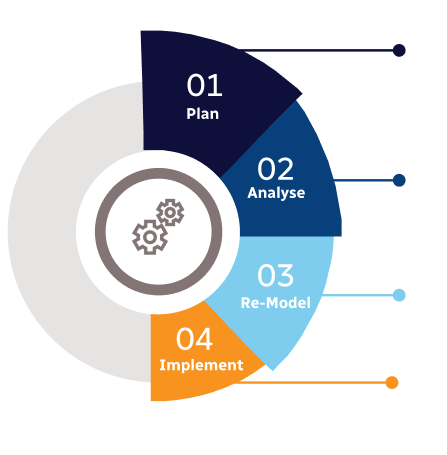
Methodology
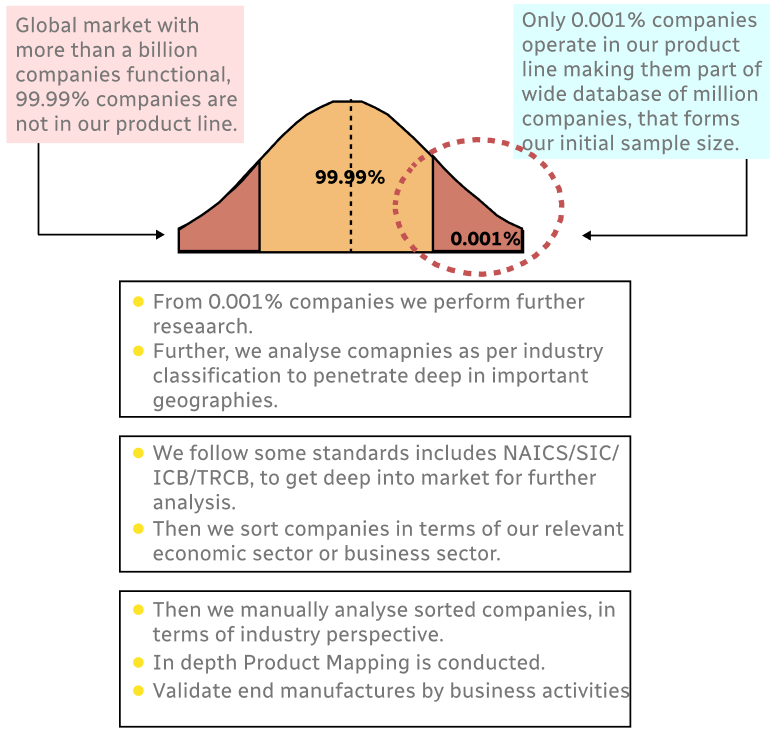
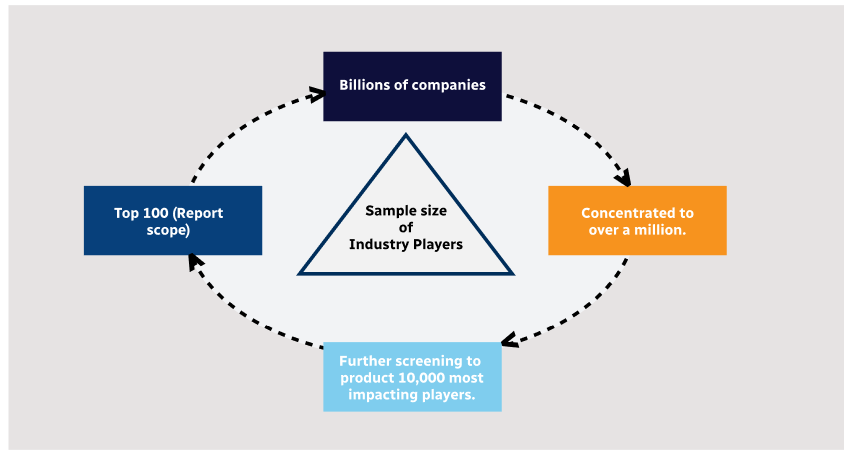
Step 1 - Identification of Relevant Samples Size from Population Database
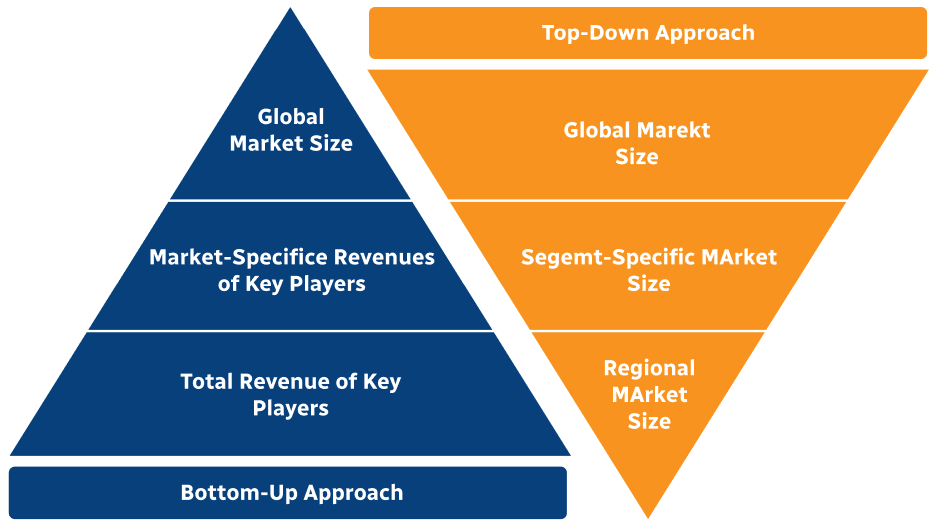
Step 2 - Approaches for Defining Global Market Size (Value, Volume* & Price*)
Note*: In applicable scenarios
Step 3 - Data Sources
Primary Research
- Web Analytics
- Survey Reports
- Research Institute
- Latest Research Reports
- Opinion Leaders
Secondary Research
- Annual Reports
- White Paper
- Latest Press Release
- Industry Association
- Paid Database
- Investor Presentations
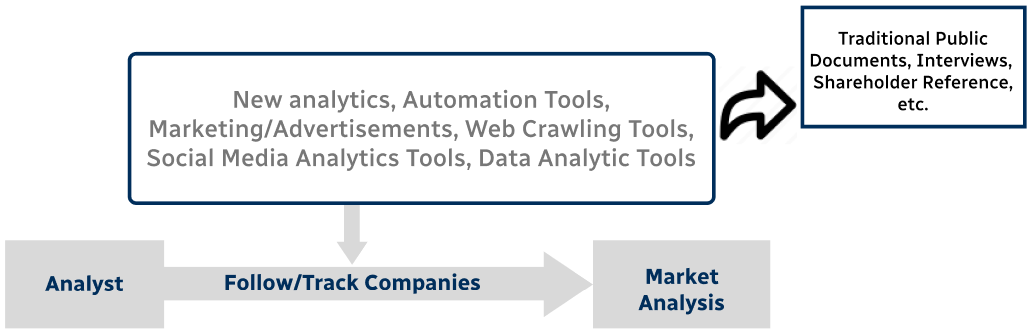
Step 4 - Data Triangulation
Involves using different sources of information in order to increase the validity of a study
These sources are likely to be stakeholders in a program - participants, other researchers, program staff, other community members, and so on.
Then we put all data in single framework & apply various statistical tools to find out the dynamic on the market.
During the analysis stage, feedback from the stakeholder groups would be compared to determine areas of agreement as well as areas of divergence