


Key Insights
The Passenger Grade Autonomous Aerial Vehicle (AAV) market is poised for explosive growth, with a projected market size of $16.07 billion in 2025 and an impressive Compound Annual Growth Rate (CAGR) of 17.47% from 2025 to 2033. This rapid expansion is fueled by several key drivers, including the escalating demand for faster, more efficient urban and intercity transportation solutions, the urgent need to alleviate traffic congestion in densely populated areas, and significant advancements in autonomous flight technology, battery efficiency, and sensor capabilities. The inherent promise of reduced travel times, lower operational costs compared to traditional aviation, and enhanced passenger convenience are creating a compelling value proposition for AAVs. Furthermore, substantial investments from venture capitalists and established aerospace giants, alongside supportive regulatory frameworks in various regions, are accelerating the development and commercialization of these futuristic vehicles.

Passenger Grade Autonomous Aerial Vehicle Market Size (In Billion)

The market segmentation reveals a strong focus on both intercity and intracity applications, highlighting the versatility of AAVs. Within vehicle types, single-seat, double-seat, and multi-seat configurations are being explored to cater to diverse passenger needs, from personal air mobility to shared urban transit. Key players like Airbus, Ehang, Vertical Aerospace, Boeing, Volocopter, and Joby Aviation are at the forefront of innovation, developing a range of AAV models. Emerging trends include the integration of advanced AI for optimized flight paths and safety, the development of electric and hybrid-electric propulsion systems for sustainability, and the creation of dedicated vertiports to facilitate seamless operations. While the market is optimistic, potential restraints such as stringent certification processes, public perception and safety concerns, and the high initial infrastructure investment for widespread adoption, will need to be addressed for sustained market penetration. The Asia Pacific region, particularly China and India, is anticipated to be a major growth engine due to rapid urbanization and increasing disposable incomes.

Passenger Grade Autonomous Aerial Vehicle Company Market Share
Comprehensive Report: Passenger Grade Autonomous Aerial Vehicle Market Analysis (2019-2033)
This in-depth report provides a definitive analysis of the global Passenger Grade Autonomous Aerial Vehicle (PAAV) market, offering critical insights for stakeholders navigating this rapidly evolving sector. Covering the period from 2019 to 2033, with a base year of 2025, this study meticulously examines market structure, competitive dynamics, industry trends, regional dominance, product innovations, key growth drivers, challenges, and the strategic outlook for PAAVs. With projected market values in the billions, this report is an indispensable resource for understanding the future of urban and intercity air mobility.
Passenger Grade Autonomous Aerial Vehicle Market Structure & Competitive Dynamics
The Passenger Grade Autonomous Aerial Vehicle market is characterized by a dynamic interplay of established aerospace giants and agile eVTOL startups, indicating a moderately concentrated yet fiercely competitive landscape. Key players like Airbus, Boeing, Ehang, Volocopter, and Joby Aviation are actively investing in research and development, aiming to capture significant market share estimated to be in the hundreds of billions. Innovation ecosystems are thriving, fueled by strategic partnerships between aerospace manufacturers, technology providers, and urban planning authorities. Regulatory frameworks, while still under development globally, are crucial determinants of market entry and scalability, with significant efforts underway to establish safety standards and air traffic management systems. Product substitutes, such as advanced ground transportation and high-speed rail, are present, but PAAVs offer unique advantages in speed and direct route capabilities for specific use cases. End-user trends highlight a growing demand for efficient, sustainable, and on-demand transportation solutions, particularly in densely populated urban areas and for connecting underserved intercity routes. Merger and acquisition (M&A) activities are expected to increase as larger companies seek to acquire innovative technologies and market access, with estimated deal values reaching tens of billions annually. The competitive dynamics are shaped by technological prowess, manufacturing scalability, regulatory compliance, and the ability to secure substantial funding, with market share projected to shift considerably over the forecast period.
Passenger Grade Autonomous Aerial Vehicle Industry Trends & Insights
The Passenger Grade Autonomous Aerial Vehicle (PAAV) industry is poised for exponential growth, driven by a confluence of technological advancements, shifting consumer preferences, and supportive governmental initiatives. The projected Compound Annual Growth Rate (CAGR) for this sector is an impressive XX%, indicating a transformative impact on global transportation networks. Key market growth drivers include the urgent need for efficient urban mobility solutions to alleviate traffic congestion, the increasing demand for point-to-point air travel, and the growing environmental consciousness pushing for sustainable aviation alternatives. Technological disruptions are at the forefront, with significant progress in battery technology, electric propulsion, advanced sensor systems, artificial intelligence for autonomous flight control, and lightweight composite materials. These innovations are not only enhancing performance and safety but also reducing operational costs, making PAAVs a more viable proposition. Consumer preferences are evolving towards on-demand services, personalized travel experiences, and reduced travel times, all of which PAAVs are uniquely positioned to fulfill. The competitive landscape is intensifying, with companies like Vertical Aerospace, Lilium, AeroMobil, and Kitty Hawk (through its spin-offs and continued R&D) demonstrating innovative designs and business models. Market penetration is expected to accelerate as regulatory approvals become more widespread and initial operational routes are established. The industry is also witnessing a diversification of applications, from simple air taxi services to more complex logistics and emergency response roles. The development of robust charging infrastructure and the integration of PAAVs into existing air traffic management systems are critical for widespread adoption. Furthermore, the pursuit of noise reduction and enhanced passenger comfort are key areas of focus for manufacturers to broaden consumer acceptance. The development of sophisticated navigation and collision avoidance systems will be paramount in ensuring public trust and safety, paving the way for large-scale commercial operations.
Dominant Markets & Segments in Passenger Grade Autonomous Aerial Vehicle
The Passenger Grade Autonomous Aerial Vehicle (PAAV) market's dominance is projected to be concentrated in regions and segments that offer the most compelling use cases and supportive infrastructure.
Dominant Application Segment: Intracity Travel
- Key Drivers: Urban population density, severe traffic congestion, and the high cost of ground-based infrastructure upgrades are primary drivers for intracity PAAV adoption. Cities with established smart city initiatives and a forward-thinking approach to transportation will lead this segment.
- Detailed Dominance Analysis: Intracities represent the most immediate and impactful application for PAAVs. The ability to bypass congested roads and offer rapid point-to-point travel within metropolitan areas will drive significant demand. Cities in North America and Europe, followed by Asia-Pacific, are expected to lead in the initial deployment of intracity air taxi services. Economic policies favoring public-private partnerships for vertiport development and operational subsidies will further accelerate this dominance. The perceived convenience and time savings for commuters and business travelers will foster rapid market penetration, making intracity services the largest revenue-generating segment for PAAVs.
Dominant Type Segment: Multi-seats
- Key Drivers: Economies of scale, improved per-passenger cost-effectiveness, and the need to cater to a broader range of users (groups, families) will propel multi-seat PAAVs to dominance.
- Detailed Dominance Analysis: While single-seat and double-seat configurations will serve niche markets and early adopters, multi-seat PAAVs (e.g., 4-6 passengers) will become the workhorse of the commercial PAAV industry. This segment offers the most viable path to profitability and mass adoption by enabling shared rides and higher utilization rates. The cost per mile for passengers will be significantly lower in multi-seat configurations, making them more competitive with traditional transportation. Manufacturers are prioritizing the development of these larger capacity vehicles to meet anticipated demand from air mobility operators. The ability to transport small groups or families will expand the use cases beyond individual commuters, further solidifying the dominance of multi-seat PAAVs.
Leading Region: North America & Europe
- Key Drivers: Robust aerospace industries, significant private investment, proactive regulatory bodies (e.g., FAA, EASA), and a high concentration of potential end-users in major metropolitan areas are key drivers.
- Detailed Dominance Analysis: North America and Europe are expected to lead the global PAAV market due to their advanced technological infrastructure, strong financial backing, and a more developed regulatory landscape for novel aviation technologies. Significant investment from venture capital and established aerospace companies, coupled with pilot programs and certifications nearing completion, positions these regions at the forefront of commercial PAAV operations. Cities like New York, Los Angeles, London, and Paris are prime candidates for early deployments due to their high population density and traffic challenges. Government initiatives supporting urban air mobility and sustainable transport further bolster their leadership.
Passenger Grade Autonomous Aerial Vehicle Product Innovations
The PAAV market is defined by relentless product innovation, focusing on enhancing safety, efficiency, and passenger experience. Key developments include advancements in electric vertical takeoff and landing (eVTOL) technology, enabling quieter and more sustainable operations. Significant strides are being made in autonomous flight systems, incorporating advanced AI and sensor fusion for reliable navigation and obstacle avoidance. Lightweight composite materials are reducing aircraft weight, improving range and payload capacity. The integration of sophisticated cabin designs, offering a premium and comfortable travel experience, is a crucial competitive advantage. Companies like Bell Textron are leveraging their extensive aerospace expertise, while startups are pushing the boundaries of novel designs and propulsion systems to capture market share.
Report Segmentation & Scope
This report segments the Passenger Grade Autonomous Aerial Vehicle market across key dimensions to provide a granular understanding of its dynamics.
Application: Intercity
- This segment focuses on PAAVs designed for travel between cities, offering high-speed connectivity and bypassing traditional infrastructure limitations. Growth projections are substantial, with market sizes estimated in the tens of billions as longer-range, higher-capacity vehicles become viable. Competitive dynamics revolve around speed, range, and inter-terminal connectivity.
Application: Intracity
- This segment encompasses PAAVs operating within urban environments for short-to-medium distance travel. It is expected to witness the most rapid growth and highest market penetration, with market sizes projected to reach hundreds of billions. Key competitive factors include operational efficiency, cost per trip, and seamless integration into urban mobility networks.
Types: Single Seat
- This segment caters to individual mobility needs, often for specialized or premium services. Market growth is expected to be moderate, serving niche applications. Competitive advantages lie in agility and personalized service.
Types: Double Seats
- This segment targets couples or pairs of travelers, offering a step up in capacity and potential cost-sharing. It represents a significant segment with substantial growth potential, bridging the gap between single-seat and multi-seat offerings.
Types: Multi-seats
- This segment focuses on larger PAAVs capable of carrying multiple passengers, ideal for air taxi services and group travel. This segment is projected to achieve the largest market share and highest growth rate, driven by economies of scale and broader applicability for commercial operations.
Key Drivers of Passenger Grade Autonomous Aerial Vehicle Growth
The Passenger Grade Autonomous Aerial Vehicle (PAAV) sector is propelled by several critical growth drivers. Technological advancements in electric propulsion, battery technology, and autonomous systems are making PAAVs safer, more efficient, and cost-effective. The growing global urbanization and the resultant traffic congestion necessitate innovative mobility solutions, with PAAVs offering a compelling alternative. Supportive government initiatives and favorable regulatory frameworks, such as the development of eVTOL certifications and urban air mobility strategies, are crucial for market maturation. Economic factors, including the increasing disposable income and the demand for premium, time-saving travel, further fuel adoption. Furthermore, environmental concerns are driving the shift towards sustainable transportation, where electric-powered PAAVs offer a greener alternative.
Challenges in the Passenger Grade Autonomous Aerial Vehicle Sector
Despite the immense potential, the Passenger Grade Autonomous Aerial Vehicle (PAAV) sector faces significant challenges that need to be addressed for widespread adoption. Regulatory hurdles remain a primary restraint, with the need for comprehensive safety standards, air traffic management integration, and certification processes to be finalized across different jurisdictions. High initial infrastructure costs for vertiports and charging networks present a substantial financial barrier. Public perception and acceptance, particularly regarding safety and noise pollution, require sustained efforts to build trust. Supply chain complexities for specialized components and manufacturing scalability also pose challenges. Furthermore, the significant investment required for research, development, and production means that competition for funding is intense, and achieving profitability will be a long-term endeavor for many companies.
Leading Players in the Passenger Grade Autonomous Aerial Vehicle Market
- Airbus
- Ehang
- Vertical Aerospace
- Boeing
- Volocopter
- Lilium
- Joby Aviation
- AeroMobil
- Kitty Hawk
- Urban Aeronautics
- Bell Textron
- Aston Martin
- Samson Sky
Key Developments in Passenger Grade Autonomous Aerial Vehicle Sector
- 2023: Ehang received type certification for its EH216-S passenger-grade eVTOL aircraft in China, a landmark development for commercial autonomous flight operations.
- 2023: Joby Aviation achieved its first FAA airworthiness certificate for a production aircraft, a critical step towards commercial passenger service in the US.
- 2024: Volocopter conducted successful public demonstration flights in multiple global cities, showcasing its readiness for commercial operations.
- 2024: Lilium announced significant progress in its wingless eVTOL design, highlighting its unique approach to electric aviation.
- 2025 (Projected): Expected regulatory approvals and initial commercial route launches in key metropolitan areas in North America and Europe.
- 2025 (Projected): Major aerospace companies like Airbus and Boeing are expected to announce accelerated timelines for their PAAV programs.
- 2026 (Projected): Introduction of larger, multi-seat PAAVs into commercial service, expanding market reach.
- 2028 (Projected): Significant growth in intercity PAAV services as range and infrastructure capabilities mature.
Strategic Passenger Grade Autonomous Aerial Vehicle Market Outlook
The strategic outlook for the Passenger Grade Autonomous Aerial Vehicle (PAAV) market is exceptionally promising, characterized by accelerated growth and transformative potential. The market is expected to evolve into a multi-billion dollar industry, driven by the increasing demand for sustainable, efficient, and on-demand urban and intercity mobility. Key growth accelerators include ongoing technological advancements in eVTOL capabilities, the progressive maturation of regulatory frameworks, and the development of robust infrastructure for vertiports and charging. Strategic opportunities lie in forging strong partnerships between manufacturers, operators, and urban planners to create integrated mobility ecosystems. The continuous pursuit of innovation in passenger experience, safety features, and operational efficiency will be paramount for sustained market leadership. As more cities embrace the concept of urban air mobility, the PAAV sector is set to redefine transportation landscapes globally.
Passenger Grade Autonomous Aerial Vehicle Segmentation
-
1. Application
- 1.1. Intercity
- 1.2. Intracity
-
2. Types
- 2.1. Single Seat
- 2.2. Double Seats
- 2.3. Multi-seats
Passenger Grade Autonomous Aerial Vehicle Segmentation By Geography
-
1. North America
- 1.1. United States
- 1.2. Canada
- 1.3. Mexico
-
2. South America
- 2.1. Brazil
- 2.2. Argentina
- 2.3. Rest of South America
-
3. Europe
- 3.1. United Kingdom
- 3.2. Germany
- 3.3. France
- 3.4. Italy
- 3.5. Spain
- 3.6. Russia
- 3.7. Benelux
- 3.8. Nordics
- 3.9. Rest of Europe
-
4. Middle East & Africa
- 4.1. Turkey
- 4.2. Israel
- 4.3. GCC
- 4.4. North Africa
- 4.5. South Africa
- 4.6. Rest of Middle East & Africa
-
5. Asia Pacific
- 5.1. China
- 5.2. India
- 5.3. Japan
- 5.4. South Korea
- 5.5. ASEAN
- 5.6. Oceania
- 5.7. Rest of Asia Pacific

Passenger Grade Autonomous Aerial Vehicle Regional Market Share
Geographic Coverage of Passenger Grade Autonomous Aerial Vehicle
Passenger Grade Autonomous Aerial Vehicle REPORT HIGHLIGHTS
| Aspects | Details |
|---|---|
| Study Period | 2020-2034 |
| Base Year | 2025 |
| Estimated Year | 2026 |
| Forecast Period | 2026-2034 |
| Historical Period | 2020-2025 |
| Growth Rate | CAGR of 17.47% from 2020-2034 |
| Segmentation |
|
Table of Contents
- 1. Introduction
- 1.1. Research Scope
- 1.2. Market Segmentation
- 1.3. Research Methodology
- 1.4. Definitions and Assumptions
- 2. Executive Summary
- 2.1. Introduction
- 3. Market Dynamics
- 3.1. Introduction
- 3.2. Market Drivers
- 3.3. Market Restrains
- 3.4. Market Trends
- 4. Market Factor Analysis
- 4.1. Porters Five Forces
- 4.2. Supply/Value Chain
- 4.3. PESTEL analysis
- 4.4. Market Entropy
- 4.5. Patent/Trademark Analysis
- 5. Global Passenger Grade Autonomous Aerial Vehicle Analysis, Insights and Forecast, 2020-2032
- 5.1. Market Analysis, Insights and Forecast - by Application
- 5.1.1. Intercity
- 5.1.2. Intracity
- 5.2. Market Analysis, Insights and Forecast - by Types
- 5.2.1. Single Seat
- 5.2.2. Double Seats
- 5.2.3. Multi-seats
- 5.3. Market Analysis, Insights and Forecast - by Region
- 5.3.1. North America
- 5.3.2. South America
- 5.3.3. Europe
- 5.3.4. Middle East & Africa
- 5.3.5. Asia Pacific
- 5.1. Market Analysis, Insights and Forecast - by Application
- 6. North America Passenger Grade Autonomous Aerial Vehicle Analysis, Insights and Forecast, 2020-2032
- 6.1. Market Analysis, Insights and Forecast - by Application
- 6.1.1. Intercity
- 6.1.2. Intracity
- 6.2. Market Analysis, Insights and Forecast - by Types
- 6.2.1. Single Seat
- 6.2.2. Double Seats
- 6.2.3. Multi-seats
- 6.1. Market Analysis, Insights and Forecast - by Application
- 7. South America Passenger Grade Autonomous Aerial Vehicle Analysis, Insights and Forecast, 2020-2032
- 7.1. Market Analysis, Insights and Forecast - by Application
- 7.1.1. Intercity
- 7.1.2. Intracity
- 7.2. Market Analysis, Insights and Forecast - by Types
- 7.2.1. Single Seat
- 7.2.2. Double Seats
- 7.2.3. Multi-seats
- 7.1. Market Analysis, Insights and Forecast - by Application
- 8. Europe Passenger Grade Autonomous Aerial Vehicle Analysis, Insights and Forecast, 2020-2032
- 8.1. Market Analysis, Insights and Forecast - by Application
- 8.1.1. Intercity
- 8.1.2. Intracity
- 8.2. Market Analysis, Insights and Forecast - by Types
- 8.2.1. Single Seat
- 8.2.2. Double Seats
- 8.2.3. Multi-seats
- 8.1. Market Analysis, Insights and Forecast - by Application
- 9. Middle East & Africa Passenger Grade Autonomous Aerial Vehicle Analysis, Insights and Forecast, 2020-2032
- 9.1. Market Analysis, Insights and Forecast - by Application
- 9.1.1. Intercity
- 9.1.2. Intracity
- 9.2. Market Analysis, Insights and Forecast - by Types
- 9.2.1. Single Seat
- 9.2.2. Double Seats
- 9.2.3. Multi-seats
- 9.1. Market Analysis, Insights and Forecast - by Application
- 10. Asia Pacific Passenger Grade Autonomous Aerial Vehicle Analysis, Insights and Forecast, 2020-2032
- 10.1. Market Analysis, Insights and Forecast - by Application
- 10.1.1. Intercity
- 10.1.2. Intracity
- 10.2. Market Analysis, Insights and Forecast - by Types
- 10.2.1. Single Seat
- 10.2.2. Double Seats
- 10.2.3. Multi-seats
- 10.1. Market Analysis, Insights and Forecast - by Application
- 11. Competitive Analysis
- 11.1. Global Market Share Analysis 2025
- 11.2. Company Profiles
- 11.2.1 Airbus
- 11.2.1.1. Overview
- 11.2.1.2. Products
- 11.2.1.3. SWOT Analysis
- 11.2.1.4. Recent Developments
- 11.2.1.5. Financials (Based on Availability)
- 11.2.2 Ehang
- 11.2.2.1. Overview
- 11.2.2.2. Products
- 11.2.2.3. SWOT Analysis
- 11.2.2.4. Recent Developments
- 11.2.2.5. Financials (Based on Availability)
- 11.2.3 Vertical Aerospace
- 11.2.3.1. Overview
- 11.2.3.2. Products
- 11.2.3.3. SWOT Analysis
- 11.2.3.4. Recent Developments
- 11.2.3.5. Financials (Based on Availability)
- 11.2.4 Boeing
- 11.2.4.1. Overview
- 11.2.4.2. Products
- 11.2.4.3. SWOT Analysis
- 11.2.4.4. Recent Developments
- 11.2.4.5. Financials (Based on Availability)
- 11.2.5 Volocopter
- 11.2.5.1. Overview
- 11.2.5.2. Products
- 11.2.5.3. SWOT Analysis
- 11.2.5.4. Recent Developments
- 11.2.5.5. Financials (Based on Availability)
- 11.2.6 Lilium
- 11.2.6.1. Overview
- 11.2.6.2. Products
- 11.2.6.3. SWOT Analysis
- 11.2.6.4. Recent Developments
- 11.2.6.5. Financials (Based on Availability)
- 11.2.7 Joby Aviation
- 11.2.7.1. Overview
- 11.2.7.2. Products
- 11.2.7.3. SWOT Analysis
- 11.2.7.4. Recent Developments
- 11.2.7.5. Financials (Based on Availability)
- 11.2.8 AeroMobil
- 11.2.8.1. Overview
- 11.2.8.2. Products
- 11.2.8.3. SWOT Analysis
- 11.2.8.4. Recent Developments
- 11.2.8.5. Financials (Based on Availability)
- 11.2.9 Kitty Hawk
- 11.2.9.1. Overview
- 11.2.9.2. Products
- 11.2.9.3. SWOT Analysis
- 11.2.9.4. Recent Developments
- 11.2.9.5. Financials (Based on Availability)
- 11.2.10 AeroMobil
- 11.2.10.1. Overview
- 11.2.10.2. Products
- 11.2.10.3. SWOT Analysis
- 11.2.10.4. Recent Developments
- 11.2.10.5. Financials (Based on Availability)
- 11.2.11 Urban Aeronautics
- 11.2.11.1. Overview
- 11.2.11.2. Products
- 11.2.11.3. SWOT Analysis
- 11.2.11.4. Recent Developments
- 11.2.11.5. Financials (Based on Availability)
- 11.2.12 Bell Textron
- 11.2.12.1. Overview
- 11.2.12.2. Products
- 11.2.12.3. SWOT Analysis
- 11.2.12.4. Recent Developments
- 11.2.12.5. Financials (Based on Availability)
- 11.2.13 Aston Martin
- 11.2.13.1. Overview
- 11.2.13.2. Products
- 11.2.13.3. SWOT Analysis
- 11.2.13.4. Recent Developments
- 11.2.13.5. Financials (Based on Availability)
- 11.2.14 Samson Sky
- 11.2.14.1. Overview
- 11.2.14.2. Products
- 11.2.14.3. SWOT Analysis
- 11.2.14.4. Recent Developments
- 11.2.14.5. Financials (Based on Availability)
- 11.2.1 Airbus
List of Figures
- Figure 1: Global Passenger Grade Autonomous Aerial Vehicle Revenue Breakdown (undefined, %) by Region 2025 & 2033
- Figure 2: North America Passenger Grade Autonomous Aerial Vehicle Revenue (undefined), by Application 2025 & 2033
- Figure 3: North America Passenger Grade Autonomous Aerial Vehicle Revenue Share (%), by Application 2025 & 2033
- Figure 4: North America Passenger Grade Autonomous Aerial Vehicle Revenue (undefined), by Types 2025 & 2033
- Figure 5: North America Passenger Grade Autonomous Aerial Vehicle Revenue Share (%), by Types 2025 & 2033
- Figure 6: North America Passenger Grade Autonomous Aerial Vehicle Revenue (undefined), by Country 2025 & 2033
- Figure 7: North America Passenger Grade Autonomous Aerial Vehicle Revenue Share (%), by Country 2025 & 2033
- Figure 8: South America Passenger Grade Autonomous Aerial Vehicle Revenue (undefined), by Application 2025 & 2033
- Figure 9: South America Passenger Grade Autonomous Aerial Vehicle Revenue Share (%), by Application 2025 & 2033
- Figure 10: South America Passenger Grade Autonomous Aerial Vehicle Revenue (undefined), by Types 2025 & 2033
- Figure 11: South America Passenger Grade Autonomous Aerial Vehicle Revenue Share (%), by Types 2025 & 2033
- Figure 12: South America Passenger Grade Autonomous Aerial Vehicle Revenue (undefined), by Country 2025 & 2033
- Figure 13: South America Passenger Grade Autonomous Aerial Vehicle Revenue Share (%), by Country 2025 & 2033
- Figure 14: Europe Passenger Grade Autonomous Aerial Vehicle Revenue (undefined), by Application 2025 & 2033
- Figure 15: Europe Passenger Grade Autonomous Aerial Vehicle Revenue Share (%), by Application 2025 & 2033
- Figure 16: Europe Passenger Grade Autonomous Aerial Vehicle Revenue (undefined), by Types 2025 & 2033
- Figure 17: Europe Passenger Grade Autonomous Aerial Vehicle Revenue Share (%), by Types 2025 & 2033
- Figure 18: Europe Passenger Grade Autonomous Aerial Vehicle Revenue (undefined), by Country 2025 & 2033
- Figure 19: Europe Passenger Grade Autonomous Aerial Vehicle Revenue Share (%), by Country 2025 & 2033
- Figure 20: Middle East & Africa Passenger Grade Autonomous Aerial Vehicle Revenue (undefined), by Application 2025 & 2033
- Figure 21: Middle East & Africa Passenger Grade Autonomous Aerial Vehicle Revenue Share (%), by Application 2025 & 2033
- Figure 22: Middle East & Africa Passenger Grade Autonomous Aerial Vehicle Revenue (undefined), by Types 2025 & 2033
- Figure 23: Middle East & Africa Passenger Grade Autonomous Aerial Vehicle Revenue Share (%), by Types 2025 & 2033
- Figure 24: Middle East & Africa Passenger Grade Autonomous Aerial Vehicle Revenue (undefined), by Country 2025 & 2033
- Figure 25: Middle East & Africa Passenger Grade Autonomous Aerial Vehicle Revenue Share (%), by Country 2025 & 2033
- Figure 26: Asia Pacific Passenger Grade Autonomous Aerial Vehicle Revenue (undefined), by Application 2025 & 2033
- Figure 27: Asia Pacific Passenger Grade Autonomous Aerial Vehicle Revenue Share (%), by Application 2025 & 2033
- Figure 28: Asia Pacific Passenger Grade Autonomous Aerial Vehicle Revenue (undefined), by Types 2025 & 2033
- Figure 29: Asia Pacific Passenger Grade Autonomous Aerial Vehicle Revenue Share (%), by Types 2025 & 2033
- Figure 30: Asia Pacific Passenger Grade Autonomous Aerial Vehicle Revenue (undefined), by Country 2025 & 2033
- Figure 31: Asia Pacific Passenger Grade Autonomous Aerial Vehicle Revenue Share (%), by Country 2025 & 2033
List of Tables
- Table 1: Global Passenger Grade Autonomous Aerial Vehicle Revenue undefined Forecast, by Application 2020 & 2033
- Table 2: Global Passenger Grade Autonomous Aerial Vehicle Revenue undefined Forecast, by Types 2020 & 2033
- Table 3: Global Passenger Grade Autonomous Aerial Vehicle Revenue undefined Forecast, by Region 2020 & 2033
- Table 4: Global Passenger Grade Autonomous Aerial Vehicle Revenue undefined Forecast, by Application 2020 & 2033
- Table 5: Global Passenger Grade Autonomous Aerial Vehicle Revenue undefined Forecast, by Types 2020 & 2033
- Table 6: Global Passenger Grade Autonomous Aerial Vehicle Revenue undefined Forecast, by Country 2020 & 2033
- Table 7: United States Passenger Grade Autonomous Aerial Vehicle Revenue (undefined) Forecast, by Application 2020 & 2033
- Table 8: Canada Passenger Grade Autonomous Aerial Vehicle Revenue (undefined) Forecast, by Application 2020 & 2033
- Table 9: Mexico Passenger Grade Autonomous Aerial Vehicle Revenue (undefined) Forecast, by Application 2020 & 2033
- Table 10: Global Passenger Grade Autonomous Aerial Vehicle Revenue undefined Forecast, by Application 2020 & 2033
- Table 11: Global Passenger Grade Autonomous Aerial Vehicle Revenue undefined Forecast, by Types 2020 & 2033
- Table 12: Global Passenger Grade Autonomous Aerial Vehicle Revenue undefined Forecast, by Country 2020 & 2033
- Table 13: Brazil Passenger Grade Autonomous Aerial Vehicle Revenue (undefined) Forecast, by Application 2020 & 2033
- Table 14: Argentina Passenger Grade Autonomous Aerial Vehicle Revenue (undefined) Forecast, by Application 2020 & 2033
- Table 15: Rest of South America Passenger Grade Autonomous Aerial Vehicle Revenue (undefined) Forecast, by Application 2020 & 2033
- Table 16: Global Passenger Grade Autonomous Aerial Vehicle Revenue undefined Forecast, by Application 2020 & 2033
- Table 17: Global Passenger Grade Autonomous Aerial Vehicle Revenue undefined Forecast, by Types 2020 & 2033
- Table 18: Global Passenger Grade Autonomous Aerial Vehicle Revenue undefined Forecast, by Country 2020 & 2033
- Table 19: United Kingdom Passenger Grade Autonomous Aerial Vehicle Revenue (undefined) Forecast, by Application 2020 & 2033
- Table 20: Germany Passenger Grade Autonomous Aerial Vehicle Revenue (undefined) Forecast, by Application 2020 & 2033
- Table 21: France Passenger Grade Autonomous Aerial Vehicle Revenue (undefined) Forecast, by Application 2020 & 2033
- Table 22: Italy Passenger Grade Autonomous Aerial Vehicle Revenue (undefined) Forecast, by Application 2020 & 2033
- Table 23: Spain Passenger Grade Autonomous Aerial Vehicle Revenue (undefined) Forecast, by Application 2020 & 2033
- Table 24: Russia Passenger Grade Autonomous Aerial Vehicle Revenue (undefined) Forecast, by Application 2020 & 2033
- Table 25: Benelux Passenger Grade Autonomous Aerial Vehicle Revenue (undefined) Forecast, by Application 2020 & 2033
- Table 26: Nordics Passenger Grade Autonomous Aerial Vehicle Revenue (undefined) Forecast, by Application 2020 & 2033
- Table 27: Rest of Europe Passenger Grade Autonomous Aerial Vehicle Revenue (undefined) Forecast, by Application 2020 & 2033
- Table 28: Global Passenger Grade Autonomous Aerial Vehicle Revenue undefined Forecast, by Application 2020 & 2033
- Table 29: Global Passenger Grade Autonomous Aerial Vehicle Revenue undefined Forecast, by Types 2020 & 2033
- Table 30: Global Passenger Grade Autonomous Aerial Vehicle Revenue undefined Forecast, by Country 2020 & 2033
- Table 31: Turkey Passenger Grade Autonomous Aerial Vehicle Revenue (undefined) Forecast, by Application 2020 & 2033
- Table 32: Israel Passenger Grade Autonomous Aerial Vehicle Revenue (undefined) Forecast, by Application 2020 & 2033
- Table 33: GCC Passenger Grade Autonomous Aerial Vehicle Revenue (undefined) Forecast, by Application 2020 & 2033
- Table 34: North Africa Passenger Grade Autonomous Aerial Vehicle Revenue (undefined) Forecast, by Application 2020 & 2033
- Table 35: South Africa Passenger Grade Autonomous Aerial Vehicle Revenue (undefined) Forecast, by Application 2020 & 2033
- Table 36: Rest of Middle East & Africa Passenger Grade Autonomous Aerial Vehicle Revenue (undefined) Forecast, by Application 2020 & 2033
- Table 37: Global Passenger Grade Autonomous Aerial Vehicle Revenue undefined Forecast, by Application 2020 & 2033
- Table 38: Global Passenger Grade Autonomous Aerial Vehicle Revenue undefined Forecast, by Types 2020 & 2033
- Table 39: Global Passenger Grade Autonomous Aerial Vehicle Revenue undefined Forecast, by Country 2020 & 2033
- Table 40: China Passenger Grade Autonomous Aerial Vehicle Revenue (undefined) Forecast, by Application 2020 & 2033
- Table 41: India Passenger Grade Autonomous Aerial Vehicle Revenue (undefined) Forecast, by Application 2020 & 2033
- Table 42: Japan Passenger Grade Autonomous Aerial Vehicle Revenue (undefined) Forecast, by Application 2020 & 2033
- Table 43: South Korea Passenger Grade Autonomous Aerial Vehicle Revenue (undefined) Forecast, by Application 2020 & 2033
- Table 44: ASEAN Passenger Grade Autonomous Aerial Vehicle Revenue (undefined) Forecast, by Application 2020 & 2033
- Table 45: Oceania Passenger Grade Autonomous Aerial Vehicle Revenue (undefined) Forecast, by Application 2020 & 2033
- Table 46: Rest of Asia Pacific Passenger Grade Autonomous Aerial Vehicle Revenue (undefined) Forecast, by Application 2020 & 2033
Frequently Asked Questions
1. What is the projected Compound Annual Growth Rate (CAGR) of the Passenger Grade Autonomous Aerial Vehicle?
The projected CAGR is approximately 17.47%.
2. Which companies are prominent players in the Passenger Grade Autonomous Aerial Vehicle?
Key companies in the market include Airbus, Ehang, Vertical Aerospace, Boeing, Volocopter, Lilium, Joby Aviation, AeroMobil, Kitty Hawk, AeroMobil, Urban Aeronautics, Bell Textron, Aston Martin, Samson Sky.
3. What are the main segments of the Passenger Grade Autonomous Aerial Vehicle?
The market segments include Application, Types.
4. Can you provide details about the market size?
The market size is estimated to be USD XXX N/A as of 2022.
5. What are some drivers contributing to market growth?
N/A
6. What are the notable trends driving market growth?
N/A
7. Are there any restraints impacting market growth?
N/A
8. Can you provide examples of recent developments in the market?
N/A
9. What pricing options are available for accessing the report?
Pricing options include single-user, multi-user, and enterprise licenses priced at USD 5600.00, USD 8400.00, and USD 11200.00 respectively.
10. Is the market size provided in terms of value or volume?
The market size is provided in terms of value, measured in N/A.
11. Are there any specific market keywords associated with the report?
Yes, the market keyword associated with the report is "Passenger Grade Autonomous Aerial Vehicle," which aids in identifying and referencing the specific market segment covered.
12. How do I determine which pricing option suits my needs best?
The pricing options vary based on user requirements and access needs. Individual users may opt for single-user licenses, while businesses requiring broader access may choose multi-user or enterprise licenses for cost-effective access to the report.
13. Are there any additional resources or data provided in the Passenger Grade Autonomous Aerial Vehicle report?
While the report offers comprehensive insights, it's advisable to review the specific contents or supplementary materials provided to ascertain if additional resources or data are available.
14. How can I stay updated on further developments or reports in the Passenger Grade Autonomous Aerial Vehicle?
To stay informed about further developments, trends, and reports in the Passenger Grade Autonomous Aerial Vehicle, consider subscribing to industry newsletters, following relevant companies and organizations, or regularly checking reputable industry news sources and publications.
Methodology
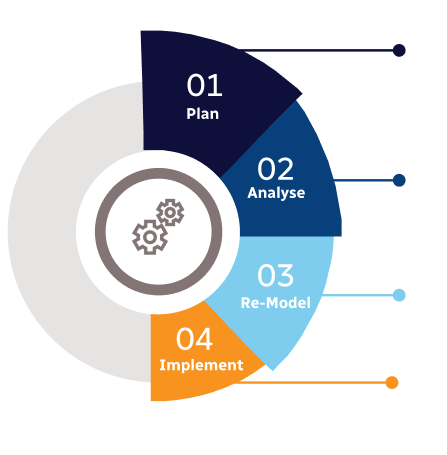
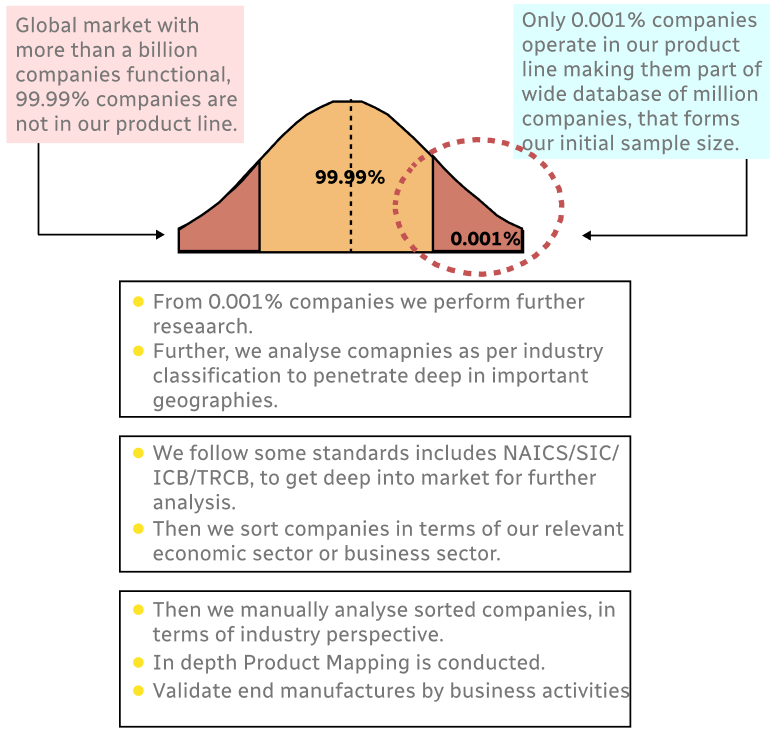
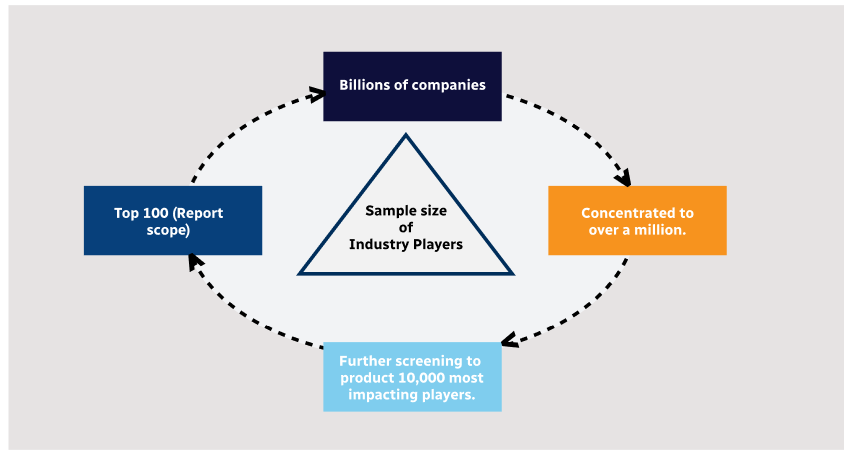
Step 1 - Identification of Relevant Samples Size from Population Database
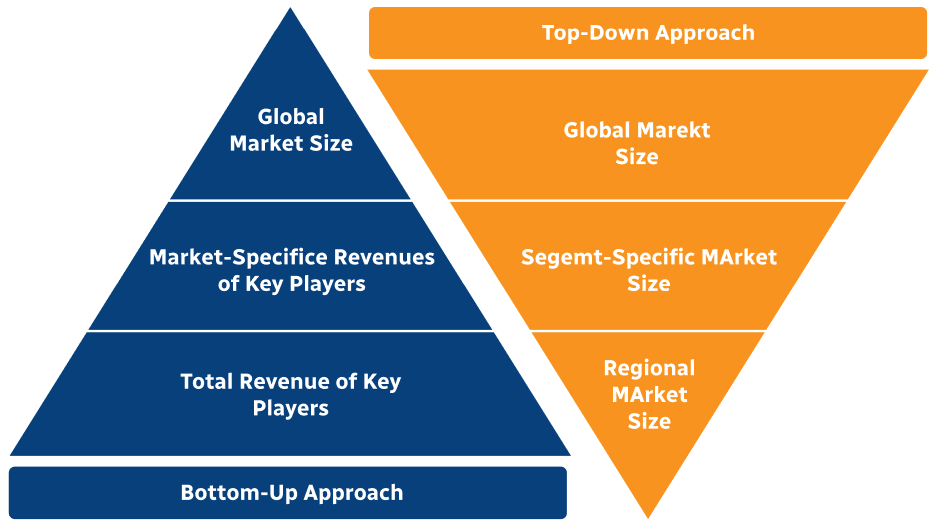
Step 2 - Approaches for Defining Global Market Size (Value, Volume* & Price*)
Note*: In applicable scenarios
Step 3 - Data Sources
Primary Research
- Web Analytics
- Survey Reports
- Research Institute
- Latest Research Reports
- Opinion Leaders
Secondary Research
- Annual Reports
- White Paper
- Latest Press Release
- Industry Association
- Paid Database
- Investor Presentations
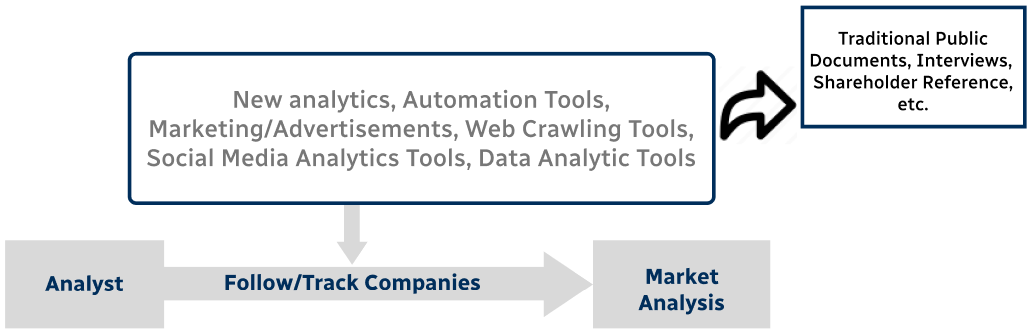
Step 4 - Data Triangulation
Involves using different sources of information in order to increase the validity of a study
These sources are likely to be stakeholders in a program - participants, other researchers, program staff, other community members, and so on.
Then we put all data in single framework & apply various statistical tools to find out the dynamic on the market.
During the analysis stage, feedback from the stakeholder groups would be compared to determine areas of agreement as well as areas of divergence