


Key Insights
The Indian Neonatal and Prenatal Devices market is projected to reach USD 9.9 billion by 2025, with a Compound Annual Growth Rate (CAGR) of 6.5%. This growth is driven by increasing government initiatives for maternal and child healthcare, heightened public awareness of specialized care, and a rising demand for advanced diagnostic and therapeutic equipment. The increasing incidence of high-risk pregnancies and premature births further fuels the need for sophisticated medical devices. Technological advancements are also contributing, leading to more accurate, portable, and accessible devices, even in remote areas.

India Neonatal and Prenatal Devices Industry Market Size (In Billion)

Key market drivers include escalating birth rates, particularly in urban areas, and the growing affordability and availability of advanced medical technologies. Government programs focused on reducing infant mortality rates and improving neonatal outcomes provide significant impetus. Emerging trends such as telemedicine for remote monitoring and the development of minimally invasive prenatal diagnostic tools are shaping the market. Challenges include the high cost of advanced equipment and the requirement for skilled personnel, though continuous innovation and expanding healthcare infrastructure are expected to mitigate these restraints.

India Neonatal and Prenatal Devices Industry Company Market Share
This report offers an in-depth analysis of the India Neonatal and Prenatal Devices Industry, covering the historical period of 2019–2024, with a base year of 2025 and a forecast period of 2025–2033. It provides critical insights into market dynamics, growth drivers, competitive landscape, and emerging trends. With an estimated market size of over USD 9.9 billion in 2025, the Indian neonatal and prenatal devices market is poised for significant expansion, fueled by increasing healthcare expenditure, rising awareness of maternal and child health, and technological advancements. This report is essential for manufacturers, suppliers, investors, and healthcare providers seeking to understand the opportunities and challenges within this vital sector.
India Neonatal and Prenatal Devices Industry Market Structure & Competitive Dynamics
The India Neonatal and Prenatal Devices Industry exhibits a moderately concentrated market structure, with key players like GE Healthcare, Koninklijke Philips NV, and Dragerwerk AG & Co KGaA holding significant market share. These established companies leverage extensive product portfolios, robust distribution networks, and strong brand recognition. Innovation ecosystems are burgeoning, fueled by government initiatives promoting domestic manufacturing and the emergence of startups focusing on cost-effective and advanced medical devices. Regulatory frameworks, overseen by bodies like the Central Drugs Standard Control Organisation (CDSCO), are evolving to ensure the safety and efficacy of these critical healthcare products. While direct product substitutes are limited due to the specialized nature of neonatal and prenatal equipment, alternative diagnostic and monitoring approaches can present indirect competition. End-user trends show a growing demand for user-friendly, portable, and data-integrated devices, driven by the expanding private healthcare sector and increasing adoption in rural and semi-urban areas. Mergers and acquisitions (M&A) activities are anticipated to increase as larger players seek to consolidate their market position and acquire innovative technologies. For instance, the potential acquisition of smaller specialized device manufacturers could lead to market consolidation, with M&A deal values expected to rise as the market matures. The focus on reducing neonatal mortality rates continues to be a primary driver for market consolidation and strategic partnerships.
India Neonatal and Prenatal Devices Industry Industry Trends & Insights
The India Neonatal and Prenatal Devices Industry is experiencing robust growth, propelled by several interconnected trends. A significant market growth driver is the increasing awareness and emphasis on maternal and child health, leading to higher demand for advanced prenatal screening and neonatal care equipment. Government initiatives aimed at improving healthcare infrastructure, particularly in underserved regions, are further bolstering market expansion. The Compound Annual Growth Rate (CAGR) for the industry is projected to be approximately 7.5% during the forecast period. Technological disruptions are at the forefront, with the integration of Artificial Intelligence (AI) for predictive diagnostics in prenatal monitoring and the development of IoT-enabled neonatal care devices for remote patient management. Consumer preferences are shifting towards devices that offer enhanced accuracy, improved patient comfort, and greater data accessibility for clinicians. The competitive dynamics are characterized by both intense rivalry among global players and the growing prominence of domestic manufacturers offering cost-effective solutions. Market penetration is steadily increasing, with greater adoption in Tier 2 and Tier 3 cities, driven by a growing middle class and improved access to healthcare facilities. The increasing prevalence of lifestyle-related diseases among pregnant women also contributes to a higher demand for sophisticated prenatal monitoring devices. Furthermore, the "Make in India" initiative is fostering domestic innovation and production, leading to increased competition and potentially lower price points for consumers. The focus on early detection of fetal anomalies and proactive neonatal interventions is a key trend influencing product development and market demand. The integration of telemedicine and remote monitoring solutions is also gaining traction, especially in a vast country like India with diverse geographical terrains.
Dominant Markets & Segments in India Neonatal and Prenatal Devices Industry
Within the India Neonatal and Prenatal Devices Industry, Neonatal Care Equipment currently represents the dominant market segment, driven by the critical need for comprehensive care for newborns, especially premature infants. This segment's dominance is further amplified by government campaigns and NGO efforts focused on reducing infant mortality rates. Within Neonatal Care Equipment, Incubators and Neonatal Monitoring Devices are leading sub-segments, crucial for maintaining optimal environmental conditions and continuously tracking vital physiological parameters of critically ill newborns. The increasing number of Neonatal Intensive Care Units (NICUs) across India, coupled with advancements in incubator technology offering enhanced temperature and humidity control, and sophisticated monitoring devices providing real-time data on respiration, heart rate, and oxygen saturation, are key drivers. Economic policies promoting healthcare accessibility and investments in public health infrastructure, particularly in states with higher birth rates, significantly contribute to this segment's growth.
Prenatal & Fetal Equipment is another significant and rapidly growing segment. Fetal Monitors and Fetal Dopplers are particularly prominent due to their essential role in antenatal care, enabling early detection of fetal well-being and potential complications. The rising awareness among expectant mothers about the importance of regular prenatal check-ups and the increasing affordability of these devices are major growth catalysts. Government initiatives promoting institutional deliveries and providing access to essential maternal healthcare services further boost the demand for prenatal and fetal monitoring devices. The widespread adoption of these devices in government hospitals and primary health centers, alongside private clinics, underscores their importance in the Indian healthcare ecosystem.
Key drivers for the dominance of these segments include:
- Government Initiatives: Programs like Janani Shishu Suraksha Karyakram (JSSK) and the National Health Mission (NHM) prioritize maternal and child health, leading to increased procurement of neonatal and prenatal devices by public healthcare facilities.
- Rising Healthcare Expenditure: Both public and private sector investments in healthcare infrastructure are growing, with a substantial allocation towards specialized equipment for maternity and neonatal care.
- Technological Advancements: Continuous innovation in developing more accurate, portable, and user-friendly devices, including wireless monitoring and AI-powered diagnostic tools, enhances their adoption.
- Increasing Awareness: Growing awareness among the populace regarding the importance of timely prenatal diagnosis and effective neonatal care contributes to higher demand for these devices.
- Urbanization and Private Healthcare Growth: The expansion of private hospitals and clinics, particularly in urban and semi-urban areas, caters to a growing segment of the population seeking advanced healthcare services.
- Focus on Reducing Infant Mortality: India's commitment to reducing infant mortality rates through various public health strategies directly translates into increased demand for effective neonatal care equipment.
India Neonatal and Prenatal Devices Industry Product Innovations
Product innovations in the India Neonatal and Prenatal Devices Industry are focused on enhancing portability, affordability, and data integration. Development of advanced neonatal incubators with improved thermal regulation and infection control features, alongside compact, wireless neonatal monitoring systems, are gaining traction. For prenatal care, innovations include AI-powered fetal monitoring devices that can predict potential complications with higher accuracy and non-invasive fetal electrocardiogram (fECG) monitors. The competitive advantage lies in devices that offer seamless connectivity to electronic health records (EHRs), enabling better patient management and data analysis for improved clinical outcomes. The market is witnessing a rise in indigenous development, leading to cost-effective yet technologically advanced solutions tailored for the Indian healthcare landscape.
Report Segmentation & Scope
This report segments the India Neonatal and Prenatal Devices Industry by product type. The primary segments include Prenatal & Fetal Equipment, encompassing Fetal Dopplers, Fetal Monitors, Fetal Pulse Oximeters, and Other Prenatal and Fetal Equipment. The second major segment is Neonatal Care Equipment, which further divides into Incubators, Neonatal Monitoring Devices, Phototherapy Equipment, Respiratory Assistance and Monitoring Devices, and Other Neonatal Care Equipment. The Prenatal & Fetal Equipment segment is projected to grow at a CAGR of approximately 8.2%, reaching an estimated market size of over $650 Million by 2033. Within this, Fetal Monitors are expected to lead growth due to increasing adoption in antenatal care. The Neonatal Care Equipment segment, estimated to reach over $850 Million by 2033 with a CAGR of around 7.0%, is driven by the sustained demand for critical care solutions for newborns. Incubators and Neonatal Monitoring Devices are expected to maintain their strong market positions within this segment.
Key Drivers of India Neonatal and Prenatal Devices Industry Growth
The growth of the India Neonatal and Prenatal Devices Industry is primarily driven by a confluence of technological, economic, and regulatory factors. Increased government focus on improving maternal and child health outcomes, as evidenced by initiatives like the National Health Mission, directly translates to higher procurement and adoption of essential medical devices. Furthermore, rising disposable incomes and a growing middle class are fueling private healthcare spending, leading to increased demand for advanced prenatal and neonatal care technologies. Technological advancements, including the miniaturization of devices, enhanced accuracy, and the integration of AI and IoT for remote monitoring and predictive diagnostics, are making these technologies more accessible and effective. The expanding network of public and private healthcare facilities, particularly in Tier 2 and Tier 3 cities, also contributes significantly to market expansion by providing wider access to these critical devices.
Challenges in the India Neonatal and Prenatal Devices Industry Sector
Despite the positive growth trajectory, the India Neonatal and Prenatal Devices Industry faces several challenges. High import duties on certain components and finished medical devices can increase costs for manufacturers and, consequently, for end-users. Regulatory hurdles, though improving, can still lead to lengthy approval processes for new products. Price sensitivity in a large segment of the Indian market necessitates the development of cost-effective solutions, which can sometimes compromise on advanced features. Supply chain disruptions, exacerbated by global events, can impact the availability of critical components and finished goods. Limited awareness and infrastructure in remote areas also pose a challenge to widespread adoption. The intense competition, particularly from low-cost domestic manufacturers, can put pressure on profit margins for established players.
Leading Players in the India Neonatal and Prenatal Devices Industry Market
- Jainco Lab
- Instromedix India
- Becton Dickinson and Company
- Masimo
- GE Healthcare
- Atom Medical Corporation
- Medtronic PLC
- Getinge AB
- Neonest Medical Systems Pvt Ltd
- Koninklijke Philips NV
- Dragerwerk AG & Co KGaA
- Narang Medical Limited
Key Developments in India Neonatal and Prenatal Devices Industry Sector
- September 2022: Bengaluru-based startup InnAccel Technologies, in partnership with the Centre for Cellular and Molecular Platforms (C-CAMP) and the SAMRIDH Healthcare Blended Finance Facility, aimed to strengthen respiratory support for newborns and pediatric populations in Assam with an indigenous life-saving technological device, addressing neonatal mortality due to Respiratory Distress Syndrome (RDS).
- March 2022: Chief Minister MK Stalin inaugurated early pregnancy anomaly screening services at the multi-specialty hospital in Omandurar, Chennai, making these crucial diagnostic services available to all pregnant women at one-fifth the cost of the private sector.
Strategic India Neonatal and Prenatal Devices Industry Market Outlook
The strategic outlook for the India Neonatal and Prenatal Devices Industry remains exceptionally promising, driven by ongoing demographic trends and a sustained focus on improving healthcare outcomes. Key growth accelerators include the increasing penetration of digital health technologies, such as remote patient monitoring and AI-driven diagnostics, which are set to revolutionize both prenatal and neonatal care. Government initiatives promoting domestic manufacturing and innovation will continue to foster a more competitive and accessible market. The expanding network of specialized hospitals and clinics, coupled with rising disposable incomes, will drive demand for advanced and sophisticated medical equipment. Strategic opportunities lie in developing ultra-affordable, yet technologically robust, solutions catering to the diverse needs of the Indian population, particularly in rural and semi-urban areas. Partnerships between technology providers, healthcare institutions, and government bodies will be crucial in addressing unmet needs and driving market penetration, ensuring India's progress towards achieving significant reductions in maternal and infant mortality rates.
India Neonatal and Prenatal Devices Industry Segmentation
-
1. Product Type
-
1.1. Prenatal & Fetal Equipment
- 1.1.1. Fetal Dopplers
- 1.1.2. Fetal Monitors
- 1.1.3. Fetal Pulse Oximeters
- 1.1.4. Other Prenatal and Fetal Equipment
-
1.2. Neonatal Care Equipment
- 1.2.1. Incubators
- 1.2.2. Neonatal Monitoring Devices
- 1.2.3. Phototherapy Equipment
- 1.2.4. Respiratory Assistance and Monitoring Devices
- 1.2.5. Other Neonatal Care Equipment
-
1.1. Prenatal & Fetal Equipment
India Neonatal and Prenatal Devices Industry Segmentation By Geography
- 1. India

India Neonatal and Prenatal Devices Industry Regional Market Share
Geographic Coverage of India Neonatal and Prenatal Devices Industry
India Neonatal and Prenatal Devices Industry REPORT HIGHLIGHTS
| Aspects | Details |
|---|---|
| Study Period | 2020-2034 |
| Base Year | 2025 |
| Estimated Year | 2026 |
| Forecast Period | 2026-2034 |
| Historical Period | 2020-2025 |
| Growth Rate | CAGR of 6.5% from 2020-2034 |
| Segmentation |
|
Table of Contents
- 1. Introduction
- 1.1. Research Scope
- 1.2. Market Segmentation
- 1.3. Research Methodology
- 1.4. Definitions and Assumptions
- 2. Executive Summary
- 2.1. Introduction
- 3. Market Dynamics
- 3.1. Introduction
- 3.2. Market Drivers
- 3.2.1. High Number of Preterm and Low-weight Births; Rise in Technological Advancement for Infant and Maternal Care Products; Increased Awareness for Prenatal and Neonatal Care
- 3.3. Market Restrains
- 3.3.1. Stringent Regulatory Policies for New Device Approvals; High Prices of Advanced Neonatal Care Equipment
- 3.4. Market Trends
- 3.4.1. Incubators Segment is Expected to have Healthy Growth Over the Forecast Period
- 4. Market Factor Analysis
- 4.1. Porters Five Forces
- 4.2. Supply/Value Chain
- 4.3. PESTEL analysis
- 4.4. Market Entropy
- 4.5. Patent/Trademark Analysis
- 5. India Neonatal and Prenatal Devices Industry Analysis, Insights and Forecast, 2020-2032
- 5.1. Market Analysis, Insights and Forecast - by Product Type
- 5.1.1. Prenatal & Fetal Equipment
- 5.1.1.1. Fetal Dopplers
- 5.1.1.2. Fetal Monitors
- 5.1.1.3. Fetal Pulse Oximeters
- 5.1.1.4. Other Prenatal and Fetal Equipment
- 5.1.2. Neonatal Care Equipment
- 5.1.2.1. Incubators
- 5.1.2.2. Neonatal Monitoring Devices
- 5.1.2.3. Phototherapy Equipment
- 5.1.2.4. Respiratory Assistance and Monitoring Devices
- 5.1.2.5. Other Neonatal Care Equipment
- 5.1.1. Prenatal & Fetal Equipment
- 5.2. Market Analysis, Insights and Forecast - by Region
- 5.2.1. India
- 5.1. Market Analysis, Insights and Forecast - by Product Type
- 6. Competitive Analysis
- 6.1. Market Share Analysis 2025
- 6.2. Company Profiles
- 6.2.1 Jainco Lab
- 6.2.1.1. Overview
- 6.2.1.2. Products
- 6.2.1.3. SWOT Analysis
- 6.2.1.4. Recent Developments
- 6.2.1.5. Financials (Based on Availability)
- 6.2.2 Instromedix India
- 6.2.2.1. Overview
- 6.2.2.2. Products
- 6.2.2.3. SWOT Analysis
- 6.2.2.4. Recent Developments
- 6.2.2.5. Financials (Based on Availability)
- 6.2.3 Becton Dickinson and Company
- 6.2.3.1. Overview
- 6.2.3.2. Products
- 6.2.3.3. SWOT Analysis
- 6.2.3.4. Recent Developments
- 6.2.3.5. Financials (Based on Availability)
- 6.2.4 Masimo
- 6.2.4.1. Overview
- 6.2.4.2. Products
- 6.2.4.3. SWOT Analysis
- 6.2.4.4. Recent Developments
- 6.2.4.5. Financials (Based on Availability)
- 6.2.5 GE Healthcare
- 6.2.5.1. Overview
- 6.2.5.2. Products
- 6.2.5.3. SWOT Analysis
- 6.2.5.4. Recent Developments
- 6.2.5.5. Financials (Based on Availability)
- 6.2.6 Atom Medical Corporation
- 6.2.6.1. Overview
- 6.2.6.2. Products
- 6.2.6.3. SWOT Analysis
- 6.2.6.4. Recent Developments
- 6.2.6.5. Financials (Based on Availability)
- 6.2.7 Medtronic PLC
- 6.2.7.1. Overview
- 6.2.7.2. Products
- 6.2.7.3. SWOT Analysis
- 6.2.7.4. Recent Developments
- 6.2.7.5. Financials (Based on Availability)
- 6.2.8 Getinge AB
- 6.2.8.1. Overview
- 6.2.8.2. Products
- 6.2.8.3. SWOT Analysis
- 6.2.8.4. Recent Developments
- 6.2.8.5. Financials (Based on Availability)
- 6.2.9 Neonest Medical Systems Pvt Ltd
- 6.2.9.1. Overview
- 6.2.9.2. Products
- 6.2.9.3. SWOT Analysis
- 6.2.9.4. Recent Developments
- 6.2.9.5. Financials (Based on Availability)
- 6.2.10 Koninklijke Philips NV
- 6.2.10.1. Overview
- 6.2.10.2. Products
- 6.2.10.3. SWOT Analysis
- 6.2.10.4. Recent Developments
- 6.2.10.5. Financials (Based on Availability)
- 6.2.11 Dragerwerk AG & Co KGaA
- 6.2.11.1. Overview
- 6.2.11.2. Products
- 6.2.11.3. SWOT Analysis
- 6.2.11.4. Recent Developments
- 6.2.11.5. Financials (Based on Availability)
- 6.2.12 Narang Medical Limited
- 6.2.12.1. Overview
- 6.2.12.2. Products
- 6.2.12.3. SWOT Analysis
- 6.2.12.4. Recent Developments
- 6.2.12.5. Financials (Based on Availability)
- 6.2.1 Jainco Lab
List of Figures
- Figure 1: India Neonatal and Prenatal Devices Industry Revenue Breakdown (billion, %) by Product 2025 & 2033
- Figure 2: India Neonatal and Prenatal Devices Industry Share (%) by Company 2025
List of Tables
- Table 1: India Neonatal and Prenatal Devices Industry Revenue billion Forecast, by Product Type 2020 & 2033
- Table 2: India Neonatal and Prenatal Devices Industry Volume K unit Forecast, by Product Type 2020 & 2033
- Table 3: India Neonatal and Prenatal Devices Industry Revenue billion Forecast, by Region 2020 & 2033
- Table 4: India Neonatal and Prenatal Devices Industry Volume K unit Forecast, by Region 2020 & 2033
- Table 5: India Neonatal and Prenatal Devices Industry Revenue billion Forecast, by Product Type 2020 & 2033
- Table 6: India Neonatal and Prenatal Devices Industry Volume K unit Forecast, by Product Type 2020 & 2033
- Table 7: India Neonatal and Prenatal Devices Industry Revenue billion Forecast, by Country 2020 & 2033
- Table 8: India Neonatal and Prenatal Devices Industry Volume K unit Forecast, by Country 2020 & 2033
Frequently Asked Questions
1. What is the projected Compound Annual Growth Rate (CAGR) of the India Neonatal and Prenatal Devices Industry?
The projected CAGR is approximately 6.5%.
2. Which companies are prominent players in the India Neonatal and Prenatal Devices Industry?
Key companies in the market include Jainco Lab, Instromedix India, Becton Dickinson and Company, Masimo, GE Healthcare, Atom Medical Corporation, Medtronic PLC, Getinge AB, Neonest Medical Systems Pvt Ltd, Koninklijke Philips NV, Dragerwerk AG & Co KGaA, Narang Medical Limited.
3. What are the main segments of the India Neonatal and Prenatal Devices Industry?
The market segments include Product Type.
4. Can you provide details about the market size?
The market size is estimated to be USD 9.9 billion as of 2022.
5. What are some drivers contributing to market growth?
High Number of Preterm and Low-weight Births; Rise in Technological Advancement for Infant and Maternal Care Products; Increased Awareness for Prenatal and Neonatal Care.
6. What are the notable trends driving market growth?
Incubators Segment is Expected to have Healthy Growth Over the Forecast Period.
7. Are there any restraints impacting market growth?
Stringent Regulatory Policies for New Device Approvals; High Prices of Advanced Neonatal Care Equipment.
8. Can you provide examples of recent developments in the market?
In September 2022, a Bengaluru-based startup InnAccel Technologies, and the Centre for Cellular and Molecular Platforms (C-CAMP) formed a partnership with the SAMRIDH Healthcare Blended Finance Facility to strengthen respiratory support for newborns and pediatric populations in Assam with an indigenous life-saving technological device to reduce neonatal mortality due to Respiratory Distress Syndrome (RDS) in the state.
9. What pricing options are available for accessing the report?
Pricing options include single-user, multi-user, and enterprise licenses priced at USD 3800, USD 4500, and USD 5800 respectively.
10. Is the market size provided in terms of value or volume?
The market size is provided in terms of value, measured in billion and volume, measured in K unit.
11. Are there any specific market keywords associated with the report?
Yes, the market keyword associated with the report is "India Neonatal and Prenatal Devices Industry," which aids in identifying and referencing the specific market segment covered.
12. How do I determine which pricing option suits my needs best?
The pricing options vary based on user requirements and access needs. Individual users may opt for single-user licenses, while businesses requiring broader access may choose multi-user or enterprise licenses for cost-effective access to the report.
13. Are there any additional resources or data provided in the India Neonatal and Prenatal Devices Industry report?
While the report offers comprehensive insights, it's advisable to review the specific contents or supplementary materials provided to ascertain if additional resources or data are available.
14. How can I stay updated on further developments or reports in the India Neonatal and Prenatal Devices Industry?
To stay informed about further developments, trends, and reports in the India Neonatal and Prenatal Devices Industry, consider subscribing to industry newsletters, following relevant companies and organizations, or regularly checking reputable industry news sources and publications.
Methodology
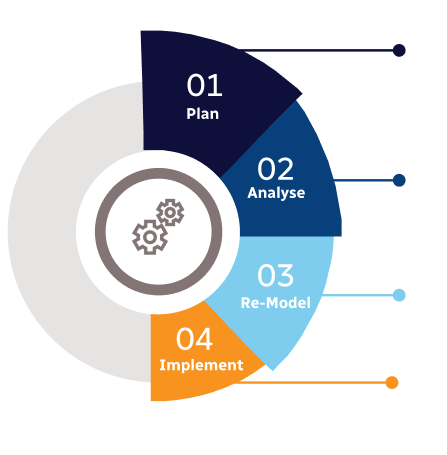
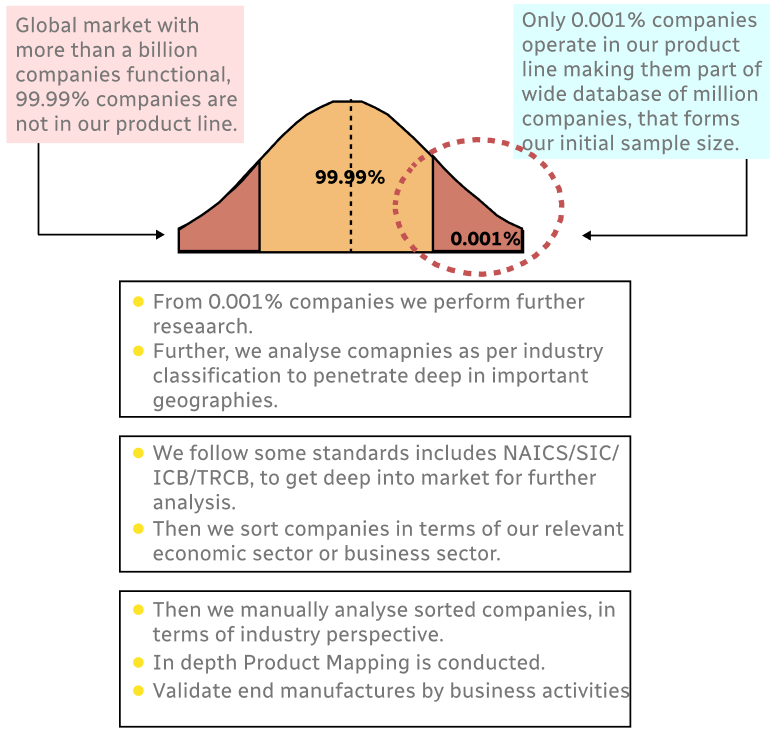
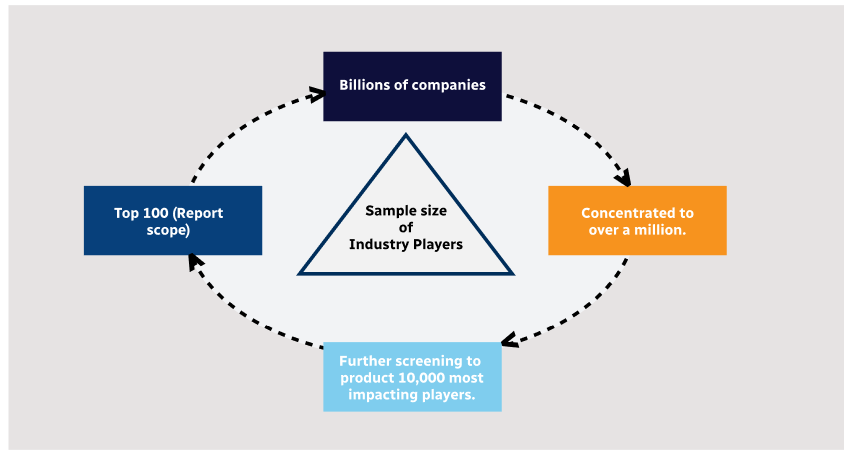
Step 1 - Identification of Relevant Samples Size from Population Database
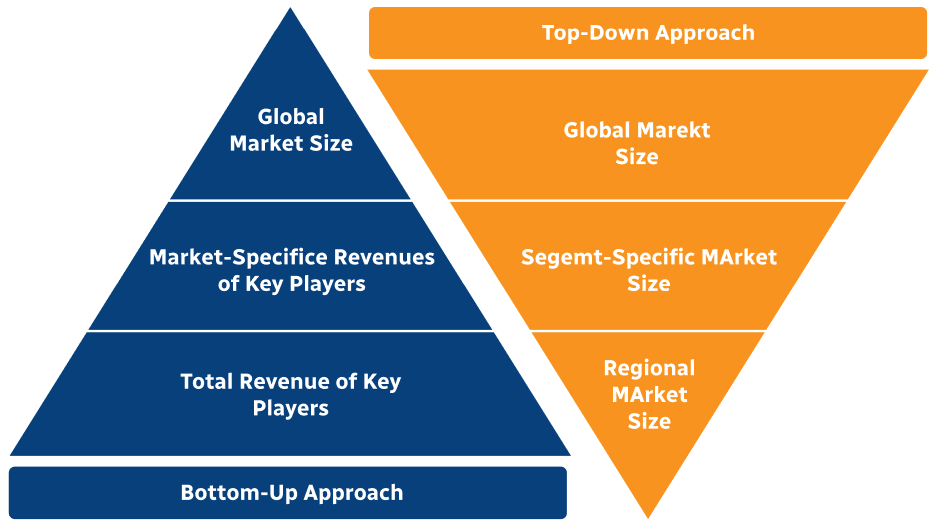
Step 2 - Approaches for Defining Global Market Size (Value, Volume* & Price*)
Note*: In applicable scenarios
Step 3 - Data Sources
Primary Research
- Web Analytics
- Survey Reports
- Research Institute
- Latest Research Reports
- Opinion Leaders
Secondary Research
- Annual Reports
- White Paper
- Latest Press Release
- Industry Association
- Paid Database
- Investor Presentations
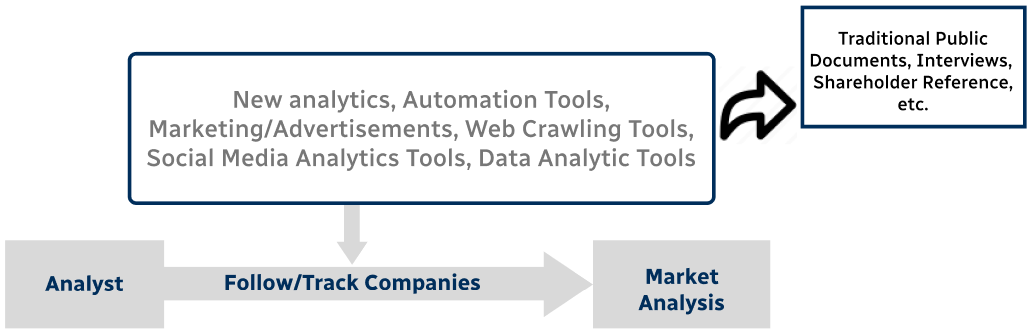
Step 4 - Data Triangulation
Involves using different sources of information in order to increase the validity of a study
These sources are likely to be stakeholders in a program - participants, other researchers, program staff, other community members, and so on.
Then we put all data in single framework & apply various statistical tools to find out the dynamic on the market.
During the analysis stage, feedback from the stakeholder groups would be compared to determine areas of agreement as well as areas of divergence