


Key Insights
The German diagnostic imaging services market is experiencing significant expansion, propelled by a rising incidence of chronic illnesses and an aging demographic necessitating advanced medical diagnostics. The market is projected to reach a size of $26.51 billion in 2025, with a Compound Annual Growth Rate (CAGR) of 4.4% through 2033. Innovations in imaging technologies such as MRI and CT scans, enhancing diagnostic precision and patient experience, are key growth drivers. Increased demand for specialized imaging in cardiology, oncology, and neurology further fuels market growth, supporting early detection, diagnosis, and treatment monitoring. Hospitals and specialized diagnostic centers are the primary consumers, investing in state-of-the-art equipment to address escalating healthcare demands.

Germany Diagnostic Imaging Services Industry Market Size (In Billion)

Key market trends include the integration of Artificial Intelligence (AI) and machine learning for accelerated and precise image analysis. The growing adoption of portable and point-of-care imaging devices is also enhancing accessibility and patient convenience. However, the high cost of advanced imaging equipment and a rigorous regulatory environment for medical devices present challenges. Despite these factors, the market outlook is optimistic, supported by ongoing technological advancements and increasing healthcare expenditure. Leading companies such as Siemens Healthineers, GE Healthcare, and Koninklijke Philips N.V. are actively engaged in research and development to expand their market presence and drive innovation within Germany's diagnostic imaging sector.

Germany Diagnostic Imaging Services Industry Company Market Share
Germany Diagnostic Imaging Services Industry: Market Insights, Trends, and Forecast 2019–2033
This comprehensive report delves into the dynamic Germany Diagnostic Imaging Services Industry, providing an in-depth analysis of market structure, competitive landscape, key trends, and future outlook. Covering the historical period of 2019–2024, base year 2025, and a forecast period of 2025–2033, this study offers actionable insights for stakeholders seeking to navigate this evolving sector. We examine critical segments including MRI, Computed Tomography, Ultrasound, X-Ray, and Other Modalities, along with applications in Cardiology, Oncology, Neurology, Orthopedics, and Other Applications, and end-users such as Hospitals, Diagnostic Centers, and Others. Leverage our expert analysis to understand Germany's medical imaging market and capitalize on emerging opportunities.
Germany Diagnostic Imaging Services Industry Market Structure & Competitive Dynamics
The Germany Diagnostic Imaging Services Industry exhibits a moderately concentrated market structure, with a mix of global powerhouses and specialized local players vying for market share. Key companies like Siemens Healthineers AG, Koninklijke Philips N V, and General Electric Company (GE Healthcare) hold significant sway due to their extensive product portfolios, robust R&D investments, and established distribution networks. The innovation ecosystem is driven by continuous technological advancements, particularly in AI-powered imaging, miniaturization, and advanced visualization techniques. Regulatory frameworks, governed by entities such as the German Federal Institute for Drugs and Medical Devices (BfArM), play a crucial role in ensuring product safety and efficacy, influencing market entry and competition. Product substitutes, while present in less advanced forms, are increasingly being displaced by superior imaging technologies. End-user trends are shifting towards demand for more patient-centric, efficient, and minimally invasive diagnostic solutions. Mergers and acquisitions (M&A) activities, though less frequent than in some other healthcare sectors, are strategic moves by larger players to consolidate market position, acquire novel technologies, or expand service offerings. For instance, significant M&A deals in the broader European diagnostic imaging landscape have set precedents, with values often in the hundreds of millions of Euros, influencing competitive dynamics within Germany. Market share of leading players is estimated to be in the range of 15-25% for the top three, with numerous smaller players collectively accounting for the remainder.
Germany Diagnostic Imaging Services Industry Industry Trends & Insights
The Germany Diagnostic Imaging Services Industry is poised for significant growth, driven by a confluence of technological advancements, an aging population, and increasing healthcare expenditure. The projected Compound Annual Growth Rate (CAGR) for the forecast period is estimated at xx%, indicating robust expansion. Technological disruptions are at the forefront, with Artificial Intelligence (AI) increasingly integrated into imaging workflows for enhanced image analysis, reduced scan times, and improved diagnostic accuracy. This is particularly evident in fields like oncology imaging, where AI algorithms can assist in early detection and treatment planning. Furthermore, the development of portable and point-of-care imaging devices, such as the Neoscan Solutions' MRI scanner for babies, is revolutionizing how diagnostics are delivered, especially in pediatric care, allowing for on-site imaging within hospital wards. Consumer preferences are evolving, with a growing demand for non-invasive diagnostic procedures, faster turnaround times, and personalized medicine approaches, all of which diagnostic imaging services are well-positioned to address. The competitive landscape is characterized by intense innovation, with companies investing heavily in R&D to maintain a competitive edge. Market penetration is high, particularly for established modalities like Ultrasound and X-Ray, but significant growth opportunities exist in advanced imaging techniques such as PET-CT and specialized MRI applications. The increasing prevalence of chronic diseases, coupled with a greater emphasis on preventive healthcare, further fuels the demand for accurate and early diagnosis, making diagnostic imaging services a critical component of the German healthcare system. The ongoing digitalization of healthcare and the adoption of telemedicine are also contributing to the expansion of diagnostic imaging services, enabling remote consultations and the sharing of imaging data.
Dominant Markets & Segments in Germany Diagnostic Imaging Services Industry
Within the Germany Diagnostic Imaging Services Industry, the Ultrasound modality stands out as a dominant market segment. Its versatility, portability, and non-invasiveness make it a go-to diagnostic tool across a wide range of applications, including cardiology, obstetrics, and abdominal imaging. The increasing demand for early disease detection and the growing adoption of ultrasound in primary care settings contribute significantly to its market leadership. Economic policies that support healthcare infrastructure development and technological adoption further bolster the growth of the ultrasound segment.
- Key Drivers for Ultrasound Dominance:
- Cost-effectiveness: Compared to MRI and CT scanners, ultrasound devices are generally more affordable, making them accessible to a broader range of healthcare facilities.
- Portability and Ease of Use: Advanced portable ultrasound systems enhance their utility in various clinical settings, including bedside diagnostics and remote patient monitoring.
- Expanding Applications: Continuous innovation in ultrasound technology, such as 3D/4D imaging and elastography, opens up new diagnostic possibilities.
The Hospital end-user segment represents another dominant force in the German diagnostic imaging market. Hospitals, with their comprehensive healthcare services and a high volume of patient throughput, are the primary consumers of advanced diagnostic imaging equipment and services. Their established infrastructure, coupled with ongoing investments in upgrading medical technology, drives substantial demand. The emphasis on integrated care pathways and the central role of hospitals in managing complex medical conditions further solidify their dominance.
- Key Drivers for Hospital Dominance:
- High Patient Volume: Hospitals cater to a large patient base, necessitating a wide array of diagnostic imaging modalities to address diverse medical needs.
- Technological Adoption: Hospitals are often early adopters of cutting-edge diagnostic imaging technologies to provide advanced patient care and maintain competitive standing.
- Comprehensive Service Offerings: The integrated nature of hospital services means diagnostic imaging is a fundamental component of nearly all medical departments.
In terms of applications, Cardiology remains a cornerstone, driving significant demand for diagnostic imaging services. The high prevalence of cardiovascular diseases in Germany, coupled with advancements in cardiac imaging techniques like echocardiography, cardiac MRI, and CT angiography, underscores its importance. Early and accurate diagnosis is critical for effective management and treatment of cardiac conditions, making these imaging modalities indispensable.
- Key Drivers for Cardiology Dominance:
- High Disease Burden: Cardiovascular diseases are a leading cause of mortality and morbidity, necessitating continuous and sophisticated diagnostic interventions.
- Technological Advancements: Innovations in cardiac imaging provide detailed anatomical and functional information, enabling precise diagnosis and treatment planning.
- Preventive Healthcare Focus: Growing emphasis on preventive cardiology encourages the use of imaging for risk assessment and early detection.
Germany Diagnostic Imaging Services Industry Product Innovations
The Germany Diagnostic Imaging Services Industry is continuously shaped by groundbreaking product innovations aimed at enhancing diagnostic accuracy, improving patient comfort, and streamlining clinical workflows. Companies are focusing on developing AI-powered imaging solutions that can assist radiologists in image interpretation, leading to faster and more precise diagnoses. Miniaturization of devices, such as portable ultrasound machines and specialized neonatal MRI scanners, allows for diagnostics to be brought closer to the patient, reducing the need for transportation and improving accessibility, especially in critical care settings. Advanced visualization techniques and functional imaging capabilities are enabling deeper insights into disease pathology. These innovations provide a significant competitive advantage by addressing unmet clinical needs and improving overall healthcare outcomes. The market fit for these innovations is driven by increasing demand for personalized medicine and minimally invasive diagnostic approaches.
Report Segmentation & Scope
This report segments the Germany Diagnostic Imaging Services Industry by Modality, Application, and End-User. The Modality segment encompasses MRI, Computed Tomography, Ultrasound, X-Ray, and Other Modalities, each exhibiting unique growth trajectories and market sizes. The Application segment delves into Cardiology, Oncology, Neurology, Orthopedics, and Other Applications, highlighting the specific demands within each medical specialty. Finally, the End-User segment categorizes the market into Hospitals, Diagnostic Centers, and Others, reflecting the primary points of service delivery. Growth projections and market sizes for each segment are detailed, alongside an analysis of their respective competitive dynamics, providing a granular view of the market landscape.
Key Drivers of Germany Diagnostic Imaging Services Industry Growth
Several key drivers are propelling the growth of the Germany Diagnostic Imaging Services Industry. Technologically, advancements in AI-driven analytics, miniaturization of equipment, and development of advanced imaging techniques like functional MRI and molecular imaging are critical. Economically, increasing healthcare expenditure, both public and private, and a growing emphasis on preventive healthcare contribute significantly to market expansion. Regulatory factors, while sometimes posing hurdles, also encourage innovation through the approval of new technologies and the establishment of quality standards. The rising prevalence of chronic diseases, an aging demographic demanding more healthcare services, and a patient preference for minimally invasive diagnostic procedures further fuel this growth.
Challenges in the Germany Diagnostic Imaging Services Industry Sector
Despite the robust growth, the Germany Diagnostic Imaging Services Industry Sector faces several challenges. High initial investment costs for advanced imaging equipment can be a significant barrier, particularly for smaller healthcare providers. Stringent regulatory approvals for new medical devices, while ensuring safety, can sometimes lead to extended time-to-market. Supply chain disruptions and the increasing cost of raw materials for manufacturing can impact production and pricing. Furthermore, intense competition among global and regional players necessitates continuous innovation and cost-efficiency measures. The shortage of skilled radiology professionals in certain regions can also pose operational challenges for service delivery.
Leading Players in the Germany Diagnostic Imaging Services Industry Market
- Esaote SpA
- Koning Health
- Hologic Inc
- Koninklijke Philips N V
- FUJIFILM Holdings Corporation
- Siemens Healthineers AG
- General Electric Company (GE Healthcare)
- Canon Medical Systems Corporation
- Agfa-Gevaert Group
- Shimadzu Corporation
Key Developments in Germany Diagnostic Imaging Services Industry Sector
- July 2022: The managing director at the Center for Prenatal Diagnosis and Human Genetics in Berlin, Germany recommended the newly launched premium ultrasound device with Voluson Expert 22 developed by GE Healthcare. This next-generation ultrasound system reportedly offers enhanced images through graphics-based beamforming technology.
- May 2021: Neoscan Solutions launched an MRI scanner for babies. The smaller and lighter MRI scanner can be placed directly in the children's ward of the hospital. And soon after the launch, the company installed its first devices in German hospitals where it can be seen in operation by prospective customers as it takes images of babies.
Strategic Germany Diagnostic Imaging Services Industry Market Outlook
The strategic outlook for the Germany Diagnostic Imaging Services Industry remains highly promising, driven by sustained demand for advanced diagnostic solutions and ongoing technological innovation. The increasing adoption of AI and machine learning in image analysis and workflow optimization will continue to be a key growth accelerator. Furthermore, the focus on personalized medicine and the demand for non-invasive diagnostic techniques will spur the development and adoption of specialized imaging modalities. Opportunities lie in expanding services to underserved regions, developing integrated diagnostic solutions, and leveraging telemedicine to enhance accessibility. Strategic partnerships and collaborations between technology providers, healthcare institutions, and research bodies will be crucial in navigating the evolving market landscape and capitalizing on future growth potential. The market is set for continuous evolution, with an emphasis on efficiency, accuracy, and patient-centric care.
Germany Diagnostic Imaging Services Industry Segmentation
-
1. Modality
- 1.1. MRI
- 1.2. Computed Tomography
- 1.3. Ultrasound
- 1.4. X-Ray
- 1.5. Other Modalities
-
2. Application
- 2.1. Cardiology
- 2.2. Oncology
- 2.3. Neurology
- 2.4. Orthopedics
- 2.5. Other Applications
-
3. End-User
- 3.1. Hospital
- 3.2. Diagnostic Centers
- 3.3. Others
Germany Diagnostic Imaging Services Industry Segmentation By Geography
- 1. Germany

Germany Diagnostic Imaging Services Industry Regional Market Share
Geographic Coverage of Germany Diagnostic Imaging Services Industry
Germany Diagnostic Imaging Services Industry REPORT HIGHLIGHTS
| Aspects | Details |
|---|---|
| Study Period | 2020-2034 |
| Base Year | 2025 |
| Estimated Year | 2026 |
| Forecast Period | 2026-2034 |
| Historical Period | 2020-2025 |
| Growth Rate | CAGR of 4.4% from 2020-2034 |
| Segmentation |
|
Table of Contents
- 1. Introduction
- 1.1. Research Scope
- 1.2. Market Segmentation
- 1.3. Research Methodology
- 1.4. Definitions and Assumptions
- 2. Executive Summary
- 2.1. Introduction
- 3. Market Dynamics
- 3.1. Introduction
- 3.2. Market Drivers
- 3.2.1. Growing Burden of Chronic Diseases; Increased Adoption of Advanced Technologies in Medical Imaging
- 3.3. Market Restrains
- 3.3.1. Side Effects of Diagnostic Imaging
- 3.4. Market Trends
- 3.4.1. Computed Tomography is Expected to Hold Significant Market Share
- 4. Market Factor Analysis
- 4.1. Porters Five Forces
- 4.2. Supply/Value Chain
- 4.3. PESTEL analysis
- 4.4. Market Entropy
- 4.5. Patent/Trademark Analysis
- 5. Germany Diagnostic Imaging Services Industry Analysis, Insights and Forecast, 2020-2032
- 5.1. Market Analysis, Insights and Forecast - by Modality
- 5.1.1. MRI
- 5.1.2. Computed Tomography
- 5.1.3. Ultrasound
- 5.1.4. X-Ray
- 5.1.5. Other Modalities
- 5.2. Market Analysis, Insights and Forecast - by Application
- 5.2.1. Cardiology
- 5.2.2. Oncology
- 5.2.3. Neurology
- 5.2.4. Orthopedics
- 5.2.5. Other Applications
- 5.3. Market Analysis, Insights and Forecast - by End-User
- 5.3.1. Hospital
- 5.3.2. Diagnostic Centers
- 5.3.3. Others
- 5.4. Market Analysis, Insights and Forecast - by Region
- 5.4.1. Germany
- 5.1. Market Analysis, Insights and Forecast - by Modality
- 6. Competitive Analysis
- 6.1. Market Share Analysis 2025
- 6.2. Company Profiles
- 6.2.1 Esaote SpA
- 6.2.1.1. Overview
- 6.2.1.2. Products
- 6.2.1.3. SWOT Analysis
- 6.2.1.4. Recent Developments
- 6.2.1.5. Financials (Based on Availability)
- 6.2.2 Koning Health
- 6.2.2.1. Overview
- 6.2.2.2. Products
- 6.2.2.3. SWOT Analysis
- 6.2.2.4. Recent Developments
- 6.2.2.5. Financials (Based on Availability)
- 6.2.3 Hologic Inc
- 6.2.3.1. Overview
- 6.2.3.2. Products
- 6.2.3.3. SWOT Analysis
- 6.2.3.4. Recent Developments
- 6.2.3.5. Financials (Based on Availability)
- 6.2.4 Koninklijke Philips N V
- 6.2.4.1. Overview
- 6.2.4.2. Products
- 6.2.4.3. SWOT Analysis
- 6.2.4.4. Recent Developments
- 6.2.4.5. Financials (Based on Availability)
- 6.2.5 FUJIFILM Holdings Corporation
- 6.2.5.1. Overview
- 6.2.5.2. Products
- 6.2.5.3. SWOT Analysis
- 6.2.5.4. Recent Developments
- 6.2.5.5. Financials (Based on Availability)
- 6.2.6 Siemens Healthineers AG
- 6.2.6.1. Overview
- 6.2.6.2. Products
- 6.2.6.3. SWOT Analysis
- 6.2.6.4. Recent Developments
- 6.2.6.5. Financials (Based on Availability)
- 6.2.7 General Electric Company (GE Healthcare)
- 6.2.7.1. Overview
- 6.2.7.2. Products
- 6.2.7.3. SWOT Analysis
- 6.2.7.4. Recent Developments
- 6.2.7.5. Financials (Based on Availability)
- 6.2.8 Canon Medical Systems Corporation
- 6.2.8.1. Overview
- 6.2.8.2. Products
- 6.2.8.3. SWOT Analysis
- 6.2.8.4. Recent Developments
- 6.2.8.5. Financials (Based on Availability)
- 6.2.9 Agfa-Gevaert Group
- 6.2.9.1. Overview
- 6.2.9.2. Products
- 6.2.9.3. SWOT Analysis
- 6.2.9.4. Recent Developments
- 6.2.9.5. Financials (Based on Availability)
- 6.2.10 Shimadzu Corporation
- 6.2.10.1. Overview
- 6.2.10.2. Products
- 6.2.10.3. SWOT Analysis
- 6.2.10.4. Recent Developments
- 6.2.10.5. Financials (Based on Availability)
- 6.2.1 Esaote SpA
List of Figures
- Figure 1: Germany Diagnostic Imaging Services Industry Revenue Breakdown (billion, %) by Product 2025 & 2033
- Figure 2: Germany Diagnostic Imaging Services Industry Share (%) by Company 2025
List of Tables
- Table 1: Germany Diagnostic Imaging Services Industry Revenue billion Forecast, by Modality 2020 & 2033
- Table 2: Germany Diagnostic Imaging Services Industry Volume K Unit Forecast, by Modality 2020 & 2033
- Table 3: Germany Diagnostic Imaging Services Industry Revenue billion Forecast, by Application 2020 & 2033
- Table 4: Germany Diagnostic Imaging Services Industry Volume K Unit Forecast, by Application 2020 & 2033
- Table 5: Germany Diagnostic Imaging Services Industry Revenue billion Forecast, by End-User 2020 & 2033
- Table 6: Germany Diagnostic Imaging Services Industry Volume K Unit Forecast, by End-User 2020 & 2033
- Table 7: Germany Diagnostic Imaging Services Industry Revenue billion Forecast, by Region 2020 & 2033
- Table 8: Germany Diagnostic Imaging Services Industry Volume K Unit Forecast, by Region 2020 & 2033
- Table 9: Germany Diagnostic Imaging Services Industry Revenue billion Forecast, by Modality 2020 & 2033
- Table 10: Germany Diagnostic Imaging Services Industry Volume K Unit Forecast, by Modality 2020 & 2033
- Table 11: Germany Diagnostic Imaging Services Industry Revenue billion Forecast, by Application 2020 & 2033
- Table 12: Germany Diagnostic Imaging Services Industry Volume K Unit Forecast, by Application 2020 & 2033
- Table 13: Germany Diagnostic Imaging Services Industry Revenue billion Forecast, by End-User 2020 & 2033
- Table 14: Germany Diagnostic Imaging Services Industry Volume K Unit Forecast, by End-User 2020 & 2033
- Table 15: Germany Diagnostic Imaging Services Industry Revenue billion Forecast, by Country 2020 & 2033
- Table 16: Germany Diagnostic Imaging Services Industry Volume K Unit Forecast, by Country 2020 & 2033
Frequently Asked Questions
1. What is the projected Compound Annual Growth Rate (CAGR) of the Germany Diagnostic Imaging Services Industry?
The projected CAGR is approximately 4.4%.
2. Which companies are prominent players in the Germany Diagnostic Imaging Services Industry?
Key companies in the market include Esaote SpA, Koning Health, Hologic Inc, Koninklijke Philips N V, FUJIFILM Holdings Corporation, Siemens Healthineers AG, General Electric Company (GE Healthcare), Canon Medical Systems Corporation, Agfa-Gevaert Group, Shimadzu Corporation.
3. What are the main segments of the Germany Diagnostic Imaging Services Industry?
The market segments include Modality, Application, End-User.
4. Can you provide details about the market size?
The market size is estimated to be USD 26.51 billion as of 2022.
5. What are some drivers contributing to market growth?
Growing Burden of Chronic Diseases; Increased Adoption of Advanced Technologies in Medical Imaging.
6. What are the notable trends driving market growth?
Computed Tomography is Expected to Hold Significant Market Share.
7. Are there any restraints impacting market growth?
Side Effects of Diagnostic Imaging.
8. Can you provide examples of recent developments in the market?
In July 2022, the managing director at the Center for Prenatal Diagnosis and Human Genetics in Berlin, Germany recommended the newly launched premium ultrasound device with Voluson Expert 22 developed by GE Healthcare. This next-generation ultrasound system reportedly offers enhanced images through graphics-based beamforming technology.
9. What pricing options are available for accessing the report?
Pricing options include single-user, multi-user, and enterprise licenses priced at USD 3800, USD 4500, and USD 5800 respectively.
10. Is the market size provided in terms of value or volume?
The market size is provided in terms of value, measured in billion and volume, measured in K Unit.
11. Are there any specific market keywords associated with the report?
Yes, the market keyword associated with the report is "Germany Diagnostic Imaging Services Industry," which aids in identifying and referencing the specific market segment covered.
12. How do I determine which pricing option suits my needs best?
The pricing options vary based on user requirements and access needs. Individual users may opt for single-user licenses, while businesses requiring broader access may choose multi-user or enterprise licenses for cost-effective access to the report.
13. Are there any additional resources or data provided in the Germany Diagnostic Imaging Services Industry report?
While the report offers comprehensive insights, it's advisable to review the specific contents or supplementary materials provided to ascertain if additional resources or data are available.
14. How can I stay updated on further developments or reports in the Germany Diagnostic Imaging Services Industry?
To stay informed about further developments, trends, and reports in the Germany Diagnostic Imaging Services Industry, consider subscribing to industry newsletters, following relevant companies and organizations, or regularly checking reputable industry news sources and publications.
Methodology
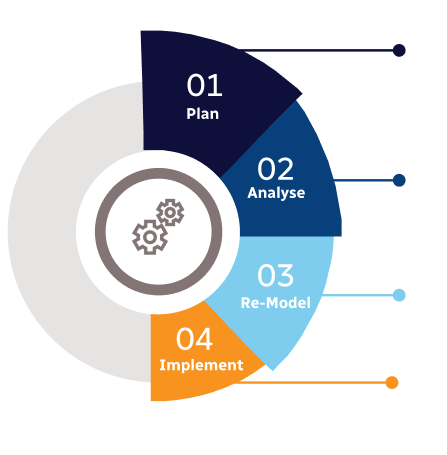
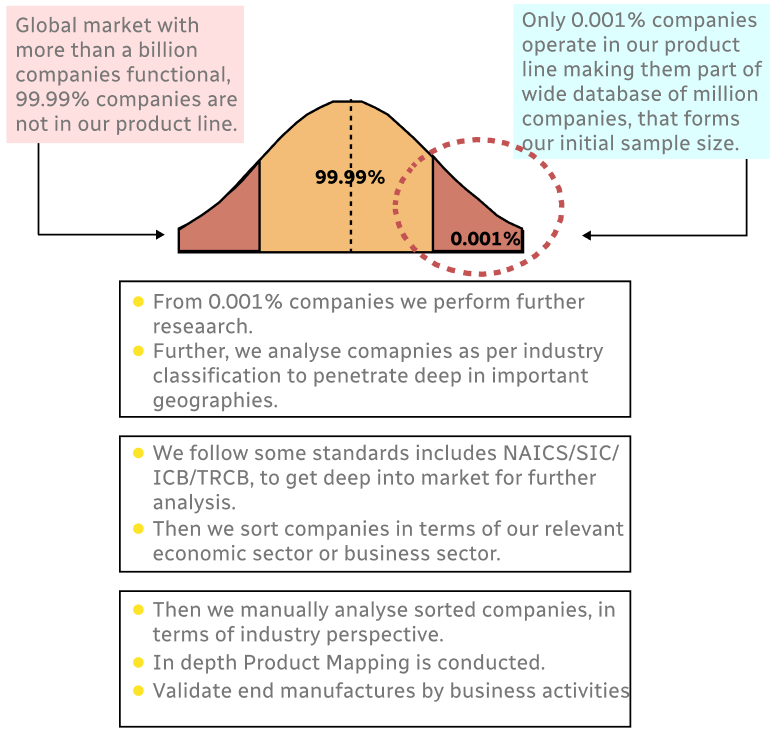
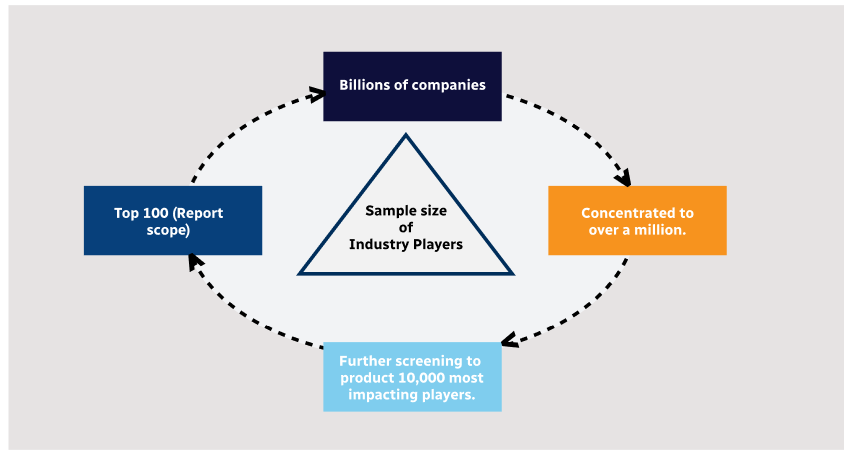
Step 1 - Identification of Relevant Samples Size from Population Database
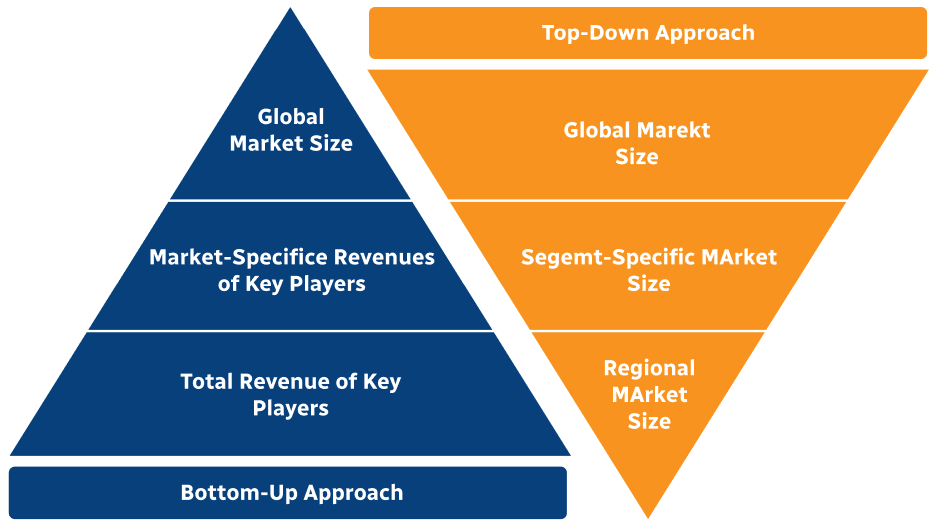
Step 2 - Approaches for Defining Global Market Size (Value, Volume* & Price*)
Note*: In applicable scenarios
Step 3 - Data Sources
Primary Research
- Web Analytics
- Survey Reports
- Research Institute
- Latest Research Reports
- Opinion Leaders
Secondary Research
- Annual Reports
- White Paper
- Latest Press Release
- Industry Association
- Paid Database
- Investor Presentations
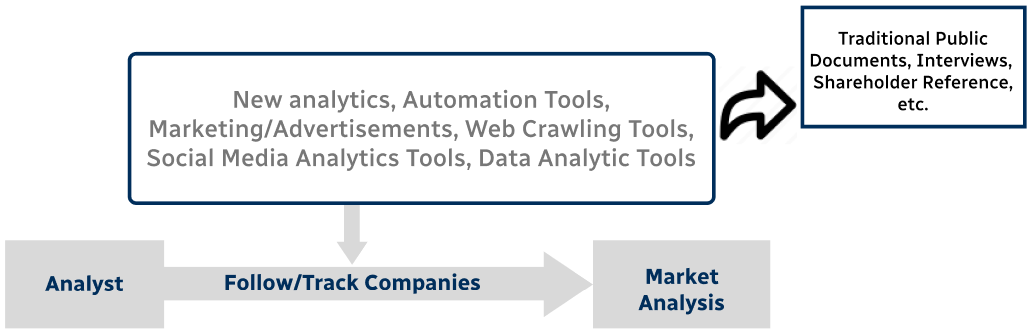
Step 4 - Data Triangulation
Involves using different sources of information in order to increase the validity of a study
These sources are likely to be stakeholders in a program - participants, other researchers, program staff, other community members, and so on.
Then we put all data in single framework & apply various statistical tools to find out the dynamic on the market.
During the analysis stage, feedback from the stakeholder groups would be compared to determine areas of agreement as well as areas of divergence