


Key Insights
The South Korean endoscopy market is poised for significant expansion, projected to reach a substantial valuation by 2033. Driven by an aging population that increasingly requires diagnostic and therapeutic procedures, alongside a growing prevalence of chronic diseases such as gastrointestinal disorders and cardiovascular conditions, the demand for advanced endoscopic solutions is on an upward trajectory. The nation's strong emphasis on healthcare innovation and early disease detection further bolsters market growth. Furthermore, increasing healthcare expenditure, coupled with a rising adoption of minimally invasive surgical techniques, is fueling the demand for sophisticated endoscopic devices, including robot-assisted systems and advanced flexible endoscopes. This technological advancement is critical in enhancing procedural accuracy, reducing patient recovery times, and improving overall patient outcomes, thereby solidifying the market's robust growth potential.
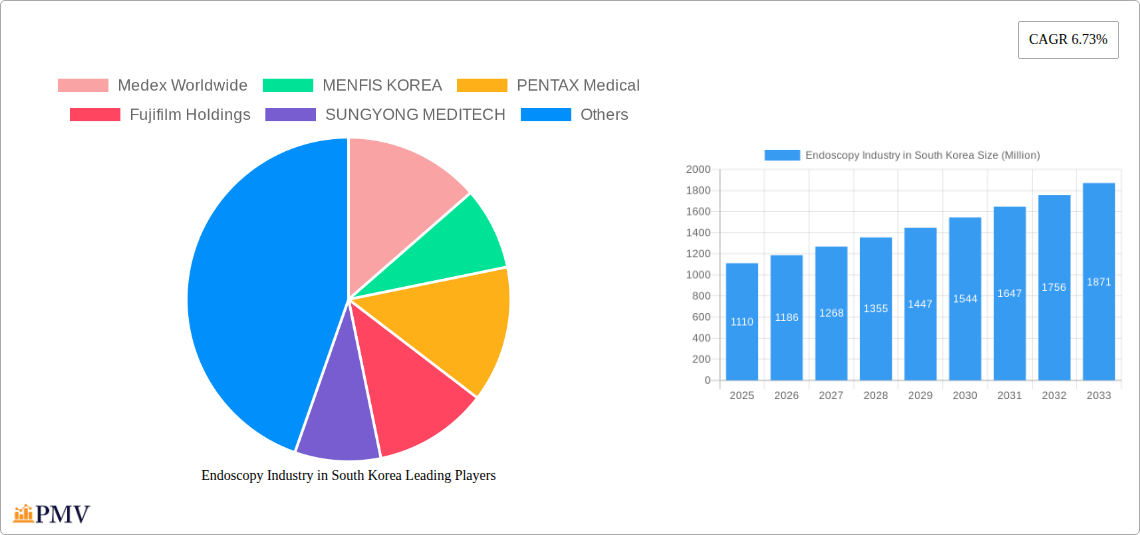
Endoscopy Industry in South Korea Market Size (In Billion)

The market's expansion is further supported by ongoing research and development in endoscopic imaging, artificial intelligence integration for diagnostic assistance, and the growing preference for high-definition visualization. While the initial market size was estimated at a significant figure, the projected Compound Annual Growth Rate (CAGR) of 6.73% indicates a sustained and healthy expansion over the forecast period. Key application areas like gastroenterology and cardiology are expected to remain dominant, but significant growth is also anticipated in orthopedic surgery and neurology as endoscopic techniques become more prevalent in these fields. The competitive landscape features both established global players and agile domestic manufacturers, fostering innovation and driving competitive pricing, which ultimately benefits healthcare providers and patients alike. This dynamic environment, coupled with supportive government initiatives for medical device advancement, positions South Korea as a crucial market for endoscopy innovation and adoption.

Endoscopy Industry in South Korea Company Market Share
Endoscopy Industry in South Korea: Market Analysis, Trends, and Future Outlook (2019–2033)
This comprehensive report offers an in-depth analysis of the Endoscopy Industry in South Korea, examining market structure, competitive dynamics, emerging trends, and future outlook from 2019 to 2033. Leveraging advanced endoscopic technologies and driven by a robust healthcare sector, the South Korean market presents significant opportunities for growth and innovation. This report provides actionable insights for stakeholders, including manufacturers, distributors, healthcare providers, and investors, navigating the evolving landscape of medical imaging, minimally invasive surgery, and diagnostic procedures.
Endoscopy Industry in South Korea Market Structure & Competitive Dynamics
The Endoscopy Industry in South Korea is characterized by a moderately consolidated market structure, with key players like Olympus Corporation, PENTAX Medical, and Fujifilm Holdings holding substantial market share. The presence of innovative domestic companies such as MENFIS KOREA, SUNGYONG MEDITECH, and Endovision Co Ltd further intensifies competition, driving advancements in flexible endoscopes and capsule endoscopes. Regulatory frameworks, primarily overseen by the Ministry of Food and Drug Safety (MFDS), ensure product safety and efficacy, albeit sometimes posing challenges for new market entrants. Innovation ecosystems thrive through collaborations between industry players and research institutions, fostering the development of next-generation robot-assisted endoscopes. Product substitutes, while present in the form of traditional surgical procedures, are increasingly being displaced by the advantages of endoscopic interventions, including reduced patient trauma and faster recovery times. End-user trends highlight a growing demand for gastroenterology and gynecology applications, fueled by an aging population and increased health awareness. Mergers and acquisitions (M&A) play a crucial role in market consolidation and expansion. A significant example is Boston Scientific's acquisition of a majority stake in M.I.Tech in June 2022 for approximately USD 230 Million, demonstrating a strong appetite for acquiring innovative technologies and expanding market reach. This strategic move underscores the increasing value placed on specialized endoscopic solutions and the potential for significant M&A deal values within the sector.
Endoscopy Industry in South Korea Industry Trends & Insights
The Endoscopy Industry in South Korea is poised for significant growth, driven by several key trends. The increasing prevalence of chronic diseases, particularly in gastroenterology and cardiology, is a primary market growth driver, necessitating advanced diagnostic and therapeutic endoscopic procedures. Technological disruptions are central to this evolution. The development and adoption of smart endoscopes, integrating AI and enhanced imaging capabilities, are transforming diagnostic accuracy and patient outcomes. The market penetration of these advanced devices is expected to rise considerably over the forecast period. Flexible endoscopes continue to dominate, offering versatility across numerous applications, while the niche but rapidly growing capsule endoscope market caters to less invasive diagnostic needs. The rising demand for minimally invasive surgical techniques across specialties like orthopedic surgery and neurology further propels market expansion. Consumer preferences are shifting towards procedures with lower recovery times and reduced risk, directly benefiting the adoption of endoscopic solutions. Competitive dynamics are shaped by a blend of global giants and agile domestic innovators, each vying for market share through product differentiation and strategic partnerships. The average annual growth rate (CAGR) for the Endoscopy Industry in South Korea is projected to be robust, fueled by continuous innovation and increasing healthcare expenditure. The integration of robot-assisted endoscopes is a burgeoning trend, offering enhanced precision and control for complex surgical interventions. Furthermore, the push towards personalized medicine is encouraging the development of specialized endoscopic tools tailored for specific patient needs and disease profiles. The healthcare infrastructure investment in South Korea, coupled with a government focus on promoting medical technology exports, provides a conducive environment for sustained market expansion. The increasing adoption of telemedicine and remote monitoring technologies also presents opportunities for connected endoscopic devices, enhancing post-procedure care and follow-up.
Dominant Markets & Segments in Endoscopy Industry in South Korea
The Endoscopy Industry in South Korea exhibits distinct dominance across various segments, driven by demographic trends, healthcare infrastructure, and technological adoption.
Dominant Application Segment: Gastroenterology Gastroenterology stands out as the largest and most influential application segment. This dominance is primarily attributed to:
- High Prevalence of Digestive Disorders: South Korea faces a considerable burden of gastrointestinal diseases, including cancer, inflammatory bowel disease, and peptic ulcers, necessitating frequent diagnostic and therapeutic endoscopic interventions.
- Advanced Healthcare Infrastructure: The nation boasts world-class hospitals and clinics equipped with state-of-the-art endoscopic facilities, making procedures readily accessible to a large population.
- Technological Advancements: Innovations in flexible endoscopes, particularly those with enhanced imaging, therapeutic capabilities, and AI integration, have significantly improved diagnostic accuracy and treatment outcomes in gastroenterology.
- Aging Population: As the population ages, the incidence of age-related gastrointestinal conditions escalates, further fueling demand for endoscopic services.
Dominant Device Type Segment: Flexible Endoscopes Flexible endoscopes currently hold the largest market share within the device type segmentation. Key factors contributing to their dominance include:
- Versatility: Their design allows for navigation through tortuous anatomical pathways, making them indispensable for a wide range of procedures in gastroenterology, pulmonology, and urology.
- Minimally Invasive Nature: They offer less patient discomfort and faster recovery compared to traditional surgical methods.
- Technological Evolution: Continuous improvements in high-definition imaging, miniaturization, and the integration of therapeutic tools (e.g., biopsy forceps, snares) have enhanced their clinical utility and appeal.
- Cost-Effectiveness: While advanced, flexible endoscopes often represent a more accessible investment for healthcare facilities compared to some highly specialized robotic systems.
Emerging Segments with High Growth Potential: While gastroenterology and flexible endoscopes lead, other segments are experiencing rapid expansion:
- Robot-Assisted Endoscopes: This segment, though nascent, is witnessing significant investment and research. The potential for enhanced precision, dexterity, and minimally invasive capabilities in complex surgeries, particularly in cardiology and orthopedic surgery, positions it for substantial future growth.
- Capsule Endoscopes: These are gaining traction for their non-invasive nature in diagnosing obscure gastrointestinal bleeding and conditions within the small intestine, offering a valuable alternative for patients who cannot undergo traditional endoscopy.
- Orthopedic Surgery and Neurology Applications: As the understanding of endoscopic applications in these fields grows, driven by the demand for less invasive surgical options, these segments are expected to see accelerated adoption rates. The development of specialized instruments and visualization systems is crucial for unlocking the full potential of endoscopy in these areas.
The interplay of these dominant and emerging segments, driven by technological innovation and evolving healthcare needs, shapes the dynamic landscape of the Endoscopy Industry in South Korea.
Endoscopy Industry in South Korea Product Innovations
Recent product developments in the South Korean endoscopy market focus on enhancing diagnostic accuracy, therapeutic efficacy, and patient comfort. Innovations include the integration of artificial intelligence for real-time image analysis, enabling earlier detection of abnormalities. The development of ultra-thin and highly maneuverable flexible endoscopes is expanding applications into more challenging anatomical regions. Furthermore, advancements in robot-assisted endoscopes are enhancing surgical precision and enabling more complex minimally invasive procedures. The market is also witnessing progress in disposable and single-use endoscopic components, addressing infection control concerns and improving workflow efficiency. These innovations offer a significant competitive advantage by improving patient outcomes and reducing healthcare costs.
Report Segmentation & Scope
This report segments the Endoscopy Industry in South Korea by:
Type of Device:
- Rigid Endoscope: Used primarily in surgical specialties requiring direct visualization and manipulation, such as orthopedic and gynecological surgeries. Market size is projected to be substantial, with steady growth.
- Flexible Endoscope: Dominant segment due to its wide applicability in gastroenterology, pulmonology, and urology. Expected to maintain its leading position with continued technological advancements and market penetration.
- Capsule Endoscope: A growing niche segment offering non-invasive diagnostics, particularly for the small intestine. Projections indicate significant growth as adoption increases.
- Robot-Assisted Endoscope: An emerging segment with high growth potential, driven by advancements in surgical robotics for complex procedures.
Application:
- Gastroenterology: The largest and most robust application segment, driven by high disease prevalence and advanced endoscopic capabilities.
- Orthopedic Surgery: Experiencing growth due to the demand for minimally invasive joint replacement and arthroscopic procedures.
- Cardiology: Growing applications in diagnostic and interventional procedures.
- Gynecology: Consistent demand for diagnostic and therapeutic procedures like hysteroscopy.
- Neurology: Emerging applications for minimally invasive brain and spine surgeries.
- Others: Encompassing various other medical specialties utilizing endoscopic techniques.
The scope of this report covers the period from 2019 to 2033, with a base year of 2025, providing historical analysis, current market insights, and future projections.
Key Drivers of Endoscopy Industry in South Korea Growth
The Endoscopy Industry in South Korea is propelled by several key drivers.
- Technological Advancements: Continuous innovation in high-definition imaging, miniaturization, AI integration, and robotic assistance enhances diagnostic accuracy and therapeutic capabilities, driving demand for advanced endoscopic solutions.
- Rising Prevalence of Chronic Diseases: The increasing incidence of gastrointestinal disorders, cardiovascular diseases, and orthopedic conditions necessitates more effective diagnostic and minimally invasive treatment options, directly benefiting the endoscopy market.
- Aging Population: An increasing proportion of elderly individuals leads to a higher demand for healthcare services, including endoscopic procedures for age-related ailments.
- Government Initiatives and Healthcare Investment: Strong government support for the healthcare sector, coupled with increased public and private investment in healthcare infrastructure and medical technology, fosters market expansion.
- Preference for Minimally Invasive Surgery: Growing patient and surgeon preference for less invasive procedures, leading to reduced recovery times and lower complication rates, further fuels the adoption of endoscopic techniques.
Challenges in the Endoscopy Industry in South Korea Sector
Despite its robust growth, the Endoscopy Industry in South Korea faces several challenges.
- High Cost of Advanced Technology: The significant investment required for cutting-edge endoscopic equipment, particularly robot-assisted endoscopes, can be a barrier for smaller healthcare facilities and in certain market segments.
- Stringent Regulatory Approvals: Navigating the regulatory landscape for new medical devices, including rigorous approval processes and compliance requirements, can be time-consuming and costly for manufacturers.
- Reimbursement Policies: Evolving reimbursement policies for endoscopic procedures can impact market adoption and profitability, requiring continuous adaptation by industry players.
- Skilled Workforce Shortage: A shortage of highly trained endoscopists and surgical staff capable of operating advanced endoscopic equipment can limit the full utilization of technological advancements.
- Competitive Intensity: The presence of both established global players and rapidly innovating domestic companies leads to intense competition, pressuring profit margins and necessitating continuous product differentiation.
Leading Players in the Endoscopy Industry in South Korea Market
- Medex Worldwide
- MENFIS KOREA
- PENTAX Medical
- Fujifilm Holdings
- SUNGYONG MEDITECH
- TECHCORD Co Ltd
- Endovision Co Ltd
- Sometech
- Karl Storz SE & Co KG
- Olympus Corporation
Key Developments in Endoscopy Industry in South Korea Sector
- June 2022: Boston Scientific finalized a strategic deal with South Korea's Synergy Innovation to acquire its majority stake in M.I.Tech, a prominent maker and distributor of non-vascular metal stents used in endoscopic and urologic procedures. The acquisition involved an offer of nearly 14,500 South Korean won (approximately USD 11) per M.I.Tech share, culminating in a total transaction value of 291.2 billion won (around USD 230 Million). This development highlights significant M&A activity and the strategic importance of specialized endoscopic device manufacturers in the market.
- February 2022: Korean startup Mediintech, specializing in the development of smart endoscopes for the digestive system, successfully raised 8 billion won (approximately USD 6.6 Million) in a Series A funding round. This investment, secured from prominent venture capital firms including Atinum Investment, Smilegate Investment, and Future Play, underscores the growing investor confidence in innovative smart endoscope technologies and their potential to revolutionize digestive health diagnostics.
Strategic Endoscopy Industry in South Korea Market Outlook
The strategic outlook for the Endoscopy Industry in South Korea remains highly promising, driven by an accelerating pace of technological innovation and a strong healthcare ecosystem. The increasing adoption of AI-powered endoscopes and robot-assisted systems will continue to redefine surgical precision and diagnostic accuracy, creating substantial market opportunities. Government initiatives supporting the growth of the medical device sector and a proactive approach to adopting advanced healthcare solutions position South Korea as a leader in Asia. Strategic partnerships between domestic and international players, coupled with targeted investments in research and development for specialized applications like cardiology and neurology, will further fuel market expansion. The growing emphasis on preventive healthcare and early disease detection will solidify the demand for advanced endoscopic diagnostic tools, ensuring a sustained growth trajectory for the industry over the forecast period and beyond.
Endoscopy Industry in South Korea Segmentation
-
1. Type of Device
- 1.1. Rigid Endoscope
- 1.2. Flexible Endoscope
- 1.3. Capsule Endoscope
- 1.4. Robot-assisted Endoscope
-
2. Application
- 2.1. Gastroenterology
- 2.2. Orthopedic Surgery
- 2.3. Cardiology
- 2.4. Gynecology
- 2.5. Neurology
- 2.6. Others
Endoscopy Industry in South Korea Segmentation By Geography
-
1. North America
- 1.1. United States
- 1.2. Canada
- 1.3. Mexico
-
2. South America
- 2.1. Brazil
- 2.2. Argentina
- 2.3. Rest of South America
-
3. Europe
- 3.1. United Kingdom
- 3.2. Germany
- 3.3. France
- 3.4. Italy
- 3.5. Spain
- 3.6. Russia
- 3.7. Benelux
- 3.8. Nordics
- 3.9. Rest of Europe
-
4. Middle East & Africa
- 4.1. Turkey
- 4.2. Israel
- 4.3. GCC
- 4.4. North Africa
- 4.5. South Africa
- 4.6. Rest of Middle East & Africa
-
5. Asia Pacific
- 5.1. China
- 5.2. India
- 5.3. Japan
- 5.4. South Korea
- 5.5. ASEAN
- 5.6. Oceania
- 5.7. Rest of Asia Pacific

Endoscopy Industry in South Korea Regional Market Share
Geographic Coverage of Endoscopy Industry in South Korea
Endoscopy Industry in South Korea REPORT HIGHLIGHTS
| Aspects | Details |
|---|---|
| Study Period | 2020-2034 |
| Base Year | 2025 |
| Estimated Year | 2026 |
| Forecast Period | 2026-2034 |
| Historical Period | 2020-2025 |
| Growth Rate | CAGR of 6.73% from 2020-2034 |
| Segmentation |
|
Table of Contents
- 1. Introduction
- 1.1. Research Scope
- 1.2. Market Segmentation
- 1.3. Research Methodology
- 1.4. Definitions and Assumptions
- 2. Executive Summary
- 2.1. Introduction
- 3. Market Dynamics
- 3.1. Introduction
- 3.2. Market Drivers
- 3.2.1. Growing Preference for Minimally-invasive Surgeries; Increasing Prevalence of Endoscopy for Treatment and Diagnosis; Technological Advancements Leading to Enhanced Applications
- 3.3. Market Restrains
- 3.3.1. Infections Caused by Endoscopy Devices
- 3.4. Market Trends
- 3.4.1. Orthopedic Surgery Segment is Anticipated to Grow Over the Forecast Period
- 4. Market Factor Analysis
- 4.1. Porters Five Forces
- 4.2. Supply/Value Chain
- 4.3. PESTEL analysis
- 4.4. Market Entropy
- 4.5. Patent/Trademark Analysis
- 5. Global Endoscopy Industry in South Korea Analysis, Insights and Forecast, 2020-2032
- 5.1. Market Analysis, Insights and Forecast - by Type of Device
- 5.1.1. Rigid Endoscope
- 5.1.2. Flexible Endoscope
- 5.1.3. Capsule Endoscope
- 5.1.4. Robot-assisted Endoscope
- 5.2. Market Analysis, Insights and Forecast - by Application
- 5.2.1. Gastroenterology
- 5.2.2. Orthopedic Surgery
- 5.2.3. Cardiology
- 5.2.4. Gynecology
- 5.2.5. Neurology
- 5.2.6. Others
- 5.3. Market Analysis, Insights and Forecast - by Region
- 5.3.1. North America
- 5.3.2. South America
- 5.3.3. Europe
- 5.3.4. Middle East & Africa
- 5.3.5. Asia Pacific
- 5.1. Market Analysis, Insights and Forecast - by Type of Device
- 6. North America Endoscopy Industry in South Korea Analysis, Insights and Forecast, 2020-2032
- 6.1. Market Analysis, Insights and Forecast - by Type of Device
- 6.1.1. Rigid Endoscope
- 6.1.2. Flexible Endoscope
- 6.1.3. Capsule Endoscope
- 6.1.4. Robot-assisted Endoscope
- 6.2. Market Analysis, Insights and Forecast - by Application
- 6.2.1. Gastroenterology
- 6.2.2. Orthopedic Surgery
- 6.2.3. Cardiology
- 6.2.4. Gynecology
- 6.2.5. Neurology
- 6.2.6. Others
- 6.1. Market Analysis, Insights and Forecast - by Type of Device
- 7. South America Endoscopy Industry in South Korea Analysis, Insights and Forecast, 2020-2032
- 7.1. Market Analysis, Insights and Forecast - by Type of Device
- 7.1.1. Rigid Endoscope
- 7.1.2. Flexible Endoscope
- 7.1.3. Capsule Endoscope
- 7.1.4. Robot-assisted Endoscope
- 7.2. Market Analysis, Insights and Forecast - by Application
- 7.2.1. Gastroenterology
- 7.2.2. Orthopedic Surgery
- 7.2.3. Cardiology
- 7.2.4. Gynecology
- 7.2.5. Neurology
- 7.2.6. Others
- 7.1. Market Analysis, Insights and Forecast - by Type of Device
- 8. Europe Endoscopy Industry in South Korea Analysis, Insights and Forecast, 2020-2032
- 8.1. Market Analysis, Insights and Forecast - by Type of Device
- 8.1.1. Rigid Endoscope
- 8.1.2. Flexible Endoscope
- 8.1.3. Capsule Endoscope
- 8.1.4. Robot-assisted Endoscope
- 8.2. Market Analysis, Insights and Forecast - by Application
- 8.2.1. Gastroenterology
- 8.2.2. Orthopedic Surgery
- 8.2.3. Cardiology
- 8.2.4. Gynecology
- 8.2.5. Neurology
- 8.2.6. Others
- 8.1. Market Analysis, Insights and Forecast - by Type of Device
- 9. Middle East & Africa Endoscopy Industry in South Korea Analysis, Insights and Forecast, 2020-2032
- 9.1. Market Analysis, Insights and Forecast - by Type of Device
- 9.1.1. Rigid Endoscope
- 9.1.2. Flexible Endoscope
- 9.1.3. Capsule Endoscope
- 9.1.4. Robot-assisted Endoscope
- 9.2. Market Analysis, Insights and Forecast - by Application
- 9.2.1. Gastroenterology
- 9.2.2. Orthopedic Surgery
- 9.2.3. Cardiology
- 9.2.4. Gynecology
- 9.2.5. Neurology
- 9.2.6. Others
- 9.1. Market Analysis, Insights and Forecast - by Type of Device
- 10. Asia Pacific Endoscopy Industry in South Korea Analysis, Insights and Forecast, 2020-2032
- 10.1. Market Analysis, Insights and Forecast - by Type of Device
- 10.1.1. Rigid Endoscope
- 10.1.2. Flexible Endoscope
- 10.1.3. Capsule Endoscope
- 10.1.4. Robot-assisted Endoscope
- 10.2. Market Analysis, Insights and Forecast - by Application
- 10.2.1. Gastroenterology
- 10.2.2. Orthopedic Surgery
- 10.2.3. Cardiology
- 10.2.4. Gynecology
- 10.2.5. Neurology
- 10.2.6. Others
- 10.1. Market Analysis, Insights and Forecast - by Type of Device
- 11. Competitive Analysis
- 11.1. Global Market Share Analysis 2025
- 11.2. Company Profiles
- 11.2.1 Medex Worldwide
- 11.2.1.1. Overview
- 11.2.1.2. Products
- 11.2.1.3. SWOT Analysis
- 11.2.1.4. Recent Developments
- 11.2.1.5. Financials (Based on Availability)
- 11.2.2 MENFIS KOREA
- 11.2.2.1. Overview
- 11.2.2.2. Products
- 11.2.2.3. SWOT Analysis
- 11.2.2.4. Recent Developments
- 11.2.2.5. Financials (Based on Availability)
- 11.2.3 PENTAX Medical
- 11.2.3.1. Overview
- 11.2.3.2. Products
- 11.2.3.3. SWOT Analysis
- 11.2.3.4. Recent Developments
- 11.2.3.5. Financials (Based on Availability)
- 11.2.4 Fujifilm Holdings
- 11.2.4.1. Overview
- 11.2.4.2. Products
- 11.2.4.3. SWOT Analysis
- 11.2.4.4. Recent Developments
- 11.2.4.5. Financials (Based on Availability)
- 11.2.5 SUNGYONG MEDITECH
- 11.2.5.1. Overview
- 11.2.5.2. Products
- 11.2.5.3. SWOT Analysis
- 11.2.5.4. Recent Developments
- 11.2.5.5. Financials (Based on Availability)
- 11.2.6 TECHCORD Co Ltd
- 11.2.6.1. Overview
- 11.2.6.2. Products
- 11.2.6.3. SWOT Analysis
- 11.2.6.4. Recent Developments
- 11.2.6.5. Financials (Based on Availability)
- 11.2.7 Endovision Co Ltd
- 11.2.7.1. Overview
- 11.2.7.2. Products
- 11.2.7.3. SWOT Analysis
- 11.2.7.4. Recent Developments
- 11.2.7.5. Financials (Based on Availability)
- 11.2.8 Sometech
- 11.2.8.1. Overview
- 11.2.8.2. Products
- 11.2.8.3. SWOT Analysis
- 11.2.8.4. Recent Developments
- 11.2.8.5. Financials (Based on Availability)
- 11.2.9 Karl Storz SE & Co KG
- 11.2.9.1. Overview
- 11.2.9.2. Products
- 11.2.9.3. SWOT Analysis
- 11.2.9.4. Recent Developments
- 11.2.9.5. Financials (Based on Availability)
- 11.2.10 Olympus Corporation
- 11.2.10.1. Overview
- 11.2.10.2. Products
- 11.2.10.3. SWOT Analysis
- 11.2.10.4. Recent Developments
- 11.2.10.5. Financials (Based on Availability)
- 11.2.1 Medex Worldwide
List of Figures
- Figure 1: Global Endoscopy Industry in South Korea Revenue Breakdown (Million, %) by Region 2025 & 2033
- Figure 2: Global Endoscopy Industry in South Korea Volume Breakdown (K Unit, %) by Region 2025 & 2033
- Figure 3: North America Endoscopy Industry in South Korea Revenue (Million), by Type of Device 2025 & 2033
- Figure 4: North America Endoscopy Industry in South Korea Volume (K Unit), by Type of Device 2025 & 2033
- Figure 5: North America Endoscopy Industry in South Korea Revenue Share (%), by Type of Device 2025 & 2033
- Figure 6: North America Endoscopy Industry in South Korea Volume Share (%), by Type of Device 2025 & 2033
- Figure 7: North America Endoscopy Industry in South Korea Revenue (Million), by Application 2025 & 2033
- Figure 8: North America Endoscopy Industry in South Korea Volume (K Unit), by Application 2025 & 2033
- Figure 9: North America Endoscopy Industry in South Korea Revenue Share (%), by Application 2025 & 2033
- Figure 10: North America Endoscopy Industry in South Korea Volume Share (%), by Application 2025 & 2033
- Figure 11: North America Endoscopy Industry in South Korea Revenue (Million), by Country 2025 & 2033
- Figure 12: North America Endoscopy Industry in South Korea Volume (K Unit), by Country 2025 & 2033
- Figure 13: North America Endoscopy Industry in South Korea Revenue Share (%), by Country 2025 & 2033
- Figure 14: North America Endoscopy Industry in South Korea Volume Share (%), by Country 2025 & 2033
- Figure 15: South America Endoscopy Industry in South Korea Revenue (Million), by Type of Device 2025 & 2033
- Figure 16: South America Endoscopy Industry in South Korea Volume (K Unit), by Type of Device 2025 & 2033
- Figure 17: South America Endoscopy Industry in South Korea Revenue Share (%), by Type of Device 2025 & 2033
- Figure 18: South America Endoscopy Industry in South Korea Volume Share (%), by Type of Device 2025 & 2033
- Figure 19: South America Endoscopy Industry in South Korea Revenue (Million), by Application 2025 & 2033
- Figure 20: South America Endoscopy Industry in South Korea Volume (K Unit), by Application 2025 & 2033
- Figure 21: South America Endoscopy Industry in South Korea Revenue Share (%), by Application 2025 & 2033
- Figure 22: South America Endoscopy Industry in South Korea Volume Share (%), by Application 2025 & 2033
- Figure 23: South America Endoscopy Industry in South Korea Revenue (Million), by Country 2025 & 2033
- Figure 24: South America Endoscopy Industry in South Korea Volume (K Unit), by Country 2025 & 2033
- Figure 25: South America Endoscopy Industry in South Korea Revenue Share (%), by Country 2025 & 2033
- Figure 26: South America Endoscopy Industry in South Korea Volume Share (%), by Country 2025 & 2033
- Figure 27: Europe Endoscopy Industry in South Korea Revenue (Million), by Type of Device 2025 & 2033
- Figure 28: Europe Endoscopy Industry in South Korea Volume (K Unit), by Type of Device 2025 & 2033
- Figure 29: Europe Endoscopy Industry in South Korea Revenue Share (%), by Type of Device 2025 & 2033
- Figure 30: Europe Endoscopy Industry in South Korea Volume Share (%), by Type of Device 2025 & 2033
- Figure 31: Europe Endoscopy Industry in South Korea Revenue (Million), by Application 2025 & 2033
- Figure 32: Europe Endoscopy Industry in South Korea Volume (K Unit), by Application 2025 & 2033
- Figure 33: Europe Endoscopy Industry in South Korea Revenue Share (%), by Application 2025 & 2033
- Figure 34: Europe Endoscopy Industry in South Korea Volume Share (%), by Application 2025 & 2033
- Figure 35: Europe Endoscopy Industry in South Korea Revenue (Million), by Country 2025 & 2033
- Figure 36: Europe Endoscopy Industry in South Korea Volume (K Unit), by Country 2025 & 2033
- Figure 37: Europe Endoscopy Industry in South Korea Revenue Share (%), by Country 2025 & 2033
- Figure 38: Europe Endoscopy Industry in South Korea Volume Share (%), by Country 2025 & 2033
- Figure 39: Middle East & Africa Endoscopy Industry in South Korea Revenue (Million), by Type of Device 2025 & 2033
- Figure 40: Middle East & Africa Endoscopy Industry in South Korea Volume (K Unit), by Type of Device 2025 & 2033
- Figure 41: Middle East & Africa Endoscopy Industry in South Korea Revenue Share (%), by Type of Device 2025 & 2033
- Figure 42: Middle East & Africa Endoscopy Industry in South Korea Volume Share (%), by Type of Device 2025 & 2033
- Figure 43: Middle East & Africa Endoscopy Industry in South Korea Revenue (Million), by Application 2025 & 2033
- Figure 44: Middle East & Africa Endoscopy Industry in South Korea Volume (K Unit), by Application 2025 & 2033
- Figure 45: Middle East & Africa Endoscopy Industry in South Korea Revenue Share (%), by Application 2025 & 2033
- Figure 46: Middle East & Africa Endoscopy Industry in South Korea Volume Share (%), by Application 2025 & 2033
- Figure 47: Middle East & Africa Endoscopy Industry in South Korea Revenue (Million), by Country 2025 & 2033
- Figure 48: Middle East & Africa Endoscopy Industry in South Korea Volume (K Unit), by Country 2025 & 2033
- Figure 49: Middle East & Africa Endoscopy Industry in South Korea Revenue Share (%), by Country 2025 & 2033
- Figure 50: Middle East & Africa Endoscopy Industry in South Korea Volume Share (%), by Country 2025 & 2033
- Figure 51: Asia Pacific Endoscopy Industry in South Korea Revenue (Million), by Type of Device 2025 & 2033
- Figure 52: Asia Pacific Endoscopy Industry in South Korea Volume (K Unit), by Type of Device 2025 & 2033
- Figure 53: Asia Pacific Endoscopy Industry in South Korea Revenue Share (%), by Type of Device 2025 & 2033
- Figure 54: Asia Pacific Endoscopy Industry in South Korea Volume Share (%), by Type of Device 2025 & 2033
- Figure 55: Asia Pacific Endoscopy Industry in South Korea Revenue (Million), by Application 2025 & 2033
- Figure 56: Asia Pacific Endoscopy Industry in South Korea Volume (K Unit), by Application 2025 & 2033
- Figure 57: Asia Pacific Endoscopy Industry in South Korea Revenue Share (%), by Application 2025 & 2033
- Figure 58: Asia Pacific Endoscopy Industry in South Korea Volume Share (%), by Application 2025 & 2033
- Figure 59: Asia Pacific Endoscopy Industry in South Korea Revenue (Million), by Country 2025 & 2033
- Figure 60: Asia Pacific Endoscopy Industry in South Korea Volume (K Unit), by Country 2025 & 2033
- Figure 61: Asia Pacific Endoscopy Industry in South Korea Revenue Share (%), by Country 2025 & 2033
- Figure 62: Asia Pacific Endoscopy Industry in South Korea Volume Share (%), by Country 2025 & 2033
List of Tables
- Table 1: Global Endoscopy Industry in South Korea Revenue Million Forecast, by Type of Device 2020 & 2033
- Table 2: Global Endoscopy Industry in South Korea Volume K Unit Forecast, by Type of Device 2020 & 2033
- Table 3: Global Endoscopy Industry in South Korea Revenue Million Forecast, by Application 2020 & 2033
- Table 4: Global Endoscopy Industry in South Korea Volume K Unit Forecast, by Application 2020 & 2033
- Table 5: Global Endoscopy Industry in South Korea Revenue Million Forecast, by Region 2020 & 2033
- Table 6: Global Endoscopy Industry in South Korea Volume K Unit Forecast, by Region 2020 & 2033
- Table 7: Global Endoscopy Industry in South Korea Revenue Million Forecast, by Type of Device 2020 & 2033
- Table 8: Global Endoscopy Industry in South Korea Volume K Unit Forecast, by Type of Device 2020 & 2033
- Table 9: Global Endoscopy Industry in South Korea Revenue Million Forecast, by Application 2020 & 2033
- Table 10: Global Endoscopy Industry in South Korea Volume K Unit Forecast, by Application 2020 & 2033
- Table 11: Global Endoscopy Industry in South Korea Revenue Million Forecast, by Country 2020 & 2033
- Table 12: Global Endoscopy Industry in South Korea Volume K Unit Forecast, by Country 2020 & 2033
- Table 13: United States Endoscopy Industry in South Korea Revenue (Million) Forecast, by Application 2020 & 2033
- Table 14: United States Endoscopy Industry in South Korea Volume (K Unit) Forecast, by Application 2020 & 2033
- Table 15: Canada Endoscopy Industry in South Korea Revenue (Million) Forecast, by Application 2020 & 2033
- Table 16: Canada Endoscopy Industry in South Korea Volume (K Unit) Forecast, by Application 2020 & 2033
- Table 17: Mexico Endoscopy Industry in South Korea Revenue (Million) Forecast, by Application 2020 & 2033
- Table 18: Mexico Endoscopy Industry in South Korea Volume (K Unit) Forecast, by Application 2020 & 2033
- Table 19: Global Endoscopy Industry in South Korea Revenue Million Forecast, by Type of Device 2020 & 2033
- Table 20: Global Endoscopy Industry in South Korea Volume K Unit Forecast, by Type of Device 2020 & 2033
- Table 21: Global Endoscopy Industry in South Korea Revenue Million Forecast, by Application 2020 & 2033
- Table 22: Global Endoscopy Industry in South Korea Volume K Unit Forecast, by Application 2020 & 2033
- Table 23: Global Endoscopy Industry in South Korea Revenue Million Forecast, by Country 2020 & 2033
- Table 24: Global Endoscopy Industry in South Korea Volume K Unit Forecast, by Country 2020 & 2033
- Table 25: Brazil Endoscopy Industry in South Korea Revenue (Million) Forecast, by Application 2020 & 2033
- Table 26: Brazil Endoscopy Industry in South Korea Volume (K Unit) Forecast, by Application 2020 & 2033
- Table 27: Argentina Endoscopy Industry in South Korea Revenue (Million) Forecast, by Application 2020 & 2033
- Table 28: Argentina Endoscopy Industry in South Korea Volume (K Unit) Forecast, by Application 2020 & 2033
- Table 29: Rest of South America Endoscopy Industry in South Korea Revenue (Million) Forecast, by Application 2020 & 2033
- Table 30: Rest of South America Endoscopy Industry in South Korea Volume (K Unit) Forecast, by Application 2020 & 2033
- Table 31: Global Endoscopy Industry in South Korea Revenue Million Forecast, by Type of Device 2020 & 2033
- Table 32: Global Endoscopy Industry in South Korea Volume K Unit Forecast, by Type of Device 2020 & 2033
- Table 33: Global Endoscopy Industry in South Korea Revenue Million Forecast, by Application 2020 & 2033
- Table 34: Global Endoscopy Industry in South Korea Volume K Unit Forecast, by Application 2020 & 2033
- Table 35: Global Endoscopy Industry in South Korea Revenue Million Forecast, by Country 2020 & 2033
- Table 36: Global Endoscopy Industry in South Korea Volume K Unit Forecast, by Country 2020 & 2033
- Table 37: United Kingdom Endoscopy Industry in South Korea Revenue (Million) Forecast, by Application 2020 & 2033
- Table 38: United Kingdom Endoscopy Industry in South Korea Volume (K Unit) Forecast, by Application 2020 & 2033
- Table 39: Germany Endoscopy Industry in South Korea Revenue (Million) Forecast, by Application 2020 & 2033
- Table 40: Germany Endoscopy Industry in South Korea Volume (K Unit) Forecast, by Application 2020 & 2033
- Table 41: France Endoscopy Industry in South Korea Revenue (Million) Forecast, by Application 2020 & 2033
- Table 42: France Endoscopy Industry in South Korea Volume (K Unit) Forecast, by Application 2020 & 2033
- Table 43: Italy Endoscopy Industry in South Korea Revenue (Million) Forecast, by Application 2020 & 2033
- Table 44: Italy Endoscopy Industry in South Korea Volume (K Unit) Forecast, by Application 2020 & 2033
- Table 45: Spain Endoscopy Industry in South Korea Revenue (Million) Forecast, by Application 2020 & 2033
- Table 46: Spain Endoscopy Industry in South Korea Volume (K Unit) Forecast, by Application 2020 & 2033
- Table 47: Russia Endoscopy Industry in South Korea Revenue (Million) Forecast, by Application 2020 & 2033
- Table 48: Russia Endoscopy Industry in South Korea Volume (K Unit) Forecast, by Application 2020 & 2033
- Table 49: Benelux Endoscopy Industry in South Korea Revenue (Million) Forecast, by Application 2020 & 2033
- Table 50: Benelux Endoscopy Industry in South Korea Volume (K Unit) Forecast, by Application 2020 & 2033
- Table 51: Nordics Endoscopy Industry in South Korea Revenue (Million) Forecast, by Application 2020 & 2033
- Table 52: Nordics Endoscopy Industry in South Korea Volume (K Unit) Forecast, by Application 2020 & 2033
- Table 53: Rest of Europe Endoscopy Industry in South Korea Revenue (Million) Forecast, by Application 2020 & 2033
- Table 54: Rest of Europe Endoscopy Industry in South Korea Volume (K Unit) Forecast, by Application 2020 & 2033
- Table 55: Global Endoscopy Industry in South Korea Revenue Million Forecast, by Type of Device 2020 & 2033
- Table 56: Global Endoscopy Industry in South Korea Volume K Unit Forecast, by Type of Device 2020 & 2033
- Table 57: Global Endoscopy Industry in South Korea Revenue Million Forecast, by Application 2020 & 2033
- Table 58: Global Endoscopy Industry in South Korea Volume K Unit Forecast, by Application 2020 & 2033
- Table 59: Global Endoscopy Industry in South Korea Revenue Million Forecast, by Country 2020 & 2033
- Table 60: Global Endoscopy Industry in South Korea Volume K Unit Forecast, by Country 2020 & 2033
- Table 61: Turkey Endoscopy Industry in South Korea Revenue (Million) Forecast, by Application 2020 & 2033
- Table 62: Turkey Endoscopy Industry in South Korea Volume (K Unit) Forecast, by Application 2020 & 2033
- Table 63: Israel Endoscopy Industry in South Korea Revenue (Million) Forecast, by Application 2020 & 2033
- Table 64: Israel Endoscopy Industry in South Korea Volume (K Unit) Forecast, by Application 2020 & 2033
- Table 65: GCC Endoscopy Industry in South Korea Revenue (Million) Forecast, by Application 2020 & 2033
- Table 66: GCC Endoscopy Industry in South Korea Volume (K Unit) Forecast, by Application 2020 & 2033
- Table 67: North Africa Endoscopy Industry in South Korea Revenue (Million) Forecast, by Application 2020 & 2033
- Table 68: North Africa Endoscopy Industry in South Korea Volume (K Unit) Forecast, by Application 2020 & 2033
- Table 69: South Africa Endoscopy Industry in South Korea Revenue (Million) Forecast, by Application 2020 & 2033
- Table 70: South Africa Endoscopy Industry in South Korea Volume (K Unit) Forecast, by Application 2020 & 2033
- Table 71: Rest of Middle East & Africa Endoscopy Industry in South Korea Revenue (Million) Forecast, by Application 2020 & 2033
- Table 72: Rest of Middle East & Africa Endoscopy Industry in South Korea Volume (K Unit) Forecast, by Application 2020 & 2033
- Table 73: Global Endoscopy Industry in South Korea Revenue Million Forecast, by Type of Device 2020 & 2033
- Table 74: Global Endoscopy Industry in South Korea Volume K Unit Forecast, by Type of Device 2020 & 2033
- Table 75: Global Endoscopy Industry in South Korea Revenue Million Forecast, by Application 2020 & 2033
- Table 76: Global Endoscopy Industry in South Korea Volume K Unit Forecast, by Application 2020 & 2033
- Table 77: Global Endoscopy Industry in South Korea Revenue Million Forecast, by Country 2020 & 2033
- Table 78: Global Endoscopy Industry in South Korea Volume K Unit Forecast, by Country 2020 & 2033
- Table 79: China Endoscopy Industry in South Korea Revenue (Million) Forecast, by Application 2020 & 2033
- Table 80: China Endoscopy Industry in South Korea Volume (K Unit) Forecast, by Application 2020 & 2033
- Table 81: India Endoscopy Industry in South Korea Revenue (Million) Forecast, by Application 2020 & 2033
- Table 82: India Endoscopy Industry in South Korea Volume (K Unit) Forecast, by Application 2020 & 2033
- Table 83: Japan Endoscopy Industry in South Korea Revenue (Million) Forecast, by Application 2020 & 2033
- Table 84: Japan Endoscopy Industry in South Korea Volume (K Unit) Forecast, by Application 2020 & 2033
- Table 85: South Korea Endoscopy Industry in South Korea Revenue (Million) Forecast, by Application 2020 & 2033
- Table 86: South Korea Endoscopy Industry in South Korea Volume (K Unit) Forecast, by Application 2020 & 2033
- Table 87: ASEAN Endoscopy Industry in South Korea Revenue (Million) Forecast, by Application 2020 & 2033
- Table 88: ASEAN Endoscopy Industry in South Korea Volume (K Unit) Forecast, by Application 2020 & 2033
- Table 89: Oceania Endoscopy Industry in South Korea Revenue (Million) Forecast, by Application 2020 & 2033
- Table 90: Oceania Endoscopy Industry in South Korea Volume (K Unit) Forecast, by Application 2020 & 2033
- Table 91: Rest of Asia Pacific Endoscopy Industry in South Korea Revenue (Million) Forecast, by Application 2020 & 2033
- Table 92: Rest of Asia Pacific Endoscopy Industry in South Korea Volume (K Unit) Forecast, by Application 2020 & 2033
Frequently Asked Questions
1. What is the projected Compound Annual Growth Rate (CAGR) of the Endoscopy Industry in South Korea?
The projected CAGR is approximately 6.73%.
2. Which companies are prominent players in the Endoscopy Industry in South Korea?
Key companies in the market include Medex Worldwide, MENFIS KOREA, PENTAX Medical, Fujifilm Holdings, SUNGYONG MEDITECH, TECHCORD Co Ltd, Endovision Co Ltd , Sometech, Karl Storz SE & Co KG, Olympus Corporation.
3. What are the main segments of the Endoscopy Industry in South Korea?
The market segments include Type of Device, Application.
4. Can you provide details about the market size?
The market size is estimated to be USD 1.11 Million as of 2022.
5. What are some drivers contributing to market growth?
Growing Preference for Minimally-invasive Surgeries; Increasing Prevalence of Endoscopy for Treatment and Diagnosis; Technological Advancements Leading to Enhanced Applications.
6. What are the notable trends driving market growth?
Orthopedic Surgery Segment is Anticipated to Grow Over the Forecast Period.
7. Are there any restraints impacting market growth?
Infections Caused by Endoscopy Devices.
8. Can you provide examples of recent developments in the market?
In June 2022, Boston Scientific struck a deal with South Korea's Synergy Innovation to purchase its majority stake in M.I.Tech, a maker and distributor of non-vascular metal stents used in endoscopic and urologic procedures. Boston Scientific offered nearly 14,500 South Korean won (about USD 11) per M.I.Tech share, with the total price coming out to 291.2 billion won, or about USD 230 million.
9. What pricing options are available for accessing the report?
Pricing options include single-user, multi-user, and enterprise licenses priced at USD 3800, USD 4500, and USD 5800 respectively.
10. Is the market size provided in terms of value or volume?
The market size is provided in terms of value, measured in Million and volume, measured in K Unit.
11. Are there any specific market keywords associated with the report?
Yes, the market keyword associated with the report is "Endoscopy Industry in South Korea," which aids in identifying and referencing the specific market segment covered.
12. How do I determine which pricing option suits my needs best?
The pricing options vary based on user requirements and access needs. Individual users may opt for single-user licenses, while businesses requiring broader access may choose multi-user or enterprise licenses for cost-effective access to the report.
13. Are there any additional resources or data provided in the Endoscopy Industry in South Korea report?
While the report offers comprehensive insights, it's advisable to review the specific contents or supplementary materials provided to ascertain if additional resources or data are available.
14. How can I stay updated on further developments or reports in the Endoscopy Industry in South Korea?
To stay informed about further developments, trends, and reports in the Endoscopy Industry in South Korea, consider subscribing to industry newsletters, following relevant companies and organizations, or regularly checking reputable industry news sources and publications.
Methodology
Step 1 - Identification of Relevant Samples Size from Population Database
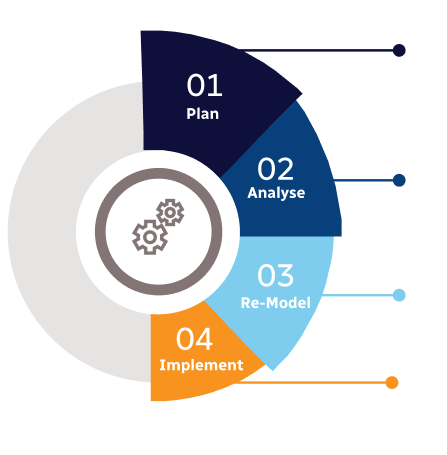
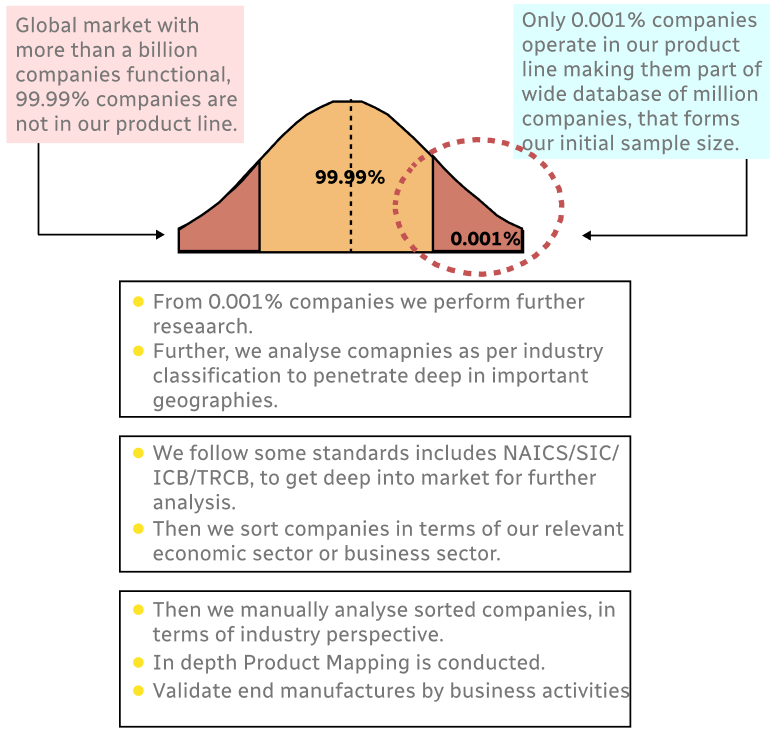
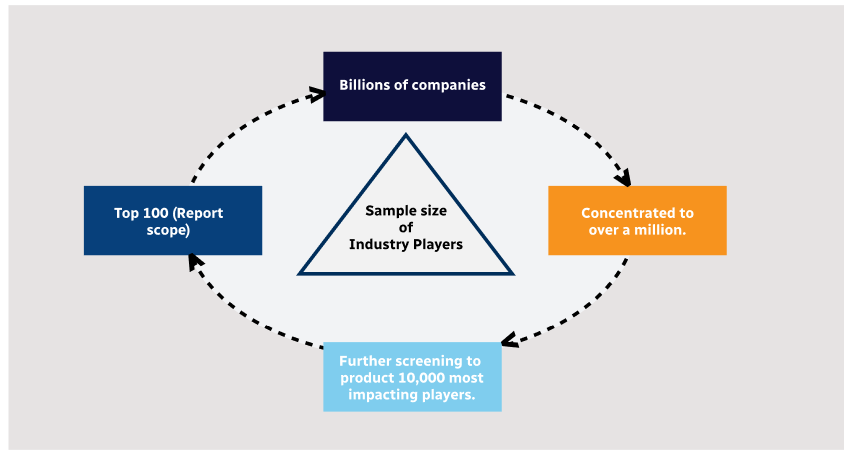
Step 2 - Approaches for Defining Global Market Size (Value, Volume* & Price*)
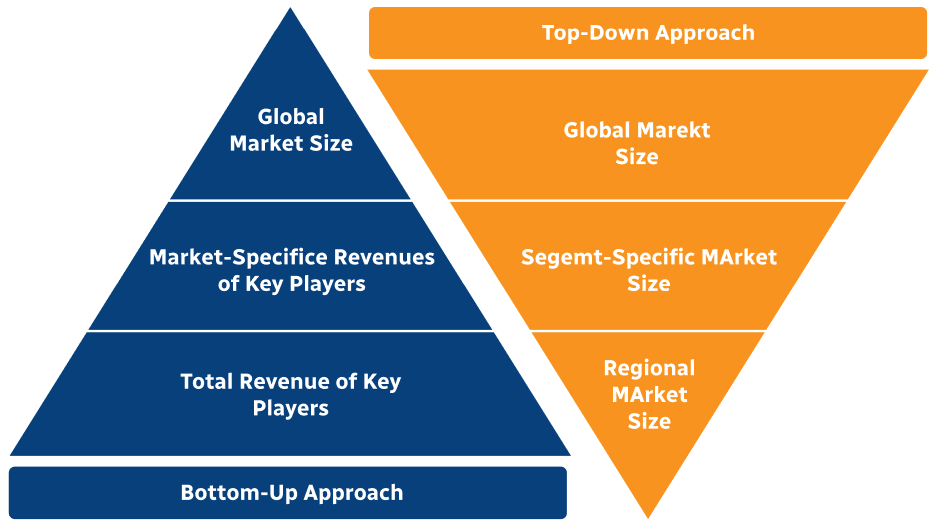
Note*: In applicable scenarios
Step 3 - Data Sources
Primary Research
- Web Analytics
- Survey Reports
- Research Institute
- Latest Research Reports
- Opinion Leaders
Secondary Research
- Annual Reports
- White Paper
- Latest Press Release
- Industry Association
- Paid Database
- Investor Presentations
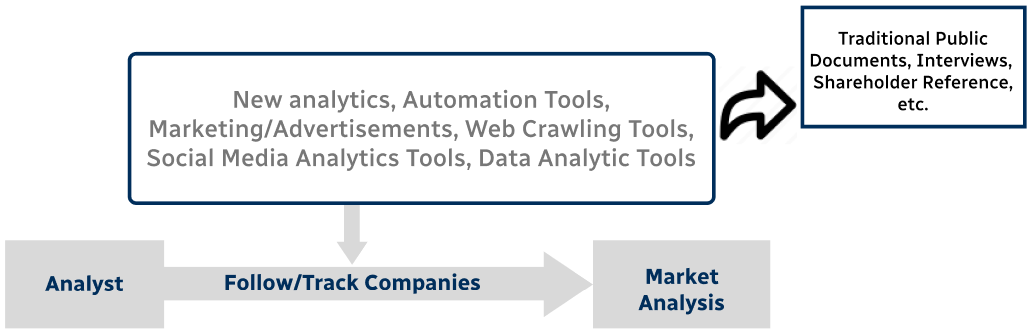
Step 4 - Data Triangulation
Involves using different sources of information in order to increase the validity of a study
These sources are likely to be stakeholders in a program - participants, other researchers, program staff, other community members, and so on.
Then we put all data in single framework & apply various statistical tools to find out the dynamic on the market.
During the analysis stage, feedback from the stakeholder groups would be compared to determine areas of agreement as well as areas of divergence