
Key Insights
The Canada bioplastics market, exhibiting a robust Compound Annual Growth Rate (CAGR) of 13.85%, presents a compelling investment opportunity. Driven by increasing environmental concerns, stringent government regulations promoting sustainable materials, and the growing demand for eco-friendly packaging solutions across diverse sectors, the market is poised for significant expansion. The flexible packaging segment currently holds the largest market share, fueled by the rising popularity of biodegradable alternatives to conventional plastics in food and consumer goods packaging. However, rigid packaging and applications in the automotive and agricultural sectors are also experiencing substantial growth, driven by innovations in bio-based materials capable of withstanding demanding conditions. The dominance of bio-based biodegradable plastics within the market reflects a strong consumer preference for truly sustainable and compostable options. While bio-based non-biodegradables hold a niche market, their adoption is expected to increase gradually as technology improves to allow for efficient recycling or disposal. Key players like Novamont SpA, Arkema, and Total Corbion PLA are actively investing in research and development to improve the performance and cost-effectiveness of bioplastics, further driving market expansion.
The market segmentation reveals significant opportunities across various applications. The substantial growth in the automotive and assembly operations segment is fueled by the increasing demand for lightweight, durable, and eco-friendly components. Similarly, the construction and agriculture sectors are adopting bioplastics for applications such as mulch films and packaging, driven by their biodegradable nature and positive impact on soil health. Challenges remain, primarily revolving around the higher cost of bioplastics compared to conventional plastics and the need for improved infrastructure for collection and composting. However, ongoing technological advancements and supportive government policies are mitigating these challenges, paving the way for sustained growth in the Canadian bioplastics market. The forecast period of 2025-2033 anticipates considerable market expansion, propelled by continuous innovation and increasing consumer awareness of sustainability issues.

Canada Bioplastics Market: A Comprehensive Report (2019-2033)
This comprehensive report provides an in-depth analysis of the Canada bioplastics market, encompassing market size, growth drivers, competitive landscape, and future outlook. The study period covers 2019-2033, with 2025 as the base and estimated year. This report is crucial for businesses, investors, and policymakers seeking to understand and navigate this rapidly evolving market.
Canada Bioplastics Market Market Structure & Competitive Dynamics
This section analyzes the structure and competitive dynamics of the Canadian bioplastics market, covering market concentration, innovation ecosystems, regulatory frameworks, product substitutes, end-user trends, and M&A activities. The market is characterized by a moderately concentrated landscape with several multinational corporations and smaller specialized players. Market share is currently dominated by Novamont SpA, Arkema, and Total Corbion PLA, holding approximately xx% combined, while regional players like BOSK Bioproducts Inc. and Biome Bioplastics Inc. are gaining traction. Innovation is driven by advancements in bio-based polymers and compostable materials. Regulatory frameworks, such as those focused on plastic waste reduction, are significant drivers, fostering market growth. Bioplastics face competition from conventional plastics, but their environmental advantages offer significant market potential. M&A activity in the sector is moderate, with deal values averaging around xx Million CAD annually in the historical period (2019-2024), primarily focused on expanding production capacity and acquiring specialized technologies.
Canada Bioplastics Market Industry Trends & Insights
The Canada bioplastics market exhibits a robust growth trajectory, driven by increasing environmental concerns, stringent regulations on conventional plastics, and growing consumer preference for sustainable products. The market is expected to register a CAGR of xx% during the forecast period (2025-2033). This growth is fueled by several factors, including government initiatives promoting sustainable packaging, rising demand for bioplastics across various applications (e.g., flexible packaging, rigid packaging, agriculture), and advancements in bio-based polymer technology. Market penetration of bioplastics remains relatively low compared to conventional plastics; however, it is projected to significantly increase, reaching xx% by 2033. The market also witnesses increasing technological disruptions, with companies focusing on enhancing biodegradability, improving material properties, and developing innovative applications. This competitive landscape drives ongoing innovation and ensures the long-term viability of the market.

Dominant Markets & Segments in Canada Bioplastics Market
The Canadian bioplastics market exhibits significant regional disparity, with Ontario and British Columbia leading due to their concentrated industrial bases and supportive government policies. However, market penetration is expanding across the country driven by increasing consumer demand and stringent environmental regulations.
Dominant Segments:
Type: Bio-based biodegradable plastics currently hold the largest market share, fueled by strong consumer preference for eco-friendly alternatives and growing environmental regulations targeting plastic waste. Bio-based non-biodegradable plastics, valued for their durability, maintain a significant presence in specific high-performance applications. Emerging bio-based biodegradables, including PBS(A) and cellulose-based plastics, represent niche but rapidly expanding segments with considerable future growth potential. The market is also witnessing increased innovation in blends and composites that combine bioplastics with other sustainable materials.
Application: The flexible packaging sector commands the largest market share, driven by the escalating demand for sustainable food and consumer product packaging. Other key application segments, each with its unique growth drivers, include:
- Flexible Packaging: This segment continues its strong growth trajectory due to the rising consumer preference for sustainable packaging solutions and increasing regulatory pressure on traditional plastic packaging.
- Rigid Packaging: The demand for environmentally responsible alternatives in the food and beverage, pharmaceutical, and consumer goods industries is pushing the adoption of bioplastics in rigid packaging applications.
- Automotive and Assembly Operations: The automotive sector's increasing focus on lightweighting and sustainability is driving the integration of bioplastics in various components and assemblies.
- Agriculture and Horticulture: Biodegradable mulches and other agricultural applications are witnessing robust growth due to the increasing need for sustainable farming practices and reduced environmental impact.
- Construction: Bioplastics are gaining traction as sustainable building materials, offering alternatives to traditional plastics and contributing to environmentally conscious construction practices.
- Textiles: The growing awareness of the environmental footprint of textile production is driving the adoption of bioplastics in clothing and other textile products.
- Electrical and Electronics: The electronics industry is increasingly utilizing bioplastics as eco-friendly alternatives in component manufacturing and packaging to meet sustainability goals.
- Other Applications: The versatility of bioplastics is evident in their expanding use across diverse applications, including coatings, adhesives, consumer goods, and healthcare, showcasing their adaptability and broad market potential.
Canada Bioplastics Market Product Innovations
Recent innovations focus on enhancing the biodegradability and performance of bioplastics, making them suitable for a wider range of applications. New polymer formulations are improving strength, durability, and heat resistance, expanding their use in sectors like automotive and construction. Furthermore, the industry is focusing on compostability certifications and standardized testing procedures to ensure product quality and market credibility. The success of new products heavily relies on providing cost-competitive alternatives to traditional petroleum-based plastics.
Report Segmentation & Scope
This report segments the Canada bioplastics market by type (Bio-based Biodegradables, Bio-based Non-biodegradables, Other Bio-based Biodegradables including PBS(A) and Cellulose-based Plastics) and application (Flexible Packaging, Rigid Packaging, Automotive and Assembly Operations, Agriculture and Horticulture, Construction, Textiles, Electrical and Electronics, Other Applications). Each segment includes detailed analysis of market size, growth projections, and competitive dynamics. The projected market size for Bio-based Biodegradables is xx Million by 2033, while Bio-based Non-biodegradables is estimated at xx Million. The flexible packaging application segment is projected to maintain its market dominance, with a projected value of xx Million by 2033.
Key Drivers of Canada Bioplastics Market Growth
The Canadian bioplastics market's growth is primarily driven by increased environmental awareness and government regulations promoting sustainable alternatives to conventional plastics. Stringent policies related to plastic waste management and reduction are compelling manufacturers and consumers to adopt eco-friendly options. Technological advancements leading to improved bioplastic properties and cost-effectiveness further enhance market growth. Moreover, growing consumer demand for sustainable products and brands actively promoting eco-friendly initiatives contribute to market expansion.
Challenges in the Canada Bioplastics Market Sector
The Canada bioplastics market faces challenges such as higher production costs compared to conventional plastics, inconsistent biodegradability across different products, and limitations in industrial composting infrastructure. Supply chain complexities and the need for consistent quality control further hinder market expansion. Competitive pressures from established players in the conventional plastics industry also pose a significant challenge, requiring continuous innovation and cost optimization strategies. Furthermore, the lack of public awareness regarding the benefits and proper disposal of bioplastics can create barriers to market growth.
Leading Players in the Canada Bioplastics Market Market
- Novamont SpA
- Arkema
- Total Corbion PLA
- BOSK Bioproducts Inc
- Biome Bioplastics Inc
- Braskem
- Indorama Ventures Public Company Limited
- BASF SE
- LyondellBasell Industries Holdings B V
- Eastman Chemical Company
- FUTERRO S A
- TERRAVERDAE BIOWORKS INC
- Natureworks LLC
Key Developments in Canada Bioplastics Market Sector
- May 2023: Bosk Bioproducts' REGEN bioplastics received "OK Compost" and "OK Biobased" certifications, boosting its market credibility and expanding its application scope.
- March 2023: The Canadian government's Afri-Plastics Challenge allocated USD 5.07 Million to bioplastic development using invasive plants, highlighting a growing focus on sustainable solutions and environmental protection.
Strategic Canada Bioplastics Market Market Outlook
The future of the Canada bioplastics market looks promising, driven by ongoing innovation in bio-based polymers, increasing consumer demand for sustainable products, and supportive government policies. Strategic opportunities exist in developing high-performance bioplastics for niche applications, optimizing production processes to reduce costs, and enhancing supply chain efficiency. Focusing on transparent and reliable product certifications will enhance consumer trust, while fostering partnerships with key stakeholders in the value chain will be crucial for sustainable market development. The market holds significant potential for growth and presents attractive investment opportunities for businesses focused on sustainable solutions.
Canada Bioplastics Market Segmentation
-
1. Type
-
1.1. Bio-based Biodegradables
- 1.1.1. Starch-based
- 1.1.2. Polylactic Acid (PLA)
- 1.1.3. Polyhydroxy Alkanoates (PHA)
- 1.1.4. Polyesters (PBS, PBAT, and PCL)
- 1.1.5. Other Bi
-
1.2. Bio-based Non-biodegradables
- 1.2.1. Bio Polyethylene Terephthalate (PET)
- 1.2.2. Bio Polyamides
- 1.2.3. Bio Polytrimethylene Terephthalate
- 1.2.4. Other No
-
1.1. Bio-based Biodegradables
-
2. Application
- 2.1. Flexible Packaging
- 2.2. Rigid Packaging
- 2.3. Automotive and Assembly Operations
- 2.4. Agriculture and Horticulture
- 2.5. Construction
- 2.6. Textiles
- 2.7. Electrical and Electronics
- 2.8. Other Ap
Canada Bioplastics Market Segmentation By Geography
- 1. Canada

Canada Bioplastics Market REPORT HIGHLIGHTS
| Aspects | Details |
|---|---|
| Study Period | 2019-2033 |
| Base Year | 2024 |
| Estimated Year | 2025 |
| Forecast Period | 2025-2033 |
| Historical Period | 2019-2024 |
| Growth Rate | CAGR of 13.85% from 2019-2033 |
| Segmentation |
|
Table of Contents
- 1. Introduction
- 1.1. Research Scope
- 1.2. Market Segmentation
- 1.3. Research Methodology
- 1.4. Definitions and Assumptions
- 2. Executive Summary
- 2.1. Introduction
- 3. Market Dynamics
- 3.1. Introduction
- 3.2. Market Drivers
- 3.2.1. Growing Demand for Bioplastics in Flexible Packaging; Regulatory Policies Supporting the Demand for Bioplastics; Other Drivers
- 3.3. Market Restrains
- 3.3.1. Availability of Cheaper Alternatives; Other Restraints
- 3.4. Market Trends
- 3.4.1. Flexible Packaging Industry to Dominate the Market
- 4. Market Factor Analysis
- 4.1. Porters Five Forces
- 4.2. Supply/Value Chain
- 4.3. PESTEL analysis
- 4.4. Market Entropy
- 4.5. Patent/Trademark Analysis
- 5. Canada Bioplastics Market Analysis, Insights and Forecast, 2019-2031
- 5.1. Market Analysis, Insights and Forecast - by Type
- 5.1.1. Bio-based Biodegradables
- 5.1.1.1. Starch-based
- 5.1.1.2. Polylactic Acid (PLA)
- 5.1.1.3. Polyhydroxy Alkanoates (PHA)
- 5.1.1.4. Polyesters (PBS, PBAT, and PCL)
- 5.1.1.5. Other Bi
- 5.1.2. Bio-based Non-biodegradables
- 5.1.2.1. Bio Polyethylene Terephthalate (PET)
- 5.1.2.2. Bio Polyamides
- 5.1.2.3. Bio Polytrimethylene Terephthalate
- 5.1.2.4. Other No
- 5.1.1. Bio-based Biodegradables
- 5.2. Market Analysis, Insights and Forecast - by Application
- 5.2.1. Flexible Packaging
- 5.2.2. Rigid Packaging
- 5.2.3. Automotive and Assembly Operations
- 5.2.4. Agriculture and Horticulture
- 5.2.5. Construction
- 5.2.6. Textiles
- 5.2.7. Electrical and Electronics
- 5.2.8. Other Ap
- 5.3. Market Analysis, Insights and Forecast - by Region
- 5.3.1. Canada
- 5.1. Market Analysis, Insights and Forecast - by Type
- 6. Competitive Analysis
- 6.1. Market Share Analysis 2024
- 6.2. Company Profiles
- 6.2.1 Novamont SpA
- 6.2.1.1. Overview
- 6.2.1.2. Products
- 6.2.1.3. SWOT Analysis
- 6.2.1.4. Recent Developments
- 6.2.1.5. Financials (Based on Availability)
- 6.2.2 Arkema
- 6.2.2.1. Overview
- 6.2.2.2. Products
- 6.2.2.3. SWOT Analysis
- 6.2.2.4. Recent Developments
- 6.2.2.5. Financials (Based on Availability)
- 6.2.3 Total Corbion PLA
- 6.2.3.1. Overview
- 6.2.3.2. Products
- 6.2.3.3. SWOT Analysis
- 6.2.3.4. Recent Developments
- 6.2.3.5. Financials (Based on Availability)
- 6.2.4 BOSK Bioproducts Inc
- 6.2.4.1. Overview
- 6.2.4.2. Products
- 6.2.4.3. SWOT Analysis
- 6.2.4.4. Recent Developments
- 6.2.4.5. Financials (Based on Availability)
- 6.2.5 Biome Bioplastics Inc
- 6.2.5.1. Overview
- 6.2.5.2. Products
- 6.2.5.3. SWOT Analysis
- 6.2.5.4. Recent Developments
- 6.2.5.5. Financials (Based on Availability)
- 6.2.6 Braskem
- 6.2.6.1. Overview
- 6.2.6.2. Products
- 6.2.6.3. SWOT Analysis
- 6.2.6.4. Recent Developments
- 6.2.6.5. Financials (Based on Availability)
- 6.2.7 Indorama Ventures Public Company Limited
- 6.2.7.1. Overview
- 6.2.7.2. Products
- 6.2.7.3. SWOT Analysis
- 6.2.7.4. Recent Developments
- 6.2.7.5. Financials (Based on Availability)
- 6.2.8 BASF SE
- 6.2.8.1. Overview
- 6.2.8.2. Products
- 6.2.8.3. SWOT Analysis
- 6.2.8.4. Recent Developments
- 6.2.8.5. Financials (Based on Availability)
- 6.2.9 LyondellBasell Industries Holdings B V
- 6.2.9.1. Overview
- 6.2.9.2. Products
- 6.2.9.3. SWOT Analysis
- 6.2.9.4. Recent Developments
- 6.2.9.5. Financials (Based on Availability)
- 6.2.10 Eastman Chemical Company
- 6.2.10.1. Overview
- 6.2.10.2. Products
- 6.2.10.3. SWOT Analysis
- 6.2.10.4. Recent Developments
- 6.2.10.5. Financials (Based on Availability)
- 6.2.11 FUTERRO S A
- 6.2.11.1. Overview
- 6.2.11.2. Products
- 6.2.11.3. SWOT Analysis
- 6.2.11.4. Recent Developments
- 6.2.11.5. Financials (Based on Availability)
- 6.2.12 TERRAVERDAE BIOWORKS INC
- 6.2.12.1. Overview
- 6.2.12.2. Products
- 6.2.12.3. SWOT Analysis
- 6.2.12.4. Recent Developments
- 6.2.12.5. Financials (Based on Availability)
- 6.2.13 Natureworks LLC
- 6.2.13.1. Overview
- 6.2.13.2. Products
- 6.2.13.3. SWOT Analysis
- 6.2.13.4. Recent Developments
- 6.2.13.5. Financials (Based on Availability)
- 6.2.1 Novamont SpA
List of Figures
- Figure 1: Canada Bioplastics Market Revenue Breakdown (Million, %) by Product 2024 & 2032
- Figure 2: Canada Bioplastics Market Share (%) by Company 2024
List of Tables
- Table 1: Canada Bioplastics Market Revenue Million Forecast, by Region 2019 & 2032
- Table 2: Canada Bioplastics Market Volume K Tons Forecast, by Region 2019 & 2032
- Table 3: Canada Bioplastics Market Revenue Million Forecast, by Type 2019 & 2032
- Table 4: Canada Bioplastics Market Volume K Tons Forecast, by Type 2019 & 2032
- Table 5: Canada Bioplastics Market Revenue Million Forecast, by Application 2019 & 2032
- Table 6: Canada Bioplastics Market Volume K Tons Forecast, by Application 2019 & 2032
- Table 7: Canada Bioplastics Market Revenue Million Forecast, by Region 2019 & 2032
- Table 8: Canada Bioplastics Market Volume K Tons Forecast, by Region 2019 & 2032
- Table 9: Canada Bioplastics Market Revenue Million Forecast, by Country 2019 & 2032
- Table 10: Canada Bioplastics Market Volume K Tons Forecast, by Country 2019 & 2032
- Table 11: Canada Bioplastics Market Revenue Million Forecast, by Type 2019 & 2032
- Table 12: Canada Bioplastics Market Volume K Tons Forecast, by Type 2019 & 2032
- Table 13: Canada Bioplastics Market Revenue Million Forecast, by Application 2019 & 2032
- Table 14: Canada Bioplastics Market Volume K Tons Forecast, by Application 2019 & 2032
- Table 15: Canada Bioplastics Market Revenue Million Forecast, by Country 2019 & 2032
- Table 16: Canada Bioplastics Market Volume K Tons Forecast, by Country 2019 & 2032
Frequently Asked Questions
1. What is the projected Compound Annual Growth Rate (CAGR) of the Canada Bioplastics Market?
The projected CAGR is approximately 13.85%.
2. Which companies are prominent players in the Canada Bioplastics Market?
Key companies in the market include Novamont SpA, Arkema, Total Corbion PLA, BOSK Bioproducts Inc, Biome Bioplastics Inc, Braskem, Indorama Ventures Public Company Limited, BASF SE, LyondellBasell Industries Holdings B V, Eastman Chemical Company, FUTERRO S A, TERRAVERDAE BIOWORKS INC, Natureworks LLC.
3. What are the main segments of the Canada Bioplastics Market?
The market segments include Type, Application.
4. Can you provide details about the market size?
The market size is estimated to be USD XX Million as of 2022.
5. What are some drivers contributing to market growth?
Growing Demand for Bioplastics in Flexible Packaging; Regulatory Policies Supporting the Demand for Bioplastics; Other Drivers.
6. What are the notable trends driving market growth?
Flexible Packaging Industry to Dominate the Market.
7. Are there any restraints impacting market growth?
Availability of Cheaper Alternatives; Other Restraints.
8. Can you provide examples of recent developments in the market?
May 2023: Bosk Bioproducts was granted an "OK Compost" and "OK Biobased" certification by TÜV Austria for its REGEN bioplastics range of products. The company's products are now industrially compostable as well as four-star biobased certified.
9. What pricing options are available for accessing the report?
Pricing options include single-user, multi-user, and enterprise licenses priced at USD 3800, USD 4500, and USD 5800 respectively.
10. Is the market size provided in terms of value or volume?
The market size is provided in terms of value, measured in Million and volume, measured in K Tons.
11. Are there any specific market keywords associated with the report?
Yes, the market keyword associated with the report is "Canada Bioplastics Market," which aids in identifying and referencing the specific market segment covered.
12. How do I determine which pricing option suits my needs best?
The pricing options vary based on user requirements and access needs. Individual users may opt for single-user licenses, while businesses requiring broader access may choose multi-user or enterprise licenses for cost-effective access to the report.
13. Are there any additional resources or data provided in the Canada Bioplastics Market report?
While the report offers comprehensive insights, it's advisable to review the specific contents or supplementary materials provided to ascertain if additional resources or data are available.
14. How can I stay updated on further developments or reports in the Canada Bioplastics Market?
To stay informed about further developments, trends, and reports in the Canada Bioplastics Market, consider subscribing to industry newsletters, following relevant companies and organizations, or regularly checking reputable industry news sources and publications.
Methodology
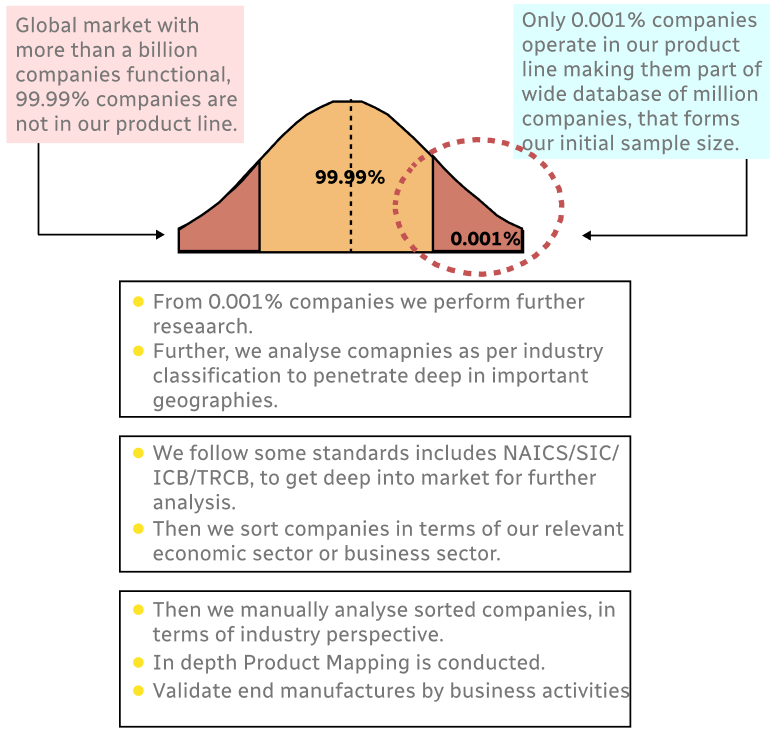
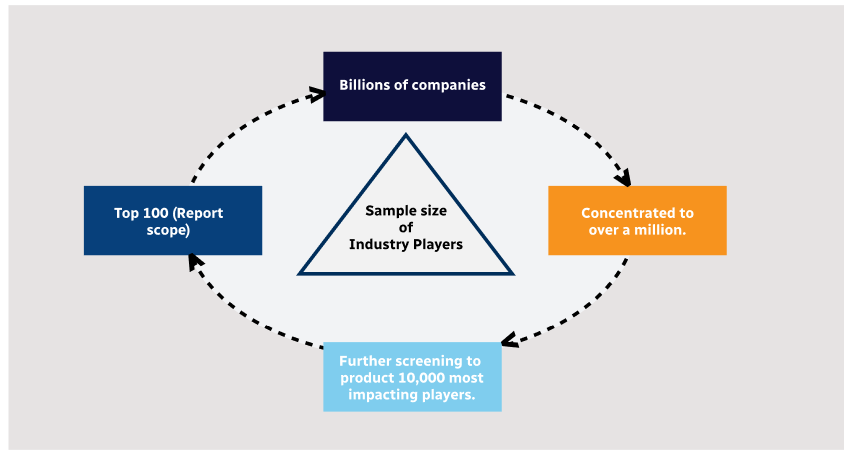
Step 1 - Identification of Relevant Samples Size from Population Database
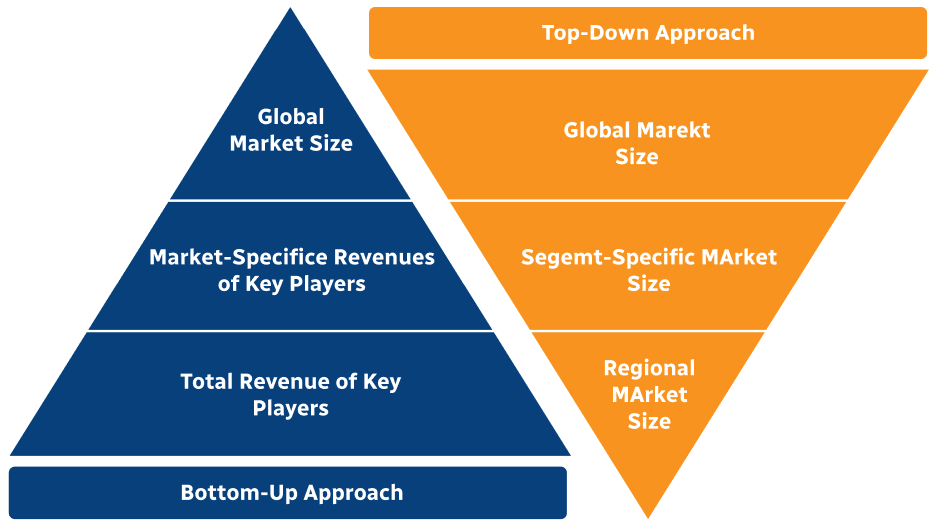
Step 2 - Approaches for Defining Global Market Size (Value, Volume* & Price*)
Note*: In applicable scenarios
Step 3 - Data Sources
Primary Research
- Web Analytics
- Survey Reports
- Research Institute
- Latest Research Reports
- Opinion Leaders
Secondary Research
- Annual Reports
- White Paper
- Latest Press Release
- Industry Association
- Paid Database
- Investor Presentations
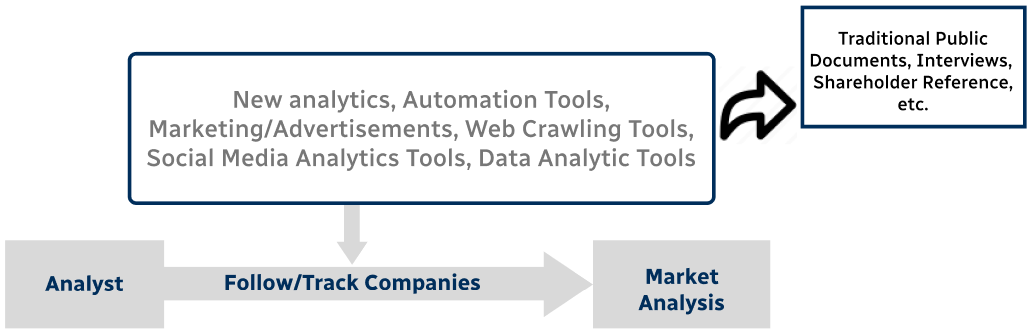
Step 4 - Data Triangulation
Involves using different sources of information in order to increase the validity of a study
These sources are likely to be stakeholders in a program - participants, other researchers, program staff, other community members, and so on.
Then we put all data in single framework & apply various statistical tools to find out the dynamic on the market.
During the analysis stage, feedback from the stakeholder groups would be compared to determine areas of agreement as well as areas of divergence