



Key Insights
The global Pervious Concrete Market is poised for substantial growth, projected to expand significantly beyond its current estimated market size of approximately USD 3.5 billion. Driven by a robust Compound Annual Growth Rate (CAGR) exceeding 6.00%, this sector is set to reach an estimated valuation of over USD 6.0 billion by 2033. This upward trajectory is fueled by a confluence of critical market drivers. Increasing environmental regulations worldwide are compelling developers and governments to adopt sustainable construction practices, and pervious concrete, with its ability to reduce stormwater runoff and recharge groundwater, perfectly aligns with these mandates. Furthermore, growing urbanization and infrastructure development projects, particularly in emerging economies, are creating a sustained demand for innovative and eco-friendly building materials. The inherent benefits of pervious concrete, such as improved drainage, reduced erosion, and enhanced aesthetic appeal in hardscaping, are also gaining wider recognition among architects, engineers, and end-users.
The market's expansion will be characterized by several key trends. The increasing adoption of pervious concrete in residential construction for driveways and patios, driven by homeowner demand for sustainable and functional outdoor spaces, will be a significant growth avenue. In the commercial sector, its use in parking lots and walkways is expected to surge due to its lifecycle cost benefits and positive environmental impact. Infrastructure projects, including roads and sidewalks in urban areas, will also contribute substantially to market demand as municipalities prioritize intelligent water management solutions. While the market benefits from strong drivers, certain restraints may influence its pace. The initial cost of pervious concrete can be higher than conventional concrete, and a lack of widespread awareness and skilled labor for installation could pose challenges. However, the long-term economic and environmental advantages are increasingly outweighing these initial hurdles, positioning the pervious concrete market for a dynamic and prosperous future.
This in-depth report provides a detailed examination of the global Pervious Concrete market, offering critical insights for stakeholders seeking to understand market dynamics, growth opportunities, and competitive strategies. With a study period spanning from 2019 to 2033, including a base year of 2025 and a forecast period of 2025–2033, this analysis delves into the intricate landscape of pervious concrete applications, technologies, and end-user industries. The report leverages extensive data to identify key drivers, challenges, and emerging trends shaping the future of this vital construction material.
Pervious Concrete Market Market Structure & Competitive Dynamics
The Pervious Concrete market is characterized by a moderate level of concentration, with a mix of established global players and regional specialists actively competing. Innovation ecosystems are driven by advancements in material science, admixture development, and construction techniques, leading to enhanced performance and wider applicability. Regulatory frameworks, particularly those concerning stormwater management and environmental sustainability, play a crucial role in shaping market adoption. Product substitutes, such as traditional concrete with separate drainage systems or permeable pavers, present ongoing competition, but the unique benefits of pervious concrete in reducing runoff and recharging groundwater continue to drive demand. End-user trends are increasingly favoring sustainable and resilient construction solutions, directly benefiting the pervious concrete sector. Mergers and acquisitions (M&A) activities, though not currently at extremely high values, are observed as companies seek to consolidate market share and expand their technological capabilities. For instance, strategic acquisitions aimed at integrating pervious concrete production with ready-mix operations are becoming more prevalent. Market share distribution varies by region and application, with leading companies continuously investing in R&D to maintain a competitive edge.
Pervious Concrete Market Industry Trends & Insights
The Pervious Concrete market is poised for significant growth, driven by escalating global concerns over water scarcity, urban flooding, and the imperative for sustainable infrastructure development. The projected Compound Annual Growth Rate (CAGR) for this market is estimated at a robust XX%, reflecting increasing adoption across various construction sectors. Technological disruptions, including advancements in admixtures that enhance durability and permeability, and the development of specialized equipment for installation, are key market growth drivers. Consumer preferences are shifting towards environmentally responsible building materials, with pervious concrete offering a compelling solution for managing stormwater at its source, thereby reducing the burden on municipal drainage systems and mitigating the risk of flash floods. This trend is particularly evident in urban and suburban areas facing significant rainfall events and aging infrastructure. Competitive dynamics are evolving as more construction companies and material suppliers recognize the long-term economic and environmental benefits of pervious concrete. Market penetration is steadily increasing, propelled by supportive government policies, green building certifications, and a growing awareness among architects, engineers, and developers about its multifaceted advantages. The integration of pervious concrete in smart city initiatives, aimed at enhancing urban resilience and sustainability, is a notable emerging trend. Furthermore, the development of innovative mix designs and curing methods is improving the cost-effectiveness and performance of pervious concrete, making it a more attractive option for large-scale projects.
Dominant Markets & Segments in Pervious Concrete Market
The Pervious Concrete market exhibits dominance across several key regions and segments, driven by a confluence of economic policies, infrastructure development initiatives, and environmental mandates. In terms of geographical reach, North America, particularly the United States, currently leads the market, owing to stringent stormwater management regulations and substantial investment in infrastructure upgrades. Europe is a rapidly growing region, with countries like Germany and the UK actively promoting sustainable construction practices.
- Design: Hydrological: This segment is a primary driver of pervious concrete adoption. The increasing need for effective stormwater management solutions in urbanized areas, where impervious surfaces exacerbate flooding and pollution, fuels demand. Hydrological considerations, such as infiltration rates, water table levels, and soil permeability, are critical in the design and application of pervious concrete. Government incentives for green infrastructure projects and mandates for on-site stormwater retention further bolster this segment.
- Design: Structural: While historically secondary to hydrological benefits, the structural integrity of pervious concrete is gaining traction. As designers and engineers become more confident in its load-bearing capabilities, its use in applications requiring durability and strength is expanding. Advances in mix designs and reinforcement techniques are enhancing its structural performance, making it a viable alternative to traditional concrete in certain applications.
- Application: Hardscape: Patios, walkways, driveways, and parking lots constitute the largest application segment for pervious concrete. Its ability to allow water to pass through significantly reduces surface runoff, which is particularly beneficial in residential and commercial developments. The aesthetic appeal and the reduction in the need for extensive drainage systems make it an attractive choice for these outdoor spaces.
- Application: Floors: While less prevalent than hardscape applications, the use of pervious concrete in industrial floors, especially in areas where moisture control is critical or where spills need to be managed efficiently, is a niche but growing segment. Its permeability can help in preventing water accumulation and improving safety.
- Application: Other Applications: This broad category includes specialized uses such as athletic tracks, green roofs, and erosion control measures. The unique properties of pervious concrete lend themselves to innovative solutions in various specialized construction needs, driven by performance requirements and environmental considerations.
- End-user Industry: Residential Construction: Homeowners and developers are increasingly opting for pervious concrete for driveways, patios, and landscaping, driven by aesthetic appeal, reduced maintenance, and environmental benefits. The growing trend of sustainable home building further supports its adoption.
- End-user Industry: Commercial Construction: Businesses are increasingly incorporating pervious concrete in parking lots, plazas, and outdoor commercial spaces to comply with environmental regulations, manage stormwater, and enhance the aesthetic appeal of their properties. The long-term cost savings associated with reduced drainage infrastructure also appeal to commercial developers.
- End-user Industry: Infrastructure Construction: This is a significant and rapidly expanding segment. Municipalities and government agencies are investing heavily in pervious concrete for public works projects, including roadways, sidewalks, bike paths, and public plazas, as part of broader efforts to improve urban water management, combat climate change impacts, and create more resilient infrastructure.
Pervious Concrete Market Product Innovations
Product innovations in the pervious concrete market are primarily focused on enhancing performance, durability, and cost-effectiveness. Recent developments include advanced admixtures that improve freeze-thaw resistance and increase compressive strength without compromising permeability. Novel aggregate combinations and binder technologies are being explored to create more resilient and long-lasting pervious concrete mixes. Application-specific formulations are also emerging, catering to the unique demands of hardscape, flooring, and specialized infrastructure projects. These innovations provide competitive advantages by offering superior water management, reduced maintenance, and improved environmental credentials.
Report Segmentation & Scope
This comprehensive report segments the Pervious Concrete market across key dimensions to provide granular insights. The Design segmentation includes Hydrological and Structural aspects, each analyzed for market size, growth projections, and key drivers influencing their adoption. In the Application segmentation, Hardscape, Floors, and Other Applications are detailed, outlining their respective market shares and future potential. The End-user Industry segmentation comprises Residential Construction, Commercial Construction, and Infrastructure Construction, offering a clear view of demand dynamics across different sectors. Each segment's analysis includes specific market data and competitive landscapes.
Key Drivers of Pervious Concrete Market Growth
The Pervious Concrete market is propelled by a potent combination of environmental regulations, technological advancements, and increasing urbanization. Government mandates for sustainable stormwater management and the reduction of impervious surfaces are significant drivers, incentivizing the adoption of pervious concrete in infrastructure and commercial projects. Technological innovations in mix designs and admixtures are enhancing the material's performance and durability, making it more competitive. The growing awareness among builders and consumers regarding the benefits of reducing urban runoff, recharging groundwater, and mitigating flooding risks further fuels demand. Economic factors, such as long-term cost savings from reduced drainage infrastructure and lower maintenance requirements, also contribute to its widespread acceptance.
Challenges in the Pervious Concrete Market Sector
Despite its growing popularity, the Pervious Concrete market faces several challenges that can impede its widespread adoption. Initial installation costs can sometimes be higher than traditional concrete, posing a barrier for budget-conscious projects. Ensuring proper installation techniques to maintain permeability and prevent clogging over time requires specialized knowledge and skilled labor, which can be a limiting factor. Performance under extreme weather conditions, particularly severe freezing and thawing cycles, requires careful mix design and maintenance. Furthermore, a lack of standardized testing methods and a limited understanding among some construction professionals can lead to hesitancy in specification. Supply chain availability for specialized admixtures and aggregates can also present occasional hurdles.
Leading Players in the Pervious Concrete Market Market
- A G Peltz Group LLC
- Empire Blended Products Inc
- BASF SE
- Fred Adams Paving
- Bay Area Pervious Concrete
- Cemex S A B de C V
- Chaney Enterprises
- Frank J Fazzio & Sons Inc
- Sika AG
- ULTRA Ready Mix Concrete
- Pacific Pervious Concrete
- Raffin Construction
Key Developments in Pervious Concrete Market Sector
- 2023: Launch of new high-strength pervious concrete formulations by leading manufacturers, enhancing durability for infrastructure applications.
- 2022: Increased adoption of pervious concrete in large-scale urban development projects, driven by stricter stormwater management regulations.
- 2021: Significant investment in research and development for advanced admixtures to improve freeze-thaw resistance and reduce clogging potential.
- 2020: Growing trend of integrating pervious concrete into green building certification schemes, boosting its market appeal.
- 2019: Several key players in the ready-mix concrete sector expanded their offerings to include pervious concrete solutions.
Strategic Pervious Concrete Market Market Outlook
The strategic outlook for the Pervious Concrete market is exceptionally positive, characterized by sustained growth driven by escalating environmental consciousness and regulatory support. Future growth accelerators will stem from continued innovation in material science, leading to more cost-effective and resilient pervious concrete solutions. The increasing integration of pervious concrete in smart city initiatives and resilient infrastructure projects presents significant strategic opportunities. As global awareness of climate change impacts intensifies, demand for sustainable construction materials that effectively manage stormwater and recharge groundwater will further surge. Strategic partnerships between material suppliers, contractors, and government agencies will be crucial in overcoming installation challenges and fostering wider market penetration, ensuring a promising future for the pervious concrete industry.
Pervious Concrete Market Segmentation
-
1. Design
- 1.1. Hydrological
- 1.2. Structural
-
2. Application
- 2.1. Hardscape
- 2.2. Floors
- 2.3. Other Applications
-
3. End-user Industry
- 3.1. Residential Construction
- 3.2. Commercial Construction
- 3.3. Infrastructure Construction
Pervious Concrete Market Segmentation By Geography
-
1. Asia Pacific
- 1.1. China
- 1.2. India
- 1.3. Japan
- 1.4. South Korea
- 1.5. Rest of Asia Pacific
-
2. North America
- 2.1. United States
- 2.2. Canada
- 2.3. Mexico
-
3. Europe
- 3.1. Germany
- 3.2. United Kingdom
- 3.3. Italy
- 3.4. France
- 3.5. Rest of Europe
-
4. South America
- 4.1. Brazil
- 4.2. Argentina
- 4.3. Rest of South America
-
5. Middle East and Africa
- 5.1. Saudi Arabia
- 5.2. South Africa
- 5.3. Rest of Middle East and Africa
Pervious Concrete Market REPORT HIGHLIGHTS
| Aspects | Details |
|---|---|
| Study Period | 2019-2033 |
| Base Year | 2024 |
| Estimated Year | 2025 |
| Forecast Period | 2025-2033 |
| Historical Period | 2019-2024 |
| Growth Rate | CAGR of > 6.00% from 2019-2033 |
| Segmentation |
|
Table of Contents
- 1. Introduction
- 1.1. Research Scope
- 1.2. Market Segmentation
- 1.3. Research Methodology
- 1.4. Definitions and Assumptions
- 2. Executive Summary
- 2.1. Introduction
- 3. Market Dynamics
- 3.1. Introduction
- 3.2. Market Drivers
- 3.2.1. The Rising Construction Projects; The Rising Concern of Recharging Groundwater
- 3.3. Market Restrains
- 3.3.1. Requirement of Specialized Design and Construction Practice
- 3.4. Market Trends
- 3.4.1. Increasing Usage in the Infrastructure Industry
- 4. Market Factor Analysis
- 4.1. Porters Five Forces
- 4.2. Supply/Value Chain
- 4.3. PESTEL analysis
- 4.4. Market Entropy
- 4.5. Patent/Trademark Analysis
- 5. Global Pervious Concrete Market Analysis, Insights and Forecast, 2019-2031
- 5.1. Market Analysis, Insights and Forecast - by Design
- 5.1.1. Hydrological
- 5.1.2. Structural
- 5.2. Market Analysis, Insights and Forecast - by Application
- 5.2.1. Hardscape
- 5.2.2. Floors
- 5.2.3. Other Applications
- 5.3. Market Analysis, Insights and Forecast - by End-user Industry
- 5.3.1. Residential Construction
- 5.3.2. Commercial Construction
- 5.3.3. Infrastructure Construction
- 5.4. Market Analysis, Insights and Forecast - by Region
- 5.4.1. Asia Pacific
- 5.4.2. North America
- 5.4.3. Europe
- 5.4.4. South America
- 5.4.5. Middle East and Africa
- 5.1. Market Analysis, Insights and Forecast - by Design
- 6. Asia Pacific Pervious Concrete Market Analysis, Insights and Forecast, 2019-2031
- 6.1. Market Analysis, Insights and Forecast - by Design
- 6.1.1. Hydrological
- 6.1.2. Structural
- 6.2. Market Analysis, Insights and Forecast - by Application
- 6.2.1. Hardscape
- 6.2.2. Floors
- 6.2.3. Other Applications
- 6.3. Market Analysis, Insights and Forecast - by End-user Industry
- 6.3.1. Residential Construction
- 6.3.2. Commercial Construction
- 6.3.3. Infrastructure Construction
- 6.1. Market Analysis, Insights and Forecast - by Design
- 7. North America Pervious Concrete Market Analysis, Insights and Forecast, 2019-2031
- 7.1. Market Analysis, Insights and Forecast - by Design
- 7.1.1. Hydrological
- 7.1.2. Structural
- 7.2. Market Analysis, Insights and Forecast - by Application
- 7.2.1. Hardscape
- 7.2.2. Floors
- 7.2.3. Other Applications
- 7.3. Market Analysis, Insights and Forecast - by End-user Industry
- 7.3.1. Residential Construction
- 7.3.2. Commercial Construction
- 7.3.3. Infrastructure Construction
- 7.1. Market Analysis, Insights and Forecast - by Design
- 8. Europe Pervious Concrete Market Analysis, Insights and Forecast, 2019-2031
- 8.1. Market Analysis, Insights and Forecast - by Design
- 8.1.1. Hydrological
- 8.1.2. Structural
- 8.2. Market Analysis, Insights and Forecast - by Application
- 8.2.1. Hardscape
- 8.2.2. Floors
- 8.2.3. Other Applications
- 8.3. Market Analysis, Insights and Forecast - by End-user Industry
- 8.3.1. Residential Construction
- 8.3.2. Commercial Construction
- 8.3.3. Infrastructure Construction
- 8.1. Market Analysis, Insights and Forecast - by Design
- 9. South America Pervious Concrete Market Analysis, Insights and Forecast, 2019-2031
- 9.1. Market Analysis, Insights and Forecast - by Design
- 9.1.1. Hydrological
- 9.1.2. Structural
- 9.2. Market Analysis, Insights and Forecast - by Application
- 9.2.1. Hardscape
- 9.2.2. Floors
- 9.2.3. Other Applications
- 9.3. Market Analysis, Insights and Forecast - by End-user Industry
- 9.3.1. Residential Construction
- 9.3.2. Commercial Construction
- 9.3.3. Infrastructure Construction
- 9.1. Market Analysis, Insights and Forecast - by Design
- 10. Middle East and Africa Pervious Concrete Market Analysis, Insights and Forecast, 2019-2031
- 10.1. Market Analysis, Insights and Forecast - by Design
- 10.1.1. Hydrological
- 10.1.2. Structural
- 10.2. Market Analysis, Insights and Forecast - by Application
- 10.2.1. Hardscape
- 10.2.2. Floors
- 10.2.3. Other Applications
- 10.3. Market Analysis, Insights and Forecast - by End-user Industry
- 10.3.1. Residential Construction
- 10.3.2. Commercial Construction
- 10.3.3. Infrastructure Construction
- 10.1. Market Analysis, Insights and Forecast - by Design
- 11. Asia Pacific Pervious Concrete Market Analysis, Insights and Forecast, 2019-2031
- 11.1. Market Analysis, Insights and Forecast - By Country/Sub-region
- 11.1.1 China
- 11.1.2 India
- 11.1.3 Japan
- 11.1.4 South Korea
- 11.1.5 Rest of Asia Pacific
- 12. North America Pervious Concrete Market Analysis, Insights and Forecast, 2019-2031
- 12.1. Market Analysis, Insights and Forecast - By Country/Sub-region
- 12.1.1 United States
- 12.1.2 Canada
- 12.1.3 Mexico
- 13. Europe Pervious Concrete Market Analysis, Insights and Forecast, 2019-2031
- 13.1. Market Analysis, Insights and Forecast - By Country/Sub-region
- 13.1.1 Germany
- 13.1.2 United Kingdom
- 13.1.3 Italy
- 13.1.4 France
- 13.1.5 Rest of Europe
- 14. South America Pervious Concrete Market Analysis, Insights and Forecast, 2019-2031
- 14.1. Market Analysis, Insights and Forecast - By Country/Sub-region
- 14.1.1 Brazil
- 14.1.2 Argentina
- 14.1.3 Rest of South America
- 15. Middle East and Africa Pervious Concrete Market Analysis, Insights and Forecast, 2019-2031
- 15.1. Market Analysis, Insights and Forecast - By Country/Sub-region
- 15.1.1 Saudi Arabia
- 15.1.2 South Africa
- 15.1.3 Rest of Middle East and Africa
- 16. Competitive Analysis
- 16.1. Global Market Share Analysis 2024
- 16.2. Company Profiles
- 16.2.1 A G Peltz Group LLC
- 16.2.1.1. Overview
- 16.2.1.2. Products
- 16.2.1.3. SWOT Analysis
- 16.2.1.4. Recent Developments
- 16.2.1.5. Financials (Based on Availability)
- 16.2.2 Empire Blended Products Inc
- 16.2.2.1. Overview
- 16.2.2.2. Products
- 16.2.2.3. SWOT Analysis
- 16.2.2.4. Recent Developments
- 16.2.2.5. Financials (Based on Availability)
- 16.2.3 BASF SE
- 16.2.3.1. Overview
- 16.2.3.2. Products
- 16.2.3.3. SWOT Analysis
- 16.2.3.4. Recent Developments
- 16.2.3.5. Financials (Based on Availability)
- 16.2.4 Fred Adams Paving
- 16.2.4.1. Overview
- 16.2.4.2. Products
- 16.2.4.3. SWOT Analysis
- 16.2.4.4. Recent Developments
- 16.2.4.5. Financials (Based on Availability)
- 16.2.5 Bay Area Pervious Concrete
- 16.2.5.1. Overview
- 16.2.5.2. Products
- 16.2.5.3. SWOT Analysis
- 16.2.5.4. Recent Developments
- 16.2.5.5. Financials (Based on Availability)
- 16.2.6 Cemex S A B de C V
- 16.2.6.1. Overview
- 16.2.6.2. Products
- 16.2.6.3. SWOT Analysis
- 16.2.6.4. Recent Developments
- 16.2.6.5. Financials (Based on Availability)
- 16.2.7 Chaney Enterprises
- 16.2.7.1. Overview
- 16.2.7.2. Products
- 16.2.7.3. SWOT Analysis
- 16.2.7.4. Recent Developments
- 16.2.7.5. Financials (Based on Availability)
- 16.2.8 Frank J Fazzio & Sons Inc
- 16.2.8.1. Overview
- 16.2.8.2. Products
- 16.2.8.3. SWOT Analysis
- 16.2.8.4. Recent Developments
- 16.2.8.5. Financials (Based on Availability)
- 16.2.9 Sika AG
- 16.2.9.1. Overview
- 16.2.9.2. Products
- 16.2.9.3. SWOT Analysis
- 16.2.9.4. Recent Developments
- 16.2.9.5. Financials (Based on Availability)
- 16.2.10 ULTRA Ready Mix Concrete*List Not Exhaustive
- 16.2.10.1. Overview
- 16.2.10.2. Products
- 16.2.10.3. SWOT Analysis
- 16.2.10.4. Recent Developments
- 16.2.10.5. Financials (Based on Availability)
- 16.2.11 Pacific Pervious Concrete
- 16.2.11.1. Overview
- 16.2.11.2. Products
- 16.2.11.3. SWOT Analysis
- 16.2.11.4. Recent Developments
- 16.2.11.5. Financials (Based on Availability)
- 16.2.12 Raffin Construction
- 16.2.12.1. Overview
- 16.2.12.2. Products
- 16.2.12.3. SWOT Analysis
- 16.2.12.4. Recent Developments
- 16.2.12.5. Financials (Based on Availability)
- 16.2.1 A G Peltz Group LLC
List of Figures
- Figure 1: Global Pervious Concrete Market Revenue Breakdown (Million, %) by Region 2024 & 2032
- Figure 2: Asia Pacific Pervious Concrete Market Revenue (Million), by Country 2024 & 2032
- Figure 3: Asia Pacific Pervious Concrete Market Revenue Share (%), by Country 2024 & 2032
- Figure 4: North America Pervious Concrete Market Revenue (Million), by Country 2024 & 2032
- Figure 5: North America Pervious Concrete Market Revenue Share (%), by Country 2024 & 2032
- Figure 6: Europe Pervious Concrete Market Revenue (Million), by Country 2024 & 2032
- Figure 7: Europe Pervious Concrete Market Revenue Share (%), by Country 2024 & 2032
- Figure 8: South America Pervious Concrete Market Revenue (Million), by Country 2024 & 2032
- Figure 9: South America Pervious Concrete Market Revenue Share (%), by Country 2024 & 2032
- Figure 10: Middle East and Africa Pervious Concrete Market Revenue (Million), by Country 2024 & 2032
- Figure 11: Middle East and Africa Pervious Concrete Market Revenue Share (%), by Country 2024 & 2032
- Figure 12: Asia Pacific Pervious Concrete Market Revenue (Million), by Design 2024 & 2032
- Figure 13: Asia Pacific Pervious Concrete Market Revenue Share (%), by Design 2024 & 2032
- Figure 14: Asia Pacific Pervious Concrete Market Revenue (Million), by Application 2024 & 2032
- Figure 15: Asia Pacific Pervious Concrete Market Revenue Share (%), by Application 2024 & 2032
- Figure 16: Asia Pacific Pervious Concrete Market Revenue (Million), by End-user Industry 2024 & 2032
- Figure 17: Asia Pacific Pervious Concrete Market Revenue Share (%), by End-user Industry 2024 & 2032
- Figure 18: Asia Pacific Pervious Concrete Market Revenue (Million), by Country 2024 & 2032
- Figure 19: Asia Pacific Pervious Concrete Market Revenue Share (%), by Country 2024 & 2032
- Figure 20: North America Pervious Concrete Market Revenue (Million), by Design 2024 & 2032
- Figure 21: North America Pervious Concrete Market Revenue Share (%), by Design 2024 & 2032
- Figure 22: North America Pervious Concrete Market Revenue (Million), by Application 2024 & 2032
- Figure 23: North America Pervious Concrete Market Revenue Share (%), by Application 2024 & 2032
- Figure 24: North America Pervious Concrete Market Revenue (Million), by End-user Industry 2024 & 2032
- Figure 25: North America Pervious Concrete Market Revenue Share (%), by End-user Industry 2024 & 2032
- Figure 26: North America Pervious Concrete Market Revenue (Million), by Country 2024 & 2032
- Figure 27: North America Pervious Concrete Market Revenue Share (%), by Country 2024 & 2032
- Figure 28: Europe Pervious Concrete Market Revenue (Million), by Design 2024 & 2032
- Figure 29: Europe Pervious Concrete Market Revenue Share (%), by Design 2024 & 2032
- Figure 30: Europe Pervious Concrete Market Revenue (Million), by Application 2024 & 2032
- Figure 31: Europe Pervious Concrete Market Revenue Share (%), by Application 2024 & 2032
- Figure 32: Europe Pervious Concrete Market Revenue (Million), by End-user Industry 2024 & 2032
- Figure 33: Europe Pervious Concrete Market Revenue Share (%), by End-user Industry 2024 & 2032
- Figure 34: Europe Pervious Concrete Market Revenue (Million), by Country 2024 & 2032
- Figure 35: Europe Pervious Concrete Market Revenue Share (%), by Country 2024 & 2032
- Figure 36: South America Pervious Concrete Market Revenue (Million), by Design 2024 & 2032
- Figure 37: South America Pervious Concrete Market Revenue Share (%), by Design 2024 & 2032
- Figure 38: South America Pervious Concrete Market Revenue (Million), by Application 2024 & 2032
- Figure 39: South America Pervious Concrete Market Revenue Share (%), by Application 2024 & 2032
- Figure 40: South America Pervious Concrete Market Revenue (Million), by End-user Industry 2024 & 2032
- Figure 41: South America Pervious Concrete Market Revenue Share (%), by End-user Industry 2024 & 2032
- Figure 42: South America Pervious Concrete Market Revenue (Million), by Country 2024 & 2032
- Figure 43: South America Pervious Concrete Market Revenue Share (%), by Country 2024 & 2032
- Figure 44: Middle East and Africa Pervious Concrete Market Revenue (Million), by Design 2024 & 2032
- Figure 45: Middle East and Africa Pervious Concrete Market Revenue Share (%), by Design 2024 & 2032
- Figure 46: Middle East and Africa Pervious Concrete Market Revenue (Million), by Application 2024 & 2032
- Figure 47: Middle East and Africa Pervious Concrete Market Revenue Share (%), by Application 2024 & 2032
- Figure 48: Middle East and Africa Pervious Concrete Market Revenue (Million), by End-user Industry 2024 & 2032
- Figure 49: Middle East and Africa Pervious Concrete Market Revenue Share (%), by End-user Industry 2024 & 2032
- Figure 50: Middle East and Africa Pervious Concrete Market Revenue (Million), by Country 2024 & 2032
- Figure 51: Middle East and Africa Pervious Concrete Market Revenue Share (%), by Country 2024 & 2032
List of Tables
- Table 1: Global Pervious Concrete Market Revenue Million Forecast, by Region 2019 & 2032
- Table 2: Global Pervious Concrete Market Revenue Million Forecast, by Design 2019 & 2032
- Table 3: Global Pervious Concrete Market Revenue Million Forecast, by Application 2019 & 2032
- Table 4: Global Pervious Concrete Market Revenue Million Forecast, by End-user Industry 2019 & 2032
- Table 5: Global Pervious Concrete Market Revenue Million Forecast, by Region 2019 & 2032
- Table 6: Global Pervious Concrete Market Revenue Million Forecast, by Country 2019 & 2032
- Table 7: China Pervious Concrete Market Revenue (Million) Forecast, by Application 2019 & 2032
- Table 8: India Pervious Concrete Market Revenue (Million) Forecast, by Application 2019 & 2032
- Table 9: Japan Pervious Concrete Market Revenue (Million) Forecast, by Application 2019 & 2032
- Table 10: South Korea Pervious Concrete Market Revenue (Million) Forecast, by Application 2019 & 2032
- Table 11: Rest of Asia Pacific Pervious Concrete Market Revenue (Million) Forecast, by Application 2019 & 2032
- Table 12: Global Pervious Concrete Market Revenue Million Forecast, by Country 2019 & 2032
- Table 13: United States Pervious Concrete Market Revenue (Million) Forecast, by Application 2019 & 2032
- Table 14: Canada Pervious Concrete Market Revenue (Million) Forecast, by Application 2019 & 2032
- Table 15: Mexico Pervious Concrete Market Revenue (Million) Forecast, by Application 2019 & 2032
- Table 16: Global Pervious Concrete Market Revenue Million Forecast, by Country 2019 & 2032
- Table 17: Germany Pervious Concrete Market Revenue (Million) Forecast, by Application 2019 & 2032
- Table 18: United Kingdom Pervious Concrete Market Revenue (Million) Forecast, by Application 2019 & 2032
- Table 19: Italy Pervious Concrete Market Revenue (Million) Forecast, by Application 2019 & 2032
- Table 20: France Pervious Concrete Market Revenue (Million) Forecast, by Application 2019 & 2032
- Table 21: Rest of Europe Pervious Concrete Market Revenue (Million) Forecast, by Application 2019 & 2032
- Table 22: Global Pervious Concrete Market Revenue Million Forecast, by Country 2019 & 2032
- Table 23: Brazil Pervious Concrete Market Revenue (Million) Forecast, by Application 2019 & 2032
- Table 24: Argentina Pervious Concrete Market Revenue (Million) Forecast, by Application 2019 & 2032
- Table 25: Rest of South America Pervious Concrete Market Revenue (Million) Forecast, by Application 2019 & 2032
- Table 26: Global Pervious Concrete Market Revenue Million Forecast, by Country 2019 & 2032
- Table 27: Saudi Arabia Pervious Concrete Market Revenue (Million) Forecast, by Application 2019 & 2032
- Table 28: South Africa Pervious Concrete Market Revenue (Million) Forecast, by Application 2019 & 2032
- Table 29: Rest of Middle East and Africa Pervious Concrete Market Revenue (Million) Forecast, by Application 2019 & 2032
- Table 30: Global Pervious Concrete Market Revenue Million Forecast, by Design 2019 & 2032
- Table 31: Global Pervious Concrete Market Revenue Million Forecast, by Application 2019 & 2032
- Table 32: Global Pervious Concrete Market Revenue Million Forecast, by End-user Industry 2019 & 2032
- Table 33: Global Pervious Concrete Market Revenue Million Forecast, by Country 2019 & 2032
- Table 34: China Pervious Concrete Market Revenue (Million) Forecast, by Application 2019 & 2032
- Table 35: India Pervious Concrete Market Revenue (Million) Forecast, by Application 2019 & 2032
- Table 36: Japan Pervious Concrete Market Revenue (Million) Forecast, by Application 2019 & 2032
- Table 37: South Korea Pervious Concrete Market Revenue (Million) Forecast, by Application 2019 & 2032
- Table 38: Rest of Asia Pacific Pervious Concrete Market Revenue (Million) Forecast, by Application 2019 & 2032
- Table 39: Global Pervious Concrete Market Revenue Million Forecast, by Design 2019 & 2032
- Table 40: Global Pervious Concrete Market Revenue Million Forecast, by Application 2019 & 2032
- Table 41: Global Pervious Concrete Market Revenue Million Forecast, by End-user Industry 2019 & 2032
- Table 42: Global Pervious Concrete Market Revenue Million Forecast, by Country 2019 & 2032
- Table 43: United States Pervious Concrete Market Revenue (Million) Forecast, by Application 2019 & 2032
- Table 44: Canada Pervious Concrete Market Revenue (Million) Forecast, by Application 2019 & 2032
- Table 45: Mexico Pervious Concrete Market Revenue (Million) Forecast, by Application 2019 & 2032
- Table 46: Global Pervious Concrete Market Revenue Million Forecast, by Design 2019 & 2032
- Table 47: Global Pervious Concrete Market Revenue Million Forecast, by Application 2019 & 2032
- Table 48: Global Pervious Concrete Market Revenue Million Forecast, by End-user Industry 2019 & 2032
- Table 49: Global Pervious Concrete Market Revenue Million Forecast, by Country 2019 & 2032
- Table 50: Germany Pervious Concrete Market Revenue (Million) Forecast, by Application 2019 & 2032
- Table 51: United Kingdom Pervious Concrete Market Revenue (Million) Forecast, by Application 2019 & 2032
- Table 52: Italy Pervious Concrete Market Revenue (Million) Forecast, by Application 2019 & 2032
- Table 53: France Pervious Concrete Market Revenue (Million) Forecast, by Application 2019 & 2032
- Table 54: Rest of Europe Pervious Concrete Market Revenue (Million) Forecast, by Application 2019 & 2032
- Table 55: Global Pervious Concrete Market Revenue Million Forecast, by Design 2019 & 2032
- Table 56: Global Pervious Concrete Market Revenue Million Forecast, by Application 2019 & 2032
- Table 57: Global Pervious Concrete Market Revenue Million Forecast, by End-user Industry 2019 & 2032
- Table 58: Global Pervious Concrete Market Revenue Million Forecast, by Country 2019 & 2032
- Table 59: Brazil Pervious Concrete Market Revenue (Million) Forecast, by Application 2019 & 2032
- Table 60: Argentina Pervious Concrete Market Revenue (Million) Forecast, by Application 2019 & 2032
- Table 61: Rest of South America Pervious Concrete Market Revenue (Million) Forecast, by Application 2019 & 2032
- Table 62: Global Pervious Concrete Market Revenue Million Forecast, by Design 2019 & 2032
- Table 63: Global Pervious Concrete Market Revenue Million Forecast, by Application 2019 & 2032
- Table 64: Global Pervious Concrete Market Revenue Million Forecast, by End-user Industry 2019 & 2032
- Table 65: Global Pervious Concrete Market Revenue Million Forecast, by Country 2019 & 2032
- Table 66: Saudi Arabia Pervious Concrete Market Revenue (Million) Forecast, by Application 2019 & 2032
- Table 67: South Africa Pervious Concrete Market Revenue (Million) Forecast, by Application 2019 & 2032
- Table 68: Rest of Middle East and Africa Pervious Concrete Market Revenue (Million) Forecast, by Application 2019 & 2032
Frequently Asked Questions
1. What is the projected Compound Annual Growth Rate (CAGR) of the Pervious Concrete Market?
The projected CAGR is approximately > 6.00%.
2. Which companies are prominent players in the Pervious Concrete Market?
Key companies in the market include A G Peltz Group LLC, Empire Blended Products Inc, BASF SE, Fred Adams Paving, Bay Area Pervious Concrete, Cemex S A B de C V, Chaney Enterprises, Frank J Fazzio & Sons Inc, Sika AG, ULTRA Ready Mix Concrete*List Not Exhaustive, Pacific Pervious Concrete, Raffin Construction.
3. What are the main segments of the Pervious Concrete Market?
The market segments include Design, Application, End-user Industry.
4. Can you provide details about the market size?
The market size is estimated to be USD XX Million as of 2022.
5. What are some drivers contributing to market growth?
The Rising Construction Projects; The Rising Concern of Recharging Groundwater.
6. What are the notable trends driving market growth?
Increasing Usage in the Infrastructure Industry.
7. Are there any restraints impacting market growth?
Requirement of Specialized Design and Construction Practice.
8. Can you provide examples of recent developments in the market?
N/A
9. What pricing options are available for accessing the report?
Pricing options include single-user, multi-user, and enterprise licenses priced at USD 4750, USD 5250, and USD 8750 respectively.
10. Is the market size provided in terms of value or volume?
The market size is provided in terms of value, measured in Million.
11. Are there any specific market keywords associated with the report?
Yes, the market keyword associated with the report is "Pervious Concrete Market," which aids in identifying and referencing the specific market segment covered.
12. How do I determine which pricing option suits my needs best?
The pricing options vary based on user requirements and access needs. Individual users may opt for single-user licenses, while businesses requiring broader access may choose multi-user or enterprise licenses for cost-effective access to the report.
13. Are there any additional resources or data provided in the Pervious Concrete Market report?
While the report offers comprehensive insights, it's advisable to review the specific contents or supplementary materials provided to ascertain if additional resources or data are available.
14. How can I stay updated on further developments or reports in the Pervious Concrete Market?
To stay informed about further developments, trends, and reports in the Pervious Concrete Market, consider subscribing to industry newsletters, following relevant companies and organizations, or regularly checking reputable industry news sources and publications.
Methodology
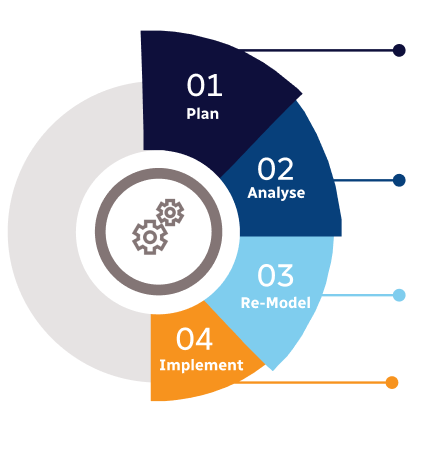
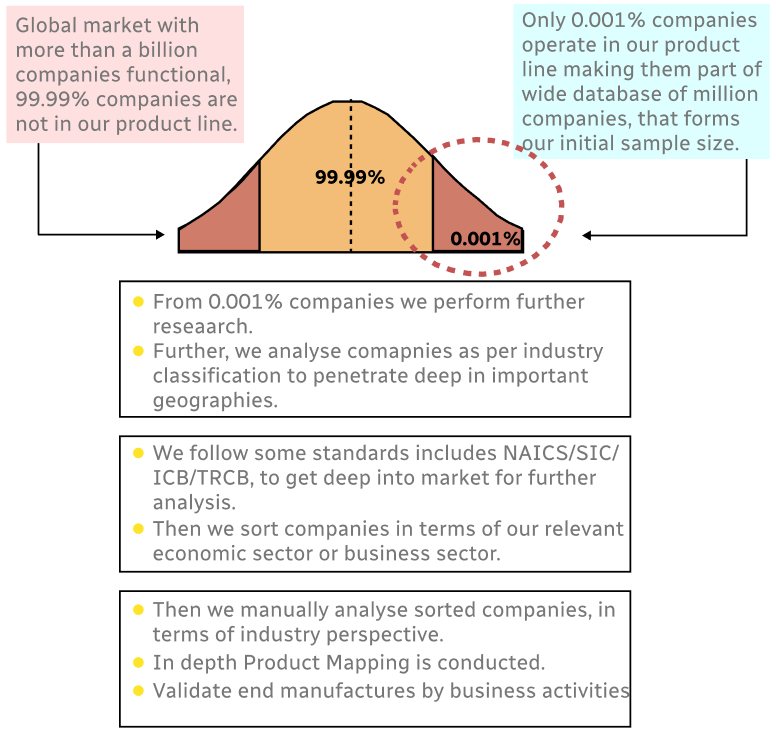
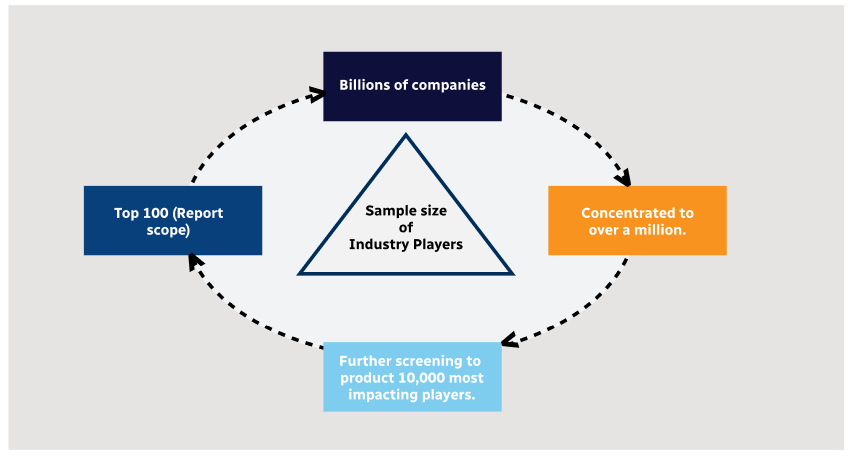
Step 1 - Identification of Relevant Samples Size from Population Database
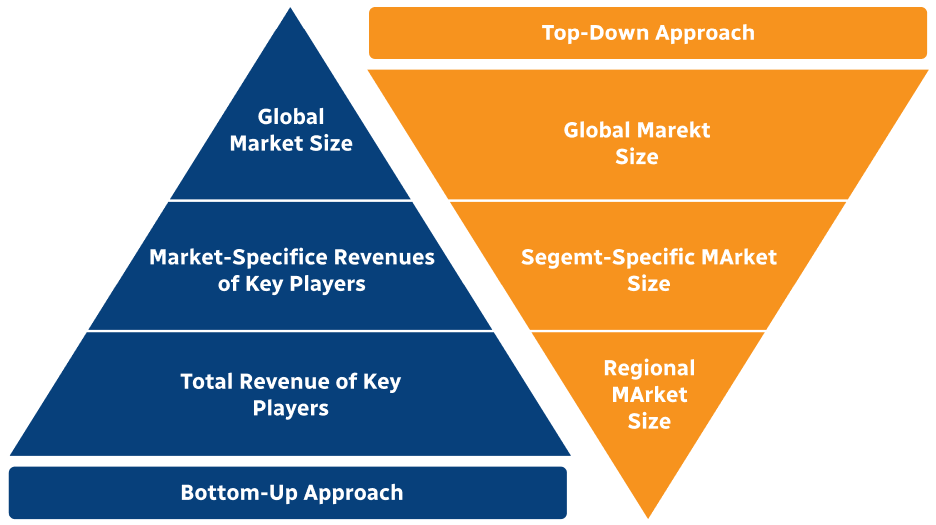
Step 2 - Approaches for Defining Global Market Size (Value, Volume* & Price*)
Note*: In applicable scenarios
Step 3 - Data Sources
Primary Research
- Web Analytics
- Survey Reports
- Research Institute
- Latest Research Reports
- Opinion Leaders
Secondary Research
- Annual Reports
- White Paper
- Latest Press Release
- Industry Association
- Paid Database
- Investor Presentations
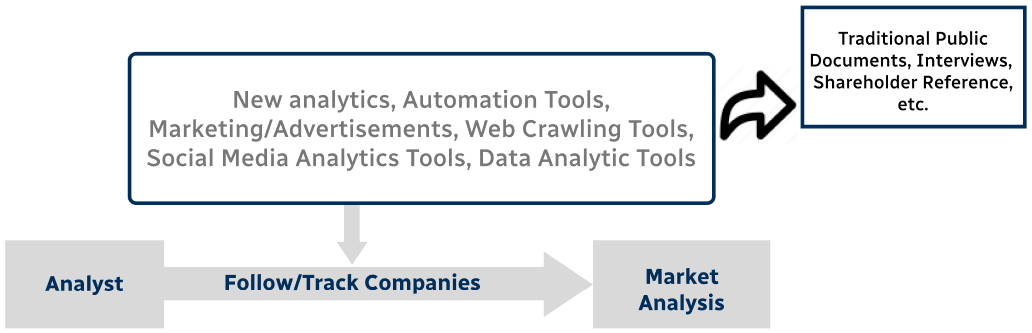
Step 4 - Data Triangulation
Involves using different sources of information in order to increase the validity of a study
These sources are likely to be stakeholders in a program - participants, other researchers, program staff, other community members, and so on.
Then we put all data in single framework & apply various statistical tools to find out the dynamic on the market.
During the analysis stage, feedback from the stakeholder groups would be compared to determine areas of agreement as well as areas of divergence


