


APAC Freight and Logistics Market Growth Opportunities: Market Size Forecast to 2034

APAC Freight and Logistics Market by End User Industry (Agriculture, Fishing, and Forestry, Construction, Manufacturing, Oil and Gas, Mining and Quarrying, Wholesale and Retail Trade, Others), by Logistics Function (Courier, Express, and Parcel (CEP), Freight Forwarding, Freight Transport, Warehousing and Storage, Other Services), by North America (United States, Canada, Mexico), by South America (Brazil, Argentina, Rest of South America), by Europe (United Kingdom, Germany, France, Italy, Spain, Russia, Benelux, Nordics, Rest of Europe), by Middle East & Africa (Turkey, Israel, GCC, North Africa, South Africa, Rest of Middle East & Africa), by Asia Pacific (China, India, Japan, South Korea, ASEAN, Oceania, Rest of Asia Pacific) Forecast 2026-2034

Jan 8 2026
Base Year: 2025

197 Pages
Main Logo

APAC Freight and Logistics Market Growth Opportunities: Market Size Forecast to 2034


Home
Industries
Logistics

About Precision Market View

Precision Market View offers precise market research, industry intelligence, and data analysis for healthcare, manufacturing, technology, and energy. Our reports provide the clarity you need to make informed decisions and drive growth.

Our team combines primary research, advanced analytics, and industry expertise to deliver actionable intelligence. We offer syndicated reports, custom research, and consulting services tailored to your business needs.

At Precision Market View, we are committed to quality, transparency, and client satisfaction. Every report is rigorously validated to ensure accuracy and relevance. Our global perspective and local expertise help you understand both the big picture and the finer details of your market.

Stay informed with Precision Market View. Subscribe to our newsletter for the latest updates and research highlights, and follow us on social media for real-time insights.

Precision Market View – Clarity for Your Strategic Decisions.

Business Address

Head Office

Ansec House 3 rd floor Tank Road, Yerwada, Pune, Maharashtra 411014

Contact Information

Craig Francis

Business Development Head

+17162654855

[email protected]

Secure Payment Partners

payment image
RetailLogisticsPackagingHealthcareAutomotiveAgricultureEnergy & PowerFood & BeverageAerospace & DefenseChemicals & MaterialsHospitality and TourismConsumer Goods and ServicesAnimal Nutrition & WellnessReal Estate and ConstructionTechnology, Media and TelecomHome and Property ImprovementManufacturing Products and ServicesFinancial Services and Investment Intelligence

© 2026 PRDUA Research & Media Private Limited, All rights reserved

Privacy Policy
Terms and Conditions
FAQ
  • Home
  • About Us
  • Industries
    • Retail
    • Hospitality and Tourism
    • Agriculture
    • Manufacturing Products and Services
    • Healthcare
    • Logistics
    • Aerospace & Defense
    • Professional and Commercial Services
    • Financial Services and Investment Intelligence
    • Consumer Goods and Services
    • Animal Nutrition & Wellness
    • Technology, Media and Telecom
    • Automotive
    • Home and Property Improvement
    • Real Estate and Construction
    • Packaging
    • Chemicals & Materials
    • Energy & Power
    • Food & Beverage
  • Services
  • Contact
Main Logo
  • Home
  • About Us
  • Industries
    • Retail
    • Hospitality and Tourism
    • Agriculture
    • Manufacturing Products and Services
    • Healthcare
    • Logistics
    • Aerospace & Defense
    • Professional and Commercial Services
    • Financial Services and Investment Intelligence
    • Consumer Goods and Services
    • Animal Nutrition & Wellness
    • Technology, Media and Telecom
    • Automotive
    • Home and Property Improvement
    • Real Estate and Construction
    • Packaging
    • Chemicals & Materials
    • Energy & Power
    • Food & Beverage
  • Services
  • Contact
+17162654855
[email protected]

+17162654855

[email protected]

Tailored for you

  • In-depth Analysis Tailored to Specified Regions or Segments
  • Company Profiles Customized to User Preferences
  • Comprehensive Insights Focused on Specific Segments or Regions
  • Customized Evaluation of Competitive Landscape to Meet Your Needs
  • Tailored Customization to Address Other Specific Requirements
Ask for customization
avatar

Analyst at Providence Strategic Partners at Petaling Jaya

Jared Wan

I have received the report already. Thanks you for your help.it has been a pleasure working with you. Thank you againg for a good quality report

avatar

US TPS Business Development Manager at Thermon

Erik Perison

The response was good, and I got what I was looking for as far as the report. Thank you for that.

avatar

Global Product, Quality & Strategy Executive- Principal Innovator at Donaldson

Shankar Godavarti

As requested- presale engagement was good, your perseverance, support and prompt responses were noted. Your follow up with vm’s were much appreciated. Happy with the final report and post sales by your team.

artwork spiralartwork spiralRelated Reports
artwork underline

North America Freight and Logistics Industry Market’s Tech Revolution: Projections to 2034

Explore the dynamic North America freight and logistics market, revealing key insights on growth drivers, segments, and top companies. Understand market trends and size for strategic planning.

January 2026
Base Year: 2025
No Of Pages: 197
Price: $3800

Strategic Insights into Singapore Container Transshipment Market Market Trends

Explore the robust Singapore Container Transshipment Market forecast, driven by strategic logistics, advanced infrastructure, and global trade growth. Discover key trends, market size, and CAGR.

January 2026
Base Year: 2025
No Of Pages: 197
Price: $3800

Colombia Freight and Logistics Market Market’s Growth Blueprint

Explore the dynamic Colombia Freight and Logistics Market, driven by robust trade growth and technological advancements. Discover key segments, drivers, and trends shaping the industry's future.

January 2026
Base Year: 2025
No Of Pages: 197
Price: $3800

B2B Courier Express Parcel Market Market Analysis and Growth Roadmap

Explore the dynamic B2B Courier Express Parcel Market, projected to reach USD 297.30 million with a 9.93% CAGR by 2033. Discover key drivers, trends in e-commerce logistics, and regional growth opportunities.

January 2026
Base Year: 2025
No Of Pages: 234
Price: $4750

Future Prospects for South Africa Freight and Logistics Industry Growth

Explore the dynamic South African freight and logistics market analysis, market size of $64.09 billion in 2025, 5.9% CAGR, key drivers, trends, and company insights.

January 2026
Base Year: 2025
No Of Pages: 197
Price: $3800

ASEAN Cross Border Road Freight Transport Industry in Emerging Markets: Analysis and Projections 2026-2034

Explore the booming ASEAN Cross Border Road Freight Transport Industry. Discover market size of USD 8500 Million by 2025, a 5.98% CAGR, key drivers, restraints, and trends.

December 2025
Base Year: 2025
No Of Pages: 197
Price: $3800

Key Insights

The Asia-Pacific (APAC) Freight and Logistics Market is projected to experience substantial growth, with an estimated market size of $1380.3 billion by 2024. This expansion is driven by a robust CAGR of 7.6%, fueled by the booming e-commerce sector, rapid industrialization in key economies like China and India, and increasing intra-regional trade. The "Others" segment is expected to contribute significantly due to the region's diverse economic landscape. Accelerated demand for Courier, Express, and Parcel (CEP) services, particularly international CEP, is evident due to cross-border online shopping and B2B transactions. Emerging economies in ASEAN and Oceania are also demonstrating promising growth, indicating a broad expansion across the APAC region.

APAC Freight and Logistics Market Research Report - Market Overview and Key Insights

APAC Freight and Logistics Market Market Size (In Million)

2.5M
2.0M
1.5M
1.0M
500.0k
0
1.485 M
2025
1.598 M
2026
1.720 M
2027
1.850 M
2028
1.991 M
2029
2.142 M
2030
2.305 M
2031
Main Logo

While the outlook is positive, market restraints include escalating operational costs such as rising fuel and labor prices, which could impact logistics providers' profit margins. Furthermore, inconsistent regulatory frameworks across APAC nations can complicate cross-border operations. However, the adoption of advanced technologies like AI for route optimization, IoT for real-time tracking, and warehouse automation are significant drivers enhancing efficiency and mitigating these challenges. The increasing demand for temperature-controlled warehousing for pharmaceuticals and perishables presents a lucrative niche. Key players like Sinotrans Limited, SF Express, and FedEx are investing heavily in infrastructure and technology to capitalize on this dynamic market.

APAC Freight and Logistics Market Market Size and Forecast (2024-2030)

APAC Freight and Logistics Market Company Market Share

Loading chart...
Main Logo

This comprehensive report offers a definitive analysis of the APAC Freight and Logistics Market. Covering the historical period 2019–2024, with a base year of 2024 and a forecast period extending to 2033, this study provides critical insights into market size, growth drivers, emerging trends, and competitive landscapes. It examines key segments including Courier, Express, and Parcel (CEP) (Domestic and International), Freight Forwarding (Air, Sea, and Inland Waterways), Freight Transport (Pipelines, Rail, Road), Warehousing and Storage (Non-Temperature Controlled), and Other Services. With a projected market value of $1380.3 billion, this report is an essential resource for stakeholders aiming to navigate the complexities and seize opportunities within the Asia-Pacific logistics sector. It details the strategies of leading companies such as DB Schenker, Sinotrans Limited, United Parcel Service of America Inc (UPS), NYK (Nippon Yusen Kaisha) Line, DHL Group, DSV A/S, SG Holdings Co Ltd, Alps Logistics, FedEx, Kuehne + Nagel, C H Robinson, SF Express (KEX-SF), DP World, and Expeditors International of Washington Inc.


APAC Freight and Logistics Market Market Structure & Competitive Dynamics

The APAC Freight and Logistics Market is characterized by a moderately concentrated structure, with a few dominant global players and a significant number of regional and niche operators. The market’s competitive intensity is driven by an increasing focus on technological integration, sustainability initiatives, and evolving end-user demands. Innovation ecosystems are flourishing, fueled by investments in digitalization, automation, and advanced analytics, enabling companies to optimize supply chains and enhance service offerings. Regulatory frameworks across the APAC region present both opportunities and challenges, with varying levels of trade liberalization, customs procedures, and environmental regulations impacting cross-border logistics. Product substitutes are emerging in the form of advanced digital platforms and shared logistics models, challenging traditional asset-heavy operations. End-user trends are heavily influenced by the booming e-commerce sector and the burgeoning manufacturing base, demanding faster, more flexible, and cost-effective logistics solutions. Mergers and acquisitions (M&A) activities are a key strategy for market consolidation and expansion, with significant deal values observed as companies seek to gain market share, acquire new technologies, or expand their geographic reach. For instance, the acquisition of XPO Logistics' European business by Deutsche Post DHL Group for €XXX Million signifies the strategic intent to bolster global capabilities. The overall market value is estimated to reach over $XXX Billion by 2025, with a projected CAGR of X.XX% throughout the forecast period.


APAC Freight and Logistics Market Industry Trends & Insights

The APAC Freight and Logistics Market is experiencing a period of unprecedented growth and transformation, primarily fueled by the robust expansion of e-commerce, a burgeoning manufacturing sector, and increasing intra-regional trade. The region's economic dynamism, coupled with a growing middle class and rising disposable incomes, has led to a surge in demand for efficient and reliable logistics services. Technological disruptions are profoundly reshaping the industry, with the adoption of Artificial Intelligence (AI) for route optimization, predictive analytics for demand forecasting, and the Internet of Things (IoT) for real-time shipment tracking significantly enhancing operational efficiency and transparency. Blockchain technology is gaining traction for its potential to improve supply chain security and traceability. Consumer preferences are increasingly geared towards same-day or next-day delivery, personalized logistics solutions, and a greater emphasis on sustainability, pushing logistics providers to invest in green fleets and eco-friendly packaging. Competitive dynamics are intensifying, with a constant race to offer innovative solutions, competitive pricing, and superior customer service. The CAGR for the APAC Freight and Logistics Market is estimated at X.XX%, with market penetration deepening across various end-user industries. The projected market size for the forecast period is expected to reach over $XXX Billion by 2033, demonstrating a sustained upward trajectory. Key market drivers include government initiatives promoting trade facilitation, infrastructure development projects, and the continuous digital transformation of businesses across the region.


Dominant Markets & Segments in APAC Freight and Logistics Market

The APAC Freight and Logistics Market is segmented across various end-user industries and logistics functions, each exhibiting distinct growth patterns and dominance.

End User Industry Dominance:

  • Wholesale and Retail Trade: This segment is the undisputed leader, driven by the colossal growth of e-commerce and the increasing demand for efficient last-mile delivery and warehousing solutions. The shift from traditional brick-and-mortar retail to online platforms has significantly boosted the requirement for specialized logistics services to handle a higher volume of smaller, more frequent shipments. Economic policies promoting cross-border e-commerce and reducing trade barriers have further amplified this segment’s dominance.
  • Manufacturing: As the "world's factory," APAC's manufacturing sector remains a cornerstone of the logistics market. The intricate supply chains required for raw material sourcing, component assembly, and finished goods distribution, both domestically and internationally, necessitate sophisticated freight forwarding and transport services. Infrastructure development, particularly in industrial hubs, plays a crucial role in supporting this segment.
  • Construction: While more project-specific, the construction industry contributes significantly to freight movement, requiring specialized transport for heavy machinery, building materials, and equipment. The ongoing urbanization and infrastructure development projects across the region are key drivers.
  • Oil and Gas & Mining and Quarrying: These sectors, while cyclical, generate substantial demand for specialized logistics solutions, including the transportation of bulk commodities, heavy equipment, and hazardous materials, often in remote or challenging terrains.
  • Agriculture, Fishing, and Forestry: This segment's logistics needs are evolving with advancements in cold chain logistics for perishable goods and specialized transport for forestry products.
  • Others: This encompasses a diverse range of industries with unique logistics requirements, collectively contributing to market growth.

Logistics Function Dominance:

  • Courier, Express, and Parcel (CEP) (Domestic & International): This segment is experiencing explosive growth, primarily propelled by e-commerce. The demand for fast, reliable, and trackable parcel delivery services, both within countries and across borders, has made CEP the most dynamic segment.
    • Domestic CEP: Fueled by same-day and next-day delivery expectations, this sub-segment is a major growth engine.
    • International CEP: Cross-border e-commerce expansion and global supply chain integration drive this sub-segment.
  • Freight Forwarding (By Mode Of Transport):
    • Sea Freight: Remains the backbone for bulk and containerized cargo due to its cost-effectiveness for long-haul transportation. Dominant in moving large volumes of manufactured goods and raw materials.
    • Air Freight: Critical for time-sensitive and high-value shipments, including perishables, pharmaceuticals, and electronics. Its role is amplified by the increasing need for rapid global connectivity.
    • Inland Waterways & Others: Plays a significant role in specific regions and for certain types of cargo, offering a more sustainable and cost-effective alternative for bulk transport.
  • Freight Transport:
    • Road Freight: The most ubiquitous mode for last-mile delivery and short-to-medium haul transportation, offering flexibility and door-to-door service.
    • Rail Freight: Increasingly important for long-haul bulk transport and intermodal connections, offering environmental benefits and efficiency.
    • Pipelines: Primarily for oil and gas transportation, this segment is crucial for energy supply chains.
  • Warehousing and Storage (Non-Temperature Controlled): Essential for inventory management, consolidation, and distribution across all industries. The growth of e-commerce has spurred demand for modern, strategically located warehousing facilities.
  • Other Services: Includes value-added services like customs brokerage, cargo insurance, reverse logistics, and supply chain consulting, which are gaining prominence as companies seek end-to-end logistics solutions.

The dominance of these segments is shaped by regional economic policies, infrastructure development, technological adoption rates, and evolving consumer behavior. For instance, countries with strong manufacturing bases will see higher demand for freight forwarding, while those with a booming online retail sector will experience accelerated growth in CEP services.


APAC Freight and Logistics Market Product Innovations

Product innovations in the APAC Freight and Logistics Market are primarily focused on enhancing efficiency, sustainability, and customer experience. Digitalization is at the forefront, with the development of AI-powered route optimization software that reduces transit times and fuel consumption by up to 15%. IoT-enabled sensors are revolutionizing cargo tracking, providing real-time data on location, temperature, and humidity, thereby improving product integrity and security. Advanced automation in warehouses, including robotic picking and sorting systems, is significantly increasing throughput and reducing labor costs. Furthermore, the push for decarbonization has led to the introduction of electric vehicles (EVs) for last-mile delivery and the increased use of sustainable aviation fuel (SAF) in air freight operations. These innovations offer competitive advantages by enabling faster deliveries, reducing operational expenses, and aligning with the growing demand for environmentally responsible logistics solutions.


Report Segmentation & Scope

This report meticulously segments the APAC Freight and Logistics Market across key dimensions to provide granular insights.

End User Industry: The market is analyzed by its contribution from Agriculture, Fishing, and Forestry; Construction; Manufacturing; Oil and Gas; Mining and Quarrying; Wholesale and Retail Trade; and Others. Each segment is evaluated based on its specific logistics demands, growth drivers, and projected market share, offering a comprehensive view of industry-specific logistics needs and their evolution.

Logistics Function: The report details the market by Courier, Express, and Parcel (CEP), further categorized by Destination Type (Domestic, International). It also analyzes Freight Forwarding, broken down by Mode Of Transport (Air, Sea and Inland Waterways, Others). Additionally, Freight Transport is examined across Pipelines, Rail, and Road. The Warehousing and Storage segment is analyzed by Temperature Control (Non-Temperature Controlled). Finally, Other Services are also covered. Each function is assessed for its market size, growth projections, and competitive dynamics.


Key Drivers of APAC Freight and Logistics Market Growth

The APAC Freight and Logistics Market is propelled by a confluence of powerful drivers. The rapid expansion of the e-commerce sector, fueled by increasing internet penetration and mobile adoption, creates immense demand for efficient parcel delivery and warehousing. Growing intra-regional and international trade agreements, coupled with supportive government policies aimed at improving trade facilitation and infrastructure development (e.g., port upgrades, high-speed rail networks), significantly enhance the flow of goods. Technological advancements, including AI, IoT, and blockchain, are optimizing supply chain operations, reducing costs, and improving visibility. The increasing disposable incomes and a growing middle class are contributing to higher consumption patterns, thereby driving demand for goods and, consequently, logistics services. Furthermore, the ongoing digitalization of manufacturing and retail sectors necessitates integrated and agile supply chain solutions.


Challenges in the APAC Freight and Logistics Market Sector

Despite its robust growth, the APAC Freight and Logistics Market faces several significant challenges. Regulatory fragmentation across different countries within the region can lead to complex customs procedures, varying import/export regulations, and compliance issues, hindering seamless cross-border movement of goods. Infrastructure gaps persist in certain developing economies, leading to bottlenecks and increased transit times. Intense competition and price wars, particularly in the saturated CEP segment, put pressure on profit margins. The increasing demand for sustainability also presents a challenge, requiring substantial investment in green technologies and decarbonization initiatives. Supply chain disruptions, exacerbated by geopolitical events, natural disasters, and pandemics, pose a continuous risk, necessitating greater resilience and agility in logistics operations.


Leading Players in the APAC Freight and Logistics Market Market

  • DB Schenker
  • Sinotrans Limited
  • United Parcel Service of America Inc (UPS)
  • NYK (Nippon Yusen Kaisha) Line
  • DHL Group
  • DSV A/S (De Sammensluttede Vognmænd af Air and Sea)
  • SG Holdings Co Ltd
  • Alps Logistics
  • FedEx
  • Kuehne + Nagel
  • C H Robinson
  • SF Express (KEX-SF)
  • DP World
  • Expeditors International of Washington Inc

Key Developments in APAC Freight and Logistics Market Sector

  • February 2024: DHL Supply Chain (DHL) is continuing the decarbonization of its Australian transport fleet by introducing additional new electric vehicles. The company has added two Terberg YT200EV electric yard tractors to its truck fleet and is supporting Australian electric vehicle manufacturing with the introduction of its first SEA Electric light duty truck to its last-mile fleet.
  • February 2024: DHL Japan and SCREEN Semiconductor Solutions Co., Ltd. announced that they have signed a long-term contract for GoGreen Plus, a transportation service that reduces (inset) CO2 emissions associated with transportation through the use of sustainable aviation fuel (SAF).
  • January 2024: DHL Express has commenced services for the final Boeing 777 freighter deployed at the South Asia Hub in Singapore. With a payload capability of 102 tons, the aircraft joins the four other Boeing 777 freighters already deployed in Singapore to boost inter-continental connectivity between the Asia Pacific and the Americas. Sporting a dual DHL-Singapore Airlines (SIA) livery, these five freighters provide a total of 1,224 tons of payload capacity to meet growing customer demand for international express shipping services.

Strategic APAC Freight and Logistics Market Market Outlook

The strategic outlook for the APAC Freight and Logistics Market remains exceptionally positive, driven by ongoing economic growth, technological integration, and evolving consumer demands. Significant opportunities lie in leveraging digital transformation to enhance supply chain visibility, optimize operations through AI and automation, and provide value-added services. The growing emphasis on sustainability presents a strategic imperative and a differentiator for companies that invest in green logistics solutions, such as electric fleets and SAF. Expansion into emerging economies within the APAC region, coupled with strategic partnerships and mergers & acquisitions, will be crucial for gaining market share and diversifying service portfolios. The continued rise of e-commerce will sustain the demand for efficient CEP and warehousing solutions. Furthermore, the development of resilient and agile supply chains capable of withstanding disruptions will be paramount. The market is poised for continued substantial growth, projected to reach over $XXX Billion by 2033, with strategic foresight and adaptability being key to success.

APAC Freight and Logistics Market Segmentation

  • 1. End User Industry
    • 1.1. Agriculture, Fishing, and Forestry
    • 1.2. Construction
    • 1.3. Manufacturing
    • 1.4. Oil and Gas, Mining and Quarrying
    • 1.5. Wholesale and Retail Trade
    • 1.6. Others
  • 2. Logistics Function
    • 2.1. Courier, Express, and Parcel (CEP)
      • 2.1.1. By Destination Type
        • 2.1.1.1. Domestic
        • 2.1.1.2. International
    • 2.2. Freight Forwarding
      • 2.2.1. By Mode Of Transport
        • 2.2.1.1. Air
        • 2.2.1.2. Sea and Inland Waterways
        • 2.2.1.3. Others
    • 2.3. Freight Transport
      • 2.3.1. Pipelines
      • 2.3.2. Rail
      • 2.3.3. Road
    • 2.4. Warehousing and Storage
      • 2.4.1. By Temperature Control
        • 2.4.1.1. Non-Temperature Controlled
    • 2.5. Other Services

APAC Freight and Logistics Market Segmentation By Geography

  • 1. North America
    • 1.1. United States
    • 1.2. Canada
    • 1.3. Mexico
  • 2. South America
    • 2.1. Brazil
    • 2.2. Argentina
    • 2.3. Rest of South America
  • 3. Europe
    • 3.1. United Kingdom
    • 3.2. Germany
    • 3.3. France
    • 3.4. Italy
    • 3.5. Spain
    • 3.6. Russia
    • 3.7. Benelux
    • 3.8. Nordics
    • 3.9. Rest of Europe
  • 4. Middle East & Africa
    • 4.1. Turkey
    • 4.2. Israel
    • 4.3. GCC
    • 4.4. North Africa
    • 4.5. South Africa
    • 4.6. Rest of Middle East & Africa
  • 5. Asia Pacific
    • 5.1. China
    • 5.2. India
    • 5.3. Japan
    • 5.4. South Korea
    • 5.5. ASEAN
    • 5.6. Oceania
    • 5.7. Rest of Asia Pacific
APAC Freight and Logistics Market Market Share by Region - Global Geographic Distribution

APAC Freight and Logistics Market Regional Market Share

Loading chart...
Main Logo

Geographic Coverage of APAC Freight and Logistics Market

Higher Coverage
Lower Coverage
No Coverage

APAC Freight and Logistics Market REPORT HIGHLIGHTS

AspectsDetails
Study Period 2020-2034
Base Year 2025
Estimated Year 2026
Forecast Period2026-2034
Historical Period2020-2025
Growth RateCAGR of 7.6% from 2020-2034
Segmentation
    • By End User Industry
      • Agriculture, Fishing, and Forestry
      • Construction
      • Manufacturing
      • Oil and Gas, Mining and Quarrying
      • Wholesale and Retail Trade
      • Others
    • By Logistics Function
      • Courier, Express, and Parcel (CEP)
        • By Destination Type
          • Domestic
          • International
      • Freight Forwarding
        • By Mode Of Transport
          • Air
          • Sea and Inland Waterways
          • Others
      • Freight Transport
        • Pipelines
        • Rail
        • Road
      • Warehousing and Storage
        • By Temperature Control
          • Non-Temperature Controlled
      • Other Services
  • By Geography
    • North America
      • United States
      • Canada
      • Mexico
    • South America
      • Brazil
      • Argentina
      • Rest of South America
    • Europe
      • United Kingdom
      • Germany
      • France
      • Italy
      • Spain
      • Russia
      • Benelux
      • Nordics
      • Rest of Europe
    • Middle East & Africa
      • Turkey
      • Israel
      • GCC
      • North Africa
      • South Africa
      • Rest of Middle East & Africa
    • Asia Pacific
      • China
      • India
      • Japan
      • South Korea
      • ASEAN
      • Oceania
      • Rest of Asia Pacific

Table of Contents

  1. 1. Introduction
    • 1.1. Research Scope
    • 1.2. Market Segmentation
    • 1.3. Research Methodology
    • 1.4. Definitions and Assumptions
  2. 2. Executive Summary
    • 2.1. Introduction
  3. 3. Market Dynamics
    • 3.1. Introduction
      • 3.2. Market Drivers
        • 3.2.1. Increasing Cross-Border Trade; Development of Transportation Infrastructure in the Country; Establishment of Special Economic Zones
      • 3.3. Market Restrains
        • 3.3.1. High Cost of 3PL Services; Skilled Labor Shortages
      • 3.4. Market Trends
        • 3.4.1. OTHER KEY INDUSTRY TRENDS COVERED IN THE REPORT
  4. 4. Market Factor Analysis
    • 4.1. Porters Five Forces
    • 4.2. Supply/Value Chain
    • 4.3. PESTEL analysis
    • 4.4. Market Entropy
    • 4.5. Patent/Trademark Analysis
  5. 5. Global APAC Freight and Logistics Market Analysis, Insights and Forecast, 2020-2032
    • 5.1. Market Analysis, Insights and Forecast - by End User Industry
      • 5.1.1. Agriculture, Fishing, and Forestry
      • 5.1.2. Construction
      • 5.1.3. Manufacturing
      • 5.1.4. Oil and Gas, Mining and Quarrying
      • 5.1.5. Wholesale and Retail Trade
      • 5.1.6. Others
    • 5.2. Market Analysis, Insights and Forecast - by Logistics Function
      • 5.2.1. Courier, Express, and Parcel (CEP)
        • 5.2.1.1. By Destination Type
          • 5.2.1.1.1. Domestic
          • 5.2.1.1.2. International
      • 5.2.2. Freight Forwarding
        • 5.2.2.1. By Mode Of Transport
          • 5.2.2.1.1. Air
          • 5.2.2.1.2. Sea and Inland Waterways
          • 5.2.2.1.3. Others
      • 5.2.3. Freight Transport
        • 5.2.3.1. Pipelines
        • 5.2.3.2. Rail
        • 5.2.3.3. Road
      • 5.2.4. Warehousing and Storage
        • 5.2.4.1. By Temperature Control
          • 5.2.4.1.1. Non-Temperature Controlled
      • 5.2.5. Other Services
    • 5.3. Market Analysis, Insights and Forecast - by Region
      • 5.3.1. North America
      • 5.3.2. South America
      • 5.3.3. Europe
      • 5.3.4. Middle East & Africa
      • 5.3.5. Asia Pacific
  6. 6. North America APAC Freight and Logistics Market Analysis, Insights and Forecast, 2020-2032
    • 6.1. Market Analysis, Insights and Forecast - by End User Industry
      • 6.1.1. Agriculture, Fishing, and Forestry
      • 6.1.2. Construction
      • 6.1.3. Manufacturing
      • 6.1.4. Oil and Gas, Mining and Quarrying
      • 6.1.5. Wholesale and Retail Trade
      • 6.1.6. Others
    • 6.2. Market Analysis, Insights and Forecast - by Logistics Function
      • 6.2.1. Courier, Express, and Parcel (CEP)
        • 6.2.1.1. By Destination Type
          • 6.2.1.1.1. Domestic
          • 6.2.1.1.2. International
      • 6.2.2. Freight Forwarding
        • 6.2.2.1. By Mode Of Transport
          • 6.2.2.1.1. Air
          • 6.2.2.1.2. Sea and Inland Waterways
          • 6.2.2.1.3. Others
      • 6.2.3. Freight Transport
        • 6.2.3.1. Pipelines
        • 6.2.3.2. Rail
        • 6.2.3.3. Road
      • 6.2.4. Warehousing and Storage
        • 6.2.4.1. By Temperature Control
          • 6.2.4.1.1. Non-Temperature Controlled
      • 6.2.5. Other Services
  7. 7. South America APAC Freight and Logistics Market Analysis, Insights and Forecast, 2020-2032
    • 7.1. Market Analysis, Insights and Forecast - by End User Industry
      • 7.1.1. Agriculture, Fishing, and Forestry
      • 7.1.2. Construction
      • 7.1.3. Manufacturing
      • 7.1.4. Oil and Gas, Mining and Quarrying
      • 7.1.5. Wholesale and Retail Trade
      • 7.1.6. Others
    • 7.2. Market Analysis, Insights and Forecast - by Logistics Function
      • 7.2.1. Courier, Express, and Parcel (CEP)
        • 7.2.1.1. By Destination Type
          • 7.2.1.1.1. Domestic
          • 7.2.1.1.2. International
      • 7.2.2. Freight Forwarding
        • 7.2.2.1. By Mode Of Transport
          • 7.2.2.1.1. Air
          • 7.2.2.1.2. Sea and Inland Waterways
          • 7.2.2.1.3. Others
      • 7.2.3. Freight Transport
        • 7.2.3.1. Pipelines
        • 7.2.3.2. Rail
        • 7.2.3.3. Road
      • 7.2.4. Warehousing and Storage
        • 7.2.4.1. By Temperature Control
          • 7.2.4.1.1. Non-Temperature Controlled
      • 7.2.5. Other Services
  8. 8. Europe APAC Freight and Logistics Market Analysis, Insights and Forecast, 2020-2032
    • 8.1. Market Analysis, Insights and Forecast - by End User Industry
      • 8.1.1. Agriculture, Fishing, and Forestry
      • 8.1.2. Construction
      • 8.1.3. Manufacturing
      • 8.1.4. Oil and Gas, Mining and Quarrying
      • 8.1.5. Wholesale and Retail Trade
      • 8.1.6. Others
    • 8.2. Market Analysis, Insights and Forecast - by Logistics Function
      • 8.2.1. Courier, Express, and Parcel (CEP)
        • 8.2.1.1. By Destination Type
          • 8.2.1.1.1. Domestic
          • 8.2.1.1.2. International
      • 8.2.2. Freight Forwarding
        • 8.2.2.1. By Mode Of Transport
          • 8.2.2.1.1. Air
          • 8.2.2.1.2. Sea and Inland Waterways
          • 8.2.2.1.3. Others
      • 8.2.3. Freight Transport
        • 8.2.3.1. Pipelines
        • 8.2.3.2. Rail
        • 8.2.3.3. Road
      • 8.2.4. Warehousing and Storage
        • 8.2.4.1. By Temperature Control
          • 8.2.4.1.1. Non-Temperature Controlled
      • 8.2.5. Other Services
  9. 9. Middle East & Africa APAC Freight and Logistics Market Analysis, Insights and Forecast, 2020-2032
    • 9.1. Market Analysis, Insights and Forecast - by End User Industry
      • 9.1.1. Agriculture, Fishing, and Forestry
      • 9.1.2. Construction
      • 9.1.3. Manufacturing
      • 9.1.4. Oil and Gas, Mining and Quarrying
      • 9.1.5. Wholesale and Retail Trade
      • 9.1.6. Others
    • 9.2. Market Analysis, Insights and Forecast - by Logistics Function
      • 9.2.1. Courier, Express, and Parcel (CEP)
        • 9.2.1.1. By Destination Type
          • 9.2.1.1.1. Domestic
          • 9.2.1.1.2. International
      • 9.2.2. Freight Forwarding
        • 9.2.2.1. By Mode Of Transport
          • 9.2.2.1.1. Air
          • 9.2.2.1.2. Sea and Inland Waterways
          • 9.2.2.1.3. Others
      • 9.2.3. Freight Transport
        • 9.2.3.1. Pipelines
        • 9.2.3.2. Rail
        • 9.2.3.3. Road
      • 9.2.4. Warehousing and Storage
        • 9.2.4.1. By Temperature Control
          • 9.2.4.1.1. Non-Temperature Controlled
      • 9.2.5. Other Services
  10. 10. Asia Pacific APAC Freight and Logistics Market Analysis, Insights and Forecast, 2020-2032
    • 10.1. Market Analysis, Insights and Forecast - by End User Industry
      • 10.1.1. Agriculture, Fishing, and Forestry
      • 10.1.2. Construction
      • 10.1.3. Manufacturing
      • 10.1.4. Oil and Gas, Mining and Quarrying
      • 10.1.5. Wholesale and Retail Trade
      • 10.1.6. Others
    • 10.2. Market Analysis, Insights and Forecast - by Logistics Function
      • 10.2.1. Courier, Express, and Parcel (CEP)
        • 10.2.1.1. By Destination Type
          • 10.2.1.1.1. Domestic
          • 10.2.1.1.2. International
      • 10.2.2. Freight Forwarding
        • 10.2.2.1. By Mode Of Transport
          • 10.2.2.1.1. Air
          • 10.2.2.1.2. Sea and Inland Waterways
          • 10.2.2.1.3. Others
      • 10.2.3. Freight Transport
        • 10.2.3.1. Pipelines
        • 10.2.3.2. Rail
        • 10.2.3.3. Road
      • 10.2.4. Warehousing and Storage
        • 10.2.4.1. By Temperature Control
          • 10.2.4.1.1. Non-Temperature Controlled
      • 10.2.5. Other Services
  11. 11. Competitive Analysis
    • 11.1. Global Market Share Analysis 2025
      • 11.2. Company Profiles
        • 11.2.1 DB Schenker
          • 11.2.1.1. Overview
          • 11.2.1.2. Products
          • 11.2.1.3. SWOT Analysis
          • 11.2.1.4. Recent Developments
          • 11.2.1.5. Financials (Based on Availability)
        • 11.2.2 Sinotrans Limited
          • 11.2.2.1. Overview
          • 11.2.2.2. Products
          • 11.2.2.3. SWOT Analysis
          • 11.2.2.4. Recent Developments
          • 11.2.2.5. Financials (Based on Availability)
        • 11.2.3 United Parcel Service of America Inc (UPS
          • 11.2.3.1. Overview
          • 11.2.3.2. Products
          • 11.2.3.3. SWOT Analysis
          • 11.2.3.4. Recent Developments
          • 11.2.3.5. Financials (Based on Availability)
        • 11.2.4 NYK (Nippon Yusen Kaisha) Line
          • 11.2.4.1. Overview
          • 11.2.4.2. Products
          • 11.2.4.3. SWOT Analysis
          • 11.2.4.4. Recent Developments
          • 11.2.4.5. Financials (Based on Availability)
        • 11.2.5 DHL Group
          • 11.2.5.1. Overview
          • 11.2.5.2. Products
          • 11.2.5.3. SWOT Analysis
          • 11.2.5.4. Recent Developments
          • 11.2.5.5. Financials (Based on Availability)
        • 11.2.6 DSV A/S (De Sammensluttede Vognmænd af Air and Sea)
          • 11.2.6.1. Overview
          • 11.2.6.2. Products
          • 11.2.6.3. SWOT Analysis
          • 11.2.6.4. Recent Developments
          • 11.2.6.5. Financials (Based on Availability)
        • 11.2.7 SG Holdings Co Ltd
          • 11.2.7.1. Overview
          • 11.2.7.2. Products
          • 11.2.7.3. SWOT Analysis
          • 11.2.7.4. Recent Developments
          • 11.2.7.5. Financials (Based on Availability)
        • 11.2.8 Alps Logistics
          • 11.2.8.1. Overview
          • 11.2.8.2. Products
          • 11.2.8.3. SWOT Analysis
          • 11.2.8.4. Recent Developments
          • 11.2.8.5. Financials (Based on Availability)
        • 11.2.9 FedEx
          • 11.2.9.1. Overview
          • 11.2.9.2. Products
          • 11.2.9.3. SWOT Analysis
          • 11.2.9.4. Recent Developments
          • 11.2.9.5. Financials (Based on Availability)
        • 11.2.10 Kuehne + Nagel
          • 11.2.10.1. Overview
          • 11.2.10.2. Products
          • 11.2.10.3. SWOT Analysis
          • 11.2.10.4. Recent Developments
          • 11.2.10.5. Financials (Based on Availability)
        • 11.2.11 C H Robinson
          • 11.2.11.1. Overview
          • 11.2.11.2. Products
          • 11.2.11.3. SWOT Analysis
          • 11.2.11.4. Recent Developments
          • 11.2.11.5. Financials (Based on Availability)
        • 11.2.12 SF Express (KEX-SF)
          • 11.2.12.1. Overview
          • 11.2.12.2. Products
          • 11.2.12.3. SWOT Analysis
          • 11.2.12.4. Recent Developments
          • 11.2.12.5. Financials (Based on Availability)
        • 11.2.13 DP World
          • 11.2.13.1. Overview
          • 11.2.13.2. Products
          • 11.2.13.3. SWOT Analysis
          • 11.2.13.4. Recent Developments
          • 11.2.13.5. Financials (Based on Availability)
        • 11.2.14 Expeditors International of Washington Inc
          • 11.2.14.1. Overview
          • 11.2.14.2. Products
          • 11.2.14.3. SWOT Analysis
          • 11.2.14.4. Recent Developments
          • 11.2.14.5. Financials (Based on Availability)

List of Figures

  1. Figure 1: Global APAC Freight and Logistics Market Revenue Breakdown (billion, %) by Region 2025 & 2033
  2. Figure 2: North America APAC Freight and Logistics Market Revenue (billion), by End User Industry 2025 & 2033
  3. Figure 3: North America APAC Freight and Logistics Market Revenue Share (%), by End User Industry 2025 & 2033
  4. Figure 4: North America APAC Freight and Logistics Market Revenue (billion), by Logistics Function 2025 & 2033
  5. Figure 5: North America APAC Freight and Logistics Market Revenue Share (%), by Logistics Function 2025 & 2033
  6. Figure 6: North America APAC Freight and Logistics Market Revenue (billion), by Country 2025 & 2033
  7. Figure 7: North America APAC Freight and Logistics Market Revenue Share (%), by Country 2025 & 2033
  8. Figure 8: South America APAC Freight and Logistics Market Revenue (billion), by End User Industry 2025 & 2033
  9. Figure 9: South America APAC Freight and Logistics Market Revenue Share (%), by End User Industry 2025 & 2033
  10. Figure 10: South America APAC Freight and Logistics Market Revenue (billion), by Logistics Function 2025 & 2033
  11. Figure 11: South America APAC Freight and Logistics Market Revenue Share (%), by Logistics Function 2025 & 2033
  12. Figure 12: South America APAC Freight and Logistics Market Revenue (billion), by Country 2025 & 2033
  13. Figure 13: South America APAC Freight and Logistics Market Revenue Share (%), by Country 2025 & 2033
  14. Figure 14: Europe APAC Freight and Logistics Market Revenue (billion), by End User Industry 2025 & 2033
  15. Figure 15: Europe APAC Freight and Logistics Market Revenue Share (%), by End User Industry 2025 & 2033
  16. Figure 16: Europe APAC Freight and Logistics Market Revenue (billion), by Logistics Function 2025 & 2033
  17. Figure 17: Europe APAC Freight and Logistics Market Revenue Share (%), by Logistics Function 2025 & 2033
  18. Figure 18: Europe APAC Freight and Logistics Market Revenue (billion), by Country 2025 & 2033
  19. Figure 19: Europe APAC Freight and Logistics Market Revenue Share (%), by Country 2025 & 2033
  20. Figure 20: Middle East & Africa APAC Freight and Logistics Market Revenue (billion), by End User Industry 2025 & 2033
  21. Figure 21: Middle East & Africa APAC Freight and Logistics Market Revenue Share (%), by End User Industry 2025 & 2033
  22. Figure 22: Middle East & Africa APAC Freight and Logistics Market Revenue (billion), by Logistics Function 2025 & 2033
  23. Figure 23: Middle East & Africa APAC Freight and Logistics Market Revenue Share (%), by Logistics Function 2025 & 2033
  24. Figure 24: Middle East & Africa APAC Freight and Logistics Market Revenue (billion), by Country 2025 & 2033
  25. Figure 25: Middle East & Africa APAC Freight and Logistics Market Revenue Share (%), by Country 2025 & 2033
  26. Figure 26: Asia Pacific APAC Freight and Logistics Market Revenue (billion), by End User Industry 2025 & 2033
  27. Figure 27: Asia Pacific APAC Freight and Logistics Market Revenue Share (%), by End User Industry 2025 & 2033
  28. Figure 28: Asia Pacific APAC Freight and Logistics Market Revenue (billion), by Logistics Function 2025 & 2033
  29. Figure 29: Asia Pacific APAC Freight and Logistics Market Revenue Share (%), by Logistics Function 2025 & 2033
  30. Figure 30: Asia Pacific APAC Freight and Logistics Market Revenue (billion), by Country 2025 & 2033
  31. Figure 31: Asia Pacific APAC Freight and Logistics Market Revenue Share (%), by Country 2025 & 2033

List of Tables

  1. Table 1: Global APAC Freight and Logistics Market Revenue billion Forecast, by End User Industry 2020 & 2033
  2. Table 2: Global APAC Freight and Logistics Market Revenue billion Forecast, by Logistics Function 2020 & 2033
  3. Table 3: Global APAC Freight and Logistics Market Revenue billion Forecast, by Region 2020 & 2033
  4. Table 4: Global APAC Freight and Logistics Market Revenue billion Forecast, by End User Industry 2020 & 2033
  5. Table 5: Global APAC Freight and Logistics Market Revenue billion Forecast, by Logistics Function 2020 & 2033
  6. Table 6: Global APAC Freight and Logistics Market Revenue billion Forecast, by Country 2020 & 2033
  7. Table 7: United States APAC Freight and Logistics Market Revenue (billion) Forecast, by Application 2020 & 2033
  8. Table 8: Canada APAC Freight and Logistics Market Revenue (billion) Forecast, by Application 2020 & 2033
  9. Table 9: Mexico APAC Freight and Logistics Market Revenue (billion) Forecast, by Application 2020 & 2033
  10. Table 10: Global APAC Freight and Logistics Market Revenue billion Forecast, by End User Industry 2020 & 2033
  11. Table 11: Global APAC Freight and Logistics Market Revenue billion Forecast, by Logistics Function 2020 & 2033
  12. Table 12: Global APAC Freight and Logistics Market Revenue billion Forecast, by Country 2020 & 2033
  13. Table 13: Brazil APAC Freight and Logistics Market Revenue (billion) Forecast, by Application 2020 & 2033
  14. Table 14: Argentina APAC Freight and Logistics Market Revenue (billion) Forecast, by Application 2020 & 2033
  15. Table 15: Rest of South America APAC Freight and Logistics Market Revenue (billion) Forecast, by Application 2020 & 2033
  16. Table 16: Global APAC Freight and Logistics Market Revenue billion Forecast, by End User Industry 2020 & 2033
  17. Table 17: Global APAC Freight and Logistics Market Revenue billion Forecast, by Logistics Function 2020 & 2033
  18. Table 18: Global APAC Freight and Logistics Market Revenue billion Forecast, by Country 2020 & 2033
  19. Table 19: United Kingdom APAC Freight and Logistics Market Revenue (billion) Forecast, by Application 2020 & 2033
  20. Table 20: Germany APAC Freight and Logistics Market Revenue (billion) Forecast, by Application 2020 & 2033
  21. Table 21: France APAC Freight and Logistics Market Revenue (billion) Forecast, by Application 2020 & 2033
  22. Table 22: Italy APAC Freight and Logistics Market Revenue (billion) Forecast, by Application 2020 & 2033
  23. Table 23: Spain APAC Freight and Logistics Market Revenue (billion) Forecast, by Application 2020 & 2033
  24. Table 24: Russia APAC Freight and Logistics Market Revenue (billion) Forecast, by Application 2020 & 2033
  25. Table 25: Benelux APAC Freight and Logistics Market Revenue (billion) Forecast, by Application 2020 & 2033
  26. Table 26: Nordics APAC Freight and Logistics Market Revenue (billion) Forecast, by Application 2020 & 2033
  27. Table 27: Rest of Europe APAC Freight and Logistics Market Revenue (billion) Forecast, by Application 2020 & 2033
  28. Table 28: Global APAC Freight and Logistics Market Revenue billion Forecast, by End User Industry 2020 & 2033
  29. Table 29: Global APAC Freight and Logistics Market Revenue billion Forecast, by Logistics Function 2020 & 2033
  30. Table 30: Global APAC Freight and Logistics Market Revenue billion Forecast, by Country 2020 & 2033
  31. Table 31: Turkey APAC Freight and Logistics Market Revenue (billion) Forecast, by Application 2020 & 2033
  32. Table 32: Israel APAC Freight and Logistics Market Revenue (billion) Forecast, by Application 2020 & 2033
  33. Table 33: GCC APAC Freight and Logistics Market Revenue (billion) Forecast, by Application 2020 & 2033
  34. Table 34: North Africa APAC Freight and Logistics Market Revenue (billion) Forecast, by Application 2020 & 2033
  35. Table 35: South Africa APAC Freight and Logistics Market Revenue (billion) Forecast, by Application 2020 & 2033
  36. Table 36: Rest of Middle East & Africa APAC Freight and Logistics Market Revenue (billion) Forecast, by Application 2020 & 2033
  37. Table 37: Global APAC Freight and Logistics Market Revenue billion Forecast, by End User Industry 2020 & 2033
  38. Table 38: Global APAC Freight and Logistics Market Revenue billion Forecast, by Logistics Function 2020 & 2033
  39. Table 39: Global APAC Freight and Logistics Market Revenue billion Forecast, by Country 2020 & 2033
  40. Table 40: China APAC Freight and Logistics Market Revenue (billion) Forecast, by Application 2020 & 2033
  41. Table 41: India APAC Freight and Logistics Market Revenue (billion) Forecast, by Application 2020 & 2033
  42. Table 42: Japan APAC Freight and Logistics Market Revenue (billion) Forecast, by Application 2020 & 2033
  43. Table 43: South Korea APAC Freight and Logistics Market Revenue (billion) Forecast, by Application 2020 & 2033
  44. Table 44: ASEAN APAC Freight and Logistics Market Revenue (billion) Forecast, by Application 2020 & 2033
  45. Table 45: Oceania APAC Freight and Logistics Market Revenue (billion) Forecast, by Application 2020 & 2033
  46. Table 46: Rest of Asia Pacific APAC Freight and Logistics Market Revenue (billion) Forecast, by Application 2020 & 2033

Frequently Asked Questions

1. What is the projected Compound Annual Growth Rate (CAGR) of the APAC Freight and Logistics Market?

The projected CAGR is approximately 7.6%.

2. Which companies are prominent players in the APAC Freight and Logistics Market?

Key companies in the market include DB Schenker, Sinotrans Limited, United Parcel Service of America Inc (UPS, NYK (Nippon Yusen Kaisha) Line, DHL Group, DSV A/S (De Sammensluttede Vognmænd af Air and Sea), SG Holdings Co Ltd, Alps Logistics, FedEx, Kuehne + Nagel, C H Robinson, SF Express (KEX-SF), DP World, Expeditors International of Washington Inc.

3. What are the main segments of the APAC Freight and Logistics Market?

The market segments include End User Industry, Logistics Function.

4. Can you provide details about the market size?

The market size is estimated to be USD 1380.3 billion as of 2022.

5. What are some drivers contributing to market growth?

Increasing Cross-Border Trade; Development of Transportation Infrastructure in the Country; Establishment of Special Economic Zones.

6. What are the notable trends driving market growth?

OTHER KEY INDUSTRY TRENDS COVERED IN THE REPORT.

7. Are there any restraints impacting market growth?

High Cost of 3PL Services; Skilled Labor Shortages.

8. Can you provide examples of recent developments in the market?

February 2024: DHL Supply Chain (DHL) is continuing the decarbonization of its Australian transport fleet by introducing additional new electric vehicles. The company has added two Terberg YT200EV electric yard tractors to its truck fleet and is supporting Australian electric vehicle manufacturing with the introduction of its first SEA Electric light duty truck to its last-mile fleet.February 2024: DHL Japan and SCREEN Semiconductor Solutions Co., Ltd. announced that they have signed a long-term contract for GoGreen Plus, a transportation service that reduces (inset) CO2 emissions associated with transportation through the use of sustainable aviation fuel (SAF).January 2024: DHL Express has commenced services for the final Boeing 777 freighter deployed at the South Asia Hub in Singapore. With a payload capability of 102 tons, the aircraft joins the four other Boeing 777 freighters already deployed in Singapore to boost inter-continental connectivity between the Asia Pacific and the Americas. Sporting a dual DHL-Singapore Airlines (SIA) livery, these five freighters provide a total of 1,224 tons of payload capacity to meet growing customer demand for international express shipping services.

9. What pricing options are available for accessing the report?

Pricing options include single-user, multi-user, and enterprise licenses priced at USD 3800, USD 4500, and USD 5800 respectively.

10. Is the market size provided in terms of value or volume?

The market size is provided in terms of value, measured in billion.

11. Are there any specific market keywords associated with the report?

Yes, the market keyword associated with the report is "APAC Freight and Logistics Market," which aids in identifying and referencing the specific market segment covered.

12. How do I determine which pricing option suits my needs best?

The pricing options vary based on user requirements and access needs. Individual users may opt for single-user licenses, while businesses requiring broader access may choose multi-user or enterprise licenses for cost-effective access to the report.

13. Are there any additional resources or data provided in the APAC Freight and Logistics Market report?

While the report offers comprehensive insights, it's advisable to review the specific contents or supplementary materials provided to ascertain if additional resources or data are available.

14. How can I stay updated on further developments or reports in the APAC Freight and Logistics Market?

To stay informed about further developments, trends, and reports in the APAC Freight and Logistics Market, consider subscribing to industry newsletters, following relevant companies and organizations, or regularly checking reputable industry news sources and publications.

Methodology

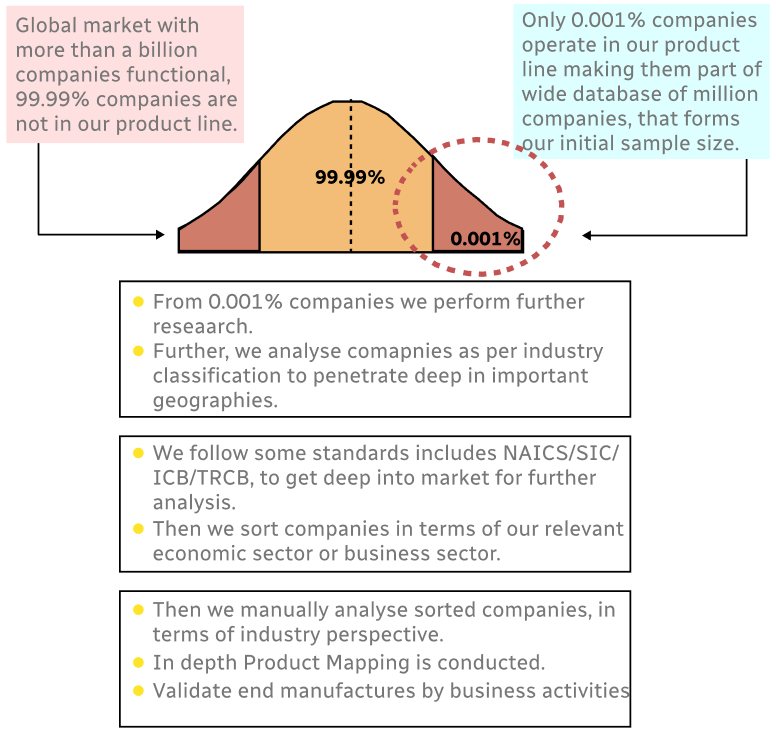
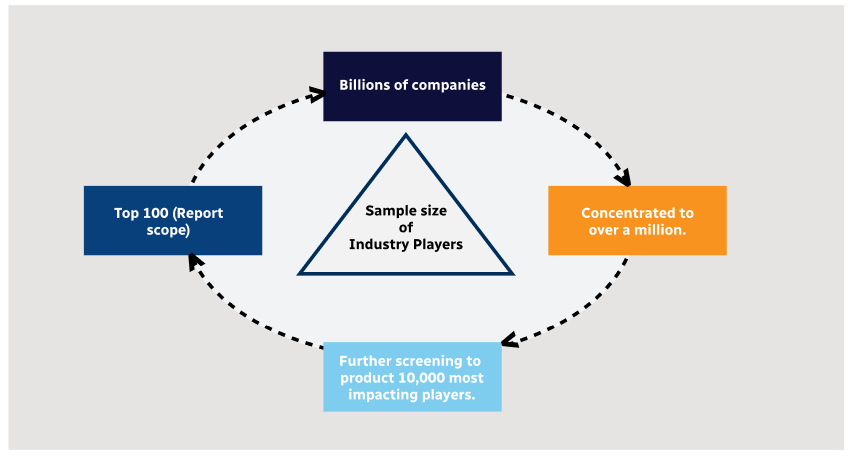
Step 1 - Identification of Relevant Samples Size from Population Database
Step Chart
Bar Chart
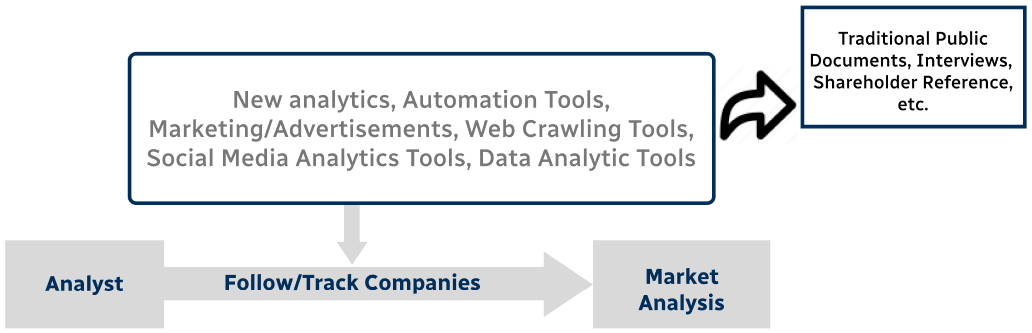
Method Chart

Step 2 - Approaches for Defining Global Market Size (Value, Volume* & Price*)
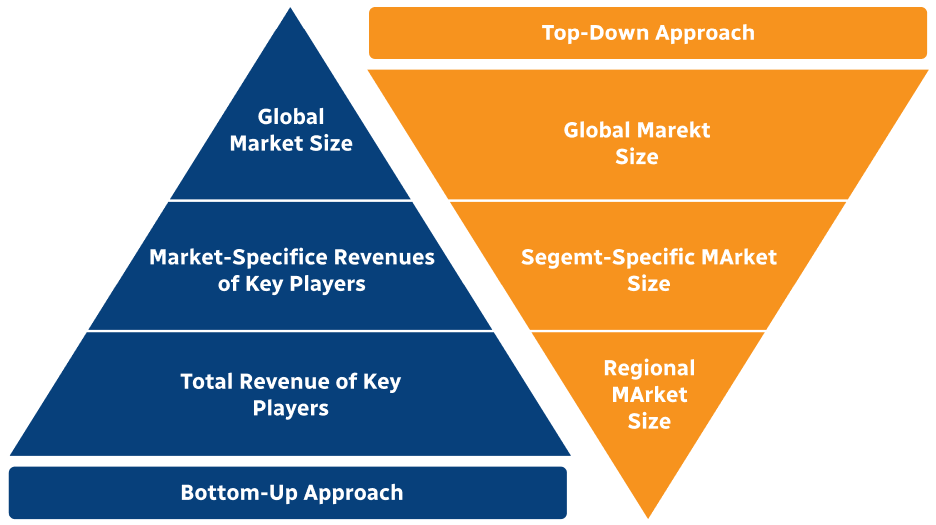
Approach Chart
Top-down and bottom-up approaches are used to validate the global market size and estimate the market size for manufactures, regional segments, product, and application.

Note*: In applicable scenarios

Step 3 - Data Sources

Primary Research

  • Web Analytics
  • Survey Reports
  • Research Institute
  • Latest Research Reports
  • Opinion Leaders

Secondary Research

  • Annual Reports
  • White Paper
  • Latest Press Release
  • Industry Association
  • Paid Database
  • Investor Presentations
Analyst Chart

Step 4 - Data Triangulation

Involves using different sources of information in order to increase the validity of a study

These sources are likely to be stakeholders in a program - participants, other researchers, program staff, other community members, and so on.

Then we put all data in single framework & apply various statistical tools to find out the dynamic on the market.

During the analysis stage, feedback from the stakeholder groups would be compared to determine areas of agreement as well as areas of divergence

Additionally, after gathering mixed and scattered data from a wide range of sources, data is triangulated and correlated to come up with estimated figures which are further validated through primary mediums or industry experts, opinion leaders.