



Key Insights
The United States hardware stores retail market is poised for steady growth, with a current market size of 56.12 Million as of the base year 2025. This expansion is driven by a consistent Compound Annual Growth Rate (CAGR) of 4.89% projected throughout the forecast period of 2025-2033. A significant catalyst for this sustained growth is the robust demand for home improvement products and services, fueled by an aging housing stock requiring regular maintenance and renovation, alongside an increasing trend in DIY projects. Furthermore, the rising interest in sustainable and eco-friendly building materials is creating new avenues for market penetration, as consumers become more conscious of their environmental impact. The market is also benefiting from increased spending on home renovations and upgrades, particularly in light of prolonged periods spent at home, encouraging individuals to invest in improving their living spaces.

United States Hardware Stores Retail Market Market Size (In Million)

The hardware stores retail landscape in the United States is characterized by a dynamic segmentation across product types and distribution channels. Key product segments include essential Door Hardware, crucial Building Materials, and functional Kitchen and Toilet Products, alongside a broad category of Other Product Types catering to diverse consumer needs. This comprehensive product offering ensures that hardware stores remain a go-to destination for a wide array of home improvement and repair necessities. In terms of distribution, both Offline channels, representing traditional brick-and-mortar stores, and Online channels, encompassing e-commerce platforms, play vital roles in reaching a broad customer base. Major players like Home Depot Inc. and Lowe's Companies Inc. dominate the market, leveraging their extensive store networks and evolving online presences. The market's growth is further supported by a healthy real estate market and consistent consumer spending on home maintenance and enhancement projects.

United States Hardware Stores Retail Market Company Market Share

United States Hardware Stores Retail Market: Comprehensive Growth Analysis & Forecast 2019-2033
Unlock in-depth insights into the dynamic United States hardware stores retail market with our latest comprehensive report. Covering the historical period from 2019 to 2024 and projecting growth through 2033, this essential guide provides unparalleled market intelligence for industry stakeholders. We meticulously analyze market structure, competitive dynamics, emerging trends, product innovations, and growth drivers, equipping you with the strategic advantage needed to navigate this robust sector. This report focuses on key segments including Door Hardware, Building Materials, Kitchen and Toilet Products, and Other Product Types, alongside Distribution Channels such as Offline and Online.
United States Hardware Stores Retail Market Market Structure & Competitive Dynamics
The United States hardware stores retail market exhibits a moderately concentrated structure, dominated by a few key players while also fostering a vibrant ecosystem for independent retailers and specialized distributors. The market concentration is evident in the substantial market share held by giants like Home Depot Inc. (estimated market share: 30-35 Million) and Lowe's Companies Inc. (estimated market share: 25-30 Million). These behemoths leverage economies of scale, extensive supply chain networks, and significant brand recognition to maintain their leadership. However, the market also benefits from strong independent networks such as Ace Hardware and True Value Hardware, which collectively command a significant portion of the market share, estimated at 15-20 Million. Specialized players like 84 Lumber (estimated market share: 5-8 Million) cater to specific niches, further diversifying the competitive landscape.
Innovation within the market is driven by advancements in smart home technology, sustainable building materials, and user-friendly DIY products. The regulatory framework, largely governed by consumer protection laws and building codes, influences product standards and safety. Product substitutes are present, particularly in the form of online marketplaces and direct-to-consumer brands, though the hands-on experience and expert advice offered by physical hardware stores remain a key differentiator. End-user trends are shifting towards convenience, sustainability, and the increasing popularity of DIY projects, fueled by home improvement shows and online tutorials. Mergers and acquisitions (M&A) activity plays a crucial role in market consolidation and expansion. For instance, Ace Hardware's acquisition of 12 independent home services companies (transaction value estimated between 50-80 Million) signifies a strategic move to enhance service offerings and market penetration. While specific M&A deal values for the broader market are proprietary, the consistent strategic acquisitions by major players indicate a healthy and evolving competitive environment.
United States Hardware Stores Retail Market Industry Trends & Insights
The United States hardware stores retail market is experiencing robust growth, driven by a confluence of economic, technological, and consumer-driven factors. The CAGR for the forecast period is estimated at 4.5-5.5%, reflecting a steady upward trajectory. A significant growth driver is the sustained interest in home improvement and renovation, bolstered by increased homeownership rates and the aging housing stock requiring regular maintenance and upgrades. The DIY culture continues to flourish, empowered by readily accessible online content, tutorials, and a desire for personalized living spaces. This trend is further amplified by economic conditions that encourage homeowners to invest in their properties rather than relocate.
Technological disruptions are actively reshaping the retail landscape. The integration of e-commerce and omnichannel strategies is no longer an option but a necessity, with online sales channels capturing an increasing market share. Retailers are investing in sophisticated inventory management systems, personalized online shopping experiences, and efficient last-mile delivery solutions to meet evolving consumer expectations. The adoption of smart home technology is another potent trend, with hardware stores expanding their offerings to include connected devices for lighting, security, and climate control. This not only appeals to tech-savvy consumers but also opens new revenue streams for retailers.
Consumer preferences are increasingly leaning towards sustainable and eco-friendly products. This includes energy-efficient appliances, low-VOC paints, recycled materials, and water-saving fixtures. Hardware stores that proactively curate and promote such offerings are likely to capture a larger segment of environmentally conscious consumers. Furthermore, there's a growing demand for convenience and expertise. Consumers often seek not just products but also guidance and solutions for their home improvement projects. This positions physical hardware stores, with their knowledgeable staff and comprehensive product selections, as invaluable resources. The competitive dynamics are evolving, with traditional retailers enhancing their digital presence and online players exploring brick-and-mortar partnerships or showrooms. The acquisition of service companies by major players, like Ace Hardware's move to expand its home services portfolio, indicates a strategic pivot towards offering end-to-end solutions, thereby deepening customer engagement and loyalty. The market penetration of specialized products, particularly in areas like smart home devices and sustainable building materials, is projected to increase significantly over the forecast period. The increasing emphasis on home aesthetics and functionality, coupled with a desire for cost-effective upgrades, ensures a consistent demand for a wide array of hardware products.
Dominant Markets & Segments in United States Hardware Stores Retail Market
The United States hardware stores retail market is characterized by the strong dominance of certain regions and product categories, driven by a complex interplay of economic policies, infrastructure development, and consumer demographics. Geographically, the Southern and Western United States often emerge as dominant markets due to factors such as population growth, favorable climate for outdoor projects and construction, and a robust real estate market. These regions benefit from significant infrastructure investments and a generally higher propensity for homeownership and renovation activities.
Within the Product Type segmentation, Building Materials represent a cornerstone of the market, consistently holding the largest share. This dominance is fueled by ongoing new construction projects, extensive remodeling and repair activities, and the sheer volume of essential items like lumber, drywall, insulation, and roofing materials. The economic policies supporting the construction industry, coupled with the fundamental need for shelter and infrastructure, ensure the enduring importance of this segment. Market size for Building Materials is estimated to be over 50 Million.
The Other Product Types segment, encompassing tools, fasteners, electrical supplies, plumbing fixtures, and paint, also commands a substantial market share, estimated at 30-40 Million. This broad category caters to a wide spectrum of needs, from professional tradespeople to casual DIY enthusiasts, and is influenced by the frequency of repairs, maintenance, and hobbyist projects. The widespread availability of these products across various retail formats further contributes to their market penetration.
Kitchen and Toilet Products form a significant and growing segment, with an estimated market size of 20-25 Million. This segment benefits from the consistent demand for upgrades and replacements, driven by aesthetic trends, functional improvements, and the desire for modern living spaces. Homeowners are increasingly investing in these areas to enhance the value and comfort of their homes.
Door Hardware, while representing a more specialized segment with an estimated market size of 10-15 Million, is crucial for both new construction and renovations. Its performance is closely tied to the overall housing market activity and the demand for enhanced security, accessibility, and interior design elements.
Regarding Distribution Channels, the Offline segment continues to be the dominant force, accounting for an estimated 70-75% of the total market share. This is attributed to the inherent nature of hardware purchases, which often involve the need to see, touch, and compare products, as well as the value placed on in-person expert advice. The extensive network of physical stores across the country ensures widespread accessibility. However, the Online distribution channel is experiencing rapid growth, driven by the convenience of e-commerce, wider product selection, and competitive pricing. Its market share is projected to increase significantly, estimated at 25-30%, and is expected to continue its upward trajectory as more consumers embrace digital shopping for their home improvement needs.
United States Hardware Stores Retail Market Product Innovations
Product innovation in the United States hardware stores retail market is increasingly focused on enhancing user experience, sustainability, and connectivity. Developments in smart home technology are paramount, with a surge in Wi-Fi-enabled locks, smart thermostats, and intelligent lighting systems that offer remote control and automation, providing consumers with unparalleled convenience and energy efficiency. In the realm of building materials, manufacturers are innovating with eco-friendly alternatives, such as recycled lumber, low-emission insulation, and durable, low-maintenance roofing solutions, appealing to a growing environmentally conscious consumer base. The tools and equipment sector is seeing advancements in cordless technology, increased power, and ergonomic designs that reduce user fatigue and improve productivity for both professionals and DIYers. Furthermore, the development of DIY-friendly kits for specific projects, complete with all necessary components and clear instructions, lowers the barrier to entry for less experienced consumers and fosters a sense of accomplishment. These innovations not only expand product offerings but also create new market opportunities and enhance the competitive advantage of retailers that embrace them.
Report Segmentation & Scope
This comprehensive report segments the United States hardware stores retail market into distinct categories for detailed analysis. The Product Type segmentation includes: Door Hardware, encompassing locks, hinges, handles, and related accessories; Building Materials, covering lumber, drywall, insulation, roofing, concrete, and foundational elements; Kitchen and Toilet Products, featuring fixtures, cabinets, countertops, faucets, and sanitary ware; and Other Product Types, a broad category including tools, fasteners, electrical supplies, plumbing components, paint, gardening equipment, and decorative items. The Distribution Channel segmentation bifurcates the market into Offline, representing traditional brick-and-mortar stores, including big-box retailers, independent hardware stores, and specialty shops, and Online, encompassing e-commerce platforms, retailer websites, and third-party online marketplaces. Growth projections for each segment will be detailed, offering insights into their respective market sizes and competitive dynamics.
Key Drivers of United States Hardware Stores Retail Market Growth
Several pivotal factors are propelling the growth of the United States hardware stores retail market. The enduring strength of the home improvement and renovation sector is a primary driver, fueled by a strong housing market, an aging housing stock requiring consistent maintenance, and the desire for personalized living spaces. The burgeoning DIY culture, amplified by accessible online tutorials and a growing interest in home customization, significantly boosts demand for tools, materials, and supplies. Technologically, the widespread adoption of smart home technology is creating new product categories and expanding existing ones, appealing to consumers seeking convenience, security, and energy efficiency. Economically, favorable interest rates for mortgages and a generally stable economic outlook encourage homeownership and subsequent investment in property upgrades. Regulatory factors, such as building code updates that mandate the use of specific materials or safety features, also contribute to market expansion.
Challenges in the United States Hardware Stores Retail Market Sector
Despite its robust growth, the United States hardware stores retail market faces several challenges. Intensifying competition, particularly from online retailers offering convenience and price advantages, pressures traditional brick-and-mortar stores. Supply chain disruptions, exacerbated by global events, can lead to product shortages, increased costs, and delivery delays, impacting inventory availability and profit margins. Rising labor costs and the difficulty in finding skilled employees, especially for in-store advisory roles and installation services, pose a significant operational hurdle. Regulatory hurdles, including evolving building codes and environmental standards, can necessitate product reformulation or investment in compliance, adding to operational expenses. Furthermore, economic downturns or periods of high inflation can dampen consumer spending on discretionary home improvement projects, impacting overall market demand.
Leading Players in the United States Hardware Stores Retail Market Market
- Home Depot Inc.
- Lowe's Companies Inc.
- Menard Inc.
- Ace Hardware
- True Value Hardware
- 84 Lumber
- Handy Andy Home Improvement Centers Inc
- Hippo Hardware and Trading Company
- Orchard Supply Hardware
- Harbor Freight Tools
Key Developments in United States Hardware Stores Retail Market Sector
- September 2023: Lowe's declared the extension of its multi-year agreement with the NFL for the current year's season. The collaboration commenced with a comprehensive marketing campaign, including a national television commercial, an updated lineup of Lowe's Home Team players, and the introduction of a limited-edition DIY Wrist Coach accessory. This development aims to enhance brand visibility and connect with a wider consumer base through sports marketing.
- June 2023: Ace Hardware purchased 12 independent heating and air, plumbing, and electrical home services companies from Unique Indoor Comfort's portfolio, which was owned by the Atlanta-based private equity firm Grove Mountain. This strategic acquisition expands Ace Hardware's service offerings, moving towards a more integrated home solutions provider model and strengthening its competitive position in the service sector.
Strategic United States Hardware Stores Retail Market Market Outlook
The strategic outlook for the United States hardware stores retail market remains exceptionally positive, driven by sustained consumer interest in home improvement and a growing embrace of technological advancements. Key growth accelerators include the continued expansion of omnichannel retail strategies, integrating seamless online and offline shopping experiences. Retailers are expected to focus on enhancing customer personalization through data analytics and loyalty programs. The increasing demand for sustainable and eco-friendly products presents a significant opportunity for market differentiation and capture of a values-driven consumer base. Furthermore, strategic acquisitions and partnerships, particularly in the home services sector, will enable companies to offer comprehensive solutions and deepen customer relationships. The ongoing integration of smart home technologies and the development of user-friendly DIY solutions will continue to fuel innovation and market expansion, positioning the sector for robust future growth.
United States Hardware Stores Retail Market Segmentation
-
1. Product Type
- 1.1. Door Hardware
- 1.2. Building Materials
- 1.3. Kitchen and Toilet Products
- 1.4. Other Product Types
-
2. Distribution Channel
- 2.1. Offline
- 2.2. Online
United States Hardware Stores Retail Market Segmentation By Geography
- 1. United States

United States Hardware Stores Retail Market Regional Market Share

Geographic Coverage of United States Hardware Stores Retail Market
United States Hardware Stores Retail Market REPORT HIGHLIGHTS
| Aspects | Details |
|---|---|
| Study Period | 2020-2034 |
| Base Year | 2025 |
| Estimated Year | 2026 |
| Forecast Period | 2026-2034 |
| Historical Period | 2020-2025 |
| Growth Rate | CAGR of 4.89% from 2020-2034 |
| Segmentation |
|
Table of Contents
- 1. Introduction
- 1.1. Research Scope
- 1.2. Market Segmentation
- 1.3. Research Methodology
- 1.4. Definitions and Assumptions
- 2. Executive Summary
- 2.1. Introduction
- 3. Market Dynamics
- 3.1. Introduction
- 3.2. Market Drivers
- 3.2.1. Rise in Home Improvement and Renovation Projects
- 3.3. Market Restrains
- 3.3.1. Rise in Home Improvement and Renovation Projects
- 3.4. Market Trends
- 3.4.1. Increased Focus on Home Improvement and Renovation Projects
- 4. Market Factor Analysis
- 4.1. Porters Five Forces
- 4.2. Supply/Value Chain
- 4.3. PESTEL analysis
- 4.4. Market Entropy
- 4.5. Patent/Trademark Analysis
- 5. United States Hardware Stores Retail Market Analysis, Insights and Forecast, 2020-2032
- 5.1. Market Analysis, Insights and Forecast - by Product Type
- 5.1.1. Door Hardware
- 5.1.2. Building Materials
- 5.1.3. Kitchen and Toilet Products
- 5.1.4. Other Product Types
- 5.2. Market Analysis, Insights and Forecast - by Distribution Channel
- 5.2.1. Offline
- 5.2.2. Online
- 5.3. Market Analysis, Insights and Forecast - by Region
- 5.3.1. United States
- 5.1. Market Analysis, Insights and Forecast - by Product Type
- 6. Competitive Analysis
- 6.1. Market Share Analysis 2025
- 6.2. Company Profiles
- 6.2.1 Home Depot Inc
- 6.2.1.1. Overview
- 6.2.1.2. Products
- 6.2.1.3. SWOT Analysis
- 6.2.1.4. Recent Developments
- 6.2.1.5. Financials (Based on Availability)
- 6.2.2 Lowe's Companies Inc
- 6.2.2.1. Overview
- 6.2.2.2. Products
- 6.2.2.3. SWOT Analysis
- 6.2.2.4. Recent Developments
- 6.2.2.5. Financials (Based on Availability)
- 6.2.3 Menard Inc
- 6.2.3.1. Overview
- 6.2.3.2. Products
- 6.2.3.3. SWOT Analysis
- 6.2.3.4. Recent Developments
- 6.2.3.5. Financials (Based on Availability)
- 6.2.4 Ace Hardware
- 6.2.4.1. Overview
- 6.2.4.2. Products
- 6.2.4.3. SWOT Analysis
- 6.2.4.4. Recent Developments
- 6.2.4.5. Financials (Based on Availability)
- 6.2.5 True Value Hardware
- 6.2.5.1. Overview
- 6.2.5.2. Products
- 6.2.5.3. SWOT Analysis
- 6.2.5.4. Recent Developments
- 6.2.5.5. Financials (Based on Availability)
- 6.2.6 84 Lumber
- 6.2.6.1. Overview
- 6.2.6.2. Products
- 6.2.6.3. SWOT Analysis
- 6.2.6.4. Recent Developments
- 6.2.6.5. Financials (Based on Availability)
- 6.2.7 Handy Andy Home Improvement Centers Inc
- 6.2.7.1. Overview
- 6.2.7.2. Products
- 6.2.7.3. SWOT Analysis
- 6.2.7.4. Recent Developments
- 6.2.7.5. Financials (Based on Availability)
- 6.2.8 Hippo Hardware and Trading Company
- 6.2.8.1. Overview
- 6.2.8.2. Products
- 6.2.8.3. SWOT Analysis
- 6.2.8.4. Recent Developments
- 6.2.8.5. Financials (Based on Availability)
- 6.2.9 Orchard Supply Hardware
- 6.2.9.1. Overview
- 6.2.9.2. Products
- 6.2.9.3. SWOT Analysis
- 6.2.9.4. Recent Developments
- 6.2.9.5. Financials (Based on Availability)
- 6.2.10 Harbor Freight Tools
- 6.2.10.1. Overview
- 6.2.10.2. Products
- 6.2.10.3. SWOT Analysis
- 6.2.10.4. Recent Developments
- 6.2.10.5. Financials (Based on Availability)
- 6.2.1 Home Depot Inc
List of Figures
- Figure 1: United States Hardware Stores Retail Market Revenue Breakdown (Million, %) by Product 2025 & 2033
- Figure 2: United States Hardware Stores Retail Market Share (%) by Company 2025
List of Tables
- Table 1: United States Hardware Stores Retail Market Revenue Million Forecast, by Product Type 2020 & 2033
- Table 2: United States Hardware Stores Retail Market Volume Billion Forecast, by Product Type 2020 & 2033
- Table 3: United States Hardware Stores Retail Market Revenue Million Forecast, by Distribution Channel 2020 & 2033
- Table 4: United States Hardware Stores Retail Market Volume Billion Forecast, by Distribution Channel 2020 & 2033
- Table 5: United States Hardware Stores Retail Market Revenue Million Forecast, by Region 2020 & 2033
- Table 6: United States Hardware Stores Retail Market Volume Billion Forecast, by Region 2020 & 2033
- Table 7: United States Hardware Stores Retail Market Revenue Million Forecast, by Product Type 2020 & 2033
- Table 8: United States Hardware Stores Retail Market Volume Billion Forecast, by Product Type 2020 & 2033
- Table 9: United States Hardware Stores Retail Market Revenue Million Forecast, by Distribution Channel 2020 & 2033
- Table 10: United States Hardware Stores Retail Market Volume Billion Forecast, by Distribution Channel 2020 & 2033
- Table 11: United States Hardware Stores Retail Market Revenue Million Forecast, by Country 2020 & 2033
- Table 12: United States Hardware Stores Retail Market Volume Billion Forecast, by Country 2020 & 2033
Frequently Asked Questions
1. What is the projected Compound Annual Growth Rate (CAGR) of the United States Hardware Stores Retail Market?
The projected CAGR is approximately 4.89%.
2. Which companies are prominent players in the United States Hardware Stores Retail Market?
Key companies in the market include Home Depot Inc, Lowe's Companies Inc, Menard Inc, Ace Hardware, True Value Hardware, 84 Lumber, Handy Andy Home Improvement Centers Inc, Hippo Hardware and Trading Company, Orchard Supply Hardware, Harbor Freight Tools.
3. What are the main segments of the United States Hardware Stores Retail Market?
The market segments include Product Type, Distribution Channel.
4. Can you provide details about the market size?
The market size is estimated to be USD 56.12 Million as of 2022.
5. What are some drivers contributing to market growth?
Rise in Home Improvement and Renovation Projects.
6. What are the notable trends driving market growth?
Increased Focus on Home Improvement and Renovation Projects.
7. Are there any restraints impacting market growth?
Rise in Home Improvement and Renovation Projects.
8. Can you provide examples of recent developments in the market?
September 2023: Lowe declared the extension of its multi-year agreement with the NFL for the current year's season. The collaboration will commence with a comprehensive marketing campaign, including a national television commercial, an updated lineup of Lowe's Home Team players, and the introduction of a limited-edition DIY Wrist Coach accessory.
9. What pricing options are available for accessing the report?
Pricing options include single-user, multi-user, and enterprise licenses priced at USD 3800, USD 4500, and USD 5800 respectively.
10. Is the market size provided in terms of value or volume?
The market size is provided in terms of value, measured in Million and volume, measured in Billion.
11. Are there any specific market keywords associated with the report?
Yes, the market keyword associated with the report is "United States Hardware Stores Retail Market," which aids in identifying and referencing the specific market segment covered.
12. How do I determine which pricing option suits my needs best?
The pricing options vary based on user requirements and access needs. Individual users may opt for single-user licenses, while businesses requiring broader access may choose multi-user or enterprise licenses for cost-effective access to the report.
13. Are there any additional resources or data provided in the United States Hardware Stores Retail Market report?
While the report offers comprehensive insights, it's advisable to review the specific contents or supplementary materials provided to ascertain if additional resources or data are available.
14. How can I stay updated on further developments or reports in the United States Hardware Stores Retail Market?
To stay informed about further developments, trends, and reports in the United States Hardware Stores Retail Market, consider subscribing to industry newsletters, following relevant companies and organizations, or regularly checking reputable industry news sources and publications.
Methodology
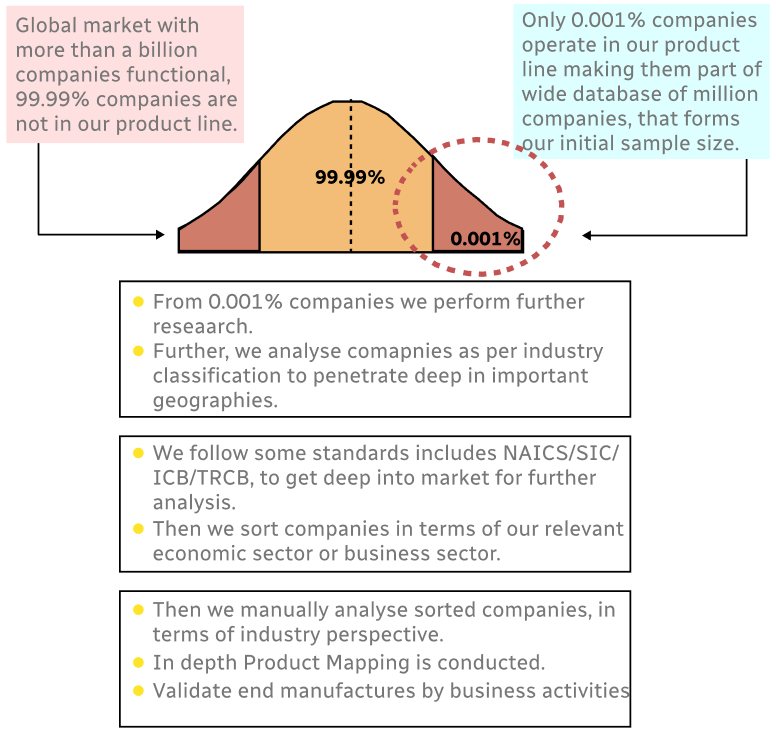
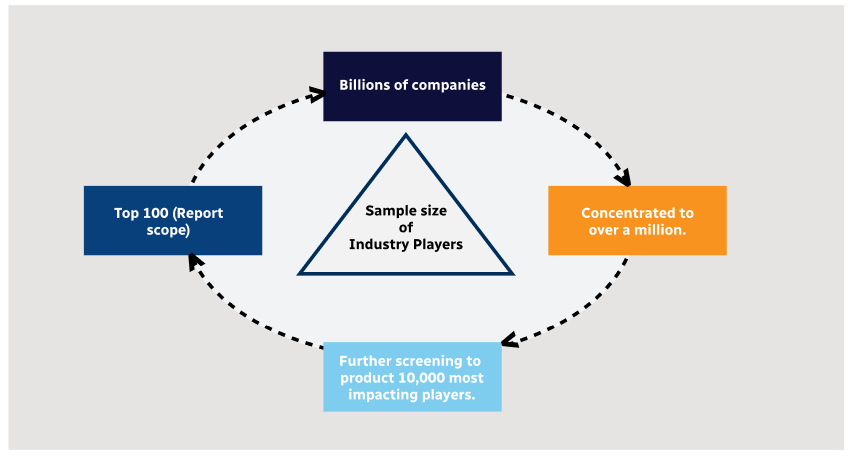
Step 1 - Identification of Relevant Samples Size from Population Database

Step 2 - Approaches for Defining Global Market Size (Value, Volume* & Price*)
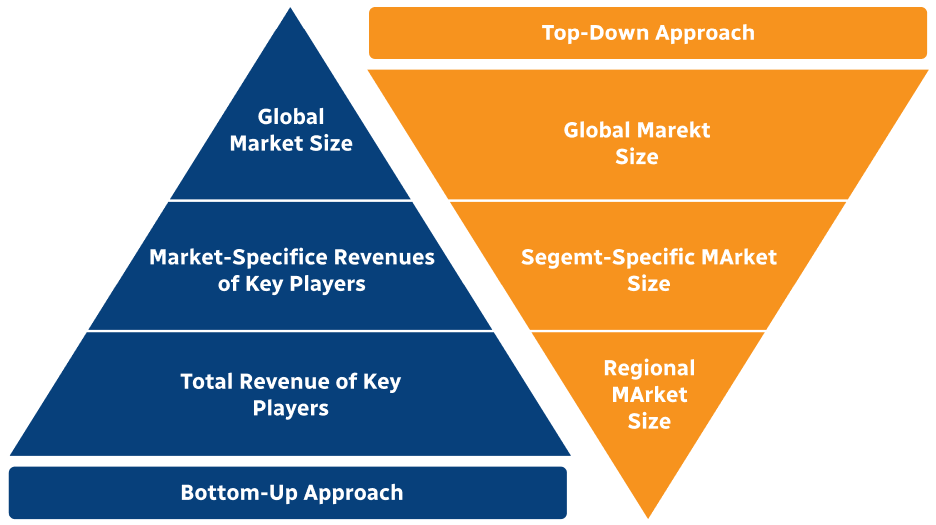
Note*: In applicable scenarios
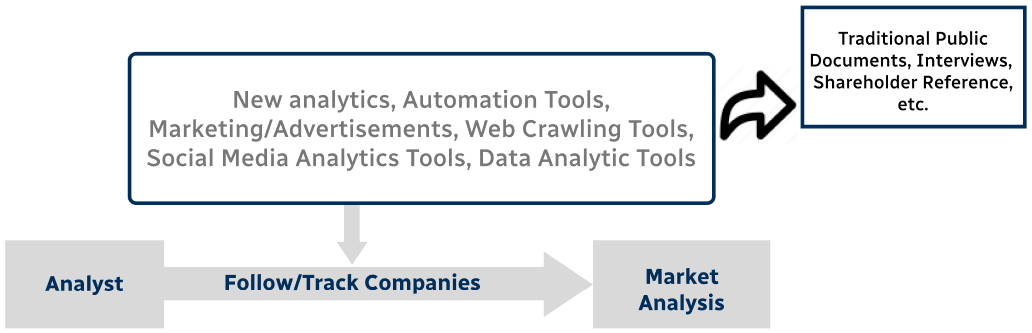
Step 3 - Data Sources
Primary Research
- Web Analytics
- Survey Reports
- Research Institute
- Latest Research Reports
- Opinion Leaders
Secondary Research
- Annual Reports
- White Paper
- Latest Press Release
- Industry Association
- Paid Database
- Investor Presentations
Step 4 - Data Triangulation
Involves using different sources of information in order to increase the validity of a study
These sources are likely to be stakeholders in a program - participants, other researchers, program staff, other community members, and so on.
Then we put all data in single framework & apply various statistical tools to find out the dynamic on the market.
During the analysis stage, feedback from the stakeholder groups would be compared to determine areas of agreement as well as areas of divergence


