



Key Insights
The global Automotive Microcontrollers Market is poised for significant expansion, projected to reach USD 10.48 Billion by 2025, with a robust Compound Annual Growth Rate (CAGR) of 8.92% during the forecast period of 2025-2033. This remarkable growth is primarily propelled by the escalating demand for advanced safety features, the increasing complexity of automotive electronics, and the rapid adoption of electric and autonomous vehicle technologies. Key market drivers include the proliferation of sophisticated driver-assistance systems (ADAS), the growing integration of infotainment and telematics systems for enhanced user experience, and the critical need for efficient power management in both traditional internal combustion engine (ICE) vehicles and their electric counterparts. Microcontrollers are the brains behind these innovations, facilitating everything from engine control and braking systems to connectivity and entertainment. The market's trajectory is further bolstered by stringent automotive safety regulations and a consumer desire for more connected and intelligent vehicles.

Automotive Microcontrollers Market Market Size (In Million)

The market is segmented across various microcontroller architectures, including 8-bit, 16-bit, and 32-bit, with 32-bit microcontrollers dominating due to their superior processing power and efficiency, essential for complex automotive applications. Applications are diverse, encompassing Powertrain and Chassis, Safety and Security, Body Electronics, and Telematics and Infotainment, each contributing to the overall market dynamism. Vehicle types are also evolving, with a significant shift towards Electric Vehicles (BEV, HEV, PHEV, FCEV) alongside Passenger and Commercial ICE vehicles. While the transition to EVs presents immense opportunities, challenges such as the need for cost-effective, high-performance microcontrollers that can withstand harsh automotive environments, and the ongoing supply chain complexities, will need to be navigated by leading players like Infineon Technologies AG, Microchip Technology Inc., STMicroelectronics, and NXP Semiconductors. The Asia Pacific region is anticipated to lead market growth due to its strong automotive manufacturing base and the rapid adoption of new vehicle technologies.

Automotive Microcontrollers Market Company Market Share

In-Depth Automotive Microcontrollers Market Report: Forecasts, Trends, and Competitive Landscape (2019–2033)
This comprehensive market research report offers an in-depth analysis of the global Automotive Microcontrollers Market, providing critical insights into market size, growth drivers, segmentation, competitive dynamics, and future outlook. Covering the historical period from 2019 to 2024, the base year of 2025, and a robust forecast period from 2025 to 2033, this report is an indispensable resource for stakeholders seeking to understand and capitalize on the evolving automotive semiconductor landscape. We delve into the intricacies of MCU applications across various vehicle types and electronic systems, forecasting significant growth driven by electrification, advanced driver-assistance systems (ADAS), and in-car connectivity.
Automotive Microcontrollers Market Market Structure & Competitive Dynamics
The Automotive Microcontrollers Market is characterized by a moderately consolidated structure, with a few dominant players holding substantial market share. Key companies like Infineon Technologies AG, Microchip Technology Inc, STMicroelectronics, NXP Semiconductors, Renesas Electronics Corporation, Texas Instruments Incorporated, and Toshiba Electronic Devices & Storage Corporation are at the forefront, driving innovation and shaping market trends. The ecosystem thrives on continuous technological advancements in processing power, power efficiency, and integration capabilities, fueled by an insatiable demand for smarter, safer, and more connected vehicles. Regulatory frameworks, particularly those concerning vehicle safety and emissions, significantly influence product development and market entry. The threat of product substitutes, while present in the form of more specialized System-on-Chips (SoCs) for certain functions, is mitigated by the inherent versatility and cost-effectiveness of microcontrollers for a vast array of automotive applications. End-user trends, such as the increasing adoption of electric vehicles (EVs) and autonomous driving features, are pivotal growth catalysts. Mergers and acquisition (M&A) activities, though not excessively frequent, play a crucial role in consolidating market positions and expanding product portfolios. For instance, the acquisition of Cypress Semiconductor by Infineon Technologies in 2020 significantly bolstered Infineon's automotive MCU offerings. The market share of leading players is estimated to be concentrated, with the top 5 entities holding over 60% of the global market. M&A deal values in the semiconductor industry, particularly those involving automotive capabilities, have reached billions of dollars, underscoring the strategic importance of this sector.
Automotive Microcontrollers Market Industry Trends & Insights
The global Automotive Microcontrollers Market is experiencing robust growth, driven by an accelerating shift towards vehicle electrification, increasing adoption of Advanced Driver-Assistance Systems (ADAS), and the burgeoning demand for in-car connectivity and infotainment. The projected Compound Annual Growth Rate (CAGR) for the automotive microcontrollers market is estimated to be between 8% and 10% during the forecast period of 2025–2033. This growth is underpinned by several key trends. Firstly, the relentless push for more sophisticated safety features, including enhanced braking systems, airbags, and lane-keeping assist, directly translates to a higher demand for powerful and reliable microcontrollers. Secondly, the transition from internal combustion engine (ICE) vehicles to electric vehicles (EVs) – encompassing Battery Electric Vehicles (BEVs), Hybrid Electric Vehicles (HEVs), Plug-in Hybrid Electric Vehicles (PHEVs), and Fuel Cell Electric Vehicles (FCEVs) – necessitates a significant number of microcontrollers for battery management systems (BMS), motor control, charging infrastructure, and power electronics. The increasing complexity of powertrain and chassis control systems, aiming for improved fuel efficiency and reduced emissions in ICE vehicles, also contributes significantly to market expansion. Furthermore, the evolution of vehicle electronics, from basic body control modules to advanced telematics and infotainment systems, creates a constant demand for diverse microcontroller architectures, ranging from efficient 8-bit MCUs for simpler tasks to high-performance 32-bit MCUs for complex processing. Consumer preferences are increasingly leaning towards vehicles that offer personalized digital experiences, seamless connectivity, and advanced safety functionalities, further propelling the demand for microcontrollers that can support these features. The competitive landscape is characterized by intense innovation, with manufacturers constantly vying to develop MCUs with higher clock speeds, lower power consumption, increased integration of peripherals, and enhanced security features. Market penetration of advanced microcontroller solutions is steadily rising across all vehicle segments.
Dominant Markets & Segments in Automotive Microcontrollers Market
The global Automotive Microcontrollers Market exhibits distinct dominance across various regions and product/application segments, driven by a confluence of technological adoption, regulatory mandates, and economic policies.
Leading Region: Asia Pacific currently dominates the automotive microcontrollers market and is expected to maintain its stronghold throughout the forecast period. This dominance is fueled by the region's position as the world's largest automotive manufacturing hub, particularly in countries like China, Japan, South Korea, and India.
- Key Drivers: Robust economic policies supporting the automotive industry, significant investments in EV infrastructure and production, a large and growing consumer base for vehicles, and the presence of major automotive OEMs and Tier-1 suppliers. The region's commitment to technological advancement and manufacturing excellence further solidifies its leadership.
Dominant Product Segment: The 32-bit microcontroller segment is expected to witness the most significant growth and command the largest market share within the Automotive Microcontrollers Market.
- Key Drivers: The increasing complexity of automotive electronic systems, the demand for higher processing power for ADAS, infotainment, and powertrain control, and the shift towards more sophisticated vehicle architectures. 32-bit MCUs offer the performance and flexibility required for these advanced applications. While 8-bit and 16-bit MCUs will continue to hold their ground in specific, less demanding applications like basic sensor interfacing and body electronics, the overall trend favors the higher capabilities of 32-bit architectures.
Dominant Application Segment: The Powertrain and Chassis segment is a significant contributor to the automotive microcontrollers market.
- Key Drivers: The critical need for precise control of engine management, transmission systems, braking (ABS, ESC), steering (EPS), and emission control systems. With the ongoing transition to electrified powertrains and the drive for enhanced fuel efficiency and reduced emissions in ICE vehicles, the sophistication and number of microcontrollers required in this segment are escalating. The increasing integration of safety features within chassis systems further amplifies this demand.
Dominant Vehicle Type Segment: Electric Vehicles (BEV, HEV, PHEV, FCEV) represent the fastest-growing and increasingly dominant vehicle type segment for automotive microcontrollers.
- Key Drivers: The fundamental reliance of EVs on microcontrollers for managing battery packs, controlling electric motors, handling charging processes, and optimizing energy distribution. The complexity and safety-critical nature of EV systems necessitate advanced microcontroller solutions, driving substantial market growth in this segment.
Leading Application Segments in Detail:
- Safety and Security: This segment is a consistent high-growth area due to stringent safety regulations and consumer demand for advanced safety features like airbags, ADAS (Adaptive Cruise Control, Automatic Emergency Braking), and security systems. The proliferation of sensors and the need for real-time data processing for these functions drive demand for powerful MCUs.
- Body Electronics: This segment, encompassing lighting, climate control, power windows, and interior features, is also experiencing steady growth. While often employing more cost-effective 8-bit and 16-bit MCUs, the increasing integration of smart features and connectivity is leading to the adoption of more capable solutions.
- Telematics and Infotainment: This segment is characterized by rapid innovation, driven by consumer demand for advanced connectivity, navigation, audio systems, and in-car entertainment. High-performance 32-bit MCUs are essential for processing complex data streams and supporting rich user interfaces.
Automotive Microcontrollers Market Product Innovations
Product innovation in the automotive microcontrollers market is primarily focused on enhancing performance, power efficiency, and integration for specific automotive applications. Manufacturers are developing MCUs with higher clock speeds to handle complex algorithms for ADAS and autonomous driving, while also prioritizing lower power consumption for optimal battery life in EVs. Increased integration of peripherals such as CAN FD, LIN, Ethernet controllers, and advanced analog-to-digital converters (ADCs) reduces the need for external components, leading to smaller, more cost-effective electronic control units (ECUs). Functional safety certifications (e.g., ISO 26262 ASIL levels) and robust cybersecurity features are becoming standard, addressing the critical safety and security demands of modern vehicles. This innovation directly translates to competitive advantages by enabling OEMs to develop more sophisticated, efficient, and secure automotive systems.
Report Segmentation & Scope
This report meticulously segments the Automotive Microcontrollers Market to provide granular insights into specific areas of growth and demand. The segmentation covers the following key categories:
Product Type: The market is analyzed based on microcontroller architectures:
- 8-bit Microcontrollers: Typically used for simpler, cost-sensitive applications such as basic sensor interfaces, body control modules, and HVAC systems.
- 16-bit Microcontrollers: Offering a balance of performance and cost, these are employed in applications like instrument clusters, body control, and certain powertrain functions.
- 32-bit Microcontrollers: The fastest-growing segment, essential for high-performance applications including ADAS, infotainment, powertrain control, and battery management systems in EVs. Growth projections indicate a significant CAGR for this segment.
Application: The market is segmented by the primary use cases within a vehicle:
- Powertrain and Chassis: Critical for engine management, transmission, braking, steering, and emission control. This segment is expected to see steady growth, particularly with the increasing complexity of electrified powertrains.
- Safety and Security: Encompasses airbags, ADAS, anti-theft systems, and other safety-critical functions. This segment is a significant driver of growth due to stringent regulations and consumer demand.
- Body Electronics: Includes lighting, climate control, infotainment interfaces, and other interior/exterior functions. Steady growth is anticipated as smart features become more prevalent.
- Telematics and Infotainment: Focuses on connectivity, navigation, audio, and in-car entertainment systems. This segment is characterized by rapid innovation and high demand for advanced processing power.
Vehicle Type: The market is analyzed across different vehicle categories:
- Passenger ICE Vehicle: Traditional internal combustion engine vehicles, which still represent a significant portion of the market but are seeing slower growth compared to EVs.
- Commercial ICE Vehicle: Trucks, buses, and other commercial vehicles, where microcontrollers are essential for engine control, diagnostics, and fleet management.
- Electric Vehicle (BEV, HEV, PHEV, FCEV): This rapidly expanding segment, including Battery Electric Vehicles, Hybrid Electric Vehicles, Plug-in Hybrid Electric Vehicles, and Fuel Cell Electric Vehicles, is a primary growth engine for automotive microcontrollers due to their critical role in EV systems.
Key Drivers of Automotive Microcontrollers Market Growth
The Automotive Microcontrollers Market is propelled by several interconnected growth drivers. The accelerating transition towards vehicle electrification is paramount, with EVs requiring a substantially higher number of microcontrollers for battery management, motor control, and charging systems. The increasing sophistication of Advanced Driver-Assistance Systems (ADAS), driven by safety regulations and consumer demand for features like adaptive cruise control, lane-keeping assist, and automatic emergency braking, necessitates powerful and reliable MCUs. Furthermore, the burgeoning demand for in-car connectivity and advanced infotainment systems, including digital cockpits, cloud connectivity, and over-the-air updates, fuels the need for high-performance processing capabilities offered by advanced microcontrollers. Regulatory mandates, such as stringent emission standards and evolving safety requirements (e.g., ISO 26262 functional safety), also act as significant catalysts, compelling manufacturers to integrate more sophisticated microcontroller solutions. The growing popularity of autonomous driving technologies further amplifies this demand, as these systems rely on a vast network of sensors and complex algorithms processed by high-end MCUs.
Challenges in the Automotive Microcontrollers Market Sector
Despite robust growth, the Automotive Microcontrollers Market faces several significant challenges. Supply chain disruptions, particularly the ongoing semiconductor shortage and geopolitical uncertainties, can lead to production delays and increased component costs. The increasing complexity of automotive systems requires specialized and often expensive MCUs, posing cost challenges for some manufacturers, especially in entry-level vehicle segments. Stringent and evolving regulatory landscapes, while driving demand, also impose significant development costs and timeframes for compliance, particularly concerning functional safety and cybersecurity standards. The intense competitive pressure among established players and emerging semiconductor companies leads to continuous pricing pressure and a need for sustained R&D investment. Furthermore, managing the lifecycle of automotive components and addressing obsolescence issues as vehicle technologies evolve rapidly presents an ongoing challenge for long-term product planning. The demand for higher processing power and lower power consumption simultaneously presents a complex engineering challenge for MCU manufacturers.
Leading Players in the Automotive Microcontrollers Market Market
- Infineon Technologies AG
- Microchip Technology Inc
- STMicroelectronics
- NXP Semiconductors
- Toshiba Electronic Devices & Storage Corporation
- Renesas Electronics Corporation
- Texas Instruments Incorporated
- Broadcom Inc
- Analog Devices Inc
- ROHM Semiconductor
Key Developments in Automotive Microcontrollers Market Sector
- April 2022 - BYD Semiconductor, a car company producing chips in addition to batteries, launched its new BS9000AMXX series of 8-bit MCU chips for vehicles. It is a general-purpose MCU and uses an S8051 core with the main frequency of up to 24MHZ. The chip supports BLDC motor control, up to 24 channels of 12-bit resolution ADC, and up to 26 I/O. It integrates a high-reliability capacitive detection keypad module, including TSSOP28 and QFN20 package forms. This development highlights the increasing vertical integration within the automotive industry and the focus on developing specialized MCU solutions for vehicle applications.
- May 2021 - Samsung Foundry Rolled out Korea's First MCU for Vehicles. The 32nm MCU was developed by Telechips, a Korean semiconductor design company, and Samsung Electronics began a pilot production of the chip in April 2021. This signifies a major advancement in domestic semiconductor capabilities for the automotive sector in South Korea, particularly in advanced process nodes for MCUs, aiming to meet the growing demand for high-performance chips in modern vehicles.
Strategic Automotive Microcontrollers Market Market Outlook
The future of the Automotive Microcontrollers Market is exceptionally promising, driven by sustained innovation and the transformative shifts occurring within the automotive industry. The continued electrification of vehicles remains a primary growth accelerator, demanding increasingly sophisticated microcontroller solutions for battery management systems, power electronics, and charging infrastructure. The relentless advancement of ADAS and the nascent stages of autonomous driving technologies will necessitate higher processing power, enhanced sensor fusion capabilities, and robust cybersecurity features, all of which are core strengths of leading microcontroller manufacturers. The integration of next-generation infotainment systems, connected car services, and over-the-air update capabilities will also continue to drive demand for feature-rich MCUs. Strategic opportunities lie in developing highly integrated solutions that reduce ECU complexity and cost, alongside a strong focus on functional safety and cybersecurity compliance. The market is poised for significant expansion as automakers worldwide accelerate their adoption of advanced automotive electronics to meet evolving consumer expectations and regulatory requirements.
Automotive Microcontrollers Market Segmentation
-
1. Product
- 1.1. 8-bit
- 1.2. 16-bit
- 1.3. 32-bit
-
2. Application
- 2.1. Powertrain and Chassis
- 2.2. Safety and Security
- 2.3. Body Electronics
- 2.4. Telematics and Infotainment
-
3. Vehicle Type
- 3.1. Passenger ICE vehicle
- 3.2. Commercial ICE vehicle
-
3.3. Electric Vehicle
- 3.3.1. BEV
- 3.3.2. HEV
- 3.3.3. PHEV
- 3.3.4. FCEV
Automotive Microcontrollers Market Segmentation By Geography
- 1. North America
- 2. Europe
- 3. Asia Pacific
- 4. Rest of the World

Automotive Microcontrollers Market Regional Market Share

Geographic Coverage of Automotive Microcontrollers Market
Automotive Microcontrollers Market REPORT HIGHLIGHTS
| Aspects | Details |
|---|---|
| Study Period | 2020-2034 |
| Base Year | 2025 |
| Estimated Year | 2026 |
| Forecast Period | 2026-2034 |
| Historical Period | 2020-2025 |
| Growth Rate | CAGR of 8.92% from 2020-2034 |
| Segmentation |
|
Table of Contents
- 1. Introduction
- 1.1. Research Scope
- 1.2. Market Segmentation
- 1.3. Research Methodology
- 1.4. Definitions and Assumptions
- 2. Executive Summary
- 2.1. Introduction
- 3. Market Dynamics
- 3.1. Introduction
- 3.2. Market Drivers
- 3.2.1. Emergence of Internet of Things (IoT); Surge in demand for electronic vehicles (Evs); Increasing popularity of infotainment in automobiles
- 3.3. Market Restrains
- 3.3.1. Operational failure in extreme climatic conditions; Design Complexity
- 3.4. Market Trends
- 3.4.1. Surging Demand for ADAS is Likely to Drive the Market Growth
- 4. Market Factor Analysis
- 4.1. Porters Five Forces
- 4.2. Supply/Value Chain
- 4.3. PESTEL analysis
- 4.4. Market Entropy
- 4.5. Patent/Trademark Analysis
- 5. Global Automotive Microcontrollers Market Analysis, Insights and Forecast, 2020-2032
- 5.1. Market Analysis, Insights and Forecast - by Product
- 5.1.1. 8-bit
- 5.1.2. 16-bit
- 5.1.3. 32-bit
- 5.2. Market Analysis, Insights and Forecast - by Application
- 5.2.1. Powertrain and Chassis
- 5.2.2. Safety and Security
- 5.2.3. Body Electronics
- 5.2.4. Telematics and Infotainment
- 5.3. Market Analysis, Insights and Forecast - by Vehicle Type
- 5.3.1. Passenger ICE vehicle
- 5.3.2. Commercial ICE vehicle
- 5.3.3. Electric Vehicle
- 5.3.3.1. BEV
- 5.3.3.2. HEV
- 5.3.3.3. PHEV
- 5.3.3.4. FCEV
- 5.4. Market Analysis, Insights and Forecast - by Region
- 5.4.1. North America
- 5.4.2. Europe
- 5.4.3. Asia Pacific
- 5.4.4. Rest of the World
- 5.1. Market Analysis, Insights and Forecast - by Product
- 6. North America Automotive Microcontrollers Market Analysis, Insights and Forecast, 2020-2032
- 6.1. Market Analysis, Insights and Forecast - by Product
- 6.1.1. 8-bit
- 6.1.2. 16-bit
- 6.1.3. 32-bit
- 6.2. Market Analysis, Insights and Forecast - by Application
- 6.2.1. Powertrain and Chassis
- 6.2.2. Safety and Security
- 6.2.3. Body Electronics
- 6.2.4. Telematics and Infotainment
- 6.3. Market Analysis, Insights and Forecast - by Vehicle Type
- 6.3.1. Passenger ICE vehicle
- 6.3.2. Commercial ICE vehicle
- 6.3.3. Electric Vehicle
- 6.3.3.1. BEV
- 6.3.3.2. HEV
- 6.3.3.3. PHEV
- 6.3.3.4. FCEV
- 6.1. Market Analysis, Insights and Forecast - by Product
- 7. Europe Automotive Microcontrollers Market Analysis, Insights and Forecast, 2020-2032
- 7.1. Market Analysis, Insights and Forecast - by Product
- 7.1.1. 8-bit
- 7.1.2. 16-bit
- 7.1.3. 32-bit
- 7.2. Market Analysis, Insights and Forecast - by Application
- 7.2.1. Powertrain and Chassis
- 7.2.2. Safety and Security
- 7.2.3. Body Electronics
- 7.2.4. Telematics and Infotainment
- 7.3. Market Analysis, Insights and Forecast - by Vehicle Type
- 7.3.1. Passenger ICE vehicle
- 7.3.2. Commercial ICE vehicle
- 7.3.3. Electric Vehicle
- 7.3.3.1. BEV
- 7.3.3.2. HEV
- 7.3.3.3. PHEV
- 7.3.3.4. FCEV
- 7.1. Market Analysis, Insights and Forecast - by Product
- 8. Asia Pacific Automotive Microcontrollers Market Analysis, Insights and Forecast, 2020-2032
- 8.1. Market Analysis, Insights and Forecast - by Product
- 8.1.1. 8-bit
- 8.1.2. 16-bit
- 8.1.3. 32-bit
- 8.2. Market Analysis, Insights and Forecast - by Application
- 8.2.1. Powertrain and Chassis
- 8.2.2. Safety and Security
- 8.2.3. Body Electronics
- 8.2.4. Telematics and Infotainment
- 8.3. Market Analysis, Insights and Forecast - by Vehicle Type
- 8.3.1. Passenger ICE vehicle
- 8.3.2. Commercial ICE vehicle
- 8.3.3. Electric Vehicle
- 8.3.3.1. BEV
- 8.3.3.2. HEV
- 8.3.3.3. PHEV
- 8.3.3.4. FCEV
- 8.1. Market Analysis, Insights and Forecast - by Product
- 9. Rest of the World Automotive Microcontrollers Market Analysis, Insights and Forecast, 2020-2032
- 9.1. Market Analysis, Insights and Forecast - by Product
- 9.1.1. 8-bit
- 9.1.2. 16-bit
- 9.1.3. 32-bit
- 9.2. Market Analysis, Insights and Forecast - by Application
- 9.2.1. Powertrain and Chassis
- 9.2.2. Safety and Security
- 9.2.3. Body Electronics
- 9.2.4. Telematics and Infotainment
- 9.3. Market Analysis, Insights and Forecast - by Vehicle Type
- 9.3.1. Passenger ICE vehicle
- 9.3.2. Commercial ICE vehicle
- 9.3.3. Electric Vehicle
- 9.3.3.1. BEV
- 9.3.3.2. HEV
- 9.3.3.3. PHEV
- 9.3.3.4. FCEV
- 9.1. Market Analysis, Insights and Forecast - by Product
- 10. Competitive Analysis
- 10.1. Global Market Share Analysis 2025
- 10.2. Company Profiles
- 10.2.1 Infineon Technologies AG
- 10.2.1.1. Overview
- 10.2.1.2. Products
- 10.2.1.3. SWOT Analysis
- 10.2.1.4. Recent Developments
- 10.2.1.5. Financials (Based on Availability)
- 10.2.2 Microchip Technology Inc
- 10.2.2.1. Overview
- 10.2.2.2. Products
- 10.2.2.3. SWOT Analysis
- 10.2.2.4. Recent Developments
- 10.2.2.5. Financials (Based on Availability)
- 10.2.3 STMicroelectronics
- 10.2.3.1. Overview
- 10.2.3.2. Products
- 10.2.3.3. SWOT Analysis
- 10.2.3.4. Recent Developments
- 10.2.3.5. Financials (Based on Availability)
- 10.2.4 NXP Semiconductors
- 10.2.4.1. Overview
- 10.2.4.2. Products
- 10.2.4.3. SWOT Analysis
- 10.2.4.4. Recent Developments
- 10.2.4.5. Financials (Based on Availability)
- 10.2.5 Toshiba Electronic Devices & Storage Corporation
- 10.2.5.1. Overview
- 10.2.5.2. Products
- 10.2.5.3. SWOT Analysis
- 10.2.5.4. Recent Developments
- 10.2.5.5. Financials (Based on Availability)
- 10.2.6 Renesas Electronics Corporation
- 10.2.6.1. Overview
- 10.2.6.2. Products
- 10.2.6.3. SWOT Analysis
- 10.2.6.4. Recent Developments
- 10.2.6.5. Financials (Based on Availability)
- 10.2.7 Texas Instruments Incorporated
- 10.2.7.1. Overview
- 10.2.7.2. Products
- 10.2.7.3. SWOT Analysis
- 10.2.7.4. Recent Developments
- 10.2.7.5. Financials (Based on Availability)
- 10.2.8 Broadcom Inc *List Not Exhaustive
- 10.2.8.1. Overview
- 10.2.8.2. Products
- 10.2.8.3. SWOT Analysis
- 10.2.8.4. Recent Developments
- 10.2.8.5. Financials (Based on Availability)
- 10.2.9 Analog Devices Inc
- 10.2.9.1. Overview
- 10.2.9.2. Products
- 10.2.9.3. SWOT Analysis
- 10.2.9.4. Recent Developments
- 10.2.9.5. Financials (Based on Availability)
- 10.2.10 ROHM Semiconductor
- 10.2.10.1. Overview
- 10.2.10.2. Products
- 10.2.10.3. SWOT Analysis
- 10.2.10.4. Recent Developments
- 10.2.10.5. Financials (Based on Availability)
- 10.2.1 Infineon Technologies AG
List of Figures
- Figure 1: Global Automotive Microcontrollers Market Revenue Breakdown (Million, %) by Region 2025 & 2033
- Figure 2: North America Automotive Microcontrollers Market Revenue (Million), by Product 2025 & 2033
- Figure 3: North America Automotive Microcontrollers Market Revenue Share (%), by Product 2025 & 2033
- Figure 4: North America Automotive Microcontrollers Market Revenue (Million), by Application 2025 & 2033
- Figure 5: North America Automotive Microcontrollers Market Revenue Share (%), by Application 2025 & 2033
- Figure 6: North America Automotive Microcontrollers Market Revenue (Million), by Vehicle Type 2025 & 2033
- Figure 7: North America Automotive Microcontrollers Market Revenue Share (%), by Vehicle Type 2025 & 2033
- Figure 8: North America Automotive Microcontrollers Market Revenue (Million), by Country 2025 & 2033
- Figure 9: North America Automotive Microcontrollers Market Revenue Share (%), by Country 2025 & 2033
- Figure 10: Europe Automotive Microcontrollers Market Revenue (Million), by Product 2025 & 2033
- Figure 11: Europe Automotive Microcontrollers Market Revenue Share (%), by Product 2025 & 2033
- Figure 12: Europe Automotive Microcontrollers Market Revenue (Million), by Application 2025 & 2033
- Figure 13: Europe Automotive Microcontrollers Market Revenue Share (%), by Application 2025 & 2033
- Figure 14: Europe Automotive Microcontrollers Market Revenue (Million), by Vehicle Type 2025 & 2033
- Figure 15: Europe Automotive Microcontrollers Market Revenue Share (%), by Vehicle Type 2025 & 2033
- Figure 16: Europe Automotive Microcontrollers Market Revenue (Million), by Country 2025 & 2033
- Figure 17: Europe Automotive Microcontrollers Market Revenue Share (%), by Country 2025 & 2033
- Figure 18: Asia Pacific Automotive Microcontrollers Market Revenue (Million), by Product 2025 & 2033
- Figure 19: Asia Pacific Automotive Microcontrollers Market Revenue Share (%), by Product 2025 & 2033
- Figure 20: Asia Pacific Automotive Microcontrollers Market Revenue (Million), by Application 2025 & 2033
- Figure 21: Asia Pacific Automotive Microcontrollers Market Revenue Share (%), by Application 2025 & 2033
- Figure 22: Asia Pacific Automotive Microcontrollers Market Revenue (Million), by Vehicle Type 2025 & 2033
- Figure 23: Asia Pacific Automotive Microcontrollers Market Revenue Share (%), by Vehicle Type 2025 & 2033
- Figure 24: Asia Pacific Automotive Microcontrollers Market Revenue (Million), by Country 2025 & 2033
- Figure 25: Asia Pacific Automotive Microcontrollers Market Revenue Share (%), by Country 2025 & 2033
- Figure 26: Rest of the World Automotive Microcontrollers Market Revenue (Million), by Product 2025 & 2033
- Figure 27: Rest of the World Automotive Microcontrollers Market Revenue Share (%), by Product 2025 & 2033
- Figure 28: Rest of the World Automotive Microcontrollers Market Revenue (Million), by Application 2025 & 2033
- Figure 29: Rest of the World Automotive Microcontrollers Market Revenue Share (%), by Application 2025 & 2033
- Figure 30: Rest of the World Automotive Microcontrollers Market Revenue (Million), by Vehicle Type 2025 & 2033
- Figure 31: Rest of the World Automotive Microcontrollers Market Revenue Share (%), by Vehicle Type 2025 & 2033
- Figure 32: Rest of the World Automotive Microcontrollers Market Revenue (Million), by Country 2025 & 2033
- Figure 33: Rest of the World Automotive Microcontrollers Market Revenue Share (%), by Country 2025 & 2033
List of Tables
- Table 1: Global Automotive Microcontrollers Market Revenue Million Forecast, by Product 2020 & 2033
- Table 2: Global Automotive Microcontrollers Market Revenue Million Forecast, by Application 2020 & 2033
- Table 3: Global Automotive Microcontrollers Market Revenue Million Forecast, by Vehicle Type 2020 & 2033
- Table 4: Global Automotive Microcontrollers Market Revenue Million Forecast, by Region 2020 & 2033
- Table 5: Global Automotive Microcontrollers Market Revenue Million Forecast, by Product 2020 & 2033
- Table 6: Global Automotive Microcontrollers Market Revenue Million Forecast, by Application 2020 & 2033
- Table 7: Global Automotive Microcontrollers Market Revenue Million Forecast, by Vehicle Type 2020 & 2033
- Table 8: Global Automotive Microcontrollers Market Revenue Million Forecast, by Country 2020 & 2033
- Table 9: Global Automotive Microcontrollers Market Revenue Million Forecast, by Product 2020 & 2033
- Table 10: Global Automotive Microcontrollers Market Revenue Million Forecast, by Application 2020 & 2033
- Table 11: Global Automotive Microcontrollers Market Revenue Million Forecast, by Vehicle Type 2020 & 2033
- Table 12: Global Automotive Microcontrollers Market Revenue Million Forecast, by Country 2020 & 2033
- Table 13: Global Automotive Microcontrollers Market Revenue Million Forecast, by Product 2020 & 2033
- Table 14: Global Automotive Microcontrollers Market Revenue Million Forecast, by Application 2020 & 2033
- Table 15: Global Automotive Microcontrollers Market Revenue Million Forecast, by Vehicle Type 2020 & 2033
- Table 16: Global Automotive Microcontrollers Market Revenue Million Forecast, by Country 2020 & 2033
- Table 17: Global Automotive Microcontrollers Market Revenue Million Forecast, by Product 2020 & 2033
- Table 18: Global Automotive Microcontrollers Market Revenue Million Forecast, by Application 2020 & 2033
- Table 19: Global Automotive Microcontrollers Market Revenue Million Forecast, by Vehicle Type 2020 & 2033
- Table 20: Global Automotive Microcontrollers Market Revenue Million Forecast, by Country 2020 & 2033
Frequently Asked Questions
1. What is the projected Compound Annual Growth Rate (CAGR) of the Automotive Microcontrollers Market?
The projected CAGR is approximately 8.92%.
2. Which companies are prominent players in the Automotive Microcontrollers Market?
Key companies in the market include Infineon Technologies AG, Microchip Technology Inc, STMicroelectronics, NXP Semiconductors, Toshiba Electronic Devices & Storage Corporation, Renesas Electronics Corporation, Texas Instruments Incorporated, Broadcom Inc *List Not Exhaustive, Analog Devices Inc, ROHM Semiconductor.
3. What are the main segments of the Automotive Microcontrollers Market?
The market segments include Product, Application, Vehicle Type.
4. Can you provide details about the market size?
The market size is estimated to be USD 10.48 Million as of 2022.
5. What are some drivers contributing to market growth?
Emergence of Internet of Things (IoT); Surge in demand for electronic vehicles (Evs); Increasing popularity of infotainment in automobiles.
6. What are the notable trends driving market growth?
Surging Demand for ADAS is Likely to Drive the Market Growth.
7. Are there any restraints impacting market growth?
Operational failure in extreme climatic conditions; Design Complexity.
8. Can you provide examples of recent developments in the market?
April 2022 - BYD Semiconductor, a car company producing chips in addition to batteries, launched its new BS9000AMXX series of 8-bit MCU chips for vehicles. It is a general-purpose MCU and uses an S8051 core with the main frequency of up to 24MHZ. The chip supports BLDC motor control, up to 24 channels of 12-bit resolution ADC, and up to 26 I/O. It integrates a high-reliability capacitive detection keypad module, including TSSOP28 and QFN20 package forms.
9. What pricing options are available for accessing the report?
Pricing options include single-user, multi-user, and enterprise licenses priced at USD 4750, USD 5250, and USD 8750 respectively.
10. Is the market size provided in terms of value or volume?
The market size is provided in terms of value, measured in Million.
11. Are there any specific market keywords associated with the report?
Yes, the market keyword associated with the report is "Automotive Microcontrollers Market," which aids in identifying and referencing the specific market segment covered.
12. How do I determine which pricing option suits my needs best?
The pricing options vary based on user requirements and access needs. Individual users may opt for single-user licenses, while businesses requiring broader access may choose multi-user or enterprise licenses for cost-effective access to the report.
13. Are there any additional resources or data provided in the Automotive Microcontrollers Market report?
While the report offers comprehensive insights, it's advisable to review the specific contents or supplementary materials provided to ascertain if additional resources or data are available.
14. How can I stay updated on further developments or reports in the Automotive Microcontrollers Market?
To stay informed about further developments, trends, and reports in the Automotive Microcontrollers Market, consider subscribing to industry newsletters, following relevant companies and organizations, or regularly checking reputable industry news sources and publications.
Methodology
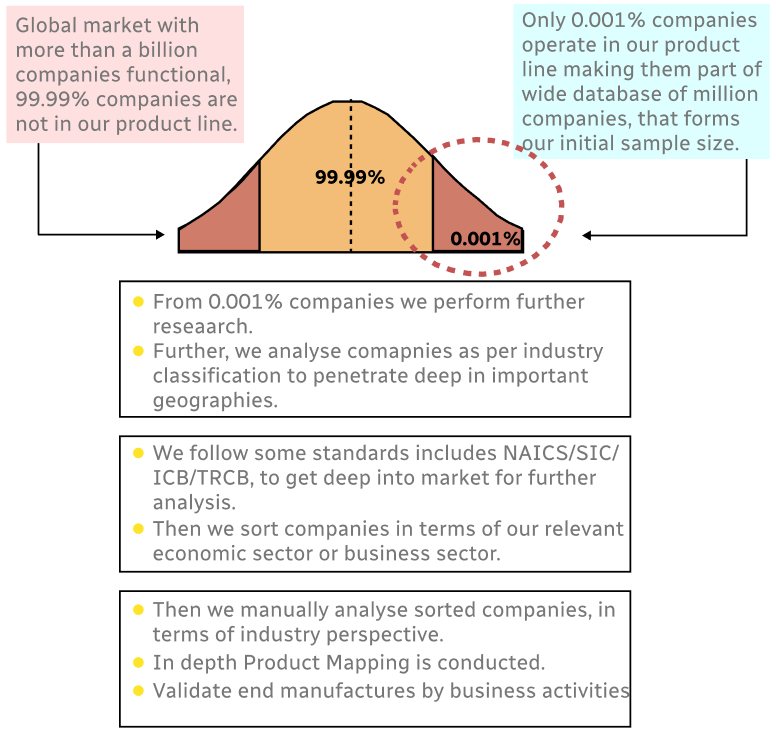
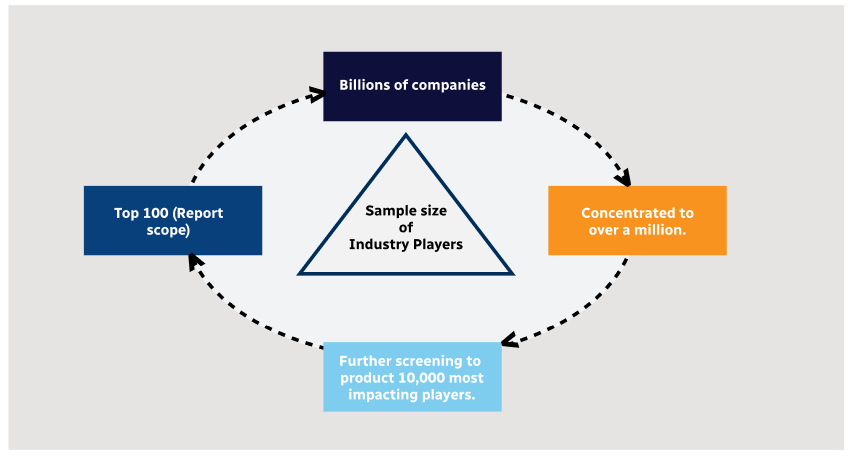
Step 1 - Identification of Relevant Samples Size from Population Database
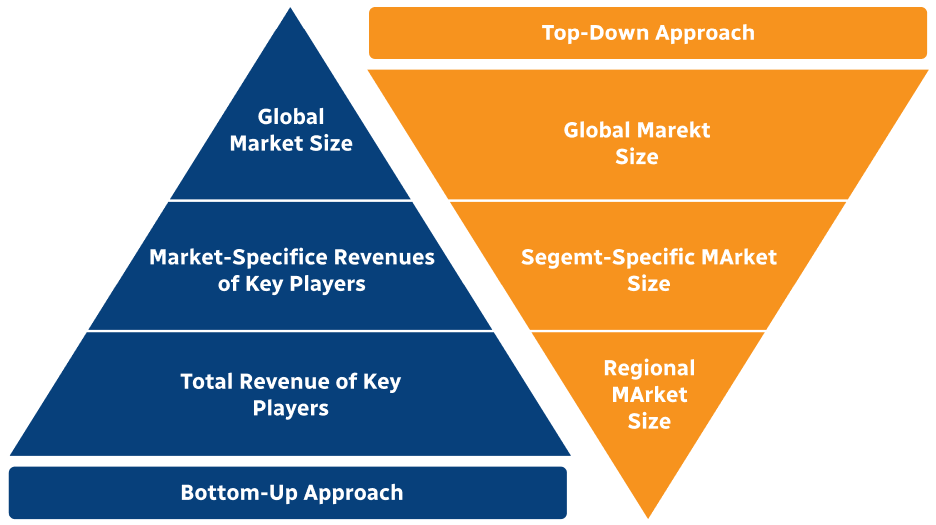
Step 2 - Approaches for Defining Global Market Size (Value, Volume* & Price*)
Note*: In applicable scenarios
Step 3 - Data Sources
Primary Research
- Web Analytics
- Survey Reports
- Research Institute
- Latest Research Reports
- Opinion Leaders
Secondary Research
- Annual Reports
- White Paper
- Latest Press Release
- Industry Association
- Paid Database
- Investor Presentations
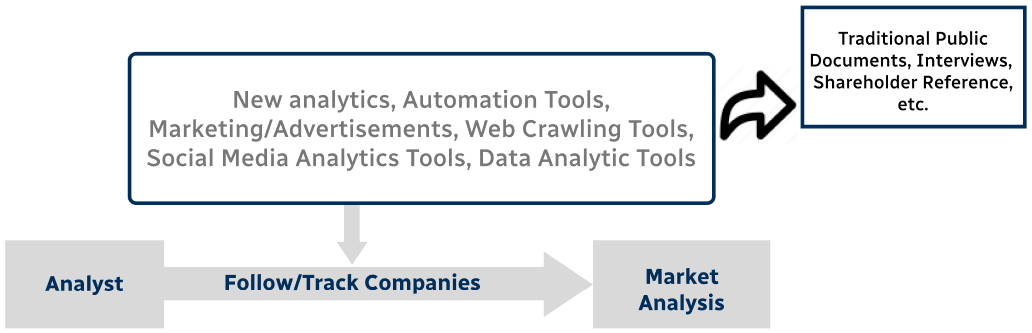
Step 4 - Data Triangulation
Involves using different sources of information in order to increase the validity of a study
These sources are likely to be stakeholders in a program - participants, other researchers, program staff, other community members, and so on.
Then we put all data in single framework & apply various statistical tools to find out the dynamic on the market.
During the analysis stage, feedback from the stakeholder groups would be compared to determine areas of agreement as well as areas of divergence


