



Key Insights
The Netherlands e-bike market is poised for significant expansion, projected to reach a substantial €1.71 billion by 2025. This growth is fueled by a strong and sustained compound annual growth rate (CAGR) of 6.31%, indicating a robust upward trajectory for the foreseeable future. Several key drivers are propelling this market forward. Increasing environmental consciousness among consumers, coupled with government initiatives promoting sustainable transportation and cycling infrastructure development, are significant contributors. The rising popularity of e-bikes as a practical and enjoyable alternative to traditional commuting, especially for longer distances or challenging terrains, is also a major factor. Furthermore, advancements in battery technology, leading to lighter, more powerful, and longer-lasting batteries, are enhancing the overall appeal and usability of e-bikes. The market also benefits from a growing demand for electric cargo bikes, transforming urban logistics and delivery services.

Netherlands E-bike Market Market Size (In Billion)

The Dutch e-bike landscape is characterized by a diverse range of segments catering to various consumer needs. Propulsion types like pedal-assisted, speed pedelecs, and throttle-assisted models offer distinct riding experiences, while application types span from practical cargo/utility and efficient city/urban commuting to versatile trekking. The ongoing evolution of battery technology, with lithium-ion batteries increasingly dominating over traditional lead-acid options, is enhancing performance and reducing environmental impact. Leading companies like Accell Group, Specialized Bicycle Component, and Rad Power Bikes are actively innovating and expanding their product portfolios to capture market share. While the Netherlands is a mature and highly engaged market for e-bikes, further growth can be anticipated through continued technological innovation, increasing adoption in commercial sectors, and sustained policy support for green mobility solutions.

Netherlands E-bike Market Company Market Share

This in-depth report provides a definitive analysis of the Netherlands e-bike market, offering crucial insights for stakeholders looking to navigate this rapidly expanding sector. Covering the historical period from 2019 to 2024, with a base year of 2025 and a forecast period extending to 2033, this study delves into market structure, industry trends, dominant segments, product innovations, key drivers, challenges, leading players, and significant developments. With a projected market value expected to reach billions, the Netherlands remains a global leader in e-bike adoption, driven by strong government support, extensive cycling infrastructure, and growing consumer demand for sustainable and convenient transportation solutions.
Netherlands E-bike Market Market Structure & Competitive Dynamics
The Netherlands e-bike market exhibits a moderate to high level of concentration, with a few dominant players controlling a significant market share. The innovation ecosystem is robust, fueled by continuous technological advancements in battery technology, motor efficiency, and smart connectivity features. Regulatory frameworks, largely supportive of e-bike adoption through subsidies and infrastructure development, play a crucial role in shaping the market landscape. Product substitutes, such as traditional bicycles and public transportation, exist but are increasingly being outcompeted by the convenience and speed offered by e-bikes. End-user trends highlight a growing preference for e-bikes in urban commuting, recreational cycling, and cargo/utility applications. Mergers and acquisitions (M&A) activities, while not overtly dominant, are present as companies seek to expand their product portfolios and market reach. M&A deal values are estimated to be in the tens to hundreds of millions of dollars.
- Market Concentration: Dominated by a few key manufacturers and distributors.
- Innovation Ecosystem: Characterized by strong R&D investment in battery tech, motor performance, and smart features.
- Regulatory Framework: Supportive policies, including subsidies and cycling infrastructure investment.
- Product Substitutes: Traditional bikes, scooters, public transport, and increasingly, shared mobility services.
- End-User Trends: Rising adoption for commuting, leisure, and cargo purposes.
- M&A Activities: Strategic acquisitions to enhance product offerings and market penetration.
Netherlands E-bike Market Industry Trends & Insights
The Netherlands e-bike market is experiencing robust growth, propelled by a confluence of economic, environmental, and social factors. The Compound Annual Growth Rate (CAGR) is projected to be substantial, likely in the high single digits to low double digits throughout the forecast period. Market penetration of e-bikes in the Netherlands is already one of the highest globally and is expected to continue its upward trajectory, reaching new benchmarks by 2033.
Key Market Growth Drivers:
- Government Initiatives and Subsidies: Favorable policies promoting sustainable transport and offering financial incentives for e-bike purchases significantly boost adoption.
- Expanding Cycling Infrastructure: Continuous investment in dedicated bike lanes, charging stations, and secure parking facilities enhances the practicality and appeal of e-bikes.
- Environmental Consciousness: A growing awareness of climate change and a desire for eco-friendly transportation solutions are driving consumers towards e-bikes.
- Health and Wellness Trends: E-bikes offer a way to incorporate physical activity into daily commutes, appealing to a health-conscious population.
- Technological Advancements: Improvements in battery life, motor power, and the integration of smart features are making e-bikes more efficient, user-friendly, and desirable.
- Urban Congestion and Parking Challenges: E-bikes provide an efficient alternative to cars in densely populated urban areas, circumventing traffic congestion and parking difficulties.
Technological Disruptions:
- Battery Technology: Advancements in lithium-ion battery density, charging speed, and lifespan are crucial for extending range and reducing weight.
- Motor Efficiency: Development of lighter, more powerful, and quieter motors enhances the riding experience.
- Smart Connectivity: Integration of GPS, anti-theft features, and diagnostic tools via smartphone apps is becoming increasingly common.
- Lightweight Materials: Use of advanced materials like carbon fiber contributes to lighter and more agile e-bikes.
Consumer Preferences:
Consumers are increasingly seeking e-bikes that offer a balance of performance, comfort, and style. There's a growing demand for specific application types, such as utility cargo e-bikes for last-mile delivery and family transport, alongside high-performance speed pedelecs for longer commutes. The aesthetic appeal and customization options also play a role in purchase decisions.
Competitive Dynamics:
The competitive landscape is characterized by both established bicycle manufacturers and new entrants specializing in e-bike technology. Intense competition drives innovation and influences pricing strategies. Strategic partnerships and distribution channel expansion are key for market players to maintain and grow their market share.
Dominant Markets & Segments in Netherlands E-bike Market
The Netherlands e-bike market is characterized by the overwhelming dominance of specific segments, driven by unique consumer needs and infrastructure advantages.
Propulsion Type Dominance:
- Pedal Assisted: This segment is the undisputed leader and is expected to maintain its strong hold throughout the forecast period. The extensive cycling culture in the Netherlands, coupled with the desire for a natural riding feel with an assist, makes pedal-assisted e-bikes the preferred choice for a vast majority of consumers. Their versatility for commuting, leisure, and light utility applications further solidifies their position. The market size for this segment is estimated to be in the billions.
- Speed Pedelec: While a smaller segment compared to pedal-assisted, Speed Pedelecs are experiencing significant growth. The increasing commute distances in suburban and inter-city travel, coupled with the need for faster travel times, are key drivers. The availability of infrastructure suitable for higher speeds and supportive regulations for these vehicles contribute to their expansion. Market penetration is projected to rise considerably.
- Throttle Assisted: This segment typically caters to a niche market, often those seeking a more moped-like experience or with specific mobility needs. Its market share is relatively smaller and is expected to remain so, with limited growth potential compared to the other two propulsion types.
Application Type Dominance:
- City/Urban: This is the largest and most dominant application type within the Netherlands e-bike market. The dense urban population, the need to navigate congested city streets, and the drive for sustainable commuting solutions make city/urban e-bikes indispensable. Their compact design, maneuverability, and suitability for short to medium-distance travel are key advantages. This segment is a major contributor to the overall market value.
- Trekking: Trekking e-bikes are also a significant and growing segment. They cater to recreational cyclists and those who use their e-bikes for longer rides, touring, and exploring the countryside. The Netherlands' scenic landscapes and well-maintained cycling paths make trekking e-bikes a popular choice for leisure and fitness.
- Cargo/Utility: The Cargo/Utility segment, particularly for commercial last-mile delivery and family transport, is experiencing the most rapid growth. With increasing urbanization and a focus on sustainable logistics, cargo e-bikes are becoming essential tools for businesses and families alike. Their capacity to carry goods and children makes them a viable and eco-friendly alternative to vans and cars. Projections indicate this segment will see substantial market share gains.
Battery Type Dominance:
- Lithium-ion Battery: This is the overwhelmingly dominant battery type and will continue to be so. Lithium-ion batteries offer superior energy density, longer lifespan, faster charging times, and lighter weight compared to traditional battery technologies. These attributes are critical for the performance and user experience of modern e-bikes, making them the industry standard. The market size for e-bikes equipped with lithium-ion batteries is in the billions.
- Lead Acid Battery: This technology is largely obsolete in the modern e-bike market due to its significant drawbacks in terms of weight, lifespan, and performance. It may still be found in some older or very low-cost models but represents a negligible market share and is not expected to see any significant growth.
- Others: This category may include emerging battery technologies, but currently, lithium-ion accounts for almost the entire market.
Netherlands E-bike Market Product Innovations
Product innovations in the Netherlands e-bike market are driven by a relentless pursuit of enhanced performance, user experience, and sustainability. Key developments include the integration of advanced lightweight materials like carbon fiber for reduced weight and improved handling, and the incorporation of smart technology such as GPS tracking, anti-theft systems, and integrated diagnostic tools accessible via smartphone applications. Battery technology continues to be a focal point, with manufacturers striving for longer ranges, faster charging times, and improved durability. Innovations in motor design are leading to more powerful, quieter, and efficient units. Furthermore, the emergence of foldable e-bikes and specialized cargo e-bikes with modular carrying systems are expanding the utility and appeal of e-bikes across diverse applications, offering significant competitive advantages to early adopters of these technologies.
Report Segmentation & Scope
This report meticulously segments the Netherlands e-bike market across key categories, providing granular insights into each area.
Propulsion Type: The market is analyzed based on Pedal Assisted, Speed Pedelec, and Throttle Assisted e-bikes. Pedal Assisted e-bikes are expected to retain the largest market share, projected to be in the billions, due to their widespread appeal and versatility. Speed Pedelecs are anticipated to show robust growth, driven by longer commute needs, with market growth projected at a significant CAGR. Throttle Assisted e-bikes will represent a niche segment with limited projected growth.
Application Type: The segmentation includes Cargo/Utility, City/Urban, and Trekking e-bikes. City/Urban e-bikes are the dominant segment, estimated to be worth billions, owing to widespread urban adoption. Cargo/Utility e-bikes are projected to experience the highest growth rate, driven by commercial and family use. Trekking e-bikes will continue to be a substantial segment, catering to leisure and touring enthusiasts.
Battery Type: The analysis focuses on Lead Acid Battery, Lithium-ion Battery, and Others. Lithium-ion batteries are the overwhelmingly dominant technology, with market size in the billions, due to their superior performance and efficiency. Lead Acid batteries represent a negligible market share and are not expected to grow. The 'Others' category includes emerging technologies with currently minimal market impact.
Key Drivers of Netherlands E-bike Market Growth
The Netherlands e-bike market is propelled by a powerful combination of technological advancements, supportive economic policies, and favorable regulatory environments.
- Technological Advancements: Continuous innovation in battery technology, leading to longer ranges and faster charging, alongside lighter and more powerful motors, directly enhances the user experience and broadens the appeal of e-bikes.
- Government Support and Subsidies: National and local government incentives, tax breaks, and purchase subsidies significantly reduce the cost barrier for consumers, stimulating demand and accelerating market penetration.
- Expanding Cycling Infrastructure: Ongoing investment in dedicated bike lanes, charging stations, and secure parking facilities makes cycling more convenient, safe, and practical for everyday use.
- Environmental Consciousness and Sustainability Goals: Growing public awareness of climate change and the desire for eco-friendly transportation options are increasingly leading consumers to choose e-bikes over fossil fuel-powered vehicles.
- Urban Congestion and Commuting Efficiency: E-bikes offer a solution to urban traffic congestion and parking challenges, providing a faster and more efficient mode of transport for daily commutes.
Challenges in the Netherlands E-bike Market Sector
Despite its robust growth, the Netherlands e-bike market faces several challenges that could temper its expansion.
- Supply Chain Disruptions: Global supply chain issues, as highlighted by the pause in the Cube and Evans Cycles relationship, can lead to production delays and increased costs.
- High Initial Cost: While subsidies help, the upfront purchase price of high-quality e-bikes can still be a barrier for some potential buyers.
- Battery Lifespan and Replacement Costs: The eventual need for battery replacement represents a significant recurring cost for e-bike owners.
- Regulatory Hurdles for Speed Pedelecs: While growing, specific regulations regarding speed pedelecs, including licensing and insurance requirements, can be complex and vary, potentially limiting their widespread adoption.
- Maintenance and Repair Infrastructure: Ensuring adequate and accessible maintenance and repair services across the country is crucial to support the growing e-bike fleet.
- Competition from Other Micro-mobility Solutions: The rise of electric scooters and other micro-mobility options presents competitive pressure in certain urban segments.
Leading Players in the Netherlands E-bike Market Market
- Accell Group
- Hartmobile B V (Qwic)
- Specialized Bicycle Component
- Rad Power Bikes
- Evans Cycles Limited (Pinnacle)
- MHW Bike-House GmbH (Cube Bikes)
- Royal Dutch Gazelle
- Raleigh Bicycle Company
- myStromer AG (Stromer)
- Riese & Müller
Key Developments in Netherlands E-bike Market Sector
- September 2022: Specialized announced a recall of some battery packs on specific electric mountain bike models in May 2021 owing to fire dangers caused by these batteries' flaws.
- August 2022: Evans Cycles reintroduces Cube bikes to all 71 locations, During the height of the pandemic, Cube and Evans Cycles put their commercial relationship on pause due to supply chain issues.
- August 2022: Raleigh launches the Trace, its lightest eBike with a range of 50 miles, the Trace is powered by a 250-watt-hour battery, built-in for extra security.
Strategic Netherlands E-bike Market Market Outlook
The strategic outlook for the Netherlands e-bike market remains exceptionally strong, driven by sustained consumer demand and ongoing supportive governmental policies. The market is poised for continued expansion as technological innovations further enhance e-bike capabilities, making them more accessible, efficient, and appealing. The increasing urbanization and the focus on sustainable mobility solutions present significant growth accelerators for the cargo/utility and speed pedelec segments. Strategic opportunities lie in the development of more affordable e-bike models, expansion of charging infrastructure, and innovative financing solutions. Furthermore, the integration of smart technologies and connectivity features will cater to evolving consumer preferences for integrated mobility experiences. The Netherlands is expected to continue its role as a global benchmark for e-bike adoption and innovation.
Netherlands E-bike Market Segmentation
-
1. Propulsion Type
- 1.1. Pedal Assisted
- 1.2. Speed Pedelec
- 1.3. Throttle Assisted
-
2. Application Type
- 2.1. Cargo/Utility
- 2.2. City/Urban
- 2.3. Trekking
-
3. Battery Type
- 3.1. Lead Acid Battery
- 3.2. Lithium-ion Battery
- 3.3. Others
Netherlands E-bike Market Segmentation By Geography
- 1. Netherlands

Netherlands E-bike Market Regional Market Share

Geographic Coverage of Netherlands E-bike Market
Netherlands E-bike Market REPORT HIGHLIGHTS
| Aspects | Details |
|---|---|
| Study Period | 2020-2034 |
| Base Year | 2025 |
| Estimated Year | 2026 |
| Forecast Period | 2026-2034 |
| Historical Period | 2020-2025 |
| Growth Rate | CAGR of 6.31% from 2020-2034 |
| Segmentation |
|
Table of Contents
- 1. Introduction
- 1.1. Research Scope
- 1.2. Market Segmentation
- 1.3. Research Methodology
- 1.4. Definitions and Assumptions
- 2. Executive Summary
- 2.1. Introduction
- 3. Market Dynamics
- 3.1. Introduction
- 3.2. Market Drivers
- 3.2.1. Exponential Increase in Automotive Sector
- 3.3. Market Restrains
- 3.3.1. Digitization of R&D Operations in Automotive Sector
- 3.4. Market Trends
- 3.4.1. OTHER KEY INDUSTRY TRENDS COVERED IN THE REPORT
- 4. Market Factor Analysis
- 4.1. Porters Five Forces
- 4.2. Supply/Value Chain
- 4.3. PESTEL analysis
- 4.4. Market Entropy
- 4.5. Patent/Trademark Analysis
- 5. Netherlands E-bike Market Analysis, Insights and Forecast, 2020-2032
- 5.1. Market Analysis, Insights and Forecast - by Propulsion Type
- 5.1.1. Pedal Assisted
- 5.1.2. Speed Pedelec
- 5.1.3. Throttle Assisted
- 5.2. Market Analysis, Insights and Forecast - by Application Type
- 5.2.1. Cargo/Utility
- 5.2.2. City/Urban
- 5.2.3. Trekking
- 5.3. Market Analysis, Insights and Forecast - by Battery Type
- 5.3.1. Lead Acid Battery
- 5.3.2. Lithium-ion Battery
- 5.3.3. Others
- 5.4. Market Analysis, Insights and Forecast - by Region
- 5.4.1. Netherlands
- 5.1. Market Analysis, Insights and Forecast - by Propulsion Type
- 6. Competitive Analysis
- 6.1. Market Share Analysis 2025
- 6.2. Company Profiles
- 6.2.1 Accell Group
- 6.2.1.1. Overview
- 6.2.1.2. Products
- 6.2.1.3. SWOT Analysis
- 6.2.1.4. Recent Developments
- 6.2.1.5. Financials (Based on Availability)
- 6.2.2 Hartmobile B V (Qwic)
- 6.2.2.1. Overview
- 6.2.2.2. Products
- 6.2.2.3. SWOT Analysis
- 6.2.2.4. Recent Developments
- 6.2.2.5. Financials (Based on Availability)
- 6.2.3 Specialized Bicycle Component
- 6.2.3.1. Overview
- 6.2.3.2. Products
- 6.2.3.3. SWOT Analysis
- 6.2.3.4. Recent Developments
- 6.2.3.5. Financials (Based on Availability)
- 6.2.4 Rad Power Bikes
- 6.2.4.1. Overview
- 6.2.4.2. Products
- 6.2.4.3. SWOT Analysis
- 6.2.4.4. Recent Developments
- 6.2.4.5. Financials (Based on Availability)
- 6.2.5 Evans Cycles Limited (Pinnacle)
- 6.2.5.1. Overview
- 6.2.5.2. Products
- 6.2.5.3. SWOT Analysis
- 6.2.5.4. Recent Developments
- 6.2.5.5. Financials (Based on Availability)
- 6.2.6 MHW Bike-House GmbH (Cube Bikes)
- 6.2.6.1. Overview
- 6.2.6.2. Products
- 6.2.6.3. SWOT Analysis
- 6.2.6.4. Recent Developments
- 6.2.6.5. Financials (Based on Availability)
- 6.2.7 Royal Dutch Gazelle
- 6.2.7.1. Overview
- 6.2.7.2. Products
- 6.2.7.3. SWOT Analysis
- 6.2.7.4. Recent Developments
- 6.2.7.5. Financials (Based on Availability)
- 6.2.8 Raleigh Bicycle Company
- 6.2.8.1. Overview
- 6.2.8.2. Products
- 6.2.8.3. SWOT Analysis
- 6.2.8.4. Recent Developments
- 6.2.8.5. Financials (Based on Availability)
- 6.2.9 myStromer AG (Stromer)
- 6.2.9.1. Overview
- 6.2.9.2. Products
- 6.2.9.3. SWOT Analysis
- 6.2.9.4. Recent Developments
- 6.2.9.5. Financials (Based on Availability)
- 6.2.10 Riese & Müller
- 6.2.10.1. Overview
- 6.2.10.2. Products
- 6.2.10.3. SWOT Analysis
- 6.2.10.4. Recent Developments
- 6.2.10.5. Financials (Based on Availability)
- 6.2.1 Accell Group
List of Figures
- Figure 1: Netherlands E-bike Market Revenue Breakdown (billion, %) by Product 2025 & 2033
- Figure 2: Netherlands E-bike Market Share (%) by Company 2025
List of Tables
- Table 1: Netherlands E-bike Market Revenue billion Forecast, by Propulsion Type 2020 & 2033
- Table 2: Netherlands E-bike Market Revenue billion Forecast, by Application Type 2020 & 2033
- Table 3: Netherlands E-bike Market Revenue billion Forecast, by Battery Type 2020 & 2033
- Table 4: Netherlands E-bike Market Revenue billion Forecast, by Region 2020 & 2033
- Table 5: Netherlands E-bike Market Revenue billion Forecast, by Propulsion Type 2020 & 2033
- Table 6: Netherlands E-bike Market Revenue billion Forecast, by Application Type 2020 & 2033
- Table 7: Netherlands E-bike Market Revenue billion Forecast, by Battery Type 2020 & 2033
- Table 8: Netherlands E-bike Market Revenue billion Forecast, by Country 2020 & 2033
Frequently Asked Questions
1. What is the projected Compound Annual Growth Rate (CAGR) of the Netherlands E-bike Market?
The projected CAGR is approximately 6.31%.
2. Which companies are prominent players in the Netherlands E-bike Market?
Key companies in the market include Accell Group, Hartmobile B V (Qwic), Specialized Bicycle Component, Rad Power Bikes, Evans Cycles Limited (Pinnacle), MHW Bike-House GmbH (Cube Bikes), Royal Dutch Gazelle, Raleigh Bicycle Company, myStromer AG (Stromer), Riese & Müller.
3. What are the main segments of the Netherlands E-bike Market?
The market segments include Propulsion Type, Application Type, Battery Type.
4. Can you provide details about the market size?
The market size is estimated to be USD 1.71 billion as of 2022.
5. What are some drivers contributing to market growth?
Exponential Increase in Automotive Sector.
6. What are the notable trends driving market growth?
OTHER KEY INDUSTRY TRENDS COVERED IN THE REPORT.
7. Are there any restraints impacting market growth?
Digitization of R&D Operations in Automotive Sector.
8. Can you provide examples of recent developments in the market?
September 2022: Specialized, announced a recall of some battery packs on specific electric mountain bike models in May 2021 owing to fire dangers caused by these batteries' flaws.August 2022: Evans Cycles reintroduces Cube bikes to all 71 locations, During the height of the pandemic, Cube and Evans Cycles put their commercial relationship on pause due to supply chain issues.August 2022: Raleigh launches the Trace, its lightest eBike with a range of 50 miles, the Trace is powered by a 250-watt-hour battery, built-in for extra security.
9. What pricing options are available for accessing the report?
Pricing options include single-user, multi-user, and enterprise licenses priced at USD 3800, USD 4500, and USD 5800 respectively.
10. Is the market size provided in terms of value or volume?
The market size is provided in terms of value, measured in billion.
11. Are there any specific market keywords associated with the report?
Yes, the market keyword associated with the report is "Netherlands E-bike Market," which aids in identifying and referencing the specific market segment covered.
12. How do I determine which pricing option suits my needs best?
The pricing options vary based on user requirements and access needs. Individual users may opt for single-user licenses, while businesses requiring broader access may choose multi-user or enterprise licenses for cost-effective access to the report.
13. Are there any additional resources or data provided in the Netherlands E-bike Market report?
While the report offers comprehensive insights, it's advisable to review the specific contents or supplementary materials provided to ascertain if additional resources or data are available.
14. How can I stay updated on further developments or reports in the Netherlands E-bike Market?
To stay informed about further developments, trends, and reports in the Netherlands E-bike Market, consider subscribing to industry newsletters, following relevant companies and organizations, or regularly checking reputable industry news sources and publications.
Methodology
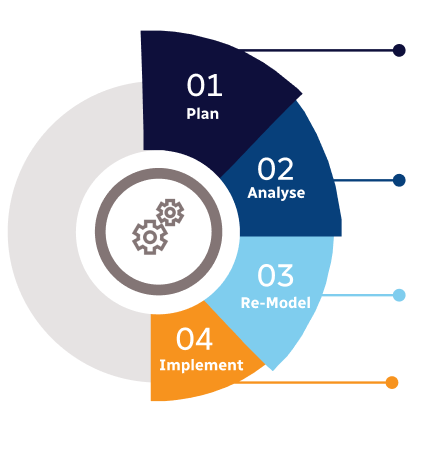
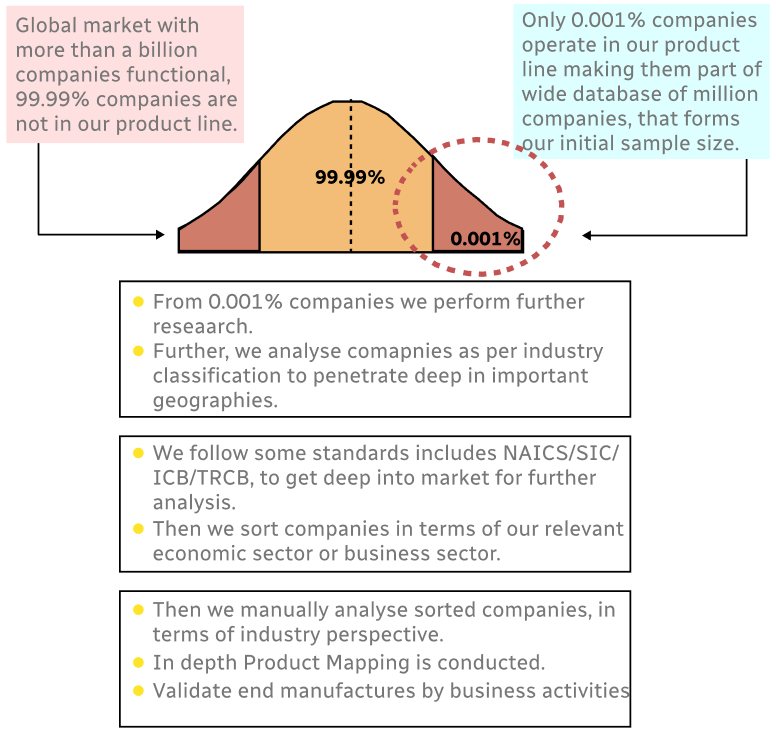
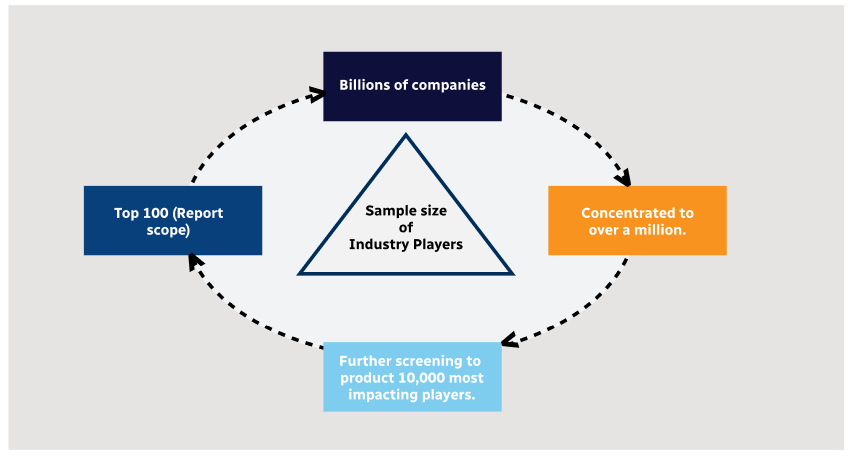
Step 1 - Identification of Relevant Samples Size from Population Database
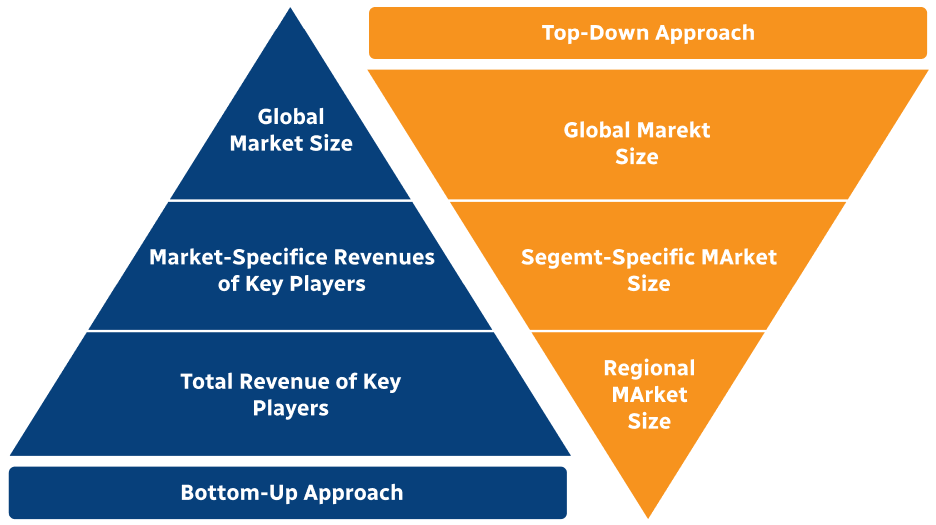
Step 2 - Approaches for Defining Global Market Size (Value, Volume* & Price*)
Note*: In applicable scenarios
Step 3 - Data Sources
Primary Research
- Web Analytics
- Survey Reports
- Research Institute
- Latest Research Reports
- Opinion Leaders
Secondary Research
- Annual Reports
- White Paper
- Latest Press Release
- Industry Association
- Paid Database
- Investor Presentations
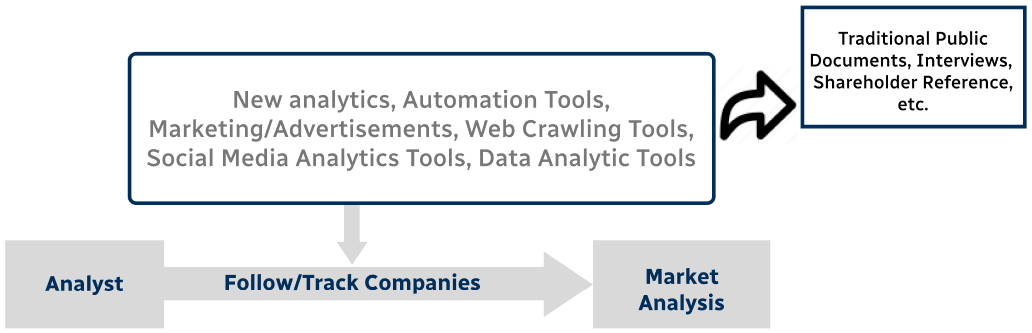
Step 4 - Data Triangulation
Involves using different sources of information in order to increase the validity of a study
These sources are likely to be stakeholders in a program - participants, other researchers, program staff, other community members, and so on.
Then we put all data in single framework & apply various statistical tools to find out the dynamic on the market.
During the analysis stage, feedback from the stakeholder groups would be compared to determine areas of agreement as well as areas of divergence


