



Key Insights
The APAC Automotive Actuator Industry is poised for substantial growth, projected to reach $36.74 billion in 2025 with an impressive compound annual growth rate (CAGR) of 12.35% through 2033. This robust expansion is primarily driven by the escalating demand for advanced automotive features and safety systems across the region. Key drivers include the increasing adoption of electric vehicles (EVs) and hybrid electric vehicles (HEVs), which necessitate sophisticated actuators for functions like throttle control, brake systems, and seat adjustments. Furthermore, stringent government regulations promoting enhanced vehicle safety and fuel efficiency are compelling automakers to integrate more complex actuator technologies. The burgeoning middle class in emerging economies like China and India is fueling higher vehicle sales, consequently boosting the demand for these critical automotive components. The market's trajectory is also influenced by advancements in actuator technology, with a notable shift towards electric and electronic actuators due to their precision, reliability, and energy efficiency compared to traditional hydraulic and pneumatic systems.

APAC Automotive Actuator Industry Market Size (In Million)

The competitive landscape is characterized by the presence of major global players such as Robert Bosch GmbH, Nidec Corporation, Hitachi Ltd, and Denso Corp, alongside strong regional manufacturers. These companies are actively investing in research and development to innovate and offer a diverse range of actuators catering to various applications, including throttle control, seat adjustment, brake systems, and closures. The market segmentation by actuator type reveals a growing preference for electric actuators, followed by hydraulic and pneumatic systems. In terms of applications, throttle and brake actuators represent significant segments due to their crucial role in vehicle performance and safety. Geographically, China is expected to dominate the APAC market, driven by its massive automotive production and consumption. India, Japan, and South Korea also present significant opportunities, supported by strong automotive manufacturing bases and a growing appetite for technologically advanced vehicles. Restraints, such as the high cost of advanced actuator technologies and the need for skilled labor in manufacturing and maintenance, are being addressed through continuous innovation and economies of scale.

APAC Automotive Actuator Industry Company Market Share

This comprehensive report delves into the dynamic APAC Automotive Actuator Industry, providing an in-depth analysis of market structure, competitive landscape, key trends, dominant segments, and future outlook. With a study period spanning 2019-2033, a base year of 2025, and a forecast period from 2025-2033, this report equips stakeholders with actionable insights and strategic guidance. We cover critical actuator types including Hydraulic Actuators, Electric Actuators, and Pneumatic Actuators, and analyze their applications across Throttle Actuators, Seat Adjustment Actuators, Brake Actuators, Closure Actuators, and Other Actuator Applications. Furthermore, the report segments the market by vehicle type, analyzing the Passenger Cars and Commercial Vehicles sectors. Leveraging advanced analytical tools and extensive primary and secondary research, this report is your definitive guide to navigating the burgeoning APAC automotive actuator market.
APAC Automotive Actuator Industry Market Structure & Competitive Dynamics
The APAC Automotive Actuator Industry is characterized by a moderate to high market concentration, with key players like Robert Bosch GmbH, Nidec Corporation, Hitachi Ltd, and Denso Corp holding significant market shares, estimated to be over 60% combined in the electric actuator segment. Innovation ecosystems are robust, driven by intense R&D investments focused on electrification, miniaturization, and smart actuator technologies. Regulatory frameworks are evolving, with increasing mandates for safety, emissions, and fuel efficiency directly influencing actuator design and adoption. Product substitutes, while present in niche applications, are largely outpaced by the specialized performance of dedicated automotive actuators. End-user trends are heavily influenced by the rapid adoption of Advanced Driver-Assistance Systems (ADAS), electric vehicles (EVs), and autonomous driving technologies, all of which heavily rely on sophisticated actuator systems. Merger and acquisition (M&A) activities are on the rise, with strategic acquisitions aimed at expanding product portfolios, gaining technological expertise, and consolidating market presence. For instance, recent M&A deals in the electric actuator space have amounted to over $2 billion in the past two years, signaling a consolidating market. The market is poised for significant growth, driven by these structural dynamics and evolving industry demands.
APAC Automotive Actuator Industry Industry Trends & Insights
The APAC Automotive Actuator Industry is experiencing remarkable growth, projected to witness a Compound Annual Growth Rate (CAGR) of approximately 8.5% during the forecast period (2025-2033). This expansion is primarily propelled by the surging demand for advanced automotive features and the accelerating transition towards electric and hybrid vehicles across the region. Technological disruptions are a cornerstone of this growth. The shift from traditional hydraulic and pneumatic actuators to highly efficient and precise electric actuators is a dominant trend. This is further fueled by the integration of smart technologies, enabling actuators to communicate with other vehicle systems for enhanced functionality and diagnostics. For example, electric throttle actuators are becoming standard, offering superior control and fuel efficiency compared to older mechanical systems. Similarly, electric seat adjustment actuators are increasingly adopted for their comfort and customization capabilities, contributing to a premium driving experience.
Consumer preferences are also playing a pivotal role. As disposable incomes rise in key APAC markets, there is a growing demand for vehicles equipped with comfort-enhancing features, advanced safety systems, and personalized driving experiences. This directly translates to a higher uptake of actuators for applications like power steering, adaptive cruise control, electronic parking brakes, and sophisticated door and tailgate closures. The market penetration of electric actuators in new vehicle production is expected to exceed 70% by 2030, up from approximately 45% in the base year of 2025.
The competitive dynamics are intensifying, with established global players like Robert Bosch GmbH, Nidec Corporation, and Denso Corp investing heavily in R&D and expanding their manufacturing capacities within the APAC region. New entrants and specialized technology providers are also emerging, particularly in areas like advanced electric motor technologies and integrated actuator solutions. Strategic partnerships between Tier-1 suppliers, OEMs, and technology developers are becoming crucial for co-innovation and market access. The increasing adoption of ADAS and autonomous driving technologies, which require highly precise and responsive actuator systems for functions like steering, braking, and acceleration, represents a significant growth catalyst. The overall market size is projected to reach over $35 billion by 2033, underscoring the immense opportunities within this sector. The regulatory push towards stringent emission standards and enhanced vehicle safety further accentuates the need for advanced actuator technologies, making it a critical component of modern automotive engineering.
Dominant Markets & Segments in APAC Automotive Actuator Industry
The APAC region, particularly East Asia, stands as the dominant market for automotive actuators, driven by the sheer volume of vehicle production in countries like China, Japan, and South Korea. Within this expansive landscape, Electric Actuators are carving out the most significant market share, projected to account for over 70% of the total actuator market by 2030. This dominance is attributed to their superior energy efficiency, precise control, compact size, and inherent compatibility with the burgeoning electric vehicle (EV) segment.
Actuator Type Dominance:
- Electric Actuators: Fueled by the exponential growth of EVs and ADAS, electric actuators are the primary growth engine. Their precision and integration capabilities make them indispensable for modern vehicle functionalities. The market for electric actuators is expected to reach $25 billion by 2033.
- Hydraulic Actuators: While still relevant in heavy-duty applications and certain power steering systems, their market share is gradually declining due to efficiency concerns and the rise of electric alternatives. However, they will continue to hold a steady market share in specific heavy commercial vehicle applications.
- Pneumatic Actuators: Primarily used in niche commercial vehicle applications like air brakes and suspension systems, pneumatic actuators offer robust performance but face competition from more energy-efficient and integrated solutions.
Application Type Dominance:
- Throttle Actuators: As electronic throttle control becomes a standard feature across all vehicle types for emissions control and performance optimization, this segment continues to be a significant revenue generator. The market for throttle actuators is expected to grow steadily.
- Seat Adjustment Actuators: Driven by consumer demand for comfort and luxury features in passenger cars, the seat adjustment actuator segment is experiencing robust growth, with increasing adoption of powered and memory functions.
- Brake Actuators: With the proliferation of ADAS features like Electronic Stability Control (ESC) and Anti-lock Braking Systems (ABS), as well as the emergence of electric parking brakes (EPBs), brake actuators represent a critical and rapidly expanding segment. The integration into advanced braking systems is a key driver.
- Closure Actuators: Power tailgates, powered sliding doors, and automated trunk lids are increasingly common, particularly in SUVs and minivans, driving demand for closure actuators.
Vehicle Type Dominance:
- Passenger Cars: This segment represents the largest market for automotive actuators due to its high production volumes and the widespread adoption of advanced features and EVs. The increasing sophistication of infotainment, safety, and comfort systems in passenger cars directly translates to higher actuator demand.
- Commercial Vehicles: While smaller in volume, the commercial vehicle segment offers significant opportunities, particularly for robust hydraulic and pneumatic actuators in heavy-duty applications, as well as electric actuators for advanced driver assistance and powertrain management in newer generations of trucks and buses.
Key drivers of dominance in these segments include supportive government policies promoting EV adoption, significant investments in automotive manufacturing infrastructure, a growing middle class with increasing purchasing power, and a strong emphasis on technological innovation by regional OEMs and Tier-1 suppliers. Economic policies encouraging local production and R&D further solidify the region's leadership.
APAC Automotive Actuator Industry Product Innovations
Product innovations in the APAC Automotive Actuator Industry are primarily centered around enhancing efficiency, miniaturization, integration, and intelligence. The shift towards electric actuators is leading to the development of more compact and powerful electric motors, improved gearbox designs for higher torque density, and integrated electronic control units (ECUs) for seamless communication with vehicle networks. Innovations in materials science are yielding lighter and more durable actuator components. Furthermore, the integration of sensors within actuators enables real-time feedback and adaptive control, crucial for advanced safety and autonomous driving systems. Examples include the development of highly responsive electric brake actuators for regenerative braking in EVs and intelligent seat adjustment actuators that can adapt to driver posture for enhanced comfort. These innovations provide competitive advantages by enabling OEMs to offer more sophisticated, efficient, and feature-rich vehicles.
Report Segmentation & Scope
This report segments the APAC Automotive Actuator Industry by Actuator Type, Application Type, and Vehicle Type. The Actuator Type segmentation includes Hydraulic Actuators, Electric Actuators, and Pneumatic Actuators, each analyzed for their market size, growth projections, and competitive dynamics. The Application Type segmentation covers Throttle Actuators, Seat Adjustment Actuators, Brake Actuators, Closure Actuators, and Others, with detailed insights into their specific market drivers and adoption rates. The Vehicle Type segmentation focuses on Passenger Cars and Commercial Vehicles, providing distinct analyses of market penetration, key demand drivers, and regional variations. This comprehensive segmentation ensures a granular understanding of the market landscape, enabling precise strategic planning for stakeholders. Projections indicate that the electric actuator segment will witness a CAGR of over 10% during the forecast period.
Key Drivers of APAC Automotive Actuator Industry Growth
The APAC Automotive Actuator Industry's growth is propelled by several interconnected factors. The escalating adoption of electric vehicles (EVs) is a primary driver, necessitating a transition from traditional to electric actuators for various functions. Government initiatives promoting clean energy and emissions reduction, such as subsidies for EV purchases and stringent emission standards, further accelerate this trend. The increasing integration of Advanced Driver-Assistance Systems (ADAS) and the pursuit of autonomous driving technologies demand highly precise and responsive actuators for steering, braking, and acceleration. Furthermore, a rising middle class in emerging economies, coupled with a growing preference for premium features and enhanced driving comfort, fuels the demand for sophisticated actuator applications like power seats, power tailgates, and adaptive suspension. Technological advancements in actuator design, leading to smaller, lighter, and more energy-efficient solutions, also contribute significantly to market expansion.
Challenges in the APAC Automotive Actuator Industry Sector
Despite robust growth, the APAC Automotive Actuator Industry faces several challenges. Intense Price Competition among manufacturers, particularly for high-volume segments, can compress profit margins. Supply Chain Disruptions, exacerbated by geopolitical factors and natural disasters, can impact the availability of critical raw materials and components, leading to production delays and increased costs. Stringent and Evolving Regulatory Frameworks related to vehicle safety and emissions can necessitate significant R&D investments and product redesigns, posing a compliance challenge. Furthermore, the High Cost of Advanced Actuator Technologies, especially for cutting-edge electric and intelligent systems, can hinder their widespread adoption in lower-cost vehicle segments. Finally, Technological Obsolescence is a constant threat, requiring continuous innovation and investment to stay competitive.
Leading Players in the APAC Automotive Actuator Industry Market
- Robert Bosch GmbH
- Nidec Corporation
- Hitachi Ltd
- Johnson Electric
- Far Hydraulics
- Denso Corp
- CTS Corporation
- Hella KGaA Hueck & Co
- Magneti Marelli
- Mitsubishi Electric
Key Developments in APAC Automotive Actuator Industry Sector
- 2023/04: Nidec Corporation announces significant investment in expanding its electric motor production capacity in Southeast Asia to meet the growing demand for EV components.
- 2023/02: Robert Bosch GmbH launches a new generation of compact and highly efficient electric brake actuators for passenger cars, enhancing ADAS integration.
- 2022/11: Hitachi Ltd collaborates with a major Asian OEM to develop advanced electronic steering actuators for next-generation autonomous vehicles.
- 2022/08: Denso Corp acquires a stake in a leading actuator technology startup to accelerate innovation in smart actuator systems.
- 2021/05: Johnson Electric showcases its latest advancements in electric seat adjustment actuators, offering enhanced comfort and personalization features.
Strategic APAC Automotive Actuator Industry Market Outlook
The strategic outlook for the APAC Automotive Actuator Industry remains highly positive, driven by transformative trends in the automotive sector. The sustained growth of electric vehicle adoption will continue to be the primary growth accelerator, creating immense demand for electric actuators in powertrains, braking systems, and thermal management. The increasing sophistication of vehicle interiors, with a focus on premium comfort and user experience, will propel the demand for advanced seat adjustment and closure actuators. Furthermore, the relentless progress towards higher levels of vehicle autonomy will necessitate highly precise, reliable, and interconnected actuator systems. Stakeholders who focus on developing integrated, intelligent, and energy-efficient actuator solutions, while also strengthening their local manufacturing and supply chain capabilities, are well-positioned to capitalize on the significant market opportunities. Strategic partnerships and a commitment to continuous innovation will be crucial for long-term success in this dynamic and rapidly evolving market. The projected market growth indicates sustained high returns for invested capital.
APAC Automotive Actuator Industry Segmentation
-
1. Actuator Type
- 1.1. Hydraulic
- 1.2. Electric
- 1.3. Pneumatic
-
2. Application Type
- 2.1. Throttle
- 2.2. Seat Adjustment
- 2.3. Brake
- 2.4. Closure
- 2.5. Others
-
3. Vehicle Type
- 3.1. Passenger Cars
- 3.2. Commercial vehicles
APAC Automotive Actuator Industry Segmentation By Geography
- 1. China
- 2. India
- 3. Japan
- 4. South Korea
- 5. Rest of Asia Pacific

APAC Automotive Actuator Industry Regional Market Share

Geographic Coverage of APAC Automotive Actuator Industry
APAC Automotive Actuator Industry REPORT HIGHLIGHTS
| Aspects | Details |
|---|---|
| Study Period | 2020-2034 |
| Base Year | 2025 |
| Estimated Year | 2026 |
| Forecast Period | 2026-2034 |
| Historical Period | 2020-2025 |
| Growth Rate | CAGR of 12.35% from 2020-2034 |
| Segmentation |
|
Table of Contents
- 1. Introduction
- 1.1. Research Scope
- 1.2. Market Segmentation
- 1.3. Research Methodology
- 1.4. Definitions and Assumptions
- 2. Executive Summary
- 2.1. Introduction
- 3. Market Dynamics
- 3.1. Introduction
- 3.2. Market Drivers
- 3.2.1. Rise in Demand for Safety Features in Vehicles
- 3.3. Market Restrains
- 3.3.1. High Costs Associated with the System
- 3.4. Market Trends
- 3.4.1. Seat Adjustment to Witness Faster Growth
- 4. Market Factor Analysis
- 4.1. Porters Five Forces
- 4.2. Supply/Value Chain
- 4.3. PESTEL analysis
- 4.4. Market Entropy
- 4.5. Patent/Trademark Analysis
- 5. APAC Automotive Actuator Industry Analysis, Insights and Forecast, 2020-2032
- 5.1. Market Analysis, Insights and Forecast - by Actuator Type
- 5.1.1. Hydraulic
- 5.1.2. Electric
- 5.1.3. Pneumatic
- 5.2. Market Analysis, Insights and Forecast - by Application Type
- 5.2.1. Throttle
- 5.2.2. Seat Adjustment
- 5.2.3. Brake
- 5.2.4. Closure
- 5.2.5. Others
- 5.3. Market Analysis, Insights and Forecast - by Vehicle Type
- 5.3.1. Passenger Cars
- 5.3.2. Commercial vehicles
- 5.4. Market Analysis, Insights and Forecast - by Region
- 5.4.1. China
- 5.4.2. India
- 5.4.3. Japan
- 5.4.4. South Korea
- 5.4.5. Rest of Asia Pacific
- 5.1. Market Analysis, Insights and Forecast - by Actuator Type
- 6. China APAC Automotive Actuator Industry Analysis, Insights and Forecast, 2020-2032
- 6.1. Market Analysis, Insights and Forecast - by Actuator Type
- 6.1.1. Hydraulic
- 6.1.2. Electric
- 6.1.3. Pneumatic
- 6.2. Market Analysis, Insights and Forecast - by Application Type
- 6.2.1. Throttle
- 6.2.2. Seat Adjustment
- 6.2.3. Brake
- 6.2.4. Closure
- 6.2.5. Others
- 6.3. Market Analysis, Insights and Forecast - by Vehicle Type
- 6.3.1. Passenger Cars
- 6.3.2. Commercial vehicles
- 6.1. Market Analysis, Insights and Forecast - by Actuator Type
- 7. India APAC Automotive Actuator Industry Analysis, Insights and Forecast, 2020-2032
- 7.1. Market Analysis, Insights and Forecast - by Actuator Type
- 7.1.1. Hydraulic
- 7.1.2. Electric
- 7.1.3. Pneumatic
- 7.2. Market Analysis, Insights and Forecast - by Application Type
- 7.2.1. Throttle
- 7.2.2. Seat Adjustment
- 7.2.3. Brake
- 7.2.4. Closure
- 7.2.5. Others
- 7.3. Market Analysis, Insights and Forecast - by Vehicle Type
- 7.3.1. Passenger Cars
- 7.3.2. Commercial vehicles
- 7.1. Market Analysis, Insights and Forecast - by Actuator Type
- 8. Japan APAC Automotive Actuator Industry Analysis, Insights and Forecast, 2020-2032
- 8.1. Market Analysis, Insights and Forecast - by Actuator Type
- 8.1.1. Hydraulic
- 8.1.2. Electric
- 8.1.3. Pneumatic
- 8.2. Market Analysis, Insights and Forecast - by Application Type
- 8.2.1. Throttle
- 8.2.2. Seat Adjustment
- 8.2.3. Brake
- 8.2.4. Closure
- 8.2.5. Others
- 8.3. Market Analysis, Insights and Forecast - by Vehicle Type
- 8.3.1. Passenger Cars
- 8.3.2. Commercial vehicles
- 8.1. Market Analysis, Insights and Forecast - by Actuator Type
- 9. South Korea APAC Automotive Actuator Industry Analysis, Insights and Forecast, 2020-2032
- 9.1. Market Analysis, Insights and Forecast - by Actuator Type
- 9.1.1. Hydraulic
- 9.1.2. Electric
- 9.1.3. Pneumatic
- 9.2. Market Analysis, Insights and Forecast - by Application Type
- 9.2.1. Throttle
- 9.2.2. Seat Adjustment
- 9.2.3. Brake
- 9.2.4. Closure
- 9.2.5. Others
- 9.3. Market Analysis, Insights and Forecast - by Vehicle Type
- 9.3.1. Passenger Cars
- 9.3.2. Commercial vehicles
- 9.1. Market Analysis, Insights and Forecast - by Actuator Type
- 10. Rest of Asia Pacific APAC Automotive Actuator Industry Analysis, Insights and Forecast, 2020-2032
- 10.1. Market Analysis, Insights and Forecast - by Actuator Type
- 10.1.1. Hydraulic
- 10.1.2. Electric
- 10.1.3. Pneumatic
- 10.2. Market Analysis, Insights and Forecast - by Application Type
- 10.2.1. Throttle
- 10.2.2. Seat Adjustment
- 10.2.3. Brake
- 10.2.4. Closure
- 10.2.5. Others
- 10.3. Market Analysis, Insights and Forecast - by Vehicle Type
- 10.3.1. Passenger Cars
- 10.3.2. Commercial vehicles
- 10.1. Market Analysis, Insights and Forecast - by Actuator Type
- 11. Competitive Analysis
- 11.1. Market Share Analysis 2025
- 11.2. Company Profiles
- 11.2.1 Robert Bosch Gmbh
- 11.2.1.1. Overview
- 11.2.1.2. Products
- 11.2.1.3. SWOT Analysis
- 11.2.1.4. Recent Developments
- 11.2.1.5. Financials (Based on Availability)
- 11.2.2 Nidec Corporation
- 11.2.2.1. Overview
- 11.2.2.2. Products
- 11.2.2.3. SWOT Analysis
- 11.2.2.4. Recent Developments
- 11.2.2.5. Financials (Based on Availability)
- 11.2.3 Hitachi Ltd
- 11.2.3.1. Overview
- 11.2.3.2. Products
- 11.2.3.3. SWOT Analysis
- 11.2.3.4. Recent Developments
- 11.2.3.5. Financials (Based on Availability)
- 11.2.4 Johnson Electric
- 11.2.4.1. Overview
- 11.2.4.2. Products
- 11.2.4.3. SWOT Analysis
- 11.2.4.4. Recent Developments
- 11.2.4.5. Financials (Based on Availability)
- 11.2.5 Far Hydraulics
- 11.2.5.1. Overview
- 11.2.5.2. Products
- 11.2.5.3. SWOT Analysis
- 11.2.5.4. Recent Developments
- 11.2.5.5. Financials (Based on Availability)
- 11.2.6 Denso Corp
- 11.2.6.1. Overview
- 11.2.6.2. Products
- 11.2.6.3. SWOT Analysis
- 11.2.6.4. Recent Developments
- 11.2.6.5. Financials (Based on Availability)
- 11.2.7 CTS Corporatio
- 11.2.7.1. Overview
- 11.2.7.2. Products
- 11.2.7.3. SWOT Analysis
- 11.2.7.4. Recent Developments
- 11.2.7.5. Financials (Based on Availability)
- 11.2.8 Hella KGaA Hueck & Co
- 11.2.8.1. Overview
- 11.2.8.2. Products
- 11.2.8.3. SWOT Analysis
- 11.2.8.4. Recent Developments
- 11.2.8.5. Financials (Based on Availability)
- 11.2.9 Magneti Marelli
- 11.2.9.1. Overview
- 11.2.9.2. Products
- 11.2.9.3. SWOT Analysis
- 11.2.9.4. Recent Developments
- 11.2.9.5. Financials (Based on Availability)
- 11.2.10 Mitsubishi Electric
- 11.2.10.1. Overview
- 11.2.10.2. Products
- 11.2.10.3. SWOT Analysis
- 11.2.10.4. Recent Developments
- 11.2.10.5. Financials (Based on Availability)
- 11.2.1 Robert Bosch Gmbh
List of Figures
- Figure 1: APAC Automotive Actuator Industry Revenue Breakdown (billion, %) by Product 2025 & 2033
- Figure 2: APAC Automotive Actuator Industry Share (%) by Company 2025
List of Tables
- Table 1: APAC Automotive Actuator Industry Revenue billion Forecast, by Actuator Type 2020 & 2033
- Table 2: APAC Automotive Actuator Industry Revenue billion Forecast, by Application Type 2020 & 2033
- Table 3: APAC Automotive Actuator Industry Revenue billion Forecast, by Vehicle Type 2020 & 2033
- Table 4: APAC Automotive Actuator Industry Revenue billion Forecast, by Region 2020 & 2033
- Table 5: APAC Automotive Actuator Industry Revenue billion Forecast, by Actuator Type 2020 & 2033
- Table 6: APAC Automotive Actuator Industry Revenue billion Forecast, by Application Type 2020 & 2033
- Table 7: APAC Automotive Actuator Industry Revenue billion Forecast, by Vehicle Type 2020 & 2033
- Table 8: APAC Automotive Actuator Industry Revenue billion Forecast, by Country 2020 & 2033
- Table 9: APAC Automotive Actuator Industry Revenue billion Forecast, by Actuator Type 2020 & 2033
- Table 10: APAC Automotive Actuator Industry Revenue billion Forecast, by Application Type 2020 & 2033
- Table 11: APAC Automotive Actuator Industry Revenue billion Forecast, by Vehicle Type 2020 & 2033
- Table 12: APAC Automotive Actuator Industry Revenue billion Forecast, by Country 2020 & 2033
- Table 13: APAC Automotive Actuator Industry Revenue billion Forecast, by Actuator Type 2020 & 2033
- Table 14: APAC Automotive Actuator Industry Revenue billion Forecast, by Application Type 2020 & 2033
- Table 15: APAC Automotive Actuator Industry Revenue billion Forecast, by Vehicle Type 2020 & 2033
- Table 16: APAC Automotive Actuator Industry Revenue billion Forecast, by Country 2020 & 2033
- Table 17: APAC Automotive Actuator Industry Revenue billion Forecast, by Actuator Type 2020 & 2033
- Table 18: APAC Automotive Actuator Industry Revenue billion Forecast, by Application Type 2020 & 2033
- Table 19: APAC Automotive Actuator Industry Revenue billion Forecast, by Vehicle Type 2020 & 2033
- Table 20: APAC Automotive Actuator Industry Revenue billion Forecast, by Country 2020 & 2033
- Table 21: APAC Automotive Actuator Industry Revenue billion Forecast, by Actuator Type 2020 & 2033
- Table 22: APAC Automotive Actuator Industry Revenue billion Forecast, by Application Type 2020 & 2033
- Table 23: APAC Automotive Actuator Industry Revenue billion Forecast, by Vehicle Type 2020 & 2033
- Table 24: APAC Automotive Actuator Industry Revenue billion Forecast, by Country 2020 & 2033
Frequently Asked Questions
1. What is the projected Compound Annual Growth Rate (CAGR) of the APAC Automotive Actuator Industry?
The projected CAGR is approximately 12.35%.
2. Which companies are prominent players in the APAC Automotive Actuator Industry?
Key companies in the market include Robert Bosch Gmbh, Nidec Corporation, Hitachi Ltd, Johnson Electric, Far Hydraulics, Denso Corp, CTS Corporatio, Hella KGaA Hueck & Co, Magneti Marelli, Mitsubishi Electric.
3. What are the main segments of the APAC Automotive Actuator Industry?
The market segments include Actuator Type, Application Type, Vehicle Type.
4. Can you provide details about the market size?
The market size is estimated to be USD 36.74 billion as of 2022.
5. What are some drivers contributing to market growth?
Rise in Demand for Safety Features in Vehicles.
6. What are the notable trends driving market growth?
Seat Adjustment to Witness Faster Growth.
7. Are there any restraints impacting market growth?
High Costs Associated with the System.
8. Can you provide examples of recent developments in the market?
N/A
9. What pricing options are available for accessing the report?
Pricing options include single-user, multi-user, and enterprise licenses priced at USD 4750, USD 4950, and USD 6800 respectively.
10. Is the market size provided in terms of value or volume?
The market size is provided in terms of value, measured in billion.
11. Are there any specific market keywords associated with the report?
Yes, the market keyword associated with the report is "APAC Automotive Actuator Industry," which aids in identifying and referencing the specific market segment covered.
12. How do I determine which pricing option suits my needs best?
The pricing options vary based on user requirements and access needs. Individual users may opt for single-user licenses, while businesses requiring broader access may choose multi-user or enterprise licenses for cost-effective access to the report.
13. Are there any additional resources or data provided in the APAC Automotive Actuator Industry report?
While the report offers comprehensive insights, it's advisable to review the specific contents or supplementary materials provided to ascertain if additional resources or data are available.
14. How can I stay updated on further developments or reports in the APAC Automotive Actuator Industry?
To stay informed about further developments, trends, and reports in the APAC Automotive Actuator Industry, consider subscribing to industry newsletters, following relevant companies and organizations, or regularly checking reputable industry news sources and publications.
Methodology
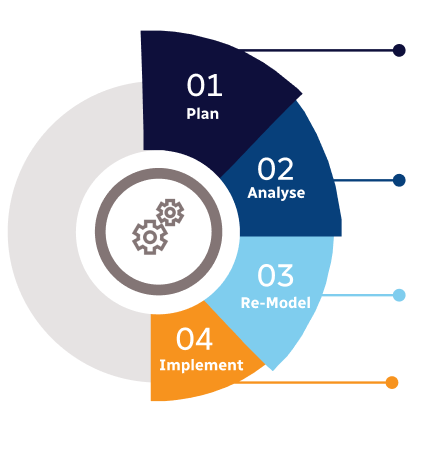
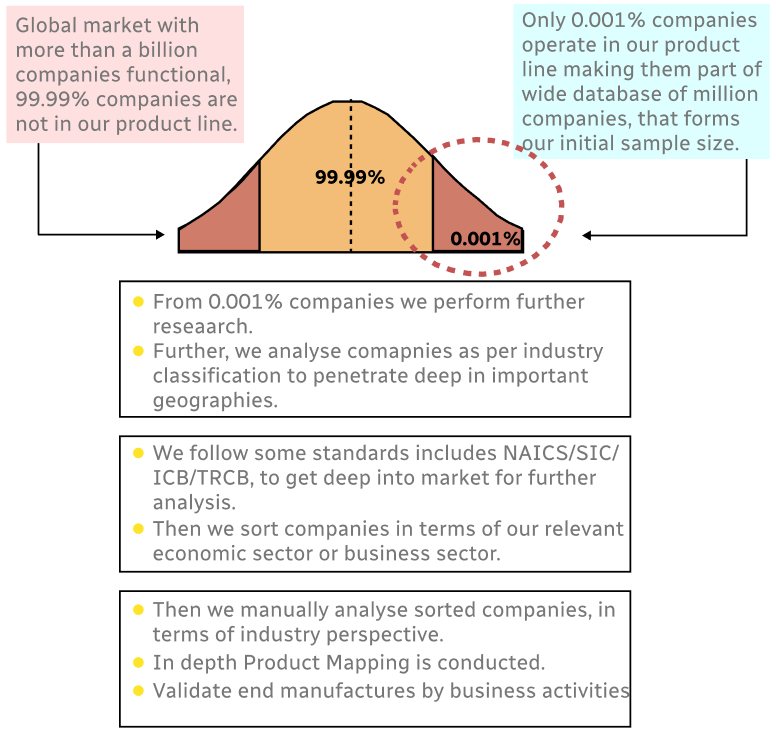
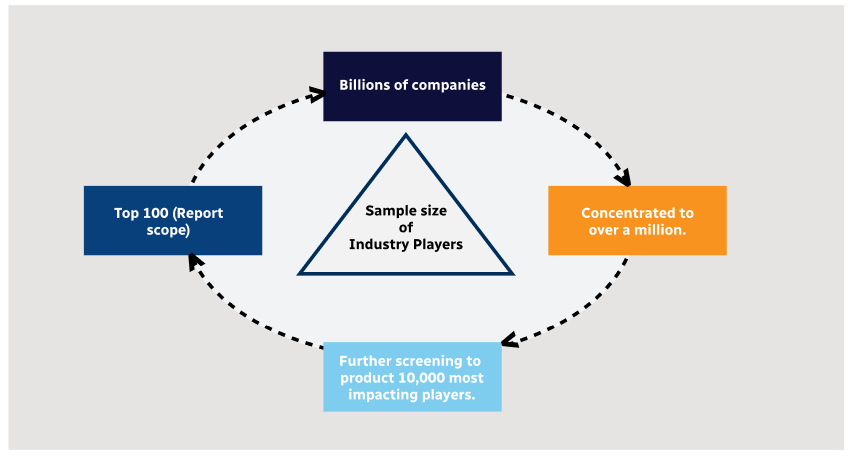
Step 1 - Identification of Relevant Samples Size from Population Database
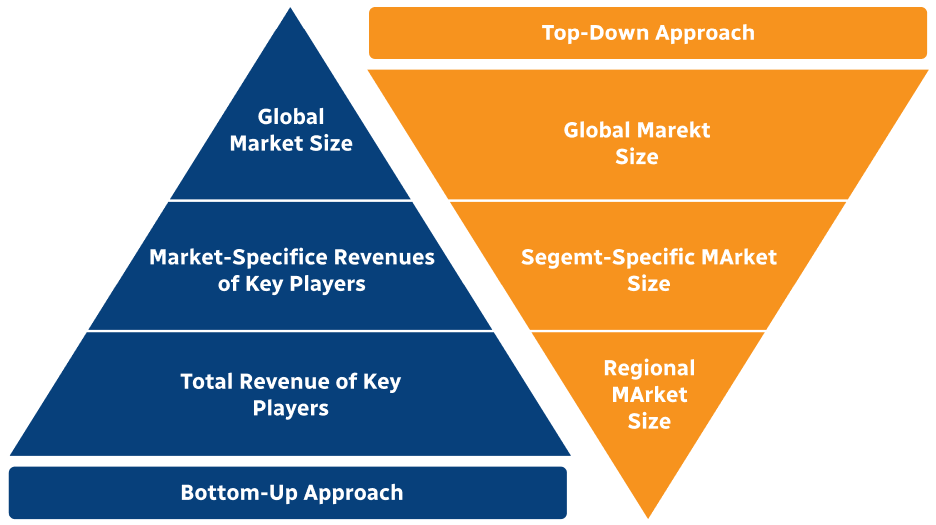
Step 2 - Approaches for Defining Global Market Size (Value, Volume* & Price*)
Note*: In applicable scenarios
Step 3 - Data Sources
Primary Research
- Web Analytics
- Survey Reports
- Research Institute
- Latest Research Reports
- Opinion Leaders
Secondary Research
- Annual Reports
- White Paper
- Latest Press Release
- Industry Association
- Paid Database
- Investor Presentations
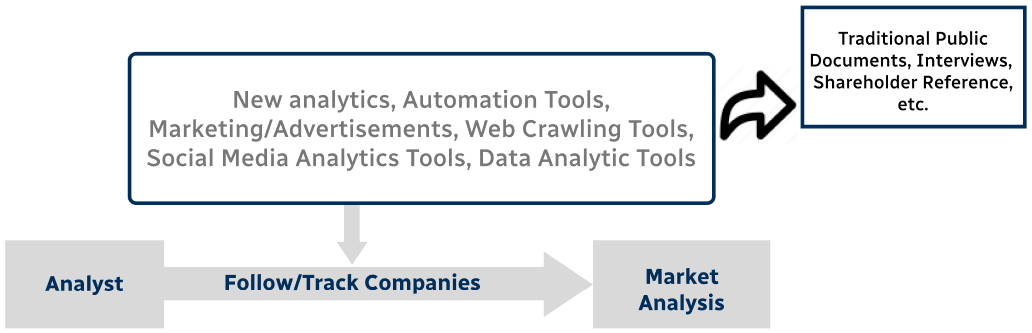
Step 4 - Data Triangulation
Involves using different sources of information in order to increase the validity of a study
These sources are likely to be stakeholders in a program - participants, other researchers, program staff, other community members, and so on.
Then we put all data in single framework & apply various statistical tools to find out the dynamic on the market.
During the analysis stage, feedback from the stakeholder groups would be compared to determine areas of agreement as well as areas of divergence


