


Key Insights
The Medical Enteral Feeding Tube Pump market is poised for significant expansion, projected to reach approximately $3,500 million by 2025, with an estimated Compound Annual Growth Rate (CAGR) of 6.5% through 2033. This robust growth trajectory is primarily fueled by the increasing prevalence of chronic digestive system diseases, a growing post-surgery patient population requiring nutritional support, and the rising incidence of conditions like anorexia nervosa. Advancements in pump technology, offering enhanced precision, portability, and patient comfort, are also acting as key drivers. The market’s expansion is further supported by greater awareness and adoption of home healthcare solutions, allowing for more convenient and effective enteral feeding outside of traditional hospital settings. The development of innovative, user-friendly pumps with improved safety features and connectivity options will continue to stimulate demand.
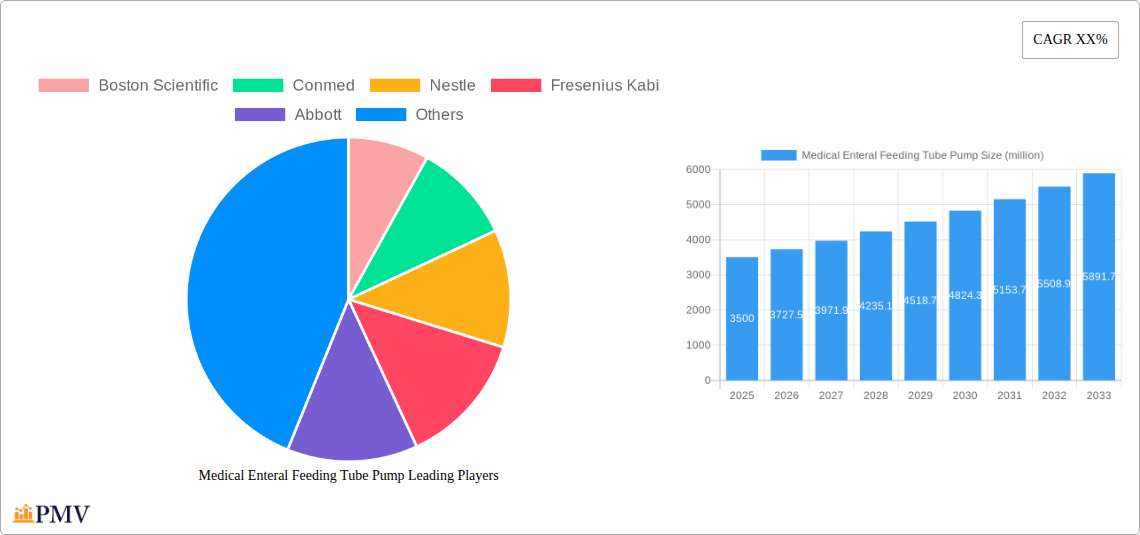
Medical Enteral Feeding Tube Pump Market Size (In Billion)

The market segmentation reveals a dynamic landscape. The "Digestive System Diseases" application segment is expected to dominate due to the long-term nutritional needs of patients suffering from conditions such as inflammatory bowel disease, short bowel syndrome, and dysphagia. The "After Surgery" application also presents a substantial opportunity as enteral feeding becomes increasingly crucial for patient recovery and rehabilitation. In terms of pump types, peristaltic pumps are likely to maintain a strong foothold due to their reliability and cost-effectiveness, while injection and electronic pumps are anticipated to witness higher growth rates driven by their sophisticated functionalities and precision in drug and nutrient delivery. Geographically, North America is expected to lead the market, driven by a well-established healthcare infrastructure, high patient awareness, and significant R&D investments. Asia Pacific, however, is projected to exhibit the fastest growth, propelled by a burgeoning patient population, increasing healthcare expenditure, and the expansion of medical device manufacturing capabilities. Restraints such as high initial costs of advanced pumps and the need for specialized training for healthcare providers may temper growth to some extent, but the overriding benefits of enhanced patient outcomes and improved quality of life are expected to drive sustained market advancement.
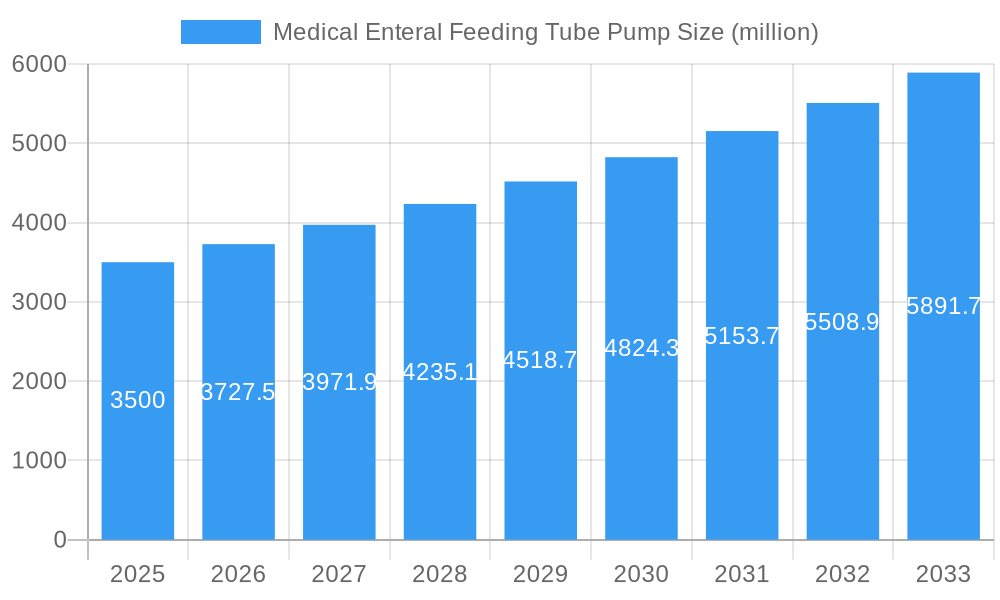
Medical Enteral Feeding Tube Pump Company Market Share
This comprehensive report provides an in-depth analysis of the global Medical Enteral Feeding Tube Pump market, offering critical insights and actionable intelligence for stakeholders. Covering the historical period from 2019 to 2024 and extending to a robust forecast period from 2025 to 2033, with a base year of 2025 and an estimated year also of 2025, this study meticulously dissects market dynamics, key trends, regional dominance, product innovations, and competitive landscapes. Our research is designed to empower manufacturers, suppliers, distributors, investors, and healthcare providers with a clear understanding of market opportunities and challenges in this vital healthcare segment.
Medical Enteral Feeding Tube Pump Market Structure & Competitive Dynamics
The Medical Enteral Feeding Tube Pump market exhibits a moderately fragmented structure, characterized by the presence of both large multinational corporations and specialized niche players. Key companies like Abbott, Fresenius Kabi, and Boston Scientific hold significant market share, estimated to be in the range of 15-20% for the top three players collectively, due to their extensive product portfolios and global distribution networks. The innovation ecosystem thrives on continuous advancements in pump technology, focusing on enhanced accuracy, portability, and user-friendliness, crucial for improving patient outcomes and reducing healthcare burdens. Regulatory frameworks, including stringent FDA and CE marking approvals, play a pivotal role in market entry and product differentiation, ensuring patient safety and efficacy. The threat of product substitutes, such as traditional feeding methods or alternative nutritional delivery systems, is present but diminishing as the benefits of automated enteral feeding become more widely recognized. End-user trends are strongly influenced by the increasing prevalence of chronic diseases, a growing geriatric population requiring nutritional support, and a preference for home-based care solutions. Mergers and acquisitions (M&A) activity, with estimated deal values in the hundreds of millions, is a significant factor in market consolidation, allowing larger players to expand their product lines and geographic reach. For instance, recent strategic acquisitions have bolstered portfolios in advanced peristaltic pump technologies and smart feeding solutions.
Medical Enteral Feeding Tube Pump Industry Trends & Insights
The Medical Enteral Feeding Tube Pump industry is poised for substantial growth, driven by a confluence of powerful market forces. A significant growth driver is the escalating global burden of chronic diseases, including digestive system disorders, neurological conditions, and cancer, all of which frequently necessitate long-term enteral nutrition. The increasing incidence of these conditions directly translates into a higher demand for reliable and efficient feeding devices. Furthermore, the aging global population is another major catalyst. Elderly individuals often experience reduced appetite, dysphagia, or underlying health issues that make oral intake insufficient, thereby increasing their reliance on enteral feeding. The shift towards home healthcare and the increasing preference for managing medical conditions outside of traditional hospital settings further propel the adoption of portable and user-friendly enteral feeding pumps. Technological disruptions are at the forefront of market evolution. Innovations in pump design, such as miniaturization, improved battery life, and integrated smart features like wireless connectivity for remote monitoring and data logging, are enhancing patient compliance and caregiver convenience. The development of advanced peristaltic pumps offering precise volumetric delivery and reduced risk of occlusion are highly sought after. Consumer preferences are increasingly leaning towards devices that offer greater independence and a better quality of life for patients receiving enteral nutrition. This includes a demand for quieter, more discreet, and easier-to-operate pumps. Competitive dynamics are intensifying, with companies focusing on product differentiation through unique features, superior clinical support, and competitive pricing strategies. The market penetration of advanced enteral feeding pumps is steadily increasing, projected to reach over 60% in developed economies within the forecast period, driven by favorable reimbursement policies and growing clinical awareness of their benefits. The compound annual growth rate (CAGR) for the Medical Enteral Feeding Tube Pump market is estimated at approximately 6.5% over the forecast period, a robust figure reflecting sustained demand and ongoing innovation. The market is also influenced by the development of closed-loop feeding systems and pumps capable of integrating with electronic health records (EHRs), promising a more seamless and data-driven approach to nutritional therapy.
Dominant Markets & Segments in Medical Enteral Feeding Tube Pump
North America currently dominates the global Medical Enteral Feeding Tube Pump market, driven by a sophisticated healthcare infrastructure, high disposable incomes, and a proactive approach to adopting advanced medical technologies. The United States, in particular, represents a substantial portion of this dominance due to the high prevalence of digestive system diseases and a well-established reimbursement system that favors the use of medical devices for long-term care. Within North America, the segment for Digestive System Diseases is the largest application, fueled by conditions like inflammatory bowel disease (IBD), short bowel syndrome, and gastrointestinal cancers that require prolonged enteral feeding. The economic policies in the region, such as Medicare and Medicaid coverage for enteral nutrition devices, significantly bolster market growth. Infrastructure development, including the expansion of home healthcare services and specialized nutritional support clinics, further supports market expansion.
- Key Drivers for Digestive System Diseases Segment Dominance:
- High prevalence of IBD, Crohn's disease, and ulcerative colitis.
- Increasing diagnoses of gastrointestinal cancers.
- Advances in surgical techniques leading to shorter bowel syndrome.
- Favorable reimbursement policies for enteral nutrition in the US.
The Peristaltic Pump segment is the leading type of enteral feeding pump due to its established track record, reliability, and precise volumetric delivery capabilities, essential for accurate nutrition administration. These pumps are widely adopted across various healthcare settings.
- Key Drivers for Peristaltic Pump Dominance:
- Accurate and consistent flow rate delivery.
- Reduced risk of medication errors.
- Ease of use for both healthcare professionals and home caregivers.
- Established clinical efficacy and safety profile.
In terms of geographical expansion, Asia-Pacific is emerging as a high-growth region, driven by improving healthcare access, rising awareness of nutritional support, and a growing middle class. Countries like China and India are witnessing a significant increase in demand for enteral feeding solutions.
Medical Enteral Feeding Tube Pump Product Innovations
Recent product developments in the Medical Enteral Feeding Tube Pump market are centered on enhancing portability, user interface, and connectivity. Manufacturers are introducing lighter, more compact pumps with extended battery life for greater patient mobility. Innovations include smart pumps with integrated Wi-Fi capabilities for remote monitoring by healthcare providers, allowing for real-time adjustments to feeding regimens and early detection of issues. Touchscreen interfaces and intuitive programming are making these devices more accessible for patients and caregivers. Competitive advantages are being gained through features like improved accuracy in medication delivery, reduced priming times, and enhanced safety mechanisms to prevent accidental disconnection or over-infusion.
Report Segmentation & Scope
This report meticulously segments the Medical Enteral Feeding Tube Pump market. The Application segmentation includes: Digestive System Diseases, After Surgery, Anorexia Nervosa, and Others. The Digestive System Diseases segment is projected to experience a CAGR of approximately 7.0% due to the rising prevalence of chronic gastrointestinal disorders. The After Surgery segment, with an estimated market size of over 500 million, is expected to grow steadily. Anorexia Nervosa represents a niche but important segment with unique requirements. The Types segmentation encompasses: Peristaltic Pump, Injection Pump, Electronic Pump, and Others. The Peristaltic Pump segment is anticipated to maintain its leading position with an estimated market share exceeding 55% in the forecast period. The Electronic Pump segment is showing rapid growth due to technological advancements.
Key Drivers of Medical Enteral Feeding Tube Pump Growth
The growth of the Medical Enteral Feeding Tube Pump market is propelled by several interconnected factors. The escalating global prevalence of chronic diseases, particularly those affecting the gastrointestinal tract and neurological systems, creates a sustained demand for reliable nutritional support. The aging demographic worldwide, with its inherent nutritional challenges, further amplifies this demand. Technological advancements are key, with innovations focusing on user-friendliness, portability, and enhanced accuracy, making enteral feeding more accessible and effective in homecare settings. Favorable reimbursement policies in major healthcare markets, such as the US and EU countries, reduce the financial burden on patients and providers, thereby encouraging adoption.
Challenges in the Medical Enteral Feeding Tube Pump Sector
Despite robust growth, the Medical Enteral Feeding Tube Pump sector faces several challenges. Stringent regulatory approval processes in different regions can lead to extended product launch timelines and increased development costs, posing a hurdle for smaller manufacturers. Supply chain disruptions, as witnessed in recent global events, can impact the availability of critical components and raw materials, affecting production and delivery. Furthermore, the high initial cost of advanced enteral feeding pumps can be a barrier for adoption in resource-limited settings. Competitive pressures from both established players and emerging technologies necessitate continuous innovation and cost optimization.
Leading Players in the Medical Enteral Feeding Tube Pump Market
- Boston Scientific
- Conmed
- Nestle
- Fresenius Kabi
- Abbott
- Halyard Health
- Cook Medical
- Vygon
- C. R. Bard
- Cardinal Health
- Applied Medical Technology
- B. Braun
- Avanos
- Bionix Inc
Key Developments in Medical Enteral Feeding Tube Pump Sector
- 2024: Launch of a new generation of smart enteral feeding pumps with enhanced connectivity and patient monitoring capabilities by Abbott.
- 2023: Fresenius Kabi acquired a leading developer of enteral nutrition delivery systems, expanding its portfolio and market reach.
- 2022: Boston Scientific introduced a compact, lightweight peristaltic pump designed for increased patient mobility and homecare use.
- 2021: Vygon released an updated version of its electronic enteral feeding pump with improved user interface and safety features.
- 2020: Conmed unveiled a new line of enteral feeding pumps with extended battery life, catering to longer therapy durations.
Strategic Medical Enteral Feeding Tube Pump Market Outlook
The strategic outlook for the Medical Enteral Feeding Tube Pump market remains highly positive, driven by a strong combination of demographic trends, technological innovation, and expanding healthcare access. The increasing focus on home healthcare and patient-centric solutions will continue to fuel demand for portable and intelligent feeding devices. Opportunities lie in developing cost-effective solutions for emerging markets and further integrating digital health technologies, such as AI-powered feeding algorithms and predictive analytics for early intervention. Partnerships between medical device manufacturers and healthcare providers will be crucial for driving market penetration and ensuring optimal patient outcomes. The market is expected to witness continued growth, with a strategic focus on enhancing patient independence and improving the overall efficiency of enteral nutrition therapy.
Medical Enteral Feeding Tube Pump Segmentation
-
1. Application
- 1.1. Digestive System Diseases
- 1.2. After Surgery
- 1.3. Anorexia Nervosa
- 1.4. Others
-
2. Types
- 2.1. Peristaltic Pump
- 2.2. Injection Pump
- 2.3. Electronic Pump
- 2.4. Others
Medical Enteral Feeding Tube Pump Segmentation By Geography
-
1. North America
- 1.1. United States
- 1.2. Canada
- 1.3. Mexico
-
2. South America
- 2.1. Brazil
- 2.2. Argentina
- 2.3. Rest of South America
-
3. Europe
- 3.1. United Kingdom
- 3.2. Germany
- 3.3. France
- 3.4. Italy
- 3.5. Spain
- 3.6. Russia
- 3.7. Benelux
- 3.8. Nordics
- 3.9. Rest of Europe
-
4. Middle East & Africa
- 4.1. Turkey
- 4.2. Israel
- 4.3. GCC
- 4.4. North Africa
- 4.5. South Africa
- 4.6. Rest of Middle East & Africa
-
5. Asia Pacific
- 5.1. China
- 5.2. India
- 5.3. Japan
- 5.4. South Korea
- 5.5. ASEAN
- 5.6. Oceania
- 5.7. Rest of Asia Pacific
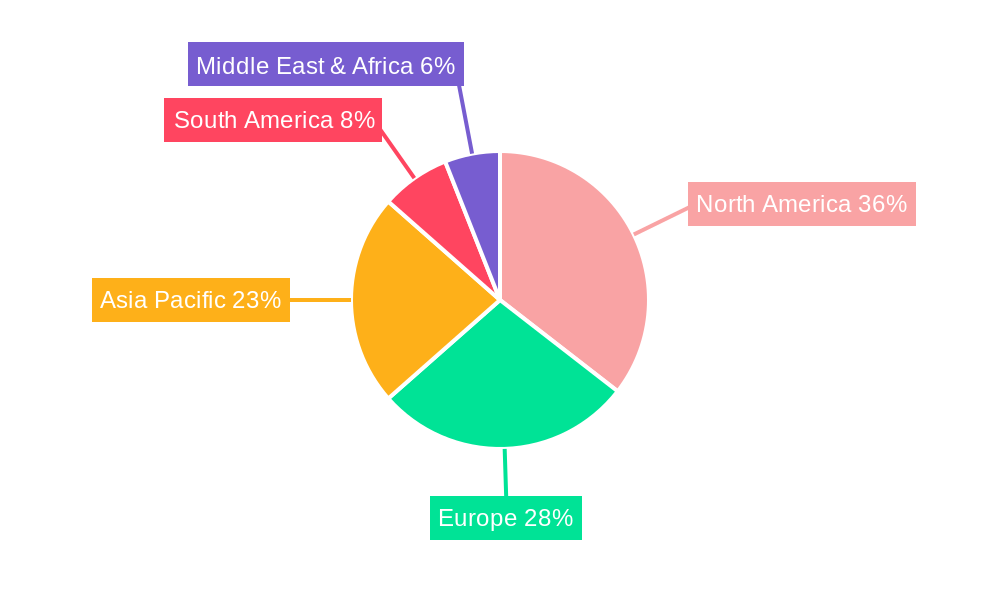
Medical Enteral Feeding Tube Pump Regional Market Share
Geographic Coverage of Medical Enteral Feeding Tube Pump
Medical Enteral Feeding Tube Pump REPORT HIGHLIGHTS
| Aspects | Details |
|---|---|
| Study Period | 2020-2034 |
| Base Year | 2025 |
| Estimated Year | 2026 |
| Forecast Period | 2026-2034 |
| Historical Period | 2020-2025 |
| Growth Rate | CAGR of 4.7% from 2020-2034 |
| Segmentation |
|
Table of Contents
- 1. Introduction
- 1.1. Research Scope
- 1.2. Market Segmentation
- 1.3. Research Methodology
- 1.4. Definitions and Assumptions
- 2. Executive Summary
- 2.1. Introduction
- 3. Market Dynamics
- 3.1. Introduction
- 3.2. Market Drivers
- 3.3. Market Restrains
- 3.4. Market Trends
- 4. Market Factor Analysis
- 4.1. Porters Five Forces
- 4.2. Supply/Value Chain
- 4.3. PESTEL analysis
- 4.4. Market Entropy
- 4.5. Patent/Trademark Analysis
- 5. Global Medical Enteral Feeding Tube Pump Analysis, Insights and Forecast, 2020-2032
- 5.1. Market Analysis, Insights and Forecast - by Application
- 5.1.1. Digestive System Diseases
- 5.1.2. After Surgery
- 5.1.3. Anorexia Nervosa
- 5.1.4. Others
- 5.2. Market Analysis, Insights and Forecast - by Types
- 5.2.1. Peristaltic Pump
- 5.2.2. Injection Pump
- 5.2.3. Electronic Pump
- 5.2.4. Others
- 5.3. Market Analysis, Insights and Forecast - by Region
- 5.3.1. North America
- 5.3.2. South America
- 5.3.3. Europe
- 5.3.4. Middle East & Africa
- 5.3.5. Asia Pacific
- 5.1. Market Analysis, Insights and Forecast - by Application
- 6. North America Medical Enteral Feeding Tube Pump Analysis, Insights and Forecast, 2020-2032
- 6.1. Market Analysis, Insights and Forecast - by Application
- 6.1.1. Digestive System Diseases
- 6.1.2. After Surgery
- 6.1.3. Anorexia Nervosa
- 6.1.4. Others
- 6.2. Market Analysis, Insights and Forecast - by Types
- 6.2.1. Peristaltic Pump
- 6.2.2. Injection Pump
- 6.2.3. Electronic Pump
- 6.2.4. Others
- 6.1. Market Analysis, Insights and Forecast - by Application
- 7. South America Medical Enteral Feeding Tube Pump Analysis, Insights and Forecast, 2020-2032
- 7.1. Market Analysis, Insights and Forecast - by Application
- 7.1.1. Digestive System Diseases
- 7.1.2. After Surgery
- 7.1.3. Anorexia Nervosa
- 7.1.4. Others
- 7.2. Market Analysis, Insights and Forecast - by Types
- 7.2.1. Peristaltic Pump
- 7.2.2. Injection Pump
- 7.2.3. Electronic Pump
- 7.2.4. Others
- 7.1. Market Analysis, Insights and Forecast - by Application
- 8. Europe Medical Enteral Feeding Tube Pump Analysis, Insights and Forecast, 2020-2032
- 8.1. Market Analysis, Insights and Forecast - by Application
- 8.1.1. Digestive System Diseases
- 8.1.2. After Surgery
- 8.1.3. Anorexia Nervosa
- 8.1.4. Others
- 8.2. Market Analysis, Insights and Forecast - by Types
- 8.2.1. Peristaltic Pump
- 8.2.2. Injection Pump
- 8.2.3. Electronic Pump
- 8.2.4. Others
- 8.1. Market Analysis, Insights and Forecast - by Application
- 9. Middle East & Africa Medical Enteral Feeding Tube Pump Analysis, Insights and Forecast, 2020-2032
- 9.1. Market Analysis, Insights and Forecast - by Application
- 9.1.1. Digestive System Diseases
- 9.1.2. After Surgery
- 9.1.3. Anorexia Nervosa
- 9.1.4. Others
- 9.2. Market Analysis, Insights and Forecast - by Types
- 9.2.1. Peristaltic Pump
- 9.2.2. Injection Pump
- 9.2.3. Electronic Pump
- 9.2.4. Others
- 9.1. Market Analysis, Insights and Forecast - by Application
- 10. Asia Pacific Medical Enteral Feeding Tube Pump Analysis, Insights and Forecast, 2020-2032
- 10.1. Market Analysis, Insights and Forecast - by Application
- 10.1.1. Digestive System Diseases
- 10.1.2. After Surgery
- 10.1.3. Anorexia Nervosa
- 10.1.4. Others
- 10.2. Market Analysis, Insights and Forecast - by Types
- 10.2.1. Peristaltic Pump
- 10.2.2. Injection Pump
- 10.2.3. Electronic Pump
- 10.2.4. Others
- 10.1. Market Analysis, Insights and Forecast - by Application
- 11. Competitive Analysis
- 11.1. Global Market Share Analysis 2025
- 11.2. Company Profiles
- 11.2.1 Boston Scientific
- 11.2.1.1. Overview
- 11.2.1.2. Products
- 11.2.1.3. SWOT Analysis
- 11.2.1.4. Recent Developments
- 11.2.1.5. Financials (Based on Availability)
- 11.2.2 Conmed
- 11.2.2.1. Overview
- 11.2.2.2. Products
- 11.2.2.3. SWOT Analysis
- 11.2.2.4. Recent Developments
- 11.2.2.5. Financials (Based on Availability)
- 11.2.3 Nestle
- 11.2.3.1. Overview
- 11.2.3.2. Products
- 11.2.3.3. SWOT Analysis
- 11.2.3.4. Recent Developments
- 11.2.3.5. Financials (Based on Availability)
- 11.2.4 Fresenius Kabi
- 11.2.4.1. Overview
- 11.2.4.2. Products
- 11.2.4.3. SWOT Analysis
- 11.2.4.4. Recent Developments
- 11.2.4.5. Financials (Based on Availability)
- 11.2.5 Abbott
- 11.2.5.1. Overview
- 11.2.5.2. Products
- 11.2.5.3. SWOT Analysis
- 11.2.5.4. Recent Developments
- 11.2.5.5. Financials (Based on Availability)
- 11.2.6 Halyard Health
- 11.2.6.1. Overview
- 11.2.6.2. Products
- 11.2.6.3. SWOT Analysis
- 11.2.6.4. Recent Developments
- 11.2.6.5. Financials (Based on Availability)
- 11.2.7 Cook Medical
- 11.2.7.1. Overview
- 11.2.7.2. Products
- 11.2.7.3. SWOT Analysis
- 11.2.7.4. Recent Developments
- 11.2.7.5. Financials (Based on Availability)
- 11.2.8 Vygon
- 11.2.8.1. Overview
- 11.2.8.2. Products
- 11.2.8.3. SWOT Analysis
- 11.2.8.4. Recent Developments
- 11.2.8.5. Financials (Based on Availability)
- 11.2.9 C. R. Bard
- 11.2.9.1. Overview
- 11.2.9.2. Products
- 11.2.9.3. SWOT Analysis
- 11.2.9.4. Recent Developments
- 11.2.9.5. Financials (Based on Availability)
- 11.2.10 Cardinal Health
- 11.2.10.1. Overview
- 11.2.10.2. Products
- 11.2.10.3. SWOT Analysis
- 11.2.10.4. Recent Developments
- 11.2.10.5. Financials (Based on Availability)
- 11.2.11 Applied Medical Technology
- 11.2.11.1. Overview
- 11.2.11.2. Products
- 11.2.11.3. SWOT Analysis
- 11.2.11.4. Recent Developments
- 11.2.11.5. Financials (Based on Availability)
- 11.2.12 B. Braun
- 11.2.12.1. Overview
- 11.2.12.2. Products
- 11.2.12.3. SWOT Analysis
- 11.2.12.4. Recent Developments
- 11.2.12.5. Financials (Based on Availability)
- 11.2.13 Avanos
- 11.2.13.1. Overview
- 11.2.13.2. Products
- 11.2.13.3. SWOT Analysis
- 11.2.13.4. Recent Developments
- 11.2.13.5. Financials (Based on Availability)
- 11.2.14 Bionix Inc
- 11.2.14.1. Overview
- 11.2.14.2. Products
- 11.2.14.3. SWOT Analysis
- 11.2.14.4. Recent Developments
- 11.2.14.5. Financials (Based on Availability)
- 11.2.1 Boston Scientific
List of Figures
- Figure 1: Global Medical Enteral Feeding Tube Pump Revenue Breakdown (undefined, %) by Region 2025 & 2033
- Figure 2: North America Medical Enteral Feeding Tube Pump Revenue (undefined), by Application 2025 & 2033
- Figure 3: North America Medical Enteral Feeding Tube Pump Revenue Share (%), by Application 2025 & 2033
- Figure 4: North America Medical Enteral Feeding Tube Pump Revenue (undefined), by Types 2025 & 2033
- Figure 5: North America Medical Enteral Feeding Tube Pump Revenue Share (%), by Types 2025 & 2033
- Figure 6: North America Medical Enteral Feeding Tube Pump Revenue (undefined), by Country 2025 & 2033
- Figure 7: North America Medical Enteral Feeding Tube Pump Revenue Share (%), by Country 2025 & 2033
- Figure 8: South America Medical Enteral Feeding Tube Pump Revenue (undefined), by Application 2025 & 2033
- Figure 9: South America Medical Enteral Feeding Tube Pump Revenue Share (%), by Application 2025 & 2033
- Figure 10: South America Medical Enteral Feeding Tube Pump Revenue (undefined), by Types 2025 & 2033
- Figure 11: South America Medical Enteral Feeding Tube Pump Revenue Share (%), by Types 2025 & 2033
- Figure 12: South America Medical Enteral Feeding Tube Pump Revenue (undefined), by Country 2025 & 2033
- Figure 13: South America Medical Enteral Feeding Tube Pump Revenue Share (%), by Country 2025 & 2033
- Figure 14: Europe Medical Enteral Feeding Tube Pump Revenue (undefined), by Application 2025 & 2033
- Figure 15: Europe Medical Enteral Feeding Tube Pump Revenue Share (%), by Application 2025 & 2033
- Figure 16: Europe Medical Enteral Feeding Tube Pump Revenue (undefined), by Types 2025 & 2033
- Figure 17: Europe Medical Enteral Feeding Tube Pump Revenue Share (%), by Types 2025 & 2033
- Figure 18: Europe Medical Enteral Feeding Tube Pump Revenue (undefined), by Country 2025 & 2033
- Figure 19: Europe Medical Enteral Feeding Tube Pump Revenue Share (%), by Country 2025 & 2033
- Figure 20: Middle East & Africa Medical Enteral Feeding Tube Pump Revenue (undefined), by Application 2025 & 2033
- Figure 21: Middle East & Africa Medical Enteral Feeding Tube Pump Revenue Share (%), by Application 2025 & 2033
- Figure 22: Middle East & Africa Medical Enteral Feeding Tube Pump Revenue (undefined), by Types 2025 & 2033
- Figure 23: Middle East & Africa Medical Enteral Feeding Tube Pump Revenue Share (%), by Types 2025 & 2033
- Figure 24: Middle East & Africa Medical Enteral Feeding Tube Pump Revenue (undefined), by Country 2025 & 2033
- Figure 25: Middle East & Africa Medical Enteral Feeding Tube Pump Revenue Share (%), by Country 2025 & 2033
- Figure 26: Asia Pacific Medical Enteral Feeding Tube Pump Revenue (undefined), by Application 2025 & 2033
- Figure 27: Asia Pacific Medical Enteral Feeding Tube Pump Revenue Share (%), by Application 2025 & 2033
- Figure 28: Asia Pacific Medical Enteral Feeding Tube Pump Revenue (undefined), by Types 2025 & 2033
- Figure 29: Asia Pacific Medical Enteral Feeding Tube Pump Revenue Share (%), by Types 2025 & 2033
- Figure 30: Asia Pacific Medical Enteral Feeding Tube Pump Revenue (undefined), by Country 2025 & 2033
- Figure 31: Asia Pacific Medical Enteral Feeding Tube Pump Revenue Share (%), by Country 2025 & 2033
List of Tables
- Table 1: Global Medical Enteral Feeding Tube Pump Revenue undefined Forecast, by Application 2020 & 2033
- Table 2: Global Medical Enteral Feeding Tube Pump Revenue undefined Forecast, by Types 2020 & 2033
- Table 3: Global Medical Enteral Feeding Tube Pump Revenue undefined Forecast, by Region 2020 & 2033
- Table 4: Global Medical Enteral Feeding Tube Pump Revenue undefined Forecast, by Application 2020 & 2033
- Table 5: Global Medical Enteral Feeding Tube Pump Revenue undefined Forecast, by Types 2020 & 2033
- Table 6: Global Medical Enteral Feeding Tube Pump Revenue undefined Forecast, by Country 2020 & 2033
- Table 7: United States Medical Enteral Feeding Tube Pump Revenue (undefined) Forecast, by Application 2020 & 2033
- Table 8: Canada Medical Enteral Feeding Tube Pump Revenue (undefined) Forecast, by Application 2020 & 2033
- Table 9: Mexico Medical Enteral Feeding Tube Pump Revenue (undefined) Forecast, by Application 2020 & 2033
- Table 10: Global Medical Enteral Feeding Tube Pump Revenue undefined Forecast, by Application 2020 & 2033
- Table 11: Global Medical Enteral Feeding Tube Pump Revenue undefined Forecast, by Types 2020 & 2033
- Table 12: Global Medical Enteral Feeding Tube Pump Revenue undefined Forecast, by Country 2020 & 2033
- Table 13: Brazil Medical Enteral Feeding Tube Pump Revenue (undefined) Forecast, by Application 2020 & 2033
- Table 14: Argentina Medical Enteral Feeding Tube Pump Revenue (undefined) Forecast, by Application 2020 & 2033
- Table 15: Rest of South America Medical Enteral Feeding Tube Pump Revenue (undefined) Forecast, by Application 2020 & 2033
- Table 16: Global Medical Enteral Feeding Tube Pump Revenue undefined Forecast, by Application 2020 & 2033
- Table 17: Global Medical Enteral Feeding Tube Pump Revenue undefined Forecast, by Types 2020 & 2033
- Table 18: Global Medical Enteral Feeding Tube Pump Revenue undefined Forecast, by Country 2020 & 2033
- Table 19: United Kingdom Medical Enteral Feeding Tube Pump Revenue (undefined) Forecast, by Application 2020 & 2033
- Table 20: Germany Medical Enteral Feeding Tube Pump Revenue (undefined) Forecast, by Application 2020 & 2033
- Table 21: France Medical Enteral Feeding Tube Pump Revenue (undefined) Forecast, by Application 2020 & 2033
- Table 22: Italy Medical Enteral Feeding Tube Pump Revenue (undefined) Forecast, by Application 2020 & 2033
- Table 23: Spain Medical Enteral Feeding Tube Pump Revenue (undefined) Forecast, by Application 2020 & 2033
- Table 24: Russia Medical Enteral Feeding Tube Pump Revenue (undefined) Forecast, by Application 2020 & 2033
- Table 25: Benelux Medical Enteral Feeding Tube Pump Revenue (undefined) Forecast, by Application 2020 & 2033
- Table 26: Nordics Medical Enteral Feeding Tube Pump Revenue (undefined) Forecast, by Application 2020 & 2033
- Table 27: Rest of Europe Medical Enteral Feeding Tube Pump Revenue (undefined) Forecast, by Application 2020 & 2033
- Table 28: Global Medical Enteral Feeding Tube Pump Revenue undefined Forecast, by Application 2020 & 2033
- Table 29: Global Medical Enteral Feeding Tube Pump Revenue undefined Forecast, by Types 2020 & 2033
- Table 30: Global Medical Enteral Feeding Tube Pump Revenue undefined Forecast, by Country 2020 & 2033
- Table 31: Turkey Medical Enteral Feeding Tube Pump Revenue (undefined) Forecast, by Application 2020 & 2033
- Table 32: Israel Medical Enteral Feeding Tube Pump Revenue (undefined) Forecast, by Application 2020 & 2033
- Table 33: GCC Medical Enteral Feeding Tube Pump Revenue (undefined) Forecast, by Application 2020 & 2033
- Table 34: North Africa Medical Enteral Feeding Tube Pump Revenue (undefined) Forecast, by Application 2020 & 2033
- Table 35: South Africa Medical Enteral Feeding Tube Pump Revenue (undefined) Forecast, by Application 2020 & 2033
- Table 36: Rest of Middle East & Africa Medical Enteral Feeding Tube Pump Revenue (undefined) Forecast, by Application 2020 & 2033
- Table 37: Global Medical Enteral Feeding Tube Pump Revenue undefined Forecast, by Application 2020 & 2033
- Table 38: Global Medical Enteral Feeding Tube Pump Revenue undefined Forecast, by Types 2020 & 2033
- Table 39: Global Medical Enteral Feeding Tube Pump Revenue undefined Forecast, by Country 2020 & 2033
- Table 40: China Medical Enteral Feeding Tube Pump Revenue (undefined) Forecast, by Application 2020 & 2033
- Table 41: India Medical Enteral Feeding Tube Pump Revenue (undefined) Forecast, by Application 2020 & 2033
- Table 42: Japan Medical Enteral Feeding Tube Pump Revenue (undefined) Forecast, by Application 2020 & 2033
- Table 43: South Korea Medical Enteral Feeding Tube Pump Revenue (undefined) Forecast, by Application 2020 & 2033
- Table 44: ASEAN Medical Enteral Feeding Tube Pump Revenue (undefined) Forecast, by Application 2020 & 2033
- Table 45: Oceania Medical Enteral Feeding Tube Pump Revenue (undefined) Forecast, by Application 2020 & 2033
- Table 46: Rest of Asia Pacific Medical Enteral Feeding Tube Pump Revenue (undefined) Forecast, by Application 2020 & 2033
Frequently Asked Questions
1. What is the projected Compound Annual Growth Rate (CAGR) of the Medical Enteral Feeding Tube Pump?
The projected CAGR is approximately 4.7%.
2. Which companies are prominent players in the Medical Enteral Feeding Tube Pump?
Key companies in the market include Boston Scientific, Conmed, Nestle, Fresenius Kabi, Abbott, Halyard Health, Cook Medical, Vygon, C. R. Bard, Cardinal Health, Applied Medical Technology, B. Braun, Avanos, Bionix Inc.
3. What are the main segments of the Medical Enteral Feeding Tube Pump?
The market segments include Application, Types.
4. Can you provide details about the market size?
The market size is estimated to be USD XXX N/A as of 2022.
5. What are some drivers contributing to market growth?
N/A
6. What are the notable trends driving market growth?
N/A
7. Are there any restraints impacting market growth?
N/A
8. Can you provide examples of recent developments in the market?
N/A
9. What pricing options are available for accessing the report?
Pricing options include single-user, multi-user, and enterprise licenses priced at USD 4900.00, USD 7350.00, and USD 9800.00 respectively.
10. Is the market size provided in terms of value or volume?
The market size is provided in terms of value, measured in N/A.
11. Are there any specific market keywords associated with the report?
Yes, the market keyword associated with the report is "Medical Enteral Feeding Tube Pump," which aids in identifying and referencing the specific market segment covered.
12. How do I determine which pricing option suits my needs best?
The pricing options vary based on user requirements and access needs. Individual users may opt for single-user licenses, while businesses requiring broader access may choose multi-user or enterprise licenses for cost-effective access to the report.
13. Are there any additional resources or data provided in the Medical Enteral Feeding Tube Pump report?
While the report offers comprehensive insights, it's advisable to review the specific contents or supplementary materials provided to ascertain if additional resources or data are available.
14. How can I stay updated on further developments or reports in the Medical Enteral Feeding Tube Pump?
To stay informed about further developments, trends, and reports in the Medical Enteral Feeding Tube Pump, consider subscribing to industry newsletters, following relevant companies and organizations, or regularly checking reputable industry news sources and publications.
Methodology
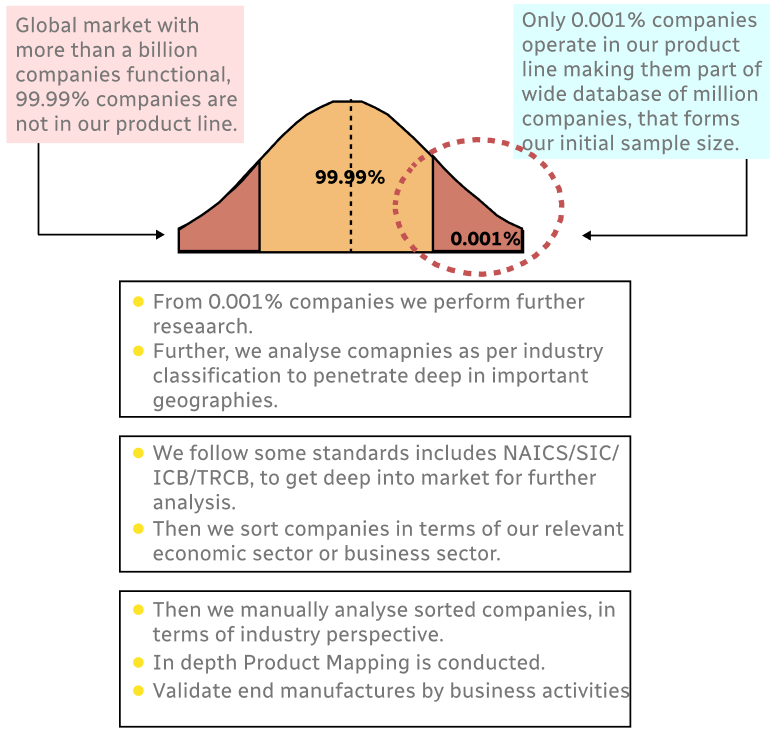
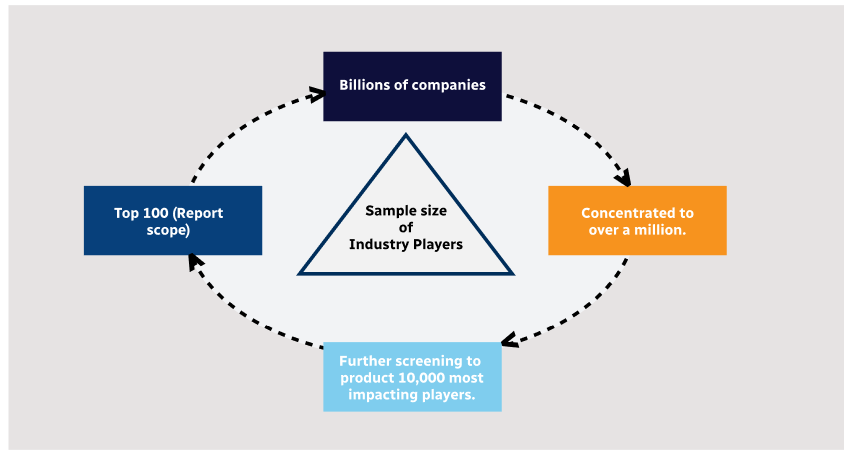
Step 1 - Identification of Relevant Samples Size from Population Database
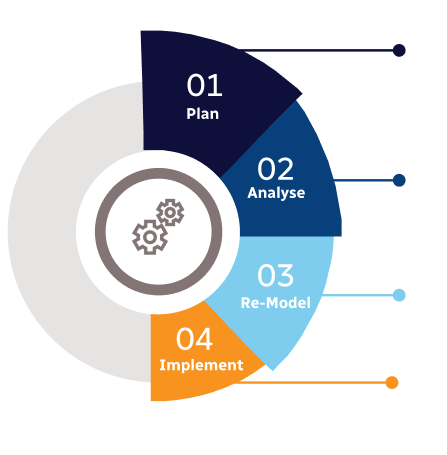
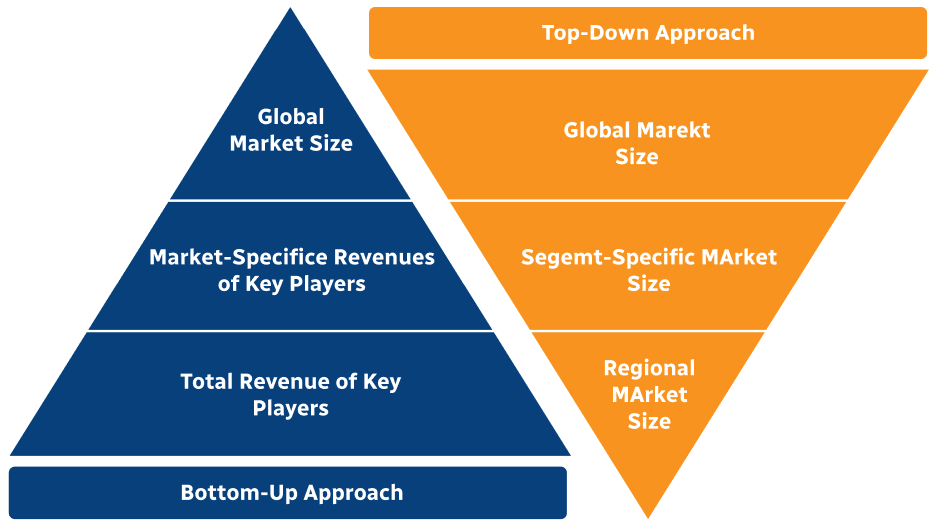
Step 2 - Approaches for Defining Global Market Size (Value, Volume* & Price*)
Note*: In applicable scenarios
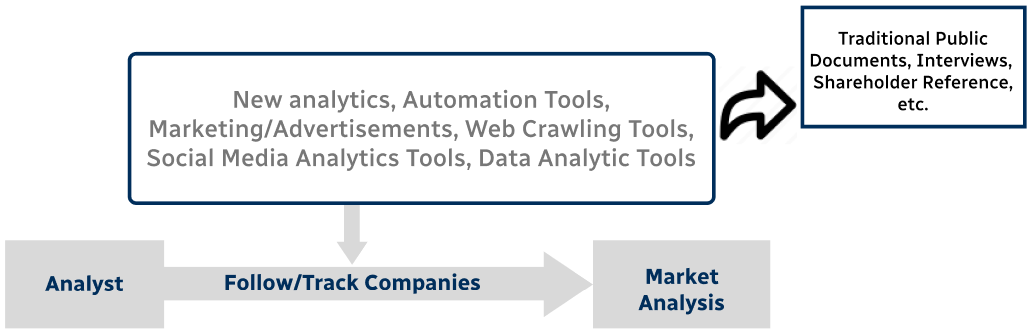
Step 3 - Data Sources
Primary Research
- Web Analytics
- Survey Reports
- Research Institute
- Latest Research Reports
- Opinion Leaders
Secondary Research
- Annual Reports
- White Paper
- Latest Press Release
- Industry Association
- Paid Database
- Investor Presentations
Step 4 - Data Triangulation
Involves using different sources of information in order to increase the validity of a study
These sources are likely to be stakeholders in a program - participants, other researchers, program staff, other community members, and so on.
Then we put all data in single framework & apply various statistical tools to find out the dynamic on the market.
During the analysis stage, feedback from the stakeholder groups would be compared to determine areas of agreement as well as areas of divergence