


Key Insights
The global market for light vehicle parking sensors is projected to experience robust growth, reaching an estimated $16,460 million by 2025. This expansion is driven by a confluence of factors, most notably the increasing consumer demand for enhanced safety and convenience in vehicles. As advanced driver-assistance systems (ADAS) become more sophisticated and integrated, parking sensors play a pivotal role in enabling features like automatic parking, collision avoidance, and enhanced driver awareness. The CAGR of 8.7% predicted for the forecast period (2025-2033) underscores the market's strong upward trajectory. This growth is further fueled by stringent government regulations mandating advanced safety features in new vehicle models, pushing manufacturers to incorporate these technologies universally. The increasing production of passenger vehicles, coupled with the growing adoption of commercial vehicles with sophisticated parking needs, also contributes significantly to this market surge. Furthermore, technological advancements in sensor technology, such as the development of more accurate and cost-effective camera-based and lidar-based systems, are expanding the application scope and improving the performance of parking sensor systems.

Light Vehicle Parking Sensor Market Size (In Billion)

The market is segmented by application into Passenger Vehicles and Commercial Vehicles, with passenger vehicles currently dominating due to higher production volumes and a strong focus on premium features. However, the commercial vehicle segment is expected to witness substantial growth as fleet operators recognize the benefits of reduced minor damage, improved efficiency, and enhanced safety. By type, camera-based parking sensors are gaining significant traction due to their ability to provide visual cues and object recognition capabilities, complementing traditional ultrasonic sensors. Lidar-based parking sensors are also emerging as a key technology, offering superior accuracy and performance in various environmental conditions. Geographically, Asia Pacific is anticipated to be the fastest-growing region, driven by the burgeoning automotive industries in China and India, alongside increasing per capita income and a growing middle class demanding technologically advanced vehicles. North America and Europe, already mature markets with a strong emphasis on ADAS, will continue to be significant contributors, with a focus on innovation and the integration of advanced parking solutions into a wider range of vehicle segments. The competitive landscape is characterized by the presence of major global automotive suppliers such as Bosch, Denso, Continental, and Valeo, who are actively investing in research and development to stay ahead of the innovation curve and meet evolving consumer and regulatory demands.

Light Vehicle Parking Sensor Company Market Share
Unlock the Future of Automotive Convenience: Detailed Report on the Light Vehicle Parking Sensor Market
This comprehensive report delves deep into the dynamic Light Vehicle Parking Sensor Market, providing an in-depth analysis of its structure, competitive landscape, technological advancements, and future trajectory. Designed for automotive manufacturers, sensor technology providers, and industry stakeholders, this report offers actionable insights and data-driven strategies to navigate the evolving automotive parking sensor ecosystem. Our extensive research covers a study period from 2019 to 2033, with a base year of 2025, an estimated year of 2025, and a robust forecast period from 2025 to 2033, building upon a detailed historical period of 2019 to 2024. Expect to discover market sizes valued in the hundreds of millions, with detailed segment breakdowns and growth projections. We meticulously examine the impact of leading companies such as Bosch Corp, Denso Corp, Fujitsu, Continental, Autoliv, Delphi, ZF Friedrichshafen, Valeo, Hella, Texas Instruments, NXP Semiconductors, Panasonic Corporation, Hitachi Automotive Systems, and their contributions to the advanced driver-assistance systems (ADAS) sector.
Light Vehicle Parking Sensor Market Structure & Competitive Dynamics
The Light Vehicle Parking Sensor Market exhibits a moderately concentrated structure, with key players like Bosch Corp and Continental holding significant market share, estimated at over 300 million units annually. The innovation ecosystem is robust, driven by intense R&D investments from major automotive suppliers. Regulatory frameworks, particularly in North America and Europe, mandating enhanced safety features, are crucial growth facilitators. Product substitutes, while present in simpler parking aids, are increasingly marginalized by the advanced capabilities of integrated parking sensor systems. End-user trends lean towards greater convenience and safety, propelling demand for sophisticated parking assist technology. Merger and acquisition activities are notable, with recent deals collectively valued at over 500 million, aimed at consolidating technological expertise and expanding market reach. Key M&A activities include acquisitions of specialized sensor technology firms to enhance ultrasonic parking sensors, camera-based parking sensors, and lidar-based parking sensors offerings.
- Market Concentration: Moderately concentrated, dominated by a few key global players.
- Innovation Ecosystem: Driven by continuous R&D in sensor fusion, AI, and miniaturization.
- Regulatory Frameworks: Strict safety mandates in developed regions are a significant driver.
- Product Substitutes: Limited, with advanced systems offering superior performance.
- End-User Trends: Growing consumer demand for automated parking solutions and enhanced safety.
- M&A Activities: Strategic acquisitions for technology integration and market expansion.
Light Vehicle Parking Sensor Industry Trends & Insights
The Light Vehicle Parking Sensor Market is poised for remarkable growth, driven by the escalating adoption of Advanced Driver-Assistance Systems (ADAS) and the increasing consumer demand for enhanced vehicle safety and convenience. The market is projected to witness a Compound Annual Growth Rate (CAGR) of approximately 8.5%, reaching a market value exceeding 12 billion by 2033. Technological disruptions are at the forefront, with the integration of AI and machine learning into sensor algorithms enhancing object detection accuracy and enabling autonomous parking capabilities. The shift towards camera-based parking sensors and lidar-based parking sensors is a prominent trend, offering superior 360-degree environmental perception compared to traditional ultrasonic parking sensors. Consumer preferences are increasingly influenced by ease of use and the desire for a seamless parking experience, particularly in dense urban environments where parking is a challenge. This has led to a surge in the market penetration of sophisticated parking assist systems, becoming a standard feature in mid-range and luxury vehicles. The competitive dynamics are characterized by strategic partnerships between sensor manufacturers and automotive OEMs, focusing on developing integrated solutions. Companies are investing heavily in miniaturization and cost reduction to make these technologies accessible across a wider range of vehicle segments, including passenger vehicles and increasingly, commercial vehicles. The development of robust algorithms for adverse weather conditions and low-light scenarios is also a key area of focus, ensuring reliable performance and expanding the addressable market. Furthermore, the growing trend of vehicle connectivity and the evolution of smart city infrastructure are expected to further accelerate the demand for intelligent parking solutions.
Dominant Markets & Segments in Light Vehicle Parking Sensor
The Passenger Vehicle segment is the undisputed leader in the Light Vehicle Parking Sensor Market, accounting for over 75% of the total market share, valued at approximately 9 billion in 2025. This dominance is driven by several key factors.
- Economic Policies: Favorable financing options and increasing disposable incomes in major economies like North America and Europe facilitate higher vehicle sales and the adoption of premium features.
- Infrastructure: Densely populated urban areas with limited parking spaces and complex traffic patterns necessitate advanced parking solutions for passenger vehicles.
- Consumer Preferences: A strong consumer preference for safety, convenience, and advanced technological features in their personal vehicles is a primary growth accelerator. The desire for simplified parking maneuvers in everyday driving scenarios fuels demand for camera-based parking sensors and ultrasonic parking sensors.
Regionally, Asia Pacific is emerging as the fastest-growing market, projected to expand at a CAGR of over 9.8% during the forecast period. This growth is attributed to rapid urbanization, a burgeoning middle class with increasing purchasing power, and government initiatives promoting automotive safety standards. China, in particular, represents a significant market due to its vast vehicle production and consumption.
Among the sensor types, Camera-Based Parking Sensors are experiencing the most significant growth, with an estimated market size of over 4 billion in 2025 and projected to reach over 8 billion by 2033. This is due to their ability to provide visual cues and enable surround-view systems, offering a more comprehensive understanding of the vehicle's surroundings. Lidar-Based Parking Sensors, though currently a smaller segment, are gaining traction due to their high accuracy in 3D object detection and their crucial role in enabling future autonomous driving functions. The Others category, encompassing technologies like radar and ultrasonic sensors, continues to hold a substantial market share, particularly for their cost-effectiveness and reliability in various environmental conditions. The Commercial Vehicle segment, while smaller, is witnessing steady growth as logistics companies and fleet operators increasingly recognize the benefits of improved parking efficiency and safety for their operations.
Light Vehicle Parking Sensor Product Innovations
Product innovations in the Light Vehicle Parking Sensor Market are centered on enhancing accuracy, expanding functionality, and integrating seamlessly with other ADAS. Advances in sensor fusion technology, combining data from multiple sensor types like ultrasonic parking sensors, camera-based parking sensors, and lidar-based parking sensors, are creating more robust and reliable parking systems. Miniaturization and cost reduction efforts are making these sophisticated technologies more accessible. Key competitive advantages lie in improved object recognition algorithms, the ability to function effectively in adverse weather, and the seamless integration with automated parking assist and self-parking features.
Report Segmentation & Scope
This report segments the Light Vehicle Parking Sensor Market based on key parameters to provide granular insights. The Application segment is divided into Passenger Vehicle and Commercial Vehicle. The Type segment encompasses Camera-Based Parking Sensors, Lidar-Based Parking Sensors, and Others (including ultrasonic and radar sensors).
- Passenger Vehicle: This segment is projected to maintain its dominance, with an estimated market size of over 9 billion in 2025 and a projected CAGR of approximately 8.0%.
- Commercial Vehicle: Expected to show robust growth with a CAGR of around 9.5%, driven by the increasing adoption of smart fleet management solutions and safety regulations for commercial fleets.
- Camera-Based Parking Sensors: Anticipated to experience the highest growth, with a CAGR of over 10.0%, driven by their advanced visual capabilities and integration with surround-view systems.
- Lidar-Based Parking Sensors: A rapidly emerging segment, projected to grow significantly with a CAGR of over 11.5%, essential for future autonomous driving capabilities.
- Others: This segment, including ultrasonic and radar sensors, will continue to hold a significant market share due to their cost-effectiveness and reliability, with a projected CAGR of around 7.0%.
Key Drivers of Light Vehicle Parking Sensor Growth
The growth of the Light Vehicle Parking Sensor Market is propelled by a confluence of technological, economic, and regulatory factors.
- Technological Advancements: The continuous evolution of ADAS technology, including AI-powered algorithms and sensor fusion, is a primary driver. The increasing sophistication of camera-based parking sensors and the nascent but rapidly developing lidar-based parking sensors are enabling more precise and automated parking experiences.
- Stringent Safety Regulations: Governments worldwide are mandating advanced safety features, including parking assist systems, to reduce accidents and improve road safety, thereby boosting market demand.
- Consumer Demand for Convenience: Consumers are increasingly prioritizing convenience and ease of use in their vehicles, making advanced parking solutions a highly sought-after feature.
- Urbanization and Parking Scarcity: Growing urban populations and the resulting parking challenges are creating a strong demand for effective parking assistance technologies.
Challenges in the Light Vehicle Parking Sensor Sector
Despite its promising growth, the Light Vehicle Parking Sensor Sector faces several challenges that could impede its expansion.
- High Development and Integration Costs: The research, development, and integration of advanced sensor technologies can be expensive for manufacturers, impacting the final cost of vehicles.
- Supply Chain Volatility: Global supply chain disruptions, particularly for microchips and other electronic components, can affect production volumes and lead times.
- Competition from Alternative Technologies: While advanced, there's ongoing competition from simpler, lower-cost parking aid solutions that may suffice for certain market segments.
- Cybersecurity Concerns: As parking sensors become more connected, ensuring their cybersecurity against potential threats is a growing challenge.
- Standardization Issues: The lack of universal standardization in sensor technology and data interpretation can create compatibility issues and slow down widespread adoption.
Leading Players in the Light Vehicle Parking Sensor Market
- Bosch Corp
- Denso Corp
- Fujitsu
- Continental
- Autoliv
- Delphi
- ZF Friedrichshafen
- Valeo
- Hella
- Texas Instruments
- NXP Semiconductors
- Panasonic Corporation
- Hitachi Automotive Systems
Key Developments in Light Vehicle Parking Sensor Sector
- 2023/2024: Increased integration of AI and machine learning for enhanced object detection accuracy and predictive parking maneuvers across camera-based parking sensors and lidar-based parking sensors.
- 2022/2023: Advancements in sensor fusion technology, combining ultrasonic, radar, and camera data for a comprehensive 360-degree view, improving performance in adverse conditions.
- 2021/2022: Focus on miniaturization and cost reduction of ultrasonic sensors to enable wider adoption in entry-level passenger vehicles.
- 2020/2021: Strategic partnerships between automotive OEMs and sensor manufacturers to develop bespoke parking solutions and improve commercial vehicle parking efficiency.
Strategic Light Vehicle Parking Sensor Market Outlook
The strategic outlook for the Light Vehicle Parking Sensor Market is overwhelmingly positive, driven by accelerating technological innovation and growing consumer and regulatory demand. The increasing sophistication of camera-based parking sensors and the emerging potential of lidar-based parking sensors are paving the way for fully autonomous parking capabilities. Opportunities lie in developing integrated ADAS solutions that offer a seamless user experience, particularly for urban mobility and the growing commercial vehicle sector. Strategic collaborations and investments in R&D for advanced algorithms and sensor fusion will be crucial for market leaders to capitalize on the substantial growth projected over the next decade, with market value expected to surpass 12 billion by 2033.
Light Vehicle Parking Sensor Segmentation
-
1. Application
- 1.1. Passenger Vehicle
- 1.2. Commercial Vehicle
-
2. Type
- 2.1. Camera-Based Parking Sensors
- 2.2. Lidar-Based Parking Sensors
- 2.3. Others
Light Vehicle Parking Sensor Segmentation By Geography
-
1. North America
- 1.1. United States
- 1.2. Canada
- 1.3. Mexico
-
2. South America
- 2.1. Brazil
- 2.2. Argentina
- 2.3. Rest of South America
-
3. Europe
- 3.1. United Kingdom
- 3.2. Germany
- 3.3. France
- 3.4. Italy
- 3.5. Spain
- 3.6. Russia
- 3.7. Benelux
- 3.8. Nordics
- 3.9. Rest of Europe
-
4. Middle East & Africa
- 4.1. Turkey
- 4.2. Israel
- 4.3. GCC
- 4.4. North Africa
- 4.5. South Africa
- 4.6. Rest of Middle East & Africa
-
5. Asia Pacific
- 5.1. China
- 5.2. India
- 5.3. Japan
- 5.4. South Korea
- 5.5. ASEAN
- 5.6. Oceania
- 5.7. Rest of Asia Pacific

Light Vehicle Parking Sensor Regional Market Share
Geographic Coverage of Light Vehicle Parking Sensor
Light Vehicle Parking Sensor REPORT HIGHLIGHTS
| Aspects | Details |
|---|---|
| Study Period | 2020-2034 |
| Base Year | 2025 |
| Estimated Year | 2026 |
| Forecast Period | 2026-2034 |
| Historical Period | 2020-2025 |
| Growth Rate | CAGR of 8.7% from 2020-2034 |
| Segmentation |
|
Table of Contents
- 1. Introduction
- 1.1. Research Scope
- 1.2. Market Segmentation
- 1.3. Research Methodology
- 1.4. Definitions and Assumptions
- 2. Executive Summary
- 2.1. Introduction
- 3. Market Dynamics
- 3.1. Introduction
- 3.2. Market Drivers
- 3.3. Market Restrains
- 3.4. Market Trends
- 4. Market Factor Analysis
- 4.1. Porters Five Forces
- 4.2. Supply/Value Chain
- 4.3. PESTEL analysis
- 4.4. Market Entropy
- 4.5. Patent/Trademark Analysis
- 5. Global Light Vehicle Parking Sensor Analysis, Insights and Forecast, 2020-2032
- 5.1. Market Analysis, Insights and Forecast - by Application
- 5.1.1. Passenger Vehicle
- 5.1.2. Commercial Vehicle
- 5.2. Market Analysis, Insights and Forecast - by Type
- 5.2.1. Camera-Based Parking Sensors
- 5.2.2. Lidar-Based Parking Sensors
- 5.2.3. Others
- 5.3. Market Analysis, Insights and Forecast - by Region
- 5.3.1. North America
- 5.3.2. South America
- 5.3.3. Europe
- 5.3.4. Middle East & Africa
- 5.3.5. Asia Pacific
- 5.1. Market Analysis, Insights and Forecast - by Application
- 6. North America Light Vehicle Parking Sensor Analysis, Insights and Forecast, 2020-2032
- 6.1. Market Analysis, Insights and Forecast - by Application
- 6.1.1. Passenger Vehicle
- 6.1.2. Commercial Vehicle
- 6.2. Market Analysis, Insights and Forecast - by Type
- 6.2.1. Camera-Based Parking Sensors
- 6.2.2. Lidar-Based Parking Sensors
- 6.2.3. Others
- 6.1. Market Analysis, Insights and Forecast - by Application
- 7. South America Light Vehicle Parking Sensor Analysis, Insights and Forecast, 2020-2032
- 7.1. Market Analysis, Insights and Forecast - by Application
- 7.1.1. Passenger Vehicle
- 7.1.2. Commercial Vehicle
- 7.2. Market Analysis, Insights and Forecast - by Type
- 7.2.1. Camera-Based Parking Sensors
- 7.2.2. Lidar-Based Parking Sensors
- 7.2.3. Others
- 7.1. Market Analysis, Insights and Forecast - by Application
- 8. Europe Light Vehicle Parking Sensor Analysis, Insights and Forecast, 2020-2032
- 8.1. Market Analysis, Insights and Forecast - by Application
- 8.1.1. Passenger Vehicle
- 8.1.2. Commercial Vehicle
- 8.2. Market Analysis, Insights and Forecast - by Type
- 8.2.1. Camera-Based Parking Sensors
- 8.2.2. Lidar-Based Parking Sensors
- 8.2.3. Others
- 8.1. Market Analysis, Insights and Forecast - by Application
- 9. Middle East & Africa Light Vehicle Parking Sensor Analysis, Insights and Forecast, 2020-2032
- 9.1. Market Analysis, Insights and Forecast - by Application
- 9.1.1. Passenger Vehicle
- 9.1.2. Commercial Vehicle
- 9.2. Market Analysis, Insights and Forecast - by Type
- 9.2.1. Camera-Based Parking Sensors
- 9.2.2. Lidar-Based Parking Sensors
- 9.2.3. Others
- 9.1. Market Analysis, Insights and Forecast - by Application
- 10. Asia Pacific Light Vehicle Parking Sensor Analysis, Insights and Forecast, 2020-2032
- 10.1. Market Analysis, Insights and Forecast - by Application
- 10.1.1. Passenger Vehicle
- 10.1.2. Commercial Vehicle
- 10.2. Market Analysis, Insights and Forecast - by Type
- 10.2.1. Camera-Based Parking Sensors
- 10.2.2. Lidar-Based Parking Sensors
- 10.2.3. Others
- 10.1. Market Analysis, Insights and Forecast - by Application
- 11. Competitive Analysis
- 11.1. Global Market Share Analysis 2025
- 11.2. Company Profiles
- 11.2.1 Bosch Corp
- 11.2.1.1. Overview
- 11.2.1.2. Products
- 11.2.1.3. SWOT Analysis
- 11.2.1.4. Recent Developments
- 11.2.1.5. Financials (Based on Availability)
- 11.2.2 Denso Corp
- 11.2.2.1. Overview
- 11.2.2.2. Products
- 11.2.2.3. SWOT Analysis
- 11.2.2.4. Recent Developments
- 11.2.2.5. Financials (Based on Availability)
- 11.2.3 Fujitsu
- 11.2.3.1. Overview
- 11.2.3.2. Products
- 11.2.3.3. SWOT Analysis
- 11.2.3.4. Recent Developments
- 11.2.3.5. Financials (Based on Availability)
- 11.2.4 Continental
- 11.2.4.1. Overview
- 11.2.4.2. Products
- 11.2.4.3. SWOT Analysis
- 11.2.4.4. Recent Developments
- 11.2.4.5. Financials (Based on Availability)
- 11.2.5 Autoliv
- 11.2.5.1. Overview
- 11.2.5.2. Products
- 11.2.5.3. SWOT Analysis
- 11.2.5.4. Recent Developments
- 11.2.5.5. Financials (Based on Availability)
- 11.2.6 Delphi
- 11.2.6.1. Overview
- 11.2.6.2. Products
- 11.2.6.3. SWOT Analysis
- 11.2.6.4. Recent Developments
- 11.2.6.5. Financials (Based on Availability)
- 11.2.7 ZF Friedrichshafen
- 11.2.7.1. Overview
- 11.2.7.2. Products
- 11.2.7.3. SWOT Analysis
- 11.2.7.4. Recent Developments
- 11.2.7.5. Financials (Based on Availability)
- 11.2.8 Valeo
- 11.2.8.1. Overview
- 11.2.8.2. Products
- 11.2.8.3. SWOT Analysis
- 11.2.8.4. Recent Developments
- 11.2.8.5. Financials (Based on Availability)
- 11.2.9 Hella
- 11.2.9.1. Overview
- 11.2.9.2. Products
- 11.2.9.3. SWOT Analysis
- 11.2.9.4. Recent Developments
- 11.2.9.5. Financials (Based on Availability)
- 11.2.10 Texas Instruments
- 11.2.10.1. Overview
- 11.2.10.2. Products
- 11.2.10.3. SWOT Analysis
- 11.2.10.4. Recent Developments
- 11.2.10.5. Financials (Based on Availability)
- 11.2.11 NXP Semiconductors
- 11.2.11.1. Overview
- 11.2.11.2. Products
- 11.2.11.3. SWOT Analysis
- 11.2.11.4. Recent Developments
- 11.2.11.5. Financials (Based on Availability)
- 11.2.12 Panasonic Corporation
- 11.2.12.1. Overview
- 11.2.12.2. Products
- 11.2.12.3. SWOT Analysis
- 11.2.12.4. Recent Developments
- 11.2.12.5. Financials (Based on Availability)
- 11.2.13 Hitachi Automotive Systems
- 11.2.13.1. Overview
- 11.2.13.2. Products
- 11.2.13.3. SWOT Analysis
- 11.2.13.4. Recent Developments
- 11.2.13.5. Financials (Based on Availability)
- 11.2.1 Bosch Corp
List of Figures
- Figure 1: Global Light Vehicle Parking Sensor Revenue Breakdown (million, %) by Region 2025 & 2033
- Figure 2: North America Light Vehicle Parking Sensor Revenue (million), by Application 2025 & 2033
- Figure 3: North America Light Vehicle Parking Sensor Revenue Share (%), by Application 2025 & 2033
- Figure 4: North America Light Vehicle Parking Sensor Revenue (million), by Type 2025 & 2033
- Figure 5: North America Light Vehicle Parking Sensor Revenue Share (%), by Type 2025 & 2033
- Figure 6: North America Light Vehicle Parking Sensor Revenue (million), by Country 2025 & 2033
- Figure 7: North America Light Vehicle Parking Sensor Revenue Share (%), by Country 2025 & 2033
- Figure 8: South America Light Vehicle Parking Sensor Revenue (million), by Application 2025 & 2033
- Figure 9: South America Light Vehicle Parking Sensor Revenue Share (%), by Application 2025 & 2033
- Figure 10: South America Light Vehicle Parking Sensor Revenue (million), by Type 2025 & 2033
- Figure 11: South America Light Vehicle Parking Sensor Revenue Share (%), by Type 2025 & 2033
- Figure 12: South America Light Vehicle Parking Sensor Revenue (million), by Country 2025 & 2033
- Figure 13: South America Light Vehicle Parking Sensor Revenue Share (%), by Country 2025 & 2033
- Figure 14: Europe Light Vehicle Parking Sensor Revenue (million), by Application 2025 & 2033
- Figure 15: Europe Light Vehicle Parking Sensor Revenue Share (%), by Application 2025 & 2033
- Figure 16: Europe Light Vehicle Parking Sensor Revenue (million), by Type 2025 & 2033
- Figure 17: Europe Light Vehicle Parking Sensor Revenue Share (%), by Type 2025 & 2033
- Figure 18: Europe Light Vehicle Parking Sensor Revenue (million), by Country 2025 & 2033
- Figure 19: Europe Light Vehicle Parking Sensor Revenue Share (%), by Country 2025 & 2033
- Figure 20: Middle East & Africa Light Vehicle Parking Sensor Revenue (million), by Application 2025 & 2033
- Figure 21: Middle East & Africa Light Vehicle Parking Sensor Revenue Share (%), by Application 2025 & 2033
- Figure 22: Middle East & Africa Light Vehicle Parking Sensor Revenue (million), by Type 2025 & 2033
- Figure 23: Middle East & Africa Light Vehicle Parking Sensor Revenue Share (%), by Type 2025 & 2033
- Figure 24: Middle East & Africa Light Vehicle Parking Sensor Revenue (million), by Country 2025 & 2033
- Figure 25: Middle East & Africa Light Vehicle Parking Sensor Revenue Share (%), by Country 2025 & 2033
- Figure 26: Asia Pacific Light Vehicle Parking Sensor Revenue (million), by Application 2025 & 2033
- Figure 27: Asia Pacific Light Vehicle Parking Sensor Revenue Share (%), by Application 2025 & 2033
- Figure 28: Asia Pacific Light Vehicle Parking Sensor Revenue (million), by Type 2025 & 2033
- Figure 29: Asia Pacific Light Vehicle Parking Sensor Revenue Share (%), by Type 2025 & 2033
- Figure 30: Asia Pacific Light Vehicle Parking Sensor Revenue (million), by Country 2025 & 2033
- Figure 31: Asia Pacific Light Vehicle Parking Sensor Revenue Share (%), by Country 2025 & 2033
List of Tables
- Table 1: Global Light Vehicle Parking Sensor Revenue million Forecast, by Application 2020 & 2033
- Table 2: Global Light Vehicle Parking Sensor Revenue million Forecast, by Type 2020 & 2033
- Table 3: Global Light Vehicle Parking Sensor Revenue million Forecast, by Region 2020 & 2033
- Table 4: Global Light Vehicle Parking Sensor Revenue million Forecast, by Application 2020 & 2033
- Table 5: Global Light Vehicle Parking Sensor Revenue million Forecast, by Type 2020 & 2033
- Table 6: Global Light Vehicle Parking Sensor Revenue million Forecast, by Country 2020 & 2033
- Table 7: United States Light Vehicle Parking Sensor Revenue (million) Forecast, by Application 2020 & 2033
- Table 8: Canada Light Vehicle Parking Sensor Revenue (million) Forecast, by Application 2020 & 2033
- Table 9: Mexico Light Vehicle Parking Sensor Revenue (million) Forecast, by Application 2020 & 2033
- Table 10: Global Light Vehicle Parking Sensor Revenue million Forecast, by Application 2020 & 2033
- Table 11: Global Light Vehicle Parking Sensor Revenue million Forecast, by Type 2020 & 2033
- Table 12: Global Light Vehicle Parking Sensor Revenue million Forecast, by Country 2020 & 2033
- Table 13: Brazil Light Vehicle Parking Sensor Revenue (million) Forecast, by Application 2020 & 2033
- Table 14: Argentina Light Vehicle Parking Sensor Revenue (million) Forecast, by Application 2020 & 2033
- Table 15: Rest of South America Light Vehicle Parking Sensor Revenue (million) Forecast, by Application 2020 & 2033
- Table 16: Global Light Vehicle Parking Sensor Revenue million Forecast, by Application 2020 & 2033
- Table 17: Global Light Vehicle Parking Sensor Revenue million Forecast, by Type 2020 & 2033
- Table 18: Global Light Vehicle Parking Sensor Revenue million Forecast, by Country 2020 & 2033
- Table 19: United Kingdom Light Vehicle Parking Sensor Revenue (million) Forecast, by Application 2020 & 2033
- Table 20: Germany Light Vehicle Parking Sensor Revenue (million) Forecast, by Application 2020 & 2033
- Table 21: France Light Vehicle Parking Sensor Revenue (million) Forecast, by Application 2020 & 2033
- Table 22: Italy Light Vehicle Parking Sensor Revenue (million) Forecast, by Application 2020 & 2033
- Table 23: Spain Light Vehicle Parking Sensor Revenue (million) Forecast, by Application 2020 & 2033
- Table 24: Russia Light Vehicle Parking Sensor Revenue (million) Forecast, by Application 2020 & 2033
- Table 25: Benelux Light Vehicle Parking Sensor Revenue (million) Forecast, by Application 2020 & 2033
- Table 26: Nordics Light Vehicle Parking Sensor Revenue (million) Forecast, by Application 2020 & 2033
- Table 27: Rest of Europe Light Vehicle Parking Sensor Revenue (million) Forecast, by Application 2020 & 2033
- Table 28: Global Light Vehicle Parking Sensor Revenue million Forecast, by Application 2020 & 2033
- Table 29: Global Light Vehicle Parking Sensor Revenue million Forecast, by Type 2020 & 2033
- Table 30: Global Light Vehicle Parking Sensor Revenue million Forecast, by Country 2020 & 2033
- Table 31: Turkey Light Vehicle Parking Sensor Revenue (million) Forecast, by Application 2020 & 2033
- Table 32: Israel Light Vehicle Parking Sensor Revenue (million) Forecast, by Application 2020 & 2033
- Table 33: GCC Light Vehicle Parking Sensor Revenue (million) Forecast, by Application 2020 & 2033
- Table 34: North Africa Light Vehicle Parking Sensor Revenue (million) Forecast, by Application 2020 & 2033
- Table 35: South Africa Light Vehicle Parking Sensor Revenue (million) Forecast, by Application 2020 & 2033
- Table 36: Rest of Middle East & Africa Light Vehicle Parking Sensor Revenue (million) Forecast, by Application 2020 & 2033
- Table 37: Global Light Vehicle Parking Sensor Revenue million Forecast, by Application 2020 & 2033
- Table 38: Global Light Vehicle Parking Sensor Revenue million Forecast, by Type 2020 & 2033
- Table 39: Global Light Vehicle Parking Sensor Revenue million Forecast, by Country 2020 & 2033
- Table 40: China Light Vehicle Parking Sensor Revenue (million) Forecast, by Application 2020 & 2033
- Table 41: India Light Vehicle Parking Sensor Revenue (million) Forecast, by Application 2020 & 2033
- Table 42: Japan Light Vehicle Parking Sensor Revenue (million) Forecast, by Application 2020 & 2033
- Table 43: South Korea Light Vehicle Parking Sensor Revenue (million) Forecast, by Application 2020 & 2033
- Table 44: ASEAN Light Vehicle Parking Sensor Revenue (million) Forecast, by Application 2020 & 2033
- Table 45: Oceania Light Vehicle Parking Sensor Revenue (million) Forecast, by Application 2020 & 2033
- Table 46: Rest of Asia Pacific Light Vehicle Parking Sensor Revenue (million) Forecast, by Application 2020 & 2033
Frequently Asked Questions
1. What is the projected Compound Annual Growth Rate (CAGR) of the Light Vehicle Parking Sensor?
The projected CAGR is approximately 8.7%.
2. Which companies are prominent players in the Light Vehicle Parking Sensor?
Key companies in the market include Bosch Corp, Denso Corp, Fujitsu, Continental, Autoliv, Delphi, ZF Friedrichshafen, Valeo, Hella, Texas Instruments, NXP Semiconductors, Panasonic Corporation, Hitachi Automotive Systems.
3. What are the main segments of the Light Vehicle Parking Sensor?
The market segments include Application, Type.
4. Can you provide details about the market size?
The market size is estimated to be USD 16460 million as of 2022.
5. What are some drivers contributing to market growth?
N/A
6. What are the notable trends driving market growth?
N/A
7. Are there any restraints impacting market growth?
N/A
8. Can you provide examples of recent developments in the market?
N/A
9. What pricing options are available for accessing the report?
Pricing options include single-user, multi-user, and enterprise licenses priced at USD 4250.00, USD 6375.00, and USD 8500.00 respectively.
10. Is the market size provided in terms of value or volume?
The market size is provided in terms of value, measured in million.
11. Are there any specific market keywords associated with the report?
Yes, the market keyword associated with the report is "Light Vehicle Parking Sensor," which aids in identifying and referencing the specific market segment covered.
12. How do I determine which pricing option suits my needs best?
The pricing options vary based on user requirements and access needs. Individual users may opt for single-user licenses, while businesses requiring broader access may choose multi-user or enterprise licenses for cost-effective access to the report.
13. Are there any additional resources or data provided in the Light Vehicle Parking Sensor report?
While the report offers comprehensive insights, it's advisable to review the specific contents or supplementary materials provided to ascertain if additional resources or data are available.
14. How can I stay updated on further developments or reports in the Light Vehicle Parking Sensor?
To stay informed about further developments, trends, and reports in the Light Vehicle Parking Sensor, consider subscribing to industry newsletters, following relevant companies and organizations, or regularly checking reputable industry news sources and publications.
Methodology
Step 1 - Identification of Relevant Samples Size from Population Database
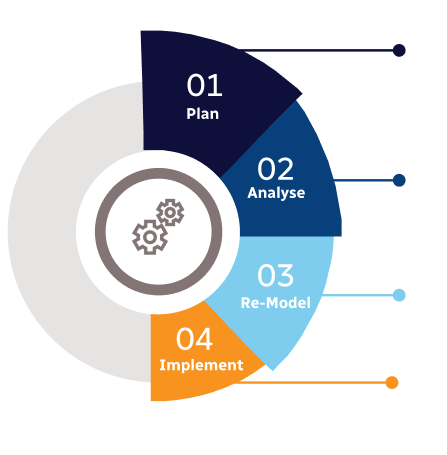
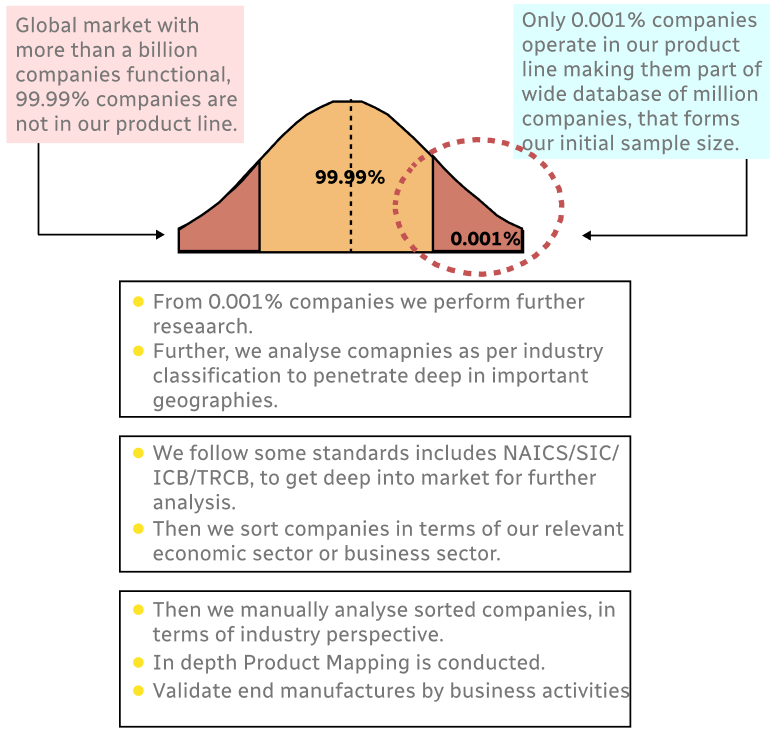
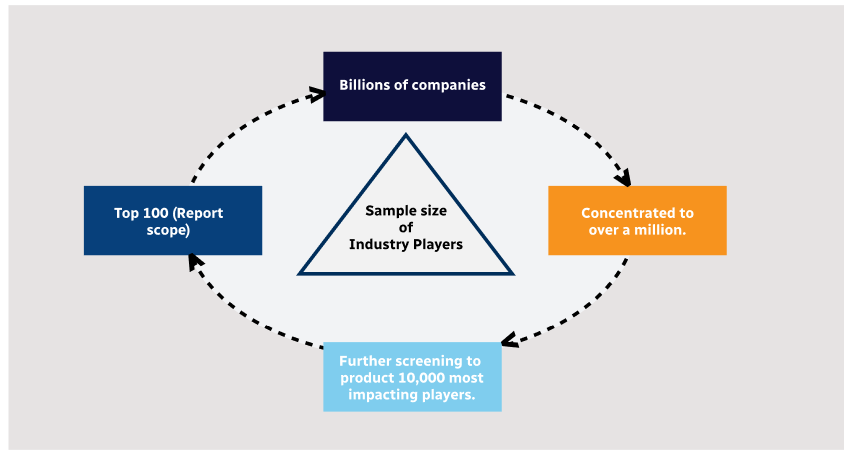
Step 2 - Approaches for Defining Global Market Size (Value, Volume* & Price*)
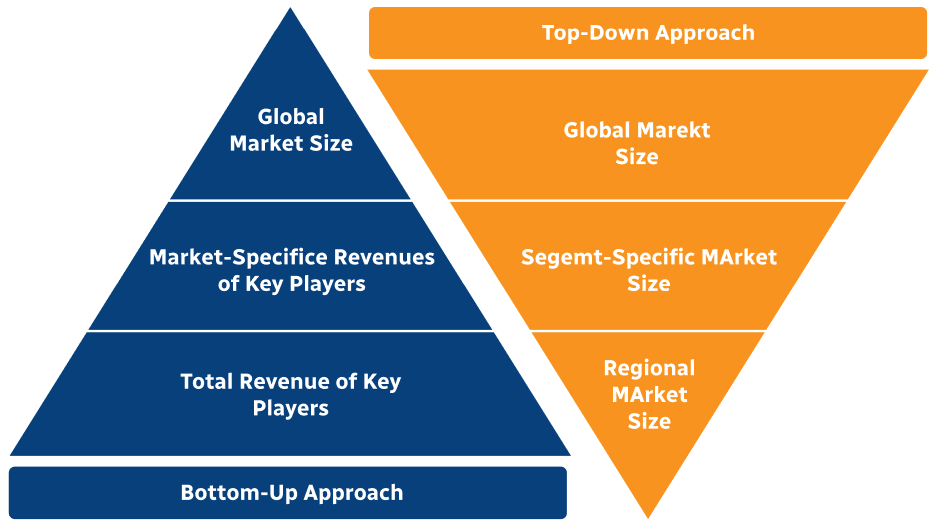
Note*: In applicable scenarios
Step 3 - Data Sources
Primary Research
- Web Analytics
- Survey Reports
- Research Institute
- Latest Research Reports
- Opinion Leaders
Secondary Research
- Annual Reports
- White Paper
- Latest Press Release
- Industry Association
- Paid Database
- Investor Presentations
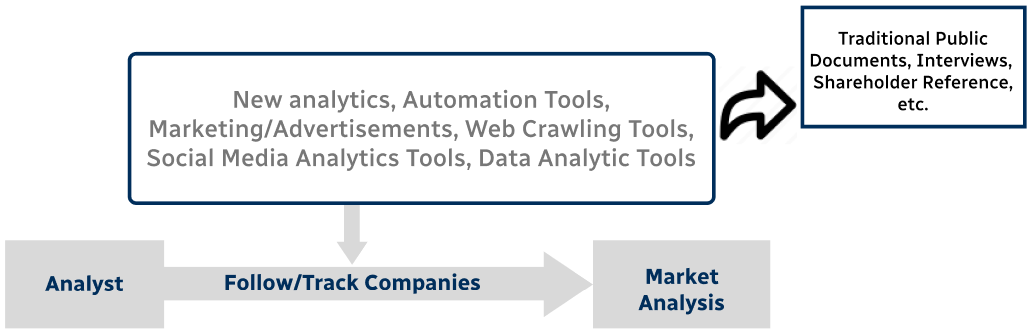
Step 4 - Data Triangulation
Involves using different sources of information in order to increase the validity of a study
These sources are likely to be stakeholders in a program - participants, other researchers, program staff, other community members, and so on.
Then we put all data in single framework & apply various statistical tools to find out the dynamic on the market.
During the analysis stage, feedback from the stakeholder groups would be compared to determine areas of agreement as well as areas of divergence