


Strategic Planning for Asia-Pacific LFP Battery Pack Market Industry Expansion

Asia-Pacific LFP Battery Pack Market by Body Type (Bus, LCV, M&HDT, Passenger Car), by Propulsion Type (BEV, PHEV), by Capacity (15 kWh to 40 kWh, 40 kWh to 80 kWh, Above 80 kWh, Less than 15 kWh), by Battery Form (Cylindrical, Pouch, Prismatic), by Method (Laser, Wire), by Component (Anode, Cathode, Electrolyte, Separator), by Material Type (Lithium, Natural Graphite, Other Materials), by Asia Pacific (China, Japan, South Korea, India, Australia, New Zealand, Indonesia, Malaysia, Singapore, Thailand, Vietnam, Philippines) Forecast 2026-2034

Jan 22 2026
Base Year: 2025

197 Pages
Main Logo

Strategic Planning for Asia-Pacific LFP Battery Pack Market Industry Expansion


Home
Industries
Automotive

About Precision Market View

Precision Market View offers precise market research, industry intelligence, and data analysis for healthcare, manufacturing, technology, and energy. Our reports provide the clarity you need to make informed decisions and drive growth.

Our team combines primary research, advanced analytics, and industry expertise to deliver actionable intelligence. We offer syndicated reports, custom research, and consulting services tailored to your business needs.

At Precision Market View, we are committed to quality, transparency, and client satisfaction. Every report is rigorously validated to ensure accuracy and relevance. Our global perspective and local expertise help you understand both the big picture and the finer details of your market.

Stay informed with Precision Market View. Subscribe to our newsletter for the latest updates and research highlights, and follow us on social media for real-time insights.

Precision Market View – Clarity for Your Strategic Decisions.

sponsor image
sponsor image
sponsor image
sponsor image
sponsor image
sponsor image
sponsor image

Tailored for you

  • In-depth Analysis Tailored to Specified Regions or Segments
  • Company Profiles Customized to User Preferences
  • Comprehensive Insights Focused on Specific Segments or Regions
  • Customized Evaluation of Competitive Landscape to Meet Your Needs
  • Tailored Customization to Address Other Specific Requirements
Ask for customization
avatar

Analyst at Providence Strategic Partners at Petaling Jaya

Jared Wan

I have received the report already. Thanks you for your help.it has been a pleasure working with you. Thank you againg for a good quality report

avatar

US TPS Business Development Manager at Thermon

Erik Perison

The response was good, and I got what I was looking for as far as the report. Thank you for that.

avatar

Global Product, Quality & Strategy Executive- Principal Innovator at Donaldson

Shankar Godavarti

As requested- presale engagement was good, your perseverance, support and prompt responses were noted. Your follow up with vm’s were much appreciated. Happy with the final report and post sales by your team.

Business Address

Head Office

Ansec House 3 rd floor Tank Road, Yerwada, Pune, Maharashtra 411014

Contact Information

Craig Francis

Business Development Head

+17162654855

[email protected]

Secure Payment Partners

payment image
RetailLogisticsPackagingHealthcareAutomotiveAgricultureEnergy & PowerFood & BeverageAerospace & DefenseChemicals & MaterialsHospitality and TourismConsumer Goods and ServicesAnimal Nutrition & WellnessReal Estate and ConstructionTechnology, Media and TelecomHome and Property ImprovementManufacturing Products and ServicesFinancial Services and Investment Intelligence

© 2026 PRDUA Research & Media Private Limited, All rights reserved

Privacy Policy
Terms and Conditions
FAQ
  • Home
  • About Us
  • Industries
    • Retail
    • Hospitality and Tourism
    • Agriculture
    • Manufacturing Products and Services
    • Healthcare
    • Logistics
    • Aerospace & Defense
    • Professional and Commercial Services
    • Financial Services and Investment Intelligence
    • Consumer Goods and Services
    • Animal Nutrition & Wellness
    • Technology, Media and Telecom
    • Automotive
    • Home and Property Improvement
    • Real Estate and Construction
    • Packaging
    • Chemicals & Materials
    • Energy & Power
    • Food & Beverage
  • Services
  • Contact
Main Logo
  • Home
  • About Us
  • Industries
    • Retail
    • Hospitality and Tourism
    • Agriculture
    • Manufacturing Products and Services
    • Healthcare
    • Logistics
    • Aerospace & Defense
    • Professional and Commercial Services
    • Financial Services and Investment Intelligence
    • Consumer Goods and Services
    • Animal Nutrition & Wellness
    • Technology, Media and Telecom
    • Automotive
    • Home and Property Improvement
    • Real Estate and Construction
    • Packaging
    • Chemicals & Materials
    • Energy & Power
    • Food & Beverage
  • Services
  • Contact
+17162654855
[email protected]

+17162654855

[email protected]

artwork spiralartwork spiralRelated Reports
artwork underline

China Luxury Car Market Strategic Roadmap: Analysis and Forecasts 2026-2034

Explore the booming China Luxury Car Market analysis, CAGR of 3.25%, market size of 154.67 Million. Discover key drivers, trends like EVs, and dominant segments including SUVs & Sedans.

January 2026
Base Year: 2025
No Of Pages: 197
Price: $3800

Consumer Trends Driving Mild Hybrid Vehicles Market in Europe Market Growth

Explore the booming European Mild Hybrid Vehicle (MHEV) market, driven by emissions regulations and fuel efficiency demands. Discover market size, CAGR, key trends, and leading companies shaping the future of automotive mobility.

January 2026
Base Year: 2025
No Of Pages: 234
Price: $4750

Vietnam Electric Vehicle Market Industry Overview and Projections

Explore the dynamic Vietnam Electric Vehicle (EV) market analysis, highlighting a **2.48 million** market size by 2025 and an impressive **18.00% CAGR**. Discover key drivers, trends, and segments shaping Vietnam's sustainable mobility future.

January 2026
Base Year: 2025
No Of Pages: 197
Price: $3800

Brazil Construction Equipment Market Charting Growth Trajectories: Analysis and Forecasts 2026-2034

The size of the Brazil Construction Equipment Market market was valued at USD 2.25 Million in 2024 and is projected to reach USD 3.50 Million by 2033, with an expected CAGR of 6.50% during the forecast period.

January 2026
Base Year: 2025
No Of Pages: 197
Price: $3800

Motorcycle Apparel Market Projected to Grow at XX CAGR: Insights and Forecasts 2026-2034

Explore the booming global motorcycle apparel market, driven by safety innovations and a growing rider community. Discover market size, CAGR, key trends, and regional growth opportunities through 2033.

January 2026
Base Year: 2025
No Of Pages: 234
Price: $4750

Strategic Planning for Asia-Pacific LFP Battery Pack Market Industry Expansion

Explore the booming Asia-Pacific LFP Battery Pack Market, driven by EV growth. Discover market size, CAGR of 30.3%, key drivers, and leading companies shaping the future of battery technology.

January 2026
Base Year: 2025
No Of Pages: 197
Price: $3800

Key Insights

The Asia-Pacific LFP Battery Pack Market is poised for unprecedented growth, projected to reach an estimated USD 82.3 billion in 2024, with a remarkable Compound Annual Growth Rate (CAGR) of 30.3% throughout the forecast period of 2025-2033. This explosive expansion is primarily fueled by the burgeoning demand for electric vehicles (EVs) across the region, particularly in China, which dominates the global EV landscape. Government incentives promoting EV adoption, coupled with declining battery costs driven by advancements in LFP (Lithium Iron Phosphate) technology, are creating a highly favorable environment for market players. The increasing focus on sustainable energy solutions and the need to reduce reliance on fossil fuels further bolster this upward trajectory. Key market drivers include the robust expansion of the electric passenger car segment, alongside growing adoption in commercial vehicles and electric buses, all of which necessitate high-capacity battery solutions.

Asia-Pacific LFP Battery Pack Market Research Report - Market Overview and Key Insights

Asia-Pacific LFP Battery Pack Market Market Size (In Billion)

500.0B
400.0B
300.0B
200.0B
100.0B
0
82.30 B
2024
107.3 B
2025
139.6 B
2026
181.8 B
2027
236.8 B
2028
308.7 B
2029
402.3 B
2030
Main Logo

The market's structure is characterized by a diverse range of LFP battery capacities, catering to various vehicle types and energy storage needs, with segments ranging from less than 15 kWh to over 80 kWh. The dominance of battery form factors like prismatic and pouch cells, facilitated by efficient manufacturing methods such as laser welding, underscores the technological advancements. Leading companies like CATL, BYD, LG Energy Solution, and Samsung SDI are at the forefront of this innovation, investing heavily in research and development to enhance energy density, charging speeds, and lifespan of LFP batteries. While the Asia-Pacific region, led by China, is the primary hub for production and consumption, other nations like South Korea, Japan, and India are also witnessing significant growth, driven by their own ambitious EV targets and supportive policies. The market is expected to witness continued technological evolution, with a focus on material innovation in anodes, cathodes, and electrolytes, further solidifying LFP's position as a dominant battery chemistry for electric mobility and energy storage.

Asia-Pacific LFP Battery Pack Market Market Size and Forecast (2024-2030)

Asia-Pacific LFP Battery Pack Market Company Market Share

Loading chart...
Main Logo

Asia-Pacific LFP Battery Pack Market: Comprehensive Analysis and Future Outlook (2019-2033)

This in-depth report provides a detailed examination of the Asia-Pacific LFP Battery Pack Market, a rapidly expanding sector crucial for the global transition to electric mobility and sustainable energy storage. Spanning the historical period of 2019-2024 and projecting growth through 2033, with a base year of 2025, this analysis delves into market dynamics, key trends, dominant segments, and competitive strategies. Our research offers actionable insights for stakeholders seeking to navigate and capitalize on the burgeoning opportunities within this vital market. The study encompasses Lithium Iron Phosphate (LFP) battery packs, focusing on their applications across various vehicle types and energy storage solutions.


Asia-Pacific LFP Battery Pack Market Market Structure & Competitive Dynamics

The Asia-Pacific LFP Battery Pack Market is characterized by a dynamic and evolving competitive landscape. Market concentration is influenced by the dominance of a few key players, particularly from China, which holds a significant share of global LFP production and innovation. This dominance is further solidified by strategic partnerships and vertical integration across the battery value chain, from raw material sourcing to pack assembly. Innovation ecosystems are robust, driven by substantial investments in research and development by leading manufacturers aiming to enhance energy density, lifespan, and charging speeds of LFP batteries. Regulatory frameworks, particularly government incentives for electric vehicle adoption and renewable energy storage, play a pivotal role in shaping market entry and expansion strategies. Product substitutes, such as Nickel Manganese Cobalt (NMC) batteries, pose a competitive challenge, though LFP's cost-effectiveness and safety advantages are increasingly recognized. End-user trends are shifting towards LFP for its affordability and durability, especially in entry-level EVs and energy storage systems. Mergers and acquisitions (M&A) activities are prevalent as companies seek to consolidate market position, secure supply chains, and acquire advanced technologies. For instance, significant M&A deal values exceeding billions are anticipated as larger entities absorb smaller innovators or expand their manufacturing capacities. Market share in 2025 is estimated to see significant shifts, with key players like CATL and BYD projected to maintain their leadership positions.


Asia-Pacific LFP Battery Pack Market Industry Trends & Insights

The Asia-Pacific LFP Battery Pack Market is experiencing robust growth, propelled by a confluence of powerful industry trends and strategic insights. The primary growth driver is the escalating demand for electric vehicles (EVs) across the region, fueled by supportive government policies, tightening emission standards, and increasing consumer environmental awareness. LFP batteries are gaining significant traction due to their inherent safety, extended cycle life, and lower cost compared to other lithium-ion chemistries, making them an attractive option for mass-market EV adoption. Technological disruptions are continuously reshaping the market, with ongoing advancements in electrode materials, electrolyte formulations, and battery management systems (BMS) aimed at improving energy density and performance. The development of cell-to-pack (CTP) technology, which eliminates module components, further enhances energy density and reduces manufacturing costs, a key trend driving market penetration. Consumer preferences are increasingly leaning towards affordable and reliable EV options, a niche where LFP batteries excel, especially for urban commuting and short-to-medium range applications. Competitive dynamics are intensifying, with established automotive manufacturers and emerging EV startups vying for market share. The strategic focus on developing localized supply chains and expanding manufacturing capabilities within Asia-Pacific countries is a critical insight for understanding future market expansion. The CAGR for the Asia-Pacific LFP Battery Pack Market is projected to be strong, with market penetration of LFP technology in EVs expected to surge by an estimated 25% annually in the coming years.


Dominant Markets & Segments in Asia-Pacific LFP Battery Pack Market

The Asia-Pacific LFP Battery Pack Market is dominated by specific regions, countries, and product segments, driven by distinct economic, technological, and policy factors.

  • Leading Region and Country:

    • China stands as the undisputed leader in the Asia-Pacific LFP battery pack market. Its dominance stems from robust government support for EV adoption, extensive manufacturing infrastructure, and a highly competitive domestic battery supply chain.
    • Economic Policies: Chinese government subsidies for EVs and battery production, alongside ambitious electrification targets, have created a fertile ground for LFP battery manufacturers. The "Made in China 2025" initiative has further propelled domestic innovation and production capabilities.
    • Infrastructure: Extensive charging infrastructure development, coupled with a massive domestic automotive market, provides a strong demand pull for LFP battery-powered vehicles.
  • Dominant Vehicle Body Type:

    • Passenger Cars represent the largest and fastest-growing segment for LFP battery packs. Their affordability and suitability for daily commuting needs make them the preferred choice for a broad consumer base.
    • Key Drivers: Lower manufacturing costs of LFP cells translate to more competitive pricing for passenger EVs, widening their accessibility. Advances in LFP energy density are enabling longer ranges, addressing range anxiety concerns for urban and suburban users.
  • Dominant Propulsion Type:

    • Battery Electric Vehicles (BEVs) are the primary application driving demand for LFP battery packs. The focus on zero-emission mobility globally, and particularly in Asia-Pacific, makes BEVs the cornerstone of market expansion.
    • Key Drivers: Stringent emission regulations and government mandates for EV sales are directly boosting BEV adoption. LFP's inherent safety profile is also a key consideration for BEV manufacturers and consumers.
  • Dominant Capacity Segment:

    • 40 kWh to 80 kWh capacity range is currently the dominant segment. This range offers an optimal balance between cost, range, and vehicle application for many passenger cars and light commercial vehicles.
    • Key Drivers: This capacity segment caters effectively to the typical daily driving needs of a large portion of the population, providing sufficient range without excessive cost or weight penalties.
  • Dominant Battery Form Factor:

    • Prismatic battery cells are increasingly favored for LFP packs due to their excellent volumetric energy density and efficient space utilization within battery packs, particularly for automotive applications.
    • Key Drivers: The prismatic form factor allows for easier integration into various vehicle architectures and facilitates higher pack-level energy density.
  • Dominant Method:

    • Laser welding is becoming the predominant method for connecting LFP battery cells within packs, offering high precision, speed, and reliability, crucial for mass production.
    • Key Drivers: Laser welding ensures consistent and robust electrical connections, minimizing resistance and enhancing the overall safety and performance of the battery pack.
  • Dominant Component:

    • Cathode material, specifically Lithium Iron Phosphate (LiFePO4), is the defining component of this market segment and is therefore dominant by definition.
    • Key Drivers: The unique crystal structure and chemical stability of LiFePO4 are responsible for the safety, longevity, and thermal stability of LFP batteries.
  • Dominant Material Type:

    • Lithium and Natural Graphite are the core material types in LFP battery production, with ongoing research into optimizing their sourcing and performance.
    • Key Drivers: The abundance and cost-effectiveness of lithium and graphite, especially in the Asia-Pacific region, are crucial for the widespread adoption and competitive pricing of LFP batteries.

Asia-Pacific LFP Battery Pack Market Product Innovations

Product innovations in the Asia-Pacific LFP Battery Pack Market are primarily focused on enhancing energy density, improving charging speeds, and reducing costs. Advancements in cathode material coatings and particle engineering are enabling higher energy storage within the same volume, making LFP batteries more competitive with higher-nickel chemistries. The integration of cell-to-pack (CTP) technology is a significant innovation, simplifying pack design, reducing weight, and improving overall energy efficiency. Furthermore, innovations in thermal management systems are crucial for maximizing LFP battery lifespan and ensuring safety under diverse operating conditions. These developments are leading to wider applications of LFP battery packs beyond electric vehicles, including grid-scale energy storage and consumer electronics, offering greater performance and cost-effectiveness.


Report Segmentation & Scope

This report segments the Asia-Pacific LFP Battery Pack Market comprehensively across several key dimensions to provide a granular understanding of market dynamics and growth projections.

  • Body Type: The market is analyzed by Body Type, including Bus, Light Commercial Vehicle (LCV), Medium & Heavy-Duty Truck (M&HDT), and Passenger Car segments, with Passenger Cars projected to exhibit the highest growth.
  • Propulsion Type: The analysis covers Propulsion Types such as Battery Electric Vehicle (BEV) and Plug-in Hybrid Electric Vehicle (PHEV), with BEVs dominating market share due to electrification trends.
  • Capacity: Segmentation by Battery Capacity includes Less than 15 kWh, 15 kWh to 40 kWh, 40 kWh to 80 kWh, and Above 80 kWh. The 40 kWh to 80 kWh segment is expected to maintain significant market size.
  • Battery Form: The report examines Battery Form factors, including Cylindrical, Pouch, and Prismatic cells. Prismatic cells are anticipated to lead due to their space efficiency in automotive applications.
  • Method: The market is studied based on manufacturing Method, such as Laser and Wire assembly, with Laser welding gaining prominence for its precision and speed.
  • Component: Segmentation by Component includes Anode, Cathode, Electrolyte, and Separator, with a focus on advancements in Cathode materials (LiFePO4).
  • Material Type: The analysis covers Material Types such as Lithium, Natural Graphite, and Other Materials, highlighting the critical role of lithium and graphite in LFP battery production.

Key Drivers of Asia-Pacific LFP Battery Pack Market Growth

The Asia-Pacific LFP Battery Pack Market is propelled by several significant growth drivers. Foremost among these are the escalating government initiatives and supportive policies aimed at promoting electric vehicle adoption and renewable energy storage solutions across the region. This includes subsidies, tax incentives, and stringent emission regulations that push manufacturers and consumers towards greener alternatives.

  • Technological Advancements: Continuous improvements in LFP battery technology, such as enhanced energy density, faster charging capabilities, and extended cycle life, are making them increasingly competitive.
  • Cost-Effectiveness: The inherent lower cost of LFP materials compared to other lithium-ion chemistries makes them an attractive option for mass-market applications, particularly for entry-level EVs and large-scale energy storage projects.
  • Safety and Stability: The superior thermal stability and inherent safety of LFP chemistry, which reduces the risk of thermal runaway, are significant advantages driving adoption in a region where safety is a paramount concern.
  • Growing EV Market Penetration: The rapid expansion of the electric vehicle market in countries like China, South Korea, and Southeast Asian nations is creating a substantial demand for LFP battery packs.

Challenges in the Asia-Pacific LFP Battery Pack Market Sector

Despite its robust growth, the Asia-Pacific LFP Battery Pack Market faces several challenges that could impact its trajectory. Regulatory hurdles, particularly inconsistencies in standards and certification processes across different countries, can complicate market entry and expansion.

  • Supply Chain Volatility: Reliance on specific raw material sources and geopolitical factors can lead to supply chain disruptions and price fluctuations for critical materials like lithium and graphite.
  • Performance Limitations: While improving, LFP batteries still have lower energy density compared to some alternative chemistries, which can limit their suitability for applications requiring very long ranges or high power output in a compact form factor.
  • Competitive Pressures: Intense competition among numerous domestic and international players can lead to price wars and impact profit margins.
  • Recycling Infrastructure: The development of efficient and scalable recycling infrastructure for LFP batteries is still in its nascent stages, posing potential environmental challenges and resource recovery issues in the long term.

Leading Players in the Asia-Pacific LFP Battery Pack Market Market

  • SAIC Volkswagen Power Battery Co Ltd
  • Samsung SDI Co Ltd
  • GS Yuasa International Ltd
  • LG Energy Solution Ltd
  • Farasis Energy (Ganzhou) Co Ltd
  • Gotion High-Tech Co Ltd
  • Exide Industries Ltd
  • FinDreams Battery Co Ltd
  • Leapmotor (Jinhua) New Energy Vehicle Parts Technology Co Ltd
  • Contemporary Amperex Technology Co Ltd (CATL)
  • Resonac Holdings Corporation
  • Tesla Inc
  • BYD Company Ltd
  • SK Innovation Co Ltd
  • EVE Energy Co Ltd
  • Panasonic Holdings Corporation
  • SVOLT Energy Technology Co Ltd (SVOLT)

Key Developments in Asia-Pacific LFP Battery Pack Market Sector

  • 2023/Q4: CATL announces a new generation of LFP batteries with improved energy density and faster charging, targeting mass-market EV adoption.
  • 2024/Q1: BYD introduces an updated Blade Battery technology, further enhancing the safety and performance of its LFP packs for passenger vehicles.
  • 2024/Q2: LG Energy Solution expands its LFP battery manufacturing capacity in Southeast Asia to meet growing regional demand for electric vehicles.
  • 2024/Q3: Gotion High-Tech secures a major supply agreement for LFP battery packs with a leading European automaker, signaling international expansion.
  • 2024/Q4: SVOLT Energy Technology unveils its next-generation LFP cell architecture, focusing on cost reduction and enhanced thermal management.
  • 2025/Q1: FinDreams Battery announces a breakthrough in LFP cathode material formulation, aiming to significantly boost energy density.
  • 2025/Q2: Samsung SDI explores partnerships for LFP battery pack production in India to tap into its rapidly growing EV market.
  • 2025/Q3: Farasis Energy (Ganzhou) Co Ltd invests heavily in R&D for solid-state LFP batteries, aiming for next-generation energy storage solutions.
  • 2025/Q4: EVE Energy announces plans to increase its LFP production capacity by 50% to cater to the surging demand from EV manufacturers and energy storage providers.

Strategic Asia-Pacific LFP Battery Pack Market Market Outlook

The Asia-Pacific LFP Battery Pack Market presents a strategically promising outlook, driven by the global imperative for sustainable energy solutions. The continued rise in EV adoption, coupled with supportive government policies and the inherent cost advantages of LFP technology, will fuel substantial market growth. Key growth accelerators include advancements in cell-to-pack integration, which enhances packaging efficiency and reduces system costs, making LFP batteries even more appealing for mainstream applications. Furthermore, the expanding use of LFP battery packs in grid-scale energy storage systems signifies a diversification of demand beyond the automotive sector. Strategic opportunities lie in vertical integration to secure raw material supply, collaborative research and development for next-generation LFP chemistries with even higher energy densities, and the establishment of robust recycling ecosystems to ensure long-term sustainability. The market is poised for continued innovation and expansion, solidifying its crucial role in the global energy transition.

Asia-Pacific LFP Battery Pack Market Segmentation

  • 1. Body Type
    • 1.1. Bus
    • 1.2. LCV
    • 1.3. M&HDT
    • 1.4. Passenger Car
  • 2. Propulsion Type
    • 2.1. BEV
    • 2.2. PHEV
  • 3. Capacity
    • 3.1. 15 kWh to 40 kWh
    • 3.2. 40 kWh to 80 kWh
    • 3.3. Above 80 kWh
    • 3.4. Less than 15 kWh
  • 4. Battery Form
    • 4.1. Cylindrical
    • 4.2. Pouch
    • 4.3. Prismatic
  • 5. Method
    • 5.1. Laser
    • 5.2. Wire
  • 6. Component
    • 6.1. Anode
    • 6.2. Cathode
    • 6.3. Electrolyte
    • 6.4. Separator
  • 7. Material Type
    • 7.1. Lithium
    • 7.2. Natural Graphite
    • 7.3. Other Materials

Asia-Pacific LFP Battery Pack Market Segmentation By Geography

  • 1. Asia Pacific
    • 1.1. China
    • 1.2. Japan
    • 1.3. South Korea
    • 1.4. India
    • 1.5. Australia
    • 1.6. New Zealand
    • 1.7. Indonesia
    • 1.8. Malaysia
    • 1.9. Singapore
    • 1.10. Thailand
    • 1.11. Vietnam
    • 1.12. Philippines
Asia-Pacific LFP Battery Pack Market Market Share by Region - Global Geographic Distribution

Asia-Pacific LFP Battery Pack Market Regional Market Share

Loading chart...
Main Logo

Geographic Coverage of Asia-Pacific LFP Battery Pack Market

Higher Coverage
Lower Coverage
No Coverage

Asia-Pacific LFP Battery Pack Market REPORT HIGHLIGHTS

AspectsDetails
Study Period 2020-2034
Base Year 2025
Estimated Year 2026
Forecast Period2026-2034
Historical Period2020-2025
Growth RateCAGR of 30.3% from 2020-2034
Segmentation
    • By Body Type
      • Bus
      • LCV
      • M&HDT
      • Passenger Car
    • By Propulsion Type
      • BEV
      • PHEV
    • By Capacity
      • 15 kWh to 40 kWh
      • 40 kWh to 80 kWh
      • Above 80 kWh
      • Less than 15 kWh
    • By Battery Form
      • Cylindrical
      • Pouch
      • Prismatic
    • By Method
      • Laser
      • Wire
    • By Component
      • Anode
      • Cathode
      • Electrolyte
      • Separator
    • By Material Type
      • Lithium
      • Natural Graphite
      • Other Materials
  • By Geography
    • Asia Pacific
      • China
      • Japan
      • South Korea
      • India
      • Australia
      • New Zealand
      • Indonesia
      • Malaysia
      • Singapore
      • Thailand
      • Vietnam
      • Philippines

Table of Contents

  1. 1. Introduction
    • 1.1. Research Scope
    • 1.2. Market Segmentation
    • 1.3. Research Methodology
    • 1.4. Definitions and Assumptions
  2. 2. Executive Summary
    • 2.1. Introduction
  3. 3. Market Dynamics
    • 3.1. Introduction
      • 3.2. Market Drivers
        • 3.2.1. Increasing Demand and Sales of Commercial Vehicles is Driving the Market for Hydraulic Systems
      • 3.3. Market Restrains
        • 3.3.1. Increasing Replacement of Conventional Hydraulic Systems with Fully-electric Hydraulic Systems Acts as a Restraint
      • 3.4. Market Trends
        • 3.4.1. OTHER KEY INDUSTRY TRENDS COVERED IN THE REPORT
  4. 4. Market Factor Analysis
    • 4.1. Porters Five Forces
    • 4.2. Supply/Value Chain
    • 4.3. PESTEL analysis
    • 4.4. Market Entropy
    • 4.5. Patent/Trademark Analysis
  5. 5. Asia-Pacific LFP Battery Pack Market Analysis, Insights and Forecast, 2020-2032
    • 5.1. Market Analysis, Insights and Forecast - by Body Type
      • 5.1.1. Bus
      • 5.1.2. LCV
      • 5.1.3. M&HDT
      • 5.1.4. Passenger Car
    • 5.2. Market Analysis, Insights and Forecast - by Propulsion Type
      • 5.2.1. BEV
      • 5.2.2. PHEV
    • 5.3. Market Analysis, Insights and Forecast - by Capacity
      • 5.3.1. 15 kWh to 40 kWh
      • 5.3.2. 40 kWh to 80 kWh
      • 5.3.3. Above 80 kWh
      • 5.3.4. Less than 15 kWh
    • 5.4. Market Analysis, Insights and Forecast - by Battery Form
      • 5.4.1. Cylindrical
      • 5.4.2. Pouch
      • 5.4.3. Prismatic
    • 5.5. Market Analysis, Insights and Forecast - by Method
      • 5.5.1. Laser
      • 5.5.2. Wire
    • 5.6. Market Analysis, Insights and Forecast - by Component
      • 5.6.1. Anode
      • 5.6.2. Cathode
      • 5.6.3. Electrolyte
      • 5.6.4. Separator
    • 5.7. Market Analysis, Insights and Forecast - by Material Type
      • 5.7.1. Lithium
      • 5.7.2. Natural Graphite
      • 5.7.3. Other Materials
    • 5.8. Market Analysis, Insights and Forecast - by Region
      • 5.8.1. Asia Pacific
  6. 6. Competitive Analysis
    • 6.1. Market Share Analysis 2025
      • 6.2. Company Profiles
        • 6.2.1 SAIC Volkswagen Power Battery Co Ltd
          • 6.2.1.1. Overview
          • 6.2.1.2. Products
          • 6.2.1.3. SWOT Analysis
          • 6.2.1.4. Recent Developments
          • 6.2.1.5. Financials (Based on Availability)
        • 6.2.2 Samsung SDI Co Ltd
          • 6.2.2.1. Overview
          • 6.2.2.2. Products
          • 6.2.2.3. SWOT Analysis
          • 6.2.2.4. Recent Developments
          • 6.2.2.5. Financials (Based on Availability)
        • 6.2.3 GS Yuasa International Ltd
          • 6.2.3.1. Overview
          • 6.2.3.2. Products
          • 6.2.3.3. SWOT Analysis
          • 6.2.3.4. Recent Developments
          • 6.2.3.5. Financials (Based on Availability)
        • 6.2.4 LG Energy Solution Ltd
          • 6.2.4.1. Overview
          • 6.2.4.2. Products
          • 6.2.4.3. SWOT Analysis
          • 6.2.4.4. Recent Developments
          • 6.2.4.5. Financials (Based on Availability)
        • 6.2.5 Farasis Energy (Ganzhou) Co Ltd
          • 6.2.5.1. Overview
          • 6.2.5.2. Products
          • 6.2.5.3. SWOT Analysis
          • 6.2.5.4. Recent Developments
          • 6.2.5.5. Financials (Based on Availability)
        • 6.2.6 Gotion High-Tech Co Ltd
          • 6.2.6.1. Overview
          • 6.2.6.2. Products
          • 6.2.6.3. SWOT Analysis
          • 6.2.6.4. Recent Developments
          • 6.2.6.5. Financials (Based on Availability)
        • 6.2.7 Exide Industries Ltd
          • 6.2.7.1. Overview
          • 6.2.7.2. Products
          • 6.2.7.3. SWOT Analysis
          • 6.2.7.4. Recent Developments
          • 6.2.7.5. Financials (Based on Availability)
        • 6.2.8 FinDreams Battery Co Ltd
          • 6.2.8.1. Overview
          • 6.2.8.2. Products
          • 6.2.8.3. SWOT Analysis
          • 6.2.8.4. Recent Developments
          • 6.2.8.5. Financials (Based on Availability)
        • 6.2.9 Leapmotor (Jinhua) New Energy Vehicle Parts Technology Co Ltd
          • 6.2.9.1. Overview
          • 6.2.9.2. Products
          • 6.2.9.3. SWOT Analysis
          • 6.2.9.4. Recent Developments
          • 6.2.9.5. Financials (Based on Availability)
        • 6.2.10 Contemporary Amperex Technology Co Ltd (CATL)
          • 6.2.10.1. Overview
          • 6.2.10.2. Products
          • 6.2.10.3. SWOT Analysis
          • 6.2.10.4. Recent Developments
          • 6.2.10.5. Financials (Based on Availability)
        • 6.2.11 Resonac Holdings Corporation
          • 6.2.11.1. Overview
          • 6.2.11.2. Products
          • 6.2.11.3. SWOT Analysis
          • 6.2.11.4. Recent Developments
          • 6.2.11.5. Financials (Based on Availability)
        • 6.2.12 Tesla Inc
          • 6.2.12.1. Overview
          • 6.2.12.2. Products
          • 6.2.12.3. SWOT Analysis
          • 6.2.12.4. Recent Developments
          • 6.2.12.5. Financials (Based on Availability)
        • 6.2.13 BYD Company Ltd
          • 6.2.13.1. Overview
          • 6.2.13.2. Products
          • 6.2.13.3. SWOT Analysis
          • 6.2.13.4. Recent Developments
          • 6.2.13.5. Financials (Based on Availability)
        • 6.2.14 SK Innovation Co Ltd
          • 6.2.14.1. Overview
          • 6.2.14.2. Products
          • 6.2.14.3. SWOT Analysis
          • 6.2.14.4. Recent Developments
          • 6.2.14.5. Financials (Based on Availability)
        • 6.2.15 EVE Energy Co Ltd
          • 6.2.15.1. Overview
          • 6.2.15.2. Products
          • 6.2.15.3. SWOT Analysis
          • 6.2.15.4. Recent Developments
          • 6.2.15.5. Financials (Based on Availability)
        • 6.2.16 Panasonic Holdings Corporation
          • 6.2.16.1. Overview
          • 6.2.16.2. Products
          • 6.2.16.3. SWOT Analysis
          • 6.2.16.4. Recent Developments
          • 6.2.16.5. Financials (Based on Availability)
        • 6.2.17 SVOLT Energy Technology Co Ltd (SVOLT)
          • 6.2.17.1. Overview
          • 6.2.17.2. Products
          • 6.2.17.3. SWOT Analysis
          • 6.2.17.4. Recent Developments
          • 6.2.17.5. Financials (Based on Availability)

List of Figures

  1. Figure 1: Asia-Pacific LFP Battery Pack Market Revenue Breakdown (billion, %) by Product 2025 & 2033
  2. Figure 2: Asia-Pacific LFP Battery Pack Market Share (%) by Company 2025

List of Tables

  1. Table 1: Asia-Pacific LFP Battery Pack Market Revenue billion Forecast, by Body Type 2020 & 2033
  2. Table 2: Asia-Pacific LFP Battery Pack Market Revenue billion Forecast, by Propulsion Type 2020 & 2033
  3. Table 3: Asia-Pacific LFP Battery Pack Market Revenue billion Forecast, by Capacity 2020 & 2033
  4. Table 4: Asia-Pacific LFP Battery Pack Market Revenue billion Forecast, by Battery Form 2020 & 2033
  5. Table 5: Asia-Pacific LFP Battery Pack Market Revenue billion Forecast, by Method 2020 & 2033
  6. Table 6: Asia-Pacific LFP Battery Pack Market Revenue billion Forecast, by Component 2020 & 2033
  7. Table 7: Asia-Pacific LFP Battery Pack Market Revenue billion Forecast, by Material Type 2020 & 2033
  8. Table 8: Asia-Pacific LFP Battery Pack Market Revenue billion Forecast, by Region 2020 & 2033
  9. Table 9: Asia-Pacific LFP Battery Pack Market Revenue billion Forecast, by Body Type 2020 & 2033
  10. Table 10: Asia-Pacific LFP Battery Pack Market Revenue billion Forecast, by Propulsion Type 2020 & 2033
  11. Table 11: Asia-Pacific LFP Battery Pack Market Revenue billion Forecast, by Capacity 2020 & 2033
  12. Table 12: Asia-Pacific LFP Battery Pack Market Revenue billion Forecast, by Battery Form 2020 & 2033
  13. Table 13: Asia-Pacific LFP Battery Pack Market Revenue billion Forecast, by Method 2020 & 2033
  14. Table 14: Asia-Pacific LFP Battery Pack Market Revenue billion Forecast, by Component 2020 & 2033
  15. Table 15: Asia-Pacific LFP Battery Pack Market Revenue billion Forecast, by Material Type 2020 & 2033
  16. Table 16: Asia-Pacific LFP Battery Pack Market Revenue billion Forecast, by Country 2020 & 2033
  17. Table 17: China Asia-Pacific LFP Battery Pack Market Revenue (billion) Forecast, by Application 2020 & 2033
  18. Table 18: Japan Asia-Pacific LFP Battery Pack Market Revenue (billion) Forecast, by Application 2020 & 2033
  19. Table 19: South Korea Asia-Pacific LFP Battery Pack Market Revenue (billion) Forecast, by Application 2020 & 2033
  20. Table 20: India Asia-Pacific LFP Battery Pack Market Revenue (billion) Forecast, by Application 2020 & 2033
  21. Table 21: Australia Asia-Pacific LFP Battery Pack Market Revenue (billion) Forecast, by Application 2020 & 2033
  22. Table 22: New Zealand Asia-Pacific LFP Battery Pack Market Revenue (billion) Forecast, by Application 2020 & 2033
  23. Table 23: Indonesia Asia-Pacific LFP Battery Pack Market Revenue (billion) Forecast, by Application 2020 & 2033
  24. Table 24: Malaysia Asia-Pacific LFP Battery Pack Market Revenue (billion) Forecast, by Application 2020 & 2033
  25. Table 25: Singapore Asia-Pacific LFP Battery Pack Market Revenue (billion) Forecast, by Application 2020 & 2033
  26. Table 26: Thailand Asia-Pacific LFP Battery Pack Market Revenue (billion) Forecast, by Application 2020 & 2033
  27. Table 27: Vietnam Asia-Pacific LFP Battery Pack Market Revenue (billion) Forecast, by Application 2020 & 2033
  28. Table 28: Philippines Asia-Pacific LFP Battery Pack Market Revenue (billion) Forecast, by Application 2020 & 2033

Frequently Asked Questions

1. What is the projected Compound Annual Growth Rate (CAGR) of the Asia-Pacific LFP Battery Pack Market?

The projected CAGR is approximately 30.3%.

2. Which companies are prominent players in the Asia-Pacific LFP Battery Pack Market?

Key companies in the market include SAIC Volkswagen Power Battery Co Ltd, Samsung SDI Co Ltd, GS Yuasa International Ltd, LG Energy Solution Ltd, Farasis Energy (Ganzhou) Co Ltd, Gotion High-Tech Co Ltd, Exide Industries Ltd, FinDreams Battery Co Ltd, Leapmotor (Jinhua) New Energy Vehicle Parts Technology Co Ltd, Contemporary Amperex Technology Co Ltd (CATL), Resonac Holdings Corporation, Tesla Inc, BYD Company Ltd, SK Innovation Co Ltd, EVE Energy Co Ltd, Panasonic Holdings Corporation, SVOLT Energy Technology Co Ltd (SVOLT).

3. What are the main segments of the Asia-Pacific LFP Battery Pack Market?

The market segments include Body Type, Propulsion Type, Capacity, Battery Form, Method, Component, Material Type.

4. Can you provide details about the market size?

The market size is estimated to be USD 82.3 billion as of 2022.

5. What are some drivers contributing to market growth?

Increasing Demand and Sales of Commercial Vehicles is Driving the Market for Hydraulic Systems.

6. What are the notable trends driving market growth?

OTHER KEY INDUSTRY TRENDS COVERED IN THE REPORT.

7. Are there any restraints impacting market growth?

Increasing Replacement of Conventional Hydraulic Systems with Fully-electric Hydraulic Systems Acts as a Restraint.

8. Can you provide examples of recent developments in the market?

N/A

9. What pricing options are available for accessing the report?

Pricing options include single-user, multi-user, and enterprise licenses priced at USD 3800, USD 4500, and USD 5800 respectively.

10. Is the market size provided in terms of value or volume?

The market size is provided in terms of value, measured in billion.

11. Are there any specific market keywords associated with the report?

Yes, the market keyword associated with the report is "Asia-Pacific LFP Battery Pack Market," which aids in identifying and referencing the specific market segment covered.

12. How do I determine which pricing option suits my needs best?

The pricing options vary based on user requirements and access needs. Individual users may opt for single-user licenses, while businesses requiring broader access may choose multi-user or enterprise licenses for cost-effective access to the report.

13. Are there any additional resources or data provided in the Asia-Pacific LFP Battery Pack Market report?

While the report offers comprehensive insights, it's advisable to review the specific contents or supplementary materials provided to ascertain if additional resources or data are available.

14. How can I stay updated on further developments or reports in the Asia-Pacific LFP Battery Pack Market?

To stay informed about further developments, trends, and reports in the Asia-Pacific LFP Battery Pack Market, consider subscribing to industry newsletters, following relevant companies and organizations, or regularly checking reputable industry news sources and publications.

Methodology

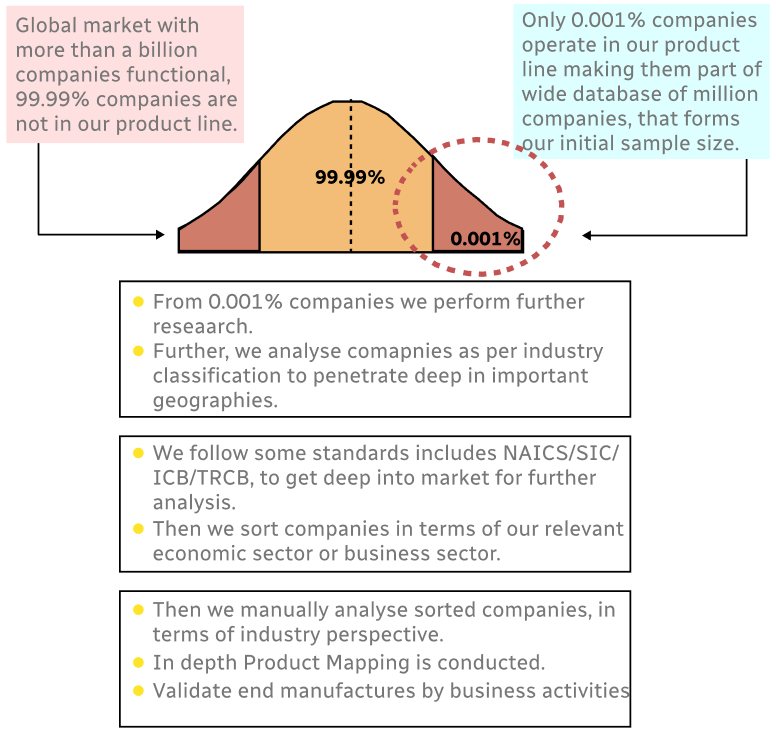
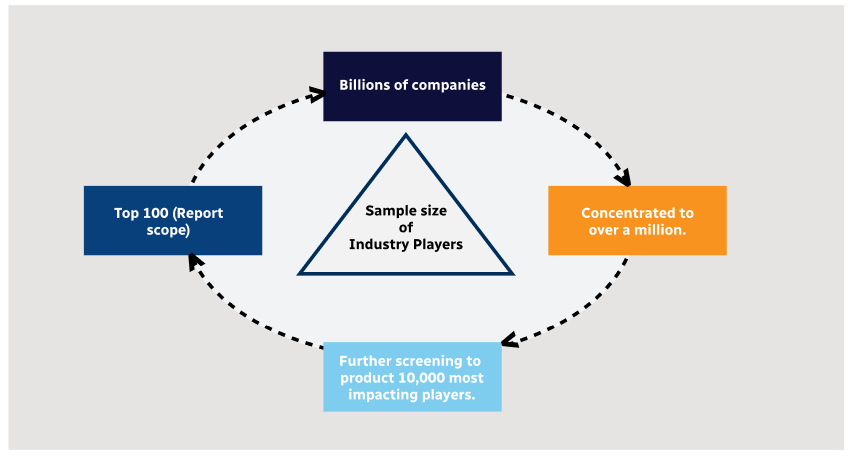
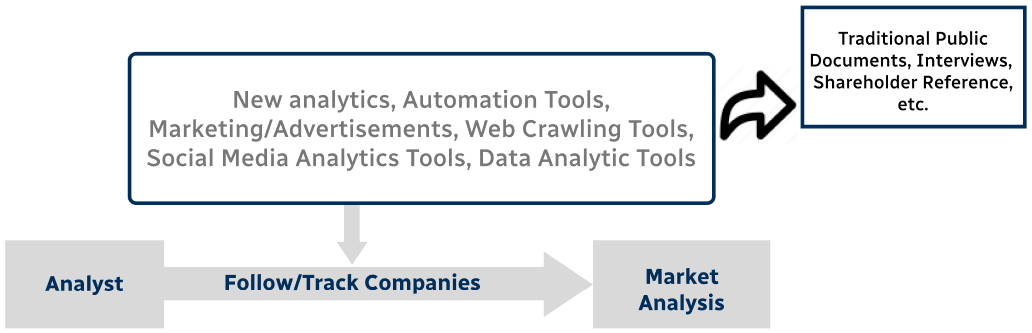
Step 1 - Identification of Relevant Samples Size from Population Database
Step Chart
Bar Chart
Method Chart

Step 2 - Approaches for Defining Global Market Size (Value, Volume* & Price*)
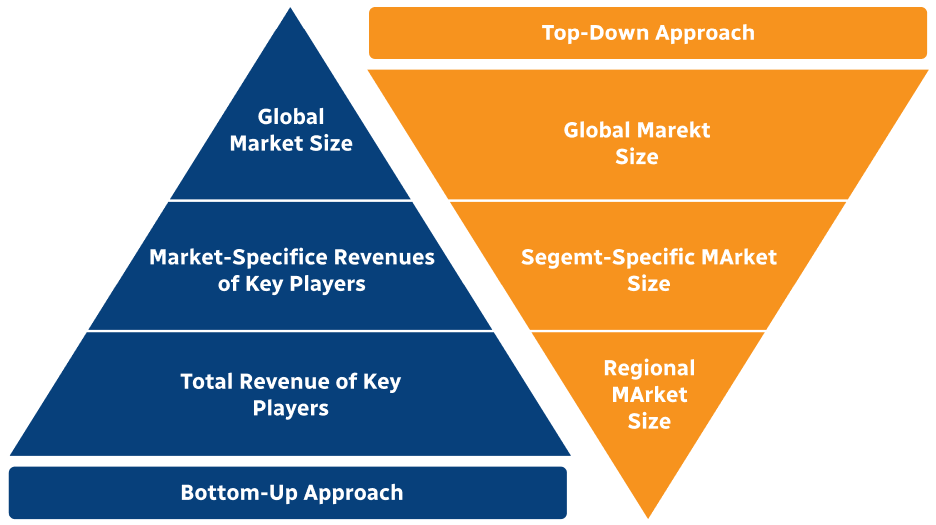
Approach Chart
Top-down and bottom-up approaches are used to validate the global market size and estimate the market size for manufactures, regional segments, product, and application.

Note*: In applicable scenarios

Step 3 - Data Sources

Primary Research

  • Web Analytics
  • Survey Reports
  • Research Institute
  • Latest Research Reports
  • Opinion Leaders

Secondary Research

  • Annual Reports
  • White Paper
  • Latest Press Release
  • Industry Association
  • Paid Database
  • Investor Presentations
Analyst Chart

Step 4 - Data Triangulation

Involves using different sources of information in order to increase the validity of a study

These sources are likely to be stakeholders in a program - participants, other researchers, program staff, other community members, and so on.

Then we put all data in single framework & apply various statistical tools to find out the dynamic on the market.

During the analysis stage, feedback from the stakeholder groups would be compared to determine areas of agreement as well as areas of divergence

Additionally, after gathering mixed and scattered data from a wide range of sources, data is triangulated and correlated to come up with estimated figures which are further validated through primary mediums or industry experts, opinion leaders.