



Key Insights
The global EV Power Inverter market is poised for remarkable expansion, projected to reach 7.65 Million units by 2025, with an impressive Compound Annual Growth Rate (CAGR) of 22.66% during the forecast period of 2025-2033. This significant growth is primarily driven by the accelerating adoption of electric vehicles across all segments, spurred by stringent government regulations promoting emission reduction, growing consumer environmental consciousness, and advancements in battery technology that enhance EV range and performance. The increasing demand for hybrid electric vehicles (HEVs), plug-in hybrid electric vehicles (PHEVs), battery electric vehicles (BEVs), and fuel cell electric vehicles (FCEVs) directly fuels the need for sophisticated and efficient power inverters. Furthermore, the continuous innovation in power electronics, leading to smaller, lighter, and more cost-effective inverter solutions, is a key enabler of this market surge. The expansion of charging infrastructure and government incentives for EV purchases are also contributing factors, creating a robust ecosystem for market growth.

EV Power Inverter Industry Market Size (In Million)

The market is segmented by propulsion type, with Battery Electric Vehicles (BEVs) leading the charge due to their increasing popularity and range capabilities. Hybrid Electric Vehicles (HEVs) and Plug-in Hybrid Electric Vehicles (PHEVs) also represent substantial segments, catering to consumers seeking a transition to electric mobility without compromising on range anxiety. Fuel Cell Electric Vehicles (FCEVs), while still a nascent segment, are gaining traction with technological advancements and a focus on long-term sustainability. Geographically, the Asia Pacific region, particularly China, is expected to dominate the market owing to strong government support for electric mobility and a robust manufacturing base. North America and Europe are also significant markets, driven by ambitious EV targets and supportive policies. Key industry players like Robert Bosch GmbH, Infineon Technologies AG, and DENSO Corporation are actively investing in research and development to offer advanced inverter solutions, further shaping the competitive landscape and driving innovation. The primary restraint for this market is the relatively high initial cost of EVs compared to traditional internal combustion engine vehicles, although this gap is narrowing.

EV Power Inverter Industry Company Market Share

This in-depth report provides a strategic outlook on the global EV power inverter market, a critical component for the burgeoning electric vehicle (EV) and hybrid electric vehicle (HEV) sectors. Covering the historical period of 2019–2024, the base year of 2025, and a forecast period extending to 2033, this analysis delves into market structure, competitive dynamics, key trends, technological innovations, and segment-specific growth trajectories. With an estimated market size projected to reach $50,000 Million by 2033, driven by a robust CAGR of 18.5%, this report offers invaluable insights for stakeholders navigating the rapidly evolving automotive power electronics landscape.
EV Power Inverter Industry Market Structure & Competitive Dynamics
The global EV power inverter market exhibits a moderately consolidated structure, with a few key players holding significant market share. Innovation ecosystems are thriving, driven by the constant pursuit of higher efficiency, reduced costs, and enhanced power density. Regulatory frameworks, particularly those promoting zero-emission vehicles (ZEVs) and stringent emission standards, are acting as significant catalysts for market expansion. Product substitutes, while evolving, are primarily limited to advancements in motor controllers and integrated powertrain solutions. End-user trends are dominated by the escalating demand for longer EV range and faster charging capabilities, directly influencing inverter design and performance. Mergers & Acquisitions (M&A) activities are a key feature, with companies strategically acquiring smaller tech firms or forming partnerships to gain access to cutting-edge technologies and expand their market footprint. For instance, M&A deal values are anticipated to reach $5,000 Million cumulatively by 2027.
- Market Concentration: Dominated by a mix of established automotive suppliers and specialized power electronics manufacturers.
- Innovation Ecosystems: Fueled by research into wide bandgap semiconductors (SiC and GaN) and advanced cooling techniques.
- Regulatory Frameworks: Government incentives for EV adoption and emissions regulations are paramount.
- Product Substitutes: Integrated drive units and advanced motor control strategies.
- End-User Trends: Demand for extended electric vehicle range, improved energy efficiency, and faster charging.
- M&A Activities: Strategic acquisitions to bolster technological capabilities and market presence.
EV Power Inverter Industry Industry Trends & Insights
The EV power inverter industry is on an unprecedented growth trajectory, propelled by a confluence of technological advancements, supportive government policies, and evolving consumer preferences for sustainable mobility. The increasing penetration of electric and hybrid vehicles globally is the primary market growth driver. Technological disruptions, particularly the adoption of Silicon Carbide (SiC) and Gallium Nitride (GaN) semiconductors, are revolutionizing inverter efficiency, enabling higher switching frequencies, reduced energy losses, and smaller form factors. This translates to a more efficient conversion of DC power from the battery to AC power for the electric motor, ultimately enhancing electric vehicle range and performance. Consumer preferences are increasingly leaning towards longer driving distances and quicker charging times, creating a strong demand for advanced inverter technologies that can support these requirements.
The competitive landscape is characterized by intense innovation and strategic collaborations. Key players are investing heavily in research and development to deliver next-generation inverters that offer higher power density, improved thermal management, and enhanced reliability. The integration of inverters with other powertrain components, such as the motor and onboard charger, is another significant trend, leading to more compact and cost-effective solutions. The drive towards electrification across various vehicle segments, from passenger cars to commercial vehicles, is further bolstering market expansion. The market penetration of EVs, currently at XX% globally, is projected to reach over XX% by 2030, directly correlating with the demand for power inverters. The market size of EV power inverters is projected to reach $50,000 Million by 2033. The CAGR for the EV power inverter market is estimated at 18.5% during the forecast period.
Furthermore, the development of advanced control algorithms and software optimization plays a crucial role in maximizing inverter performance and longevity. The shift from traditional IGBTs to SiC and GaN devices is a pivotal trend, enabling inverter efficiencies of up to 97%, as demonstrated by Robert Bosch GmbH's recent innovations, leading to substantial increases in EV range. The growing importance of vehicle-to-grid (V2G) capabilities also necessitates sophisticated inverter designs that can facilitate bidirectional power flow. The expanding charging infrastructure, coupled with favorable government incentives and stricter emission regulations worldwide, continues to accelerate the adoption of EVs, thereby driving robust growth in the automotive inverter market.
Dominant Markets & Segments in EV Power Inverter Industry
The EV power inverter industry is witnessing dominant growth across several key markets and segments, driven by regional policies, economic incentives, and consumer adoption rates. The Battery Electric Vehicle (BEV) segment, in particular, is emerging as the largest and fastest-growing propulsion type, fueled by increasing range capabilities, decreasing battery costs, and a growing network of charging stations. Within vehicle types, Passenger Cars represent the most significant market share due to their widespread adoption and the increasing demand for personal electric mobility solutions.
- Leading Region: Asia-Pacific is currently the dominant region, driven by strong government support for EV manufacturing and adoption in countries like China, Japan, and South Korea. Significant investments in R&D and production capacity further solidify its leadership position. The market size in Asia-Pacific is estimated to be over $15,000 Million in 2025.
- Leading Country: China stands out as the leading country, accounting for the largest share of EV sales and consequently, the highest demand for EV power inverters. Favorable policies, such as subsidies and tax exemptions, coupled with rapid infrastructure development, underpin this dominance. The Chinese market alone is projected to reach $10,000 Million by 2027.
- Dominant Propulsion Type:
- Battery Electric Vehicle (BEV): This segment leads the market due to accelerating consumer acceptance, improving battery technology, and expanding charging infrastructure. The market size for BEV inverters is projected to exceed $20,000 Million by 2030.
- Hybrid Electric Vehicles (HEVs): While still significant, HEVs are gradually being overtaken by BEVs in terms of growth rate as consumers opt for fully electric solutions. However, HEV inverters remain crucial for their contribution to fuel efficiency and reduced emissions in traditional internal combustion engine vehicles.
- Plug-in Hybrid Electric Vehicle (PHEV): PHEVs offer a transitional solution, providing the benefits of electric driving for shorter commutes and the flexibility of gasoline engines for longer journeys. This segment continues to contribute steadily to market growth.
- Fuel Cell Electric Vehicle (FCEV): Though a nascent segment, FCEVs represent a future growth opportunity, particularly for heavy-duty applications and long-haul transport, with significant R&D investments being made.
- Dominant Vehicle Type:
- Passenger Cars: This segment holds the largest market share due to high sales volumes and increasing consumer interest in personal electric mobility. The demand for advanced inverters in passenger cars is driven by the need for performance, efficiency, and extended range.
- Commercial Vehicles: The adoption of electric commercial vehicles, including trucks and buses, is gaining momentum, driven by the need to reduce operational costs and meet stringent environmental regulations. This segment presents a significant growth opportunity for power inverter manufacturers. The market for commercial vehicle inverters is expected to grow at a CAGR of 20.1% from 2025-2033, reaching $15,000 Million by 2033.
Key drivers for this dominance include government mandates for vehicle electrification, tax incentives for EV purchases, substantial investments in charging infrastructure, and increasing consumer awareness regarding environmental sustainability. The economic policies in leading nations are specifically designed to foster local manufacturing and R&D in the EV sector, creating a fertile ground for the growth of the power inverter market.
EV Power Inverter Industry Product Innovations
Product innovations in the EV power inverter industry are centered on enhancing efficiency, power density, and reliability while reducing costs. The widespread adoption of wide bandgap semiconductors like Silicon Carbide (SiC) and Gallium Nitride (GaN) is a major technological trend. These materials enable inverters to operate at higher temperatures and switching frequencies, leading to smaller, lighter, and more efficient units with reduced energy losses, contributing to extended EV range. Innovations also focus on advanced thermal management solutions, such as direct liquid cooling, to dissipate heat effectively and ensure optimal performance. Integrated drive units, combining the motor and inverter into a single compact module, are gaining traction, simplifying vehicle architecture and reducing manufacturing complexity. These advancements provide a significant competitive advantage by enabling manufacturers to offer more compelling electric vehicle solutions to consumers.
Report Segmentation & Scope
This report segments the EV Power Inverter Industry based on critical parameters to provide a granular market analysis. The scope encompasses detailed insights into each segment's current market size, projected growth, and competitive dynamics. The primary segmentation includes:
- Propulsion Type:
- Hybrid Electric Vehicles (HEVs): This segment includes inverters designed for vehicles that combine an internal combustion engine with an electric motor.
- Plug-in Hybrid Electric Vehicles (PHEVs): This segment focuses on inverters for PHEVs, which can be charged from an external power source.
- Battery Electric Vehicle (BEV): This segment covers inverters for fully electric vehicles powered solely by batteries.
- Fuel Cell Electric Vehicle (FCEV): This segment analyzes inverters for FCEVs, which utilize hydrogen fuel cells to generate electricity.
- Vehicle Type:
- Passenger Cars: This segment includes inverters for sedans, SUVs, hatchbacks, and other personal transport vehicles.
- Commercial Vehicles: This segment encompasses inverters for trucks, buses, vans, and other heavy-duty or logistics vehicles.
Each segment is analyzed for its market size, estimated to be over $10,000 Million for BEV inverters and $7,000 Million for passenger car inverters in 2025, and its projected growth trajectory throughout the forecast period.
Key Drivers of EV Power Inverter Industry Growth
The EV power inverter industry is experiencing robust growth driven by several interconnected factors. Firstly, the increasing global adoption of electric vehicles (EVs), fueled by government incentives and environmental concerns, directly translates to a higher demand for power inverters. Secondly, technological advancements in semiconductor technology, particularly the transition to Silicon Carbide (SiC) and Gallium Nitride (GaN), are enabling more efficient, compact, and cost-effective inverters. Thirdly, stringent government regulations and emissions standards worldwide are compelling automakers to accelerate their shift towards electrification. Finally, the growing consumer demand for sustainable transportation and longer EV range is pushing manufacturers to invest in and implement advanced inverter solutions.
Challenges in the EV Power Inverter Industry Sector
Despite its promising growth, the EV power inverter industry faces several challenges. Supply chain disruptions, particularly for critical raw materials and components like semiconductors, can impact production volumes and lead to price volatility, with potential cost increases of up to 15%. Intense price competition among manufacturers, driven by the need to reduce EV costs, puts pressure on profit margins. Evolving technological standards and rapid innovation cycles require continuous R&D investment, posing a risk for smaller players to keep pace. Furthermore, stringent quality and safety regulations for automotive components necessitate rigorous testing and validation, adding to development time and costs. Addressing these challenges will be crucial for sustained market growth.
Leading Players in the EV Power Inverter Industry Market
- Infineon Technologies AG
- Hitachi Astemo Ltd
- Vitesco Technologies
- Toyota Industries Corporation
- Mitsubishi Electric Corporation
- Meidensha Corporation
- Robert Bosch GmbH
- Aptiv PLC
- Lear Corporation
- Valeo Group
- DENSO CORPORATION
- Eaton Corporation
- Marelli Corporation
Key Developments in EV Power Inverter Industry Sector
- September 2022: Robert Bosch GmbH introduced a new drive unit consisting of an electric motor plus an integrated inverter for small trucks. Bosch has reduced electrical losses by more than 20% with new semiconductors, which enables an inverter efficiency of 97% and thus increases the range.
- August 2022: AVL List GmbH developed a new Inverter Test System for testing inverters separately from the e-motor and battery.
- December 2021: Hitachi Astemo Ltd announced that the company's inverter had been adopted for the hybrid powertrain platform "Leishen Hi-X" of Geely Automobile Holdings Limited. It is equipped with a direct water-cooled double-sided cooling power module characterized by its small size and high output.
- March 2021: Continental informed that it has developed high-power electronics including controllers and a DC-AC inverter system solution for Jaguar Land Rover that is specifically adapted to the requirements of sporty, performance-oriented powertrains. The power electronics module is claimed to have a high current-bearing capacity of up to 650A.
These developments underscore the rapid pace of innovation in the sector, focusing on increased efficiency, integration, and tailored solutions for specific vehicle applications.
Strategic EV Power Inverter Industry Market Outlook
The strategic outlook for the EV power inverter industry is overwhelmingly positive, with significant growth accelerators in place. The sustained global push towards electrification, driven by environmental consciousness and supportive government policies, will continue to fuel demand. Technological advancements, particularly the wider adoption of wide bandgap semiconductors and integrated powertrain solutions, will unlock new levels of efficiency and performance, thereby enhancing EV range and reducing charging times. The expanding charging infrastructure globally is also a critical enabler for mainstream EV adoption. Furthermore, the increasing application of inverters in diverse vehicle types, from lightweight passenger cars to heavy-duty commercial vehicles and even niche sectors, presents a broad spectrum of growth opportunities. Strategic partnerships and M&A activities are expected to continue, consolidating the market and fostering innovation, paving the way for a future dominated by sustainable electric mobility. The market is poised for substantial growth, with the automotive inverter market size projected to reach $50,000 Million by 2033.
EV Power Inverter Industry Segmentation
-
1. Propulsion Type
- 1.1. Hybrid Electric Vehicles
- 1.2. Plug-in Hybrid Electric Vehicle
- 1.3. Battery Electric Vehicle
- 1.4. Fuel Cell Electric Vehicle
-
2. Vehicle Type
- 2.1. Passenger Cars
- 2.2. Commercial Vehicles
EV Power Inverter Industry Segmentation By Geography
-
1. North America
- 1.1. United States
- 1.2. Canada
- 1.3. Rest of North America
-
2. Europe
- 2.1. Germany
- 2.2. United Kingdom
- 2.3. France
- 2.4. Italy
- 2.5. Rest of Europe
-
3. Asia Pacific
- 3.1. China
- 3.2. Japan
- 3.3. India
- 3.4. South Korea
- 3.5. Rest of Asia Pacific
-
4. Rest of the World
- 4.1. South America
- 4.2. Middle East and Africa

EV Power Inverter Industry Regional Market Share

Geographic Coverage of EV Power Inverter Industry
EV Power Inverter Industry REPORT HIGHLIGHTS
| Aspects | Details |
|---|---|
| Study Period | 2020-2034 |
| Base Year | 2025 |
| Estimated Year | 2026 |
| Forecast Period | 2026-2034 |
| Historical Period | 2020-2025 |
| Growth Rate | CAGR of 22.66% from 2020-2034 |
| Segmentation |
|
Table of Contents
- 1. Introduction
- 1.1. Research Scope
- 1.2. Market Segmentation
- 1.3. Research Methodology
- 1.4. Definitions and Assumptions
- 2. Executive Summary
- 2.1. Introduction
- 3. Market Dynamics
- 3.1. Introduction
- 3.2. Market Drivers
- 3.2.1. Rise in demand for Electric Vehicles
- 3.3. Market Restrains
- 3.3.1. High Cost Associated With Product
- 3.4. Market Trends
- 3.4.1. Growing Sales of Electric Vehicles
- 4. Market Factor Analysis
- 4.1. Porters Five Forces
- 4.2. Supply/Value Chain
- 4.3. PESTEL analysis
- 4.4. Market Entropy
- 4.5. Patent/Trademark Analysis
- 5. Global EV Power Inverter Industry Analysis, Insights and Forecast, 2020-2032
- 5.1. Market Analysis, Insights and Forecast - by Propulsion Type
- 5.1.1. Hybrid Electric Vehicles
- 5.1.2. Plug-in Hybrid Electric Vehicle
- 5.1.3. Battery Electric Vehicle
- 5.1.4. Fuel Cell Electric Vehicle
- 5.2. Market Analysis, Insights and Forecast - by Vehicle Type
- 5.2.1. Passenger Cars
- 5.2.2. Commercial Vehicles
- 5.3. Market Analysis, Insights and Forecast - by Region
- 5.3.1. North America
- 5.3.2. Europe
- 5.3.3. Asia Pacific
- 5.3.4. Rest of the World
- 5.1. Market Analysis, Insights and Forecast - by Propulsion Type
- 6. North America EV Power Inverter Industry Analysis, Insights and Forecast, 2020-2032
- 6.1. Market Analysis, Insights and Forecast - by Propulsion Type
- 6.1.1. Hybrid Electric Vehicles
- 6.1.2. Plug-in Hybrid Electric Vehicle
- 6.1.3. Battery Electric Vehicle
- 6.1.4. Fuel Cell Electric Vehicle
- 6.2. Market Analysis, Insights and Forecast - by Vehicle Type
- 6.2.1. Passenger Cars
- 6.2.2. Commercial Vehicles
- 6.1. Market Analysis, Insights and Forecast - by Propulsion Type
- 7. Europe EV Power Inverter Industry Analysis, Insights and Forecast, 2020-2032
- 7.1. Market Analysis, Insights and Forecast - by Propulsion Type
- 7.1.1. Hybrid Electric Vehicles
- 7.1.2. Plug-in Hybrid Electric Vehicle
- 7.1.3. Battery Electric Vehicle
- 7.1.4. Fuel Cell Electric Vehicle
- 7.2. Market Analysis, Insights and Forecast - by Vehicle Type
- 7.2.1. Passenger Cars
- 7.2.2. Commercial Vehicles
- 7.1. Market Analysis, Insights and Forecast - by Propulsion Type
- 8. Asia Pacific EV Power Inverter Industry Analysis, Insights and Forecast, 2020-2032
- 8.1. Market Analysis, Insights and Forecast - by Propulsion Type
- 8.1.1. Hybrid Electric Vehicles
- 8.1.2. Plug-in Hybrid Electric Vehicle
- 8.1.3. Battery Electric Vehicle
- 8.1.4. Fuel Cell Electric Vehicle
- 8.2. Market Analysis, Insights and Forecast - by Vehicle Type
- 8.2.1. Passenger Cars
- 8.2.2. Commercial Vehicles
- 8.1. Market Analysis, Insights and Forecast - by Propulsion Type
- 9. Rest of the World EV Power Inverter Industry Analysis, Insights and Forecast, 2020-2032
- 9.1. Market Analysis, Insights and Forecast - by Propulsion Type
- 9.1.1. Hybrid Electric Vehicles
- 9.1.2. Plug-in Hybrid Electric Vehicle
- 9.1.3. Battery Electric Vehicle
- 9.1.4. Fuel Cell Electric Vehicle
- 9.2. Market Analysis, Insights and Forecast - by Vehicle Type
- 9.2.1. Passenger Cars
- 9.2.2. Commercial Vehicles
- 9.1. Market Analysis, Insights and Forecast - by Propulsion Type
- 10. Competitive Analysis
- 10.1. Global Market Share Analysis 2025
- 10.2. Company Profiles
- 10.2.1 Infineon Technologies AG
- 10.2.1.1. Overview
- 10.2.1.2. Products
- 10.2.1.3. SWOT Analysis
- 10.2.1.4. Recent Developments
- 10.2.1.5. Financials (Based on Availability)
- 10.2.2 Hitachi Astemo Ltd
- 10.2.2.1. Overview
- 10.2.2.2. Products
- 10.2.2.3. SWOT Analysis
- 10.2.2.4. Recent Developments
- 10.2.2.5. Financials (Based on Availability)
- 10.2.3 Vitesco Technologies
- 10.2.3.1. Overview
- 10.2.3.2. Products
- 10.2.3.3. SWOT Analysis
- 10.2.3.4. Recent Developments
- 10.2.3.5. Financials (Based on Availability)
- 10.2.4 Toyota Industries Corporation
- 10.2.4.1. Overview
- 10.2.4.2. Products
- 10.2.4.3. SWOT Analysis
- 10.2.4.4. Recent Developments
- 10.2.4.5. Financials (Based on Availability)
- 10.2.5 Mitsubishi Electric Corporation
- 10.2.5.1. Overview
- 10.2.5.2. Products
- 10.2.5.3. SWOT Analysis
- 10.2.5.4. Recent Developments
- 10.2.5.5. Financials (Based on Availability)
- 10.2.6 Meidensha Corporation
- 10.2.6.1. Overview
- 10.2.6.2. Products
- 10.2.6.3. SWOT Analysis
- 10.2.6.4. Recent Developments
- 10.2.6.5. Financials (Based on Availability)
- 10.2.7 Robert Bosch GmbH
- 10.2.7.1. Overview
- 10.2.7.2. Products
- 10.2.7.3. SWOT Analysis
- 10.2.7.4. Recent Developments
- 10.2.7.5. Financials (Based on Availability)
- 10.2.8 Aptiv PLC (Borgwarner Inc )
- 10.2.8.1. Overview
- 10.2.8.2. Products
- 10.2.8.3. SWOT Analysis
- 10.2.8.4. Recent Developments
- 10.2.8.5. Financials (Based on Availability)
- 10.2.9 Lear Corporation
- 10.2.9.1. Overview
- 10.2.9.2. Products
- 10.2.9.3. SWOT Analysis
- 10.2.9.4. Recent Developments
- 10.2.9.5. Financials (Based on Availability)
- 10.2.10 Valeo Group
- 10.2.10.1. Overview
- 10.2.10.2. Products
- 10.2.10.3. SWOT Analysis
- 10.2.10.4. Recent Developments
- 10.2.10.5. Financials (Based on Availability)
- 10.2.11 DENSO Corporation
- 10.2.11.1. Overview
- 10.2.11.2. Products
- 10.2.11.3. SWOT Analysis
- 10.2.11.4. Recent Developments
- 10.2.11.5. Financials (Based on Availability)
- 10.2.12 Eaton Corporatio
- 10.2.12.1. Overview
- 10.2.12.2. Products
- 10.2.12.3. SWOT Analysis
- 10.2.12.4. Recent Developments
- 10.2.12.5. Financials (Based on Availability)
- 10.2.13 Marelli Corporation
- 10.2.13.1. Overview
- 10.2.13.2. Products
- 10.2.13.3. SWOT Analysis
- 10.2.13.4. Recent Developments
- 10.2.13.5. Financials (Based on Availability)
- 10.2.1 Infineon Technologies AG
List of Figures
- Figure 1: Global EV Power Inverter Industry Revenue Breakdown (Million, %) by Region 2025 & 2033
- Figure 2: North America EV Power Inverter Industry Revenue (Million), by Propulsion Type 2025 & 2033
- Figure 3: North America EV Power Inverter Industry Revenue Share (%), by Propulsion Type 2025 & 2033
- Figure 4: North America EV Power Inverter Industry Revenue (Million), by Vehicle Type 2025 & 2033
- Figure 5: North America EV Power Inverter Industry Revenue Share (%), by Vehicle Type 2025 & 2033
- Figure 6: North America EV Power Inverter Industry Revenue (Million), by Country 2025 & 2033
- Figure 7: North America EV Power Inverter Industry Revenue Share (%), by Country 2025 & 2033
- Figure 8: Europe EV Power Inverter Industry Revenue (Million), by Propulsion Type 2025 & 2033
- Figure 9: Europe EV Power Inverter Industry Revenue Share (%), by Propulsion Type 2025 & 2033
- Figure 10: Europe EV Power Inverter Industry Revenue (Million), by Vehicle Type 2025 & 2033
- Figure 11: Europe EV Power Inverter Industry Revenue Share (%), by Vehicle Type 2025 & 2033
- Figure 12: Europe EV Power Inverter Industry Revenue (Million), by Country 2025 & 2033
- Figure 13: Europe EV Power Inverter Industry Revenue Share (%), by Country 2025 & 2033
- Figure 14: Asia Pacific EV Power Inverter Industry Revenue (Million), by Propulsion Type 2025 & 2033
- Figure 15: Asia Pacific EV Power Inverter Industry Revenue Share (%), by Propulsion Type 2025 & 2033
- Figure 16: Asia Pacific EV Power Inverter Industry Revenue (Million), by Vehicle Type 2025 & 2033
- Figure 17: Asia Pacific EV Power Inverter Industry Revenue Share (%), by Vehicle Type 2025 & 2033
- Figure 18: Asia Pacific EV Power Inverter Industry Revenue (Million), by Country 2025 & 2033
- Figure 19: Asia Pacific EV Power Inverter Industry Revenue Share (%), by Country 2025 & 2033
- Figure 20: Rest of the World EV Power Inverter Industry Revenue (Million), by Propulsion Type 2025 & 2033
- Figure 21: Rest of the World EV Power Inverter Industry Revenue Share (%), by Propulsion Type 2025 & 2033
- Figure 22: Rest of the World EV Power Inverter Industry Revenue (Million), by Vehicle Type 2025 & 2033
- Figure 23: Rest of the World EV Power Inverter Industry Revenue Share (%), by Vehicle Type 2025 & 2033
- Figure 24: Rest of the World EV Power Inverter Industry Revenue (Million), by Country 2025 & 2033
- Figure 25: Rest of the World EV Power Inverter Industry Revenue Share (%), by Country 2025 & 2033
List of Tables
- Table 1: Global EV Power Inverter Industry Revenue Million Forecast, by Propulsion Type 2020 & 2033
- Table 2: Global EV Power Inverter Industry Revenue Million Forecast, by Vehicle Type 2020 & 2033
- Table 3: Global EV Power Inverter Industry Revenue Million Forecast, by Region 2020 & 2033
- Table 4: Global EV Power Inverter Industry Revenue Million Forecast, by Propulsion Type 2020 & 2033
- Table 5: Global EV Power Inverter Industry Revenue Million Forecast, by Vehicle Type 2020 & 2033
- Table 6: Global EV Power Inverter Industry Revenue Million Forecast, by Country 2020 & 2033
- Table 7: United States EV Power Inverter Industry Revenue (Million) Forecast, by Application 2020 & 2033
- Table 8: Canada EV Power Inverter Industry Revenue (Million) Forecast, by Application 2020 & 2033
- Table 9: Rest of North America EV Power Inverter Industry Revenue (Million) Forecast, by Application 2020 & 2033
- Table 10: Global EV Power Inverter Industry Revenue Million Forecast, by Propulsion Type 2020 & 2033
- Table 11: Global EV Power Inverter Industry Revenue Million Forecast, by Vehicle Type 2020 & 2033
- Table 12: Global EV Power Inverter Industry Revenue Million Forecast, by Country 2020 & 2033
- Table 13: Germany EV Power Inverter Industry Revenue (Million) Forecast, by Application 2020 & 2033
- Table 14: United Kingdom EV Power Inverter Industry Revenue (Million) Forecast, by Application 2020 & 2033
- Table 15: France EV Power Inverter Industry Revenue (Million) Forecast, by Application 2020 & 2033
- Table 16: Italy EV Power Inverter Industry Revenue (Million) Forecast, by Application 2020 & 2033
- Table 17: Rest of Europe EV Power Inverter Industry Revenue (Million) Forecast, by Application 2020 & 2033
- Table 18: Global EV Power Inverter Industry Revenue Million Forecast, by Propulsion Type 2020 & 2033
- Table 19: Global EV Power Inverter Industry Revenue Million Forecast, by Vehicle Type 2020 & 2033
- Table 20: Global EV Power Inverter Industry Revenue Million Forecast, by Country 2020 & 2033
- Table 21: China EV Power Inverter Industry Revenue (Million) Forecast, by Application 2020 & 2033
- Table 22: Japan EV Power Inverter Industry Revenue (Million) Forecast, by Application 2020 & 2033
- Table 23: India EV Power Inverter Industry Revenue (Million) Forecast, by Application 2020 & 2033
- Table 24: South Korea EV Power Inverter Industry Revenue (Million) Forecast, by Application 2020 & 2033
- Table 25: Rest of Asia Pacific EV Power Inverter Industry Revenue (Million) Forecast, by Application 2020 & 2033
- Table 26: Global EV Power Inverter Industry Revenue Million Forecast, by Propulsion Type 2020 & 2033
- Table 27: Global EV Power Inverter Industry Revenue Million Forecast, by Vehicle Type 2020 & 2033
- Table 28: Global EV Power Inverter Industry Revenue Million Forecast, by Country 2020 & 2033
- Table 29: South America EV Power Inverter Industry Revenue (Million) Forecast, by Application 2020 & 2033
- Table 30: Middle East and Africa EV Power Inverter Industry Revenue (Million) Forecast, by Application 2020 & 2033
Frequently Asked Questions
1. What is the projected Compound Annual Growth Rate (CAGR) of the EV Power Inverter Industry?
The projected CAGR is approximately 22.66%.
2. Which companies are prominent players in the EV Power Inverter Industry?
Key companies in the market include Infineon Technologies AG, Hitachi Astemo Ltd, Vitesco Technologies, Toyota Industries Corporation, Mitsubishi Electric Corporation, Meidensha Corporation, Robert Bosch GmbH, Aptiv PLC (Borgwarner Inc ), Lear Corporation, Valeo Group, DENSO Corporation, Eaton Corporatio, Marelli Corporation.
3. What are the main segments of the EV Power Inverter Industry?
The market segments include Propulsion Type, Vehicle Type.
4. Can you provide details about the market size?
The market size is estimated to be USD 7.65 Million as of 2022.
5. What are some drivers contributing to market growth?
Rise in demand for Electric Vehicles.
6. What are the notable trends driving market growth?
Growing Sales of Electric Vehicles.
7. Are there any restraints impacting market growth?
High Cost Associated With Product.
8. Can you provide examples of recent developments in the market?
In September 2022, Robert Bosch GmbH introduced a new drive unit consisting of an electric motor plus an integrated inverter for small trucks. Bosch has reduced electrical losses by more than 20% with new semiconductors, which enables an inverter efficiency of 97% and thus increases the range.
9. What pricing options are available for accessing the report?
Pricing options include single-user, multi-user, and enterprise licenses priced at USD 4750, USD 5250, and USD 8750 respectively.
10. Is the market size provided in terms of value or volume?
The market size is provided in terms of value, measured in Million.
11. Are there any specific market keywords associated with the report?
Yes, the market keyword associated with the report is "EV Power Inverter Industry," which aids in identifying and referencing the specific market segment covered.
12. How do I determine which pricing option suits my needs best?
The pricing options vary based on user requirements and access needs. Individual users may opt for single-user licenses, while businesses requiring broader access may choose multi-user or enterprise licenses for cost-effective access to the report.
13. Are there any additional resources or data provided in the EV Power Inverter Industry report?
While the report offers comprehensive insights, it's advisable to review the specific contents or supplementary materials provided to ascertain if additional resources or data are available.
14. How can I stay updated on further developments or reports in the EV Power Inverter Industry?
To stay informed about further developments, trends, and reports in the EV Power Inverter Industry, consider subscribing to industry newsletters, following relevant companies and organizations, or regularly checking reputable industry news sources and publications.
Methodology
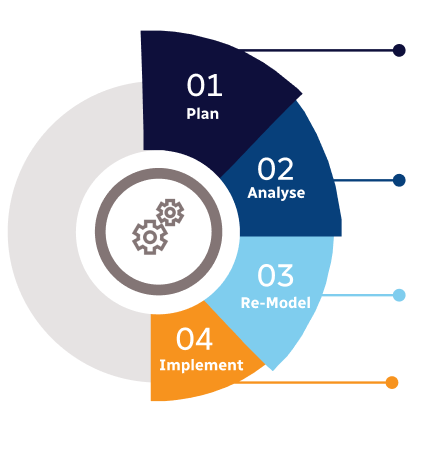
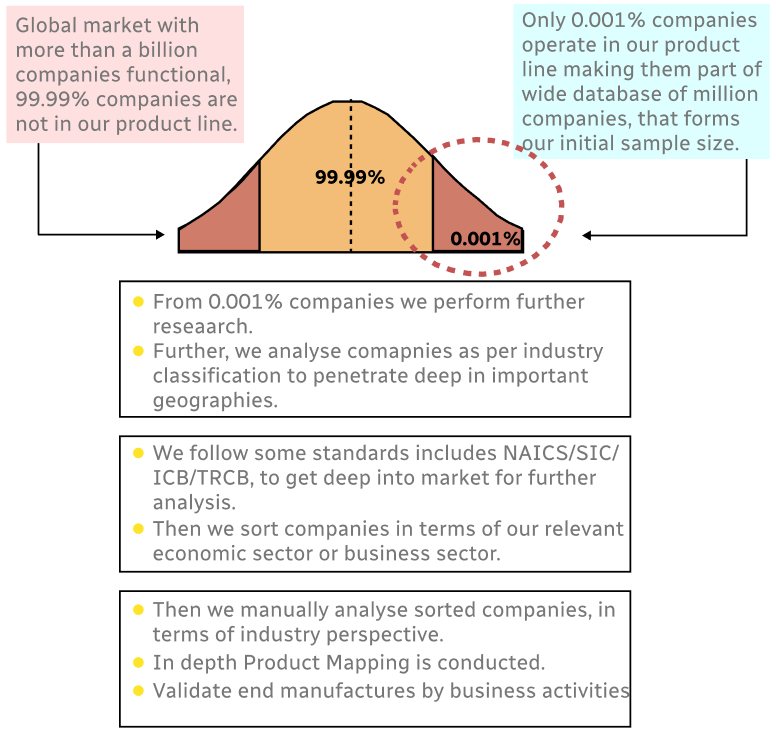
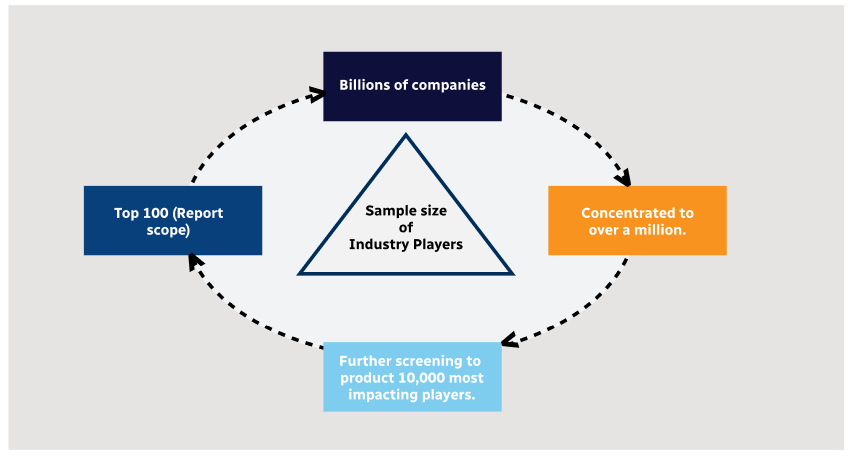
Step 1 - Identification of Relevant Samples Size from Population Database
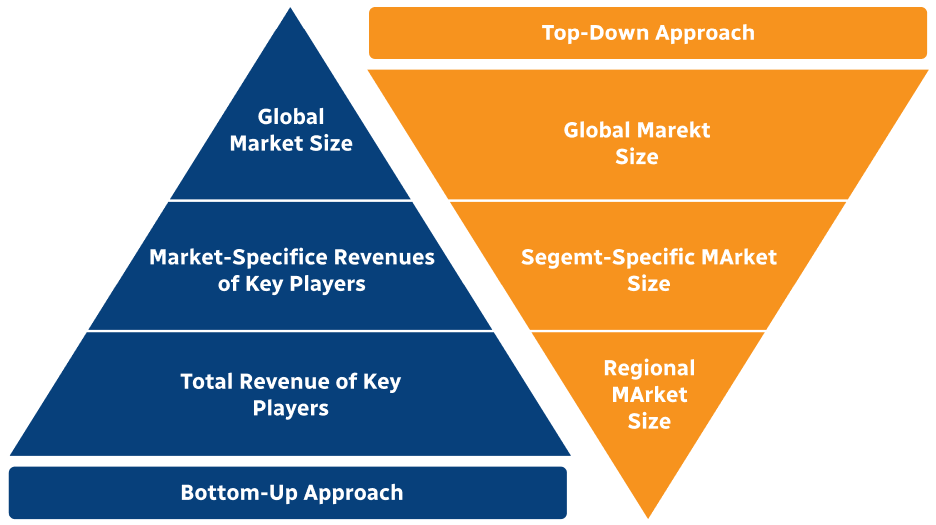
Step 2 - Approaches for Defining Global Market Size (Value, Volume* & Price*)
Note*: In applicable scenarios
Step 3 - Data Sources
Primary Research
- Web Analytics
- Survey Reports
- Research Institute
- Latest Research Reports
- Opinion Leaders
Secondary Research
- Annual Reports
- White Paper
- Latest Press Release
- Industry Association
- Paid Database
- Investor Presentations
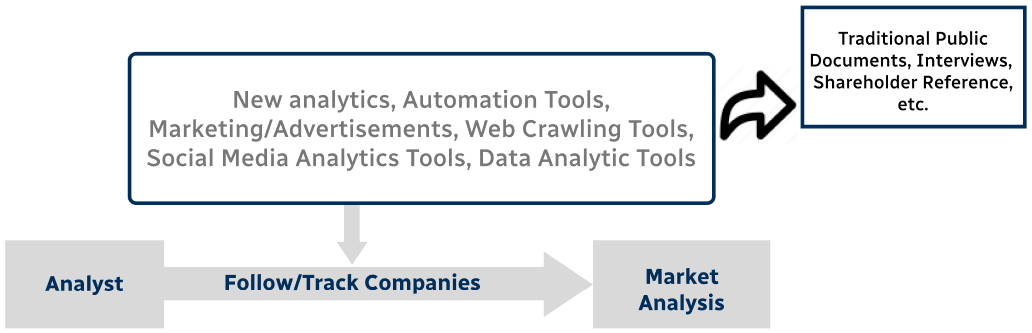
Step 4 - Data Triangulation
Involves using different sources of information in order to increase the validity of a study
These sources are likely to be stakeholders in a program - participants, other researchers, program staff, other community members, and so on.
Then we put all data in single framework & apply various statistical tools to find out the dynamic on the market.
During the analysis stage, feedback from the stakeholder groups would be compared to determine areas of agreement as well as areas of divergence


