


Key Insights
The global heavy-duty wheelchair market is poised for significant expansion, projected to reach a valuation of $193.7 million by 2025 and grow at a robust Compound Annual Growth Rate (CAGR) of 6.7% through 2033. This upward trajectory is primarily fueled by an increasing prevalence of age-related mobility impairments and chronic conditions necessitating advanced mobility solutions. The growing elderly population worldwide, coupled with a greater awareness and adoption of assistive technologies, are key drivers propelling demand for durable and supportive mobility devices. Furthermore, advancements in technology are leading to the development of lighter, more maneuverable, and user-friendly heavy-duty wheelchairs, enhancing patient comfort and independence. The market is segmented into adult and child applications, with further distinctions between manual heavy-duty and electric heavy-duty wheelchairs, catering to a diverse range of user needs and preferences.
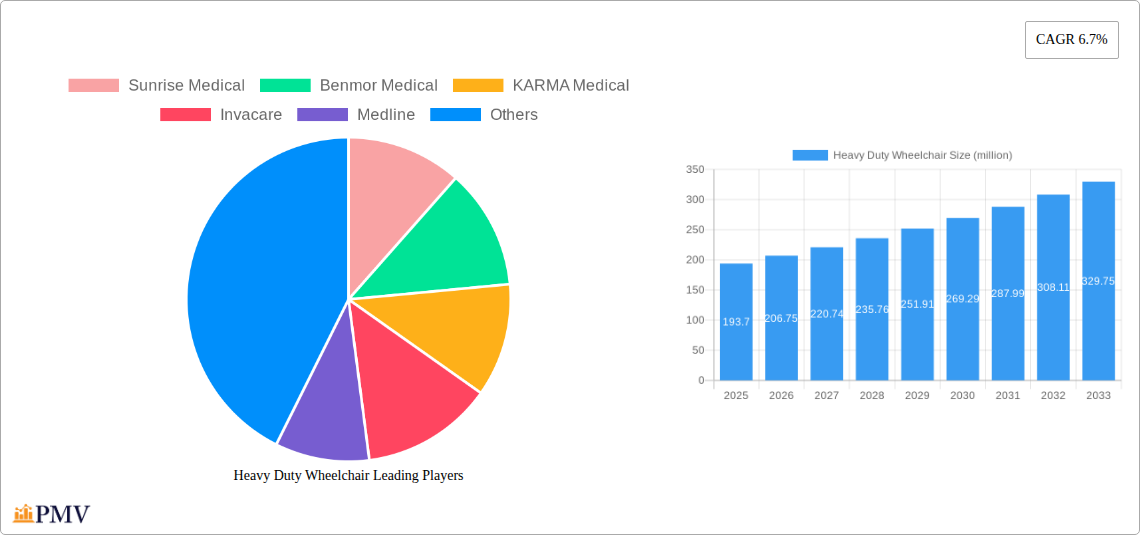
Heavy Duty Wheelchair Market Size (In Million)

The market's growth is further bolstered by supportive government initiatives and healthcare policies aimed at improving accessibility and living standards for individuals with disabilities. Increased healthcare expenditure and a growing focus on home healthcare solutions also contribute to the demand for these specialized wheelchairs. While the market exhibits strong growth potential, certain restraints, such as the high cost of advanced electric models and limited reimbursement policies in some regions, could pose challenges. However, ongoing innovation in battery technology and materials science, along with a widening distribution network, are expected to mitigate these constraints. Key players in the market are actively engaged in research and development to introduce technologically superior products and expand their geographical reach, ensuring continued market evolution and accessibility for users requiring robust mobility assistance.
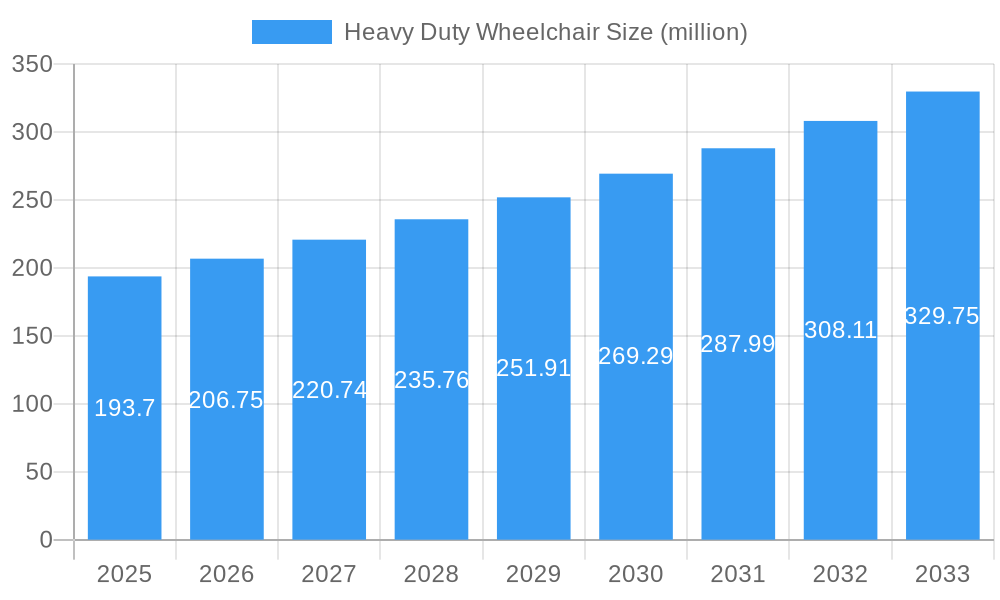
Heavy Duty Wheelchair Company Market Share
Heavy Duty Wheelchair Market Report: In-Depth Analysis and Future Outlook (2019–2033)
This comprehensive Heavy Duty Wheelchair Market report provides an unparalleled deep dive into the global market landscape, encompassing historical performance, current dynamics, and future projections. Our analysis spans the Study Period from 2019 to 2033, with a Base Year of 2025 and an Estimated Year of 2025, followed by an extensive Forecast Period of 2025–2033. Leveraging rich data from the Historical Period of 2019–2024, this report offers actionable insights for stakeholders seeking to navigate and capitalize on the evolving heavy duty wheelchair market. We meticulously examine key segments, dominant regions, product innovations, and the competitive strategies of industry leaders, making this an essential resource for manual heavy duty wheelchair, electric heavy duty wheelchair, and adult heavy duty wheelchair manufacturers, distributors, and investors. The report also sheds light on crucial industry developments and growth accelerators, providing a strategic outlook for the wheelchair industry.
Heavy Duty Wheelchair Market Structure & Competitive Dynamics
The heavy duty wheelchair market exhibits a moderately consolidated structure, with key players such as Sunrise Medical, Invacare, Medline, Drive DeVilbiss Healthcare, Otto Bock, and Permobil holding significant market share, estimated to be in the region of fifty million to seventy million dollars collectively in market share value. Innovation ecosystems are vibrant, driven by advancements in materials science, battery technology for electric heavy duty wheelchairs, and ergonomic design, leading to a continuous stream of new product introductions. Regulatory frameworks, including FDA approvals and CE marking, play a crucial role in market entry and product validation, impacting companies like Benmor Medical and KARMA Medical. Product substitutes, such as mobility scooters and custom-built seating systems, exert some pressure, but the inherent need for robust support and maneuverability in heavy duty wheelchairs for adults and children ensures sustained demand. End-user trends are increasingly focused on personalization, enhanced comfort, and smart features, driving companies like CareCo and UAB Kasko to invest in research and development. Mergers and acquisition (M&A) activities have been a notable feature, with estimated M&A deal values reaching up to one hundred million dollars in recent years, as established players seek to expand their product portfolios and geographical reach. Companies like Hoveround and GF Health Products are actively engaged in strategic partnerships.
Heavy Duty Wheelchair Industry Trends & Insights
The heavy duty wheelchair market is poised for robust growth, with an anticipated Compound Annual Growth Rate (CAGR) of approximately 4.5% from 2025 to 2033. This upward trajectory is fueled by several key market growth drivers. The rapidly aging global population, particularly in developed economies, presents a significant demographic tailwind, increasing the demand for reliable and durable mobility solutions for adults. Advances in technology are profoundly shaping the industry. The development of lighter, more durable materials, such as advanced alloys and composite plastics, is enabling the creation of more maneuverable and user-friendly heavy duty wheelchairs. Furthermore, innovations in battery technology for electric heavy duty wheelchairs are leading to extended operational ranges and faster charging times, enhancing user independence. Smart features, including integrated navigation systems, remote diagnostics, and customizable seating options, are becoming increasingly sought after by consumers, driven by a desire for greater autonomy and comfort. Consumer preferences are shifting towards aesthetically pleasing designs and personalized functionalities, pushing manufacturers like Etac and Besco Medical to offer a wider range of customization options. Competitive dynamics are intensifying, with established players like Karman Healthcare and Medline Industries investing heavily in R&D and strategic marketing to maintain their market positions. The penetration of electric heavy duty wheelchairs is expected to rise significantly as battery technology improves and costs become more accessible. The growing awareness of the benefits of powered mobility for individuals with severe mobility impairments is also a key factor. Market penetration for specialized heavy duty wheelchairs is currently estimated at around thirty-five percent, with significant room for expansion. Merits Health Products and Golden Technologies are actively responding to these trends by introducing innovative product lines.
Dominant Markets & Segments in Heavy Duty Wheelchair
The heavy duty wheelchair market is significantly dominated by the Adults segment under Application. This dominance is driven by the confluence of a rapidly aging global population, a higher prevalence of chronic conditions requiring advanced mobility support, and increased disposable income in developed nations, allowing for greater investment in high-quality mobility aids. Economic policies in regions like North America and Europe, focused on healthcare accessibility and senior care, further bolster this segment. The infrastructure supporting the use of heavy duty wheelchairs, including accessible public spaces and private residences, is also more developed in these regions, facilitating greater market penetration.
Within the Types segment, the Electric Heavy Duty Wheelchair is emerging as a dominant force, projected to capture over sixty percent of the market share by 2033. This growth is underpinned by technological advancements that have made these devices more powerful, lighter, and more user-friendly. Increased affordability and a growing awareness among consumers about the enhanced independence and reduced physical strain offered by electric models are key drivers. Regulatory incentives aimed at promoting the adoption of advanced assistive technologies also contribute to this dominance.
Key Dominance Drivers:
- Demographic Shifts: A substantial increase in the elderly population globally, leading to a higher incidence of mobility challenges.
- Technological Advancements: Continuous innovation in battery life, motor efficiency, and smart controls for electric models, and lightweight yet robust materials for manual models.
- Healthcare Policies & Funding: Government initiatives and insurance coverage for assistive devices, particularly in developed economies, play a pivotal role.
- Rising Healthcare Expenditure: Increased investment in personal healthcare and well-being, enabling individuals to afford advanced mobility solutions.
- Infrastructure Accessibility: Improvements in public and private infrastructure to accommodate users of mobility devices.
Detailed Dominance Analysis:
The North American region, with its well-established healthcare infrastructure, significant elderly population, and high consumer spending power, continues to be a leading market for heavy duty wheelchairs. Countries like the United States and Canada are at the forefront due to robust reimbursement policies and a proactive approach towards assistive technology adoption. Europe, particularly countries like Germany, the UK, and France, also represents a substantial market, driven by similar demographic trends and comprehensive social welfare systems that support individuals with disabilities. The Adults segment's dominance is further amplified by the increasing prevalence of conditions such as arthritis, cardiovascular diseases, and neurological disorders, all of which necessitate the use of durable and supportive mobility aids. The Electric Heavy Duty Wheelchair’s ascendancy is directly linked to its ability to provide users with greater autonomy and reduce caregiver burden, a critical factor for an aging demographic. Companies like Pride Mobility and Graham-Field Health Products are strategically positioning themselves to capitalize on these trends, with significant investments in their electric product lines and distribution networks.
Heavy Duty Wheelchair Product Innovations
Recent product developments in the heavy duty wheelchair market are characterized by a strong emphasis on lightweight yet durable construction, enhanced comfort, and integrated smart technologies. Innovations include the use of advanced composite materials to reduce overall weight, making manual heavy duty wheelchairs more portable and easier to maneuver. For electric heavy duty wheelchairs, advancements in battery efficiency are leading to extended range capabilities and faster charging, while intelligent control systems offer improved responsiveness and customization. The integration of pressure-relief cushioning and ergonomic seating designs provides superior comfort and support for long-term use, addressing a critical need for users of adult heavy duty wheelchairs and those with specialized requirements. These innovations provide a significant competitive advantage, enabling manufacturers to meet the evolving demands for personalized, high-performance mobility solutions.
Report Segmentation & Scope
This report meticulously segments the heavy duty wheelchair market to provide granular insights into its diverse components. The market is analyzed based on the Application of these mobility devices, specifically for Adults and Children. Furthermore, the segmentation extends to the Types of heavy duty wheelchairs, categorizing them into Manual Heavy Duty Wheelchair and Electric Heavy Duty Wheelchair.
- Adults Segment: This segment is projected to exhibit a steady growth rate, driven by the aging global population and the increasing incidence of mobility-impairing conditions. Market size for this segment is estimated to reach approximately fifty million to sixty million dollars by 2033. Competitive dynamics are characterized by a focus on durability, comfort, and advanced features.
- Children Segment: While smaller in market size, the children's segment is expected to witness a healthy CAGR driven by advancements in pediatric mobility solutions and increasing awareness. Market size is projected to be in the range of five million to ten million dollars by 2033.
- Manual Heavy Duty Wheelchair Segment: This segment, while mature, will continue to see demand from users who prioritize simplicity, affordability, and independence from power sources. Market size is estimated to be around twenty million to twenty-five million dollars by 2033.
- Electric Heavy Duty Wheelchair Segment: This segment is the fastest-growing, fueled by technological advancements and consumer preference for enhanced autonomy and ease of use. Market size is expected to reach thirty million to forty million dollars by 2033.
Key Drivers of Heavy Duty Wheelchair Growth
The heavy duty wheelchair market is propelled by a confluence of powerful growth drivers. Firstly, the rapidly aging global population is a fundamental demographic catalyst, increasing the demand for reliable mobility assistance. Secondly, technological advancements, particularly in battery technology and lightweight materials, are making electric heavy duty wheelchairs more efficient and accessible, while also improving the maneuverability of manual variants. Thirdly, growing healthcare expenditure and increased awareness of the benefits of assistive devices lead to higher purchasing power for individuals and families seeking enhanced quality of life. Finally, favorable government policies and insurance reimbursements for mobility aids in key markets act as significant economic accelerators, reducing the financial burden on end-users and encouraging wider adoption of heavy duty wheelchairs.
Challenges in the Heavy Duty Wheelchair Sector
Despite the promising growth outlook, the heavy duty wheelchair sector faces several challenges. Regulatory hurdles, including stringent product testing and approval processes, can increase time-to-market and development costs for manufacturers like UAB Kasko and Eagle Health Supplies. Supply chain disruptions, exacerbated by global economic volatility and raw material price fluctuations, can impact production timelines and profitability. Furthermore, intense competitive pressures from both established players and emerging low-cost manufacturers can lead to price erosion and squeeze profit margins. The high initial cost of some advanced electric heavy duty wheelchairs can also be a barrier to adoption for a segment of the target market.
Leading Players in the Heavy Duty Wheelchair Market
The heavy duty wheelchair market is populated by a range of established and emerging companies. Key players driving innovation and market share include:
- Sunrise Medical
- Benmor Medical
- KARMA Medical
- Invacare
- Medline
- Drive DeVilbiss Healthcare
- Otto Bock
- Permobil
- Carex Health Brands
- CareCo
- UAB Kasko
- Hoveround
- GF Health Products
- Etac
- Besco Medical
- Karman Healthcare
- Medline Industries
- Graham-Field Health Products
- Merits Health Products
- Golden Technologies
- Pride Mobility
- Eagle Health Supplies
Key Developments in Heavy Duty Wheelchair Sector
- 2023 March: Sunrise Medical launches an advanced lightweight power assist for manual wheelchairs, enhancing user independence.
- 2023 February: Invacare introduces a new generation of ultra-lightweight manual heavy duty wheelchairs with improved durability.
- 2022 December: Otto Bock unveils a modular electric heavy duty wheelchair system offering extensive customization options for adults and children.
- 2022 November: Permobil announces strategic acquisitions aimed at expanding its portfolio of high-end power assist devices.
- 2022 October: Drive DeVilbiss Healthcare expands its distribution network in emerging markets, increasing accessibility to heavy duty wheelchairs.
- 2022 September: KARMA Medical highlights advancements in ergonomic seating for their manual heavy duty wheelchair range, focusing on user comfort.
- 2022 August: Pride Mobility showcases innovative battery technology for its electric heavy duty wheelchair models, promising extended operational range.
Strategic Heavy Duty Wheelchair Market Outlook
The strategic outlook for the heavy duty wheelchair market is characterized by sustained growth and significant opportunities for innovation. The increasing demand for personalized and technologically advanced mobility solutions, particularly among the aging population and individuals with complex mobility needs, presents a prime area for expansion. Companies that focus on integrating smart technologies, improving energy efficiency in electric models, and developing ultra-lightweight yet robust manual options will be well-positioned for success. Strategic partnerships and targeted acquisitions to enhance product portfolios and expand geographical reach will be crucial growth accelerators. The evolving consumer preferences towards aesthetics and user experience will also drive product differentiation. Investing in research and development to address unmet needs in both the adult and pediatric segments will unlock substantial future market potential for heavy duty wheelchairs.
Heavy Duty Wheelchair Segmentation
-
1. Application
- 1.1. Adults
- 1.2. Children
-
2. Types
- 2.1. Manual Heavy Duty Wheelchair
- 2.2. Electric Heavy Duty Wheelchair
Heavy Duty Wheelchair Segmentation By Geography
-
1. North America
- 1.1. United States
- 1.2. Canada
- 1.3. Mexico
-
2. South America
- 2.1. Brazil
- 2.2. Argentina
- 2.3. Rest of South America
-
3. Europe
- 3.1. United Kingdom
- 3.2. Germany
- 3.3. France
- 3.4. Italy
- 3.5. Spain
- 3.6. Russia
- 3.7. Benelux
- 3.8. Nordics
- 3.9. Rest of Europe
-
4. Middle East & Africa
- 4.1. Turkey
- 4.2. Israel
- 4.3. GCC
- 4.4. North Africa
- 4.5. South Africa
- 4.6. Rest of Middle East & Africa
-
5. Asia Pacific
- 5.1. China
- 5.2. India
- 5.3. Japan
- 5.4. South Korea
- 5.5. ASEAN
- 5.6. Oceania
- 5.7. Rest of Asia Pacific
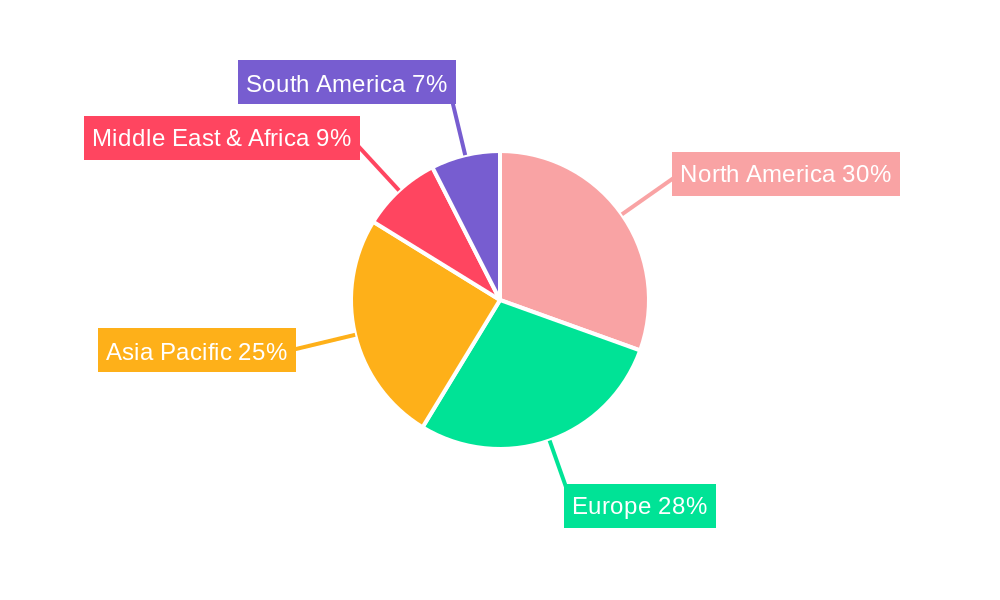
Heavy Duty Wheelchair Regional Market Share
Geographic Coverage of Heavy Duty Wheelchair
Heavy Duty Wheelchair REPORT HIGHLIGHTS
| Aspects | Details |
|---|---|
| Study Period | 2020-2034 |
| Base Year | 2025 |
| Estimated Year | 2026 |
| Forecast Period | 2026-2034 |
| Historical Period | 2020-2025 |
| Growth Rate | CAGR of 6.7% from 2020-2034 |
| Segmentation |
|
Table of Contents
- 1. Introduction
- 1.1. Research Scope
- 1.2. Market Segmentation
- 1.3. Research Methodology
- 1.4. Definitions and Assumptions
- 2. Executive Summary
- 2.1. Introduction
- 3. Market Dynamics
- 3.1. Introduction
- 3.2. Market Drivers
- 3.3. Market Restrains
- 3.4. Market Trends
- 4. Market Factor Analysis
- 4.1. Porters Five Forces
- 4.2. Supply/Value Chain
- 4.3. PESTEL analysis
- 4.4. Market Entropy
- 4.5. Patent/Trademark Analysis
- 5. Global Heavy Duty Wheelchair Analysis, Insights and Forecast, 2020-2032
- 5.1. Market Analysis, Insights and Forecast - by Application
- 5.1.1. Adults
- 5.1.2. Children
- 5.2. Market Analysis, Insights and Forecast - by Types
- 5.2.1. Manual Heavy Duty Wheelchair
- 5.2.2. Electric Heavy Duty Wheelchair
- 5.3. Market Analysis, Insights and Forecast - by Region
- 5.3.1. North America
- 5.3.2. South America
- 5.3.3. Europe
- 5.3.4. Middle East & Africa
- 5.3.5. Asia Pacific
- 5.1. Market Analysis, Insights and Forecast - by Application
- 6. North America Heavy Duty Wheelchair Analysis, Insights and Forecast, 2020-2032
- 6.1. Market Analysis, Insights and Forecast - by Application
- 6.1.1. Adults
- 6.1.2. Children
- 6.2. Market Analysis, Insights and Forecast - by Types
- 6.2.1. Manual Heavy Duty Wheelchair
- 6.2.2. Electric Heavy Duty Wheelchair
- 6.1. Market Analysis, Insights and Forecast - by Application
- 7. South America Heavy Duty Wheelchair Analysis, Insights and Forecast, 2020-2032
- 7.1. Market Analysis, Insights and Forecast - by Application
- 7.1.1. Adults
- 7.1.2. Children
- 7.2. Market Analysis, Insights and Forecast - by Types
- 7.2.1. Manual Heavy Duty Wheelchair
- 7.2.2. Electric Heavy Duty Wheelchair
- 7.1. Market Analysis, Insights and Forecast - by Application
- 8. Europe Heavy Duty Wheelchair Analysis, Insights and Forecast, 2020-2032
- 8.1. Market Analysis, Insights and Forecast - by Application
- 8.1.1. Adults
- 8.1.2. Children
- 8.2. Market Analysis, Insights and Forecast - by Types
- 8.2.1. Manual Heavy Duty Wheelchair
- 8.2.2. Electric Heavy Duty Wheelchair
- 8.1. Market Analysis, Insights and Forecast - by Application
- 9. Middle East & Africa Heavy Duty Wheelchair Analysis, Insights and Forecast, 2020-2032
- 9.1. Market Analysis, Insights and Forecast - by Application
- 9.1.1. Adults
- 9.1.2. Children
- 9.2. Market Analysis, Insights and Forecast - by Types
- 9.2.1. Manual Heavy Duty Wheelchair
- 9.2.2. Electric Heavy Duty Wheelchair
- 9.1. Market Analysis, Insights and Forecast - by Application
- 10. Asia Pacific Heavy Duty Wheelchair Analysis, Insights and Forecast, 2020-2032
- 10.1. Market Analysis, Insights and Forecast - by Application
- 10.1.1. Adults
- 10.1.2. Children
- 10.2. Market Analysis, Insights and Forecast - by Types
- 10.2.1. Manual Heavy Duty Wheelchair
- 10.2.2. Electric Heavy Duty Wheelchair
- 10.1. Market Analysis, Insights and Forecast - by Application
- 11. Competitive Analysis
- 11.1. Global Market Share Analysis 2025
- 11.2. Company Profiles
- 11.2.1 Sunrise Medical
- 11.2.1.1. Overview
- 11.2.1.2. Products
- 11.2.1.3. SWOT Analysis
- 11.2.1.4. Recent Developments
- 11.2.1.5. Financials (Based on Availability)
- 11.2.2 Benmor Medical
- 11.2.2.1. Overview
- 11.2.2.2. Products
- 11.2.2.3. SWOT Analysis
- 11.2.2.4. Recent Developments
- 11.2.2.5. Financials (Based on Availability)
- 11.2.3 KARMA Medical
- 11.2.3.1. Overview
- 11.2.3.2. Products
- 11.2.3.3. SWOT Analysis
- 11.2.3.4. Recent Developments
- 11.2.3.5. Financials (Based on Availability)
- 11.2.4 Invacare
- 11.2.4.1. Overview
- 11.2.4.2. Products
- 11.2.4.3. SWOT Analysis
- 11.2.4.4. Recent Developments
- 11.2.4.5. Financials (Based on Availability)
- 11.2.5 Medline
- 11.2.5.1. Overview
- 11.2.5.2. Products
- 11.2.5.3. SWOT Analysis
- 11.2.5.4. Recent Developments
- 11.2.5.5. Financials (Based on Availability)
- 11.2.6 Drive DeVilbiss Healthcare
- 11.2.6.1. Overview
- 11.2.6.2. Products
- 11.2.6.3. SWOT Analysis
- 11.2.6.4. Recent Developments
- 11.2.6.5. Financials (Based on Availability)
- 11.2.7 Otto Bock
- 11.2.7.1. Overview
- 11.2.7.2. Products
- 11.2.7.3. SWOT Analysis
- 11.2.7.4. Recent Developments
- 11.2.7.5. Financials (Based on Availability)
- 11.2.8 Permobil
- 11.2.8.1. Overview
- 11.2.8.2. Products
- 11.2.8.3. SWOT Analysis
- 11.2.8.4. Recent Developments
- 11.2.8.5. Financials (Based on Availability)
- 11.2.9 Carex Health Brands
- 11.2.9.1. Overview
- 11.2.9.2. Products
- 11.2.9.3. SWOT Analysis
- 11.2.9.4. Recent Developments
- 11.2.9.5. Financials (Based on Availability)
- 11.2.10 CareCo
- 11.2.10.1. Overview
- 11.2.10.2. Products
- 11.2.10.3. SWOT Analysis
- 11.2.10.4. Recent Developments
- 11.2.10.5. Financials (Based on Availability)
- 11.2.11 UAB Kasko
- 11.2.11.1. Overview
- 11.2.11.2. Products
- 11.2.11.3. SWOT Analysis
- 11.2.11.4. Recent Developments
- 11.2.11.5. Financials (Based on Availability)
- 11.2.12 Hoveround
- 11.2.12.1. Overview
- 11.2.12.2. Products
- 11.2.12.3. SWOT Analysis
- 11.2.12.4. Recent Developments
- 11.2.12.5. Financials (Based on Availability)
- 11.2.13 GF Health Products
- 11.2.13.1. Overview
- 11.2.13.2. Products
- 11.2.13.3. SWOT Analysis
- 11.2.13.4. Recent Developments
- 11.2.13.5. Financials (Based on Availability)
- 11.2.14 Etac
- 11.2.14.1. Overview
- 11.2.14.2. Products
- 11.2.14.3. SWOT Analysis
- 11.2.14.4. Recent Developments
- 11.2.14.5. Financials (Based on Availability)
- 11.2.15 Besco Medical
- 11.2.15.1. Overview
- 11.2.15.2. Products
- 11.2.15.3. SWOT Analysis
- 11.2.15.4. Recent Developments
- 11.2.15.5. Financials (Based on Availability)
- 11.2.16 Karman Healthcare
- 11.2.16.1. Overview
- 11.2.16.2. Products
- 11.2.16.3. SWOT Analysis
- 11.2.16.4. Recent Developments
- 11.2.16.5. Financials (Based on Availability)
- 11.2.17 Medline Industries
- 11.2.17.1. Overview
- 11.2.17.2. Products
- 11.2.17.3. SWOT Analysis
- 11.2.17.4. Recent Developments
- 11.2.17.5. Financials (Based on Availability)
- 11.2.18 Graham-Field Health Products
- 11.2.18.1. Overview
- 11.2.18.2. Products
- 11.2.18.3. SWOT Analysis
- 11.2.18.4. Recent Developments
- 11.2.18.5. Financials (Based on Availability)
- 11.2.19 Merits Health Products
- 11.2.19.1. Overview
- 11.2.19.2. Products
- 11.2.19.3. SWOT Analysis
- 11.2.19.4. Recent Developments
- 11.2.19.5. Financials (Based on Availability)
- 11.2.20 Golden Technologies
- 11.2.20.1. Overview
- 11.2.20.2. Products
- 11.2.20.3. SWOT Analysis
- 11.2.20.4. Recent Developments
- 11.2.20.5. Financials (Based on Availability)
- 11.2.21 Pride Mobility
- 11.2.21.1. Overview
- 11.2.21.2. Products
- 11.2.21.3. SWOT Analysis
- 11.2.21.4. Recent Developments
- 11.2.21.5. Financials (Based on Availability)
- 11.2.22 Eagle Health Supplies
- 11.2.22.1. Overview
- 11.2.22.2. Products
- 11.2.22.3. SWOT Analysis
- 11.2.22.4. Recent Developments
- 11.2.22.5. Financials (Based on Availability)
- 11.2.1 Sunrise Medical
List of Figures
- Figure 1: Global Heavy Duty Wheelchair Revenue Breakdown (million, %) by Region 2025 & 2033
- Figure 2: North America Heavy Duty Wheelchair Revenue (million), by Application 2025 & 2033
- Figure 3: North America Heavy Duty Wheelchair Revenue Share (%), by Application 2025 & 2033
- Figure 4: North America Heavy Duty Wheelchair Revenue (million), by Types 2025 & 2033
- Figure 5: North America Heavy Duty Wheelchair Revenue Share (%), by Types 2025 & 2033
- Figure 6: North America Heavy Duty Wheelchair Revenue (million), by Country 2025 & 2033
- Figure 7: North America Heavy Duty Wheelchair Revenue Share (%), by Country 2025 & 2033
- Figure 8: South America Heavy Duty Wheelchair Revenue (million), by Application 2025 & 2033
- Figure 9: South America Heavy Duty Wheelchair Revenue Share (%), by Application 2025 & 2033
- Figure 10: South America Heavy Duty Wheelchair Revenue (million), by Types 2025 & 2033
- Figure 11: South America Heavy Duty Wheelchair Revenue Share (%), by Types 2025 & 2033
- Figure 12: South America Heavy Duty Wheelchair Revenue (million), by Country 2025 & 2033
- Figure 13: South America Heavy Duty Wheelchair Revenue Share (%), by Country 2025 & 2033
- Figure 14: Europe Heavy Duty Wheelchair Revenue (million), by Application 2025 & 2033
- Figure 15: Europe Heavy Duty Wheelchair Revenue Share (%), by Application 2025 & 2033
- Figure 16: Europe Heavy Duty Wheelchair Revenue (million), by Types 2025 & 2033
- Figure 17: Europe Heavy Duty Wheelchair Revenue Share (%), by Types 2025 & 2033
- Figure 18: Europe Heavy Duty Wheelchair Revenue (million), by Country 2025 & 2033
- Figure 19: Europe Heavy Duty Wheelchair Revenue Share (%), by Country 2025 & 2033
- Figure 20: Middle East & Africa Heavy Duty Wheelchair Revenue (million), by Application 2025 & 2033
- Figure 21: Middle East & Africa Heavy Duty Wheelchair Revenue Share (%), by Application 2025 & 2033
- Figure 22: Middle East & Africa Heavy Duty Wheelchair Revenue (million), by Types 2025 & 2033
- Figure 23: Middle East & Africa Heavy Duty Wheelchair Revenue Share (%), by Types 2025 & 2033
- Figure 24: Middle East & Africa Heavy Duty Wheelchair Revenue (million), by Country 2025 & 2033
- Figure 25: Middle East & Africa Heavy Duty Wheelchair Revenue Share (%), by Country 2025 & 2033
- Figure 26: Asia Pacific Heavy Duty Wheelchair Revenue (million), by Application 2025 & 2033
- Figure 27: Asia Pacific Heavy Duty Wheelchair Revenue Share (%), by Application 2025 & 2033
- Figure 28: Asia Pacific Heavy Duty Wheelchair Revenue (million), by Types 2025 & 2033
- Figure 29: Asia Pacific Heavy Duty Wheelchair Revenue Share (%), by Types 2025 & 2033
- Figure 30: Asia Pacific Heavy Duty Wheelchair Revenue (million), by Country 2025 & 2033
- Figure 31: Asia Pacific Heavy Duty Wheelchair Revenue Share (%), by Country 2025 & 2033
List of Tables
- Table 1: Global Heavy Duty Wheelchair Revenue million Forecast, by Application 2020 & 2033
- Table 2: Global Heavy Duty Wheelchair Revenue million Forecast, by Types 2020 & 2033
- Table 3: Global Heavy Duty Wheelchair Revenue million Forecast, by Region 2020 & 2033
- Table 4: Global Heavy Duty Wheelchair Revenue million Forecast, by Application 2020 & 2033
- Table 5: Global Heavy Duty Wheelchair Revenue million Forecast, by Types 2020 & 2033
- Table 6: Global Heavy Duty Wheelchair Revenue million Forecast, by Country 2020 & 2033
- Table 7: United States Heavy Duty Wheelchair Revenue (million) Forecast, by Application 2020 & 2033
- Table 8: Canada Heavy Duty Wheelchair Revenue (million) Forecast, by Application 2020 & 2033
- Table 9: Mexico Heavy Duty Wheelchair Revenue (million) Forecast, by Application 2020 & 2033
- Table 10: Global Heavy Duty Wheelchair Revenue million Forecast, by Application 2020 & 2033
- Table 11: Global Heavy Duty Wheelchair Revenue million Forecast, by Types 2020 & 2033
- Table 12: Global Heavy Duty Wheelchair Revenue million Forecast, by Country 2020 & 2033
- Table 13: Brazil Heavy Duty Wheelchair Revenue (million) Forecast, by Application 2020 & 2033
- Table 14: Argentina Heavy Duty Wheelchair Revenue (million) Forecast, by Application 2020 & 2033
- Table 15: Rest of South America Heavy Duty Wheelchair Revenue (million) Forecast, by Application 2020 & 2033
- Table 16: Global Heavy Duty Wheelchair Revenue million Forecast, by Application 2020 & 2033
- Table 17: Global Heavy Duty Wheelchair Revenue million Forecast, by Types 2020 & 2033
- Table 18: Global Heavy Duty Wheelchair Revenue million Forecast, by Country 2020 & 2033
- Table 19: United Kingdom Heavy Duty Wheelchair Revenue (million) Forecast, by Application 2020 & 2033
- Table 20: Germany Heavy Duty Wheelchair Revenue (million) Forecast, by Application 2020 & 2033
- Table 21: France Heavy Duty Wheelchair Revenue (million) Forecast, by Application 2020 & 2033
- Table 22: Italy Heavy Duty Wheelchair Revenue (million) Forecast, by Application 2020 & 2033
- Table 23: Spain Heavy Duty Wheelchair Revenue (million) Forecast, by Application 2020 & 2033
- Table 24: Russia Heavy Duty Wheelchair Revenue (million) Forecast, by Application 2020 & 2033
- Table 25: Benelux Heavy Duty Wheelchair Revenue (million) Forecast, by Application 2020 & 2033
- Table 26: Nordics Heavy Duty Wheelchair Revenue (million) Forecast, by Application 2020 & 2033
- Table 27: Rest of Europe Heavy Duty Wheelchair Revenue (million) Forecast, by Application 2020 & 2033
- Table 28: Global Heavy Duty Wheelchair Revenue million Forecast, by Application 2020 & 2033
- Table 29: Global Heavy Duty Wheelchair Revenue million Forecast, by Types 2020 & 2033
- Table 30: Global Heavy Duty Wheelchair Revenue million Forecast, by Country 2020 & 2033
- Table 31: Turkey Heavy Duty Wheelchair Revenue (million) Forecast, by Application 2020 & 2033
- Table 32: Israel Heavy Duty Wheelchair Revenue (million) Forecast, by Application 2020 & 2033
- Table 33: GCC Heavy Duty Wheelchair Revenue (million) Forecast, by Application 2020 & 2033
- Table 34: North Africa Heavy Duty Wheelchair Revenue (million) Forecast, by Application 2020 & 2033
- Table 35: South Africa Heavy Duty Wheelchair Revenue (million) Forecast, by Application 2020 & 2033
- Table 36: Rest of Middle East & Africa Heavy Duty Wheelchair Revenue (million) Forecast, by Application 2020 & 2033
- Table 37: Global Heavy Duty Wheelchair Revenue million Forecast, by Application 2020 & 2033
- Table 38: Global Heavy Duty Wheelchair Revenue million Forecast, by Types 2020 & 2033
- Table 39: Global Heavy Duty Wheelchair Revenue million Forecast, by Country 2020 & 2033
- Table 40: China Heavy Duty Wheelchair Revenue (million) Forecast, by Application 2020 & 2033
- Table 41: India Heavy Duty Wheelchair Revenue (million) Forecast, by Application 2020 & 2033
- Table 42: Japan Heavy Duty Wheelchair Revenue (million) Forecast, by Application 2020 & 2033
- Table 43: South Korea Heavy Duty Wheelchair Revenue (million) Forecast, by Application 2020 & 2033
- Table 44: ASEAN Heavy Duty Wheelchair Revenue (million) Forecast, by Application 2020 & 2033
- Table 45: Oceania Heavy Duty Wheelchair Revenue (million) Forecast, by Application 2020 & 2033
- Table 46: Rest of Asia Pacific Heavy Duty Wheelchair Revenue (million) Forecast, by Application 2020 & 2033
Frequently Asked Questions
1. What is the projected Compound Annual Growth Rate (CAGR) of the Heavy Duty Wheelchair?
The projected CAGR is approximately 6.7%.
2. Which companies are prominent players in the Heavy Duty Wheelchair?
Key companies in the market include Sunrise Medical, Benmor Medical, KARMA Medical, Invacare, Medline, Drive DeVilbiss Healthcare, Otto Bock, Permobil, Carex Health Brands, CareCo, UAB Kasko, Hoveround, GF Health Products, Etac, Besco Medical, Karman Healthcare, Medline Industries, Graham-Field Health Products, Merits Health Products, Golden Technologies, Pride Mobility, Eagle Health Supplies.
3. What are the main segments of the Heavy Duty Wheelchair?
The market segments include Application, Types.
4. Can you provide details about the market size?
The market size is estimated to be USD 193.7 million as of 2022.
5. What are some drivers contributing to market growth?
N/A
6. What are the notable trends driving market growth?
N/A
7. Are there any restraints impacting market growth?
N/A
8. Can you provide examples of recent developments in the market?
N/A
9. What pricing options are available for accessing the report?
Pricing options include single-user, multi-user, and enterprise licenses priced at USD 2900.00, USD 4350.00, and USD 5800.00 respectively.
10. Is the market size provided in terms of value or volume?
The market size is provided in terms of value, measured in million.
11. Are there any specific market keywords associated with the report?
Yes, the market keyword associated with the report is "Heavy Duty Wheelchair," which aids in identifying and referencing the specific market segment covered.
12. How do I determine which pricing option suits my needs best?
The pricing options vary based on user requirements and access needs. Individual users may opt for single-user licenses, while businesses requiring broader access may choose multi-user or enterprise licenses for cost-effective access to the report.
13. Are there any additional resources or data provided in the Heavy Duty Wheelchair report?
While the report offers comprehensive insights, it's advisable to review the specific contents or supplementary materials provided to ascertain if additional resources or data are available.
14. How can I stay updated on further developments or reports in the Heavy Duty Wheelchair?
To stay informed about further developments, trends, and reports in the Heavy Duty Wheelchair, consider subscribing to industry newsletters, following relevant companies and organizations, or regularly checking reputable industry news sources and publications.
Methodology
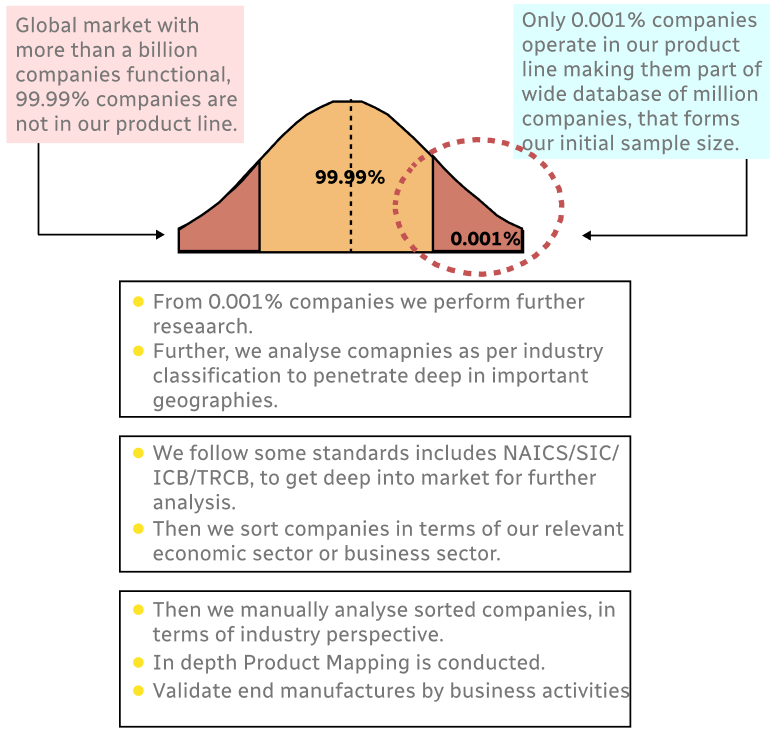
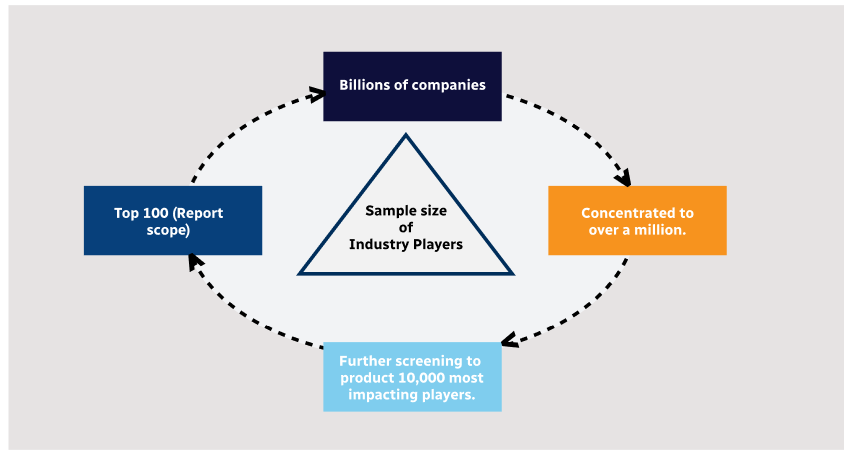
Step 1 - Identification of Relevant Samples Size from Population Database
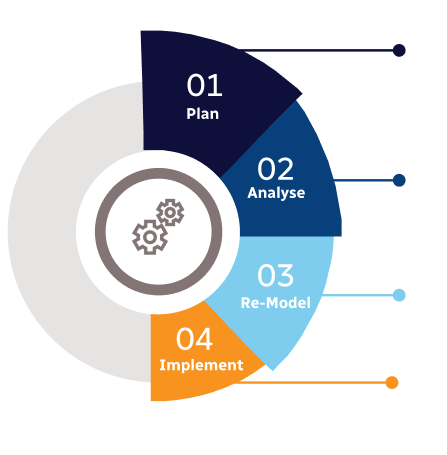
Step 2 - Approaches for Defining Global Market Size (Value, Volume* & Price*)
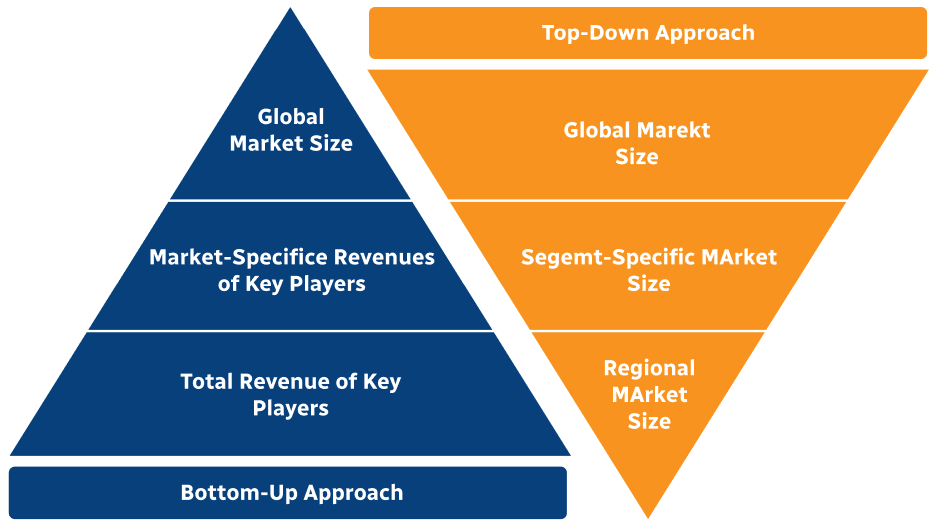
Note*: In applicable scenarios
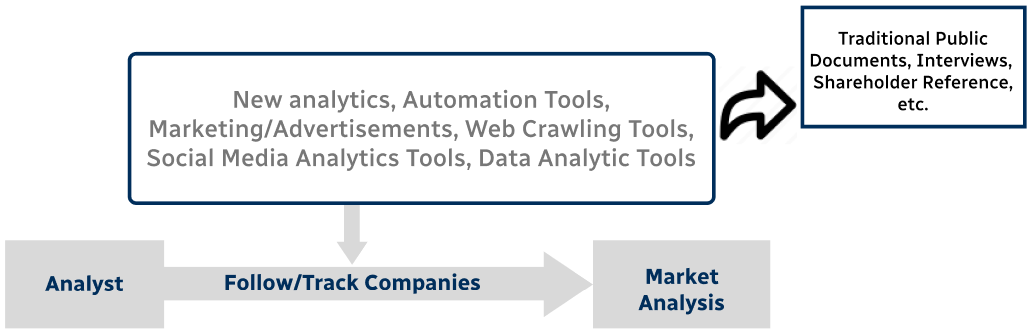
Step 3 - Data Sources
Primary Research
- Web Analytics
- Survey Reports
- Research Institute
- Latest Research Reports
- Opinion Leaders
Secondary Research
- Annual Reports
- White Paper
- Latest Press Release
- Industry Association
- Paid Database
- Investor Presentations
Step 4 - Data Triangulation
Involves using different sources of information in order to increase the validity of a study
These sources are likely to be stakeholders in a program - participants, other researchers, program staff, other community members, and so on.
Then we put all data in single framework & apply various statistical tools to find out the dynamic on the market.
During the analysis stage, feedback from the stakeholder groups would be compared to determine areas of agreement as well as areas of divergence