


Electric Commercial Vehicle Market Report: Trends and Forecasts 2026-2034

Electric Commercial Vehicle Market by Vehicle Type (Bus, Trucks, Pick-up Trucks, Vans), by Propulsion (Battery Electric Vehicles, Plug-in Hybrid Electric Vehicles, Fuel Cell Electric Vehicles), by Power Output (Less than 150 kW, 150-250 kW, Above 250 kW), by North America (United States, Canada, Rest of North America), by Europe (Germany, United Kingdom, France, Italy, Spain, Rest of Europe), by Asia Pacific (India, China, Japan, South Korea, Rest of Asia Pacific), by South America (Brazil, Argentina, Rest of South America), by Middle East and Africa (United Arab Emirates, Saudi Arabia, South Africa, Rest of Middle East and Africa) Forecast 2026-2034

Jan 15 2026
Base Year: 2025

234 Pages
Main Logo

Electric Commercial Vehicle Market Report: Trends and Forecasts 2026-2034


Home
Industries
Automotive

About Precision Market View

Precision Market View offers precise market research, industry intelligence, and data analysis for healthcare, manufacturing, technology, and energy. Our reports provide the clarity you need to make informed decisions and drive growth.

Our team combines primary research, advanced analytics, and industry expertise to deliver actionable intelligence. We offer syndicated reports, custom research, and consulting services tailored to your business needs.

At Precision Market View, we are committed to quality, transparency, and client satisfaction. Every report is rigorously validated to ensure accuracy and relevance. Our global perspective and local expertise help you understand both the big picture and the finer details of your market.

Stay informed with Precision Market View. Subscribe to our newsletter for the latest updates and research highlights, and follow us on social media for real-time insights.

Precision Market View – Clarity for Your Strategic Decisions.

sponsor image
sponsor image
sponsor image
sponsor image
sponsor image
sponsor image
sponsor image

Tailored for you

  • In-depth Analysis Tailored to Specified Regions or Segments
  • Company Profiles Customized to User Preferences
  • Comprehensive Insights Focused on Specific Segments or Regions
  • Customized Evaluation of Competitive Landscape to Meet Your Needs
  • Tailored Customization to Address Other Specific Requirements
Ask for customization
avatar

Analyst at Providence Strategic Partners at Petaling Jaya

Jared Wan

I have received the report already. Thanks you for your help.it has been a pleasure working with you. Thank you againg for a good quality report

avatar

US TPS Business Development Manager at Thermon

Erik Perison

The response was good, and I got what I was looking for as far as the report. Thank you for that.

avatar

Global Product, Quality & Strategy Executive- Principal Innovator at Donaldson

Shankar Godavarti

As requested- presale engagement was good, your perseverance, support and prompt responses were noted. Your follow up with vm’s were much appreciated. Happy with the final report and post sales by your team.

artwork spiralartwork spiralRelated Reports
artwork underline

China Luxury Car Market Strategic Roadmap: Analysis and Forecasts 2026-2034

Explore the booming China Luxury Car Market analysis, CAGR of 3.25%, market size of 154.67 Million. Discover key drivers, trends like EVs, and dominant segments including SUVs & Sedans.

January 2026
Base Year: 2025
No Of Pages: 197
Price: $3800

Consumer Trends Driving Mild Hybrid Vehicles Market in Europe Market Growth

Explore the booming European Mild Hybrid Vehicle (MHEV) market, driven by emissions regulations and fuel efficiency demands. Discover market size, CAGR, key trends, and leading companies shaping the future of automotive mobility.

January 2026
Base Year: 2025
No Of Pages: 234
Price: $4750

Vietnam Electric Vehicle Market Industry Overview and Projections

Explore the dynamic Vietnam Electric Vehicle (EV) market analysis, highlighting a **2.48 million** market size by 2025 and an impressive **18.00% CAGR**. Discover key drivers, trends, and segments shaping Vietnam's sustainable mobility future.

January 2026
Base Year: 2025
No Of Pages: 197
Price: $3800

Brazil Construction Equipment Market Charting Growth Trajectories: Analysis and Forecasts 2026-2034

The size of the Brazil Construction Equipment Market market was valued at USD 2.25 Million in 2024 and is projected to reach USD 3.50 Million by 2033, with an expected CAGR of 6.50% during the forecast period.

January 2026
Base Year: 2025
No Of Pages: 197
Price: $3800

Motorcycle Apparel Market Projected to Grow at XX CAGR: Insights and Forecasts 2026-2034

Explore the booming global motorcycle apparel market, driven by safety innovations and a growing rider community. Discover market size, CAGR, key trends, and regional growth opportunities through 2033.

January 2026
Base Year: 2025
No Of Pages: 234
Price: $4750

Strategic Planning for Asia-Pacific LFP Battery Pack Market Industry Expansion

Explore the booming Asia-Pacific LFP Battery Pack Market, driven by EV growth. Discover market size, CAGR of 30.3%, key drivers, and leading companies shaping the future of battery technology.

January 2026
Base Year: 2025
No Of Pages: 197
Price: $3800

Business Address

Head Office

Ansec House 3 rd floor Tank Road, Yerwada, Pune, Maharashtra 411014

Contact Information

Craig Francis

Business Development Head

+17162654855

[email protected]

Secure Payment Partners

payment image
RetailLogisticsPackagingHealthcareAutomotiveAgricultureEnergy & PowerFood & BeverageAerospace & DefenseChemicals & MaterialsHospitality and TourismConsumer Goods and ServicesAnimal Nutrition & WellnessReal Estate and ConstructionTechnology, Media and TelecomHome and Property ImprovementManufacturing Products and ServicesFinancial Services and Investment Intelligence

© 2026 PRDUA Research & Media Private Limited, All rights reserved

Privacy Policy
Terms and Conditions
FAQ

Key Insights

The Electric Commercial Vehicle (ECV) market is poised for explosive growth, driven by a compelling combination of regulatory support, technological advancements, and increasing environmental consciousness. With a current market size of USD 80.69 billion in 2025, the sector is projected to expand at a remarkable compound annual growth rate (CAGR) of 28.8% during the forecast period of 2025-2033. This surge is primarily fueled by governments worldwide implementing stringent emission standards and offering substantial incentives for the adoption of zero-emission vehicles. Furthermore, the continuous evolution of battery technology, leading to improved range, faster charging times, and reduced costs, is making electric powertrains increasingly viable for heavy-duty applications. The burgeoning demand for sustainable logistics solutions and the operational cost savings offered by electric vehicles over their lifespan are also significant contributors to this robust market expansion.

Electric Commercial Vehicle Market Research Report - Market Overview and Key Insights

Electric Commercial Vehicle Market Market Size (In Billion)

400.0B
300.0B
200.0B
100.0B
0
80.69 B
2025
103.6 B
2026
133.0 B
2027
170.8 B
2028
219.6 B
2029
282.2 B
2030
362.7 B
2031
Main Logo

The ECV market encompasses a diverse range of vehicle types, including buses, trucks, pick-up trucks, and vans, catering to varied commercial needs. Propulsion technologies are dominated by Battery Electric Vehicles (BEVs), with Plug-in Hybrid Electric Vehicles (PHEVs) and Fuel Cell Electric Vehicles (FCEVs) also carving out significant niches, especially in long-haul trucking. Power output segments vary widely, from less than 150 kW for lighter commercial applications to above 250 kW for heavy-duty trucks and buses. Geographically, North America and Europe are leading the adoption curve due to strong policy frameworks and advanced charging infrastructure. However, the Asia Pacific region, particularly China and India, is expected to witness the most rapid growth, driven by ambitious electrification targets and a vast manufacturing base. Key players like BYD Auto, Tesla Inc., and Proterra Inc. are at the forefront, investing heavily in innovation and expanding their production capacities to meet the escalating global demand for electric commercial vehicles.

Electric Commercial Vehicle Market Market Size and Forecast (2024-2030)

Electric Commercial Vehicle Market Company Market Share

Loading chart...
Main Logo

This in-depth report provides a definitive analysis of the burgeoning Electric Commercial Vehicle (ECV) market, exploring its dynamics, growth trajectories, and future potential. Covering the study period of 2019–2033, with a base year of 2025 and a forecast period of 2025–2033, this research offers critical insights for stakeholders navigating the rapidly evolving landscape of zero-emission logistics and transportation. The historical period spans from 2019–2024. We delve into key segments including vehicle types (Bus, Trucks, Pick-up Trucks, Vans), propulsion technologies (Battery Electric Vehicles (BEVs), Plug-in Hybrid Electric Vehicles (PHEVs), Fuel Cell Electric Vehicles (FCEVs)), and power output ranges (Less than 150 kW, 150-250 kW, Above 250 kW). The global electric commercial vehicle market size is projected to reach USD 350 billion by 2025, exhibiting a CAGR of 25% during the forecast period.


Electric Commercial Vehicle Market Market Structure & Competitive Dynamics

The electric commercial vehicle market is characterized by a moderately consolidated structure, with major global automotive giants and specialized EV manufacturers vying for market share. Innovation ecosystems are rapidly expanding, fueled by significant R&D investments in battery technology, charging infrastructure, and autonomous driving capabilities. Regulatory frameworks are a key driver, with governments worldwide implementing stringent emission standards and offering incentives for EV adoption in commercial fleets. Product substitutes, while evolving, are primarily traditional internal combustion engine (ICE) vehicles, but the increasing TCO (Total Cost of Ownership) advantage of EVs is diminishing this threat. End-user trends are shifting towards sustainability, operational efficiency, and reduced running costs, accelerating demand for electric vans, electric trucks, and electric buses. Mergers and acquisitions (M&A) are on the rise as companies seek to expand their product portfolios, gain access to new technologies, and consolidate market presence. For instance, significant M&A deal values are anticipated in the coming years as established players aim to strengthen their electric mobility offerings.


Electric Commercial Vehicle Market Industry Trends & Insights

The electric commercial vehicle industry is experiencing unprecedented growth driven by a confluence of factors, including escalating environmental concerns, supportive government policies, and advancements in battery technology leading to improved range and faster charging times. The global electric commercial vehicle market is projected to witness a significant upward trajectory, with an estimated market size of USD 350 billion by 2025, expanding robustly to over USD 1.2 trillion by 2033. The CAGR of 25% reflects the robust adoption rates across various commercial segments. Technological disruptions, such as the development of solid-state batteries and advanced charging solutions, are further enhancing the appeal of zero-emission commercial vehicles. Consumer preferences are increasingly leaning towards sustainable logistics solutions, with businesses recognizing the long-term economic and environmental benefits of transitioning their fleets. Competitive dynamics are intensifying, with a fierce race among established automakers and new entrants to capture market share. The increasing market penetration of electric trucks, electric vans, and electric buses is reshaping urban logistics and long-haul transportation. The shift towards electrification is not merely a trend but a fundamental transformation of the commercial transportation sector.


Dominant Markets & Segments in Electric Commercial Vehicle Market

The electric commercial vehicle market exhibits clear dominance across specific regions and segments, driven by diverse factors.

  • Leading Region: North America and Europe are currently leading the electric commercial vehicle adoption due to stringent emission regulations, substantial government incentives, and a robust charging infrastructure network. Asia Pacific, particularly China, is also a significant market, driven by large-scale fleet electrification initiatives.
  • Leading Country: The United States and Germany are at the forefront of electric truck and electric van deployment, supported by substantial investments from both public and private sectors.
  • Dominant Vehicle Type:
    • Vans: The electric van segment is experiencing rapid growth, fueled by the demand for last-mile delivery services and e-commerce logistics. The market size for electric vans is projected to exceed USD 180 billion by 2033.
    • Trucks: Electric trucks, including medium-duty and heavy-duty vehicles, are gaining traction as companies aim to decarbonize their supply chains. The electric truck market is anticipated to reach over USD 500 billion by 2033.
    • Buses: Electric buses are a significant segment, driven by public transportation initiatives and government mandates for cleaner urban mobility. The electric bus market is expected to grow to approximately USD 300 billion by 2033.
    • Pick-up Trucks: The electric pick-up truck market is emerging as a strong contender, particularly in regions with a high demand for utility and personal-use vehicles.
  • Dominant Propulsion:
    • Battery Electric Vehicles (BEVs): BEVs are the most dominant propulsion technology in the current electric commercial vehicle market, accounting for over 90% of sales. Their market share is expected to remain high due to falling battery costs and improving infrastructure.
    • Fuel Cell Electric Vehicles (FCEVs): FCEVs are poised for significant growth, especially for long-haul trucking applications where fast refueling and longer range are critical.
  • Dominant Power Output:
    • 150-250 kW: This power output range is currently the most prevalent, catering to a wide array of commercial applications, including urban delivery vans and medium-duty trucks.
    • Above 250 kW: This segment is expected to witness the fastest growth, driven by the demand for heavy-duty trucks and long-haul freight transportation.

Electric Commercial Vehicle Market Product Innovations

Product innovations in the electric commercial vehicle market are centered on enhancing performance, extending range, and optimizing TCO. Companies are investing in next-generation battery chemistries, aerodynamic designs, and lightweight materials to improve efficiency. The development of integrated charging solutions and smart battery management systems is crucial. Furthermore, innovations in autonomous driving technology for commercial vehicles are paving the way for enhanced safety and operational efficiency. These advancements are creating competitive advantages by offering eco-friendly logistics solutions that meet the evolving demands of businesses and consumers for sustainable and cost-effective transportation.


Report Segmentation & Scope

This report segments the electric commercial vehicle market by critical parameters, offering a granular understanding of its landscape. The vehicle type segment includes Buses, Trucks, Pick-up Trucks, and Vans, each with distinct market dynamics and growth projections. The propulsion segment analyzes the market for Battery Electric Vehicles (BEVs), Plug-in Hybrid Electric Vehicles (PHEVs), and Fuel Cell Electric Vehicles (FCEVs), highlighting the technological evolution and adoption rates. The power output segment categorizes vehicles into Less than 150 kW, 150-250 kW, and Above 250 kW, reflecting the diverse power requirements of commercial applications. Growth projections for each segment are meticulously detailed, with an estimated market size for BEVs exceeding USD 1.1 trillion by 2033, while FCEVs are projected to reach USD 80 billion by the same year.


Key Drivers of Electric Commercial Vehicle Market Growth

The electric commercial vehicle market growth is propelled by several pivotal factors.

  • Technological Advancements: Continuous improvements in battery energy density, charging speeds, and motor efficiency are making EVs more viable for commercial use.
  • Government Regulations and Incentives: Stricter emission standards and lucrative subsidies for EV purchase and infrastructure development are significantly boosting adoption.
  • Economic Benefits: Lower operating costs (electricity vs. fuel, reduced maintenance) and increasing Total Cost of Ownership (TCO) advantages are making EVs financially attractive for fleet operators.
  • Corporate Sustainability Goals: A growing emphasis on Environmental, Social, and Governance (ESG) principles is compelling businesses to transition to zero-emission fleets.
  • Expanding Charging Infrastructure: The proliferation of public and private charging stations is alleviating range anxiety and facilitating wider adoption.

Challenges in the Electric Commercial Vehicle Market Sector

Despite the optimistic outlook, the electric commercial vehicle market sector faces several hurdles.

  • High Upfront Cost: The initial purchase price of electric commercial vehicles often remains higher than their ICE counterparts, posing a barrier for some businesses.
  • Charging Infrastructure Gaps: While expanding, the availability and speed of charging infrastructure, especially for heavy-duty vehicles and in remote areas, can still be a limitation.
  • Battery Production and Supply Chain: Securing a stable and sustainable supply chain for critical battery materials like lithium and cobalt, along with scaling up battery production, presents challenges.
  • Payload and Range Limitations: For certain heavy-duty applications, current battery technology may still impose limitations on payload capacity and range compared to diesel vehicles.
  • Grid Capacity and Charging Management: The increased demand for electricity from large commercial EV fleets necessitates substantial upgrades to grid infrastructure and sophisticated charging management systems.

Leading Players in the Electric Commercial Vehicle Market Market

  • Proterra Inc
  • Zhengzhou Yutong Bus Co Ltd
  • Tata Motor Limited
  • Daimler AG
  • Traton SE
  • Tesla Inc
  • BYD Auto Co Ltd
  • Olectra Greentech Limited
  • Rivian
  • AB Volvo
  • Ford Motor Company

Key Developments in Electric Commercial Vehicle Market Sector

  • June 2023: Volkswagen Commercial Vehicles is expected to conduct autonomous driving testing using the self-driving all-electric Volkswagen ID. The testing program has already been launched in Texas, United States, at Volkswagen Group of America (VWGoA) alongside European centers. The company's aim is to expand commercially available transport services and the Volkswagen Group's mobility options.
  • December 2022: Mercedes-Benz announced that a memorandum of understanding (MoU) was signed by Mercedes-Benz Vans with the Polish government and other partners to build a new van production plant at the Jawor location. The first entirely electric facility will be Mercedes-Benz vans.
  • December 2022: Mercedes-Benz and Rivian signed an MOU for a strategic partnership and joint production of electric vans. Starting in a few years, the companies intend to establish a new joint venture manufacturing company with the goal of investing in and operating an existing Mercedes-Benz site in Central/Eastern Europe to produce large electric vans for both Mercedes-Benz Vans and Rivian.
  • October 2022: GMC unveiled the first-ever Sierra EV pickup truck as part of its all-electric truck lineup. The electric truck line, led by the 2024 Sierra EV Denali Edition 1, offers 400 miles of range on a full charge and unique features made possible only by its dedicated EV truck platform.

Strategic Electric Commercial Vehicle Market Market Outlook

The strategic electric commercial vehicle market outlook is overwhelmingly positive, indicating a period of sustained and accelerated growth. Key growth accelerators include the increasing electrification of urban logistics and last-mile delivery fleets, the development of robust charging infrastructure, and the growing commitment from governments and corporations towards sustainability. The expansion of e-commerce continues to fuel demand for efficient and eco-friendly delivery vehicles. Furthermore, advancements in battery technology promising longer ranges and faster charging times will be instrumental in overcoming existing adoption barriers. Strategic opportunities lie in developing specialized electric solutions for different commercial applications, forging partnerships for charging network expansion, and leveraging data analytics for fleet optimization. The transition to electric commercial vehicles represents a significant paradigm shift, offering substantial economic and environmental benefits for businesses and society.

Electric Commercial Vehicle Market Segmentation

  • 1. Vehicle Type
    • 1.1. Bus
    • 1.2. Trucks
    • 1.3. Pick-up Trucks
    • 1.4. Vans
  • 2. Propulsion
    • 2.1. Battery Electric Vehicles
    • 2.2. Plug-in Hybrid Electric Vehicles
    • 2.3. Fuel Cell Electric Vehicles
  • 3. Power Output
    • 3.1. Less than 150 kW
    • 3.2. 150-250 kW
    • 3.3. Above 250 kW

Electric Commercial Vehicle Market Segmentation By Geography

  • 1. North America
    • 1.1. United States
    • 1.2. Canada
    • 1.3. Rest of North America
  • 2. Europe
    • 2.1. Germany
    • 2.2. United Kingdom
    • 2.3. France
    • 2.4. Italy
    • 2.5. Spain
    • 2.6. Rest of Europe
  • 3. Asia Pacific
    • 3.1. India
    • 3.2. China
    • 3.3. Japan
    • 3.4. South Korea
    • 3.5. Rest of Asia Pacific
  • 4. South America
    • 4.1. Brazil
    • 4.2. Argentina
    • 4.3. Rest of South America
  • 5. Middle East and Africa
    • 5.1. United Arab Emirates
    • 5.2. Saudi Arabia
    • 5.3. South Africa
    • 5.4. Rest of Middle East and Africa
Electric Commercial Vehicle Market Market Share by Region - Global Geographic Distribution

Electric Commercial Vehicle Market Regional Market Share

Loading chart...
Main Logo

Geographic Coverage of Electric Commercial Vehicle Market

Higher Coverage
Lower Coverage
No Coverage

Electric Commercial Vehicle Market REPORT HIGHLIGHTS

AspectsDetails
Study Period 2020-2034
Base Year 2025
Estimated Year 2026
Forecast Period2026-2034
Historical Period2020-2025
Growth RateCAGR of 28.8% from 2020-2034
Segmentation
    • By Vehicle Type
      • Bus
      • Trucks
      • Pick-up Trucks
      • Vans
    • By Propulsion
      • Battery Electric Vehicles
      • Plug-in Hybrid Electric Vehicles
      • Fuel Cell Electric Vehicles
    • By Power Output
      • Less than 150 kW
      • 150-250 kW
      • Above 250 kW
  • By Geography
    • North America
      • United States
      • Canada
      • Rest of North America
    • Europe
      • Germany
      • United Kingdom
      • France
      • Italy
      • Spain
      • Rest of Europe
    • Asia Pacific
      • India
      • China
      • Japan
      • South Korea
      • Rest of Asia Pacific
    • South America
      • Brazil
      • Argentina
      • Rest of South America
    • Middle East and Africa
      • United Arab Emirates
      • Saudi Arabia
      • South Africa
      • Rest of Middle East and Africa

Table of Contents

  1. 1. Introduction
    • 1.1. Research Scope
    • 1.2. Market Segmentation
    • 1.3. Research Methodology
    • 1.4. Definitions and Assumptions
  2. 2. Executive Summary
    • 2.1. Introduction
  3. 3. Market Dynamics
    • 3.1. Introduction
      • 3.2. Market Drivers
        • 3.2.1. Stringent Emission Regulations are Fueling the Market Growth
      • 3.3. Market Restrains
        • 3.3.1. High Cost of Electric Commercial Vehicle May Hamper the Growth
      • 3.4. Market Trends
        • 3.4.1. Stringent Emission Regulations are Fueling the Market Growth
  4. 4. Market Factor Analysis
    • 4.1. Porters Five Forces
    • 4.2. Supply/Value Chain
    • 4.3. PESTEL analysis
    • 4.4. Market Entropy
    • 4.5. Patent/Trademark Analysis
  5. 5. Global Electric Commercial Vehicle Market Analysis, Insights and Forecast, 2020-2032
    • 5.1. Market Analysis, Insights and Forecast - by Vehicle Type
      • 5.1.1. Bus
      • 5.1.2. Trucks
      • 5.1.3. Pick-up Trucks
      • 5.1.4. Vans
    • 5.2. Market Analysis, Insights and Forecast - by Propulsion
      • 5.2.1. Battery Electric Vehicles
      • 5.2.2. Plug-in Hybrid Electric Vehicles
      • 5.2.3. Fuel Cell Electric Vehicles
    • 5.3. Market Analysis, Insights and Forecast - by Power Output
      • 5.3.1. Less than 150 kW
      • 5.3.2. 150-250 kW
      • 5.3.3. Above 250 kW
    • 5.4. Market Analysis, Insights and Forecast - by Region
      • 5.4.1. North America
      • 5.4.2. Europe
      • 5.4.3. Asia Pacific
      • 5.4.4. South America
      • 5.4.5. Middle East and Africa
  6. 6. North America Electric Commercial Vehicle Market Analysis, Insights and Forecast, 2020-2032
    • 6.1. Market Analysis, Insights and Forecast - by Vehicle Type
      • 6.1.1. Bus
      • 6.1.2. Trucks
      • 6.1.3. Pick-up Trucks
      • 6.1.4. Vans
    • 6.2. Market Analysis, Insights and Forecast - by Propulsion
      • 6.2.1. Battery Electric Vehicles
      • 6.2.2. Plug-in Hybrid Electric Vehicles
      • 6.2.3. Fuel Cell Electric Vehicles
    • 6.3. Market Analysis, Insights and Forecast - by Power Output
      • 6.3.1. Less than 150 kW
      • 6.3.2. 150-250 kW
      • 6.3.3. Above 250 kW
  7. 7. Europe Electric Commercial Vehicle Market Analysis, Insights and Forecast, 2020-2032
    • 7.1. Market Analysis, Insights and Forecast - by Vehicle Type
      • 7.1.1. Bus
      • 7.1.2. Trucks
      • 7.1.3. Pick-up Trucks
      • 7.1.4. Vans
    • 7.2. Market Analysis, Insights and Forecast - by Propulsion
      • 7.2.1. Battery Electric Vehicles
      • 7.2.2. Plug-in Hybrid Electric Vehicles
      • 7.2.3. Fuel Cell Electric Vehicles
    • 7.3. Market Analysis, Insights and Forecast - by Power Output
      • 7.3.1. Less than 150 kW
      • 7.3.2. 150-250 kW
      • 7.3.3. Above 250 kW
  8. 8. Asia Pacific Electric Commercial Vehicle Market Analysis, Insights and Forecast, 2020-2032
    • 8.1. Market Analysis, Insights and Forecast - by Vehicle Type
      • 8.1.1. Bus
      • 8.1.2. Trucks
      • 8.1.3. Pick-up Trucks
      • 8.1.4. Vans
    • 8.2. Market Analysis, Insights and Forecast - by Propulsion
      • 8.2.1. Battery Electric Vehicles
      • 8.2.2. Plug-in Hybrid Electric Vehicles
      • 8.2.3. Fuel Cell Electric Vehicles
    • 8.3. Market Analysis, Insights and Forecast - by Power Output
      • 8.3.1. Less than 150 kW
      • 8.3.2. 150-250 kW
      • 8.3.3. Above 250 kW
  9. 9. South America Electric Commercial Vehicle Market Analysis, Insights and Forecast, 2020-2032
    • 9.1. Market Analysis, Insights and Forecast - by Vehicle Type
      • 9.1.1. Bus
      • 9.1.2. Trucks
      • 9.1.3. Pick-up Trucks
      • 9.1.4. Vans
    • 9.2. Market Analysis, Insights and Forecast - by Propulsion
      • 9.2.1. Battery Electric Vehicles
      • 9.2.2. Plug-in Hybrid Electric Vehicles
      • 9.2.3. Fuel Cell Electric Vehicles
    • 9.3. Market Analysis, Insights and Forecast - by Power Output
      • 9.3.1. Less than 150 kW
      • 9.3.2. 150-250 kW
      • 9.3.3. Above 250 kW
  10. 10. Middle East and Africa Electric Commercial Vehicle Market Analysis, Insights and Forecast, 2020-2032
    • 10.1. Market Analysis, Insights and Forecast - by Vehicle Type
      • 10.1.1. Bus
      • 10.1.2. Trucks
      • 10.1.3. Pick-up Trucks
      • 10.1.4. Vans
    • 10.2. Market Analysis, Insights and Forecast - by Propulsion
      • 10.2.1. Battery Electric Vehicles
      • 10.2.2. Plug-in Hybrid Electric Vehicles
      • 10.2.3. Fuel Cell Electric Vehicles
    • 10.3. Market Analysis, Insights and Forecast - by Power Output
      • 10.3.1. Less than 150 kW
      • 10.3.2. 150-250 kW
      • 10.3.3. Above 250 kW
  11. 11. Competitive Analysis
    • 11.1. Global Market Share Analysis 2025
      • 11.2. Company Profiles
        • 11.2.1 Proterra Inc
          • 11.2.1.1. Overview
          • 11.2.1.2. Products
          • 11.2.1.3. SWOT Analysis
          • 11.2.1.4. Recent Developments
          • 11.2.1.5. Financials (Based on Availability)
        • 11.2.2 Zhengzhou Yutong Bus Co Ltd
          • 11.2.2.1. Overview
          • 11.2.2.2. Products
          • 11.2.2.3. SWOT Analysis
          • 11.2.2.4. Recent Developments
          • 11.2.2.5. Financials (Based on Availability)
        • 11.2.3 Tata Motor Limited
          • 11.2.3.1. Overview
          • 11.2.3.2. Products
          • 11.2.3.3. SWOT Analysis
          • 11.2.3.4. Recent Developments
          • 11.2.3.5. Financials (Based on Availability)
        • 11.2.4 Daimler AG
          • 11.2.4.1. Overview
          • 11.2.4.2. Products
          • 11.2.4.3. SWOT Analysis
          • 11.2.4.4. Recent Developments
          • 11.2.4.5. Financials (Based on Availability)
        • 11.2.5 Traton SE
          • 11.2.5.1. Overview
          • 11.2.5.2. Products
          • 11.2.5.3. SWOT Analysis
          • 11.2.5.4. Recent Developments
          • 11.2.5.5. Financials (Based on Availability)
        • 11.2.6 Tesla Inc
          • 11.2.6.1. Overview
          • 11.2.6.2. Products
          • 11.2.6.3. SWOT Analysis
          • 11.2.6.4. Recent Developments
          • 11.2.6.5. Financials (Based on Availability)
        • 11.2.7 BYD Auto Co Ltd
          • 11.2.7.1. Overview
          • 11.2.7.2. Products
          • 11.2.7.3. SWOT Analysis
          • 11.2.7.4. Recent Developments
          • 11.2.7.5. Financials (Based on Availability)
        • 11.2.8 Olectra Greentech Limite
          • 11.2.8.1. Overview
          • 11.2.8.2. Products
          • 11.2.8.3. SWOT Analysis
          • 11.2.8.4. Recent Developments
          • 11.2.8.5. Financials (Based on Availability)
        • 11.2.9 Rivian
          • 11.2.9.1. Overview
          • 11.2.9.2. Products
          • 11.2.9.3. SWOT Analysis
          • 11.2.9.4. Recent Developments
          • 11.2.9.5. Financials (Based on Availability)
        • 11.2.10 AB Volvo
          • 11.2.10.1. Overview
          • 11.2.10.2. Products
          • 11.2.10.3. SWOT Analysis
          • 11.2.10.4. Recent Developments
          • 11.2.10.5. Financials (Based on Availability)
        • 11.2.11 Ford Motor Company
          • 11.2.11.1. Overview
          • 11.2.11.2. Products
          • 11.2.11.3. SWOT Analysis
          • 11.2.11.4. Recent Developments
          • 11.2.11.5. Financials (Based on Availability)

List of Figures

  1. Figure 1: Global Electric Commercial Vehicle Market Revenue Breakdown (undefined, %) by Region 2025 & 2033
  2. Figure 2: North America Electric Commercial Vehicle Market Revenue (undefined), by Vehicle Type 2025 & 2033
  3. Figure 3: North America Electric Commercial Vehicle Market Revenue Share (%), by Vehicle Type 2025 & 2033
  4. Figure 4: North America Electric Commercial Vehicle Market Revenue (undefined), by Propulsion 2025 & 2033
  5. Figure 5: North America Electric Commercial Vehicle Market Revenue Share (%), by Propulsion 2025 & 2033
  6. Figure 6: North America Electric Commercial Vehicle Market Revenue (undefined), by Power Output 2025 & 2033
  7. Figure 7: North America Electric Commercial Vehicle Market Revenue Share (%), by Power Output 2025 & 2033
  8. Figure 8: North America Electric Commercial Vehicle Market Revenue (undefined), by Country 2025 & 2033
  9. Figure 9: North America Electric Commercial Vehicle Market Revenue Share (%), by Country 2025 & 2033
  10. Figure 10: Europe Electric Commercial Vehicle Market Revenue (undefined), by Vehicle Type 2025 & 2033
  11. Figure 11: Europe Electric Commercial Vehicle Market Revenue Share (%), by Vehicle Type 2025 & 2033
  12. Figure 12: Europe Electric Commercial Vehicle Market Revenue (undefined), by Propulsion 2025 & 2033
  13. Figure 13: Europe Electric Commercial Vehicle Market Revenue Share (%), by Propulsion 2025 & 2033
  14. Figure 14: Europe Electric Commercial Vehicle Market Revenue (undefined), by Power Output 2025 & 2033
  15. Figure 15: Europe Electric Commercial Vehicle Market Revenue Share (%), by Power Output 2025 & 2033
  16. Figure 16: Europe Electric Commercial Vehicle Market Revenue (undefined), by Country 2025 & 2033
  17. Figure 17: Europe Electric Commercial Vehicle Market Revenue Share (%), by Country 2025 & 2033
  18. Figure 18: Asia Pacific Electric Commercial Vehicle Market Revenue (undefined), by Vehicle Type 2025 & 2033
  19. Figure 19: Asia Pacific Electric Commercial Vehicle Market Revenue Share (%), by Vehicle Type 2025 & 2033
  20. Figure 20: Asia Pacific Electric Commercial Vehicle Market Revenue (undefined), by Propulsion 2025 & 2033
  21. Figure 21: Asia Pacific Electric Commercial Vehicle Market Revenue Share (%), by Propulsion 2025 & 2033
  22. Figure 22: Asia Pacific Electric Commercial Vehicle Market Revenue (undefined), by Power Output 2025 & 2033
  23. Figure 23: Asia Pacific Electric Commercial Vehicle Market Revenue Share (%), by Power Output 2025 & 2033
  24. Figure 24: Asia Pacific Electric Commercial Vehicle Market Revenue (undefined), by Country 2025 & 2033
  25. Figure 25: Asia Pacific Electric Commercial Vehicle Market Revenue Share (%), by Country 2025 & 2033
  26. Figure 26: South America Electric Commercial Vehicle Market Revenue (undefined), by Vehicle Type 2025 & 2033
  27. Figure 27: South America Electric Commercial Vehicle Market Revenue Share (%), by Vehicle Type 2025 & 2033
  28. Figure 28: South America Electric Commercial Vehicle Market Revenue (undefined), by Propulsion 2025 & 2033
  29. Figure 29: South America Electric Commercial Vehicle Market Revenue Share (%), by Propulsion 2025 & 2033
  30. Figure 30: South America Electric Commercial Vehicle Market Revenue (undefined), by Power Output 2025 & 2033
  31. Figure 31: South America Electric Commercial Vehicle Market Revenue Share (%), by Power Output 2025 & 2033
  32. Figure 32: South America Electric Commercial Vehicle Market Revenue (undefined), by Country 2025 & 2033
  33. Figure 33: South America Electric Commercial Vehicle Market Revenue Share (%), by Country 2025 & 2033
  34. Figure 34: Middle East and Africa Electric Commercial Vehicle Market Revenue (undefined), by Vehicle Type 2025 & 2033
  35. Figure 35: Middle East and Africa Electric Commercial Vehicle Market Revenue Share (%), by Vehicle Type 2025 & 2033
  36. Figure 36: Middle East and Africa Electric Commercial Vehicle Market Revenue (undefined), by Propulsion 2025 & 2033
  37. Figure 37: Middle East and Africa Electric Commercial Vehicle Market Revenue Share (%), by Propulsion 2025 & 2033
  38. Figure 38: Middle East and Africa Electric Commercial Vehicle Market Revenue (undefined), by Power Output 2025 & 2033
  39. Figure 39: Middle East and Africa Electric Commercial Vehicle Market Revenue Share (%), by Power Output 2025 & 2033
  40. Figure 40: Middle East and Africa Electric Commercial Vehicle Market Revenue (undefined), by Country 2025 & 2033
  41. Figure 41: Middle East and Africa Electric Commercial Vehicle Market Revenue Share (%), by Country 2025 & 2033

List of Tables

  1. Table 1: Global Electric Commercial Vehicle Market Revenue undefined Forecast, by Vehicle Type 2020 & 2033
  2. Table 2: Global Electric Commercial Vehicle Market Revenue undefined Forecast, by Propulsion 2020 & 2033
  3. Table 3: Global Electric Commercial Vehicle Market Revenue undefined Forecast, by Power Output 2020 & 2033
  4. Table 4: Global Electric Commercial Vehicle Market Revenue undefined Forecast, by Region 2020 & 2033
  5. Table 5: Global Electric Commercial Vehicle Market Revenue undefined Forecast, by Vehicle Type 2020 & 2033
  6. Table 6: Global Electric Commercial Vehicle Market Revenue undefined Forecast, by Propulsion 2020 & 2033
  7. Table 7: Global Electric Commercial Vehicle Market Revenue undefined Forecast, by Power Output 2020 & 2033
  8. Table 8: Global Electric Commercial Vehicle Market Revenue undefined Forecast, by Country 2020 & 2033
  9. Table 9: United States Electric Commercial Vehicle Market Revenue (undefined) Forecast, by Application 2020 & 2033
  10. Table 10: Canada Electric Commercial Vehicle Market Revenue (undefined) Forecast, by Application 2020 & 2033
  11. Table 11: Rest of North America Electric Commercial Vehicle Market Revenue (undefined) Forecast, by Application 2020 & 2033
  12. Table 12: Global Electric Commercial Vehicle Market Revenue undefined Forecast, by Vehicle Type 2020 & 2033
  13. Table 13: Global Electric Commercial Vehicle Market Revenue undefined Forecast, by Propulsion 2020 & 2033
  14. Table 14: Global Electric Commercial Vehicle Market Revenue undefined Forecast, by Power Output 2020 & 2033
  15. Table 15: Global Electric Commercial Vehicle Market Revenue undefined Forecast, by Country 2020 & 2033
  16. Table 16: Germany Electric Commercial Vehicle Market Revenue (undefined) Forecast, by Application 2020 & 2033
  17. Table 17: United Kingdom Electric Commercial Vehicle Market Revenue (undefined) Forecast, by Application 2020 & 2033
  18. Table 18: France Electric Commercial Vehicle Market Revenue (undefined) Forecast, by Application 2020 & 2033
  19. Table 19: Italy Electric Commercial Vehicle Market Revenue (undefined) Forecast, by Application 2020 & 2033
  20. Table 20: Spain Electric Commercial Vehicle Market Revenue (undefined) Forecast, by Application 2020 & 2033
  21. Table 21: Rest of Europe Electric Commercial Vehicle Market Revenue (undefined) Forecast, by Application 2020 & 2033
  22. Table 22: Global Electric Commercial Vehicle Market Revenue undefined Forecast, by Vehicle Type 2020 & 2033
  23. Table 23: Global Electric Commercial Vehicle Market Revenue undefined Forecast, by Propulsion 2020 & 2033
  24. Table 24: Global Electric Commercial Vehicle Market Revenue undefined Forecast, by Power Output 2020 & 2033
  25. Table 25: Global Electric Commercial Vehicle Market Revenue undefined Forecast, by Country 2020 & 2033
  26. Table 26: India Electric Commercial Vehicle Market Revenue (undefined) Forecast, by Application 2020 & 2033
  27. Table 27: China Electric Commercial Vehicle Market Revenue (undefined) Forecast, by Application 2020 & 2033
  28. Table 28: Japan Electric Commercial Vehicle Market Revenue (undefined) Forecast, by Application 2020 & 2033
  29. Table 29: South Korea Electric Commercial Vehicle Market Revenue (undefined) Forecast, by Application 2020 & 2033
  30. Table 30: Rest of Asia Pacific Electric Commercial Vehicle Market Revenue (undefined) Forecast, by Application 2020 & 2033
  31. Table 31: Global Electric Commercial Vehicle Market Revenue undefined Forecast, by Vehicle Type 2020 & 2033
  32. Table 32: Global Electric Commercial Vehicle Market Revenue undefined Forecast, by Propulsion 2020 & 2033
  33. Table 33: Global Electric Commercial Vehicle Market Revenue undefined Forecast, by Power Output 2020 & 2033
  34. Table 34: Global Electric Commercial Vehicle Market Revenue undefined Forecast, by Country 2020 & 2033
  35. Table 35: Brazil Electric Commercial Vehicle Market Revenue (undefined) Forecast, by Application 2020 & 2033
  36. Table 36: Argentina Electric Commercial Vehicle Market Revenue (undefined) Forecast, by Application 2020 & 2033
  37. Table 37: Rest of South America Electric Commercial Vehicle Market Revenue (undefined) Forecast, by Application 2020 & 2033
  38. Table 38: Global Electric Commercial Vehicle Market Revenue undefined Forecast, by Vehicle Type 2020 & 2033
  39. Table 39: Global Electric Commercial Vehicle Market Revenue undefined Forecast, by Propulsion 2020 & 2033
  40. Table 40: Global Electric Commercial Vehicle Market Revenue undefined Forecast, by Power Output 2020 & 2033
  41. Table 41: Global Electric Commercial Vehicle Market Revenue undefined Forecast, by Country 2020 & 2033
  42. Table 42: United Arab Emirates Electric Commercial Vehicle Market Revenue (undefined) Forecast, by Application 2020 & 2033
  43. Table 43: Saudi Arabia Electric Commercial Vehicle Market Revenue (undefined) Forecast, by Application 2020 & 2033
  44. Table 44: South Africa Electric Commercial Vehicle Market Revenue (undefined) Forecast, by Application 2020 & 2033
  45. Table 45: Rest of Middle East and Africa Electric Commercial Vehicle Market Revenue (undefined) Forecast, by Application 2020 & 2033

Frequently Asked Questions

1. What is the projected Compound Annual Growth Rate (CAGR) of the Electric Commercial Vehicle Market?

The projected CAGR is approximately 28.8%.

2. Which companies are prominent players in the Electric Commercial Vehicle Market?

Key companies in the market include Proterra Inc, Zhengzhou Yutong Bus Co Ltd, Tata Motor Limited, Daimler AG, Traton SE, Tesla Inc, BYD Auto Co Ltd, Olectra Greentech Limite, Rivian, AB Volvo, Ford Motor Company.

3. What are the main segments of the Electric Commercial Vehicle Market?

The market segments include Vehicle Type, Propulsion, Power Output.

4. Can you provide details about the market size?

The market size is estimated to be USD XXX N/A as of 2022.

5. What are some drivers contributing to market growth?

Stringent Emission Regulations are Fueling the Market Growth.

6. What are the notable trends driving market growth?

Stringent Emission Regulations are Fueling the Market Growth.

7. Are there any restraints impacting market growth?

High Cost of Electric Commercial Vehicle May Hamper the Growth.

8. Can you provide examples of recent developments in the market?

June 2023: Volkswagen Commercial Vehicles is expected to conduct autonomous driving testing using the self-driving all-electric Volkswagen ID. The testing program has already been launched in Texas, United States, at Volkswagen Group of America (VWGoA) alongside European centers. The company's aim is to expand commercially available transport services and the Volkswagen Group's mobility options.

9. What pricing options are available for accessing the report?

Pricing options include single-user, multi-user, and enterprise licenses priced at USD 4750, USD 5250, and USD 8750 respectively.

10. Is the market size provided in terms of value or volume?

The market size is provided in terms of value, measured in N/A.

11. Are there any specific market keywords associated with the report?

Yes, the market keyword associated with the report is "Electric Commercial Vehicle Market," which aids in identifying and referencing the specific market segment covered.

12. How do I determine which pricing option suits my needs best?

The pricing options vary based on user requirements and access needs. Individual users may opt for single-user licenses, while businesses requiring broader access may choose multi-user or enterprise licenses for cost-effective access to the report.

13. Are there any additional resources or data provided in the Electric Commercial Vehicle Market report?

While the report offers comprehensive insights, it's advisable to review the specific contents or supplementary materials provided to ascertain if additional resources or data are available.

14. How can I stay updated on further developments or reports in the Electric Commercial Vehicle Market?

To stay informed about further developments, trends, and reports in the Electric Commercial Vehicle Market, consider subscribing to industry newsletters, following relevant companies and organizations, or regularly checking reputable industry news sources and publications.

Methodology

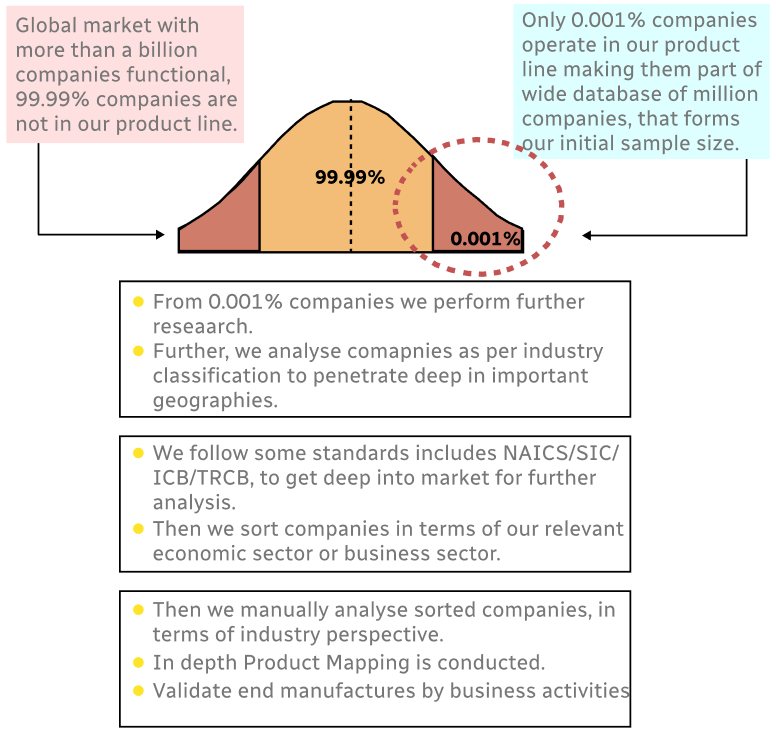
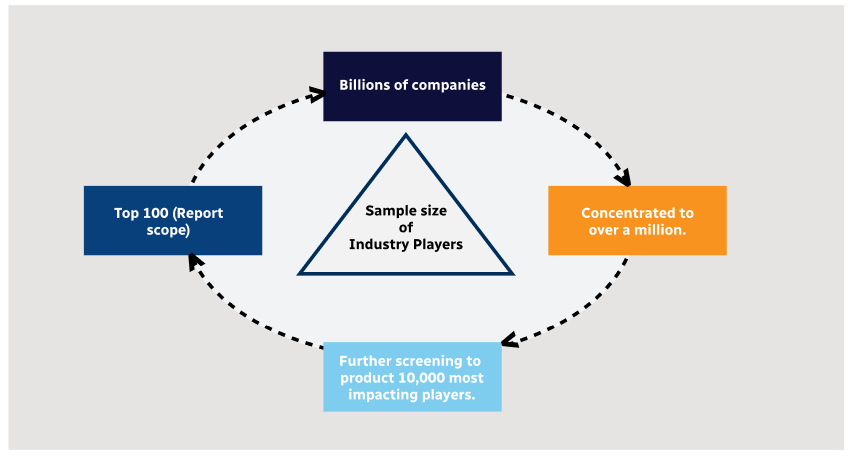
Step 1 - Identification of Relevant Samples Size from Population Database

Step Chart
Bar Chart
Method Chart

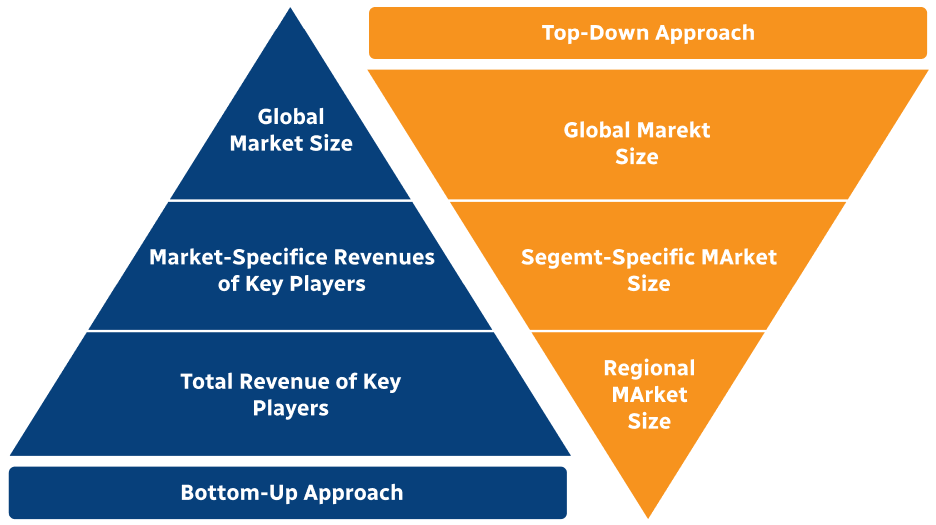
Step 2 - Approaches for Defining Global Market Size (Value, Volume* & Price*)
Approach Chart
Top-down and bottom-up approaches are used to validate the global market size and estimate the market size for manufactures, regional segments, product, and application.

Note*: In applicable scenarios

Step 3 - Data Sources

Primary Research

  • Web Analytics
  • Survey Reports
  • Research Institute
  • Latest Research Reports
  • Opinion Leaders

Secondary Research

  • Annual Reports
  • White Paper
  • Latest Press Release
  • Industry Association
  • Paid Database
  • Investor Presentations
Analyst Chart

Step 4 - Data Triangulation

Involves using different sources of information in order to increase the validity of a study

These sources are likely to be stakeholders in a program - participants, other researchers, program staff, other community members, and so on.

Then we put all data in single framework & apply various statistical tools to find out the dynamic on the market.

During the analysis stage, feedback from the stakeholder groups would be compared to determine areas of agreement as well as areas of divergence

Additionally, after gathering mixed and scattered data from a wide range of sources, data is triangulated and correlated to come up with estimated figures which are further validated through primary mediums or industry experts, opinion leaders.
  • Home
  • About Us
  • Industries
    • Retail
    • Hospitality and Tourism
    • Agriculture
    • Manufacturing Products and Services
    • Healthcare
    • Logistics
    • Aerospace & Defense
    • Professional and Commercial Services
    • Financial Services and Investment Intelligence
    • Consumer Goods and Services
    • Animal Nutrition & Wellness
    • Technology, Media and Telecom
    • Automotive
    • Home and Property Improvement
    • Real Estate and Construction
    • Packaging
    • Chemicals & Materials
    • Energy & Power
    • Food & Beverage
  • Services
  • Contact
Main Logo
  • Home
  • About Us
  • Industries
    • Retail
    • Hospitality and Tourism
    • Agriculture
    • Manufacturing Products and Services
    • Healthcare
    • Logistics
    • Aerospace & Defense
    • Professional and Commercial Services
    • Financial Services and Investment Intelligence
    • Consumer Goods and Services
    • Animal Nutrition & Wellness
    • Technology, Media and Telecom
    • Automotive
    • Home and Property Improvement
    • Real Estate and Construction
    • Packaging
    • Chemicals & Materials
    • Energy & Power
    • Food & Beverage
  • Services
  • Contact
+17162654855
[email protected]

+17162654855

[email protected]