


Key Insights
The global Bio-Ceramic market is poised for substantial growth, projected to reach an estimated USD 309 million by 2025, with a robust Compound Annual Growth Rate (CAGR) of 11.7% from 2019 to 2033. This expansion is primarily fueled by the increasing demand for advanced biomaterials in dental and orthopedic applications, driven by an aging global population and a rising incidence of chronic diseases and sports-related injuries. The development of novel bio-active and bio-resorbable ceramic materials, offering enhanced biocompatibility and integration with living tissues, further propels market growth. Furthermore, advancements in surgical techniques and the development of sophisticated implantable medical devices are creating new avenues for bio-ceramic utilization.
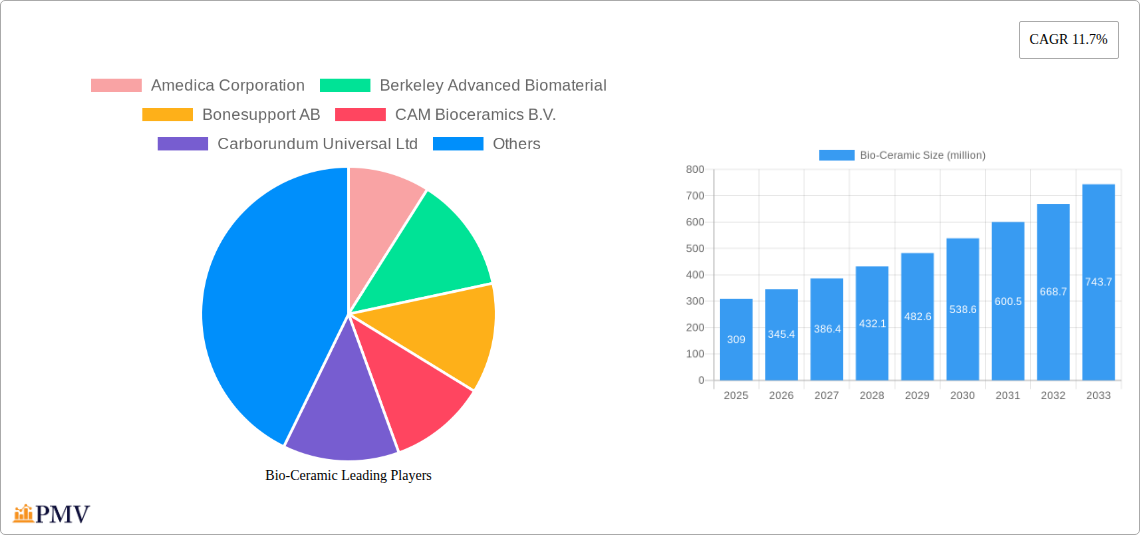
Bio-Ceramic Market Size (In Million)

Key market segments include Dental Implants and Orthopedic Implants, which are expected to dominate revenue streams due to their widespread adoption and continuous innovation. The growing need for minimally invasive procedures and personalized medicine is also contributing to the market's upward trajectory. While the market shows immense promise, restraints such as the high cost of research and development, stringent regulatory approvals for medical devices, and the availability of alternative biomaterials may pose challenges. However, strategic collaborations between bio-ceramic manufacturers and medical device companies, coupled with ongoing technological advancements, are expected to mitigate these restraints and ensure sustained market expansion throughout the forecast period. The market is characterized by the presence of key players like Stryker, Dentsply Sirona, and Kyocera Corporation, who are actively investing in product innovation and geographical expansion.
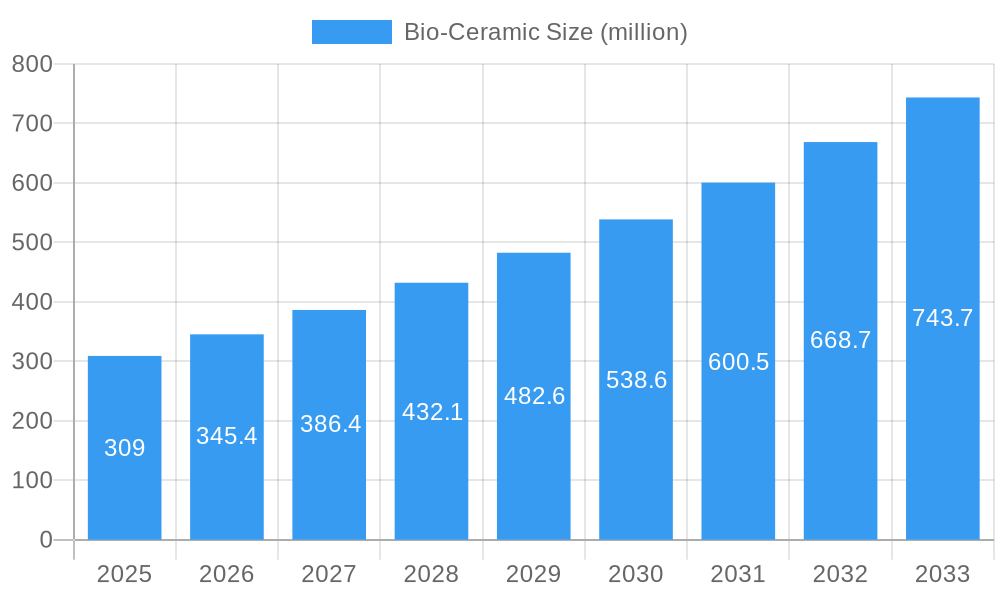
Bio-Ceramic Company Market Share
Unlock the Future of Biomedical Innovation with the Comprehensive Bio-Ceramic Market Report
This in-depth market research report provides an unparalleled analysis of the global Bio-Ceramic market, offering critical insights for stakeholders in the biomedical, materials science, and investment sectors. Covering the study period of 2019–2033, with a base year of 2025, this report delves into market structure, competitive dynamics, industry trends, and segmental dominance. Discover growth drivers, challenges, product innovations, and a strategic outlook essential for navigating this rapidly evolving landscape. Leverage actionable intelligence on bio-inert, bio-active, and bio-resorbable ceramics, and understand their applications in dental implants, orthopedic implants, surgical instruments, and beyond. Gain a competitive edge by analyzing market penetration, CAGR, and the strategies of leading companies like Amedica Corporation, Berkeley Advanced Biomaterial, Bonesupport AB, CAM Bioceramics B.V., Carborundum Universal Ltd, Ceramtec, Collgen Matrix Inc, CoorsTek Inc, Dentsply Sirona, Doceram Medical, Jyoti Ceramic, Kyocera Corporation, Morgan Advanced Material, Nobel Biocare Holding AG, Sagemax Bio-Ceramic Inc, Stryker, and Tosoh Corporation.
Bio-Ceramic Market Structure & Competitive Dynamics
The global Bio-Ceramic market exhibits a moderate concentration, with a dynamic innovation ecosystem driven by advancements in materials science and biomedical engineering. Regulatory frameworks play a pivotal role, shaping product development and market access for biocompatible materials used in critical healthcare applications. The presence of viable product substitutes, such as advanced polymers and metallic alloys, necessitates continuous innovation to maintain competitive advantage. End-user trends increasingly favor minimally invasive procedures and personalized medicine, directly impacting demand for advanced ceramic-based implants. Mergers and acquisitions (M&A) are a recurring theme, with significant deal values reflecting consolidation and strategic expansion. For instance, several million dollars have been invested in acquisitions aimed at broadening product portfolios and enhancing market reach. The competitive landscape is characterized by a blend of established players and emerging innovators, all striving to capture market share in the lucrative healthcare sector. Key market share metrics are meticulously analyzed to provide a clear picture of player influence and market dominance.
Bio-Ceramic Industry Trends & Insights
The Bio-Ceramic industry is poised for substantial growth, driven by an increasing global demand for advanced medical devices and implantable solutions. The projected Compound Annual Growth Rate (CAGR) for the forecast period 2025–2033 is estimated to be in the range of 6.5% to 8.0%, indicating robust market expansion. Technological disruptions, such as advancements in additive manufacturing (3D printing) for customized implants and the development of novel bio-active coatings, are significantly impacting market penetration. Consumer preferences are shifting towards materials that offer superior biocompatibility, osteoconductivity, and long-term durability, directly benefiting bio-active and bio-resorbable ceramic technologies. Competitive dynamics are intensifying, with companies investing heavily in research and development to introduce next-generation bio-ceramic materials and applications. The aging global population, coupled with the rising prevalence of chronic diseases and orthopedic conditions, serves as a primary market growth driver. Furthermore, increasing healthcare expenditure and government initiatives promoting medical device innovation are further accelerating market adoption. The historical period (2019–2024) showcases consistent upward trajectory, laying a strong foundation for future growth. Emerging markets, particularly in Asia-Pacific, are exhibiting accelerated growth due to improving healthcare infrastructure and increasing disposable incomes.
Dominant Markets & Segments in Bio-Ceramic
The Orthopedic Implants segment is a dominant force within the Bio-Ceramic market, driven by the escalating incidence of osteoarthritis, osteoporosis, and sports-related injuries. Key drivers include an aging global population and a growing emphasis on active lifestyles, necessitating advanced joint replacement solutions. Bio-active Ceramics, such as hydroxyapatite and bioglass, are experiencing high demand due to their ability to promote bone regeneration and integration, significantly reducing implant failure rates. The Dental Implants segment also represents a substantial market share, fueled by the rising demand for cosmetic dentistry and the increasing awareness of oral health. Advancements in ceramic materials for dental crowns, bridges, and implant abutments are contributing to market growth.
- Leading Region: North America and Europe currently dominate the Bio-Ceramic market, owing to well-established healthcare infrastructure, high per capita healthcare spending, and advanced research and development capabilities. Economic policies favoring medical device innovation and robust regulatory approval processes contribute to their leading position.
- Key Segment Drivers (Orthopedic Implants):
- Aging population driving demand for hip and knee replacements.
- Technological advancements in ceramic coatings for enhanced longevity.
- Increasing acceptance of minimally invasive orthopedic procedures.
- Key Segment Drivers (Dental Implants):
- Growing aesthetic consciousness and demand for restorative dentistry.
- Improved biocompatibility and aesthetics of ceramic dental prosthetics.
- Increasing disposable income for elective dental procedures.
- Dominance of Bio-active Ceramics: Bio-active ceramics are outpacing other types due to their proven ability to stimulate bone growth and osseointegration, making them ideal for both orthopedic and dental applications.
- Emerging Applications: The growth of Surgical Instruments and Implantable Electronics Devices highlights the expanding utility of bio-ceramics beyond traditional implants, driven by the need for precision, biocompatibility, and functional integration.
Bio-Ceramic Product Innovations
Recent Bio-Ceramic product innovations focus on enhancing biocompatibility, improving mechanical properties, and enabling targeted drug delivery. Developments include advanced bio-active coatings for orthopedic implants that accelerate bone fusion and reduce the risk of infection, with companies investing millions in R&D for these next-generation materials. Novel bio-resorbable ceramics are being developed for applications like bone void fillers and scaffolds for tissue engineering, offering controlled degradation and gradual replacement with natural tissue. The integration of smart functionalities, such as embedded sensors for monitoring implant performance, represents a key technological trend. These innovations are driven by the pursuit of enhanced patient outcomes and the expansion of bio-ceramic applications into complex medical devices.
Report Segmentation & Scope
This report meticulously segments the global Bio-Ceramic market across key applications and material types. The Application segments include Dental Implants, Orthopedic Implants, Surgical Instruments, Diagnostics Instruments, Implantable Electronics Device, and Others. The Types segments are Bio-inert Ceramics, Bio-active Ceramics, Bio-resorbable Ceramics, and Others. The Orthopedic Implants segment is projected to lead with a market size of over 10,000 million by 2028, driven by increasing orthopedic surgeries. Bio-active Ceramics are expected to witness the highest growth rate among material types, with an estimated market expansion of 7.5% CAGR.
- Dental Implants: This segment, valued at over 5,000 million, is driven by advancements in ceramic prosthetics and increasing demand for aesthetic dentistry.
- Orthopedic Implants: Expected to reach over 15,000 million by 2030, this segment's growth is propelled by an aging population and rising orthopedic conditions.
- Surgical Instruments: This segment, growing at an estimated 5.0% CAGR, benefits from the demand for durable and sterile instruments.
- Diagnostics Instruments: Expected to grow to over 3,000 million by 2030, this segment leverages ceramics for their biocompatibility and precise signal transmission.
- Implantable Electronics Device: A rapidly growing segment, projected to exceed 2,000 million by 2030, due to the integration of ceramics in pacemakers and biosensors.
- Bio-active Ceramics: This segment, projected to grow at 7.5% CAGR, is favored for bone regeneration applications.
- Bio-resorbable Ceramics: Expected to grow at 6.8% CAGR, driven by tissue engineering and regenerative medicine.
Key Drivers of Bio-Ceramic Growth
The Bio-Ceramic market's impressive growth trajectory is underpinned by several critical drivers. The aging global population is a primary factor, increasing the incidence of age-related conditions such as osteoarthritis and the need for orthopedic implants. Technological advancements in materials science have led to the development of superior bio-ceramic materials with enhanced biocompatibility, osteoconductivity, and mechanical strength, enabling more durable and effective implants. Growing healthcare expenditure worldwide, coupled with increased access to advanced medical treatments, fuels demand for high-quality bio-ceramic products. Favorable regulatory environments in many regions, which support the development and approval of innovative medical devices, also contribute significantly. Furthermore, the increasing adoption of minimally invasive surgical procedures, often utilizing specialized ceramic-coated instruments, presents another avenue for market expansion.
Challenges in the Bio-Ceramic Sector
Despite robust growth, the Bio-Ceramic sector faces several challenges that could impact its expansion. The high cost associated with the research, development, and manufacturing of advanced bio-ceramic materials can be a barrier to widespread adoption, particularly in price-sensitive markets. Stringent regulatory approval processes for new bio-ceramic medical devices, while ensuring safety, can lead to extended time-to-market. Supply chain complexities and the availability of raw materials, especially for specialized ceramic powders, can also pose challenges. Furthermore, the development of novel bio-ceramics with specific functionalities and the need for extensive clinical validation require substantial investment. Competitive pressures from alternative materials and established medical device technologies necessitate continuous innovation to maintain market relevance.
Leading Players in the Bio-Ceramic Market
- Amedica Corporation
- Berkeley Advanced Biomaterial
- Bonesupport AB
- CAM Bioceramics B.V.
- Carborundum Universal Ltd
- Ceramtec
- Collgen Matrix Inc
- CoorsTek Inc
- Dentsply Sirona
- Doceram Medical
- Jyoti Ceramic
- Kyocera Corporation
- Morgan Advanced Material
- Nobel Biocare Holding AG
- Sagemax Bio-Ceramic Inc
- Stryker
- Tosoh Corporation
Key Developments in Bio-Ceramic Sector
- 2023/Q4: Introduction of advanced bio-active coatings for hip implants, demonstrating a 15% improvement in osseointegration rates.
- 2024/Q1: Acquisition of a specialized bio-ceramic powder manufacturer by a leading orthopedic device company, enhancing vertical integration.
- 2024/Q2: Launch of a novel bio-resorbable ceramic scaffold for spinal fusion, receiving FDA approval.
- 2024/Q3: Significant investment in R&D for ceramic-based biosensors by a major medical technology firm.
- 2024/Q4: Collaboration agreement signed to develop bio-ceramic composites for advanced dental prosthetics.
Strategic Bio-Ceramic Market Outlook
The strategic outlook for the Bio-Ceramic market remains exceptionally strong, driven by continuous innovation and an expanding range of applications. Growth accelerators include the increasing demand for personalized medicine, which favors the customization capabilities of ceramic materials, and advancements in nanotechnology that promise enhanced bio-ceramic functionalities. Emerging markets, with their growing healthcare infrastructure and rising disposable incomes, present significant untapped potential. Strategic opportunities lie in developing bio-ceramic solutions for regenerative medicine, diagnostics, and implantable electronics. Companies focusing on sustainable manufacturing practices and circular economy principles will also gain a competitive advantage. The future of bio-ceramics is intrinsically linked to breakthroughs in materials science and their translation into life-improving medical technologies.
Bio-Ceramic Segmentation
-
1. Application
- 1.1. Dental Implants
- 1.2. Orthopedic Implants
- 1.3. Surgical Instruments
- 1.4. Diagnostics Instruments
- 1.5. Implantable Electronics Device
- 1.6. Others
-
2. Types
- 2.1. Bio-inert Ceramics
- 2.2. Bio-active Ceramics
- 2.3. Bio-resorbable Ceramics
- 2.4. Others
Bio-Ceramic Segmentation By Geography
-
1. North America
- 1.1. United States
- 1.2. Canada
- 1.3. Mexico
-
2. South America
- 2.1. Brazil
- 2.2. Argentina
- 2.3. Rest of South America
-
3. Europe
- 3.1. United Kingdom
- 3.2. Germany
- 3.3. France
- 3.4. Italy
- 3.5. Spain
- 3.6. Russia
- 3.7. Benelux
- 3.8. Nordics
- 3.9. Rest of Europe
-
4. Middle East & Africa
- 4.1. Turkey
- 4.2. Israel
- 4.3. GCC
- 4.4. North Africa
- 4.5. South Africa
- 4.6. Rest of Middle East & Africa
-
5. Asia Pacific
- 5.1. China
- 5.2. India
- 5.3. Japan
- 5.4. South Korea
- 5.5. ASEAN
- 5.6. Oceania
- 5.7. Rest of Asia Pacific
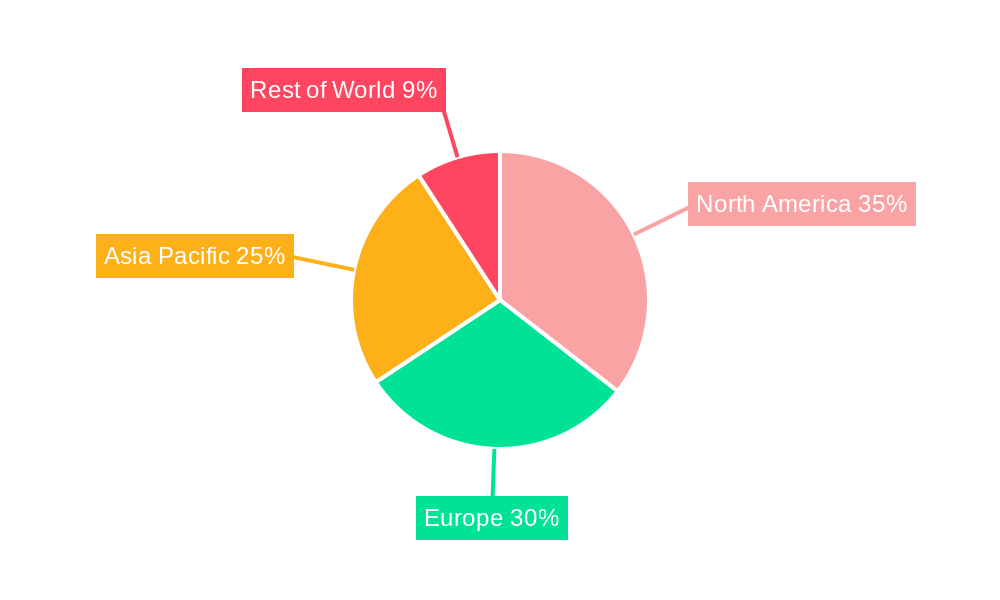
Bio-Ceramic Regional Market Share
Geographic Coverage of Bio-Ceramic
Bio-Ceramic REPORT HIGHLIGHTS
| Aspects | Details |
|---|---|
| Study Period | 2020-2034 |
| Base Year | 2025 |
| Estimated Year | 2026 |
| Forecast Period | 2026-2034 |
| Historical Period | 2020-2025 |
| Growth Rate | CAGR of 11.7% from 2020-2034 |
| Segmentation |
|
Table of Contents
- 1. Introduction
- 1.1. Research Scope
- 1.2. Market Segmentation
- 1.3. Research Methodology
- 1.4. Definitions and Assumptions
- 2. Executive Summary
- 2.1. Introduction
- 3. Market Dynamics
- 3.1. Introduction
- 3.2. Market Drivers
- 3.3. Market Restrains
- 3.4. Market Trends
- 4. Market Factor Analysis
- 4.1. Porters Five Forces
- 4.2. Supply/Value Chain
- 4.3. PESTEL analysis
- 4.4. Market Entropy
- 4.5. Patent/Trademark Analysis
- 5. Global Bio-Ceramic Analysis, Insights and Forecast, 2020-2032
- 5.1. Market Analysis, Insights and Forecast - by Application
- 5.1.1. Dental Implants
- 5.1.2. Orthopedic Implants
- 5.1.3. Surgical Instruments
- 5.1.4. Diagnostics Instruments
- 5.1.5. Implantable Electronics Device
- 5.1.6. Others
- 5.2. Market Analysis, Insights and Forecast - by Types
- 5.2.1. Bio-inert Ceramics
- 5.2.2. Bio-active Ceramics
- 5.2.3. Bio-resorbable Ceramics
- 5.2.4. Others
- 5.3. Market Analysis, Insights and Forecast - by Region
- 5.3.1. North America
- 5.3.2. South America
- 5.3.3. Europe
- 5.3.4. Middle East & Africa
- 5.3.5. Asia Pacific
- 5.1. Market Analysis, Insights and Forecast - by Application
- 6. North America Bio-Ceramic Analysis, Insights and Forecast, 2020-2032
- 6.1. Market Analysis, Insights and Forecast - by Application
- 6.1.1. Dental Implants
- 6.1.2. Orthopedic Implants
- 6.1.3. Surgical Instruments
- 6.1.4. Diagnostics Instruments
- 6.1.5. Implantable Electronics Device
- 6.1.6. Others
- 6.2. Market Analysis, Insights and Forecast - by Types
- 6.2.1. Bio-inert Ceramics
- 6.2.2. Bio-active Ceramics
- 6.2.3. Bio-resorbable Ceramics
- 6.2.4. Others
- 6.1. Market Analysis, Insights and Forecast - by Application
- 7. South America Bio-Ceramic Analysis, Insights and Forecast, 2020-2032
- 7.1. Market Analysis, Insights and Forecast - by Application
- 7.1.1. Dental Implants
- 7.1.2. Orthopedic Implants
- 7.1.3. Surgical Instruments
- 7.1.4. Diagnostics Instruments
- 7.1.5. Implantable Electronics Device
- 7.1.6. Others
- 7.2. Market Analysis, Insights and Forecast - by Types
- 7.2.1. Bio-inert Ceramics
- 7.2.2. Bio-active Ceramics
- 7.2.3. Bio-resorbable Ceramics
- 7.2.4. Others
- 7.1. Market Analysis, Insights and Forecast - by Application
- 8. Europe Bio-Ceramic Analysis, Insights and Forecast, 2020-2032
- 8.1. Market Analysis, Insights and Forecast - by Application
- 8.1.1. Dental Implants
- 8.1.2. Orthopedic Implants
- 8.1.3. Surgical Instruments
- 8.1.4. Diagnostics Instruments
- 8.1.5. Implantable Electronics Device
- 8.1.6. Others
- 8.2. Market Analysis, Insights and Forecast - by Types
- 8.2.1. Bio-inert Ceramics
- 8.2.2. Bio-active Ceramics
- 8.2.3. Bio-resorbable Ceramics
- 8.2.4. Others
- 8.1. Market Analysis, Insights and Forecast - by Application
- 9. Middle East & Africa Bio-Ceramic Analysis, Insights and Forecast, 2020-2032
- 9.1. Market Analysis, Insights and Forecast - by Application
- 9.1.1. Dental Implants
- 9.1.2. Orthopedic Implants
- 9.1.3. Surgical Instruments
- 9.1.4. Diagnostics Instruments
- 9.1.5. Implantable Electronics Device
- 9.1.6. Others
- 9.2. Market Analysis, Insights and Forecast - by Types
- 9.2.1. Bio-inert Ceramics
- 9.2.2. Bio-active Ceramics
- 9.2.3. Bio-resorbable Ceramics
- 9.2.4. Others
- 9.1. Market Analysis, Insights and Forecast - by Application
- 10. Asia Pacific Bio-Ceramic Analysis, Insights and Forecast, 2020-2032
- 10.1. Market Analysis, Insights and Forecast - by Application
- 10.1.1. Dental Implants
- 10.1.2. Orthopedic Implants
- 10.1.3. Surgical Instruments
- 10.1.4. Diagnostics Instruments
- 10.1.5. Implantable Electronics Device
- 10.1.6. Others
- 10.2. Market Analysis, Insights and Forecast - by Types
- 10.2.1. Bio-inert Ceramics
- 10.2.2. Bio-active Ceramics
- 10.2.3. Bio-resorbable Ceramics
- 10.2.4. Others
- 10.1. Market Analysis, Insights and Forecast - by Application
- 11. Competitive Analysis
- 11.1. Global Market Share Analysis 2025
- 11.2. Company Profiles
- 11.2.1 Amedica Corporation
- 11.2.1.1. Overview
- 11.2.1.2. Products
- 11.2.1.3. SWOT Analysis
- 11.2.1.4. Recent Developments
- 11.2.1.5. Financials (Based on Availability)
- 11.2.2 Berkeley Advanced Biomaterial
- 11.2.2.1. Overview
- 11.2.2.2. Products
- 11.2.2.3. SWOT Analysis
- 11.2.2.4. Recent Developments
- 11.2.2.5. Financials (Based on Availability)
- 11.2.3 Bonesupport AB
- 11.2.3.1. Overview
- 11.2.3.2. Products
- 11.2.3.3. SWOT Analysis
- 11.2.3.4. Recent Developments
- 11.2.3.5. Financials (Based on Availability)
- 11.2.4 CAM Bioceramics B.V.
- 11.2.4.1. Overview
- 11.2.4.2. Products
- 11.2.4.3. SWOT Analysis
- 11.2.4.4. Recent Developments
- 11.2.4.5. Financials (Based on Availability)
- 11.2.5 Carborundum Universal Ltd
- 11.2.5.1. Overview
- 11.2.5.2. Products
- 11.2.5.3. SWOT Analysis
- 11.2.5.4. Recent Developments
- 11.2.5.5. Financials (Based on Availability)
- 11.2.6 Ceramtec
- 11.2.6.1. Overview
- 11.2.6.2. Products
- 11.2.6.3. SWOT Analysis
- 11.2.6.4. Recent Developments
- 11.2.6.5. Financials (Based on Availability)
- 11.2.7 Collgen Matrix Inc
- 11.2.7.1. Overview
- 11.2.7.2. Products
- 11.2.7.3. SWOT Analysis
- 11.2.7.4. Recent Developments
- 11.2.7.5. Financials (Based on Availability)
- 11.2.8 CoorsTek Inc
- 11.2.8.1. Overview
- 11.2.8.2. Products
- 11.2.8.3. SWOT Analysis
- 11.2.8.4. Recent Developments
- 11.2.8.5. Financials (Based on Availability)
- 11.2.9 Dentsply Sirona
- 11.2.9.1. Overview
- 11.2.9.2. Products
- 11.2.9.3. SWOT Analysis
- 11.2.9.4. Recent Developments
- 11.2.9.5. Financials (Based on Availability)
- 11.2.10 Doceram Medical
- 11.2.10.1. Overview
- 11.2.10.2. Products
- 11.2.10.3. SWOT Analysis
- 11.2.10.4. Recent Developments
- 11.2.10.5. Financials (Based on Availability)
- 11.2.11 Jyoti Ceramic
- 11.2.11.1. Overview
- 11.2.11.2. Products
- 11.2.11.3. SWOT Analysis
- 11.2.11.4. Recent Developments
- 11.2.11.5. Financials (Based on Availability)
- 11.2.12 Kyocera Corporation
- 11.2.12.1. Overview
- 11.2.12.2. Products
- 11.2.12.3. SWOT Analysis
- 11.2.12.4. Recent Developments
- 11.2.12.5. Financials (Based on Availability)
- 11.2.13 Morgan Advanced Material
- 11.2.13.1. Overview
- 11.2.13.2. Products
- 11.2.13.3. SWOT Analysis
- 11.2.13.4. Recent Developments
- 11.2.13.5. Financials (Based on Availability)
- 11.2.14 Nobel Biocare Holding AG
- 11.2.14.1. Overview
- 11.2.14.2. Products
- 11.2.14.3. SWOT Analysis
- 11.2.14.4. Recent Developments
- 11.2.14.5. Financials (Based on Availability)
- 11.2.15 Sagemax Bio-Ceramic Inc
- 11.2.15.1. Overview
- 11.2.15.2. Products
- 11.2.15.3. SWOT Analysis
- 11.2.15.4. Recent Developments
- 11.2.15.5. Financials (Based on Availability)
- 11.2.16 Stryker
- 11.2.16.1. Overview
- 11.2.16.2. Products
- 11.2.16.3. SWOT Analysis
- 11.2.16.4. Recent Developments
- 11.2.16.5. Financials (Based on Availability)
- 11.2.17 Tosoh Corporation
- 11.2.17.1. Overview
- 11.2.17.2. Products
- 11.2.17.3. SWOT Analysis
- 11.2.17.4. Recent Developments
- 11.2.17.5. Financials (Based on Availability)
- 11.2.1 Amedica Corporation
List of Figures
- Figure 1: Global Bio-Ceramic Revenue Breakdown (million, %) by Region 2025 & 2033
- Figure 2: North America Bio-Ceramic Revenue (million), by Application 2025 & 2033
- Figure 3: North America Bio-Ceramic Revenue Share (%), by Application 2025 & 2033
- Figure 4: North America Bio-Ceramic Revenue (million), by Types 2025 & 2033
- Figure 5: North America Bio-Ceramic Revenue Share (%), by Types 2025 & 2033
- Figure 6: North America Bio-Ceramic Revenue (million), by Country 2025 & 2033
- Figure 7: North America Bio-Ceramic Revenue Share (%), by Country 2025 & 2033
- Figure 8: South America Bio-Ceramic Revenue (million), by Application 2025 & 2033
- Figure 9: South America Bio-Ceramic Revenue Share (%), by Application 2025 & 2033
- Figure 10: South America Bio-Ceramic Revenue (million), by Types 2025 & 2033
- Figure 11: South America Bio-Ceramic Revenue Share (%), by Types 2025 & 2033
- Figure 12: South America Bio-Ceramic Revenue (million), by Country 2025 & 2033
- Figure 13: South America Bio-Ceramic Revenue Share (%), by Country 2025 & 2033
- Figure 14: Europe Bio-Ceramic Revenue (million), by Application 2025 & 2033
- Figure 15: Europe Bio-Ceramic Revenue Share (%), by Application 2025 & 2033
- Figure 16: Europe Bio-Ceramic Revenue (million), by Types 2025 & 2033
- Figure 17: Europe Bio-Ceramic Revenue Share (%), by Types 2025 & 2033
- Figure 18: Europe Bio-Ceramic Revenue (million), by Country 2025 & 2033
- Figure 19: Europe Bio-Ceramic Revenue Share (%), by Country 2025 & 2033
- Figure 20: Middle East & Africa Bio-Ceramic Revenue (million), by Application 2025 & 2033
- Figure 21: Middle East & Africa Bio-Ceramic Revenue Share (%), by Application 2025 & 2033
- Figure 22: Middle East & Africa Bio-Ceramic Revenue (million), by Types 2025 & 2033
- Figure 23: Middle East & Africa Bio-Ceramic Revenue Share (%), by Types 2025 & 2033
- Figure 24: Middle East & Africa Bio-Ceramic Revenue (million), by Country 2025 & 2033
- Figure 25: Middle East & Africa Bio-Ceramic Revenue Share (%), by Country 2025 & 2033
- Figure 26: Asia Pacific Bio-Ceramic Revenue (million), by Application 2025 & 2033
- Figure 27: Asia Pacific Bio-Ceramic Revenue Share (%), by Application 2025 & 2033
- Figure 28: Asia Pacific Bio-Ceramic Revenue (million), by Types 2025 & 2033
- Figure 29: Asia Pacific Bio-Ceramic Revenue Share (%), by Types 2025 & 2033
- Figure 30: Asia Pacific Bio-Ceramic Revenue (million), by Country 2025 & 2033
- Figure 31: Asia Pacific Bio-Ceramic Revenue Share (%), by Country 2025 & 2033
List of Tables
- Table 1: Global Bio-Ceramic Revenue million Forecast, by Application 2020 & 2033
- Table 2: Global Bio-Ceramic Revenue million Forecast, by Types 2020 & 2033
- Table 3: Global Bio-Ceramic Revenue million Forecast, by Region 2020 & 2033
- Table 4: Global Bio-Ceramic Revenue million Forecast, by Application 2020 & 2033
- Table 5: Global Bio-Ceramic Revenue million Forecast, by Types 2020 & 2033
- Table 6: Global Bio-Ceramic Revenue million Forecast, by Country 2020 & 2033
- Table 7: United States Bio-Ceramic Revenue (million) Forecast, by Application 2020 & 2033
- Table 8: Canada Bio-Ceramic Revenue (million) Forecast, by Application 2020 & 2033
- Table 9: Mexico Bio-Ceramic Revenue (million) Forecast, by Application 2020 & 2033
- Table 10: Global Bio-Ceramic Revenue million Forecast, by Application 2020 & 2033
- Table 11: Global Bio-Ceramic Revenue million Forecast, by Types 2020 & 2033
- Table 12: Global Bio-Ceramic Revenue million Forecast, by Country 2020 & 2033
- Table 13: Brazil Bio-Ceramic Revenue (million) Forecast, by Application 2020 & 2033
- Table 14: Argentina Bio-Ceramic Revenue (million) Forecast, by Application 2020 & 2033
- Table 15: Rest of South America Bio-Ceramic Revenue (million) Forecast, by Application 2020 & 2033
- Table 16: Global Bio-Ceramic Revenue million Forecast, by Application 2020 & 2033
- Table 17: Global Bio-Ceramic Revenue million Forecast, by Types 2020 & 2033
- Table 18: Global Bio-Ceramic Revenue million Forecast, by Country 2020 & 2033
- Table 19: United Kingdom Bio-Ceramic Revenue (million) Forecast, by Application 2020 & 2033
- Table 20: Germany Bio-Ceramic Revenue (million) Forecast, by Application 2020 & 2033
- Table 21: France Bio-Ceramic Revenue (million) Forecast, by Application 2020 & 2033
- Table 22: Italy Bio-Ceramic Revenue (million) Forecast, by Application 2020 & 2033
- Table 23: Spain Bio-Ceramic Revenue (million) Forecast, by Application 2020 & 2033
- Table 24: Russia Bio-Ceramic Revenue (million) Forecast, by Application 2020 & 2033
- Table 25: Benelux Bio-Ceramic Revenue (million) Forecast, by Application 2020 & 2033
- Table 26: Nordics Bio-Ceramic Revenue (million) Forecast, by Application 2020 & 2033
- Table 27: Rest of Europe Bio-Ceramic Revenue (million) Forecast, by Application 2020 & 2033
- Table 28: Global Bio-Ceramic Revenue million Forecast, by Application 2020 & 2033
- Table 29: Global Bio-Ceramic Revenue million Forecast, by Types 2020 & 2033
- Table 30: Global Bio-Ceramic Revenue million Forecast, by Country 2020 & 2033
- Table 31: Turkey Bio-Ceramic Revenue (million) Forecast, by Application 2020 & 2033
- Table 32: Israel Bio-Ceramic Revenue (million) Forecast, by Application 2020 & 2033
- Table 33: GCC Bio-Ceramic Revenue (million) Forecast, by Application 2020 & 2033
- Table 34: North Africa Bio-Ceramic Revenue (million) Forecast, by Application 2020 & 2033
- Table 35: South Africa Bio-Ceramic Revenue (million) Forecast, by Application 2020 & 2033
- Table 36: Rest of Middle East & Africa Bio-Ceramic Revenue (million) Forecast, by Application 2020 & 2033
- Table 37: Global Bio-Ceramic Revenue million Forecast, by Application 2020 & 2033
- Table 38: Global Bio-Ceramic Revenue million Forecast, by Types 2020 & 2033
- Table 39: Global Bio-Ceramic Revenue million Forecast, by Country 2020 & 2033
- Table 40: China Bio-Ceramic Revenue (million) Forecast, by Application 2020 & 2033
- Table 41: India Bio-Ceramic Revenue (million) Forecast, by Application 2020 & 2033
- Table 42: Japan Bio-Ceramic Revenue (million) Forecast, by Application 2020 & 2033
- Table 43: South Korea Bio-Ceramic Revenue (million) Forecast, by Application 2020 & 2033
- Table 44: ASEAN Bio-Ceramic Revenue (million) Forecast, by Application 2020 & 2033
- Table 45: Oceania Bio-Ceramic Revenue (million) Forecast, by Application 2020 & 2033
- Table 46: Rest of Asia Pacific Bio-Ceramic Revenue (million) Forecast, by Application 2020 & 2033
Frequently Asked Questions
1. What is the projected Compound Annual Growth Rate (CAGR) of the Bio-Ceramic?
The projected CAGR is approximately 11.7%.
2. Which companies are prominent players in the Bio-Ceramic?
Key companies in the market include Amedica Corporation, Berkeley Advanced Biomaterial, Bonesupport AB, CAM Bioceramics B.V., Carborundum Universal Ltd, Ceramtec, Collgen Matrix Inc, CoorsTek Inc, Dentsply Sirona, Doceram Medical, Jyoti Ceramic, Kyocera Corporation, Morgan Advanced Material, Nobel Biocare Holding AG, Sagemax Bio-Ceramic Inc, Stryker, Tosoh Corporation.
3. What are the main segments of the Bio-Ceramic?
The market segments include Application, Types.
4. Can you provide details about the market size?
The market size is estimated to be USD 309 million as of 2022.
5. What are some drivers contributing to market growth?
N/A
6. What are the notable trends driving market growth?
N/A
7. Are there any restraints impacting market growth?
N/A
8. Can you provide examples of recent developments in the market?
N/A
9. What pricing options are available for accessing the report?
Pricing options include single-user, multi-user, and enterprise licenses priced at USD 4350.00, USD 6525.00, and USD 8700.00 respectively.
10. Is the market size provided in terms of value or volume?
The market size is provided in terms of value, measured in million.
11. Are there any specific market keywords associated with the report?
Yes, the market keyword associated with the report is "Bio-Ceramic," which aids in identifying and referencing the specific market segment covered.
12. How do I determine which pricing option suits my needs best?
The pricing options vary based on user requirements and access needs. Individual users may opt for single-user licenses, while businesses requiring broader access may choose multi-user or enterprise licenses for cost-effective access to the report.
13. Are there any additional resources or data provided in the Bio-Ceramic report?
While the report offers comprehensive insights, it's advisable to review the specific contents or supplementary materials provided to ascertain if additional resources or data are available.
14. How can I stay updated on further developments or reports in the Bio-Ceramic?
To stay informed about further developments, trends, and reports in the Bio-Ceramic, consider subscribing to industry newsletters, following relevant companies and organizations, or regularly checking reputable industry news sources and publications.
Methodology
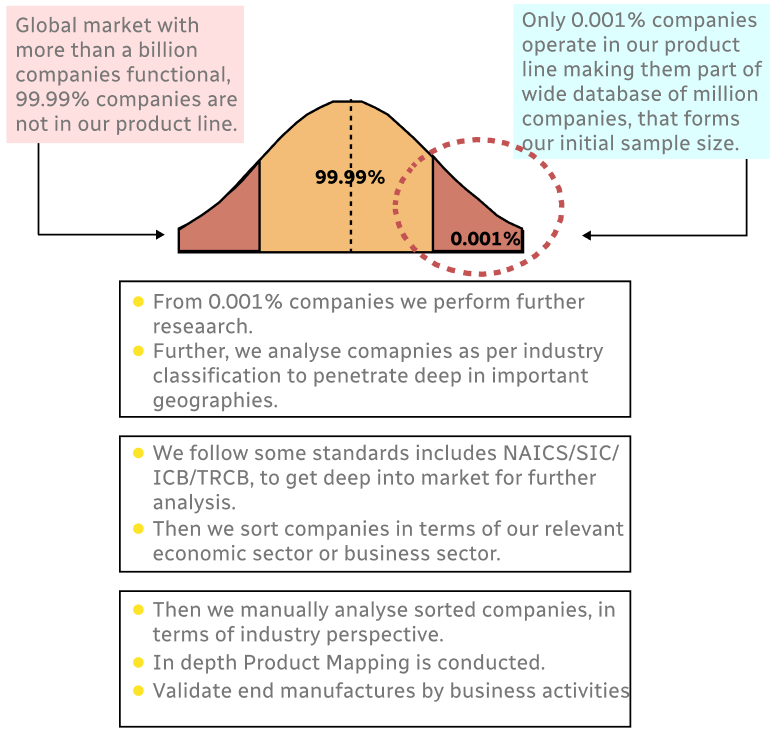
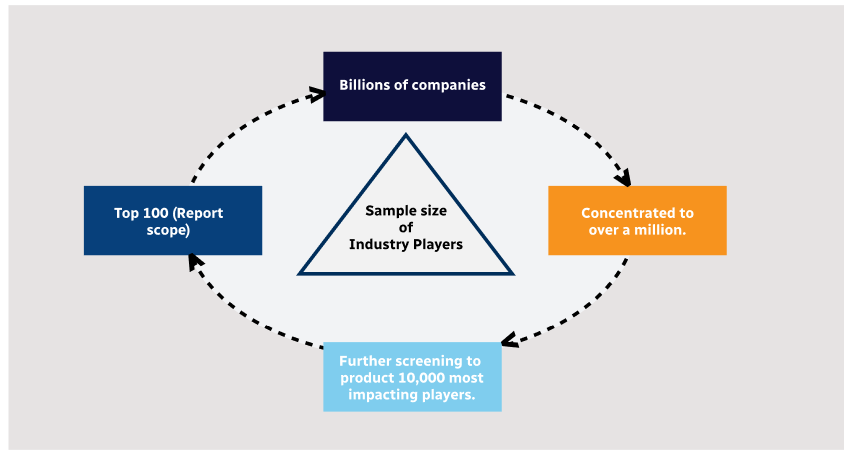
Step 1 - Identification of Relevant Samples Size from Population Database
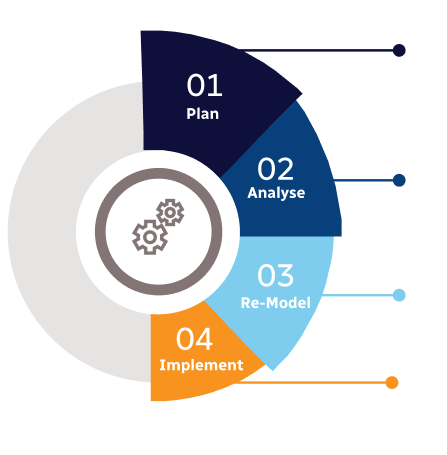
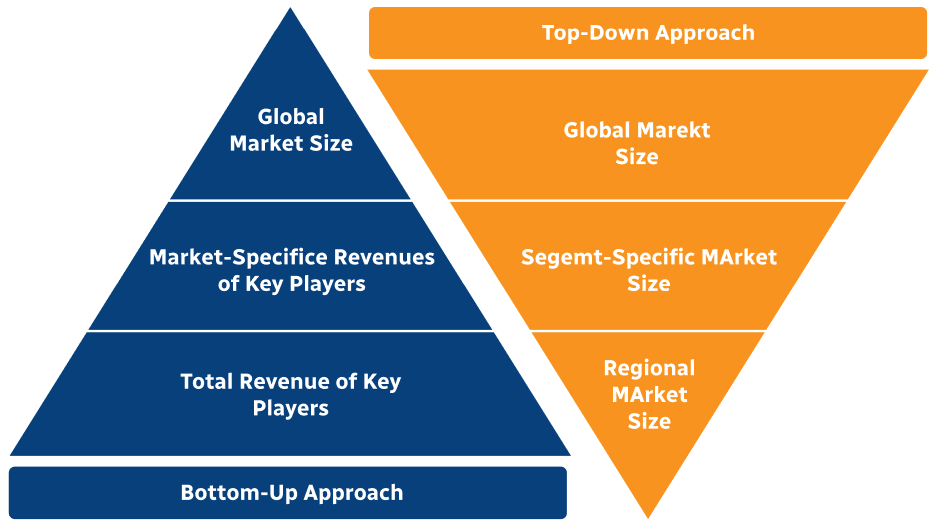
Step 2 - Approaches for Defining Global Market Size (Value, Volume* & Price*)
Note*: In applicable scenarios
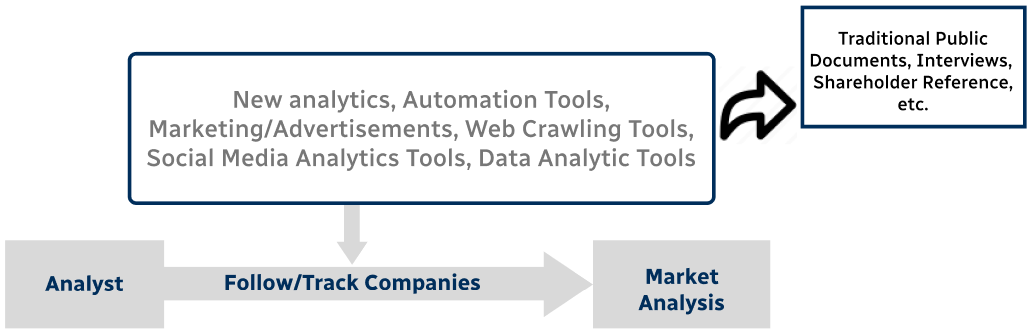
Step 3 - Data Sources
Primary Research
- Web Analytics
- Survey Reports
- Research Institute
- Latest Research Reports
- Opinion Leaders
Secondary Research
- Annual Reports
- White Paper
- Latest Press Release
- Industry Association
- Paid Database
- Investor Presentations
Step 4 - Data Triangulation
Involves using different sources of information in order to increase the validity of a study
These sources are likely to be stakeholders in a program - participants, other researchers, program staff, other community members, and so on.
Then we put all data in single framework & apply various statistical tools to find out the dynamic on the market.
During the analysis stage, feedback from the stakeholder groups would be compared to determine areas of agreement as well as areas of divergence