



Key Insights
The global Automotive Optoelectronics Market is projected for robust expansion, with a current estimated market size of $5.74 billion and an anticipated Compound Annual Growth Rate (CAGR) of 7.30% between 2019 and 2033. This significant growth is primarily driven by the escalating demand for advanced safety features, enhanced driver assistance systems (ADAS), and the burgeoning adoption of electric vehicles (EVs). Optoelectronic components, such as LED lighting for improved visibility and aesthetic appeal, image sensors crucial for ADAS functionalities like object detection and lane keeping, and laser diodes for LiDAR systems, are becoming indispensable in modern automotive design. The increasing integration of these technologies directly correlates with the market's upward trajectory, as manufacturers strive to deliver safer, more efficient, and more sophisticated driving experiences. Furthermore, the trend towards in-car infotainment and digital cockpit solutions also fuels the demand for high-performance optoelectronic devices that enable vibrant displays and interactive interfaces.
The market is segmented into key device types, with LED and Image Sensors expected to command a significant share due to their widespread application in lighting, cameras for ADAS, and interior illumination. Laser diodes are also witnessing strong growth, propelled by the development of autonomous driving technologies. While the market presents immense opportunities, certain restraints could influence its pace. These include the high cost of advanced optoelectronic components, the complexity of integration into existing vehicle architectures, and stringent regulatory standards that necessitate rigorous testing and validation. Geographically, North America and Europe are anticipated to lead market adoption, driven by early and widespread implementation of ADAS and stringent safety regulations. Asia Pacific, particularly China, is emerging as a high-growth region due to its massive automotive production base and rapid technological advancements. Key players like Samsung Electronics, Sony Corporation, and Ams Osram AG are actively investing in research and development to innovate and capture market share within this dynamic landscape.
This in-depth report provides a detailed analysis of the global Automotive Optoelectronics Market, exploring its current landscape, future projections, and the strategic imperatives for key stakeholders. Covering the study period of 2019–2033, with a base year of 2025 and an estimated year also of 2025, this report offers a robust forecast period from 2025–2033, built upon a comprehensive historical period of 2019–2024. We dissect critical market segments, identify growth drivers, and assess competitive strategies within this rapidly evolving sector.
Automotive Optoelectronics Market Market Structure & Competitive Dynamics
The Automotive Optoelectronics Market is characterized by a moderately concentrated structure, with a few dominant players holding significant market share, particularly in high-demand segments like automotive LED and image sensors. Innovation ecosystems are thriving, driven by the relentless pursuit of advanced driver-assistance systems (ADAS), autonomous driving technologies, and enhanced in-cabin experiences. Regulatory frameworks, focusing on safety standards (e.g., ECE R148 for lighting) and data privacy, are increasingly influencing product development and market entry. Product substitutes are emerging, particularly in lighting, with advancements in OLED and MicroLED technologies challenging traditional LED dominance. End-user trends emphasize safety, efficiency, and personalization, pushing demand for sophisticated optoelectronic solutions. Mergers and acquisitions (M&A) activities are prevalent, driven by the need for technological integration and market expansion. For instance, recent acquisitions have focused on strengthening capabilities in areas like LiDAR components and advanced imaging. The M&A deal values are often in the hundreds of millions of dollars, reflecting the strategic importance of these transactions.
- Market Concentration: Moderate, with key players dominating specific sub-segments.
- Innovation Ecosystems: Robust, fueled by ADAS, autonomous driving, and in-cabin technologies.
- Regulatory Frameworks: Evolving, with a strong emphasis on safety and data privacy.
- Product Substitutes: Emerging technologies in lighting and sensing.
- End-User Trends: Prioritization of safety, efficiency, and personalized user experiences.
- M&A Activities: Strategic acquisitions aimed at technology acquisition and market expansion.
Automotive Optoelectronics Market Industry Trends & Insights
The Automotive Optoelectronics Market is experiencing robust growth, propelled by several interconnected industry trends and insights. The primary growth driver is the escalating demand for advanced safety features, including automotive LED lighting for enhanced visibility, adaptive front-lighting systems, and sophisticated rear combination lamps (RCLs). The proliferation of ADAS, powered by an array of automotive image sensors for object detection, lane keeping, and traffic sign recognition, is a significant catalyst. Furthermore, the burgeoning trend towards autonomous driving necessitates high-performance optoelectronic components like LiDAR (Light Detection and Ranging) and advanced radar systems, often incorporating specialized laser diodes and highly sensitive photodiodes.
Technological disruptions are a constant in this market. Miniaturization of components, increased energy efficiency, and superior performance under diverse environmental conditions (e.g., extreme temperatures, low light) are key areas of innovation. The development of more compact and power-efficient automotive LEDs is enabling sleeker vehicle designs and reducing overall energy consumption. In the realm of sensing, advancements in CMOS image sensor technology are leading to higher resolution, faster frame rates, and improved dynamic range, crucial for real-time environmental perception. The integration of AI and machine learning algorithms further enhances the capabilities of these sensors.
Consumer preferences are shifting towards vehicles that offer a more intuitive and safer driving experience. This translates into a demand for intelligent lighting solutions that adapt to driving conditions, advanced displays, and enhanced interior ambiance. The rise of electric vehicles (EVs) also presents unique opportunities, as their design flexibility allows for more creative integration of optoelectronic systems, particularly in lighting and sensor placement. The competitive dynamics are intense, with established players constantly innovating and new entrants striving to capture market share through niche technologies or disruptive business models. The average CAGR for the Automotive Optoelectronics Market is projected to be approximately 15-18% over the forecast period, reflecting the strong underlying growth momentum. Market penetration of advanced optoelectronic features is steadily increasing across all vehicle segments, from luxury to mass-market.
Dominant Markets & Segments in Automotive Optoelectronics Market
The Automotive Optoelectronics Market exhibits significant regional and segment-specific dominance. Geographically, Asia Pacific stands out as the dominant market, driven by the strong presence of automotive manufacturing hubs in countries like China, Japan, and South Korea. This region's dominance is further bolstered by substantial investments in electric vehicle (EV) production and advanced automotive technologies. North America and Europe also represent crucial markets, with high adoption rates of ADAS and autonomous driving features.
Within the Device Type segmentation, LEDs currently hold the largest market share, owing to their widespread application in automotive lighting—headlights, taillights, interior lighting, and signaling. The demand for high-performance and energy-efficient automotive LED solutions continues to surge. Image Sensors represent another dominant segment, with their critical role in ADAS and autonomous driving systems. The increasing sophistication of these systems, requiring enhanced object recognition and environmental perception, fuels the growth of automotive image sensors.
Dominant Region: Asia Pacific
- Key Drivers:
- Economic Policies: Government initiatives supporting automotive manufacturing and technological innovation, particularly in China and South Korea.
- Infrastructure: Well-established automotive supply chains and robust R&D capabilities.
- EV Growth: Leading production and adoption of electric vehicles, which often integrate more advanced optoelectronic systems.
- Consumer Demand: Growing consumer interest in advanced safety and comfort features.
- Detailed Dominance Analysis: Asia Pacific's dominance is a result of its massive automotive production volume, coupled with a strong focus on technological integration. China's vast domestic market and its commitment to developing domestic semiconductor capabilities, including those for optoelectronics, are significant contributors. Japan's legacy in automotive electronics and its pioneering efforts in advanced driver assistance systems, spearheaded by companies like Sony Semiconductor Solutions, solidify its position. South Korea's prowess in display and semiconductor technology, led by Samsung, also plays a vital role.
- Key Drivers:
Dominant Segment: LEDs
- Key Drivers:
- Safety Regulations: Mandates and recommendations for improved vehicle lighting for enhanced road safety.
- Energy Efficiency: Increasing demand for power-saving solutions in vehicles, especially EVs.
- Design Flexibility: Compact size and versatility of LEDs enabling innovative lighting designs.
- Cost-Effectiveness: Maturing technology leading to competitive pricing.
- Detailed Dominance Analysis: Automotive LED market dominance is driven by their indispensable role in virtually all exterior and interior lighting functions. From high-intensity adaptive headlights that adjust beam patterns to dynamic taillights that enhance signaling, LEDs offer superior performance and longevity compared to traditional lighting technologies. Their adaptability in terms of color, brightness, and form factor allows for greater design freedom for automotive manufacturers.
- Key Drivers:
Strongly Growing Segment: Image Sensors
- Key Drivers:
- ADAS Penetration: Rapid adoption of features like adaptive cruise control, automatic emergency braking, and lane departure warning.
- Autonomous Driving Development: Essential components for perception systems in self-driving vehicles.
- Technological Advancements: Higher resolution, improved low-light performance, and advanced processing capabilities.
- Cost Reduction: Increasing affordability of high-performance image sensors.
- Detailed Dominance Analysis: The increasing complexity of vehicle perception systems is making image sensors the fastest-growing segment. These sensors are the "eyes" of the vehicle, enabling it to interpret its surroundings. Advancements in CMOS technology have led to sensors that can capture detailed images under challenging conditions, crucial for safety-critical applications. The push towards Level 3 and above autonomous driving will further accelerate demand for sophisticated, multi-sensor fusion approaches that rely heavily on high-quality image data.
- Key Drivers:
Automotive Optoelectronics Market Product Innovations
Product innovations in the Automotive Optoelectronics Market are focused on enhancing safety, efficiency, and user experience. Companies are developing advanced automotive LED solutions offering higher brightness, improved color rendering, and dynamic lighting capabilities for adaptive headlights and expressive taillights. Innovations in image sensors include higher resolution CMOS sensors with enhanced low-light performance and wider dynamic range, crucial for ADAS and autonomous driving. The development of miniaturized and cost-effective LiDAR systems, leveraging specialized laser diodes, is enabling broader adoption in mid-range vehicles. Furthermore, advancements in optocouplers are improving electrical isolation and signal integrity in complex automotive electronics.
Report Segmentation & Scope
This report segments the Automotive Optoelectronics Market by Device Type, encompassing LED, Laser Diode, Image Sensors, Optocouplers, and Photovoltaic cells, along with a category for Other Device Types.
- LED: This segment is projected to maintain its leading position, driven by widespread use in lighting applications. Market size is estimated to be in the tens of billions of dollars, with steady growth expected.
- Laser Diode: This segment is experiencing rapid expansion due to the integration of LiDAR in ADAS and autonomous driving systems. Growth projections are high, with significant market value anticipated.
- Image Sensors: This segment is a key growth driver, essential for ADAS and autonomous driving. It is expected to see substantial market expansion and increasing competitive intensity.
- Optocouplers: This segment provides critical isolation in automotive electronics, with consistent demand driven by the increasing complexity of vehicle electrical systems.
- Photovoltaic cells: While not as dominant as other segments, applications in auxiliary power and solar-integrated vehicles contribute to this segment's growth.
- Other Device Types: This category includes specialized optoelectronic components and emerging technologies, contributing to the overall market diversity and innovation.
Key Drivers of Automotive Optoelectronics Market Growth
The Automotive Optoelectronics Market is experiencing significant growth driven by a confluence of technological, economic, and regulatory factors. The relentless pursuit of enhanced vehicle safety is paramount, with advanced automotive LED lighting systems improving visibility and signaling, while sophisticated image sensors form the backbone of ADAS and autonomous driving technologies. The rapid development and increasing adoption of autonomous driving capabilities represent a major growth accelerator, necessitating advanced components like LiDAR and radar, which rely on laser diodes. Economic factors, including a growing global vehicle production and the increasing average revenue per vehicle from advanced features, further fuel demand. Regulatory mandates and safety standards, pushing for improved lighting and driver assistance systems, also play a crucial role in driving market expansion.
Challenges in the Automotive Optoelectronics Market Sector
Despite the robust growth trajectory, the Automotive Optoelectronics Market faces several challenges. Supply chain disruptions, particularly for semiconductor components, can impact production volumes and lead times, as evidenced by global chip shortages. Intense competitive pressures, driven by a mix of established giants and agile startups, can lead to price erosion and necessitate continuous innovation to maintain market share. Furthermore, the high cost of developing and integrating cutting-edge optoelectronic technologies, such as advanced LiDAR systems, can pose a barrier to widespread adoption, especially in lower-segment vehicles. Evolving safety regulations and the need for extensive validation and certification processes can also create hurdles for new product introductions.
Leading Players in the Automotive Optoelectronics Market Market
- SK Hynix Inc
- Panasonic Corporation
- Samsung Electronics
- Omnivision Technologies Inc
- Sony Corporation
- Ams Osram AG
- Signify Holding
- Vishay Intertechnology Inc
- Texas Instruments Inc
- LITE-ON Technology Corporation
- Rohm Company Limited
- Mitsubishi Electric Corporation
- Broadcom Inc
- Sharp Corporation
Key Developments in Automotive Optoelectronics Market Sector
- February 2024: TSMC, Sony Semiconductor Solutions Corporation, DENSO Corporation, and Toyota Motor Corporation bolstered their investment in Japan Advanced Semiconductor Manufacturing Inc. ("JASM"), a subsidiary primarily owned by TSMC in Kumamoto Prefecture, Japan. This investment aims to establish a second fab, slated to commence operations by the end of 2027. Coupled with JASM's first fab, set to launch in 2024, the collective investment in JASM will surpass USD 20 billion, backed by substantial support from the Japanese government. This development signifies a major strategic push to secure advanced semiconductor manufacturing capabilities crucial for automotive optoelectronics.
- January 2024: Osram Licht AG unveiled a new line of side-looker, low-power LEDs. These LEDs, known as SYNIOS P1515 sidelookers, offer a simplified design, are easier to integrate, and facilitate a uniform appearance in applications like extended light bars and other automotive rear lighting. By opting for these side-looker LEDs over traditional top-looker ones, automotive manufacturers can achieve a seamless, uniform look across the vehicle's width. Notably, even with the same number of LEDs, the RCL or turn indicator can be made with a significantly slimmer and more straightforward optical setup. This innovation highlights a focus on design integration and improved functionality in automotive lighting.
Strategic Automotive Optoelectronics Market Market Outlook
- February 2024: TSMC, Sony Semiconductor Solutions Corporation, DENSO Corporation, and Toyota Motor Corporation bolstered their investment in Japan Advanced Semiconductor Manufacturing Inc. ("JASM"), a subsidiary primarily owned by TSMC in Kumamoto Prefecture, Japan. This investment aims to establish a second fab, slated to commence operations by the end of 2027. Coupled with JASM's first fab, set to launch in 2024, the collective investment in JASM will surpass USD 20 billion, backed by substantial support from the Japanese government. This development signifies a major strategic push to secure advanced semiconductor manufacturing capabilities crucial for automotive optoelectronics.
- January 2024: Osram Licht AG unveiled a new line of side-looker, low-power LEDs. These LEDs, known as SYNIOS P1515 sidelookers, offer a simplified design, are easier to integrate, and facilitate a uniform appearance in applications like extended light bars and other automotive rear lighting. By opting for these side-looker LEDs over traditional top-looker ones, automotive manufacturers can achieve a seamless, uniform look across the vehicle's width. Notably, even with the same number of LEDs, the RCL or turn indicator can be made with a significantly slimmer and more straightforward optical setup. This innovation highlights a focus on design integration and improved functionality in automotive lighting.
Strategic Automotive Optoelectronics Market Market Outlook
The strategic outlook for the Automotive Optoelectronics Market remains exceptionally strong, driven by the unyielding trend towards vehicle electrification, automation, and enhanced safety. The continued integration of advanced driver-assistance systems (ADAS) and the progressive realization of autonomous driving will be key growth accelerators, demanding a constant evolution in automotive image sensors, laser diodes for LiDAR, and high-performance automotive LEDs. Strategic opportunities lie in developing integrated optoelectronic solutions that offer enhanced functionality, reduced complexity, and improved cost-effectiveness. Companies that can leverage AI and machine learning with their optoelectronic components will be well-positioned for future success. Furthermore, the increasing demand for in-cabin experience technologies, such as advanced lighting and augmented reality displays, presents significant untapped potential. Partnerships and collaborations will be crucial for navigating the complex technological landscape and accelerating market penetration of next-generation optoelectronic innovations.
Automotive Optoelectronics Market Segmentation
-
1. Device Type
- 1.1. LED
- 1.2. Laser Diode
- 1.3. Image Sensors
- 1.4. Optocouplers
- 1.5. Photovoltaic cells
- 1.6. Other Device Types
Automotive Optoelectronics Market Segmentation By Geography
- 1. United States
- 2. Europe
- 3. Japan
- 4. China
- 5. South Korea
- 6. Taiwan
Automotive Optoelectronics Market REPORT HIGHLIGHTS
| Aspects | Details |
|---|---|
| Study Period | 2019-2033 |
| Base Year | 2024 |
| Estimated Year | 2025 |
| Forecast Period | 2025-2033 |
| Historical Period | 2019-2024 |
| Growth Rate | CAGR of 7.30% from 2019-2033 |
| Segmentation |
|
Table of Contents
- 1. Introduction
- 1.1. Research Scope
- 1.2. Market Segmentation
- 1.3. Research Methodology
- 1.4. Definitions and Assumptions
- 2. Executive Summary
- 2.1. Introduction
- 3. Market Dynamics
- 3.1. Introduction
- 3.2. Market Drivers
- 3.2.1 Technology Advancements
- 3.2.2 and AI Developments will Drive the Growth; Growing Demand for Electric Vehicles
- 3.3. Market Restrains
- 3.3.1 Technology Advancements
- 3.3.2 and AI Developments will Drive the Growth; Growing Demand for Electric Vehicles
- 3.4. Market Trends
- 3.4.1. Image Sensors are Expected to Hold Major Market Share
- 4. Market Factor Analysis
- 4.1. Porters Five Forces
- 4.2. Supply/Value Chain
- 4.3. PESTEL analysis
- 4.4. Market Entropy
- 4.5. Patent/Trademark Analysis
- 5. Global Automotive Optoelectronics Market Analysis, Insights and Forecast, 2019-2031
- 5.1. Market Analysis, Insights and Forecast - by Device Type
- 5.1.1. LED
- 5.1.2. Laser Diode
- 5.1.3. Image Sensors
- 5.1.4. Optocouplers
- 5.1.5. Photovoltaic cells
- 5.1.6. Other Device Types
- 5.2. Market Analysis, Insights and Forecast - by Region
- 5.2.1. United States
- 5.2.2. Europe
- 5.2.3. Japan
- 5.2.4. China
- 5.2.5. South Korea
- 5.2.6. Taiwan
- 5.1. Market Analysis, Insights and Forecast - by Device Type
- 6. United States Automotive Optoelectronics Market Analysis, Insights and Forecast, 2019-2031
- 6.1. Market Analysis, Insights and Forecast - by Device Type
- 6.1.1. LED
- 6.1.2. Laser Diode
- 6.1.3. Image Sensors
- 6.1.4. Optocouplers
- 6.1.5. Photovoltaic cells
- 6.1.6. Other Device Types
- 6.1. Market Analysis, Insights and Forecast - by Device Type
- 7. Europe Automotive Optoelectronics Market Analysis, Insights and Forecast, 2019-2031
- 7.1. Market Analysis, Insights and Forecast - by Device Type
- 7.1.1. LED
- 7.1.2. Laser Diode
- 7.1.3. Image Sensors
- 7.1.4. Optocouplers
- 7.1.5. Photovoltaic cells
- 7.1.6. Other Device Types
- 7.1. Market Analysis, Insights and Forecast - by Device Type
- 8. Japan Automotive Optoelectronics Market Analysis, Insights and Forecast, 2019-2031
- 8.1. Market Analysis, Insights and Forecast - by Device Type
- 8.1.1. LED
- 8.1.2. Laser Diode
- 8.1.3. Image Sensors
- 8.1.4. Optocouplers
- 8.1.5. Photovoltaic cells
- 8.1.6. Other Device Types
- 8.1. Market Analysis, Insights and Forecast - by Device Type
- 9. China Automotive Optoelectronics Market Analysis, Insights and Forecast, 2019-2031
- 9.1. Market Analysis, Insights and Forecast - by Device Type
- 9.1.1. LED
- 9.1.2. Laser Diode
- 9.1.3. Image Sensors
- 9.1.4. Optocouplers
- 9.1.5. Photovoltaic cells
- 9.1.6. Other Device Types
- 9.1. Market Analysis, Insights and Forecast - by Device Type
- 10. South Korea Automotive Optoelectronics Market Analysis, Insights and Forecast, 2019-2031
- 10.1. Market Analysis, Insights and Forecast - by Device Type
- 10.1.1. LED
- 10.1.2. Laser Diode
- 10.1.3. Image Sensors
- 10.1.4. Optocouplers
- 10.1.5. Photovoltaic cells
- 10.1.6. Other Device Types
- 10.1. Market Analysis, Insights and Forecast - by Device Type
- 11. Taiwan Automotive Optoelectronics Market Analysis, Insights and Forecast, 2019-2031
- 11.1. Market Analysis, Insights and Forecast - by Device Type
- 11.1.1. LED
- 11.1.2. Laser Diode
- 11.1.3. Image Sensors
- 11.1.4. Optocouplers
- 11.1.5. Photovoltaic cells
- 11.1.6. Other Device Types
- 11.1. Market Analysis, Insights and Forecast - by Device Type
- 12. Competitive Analysis
- 12.1. Global Market Share Analysis 2024
- 12.2. Company Profiles
- 12.2.1 SK Hynix Inc
- 12.2.1.1. Overview
- 12.2.1.2. Products
- 12.2.1.3. SWOT Analysis
- 12.2.1.4. Recent Developments
- 12.2.1.5. Financials (Based on Availability)
- 12.2.2 Panasonic Corporation
- 12.2.2.1. Overview
- 12.2.2.2. Products
- 12.2.2.3. SWOT Analysis
- 12.2.2.4. Recent Developments
- 12.2.2.5. Financials (Based on Availability)
- 12.2.3 Samsung Electronics
- 12.2.3.1. Overview
- 12.2.3.2. Products
- 12.2.3.3. SWOT Analysis
- 12.2.3.4. Recent Developments
- 12.2.3.5. Financials (Based on Availability)
- 12.2.4 Omnivision Technologies Inc
- 12.2.4.1. Overview
- 12.2.4.2. Products
- 12.2.4.3. SWOT Analysis
- 12.2.4.4. Recent Developments
- 12.2.4.5. Financials (Based on Availability)
- 12.2.5 Sony Corporation
- 12.2.5.1. Overview
- 12.2.5.2. Products
- 12.2.5.3. SWOT Analysis
- 12.2.5.4. Recent Developments
- 12.2.5.5. Financials (Based on Availability)
- 12.2.6 Ams Osram AG
- 12.2.6.1. Overview
- 12.2.6.2. Products
- 12.2.6.3. SWOT Analysis
- 12.2.6.4. Recent Developments
- 12.2.6.5. Financials (Based on Availability)
- 12.2.7 Signify Holding
- 12.2.7.1. Overview
- 12.2.7.2. Products
- 12.2.7.3. SWOT Analysis
- 12.2.7.4. Recent Developments
- 12.2.7.5. Financials (Based on Availability)
- 12.2.8 Vishay Intertechnology Inc
- 12.2.8.1. Overview
- 12.2.8.2. Products
- 12.2.8.3. SWOT Analysis
- 12.2.8.4. Recent Developments
- 12.2.8.5. Financials (Based on Availability)
- 12.2.9 Texas Instruments Inc
- 12.2.9.1. Overview
- 12.2.9.2. Products
- 12.2.9.3. SWOT Analysis
- 12.2.9.4. Recent Developments
- 12.2.9.5. Financials (Based on Availability)
- 12.2.10 LITE-ON Technology Corporation
- 12.2.10.1. Overview
- 12.2.10.2. Products
- 12.2.10.3. SWOT Analysis
- 12.2.10.4. Recent Developments
- 12.2.10.5. Financials (Based on Availability)
- 12.2.11 Rohm Company Limited
- 12.2.11.1. Overview
- 12.2.11.2. Products
- 12.2.11.3. SWOT Analysis
- 12.2.11.4. Recent Developments
- 12.2.11.5. Financials (Based on Availability)
- 12.2.12 Mitsubishi Electric Corporation
- 12.2.12.1. Overview
- 12.2.12.2. Products
- 12.2.12.3. SWOT Analysis
- 12.2.12.4. Recent Developments
- 12.2.12.5. Financials (Based on Availability)
- 12.2.13 Broadcom Inc
- 12.2.13.1. Overview
- 12.2.13.2. Products
- 12.2.13.3. SWOT Analysis
- 12.2.13.4. Recent Developments
- 12.2.13.5. Financials (Based on Availability)
- 12.2.14 Sharp Corporatio
- 12.2.14.1. Overview
- 12.2.14.2. Products
- 12.2.14.3. SWOT Analysis
- 12.2.14.4. Recent Developments
- 12.2.14.5. Financials (Based on Availability)
- 12.2.1 SK Hynix Inc
List of Figures
- Figure 1: Global Automotive Optoelectronics Market Revenue Breakdown (Million, %) by Region 2024 & 2032
- Figure 2: Global Automotive Optoelectronics Market Volume Breakdown (Billion, %) by Region 2024 & 2032
- Figure 3: United States Automotive Optoelectronics Market Revenue (Million), by Device Type 2024 & 2032
- Figure 4: United States Automotive Optoelectronics Market Volume (Billion), by Device Type 2024 & 2032
- Figure 5: United States Automotive Optoelectronics Market Revenue Share (%), by Device Type 2024 & 2032
- Figure 6: United States Automotive Optoelectronics Market Volume Share (%), by Device Type 2024 & 2032
- Figure 7: United States Automotive Optoelectronics Market Revenue (Million), by Country 2024 & 2032
- Figure 8: United States Automotive Optoelectronics Market Volume (Billion), by Country 2024 & 2032
- Figure 9: United States Automotive Optoelectronics Market Revenue Share (%), by Country 2024 & 2032
- Figure 10: United States Automotive Optoelectronics Market Volume Share (%), by Country 2024 & 2032
- Figure 11: Europe Automotive Optoelectronics Market Revenue (Million), by Device Type 2024 & 2032
- Figure 12: Europe Automotive Optoelectronics Market Volume (Billion), by Device Type 2024 & 2032
- Figure 13: Europe Automotive Optoelectronics Market Revenue Share (%), by Device Type 2024 & 2032
- Figure 14: Europe Automotive Optoelectronics Market Volume Share (%), by Device Type 2024 & 2032
- Figure 15: Europe Automotive Optoelectronics Market Revenue (Million), by Country 2024 & 2032
- Figure 16: Europe Automotive Optoelectronics Market Volume (Billion), by Country 2024 & 2032
- Figure 17: Europe Automotive Optoelectronics Market Revenue Share (%), by Country 2024 & 2032
- Figure 18: Europe Automotive Optoelectronics Market Volume Share (%), by Country 2024 & 2032
- Figure 19: Japan Automotive Optoelectronics Market Revenue (Million), by Device Type 2024 & 2032
- Figure 20: Japan Automotive Optoelectronics Market Volume (Billion), by Device Type 2024 & 2032
- Figure 21: Japan Automotive Optoelectronics Market Revenue Share (%), by Device Type 2024 & 2032
- Figure 22: Japan Automotive Optoelectronics Market Volume Share (%), by Device Type 2024 & 2032
- Figure 23: Japan Automotive Optoelectronics Market Revenue (Million), by Country 2024 & 2032
- Figure 24: Japan Automotive Optoelectronics Market Volume (Billion), by Country 2024 & 2032
- Figure 25: Japan Automotive Optoelectronics Market Revenue Share (%), by Country 2024 & 2032
- Figure 26: Japan Automotive Optoelectronics Market Volume Share (%), by Country 2024 & 2032
- Figure 27: China Automotive Optoelectronics Market Revenue (Million), by Device Type 2024 & 2032
- Figure 28: China Automotive Optoelectronics Market Volume (Billion), by Device Type 2024 & 2032
- Figure 29: China Automotive Optoelectronics Market Revenue Share (%), by Device Type 2024 & 2032
- Figure 30: China Automotive Optoelectronics Market Volume Share (%), by Device Type 2024 & 2032
- Figure 31: China Automotive Optoelectronics Market Revenue (Million), by Country 2024 & 2032
- Figure 32: China Automotive Optoelectronics Market Volume (Billion), by Country 2024 & 2032
- Figure 33: China Automotive Optoelectronics Market Revenue Share (%), by Country 2024 & 2032
- Figure 34: China Automotive Optoelectronics Market Volume Share (%), by Country 2024 & 2032
- Figure 35: South Korea Automotive Optoelectronics Market Revenue (Million), by Device Type 2024 & 2032
- Figure 36: South Korea Automotive Optoelectronics Market Volume (Billion), by Device Type 2024 & 2032
- Figure 37: South Korea Automotive Optoelectronics Market Revenue Share (%), by Device Type 2024 & 2032
- Figure 38: South Korea Automotive Optoelectronics Market Volume Share (%), by Device Type 2024 & 2032
- Figure 39: South Korea Automotive Optoelectronics Market Revenue (Million), by Country 2024 & 2032
- Figure 40: South Korea Automotive Optoelectronics Market Volume (Billion), by Country 2024 & 2032
- Figure 41: South Korea Automotive Optoelectronics Market Revenue Share (%), by Country 2024 & 2032
- Figure 42: South Korea Automotive Optoelectronics Market Volume Share (%), by Country 2024 & 2032
- Figure 43: Taiwan Automotive Optoelectronics Market Revenue (Million), by Device Type 2024 & 2032
- Figure 44: Taiwan Automotive Optoelectronics Market Volume (Billion), by Device Type 2024 & 2032
- Figure 45: Taiwan Automotive Optoelectronics Market Revenue Share (%), by Device Type 2024 & 2032
- Figure 46: Taiwan Automotive Optoelectronics Market Volume Share (%), by Device Type 2024 & 2032
- Figure 47: Taiwan Automotive Optoelectronics Market Revenue (Million), by Country 2024 & 2032
- Figure 48: Taiwan Automotive Optoelectronics Market Volume (Billion), by Country 2024 & 2032
- Figure 49: Taiwan Automotive Optoelectronics Market Revenue Share (%), by Country 2024 & 2032
- Figure 50: Taiwan Automotive Optoelectronics Market Volume Share (%), by Country 2024 & 2032
List of Tables
- Table 1: Global Automotive Optoelectronics Market Revenue Million Forecast, by Region 2019 & 2032
- Table 2: Global Automotive Optoelectronics Market Volume Billion Forecast, by Region 2019 & 2032
- Table 3: Global Automotive Optoelectronics Market Revenue Million Forecast, by Device Type 2019 & 2032
- Table 4: Global Automotive Optoelectronics Market Volume Billion Forecast, by Device Type 2019 & 2032
- Table 5: Global Automotive Optoelectronics Market Revenue Million Forecast, by Region 2019 & 2032
- Table 6: Global Automotive Optoelectronics Market Volume Billion Forecast, by Region 2019 & 2032
- Table 7: Global Automotive Optoelectronics Market Revenue Million Forecast, by Device Type 2019 & 2032
- Table 8: Global Automotive Optoelectronics Market Volume Billion Forecast, by Device Type 2019 & 2032
- Table 9: Global Automotive Optoelectronics Market Revenue Million Forecast, by Country 2019 & 2032
- Table 10: Global Automotive Optoelectronics Market Volume Billion Forecast, by Country 2019 & 2032
- Table 11: Global Automotive Optoelectronics Market Revenue Million Forecast, by Device Type 2019 & 2032
- Table 12: Global Automotive Optoelectronics Market Volume Billion Forecast, by Device Type 2019 & 2032
- Table 13: Global Automotive Optoelectronics Market Revenue Million Forecast, by Country 2019 & 2032
- Table 14: Global Automotive Optoelectronics Market Volume Billion Forecast, by Country 2019 & 2032
- Table 15: Global Automotive Optoelectronics Market Revenue Million Forecast, by Device Type 2019 & 2032
- Table 16: Global Automotive Optoelectronics Market Volume Billion Forecast, by Device Type 2019 & 2032
- Table 17: Global Automotive Optoelectronics Market Revenue Million Forecast, by Country 2019 & 2032
- Table 18: Global Automotive Optoelectronics Market Volume Billion Forecast, by Country 2019 & 2032
- Table 19: Global Automotive Optoelectronics Market Revenue Million Forecast, by Device Type 2019 & 2032
- Table 20: Global Automotive Optoelectronics Market Volume Billion Forecast, by Device Type 2019 & 2032
- Table 21: Global Automotive Optoelectronics Market Revenue Million Forecast, by Country 2019 & 2032
- Table 22: Global Automotive Optoelectronics Market Volume Billion Forecast, by Country 2019 & 2032
- Table 23: Global Automotive Optoelectronics Market Revenue Million Forecast, by Device Type 2019 & 2032
- Table 24: Global Automotive Optoelectronics Market Volume Billion Forecast, by Device Type 2019 & 2032
- Table 25: Global Automotive Optoelectronics Market Revenue Million Forecast, by Country 2019 & 2032
- Table 26: Global Automotive Optoelectronics Market Volume Billion Forecast, by Country 2019 & 2032
- Table 27: Global Automotive Optoelectronics Market Revenue Million Forecast, by Device Type 2019 & 2032
- Table 28: Global Automotive Optoelectronics Market Volume Billion Forecast, by Device Type 2019 & 2032
- Table 29: Global Automotive Optoelectronics Market Revenue Million Forecast, by Country 2019 & 2032
- Table 30: Global Automotive Optoelectronics Market Volume Billion Forecast, by Country 2019 & 2032
Frequently Asked Questions
1. What is the projected Compound Annual Growth Rate (CAGR) of the Automotive Optoelectronics Market?
The projected CAGR is approximately 7.30%.
2. Which companies are prominent players in the Automotive Optoelectronics Market?
Key companies in the market include SK Hynix Inc, Panasonic Corporation, Samsung Electronics, Omnivision Technologies Inc, Sony Corporation, Ams Osram AG, Signify Holding, Vishay Intertechnology Inc, Texas Instruments Inc, LITE-ON Technology Corporation, Rohm Company Limited, Mitsubishi Electric Corporation, Broadcom Inc, Sharp Corporatio.
3. What are the main segments of the Automotive Optoelectronics Market?
The market segments include Device Type.
4. Can you provide details about the market size?
The market size is estimated to be USD 5.74 Million as of 2022.
5. What are some drivers contributing to market growth?
Technology Advancements. and AI Developments will Drive the Growth; Growing Demand for Electric Vehicles.
6. What are the notable trends driving market growth?
Image Sensors are Expected to Hold Major Market Share.
7. Are there any restraints impacting market growth?
Technology Advancements. and AI Developments will Drive the Growth; Growing Demand for Electric Vehicles.
8. Can you provide examples of recent developments in the market?
February 2024: TSMC, Sony Semiconductor Solutions Corporation, DENSO Corporation, and Toyota Motor Corporation bolstered their investment in Japan Advanced Semiconductor Manufacturing Inc. ("JASM"), a subsidiary primarily owned by TSMC in Kumamoto Prefecture, Japan. This investment aims to establish a second fab, slated to commence operations by the end of 2027. Coupled with JASM's first fab, set to launch in 2024, the collective investment in JASM will surpass USD 20 billion, backed by substantial support from the Japanese government.
9. What pricing options are available for accessing the report?
Pricing options include single-user, multi-user, and enterprise licenses priced at USD 4750, USD 5250, and USD 8750 respectively.
10. Is the market size provided in terms of value or volume?
The market size is provided in terms of value, measured in Million and volume, measured in Billion.
11. Are there any specific market keywords associated with the report?
Yes, the market keyword associated with the report is "Automotive Optoelectronics Market," which aids in identifying and referencing the specific market segment covered.
12. How do I determine which pricing option suits my needs best?
The pricing options vary based on user requirements and access needs. Individual users may opt for single-user licenses, while businesses requiring broader access may choose multi-user or enterprise licenses for cost-effective access to the report.
13. Are there any additional resources or data provided in the Automotive Optoelectronics Market report?
While the report offers comprehensive insights, it's advisable to review the specific contents or supplementary materials provided to ascertain if additional resources or data are available.
14. How can I stay updated on further developments or reports in the Automotive Optoelectronics Market?
To stay informed about further developments, trends, and reports in the Automotive Optoelectronics Market, consider subscribing to industry newsletters, following relevant companies and organizations, or regularly checking reputable industry news sources and publications.
Methodology
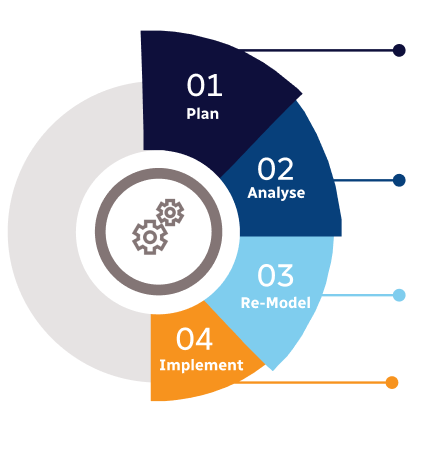
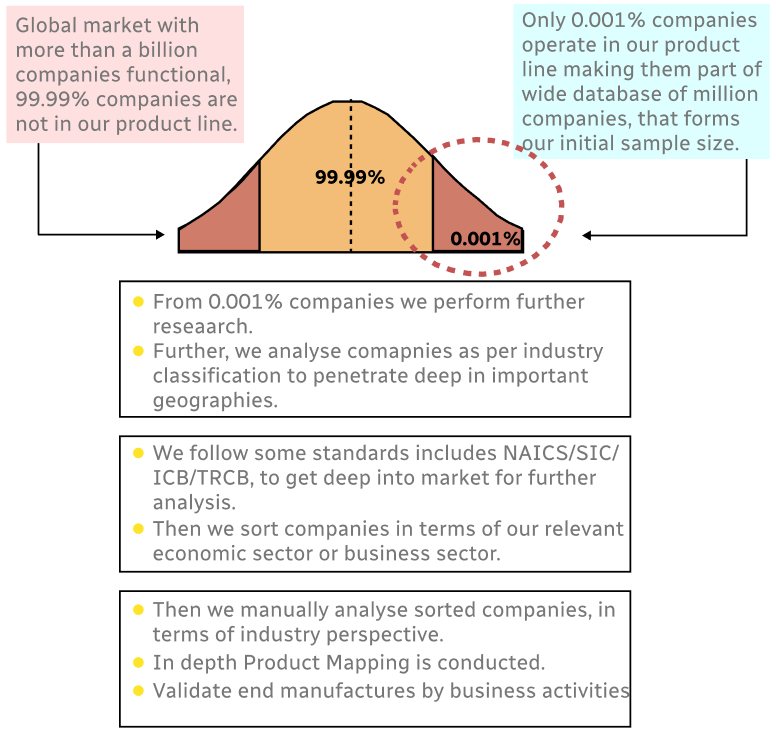
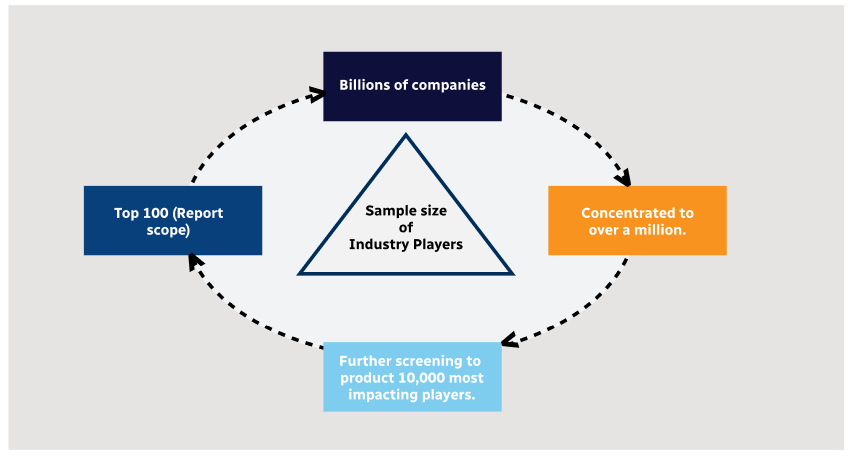
Step 1 - Identification of Relevant Samples Size from Population Database
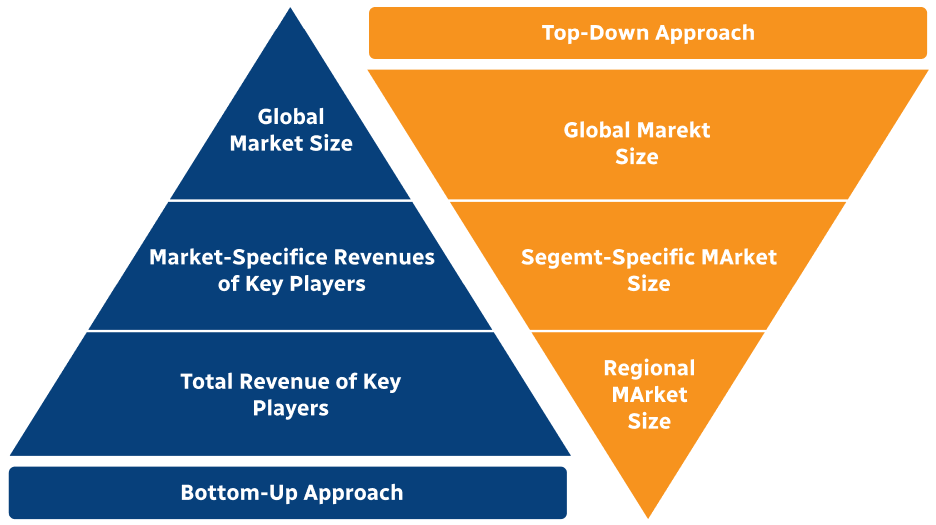
Step 2 - Approaches for Defining Global Market Size (Value, Volume* & Price*)
Note*: In applicable scenarios
Step 3 - Data Sources
Primary Research
- Web Analytics
- Survey Reports
- Research Institute
- Latest Research Reports
- Opinion Leaders
Secondary Research
- Annual Reports
- White Paper
- Latest Press Release
- Industry Association
- Paid Database
- Investor Presentations
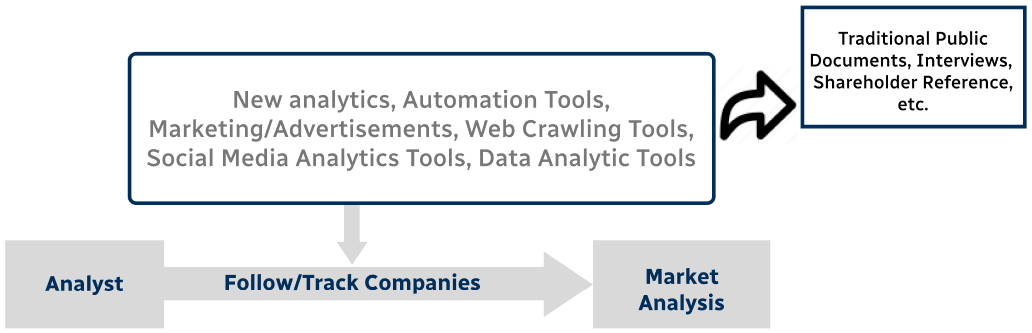
Step 4 - Data Triangulation
Involves using different sources of information in order to increase the validity of a study
These sources are likely to be stakeholders in a program - participants, other researchers, program staff, other community members, and so on.
Then we put all data in single framework & apply various statistical tools to find out the dynamic on the market.
During the analysis stage, feedback from the stakeholder groups would be compared to determine areas of agreement as well as areas of divergence


