



Key Insights
The Asia-Pacific Connected Cars Industry is poised for substantial growth, with a current market size estimated at 30.42 million units. This dynamic sector is projected to expand at a robust Compound Annual Growth Rate (CAGR) of 16.76% during the forecast period of 2025-2033. This remarkable expansion is fueled by a confluence of potent drivers, including rapid advancements in automotive technology, increasing consumer demand for in-car digital experiences, and supportive government initiatives promoting smart mobility. The burgeoning middle class across the region, particularly in countries like China and India, is driving higher adoption rates of new vehicles equipped with sophisticated connectivity features. Furthermore, the escalating focus on vehicle safety and efficiency, coupled with the widespread integration of advanced technologies such as AI, IoT, and 5G, is creating new avenues for market development. The competitive landscape is characterized by intense innovation, with key players investing heavily in research and development to introduce cutting-edge solutions across various segments.

Asia-Pacific Connected Cars Industry Market Size (In Million)

Key trends shaping the Asia-Pacific connected car market include the proliferation of advanced driver-assistance systems (ADAS), the growing demand for in-car infotainment and navigation services, and the increasing importance of vehicle-to-everything (V2X) communication for enhanced traffic management and safety. While the market is largely driven by Passenger Cars, Commercial Vehicles are also witnessing a surge in connectivity adoption, particularly in logistics and fleet management. The technology landscape is dominated by Navigation and Entertainment systems, with a significant uptick in Safety and Vehicle Management solutions. The Vehicle Connectivity segment is rapidly evolving, with V2X technologies holding immense promise for future mobility. Geographically, China and Japan are leading the market, followed closely by South Korea and India, due to their strong automotive manufacturing base and high adoption of digital technologies. Despite the significant growth, challenges such as cybersecurity concerns, data privacy issues, and the high cost of implementing advanced connectivity solutions may pose some restraints, but the overall outlook remains exceptionally positive.

Asia-Pacific Connected Cars Industry Company Market Share

Unlock unparalleled insights into the dynamic Asia-Pacific connected cars market with this comprehensive, data-driven report. Covering the study period from 2019 to 2033, with a base year of 2025 and a robust forecast period from 2025 to 2033, this report delves deep into the technologies, trends, and competitive landscape shaping the future of automotive connectivity in this rapidly expanding region. Discover how passenger cars and commercial vehicles are being redefined by navigation, entertainment, safety, vehicle management, and multimedia streaming technologies. Analyze the pivotal role of V2V, V2I, and V2X communication in creating intelligent transportation systems. This report provides actionable intelligence for OEMs and the aftermarket/replacement sectors, offering critical data on market size, growth drivers, and challenges.
Asia-Pacific Connected Cars Industry Market Structure & Competitive Dynamics
The Asia-Pacific connected cars industry is characterized by a moderately consolidated market structure, driven by significant R&D investments and strategic alliances. Key players are actively shaping innovation ecosystems through partnerships and internal development of advanced telematics and AI solutions. Regulatory frameworks are evolving, with a growing emphasis on data privacy, cybersecurity, and vehicle safety standards, influencing product development and market entry strategies. The threat of product substitutes is relatively low due to the specialized nature of connected car technologies, though advancements in aftermarket solutions present an evolving competitive dynamic. End-user trends are heavily influenced by the increasing demand for seamless digital integration in vehicles, personalized driving experiences, and advanced safety features, particularly in major economies like China and Japan. Merger and acquisition (M&A) activities are on the rise, with companies seeking to bolster their technological portfolios and market reach. For instance, significant M&A deal values are observed as Tier-1 suppliers and technology providers acquire specialized startups to accelerate their connected car offerings. Market share analysis reveals a competitive landscape where major automotive conglomerates and technology giants are vying for dominance, with substantial investments in R&D and global expansion.
Asia-Pacific Connected Cars Industry Industry Trends & Insights
The Asia-Pacific connected cars industry is experiencing a period of unprecedented growth, fueled by a confluence of technological advancements, escalating consumer demand for digital integration, and supportive government initiatives aimed at promoting smart mobility. A key driver of this expansion is the rapid adoption of 5G connectivity, enabling faster and more reliable data transmission for advanced features such as real-time traffic updates, over-the-air (OTA) software updates, and enhanced infotainment services. The increasing penetration of smartphones and the growing digital literacy of consumers across the region are further accelerating the demand for in-car connected experiences, mirroring the seamless connectivity they enjoy in their daily lives.
Technological disruptions are at the forefront, with significant investments in Artificial Intelligence (AI) and Machine Learning (ML) to personalize driver experiences, enhance predictive maintenance capabilities, and pave the way for autonomous driving. The development of sophisticated sensor technologies and advanced driver-assistance systems (ADAS) is intrinsically linked to the growth of connected cars, as these systems rely on constant data exchange for optimal performance and safety.
Consumer preferences are shifting towards vehicles that offer a holistic digital ecosystem, encompassing intuitive navigation, immersive entertainment options, robust safety features, and efficient vehicle management tools. The desire for personalized services, such as customized music streaming, proactive vehicle diagnostics, and remote vehicle control, is becoming a significant purchasing factor. This evolving consumer demand is pushing automakers to integrate more sophisticated software and hardware into their vehicle offerings, thereby driving innovation and market penetration.
The competitive dynamics within the industry are intensifying, with traditional automotive manufacturers collaborating with technology giants and specialized automotive software companies. This collaborative approach is crucial for developing complex integrated systems and addressing the diverse needs of the Asia-Pacific market, which includes both developed economies with high disposable incomes and emerging markets with a rapidly growing middle class. The projected Compound Annual Growth Rate (CAGR) for the Asia-Pacific connected cars market is substantial, indicating a robust upward trajectory in the coming years as connectivity becomes an indispensable aspect of the automotive experience. The increasing market penetration of connected car features across various vehicle segments signifies a maturing market ripe for further innovation and investment.
Dominant Markets & Segments in Asia-Pacific Connected Cars Industry
The Asia-Pacific connected cars industry is experiencing significant growth and diversification across various segments. China stands out as the dominant market, driven by its massive automotive production and consumption, rapid technological adoption, and government support for smart city initiatives and electric vehicles (EVs). Government policies promoting innovation in autonomous driving and connectivity, coupled with a vast consumer base eager for advanced features, have cemented China's leading position.
Within Vehicle Type, Passenger Cars represent the largest segment. This dominance is attributed to the sheer volume of passenger vehicle sales and the increasing consumer expectation for connected features that enhance convenience, safety, and entertainment. As disposable incomes rise across the region, consumers are increasingly prioritizing advanced technological offerings in their personal vehicles. Commercial Vehicles are also emerging as a significant segment, driven by the demand for fleet management solutions, real-time logistics tracking, and improved operational efficiency. The integration of connected technologies in commercial fleets allows for optimized routing, reduced fuel consumption, and enhanced safety for drivers and goods.
In terms of Technology Type, Safety features, including advanced driver-assistance systems (ADAS) and real-time hazard alerts, are a primary growth driver. Consumers are increasingly willing to invest in technologies that enhance their personal safety and the safety of their families. Navigation systems, enhanced with real-time traffic data and AI-powered route optimization, continue to be a core connected car feature, providing essential functionality for daily commuting and long-distance travel. Entertainment services, such as integrated infotainment systems, premium audio streaming, and in-car gaming, are gaining traction as consumers seek to enhance their in-car experience, especially during longer journeys. Vehicle Management technologies, including remote diagnostics, predictive maintenance, and over-the-air (OTA) updates, are crucial for both OEMs and consumers, enabling proactive issue resolution and continuous improvement of vehicle performance.
Regarding Vehicle Connectivity, Vehicle-to-Everything (V2X) communication, encompassing Vehicle-to-Vehicle (V2V) and Vehicle-to-Infrastructure (V2I), is poised for substantial growth. This advanced connectivity enables vehicles to communicate with each other and with traffic infrastructure, paving the way for enhanced traffic flow, accident prevention, and the eventual realization of fully autonomous driving. The development of smart cities and intelligent transportation systems across the region will significantly boost the adoption of V2X technologies.
In the End-User Type landscape, the Original Equipment Manufacturer (OEM) segment dominates. OEMs are actively integrating connected car technologies into their new vehicle models, driving the primary market for these solutions. However, the Aftermarket/Replacement segment is also experiencing robust growth as consumers seek to upgrade older vehicles with connected features or replace worn-out components with advanced, connected alternatives. The increasing demand for retrofitting connectivity solutions in existing vehicle fleets presents a significant opportunity for aftermarket players.
Asia-Pacific Connected Cars Industry Product Innovations
The Asia-Pacific connected cars industry is witnessing a rapid evolution of product innovations centered around enhanced user experience and intelligent vehicle functionality. Advancements in AI and machine learning are powering more intuitive voice assistants and personalized infotainment systems, adapting to individual driver preferences. Over-the-air (OTA) software updates are becoming standard, allowing for continuous improvement of vehicle performance, introduction of new features, and critical security patching without the need for dealership visits. The integration of advanced driver-assistance systems (ADAS) with cloud-based connectivity is enabling real-time hazard detection, predictive safety alerts, and cooperative maneuvering between vehicles. Furthermore, the development of seamless integration with smart home ecosystems and wearable devices is creating a holistic digital experience extending beyond the vehicle. These innovations provide significant competitive advantages by enhancing safety, convenience, and driver engagement, catering to the evolving demands of the Asia-Pacific automotive market.
Report Segmentation & Scope
This report provides a granular analysis of the Asia-Pacific Connected Cars Industry segmented across several key dimensions to offer comprehensive market intelligence. The Vehicle Type segmentation includes in-depth analysis of Passenger Cars and Commercial Vehicles, examining their distinct adoption rates, feature demands, and market sizes. The Technology Type segmentation covers Navigation, Entertainment, Safety, Vehicle Management, and Others (Multimedia Streaming etc.), detailing the market share and growth projections for each. Within Vehicle Connectivity, the report dissects the market for Vehicle-to-Vehicle (V2V), Vehicle-to-Infrastructure (V2I), and Vehicle-to-Everything (V2X), highlighting their current penetration and future potential. Finally, the End-User Type segmentation analyzes the dynamics between Original Equipment Manufacturer (OEM) and Aftermarket/Replacement markets, identifying key growth opportunities and competitive landscapes within each. Each segment is analyzed with projected market sizes and a discussion of its specific competitive dynamics.
Key Drivers of Asia-Pacific Connected Cars Industry Growth
The Asia-Pacific connected cars industry is propelled by several potent growth drivers. Rapid technological advancements, particularly in 5G connectivity, AI, and IoT, are fundamental enablers. Governments across the region are actively promoting smart city initiatives and digitalization, creating a conducive environment for connected vehicle adoption. Escalating consumer demand for enhanced safety, convenience, and personalized in-car experiences is a significant market pull. Furthermore, the burgeoning electric vehicle (EV) market, with its inherent reliance on connectivity for battery management and charging infrastructure, is further fueling the growth of connected car technologies.
Challenges in the Asia-Pacific Connected Cars Industry Sector
Despite its robust growth, the Asia-Pacific connected cars industry faces several challenges. Evolving and often fragmented regulatory landscapes regarding data privacy, cybersecurity, and interoperability across different countries can hinder seamless integration and market expansion. Significant investments are required for the development and deployment of advanced connectivity infrastructure, particularly in rural areas. Supply chain disruptions for critical semiconductor components continue to pose a risk to production volumes and cost management. Intense competitive pressures from established automotive players and agile tech companies necessitate continuous innovation and strategic partnerships to maintain market share.
Leading Players in the Asia-Pacific Connected Cars Industry Market
- Hyundai Motor Group
- Mercedes Benz Group AG
- Denso Corporation
- TomTom N V
- NVIDIA Corp
- ZF Friedrichshafen
- Aptiv PLC
- NXP Semiconductors
- Harman International
- Continental AG
- BMW AG
- Robert Bosch GmbH
- SAIC Motor Corporation
- Audi AG
- Volvo AB
- Airbiquity Inc
Key Developments in Asia-Pacific Connected Cars Industry Sector
- June 2023: Hyundai Motor Group, a multinational automotive manufacturer based out of South Korea, announced that its connected car services reached 10 million subscribers, owing to the growth in overseas subscribers using Bluelink, Kia Connect, and Genesis Connected Services. The company further stated that it expected that its connected car services would reach 20 million subscribers by the end of 2026. This milestone highlights the strong consumer adoption of integrated vehicle services and the company's strategic focus on expanding its connected ecosystem globally, influencing competitor strategies and subscriber acquisition benchmarks.
- April 2023: MG Motor India announced the launch of its latest Comet electric vehicle model at an introductory price of INR 7.98 lakh (USD 9,608), which is equipped with an inbuilt iSmart system that supports over 55 connected car features and over 100 voice commands. This launch underscores the growing demand for affordable yet feature-rich connected EVs in emerging markets, driving innovation in accessible smart mobility solutions and setting new benchmarks for in-car connectivity in budget-friendly segments.
- September 2022: Hyundai Motor Group and KT Corporation signed a joint venture to focus on next-generation infrastructure and ICT, including 6G autonomous driving technology and Advanced Air Mobility (AAM) communication networks based on satellite communication. This strategic partnership signals a forward-looking approach to developing the foundational technologies for future mobility, including highly autonomous vehicles and novel air transport systems, influencing long-term R&D priorities and shaping the future landscape of vehicle-to-everything communication.
Strategic Asia-Pacific Connected Cars Industry Market Outlook
The strategic outlook for the Asia-Pacific connected cars industry remains exceptionally strong, driven by the accelerating convergence of automotive and digital technologies. Key growth accelerators include the expanding electric vehicle ecosystem, government-led smart city initiatives, and the continuous innovation in AI-powered in-car experiences. Opportunities lie in developing localized connected services that cater to diverse regional preferences, enhancing cybersecurity frameworks to build consumer trust, and fostering stronger collaborations between automakers, technology providers, and telecommunication companies. The future market potential is immense, with connected car functionalities evolving from mere conveniences to essential components of safe, efficient, and personalized mobility, positioning the Asia-Pacific region as a global leader in shaping the automotive landscape.
Asia-Pacific Connected Cars Industry Segmentation
-
1. Vehicle Type
- 1.1. Passenger Cars
- 1.2. Commercial Vehicles
-
2. Technology Type
- 2.1. Navigation
- 2.2. Entertainment
- 2.3. Safety
- 2.4. Vehicle Management
- 2.5. Others (Multimedia Streaming etc.)
-
3. Vehicle Connectivity
- 3.1. Vehicle-to-Vehicle (V2V)
- 3.2. Vehicle-to-Infrastructure (V2I)
- 3.3. Vehicle-to-Everything (V2X)
-
4. End-User Type
- 4.1. Original Equipment Manufacturer (OEM)
- 4.2. Aftermarket/Replacement
Asia-Pacific Connected Cars Industry Segmentation By Geography
-
1. Asia Pacific
- 1.1. China
- 1.2. Japan
- 1.3. South Korea
- 1.4. India
- 1.5. Australia
- 1.6. New Zealand
- 1.7. Indonesia
- 1.8. Malaysia
- 1.9. Singapore
- 1.10. Thailand
- 1.11. Vietnam
- 1.12. Philippines

Asia-Pacific Connected Cars Industry Regional Market Share

Geographic Coverage of Asia-Pacific Connected Cars Industry
Asia-Pacific Connected Cars Industry REPORT HIGHLIGHTS
| Aspects | Details |
|---|---|
| Study Period | 2020-2034 |
| Base Year | 2025 |
| Estimated Year | 2026 |
| Forecast Period | 2026-2034 |
| Historical Period | 2020-2025 |
| Growth Rate | CAGR of 16.76% from 2020-2034 |
| Segmentation |
|
Table of Contents
- 1. Introduction
- 1.1. Research Scope
- 1.2. Market Segmentation
- 1.3. Research Methodology
- 1.4. Definitions and Assumptions
- 2. Executive Summary
- 2.1. Introduction
- 3. Market Dynamics
- 3.1. Introduction
- 3.2. Market Drivers
- 3.2.1. Increasing Demand for Vehicle Safety and User Convenience
- 3.3. Market Restrains
- 3.3.1. Vulnerability to Cyber Attacks
- 3.4. Market Trends
- 3.4.1. Integrated Navigation System to gain significant Traction in the coming years
- 4. Market Factor Analysis
- 4.1. Porters Five Forces
- 4.2. Supply/Value Chain
- 4.3. PESTEL analysis
- 4.4. Market Entropy
- 4.5. Patent/Trademark Analysis
- 5. Asia-Pacific Connected Cars Industry Analysis, Insights and Forecast, 2020-2032
- 5.1. Market Analysis, Insights and Forecast - by Vehicle Type
- 5.1.1. Passenger Cars
- 5.1.2. Commercial Vehicles
- 5.2. Market Analysis, Insights and Forecast - by Technology Type
- 5.2.1. Navigation
- 5.2.2. Entertainment
- 5.2.3. Safety
- 5.2.4. Vehicle Management
- 5.2.5. Others (Multimedia Streaming etc.)
- 5.3. Market Analysis, Insights and Forecast - by Vehicle Connectivity
- 5.3.1. Vehicle-to-Vehicle (V2V)
- 5.3.2. Vehicle-to-Infrastructure (V2I)
- 5.3.3. Vehicle-to-Everything (V2X)
- 5.4. Market Analysis, Insights and Forecast - by End-User Type
- 5.4.1. Original Equipment Manufacturer (OEM)
- 5.4.2. Aftermarket/Replacement
- 5.5. Market Analysis, Insights and Forecast - by Region
- 5.5.1. Asia Pacific
- 5.1. Market Analysis, Insights and Forecast - by Vehicle Type
- 6. Competitive Analysis
- 6.1. Market Share Analysis 2025
- 6.2. Company Profiles
- 6.2.1 Hyundai Motor Group
- 6.2.1.1. Overview
- 6.2.1.2. Products
- 6.2.1.3. SWOT Analysis
- 6.2.1.4. Recent Developments
- 6.2.1.5. Financials (Based on Availability)
- 6.2.2 Mercedes Benz Group AG
- 6.2.2.1. Overview
- 6.2.2.2. Products
- 6.2.2.3. SWOT Analysis
- 6.2.2.4. Recent Developments
- 6.2.2.5. Financials (Based on Availability)
- 6.2.3 Denso Corporation
- 6.2.3.1. Overview
- 6.2.3.2. Products
- 6.2.3.3. SWOT Analysis
- 6.2.3.4. Recent Developments
- 6.2.3.5. Financials (Based on Availability)
- 6.2.4 TomTom N V
- 6.2.4.1. Overview
- 6.2.4.2. Products
- 6.2.4.3. SWOT Analysis
- 6.2.4.4. Recent Developments
- 6.2.4.5. Financials (Based on Availability)
- 6.2.5 NVIDIA Corp
- 6.2.5.1. Overview
- 6.2.5.2. Products
- 6.2.5.3. SWOT Analysis
- 6.2.5.4. Recent Developments
- 6.2.5.5. Financials (Based on Availability)
- 6.2.6 ZF Friedrichshafen
- 6.2.6.1. Overview
- 6.2.6.2. Products
- 6.2.6.3. SWOT Analysis
- 6.2.6.4. Recent Developments
- 6.2.6.5. Financials (Based on Availability)
- 6.2.7 Aptiv PLC
- 6.2.7.1. Overview
- 6.2.7.2. Products
- 6.2.7.3. SWOT Analysis
- 6.2.7.4. Recent Developments
- 6.2.7.5. Financials (Based on Availability)
- 6.2.8 NXP Semiconductors
- 6.2.8.1. Overview
- 6.2.8.2. Products
- 6.2.8.3. SWOT Analysis
- 6.2.8.4. Recent Developments
- 6.2.8.5. Financials (Based on Availability)
- 6.2.9 Harman International
- 6.2.9.1. Overview
- 6.2.9.2. Products
- 6.2.9.3. SWOT Analysis
- 6.2.9.4. Recent Developments
- 6.2.9.5. Financials (Based on Availability)
- 6.2.10 Continental AG
- 6.2.10.1. Overview
- 6.2.10.2. Products
- 6.2.10.3. SWOT Analysis
- 6.2.10.4. Recent Developments
- 6.2.10.5. Financials (Based on Availability)
- 6.2.11 BMW AG
- 6.2.11.1. Overview
- 6.2.11.2. Products
- 6.2.11.3. SWOT Analysis
- 6.2.11.4. Recent Developments
- 6.2.11.5. Financials (Based on Availability)
- 6.2.12 Robert Bosch GmbH
- 6.2.12.1. Overview
- 6.2.12.2. Products
- 6.2.12.3. SWOT Analysis
- 6.2.12.4. Recent Developments
- 6.2.12.5. Financials (Based on Availability)
- 6.2.13 SAIC Motor Corporation
- 6.2.13.1. Overview
- 6.2.13.2. Products
- 6.2.13.3. SWOT Analysis
- 6.2.13.4. Recent Developments
- 6.2.13.5. Financials (Based on Availability)
- 6.2.14 Audi AG
- 6.2.14.1. Overview
- 6.2.14.2. Products
- 6.2.14.3. SWOT Analysis
- 6.2.14.4. Recent Developments
- 6.2.14.5. Financials (Based on Availability)
- 6.2.15 Volvo AB
- 6.2.15.1. Overview
- 6.2.15.2. Products
- 6.2.15.3. SWOT Analysis
- 6.2.15.4. Recent Developments
- 6.2.15.5. Financials (Based on Availability)
- 6.2.16 Airbiquity In
- 6.2.16.1. Overview
- 6.2.16.2. Products
- 6.2.16.3. SWOT Analysis
- 6.2.16.4. Recent Developments
- 6.2.16.5. Financials (Based on Availability)
- 6.2.1 Hyundai Motor Group
List of Figures
- Figure 1: Asia-Pacific Connected Cars Industry Revenue Breakdown (Million, %) by Product 2025 & 2033
- Figure 2: Asia-Pacific Connected Cars Industry Share (%) by Company 2025
List of Tables
- Table 1: Asia-Pacific Connected Cars Industry Revenue Million Forecast, by Vehicle Type 2020 & 2033
- Table 2: Asia-Pacific Connected Cars Industry Revenue Million Forecast, by Technology Type 2020 & 2033
- Table 3: Asia-Pacific Connected Cars Industry Revenue Million Forecast, by Vehicle Connectivity 2020 & 2033
- Table 4: Asia-Pacific Connected Cars Industry Revenue Million Forecast, by End-User Type 2020 & 2033
- Table 5: Asia-Pacific Connected Cars Industry Revenue Million Forecast, by Region 2020 & 2033
- Table 6: Asia-Pacific Connected Cars Industry Revenue Million Forecast, by Vehicle Type 2020 & 2033
- Table 7: Asia-Pacific Connected Cars Industry Revenue Million Forecast, by Technology Type 2020 & 2033
- Table 8: Asia-Pacific Connected Cars Industry Revenue Million Forecast, by Vehicle Connectivity 2020 & 2033
- Table 9: Asia-Pacific Connected Cars Industry Revenue Million Forecast, by End-User Type 2020 & 2033
- Table 10: Asia-Pacific Connected Cars Industry Revenue Million Forecast, by Country 2020 & 2033
- Table 11: China Asia-Pacific Connected Cars Industry Revenue (Million) Forecast, by Application 2020 & 2033
- Table 12: Japan Asia-Pacific Connected Cars Industry Revenue (Million) Forecast, by Application 2020 & 2033
- Table 13: South Korea Asia-Pacific Connected Cars Industry Revenue (Million) Forecast, by Application 2020 & 2033
- Table 14: India Asia-Pacific Connected Cars Industry Revenue (Million) Forecast, by Application 2020 & 2033
- Table 15: Australia Asia-Pacific Connected Cars Industry Revenue (Million) Forecast, by Application 2020 & 2033
- Table 16: New Zealand Asia-Pacific Connected Cars Industry Revenue (Million) Forecast, by Application 2020 & 2033
- Table 17: Indonesia Asia-Pacific Connected Cars Industry Revenue (Million) Forecast, by Application 2020 & 2033
- Table 18: Malaysia Asia-Pacific Connected Cars Industry Revenue (Million) Forecast, by Application 2020 & 2033
- Table 19: Singapore Asia-Pacific Connected Cars Industry Revenue (Million) Forecast, by Application 2020 & 2033
- Table 20: Thailand Asia-Pacific Connected Cars Industry Revenue (Million) Forecast, by Application 2020 & 2033
- Table 21: Vietnam Asia-Pacific Connected Cars Industry Revenue (Million) Forecast, by Application 2020 & 2033
- Table 22: Philippines Asia-Pacific Connected Cars Industry Revenue (Million) Forecast, by Application 2020 & 2033
Frequently Asked Questions
1. What is the projected Compound Annual Growth Rate (CAGR) of the Asia-Pacific Connected Cars Industry?
The projected CAGR is approximately 16.76%.
2. Which companies are prominent players in the Asia-Pacific Connected Cars Industry?
Key companies in the market include Hyundai Motor Group, Mercedes Benz Group AG, Denso Corporation, TomTom N V, NVIDIA Corp, ZF Friedrichshafen, Aptiv PLC, NXP Semiconductors, Harman International, Continental AG, BMW AG, Robert Bosch GmbH, SAIC Motor Corporation, Audi AG, Volvo AB, Airbiquity In.
3. What are the main segments of the Asia-Pacific Connected Cars Industry?
The market segments include Vehicle Type, Technology Type, Vehicle Connectivity, End-User Type.
4. Can you provide details about the market size?
The market size is estimated to be USD 30.42 Million as of 2022.
5. What are some drivers contributing to market growth?
Increasing Demand for Vehicle Safety and User Convenience.
6. What are the notable trends driving market growth?
Integrated Navigation System to gain significant Traction in the coming years.
7. Are there any restraints impacting market growth?
Vulnerability to Cyber Attacks.
8. Can you provide examples of recent developments in the market?
June 2023: Hyundai Motor Group, a multinational automotive manufacturer based out of South Korea, announced that its connected car services reached 10 million subscribers, owing to the growth in overseas subscribers using Bluelink, Kia Connect, and Genesis Connected Services. The company further stated that it expected that its connected car services would reach 20 million subscribers by the end of 2026.
9. What pricing options are available for accessing the report?
Pricing options include single-user, multi-user, and enterprise licenses priced at USD 3800, USD 4500, and USD 5800 respectively.
10. Is the market size provided in terms of value or volume?
The market size is provided in terms of value, measured in Million.
11. Are there any specific market keywords associated with the report?
Yes, the market keyword associated with the report is "Asia-Pacific Connected Cars Industry," which aids in identifying and referencing the specific market segment covered.
12. How do I determine which pricing option suits my needs best?
The pricing options vary based on user requirements and access needs. Individual users may opt for single-user licenses, while businesses requiring broader access may choose multi-user or enterprise licenses for cost-effective access to the report.
13. Are there any additional resources or data provided in the Asia-Pacific Connected Cars Industry report?
While the report offers comprehensive insights, it's advisable to review the specific contents or supplementary materials provided to ascertain if additional resources or data are available.
14. How can I stay updated on further developments or reports in the Asia-Pacific Connected Cars Industry?
To stay informed about further developments, trends, and reports in the Asia-Pacific Connected Cars Industry, consider subscribing to industry newsletters, following relevant companies and organizations, or regularly checking reputable industry news sources and publications.
Methodology
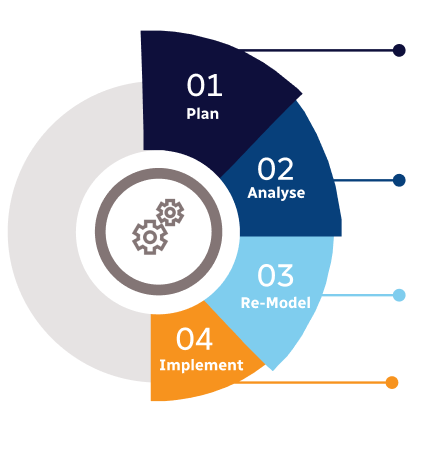
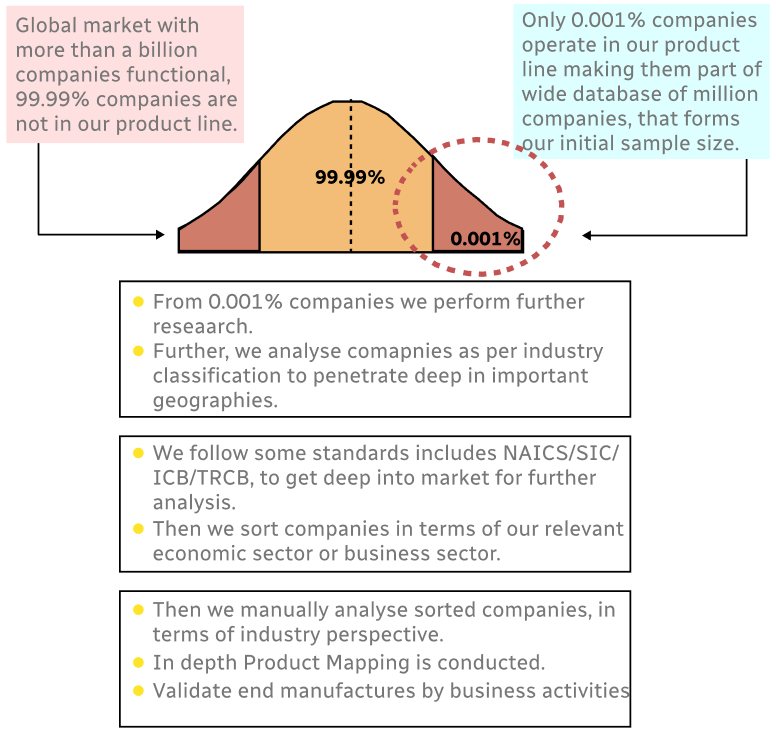
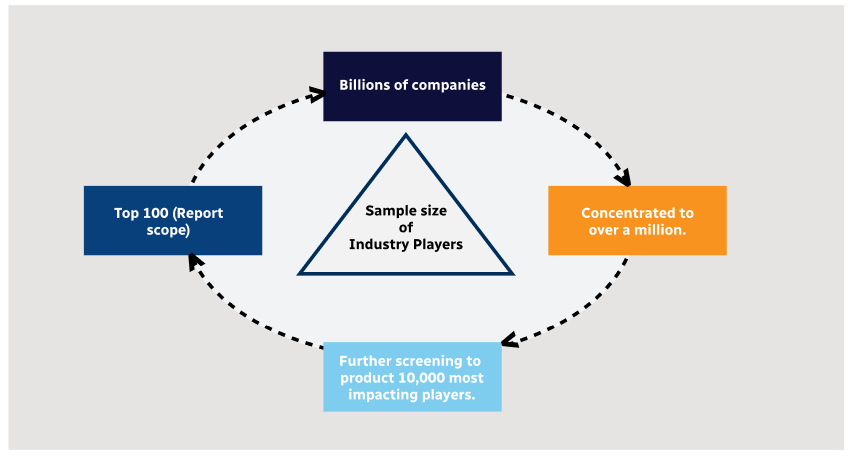
Step 1 - Identification of Relevant Samples Size from Population Database
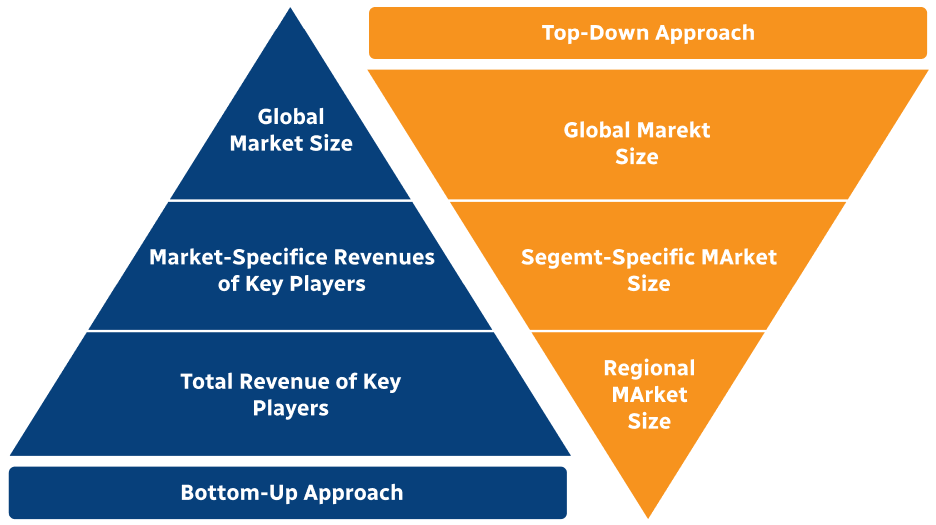
Step 2 - Approaches for Defining Global Market Size (Value, Volume* & Price*)
Note*: In applicable scenarios
Step 3 - Data Sources
Primary Research
- Web Analytics
- Survey Reports
- Research Institute
- Latest Research Reports
- Opinion Leaders
Secondary Research
- Annual Reports
- White Paper
- Latest Press Release
- Industry Association
- Paid Database
- Investor Presentations
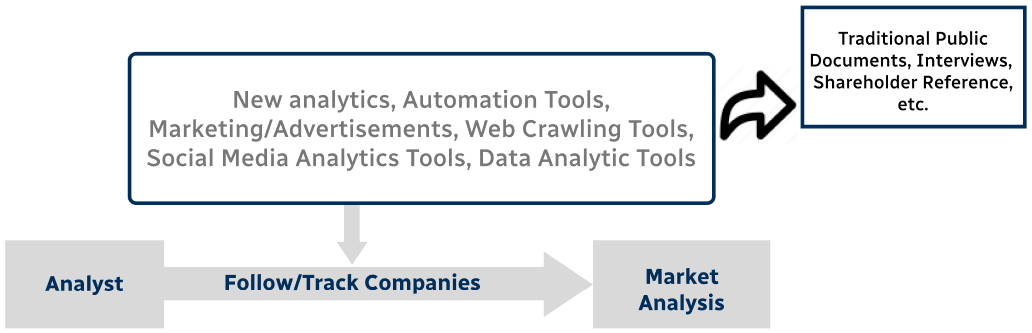
Step 4 - Data Triangulation
Involves using different sources of information in order to increase the validity of a study
These sources are likely to be stakeholders in a program - participants, other researchers, program staff, other community members, and so on.
Then we put all data in single framework & apply various statistical tools to find out the dynamic on the market.
During the analysis stage, feedback from the stakeholder groups would be compared to determine areas of agreement as well as areas of divergence


