
Key Insights
The global Active Pharmaceutical Ingredient (API) market is poised for robust expansion, projected to reach an estimated market size of $280 billion in 2025, exhibiting a Compound Annual Growth Rate (CAGR) of 7.2% through 2033. This significant growth is primarily fueled by the escalating prevalence of chronic diseases, including oncology, cardiovascular conditions, and diabetes, which necessitate a consistent and growing supply of APIs for drug manufacturing. The increasing demand for innovative treatments and the continuous development of new drug formulations further bolster market expansion. Furthermore, the growing generic drug market, driven by healthcare cost containment initiatives and the expiry of patents for blockbuster drugs, significantly contributes to the demand for generic APIs, presenting substantial opportunities for market players. Emerging economies, with their expanding healthcare infrastructure and rising disposable incomes, are also becoming key consumers of APIs, further accelerating market growth.
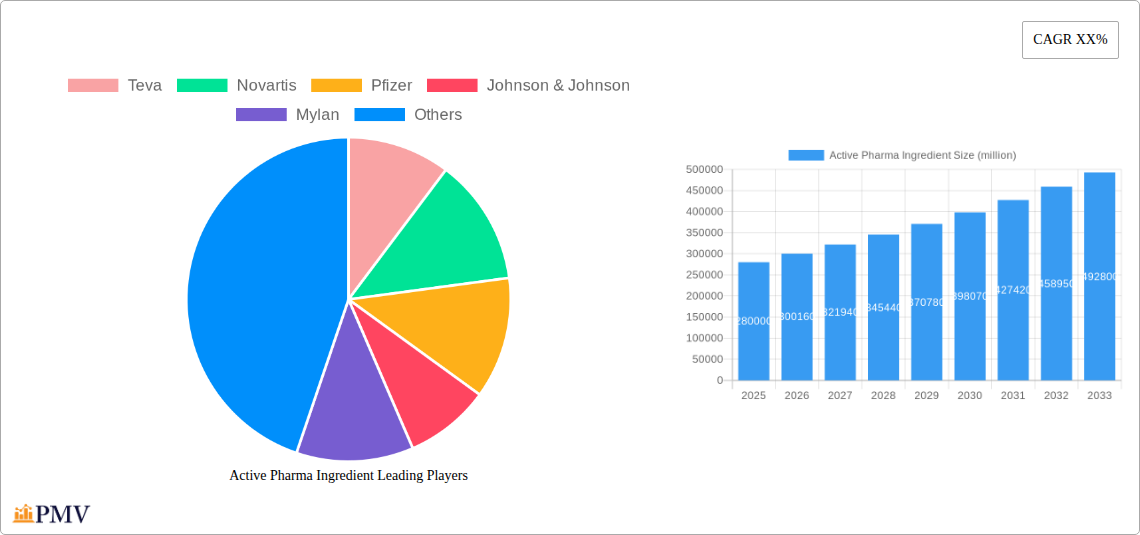
Active Pharma Ingredient Market Size (In Billion)

The API market is characterized by a dynamic interplay of drivers and restraints. Key drivers include the rising global burden of diseases, advancements in pharmaceutical research and development leading to new API discoveries, and government initiatives promoting domestic API production. The trend towards biologics and biosimilars is also a significant factor shaping the market. However, the industry faces challenges such as stringent regulatory requirements for API manufacturing and approval, complex supply chain management, and increasing price pressure from generic drug manufacturers and healthcare payers. Nevertheless, the sustained investment in R&D by major pharmaceutical companies and the strategic collaborations and acquisitions among API manufacturers are expected to mitigate these restraints and pave the way for continued market growth. Innovations in API synthesis and manufacturing technologies, alongside a focus on improving cost-effectiveness, will be crucial for companies to maintain a competitive edge.
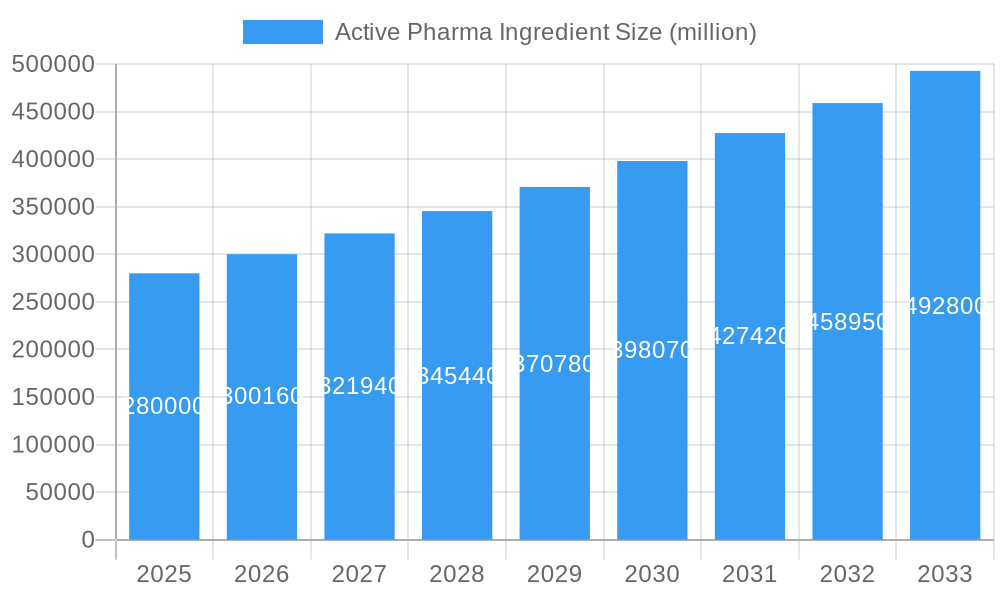
Active Pharma Ingredient Company Market Share
Comprehensive Active Pharma Ingredient Market Report: Driving Innovation and Growth (2019-2033)
This in-depth market research report provides a meticulous analysis of the global Active Pharmaceutical Ingredient (API) market, offering critical insights into its structure, trends, and future trajectory. Spanning the historical period of 2019–2024, base year of 2025, and forecast period of 2025–2033, this report is an indispensable resource for stakeholders seeking to navigate the complexities of this dynamic industry. We delve deep into market concentration, innovation ecosystems, regulatory landscapes, product substitutes, end-user behaviors, and mergers and acquisitions (M&A) activities. Essential metrics such as market share percentages and M&A deal values in the millions of USD are incorporated for a quantifiable understanding. Our analysis is structured to deliver actionable intelligence, empowering strategic decision-making within the pharmaceutical sector.
Active Pharma Ingredient Market Structure & Competitive Dynamics
The global Active Pharmaceutical Ingredient (API) market is characterized by a moderately concentrated structure, with key players like Teva, Novartis, Pfizer, Johnson & Johnson, and Mylan holding significant market share. The innovation ecosystem is robust, driven by extensive R&D investments aimed at developing novel therapies and optimizing manufacturing processes for both Innovative Active Pharmaceutical Ingredients and Generic Active Pharmaceutical Ingredients. Regulatory frameworks, primarily dictated by bodies like the FDA and EMA, play a crucial role in market entry and product approval, impacting competitive dynamics. Product substitutes are relatively limited due to the specialized nature of APIs, but advancements in drug delivery systems and formulation technologies can indirectly influence demand. End-user trends lean towards a greater demand for APIs for Oncology, Cardiovascular Disease, and Diabetes, reflecting global health priorities. M&A activities are prevalent, with major deals valued in the hundreds of millions to billions of USD, aiming to consolidate market positions and expand product portfolios. For instance, strategic acquisitions of smaller biotech firms specializing in niche APIs are common.
- Market Concentration: Moderate, with a few dominant global players.
- Innovation Ecosystem: Driven by R&D, process optimization, and new molecule development.
- Regulatory Frameworks: Stringent, influencing market access and product lifecycle.
- Product Substitutes: Limited, but formulation and delivery advancements play a role.
- End-User Trends: High demand from oncology, cardiovascular, and diabetes segments.
- M&A Activities: Active, with significant deal values in the millions to billions of USD.
Active Pharma Ingredient Industry Trends & Insights
The Active Pharmaceutical Ingredient (API) industry is experiencing robust growth, projected to expand at a compound annual growth rate (CAGR) of approximately 7.5% from 2025 to 2033. This growth is primarily fueled by the increasing global prevalence of chronic diseases, rising healthcare expenditure, and the expanding pipeline of new drug discoveries. Technological disruptions are at the forefront, with significant advancements in areas like continuous manufacturing, bioconjugation, and peptide synthesis revolutionizing API production. These technologies are enhancing efficiency, reducing costs, and improving the quality and purity of APIs. Consumer preferences are shifting towards personalized medicine and targeted therapies, driving demand for highly specific and potent APIs. The competitive landscape is intensifying, with established pharmaceutical giants and emerging biopharmaceutical companies vying for market dominance. Strategic collaborations and partnerships are becoming increasingly common to leverage specialized expertise and accelerate drug development. The market penetration of biosimilars and generics is also contributing to market expansion by increasing accessibility to essential medications. The increasing focus on Central Nervous System and Neurological Disorders, Endocrinology, and Other Therapeutic Applications also presents significant growth avenues. Market penetration is expected to reach over 85% for established therapeutic areas by the end of the forecast period.
Dominant Markets & Segments in Active Pharma Ingredient
The global Active Pharmaceutical Ingredient (API) market showcases dominance in specific regions and application segments. North America and Europe currently lead in market share due to well-established pharmaceutical industries, robust R&D infrastructure, and high healthcare spending. However, the Asia-Pacific region, particularly China and India, is emerging as a manufacturing powerhouse and a significant growth driver, driven by lower manufacturing costs and increasing government support for the pharmaceutical sector.
Application Dominance:
- Oncology: This segment holds the largest market share, driven by the rising incidence of cancer worldwide and the continuous development of novel cancer therapies. Key drivers include increased research funding, a growing pipeline of targeted therapies and immunotherapies, and favorable reimbursement policies for cancer treatments. Companies like Roche, Pfizer, and Johnson & Johnson are major contributors to this segment.
- Cardiovascular Disease: Remains a critical area with a substantial market share, fueled by the aging global population and the increasing prevalence of heart-related ailments. The demand for effective cardiovascular APIs is consistently high, supported by ongoing innovations in treatment.
- Diabetes: The escalating global diabetes epidemic, coupled with advancements in diabetes management, positions this segment for sustained growth. Demand for APIs used in oral antidiabetic drugs and insulin therapies remains robust.
- Central Nervous System and Neurological Disorders: This segment is gaining significant traction due to increased understanding of neurological diseases and a growing pipeline of treatments for conditions like Alzheimer's, Parkinson's, and depression.
- Endocrinology: Driven by the rising incidence of hormonal imbalances and metabolic disorders, this segment is experiencing steady growth.
- Other Therapeutic Applications: This broad category encompasses APIs for infectious diseases, respiratory disorders, and gastrointestinal issues, all contributing to market volume.
Type Dominance:
- Generic Active Pharmaceutical Ingredients: This segment commands a larger market share due to the expiration of patents for blockbuster drugs, leading to increased production of cost-effective generic alternatives. Companies like Mylan, Aurobindo Pharma, and Sun Pharmaceutical Industries are key players.
- Innovative Active Pharmaceutical Ingredients: While holding a smaller market share, this segment is characterized by high growth potential, driven by the development of novel chemical entities and biologics.
Active Pharma Ingredient Product Innovations
The API market is witnessing continuous product innovation, focusing on enhancing efficacy, safety, and patient compliance. Advancements in synthetic chemistry and biotechnology are enabling the development of more potent and targeted APIs for complex diseases like cancer and neurological disorders. Companies are investing in novel drug delivery systems, such as nanoparticle-based APIs and long-acting injectables, to improve therapeutic outcomes. The growing demand for biologics and biosimilars is also spurring innovation in bioprocessing and large-molecule API manufacturing. Competitive advantages are derived from proprietary manufacturing processes, intellectual property protection, and the ability to achieve high purity and yield.
Report Segmentation & Scope
This report meticulously segments the Active Pharmaceutical Ingredient (API) market to provide granular insights into its diverse components. The segmentation is structured across key application areas and API types.
Application Segmentation:
- Oncology: This segment is projected to witness substantial growth, driven by ongoing research and development in cancer therapeutics.
- Cardiovascular Disease: A mature but consistently growing segment, fueled by the persistent burden of cardiovascular ailments.
- Diabetes: Experiencing significant expansion due to the rising global diabetes prevalence.
- Central Nervous System and Neurological Disorders: This segment is anticipated to see robust growth, driven by advancements in understanding and treating complex neurological conditions.
- Endocrinology: A steadily growing segment, influenced by the increasing diagnosis of hormonal and metabolic disorders.
- Other Therapeutic Applications: This includes a wide range of therapeutic areas, contributing to overall market volume and diversity.
Type Segmentation:
- Innovative Active Pharmaceutical Ingredients: This segment, though smaller in market share, exhibits higher growth rates due to continuous R&D and the introduction of new drug entities.
- Generic Active Pharmaceutical Ingredients: This segment continues to dominate the market share due to patent expiries and the demand for cost-effective medications.
Key Drivers of Active Pharma Ingredient Growth
The growth of the Active Pharmaceutical Ingredient (API) market is propelled by several interconnected factors.
- Technological Advancements: Innovations in chemical synthesis, biotechnology, and continuous manufacturing processes are enhancing efficiency, reducing costs, and improving API quality.
- Increasing Disease Prevalence: The rising global incidence of chronic diseases such as cancer, diabetes, and cardiovascular disorders directly fuels the demand for essential APIs.
- Growing Healthcare Expenditure: Increased investment in healthcare infrastructure and access to advanced medical treatments globally contributes to higher API consumption.
- Favorable Regulatory Environments: Supportive government policies and streamlined approval processes for new drugs and generics encourage API manufacturing and innovation.
- Outsourcing Trends: The increasing practice of outsourcing API manufacturing to contract development and manufacturing organizations (CDMOs) in cost-effective regions is a significant growth driver.
Challenges in the Active Pharma Ingredient Sector
Despite robust growth, the API sector faces several challenges that can impede progress and profitability.
- Stringent Regulatory Compliance: Navigating complex and evolving regulatory requirements across different regions can be time-consuming and costly, leading to delays in market entry.
- Supply Chain Volatility: Geopolitical factors, raw material availability, and logistics disruptions can impact the stability and cost-effectiveness of API supply chains, with potential impacts of over 20% on production timelines.
- Intense Competition: The highly competitive landscape, particularly in the generic API segment, can lead to price erosion and pressure on profit margins.
- Intellectual Property Protection: Safeguarding patents and addressing the issue of patent infringement remains a critical concern for innovative API developers.
- Environmental Concerns: Increasing scrutiny on manufacturing processes and waste management necessitates investments in sustainable and environmentally friendly production methods, potentially increasing operational costs by 5-10%.
Leading Players in the Active Pharma Ingredient Market
- Teva
- Novartis
- Pfizer
- Johnson & Johnson
- Mylan
- North China Pharmaceutical Group
- Dr. Reddy’s Laboratories
- Roche
- Aurobindo Pharma
- Sun Pharmaceutical Industries
- Boehringer Ingelheim GmbH
- Bayer
- BASF
- DSM
- Zhejiang Medicine
- Biocon
- Johnson Matthey
- Hisun Pharmacy
- Cambrex
- Shandong Xinhua Pharmaceutical
- Lonza Group
- Huahai Pharmaceutical
- Haerbin Pharmaceutical Group
- Cipla
- Tian Yao
- Lupin
- North East Pharmaceutical
- Albemarle
- Shandong Lukang Pharmaceutical
- Jiangsu Hengrui Medicine
Key Developments in Active Pharma Ingredient Sector
- 2023: Teva Pharmaceutical Industries acquired a portfolio of generic oncology drugs, expanding its API offerings.
- 2023: Novartis announced significant investment in a new biopharmaceutical manufacturing facility to boost its biologics API production.
- 2024: Pfizer partnered with a leading CDMO to enhance its capacity for complex small molecule API synthesis.
- 2024: Mylan launched a new generic version of a blockbuster cardiovascular drug, driving demand for its related APIs.
- 2024: North China Pharmaceutical Group invested in advanced continuous manufacturing technology to improve API production efficiency.
- 2024: Dr. Reddy’s Laboratories expanded its R&D capabilities in targeted oncology APIs.
- 2024: Roche received regulatory approval for a new cancer therapy, driving demand for its proprietary oncology APIs.
- 2024: Aurobindo Pharma acquired a European API manufacturing facility to strengthen its global footprint.
- 2025: Sun Pharmaceutical Industries announced a strategic collaboration to develop APIs for rare diseases.
- 2025: Boehringer Ingelheim GmbH focused on enhancing its pipeline of APIs for metabolic disorders.
- 2025: Bayer invested in sustainable API manufacturing practices to reduce environmental impact.
- 2025: BASF expanded its portfolio of specialized APIs for the agricultural sector.
- 2025: DSM announced advancements in fermentation technologies for biopharmaceutical API production.
- 2025: Zhejiang Medicine launched a new high-purity API for the treatment of neurological disorders.
- 2025: Biocon announced successful clinical trials for a biosimilar, increasing demand for its biologic APIs.
Strategic Active Pharma Ingredient Market Outlook
The Active Pharmaceutical Ingredient (API) market is poised for sustained growth, driven by an aging global population, increasing chronic disease burden, and continuous advancements in pharmaceutical R&D. The strategic outlook emphasizes the growing importance of Innovative Active Pharmaceutical Ingredients driven by precision medicine and the demand for targeted therapies. Opportunities lie in expanding manufacturing capabilities, particularly in emerging markets, and investing in advanced technologies like continuous manufacturing and bioprocessing. Strategic collaborations and partnerships will be crucial for navigating complex regulatory landscapes and accessing new markets. The focus on sustainability and compliance with evolving environmental regulations will also shape future strategies. Stakeholders can capitalize on this growth by focusing on R&D, optimizing supply chains, and adapting to the evolving needs of the pharmaceutical industry.
Active Pharma Ingredient Segmentation
-
1. Application
- 1.1. Oncology
- 1.2. Cardiovascular Disease
- 1.3. Diabetes
- 1.4. Central Nervous System and Neurological Disorders
- 1.5. Endocrinology
- 1.6. Other Therapeutic Applications
-
2. Types
- 2.1. Innovative Active Pharmaceutical Ingredients
- 2.2. Generic Active Pharmaceutical Ingredients
Active Pharma Ingredient Segmentation By Geography
-
1. North America
- 1.1. United States
- 1.2. Canada
- 1.3. Mexico
-
2. South America
- 2.1. Brazil
- 2.2. Argentina
- 2.3. Rest of South America
-
3. Europe
- 3.1. United Kingdom
- 3.2. Germany
- 3.3. France
- 3.4. Italy
- 3.5. Spain
- 3.6. Russia
- 3.7. Benelux
- 3.8. Nordics
- 3.9. Rest of Europe
-
4. Middle East & Africa
- 4.1. Turkey
- 4.2. Israel
- 4.3. GCC
- 4.4. North Africa
- 4.5. South Africa
- 4.6. Rest of Middle East & Africa
-
5. Asia Pacific
- 5.1. China
- 5.2. India
- 5.3. Japan
- 5.4. South Korea
- 5.5. ASEAN
- 5.6. Oceania
- 5.7. Rest of Asia Pacific
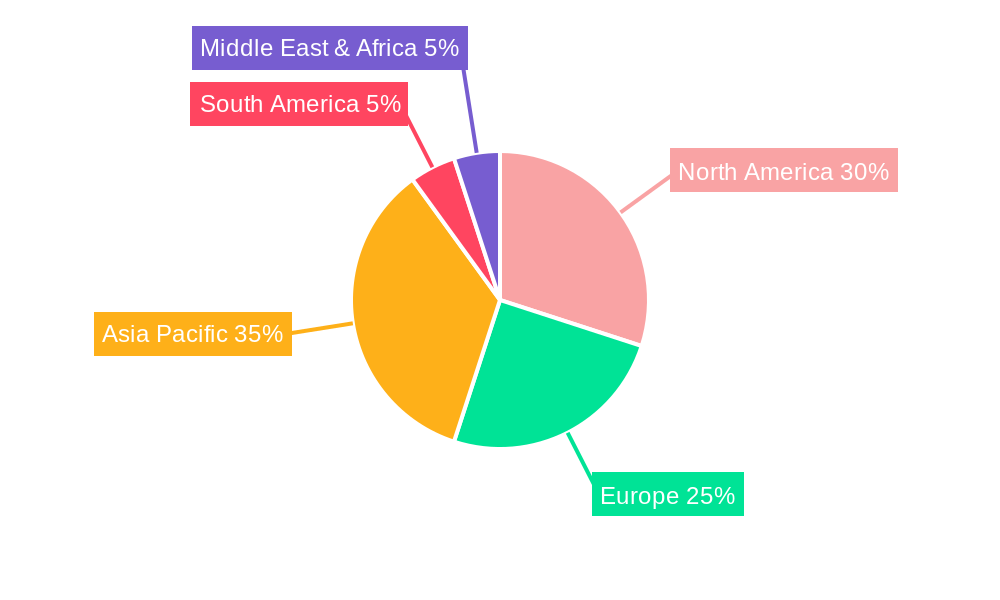
Active Pharma Ingredient Regional Market Share
Geographic Coverage of Active Pharma Ingredient
Active Pharma Ingredient REPORT HIGHLIGHTS
| Aspects | Details |
|---|---|
| Study Period | 2020-2034 |
| Base Year | 2025 |
| Estimated Year | 2026 |
| Forecast Period | 2026-2034 |
| Historical Period | 2020-2025 |
| Growth Rate | CAGR of XX% from 2020-2034 |
| Segmentation |
|
Table of Contents
- 1. Introduction
- 1.1. Research Scope
- 1.2. Market Segmentation
- 1.3. Research Methodology
- 1.4. Definitions and Assumptions
- 2. Executive Summary
- 2.1. Introduction
- 3. Market Dynamics
- 3.1. Introduction
- 3.2. Market Drivers
- 3.3. Market Restrains
- 3.4. Market Trends
- 4. Market Factor Analysis
- 4.1. Porters Five Forces
- 4.2. Supply/Value Chain
- 4.3. PESTEL analysis
- 4.4. Market Entropy
- 4.5. Patent/Trademark Analysis
- 5. Global Active Pharma Ingredient Analysis, Insights and Forecast, 2020-2032
- 5.1. Market Analysis, Insights and Forecast - by Application
- 5.1.1. Oncology
- 5.1.2. Cardiovascular Disease
- 5.1.3. Diabetes
- 5.1.4. Central Nervous System and Neurological Disorders
- 5.1.5. Endocrinology
- 5.1.6. Other Therapeutic Applications
- 5.2. Market Analysis, Insights and Forecast - by Types
- 5.2.1. Innovative Active Pharmaceutical Ingredients
- 5.2.2. Generic Active Pharmaceutical Ingredients
- 5.3. Market Analysis, Insights and Forecast - by Region
- 5.3.1. North America
- 5.3.2. South America
- 5.3.3. Europe
- 5.3.4. Middle East & Africa
- 5.3.5. Asia Pacific
- 5.1. Market Analysis, Insights and Forecast - by Application
- 6. North America Active Pharma Ingredient Analysis, Insights and Forecast, 2020-2032
- 6.1. Market Analysis, Insights and Forecast - by Application
- 6.1.1. Oncology
- 6.1.2. Cardiovascular Disease
- 6.1.3. Diabetes
- 6.1.4. Central Nervous System and Neurological Disorders
- 6.1.5. Endocrinology
- 6.1.6. Other Therapeutic Applications
- 6.2. Market Analysis, Insights and Forecast - by Types
- 6.2.1. Innovative Active Pharmaceutical Ingredients
- 6.2.2. Generic Active Pharmaceutical Ingredients
- 6.1. Market Analysis, Insights and Forecast - by Application
- 7. South America Active Pharma Ingredient Analysis, Insights and Forecast, 2020-2032
- 7.1. Market Analysis, Insights and Forecast - by Application
- 7.1.1. Oncology
- 7.1.2. Cardiovascular Disease
- 7.1.3. Diabetes
- 7.1.4. Central Nervous System and Neurological Disorders
- 7.1.5. Endocrinology
- 7.1.6. Other Therapeutic Applications
- 7.2. Market Analysis, Insights and Forecast - by Types
- 7.2.1. Innovative Active Pharmaceutical Ingredients
- 7.2.2. Generic Active Pharmaceutical Ingredients
- 7.1. Market Analysis, Insights and Forecast - by Application
- 8. Europe Active Pharma Ingredient Analysis, Insights and Forecast, 2020-2032
- 8.1. Market Analysis, Insights and Forecast - by Application
- 8.1.1. Oncology
- 8.1.2. Cardiovascular Disease
- 8.1.3. Diabetes
- 8.1.4. Central Nervous System and Neurological Disorders
- 8.1.5. Endocrinology
- 8.1.6. Other Therapeutic Applications
- 8.2. Market Analysis, Insights and Forecast - by Types
- 8.2.1. Innovative Active Pharmaceutical Ingredients
- 8.2.2. Generic Active Pharmaceutical Ingredients
- 8.1. Market Analysis, Insights and Forecast - by Application
- 9. Middle East & Africa Active Pharma Ingredient Analysis, Insights and Forecast, 2020-2032
- 9.1. Market Analysis, Insights and Forecast - by Application
- 9.1.1. Oncology
- 9.1.2. Cardiovascular Disease
- 9.1.3. Diabetes
- 9.1.4. Central Nervous System and Neurological Disorders
- 9.1.5. Endocrinology
- 9.1.6. Other Therapeutic Applications
- 9.2. Market Analysis, Insights and Forecast - by Types
- 9.2.1. Innovative Active Pharmaceutical Ingredients
- 9.2.2. Generic Active Pharmaceutical Ingredients
- 9.1. Market Analysis, Insights and Forecast - by Application
- 10. Asia Pacific Active Pharma Ingredient Analysis, Insights and Forecast, 2020-2032
- 10.1. Market Analysis, Insights and Forecast - by Application
- 10.1.1. Oncology
- 10.1.2. Cardiovascular Disease
- 10.1.3. Diabetes
- 10.1.4. Central Nervous System and Neurological Disorders
- 10.1.5. Endocrinology
- 10.1.6. Other Therapeutic Applications
- 10.2. Market Analysis, Insights and Forecast - by Types
- 10.2.1. Innovative Active Pharmaceutical Ingredients
- 10.2.2. Generic Active Pharmaceutical Ingredients
- 10.1. Market Analysis, Insights and Forecast - by Application
- 11. Competitive Analysis
- 11.1. Global Market Share Analysis 2025
- 11.2. Company Profiles
- 11.2.1 Teva
- 11.2.1.1. Overview
- 11.2.1.2. Products
- 11.2.1.3. SWOT Analysis
- 11.2.1.4. Recent Developments
- 11.2.1.5. Financials (Based on Availability)
- 11.2.2 Novartis
- 11.2.2.1. Overview
- 11.2.2.2. Products
- 11.2.2.3. SWOT Analysis
- 11.2.2.4. Recent Developments
- 11.2.2.5. Financials (Based on Availability)
- 11.2.3 Pfizer
- 11.2.3.1. Overview
- 11.2.3.2. Products
- 11.2.3.3. SWOT Analysis
- 11.2.3.4. Recent Developments
- 11.2.3.5. Financials (Based on Availability)
- 11.2.4 Johnson & Johnson
- 11.2.4.1. Overview
- 11.2.4.2. Products
- 11.2.4.3. SWOT Analysis
- 11.2.4.4. Recent Developments
- 11.2.4.5. Financials (Based on Availability)
- 11.2.5 Mylan
- 11.2.5.1. Overview
- 11.2.5.2. Products
- 11.2.5.3. SWOT Analysis
- 11.2.5.4. Recent Developments
- 11.2.5.5. Financials (Based on Availability)
- 11.2.6 North China Pharmaceutical Group
- 11.2.6.1. Overview
- 11.2.6.2. Products
- 11.2.6.3. SWOT Analysis
- 11.2.6.4. Recent Developments
- 11.2.6.5. Financials (Based on Availability)
- 11.2.7 Dr. Reddy’s Laboratories
- 11.2.7.1. Overview
- 11.2.7.2. Products
- 11.2.7.3. SWOT Analysis
- 11.2.7.4. Recent Developments
- 11.2.7.5. Financials (Based on Availability)
- 11.2.8 Roche
- 11.2.8.1. Overview
- 11.2.8.2. Products
- 11.2.8.3. SWOT Analysis
- 11.2.8.4. Recent Developments
- 11.2.8.5. Financials (Based on Availability)
- 11.2.9 Aurobindo pharma
- 11.2.9.1. Overview
- 11.2.9.2. Products
- 11.2.9.3. SWOT Analysis
- 11.2.9.4. Recent Developments
- 11.2.9.5. Financials (Based on Availability)
- 11.2.10 Sun Pharmaceutical Industries
- 11.2.10.1. Overview
- 11.2.10.2. Products
- 11.2.10.3. SWOT Analysis
- 11.2.10.4. Recent Developments
- 11.2.10.5. Financials (Based on Availability)
- 11.2.11 Boehringer Ingelheim GmbH
- 11.2.11.1. Overview
- 11.2.11.2. Products
- 11.2.11.3. SWOT Analysis
- 11.2.11.4. Recent Developments
- 11.2.11.5. Financials (Based on Availability)
- 11.2.12 Bayer
- 11.2.12.1. Overview
- 11.2.12.2. Products
- 11.2.12.3. SWOT Analysis
- 11.2.12.4. Recent Developments
- 11.2.12.5. Financials (Based on Availability)
- 11.2.13 BASF
- 11.2.13.1. Overview
- 11.2.13.2. Products
- 11.2.13.3. SWOT Analysis
- 11.2.13.4. Recent Developments
- 11.2.13.5. Financials (Based on Availability)
- 11.2.14 DSM
- 11.2.14.1. Overview
- 11.2.14.2. Products
- 11.2.14.3. SWOT Analysis
- 11.2.14.4. Recent Developments
- 11.2.14.5. Financials (Based on Availability)
- 11.2.15 Zhejiang Medicine
- 11.2.15.1. Overview
- 11.2.15.2. Products
- 11.2.15.3. SWOT Analysis
- 11.2.15.4. Recent Developments
- 11.2.15.5. Financials (Based on Availability)
- 11.2.16 Biocon
- 11.2.16.1. Overview
- 11.2.16.2. Products
- 11.2.16.3. SWOT Analysis
- 11.2.16.4. Recent Developments
- 11.2.16.5. Financials (Based on Availability)
- 11.2.17 Johnson Matthey
- 11.2.17.1. Overview
- 11.2.17.2. Products
- 11.2.17.3. SWOT Analysis
- 11.2.17.4. Recent Developments
- 11.2.17.5. Financials (Based on Availability)
- 11.2.18 Hisun Pharmacy
- 11.2.18.1. Overview
- 11.2.18.2. Products
- 11.2.18.3. SWOT Analysis
- 11.2.18.4. Recent Developments
- 11.2.18.5. Financials (Based on Availability)
- 11.2.19 Cambrex
- 11.2.19.1. Overview
- 11.2.19.2. Products
- 11.2.19.3. SWOT Analysis
- 11.2.19.4. Recent Developments
- 11.2.19.5. Financials (Based on Availability)
- 11.2.20 Shandong Xinhua Pharmaceutical
- 11.2.20.1. Overview
- 11.2.20.2. Products
- 11.2.20.3. SWOT Analysis
- 11.2.20.4. Recent Developments
- 11.2.20.5. Financials (Based on Availability)
- 11.2.21 Lonza group
- 11.2.21.1. Overview
- 11.2.21.2. Products
- 11.2.21.3. SWOT Analysis
- 11.2.21.4. Recent Developments
- 11.2.21.5. Financials (Based on Availability)
- 11.2.22 Huahai Pharmaceutical
- 11.2.22.1. Overview
- 11.2.22.2. Products
- 11.2.22.3. SWOT Analysis
- 11.2.22.4. Recent Developments
- 11.2.22.5. Financials (Based on Availability)
- 11.2.23 Haerbin Pharmaceutical Group
- 11.2.23.1. Overview
- 11.2.23.2. Products
- 11.2.23.3. SWOT Analysis
- 11.2.23.4. Recent Developments
- 11.2.23.5. Financials (Based on Availability)
- 11.2.24 Cipla
- 11.2.24.1. Overview
- 11.2.24.2. Products
- 11.2.24.3. SWOT Analysis
- 11.2.24.4. Recent Developments
- 11.2.24.5. Financials (Based on Availability)
- 11.2.25 Tian Yao
- 11.2.25.1. Overview
- 11.2.25.2. Products
- 11.2.25.3. SWOT Analysis
- 11.2.25.4. Recent Developments
- 11.2.25.5. Financials (Based on Availability)
- 11.2.26 Lupin
- 11.2.26.1. Overview
- 11.2.26.2. Products
- 11.2.26.3. SWOT Analysis
- 11.2.26.4. Recent Developments
- 11.2.26.5. Financials (Based on Availability)
- 11.2.27 North East Pharmaceutical
- 11.2.27.1. Overview
- 11.2.27.2. Products
- 11.2.27.3. SWOT Analysis
- 11.2.27.4. Recent Developments
- 11.2.27.5. Financials (Based on Availability)
- 11.2.28 Albemarle
- 11.2.28.1. Overview
- 11.2.28.2. Products
- 11.2.28.3. SWOT Analysis
- 11.2.28.4. Recent Developments
- 11.2.28.5. Financials (Based on Availability)
- 11.2.29 Shandong Lukang Pharmaceutical
- 11.2.29.1. Overview
- 11.2.29.2. Products
- 11.2.29.3. SWOT Analysis
- 11.2.29.4. Recent Developments
- 11.2.29.5. Financials (Based on Availability)
- 11.2.30 Jiangsu Hengrui Medicine
- 11.2.30.1. Overview
- 11.2.30.2. Products
- 11.2.30.3. SWOT Analysis
- 11.2.30.4. Recent Developments
- 11.2.30.5. Financials (Based on Availability)
- 11.2.1 Teva
List of Figures
- Figure 1: Global Active Pharma Ingredient Revenue Breakdown (million, %) by Region 2025 & 2033
- Figure 2: North America Active Pharma Ingredient Revenue (million), by Application 2025 & 2033
- Figure 3: North America Active Pharma Ingredient Revenue Share (%), by Application 2025 & 2033
- Figure 4: North America Active Pharma Ingredient Revenue (million), by Types 2025 & 2033
- Figure 5: North America Active Pharma Ingredient Revenue Share (%), by Types 2025 & 2033
- Figure 6: North America Active Pharma Ingredient Revenue (million), by Country 2025 & 2033
- Figure 7: North America Active Pharma Ingredient Revenue Share (%), by Country 2025 & 2033
- Figure 8: South America Active Pharma Ingredient Revenue (million), by Application 2025 & 2033
- Figure 9: South America Active Pharma Ingredient Revenue Share (%), by Application 2025 & 2033
- Figure 10: South America Active Pharma Ingredient Revenue (million), by Types 2025 & 2033
- Figure 11: South America Active Pharma Ingredient Revenue Share (%), by Types 2025 & 2033
- Figure 12: South America Active Pharma Ingredient Revenue (million), by Country 2025 & 2033
- Figure 13: South America Active Pharma Ingredient Revenue Share (%), by Country 2025 & 2033
- Figure 14: Europe Active Pharma Ingredient Revenue (million), by Application 2025 & 2033
- Figure 15: Europe Active Pharma Ingredient Revenue Share (%), by Application 2025 & 2033
- Figure 16: Europe Active Pharma Ingredient Revenue (million), by Types 2025 & 2033
- Figure 17: Europe Active Pharma Ingredient Revenue Share (%), by Types 2025 & 2033
- Figure 18: Europe Active Pharma Ingredient Revenue (million), by Country 2025 & 2033
- Figure 19: Europe Active Pharma Ingredient Revenue Share (%), by Country 2025 & 2033
- Figure 20: Middle East & Africa Active Pharma Ingredient Revenue (million), by Application 2025 & 2033
- Figure 21: Middle East & Africa Active Pharma Ingredient Revenue Share (%), by Application 2025 & 2033
- Figure 22: Middle East & Africa Active Pharma Ingredient Revenue (million), by Types 2025 & 2033
- Figure 23: Middle East & Africa Active Pharma Ingredient Revenue Share (%), by Types 2025 & 2033
- Figure 24: Middle East & Africa Active Pharma Ingredient Revenue (million), by Country 2025 & 2033
- Figure 25: Middle East & Africa Active Pharma Ingredient Revenue Share (%), by Country 2025 & 2033
- Figure 26: Asia Pacific Active Pharma Ingredient Revenue (million), by Application 2025 & 2033
- Figure 27: Asia Pacific Active Pharma Ingredient Revenue Share (%), by Application 2025 & 2033
- Figure 28: Asia Pacific Active Pharma Ingredient Revenue (million), by Types 2025 & 2033
- Figure 29: Asia Pacific Active Pharma Ingredient Revenue Share (%), by Types 2025 & 2033
- Figure 30: Asia Pacific Active Pharma Ingredient Revenue (million), by Country 2025 & 2033
- Figure 31: Asia Pacific Active Pharma Ingredient Revenue Share (%), by Country 2025 & 2033
List of Tables
- Table 1: Global Active Pharma Ingredient Revenue million Forecast, by Application 2020 & 2033
- Table 2: Global Active Pharma Ingredient Revenue million Forecast, by Types 2020 & 2033
- Table 3: Global Active Pharma Ingredient Revenue million Forecast, by Region 2020 & 2033
- Table 4: Global Active Pharma Ingredient Revenue million Forecast, by Application 2020 & 2033
- Table 5: Global Active Pharma Ingredient Revenue million Forecast, by Types 2020 & 2033
- Table 6: Global Active Pharma Ingredient Revenue million Forecast, by Country 2020 & 2033
- Table 7: United States Active Pharma Ingredient Revenue (million) Forecast, by Application 2020 & 2033
- Table 8: Canada Active Pharma Ingredient Revenue (million) Forecast, by Application 2020 & 2033
- Table 9: Mexico Active Pharma Ingredient Revenue (million) Forecast, by Application 2020 & 2033
- Table 10: Global Active Pharma Ingredient Revenue million Forecast, by Application 2020 & 2033
- Table 11: Global Active Pharma Ingredient Revenue million Forecast, by Types 2020 & 2033
- Table 12: Global Active Pharma Ingredient Revenue million Forecast, by Country 2020 & 2033
- Table 13: Brazil Active Pharma Ingredient Revenue (million) Forecast, by Application 2020 & 2033
- Table 14: Argentina Active Pharma Ingredient Revenue (million) Forecast, by Application 2020 & 2033
- Table 15: Rest of South America Active Pharma Ingredient Revenue (million) Forecast, by Application 2020 & 2033
- Table 16: Global Active Pharma Ingredient Revenue million Forecast, by Application 2020 & 2033
- Table 17: Global Active Pharma Ingredient Revenue million Forecast, by Types 2020 & 2033
- Table 18: Global Active Pharma Ingredient Revenue million Forecast, by Country 2020 & 2033
- Table 19: United Kingdom Active Pharma Ingredient Revenue (million) Forecast, by Application 2020 & 2033
- Table 20: Germany Active Pharma Ingredient Revenue (million) Forecast, by Application 2020 & 2033
- Table 21: France Active Pharma Ingredient Revenue (million) Forecast, by Application 2020 & 2033
- Table 22: Italy Active Pharma Ingredient Revenue (million) Forecast, by Application 2020 & 2033
- Table 23: Spain Active Pharma Ingredient Revenue (million) Forecast, by Application 2020 & 2033
- Table 24: Russia Active Pharma Ingredient Revenue (million) Forecast, by Application 2020 & 2033
- Table 25: Benelux Active Pharma Ingredient Revenue (million) Forecast, by Application 2020 & 2033
- Table 26: Nordics Active Pharma Ingredient Revenue (million) Forecast, by Application 2020 & 2033
- Table 27: Rest of Europe Active Pharma Ingredient Revenue (million) Forecast, by Application 2020 & 2033
- Table 28: Global Active Pharma Ingredient Revenue million Forecast, by Application 2020 & 2033
- Table 29: Global Active Pharma Ingredient Revenue million Forecast, by Types 2020 & 2033
- Table 30: Global Active Pharma Ingredient Revenue million Forecast, by Country 2020 & 2033
- Table 31: Turkey Active Pharma Ingredient Revenue (million) Forecast, by Application 2020 & 2033
- Table 32: Israel Active Pharma Ingredient Revenue (million) Forecast, by Application 2020 & 2033
- Table 33: GCC Active Pharma Ingredient Revenue (million) Forecast, by Application 2020 & 2033
- Table 34: North Africa Active Pharma Ingredient Revenue (million) Forecast, by Application 2020 & 2033
- Table 35: South Africa Active Pharma Ingredient Revenue (million) Forecast, by Application 2020 & 2033
- Table 36: Rest of Middle East & Africa Active Pharma Ingredient Revenue (million) Forecast, by Application 2020 & 2033
- Table 37: Global Active Pharma Ingredient Revenue million Forecast, by Application 2020 & 2033
- Table 38: Global Active Pharma Ingredient Revenue million Forecast, by Types 2020 & 2033
- Table 39: Global Active Pharma Ingredient Revenue million Forecast, by Country 2020 & 2033
- Table 40: China Active Pharma Ingredient Revenue (million) Forecast, by Application 2020 & 2033
- Table 41: India Active Pharma Ingredient Revenue (million) Forecast, by Application 2020 & 2033
- Table 42: Japan Active Pharma Ingredient Revenue (million) Forecast, by Application 2020 & 2033
- Table 43: South Korea Active Pharma Ingredient Revenue (million) Forecast, by Application 2020 & 2033
- Table 44: ASEAN Active Pharma Ingredient Revenue (million) Forecast, by Application 2020 & 2033
- Table 45: Oceania Active Pharma Ingredient Revenue (million) Forecast, by Application 2020 & 2033
- Table 46: Rest of Asia Pacific Active Pharma Ingredient Revenue (million) Forecast, by Application 2020 & 2033
Frequently Asked Questions
1. What is the projected Compound Annual Growth Rate (CAGR) of the Active Pharma Ingredient?
The projected CAGR is approximately XX%.
2. Which companies are prominent players in the Active Pharma Ingredient?
Key companies in the market include Teva, Novartis, Pfizer, Johnson & Johnson, Mylan, North China Pharmaceutical Group, Dr. Reddy’s Laboratories, Roche, Aurobindo pharma, Sun Pharmaceutical Industries, Boehringer Ingelheim GmbH, Bayer, BASF, DSM, Zhejiang Medicine, Biocon, Johnson Matthey, Hisun Pharmacy, Cambrex, Shandong Xinhua Pharmaceutical, Lonza group, Huahai Pharmaceutical, Haerbin Pharmaceutical Group, Cipla, Tian Yao, Lupin, North East Pharmaceutical, Albemarle, Shandong Lukang Pharmaceutical, Jiangsu Hengrui Medicine.
3. What are the main segments of the Active Pharma Ingredient?
The market segments include Application, Types.
4. Can you provide details about the market size?
The market size is estimated to be USD XXX million as of 2022.
5. What are some drivers contributing to market growth?
N/A
6. What are the notable trends driving market growth?
N/A
7. Are there any restraints impacting market growth?
N/A
8. Can you provide examples of recent developments in the market?
N/A
9. What pricing options are available for accessing the report?
Pricing options include single-user, multi-user, and enterprise licenses priced at USD 4900.00, USD 7350.00, and USD 9800.00 respectively.
10. Is the market size provided in terms of value or volume?
The market size is provided in terms of value, measured in million.
11. Are there any specific market keywords associated with the report?
Yes, the market keyword associated with the report is "Active Pharma Ingredient," which aids in identifying and referencing the specific market segment covered.
12. How do I determine which pricing option suits my needs best?
The pricing options vary based on user requirements and access needs. Individual users may opt for single-user licenses, while businesses requiring broader access may choose multi-user or enterprise licenses for cost-effective access to the report.
13. Are there any additional resources or data provided in the Active Pharma Ingredient report?
While the report offers comprehensive insights, it's advisable to review the specific contents or supplementary materials provided to ascertain if additional resources or data are available.
14. How can I stay updated on further developments or reports in the Active Pharma Ingredient?
To stay informed about further developments, trends, and reports in the Active Pharma Ingredient, consider subscribing to industry newsletters, following relevant companies and organizations, or regularly checking reputable industry news sources and publications.
Methodology
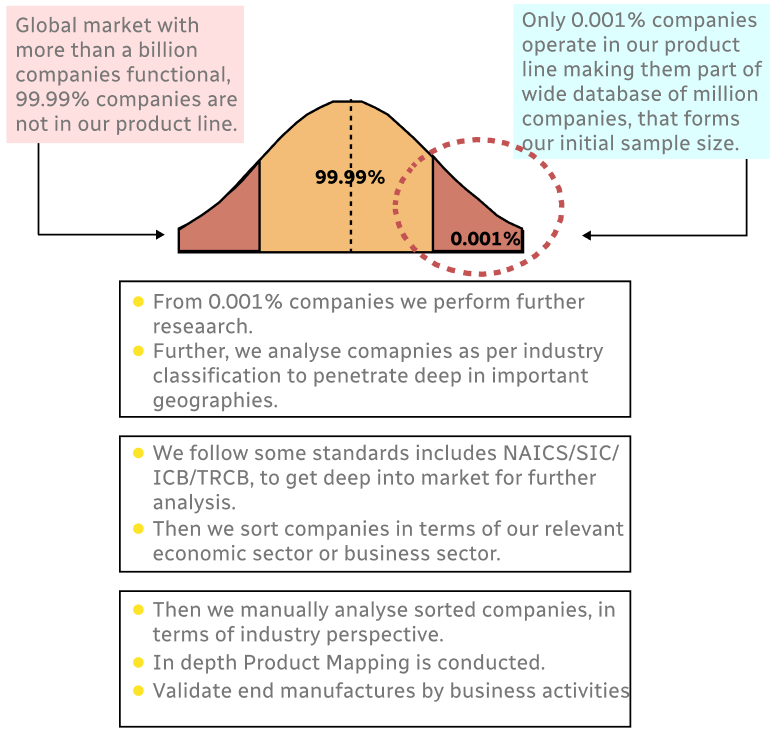
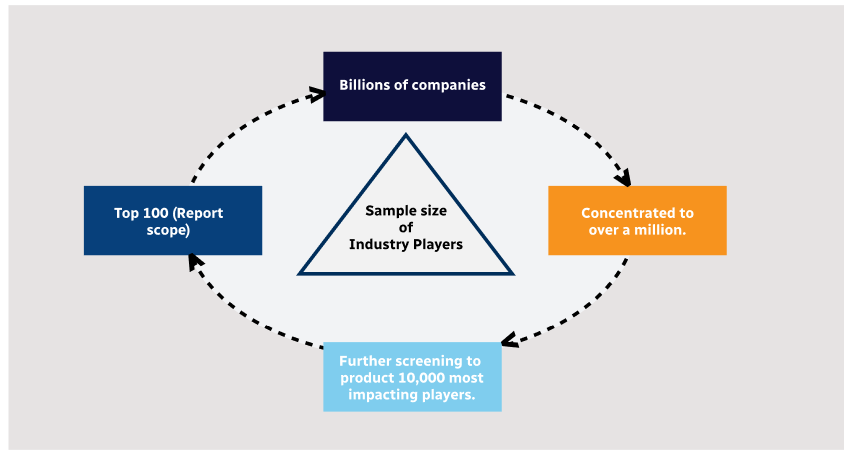
Step 1 - Identification of Relevant Samples Size from Population Database
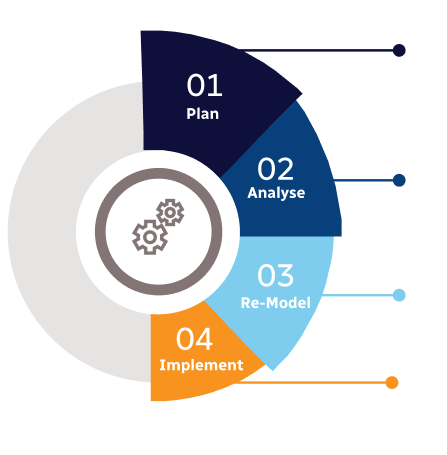
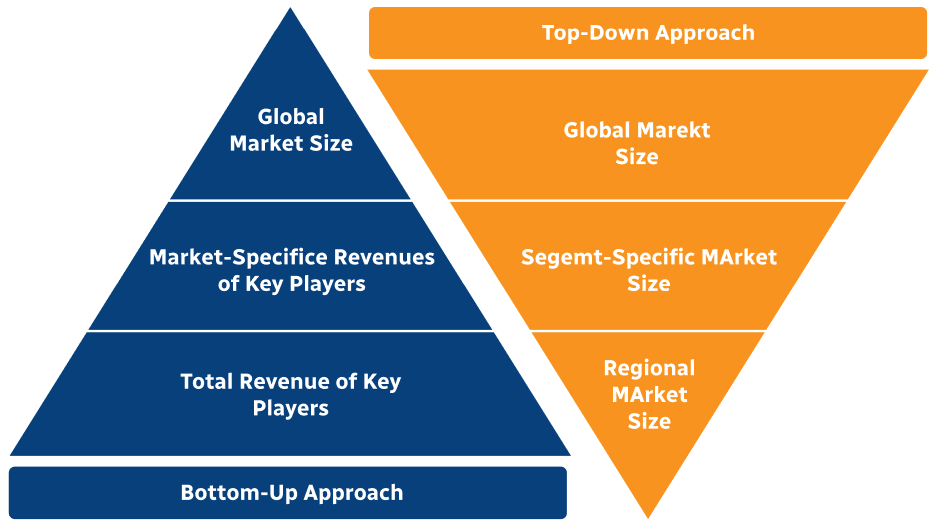
Step 2 - Approaches for Defining Global Market Size (Value, Volume* & Price*)
Note*: In applicable scenarios
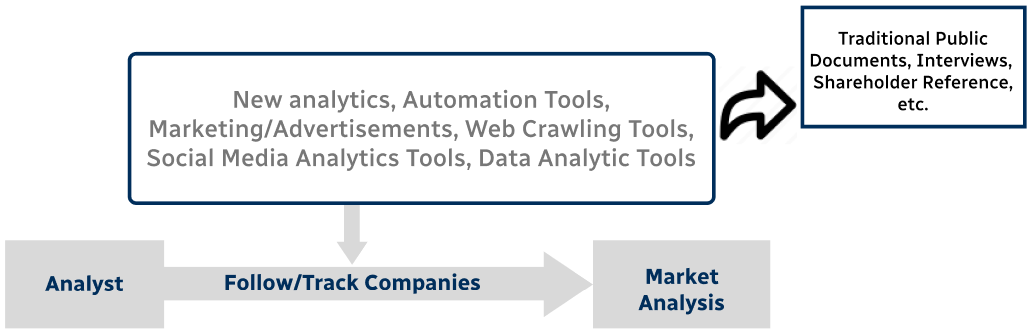
Step 3 - Data Sources
Primary Research
- Web Analytics
- Survey Reports
- Research Institute
- Latest Research Reports
- Opinion Leaders
Secondary Research
- Annual Reports
- White Paper
- Latest Press Release
- Industry Association
- Paid Database
- Investor Presentations
Step 4 - Data Triangulation
Involves using different sources of information in order to increase the validity of a study
These sources are likely to be stakeholders in a program - participants, other researchers, program staff, other community members, and so on.
Then we put all data in single framework & apply various statistical tools to find out the dynamic on the market.
During the analysis stage, feedback from the stakeholder groups would be compared to determine areas of agreement as well as areas of divergence