


Key Insights
The global Smart Running Shoes market is poised for significant expansion, projected to reach an estimated $265.4 million by 2025, with a robust Compound Annual Growth Rate (CAGR) of 6.9% during the forecast period of 2025-2033. This growth is fueled by a confluence of factors including increasing health consciousness among consumers, the rising popularity of wearable technology, and advancements in sensor integration within athletic footwear. The market's expansion is further propelled by a growing demand for personalized fitness experiences, where smart shoes offer valuable data on gait analysis, stride length, impact force, and calorie expenditure, aiding users in optimizing their training and preventing injuries. The integration of AI and machine learning in these shoes is also a key trend, enabling more sophisticated feedback and coaching capabilities.
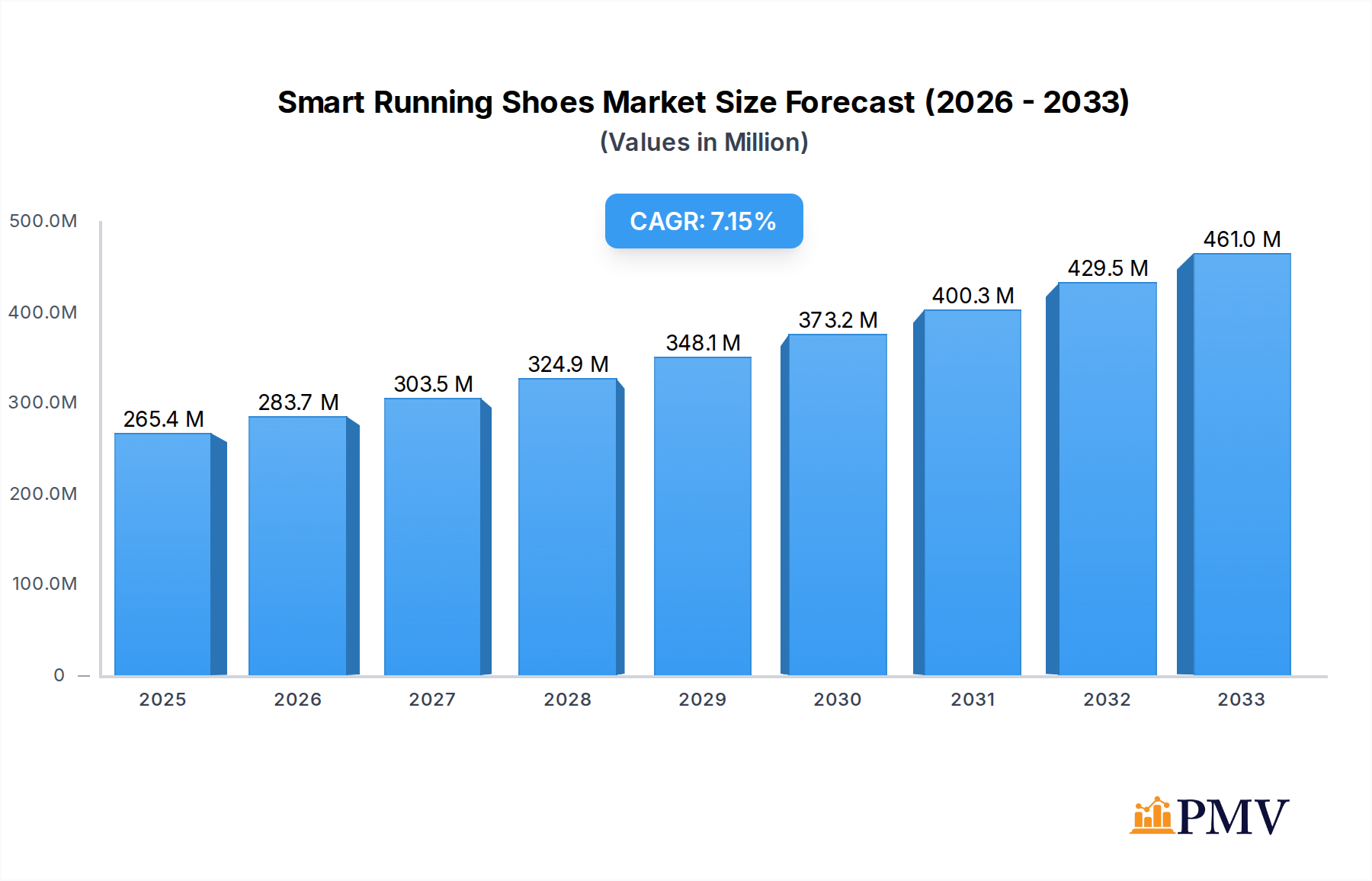
Smart Running Shoes Market Size (In Million)

The market segmentation reveals a broad appeal across demographics, with applications spanning adults, children, and the elderly, underscoring the universal benefits of enhanced fitness tracking. In terms of product types, Step Counting Shoes, Positioning Shoes, and Navigation Shoes are expected to drive demand, catering to different user needs from basic activity monitoring to advanced route tracking and performance enhancement. While the market shows strong momentum, potential restraints could include the premium pricing of these advanced shoes, consumer privacy concerns regarding data collection, and the need for greater standardization in data output and compatibility across different platforms. However, the innovative strides being made by key players like Nike, Adidas, and Under Armour, coupled with the increasing adoption of smart devices globally, suggest a promising trajectory for the smart running shoe industry.
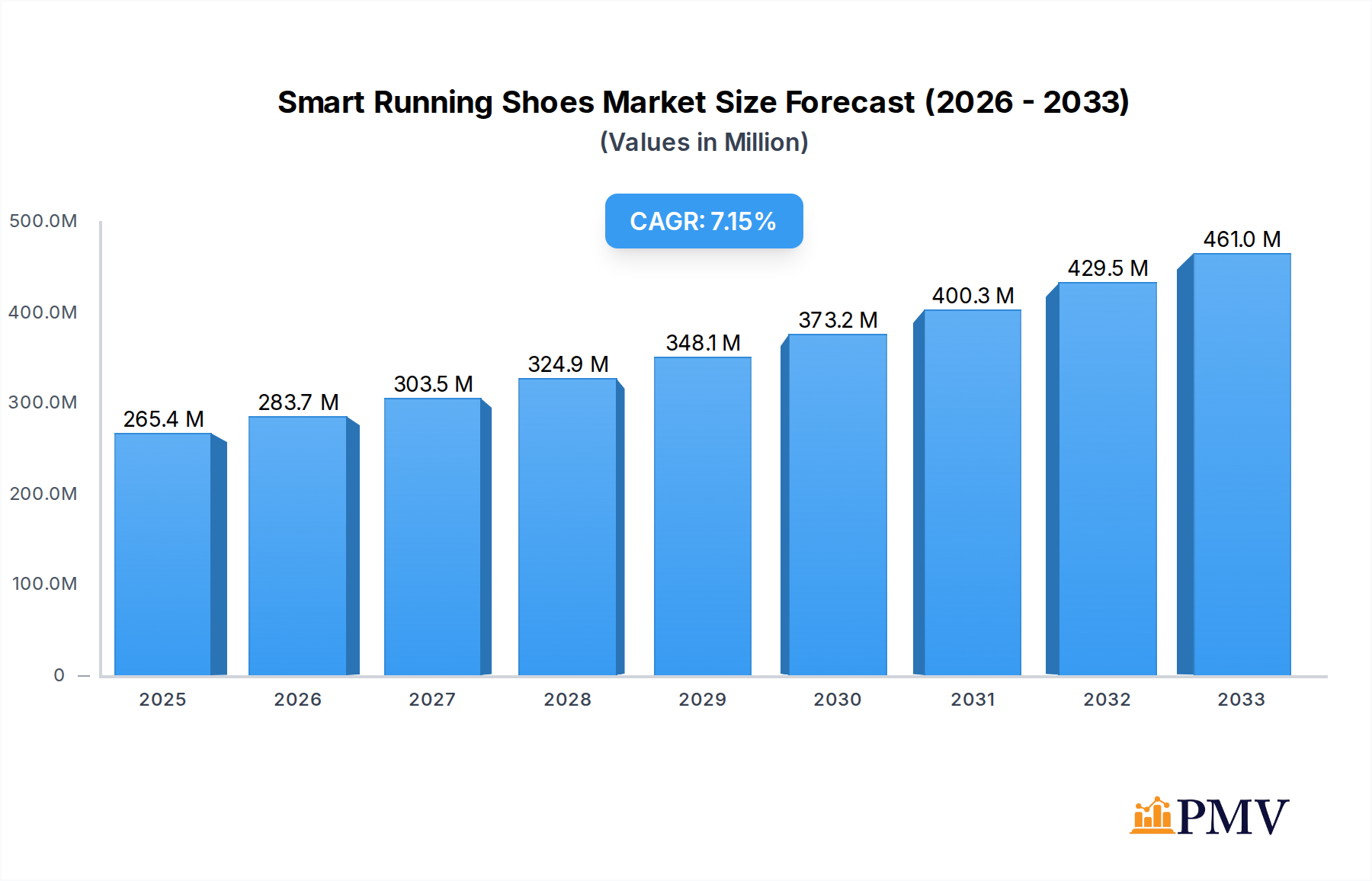
Smart Running Shoes Company Market Share
This detailed report provides an in-depth analysis of the global Smart Running Shoes market, a rapidly expanding segment of the wearable technology and athletic footwear industries. Covering the historical period (2019–2024), base year (2025), and forecast period (2025–2033), this comprehensive study delves into market structure, competitive dynamics, key trends, dominant segments, product innovations, growth drivers, challenges, and strategic outlook. With an estimated market size projected to reach hundred million dollars by 2025, this report is an essential resource for stakeholders seeking to understand and capitalize on the burgeoning smart footwear market.
Smart Running Shoes Market Structure & Competitive Dynamics
The Smart Running Shoes market exhibits a moderately concentrated structure, characterized by the presence of both established athletic giants and innovative niche players. Key companies like Nike, Adidas, Li-Ning, and Under Armour leverage their strong brand equity and extensive distribution networks to maintain significant market share, estimated to be collectively over 50%. These players focus on integrating advanced sensor technology and data analytics into their performance-oriented footwear. Simultaneously, emerging companies such as Ducere Technologies, Digitsole, and Stridalyzer are driving innovation, focusing on specialized applications and novel user experiences. The innovation ecosystem is vibrant, fueled by ongoing research in materials science, miniaturized electronics, and artificial intelligence for performance tracking and injury prevention. Regulatory frameworks are evolving, with a growing emphasis on data privacy and security for collected user biometrics. Product substitutes, while not direct replacements, include traditional running shoes combined with separate wearable fitness trackers. End-user trends indicate a strong preference for personalized data insights, comfort, and enhanced athletic performance, driving the adoption of smart running shoes among adults, with significant growth also anticipated in children's and old people's segments for health monitoring and safety. Merger and acquisition (M&A) activities are expected to increase as larger players seek to acquire cutting-edge technologies and expand their smart footwear portfolios. M&A deal values are projected to reach hundreds of million dollars annually in the coming years, reflecting the strategic importance of this market.
Smart Running Shoes Industry Trends & Insights
The Smart Running Shoes industry is experiencing robust growth, propelled by a confluence of technological advancements, evolving consumer lifestyles, and increasing health consciousness. The Compound Annual Growth Rate (CAGR) is estimated to be over 15% during the forecast period, indicating a substantial expansion of the global market, projected to exceed one billion dollars by 2033. Technological disruptions are at the forefront, with advancements in embedded sensors (e.g., accelerometers, gyroscopes, pressure sensors), low-power microcontrollers, and wireless connectivity (e.g., Bluetooth, Wi-Fi) enabling sophisticated data capture and real-time feedback. The integration of AI and machine learning algorithms is transforming these shoes into intelligent coaching devices, offering personalized gait analysis, performance optimization tips, and early detection of potential injuries. Consumer preferences are shifting towards data-driven fitness regimes and preventative healthcare. Individuals are increasingly seeking wearable technology that seamlessly integrates into their daily routines, providing actionable insights without requiring separate devices. This trend is particularly evident among adults who are focused on improving their running performance, managing chronic conditions, or simply maintaining an active lifestyle. The market penetration of smart running shoes, while still nascent, is steadily increasing, driven by heightened awareness of the benefits of biomechanical analysis and personalized training. Furthermore, the growing adoption of connected fitness ecosystems, where smart running shoes can sync with other wearables and fitness apps, is creating a more holistic and engaging user experience. The competitive landscape is intensifying, with companies investing heavily in R&D to differentiate their offerings through unique features, superior accuracy, enhanced durability, and sleeker designs. The development of eco-friendly materials and sustainable manufacturing practices is also becoming a key differentiator, aligning with growing consumer demand for responsible products. The market size is expected to grow from hundreds of million dollars in the base year to over one billion dollars by the end of the forecast period.
Dominant Markets & Segments in Smart Running Shoes
The Smart Running Shoes market showcases distinct regional dominance and segment preferences, driven by varying economic conditions, technological adoption rates, and lifestyle trends. North America, particularly the United States, currently holds a dominant position, owing to a high disposable income, a well-established fitness culture, and early adoption of wearable technology. Economic policies that encourage innovation and R&D, coupled with robust infrastructure for e-commerce and retail distribution, further bolster its market leadership.
Application Segments:
- Adults: This segment represents the largest and fastest-growing application for smart running shoes. Driven by a strong emphasis on health, fitness, and performance optimization among the adult population, this segment is expected to account for over 70% of the market by 2025. Key drivers include the rising prevalence of lifestyle-related diseases, the increasing popularity of running as a recreational and competitive sport, and the demand for personalized fitness insights.
- Children: While a smaller segment currently, the children's application is poised for significant growth. This is attributed to rising parental concerns about child obesity and sedentary lifestyles, coupled with the introduction of gamified fitness experiences and safety features. Economic policies promoting child health initiatives and the growing availability of smart educational tools will accelerate adoption.
- Old People: This segment represents a crucial and expanding niche, particularly for health monitoring and fall prevention. Smart running shoes with features like gait analysis, balance assessment, and GPS tracking for emergencies offer significant value to the elderly population and their caregivers. Government initiatives focused on elder care and the increasing affordability of advanced technology will drive demand.
Type Segments:
- Step Counting Shoes: These remain a foundational type, offering basic activity tracking and appealing to a broad consumer base. Their market penetration is high due to their accessibility and intuitive functionality.
- Positioning Shoes: These shoes integrate GPS and other location-tracking technologies, catering to runners who train outdoors and require accurate route mapping and distance measurement.
- Navigation Shoes: An advanced iteration of positioning shoes, these offer turn-by-turn navigation capabilities, enhancing the running experience for those exploring new routes or participating in long-distance events.
- Others: This broad category includes shoes with specialized features such as advanced gait analysis for injury prevention, real-time biomechanical feedback, temperature regulation, and even embedded haptic feedback for training cues. This segment is expected to witness the highest innovation and growth rate, driven by technological advancements from companies like Stridalyzer and Ducere Technologies.
The dominance of specific regions and segments is further influenced by factors such as sports participation rates, disposable income levels, and the penetration of e-commerce. Asia Pacific, particularly China, is emerging as a significant growth market due to its large population, rapidly expanding middle class, and increasing investment in sports infrastructure by companies like Li-Ning and 361 Sport.
Smart Running Shoes Product Innovations
Product innovations in the Smart Running Shoes market are primarily focused on enhancing user experience and performance through integrated technology. Companies are developing shoes with advanced sensor arrays that capture intricate biomechanical data, including ground contact time, foot strike pattern, and pronation. This data is processed in real-time, providing runners with personalized feedback via companion mobile applications to improve technique, prevent injuries, and optimize performance. Key innovations include pressure mapping insoles for precise gait analysis, integrated GPS for accurate route tracking, and haptic feedback systems for subtle training cues. The competitive advantage lies in the accuracy, durability, and seamless integration of these technologies, alongside sophisticated data interpretation and actionable insights offered to the user. Companies like Digitsole and B-Shoe are at the forefront of developing these cutting-edge features.
Report Segmentation & Scope
This report segments the Smart Running Shoes market based on key application and product type categories to provide a granular understanding of market dynamics. The study encompasses the entire value chain, from raw material sourcing and manufacturing to distribution and end-user consumption.
Application Segmentation:
- Adults: This segment is projected to reach a market size of hundreds of million dollars by 2025, driven by performance enhancement and health monitoring needs. Competitive dynamics are intense, with established brands focusing on premium features.
- Children: Expected to grow at a significant CAGR, driven by health awareness and gamified fitness solutions. Market size is projected to be tens of million dollars by 2025.
- Old People: This segment, while smaller, is crucial for safety and health monitoring. Market size is estimated to be tens of million dollars by 2025, with growth fueled by elder care technologies.
Type Segmentation:
- Step Counting Shoes: These are expected to maintain a significant market share due to their widespread appeal and affordability. Market size is projected to be hundreds of million dollars by 2025.
- Positioning Shoes: Driven by outdoor activity, this segment is forecast to grow steadily, with a market size in the tens of million dollars by 2025.
- Navigation Shoes: Advanced navigation features will drive growth in this segment, with a projected market size in the tens of million dollars by 2025.
- Others: This segment, encompassing highly specialized features, is expected to experience the highest growth rate, with a market size in the tens of million dollars by 2025.
Key Drivers of Smart Running Shoes Growth
The growth of the Smart Running Shoes market is propelled by a powerful combination of technological, economic, and social factors. Technological advancements in miniaturized sensors, AI, and data analytics are enabling the creation of increasingly sophisticated and accurate smart footwear. The growing global emphasis on health and wellness, particularly among adults, fuels demand for wearable devices that offer performance tracking and personalized fitness insights. Economic prosperity in key regions leads to increased disposable income, making premium smart running shoes more accessible. Furthermore, government initiatives promoting sports participation and public health indirectly support market expansion. For instance, the integration of advanced gait analysis for injury prevention, a key technological driver, directly addresses the growing concern for athletic longevity and well-being.
Challenges in the Smart Running Shoes Sector
Despite its promising growth, the Smart Running Shoes sector faces several challenges that could impede its full potential. High manufacturing costs associated with integrating advanced electronics can lead to premium pricing, potentially limiting mass adoption, especially in price-sensitive markets. Concerns regarding the durability and longevity of embedded electronics in demanding athletic conditions are also a significant hurdle. Regulatory hurdles related to data privacy and the secure handling of sensitive user biometric information are evolving and require careful navigation. Supply chain disruptions for specialized electronic components can impact production and availability. Moreover, the market faces intense competition from established athletic brands and a proliferation of non-shoe-based wearable fitness trackers, necessitating continuous innovation to maintain a competitive edge. The estimated financial impact of supply chain disruptions could reach tens of million dollars annually.
Leading Players in the Smart Running Shoes Market
The Smart Running Shoes market is populated by a blend of global sportswear giants and specialized technology firms. Prominent players driving innovation and market share include:
- Nike
- Li-Ning
- Adidas
- ANDL
- Ducere Technologies
- Yunduo
- 361 sport
- Under Armour
- Daphne
- Stridalyzer
- Digitsole
- B-Shoe
- PUMA
- Salted Venture
Key Developments in Smart Running Shoes Sector
- 2023/05: Nike launches new "Nike React Infinity Run Flyknit 3" with enhanced cushioning and data tracking capabilities, strengthening its position in the performance running segment.
- 2023/08: Adidas unveils "Adidas RPT-02 SOL" featuring solar-powered charging for its smart features, emphasizing sustainability and user convenience.
- 2023/11: Ducere Technologies introduces "Lechal Smart Shoes" with integrated navigation and safety features, targeting urban commuters and recreational runners.
- 2024/02: Under Armour releases "UA HOVR™ Phantom 3" with improved connectivity and personalized coaching through its MapMyRun platform.
- 2024/04: Digitsole announces a new generation of smart insoles with advanced pressure mapping for injury prevention, expanding its product line.
- 2024/06: Stridalyzer collaborates with physiotherapists to develop specialized smart shoes for rehabilitation and performance analysis.
- 2024/09: Li-Ning invests heavily in R&D for smart footwear, aiming to integrate advanced sensor technology into its popular running shoe models.
- 2025/01: PUMA showcases a prototype smart running shoe with adaptive cushioning based on real-time gait analysis, signaling its future direction.
Strategic Smart Running Shoes Market Outlook
The Smart Running Shoes market is poised for sustained growth, driven by an increasing consumer appetite for data-driven fitness solutions and advancements in wearable technology. Strategic opportunities lie in the deeper integration of AI for predictive analytics, personalized coaching, and injury prevention. Expansion into new application segments, particularly among children for gamified fitness and the elderly for health monitoring and safety, presents significant untapped potential. Collaboration between footwear manufacturers and technology developers will be crucial for continued innovation and market penetration. The development of more affordable and durable smart footwear solutions will be key to capturing a broader market share. Furthermore, leveraging the connected fitness ecosystem and ensuring seamless data integration with other health platforms will enhance user engagement and create a more comprehensive smart living experience. The overall market outlook suggests a trajectory towards intelligent, personalized, and health-conscious athletic footwear.
Smart Running Shoes Segmentation
-
1. Application
- 1.1. Adults
- 1.2. Children
- 1.3. Old People
-
2. Types
- 2.1. Step Counting Shoes
- 2.2. Positioning Shoes
- 2.3. Navigation Shoes
- 2.4. Others
Smart Running Shoes Segmentation By Geography
-
1. North America
- 1.1. United States
- 1.2. Canada
- 1.3. Mexico
-
2. South America
- 2.1. Brazil
- 2.2. Argentina
- 2.3. Rest of South America
-
3. Europe
- 3.1. United Kingdom
- 3.2. Germany
- 3.3. France
- 3.4. Italy
- 3.5. Spain
- 3.6. Russia
- 3.7. Benelux
- 3.8. Nordics
- 3.9. Rest of Europe
-
4. Middle East & Africa
- 4.1. Turkey
- 4.2. Israel
- 4.3. GCC
- 4.4. North Africa
- 4.5. South Africa
- 4.6. Rest of Middle East & Africa
-
5. Asia Pacific
- 5.1. China
- 5.2. India
- 5.3. Japan
- 5.4. South Korea
- 5.5. ASEAN
- 5.6. Oceania
- 5.7. Rest of Asia Pacific
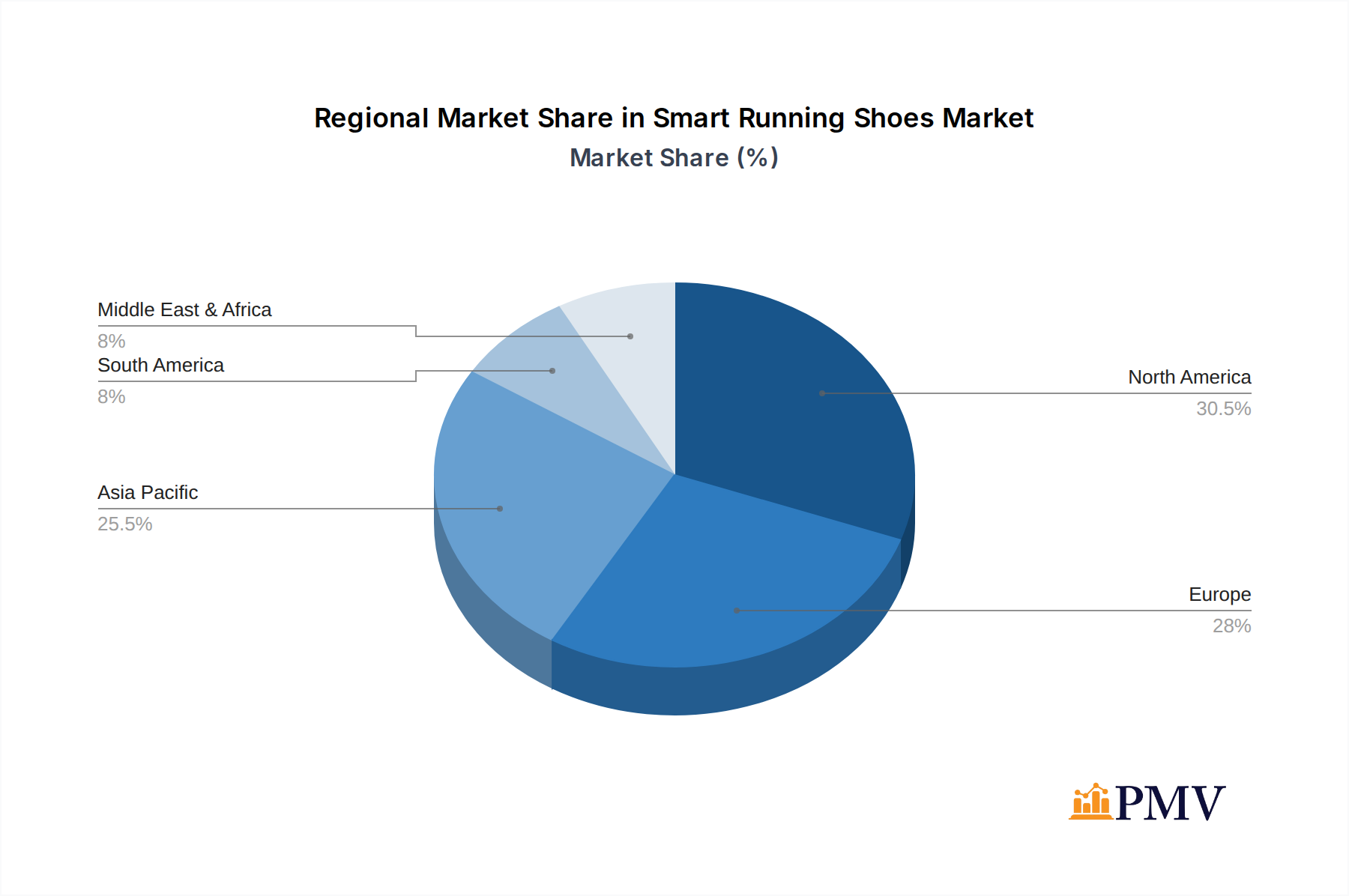
Smart Running Shoes Regional Market Share
Geographic Coverage of Smart Running Shoes
Smart Running Shoes REPORT HIGHLIGHTS
| Aspects | Details |
|---|---|
| Study Period | 2020-2034 |
| Base Year | 2025 |
| Estimated Year | 2026 |
| Forecast Period | 2026-2034 |
| Historical Period | 2020-2025 |
| Growth Rate | CAGR of 6.9% from 2020-2034 |
| Segmentation |
|
Table of Contents
- 1. Introduction
- 1.1. Research Scope
- 1.2. Market Segmentation
- 1.3. Research Methodology
- 1.4. Definitions and Assumptions
- 2. Executive Summary
- 2.1. Introduction
- 3. Market Dynamics
- 3.1. Introduction
- 3.2. Market Drivers
- 3.3. Market Restrains
- 3.4. Market Trends
- 4. Market Factor Analysis
- 4.1. Porters Five Forces
- 4.2. Supply/Value Chain
- 4.3. PESTEL analysis
- 4.4. Market Entropy
- 4.5. Patent/Trademark Analysis
- 5. Global Smart Running Shoes Analysis, Insights and Forecast, 2020-2032
- 5.1. Market Analysis, Insights and Forecast - by Application
- 5.1.1. Adults
- 5.1.2. Children
- 5.1.3. Old People
- 5.2. Market Analysis, Insights and Forecast - by Types
- 5.2.1. Step Counting Shoes
- 5.2.2. Positioning Shoes
- 5.2.3. Navigation Shoes
- 5.2.4. Others
- 5.3. Market Analysis, Insights and Forecast - by Region
- 5.3.1. North America
- 5.3.2. South America
- 5.3.3. Europe
- 5.3.4. Middle East & Africa
- 5.3.5. Asia Pacific
- 5.1. Market Analysis, Insights and Forecast - by Application
- 6. North America Smart Running Shoes Analysis, Insights and Forecast, 2020-2032
- 6.1. Market Analysis, Insights and Forecast - by Application
- 6.1.1. Adults
- 6.1.2. Children
- 6.1.3. Old People
- 6.2. Market Analysis, Insights and Forecast - by Types
- 6.2.1. Step Counting Shoes
- 6.2.2. Positioning Shoes
- 6.2.3. Navigation Shoes
- 6.2.4. Others
- 6.1. Market Analysis, Insights and Forecast - by Application
- 7. South America Smart Running Shoes Analysis, Insights and Forecast, 2020-2032
- 7.1. Market Analysis, Insights and Forecast - by Application
- 7.1.1. Adults
- 7.1.2. Children
- 7.1.3. Old People
- 7.2. Market Analysis, Insights and Forecast - by Types
- 7.2.1. Step Counting Shoes
- 7.2.2. Positioning Shoes
- 7.2.3. Navigation Shoes
- 7.2.4. Others
- 7.1. Market Analysis, Insights and Forecast - by Application
- 8. Europe Smart Running Shoes Analysis, Insights and Forecast, 2020-2032
- 8.1. Market Analysis, Insights and Forecast - by Application
- 8.1.1. Adults
- 8.1.2. Children
- 8.1.3. Old People
- 8.2. Market Analysis, Insights and Forecast - by Types
- 8.2.1. Step Counting Shoes
- 8.2.2. Positioning Shoes
- 8.2.3. Navigation Shoes
- 8.2.4. Others
- 8.1. Market Analysis, Insights and Forecast - by Application
- 9. Middle East & Africa Smart Running Shoes Analysis, Insights and Forecast, 2020-2032
- 9.1. Market Analysis, Insights and Forecast - by Application
- 9.1.1. Adults
- 9.1.2. Children
- 9.1.3. Old People
- 9.2. Market Analysis, Insights and Forecast - by Types
- 9.2.1. Step Counting Shoes
- 9.2.2. Positioning Shoes
- 9.2.3. Navigation Shoes
- 9.2.4. Others
- 9.1. Market Analysis, Insights and Forecast - by Application
- 10. Asia Pacific Smart Running Shoes Analysis, Insights and Forecast, 2020-2032
- 10.1. Market Analysis, Insights and Forecast - by Application
- 10.1.1. Adults
- 10.1.2. Children
- 10.1.3. Old People
- 10.2. Market Analysis, Insights and Forecast - by Types
- 10.2.1. Step Counting Shoes
- 10.2.2. Positioning Shoes
- 10.2.3. Navigation Shoes
- 10.2.4. Others
- 10.1. Market Analysis, Insights and Forecast - by Application
- 11. Competitive Analysis
- 11.1. Global Market Share Analysis 2025
- 11.2. Company Profiles
- 11.2.1 Nike
- 11.2.1.1. Overview
- 11.2.1.2. Products
- 11.2.1.3. SWOT Analysis
- 11.2.1.4. Recent Developments
- 11.2.1.5. Financials (Based on Availability)
- 11.2.2 LiNing
- 11.2.2.1. Overview
- 11.2.2.2. Products
- 11.2.2.3. SWOT Analysis
- 11.2.2.4. Recent Developments
- 11.2.2.5. Financials (Based on Availability)
- 11.2.3 Adidas
- 11.2.3.1. Overview
- 11.2.3.2. Products
- 11.2.3.3. SWOT Analysis
- 11.2.3.4. Recent Developments
- 11.2.3.5. Financials (Based on Availability)
- 11.2.4 ANDL
- 11.2.4.1. Overview
- 11.2.4.2. Products
- 11.2.4.3. SWOT Analysis
- 11.2.4.4. Recent Developments
- 11.2.4.5. Financials (Based on Availability)
- 11.2.5 Ducere Technologies
- 11.2.5.1. Overview
- 11.2.5.2. Products
- 11.2.5.3. SWOT Analysis
- 11.2.5.4. Recent Developments
- 11.2.5.5. Financials (Based on Availability)
- 11.2.6 Yunduo
- 11.2.6.1. Overview
- 11.2.6.2. Products
- 11.2.6.3. SWOT Analysis
- 11.2.6.4. Recent Developments
- 11.2.6.5. Financials (Based on Availability)
- 11.2.7 361 sport
- 11.2.7.1. Overview
- 11.2.7.2. Products
- 11.2.7.3. SWOT Analysis
- 11.2.7.4. Recent Developments
- 11.2.7.5. Financials (Based on Availability)
- 11.2.8 Under Armour
- 11.2.8.1. Overview
- 11.2.8.2. Products
- 11.2.8.3. SWOT Analysis
- 11.2.8.4. Recent Developments
- 11.2.8.5. Financials (Based on Availability)
- 11.2.9 Daphne
- 11.2.9.1. Overview
- 11.2.9.2. Products
- 11.2.9.3. SWOT Analysis
- 11.2.9.4. Recent Developments
- 11.2.9.5. Financials (Based on Availability)
- 11.2.10 Stridalyzer
- 11.2.10.1. Overview
- 11.2.10.2. Products
- 11.2.10.3. SWOT Analysis
- 11.2.10.4. Recent Developments
- 11.2.10.5. Financials (Based on Availability)
- 11.2.11 Digitsole
- 11.2.11.1. Overview
- 11.2.11.2. Products
- 11.2.11.3. SWOT Analysis
- 11.2.11.4. Recent Developments
- 11.2.11.5. Financials (Based on Availability)
- 11.2.12 B-Shoe
- 11.2.12.1. Overview
- 11.2.12.2. Products
- 11.2.12.3. SWOT Analysis
- 11.2.12.4. Recent Developments
- 11.2.12.5. Financials (Based on Availability)
- 11.2.13 PUMA
- 11.2.13.1. Overview
- 11.2.13.2. Products
- 11.2.13.3. SWOT Analysis
- 11.2.13.4. Recent Developments
- 11.2.13.5. Financials (Based on Availability)
- 11.2.14 Salted Venture
- 11.2.14.1. Overview
- 11.2.14.2. Products
- 11.2.14.3. SWOT Analysis
- 11.2.14.4. Recent Developments
- 11.2.14.5. Financials (Based on Availability)
- 11.2.1 Nike
List of Figures
- Figure 1: Global Smart Running Shoes Revenue Breakdown (million, %) by Region 2025 & 2033
- Figure 2: North America Smart Running Shoes Revenue (million), by Application 2025 & 2033
- Figure 3: North America Smart Running Shoes Revenue Share (%), by Application 2025 & 2033
- Figure 4: North America Smart Running Shoes Revenue (million), by Types 2025 & 2033
- Figure 5: North America Smart Running Shoes Revenue Share (%), by Types 2025 & 2033
- Figure 6: North America Smart Running Shoes Revenue (million), by Country 2025 & 2033
- Figure 7: North America Smart Running Shoes Revenue Share (%), by Country 2025 & 2033
- Figure 8: South America Smart Running Shoes Revenue (million), by Application 2025 & 2033
- Figure 9: South America Smart Running Shoes Revenue Share (%), by Application 2025 & 2033
- Figure 10: South America Smart Running Shoes Revenue (million), by Types 2025 & 2033
- Figure 11: South America Smart Running Shoes Revenue Share (%), by Types 2025 & 2033
- Figure 12: South America Smart Running Shoes Revenue (million), by Country 2025 & 2033
- Figure 13: South America Smart Running Shoes Revenue Share (%), by Country 2025 & 2033
- Figure 14: Europe Smart Running Shoes Revenue (million), by Application 2025 & 2033
- Figure 15: Europe Smart Running Shoes Revenue Share (%), by Application 2025 & 2033
- Figure 16: Europe Smart Running Shoes Revenue (million), by Types 2025 & 2033
- Figure 17: Europe Smart Running Shoes Revenue Share (%), by Types 2025 & 2033
- Figure 18: Europe Smart Running Shoes Revenue (million), by Country 2025 & 2033
- Figure 19: Europe Smart Running Shoes Revenue Share (%), by Country 2025 & 2033
- Figure 20: Middle East & Africa Smart Running Shoes Revenue (million), by Application 2025 & 2033
- Figure 21: Middle East & Africa Smart Running Shoes Revenue Share (%), by Application 2025 & 2033
- Figure 22: Middle East & Africa Smart Running Shoes Revenue (million), by Types 2025 & 2033
- Figure 23: Middle East & Africa Smart Running Shoes Revenue Share (%), by Types 2025 & 2033
- Figure 24: Middle East & Africa Smart Running Shoes Revenue (million), by Country 2025 & 2033
- Figure 25: Middle East & Africa Smart Running Shoes Revenue Share (%), by Country 2025 & 2033
- Figure 26: Asia Pacific Smart Running Shoes Revenue (million), by Application 2025 & 2033
- Figure 27: Asia Pacific Smart Running Shoes Revenue Share (%), by Application 2025 & 2033
- Figure 28: Asia Pacific Smart Running Shoes Revenue (million), by Types 2025 & 2033
- Figure 29: Asia Pacific Smart Running Shoes Revenue Share (%), by Types 2025 & 2033
- Figure 30: Asia Pacific Smart Running Shoes Revenue (million), by Country 2025 & 2033
- Figure 31: Asia Pacific Smart Running Shoes Revenue Share (%), by Country 2025 & 2033
List of Tables
- Table 1: Global Smart Running Shoes Revenue million Forecast, by Application 2020 & 2033
- Table 2: Global Smart Running Shoes Revenue million Forecast, by Types 2020 & 2033
- Table 3: Global Smart Running Shoes Revenue million Forecast, by Region 2020 & 2033
- Table 4: Global Smart Running Shoes Revenue million Forecast, by Application 2020 & 2033
- Table 5: Global Smart Running Shoes Revenue million Forecast, by Types 2020 & 2033
- Table 6: Global Smart Running Shoes Revenue million Forecast, by Country 2020 & 2033
- Table 7: United States Smart Running Shoes Revenue (million) Forecast, by Application 2020 & 2033
- Table 8: Canada Smart Running Shoes Revenue (million) Forecast, by Application 2020 & 2033
- Table 9: Mexico Smart Running Shoes Revenue (million) Forecast, by Application 2020 & 2033
- Table 10: Global Smart Running Shoes Revenue million Forecast, by Application 2020 & 2033
- Table 11: Global Smart Running Shoes Revenue million Forecast, by Types 2020 & 2033
- Table 12: Global Smart Running Shoes Revenue million Forecast, by Country 2020 & 2033
- Table 13: Brazil Smart Running Shoes Revenue (million) Forecast, by Application 2020 & 2033
- Table 14: Argentina Smart Running Shoes Revenue (million) Forecast, by Application 2020 & 2033
- Table 15: Rest of South America Smart Running Shoes Revenue (million) Forecast, by Application 2020 & 2033
- Table 16: Global Smart Running Shoes Revenue million Forecast, by Application 2020 & 2033
- Table 17: Global Smart Running Shoes Revenue million Forecast, by Types 2020 & 2033
- Table 18: Global Smart Running Shoes Revenue million Forecast, by Country 2020 & 2033
- Table 19: United Kingdom Smart Running Shoes Revenue (million) Forecast, by Application 2020 & 2033
- Table 20: Germany Smart Running Shoes Revenue (million) Forecast, by Application 2020 & 2033
- Table 21: France Smart Running Shoes Revenue (million) Forecast, by Application 2020 & 2033
- Table 22: Italy Smart Running Shoes Revenue (million) Forecast, by Application 2020 & 2033
- Table 23: Spain Smart Running Shoes Revenue (million) Forecast, by Application 2020 & 2033
- Table 24: Russia Smart Running Shoes Revenue (million) Forecast, by Application 2020 & 2033
- Table 25: Benelux Smart Running Shoes Revenue (million) Forecast, by Application 2020 & 2033
- Table 26: Nordics Smart Running Shoes Revenue (million) Forecast, by Application 2020 & 2033
- Table 27: Rest of Europe Smart Running Shoes Revenue (million) Forecast, by Application 2020 & 2033
- Table 28: Global Smart Running Shoes Revenue million Forecast, by Application 2020 & 2033
- Table 29: Global Smart Running Shoes Revenue million Forecast, by Types 2020 & 2033
- Table 30: Global Smart Running Shoes Revenue million Forecast, by Country 2020 & 2033
- Table 31: Turkey Smart Running Shoes Revenue (million) Forecast, by Application 2020 & 2033
- Table 32: Israel Smart Running Shoes Revenue (million) Forecast, by Application 2020 & 2033
- Table 33: GCC Smart Running Shoes Revenue (million) Forecast, by Application 2020 & 2033
- Table 34: North Africa Smart Running Shoes Revenue (million) Forecast, by Application 2020 & 2033
- Table 35: South Africa Smart Running Shoes Revenue (million) Forecast, by Application 2020 & 2033
- Table 36: Rest of Middle East & Africa Smart Running Shoes Revenue (million) Forecast, by Application 2020 & 2033
- Table 37: Global Smart Running Shoes Revenue million Forecast, by Application 2020 & 2033
- Table 38: Global Smart Running Shoes Revenue million Forecast, by Types 2020 & 2033
- Table 39: Global Smart Running Shoes Revenue million Forecast, by Country 2020 & 2033
- Table 40: China Smart Running Shoes Revenue (million) Forecast, by Application 2020 & 2033
- Table 41: India Smart Running Shoes Revenue (million) Forecast, by Application 2020 & 2033
- Table 42: Japan Smart Running Shoes Revenue (million) Forecast, by Application 2020 & 2033
- Table 43: South Korea Smart Running Shoes Revenue (million) Forecast, by Application 2020 & 2033
- Table 44: ASEAN Smart Running Shoes Revenue (million) Forecast, by Application 2020 & 2033
- Table 45: Oceania Smart Running Shoes Revenue (million) Forecast, by Application 2020 & 2033
- Table 46: Rest of Asia Pacific Smart Running Shoes Revenue (million) Forecast, by Application 2020 & 2033
Frequently Asked Questions
1. What is the projected Compound Annual Growth Rate (CAGR) of the Smart Running Shoes?
The projected CAGR is approximately 6.9%.
2. Which companies are prominent players in the Smart Running Shoes?
Key companies in the market include Nike, LiNing, Adidas, ANDL, Ducere Technologies, Yunduo, 361 sport, Under Armour, Daphne, Stridalyzer, Digitsole, B-Shoe, PUMA, Salted Venture.
3. What are the main segments of the Smart Running Shoes?
The market segments include Application, Types.
4. Can you provide details about the market size?
The market size is estimated to be USD 265.4 million as of 2022.
5. What are some drivers contributing to market growth?
N/A
6. What are the notable trends driving market growth?
N/A
7. Are there any restraints impacting market growth?
N/A
8. Can you provide examples of recent developments in the market?
N/A
9. What pricing options are available for accessing the report?
Pricing options include single-user, multi-user, and enterprise licenses priced at USD 4900.00, USD 7350.00, and USD 9800.00 respectively.
10. Is the market size provided in terms of value or volume?
The market size is provided in terms of value, measured in million.
11. Are there any specific market keywords associated with the report?
Yes, the market keyword associated with the report is "Smart Running Shoes," which aids in identifying and referencing the specific market segment covered.
12. How do I determine which pricing option suits my needs best?
The pricing options vary based on user requirements and access needs. Individual users may opt for single-user licenses, while businesses requiring broader access may choose multi-user or enterprise licenses for cost-effective access to the report.
13. Are there any additional resources or data provided in the Smart Running Shoes report?
While the report offers comprehensive insights, it's advisable to review the specific contents or supplementary materials provided to ascertain if additional resources or data are available.
14. How can I stay updated on further developments or reports in the Smart Running Shoes?
To stay informed about further developments, trends, and reports in the Smart Running Shoes, consider subscribing to industry newsletters, following relevant companies and organizations, or regularly checking reputable industry news sources and publications.
Methodology
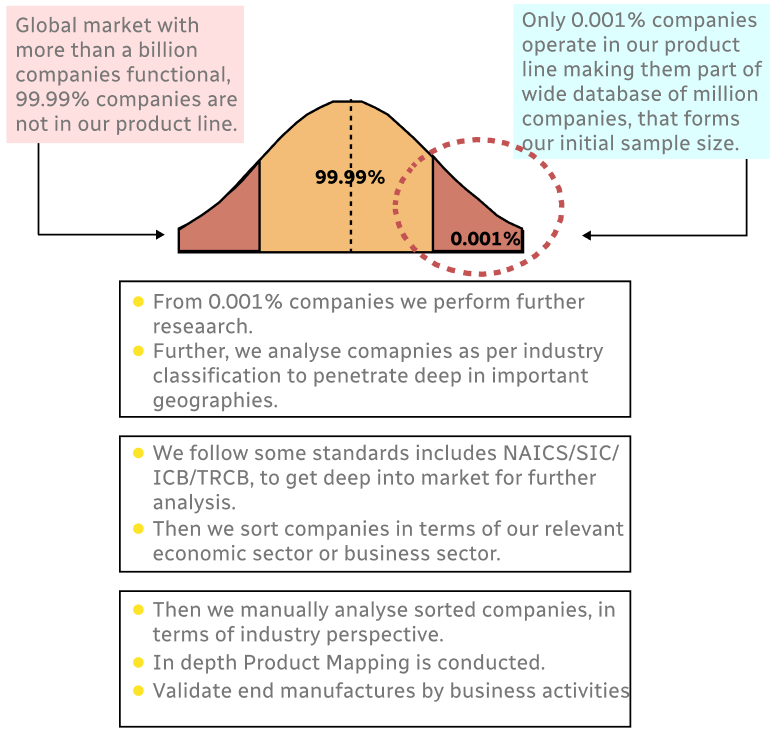
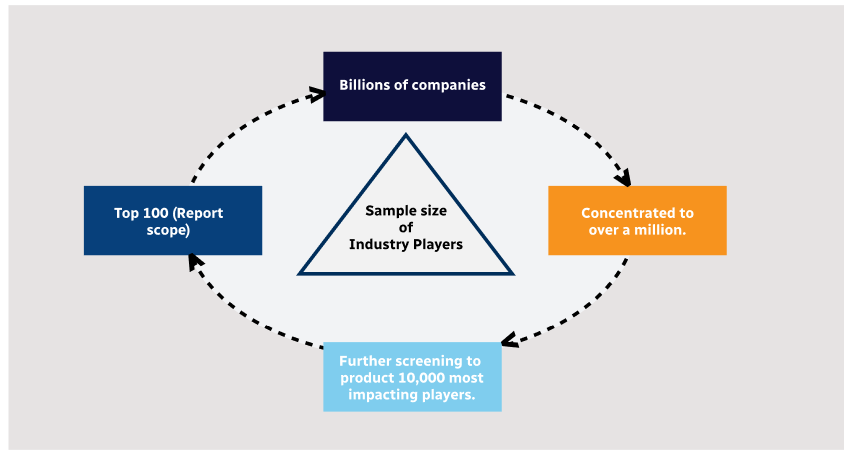
Step 1 - Identification of Relevant Samples Size from Population Database
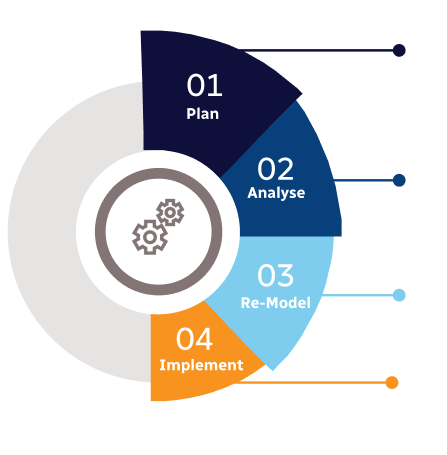
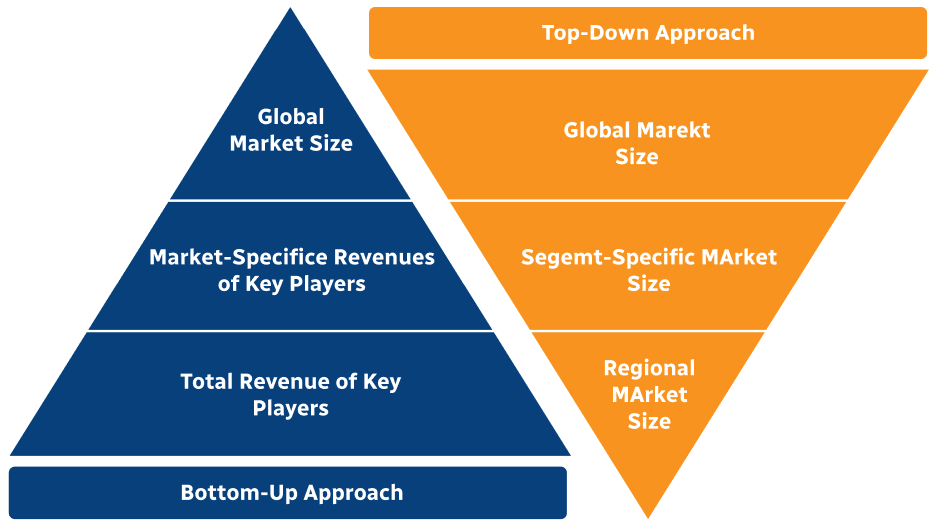
Step 2 - Approaches for Defining Global Market Size (Value, Volume* & Price*)
Note*: In applicable scenarios
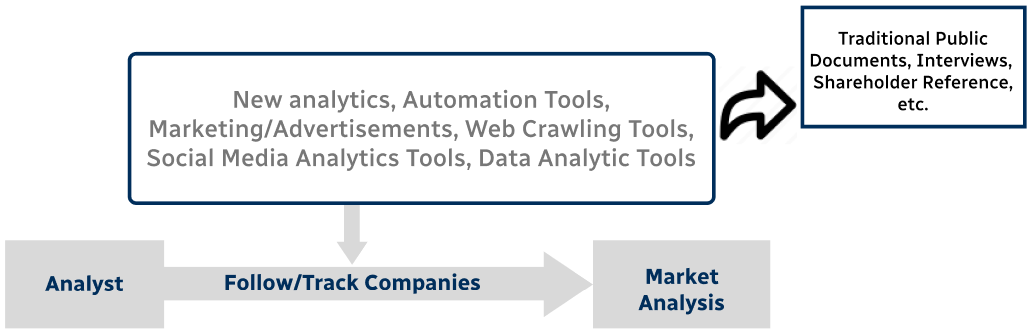
Step 3 - Data Sources
Primary Research
- Web Analytics
- Survey Reports
- Research Institute
- Latest Research Reports
- Opinion Leaders
Secondary Research
- Annual Reports
- White Paper
- Latest Press Release
- Industry Association
- Paid Database
- Investor Presentations
Step 4 - Data Triangulation
Involves using different sources of information in order to increase the validity of a study
These sources are likely to be stakeholders in a program - participants, other researchers, program staff, other community members, and so on.
Then we put all data in single framework & apply various statistical tools to find out the dynamic on the market.
During the analysis stage, feedback from the stakeholder groups would be compared to determine areas of agreement as well as areas of divergence