



Key Insights
The North America 2-Wheeler Replacement Tire Market is poised for substantial growth, projecting a market size of $226.7 million in 2025, with a robust Compound Annual Growth Rate (CAGR) of 5.4% throughout the forecast period of 2025-2033. This expansion is primarily fueled by increasing motorcycle and scooter ownership across the United States and Canada, driven by factors such as rising disposable incomes, growing urbanization, and the appeal of these vehicles as cost-effective and efficient modes of transportation. The aftermarket segment is expected to dominate, benefiting from a large existing fleet of two-wheelers requiring regular tire maintenance and replacement. Furthermore, the burgeoning popularity of e-bikes, though currently a smaller segment, presents a significant future growth avenue as more consumers opt for sustainable and convenient personal mobility solutions.

North America 2-Wheeler Replacement Tire Market Market Size (In Million)

Key trends shaping this market include a growing consumer preference for high-performance and durable tires, especially among motorcycle enthusiasts, leading to demand for advanced tread compounds and innovative designs. The expansion of the aftermarket distribution network, with more specialized retail stores and online platforms, is also enhancing accessibility for consumers. However, the market faces certain restraints. Fluctuations in raw material prices, particularly for natural and synthetic rubber, can impact profitability and influence pricing strategies. Additionally, stringent quality and safety regulations in some regions may necessitate significant investment in research and development for tire manufacturers. Despite these challenges, the overall outlook for the North America 2-Wheeler Replacement Tire Market remains optimistic, driven by sustained consumer demand and evolving mobility trends.

North America 2-Wheeler Replacement Tire Market Company Market Share

North America 2-Wheeler Replacement Tire Market: Comprehensive Analysis and Future Outlook (2019-2033)
This in-depth report provides a definitive analysis of the North America 2-wheeler replacement tire market. Spanning the study period 2019–2033, with 2025 serving as the base year and estimated year, and a forecast period from 2025–2033, this report leverages historical data from 2019–2024 to offer unparalleled insights. The North America 2-wheeler replacement tire market size is projected to reach a significant xx million by 2033. We meticulously examine motorcycle tires, scooter tires, moped tires, and e-bike tires, alongside OEM and aftermarket sales channels. Key players including Michelin, Dunlop Tires, Coker Tire, Cooper Tires, BFGoodrich, MR, and Apollo Tires are analyzed for their strategic contributions. Discover crucial industry developments shaping the future of this dynamic sector.
North America 2-Wheeler Replacement Tire Market Market Structure & Competitive Dynamics
The North America 2-wheeler replacement tire market exhibits a moderate to high concentration, with key players like Michelin and Dunlop Tires holding substantial market share. Innovation ecosystems are robust, driven by continuous R&D in tire materials, tread patterns, and sustainable manufacturing processes. Regulatory frameworks, particularly those concerning safety standards and environmental compliance, play a crucial role in shaping product development and market entry strategies. Product substitutes, while limited in core function, can include alternative tire types or even shifts in vehicle ownership trends impacting the demand for replacement tires. End-user trends point towards a growing preference for high-performance, durable, and eco-friendly tires, influenced by both economic conditions and increasing environmental awareness. Merger and acquisition (M&A) activities are notable, with recent deals valued at xx million indicating strategic consolidation and expansion efforts by leading manufacturers to enhance their market presence and product portfolios within the 2-wheeler tire aftermarket.
- Market Concentration: Dominated by a few major global manufacturers, with significant regional players contributing to market diversity.
- Innovation Ecosystems: Focused on advanced rubber compounds, tread designs for improved grip and longevity, and smart tire technologies.
- Regulatory Frameworks: Stringent safety and emission standards across the US and Canada influence product design and manufacturing.
- Product Substitutes: Limited direct substitutes, but shifts towards electric mobility and ride-sharing services can indirectly impact demand.
- End-User Trends: Growing demand for specialized tires (e.g., all-weather, high-performance), increasing consumer awareness of tire maintenance and safety.
- M&A Activities: Strategic acquisitions aimed at expanding product lines, geographic reach, and technological capabilities.
North America 2-Wheeler Replacement Tire Market Industry Trends & Insights
The North America 2-wheeler replacement tire market is experiencing robust growth, driven by a confluence of factors. The CAGR for the forecast period is estimated at xx%, underscoring a healthy expansion trajectory. A significant market penetration is observed, particularly in urban centers with a high density of motorcycle and scooter ownership. Market growth drivers are multifaceted, including a rising disposable income, an increasing preference for two-wheeled vehicles as an economical and efficient mode of transportation, especially in congested urban environments, and a growing enthusiast base for motorcycles, leading to higher replacement cycles. Technological disruptions are playing a pivotal role, with advancements in tire technology such as the development of puncture-resistant compounds, extended wear formulations, and improved grip in varying weather conditions. The integration of smart tire technologies, offering real-time performance monitoring and safety alerts, is an emerging trend. Consumer preferences are evolving, with a strong emphasis on tire durability, safety features, fuel efficiency, and increasingly, sustainability and eco-friendly materials. The competitive dynamics are characterized by intense innovation, aggressive pricing strategies, and strategic partnerships between tire manufacturers and vehicle original equipment manufacturers (OEMs). The aftermarket segment, in particular, is a key battleground, with an increasing focus on direct-to-consumer sales channels and enhanced customer service. The resurgence of adventure touring and off-road biking also contributes to a demand for specialized, high-performance replacement tires. Furthermore, the electrification of two-wheelers, including electric motorcycles and e-bikes, is creating new avenues for market growth, necessitating the development of tires optimized for electric vehicle performance characteristics such as instant torque and battery range. The growing awareness of tire maintenance among consumers, coupled with stringent road safety regulations, further propels the demand for regular tire replacements, ensuring the continued vitality of the North America 2-wheeler replacement tire market.
Dominant Markets & Segments in North America 2-Wheeler Replacement Tire Market
The North America 2-wheeler replacement tire market is characterized by distinct regional strengths and segment dominance. The United States emerges as the dominant country, driven by a large motorcycle enthusiast base, extensive road networks, and a robust aftermarket infrastructure. Economic policies supporting small business growth and favorable taxation on recreational vehicles contribute to this dominance. Canada also represents a significant market, though smaller in scale. Within vehicle types, motorcycles command the largest share of the replacement tire market, fueled by a wide range of motorcycle categories from cruisers to sport bikes, each requiring specialized tire performance. The growing popularity of adventure and touring motorcycles further bolsters this segment. Scooters and mopeds represent a substantial and growing segment, particularly in urban areas, due to their cost-effectiveness and agility for commuting. The increasing adoption of e-bikes is creating a nascent but rapidly expanding segment within the 2-wheeler replacement tire market, demanding tires optimized for electric propulsion, higher torque, and extended battery life.
In terms of sales channels, the aftermarket holds a commanding position in the North America 2-wheeler replacement tire market. This dominance is attributed to several factors:
- Consumer Choice and Customization: Riders often seek specific brands or performance characteristics not always offered by OEM tires, leading them to aftermarket options.
- Price Competitiveness: The aftermarket offers a wider range of price points, catering to budget-conscious consumers alongside premium buyers.
- Availability and Accessibility: Independent repair shops, tire specialists, and online retailers provide widespread access to replacement tires.
- Performance Upgrades: Many riders opt for aftermarket tires to enhance their riding experience, whether for improved grip, longevity, or specific riding conditions.
While OEM sales remain crucial for new vehicle production, the replacement market's sheer volume and the end-of-life cycle of original tires make the aftermarket the primary driver of sales volume and revenue in the 2-wheeler replacement tire sector.
- Leading Region: United States, due to high motorcycle ownership and robust aftermarket infrastructure.
- Dominant Vehicle Type: Motorcycles, supported by a diverse range of models and riding styles.
- Growing Vehicle Type: E-bikes, driven by the burgeoning electric mobility trend.
- Dominant Sales Channel: Aftermarket, offering greater choice, competitive pricing, and accessibility.
North America 2-Wheeler Replacement Tire Market Product Innovations
Product innovation in the North America 2-wheeler replacement tire market focuses on enhancing rider safety, extending tire lifespan, and improving performance across diverse riding conditions. Manufacturers are developing advanced rubber compounds that offer superior grip on both dry and wet surfaces, while also exhibiting remarkable wear resistance. Innovations in tread pattern design are leading to optimized water dispersion for reduced hydroplaning risk and enhanced stability during cornering. The emergence of run-flat technology and self-sealing tire formulations are key developments addressing rider concerns about roadside emergencies. Furthermore, there's a growing trend towards eco-friendly materials and manufacturing processes, aligning with increasing environmental consciousness among consumers and regulatory pressures.
Report Segmentation & Scope
This report segments the North America 2-wheeler replacement tire market by Vehicle Type and Sales Channel.
- Motorcycle Tires: This segment encompasses replacement tires for all types of motorcycles, including cruisers, sport bikes, touring bikes, and off-road motorcycles. It analyzes the market size and growth projections driven by motorcycle sales trends and rider preferences.
- Scooter/Moped Tires: This segment focuses on replacement tires for scooters and mopeds, analyzing market dynamics influenced by urban mobility trends, fuel efficiency demands, and commuter preferences.
- E-bikes Tires: This rapidly evolving segment examines replacement tires specifically designed for electric bicycles, considering the unique performance requirements of e-bikes, such as weight, torque, and battery range optimization.
- OEMs (Original Equipment Manufacturers): This segment analyzes the supply of replacement tires directly to vehicle manufacturers for fitment on new bikes. It delves into the competitive landscape and contractual dynamics within this channel.
- Aftermarket: This segment covers the broad market for replacement tires sold through independent distributors, retailers, repair shops, and online platforms. It assesses market share, growth drivers, and competitive strategies within this significant channel.
Key Drivers of North America 2-Wheeler Replacement Tire Market Growth
The North America 2-wheeler replacement tire market is propelled by several key drivers. A primary factor is the increasing preference for two-wheeled vehicles as an economical and efficient mode of transportation, especially in urban areas experiencing traffic congestion and rising fuel costs. The robust motorcycle culture and a growing segment of adventure and touring enthusiasts contribute significantly, driving demand for higher-quality and performance-oriented replacement tires. Technological advancements in tire manufacturing, leading to enhanced durability, safety, and fuel efficiency, encourage more frequent replacements. Furthermore, stringent road safety regulations across North America mandate the use of safe and well-maintained tires, indirectly boosting the replacement tire market. The expanding e-bike market also presents a new and growing demand source for specialized replacement tires.
Challenges in the North America 2-Wheeler Replacement Tire Market Sector
Despite the positive growth trajectory, the North America 2-wheeler replacement tire market faces several challenges. Intense competition among established global players and emerging regional manufacturers can lead to price wars and reduced profit margins. Fluctuations in raw material prices, particularly natural rubber and carbon black, can impact manufacturing costs and affect pricing strategies. Supply chain disruptions, exacerbated by geopolitical events or natural disasters, can lead to material shortages and delayed production. Evolving environmental regulations regarding tire disposal and manufacturing processes necessitate continuous investment in sustainable technologies and practices. Moreover, the relatively high cost of premium replacement tires can be a deterrent for some price-sensitive consumers, leading them to opt for lower-quality alternatives.
Leading Players in the North America 2-Wheeler Replacement Tire Market Market
- Michelin
- Dunlop Tires
- Coker Tire
- Cooper Tires
- BFGoodrich
- MR
- Apollo Tires
Key Developments in North America 2-Wheeler Replacement Tire Market Sector
- 2023: Michelin launches a new line of eco-friendly motorcycle tires with a focus on sustainable materials and extended lifespan.
- 2023: Dunlop Tires expands its range of high-performance scooter tires, catering to the growing urban mobility segment.
- 2022: Coker Tire introduces a collection of vintage-style motorcycle tires, targeting the classic motorcycle restoration market.
- 2022: Apollo Tires announces strategic partnerships with several prominent motorcycle dealerships to enhance aftermarket distribution.
- 2021: Cooper Tires invests in new research and development facilities to accelerate innovation in off-road and adventure motorcycle tire technology.
Strategic North America 2-Wheeler Replacement Tire Market Market Outlook
The strategic outlook for the North America 2-wheeler replacement tire market is positive, with continued growth anticipated. Key growth accelerators include the ongoing expansion of the e-bike segment, demanding innovative tire solutions. A greater consumer focus on tire performance, safety, and sustainability presents opportunities for manufacturers who can deliver advanced, eco-friendly products. The aftermarket segment is expected to remain the dominant force, with significant potential in online sales channels and direct-to-consumer strategies. Strategic collaborations between tire manufacturers and electric vehicle (EV) manufacturers will be crucial for capturing market share in the burgeoning electric motorcycle and scooter space. Emphasis on smart tire technologies and predictive maintenance solutions will also shape future market dynamics, offering enhanced value propositions to consumers.
North America 2-Wheeler Replacement Tire Market Segmentation
-
1. Vehicle Type
- 1.1. Motorcycle
- 1.2. Scooter/Moped
- 1.3. E-bikes
-
2. Sales Channel
- 2.1. OEMs
- 2.2. Aftermarket
North America 2-Wheeler Replacement Tire Market Segmentation By Geography
- 1. United States
- 2. Canada
- 3. Rest Of North America

North America 2-Wheeler Replacement Tire Market Regional Market Share

Geographic Coverage of North America 2-Wheeler Replacement Tire Market
North America 2-Wheeler Replacement Tire Market REPORT HIGHLIGHTS
| Aspects | Details |
|---|---|
| Study Period | 2020-2034 |
| Base Year | 2025 |
| Estimated Year | 2026 |
| Forecast Period | 2026-2034 |
| Historical Period | 2020-2025 |
| Growth Rate | CAGR of 5.4% from 2020-2034 |
| Segmentation |
|
Table of Contents
- 1. Introduction
- 1.1. Research Scope
- 1.2. Market Segmentation
- 1.3. Research Methodology
- 1.4. Definitions and Assumptions
- 2. Executive Summary
- 2.1. Introduction
- 3. Market Dynamics
- 3.1. Introduction
- 3.2. Market Drivers
- 3.2.1. Increasingly Focused On Reducing Vehicle Weight To Improve Fuel Efficiency; Cost-effectiveness
- 3.3. Market Restrains
- 3.3.1. Competitiveness Of Alternative Materials
- 3.4. Market Trends
- 3.4.1. Retreading Tire will Push the 2-Wheeler Market for Replacement
- 4. Market Factor Analysis
- 4.1. Porters Five Forces
- 4.2. Supply/Value Chain
- 4.3. PESTEL analysis
- 4.4. Market Entropy
- 4.5. Patent/Trademark Analysis
- 5. North America 2-Wheeler Replacement Tire Market Analysis, Insights and Forecast, 2020-2032
- 5.1. Market Analysis, Insights and Forecast - by Vehicle Type
- 5.1.1. Motorcycle
- 5.1.2. Scooter/Moped
- 5.1.3. E-bikes
- 5.2. Market Analysis, Insights and Forecast - by Sales Channel
- 5.2.1. OEMs
- 5.2.2. Aftermarket
- 5.3. Market Analysis, Insights and Forecast - by Region
- 5.3.1. United States
- 5.3.2. Canada
- 5.3.3. Rest Of North America
- 5.1. Market Analysis, Insights and Forecast - by Vehicle Type
- 6. United States North America 2-Wheeler Replacement Tire Market Analysis, Insights and Forecast, 2020-2032
- 6.1. Market Analysis, Insights and Forecast - by Vehicle Type
- 6.1.1. Motorcycle
- 6.1.2. Scooter/Moped
- 6.1.3. E-bikes
- 6.2. Market Analysis, Insights and Forecast - by Sales Channel
- 6.2.1. OEMs
- 6.2.2. Aftermarket
- 6.1. Market Analysis, Insights and Forecast - by Vehicle Type
- 7. Canada North America 2-Wheeler Replacement Tire Market Analysis, Insights and Forecast, 2020-2032
- 7.1. Market Analysis, Insights and Forecast - by Vehicle Type
- 7.1.1. Motorcycle
- 7.1.2. Scooter/Moped
- 7.1.3. E-bikes
- 7.2. Market Analysis, Insights and Forecast - by Sales Channel
- 7.2.1. OEMs
- 7.2.2. Aftermarket
- 7.1. Market Analysis, Insights and Forecast - by Vehicle Type
- 8. Rest Of North America North America 2-Wheeler Replacement Tire Market Analysis, Insights and Forecast, 2020-2032
- 8.1. Market Analysis, Insights and Forecast - by Vehicle Type
- 8.1.1. Motorcycle
- 8.1.2. Scooter/Moped
- 8.1.3. E-bikes
- 8.2. Market Analysis, Insights and Forecast - by Sales Channel
- 8.2.1. OEMs
- 8.2.2. Aftermarket
- 8.1. Market Analysis, Insights and Forecast - by Vehicle Type
- 9. Competitive Analysis
- 9.1. Market Share Analysis 2025
- 9.2. Company Profiles
- 9.2.1 Michilen
- 9.2.1.1. Overview
- 9.2.1.2. Products
- 9.2.1.3. SWOT Analysis
- 9.2.1.4. Recent Developments
- 9.2.1.5. Financials (Based on Availability)
- 9.2.2 Dunlop Tires
- 9.2.2.1. Overview
- 9.2.2.2. Products
- 9.2.2.3. SWOT Analysis
- 9.2.2.4. Recent Developments
- 9.2.2.5. Financials (Based on Availability)
- 9.2.3 Coker Tire
- 9.2.3.1. Overview
- 9.2.3.2. Products
- 9.2.3.3. SWOT Analysis
- 9.2.3.4. Recent Developments
- 9.2.3.5. Financials (Based on Availability)
- 9.2.4 Cooper Tires
- 9.2.4.1. Overview
- 9.2.4.2. Products
- 9.2.4.3. SWOT Analysis
- 9.2.4.4. Recent Developments
- 9.2.4.5. Financials (Based on Availability)
- 9.2.5 BfGoodrich
- 9.2.5.1. Overview
- 9.2.5.2. Products
- 9.2.5.3. SWOT Analysis
- 9.2.5.4. Recent Developments
- 9.2.5.5. Financials (Based on Availability)
- 9.2.6 MR
- 9.2.6.1. Overview
- 9.2.6.2. Products
- 9.2.6.3. SWOT Analysis
- 9.2.6.4. Recent Developments
- 9.2.6.5. Financials (Based on Availability)
- 9.2.7 Apollo Tires
- 9.2.7.1. Overview
- 9.2.7.2. Products
- 9.2.7.3. SWOT Analysis
- 9.2.7.4. Recent Developments
- 9.2.7.5. Financials (Based on Availability)
- 9.2.1 Michilen
List of Figures
- Figure 1: North America 2-Wheeler Replacement Tire Market Revenue Breakdown (million, %) by Product 2025 & 2033
- Figure 2: North America 2-Wheeler Replacement Tire Market Share (%) by Company 2025
List of Tables
- Table 1: North America 2-Wheeler Replacement Tire Market Revenue million Forecast, by Vehicle Type 2020 & 2033
- Table 2: North America 2-Wheeler Replacement Tire Market Revenue million Forecast, by Sales Channel 2020 & 2033
- Table 3: North America 2-Wheeler Replacement Tire Market Revenue million Forecast, by Region 2020 & 2033
- Table 4: North America 2-Wheeler Replacement Tire Market Revenue million Forecast, by Vehicle Type 2020 & 2033
- Table 5: North America 2-Wheeler Replacement Tire Market Revenue million Forecast, by Sales Channel 2020 & 2033
- Table 6: North America 2-Wheeler Replacement Tire Market Revenue million Forecast, by Country 2020 & 2033
- Table 7: North America 2-Wheeler Replacement Tire Market Revenue million Forecast, by Vehicle Type 2020 & 2033
- Table 8: North America 2-Wheeler Replacement Tire Market Revenue million Forecast, by Sales Channel 2020 & 2033
- Table 9: North America 2-Wheeler Replacement Tire Market Revenue million Forecast, by Country 2020 & 2033
- Table 10: North America 2-Wheeler Replacement Tire Market Revenue million Forecast, by Vehicle Type 2020 & 2033
- Table 11: North America 2-Wheeler Replacement Tire Market Revenue million Forecast, by Sales Channel 2020 & 2033
- Table 12: North America 2-Wheeler Replacement Tire Market Revenue million Forecast, by Country 2020 & 2033
Frequently Asked Questions
1. What is the projected Compound Annual Growth Rate (CAGR) of the North America 2-Wheeler Replacement Tire Market?
The projected CAGR is approximately 5.4%.
2. Which companies are prominent players in the North America 2-Wheeler Replacement Tire Market?
Key companies in the market include Michilen, Dunlop Tires, Coker Tire, Cooper Tires, BfGoodrich, MR, Apollo Tires.
3. What are the main segments of the North America 2-Wheeler Replacement Tire Market?
The market segments include Vehicle Type, Sales Channel.
4. Can you provide details about the market size?
The market size is estimated to be USD 226.7 million as of 2022.
5. What are some drivers contributing to market growth?
Increasingly Focused On Reducing Vehicle Weight To Improve Fuel Efficiency; Cost-effectiveness.
6. What are the notable trends driving market growth?
Retreading Tire will Push the 2-Wheeler Market for Replacement.
7. Are there any restraints impacting market growth?
Competitiveness Of Alternative Materials.
8. Can you provide examples of recent developments in the market?
N/A
9. What pricing options are available for accessing the report?
Pricing options include single-user, multi-user, and enterprise licenses priced at USD 4750, USD 4950, and USD 6800 respectively.
10. Is the market size provided in terms of value or volume?
The market size is provided in terms of value, measured in million.
11. Are there any specific market keywords associated with the report?
Yes, the market keyword associated with the report is "North America 2-Wheeler Replacement Tire Market," which aids in identifying and referencing the specific market segment covered.
12. How do I determine which pricing option suits my needs best?
The pricing options vary based on user requirements and access needs. Individual users may opt for single-user licenses, while businesses requiring broader access may choose multi-user or enterprise licenses for cost-effective access to the report.
13. Are there any additional resources or data provided in the North America 2-Wheeler Replacement Tire Market report?
While the report offers comprehensive insights, it's advisable to review the specific contents or supplementary materials provided to ascertain if additional resources or data are available.
14. How can I stay updated on further developments or reports in the North America 2-Wheeler Replacement Tire Market?
To stay informed about further developments, trends, and reports in the North America 2-Wheeler Replacement Tire Market, consider subscribing to industry newsletters, following relevant companies and organizations, or regularly checking reputable industry news sources and publications.
Methodology
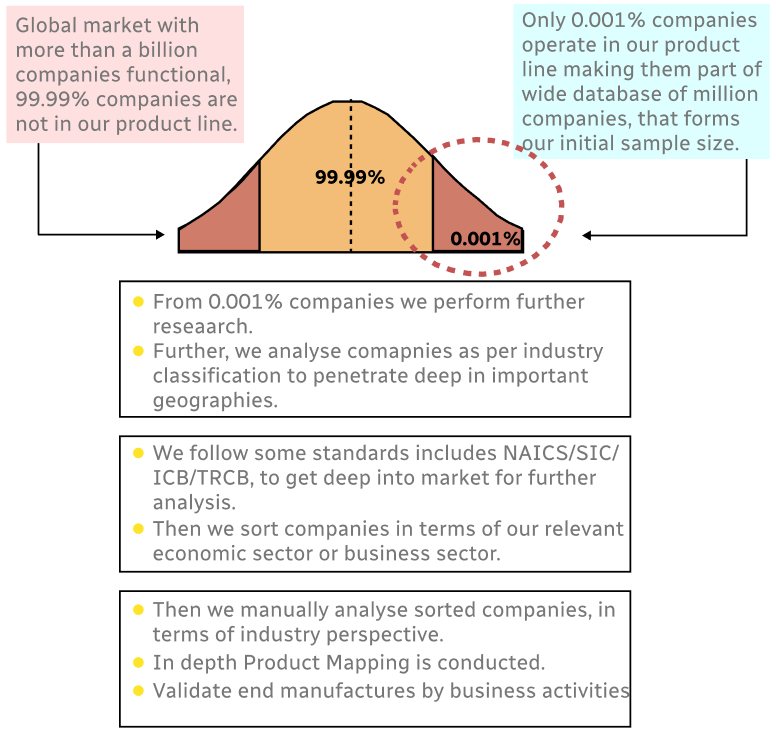
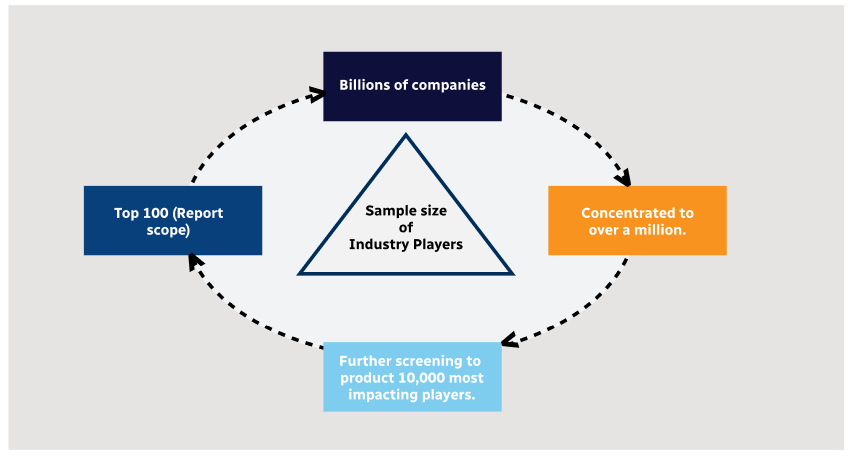
Step 1 - Identification of Relevant Samples Size from Population Database

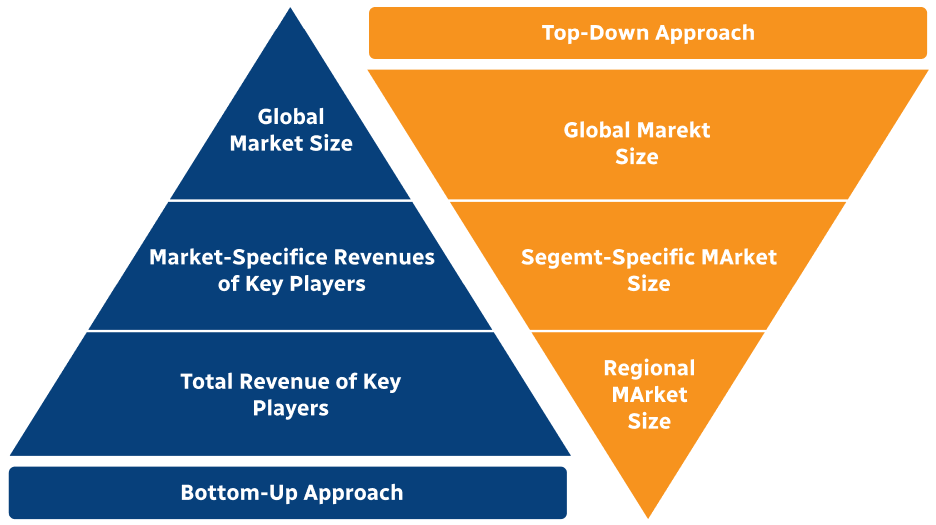
Step 2 - Approaches for Defining Global Market Size (Value, Volume* & Price*)
Note*: In applicable scenarios
Step 3 - Data Sources
Primary Research
- Web Analytics
- Survey Reports
- Research Institute
- Latest Research Reports
- Opinion Leaders
Secondary Research
- Annual Reports
- White Paper
- Latest Press Release
- Industry Association
- Paid Database
- Investor Presentations

Step 4 - Data Triangulation
Involves using different sources of information in order to increase the validity of a study
These sources are likely to be stakeholders in a program - participants, other researchers, program staff, other community members, and so on.
Then we put all data in single framework & apply various statistical tools to find out the dynamic on the market.
During the analysis stage, feedback from the stakeholder groups would be compared to determine areas of agreement as well as areas of divergence


