
Key Insights
The Modular Electric Skateboard Platform market is projected to reach $3.1 billion by 2025, exhibiting a Compound Annual Growth Rate (CAGR) of 6.8%. This significant expansion is driven by the widespread adoption of electric vehicles (EVs) in both commercial and passenger sectors. The inherent modularity of skateboard platforms, integrating essential EV components (battery, motors, control systems) into a unified chassis, offers automotive manufacturers a cost-effective and agile solution for developing and launching new EV models. This approach accelerates development cycles and reduces costs, enabling quicker adaptation to consumer demand for electric mobility. Enhanced battery technology, expanding charging infrastructure, and supportive global regulations further bolster market growth.
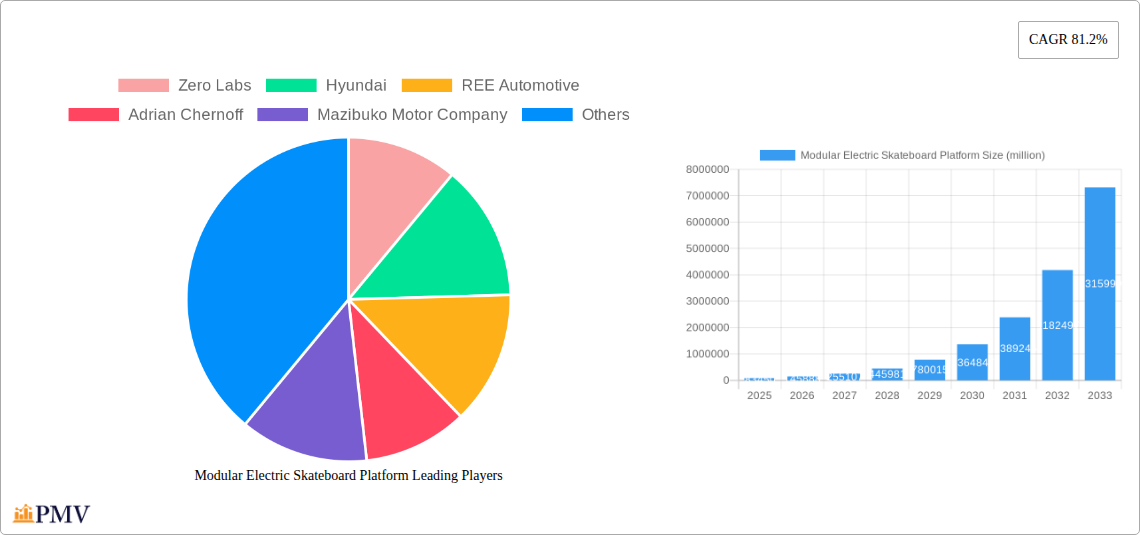
Modular Electric Skateboard Platform Market Size (In Billion)

Market segmentation includes Commercial Cars and Passenger Cars, with further distinctions in motor configuration (Single Motor and Dual Motor). Key industry players such as Tesla, Volkswagen Group, Hyundai, and General Motors are actively developing modular EV platforms, indicating a major industry transformation. Innovative companies like Rivian, Canoo, and PIX Moving are also gaining market traction with their novel designs. A dominant trend is the increasing standardization of these platforms, facilitating the integration of diverse vehicle body styles and functionalities. Potential challenges include supply chain complexities for specialized components and the rigorous testing of new architectures. Nevertheless, the strong momentum of EV adoption and the inherent benefits of modular skateboard platforms are expected to overcome these hurdles, ushering in a transformative era for the automotive industry.
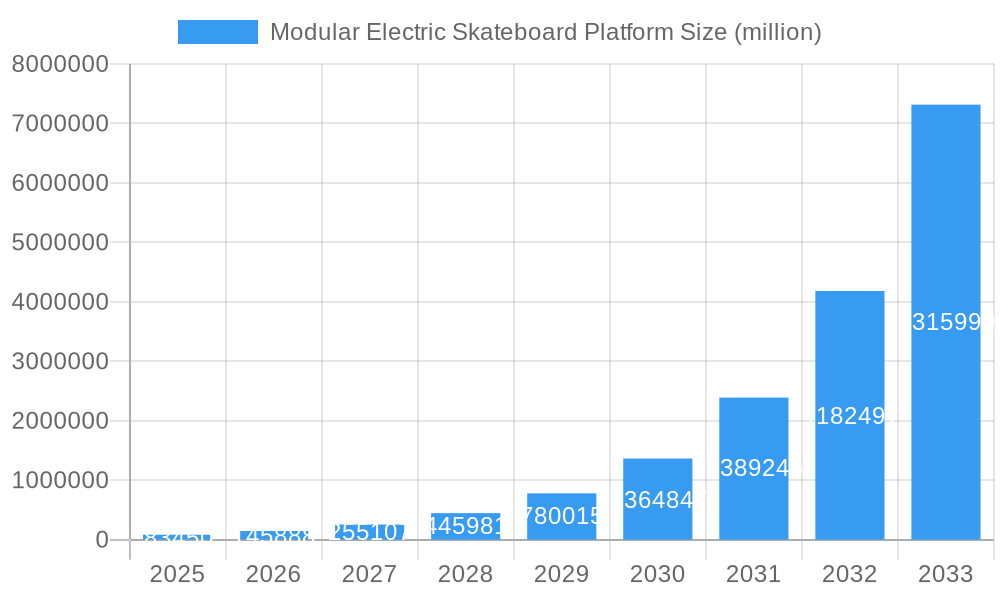
Modular Electric Skateboard Platform Company Market Share
Modular Electric Skateboard Platform Market Report: Comprehensive Analysis & Future Outlook
This in-depth report, "Modular Electric Skateboard Platform Market: Global Opportunities, Trends, and Forecast to 2033," provides a panoramic view of the evolving electric skateboard platform industry. Spanning a study period from 2019–2033, with a base and estimated year of 2025 and a forecast period of 2025–2033, this analysis delves into the historical trajectory (2019–2024) and projects future market dynamics. We meticulously examine the strategic landscape, technological innovations, and competitive forces shaping this transformative sector of electric vehicle development. The report is designed for industry stakeholders seeking actionable insights, market intelligence, and a competitive edge in the rapidly expanding modular electric skateboard platform market.
Modular Electric Skateboard Platform Market Structure & Competitive Dynamics
The modular electric skateboard platform market is characterized by a dynamic and evolving competitive landscape. Market concentration varies across different regions, with some areas exhibiting a more consolidated structure dominated by established automotive giants and emerging EV startups. However, the proliferation of innovative startups and the increasing adoption of open-source principles are fostering a vibrant innovation ecosystem. Regulatory frameworks are becoming increasingly favorable, driven by global decarbonization initiatives and government incentives for electric vehicle adoption. Product substitutes, such as traditional skateboard designs and alternative personal mobility solutions, are present but the inherent modularity and customization potential of electric skateboard platforms offer distinct advantages. End-user trends are shifting towards personalized mobility solutions, last-mile delivery efficiency, and the integration of smart technologies. Mergers and acquisitions (M&A) activities are significant, with estimated deal values in the multi-million range, as companies strategically consolidate to gain market share and technological expertise. Key M&A activities are anticipated to further shape the competitive dynamics.
- Market Share: Major players are expected to hold significant market shares, with leading companies like General Motors, Tesla, and Volkswagen Group leveraging their established manufacturing capabilities and R&D investments.
- Innovation Ecosystems: Collaboration between traditional automakers (e.g., Hyundai, Renault), EV startups (e.g., Rivian, Canoo), and technology providers (e.g., Bosch, Schaeffler) is a crucial aspect of the innovation ecosystem.
- Regulatory Frameworks: Favorable government policies, emission standards, and safety regulations are key drivers.
- Product Substitutes: While existing, the unique value proposition of modularity and scalability sets electric skateboard platforms apart.
- End-User Trends: Demand for customized, efficient, and sustainable personal transport solutions is high.
- M&A Activities: Strategic acquisitions and partnerships are prevalent, with estimated total deal values reaching tens of millions of dollars.
Modular Electric Skateboard Platform Industry Trends & Insights
The modular electric skateboard platform industry is experiencing robust growth, driven by several interconnected trends. A significant market growth driver is the escalating demand for electric vehicles (EVs) across both commercial and passenger segments, fueled by environmental consciousness and government mandates for emission reduction. Technological disruptions, particularly in battery technology, power electronics, and advanced materials, are enabling lighter, more efficient, and cost-effective electric skateboard designs. Consumer preferences are increasingly leaning towards customizable, versatile, and integrated mobility solutions, where modular platforms excel. The competitive dynamics are characterized by intense innovation, with established automotive manufacturers like Volkswagen Group and General Motors investing heavily to compete with agile EV startups such as Rivian and Canoo. Furthermore, the increasing focus on shared mobility services and last-mile delivery solutions presents a substantial opportunity for these platforms. The projected Compound Annual Growth Rate (CAGR) for this sector is expected to be in the high double-digit range, indicating a substantial market penetration in the coming years. The integration of Artificial Intelligence (AI) for autonomous driving capabilities and predictive maintenance is another emerging trend that will redefine the industry. The development of scalable manufacturing processes and the optimization of supply chains are crucial for meeting the burgeoning demand. The trend towards electrification in niche segments, such as light commercial vehicles and specialized recreational vehicles, also contributes to market expansion. The increasing adoption of digital twins and simulation technologies in the design and testing phases accelerates product development cycles.
- Market Growth Drivers:
- Global push for EV adoption and stricter emission regulations.
- Advancements in battery energy density and charging infrastructure.
- Increasing demand for sustainable and personalized mobility.
- Growth of ride-sharing and last-mile delivery services.
- Government incentives and subsidies for EV manufacturing and purchase.
- Technological Disruptions:
- Solid-state battery technology promising increased range and safety.
- High-efficiency electric motors and advanced power electronics.
- Lightweight and high-strength composite materials.
- Integration of over-the-air (OTA) software updates and connectivity.
- Development of sophisticated thermal management systems.
- Consumer Preferences:
- Desire for customizable vehicle configurations.
- Demand for enhanced safety features and driver-assistance systems.
- Preference for user-friendly interfaces and integrated digital experiences.
- Growing interest in eco-friendly transportation options.
- Competitive Dynamics:
- Intensified competition between traditional OEMs and new EV players.
- Strategic partnerships and collaborations for technology sharing and market access.
- Focus on cost reduction through economies of scale and optimized production.
- Vertical integration to control key components and supply chains.
- Rapid product iteration and feature enhancements.
- Market Penetration: Expected to witness significant market penetration, exceeding xx% by the end of the forecast period.
- CAGR: Projected CAGR of xx% over the forecast period (2025–2033).
Dominant Markets & Segments in Modular Electric Skateboard Platform
North America is currently the dominant market for modular electric skateboard platforms, driven by strong economic policies, advanced technological infrastructure, and a high consumer propensity for adopting innovative mobility solutions. The United States, in particular, leads in this segment, owing to significant investments from established players like General Motors and emerging companies such as Atlis Motor Vehicles and Bollinger Motors. Government initiatives promoting EV adoption and the development of charging networks further bolster this dominance. In terms of application, Commercial Cars represent a rapidly growing segment, driven by the e-commerce boom and the need for efficient, sustainable last-mile delivery solutions. Companies like Arrival and PIX Moving are making significant strides in this area. However, Passenger Cars are expected to remain a substantial segment, catering to individual mobility needs with versatile and customizable vehicle options.
The Type segmentation reveals a strong preference and future growth potential for Dual Motor configurations, offering enhanced performance, traction, and driving dynamics compared to Single Motor variants. This is particularly relevant for applications requiring greater power and torque. Companies like Tesla, with its established expertise in dual-motor powertrains, are setting benchmarks. The industry is witnessing a significant influx of investment and innovation in this domain. The market size for dual-motor platforms is projected to surpass that of single-motor platforms within the forecast period.
- Dominant Region: North America
- Key Drivers:
- Pro-EV government policies and tax incentives.
- Extensive charging infrastructure development.
- High consumer adoption of new technologies.
- Presence of leading EV manufacturers and R&D hubs.
- Growing logistics and delivery sector demanding efficient EVs.
- Detailed Dominance Analysis: North America's dominance is underpinned by a confluence of factors, including favorable regulatory environments, substantial venture capital funding for EV startups, and a strong consumer appetite for sustainable and technologically advanced vehicles. The region's commitment to decarbonization targets is a significant catalyst for the widespread adoption of modular electric skateboard platforms.
- Key Drivers:
- Dominant Application: Commercial Cars
- Key Drivers:
- E-commerce growth and last-mile delivery demand.
- Total Cost of Ownership (TCO) benefits of EVs.
- Need for customizable and scalable fleet solutions.
- Urban emission regulations.
- Detailed Dominance Analysis: The commercial vehicle segment is burgeoning due to the critical need for efficient, cost-effective, and environmentally friendly logistics. Modular platforms allow for rapid customization to meet diverse delivery needs, from small package carriers to larger cargo vans. The inherent adaptability of these platforms significantly reduces TCO for fleet operators.
- Key Drivers:
- Dominant Type: Dual Motor
- Key Drivers:
- Superior performance, acceleration, and torque.
- Enhanced traction and all-wheel-drive capabilities.
- Improved vehicle dynamics and handling.
- Suitability for heavier loads and diverse terrain.
- Detailed Dominance Analysis: Dual-motor configurations offer a compelling advantage in terms of performance and versatility. As the demand for more powerful and capable electric vehicles grows, especially in commercial applications and performance-oriented passenger cars, dual-motor setups are becoming the preferred choice. This trend is amplified by the ongoing advancements in electric motor efficiency and power density.
- Key Drivers:
Modular Electric Skateboard Platform Product Innovations
Product innovations in the modular electric skateboard platform sector are centered on enhancing scalability, reducing manufacturing costs, and enabling greater customization. Companies are focusing on integrated powertrain systems, advanced battery management, and simplified chassis architectures. These innovations offer significant competitive advantages by allowing for faster vehicle development cycles and lower production expenses. Key technological trends include the development of skateboard platforms that can be easily adapted for various vehicle body styles, from compact passenger cars to light commercial vehicles, and even specialized applications. The market fit is exceptionally strong for businesses seeking to rapidly launch new EV models or diversify their existing lineups without the extensive R&D overhead associated with entirely new vehicle architectures.
Report Segmentation & Scope
This report meticulously segments the modular electric skateboard platform market to provide a granular understanding of its diverse landscape.
- Application: Commercial Cars: This segment encompasses platforms designed for light commercial vehicles, delivery vans, and last-mile logistics solutions. Growth projections indicate substantial expansion driven by the burgeoning e-commerce sector. Market sizes are expected to reach multi-million dollar figures, with intense competition from specialized EV manufacturers.
- Application: Passenger Cars: This segment focuses on platforms intended for personal transportation, including sedans, SUVs, and compact vehicles. Growth is anticipated to be steady, fueled by consumer demand for EVs and the inherent flexibility of modular designs for various body styles. Competitive dynamics involve both established automakers and new EV entrants.
- Type: Single Motor: This segment analyzes platforms utilizing a single electric motor for propulsion. While offering cost advantages and simplicity, their market share is expected to gradually cede to more powerful configurations. Growth projections are moderate, with a focus on budget-friendly and niche applications.
- Type: Dual Motor: This segment examines platforms equipped with two electric motors. It is projected to experience the most significant growth due to enhanced performance, efficiency, and versatility, making it ideal for a wider range of applications. Market sizes are expected to be substantial, with strong competitive advantages stemming from superior driving dynamics.
Key Drivers of Modular Electric Skateboard Platform Growth
The growth of the modular electric skateboard platform market is propelled by a confluence of powerful forces. Technologically, advancements in battery density, electric motor efficiency, and power electronics are making these platforms more viable and appealing. Economically, the decreasing cost of EV components and government incentives for electric vehicle adoption are reducing the overall cost of ownership and increasing market accessibility. Regulatory factors, such as stringent emission standards and mandates for zero-emission vehicles, are compelling automakers to accelerate their EV development, with modular platforms offering a faster route to market. Furthermore, the rising consumer demand for personalized and sustainable mobility solutions creates a fertile ground for the flexible and scalable nature of these platforms.
Challenges in the Modular Electric Skateboard Platform Sector
Despite the promising outlook, the modular electric skateboard platform sector faces several significant challenges. Regulatory hurdles, particularly concerning evolving safety standards and homologation processes for modular designs across different regions, can slow down market entry. Supply chain disruptions, especially for critical components like batteries and semiconductors, continue to pose a risk, impacting production timelines and costs. Competitive pressures are intense, with established players and nimble startups vying for market share, leading to price wars and the need for continuous innovation. The substantial upfront investment required for developing and scaling production of modular platforms also presents a barrier for smaller entrants.
Leading Players in the Modular Electric Skateboard Platform Market
- Zero Labs
- Hyundai
- REE Automotive
- Adrian Chernoff
- Mazibuko Motor Company
- General Motors
- Atlis Motor Vehicles
- Canoo
- Open Motors
- DeepDrive
- Tesla
- Volkswagen Group
- Schaeffler
- Bosch
- Rivian
- Arrival
- PIX Moving
- U Power
- IAT Automobile Technology
- Bollinger Motors
- Karma Automotive
Key Developments in Modular Electric Skateboard Platform Sector
- 2023 Q3: Arrival announces strategic partnership with U Power to scale electric van production using modular platforms.
- 2023 Q4: General Motors unveils new Ultium-based skateboard platform for commercial vehicle applications.
- 2024 Q1: REE Automotive secures significant funding to expand its modular EV platform manufacturing capabilities.
- 2024 Q2: Tesla showcases advancements in battery technology, further enhancing the potential for electric skateboard platforms.
- 2024 Q3: Volkswagen Group invests heavily in battery gigafactories to support its modular EV strategy.
- 2024 Q4: Canoo announces successful completion of initial production models on its modular skateboard platform.
- 2025 Q1: Hyundai accelerates development of its E-GMP platform for broader EV applications.
- 2025 Q2: Bosch announces new integrated powertrain solutions for modular EV architectures.
Strategic Modular Electric Skateboard Platform Market Outlook
The strategic outlook for the modular electric skateboard platform market is exceptionally bright, characterized by significant growth accelerators. The ongoing shift towards electrification across all vehicle segments, coupled with the inherent adaptability and cost-efficiency of modular designs, presents a compelling future market potential. Strategic opportunities lie in forming synergistic partnerships between technology providers, component manufacturers, and automotive OEMs. The increasing demand for specialized mobility solutions, such as autonomous delivery vehicles and personal electric mobility devices, will further drive innovation and market expansion. Companies that can effectively leverage the scalability and customization benefits of modular platforms are poised to capture substantial market share and lead the next wave of electric vehicle innovation. The focus on reducing development cycles and manufacturing costs will be a key differentiator.
Modular Electric Skateboard Platform Segmentation
-
1. Application
- 1.1. Commercial Cars
- 1.2. Passenger Cars
-
2. Type
- 2.1. Single Motor
- 2.2. Dual Motor
Modular Electric Skateboard Platform Segmentation By Geography
-
1. North America
- 1.1. United States
- 1.2. Canada
- 1.3. Mexico
-
2. South America
- 2.1. Brazil
- 2.2. Argentina
- 2.3. Rest of South America
-
3. Europe
- 3.1. United Kingdom
- 3.2. Germany
- 3.3. France
- 3.4. Italy
- 3.5. Spain
- 3.6. Russia
- 3.7. Benelux
- 3.8. Nordics
- 3.9. Rest of Europe
-
4. Middle East & Africa
- 4.1. Turkey
- 4.2. Israel
- 4.3. GCC
- 4.4. North Africa
- 4.5. South Africa
- 4.6. Rest of Middle East & Africa
-
5. Asia Pacific
- 5.1. China
- 5.2. India
- 5.3. Japan
- 5.4. South Korea
- 5.5. ASEAN
- 5.6. Oceania
- 5.7. Rest of Asia Pacific
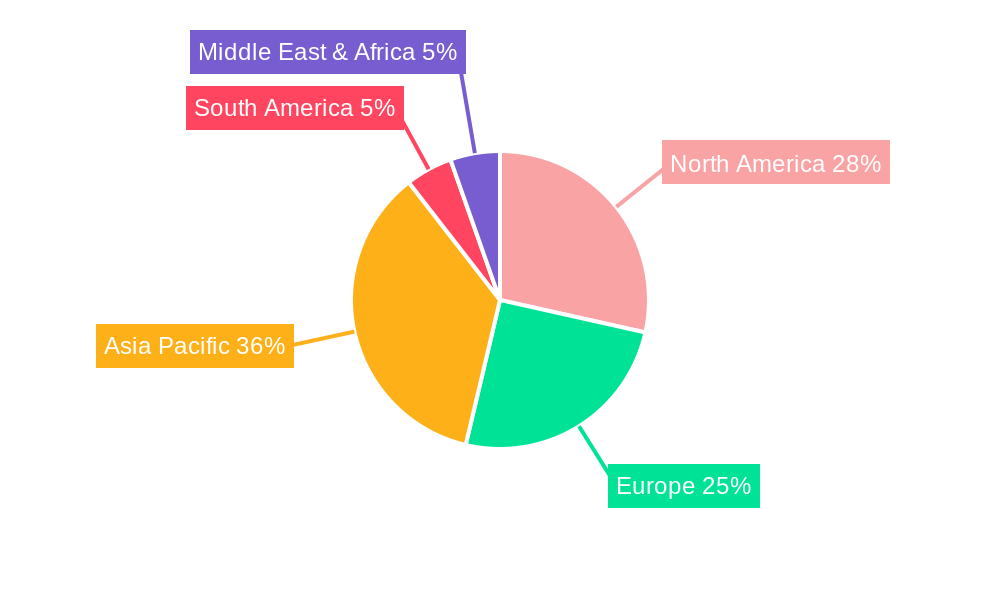
Modular Electric Skateboard Platform Regional Market Share
Geographic Coverage of Modular Electric Skateboard Platform
Modular Electric Skateboard Platform REPORT HIGHLIGHTS
| Aspects | Details |
|---|---|
| Study Period | 2020-2034 |
| Base Year | 2025 |
| Estimated Year | 2026 |
| Forecast Period | 2026-2034 |
| Historical Period | 2020-2025 |
| Growth Rate | CAGR of 6.8% from 2020-2034 |
| Segmentation |
|
Table of Contents
- 1. Introduction
- 1.1. Research Scope
- 1.2. Market Segmentation
- 1.3. Research Methodology
- 1.4. Definitions and Assumptions
- 2. Executive Summary
- 2.1. Introduction
- 3. Market Dynamics
- 3.1. Introduction
- 3.2. Market Drivers
- 3.3. Market Restrains
- 3.4. Market Trends
- 4. Market Factor Analysis
- 4.1. Porters Five Forces
- 4.2. Supply/Value Chain
- 4.3. PESTEL analysis
- 4.4. Market Entropy
- 4.5. Patent/Trademark Analysis
- 5. Global Modular Electric Skateboard Platform Analysis, Insights and Forecast, 2020-2032
- 5.1. Market Analysis, Insights and Forecast - by Application
- 5.1.1. Commercial Cars
- 5.1.2. Passenger Cars
- 5.2. Market Analysis, Insights and Forecast - by Type
- 5.2.1. Single Motor
- 5.2.2. Dual Motor
- 5.3. Market Analysis, Insights and Forecast - by Region
- 5.3.1. North America
- 5.3.2. South America
- 5.3.3. Europe
- 5.3.4. Middle East & Africa
- 5.3.5. Asia Pacific
- 5.1. Market Analysis, Insights and Forecast - by Application
- 6. North America Modular Electric Skateboard Platform Analysis, Insights and Forecast, 2020-2032
- 6.1. Market Analysis, Insights and Forecast - by Application
- 6.1.1. Commercial Cars
- 6.1.2. Passenger Cars
- 6.2. Market Analysis, Insights and Forecast - by Type
- 6.2.1. Single Motor
- 6.2.2. Dual Motor
- 6.1. Market Analysis, Insights and Forecast - by Application
- 7. South America Modular Electric Skateboard Platform Analysis, Insights and Forecast, 2020-2032
- 7.1. Market Analysis, Insights and Forecast - by Application
- 7.1.1. Commercial Cars
- 7.1.2. Passenger Cars
- 7.2. Market Analysis, Insights and Forecast - by Type
- 7.2.1. Single Motor
- 7.2.2. Dual Motor
- 7.1. Market Analysis, Insights and Forecast - by Application
- 8. Europe Modular Electric Skateboard Platform Analysis, Insights and Forecast, 2020-2032
- 8.1. Market Analysis, Insights and Forecast - by Application
- 8.1.1. Commercial Cars
- 8.1.2. Passenger Cars
- 8.2. Market Analysis, Insights and Forecast - by Type
- 8.2.1. Single Motor
- 8.2.2. Dual Motor
- 8.1. Market Analysis, Insights and Forecast - by Application
- 9. Middle East & Africa Modular Electric Skateboard Platform Analysis, Insights and Forecast, 2020-2032
- 9.1. Market Analysis, Insights and Forecast - by Application
- 9.1.1. Commercial Cars
- 9.1.2. Passenger Cars
- 9.2. Market Analysis, Insights and Forecast - by Type
- 9.2.1. Single Motor
- 9.2.2. Dual Motor
- 9.1. Market Analysis, Insights and Forecast - by Application
- 10. Asia Pacific Modular Electric Skateboard Platform Analysis, Insights and Forecast, 2020-2032
- 10.1. Market Analysis, Insights and Forecast - by Application
- 10.1.1. Commercial Cars
- 10.1.2. Passenger Cars
- 10.2. Market Analysis, Insights and Forecast - by Type
- 10.2.1. Single Motor
- 10.2.2. Dual Motor
- 10.1. Market Analysis, Insights and Forecast - by Application
- 11. Competitive Analysis
- 11.1. Global Market Share Analysis 2025
- 11.2. Company Profiles
- 11.2.1 Zero Labs
- 11.2.1.1. Overview
- 11.2.1.2. Products
- 11.2.1.3. SWOT Analysis
- 11.2.1.4. Recent Developments
- 11.2.1.5. Financials (Based on Availability)
- 11.2.2 Hyundai
- 11.2.2.1. Overview
- 11.2.2.2. Products
- 11.2.2.3. SWOT Analysis
- 11.2.2.4. Recent Developments
- 11.2.2.5. Financials (Based on Availability)
- 11.2.3 REE Automotive
- 11.2.3.1. Overview
- 11.2.3.2. Products
- 11.2.3.3. SWOT Analysis
- 11.2.3.4. Recent Developments
- 11.2.3.5. Financials (Based on Availability)
- 11.2.4 Adrian Chernoff
- 11.2.4.1. Overview
- 11.2.4.2. Products
- 11.2.4.3. SWOT Analysis
- 11.2.4.4. Recent Developments
- 11.2.4.5. Financials (Based on Availability)
- 11.2.5 Mazibuko Motor Company
- 11.2.5.1. Overview
- 11.2.5.2. Products
- 11.2.5.3. SWOT Analysis
- 11.2.5.4. Recent Developments
- 11.2.5.5. Financials (Based on Availability)
- 11.2.6 General Motors
- 11.2.6.1. Overview
- 11.2.6.2. Products
- 11.2.6.3. SWOT Analysis
- 11.2.6.4. Recent Developments
- 11.2.6.5. Financials (Based on Availability)
- 11.2.7 Atlis Motor Vehicles
- 11.2.7.1. Overview
- 11.2.7.2. Products
- 11.2.7.3. SWOT Analysis
- 11.2.7.4. Recent Developments
- 11.2.7.5. Financials (Based on Availability)
- 11.2.8 Canoo
- 11.2.8.1. Overview
- 11.2.8.2. Products
- 11.2.8.3. SWOT Analysis
- 11.2.8.4. Recent Developments
- 11.2.8.5. Financials (Based on Availability)
- 11.2.9 Open Motors
- 11.2.9.1. Overview
- 11.2.9.2. Products
- 11.2.9.3. SWOT Analysis
- 11.2.9.4. Recent Developments
- 11.2.9.5. Financials (Based on Availability)
- 11.2.10 DeepDrive
- 11.2.10.1. Overview
- 11.2.10.2. Products
- 11.2.10.3. SWOT Analysis
- 11.2.10.4. Recent Developments
- 11.2.10.5. Financials (Based on Availability)
- 11.2.11 Tesla
- 11.2.11.1. Overview
- 11.2.11.2. Products
- 11.2.11.3. SWOT Analysis
- 11.2.11.4. Recent Developments
- 11.2.11.5. Financials (Based on Availability)
- 11.2.12 Volkswagen Group
- 11.2.12.1. Overview
- 11.2.12.2. Products
- 11.2.12.3. SWOT Analysis
- 11.2.12.4. Recent Developments
- 11.2.12.5. Financials (Based on Availability)
- 11.2.13 Schaeffler
- 11.2.13.1. Overview
- 11.2.13.2. Products
- 11.2.13.3. SWOT Analysis
- 11.2.13.4. Recent Developments
- 11.2.13.5. Financials (Based on Availability)
- 11.2.14 Bosch
- 11.2.14.1. Overview
- 11.2.14.2. Products
- 11.2.14.3. SWOT Analysis
- 11.2.14.4. Recent Developments
- 11.2.14.5. Financials (Based on Availability)
- 11.2.15 Rivian
- 11.2.15.1. Overview
- 11.2.15.2. Products
- 11.2.15.3. SWOT Analysis
- 11.2.15.4. Recent Developments
- 11.2.15.5. Financials (Based on Availability)
- 11.2.16 Arrival
- 11.2.16.1. Overview
- 11.2.16.2. Products
- 11.2.16.3. SWOT Analysis
- 11.2.16.4. Recent Developments
- 11.2.16.5. Financials (Based on Availability)
- 11.2.17 PIX Moving
- 11.2.17.1. Overview
- 11.2.17.2. Products
- 11.2.17.3. SWOT Analysis
- 11.2.17.4. Recent Developments
- 11.2.17.5. Financials (Based on Availability)
- 11.2.18 U Power
- 11.2.18.1. Overview
- 11.2.18.2. Products
- 11.2.18.3. SWOT Analysis
- 11.2.18.4. Recent Developments
- 11.2.18.5. Financials (Based on Availability)
- 11.2.19 IAT Automobile Technology
- 11.2.19.1. Overview
- 11.2.19.2. Products
- 11.2.19.3. SWOT Analysis
- 11.2.19.4. Recent Developments
- 11.2.19.5. Financials (Based on Availability)
- 11.2.20 Bollinger Motors
- 11.2.20.1. Overview
- 11.2.20.2. Products
- 11.2.20.3. SWOT Analysis
- 11.2.20.4. Recent Developments
- 11.2.20.5. Financials (Based on Availability)
- 11.2.21 Karma Automotive
- 11.2.21.1. Overview
- 11.2.21.2. Products
- 11.2.21.3. SWOT Analysis
- 11.2.21.4. Recent Developments
- 11.2.21.5. Financials (Based on Availability)
- 11.2.1 Zero Labs
List of Figures
- Figure 1: Global Modular Electric Skateboard Platform Revenue Breakdown (billion, %) by Region 2025 & 2033
- Figure 2: North America Modular Electric Skateboard Platform Revenue (billion), by Application 2025 & 2033
- Figure 3: North America Modular Electric Skateboard Platform Revenue Share (%), by Application 2025 & 2033
- Figure 4: North America Modular Electric Skateboard Platform Revenue (billion), by Type 2025 & 2033
- Figure 5: North America Modular Electric Skateboard Platform Revenue Share (%), by Type 2025 & 2033
- Figure 6: North America Modular Electric Skateboard Platform Revenue (billion), by Country 2025 & 2033
- Figure 7: North America Modular Electric Skateboard Platform Revenue Share (%), by Country 2025 & 2033
- Figure 8: South America Modular Electric Skateboard Platform Revenue (billion), by Application 2025 & 2033
- Figure 9: South America Modular Electric Skateboard Platform Revenue Share (%), by Application 2025 & 2033
- Figure 10: South America Modular Electric Skateboard Platform Revenue (billion), by Type 2025 & 2033
- Figure 11: South America Modular Electric Skateboard Platform Revenue Share (%), by Type 2025 & 2033
- Figure 12: South America Modular Electric Skateboard Platform Revenue (billion), by Country 2025 & 2033
- Figure 13: South America Modular Electric Skateboard Platform Revenue Share (%), by Country 2025 & 2033
- Figure 14: Europe Modular Electric Skateboard Platform Revenue (billion), by Application 2025 & 2033
- Figure 15: Europe Modular Electric Skateboard Platform Revenue Share (%), by Application 2025 & 2033
- Figure 16: Europe Modular Electric Skateboard Platform Revenue (billion), by Type 2025 & 2033
- Figure 17: Europe Modular Electric Skateboard Platform Revenue Share (%), by Type 2025 & 2033
- Figure 18: Europe Modular Electric Skateboard Platform Revenue (billion), by Country 2025 & 2033
- Figure 19: Europe Modular Electric Skateboard Platform Revenue Share (%), by Country 2025 & 2033
- Figure 20: Middle East & Africa Modular Electric Skateboard Platform Revenue (billion), by Application 2025 & 2033
- Figure 21: Middle East & Africa Modular Electric Skateboard Platform Revenue Share (%), by Application 2025 & 2033
- Figure 22: Middle East & Africa Modular Electric Skateboard Platform Revenue (billion), by Type 2025 & 2033
- Figure 23: Middle East & Africa Modular Electric Skateboard Platform Revenue Share (%), by Type 2025 & 2033
- Figure 24: Middle East & Africa Modular Electric Skateboard Platform Revenue (billion), by Country 2025 & 2033
- Figure 25: Middle East & Africa Modular Electric Skateboard Platform Revenue Share (%), by Country 2025 & 2033
- Figure 26: Asia Pacific Modular Electric Skateboard Platform Revenue (billion), by Application 2025 & 2033
- Figure 27: Asia Pacific Modular Electric Skateboard Platform Revenue Share (%), by Application 2025 & 2033
- Figure 28: Asia Pacific Modular Electric Skateboard Platform Revenue (billion), by Type 2025 & 2033
- Figure 29: Asia Pacific Modular Electric Skateboard Platform Revenue Share (%), by Type 2025 & 2033
- Figure 30: Asia Pacific Modular Electric Skateboard Platform Revenue (billion), by Country 2025 & 2033
- Figure 31: Asia Pacific Modular Electric Skateboard Platform Revenue Share (%), by Country 2025 & 2033
List of Tables
- Table 1: Global Modular Electric Skateboard Platform Revenue billion Forecast, by Application 2020 & 2033
- Table 2: Global Modular Electric Skateboard Platform Revenue billion Forecast, by Type 2020 & 2033
- Table 3: Global Modular Electric Skateboard Platform Revenue billion Forecast, by Region 2020 & 2033
- Table 4: Global Modular Electric Skateboard Platform Revenue billion Forecast, by Application 2020 & 2033
- Table 5: Global Modular Electric Skateboard Platform Revenue billion Forecast, by Type 2020 & 2033
- Table 6: Global Modular Electric Skateboard Platform Revenue billion Forecast, by Country 2020 & 2033
- Table 7: United States Modular Electric Skateboard Platform Revenue (billion) Forecast, by Application 2020 & 2033
- Table 8: Canada Modular Electric Skateboard Platform Revenue (billion) Forecast, by Application 2020 & 2033
- Table 9: Mexico Modular Electric Skateboard Platform Revenue (billion) Forecast, by Application 2020 & 2033
- Table 10: Global Modular Electric Skateboard Platform Revenue billion Forecast, by Application 2020 & 2033
- Table 11: Global Modular Electric Skateboard Platform Revenue billion Forecast, by Type 2020 & 2033
- Table 12: Global Modular Electric Skateboard Platform Revenue billion Forecast, by Country 2020 & 2033
- Table 13: Brazil Modular Electric Skateboard Platform Revenue (billion) Forecast, by Application 2020 & 2033
- Table 14: Argentina Modular Electric Skateboard Platform Revenue (billion) Forecast, by Application 2020 & 2033
- Table 15: Rest of South America Modular Electric Skateboard Platform Revenue (billion) Forecast, by Application 2020 & 2033
- Table 16: Global Modular Electric Skateboard Platform Revenue billion Forecast, by Application 2020 & 2033
- Table 17: Global Modular Electric Skateboard Platform Revenue billion Forecast, by Type 2020 & 2033
- Table 18: Global Modular Electric Skateboard Platform Revenue billion Forecast, by Country 2020 & 2033
- Table 19: United Kingdom Modular Electric Skateboard Platform Revenue (billion) Forecast, by Application 2020 & 2033
- Table 20: Germany Modular Electric Skateboard Platform Revenue (billion) Forecast, by Application 2020 & 2033
- Table 21: France Modular Electric Skateboard Platform Revenue (billion) Forecast, by Application 2020 & 2033
- Table 22: Italy Modular Electric Skateboard Platform Revenue (billion) Forecast, by Application 2020 & 2033
- Table 23: Spain Modular Electric Skateboard Platform Revenue (billion) Forecast, by Application 2020 & 2033
- Table 24: Russia Modular Electric Skateboard Platform Revenue (billion) Forecast, by Application 2020 & 2033
- Table 25: Benelux Modular Electric Skateboard Platform Revenue (billion) Forecast, by Application 2020 & 2033
- Table 26: Nordics Modular Electric Skateboard Platform Revenue (billion) Forecast, by Application 2020 & 2033
- Table 27: Rest of Europe Modular Electric Skateboard Platform Revenue (billion) Forecast, by Application 2020 & 2033
- Table 28: Global Modular Electric Skateboard Platform Revenue billion Forecast, by Application 2020 & 2033
- Table 29: Global Modular Electric Skateboard Platform Revenue billion Forecast, by Type 2020 & 2033
- Table 30: Global Modular Electric Skateboard Platform Revenue billion Forecast, by Country 2020 & 2033
- Table 31: Turkey Modular Electric Skateboard Platform Revenue (billion) Forecast, by Application 2020 & 2033
- Table 32: Israel Modular Electric Skateboard Platform Revenue (billion) Forecast, by Application 2020 & 2033
- Table 33: GCC Modular Electric Skateboard Platform Revenue (billion) Forecast, by Application 2020 & 2033
- Table 34: North Africa Modular Electric Skateboard Platform Revenue (billion) Forecast, by Application 2020 & 2033
- Table 35: South Africa Modular Electric Skateboard Platform Revenue (billion) Forecast, by Application 2020 & 2033
- Table 36: Rest of Middle East & Africa Modular Electric Skateboard Platform Revenue (billion) Forecast, by Application 2020 & 2033
- Table 37: Global Modular Electric Skateboard Platform Revenue billion Forecast, by Application 2020 & 2033
- Table 38: Global Modular Electric Skateboard Platform Revenue billion Forecast, by Type 2020 & 2033
- Table 39: Global Modular Electric Skateboard Platform Revenue billion Forecast, by Country 2020 & 2033
- Table 40: China Modular Electric Skateboard Platform Revenue (billion) Forecast, by Application 2020 & 2033
- Table 41: India Modular Electric Skateboard Platform Revenue (billion) Forecast, by Application 2020 & 2033
- Table 42: Japan Modular Electric Skateboard Platform Revenue (billion) Forecast, by Application 2020 & 2033
- Table 43: South Korea Modular Electric Skateboard Platform Revenue (billion) Forecast, by Application 2020 & 2033
- Table 44: ASEAN Modular Electric Skateboard Platform Revenue (billion) Forecast, by Application 2020 & 2033
- Table 45: Oceania Modular Electric Skateboard Platform Revenue (billion) Forecast, by Application 2020 & 2033
- Table 46: Rest of Asia Pacific Modular Electric Skateboard Platform Revenue (billion) Forecast, by Application 2020 & 2033
Frequently Asked Questions
1. What is the projected Compound Annual Growth Rate (CAGR) of the Modular Electric Skateboard Platform?
The projected CAGR is approximately 6.8%.
2. Which companies are prominent players in the Modular Electric Skateboard Platform?
Key companies in the market include Zero Labs, Hyundai, REE Automotive, Adrian Chernoff, Mazibuko Motor Company, General Motors, Atlis Motor Vehicles, Canoo, Open Motors, DeepDrive, Tesla, Volkswagen Group, Schaeffler, Bosch, Rivian, Arrival, PIX Moving, U Power, IAT Automobile Technology, Bollinger Motors, Karma Automotive.
3. What are the main segments of the Modular Electric Skateboard Platform?
The market segments include Application, Type.
4. Can you provide details about the market size?
The market size is estimated to be USD 3.1 billion as of 2022.
5. What are some drivers contributing to market growth?
N/A
6. What are the notable trends driving market growth?
N/A
7. Are there any restraints impacting market growth?
N/A
8. Can you provide examples of recent developments in the market?
N/A
9. What pricing options are available for accessing the report?
Pricing options include single-user, multi-user, and enterprise licenses priced at USD 4250.00, USD 6375.00, and USD 8500.00 respectively.
10. Is the market size provided in terms of value or volume?
The market size is provided in terms of value, measured in billion.
11. Are there any specific market keywords associated with the report?
Yes, the market keyword associated with the report is "Modular Electric Skateboard Platform," which aids in identifying and referencing the specific market segment covered.
12. How do I determine which pricing option suits my needs best?
The pricing options vary based on user requirements and access needs. Individual users may opt for single-user licenses, while businesses requiring broader access may choose multi-user or enterprise licenses for cost-effective access to the report.
13. Are there any additional resources or data provided in the Modular Electric Skateboard Platform report?
While the report offers comprehensive insights, it's advisable to review the specific contents or supplementary materials provided to ascertain if additional resources or data are available.
14. How can I stay updated on further developments or reports in the Modular Electric Skateboard Platform?
To stay informed about further developments, trends, and reports in the Modular Electric Skateboard Platform, consider subscribing to industry newsletters, following relevant companies and organizations, or regularly checking reputable industry news sources and publications.
Methodology
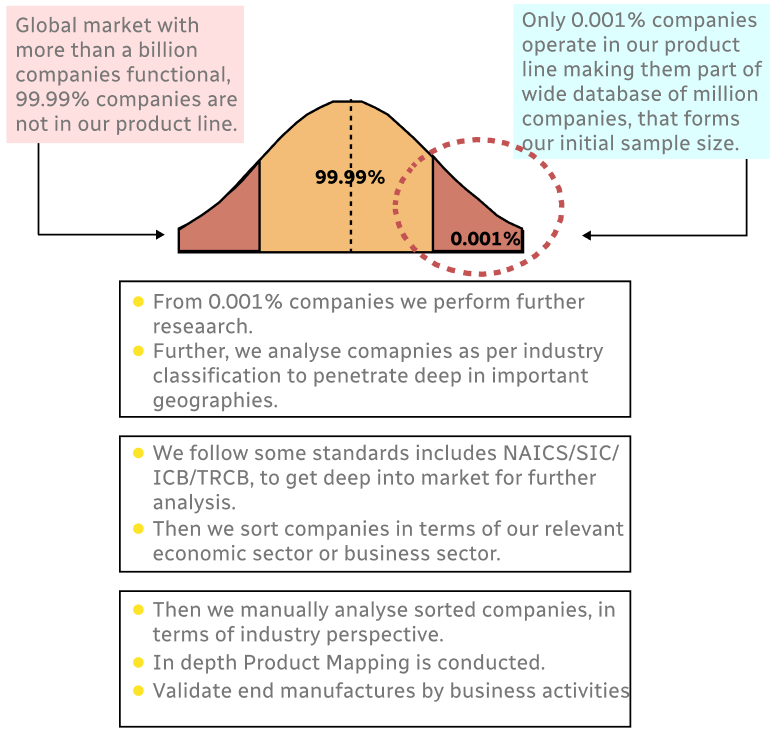
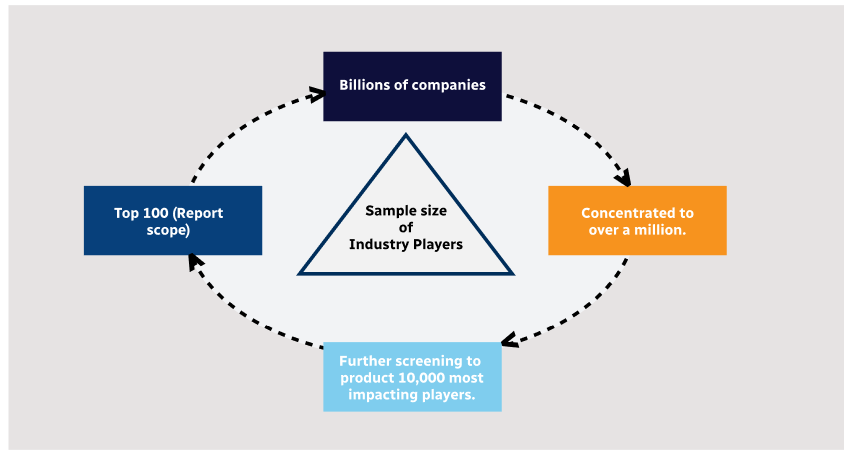
Step 1 - Identification of Relevant Samples Size from Population Database
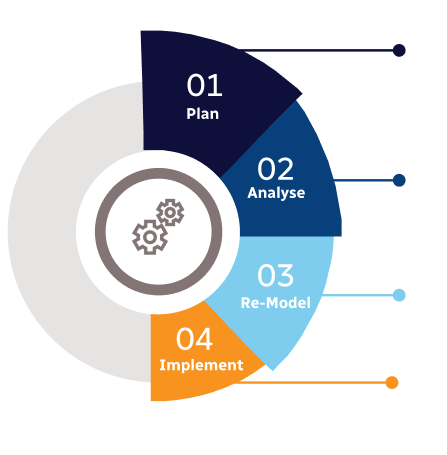
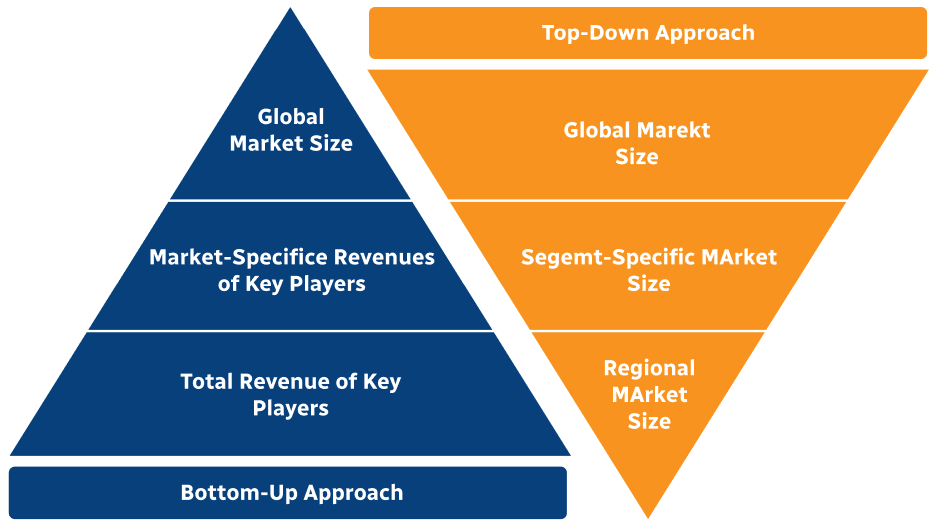
Step 2 - Approaches for Defining Global Market Size (Value, Volume* & Price*)
Note*: In applicable scenarios
Step 3 - Data Sources
Primary Research
- Web Analytics
- Survey Reports
- Research Institute
- Latest Research Reports
- Opinion Leaders
Secondary Research
- Annual Reports
- White Paper
- Latest Press Release
- Industry Association
- Paid Database
- Investor Presentations

Step 4 - Data Triangulation
Involves using different sources of information in order to increase the validity of a study
These sources are likely to be stakeholders in a program - participants, other researchers, program staff, other community members, and so on.
Then we put all data in single framework & apply various statistical tools to find out the dynamic on the market.
During the analysis stage, feedback from the stakeholder groups would be compared to determine areas of agreement as well as areas of divergence