


Key Insights
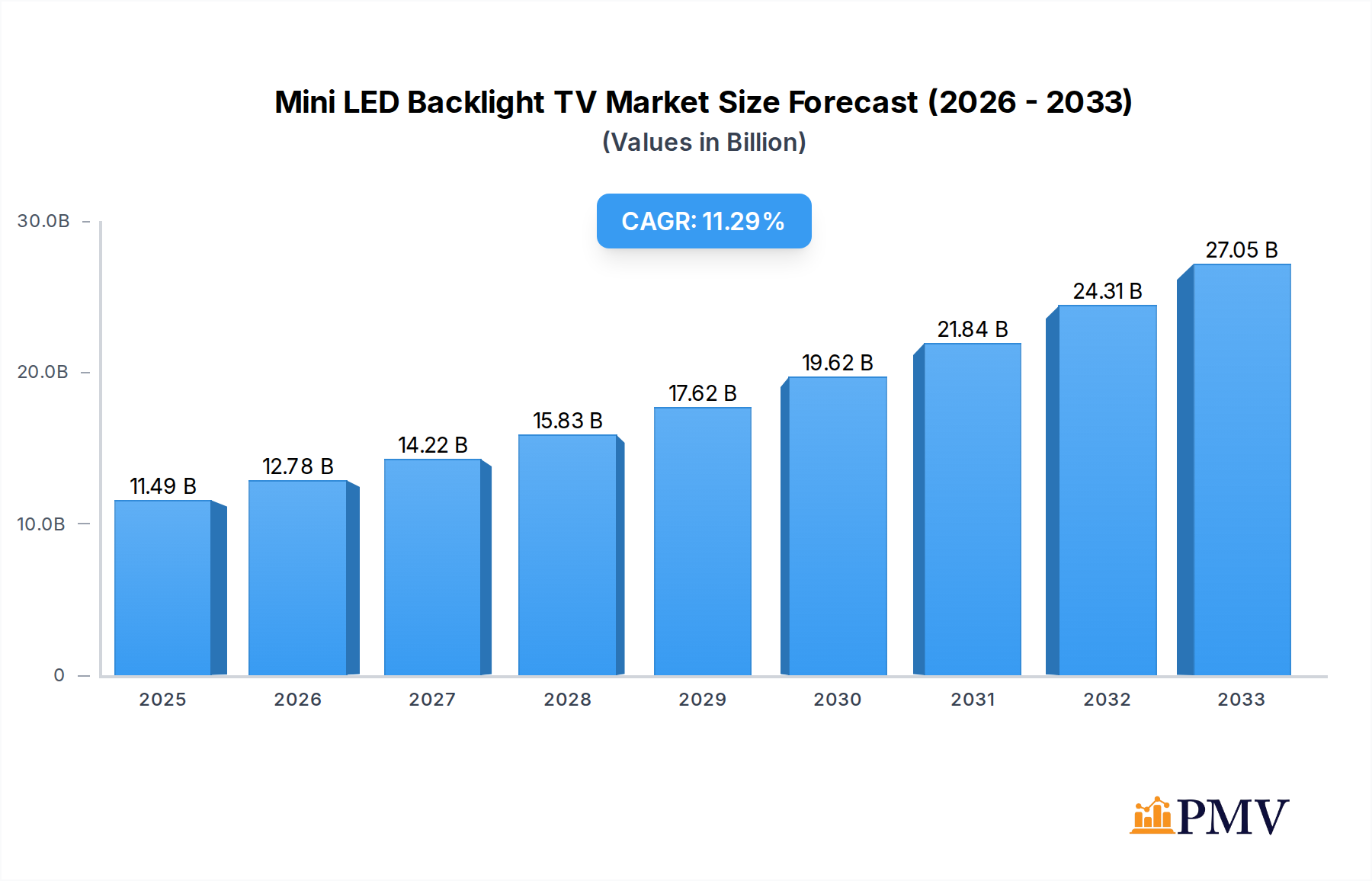
The Mini LED Backlight TV market is poised for robust expansion, with an estimated market size of $11.49 billion in 2025. This growth is fueled by an impressive CAGR of 11.12%, projecting a dynamic trajectory through the forecast period ending in 2033. The increasing demand for superior picture quality, characterized by enhanced contrast ratios, deeper blacks, and brighter whites, is a primary driver. Consumers are increasingly seeking premium viewing experiences, and Mini LED technology delivers precisely that, differentiating itself from traditional LED and even OLED displays in certain performance metrics. Furthermore, advancements in panel technology, coupled with falling production costs, are making Mini LED TVs more accessible to a wider consumer base, thereby expanding market penetration. The growing adoption of smart TV features and the integration of advanced display technologies in home entertainment systems also contribute significantly to this market's ascent.
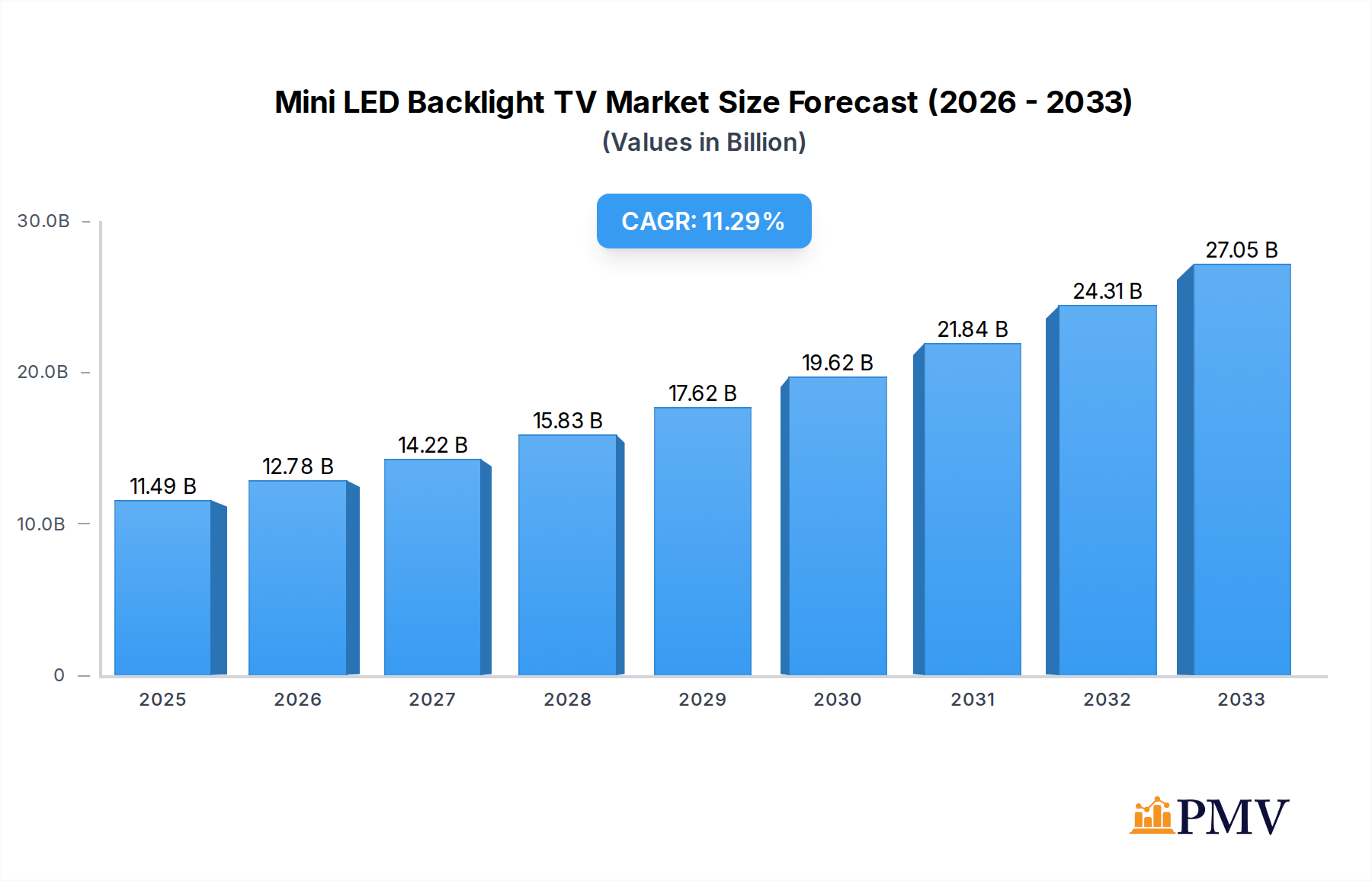
Mini LED Backlight TV Market Size (In Billion)

The market's growth is further propelled by a vibrant ecosystem of key players like Samsung, TCL, and Hisense, who are aggressively innovating and launching new models with Mini LED backlighting. The increasing availability of premium content, including 4K and 8K resolutions, also incentivizes consumers to invest in display technologies that can accurately represent such high-quality visuals. While challenges such as the initial higher cost compared to standard LED TVs and the competition from emerging display technologies like MicroLED exist, the Mini LED segment is expected to overcome these hurdles through continuous technological refinement and strategic market positioning. The market is segmented by application, with Online Sales demonstrating a significant share due to the convenience and competitive pricing offered, alongside a strong presence in Offline Sales for in-person viewing experiences. The dominance of larger screen sizes, particularly 75-inch and 85-inch displays, highlights a consumer preference for immersive home theater setups, further underscoring the market's positive outlook.
Mini LED Backlight TV Company Market Share
Mini LED Backlight TV Market Report: Comprehensive Analysis and Future Outlook (2019-2033)
This in-depth market research report provides a detailed analysis of the global Mini LED backlight TV market, encompassing its structure, trends, competitive landscape, and future outlook. Leveraging extensive data from the historical period (2019-2024), base year (2025), estimated year (2025), and forecast period (2025-2033), this report offers actionable insights for stakeholders seeking to navigate this rapidly evolving sector. With projected market sizes in the billion dollar range, the report focuses on key players like TCL, Sony, Changhong Electric, Hisense, Xiaomi, Panasonic, Skyworth, Samsung, and KONKA.
Mini LED Backlight TV Market Structure & Competitive Dynamics
The Mini LED backlight TV market is characterized by a dynamic and competitive structure. Market concentration is influenced by significant investments in research and development by leading manufacturers, fostering an innovation ecosystem that drives product advancements. Regulatory frameworks, while generally supportive of technological innovation, can vary across regions, impacting market entry and competition. Product substitutes, such as OLED and traditional LED TVs, continue to exert pressure, necessitating continuous differentiation through superior picture quality and advanced features. End-user trends, driven by a growing demand for immersive viewing experiences and enhanced color accuracy, are key to market expansion. Mergers and acquisitions (M&A) activities, with estimated deal values in the billion dollar range, are strategically reshaping the competitive landscape as companies seek to consolidate market share, acquire new technologies, and expand their global reach. Market share analysis reveals significant contributions from key players, with strategic partnerships and vertical integration playing crucial roles in maintaining competitive advantages.
Mini LED Backlight TV Industry Trends & Insights
The Mini LED backlight TV industry is poised for substantial growth, driven by a confluence of technological innovations and evolving consumer preferences. The market is witnessing an accelerated Compound Annual Growth Rate (CAGR), projected to reach xx% during the forecast period, indicating robust expansion. Market penetration is steadily increasing as manufacturers scale up production and bring down costs, making Mini LED technology more accessible to a broader consumer base. Key growth drivers include the superior contrast ratios, deeper blacks, and enhanced brightness offered by Mini LED technology, which significantly outperform traditional LED TVs and rival OLED in certain aspects. Technological disruptions are paramount, with ongoing advancements in LED chip density, local dimming zones, and quantum dot enhancement films contributing to ever-improving picture quality. Consumer preferences are increasingly leaning towards premium viewing experiences, with a strong emphasis on high dynamic range (HDR) content, accurate color reproduction, and immersive visual clarity. This is further fueled by the growing availability of 4K and 8K content. Competitive dynamics are intense, with manufacturers continually innovating to offer differentiated products and capture market share. The adoption of Mini LED technology is a strategic imperative for many brands aiming to position themselves at the forefront of the premium display market. The integration of smart features, AI-powered picture processing, and enhanced connectivity options further complements the core Mini LED advantage, creating a compelling value proposition for consumers. The global market size for Mini LED backlight TVs is expected to reach approximately billion by the estimated year 2025, demonstrating a significant upward trajectory.
Dominant Markets & Segments in Mini LED Backlight TV
The global Mini LED backlight TV market exhibits strong dominance in specific regions and segments. Asia-Pacific, particularly China, is a leading region due to its robust manufacturing capabilities and substantial domestic demand. Economic policies supporting technological advancement and significant investments in consumer electronics infrastructure are key drivers of this dominance. North America and Europe also represent significant markets, driven by a high disposable income and a consumer appetite for premium home entertainment solutions.
Within the Application segment, Online Sales are experiencing rapid growth, fueled by the convenience of e-commerce platforms and targeted digital marketing campaigns. This channel allows manufacturers to reach a wider audience and offer competitive pricing. However, Offline Sales in traditional retail channels remain crucial, especially for high-value products like Mini LED TVs, where consumers prefer to experience the picture quality firsthand before making a purchase.
In terms of Types, the 75 Inches segment is currently a dominant force, catering to the growing demand for larger screen sizes that enhance the immersive viewing experience. The 85 Inches segment is rapidly gaining traction and is projected to witness significant growth as prices become more competitive and consumer aspirations for cinematic home entertainment increase. The Other category, encompassing screen sizes beyond 85 inches, represents a niche but growing segment driven by ultra-premium and custom installations. Key drivers for the dominance of these segments include the increasing availability of dedicated Mini LED production lines, strategic marketing efforts by manufacturers like TCL and Samsung, and the growing consumer awareness of the superior picture quality offered by Mini LED technology. The projected market size for the 75-inch segment alone is expected to be in the billion dollar range.
Mini LED Backlight TV Product Innovations
Mini LED backlight TV product innovations are centered around enhancing picture quality and delivering a more immersive viewing experience. Advancements in local dimming technology, with an increased number of dimming zones, allow for unprecedented contrast control and the elimination of blooming artifacts. The integration of advanced quantum dot technology ensures wider color gamuts and more vibrant, accurate colors. These innovations provide significant competitive advantages by enabling manufacturers to offer TVs with brighter highlights, deeper blacks, and a visual fidelity that closely mimics the natural world. Applications are expanding beyond traditional home entertainment, with potential in professional displays and commercial signage.
Report Segmentation & Scope
This report meticulously segments the Mini LED backlight TV market across various dimensions to provide a granular understanding of its dynamics. The Application segment is divided into Online Sales and Offline Sales, with projections indicating a significant CAGR for online channels over the forecast period, contributing to market sizes in the billion dollar range. The Types segment encompasses 75 Inches, 85 Inches, and Other screen sizes. The 75-inch category currently holds a substantial market share, while the 85-inch segment is anticipated to experience the highest growth rate, driven by decreasing costs and rising consumer demand for larger displays. The competitive dynamics within each segment are influenced by pricing strategies, product feature differentiation, and marketing efforts by key players such as Hisense and Skyworth.
Key Drivers of Mini LED Backlight TV Growth
The growth of the Mini LED backlight TV sector is propelled by several interconnected factors. Technologically, the inherent advantages of Mini LED, including superior contrast, higher brightness, and better local dimming capabilities compared to traditional LED TVs, are significant differentiators. The ongoing advancements in LED chip technology and panel manufacturing are further enhancing performance and driving down production costs. Economically, rising disposable incomes globally and a growing consumer demand for premium home entertainment experiences are key enablers. Government initiatives promoting technological innovation and the adoption of advanced display technologies also contribute to market expansion. Furthermore, the increasing availability of HDR content on streaming platforms and physical media directly fuels the demand for TVs capable of delivering an optimal viewing experience, making Mini LED a preferred choice.
Challenges in the Mini LED Backlight TV Sector
Despite its promising growth trajectory, the Mini LED backlight TV sector faces several challenges. Regulatory hurdles, particularly concerning energy efficiency standards and component sourcing, can impact manufacturing processes and costs in certain regions. Supply chain complexities, exacerbated by global chip shortages and the need for specialized components, continue to pose a restraint on production volumes and timely delivery. Competitive pressures from established technologies like OLED, which offers perfect blacks and is perceived by some as a premium option, remain significant. Furthermore, the relatively higher price point of Mini LED TVs compared to standard LED models can limit market penetration in price-sensitive segments, requiring ongoing efforts to optimize manufacturing efficiency and achieve economies of scale, with potential impacts on market share exceeding billion.
Leading Players in the Mini LED Backlight TV Market
- TCL
- Sony
- Changhong Electric
- Hisense
- Xiaomi
- Panasonic
- Skyworth
- Samsung
- KONKA
Key Developments in Mini LED Backlight TV Sector
- 2023 Q4: TCL launches its new generation of Mini LED TVs with enhanced dimming zones and AI picture processing.
- 2024 Q1: Samsung introduces its latest QLED and Neo QLED models, further refining Mini LED backlight technology for superior contrast and brightness.
- 2024 Q2: Hisense announces significant investments in expanding its Mini LED production capacity to meet growing global demand.
- 2024 Q3: Sony showcases its cutting-edge Mini LED display technology at major consumer electronics exhibitions, highlighting advancements in color accuracy and motion handling.
- 2024 Q4: Xiaomi unveils its budget-friendly Mini LED TV line, aiming to broaden market accessibility.
Strategic Mini LED Backlight TV Market Outlook
The strategic outlook for the Mini LED backlight TV market is exceptionally positive, driven by continuous technological advancements and a growing consumer appreciation for superior picture quality. Key growth accelerators include the ongoing miniaturization of LED chips, leading to higher pixel densities and more sophisticated local dimming capabilities. As manufacturing processes mature and economies of scale are achieved, the cost of Mini LED TVs is expected to decline, further expanding their market reach. Strategic opportunities lie in the development of innovative features that leverage the full potential of Mini LED, such as advanced HDR support and improved gaming performance. Partnerships between display manufacturers and content providers will be crucial in highlighting the benefits of Mini LED technology. The increasing demand for larger screen sizes and the convergence of entertainment and smart home ecosystems will further solidify the position of Mini LED backlight TVs as a dominant force in the premium display market, with projected market sizes in the billion dollar range.
Mini LED Backlight TV Segmentation
-
1. Application
- 1.1. Online Sales
- 1.2. Offline Sales
-
2. Types
- 2.1. 75 Inches
- 2.2. 85 Inches
- 2.3. Other
Mini LED Backlight TV Segmentation By Geography
-
1. North America
- 1.1. United States
- 1.2. Canada
- 1.3. Mexico
-
2. South America
- 2.1. Brazil
- 2.2. Argentina
- 2.3. Rest of South America
-
3. Europe
- 3.1. United Kingdom
- 3.2. Germany
- 3.3. France
- 3.4. Italy
- 3.5. Spain
- 3.6. Russia
- 3.7. Benelux
- 3.8. Nordics
- 3.9. Rest of Europe
-
4. Middle East & Africa
- 4.1. Turkey
- 4.2. Israel
- 4.3. GCC
- 4.4. North Africa
- 4.5. South Africa
- 4.6. Rest of Middle East & Africa
-
5. Asia Pacific
- 5.1. China
- 5.2. India
- 5.3. Japan
- 5.4. South Korea
- 5.5. ASEAN
- 5.6. Oceania
- 5.7. Rest of Asia Pacific
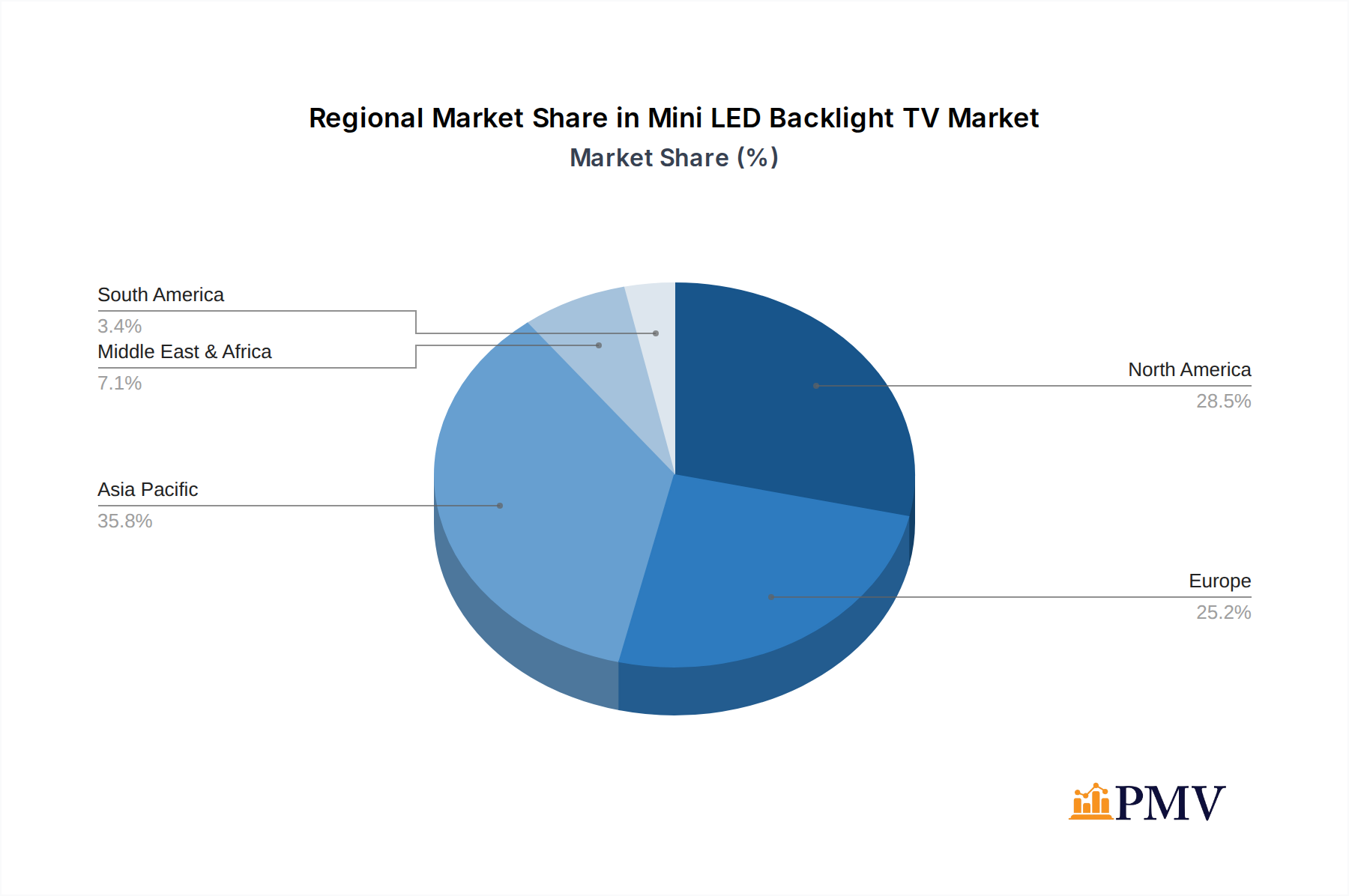
Mini LED Backlight TV Regional Market Share
Geographic Coverage of Mini LED Backlight TV
Mini LED Backlight TV REPORT HIGHLIGHTS
| Aspects | Details |
|---|---|
| Study Period | 2020-2034 |
| Base Year | 2025 |
| Estimated Year | 2026 |
| Forecast Period | 2026-2034 |
| Historical Period | 2020-2025 |
| Growth Rate | CAGR of 11.12% from 2020-2034 |
| Segmentation |
|
Table of Contents
- 1. Introduction
- 1.1. Research Scope
- 1.2. Market Segmentation
- 1.3. Research Methodology
- 1.4. Definitions and Assumptions
- 2. Executive Summary
- 2.1. Introduction
- 3. Market Dynamics
- 3.1. Introduction
- 3.2. Market Drivers
- 3.3. Market Restrains
- 3.4. Market Trends
- 4. Market Factor Analysis
- 4.1. Porters Five Forces
- 4.2. Supply/Value Chain
- 4.3. PESTEL analysis
- 4.4. Market Entropy
- 4.5. Patent/Trademark Analysis
- 5. Global Mini LED Backlight TV Analysis, Insights and Forecast, 2020-2032
- 5.1. Market Analysis, Insights and Forecast - by Application
- 5.1.1. Online Sales
- 5.1.2. Offline Sales
- 5.2. Market Analysis, Insights and Forecast - by Types
- 5.2.1. 75 Inches
- 5.2.2. 85 Inches
- 5.2.3. Other
- 5.3. Market Analysis, Insights and Forecast - by Region
- 5.3.1. North America
- 5.3.2. South America
- 5.3.3. Europe
- 5.3.4. Middle East & Africa
- 5.3.5. Asia Pacific
- 5.1. Market Analysis, Insights and Forecast - by Application
- 6. North America Mini LED Backlight TV Analysis, Insights and Forecast, 2020-2032
- 6.1. Market Analysis, Insights and Forecast - by Application
- 6.1.1. Online Sales
- 6.1.2. Offline Sales
- 6.2. Market Analysis, Insights and Forecast - by Types
- 6.2.1. 75 Inches
- 6.2.2. 85 Inches
- 6.2.3. Other
- 6.1. Market Analysis, Insights and Forecast - by Application
- 7. South America Mini LED Backlight TV Analysis, Insights and Forecast, 2020-2032
- 7.1. Market Analysis, Insights and Forecast - by Application
- 7.1.1. Online Sales
- 7.1.2. Offline Sales
- 7.2. Market Analysis, Insights and Forecast - by Types
- 7.2.1. 75 Inches
- 7.2.2. 85 Inches
- 7.2.3. Other
- 7.1. Market Analysis, Insights and Forecast - by Application
- 8. Europe Mini LED Backlight TV Analysis, Insights and Forecast, 2020-2032
- 8.1. Market Analysis, Insights and Forecast - by Application
- 8.1.1. Online Sales
- 8.1.2. Offline Sales
- 8.2. Market Analysis, Insights and Forecast - by Types
- 8.2.1. 75 Inches
- 8.2.2. 85 Inches
- 8.2.3. Other
- 8.1. Market Analysis, Insights and Forecast - by Application
- 9. Middle East & Africa Mini LED Backlight TV Analysis, Insights and Forecast, 2020-2032
- 9.1. Market Analysis, Insights and Forecast - by Application
- 9.1.1. Online Sales
- 9.1.2. Offline Sales
- 9.2. Market Analysis, Insights and Forecast - by Types
- 9.2.1. 75 Inches
- 9.2.2. 85 Inches
- 9.2.3. Other
- 9.1. Market Analysis, Insights and Forecast - by Application
- 10. Asia Pacific Mini LED Backlight TV Analysis, Insights and Forecast, 2020-2032
- 10.1. Market Analysis, Insights and Forecast - by Application
- 10.1.1. Online Sales
- 10.1.2. Offline Sales
- 10.2. Market Analysis, Insights and Forecast - by Types
- 10.2.1. 75 Inches
- 10.2.2. 85 Inches
- 10.2.3. Other
- 10.1. Market Analysis, Insights and Forecast - by Application
- 11. Competitive Analysis
- 11.1. Global Market Share Analysis 2025
- 11.2. Company Profiles
- 11.2.1 TCL
- 11.2.1.1. Overview
- 11.2.1.2. Products
- 11.2.1.3. SWOT Analysis
- 11.2.1.4. Recent Developments
- 11.2.1.5. Financials (Based on Availability)
- 11.2.2 Sony
- 11.2.2.1. Overview
- 11.2.2.2. Products
- 11.2.2.3. SWOT Analysis
- 11.2.2.4. Recent Developments
- 11.2.2.5. Financials (Based on Availability)
- 11.2.3 Changhong Electric
- 11.2.3.1. Overview
- 11.2.3.2. Products
- 11.2.3.3. SWOT Analysis
- 11.2.3.4. Recent Developments
- 11.2.3.5. Financials (Based on Availability)
- 11.2.4 Hisense
- 11.2.4.1. Overview
- 11.2.4.2. Products
- 11.2.4.3. SWOT Analysis
- 11.2.4.4. Recent Developments
- 11.2.4.5. Financials (Based on Availability)
- 11.2.5 Xiaomi
- 11.2.5.1. Overview
- 11.2.5.2. Products
- 11.2.5.3. SWOT Analysis
- 11.2.5.4. Recent Developments
- 11.2.5.5. Financials (Based on Availability)
- 11.2.6 Panasonic
- 11.2.6.1. Overview
- 11.2.6.2. Products
- 11.2.6.3. SWOT Analysis
- 11.2.6.4. Recent Developments
- 11.2.6.5. Financials (Based on Availability)
- 11.2.7 Skyworth
- 11.2.7.1. Overview
- 11.2.7.2. Products
- 11.2.7.3. SWOT Analysis
- 11.2.7.4. Recent Developments
- 11.2.7.5. Financials (Based on Availability)
- 11.2.8 Samsung
- 11.2.8.1. Overview
- 11.2.8.2. Products
- 11.2.8.3. SWOT Analysis
- 11.2.8.4. Recent Developments
- 11.2.8.5. Financials (Based on Availability)
- 11.2.9 KONKA
- 11.2.9.1. Overview
- 11.2.9.2. Products
- 11.2.9.3. SWOT Analysis
- 11.2.9.4. Recent Developments
- 11.2.9.5. Financials (Based on Availability)
- 11.2.1 TCL
List of Figures
- Figure 1: Global Mini LED Backlight TV Revenue Breakdown (billion, %) by Region 2025 & 2033
- Figure 2: North America Mini LED Backlight TV Revenue (billion), by Application 2025 & 2033
- Figure 3: North America Mini LED Backlight TV Revenue Share (%), by Application 2025 & 2033
- Figure 4: North America Mini LED Backlight TV Revenue (billion), by Types 2025 & 2033
- Figure 5: North America Mini LED Backlight TV Revenue Share (%), by Types 2025 & 2033
- Figure 6: North America Mini LED Backlight TV Revenue (billion), by Country 2025 & 2033
- Figure 7: North America Mini LED Backlight TV Revenue Share (%), by Country 2025 & 2033
- Figure 8: South America Mini LED Backlight TV Revenue (billion), by Application 2025 & 2033
- Figure 9: South America Mini LED Backlight TV Revenue Share (%), by Application 2025 & 2033
- Figure 10: South America Mini LED Backlight TV Revenue (billion), by Types 2025 & 2033
- Figure 11: South America Mini LED Backlight TV Revenue Share (%), by Types 2025 & 2033
- Figure 12: South America Mini LED Backlight TV Revenue (billion), by Country 2025 & 2033
- Figure 13: South America Mini LED Backlight TV Revenue Share (%), by Country 2025 & 2033
- Figure 14: Europe Mini LED Backlight TV Revenue (billion), by Application 2025 & 2033
- Figure 15: Europe Mini LED Backlight TV Revenue Share (%), by Application 2025 & 2033
- Figure 16: Europe Mini LED Backlight TV Revenue (billion), by Types 2025 & 2033
- Figure 17: Europe Mini LED Backlight TV Revenue Share (%), by Types 2025 & 2033
- Figure 18: Europe Mini LED Backlight TV Revenue (billion), by Country 2025 & 2033
- Figure 19: Europe Mini LED Backlight TV Revenue Share (%), by Country 2025 & 2033
- Figure 20: Middle East & Africa Mini LED Backlight TV Revenue (billion), by Application 2025 & 2033
- Figure 21: Middle East & Africa Mini LED Backlight TV Revenue Share (%), by Application 2025 & 2033
- Figure 22: Middle East & Africa Mini LED Backlight TV Revenue (billion), by Types 2025 & 2033
- Figure 23: Middle East & Africa Mini LED Backlight TV Revenue Share (%), by Types 2025 & 2033
- Figure 24: Middle East & Africa Mini LED Backlight TV Revenue (billion), by Country 2025 & 2033
- Figure 25: Middle East & Africa Mini LED Backlight TV Revenue Share (%), by Country 2025 & 2033
- Figure 26: Asia Pacific Mini LED Backlight TV Revenue (billion), by Application 2025 & 2033
- Figure 27: Asia Pacific Mini LED Backlight TV Revenue Share (%), by Application 2025 & 2033
- Figure 28: Asia Pacific Mini LED Backlight TV Revenue (billion), by Types 2025 & 2033
- Figure 29: Asia Pacific Mini LED Backlight TV Revenue Share (%), by Types 2025 & 2033
- Figure 30: Asia Pacific Mini LED Backlight TV Revenue (billion), by Country 2025 & 2033
- Figure 31: Asia Pacific Mini LED Backlight TV Revenue Share (%), by Country 2025 & 2033
List of Tables
- Table 1: Global Mini LED Backlight TV Revenue billion Forecast, by Application 2020 & 2033
- Table 2: Global Mini LED Backlight TV Revenue billion Forecast, by Types 2020 & 2033
- Table 3: Global Mini LED Backlight TV Revenue billion Forecast, by Region 2020 & 2033
- Table 4: Global Mini LED Backlight TV Revenue billion Forecast, by Application 2020 & 2033
- Table 5: Global Mini LED Backlight TV Revenue billion Forecast, by Types 2020 & 2033
- Table 6: Global Mini LED Backlight TV Revenue billion Forecast, by Country 2020 & 2033
- Table 7: United States Mini LED Backlight TV Revenue (billion) Forecast, by Application 2020 & 2033
- Table 8: Canada Mini LED Backlight TV Revenue (billion) Forecast, by Application 2020 & 2033
- Table 9: Mexico Mini LED Backlight TV Revenue (billion) Forecast, by Application 2020 & 2033
- Table 10: Global Mini LED Backlight TV Revenue billion Forecast, by Application 2020 & 2033
- Table 11: Global Mini LED Backlight TV Revenue billion Forecast, by Types 2020 & 2033
- Table 12: Global Mini LED Backlight TV Revenue billion Forecast, by Country 2020 & 2033
- Table 13: Brazil Mini LED Backlight TV Revenue (billion) Forecast, by Application 2020 & 2033
- Table 14: Argentina Mini LED Backlight TV Revenue (billion) Forecast, by Application 2020 & 2033
- Table 15: Rest of South America Mini LED Backlight TV Revenue (billion) Forecast, by Application 2020 & 2033
- Table 16: Global Mini LED Backlight TV Revenue billion Forecast, by Application 2020 & 2033
- Table 17: Global Mini LED Backlight TV Revenue billion Forecast, by Types 2020 & 2033
- Table 18: Global Mini LED Backlight TV Revenue billion Forecast, by Country 2020 & 2033
- Table 19: United Kingdom Mini LED Backlight TV Revenue (billion) Forecast, by Application 2020 & 2033
- Table 20: Germany Mini LED Backlight TV Revenue (billion) Forecast, by Application 2020 & 2033
- Table 21: France Mini LED Backlight TV Revenue (billion) Forecast, by Application 2020 & 2033
- Table 22: Italy Mini LED Backlight TV Revenue (billion) Forecast, by Application 2020 & 2033
- Table 23: Spain Mini LED Backlight TV Revenue (billion) Forecast, by Application 2020 & 2033
- Table 24: Russia Mini LED Backlight TV Revenue (billion) Forecast, by Application 2020 & 2033
- Table 25: Benelux Mini LED Backlight TV Revenue (billion) Forecast, by Application 2020 & 2033
- Table 26: Nordics Mini LED Backlight TV Revenue (billion) Forecast, by Application 2020 & 2033
- Table 27: Rest of Europe Mini LED Backlight TV Revenue (billion) Forecast, by Application 2020 & 2033
- Table 28: Global Mini LED Backlight TV Revenue billion Forecast, by Application 2020 & 2033
- Table 29: Global Mini LED Backlight TV Revenue billion Forecast, by Types 2020 & 2033
- Table 30: Global Mini LED Backlight TV Revenue billion Forecast, by Country 2020 & 2033
- Table 31: Turkey Mini LED Backlight TV Revenue (billion) Forecast, by Application 2020 & 2033
- Table 32: Israel Mini LED Backlight TV Revenue (billion) Forecast, by Application 2020 & 2033
- Table 33: GCC Mini LED Backlight TV Revenue (billion) Forecast, by Application 2020 & 2033
- Table 34: North Africa Mini LED Backlight TV Revenue (billion) Forecast, by Application 2020 & 2033
- Table 35: South Africa Mini LED Backlight TV Revenue (billion) Forecast, by Application 2020 & 2033
- Table 36: Rest of Middle East & Africa Mini LED Backlight TV Revenue (billion) Forecast, by Application 2020 & 2033
- Table 37: Global Mini LED Backlight TV Revenue billion Forecast, by Application 2020 & 2033
- Table 38: Global Mini LED Backlight TV Revenue billion Forecast, by Types 2020 & 2033
- Table 39: Global Mini LED Backlight TV Revenue billion Forecast, by Country 2020 & 2033
- Table 40: China Mini LED Backlight TV Revenue (billion) Forecast, by Application 2020 & 2033
- Table 41: India Mini LED Backlight TV Revenue (billion) Forecast, by Application 2020 & 2033
- Table 42: Japan Mini LED Backlight TV Revenue (billion) Forecast, by Application 2020 & 2033
- Table 43: South Korea Mini LED Backlight TV Revenue (billion) Forecast, by Application 2020 & 2033
- Table 44: ASEAN Mini LED Backlight TV Revenue (billion) Forecast, by Application 2020 & 2033
- Table 45: Oceania Mini LED Backlight TV Revenue (billion) Forecast, by Application 2020 & 2033
- Table 46: Rest of Asia Pacific Mini LED Backlight TV Revenue (billion) Forecast, by Application 2020 & 2033
Frequently Asked Questions
1. What is the projected Compound Annual Growth Rate (CAGR) of the Mini LED Backlight TV?
The projected CAGR is approximately 11.12%.
2. Which companies are prominent players in the Mini LED Backlight TV?
Key companies in the market include TCL, Sony, Changhong Electric, Hisense, Xiaomi, Panasonic, Skyworth, Samsung, KONKA.
3. What are the main segments of the Mini LED Backlight TV?
The market segments include Application, Types.
4. Can you provide details about the market size?
The market size is estimated to be USD 11.49 billion as of 2022.
5. What are some drivers contributing to market growth?
N/A
6. What are the notable trends driving market growth?
N/A
7. Are there any restraints impacting market growth?
N/A
8. Can you provide examples of recent developments in the market?
N/A
9. What pricing options are available for accessing the report?
Pricing options include single-user, multi-user, and enterprise licenses priced at USD 2900.00, USD 4350.00, and USD 5800.00 respectively.
10. Is the market size provided in terms of value or volume?
The market size is provided in terms of value, measured in billion.
11. Are there any specific market keywords associated with the report?
Yes, the market keyword associated with the report is "Mini LED Backlight TV," which aids in identifying and referencing the specific market segment covered.
12. How do I determine which pricing option suits my needs best?
The pricing options vary based on user requirements and access needs. Individual users may opt for single-user licenses, while businesses requiring broader access may choose multi-user or enterprise licenses for cost-effective access to the report.
13. Are there any additional resources or data provided in the Mini LED Backlight TV report?
While the report offers comprehensive insights, it's advisable to review the specific contents or supplementary materials provided to ascertain if additional resources or data are available.
14. How can I stay updated on further developments or reports in the Mini LED Backlight TV?
To stay informed about further developments, trends, and reports in the Mini LED Backlight TV, consider subscribing to industry newsletters, following relevant companies and organizations, or regularly checking reputable industry news sources and publications.
Methodology
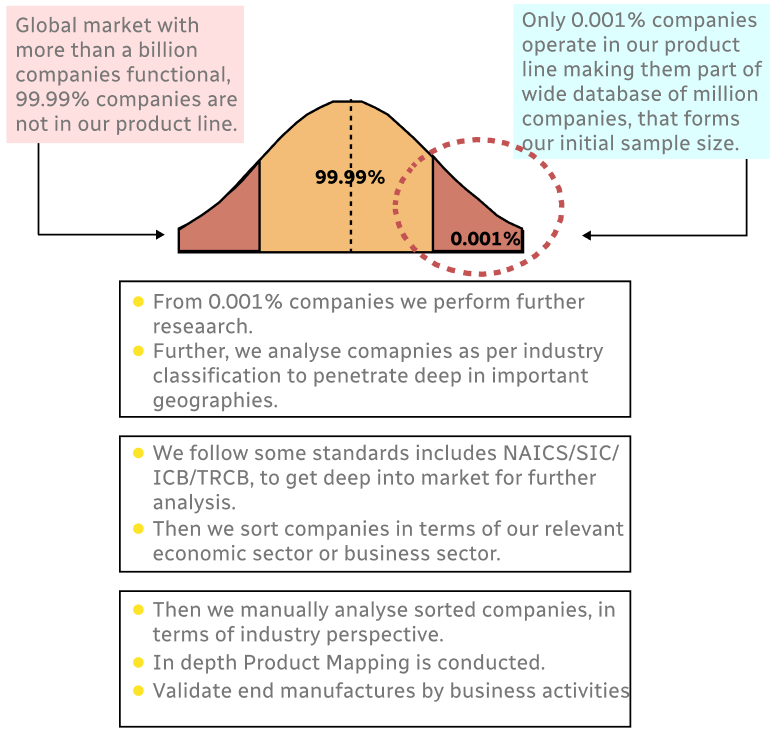
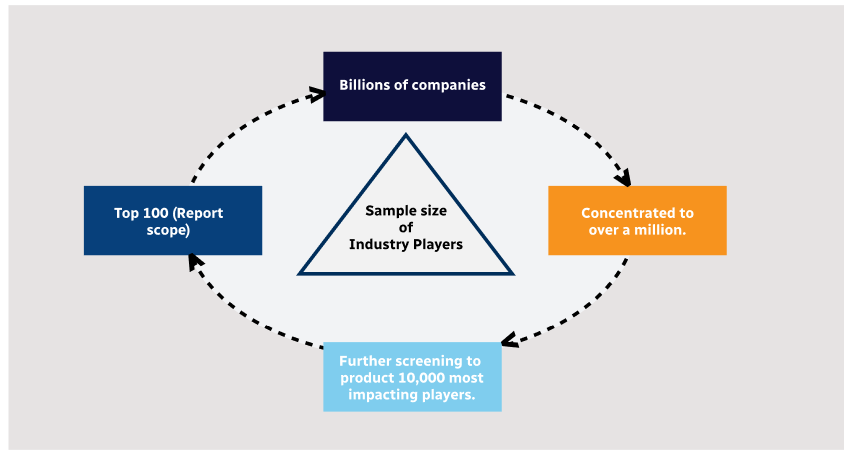
Step 1 - Identification of Relevant Samples Size from Population Database
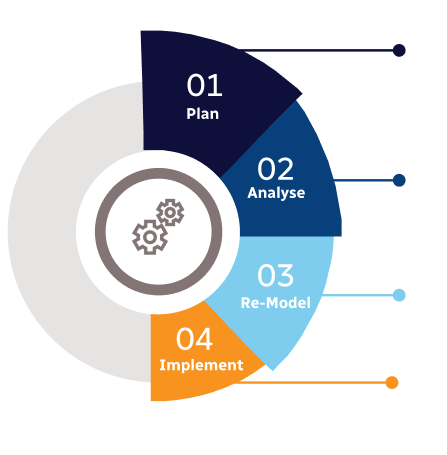
Step 2 - Approaches for Defining Global Market Size (Value, Volume* & Price*)
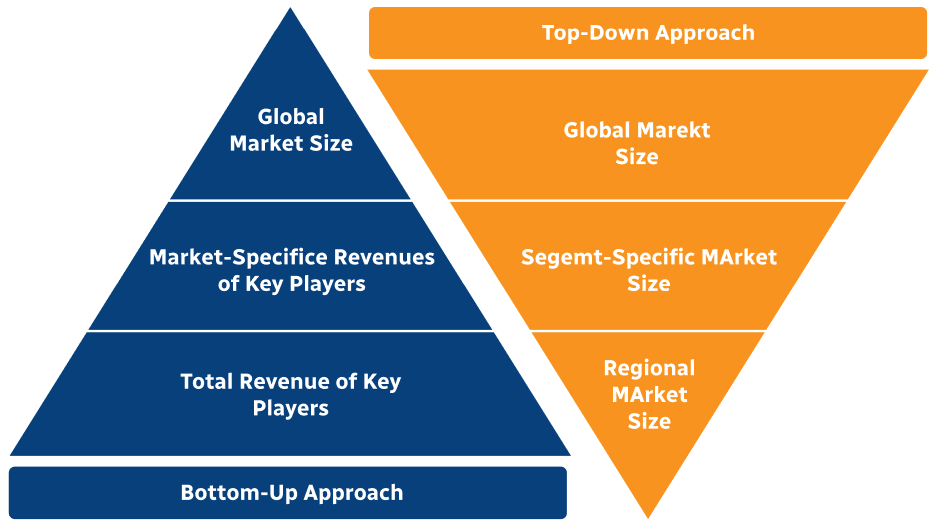
Note*: In applicable scenarios
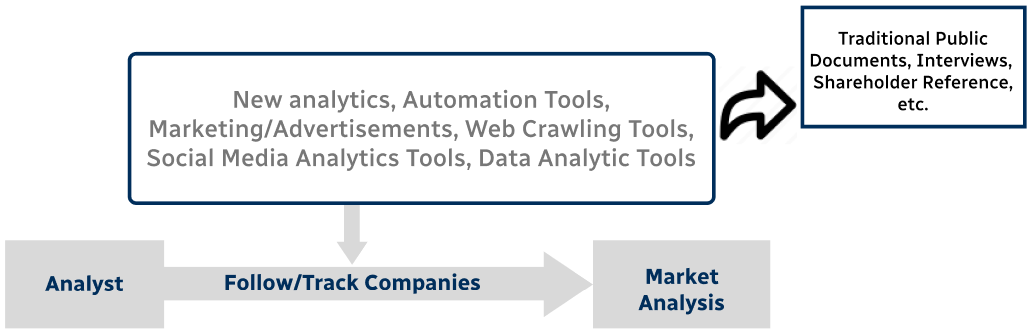
Step 3 - Data Sources
Primary Research
- Web Analytics
- Survey Reports
- Research Institute
- Latest Research Reports
- Opinion Leaders
Secondary Research
- Annual Reports
- White Paper
- Latest Press Release
- Industry Association
- Paid Database
- Investor Presentations
Step 4 - Data Triangulation
Involves using different sources of information in order to increase the validity of a study
These sources are likely to be stakeholders in a program - participants, other researchers, program staff, other community members, and so on.
Then we put all data in single framework & apply various statistical tools to find out the dynamic on the market.
During the analysis stage, feedback from the stakeholder groups would be compared to determine areas of agreement as well as areas of divergence