



Key Insights
The Middle East feed enzymes market is poised for significant expansion, projected to reach an estimated $1.8 billion in 2025 with a robust Compound Annual Growth Rate (CAGR) of 7.2% through 2033. This growth is primarily propelled by the increasing demand for enhanced animal nutrition and productivity across the region's expanding livestock and aquaculture sectors. Key drivers include the growing emphasis on sustainable farming practices, the need to improve feed conversion ratios (FCR), and the rising adoption of advanced feed formulations to combat nutrient deficiencies and optimize animal health. Furthermore, government initiatives supporting the modernization of the agricultural sector and the growing consumer demand for high-quality animal protein are further fueling market penetration. The market segments include crucial enzyme types such as carbohydrases, phytases, and other enzymes, catering to diverse animal segments including poultry, ruminants, swine, and aquaculture species like fish and shrimp.

Middle East Feed Enzymes Market Market Size (In Billion)

The Middle East feed enzymes market is strategically positioned to capitalize on evolving dietary needs and the drive for efficient animal husbandry. While the market enjoys strong growth, certain factors could present challenges. For instance, the cost-effectiveness of enzyme inclusion in feed, fluctuating raw material prices for enzyme production, and the need for greater farmer education on optimal enzyme application could moderate the pace of adoption in specific sub-segments. However, the overarching trend towards precision nutrition, coupled with the development of novel and more efficient enzyme solutions tailored to regional feed ingredients and animal breeds, is expected to outweigh these restraints. The region's focus on reducing reliance on imported animal protein and enhancing domestic production capabilities will continue to be a strong impetus for the adoption of feed enzymes, ensuring sustained market vitality and innovation throughout the forecast period.

Middle East Feed Enzymes Market Company Market Share

Middle East Feed Enzymes Market Poised for Significant Growth: Comprehensive Market Report 2024-2033
This in-depth report offers a strategic analysis of the Middle East Feed Enzymes Market, projecting a robust growth trajectory driven by increasing demand for efficient animal nutrition and sustainable livestock production. The study encompasses a comprehensive market analysis from 2019 to 2033, with a base and estimated year of 2025, and a detailed forecast period from 2025 to 2033. Historical data from 2019 to 2024 provides a foundational understanding of past market performance. The Middle East feed enzymes market size is projected to reach $X.XX billion by 2033, exhibiting a Compound Annual Growth Rate (CAGR) of XX.XX% during the forecast period.
Middle East Feed Enzymes Market Market Structure & Competitive Dynamics
The Middle East feed enzymes market is characterized by a moderately consolidated structure, with key global players vying for market share. Innovation ecosystems are thriving, fueled by strategic collaborations and investments in research and development for next-generation feed additives. Regulatory frameworks are evolving to support animal health and food safety standards, influencing product approvals and market access. Product substitutes, such as alternative nutritional supplements, pose a competitive threat, but the inherent benefits of enzyme efficacy in enhancing nutrient utilization and reducing environmental impact maintain a strong market position for feed enzymes. End-user trends are heavily influenced by the growing demand for high-quality animal protein, coupled with a rising awareness of the economic and environmental advantages of advanced animal nutrition. Mergers and Acquisitions (M&A) activities are shaping the competitive landscape, with significant M&A deal values indicating strategic consolidation and expansion efforts by leading companies to strengthen their regional presence and product portfolios. For instance, the acquisition of Agrivida by Novus International in January 2023 underscores the ongoing trend of strategic M&A aimed at bolstering capabilities in feed additive development.
Middle East Feed Enzymes Market Industry Trends & Insights
The Middle East Feed Enzymes Market is experiencing dynamic shifts driven by a confluence of powerful trends. The escalating demand for animal protein across the region, fueled by a growing population and rising disposable incomes, is a primary growth driver. This necessitates more efficient and sustainable animal farming practices, directly increasing the adoption of feed enzymes. Technological disruptions, particularly in enzyme discovery and production, are leading to the development of more potent and specialized enzymes that offer enhanced digestibility and nutrient absorption, consequently improving feed conversion ratios and reducing waste. Consumer preferences are increasingly leaning towards ethically produced and sustainably sourced animal products, compelling feed producers to invest in solutions that minimize the environmental footprint of livestock farming, such as enzymes that reduce phosphorus excretion or methane emissions. Competitive dynamics are intensifying as global feed enzyme manufacturers expand their regional footprints and local players emerge, fostering innovation and price competition. The market penetration of advanced feed enzyme solutions is steadily increasing across various animal segments, from poultry and swine to ruminants and aquaculture, as the economic benefits and improved animal welfare outcomes become more apparent. The projected CAGR of XX.XX% for the Middle East feed enzymes market underscores the significant growth potential fueled by these prevailing industry trends.
Dominant Markets & Segments in Middle East Feed Enzymes Market
The Poultry segment stands out as the dominant force within the Middle East Feed Enzymes Market, primarily driven by the region's substantial poultry production for broiler and layer operations. Economic policies supporting food security and domestic protein production have significantly bolstered the poultry industry, leading to a higher demand for feed enzymes that optimize feed conversion ratios and enhance growth performance in these high-throughput farming systems. The Phytases sub-additive category commands a substantial market share due to its critical role in improving phosphorus utilization in animal diets. This is particularly relevant in the Middle East, where reducing reliance on imported feed ingredients and managing environmental impact are key concerns. Furthermore, advancements in phytase technology, such as the introduction of new-generation phytases like Hiphorius by the DSM-Novozymes alliance, are further solidifying its dominance. In terms of geography, Saudi Arabia is emerging as a leading market, owing to its extensive investments in developing a self-sufficient agricultural sector and its significant livestock population. Government initiatives promoting modern farming techniques and the establishment of large-scale feed production facilities contribute to the robust growth of feed enzymes in this nation. The Broiler sub-animal category within poultry is the most significant contributor, driven by the rapid turnover and high demand for broiler meat across the Middle East. Key drivers for this dominance include:
- Government Support for Food Security: National strategies to reduce reliance on food imports prioritize the expansion of domestic livestock production, particularly poultry.
- Technological Advancements in Feed Formulation: The adoption of precision nutrition and the integration of enzymes into feed formulations are becoming standard practice for maximizing efficiency.
- Environmental Regulations: Increasing focus on sustainable farming practices incentivizes the use of enzymes that reduce nutrient excretion and environmental impact.
- Growing Consumer Demand for Affordable Protein: Poultry offers a cost-effective source of protein, driving sustained demand.
Middle East Feed Enzymes Market Product Innovations
Product innovations in the Middle East Feed Enzymes Market are primarily focused on enhancing enzyme efficacy, specificity, and stability for diverse applications. Companies are developing novel enzyme formulations designed to improve nutrient digestibility, gut health, and immune function in various animal species. Technological trends include the development of multi-enzyme complexes that address multiple nutritional challenges simultaneously and the engineering of enzymes with improved thermostability for pelleting processes. Competitive advantages are derived from offering solutions that deliver demonstrable improvements in feed conversion ratios, animal growth, and reduced environmental impact. The market fit is evident in the increasing adoption of these advanced enzyme products by feed manufacturers and livestock producers seeking to optimize their operations and meet growing demands for sustainable protein production.
Report Segmentation & Scope
This report meticulously segments the Middle East Feed Enzymes Market across several key dimensions. In terms of Sub Additives, the market is analyzed for Carbohydrases, Phytases, and Other Enzymes. For Animal types, the segmentation includes Aquaculture (further broken down into Fish, Shrimp, and Other Aquaculture Species), Poultry (comprising Broiler, Layer, and Other Poultry Birds), Ruminants (including Beef Cattle, Dairy Cattle, and Other Ruminants), Swine, and Other Animals. Each segment's growth projections, market sizes, and competitive dynamics are thoroughly examined. For instance, the Aquaculture segment is anticipated to witness a notable CAGR of XX.XX% driven by increased aquaculture investments in coastal nations. The Swine segment, while smaller, is expected to grow at XX.XX% driven by improved biosecurity measures and demand for higher quality pork products.
Key Drivers of Middle East Feed Enzymes Market Growth
The growth of the Middle East Feed Enzymes Market is propelled by several critical factors. The escalating demand for animal protein, driven by a burgeoning population and increasing per capita income, necessitates efficient and cost-effective animal production. Technological advancements in enzyme production and application are leading to the development of highly effective and specialized enzymes. Growing awareness among farmers and feed producers regarding the economic benefits of improved feed conversion ratios and reduced feed wastage plays a crucial role. Furthermore, governmental initiatives aimed at enhancing food security and promoting sustainable agricultural practices are creating a favorable market environment for feed enzymes. The regulatory push towards reducing antibiotic use in animal feed also indirectly fuels the demand for enzymes as a viable alternative for maintaining animal health and performance.
Challenges in the Middle East Feed Enzymes Market Sector
Despite the promising growth, the Middle East Feed Enzymes Market faces several challenges. Regulatory hurdles and varying approval processes across different countries can impede market entry and product commercialization. Supply chain complexities, including logistics and distribution networks in a vast and diverse region, can affect product availability and cost. Fluctuations in raw material prices and the cost of production can impact the profitability of enzyme manufacturers. Intense competitive pressure from established global players and emerging local companies can lead to price wars and necessitate continuous innovation. Moreover, a lack of complete awareness or understanding of the full benefits of advanced enzyme technologies among some smaller-scale producers can limit market penetration.
Leading Players in the Middle East Feed Enzymes Market Market
- Brenntag SE
- DSM Nutritional Products AG
- Elanco Animal Health Inc
- Novus International Inc
- Kemin Industries
- Kerry Group Plc
- BASF SE
- Alltech Inc
- Cargill Inc
- IFF (Danisco Animal Nutrition)
- Adisseo
Key Developments in Middle East Feed Enzymes Market Sector
- January 2023: Novus International acquired the Biotech company Agrivida to develop new feed additives, enhancing its innovation pipeline.
- June 2022: Brenntag acquired a stake in Al-Azzaz Chemicals, a specialty chemicals distributor in the Middle East, and increased its presence in the Saudi Arabian specialty chemicals distribution sector, strengthening its regional foothold.
- January 2022: Hiphorius, a new generation of phytase, was introduced by the DSM-Novozymes alliance. It is a comprehensive phytase solution created to assist poultry producers in achieving lucrative and sustainable protein output.
Strategic Middle East Feed Enzymes Market Market Outlook
The strategic outlook for the Middle East Feed Enzymes Market is exceptionally positive, driven by continuous innovation and growing market acceptance. The increasing focus on sustainable animal agriculture and the imperative to enhance feed efficiency for cost optimization present significant growth accelerators. Investments in research and development for novel enzyme applications targeting specific animal health challenges and environmental benefits will further expand the market. Strategic partnerships and collaborations between global enzyme providers and regional distributors will be crucial for market penetration. The anticipated rise in aquaculture and the ongoing growth in the poultry and ruminant sectors will provide sustained demand. The market's trajectory indicates a strong potential for further expansion, with opportunities arising from the adoption of advanced feeding strategies and a growing emphasis on animal welfare and food safety.
Middle East Feed Enzymes Market Segmentation
-
1. Sub Additive
- 1.1. Carbohydrases
- 1.2. Phytases
- 1.3. Other Enzymes
-
2. Animal
-
2.1. Aquaculture
-
2.1.1. By Sub Animal
- 2.1.1.1. Fish
- 2.1.1.2. Shrimp
- 2.1.1.3. Other Aquaculture Species
-
2.1.1. By Sub Animal
-
2.2. Poultry
- 2.2.1. Broiler
- 2.2.2. Layer
- 2.2.3. Other Poultry Birds
-
2.3. Ruminants
- 2.3.1. Beef Cattle
- 2.3.2. Dairy Cattle
- 2.3.3. Other Ruminants
- 2.4. Swine
- 2.5. Other Animals
-
2.1. Aquaculture
Middle East Feed Enzymes Market Segmentation By Geography
-
1. Middle East
- 1.1. Saudi Arabia
- 1.2. United Arab Emirates
- 1.3. Israel
- 1.4. Qatar
- 1.5. Kuwait
- 1.6. Oman
- 1.7. Bahrain
- 1.8. Jordan
- 1.9. Lebanon

Middle East Feed Enzymes Market Regional Market Share

Geographic Coverage of Middle East Feed Enzymes Market
Middle East Feed Enzymes Market REPORT HIGHLIGHTS
| Aspects | Details |
|---|---|
| Study Period | 2020-2034 |
| Base Year | 2025 |
| Estimated Year | 2026 |
| Forecast Period | 2026-2034 |
| Historical Period | 2020-2025 |
| Growth Rate | CAGR of 7.2% from 2020-2034 |
| Segmentation |
|
Table of Contents
- 1. Introduction
- 1.1. Research Scope
- 1.2. Market Segmentation
- 1.3. Research Methodology
- 1.4. Definitions and Assumptions
- 2. Executive Summary
- 2.1. Introduction
- 3. Market Dynamics
- 3.1. Introduction
- 3.2. Market Drivers
- 3.2.1. Growing Livestock Population; Area Under Forage Production is Increasing; Increasing Demand for Animal Products
- 3.3. Market Restrains
- 3.3.1. Competition Amongst Industries and High Input Prices; Growing Shift Toward Vegan-Based Diet
- 3.4. Market Trends
- 3.4.1. OTHER KEY INDUSTRY TRENDS COVERED IN THE REPORT
- 4. Market Factor Analysis
- 4.1. Porters Five Forces
- 4.2. Supply/Value Chain
- 4.3. PESTEL analysis
- 4.4. Market Entropy
- 4.5. Patent/Trademark Analysis
- 5. Middle East Feed Enzymes Market Analysis, Insights and Forecast, 2020-2032
- 5.1. Market Analysis, Insights and Forecast - by Sub Additive
- 5.1.1. Carbohydrases
- 5.1.2. Phytases
- 5.1.3. Other Enzymes
- 5.2. Market Analysis, Insights and Forecast - by Animal
- 5.2.1. Aquaculture
- 5.2.1.1. By Sub Animal
- 5.2.1.1.1. Fish
- 5.2.1.1.2. Shrimp
- 5.2.1.1.3. Other Aquaculture Species
- 5.2.1.1. By Sub Animal
- 5.2.2. Poultry
- 5.2.2.1. Broiler
- 5.2.2.2. Layer
- 5.2.2.3. Other Poultry Birds
- 5.2.3. Ruminants
- 5.2.3.1. Beef Cattle
- 5.2.3.2. Dairy Cattle
- 5.2.3.3. Other Ruminants
- 5.2.4. Swine
- 5.2.5. Other Animals
- 5.2.1. Aquaculture
- 5.3. Market Analysis, Insights and Forecast - by Region
- 5.3.1. Middle East
- 5.1. Market Analysis, Insights and Forecast - by Sub Additive
- 6. Competitive Analysis
- 6.1. Market Share Analysis 2025
- 6.2. Company Profiles
- 6.2.1 Brenntag SE
- 6.2.1.1. Overview
- 6.2.1.2. Products
- 6.2.1.3. SWOT Analysis
- 6.2.1.4. Recent Developments
- 6.2.1.5. Financials (Based on Availability)
- 6.2.2 DSM Nutritional Products AG
- 6.2.2.1. Overview
- 6.2.2.2. Products
- 6.2.2.3. SWOT Analysis
- 6.2.2.4. Recent Developments
- 6.2.2.5. Financials (Based on Availability)
- 6.2.3 Elanco Animal Health Inc
- 6.2.3.1. Overview
- 6.2.3.2. Products
- 6.2.3.3. SWOT Analysis
- 6.2.3.4. Recent Developments
- 6.2.3.5. Financials (Based on Availability)
- 6.2.4 Novus International Inc
- 6.2.4.1. Overview
- 6.2.4.2. Products
- 6.2.4.3. SWOT Analysis
- 6.2.4.4. Recent Developments
- 6.2.4.5. Financials (Based on Availability)
- 6.2.5 Kemin Industries
- 6.2.5.1. Overview
- 6.2.5.2. Products
- 6.2.5.3. SWOT Analysis
- 6.2.5.4. Recent Developments
- 6.2.5.5. Financials (Based on Availability)
- 6.2.6 Kerry Group Plc
- 6.2.6.1. Overview
- 6.2.6.2. Products
- 6.2.6.3. SWOT Analysis
- 6.2.6.4. Recent Developments
- 6.2.6.5. Financials (Based on Availability)
- 6.2.7 BASF SE
- 6.2.7.1. Overview
- 6.2.7.2. Products
- 6.2.7.3. SWOT Analysis
- 6.2.7.4. Recent Developments
- 6.2.7.5. Financials (Based on Availability)
- 6.2.8 Alltech Inc
- 6.2.8.1. Overview
- 6.2.8.2. Products
- 6.2.8.3. SWOT Analysis
- 6.2.8.4. Recent Developments
- 6.2.8.5. Financials (Based on Availability)
- 6.2.9 Cargill Inc
- 6.2.9.1. Overview
- 6.2.9.2. Products
- 6.2.9.3. SWOT Analysis
- 6.2.9.4. Recent Developments
- 6.2.9.5. Financials (Based on Availability)
- 6.2.10 IFF(Danisco Animal Nutrition)
- 6.2.10.1. Overview
- 6.2.10.2. Products
- 6.2.10.3. SWOT Analysis
- 6.2.10.4. Recent Developments
- 6.2.10.5. Financials (Based on Availability)
- 6.2.11 Adisseo
- 6.2.11.1. Overview
- 6.2.11.2. Products
- 6.2.11.3. SWOT Analysis
- 6.2.11.4. Recent Developments
- 6.2.11.5. Financials (Based on Availability)
- 6.2.1 Brenntag SE
List of Figures
- Figure 1: Middle East Feed Enzymes Market Revenue Breakdown (undefined, %) by Product 2025 & 2033
- Figure 2: Middle East Feed Enzymes Market Share (%) by Company 2025
List of Tables
- Table 1: Middle East Feed Enzymes Market Revenue undefined Forecast, by Sub Additive 2020 & 2033
- Table 2: Middle East Feed Enzymes Market Revenue undefined Forecast, by Animal 2020 & 2033
- Table 3: Middle East Feed Enzymes Market Revenue undefined Forecast, by Region 2020 & 2033
- Table 4: Middle East Feed Enzymes Market Revenue undefined Forecast, by Sub Additive 2020 & 2033
- Table 5: Middle East Feed Enzymes Market Revenue undefined Forecast, by Animal 2020 & 2033
- Table 6: Middle East Feed Enzymes Market Revenue undefined Forecast, by Country 2020 & 2033
- Table 7: Saudi Arabia Middle East Feed Enzymes Market Revenue (undefined) Forecast, by Application 2020 & 2033
- Table 8: United Arab Emirates Middle East Feed Enzymes Market Revenue (undefined) Forecast, by Application 2020 & 2033
- Table 9: Israel Middle East Feed Enzymes Market Revenue (undefined) Forecast, by Application 2020 & 2033
- Table 10: Qatar Middle East Feed Enzymes Market Revenue (undefined) Forecast, by Application 2020 & 2033
- Table 11: Kuwait Middle East Feed Enzymes Market Revenue (undefined) Forecast, by Application 2020 & 2033
- Table 12: Oman Middle East Feed Enzymes Market Revenue (undefined) Forecast, by Application 2020 & 2033
- Table 13: Bahrain Middle East Feed Enzymes Market Revenue (undefined) Forecast, by Application 2020 & 2033
- Table 14: Jordan Middle East Feed Enzymes Market Revenue (undefined) Forecast, by Application 2020 & 2033
- Table 15: Lebanon Middle East Feed Enzymes Market Revenue (undefined) Forecast, by Application 2020 & 2033
Frequently Asked Questions
1. What is the projected Compound Annual Growth Rate (CAGR) of the Middle East Feed Enzymes Market?
The projected CAGR is approximately 7.2%.
2. Which companies are prominent players in the Middle East Feed Enzymes Market?
Key companies in the market include Brenntag SE, DSM Nutritional Products AG, Elanco Animal Health Inc, Novus International Inc, Kemin Industries, Kerry Group Plc, BASF SE, Alltech Inc, Cargill Inc, IFF(Danisco Animal Nutrition), Adisseo.
3. What are the main segments of the Middle East Feed Enzymes Market?
The market segments include Sub Additive, Animal.
4. Can you provide details about the market size?
The market size is estimated to be USD XXX N/A as of 2022.
5. What are some drivers contributing to market growth?
Growing Livestock Population; Area Under Forage Production is Increasing; Increasing Demand for Animal Products.
6. What are the notable trends driving market growth?
OTHER KEY INDUSTRY TRENDS COVERED IN THE REPORT.
7. Are there any restraints impacting market growth?
Competition Amongst Industries and High Input Prices; Growing Shift Toward Vegan-Based Diet.
8. Can you provide examples of recent developments in the market?
January 2023: Novus International acquired the Biotech company Agrivida to develop new feed additives.June 2022: Brenntag acquired a stake in Al-Azzaz Chemicals, a specialty chemicals distributor in the Middle East, and increased its presence in the Saudi Arabian specialty chemicals distribution sector.January 2022: Hiphorius is a new generation of phytase introduced by the DSM-Novozymes alliance. It is a comprehensive phytase solution created to assist poultry producers in achieving lucrative and sustainable protein output.
9. What pricing options are available for accessing the report?
Pricing options include single-user, multi-user, and enterprise licenses priced at USD 3800, USD 4500, and USD 5800 respectively.
10. Is the market size provided in terms of value or volume?
The market size is provided in terms of value, measured in N/A.
11. Are there any specific market keywords associated with the report?
Yes, the market keyword associated with the report is "Middle East Feed Enzymes Market," which aids in identifying and referencing the specific market segment covered.
12. How do I determine which pricing option suits my needs best?
The pricing options vary based on user requirements and access needs. Individual users may opt for single-user licenses, while businesses requiring broader access may choose multi-user or enterprise licenses for cost-effective access to the report.
13. Are there any additional resources or data provided in the Middle East Feed Enzymes Market report?
While the report offers comprehensive insights, it's advisable to review the specific contents or supplementary materials provided to ascertain if additional resources or data are available.
14. How can I stay updated on further developments or reports in the Middle East Feed Enzymes Market?
To stay informed about further developments, trends, and reports in the Middle East Feed Enzymes Market, consider subscribing to industry newsletters, following relevant companies and organizations, or regularly checking reputable industry news sources and publications.
Methodology
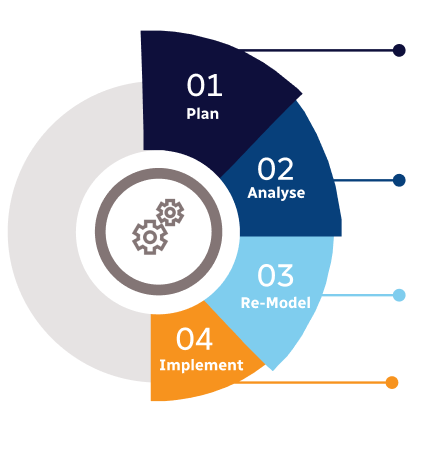
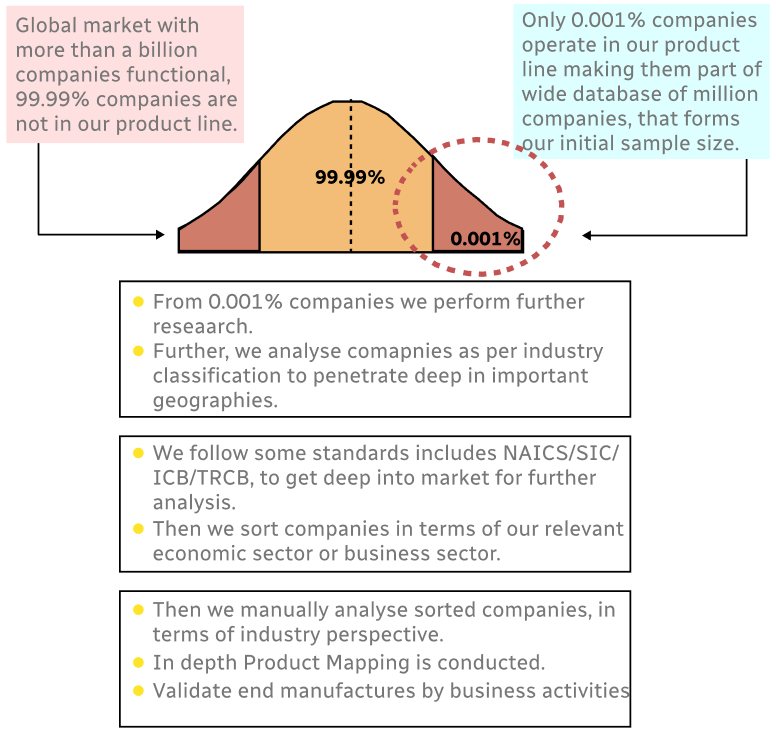
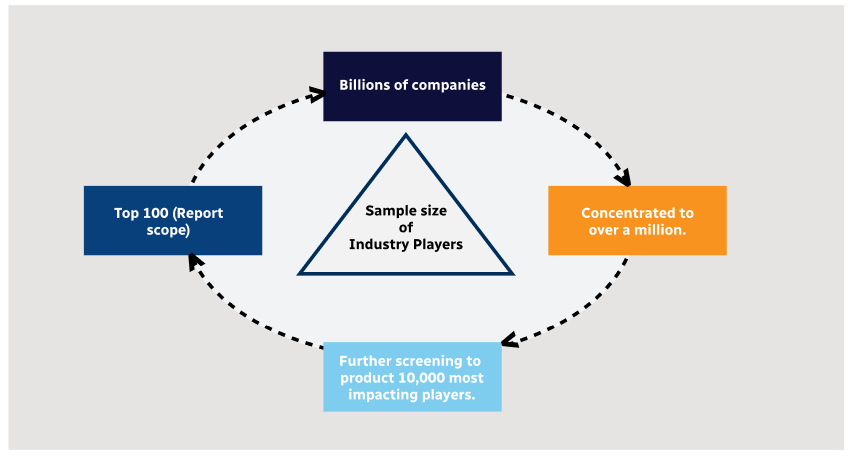
Step 1 - Identification of Relevant Samples Size from Population Database
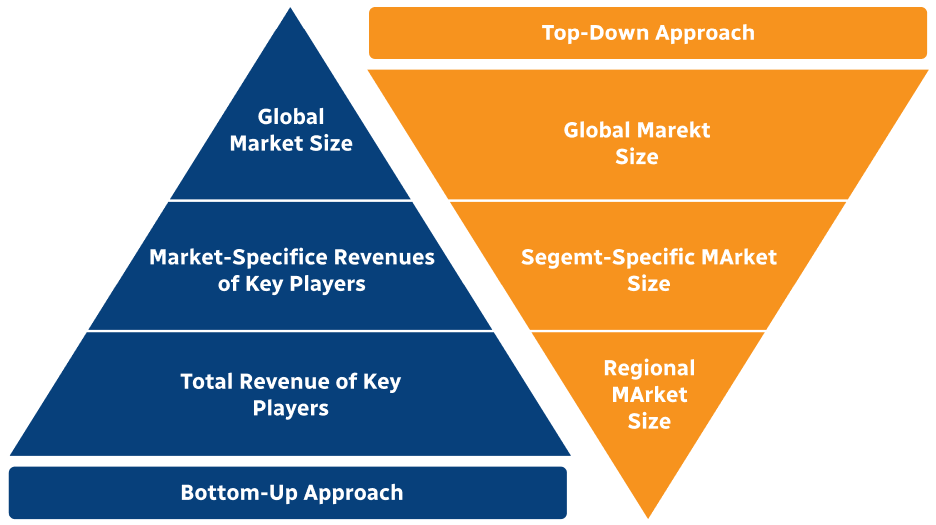
Step 2 - Approaches for Defining Global Market Size (Value, Volume* & Price*)
Note*: In applicable scenarios
Step 3 - Data Sources
Primary Research
- Web Analytics
- Survey Reports
- Research Institute
- Latest Research Reports
- Opinion Leaders
Secondary Research
- Annual Reports
- White Paper
- Latest Press Release
- Industry Association
- Paid Database
- Investor Presentations
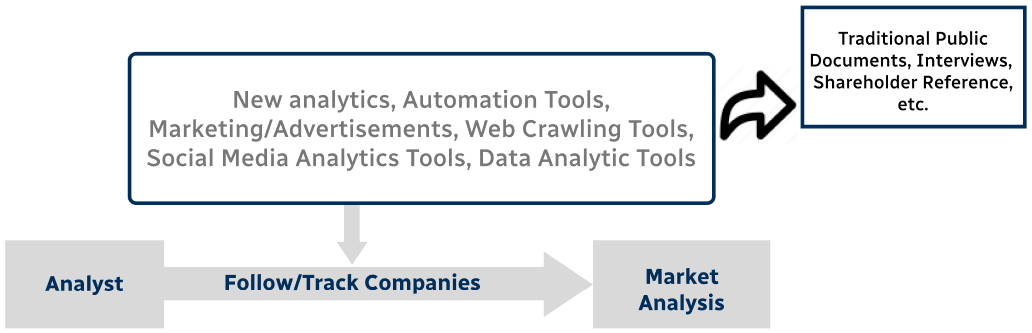
Step 4 - Data Triangulation
Involves using different sources of information in order to increase the validity of a study
These sources are likely to be stakeholders in a program - participants, other researchers, program staff, other community members, and so on.
Then we put all data in single framework & apply various statistical tools to find out the dynamic on the market.
During the analysis stage, feedback from the stakeholder groups would be compared to determine areas of agreement as well as areas of divergence


