



Key Insights
The Indian pharmaceutical market is poised for significant expansion, projected to reach a market size of approximately $66 billion by 2025, with a robust Compound Annual Growth Rate (CAGR) of 10.70% anticipated to persist through 2033. This growth trajectory is fundamentally driven by a confluence of factors. A burgeoning population, increasing healthcare expenditure, rising disposable incomes, and a growing prevalence of lifestyle-related diseases are key demand stimulants. Furthermore, the government's supportive policies, initiatives like "Make in India," and a strong focus on research and development are bolstering domestic manufacturing and innovation. The expanding reach of both branded and generic prescription drugs, coupled with the increasing accessibility and adoption of Over-the-Counter (OTC) medications, further fuels this expansion. Therapeutic segments such as Anti-Infectives, Cardiovascular, and Anti-Diabetic are expected to lead the market due to the high disease burden and chronic conditions prevalent in India.
The competitive landscape is dynamic, featuring established domestic players like Sun Pharmaceutical Industries Ltd., Cipla Inc., and Dr. Reddy's Laboratories Ltd., alongside multinational giants such as Pfizer Inc. and Merck & Co. Inc., all vying for market share. Emerging trends include a greater emphasis on biologics and biosimilars, advancements in drug delivery systems, and the integration of digital health solutions. However, challenges such as stringent regulatory frameworks, pricing pressures, and the need for robust quality control measures remain critical considerations. Addressing these restraints while capitalizing on the immense growth potential will be paramount for stakeholders navigating this vibrant and evolving market. The forecast period, from 2025 to 2033, indicates sustained momentum, underscoring the long-term attractiveness of the Indian pharmaceutical sector.
This comprehensive report delves into the dynamic landscape of the Indian Pharmaceutical Industry, a rapidly expanding sector poised for significant global impact. Analyzing the market from 2019 to 2033, with a Base Year of 2025 and a Forecast Period of 2025–2033, this study provides critical insights into market structure, growth drivers, emerging trends, and competitive dynamics. It covers the Historical Period of 2019–2024, offering a robust foundation for understanding the industry's trajectory.
Indian Pharmaceutical Industry Market Structure & Competitive Dynamics
The Indian pharmaceutical market is characterized by its highly competitive structure, featuring a blend of large, established players and agile smaller companies. Market concentration is moderate, with top players holding significant, yet not dominant, market share, estimated at over 250 Million. Innovation ecosystems are thriving, driven by increased R&D investments, particularly in generic drugs and biosimilars, alongside a growing focus on novel drug development. The regulatory framework, governed by agencies like the Central Drugs Standard Control Organisation (CDSCO), is evolving to align with global standards, fostering both opportunity and compliance challenges. Product substitutes are abundant, especially within the generic drugs segment, intensifying price competition. End-user trends indicate a rising demand for affordable and accessible healthcare solutions, propelling the growth of generic drugs and OTC Drugs. Merger and Acquisition (M&A) activities remain a strategic imperative for market expansion and portfolio diversification, with estimated M&A deal values in the billions of Million. Key M&A activities aim to acquire new technologies, expand market reach, and consolidate market positions.
- Market Concentration: Moderate, with top players holding substantial market share.
- Innovation: Driven by R&D in generics, biosimilars, and novel drug discovery.
- Regulatory Landscape: Evolving to meet global standards.
- Product Substitutes: High, particularly in the generic drug segment.
- End-User Trends: Increasing demand for affordable and accessible healthcare.
- M&A Activity: Strategic for growth, technology acquisition, and market consolidation.
Indian Pharmaceutical Industry Industry Trends & Insights
The Indian Pharmaceutical Industry is experiencing robust growth, driven by a confluence of factors. A significant growth driver is the increasing healthcare expenditure per capita, fueled by a growing middle class and rising disposable incomes. Government initiatives promoting 'Make in India' and Production Linked Incentives (PLI) are further bolstering domestic manufacturing capabilities and attracting foreign investment. Technological disruptions are revolutionizing drug discovery and development, with advancements in artificial intelligence (AI) and machine learning (ML) accelerating the identification of new drug targets and optimizing clinical trial processes. Digital transformation is also reshaping market access and patient engagement strategies. Consumer preferences are shifting towards evidence-based treatments and personalized medicine, creating opportunities for specialized therapies. The competitive landscape is intensifying, with both domestic and international players vying for market share. The CAGR for the Indian Pharmaceutical Industry is projected to be over 12% during the forecast period. Market penetration is expanding, particularly in tier-2 and tier-3 cities, as accessibility improves. The burgeoning demand for anti-diabetic and cardiovascular medications, coupled with a growing awareness of preventive healthcare, are key market shapers.
Dominant Markets & Segments in Indian Pharmaceutical Industry
The Indian Pharmaceutical Industry exhibits dominance across several key therapeutic categories and drug types. The Cardiovascular and Anti Diabetic segments are leading the market, driven by the high prevalence of lifestyle-related diseases in India. The Nervous System and Respiratory segments are also witnessing substantial growth due to increasing incidences of neurological disorders and respiratory ailments.
Leading Therapeutic Categories:
- Cardiovascular: Driven by an aging population and lifestyle changes leading to heart disease and hypertension. Significant market share expected to be over 100 Million.
- Anti Diabetic: India's position as the diabetes capital of the world fuels consistent demand. Market share projected to be over 90 Million.
- Nervous System: Growing awareness and diagnosis of neurological conditions, including mental health disorders, are key drivers.
- Respiratory: Rising pollution levels and prevalence of conditions like asthma and COPD contribute to strong market performance.
- Gastrointestinal: Lifestyle factors and increasing consumption of processed foods contribute to the demand for GI medications.
- Anti-Infectives: Despite efforts to curb antimicrobial resistance, these remain crucial, especially in managing infectious diseases.
- Dermatologicals: Increasing disposable income and a focus on aesthetic and dermatological treatments are driving growth.
- Musculo-Skeletal System: Age-related musculoskeletal disorders and an active lifestyle create demand for related treatments.
Dominant Drug Types:
- Prescription Drugs (Generic Drugs): This segment holds the largest market share, estimated at over 200 Million, due to its affordability and widespread availability. The Indian pharmaceutical industry is a global hub for generic drug manufacturing.
- Prescription Drugs (Branded Drugs): While smaller than generics, branded drugs are gaining traction, particularly in specialized therapeutic areas and with the introduction of novel molecules.
- OTC Drugs: The over-the-counter segment is expanding as consumers increasingly self-medicate for minor ailments, contributing a market size of approximately 30 Million.
Economic policies that support research and development, affordable pricing, and robust distribution networks are key enablers for market dominance. Infrastructure development, including improved cold chain logistics, further strengthens market penetration.
Indian Pharmaceutical Industry Product Innovations
Product innovations in the Indian Pharmaceutical Industry are increasingly focusing on addressing unmet medical needs and improving patient outcomes. Significant advancements are being made in the development of biosimilars, offering cost-effective alternatives to biologics. The industry is also witnessing a surge in the development of novel drug delivery systems, enhancing drug efficacy and patient compliance. Research into personalized medicine and targeted therapies is gaining momentum, leveraging genetic and molecular insights. Furthermore, the focus on tropical diseases and neglected diseases continues, driven by both domestic health priorities and global health initiatives, with an estimated market value of 50 Million.
Report Segmentation & Scope
This report meticulously segments the Indian Pharmaceutical Industry based on key parameters, providing a granular view of market dynamics. The analysis covers various therapeutic categories and drug types to offer a comprehensive understanding of market potential and growth avenues. The study period spans from 2019 to 2033, with a focus on the Base Year of 2025 and the Forecast Period of 2025–2033.
Therapeutic Categories:
- Anti-Infectives: Analysis of antibiotics, antivirals, and antifungals, with projected growth influenced by infectious disease patterns.
- Cardiovascular: Detailed examination of antihypertensives, statins, and other cardiovascular drugs, driven by lifestyle disease prevalence.
- Gastrointestinal: Focus on treatments for acidity, ulcers, and irritable bowel syndrome, reflecting dietary habits.
- Anti Diabetic: Comprehensive coverage of oral hypoglycemic agents and insulins, addressing India's large diabetic population.
- Respiratory: Analysis of inhalers, bronchodilators, and anti-allergy medications, impacted by environmental factors.
- Dermatologicals: Exploration of treatments for acne, eczema, and psoriasis, with a growing aesthetic component.
- Musculo-Skeletal System: Examination of drugs for arthritis, osteoporosis, and pain management.
- Nervous System: Insights into treatments for neurological and psychiatric disorders, with increasing diagnostic capabilities.
- Others: Encompassing niche therapeutic areas and emerging drug classes.
Drug Types:
- Prescription Drugs (Branded Drugs): Growth driven by innovation and specialized treatments.
- Prescription Drugs (Generic Drugs): Dominant segment, characterized by high volume and affordability.
- OTC Drugs: Expanding market for self-medication and general wellness products.
Key Drivers of Indian Pharmaceutical Industry Growth
The Indian Pharmaceutical Industry is propelled by several pivotal drivers. A burgeoning population and an expanding middle class with increasing disposable income are boosting healthcare demand. Government support through policy reforms, tax incentives, and initiatives like the Production Linked Incentive (PLI) scheme for pharmaceutical manufacturing significantly enhances growth. The robust R&D infrastructure and a highly skilled workforce contribute to cost-effective drug development and manufacturing. Furthermore, the growing prevalence of chronic diseases, such as diabetes and cardiovascular ailments, creates sustained demand for pharmaceutical products. The increasing focus on exports, particularly to regulated markets, also plays a crucial role.
Challenges in the Indian Pharmaceutical Industry Sector
Despite its immense potential, the Indian Pharmaceutical Industry faces several challenges. Stringent price controls imposed by the government can impact profitability, particularly for essential medicines. Regulatory hurdles and compliance requirements, though improving, can still pose complexities for market entry and product approval. Supply chain inefficiencies and the reliance on imported raw materials for certain active pharmaceutical ingredients (APIs) can lead to vulnerabilities. Intense competition, both domestic and international, exerts downward pressure on prices. Intellectual property protection concerns and the risk of counterfeit drugs also present ongoing challenges. Estimated impact of these challenges could lead to a reduced growth rate by 2%.
Leading Players in the Indian Pharmaceutical Industry Market
The Indian Pharmaceutical Industry is home to a vibrant ecosystem of leading pharmaceutical companies. These players are at the forefront of innovation, manufacturing, and market penetration, contributing significantly to the sector's growth. The key companies shaping the market include:
- Divi's Laboratories
- Mankind Pharma
- Torrent Pharma
- Novartis AG
- Cadila Pharmaceuticals
- Aurobindo Pharma Limited
- Merck & Co Inc
- Sun Pharmaceutical Industries Ltd
- Cipla Inc
- Lupin Limited
- Biocon Limited
- GlaxoSmithKline plc
- Dr Reddy's Laboratories Ltd
- Abbott
- Pfizer Inc
Key Developments in Indian Pharmaceutical Industry Sector
The Indian Pharmaceutical Industry has witnessed several impactful developments that have shaped its trajectory. These advancements highlight the sector's dynamism and its ability to adapt to evolving healthcare needs and global health crises.
- February 2022: Dr. Reddy's Laboratories Ltd. announced the DCGI's approval of the single-shot Sputnik Light vaccine for restricted use in an emergency in India, bolstering COVID-19 vaccination efforts.
- November 2021: Cipla Limited secured EUA permission from the DCGI for the launch of Molnupiravir in India, marking a significant step in providing an oral antiviral treatment for mild-to-moderate COVID-19 patients at high risk of severe disease, following its approval by the UK's MHRA.
Strategic Indian Pharmaceutical Industry Market Outlook
The strategic outlook for the Indian Pharmaceutical Industry remains exceptionally positive, driven by sustained demand for affordable and quality healthcare. Growth accelerators include the increasing focus on research and development, the expansion of manufacturing capabilities for complex generics and biosimilars, and a concerted effort to reduce reliance on API imports through domestic production initiatives. The government's continued support through favorable policies and infrastructure development will further catalyze growth. Opportunities lie in leveraging India's expertise in contract research and manufacturing services (CRAMS) and expanding its footprint in emerging markets. The industry is well-positioned to capitalize on global health trends and emerge as a formidable force in the worldwide pharmaceutical landscape.
Indian Pharmaceutical Industry Segmentation
-
1. Therapeutic Category
- 1.1. Anti-Infectives
- 1.2. Cardiovascular
- 1.3. Gastrointestinal
- 1.4. Anti Diabetic
- 1.5. Respiratory
- 1.6. Dermatologicals
- 1.7. Musculo-Skeletal System
- 1.8. Nervous System
- 1.9. Others
-
2. Drug Type
-
2.1. Prescription Drug
- 2.1.1. Branded Drugs
- 2.1.2. Generic Drugs
- 2.2. OTC Drugs
-
2.1. Prescription Drug
Indian Pharmaceutical Industry Segmentation By Geography
- 1. India
Indian Pharmaceutical Industry REPORT HIGHLIGHTS
| Aspects | Details |
|---|---|
| Study Period | 2019-2033 |
| Base Year | 2024 |
| Estimated Year | 2025 |
| Forecast Period | 2025-2033 |
| Historical Period | 2019-2024 |
| Growth Rate | CAGR of 10.70% from 2019-2033 |
| Segmentation |
|
Table of Contents
- 1. Introduction
- 1.1. Research Scope
- 1.2. Market Segmentation
- 1.3. Research Methodology
- 1.4. Definitions and Assumptions
- 2. Executive Summary
- 2.1. Introduction
- 3. Market Dynamics
- 3.1. Introduction
- 3.2. Market Drivers
- 3.2.1. Low Cost of Production and Increased R&D Activities; Increased Expenditure on Healthcare and Medicine
- 3.3. Market Restrains
- 3.3.1. Lack of a Stable Pricing and Policy Environment; Lack in Development of Innovative Drugs
- 3.4. Market Trends
- 3.4.1. The Respiratory Therapeutic Category Segment is Expected to Show Healthy Market Growth in the Forecast Period
- 4. Market Factor Analysis
- 4.1. Porters Five Forces
- 4.2. Supply/Value Chain
- 4.3. PESTEL analysis
- 4.4. Market Entropy
- 4.5. Patent/Trademark Analysis
- 5. Indian Pharmaceutical Industry Analysis, Insights and Forecast, 2019-2031
- 5.1. Market Analysis, Insights and Forecast - by Therapeutic Category
- 5.1.1. Anti-Infectives
- 5.1.2. Cardiovascular
- 5.1.3. Gastrointestinal
- 5.1.4. Anti Diabetic
- 5.1.5. Respiratory
- 5.1.6. Dermatologicals
- 5.1.7. Musculo-Skeletal System
- 5.1.8. Nervous System
- 5.1.9. Others
- 5.2. Market Analysis, Insights and Forecast - by Drug Type
- 5.2.1. Prescription Drug
- 5.2.1.1. Branded Drugs
- 5.2.1.2. Generic Drugs
- 5.2.2. OTC Drugs
- 5.2.1. Prescription Drug
- 5.3. Market Analysis, Insights and Forecast - by Region
- 5.3.1. India
- 5.1. Market Analysis, Insights and Forecast - by Therapeutic Category
- 6. North India Indian Pharmaceutical Industry Analysis, Insights and Forecast, 2019-2031
- 7. South India Indian Pharmaceutical Industry Analysis, Insights and Forecast, 2019-2031
- 8. East India Indian Pharmaceutical Industry Analysis, Insights and Forecast, 2019-2031
- 9. West India Indian Pharmaceutical Industry Analysis, Insights and Forecast, 2019-2031
- 10. Competitive Analysis
- 10.1. Market Share Analysis 2024
- 10.2. Company Profiles
- 10.2.1 Divi's Laboratories
- 10.2.1.1. Overview
- 10.2.1.2. Products
- 10.2.1.3. SWOT Analysis
- 10.2.1.4. Recent Developments
- 10.2.1.5. Financials (Based on Availability)
- 10.2.2 Mankind Pharma
- 10.2.2.1. Overview
- 10.2.2.2. Products
- 10.2.2.3. SWOT Analysis
- 10.2.2.4. Recent Developments
- 10.2.2.5. Financials (Based on Availability)
- 10.2.3 Torrent Pharma
- 10.2.3.1. Overview
- 10.2.3.2. Products
- 10.2.3.3. SWOT Analysis
- 10.2.3.4. Recent Developments
- 10.2.3.5. Financials (Based on Availability)
- 10.2.4 Novartis AG
- 10.2.4.1. Overview
- 10.2.4.2. Products
- 10.2.4.3. SWOT Analysis
- 10.2.4.4. Recent Developments
- 10.2.4.5. Financials (Based on Availability)
- 10.2.5 Cadila Pharmaceuticals
- 10.2.5.1. Overview
- 10.2.5.2. Products
- 10.2.5.3. SWOT Analysis
- 10.2.5.4. Recent Developments
- 10.2.5.5. Financials (Based on Availability)
- 10.2.6 Aurobindo Pharma Limited
- 10.2.6.1. Overview
- 10.2.6.2. Products
- 10.2.6.3. SWOT Analysis
- 10.2.6.4. Recent Developments
- 10.2.6.5. Financials (Based on Availability)
- 10.2.7 Merck & Co Inc
- 10.2.7.1. Overview
- 10.2.7.2. Products
- 10.2.7.3. SWOT Analysis
- 10.2.7.4. Recent Developments
- 10.2.7.5. Financials (Based on Availability)
- 10.2.8 Sun Pharmaceutical Industries Ltd
- 10.2.8.1. Overview
- 10.2.8.2. Products
- 10.2.8.3. SWOT Analysis
- 10.2.8.4. Recent Developments
- 10.2.8.5. Financials (Based on Availability)
- 10.2.9 Cipla Inc
- 10.2.9.1. Overview
- 10.2.9.2. Products
- 10.2.9.3. SWOT Analysis
- 10.2.9.4. Recent Developments
- 10.2.9.5. Financials (Based on Availability)
- 10.2.10 Lupin Limited
- 10.2.10.1. Overview
- 10.2.10.2. Products
- 10.2.10.3. SWOT Analysis
- 10.2.10.4. Recent Developments
- 10.2.10.5. Financials (Based on Availability)
- 10.2.11 Biocon Limited
- 10.2.11.1. Overview
- 10.2.11.2. Products
- 10.2.11.3. SWOT Analysis
- 10.2.11.4. Recent Developments
- 10.2.11.5. Financials (Based on Availability)
- 10.2.12 GlaxoSmithKline plc
- 10.2.12.1. Overview
- 10.2.12.2. Products
- 10.2.12.3. SWOT Analysis
- 10.2.12.4. Recent Developments
- 10.2.12.5. Financials (Based on Availability)
- 10.2.13 Dr Reddy's Laboratories Ltd
- 10.2.13.1. Overview
- 10.2.13.2. Products
- 10.2.13.3. SWOT Analysis
- 10.2.13.4. Recent Developments
- 10.2.13.5. Financials (Based on Availability)
- 10.2.14 Abbott
- 10.2.14.1. Overview
- 10.2.14.2. Products
- 10.2.14.3. SWOT Analysis
- 10.2.14.4. Recent Developments
- 10.2.14.5. Financials (Based on Availability)
- 10.2.15 Pfizer Inc
- 10.2.15.1. Overview
- 10.2.15.2. Products
- 10.2.15.3. SWOT Analysis
- 10.2.15.4. Recent Developments
- 10.2.15.5. Financials (Based on Availability)
- 10.2.1 Divi's Laboratories
List of Figures
- Figure 1: Indian Pharmaceutical Industry Revenue Breakdown (Million, %) by Product 2024 & 2032
- Figure 2: Indian Pharmaceutical Industry Share (%) by Company 2024
List of Tables
- Table 1: Indian Pharmaceutical Industry Revenue Million Forecast, by Region 2019 & 2032
- Table 2: Indian Pharmaceutical Industry Revenue Million Forecast, by Therapeutic Category 2019 & 2032
- Table 3: Indian Pharmaceutical Industry Revenue Million Forecast, by Drug Type 2019 & 2032
- Table 4: Indian Pharmaceutical Industry Revenue Million Forecast, by Region 2019 & 2032
- Table 5: Indian Pharmaceutical Industry Revenue Million Forecast, by Country 2019 & 2032
- Table 6: North India Indian Pharmaceutical Industry Revenue (Million) Forecast, by Application 2019 & 2032
- Table 7: South India Indian Pharmaceutical Industry Revenue (Million) Forecast, by Application 2019 & 2032
- Table 8: East India Indian Pharmaceutical Industry Revenue (Million) Forecast, by Application 2019 & 2032
- Table 9: West India Indian Pharmaceutical Industry Revenue (Million) Forecast, by Application 2019 & 2032
- Table 10: Indian Pharmaceutical Industry Revenue Million Forecast, by Therapeutic Category 2019 & 2032
- Table 11: Indian Pharmaceutical Industry Revenue Million Forecast, by Drug Type 2019 & 2032
- Table 12: Indian Pharmaceutical Industry Revenue Million Forecast, by Country 2019 & 2032
Frequently Asked Questions
1. What is the projected Compound Annual Growth Rate (CAGR) of the Indian Pharmaceutical Industry?
The projected CAGR is approximately 10.70%.
2. Which companies are prominent players in the Indian Pharmaceutical Industry?
Key companies in the market include Divi's Laboratories, Mankind Pharma, Torrent Pharma, Novartis AG, Cadila Pharmaceuticals, Aurobindo Pharma Limited, Merck & Co Inc, Sun Pharmaceutical Industries Ltd, Cipla Inc, Lupin Limited, Biocon Limited, GlaxoSmithKline plc, Dr Reddy's Laboratories Ltd, Abbott, Pfizer Inc.
3. What are the main segments of the Indian Pharmaceutical Industry?
The market segments include Therapeutic Category, Drug Type.
4. Can you provide details about the market size?
The market size is estimated to be USD XX Million as of 2022.
5. What are some drivers contributing to market growth?
Low Cost of Production and Increased R&D Activities; Increased Expenditure on Healthcare and Medicine.
6. What are the notable trends driving market growth?
The Respiratory Therapeutic Category Segment is Expected to Show Healthy Market Growth in the Forecast Period.
7. Are there any restraints impacting market growth?
Lack of a Stable Pricing and Policy Environment; Lack in Development of Innovative Drugs.
8. Can you provide examples of recent developments in the market?
In February 2022, Dr. Reddy's Laboratories Ltd. announced that the Drugs Controller General of India (DCGI) had approved the single-shot Sputnik Light vaccine for restricted use in an emergency in India.
9. What pricing options are available for accessing the report?
Pricing options include single-user, multi-user, and enterprise licenses priced at USD 3800, USD 4500, and USD 5800 respectively.
10. Is the market size provided in terms of value or volume?
The market size is provided in terms of value, measured in Million.
11. Are there any specific market keywords associated with the report?
Yes, the market keyword associated with the report is "Indian Pharmaceutical Industry," which aids in identifying and referencing the specific market segment covered.
12. How do I determine which pricing option suits my needs best?
The pricing options vary based on user requirements and access needs. Individual users may opt for single-user licenses, while businesses requiring broader access may choose multi-user or enterprise licenses for cost-effective access to the report.
13. Are there any additional resources or data provided in the Indian Pharmaceutical Industry report?
While the report offers comprehensive insights, it's advisable to review the specific contents or supplementary materials provided to ascertain if additional resources or data are available.
14. How can I stay updated on further developments or reports in the Indian Pharmaceutical Industry?
To stay informed about further developments, trends, and reports in the Indian Pharmaceutical Industry, consider subscribing to industry newsletters, following relevant companies and organizations, or regularly checking reputable industry news sources and publications.
Methodology
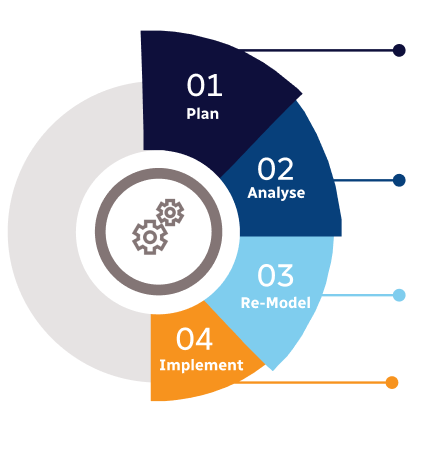
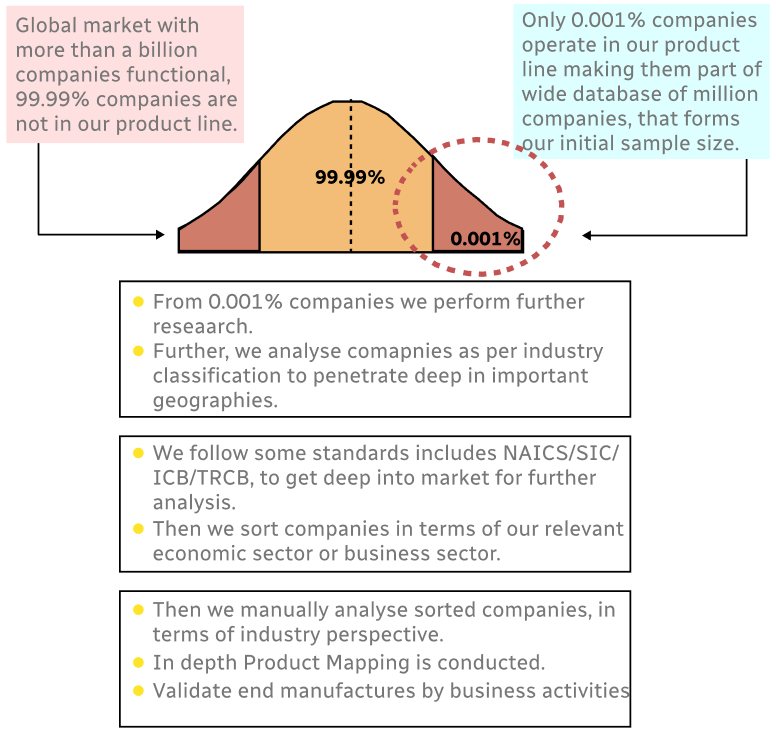
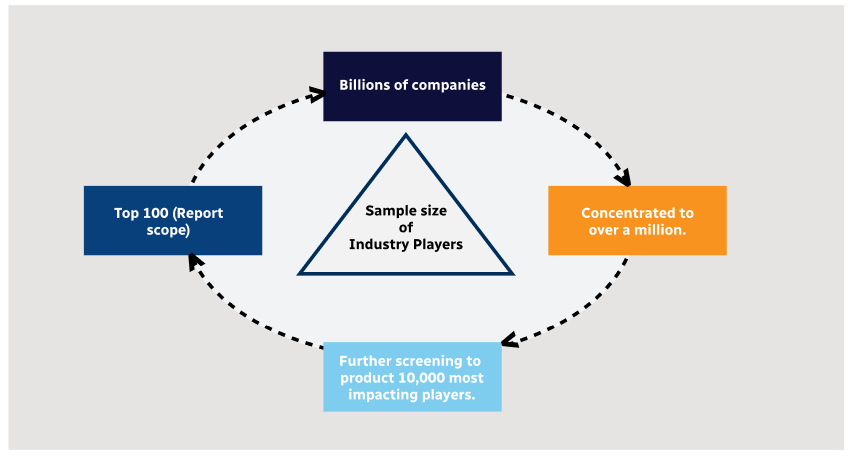
Step 1 - Identification of Relevant Samples Size from Population Database
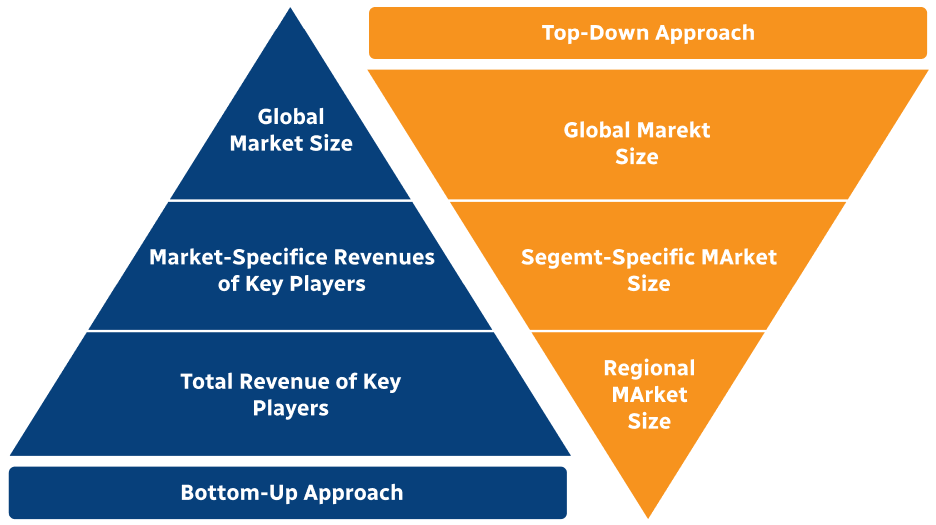
Step 2 - Approaches for Defining Global Market Size (Value, Volume* & Price*)
Note*: In applicable scenarios
Step 3 - Data Sources
Primary Research
- Web Analytics
- Survey Reports
- Research Institute
- Latest Research Reports
- Opinion Leaders
Secondary Research
- Annual Reports
- White Paper
- Latest Press Release
- Industry Association
- Paid Database
- Investor Presentations
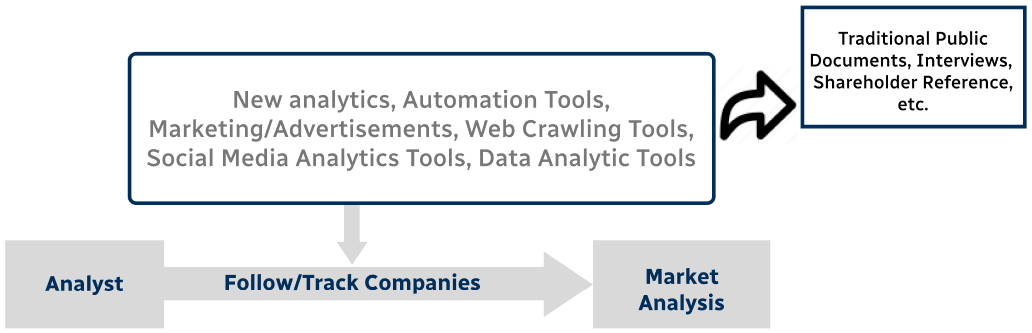
Step 4 - Data Triangulation
Involves using different sources of information in order to increase the validity of a study
These sources are likely to be stakeholders in a program - participants, other researchers, program staff, other community members, and so on.
Then we put all data in single framework & apply various statistical tools to find out the dynamic on the market.
During the analysis stage, feedback from the stakeholder groups would be compared to determine areas of agreement as well as areas of divergence


