


Key Insights
The global Helicopter Based Transportation market is projected for robust expansion, reaching an estimated USD 1454 million in 2025 with a Compound Annual Growth Rate (CAGR) of 4.6% extending through 2033. This growth trajectory is significantly fueled by increasing demand across diverse sectors, including relief operations, construction and infrastructure development, energy exploration, and critical military and medical logistics. The sector's versatility in accessing remote or challenging terrains, coupled with its capability for swift and precise deployment, positions it as an indispensable component of modern logistics and emergency response frameworks. Growth drivers include a rising need for efficient transportation of specialized equipment and personnel to offshore oil rigs and mining sites, as well as the expanding use of helicopters in disaster relief efforts and for providing essential medical services in underserved regions.
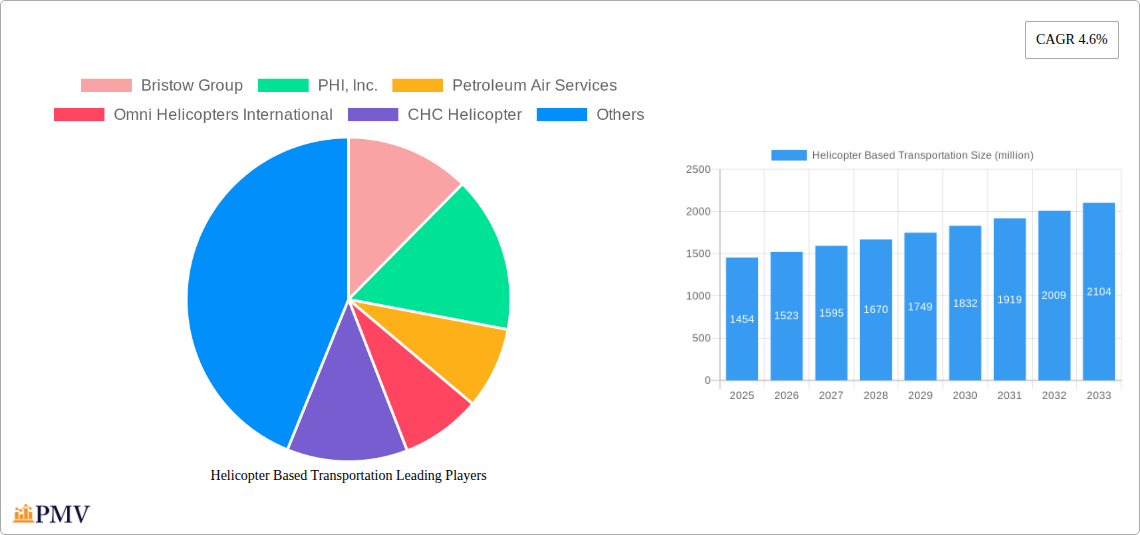
Helicopter Based Transportation Market Size (In Billion)

Further analysis reveals that the market is segmented by weight capacity, with "1000kg-3000kg" and "500-1000kg" categories likely representing substantial shares due to their suitability for a wide range of cargo and passenger transport. Geographically, North America and Europe are expected to maintain significant market presence, driven by established aviation infrastructure and consistent demand from the oil and gas, and construction industries. However, the Asia Pacific region is anticipated to witness the fastest growth, propelled by rapid industrialization, infrastructure projects, and increasing government investment in public services and disaster preparedness. Key players like Bristow Group, PHI, Inc., and CHC Helicopter are at the forefront, innovating and expanding their fleets to meet evolving market demands, including the adoption of advanced helicopter technologies for enhanced safety and efficiency in helicopter-based transportation services.
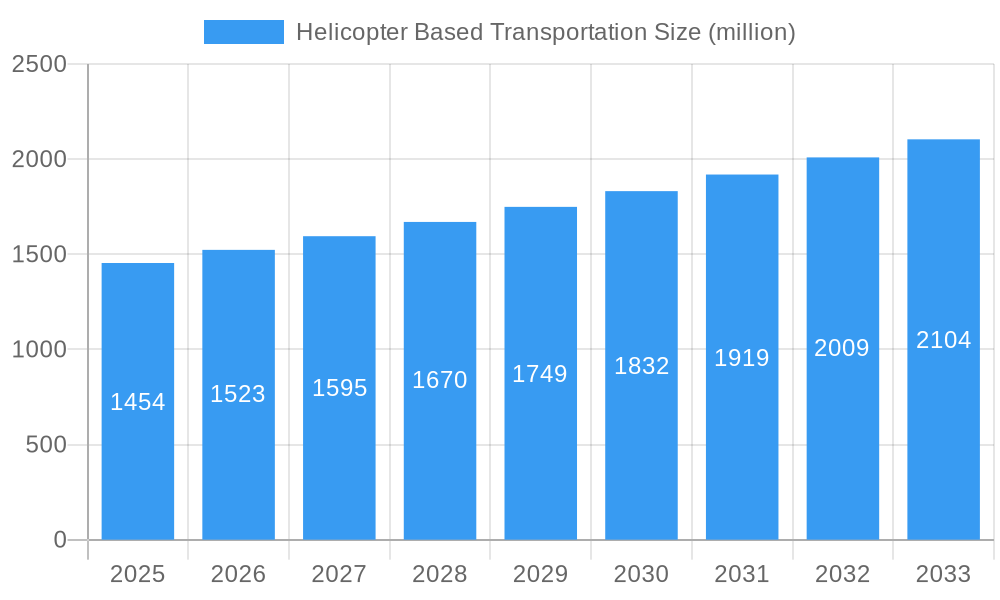
Helicopter Based Transportation Company Market Share
This in-depth report provides an exhaustive analysis of the global Helicopter Based Transportation market, covering the period from 2019 to 2033, with a base year of 2025. We delve into market structure, competitive dynamics, industry trends, dominant segments, product innovations, key growth drivers, challenges, leading players, significant developments, and strategic outlooks. Our research methodology meticulously examines market penetration, technological disruptions, consumer preferences, and regulatory frameworks, offering actionable insights for industry stakeholders, including helicopter service providers, manufacturers, investors, and logistics companies.
This comprehensive report is designed for professionals seeking to understand the evolving landscape of air charter services, vertical lift solutions, and rotorcraft logistics. It features detailed market segmentation by application (Relief Goods, Construction and Infrastructure Materials, Energy Goods, Military Goods, Medical Goods, Food and Beverages, Others) and type (Less than 100kg, 100-500kg, 500-1000kg, 1000kg-3000kg, Others). The study period (2019-2033), base year (2025), estimated year (2025), and forecast period (2025-2033) provide a robust timeframe for analysis.
Helicopter Based Transportation Market Structure & Competitive Dynamics
The global helicopter transportation market exhibits moderate to high concentration, with key players like Bristow Group, PHI, Inc., and Petroleum Air Services holding significant market share, estimated at over 40% combined. Innovation ecosystems are driven by advancements in rotorcraft technology, including enhanced payload capacities, fuel efficiency, and reduced operational costs. Regulatory frameworks, such as those governed by the FAA and EASA, play a crucial role in shaping market entry and operational standards. Product substitutes include fixed-wing aircraft for longer distances and ground transportation for shorter, less time-sensitive movements. End-user trends are increasingly focused on specialized cargo, emergency response, and offshore operations, driving demand for advanced on-demand helicopter services. Mergers and acquisitions (M&A) activities are prevalent, with estimated M&A deal values in the tens of millions, consolidating market power and expanding service portfolios. For instance, the acquisition of smaller regional operators by larger entities aims to achieve economies of scale and wider geographical coverage. The competitive landscape is characterized by a blend of established global operators and emerging regional players, each vying for market dominance through service differentiation and strategic partnerships. Key competitive advantages often stem from fleet modernization, specialized operational expertise, and robust safety records.
Helicopter Based Transportation Industry Trends & Insights
The helicopter charter market is poised for robust growth, projected to achieve a Compound Annual Growth Rate (CAGR) of approximately 6.5% from 2025 to 2033. This expansion is fueled by several key trends. Firstly, the oil and gas industry's continued reliance on helicopter transportation for offshore crew and cargo movement remains a significant market driver, particularly in regions with extensive offshore exploration activities. Secondly, the increasing demand for rapid and efficient delivery of medical supplies and emergency services, especially in remote or disaster-stricken areas, is boosting the medical helicopter transport segment. Technological disruptions, such as the development of advanced avionics, improved engine performance, and the potential integration of electric and hybrid-electric powertrains, are enhancing operational efficiency and sustainability, thereby attracting new market entrants and investment. Consumer preferences are shifting towards on-demand, flexible, and secure logistics solutions, with a growing emphasis on environmental sustainability and reduced noise pollution. The competitive dynamics are evolving with greater focus on specialized services, such as VIP helicopter charters and heavy-lift helicopter operations. Market penetration is deepening across various sectors, including construction for accessing remote sites and infrastructure development, and for the distribution of essential goods during humanitarian crises. The military helicopter services segment also contributes significantly, driven by defense spending and the need for rapid deployment of personnel and equipment. The overall outlook suggests a market characterized by innovation, specialization, and increasing demand for reliable rotorcraft solutions across diverse applications.
Dominant Markets & Segments in Helicopter Based Transportation
The Helicopter Based Transportation market's dominance is a multifaceted phenomenon, influenced by regional economic strength, infrastructure development, and specific sectoral needs. Geographically, North America and Europe currently hold the largest market shares, driven by established energy sectors and robust emergency medical services (EMS) networks. Asia-Pacific, however, is emerging as a high-growth region, fueled by increasing infrastructure projects and a growing middle class demanding faster logistics.
Application Dominance:
- Energy Goods: This segment consistently dominates, with offshore oil and gas exploration and production being a primary consumer of helicopter transport for crew and equipment movement. Regions with significant offshore reserves, such as the Gulf of Mexico and the North Sea, are key markets. The demand for reliable offshore helicopter transport is directly linked to energy prices and exploration activity.
- Military Goods: Government defense budgets and geopolitical stability play a crucial role here. Countries with active military operations or significant defense procurement programs, such as the United States, China, and Russia, represent major markets for military-grade helicopter transport. The need for rapid troop deployment and logistical support in challenging terrains is a critical driver.
- Medical Goods & Relief Goods: The increasing frequency of natural disasters and the growing emphasis on accessible healthcare are driving growth in these segments. Countries with challenging topographies or underdeveloped ground infrastructure, like parts of Africa and South America, show high demand for medical helicopter evacuation and relief goods delivery by helicopter. Public health initiatives and humanitarian aid efforts significantly bolster these segments.
- Construction and Infrastructure Materials: This segment is witnessing steady growth, particularly in developing economies undergoing rapid urbanization and infrastructure development. Helicopters are used for transporting materials and personnel to remote or inaccessible construction sites, such as bridge construction, power line installation, and remote building projects. Economic stimulus packages aimed at infrastructure upgrades further support this segment.
Type Dominance:
- 1000kg-3000kg: This payload capacity segment generally commands the largest market share due to its versatility in transporting significant volumes of cargo, ranging from construction materials and energy equipment to larger medical supplies and military hardware. The operational efficiency and cost-effectiveness of helicopters within this capacity range make them ideal for various logistical challenges.
- 100-500kg & 500-1000kg: These mid-range segments are crucial for specialized logistics, including the transport of sensitive medical equipment, smaller construction components, and specialized military supplies where precise and timely delivery is paramount. The increasing demand for agility and responsiveness in logistics supports the growth of these categories.
- Less than 100kg: This segment caters to high-value, time-sensitive items, such as critical spare parts, urgent medical samples, and vital documents. While smaller in volume, its strategic importance in maintaining operations and responding to emergencies is significant.
- Others: This category includes specialized applications not fitting the standard payload ranges, such as passenger transport and aerial work, which contribute to the overall market diversification.
Helicopter Based Transportation Product Innovations
Innovations in helicopter-based transportation are primarily focused on enhancing efficiency, safety, and sustainability. Developments in lighter composite materials reduce aircraft weight, improving fuel efficiency and increasing payload capacity. Advanced avionics and navigation systems, including fly-by-wire technology and sophisticated sensor integration, enhance pilot situational awareness and operational safety. Furthermore, the pursuit of electric and hybrid-electric propulsion systems promises to reduce emissions and operational costs, aligning with environmental regulations and market demand for greener logistics. These technological advancements equip helicopters for more demanding applications, such as complex cargo lifts, rapid emergency response, and access to increasingly remote operational sites.
Report Segmentation & Scope
This report meticulously segments the helicopter-based transportation market by Application and Type. The Application segmentation includes: Relief Goods, Construction and Infrastructure Materials, Energy Goods, Military Goods, Medical Goods, Food and Beverages, and Others. Each application segment is analyzed for its market size, growth projections, and specific demand drivers. For example, the Energy Goods segment is projected to grow at a CAGR of XX%, driven by continued offshore exploration. The Type segmentation categorizes services based on payload capacity: Less than 100kg, 100-500kg, 500-1000kg, 1000kg-3000kg, and Others. The 1000kg-3000kg segment is expected to maintain the largest market share due to its versatility in transporting substantial cargo for energy and construction industries. The competitive dynamics within each segment are also explored, highlighting key players and their market strategies.
Key Drivers of Helicopter Based Transportation Growth
Several factors are propelling the helicopter transportation market forward. The energy sector's continuous need for offshore support, including crew and equipment transfer, remains a primary driver, especially in exploration and production activities. Growing demand for rapid and efficient emergency medical services (EMS) and disaster relief operations, particularly in regions with underdeveloped infrastructure, is a significant growth catalyst. Increased government spending on defense and military operations, necessitating swift deployment of personnel and logistics, further boosts demand. Technological advancements, such as lighter materials and more fuel-efficient engines, are improving operational economics and expanding the range of viable applications. Furthermore, the expanding use of helicopters in construction for accessing remote sites and transporting specialized materials is contributing to market expansion.
Challenges in the Helicopter Based Transportation Sector
Despite its growth, the helicopter-based transportation sector faces several hurdles. High operational costs, including fuel, maintenance, and pilot training, can be a significant barrier, particularly for smaller operators. Stringent regulatory compliance and evolving safety standards require continuous investment and adherence. Weather dependency can disrupt flight schedules and impact service reliability, especially in extreme conditions. Supply chain disruptions for critical aircraft components and spare parts can also lead to downtime and increased costs. Intense competition from other transportation modes, where feasible, and the high capital expenditure required for fleet acquisition and modernization are also ongoing challenges impacting market accessibility and profitability.
Leading Players in the Helicopter Based Transportation Market
- Bristow Group
- PHI, Inc.
- Petroleum Air Services
- Omni Helicopters International
- CHC Helicopter
- Gulf Helicopters
- Erickson Incorporated
- Canadian Helicopters Limited
- CITIC COHC
- Vietnam Helicopter
- Nakanihon Air Service
- Heliswiss International AG
- HeliKorea
- Pawan Hans
- HeliService
Key Developments in Helicopter Based Transportation Sector
- 2023/01: Bristow Group announced the expansion of its offshore services in the Gulf of Mexico, securing new contracts valued in the tens of millions, highlighting sustained demand in the energy sector.
- 2023/03: PHI, Inc. invested in advanced rotorcraft technology, including upgrades to its fleet to enhance fuel efficiency and safety for critical medical transport missions.
- 2023/07: Petroleum Air Services secured a significant contract for aerial support in infrastructure development projects in North Africa, demonstrating the growing role of helicopters in construction.
- 2024/01: Omni Helicopters International announced strategic partnerships to enhance its global reach in emergency medical services and offshore logistics.
- 2024/04: CHC Helicopter finalized the acquisition of a regional operator, consolidating its market position and expanding its service portfolio for energy sector clients.
Strategic Helicopter Based Transportation Market Outlook
The future outlook for helicopter-based transportation is characterized by continued innovation and strategic expansion. Growth accelerators include the increasing adoption of advanced rotorcraft technologies, such as hybrid-electric propulsion, which promise reduced environmental impact and lower operating costs. The growing demand for specialized logistics solutions in sectors like healthcare, emergency response, and remote infrastructure development presents significant opportunities. Strategic partnerships and M&A activities will likely continue to shape the competitive landscape, allowing key players to achieve economies of scale and broaden their service offerings. The market's ability to adapt to evolving regulatory environments and embrace new technologies will be critical for sustained growth and profitability in the coming years.
Helicopter Based Transportation Segmentation
-
1. Application
- 1.1. Relief Goods
- 1.2. Construction and Infrastructure Materials
- 1.3. Energy Goods
- 1.4. Military Goods
- 1.5. Medical Goods
- 1.6. Food and Beverages
- 1.7. Others
-
2. Type
- 2.1. Less than 100kg
- 2.2. 100-500kg
- 2.3. 500-1000kg
- 2.4. 1000kg-3000kg
- 2.5. Others
Helicopter Based Transportation Segmentation By Geography
-
1. North America
- 1.1. United States
- 1.2. Canada
- 1.3. Mexico
-
2. South America
- 2.1. Brazil
- 2.2. Argentina
- 2.3. Rest of South America
-
3. Europe
- 3.1. United Kingdom
- 3.2. Germany
- 3.3. France
- 3.4. Italy
- 3.5. Spain
- 3.6. Russia
- 3.7. Benelux
- 3.8. Nordics
- 3.9. Rest of Europe
-
4. Middle East & Africa
- 4.1. Turkey
- 4.2. Israel
- 4.3. GCC
- 4.4. North Africa
- 4.5. South Africa
- 4.6. Rest of Middle East & Africa
-
5. Asia Pacific
- 5.1. China
- 5.2. India
- 5.3. Japan
- 5.4. South Korea
- 5.5. ASEAN
- 5.6. Oceania
- 5.7. Rest of Asia Pacific
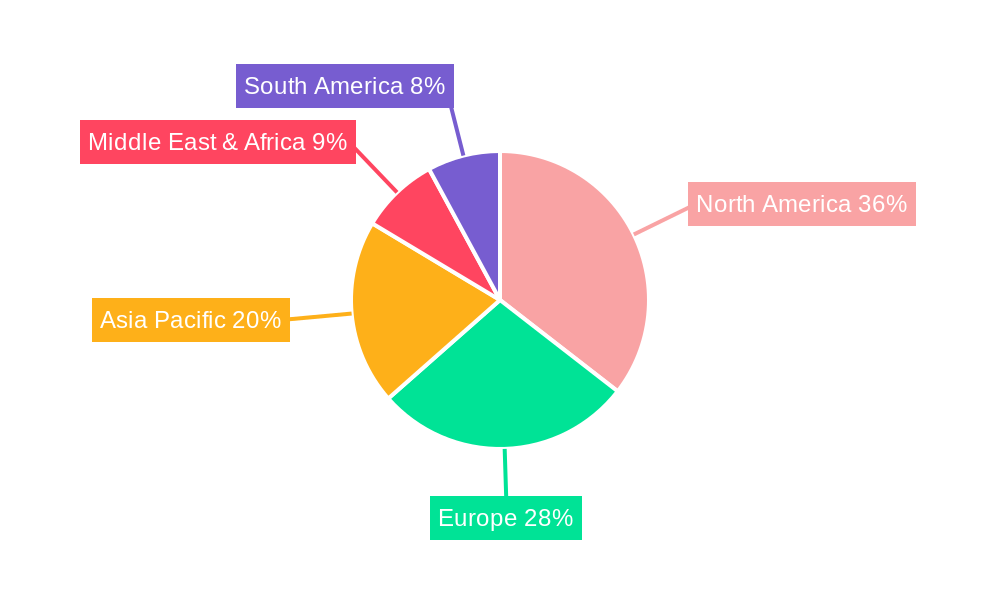
Helicopter Based Transportation Regional Market Share
Geographic Coverage of Helicopter Based Transportation
Helicopter Based Transportation REPORT HIGHLIGHTS
| Aspects | Details |
|---|---|
| Study Period | 2020-2034 |
| Base Year | 2025 |
| Estimated Year | 2026 |
| Forecast Period | 2026-2034 |
| Historical Period | 2020-2025 |
| Growth Rate | CAGR of 4.6% from 2020-2034 |
| Segmentation |
|
Table of Contents
- 1. Introduction
- 1.1. Research Scope
- 1.2. Market Segmentation
- 1.3. Research Methodology
- 1.4. Definitions and Assumptions
- 2. Executive Summary
- 2.1. Introduction
- 3. Market Dynamics
- 3.1. Introduction
- 3.2. Market Drivers
- 3.3. Market Restrains
- 3.4. Market Trends
- 4. Market Factor Analysis
- 4.1. Porters Five Forces
- 4.2. Supply/Value Chain
- 4.3. PESTEL analysis
- 4.4. Market Entropy
- 4.5. Patent/Trademark Analysis
- 5. Global Helicopter Based Transportation Analysis, Insights and Forecast, 2020-2032
- 5.1. Market Analysis, Insights and Forecast - by Application
- 5.1.1. Relief Goods
- 5.1.2. Construction and Infrastructure Materials
- 5.1.3. Energy Goods
- 5.1.4. Military Goods
- 5.1.5. Medical Goods
- 5.1.6. Food and Beverages
- 5.1.7. Others
- 5.2. Market Analysis, Insights and Forecast - by Type
- 5.2.1. Less than 100kg
- 5.2.2. 100-500kg
- 5.2.3. 500-1000kg
- 5.2.4. 1000kg-3000kg
- 5.2.5. Others
- 5.3. Market Analysis, Insights and Forecast - by Region
- 5.3.1. North America
- 5.3.2. South America
- 5.3.3. Europe
- 5.3.4. Middle East & Africa
- 5.3.5. Asia Pacific
- 5.1. Market Analysis, Insights and Forecast - by Application
- 6. North America Helicopter Based Transportation Analysis, Insights and Forecast, 2020-2032
- 6.1. Market Analysis, Insights and Forecast - by Application
- 6.1.1. Relief Goods
- 6.1.2. Construction and Infrastructure Materials
- 6.1.3. Energy Goods
- 6.1.4. Military Goods
- 6.1.5. Medical Goods
- 6.1.6. Food and Beverages
- 6.1.7. Others
- 6.2. Market Analysis, Insights and Forecast - by Type
- 6.2.1. Less than 100kg
- 6.2.2. 100-500kg
- 6.2.3. 500-1000kg
- 6.2.4. 1000kg-3000kg
- 6.2.5. Others
- 6.1. Market Analysis, Insights and Forecast - by Application
- 7. South America Helicopter Based Transportation Analysis, Insights and Forecast, 2020-2032
- 7.1. Market Analysis, Insights and Forecast - by Application
- 7.1.1. Relief Goods
- 7.1.2. Construction and Infrastructure Materials
- 7.1.3. Energy Goods
- 7.1.4. Military Goods
- 7.1.5. Medical Goods
- 7.1.6. Food and Beverages
- 7.1.7. Others
- 7.2. Market Analysis, Insights and Forecast - by Type
- 7.2.1. Less than 100kg
- 7.2.2. 100-500kg
- 7.2.3. 500-1000kg
- 7.2.4. 1000kg-3000kg
- 7.2.5. Others
- 7.1. Market Analysis, Insights and Forecast - by Application
- 8. Europe Helicopter Based Transportation Analysis, Insights and Forecast, 2020-2032
- 8.1. Market Analysis, Insights and Forecast - by Application
- 8.1.1. Relief Goods
- 8.1.2. Construction and Infrastructure Materials
- 8.1.3. Energy Goods
- 8.1.4. Military Goods
- 8.1.5. Medical Goods
- 8.1.6. Food and Beverages
- 8.1.7. Others
- 8.2. Market Analysis, Insights and Forecast - by Type
- 8.2.1. Less than 100kg
- 8.2.2. 100-500kg
- 8.2.3. 500-1000kg
- 8.2.4. 1000kg-3000kg
- 8.2.5. Others
- 8.1. Market Analysis, Insights and Forecast - by Application
- 9. Middle East & Africa Helicopter Based Transportation Analysis, Insights and Forecast, 2020-2032
- 9.1. Market Analysis, Insights and Forecast - by Application
- 9.1.1. Relief Goods
- 9.1.2. Construction and Infrastructure Materials
- 9.1.3. Energy Goods
- 9.1.4. Military Goods
- 9.1.5. Medical Goods
- 9.1.6. Food and Beverages
- 9.1.7. Others
- 9.2. Market Analysis, Insights and Forecast - by Type
- 9.2.1. Less than 100kg
- 9.2.2. 100-500kg
- 9.2.3. 500-1000kg
- 9.2.4. 1000kg-3000kg
- 9.2.5. Others
- 9.1. Market Analysis, Insights and Forecast - by Application
- 10. Asia Pacific Helicopter Based Transportation Analysis, Insights and Forecast, 2020-2032
- 10.1. Market Analysis, Insights and Forecast - by Application
- 10.1.1. Relief Goods
- 10.1.2. Construction and Infrastructure Materials
- 10.1.3. Energy Goods
- 10.1.4. Military Goods
- 10.1.5. Medical Goods
- 10.1.6. Food and Beverages
- 10.1.7. Others
- 10.2. Market Analysis, Insights and Forecast - by Type
- 10.2.1. Less than 100kg
- 10.2.2. 100-500kg
- 10.2.3. 500-1000kg
- 10.2.4. 1000kg-3000kg
- 10.2.5. Others
- 10.1. Market Analysis, Insights and Forecast - by Application
- 11. Competitive Analysis
- 11.1. Global Market Share Analysis 2025
- 11.2. Company Profiles
- 11.2.1 Bristow Group
- 11.2.1.1. Overview
- 11.2.1.2. Products
- 11.2.1.3. SWOT Analysis
- 11.2.1.4. Recent Developments
- 11.2.1.5. Financials (Based on Availability)
- 11.2.2 PHI Inc.
- 11.2.2.1. Overview
- 11.2.2.2. Products
- 11.2.2.3. SWOT Analysis
- 11.2.2.4. Recent Developments
- 11.2.2.5. Financials (Based on Availability)
- 11.2.3 Petroleum Air Services
- 11.2.3.1. Overview
- 11.2.3.2. Products
- 11.2.3.3. SWOT Analysis
- 11.2.3.4. Recent Developments
- 11.2.3.5. Financials (Based on Availability)
- 11.2.4 Omni Helicopters International
- 11.2.4.1. Overview
- 11.2.4.2. Products
- 11.2.4.3. SWOT Analysis
- 11.2.4.4. Recent Developments
- 11.2.4.5. Financials (Based on Availability)
- 11.2.5 CHC Helicopter
- 11.2.5.1. Overview
- 11.2.5.2. Products
- 11.2.5.3. SWOT Analysis
- 11.2.5.4. Recent Developments
- 11.2.5.5. Financials (Based on Availability)
- 11.2.6 Gulf Helicopters
- 11.2.6.1. Overview
- 11.2.6.2. Products
- 11.2.6.3. SWOT Analysis
- 11.2.6.4. Recent Developments
- 11.2.6.5. Financials (Based on Availability)
- 11.2.7 Erickson Incorporated
- 11.2.7.1. Overview
- 11.2.7.2. Products
- 11.2.7.3. SWOT Analysis
- 11.2.7.4. Recent Developments
- 11.2.7.5. Financials (Based on Availability)
- 11.2.8 Canadian Helicopters Limited
- 11.2.8.1. Overview
- 11.2.8.2. Products
- 11.2.8.3. SWOT Analysis
- 11.2.8.4. Recent Developments
- 11.2.8.5. Financials (Based on Availability)
- 11.2.9 CITIC COHC
- 11.2.9.1. Overview
- 11.2.9.2. Products
- 11.2.9.3. SWOT Analysis
- 11.2.9.4. Recent Developments
- 11.2.9.5. Financials (Based on Availability)
- 11.2.10 Vietnam Helicopter
- 11.2.10.1. Overview
- 11.2.10.2. Products
- 11.2.10.3. SWOT Analysis
- 11.2.10.4. Recent Developments
- 11.2.10.5. Financials (Based on Availability)
- 11.2.11 Nakanihon Air Service
- 11.2.11.1. Overview
- 11.2.11.2. Products
- 11.2.11.3. SWOT Analysis
- 11.2.11.4. Recent Developments
- 11.2.11.5. Financials (Based on Availability)
- 11.2.12 Heliswiss International AG
- 11.2.12.1. Overview
- 11.2.12.2. Products
- 11.2.12.3. SWOT Analysis
- 11.2.12.4. Recent Developments
- 11.2.12.5. Financials (Based on Availability)
- 11.2.13 HeliKorea
- 11.2.13.1. Overview
- 11.2.13.2. Products
- 11.2.13.3. SWOT Analysis
- 11.2.13.4. Recent Developments
- 11.2.13.5. Financials (Based on Availability)
- 11.2.14 Pawan Hans
- 11.2.14.1. Overview
- 11.2.14.2. Products
- 11.2.14.3. SWOT Analysis
- 11.2.14.4. Recent Developments
- 11.2.14.5. Financials (Based on Availability)
- 11.2.15 HeliService
- 11.2.15.1. Overview
- 11.2.15.2. Products
- 11.2.15.3. SWOT Analysis
- 11.2.15.4. Recent Developments
- 11.2.15.5. Financials (Based on Availability)
- 11.2.1 Bristow Group
List of Figures
- Figure 1: Global Helicopter Based Transportation Revenue Breakdown (million, %) by Region 2025 & 2033
- Figure 2: North America Helicopter Based Transportation Revenue (million), by Application 2025 & 2033
- Figure 3: North America Helicopter Based Transportation Revenue Share (%), by Application 2025 & 2033
- Figure 4: North America Helicopter Based Transportation Revenue (million), by Type 2025 & 2033
- Figure 5: North America Helicopter Based Transportation Revenue Share (%), by Type 2025 & 2033
- Figure 6: North America Helicopter Based Transportation Revenue (million), by Country 2025 & 2033
- Figure 7: North America Helicopter Based Transportation Revenue Share (%), by Country 2025 & 2033
- Figure 8: South America Helicopter Based Transportation Revenue (million), by Application 2025 & 2033
- Figure 9: South America Helicopter Based Transportation Revenue Share (%), by Application 2025 & 2033
- Figure 10: South America Helicopter Based Transportation Revenue (million), by Type 2025 & 2033
- Figure 11: South America Helicopter Based Transportation Revenue Share (%), by Type 2025 & 2033
- Figure 12: South America Helicopter Based Transportation Revenue (million), by Country 2025 & 2033
- Figure 13: South America Helicopter Based Transportation Revenue Share (%), by Country 2025 & 2033
- Figure 14: Europe Helicopter Based Transportation Revenue (million), by Application 2025 & 2033
- Figure 15: Europe Helicopter Based Transportation Revenue Share (%), by Application 2025 & 2033
- Figure 16: Europe Helicopter Based Transportation Revenue (million), by Type 2025 & 2033
- Figure 17: Europe Helicopter Based Transportation Revenue Share (%), by Type 2025 & 2033
- Figure 18: Europe Helicopter Based Transportation Revenue (million), by Country 2025 & 2033
- Figure 19: Europe Helicopter Based Transportation Revenue Share (%), by Country 2025 & 2033
- Figure 20: Middle East & Africa Helicopter Based Transportation Revenue (million), by Application 2025 & 2033
- Figure 21: Middle East & Africa Helicopter Based Transportation Revenue Share (%), by Application 2025 & 2033
- Figure 22: Middle East & Africa Helicopter Based Transportation Revenue (million), by Type 2025 & 2033
- Figure 23: Middle East & Africa Helicopter Based Transportation Revenue Share (%), by Type 2025 & 2033
- Figure 24: Middle East & Africa Helicopter Based Transportation Revenue (million), by Country 2025 & 2033
- Figure 25: Middle East & Africa Helicopter Based Transportation Revenue Share (%), by Country 2025 & 2033
- Figure 26: Asia Pacific Helicopter Based Transportation Revenue (million), by Application 2025 & 2033
- Figure 27: Asia Pacific Helicopter Based Transportation Revenue Share (%), by Application 2025 & 2033
- Figure 28: Asia Pacific Helicopter Based Transportation Revenue (million), by Type 2025 & 2033
- Figure 29: Asia Pacific Helicopter Based Transportation Revenue Share (%), by Type 2025 & 2033
- Figure 30: Asia Pacific Helicopter Based Transportation Revenue (million), by Country 2025 & 2033
- Figure 31: Asia Pacific Helicopter Based Transportation Revenue Share (%), by Country 2025 & 2033
List of Tables
- Table 1: Global Helicopter Based Transportation Revenue million Forecast, by Application 2020 & 2033
- Table 2: Global Helicopter Based Transportation Revenue million Forecast, by Type 2020 & 2033
- Table 3: Global Helicopter Based Transportation Revenue million Forecast, by Region 2020 & 2033
- Table 4: Global Helicopter Based Transportation Revenue million Forecast, by Application 2020 & 2033
- Table 5: Global Helicopter Based Transportation Revenue million Forecast, by Type 2020 & 2033
- Table 6: Global Helicopter Based Transportation Revenue million Forecast, by Country 2020 & 2033
- Table 7: United States Helicopter Based Transportation Revenue (million) Forecast, by Application 2020 & 2033
- Table 8: Canada Helicopter Based Transportation Revenue (million) Forecast, by Application 2020 & 2033
- Table 9: Mexico Helicopter Based Transportation Revenue (million) Forecast, by Application 2020 & 2033
- Table 10: Global Helicopter Based Transportation Revenue million Forecast, by Application 2020 & 2033
- Table 11: Global Helicopter Based Transportation Revenue million Forecast, by Type 2020 & 2033
- Table 12: Global Helicopter Based Transportation Revenue million Forecast, by Country 2020 & 2033
- Table 13: Brazil Helicopter Based Transportation Revenue (million) Forecast, by Application 2020 & 2033
- Table 14: Argentina Helicopter Based Transportation Revenue (million) Forecast, by Application 2020 & 2033
- Table 15: Rest of South America Helicopter Based Transportation Revenue (million) Forecast, by Application 2020 & 2033
- Table 16: Global Helicopter Based Transportation Revenue million Forecast, by Application 2020 & 2033
- Table 17: Global Helicopter Based Transportation Revenue million Forecast, by Type 2020 & 2033
- Table 18: Global Helicopter Based Transportation Revenue million Forecast, by Country 2020 & 2033
- Table 19: United Kingdom Helicopter Based Transportation Revenue (million) Forecast, by Application 2020 & 2033
- Table 20: Germany Helicopter Based Transportation Revenue (million) Forecast, by Application 2020 & 2033
- Table 21: France Helicopter Based Transportation Revenue (million) Forecast, by Application 2020 & 2033
- Table 22: Italy Helicopter Based Transportation Revenue (million) Forecast, by Application 2020 & 2033
- Table 23: Spain Helicopter Based Transportation Revenue (million) Forecast, by Application 2020 & 2033
- Table 24: Russia Helicopter Based Transportation Revenue (million) Forecast, by Application 2020 & 2033
- Table 25: Benelux Helicopter Based Transportation Revenue (million) Forecast, by Application 2020 & 2033
- Table 26: Nordics Helicopter Based Transportation Revenue (million) Forecast, by Application 2020 & 2033
- Table 27: Rest of Europe Helicopter Based Transportation Revenue (million) Forecast, by Application 2020 & 2033
- Table 28: Global Helicopter Based Transportation Revenue million Forecast, by Application 2020 & 2033
- Table 29: Global Helicopter Based Transportation Revenue million Forecast, by Type 2020 & 2033
- Table 30: Global Helicopter Based Transportation Revenue million Forecast, by Country 2020 & 2033
- Table 31: Turkey Helicopter Based Transportation Revenue (million) Forecast, by Application 2020 & 2033
- Table 32: Israel Helicopter Based Transportation Revenue (million) Forecast, by Application 2020 & 2033
- Table 33: GCC Helicopter Based Transportation Revenue (million) Forecast, by Application 2020 & 2033
- Table 34: North Africa Helicopter Based Transportation Revenue (million) Forecast, by Application 2020 & 2033
- Table 35: South Africa Helicopter Based Transportation Revenue (million) Forecast, by Application 2020 & 2033
- Table 36: Rest of Middle East & Africa Helicopter Based Transportation Revenue (million) Forecast, by Application 2020 & 2033
- Table 37: Global Helicopter Based Transportation Revenue million Forecast, by Application 2020 & 2033
- Table 38: Global Helicopter Based Transportation Revenue million Forecast, by Type 2020 & 2033
- Table 39: Global Helicopter Based Transportation Revenue million Forecast, by Country 2020 & 2033
- Table 40: China Helicopter Based Transportation Revenue (million) Forecast, by Application 2020 & 2033
- Table 41: India Helicopter Based Transportation Revenue (million) Forecast, by Application 2020 & 2033
- Table 42: Japan Helicopter Based Transportation Revenue (million) Forecast, by Application 2020 & 2033
- Table 43: South Korea Helicopter Based Transportation Revenue (million) Forecast, by Application 2020 & 2033
- Table 44: ASEAN Helicopter Based Transportation Revenue (million) Forecast, by Application 2020 & 2033
- Table 45: Oceania Helicopter Based Transportation Revenue (million) Forecast, by Application 2020 & 2033
- Table 46: Rest of Asia Pacific Helicopter Based Transportation Revenue (million) Forecast, by Application 2020 & 2033
Frequently Asked Questions
1. What is the projected Compound Annual Growth Rate (CAGR) of the Helicopter Based Transportation?
The projected CAGR is approximately 4.6%.
2. Which companies are prominent players in the Helicopter Based Transportation?
Key companies in the market include Bristow Group, PHI, Inc., Petroleum Air Services, Omni Helicopters International, CHC Helicopter, Gulf Helicopters, Erickson Incorporated, Canadian Helicopters Limited, CITIC COHC, Vietnam Helicopter, Nakanihon Air Service, Heliswiss International AG, HeliKorea, Pawan Hans, HeliService.
3. What are the main segments of the Helicopter Based Transportation?
The market segments include Application, Type.
4. Can you provide details about the market size?
The market size is estimated to be USD 1454 million as of 2022.
5. What are some drivers contributing to market growth?
N/A
6. What are the notable trends driving market growth?
N/A
7. Are there any restraints impacting market growth?
N/A
8. Can you provide examples of recent developments in the market?
N/A
9. What pricing options are available for accessing the report?
Pricing options include single-user, multi-user, and enterprise licenses priced at USD 2900.00, USD 4350.00, and USD 5800.00 respectively.
10. Is the market size provided in terms of value or volume?
The market size is provided in terms of value, measured in million.
11. Are there any specific market keywords associated with the report?
Yes, the market keyword associated with the report is "Helicopter Based Transportation," which aids in identifying and referencing the specific market segment covered.
12. How do I determine which pricing option suits my needs best?
The pricing options vary based on user requirements and access needs. Individual users may opt for single-user licenses, while businesses requiring broader access may choose multi-user or enterprise licenses for cost-effective access to the report.
13. Are there any additional resources or data provided in the Helicopter Based Transportation report?
While the report offers comprehensive insights, it's advisable to review the specific contents or supplementary materials provided to ascertain if additional resources or data are available.
14. How can I stay updated on further developments or reports in the Helicopter Based Transportation?
To stay informed about further developments, trends, and reports in the Helicopter Based Transportation, consider subscribing to industry newsletters, following relevant companies and organizations, or regularly checking reputable industry news sources and publications.
Methodology
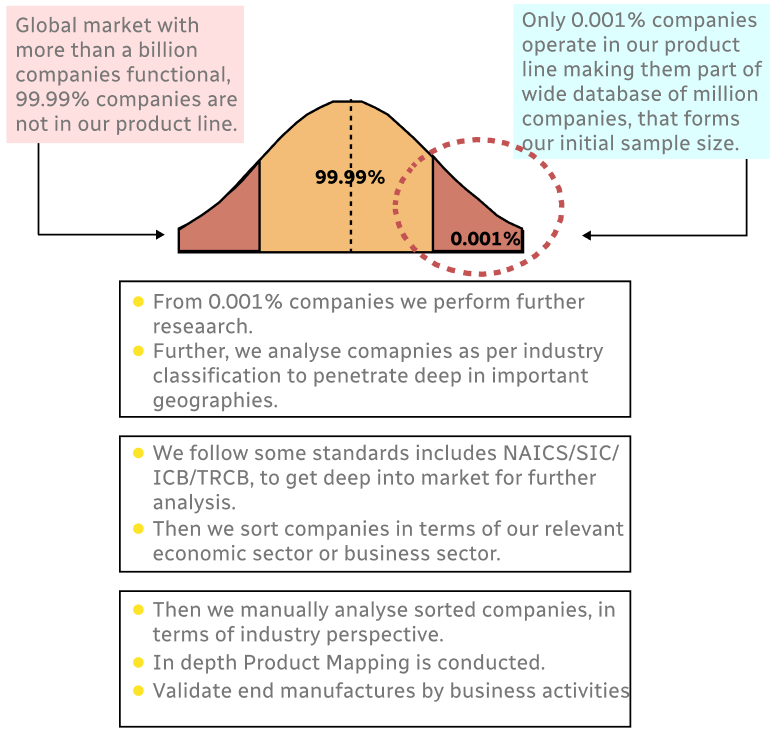
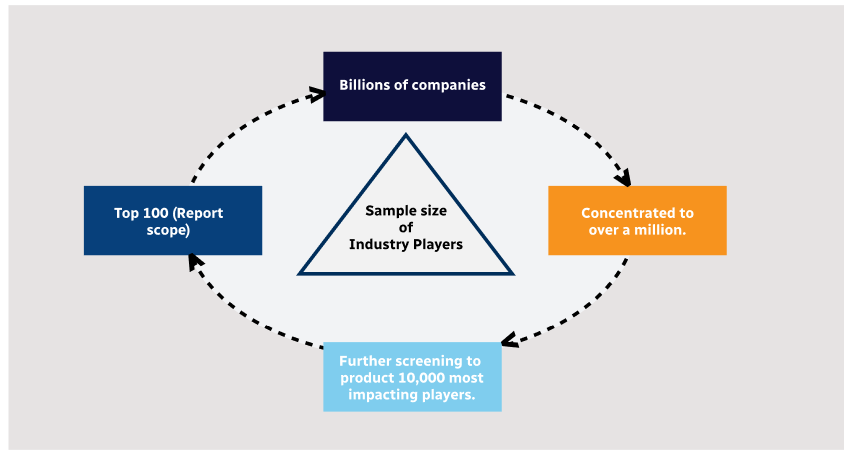
Step 1 - Identification of Relevant Samples Size from Population Database
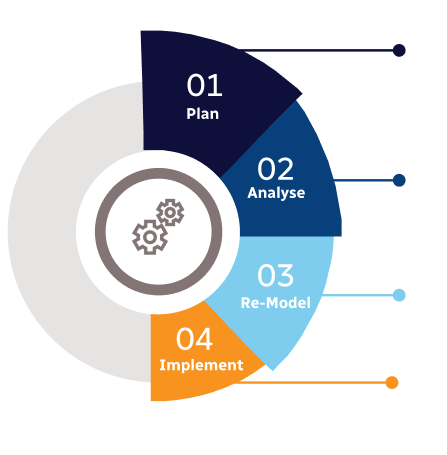
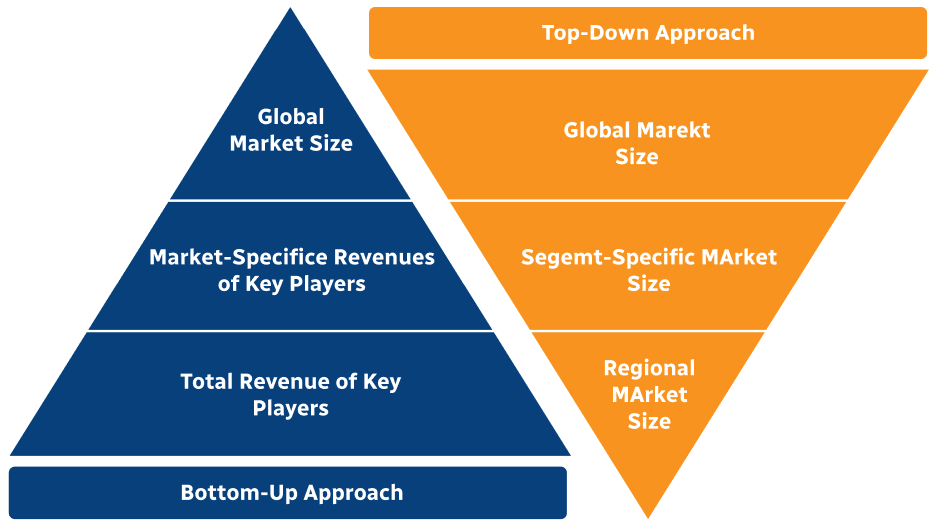
Step 2 - Approaches for Defining Global Market Size (Value, Volume* & Price*)
Note*: In applicable scenarios
Step 3 - Data Sources
Primary Research
- Web Analytics
- Survey Reports
- Research Institute
- Latest Research Reports
- Opinion Leaders
Secondary Research
- Annual Reports
- White Paper
- Latest Press Release
- Industry Association
- Paid Database
- Investor Presentations
Step 4 - Data Triangulation
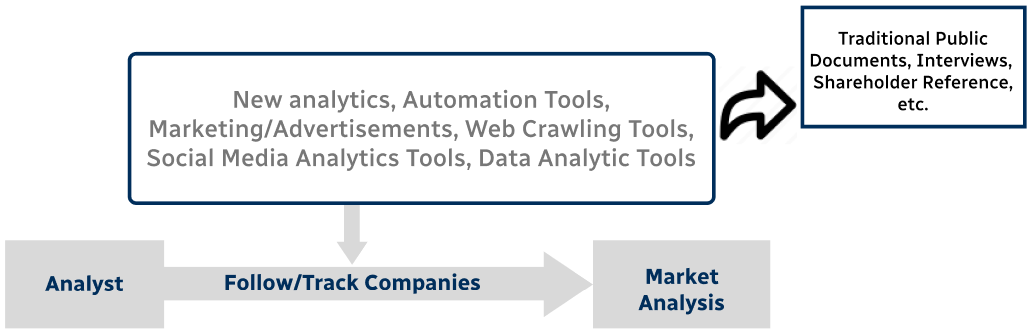
Involves using different sources of information in order to increase the validity of a study
These sources are likely to be stakeholders in a program - participants, other researchers, program staff, other community members, and so on.
Then we put all data in single framework & apply various statistical tools to find out the dynamic on the market.
During the analysis stage, feedback from the stakeholder groups would be compared to determine areas of agreement as well as areas of divergence