


Key Insights
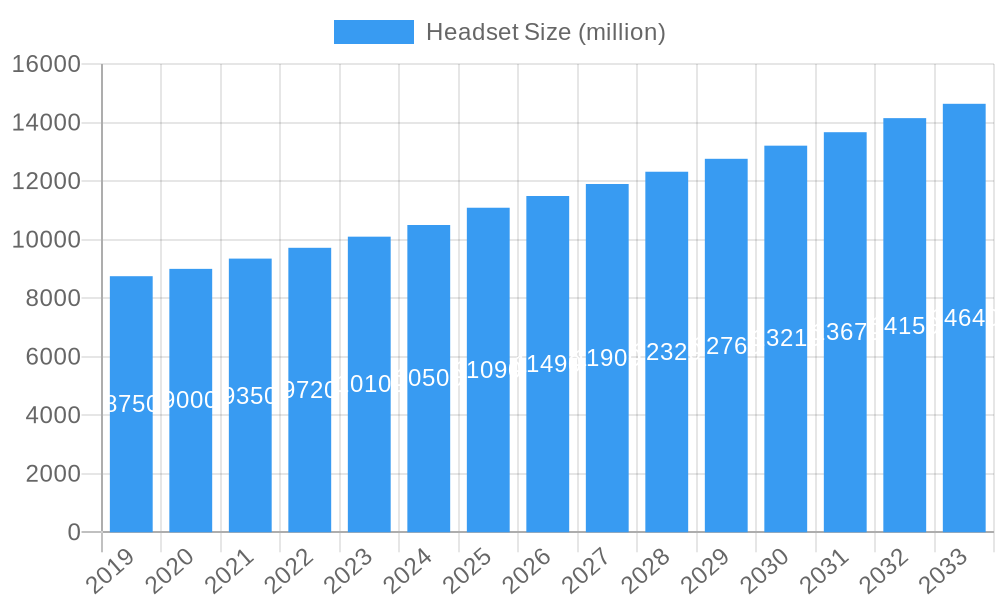
The global headset market is poised for significant growth, projected to reach an estimated market size of USD 11,090 million by 2025. Driven by an anticipated Compound Annual Growth Rate (CAGR) of 3.7% from 2025 to 2033, the market's value is expected to expand substantially throughout the forecast period. This expansion is fueled by several key factors, including the increasing demand for immersive audio experiences across various applications, from gaming and entertainment to professional communication and virtual reality. The proliferation of wireless technology has been a major catalyst, offering users greater freedom of movement and convenience, thereby driving adoption of wireless headsets. Simultaneously, the enduring popularity and reliability of wired connections, particularly in professional settings and for audiophiles seeking uncompromised sound quality, ensure a sustained presence for wired segments. The market is characterized by a dynamic competitive landscape, featuring established giants like Apple, Sony, and Bose, alongside specialized audio brands such as Sennheiser, Audio-Technica, and Beyerdynamic, and gaming-focused companies like Razer, HyperX, and Corsair. These companies are continuously innovating, introducing advanced features like active noise cancellation, improved microphone quality, and ergonomic designs to capture market share.
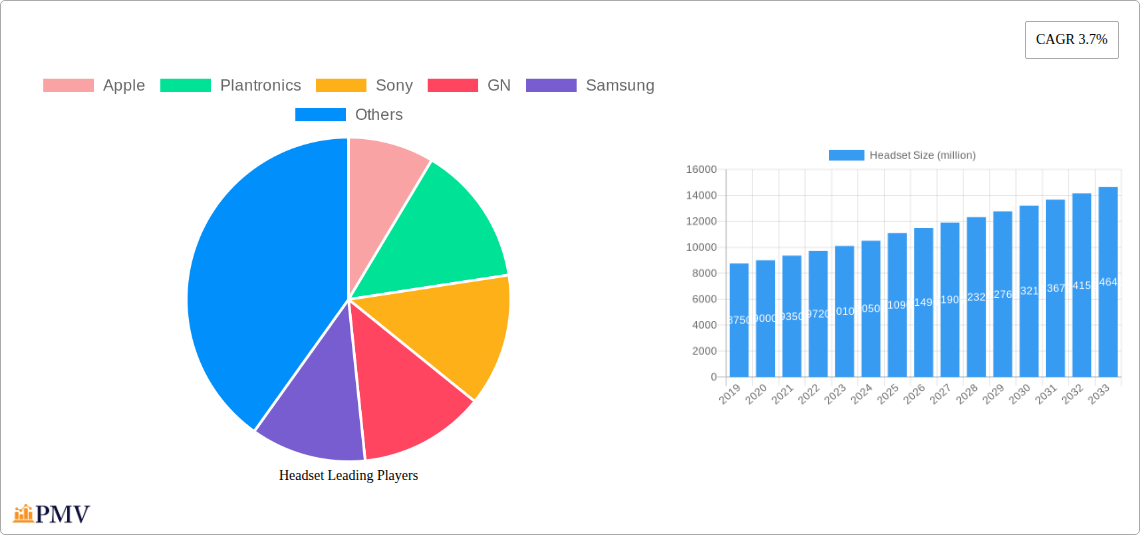
Headset Market Size (In Billion)

The headset market's growth trajectory is further supported by the robust expansion of online sales channels, which provide broader accessibility and a wider selection for consumers globally. While offline sales remain a significant contributor, the shift towards e-commerce highlights changing consumer purchasing habits and the convenience offered by digital platforms. Geographically, North America and Asia Pacific are expected to remain dominant regions due to high disposable incomes, strong adoption rates of new technologies, and a burgeoning gaming and esports culture. Europe also presents a substantial market opportunity, driven by technological advancements and a strong consumer base for premium audio products. Emerging economies in South America and the Middle East & Africa are anticipated to witness considerable growth as internet penetration increases and consumer awareness of advanced audio solutions rises. Restraints, such as the high cost of premium wireless headsets and potential supply chain disruptions, are present but are likely to be offset by ongoing innovation and increasing market penetration across diverse consumer segments.
Headset Company Market Share
This comprehensive report offers an unparalleled deep dive into the global headset market, meticulously analyzing trends, innovations, and competitive forces shaping the industry from 2019 to 2033. Leveraging a base year of 2025 and a forecast period from 2025 to 2033, our research provides actionable insights for stakeholders seeking to capitalize on the burgeoning opportunities in this dynamic sector. Explore the evolving landscape of wired headsets and wireless headsets, encompassing both online sales and offline sales channels. This report is essential for Apple, Plantronics, Sony, GN, Samsung, B&O, Sennheiser, Audio-Technica, Bose, Bowers & Wilkins, Philips, Beyerdynamic, Logitech, HyperX, Turtle Beach, Corsair, Razer, EDIFIER, Lenovo, and ASUS enthusiasts, as well as industry professionals navigating the complex world of audio technology.
Headset Market Structure & Competitive Dynamics
The global headset market exhibits a moderately fragmented structure, with leading players like Sony, Apple, and Bose holding significant market share, estimated at over 30 million units and $20 million million in market value respectively. Innovation ecosystems are thriving, driven by continuous technological advancements in audio quality, connectivity, and user experience. Regulatory frameworks primarily focus on consumer safety, data privacy for smart headsets, and electromagnetic compatibility, with minimal direct market interference. Product substitutes, such as integrated smartphone speakers and smart home audio systems, present a growing challenge, particularly in lower-tier market segments. End-user trends increasingly favor wireless headsets for their convenience and versatility, with a notable shift towards gaming and professional audio applications. Mergers and acquisition (M&A) activities have been strategic, with an estimated $5 million million in deal values over the historical period, aimed at consolidating market position and acquiring innovative technologies. Key players are actively pursuing partnerships to expand their reach and product portfolios.
Headset Industry Trends & Insights
The headset industry is poised for robust growth, with an impressive Compound Annual Growth Rate (CAGR) of approximately 15% projected over the forecast period. Market penetration is steadily increasing across developed and emerging economies, driven by several key factors. The burgeoning gaming industry and the surge in esports continue to fuel demand for high-performance gaming headsets, with an estimated market penetration of 60% among gamers. The widespread adoption of remote work and online learning has significantly boosted the demand for communication headsets and Bluetooth headsets offering superior call clarity and comfort. Technological disruptions such as advancements in Active Noise Cancellation (ANC), spatial audio, and AI-powered voice assistants are creating new product categories and enhancing user experiences, leading to premiumization within the market. Consumer preferences are evolving towards personalized audio experiences, longer battery life, and more ergonomic designs. Brands are investing heavily in R&D to integrate smart features, improving connectivity standards like Bluetooth 5.2 and Wi-Fi 6. The competitive landscape is intensifying, with companies like Apple and Sony leading in premium segments, while brands like EDIFIER and Lenovo are gaining traction in the mid-range and budget categories. The online sales channel is experiencing rapid expansion, projected to account for over 70% of total sales by 2033, driven by e-commerce convenience and direct-to-consumer strategies. The increasing popularity of wearable technology also bodes well for the headset market.
Dominant Markets & Segments in Headset
The North American region currently dominates the global headset market, accounting for an estimated 35% of the total market revenue, projected to reach $50 million million by 2033. This dominance is attributed to strong economic policies that foster technological adoption, well-developed digital infrastructure supporting online sales, and a highly engaged consumer base for gaming and professional audio. The United States, in particular, is a key market, driven by a high disposable income and a significant concentration of tech-savvy consumers.
Application Dominance:
- Online Sales: This segment is experiencing the fastest growth, projected to capture a 70% market share by 2033. Key drivers include the convenience of e-commerce platforms, wider product availability, and competitive pricing. Companies like Amazon, Best Buy, and direct-to-consumer websites are facilitating this growth. Economic policies supporting digital commerce and reliable logistics networks are crucial enablers.
- Offline Sales: While still substantial, offline sales are gradually being overtaken by online channels. However, physical retail remains important for product trials and immediate purchases, particularly in emerging markets.
Type Dominance:
- Wireless Headsets: This segment holds the dominant position, projected to command over 80% of the market by 2033. The unparalleled convenience, freedom of movement, and advancements in battery technology are the primary drivers. The increasing adoption of Bluetooth headsets and true wireless stereo (TWS) earbuds further solidifies this dominance. Consumer preference for seamless integration with mobile devices and the growing demand for ANC capabilities in wireless form factors are also key factors.
- Wired Headsets: While experiencing slower growth compared to wireless counterparts, wired headsets continue to be relevant in specific niches, such as professional audio monitoring, competitive gaming where zero latency is paramount, and for users who prioritize cost-effectiveness and high-fidelity audio without battery concerns.
The rapid expansion of the gaming segment and the increasing integration of headsets with smart devices and virtual reality (VR) ecosystems are significant factors contributing to the dominance of wireless headsets and the online sales channel. Emerging markets in Asia-Pacific are also showing accelerated growth, driven by increasing disposable incomes and a rising tech-literate population.
Headset Product Innovations
The headset market is characterized by continuous product innovation. Key developments include the integration of advanced AI for personalized audio tuning and voice assistant capabilities, significantly enhancing user interaction. Spatial audio technologies are revolutionizing immersive experiences in gaming and entertainment, with companies like Apple leading the charge with their AirPods Pro and AirPods Max. Furthermore, the focus on ergonomic design and lightweight materials is improving comfort for extended wear, a critical factor for gamers and remote professionals. Sony's advancements in Active Noise Cancellation (ANC) and Bose's reputation for superior noise-blocking technologies continue to set benchmarks. The competitive advantage for manufacturers lies in delivering a superior combination of audio fidelity, battery life, comfort, and smart features that cater to specific user needs.
Report Segmentation & Scope
This report meticulously segments the headset market to provide granular insights into its various facets. The segmentation covers both Application and Type categories.
Application Segmentation:
- Online Sales: This segment is projected to witness a CAGR of 18%, reaching an estimated market size of $40 million million by 2033. Key growth drivers include the expanding e-commerce ecosystem and the increasing preference for digital purchasing.
- Offline Sales: Expected to grow at a CAGR of 8%, this segment will remain a significant channel, particularly for product demonstration and immediate purchase, with a projected market size of $15 million million by 2033.
Type Segmentation:
- Wired Headsets: This segment is forecasted to grow at a CAGR of 5%, with a market size of $10 million million by 2033. Its relevance persists in professional audio and gaming where latency is critical.
- Wireless Headsets: This segment is the dominant force, projected to grow at a robust CAGR of 17%, reaching a substantial market size of $45 million million by 2033. The increasing adoption of Bluetooth and the demand for untethered convenience are the primary drivers.
The scope of this report encompasses all major manufacturers and product categories within the global headset market, providing a comprehensive overview for strategic decision-making.
Key Drivers of Headset Growth
The headset market is experiencing substantial growth driven by several interconnected factors. Technological advancements, particularly in audio quality, connectivity (e.g., Bluetooth 5.3, Wi-Fi 6), and the integration of AI-powered features like active noise cancellation and voice assistants, are paramount. The economic factor of increasing disposable income globally fuels consumer spending on premium audio devices. Furthermore, the widespread adoption of remote work and online education has significantly boosted the demand for communication-centric headsets. The booming gaming industry, including the rise of esports, continues to be a major catalyst, driving demand for specialized gaming headsets with features like low latency and immersive surround sound. Regulatory support for technological innovation and digital infrastructure development also plays a crucial role in facilitating market expansion. The increasing convergence of audio devices with other wearable technologies further contributes to the growth trajectory.
Challenges in the Headset Sector
Despite the positive growth trajectory, the headset sector faces several challenges. Regulatory hurdles related to data privacy for smart headsets and electromagnetic interference standards can impact product development and market entry. Supply chain disruptions, as observed in recent years, can lead to production delays and increased costs for components. Intense competitive pressure from established players and new entrants can lead to price wars and reduced profit margins, particularly in the mid-range and budget segments. The rapid pace of technological obsolescence necessitates continuous investment in research and development to stay competitive. Furthermore, managing consumer expectations for increasingly sophisticated features at affordable price points presents a significant challenge. The environmental impact of electronic waste from discarded headsets is also a growing concern requiring sustainable manufacturing practices.
Leading Players in the Headset Market
- Apple
- Plantronics
- Sony
- GN
- Samsung
- B&O
- Sennheiser
- Audio-Technica
- Bose
- Bowers & Wilkins
- Philips
- Beyerdynamic
- Logitech
- HyperX
- Turtle Beach
- Corsair
- Razer
- EDIFIER
- Lenovo
- ASUS
Key Developments in Headset Sector
- 2023/Q1: Apple introduces new AirPods Pro with enhanced ANC and spatial audio features, further solidifying its premium wireless earbud market position.
- 2023/Q2: Sony launches its latest gaming headset series with advanced haptic feedback and low-latency wireless connectivity, targeting the competitive gaming segment.
- 2023/Q3: Sennheiser announces a strategic partnership with a leading audio technology firm to accelerate innovation in high-fidelity wireless audio.
- 2023/Q4: Logitech expands its gaming peripheral offerings with a new range of esports-focused headsets, emphasizing comfort and durability.
- 2024/Q1: Samsung unveils smart earbuds with integrated health monitoring sensors, signaling a convergence of audio and wearable technology.
- 2024/Q2: Razer acquires a prominent VR accessory company, aiming to integrate its audio solutions into immersive virtual reality experiences.
- 2024/Q3: Bose releases a new line of noise-cancelling headphones with improved battery life and AI-powered sound personalization features.
- 2024/Q4: Plantronics (now Poly) focuses on hybrid work solutions, releasing communication headsets optimized for both office and home environments.
- 2025/Q1: Corsair announces its acquisition of a smaller gaming peripheral brand to expand its market reach in the budget segment.
- 2025/Q2: GN Audio (Jabra) introduces new business-grade headsets with enhanced AI-powered call clarity and focus features.
Strategic Headset Market Outlook
The strategic outlook for the headset market remains exceptionally positive, driven by ongoing technological advancements and evolving consumer lifestyles. The increasing demand for immersive audio experiences in gaming, entertainment, and virtual reality presents significant growth accelerators. The continued expansion of the remote work and online learning paradigms will sustain the demand for high-quality communication headsets. Furthermore, the integration of AI and smart features into audio devices creates opportunities for premiumization and differentiation. Companies that focus on user-centric design, superior audio performance, and seamless connectivity will be well-positioned for success. Strategic partnerships, market expansion into emerging economies, and a commitment to sustainable practices will be crucial for long-term growth and competitive advantage in this vibrant industry. The convergence with other wearable technologies also opens new avenues for product development and market penetration.
Headset Segmentation
-
1. Application
- 1.1. Online Sales
- 1.2. Offline Sales
-
2. Types
- 2.1. Wired
- 2.2. Wireless
Headset Segmentation By Geography
-
1. North America
- 1.1. United States
- 1.2. Canada
- 1.3. Mexico
-
2. South America
- 2.1. Brazil
- 2.2. Argentina
- 2.3. Rest of South America
-
3. Europe
- 3.1. United Kingdom
- 3.2. Germany
- 3.3. France
- 3.4. Italy
- 3.5. Spain
- 3.6. Russia
- 3.7. Benelux
- 3.8. Nordics
- 3.9. Rest of Europe
-
4. Middle East & Africa
- 4.1. Turkey
- 4.2. Israel
- 4.3. GCC
- 4.4. North Africa
- 4.5. South Africa
- 4.6. Rest of Middle East & Africa
-
5. Asia Pacific
- 5.1. China
- 5.2. India
- 5.3. Japan
- 5.4. South Korea
- 5.5. ASEAN
- 5.6. Oceania
- 5.7. Rest of Asia Pacific
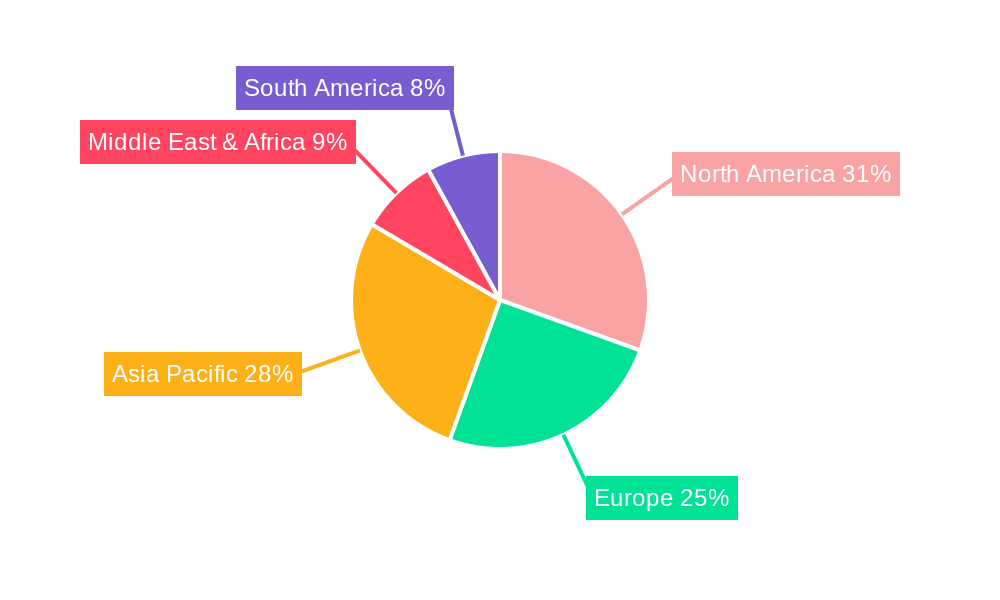
Headset Regional Market Share
Geographic Coverage of Headset
Headset REPORT HIGHLIGHTS
| Aspects | Details |
|---|---|
| Study Period | 2020-2034 |
| Base Year | 2025 |
| Estimated Year | 2026 |
| Forecast Period | 2026-2034 |
| Historical Period | 2020-2025 |
| Growth Rate | CAGR of 3.7% from 2020-2034 |
| Segmentation |
|
Table of Contents
- 1. Introduction
- 1.1. Research Scope
- 1.2. Market Segmentation
- 1.3. Research Methodology
- 1.4. Definitions and Assumptions
- 2. Executive Summary
- 2.1. Introduction
- 3. Market Dynamics
- 3.1. Introduction
- 3.2. Market Drivers
- 3.3. Market Restrains
- 3.4. Market Trends
- 4. Market Factor Analysis
- 4.1. Porters Five Forces
- 4.2. Supply/Value Chain
- 4.3. PESTEL analysis
- 4.4. Market Entropy
- 4.5. Patent/Trademark Analysis
- 5. Global Headset Analysis, Insights and Forecast, 2020-2032
- 5.1. Market Analysis, Insights and Forecast - by Application
- 5.1.1. Online Sales
- 5.1.2. Offline Sales
- 5.2. Market Analysis, Insights and Forecast - by Types
- 5.2.1. Wired
- 5.2.2. Wireless
- 5.3. Market Analysis, Insights and Forecast - by Region
- 5.3.1. North America
- 5.3.2. South America
- 5.3.3. Europe
- 5.3.4. Middle East & Africa
- 5.3.5. Asia Pacific
- 5.1. Market Analysis, Insights and Forecast - by Application
- 6. North America Headset Analysis, Insights and Forecast, 2020-2032
- 6.1. Market Analysis, Insights and Forecast - by Application
- 6.1.1. Online Sales
- 6.1.2. Offline Sales
- 6.2. Market Analysis, Insights and Forecast - by Types
- 6.2.1. Wired
- 6.2.2. Wireless
- 6.1. Market Analysis, Insights and Forecast - by Application
- 7. South America Headset Analysis, Insights and Forecast, 2020-2032
- 7.1. Market Analysis, Insights and Forecast - by Application
- 7.1.1. Online Sales
- 7.1.2. Offline Sales
- 7.2. Market Analysis, Insights and Forecast - by Types
- 7.2.1. Wired
- 7.2.2. Wireless
- 7.1. Market Analysis, Insights and Forecast - by Application
- 8. Europe Headset Analysis, Insights and Forecast, 2020-2032
- 8.1. Market Analysis, Insights and Forecast - by Application
- 8.1.1. Online Sales
- 8.1.2. Offline Sales
- 8.2. Market Analysis, Insights and Forecast - by Types
- 8.2.1. Wired
- 8.2.2. Wireless
- 8.1. Market Analysis, Insights and Forecast - by Application
- 9. Middle East & Africa Headset Analysis, Insights and Forecast, 2020-2032
- 9.1. Market Analysis, Insights and Forecast - by Application
- 9.1.1. Online Sales
- 9.1.2. Offline Sales
- 9.2. Market Analysis, Insights and Forecast - by Types
- 9.2.1. Wired
- 9.2.2. Wireless
- 9.1. Market Analysis, Insights and Forecast - by Application
- 10. Asia Pacific Headset Analysis, Insights and Forecast, 2020-2032
- 10.1. Market Analysis, Insights and Forecast - by Application
- 10.1.1. Online Sales
- 10.1.2. Offline Sales
- 10.2. Market Analysis, Insights and Forecast - by Types
- 10.2.1. Wired
- 10.2.2. Wireless
- 10.1. Market Analysis, Insights and Forecast - by Application
- 11. Competitive Analysis
- 11.1. Global Market Share Analysis 2025
- 11.2. Company Profiles
- 11.2.1 Apple
- 11.2.1.1. Overview
- 11.2.1.2. Products
- 11.2.1.3. SWOT Analysis
- 11.2.1.4. Recent Developments
- 11.2.1.5. Financials (Based on Availability)
- 11.2.2 Plantronics
- 11.2.2.1. Overview
- 11.2.2.2. Products
- 11.2.2.3. SWOT Analysis
- 11.2.2.4. Recent Developments
- 11.2.2.5. Financials (Based on Availability)
- 11.2.3 Sony
- 11.2.3.1. Overview
- 11.2.3.2. Products
- 11.2.3.3. SWOT Analysis
- 11.2.3.4. Recent Developments
- 11.2.3.5. Financials (Based on Availability)
- 11.2.4 GN
- 11.2.4.1. Overview
- 11.2.4.2. Products
- 11.2.4.3. SWOT Analysis
- 11.2.4.4. Recent Developments
- 11.2.4.5. Financials (Based on Availability)
- 11.2.5 Samsung
- 11.2.5.1. Overview
- 11.2.5.2. Products
- 11.2.5.3. SWOT Analysis
- 11.2.5.4. Recent Developments
- 11.2.5.5. Financials (Based on Availability)
- 11.2.6 B&O
- 11.2.6.1. Overview
- 11.2.6.2. Products
- 11.2.6.3. SWOT Analysis
- 11.2.6.4. Recent Developments
- 11.2.6.5. Financials (Based on Availability)
- 11.2.7 Sennheiser
- 11.2.7.1. Overview
- 11.2.7.2. Products
- 11.2.7.3. SWOT Analysis
- 11.2.7.4. Recent Developments
- 11.2.7.5. Financials (Based on Availability)
- 11.2.8 Audio-Technica
- 11.2.8.1. Overview
- 11.2.8.2. Products
- 11.2.8.3. SWOT Analysis
- 11.2.8.4. Recent Developments
- 11.2.8.5. Financials (Based on Availability)
- 11.2.9 Bose
- 11.2.9.1. Overview
- 11.2.9.2. Products
- 11.2.9.3. SWOT Analysis
- 11.2.9.4. Recent Developments
- 11.2.9.5. Financials (Based on Availability)
- 11.2.10 Bowers & Wilkins
- 11.2.10.1. Overview
- 11.2.10.2. Products
- 11.2.10.3. SWOT Analysis
- 11.2.10.4. Recent Developments
- 11.2.10.5. Financials (Based on Availability)
- 11.2.11 Philips
- 11.2.11.1. Overview
- 11.2.11.2. Products
- 11.2.11.3. SWOT Analysis
- 11.2.11.4. Recent Developments
- 11.2.11.5. Financials (Based on Availability)
- 11.2.12 Beyerdynamic
- 11.2.12.1. Overview
- 11.2.12.2. Products
- 11.2.12.3. SWOT Analysis
- 11.2.12.4. Recent Developments
- 11.2.12.5. Financials (Based on Availability)
- 11.2.13 Logitech
- 11.2.13.1. Overview
- 11.2.13.2. Products
- 11.2.13.3. SWOT Analysis
- 11.2.13.4. Recent Developments
- 11.2.13.5. Financials (Based on Availability)
- 11.2.14 HyperX
- 11.2.14.1. Overview
- 11.2.14.2. Products
- 11.2.14.3. SWOT Analysis
- 11.2.14.4. Recent Developments
- 11.2.14.5. Financials (Based on Availability)
- 11.2.15 Turtle Beach
- 11.2.15.1. Overview
- 11.2.15.2. Products
- 11.2.15.3. SWOT Analysis
- 11.2.15.4. Recent Developments
- 11.2.15.5. Financials (Based on Availability)
- 11.2.16 Corsair
- 11.2.16.1. Overview
- 11.2.16.2. Products
- 11.2.16.3. SWOT Analysis
- 11.2.16.4. Recent Developments
- 11.2.16.5. Financials (Based on Availability)
- 11.2.17 Razer
- 11.2.17.1. Overview
- 11.2.17.2. Products
- 11.2.17.3. SWOT Analysis
- 11.2.17.4. Recent Developments
- 11.2.17.5. Financials (Based on Availability)
- 11.2.18 EDIFIER
- 11.2.18.1. Overview
- 11.2.18.2. Products
- 11.2.18.3. SWOT Analysis
- 11.2.18.4. Recent Developments
- 11.2.18.5. Financials (Based on Availability)
- 11.2.19 Lenovo
- 11.2.19.1. Overview
- 11.2.19.2. Products
- 11.2.19.3. SWOT Analysis
- 11.2.19.4. Recent Developments
- 11.2.19.5. Financials (Based on Availability)
- 11.2.20 ASUS
- 11.2.20.1. Overview
- 11.2.20.2. Products
- 11.2.20.3. SWOT Analysis
- 11.2.20.4. Recent Developments
- 11.2.20.5. Financials (Based on Availability)
- 11.2.1 Apple
List of Figures
- Figure 1: Global Headset Revenue Breakdown (million, %) by Region 2025 & 2033
- Figure 2: North America Headset Revenue (million), by Application 2025 & 2033
- Figure 3: North America Headset Revenue Share (%), by Application 2025 & 2033
- Figure 4: North America Headset Revenue (million), by Types 2025 & 2033
- Figure 5: North America Headset Revenue Share (%), by Types 2025 & 2033
- Figure 6: North America Headset Revenue (million), by Country 2025 & 2033
- Figure 7: North America Headset Revenue Share (%), by Country 2025 & 2033
- Figure 8: South America Headset Revenue (million), by Application 2025 & 2033
- Figure 9: South America Headset Revenue Share (%), by Application 2025 & 2033
- Figure 10: South America Headset Revenue (million), by Types 2025 & 2033
- Figure 11: South America Headset Revenue Share (%), by Types 2025 & 2033
- Figure 12: South America Headset Revenue (million), by Country 2025 & 2033
- Figure 13: South America Headset Revenue Share (%), by Country 2025 & 2033
- Figure 14: Europe Headset Revenue (million), by Application 2025 & 2033
- Figure 15: Europe Headset Revenue Share (%), by Application 2025 & 2033
- Figure 16: Europe Headset Revenue (million), by Types 2025 & 2033
- Figure 17: Europe Headset Revenue Share (%), by Types 2025 & 2033
- Figure 18: Europe Headset Revenue (million), by Country 2025 & 2033
- Figure 19: Europe Headset Revenue Share (%), by Country 2025 & 2033
- Figure 20: Middle East & Africa Headset Revenue (million), by Application 2025 & 2033
- Figure 21: Middle East & Africa Headset Revenue Share (%), by Application 2025 & 2033
- Figure 22: Middle East & Africa Headset Revenue (million), by Types 2025 & 2033
- Figure 23: Middle East & Africa Headset Revenue Share (%), by Types 2025 & 2033
- Figure 24: Middle East & Africa Headset Revenue (million), by Country 2025 & 2033
- Figure 25: Middle East & Africa Headset Revenue Share (%), by Country 2025 & 2033
- Figure 26: Asia Pacific Headset Revenue (million), by Application 2025 & 2033
- Figure 27: Asia Pacific Headset Revenue Share (%), by Application 2025 & 2033
- Figure 28: Asia Pacific Headset Revenue (million), by Types 2025 & 2033
- Figure 29: Asia Pacific Headset Revenue Share (%), by Types 2025 & 2033
- Figure 30: Asia Pacific Headset Revenue (million), by Country 2025 & 2033
- Figure 31: Asia Pacific Headset Revenue Share (%), by Country 2025 & 2033
List of Tables
- Table 1: Global Headset Revenue million Forecast, by Application 2020 & 2033
- Table 2: Global Headset Revenue million Forecast, by Types 2020 & 2033
- Table 3: Global Headset Revenue million Forecast, by Region 2020 & 2033
- Table 4: Global Headset Revenue million Forecast, by Application 2020 & 2033
- Table 5: Global Headset Revenue million Forecast, by Types 2020 & 2033
- Table 6: Global Headset Revenue million Forecast, by Country 2020 & 2033
- Table 7: United States Headset Revenue (million) Forecast, by Application 2020 & 2033
- Table 8: Canada Headset Revenue (million) Forecast, by Application 2020 & 2033
- Table 9: Mexico Headset Revenue (million) Forecast, by Application 2020 & 2033
- Table 10: Global Headset Revenue million Forecast, by Application 2020 & 2033
- Table 11: Global Headset Revenue million Forecast, by Types 2020 & 2033
- Table 12: Global Headset Revenue million Forecast, by Country 2020 & 2033
- Table 13: Brazil Headset Revenue (million) Forecast, by Application 2020 & 2033
- Table 14: Argentina Headset Revenue (million) Forecast, by Application 2020 & 2033
- Table 15: Rest of South America Headset Revenue (million) Forecast, by Application 2020 & 2033
- Table 16: Global Headset Revenue million Forecast, by Application 2020 & 2033
- Table 17: Global Headset Revenue million Forecast, by Types 2020 & 2033
- Table 18: Global Headset Revenue million Forecast, by Country 2020 & 2033
- Table 19: United Kingdom Headset Revenue (million) Forecast, by Application 2020 & 2033
- Table 20: Germany Headset Revenue (million) Forecast, by Application 2020 & 2033
- Table 21: France Headset Revenue (million) Forecast, by Application 2020 & 2033
- Table 22: Italy Headset Revenue (million) Forecast, by Application 2020 & 2033
- Table 23: Spain Headset Revenue (million) Forecast, by Application 2020 & 2033
- Table 24: Russia Headset Revenue (million) Forecast, by Application 2020 & 2033
- Table 25: Benelux Headset Revenue (million) Forecast, by Application 2020 & 2033
- Table 26: Nordics Headset Revenue (million) Forecast, by Application 2020 & 2033
- Table 27: Rest of Europe Headset Revenue (million) Forecast, by Application 2020 & 2033
- Table 28: Global Headset Revenue million Forecast, by Application 2020 & 2033
- Table 29: Global Headset Revenue million Forecast, by Types 2020 & 2033
- Table 30: Global Headset Revenue million Forecast, by Country 2020 & 2033
- Table 31: Turkey Headset Revenue (million) Forecast, by Application 2020 & 2033
- Table 32: Israel Headset Revenue (million) Forecast, by Application 2020 & 2033
- Table 33: GCC Headset Revenue (million) Forecast, by Application 2020 & 2033
- Table 34: North Africa Headset Revenue (million) Forecast, by Application 2020 & 2033
- Table 35: South Africa Headset Revenue (million) Forecast, by Application 2020 & 2033
- Table 36: Rest of Middle East & Africa Headset Revenue (million) Forecast, by Application 2020 & 2033
- Table 37: Global Headset Revenue million Forecast, by Application 2020 & 2033
- Table 38: Global Headset Revenue million Forecast, by Types 2020 & 2033
- Table 39: Global Headset Revenue million Forecast, by Country 2020 & 2033
- Table 40: China Headset Revenue (million) Forecast, by Application 2020 & 2033
- Table 41: India Headset Revenue (million) Forecast, by Application 2020 & 2033
- Table 42: Japan Headset Revenue (million) Forecast, by Application 2020 & 2033
- Table 43: South Korea Headset Revenue (million) Forecast, by Application 2020 & 2033
- Table 44: ASEAN Headset Revenue (million) Forecast, by Application 2020 & 2033
- Table 45: Oceania Headset Revenue (million) Forecast, by Application 2020 & 2033
- Table 46: Rest of Asia Pacific Headset Revenue (million) Forecast, by Application 2020 & 2033
Frequently Asked Questions
1. What is the projected Compound Annual Growth Rate (CAGR) of the Headset?
The projected CAGR is approximately 3.7%.
2. Which companies are prominent players in the Headset?
Key companies in the market include Apple, Plantronics, Sony, GN, Samsung, B&O, Sennheiser, Audio-Technica, Bose, Bowers & Wilkins, Philips, Beyerdynamic, Logitech, HyperX, Turtle Beach, Corsair, Razer, EDIFIER, Lenovo, ASUS.
3. What are the main segments of the Headset?
The market segments include Application, Types.
4. Can you provide details about the market size?
The market size is estimated to be USD 11090 million as of 2022.
5. What are some drivers contributing to market growth?
N/A
6. What are the notable trends driving market growth?
N/A
7. Are there any restraints impacting market growth?
N/A
8. Can you provide examples of recent developments in the market?
N/A
9. What pricing options are available for accessing the report?
Pricing options include single-user, multi-user, and enterprise licenses priced at USD 4900.00, USD 7350.00, and USD 9800.00 respectively.
10. Is the market size provided in terms of value or volume?
The market size is provided in terms of value, measured in million.
11. Are there any specific market keywords associated with the report?
Yes, the market keyword associated with the report is "Headset," which aids in identifying and referencing the specific market segment covered.
12. How do I determine which pricing option suits my needs best?
The pricing options vary based on user requirements and access needs. Individual users may opt for single-user licenses, while businesses requiring broader access may choose multi-user or enterprise licenses for cost-effective access to the report.
13. Are there any additional resources or data provided in the Headset report?
While the report offers comprehensive insights, it's advisable to review the specific contents or supplementary materials provided to ascertain if additional resources or data are available.
14. How can I stay updated on further developments or reports in the Headset?
To stay informed about further developments, trends, and reports in the Headset, consider subscribing to industry newsletters, following relevant companies and organizations, or regularly checking reputable industry news sources and publications.
Methodology
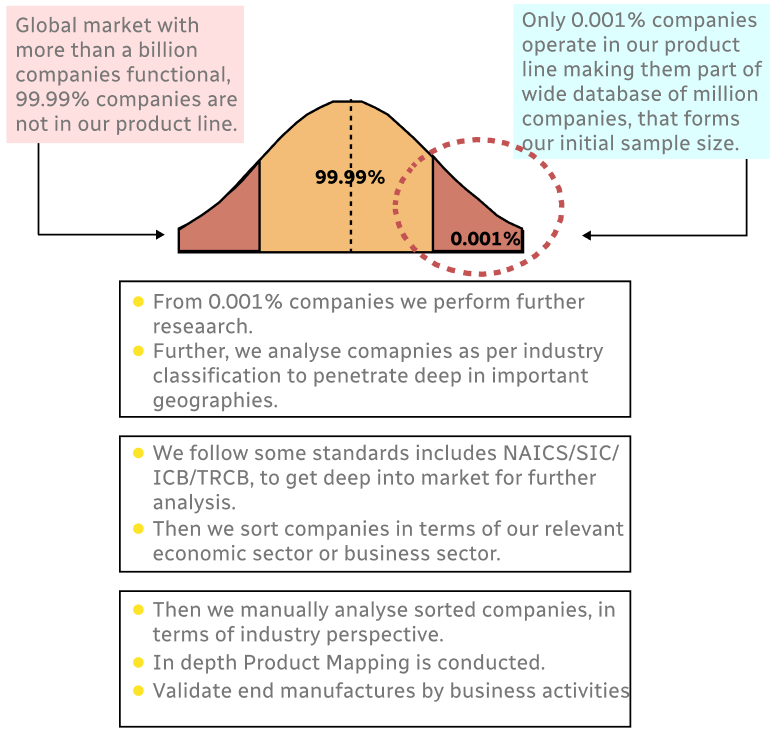
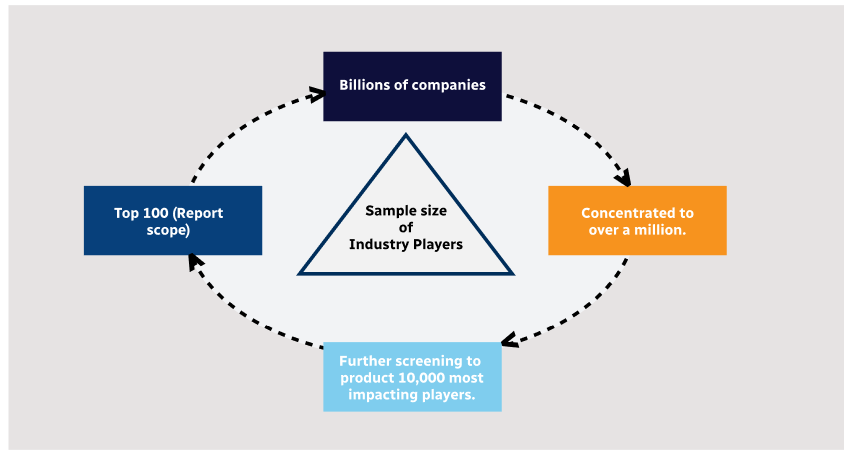
Step 1 - Identification of Relevant Samples Size from Population Database
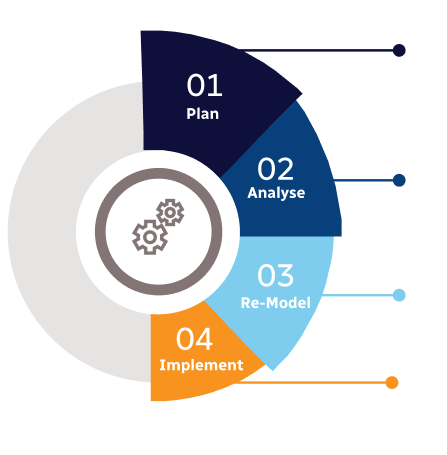
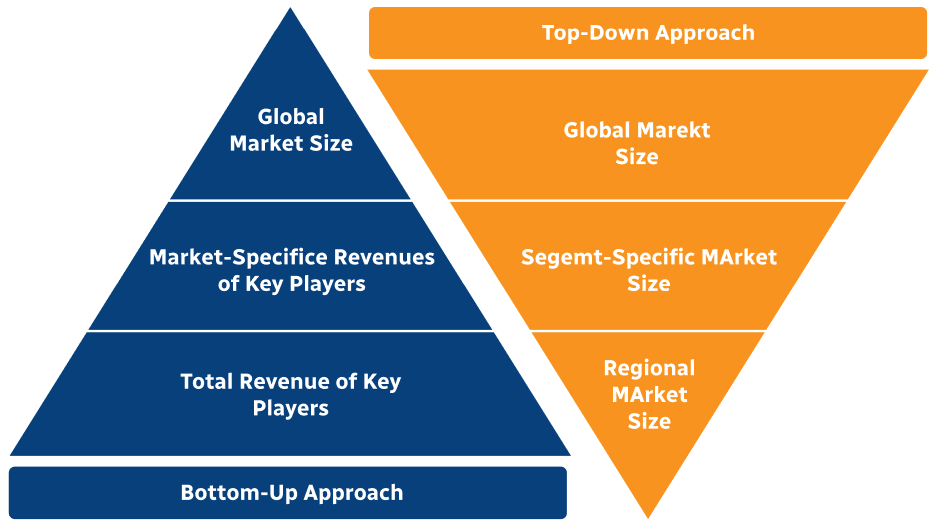
Step 2 - Approaches for Defining Global Market Size (Value, Volume* & Price*)
Note*: In applicable scenarios
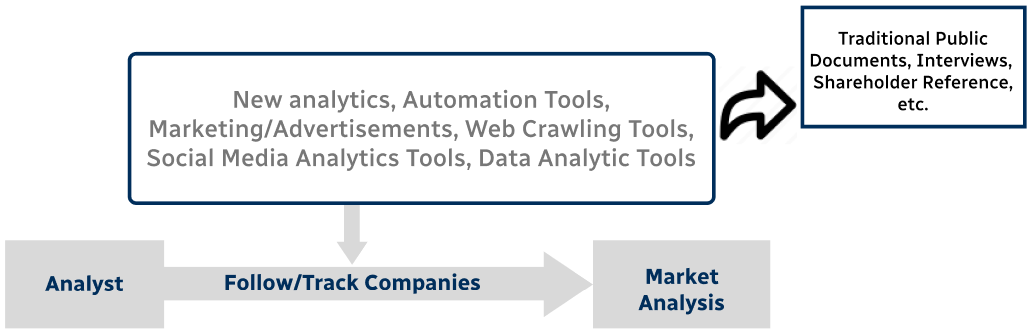
Step 3 - Data Sources
Primary Research
- Web Analytics
- Survey Reports
- Research Institute
- Latest Research Reports
- Opinion Leaders
Secondary Research
- Annual Reports
- White Paper
- Latest Press Release
- Industry Association
- Paid Database
- Investor Presentations
Step 4 - Data Triangulation
Involves using different sources of information in order to increase the validity of a study
These sources are likely to be stakeholders in a program - participants, other researchers, program staff, other community members, and so on.
Then we put all data in single framework & apply various statistical tools to find out the dynamic on the market.
During the analysis stage, feedback from the stakeholder groups would be compared to determine areas of agreement as well as areas of divergence