



Key Insights
The German ophthalmic devices market is poised for robust expansion, projected to reach USD 3.09 billion in 2025 with a significant Compound Annual Growth Rate (CAGR) of 6.96% through 2033. This upward trajectory is fueled by a confluence of factors, including an aging population increasingly susceptible to age-related eye conditions, a growing awareness and demand for advanced vision correction solutions, and significant advancements in diagnostic and surgical technologies. The increasing prevalence of diseases like glaucoma and cataracts, coupled with a strong emphasis on early detection and preventative care, are driving demand for sophisticated diagnostic and monitoring devices such as Optical Coherence Tomography (OCT) scanners and ophthalmic ultrasound systems. Furthermore, innovations in surgical devices, including sophisticated glaucoma drainage devices and advanced intraocular lenses (IOLs), are enhancing surgical outcomes and patient quality of life, further bolstering market growth. The German healthcare system's commitment to providing high-quality eye care services and its receptiveness to adopting cutting-edge medical technologies also play a crucial role in this market's dynamism.

Germany Ophthalmic Devices Industry Market Size (In Billion)

The market is segmented across various critical areas, with Diagnostic and Monitoring Devices and Vision Correction Devices emerging as key growth drivers. Within Diagnostic and Monitoring Devices, the demand for OCT scanners and autorefractors is particularly strong, driven by their ability to provide precise and early diagnosis of a wide spectrum of eye conditions. The Vision Correction Devices segment, encompassing spectacles and contact lenses, is experiencing sustained growth due to the widespread need for vision correction and the continuous innovation in lens materials and designs. Surgical Devices also present a promising segment, with advancements in glaucoma treatments and cataract surgery contributing to increased adoption of specialized implants and lasers. Key players like Johnson & Johnson, Carl Zeiss Meditec AG, and Alcon Inc. are actively investing in research and development, strategic partnerships, and market expansion within Germany, further stimulating innovation and competition. The competitive landscape is characterized by a focus on developing user-friendly, accurate, and minimally invasive devices that cater to the evolving needs of both ophthalmologists and patients, solidifying Germany's position as a leading European market for ophthalmic devices.

Germany Ophthalmic Devices Industry Company Market Share

This comprehensive report provides an in-depth analysis of the Germany Ophthalmic Devices Industry, offering crucial insights into market dynamics, growth drivers, technological advancements, and competitive landscapes. Covering the historical period (2019-2024), base year (2025), and forecast period (2025-2033), this report is an indispensable resource for stakeholders seeking to understand and capitalize on the opportunities within this significant market. We delve into surgical devices, diagnostic and monitoring equipment, and vision correction solutions, featuring leading companies such as Johnson and Johnson, HAAG-Streit Group, Carl Zeiss Meditec AG, Topcon Corporation, Alcon Inc., Ziemer Ophthalmic Systems AG, Bausch Health Companies Inc., Nidek Co Ltd, EssilorLuxottica SA, and Hoya Corporation.
Germany Ophthalmic Devices Industry Market Structure & Competitive Dynamics
The Germany Ophthalmic Devices Industry is characterized by a moderate to high level of market concentration, with a few key players holding significant market share, particularly in high-value segments like intraocular lenses and advanced optical coherence tomography scanners. The innovation ecosystem is robust, driven by strong R&D investment from both domestic and international companies. Regulatory frameworks, governed by entities like the BfArM and adherence to EU MDR, play a pivotal role in product approval and market entry, ensuring high safety and efficacy standards. Product substitutes are limited in sophisticated ophthalmic procedures, but advancements in lens technology and cost-effective diagnostic tools can present indirect competition. End-user trends show an increasing demand for minimally invasive surgical procedures, personalized vision correction, and advanced diagnostic solutions for early disease detection. Mergers & Acquisitions (M&A) activities, while not as frequent as in some other healthcare sectors, are strategically focused on acquiring innovative technologies or expanding market reach. For instance, the M&A landscape in the forecast period is projected to see strategic consolidations, with deal values anticipated to reach several hundred million to over a billion Euros for significant acquisitions.
Germany Ophthalmic Devices Industry Industry Trends & Insights
The Germany Ophthalmic Devices Industry is poised for robust growth, driven by a confluence of factors including a rapidly aging population, increasing prevalence of eye diseases such as glaucoma, cataracts, and age-related macular degeneration, and a heightened awareness regarding eye health. The Compound Annual Growth Rate (CAGR) for the overall market is projected to be approximately 6.5% to 7.5% during the forecast period (2025-2033). Technological advancements are a significant catalyst, with the adoption of artificial intelligence (AI) in diagnostics, robotic surgery, and augmented reality (AR) in surgical planning revolutionizing treatment modalities. The market penetration of advanced diagnostic and monitoring devices, such as optical coherence tomography scanners and corneal topography systems, is expected to increase substantially as healthcare providers increasingly invest in early disease detection and precise treatment planning. Consumer preferences are shifting towards less invasive surgical options, personalized vision correction solutions like advanced contact lenses and spectacles, and devices that offer enhanced patient comfort and faster recovery times. Competitive dynamics are intense, with companies focusing on product differentiation through superior technology, clinical outcomes, and after-sales service. The market penetration for specialized surgical devices, like glaucoma drainage devices and innovative intraocular lenses, is expected to grow significantly, driven by increasing surgical volumes and the demand for better patient outcomes.
Dominant Markets & Segments in Germany Ophthalmic Devices Industry
The Germany Ophthalmic Devices Industry exhibits distinct dominance across various segments, with Surgical Devices currently representing the largest market share, projected to contribute over 40 billion Euros by 2033. Within surgical devices, Intraocular Lenses (IOLs) hold a substantial portion, driven by the high volume of cataract surgeries performed annually. The increasing demand for premium IOLs, such as toric and multifocal lenses, is a key driver. The sub-segment of Lasers for ophthalmic procedures also shows significant growth, with advancements in femtosecond lasers for cataract surgery and excimer lasers for refractive surgery. Diagnostic and Monitoring Devices form the second-largest segment, with a projected market size exceeding 30 billion Euros by 2033. Optical Coherence Tomography (OCT) Scanners are a dominant force within this category, essential for diagnosing and monitoring a wide range of retinal conditions. Autorefractors and Keratometers remain foundational for routine eye exams and refractive error assessment. The Vision Correction Devices segment, primarily comprising Spectacles and Contact Lenses, is a mature market but continues to grow steadily, with an increasing demand for advanced spectacle lenses (e.g., blue light filtering, progressive lenses) and specialized contact lenses.
Key Drivers of Dominance in Surgical Devices:
- High incidence of age-related eye conditions like cataracts and glaucoma.
- Advancements in surgical techniques leading to higher surgical volumes.
- Increasing adoption of premium IOLs and laser-assisted surgeries.
- Government reimbursement policies supporting surgical interventions.
Key Drivers of Dominance in Diagnostic and Monitoring Devices:
- Growing emphasis on early detection and preventive eye care.
- Technological advancements in imaging and diagnostic accuracy.
- Increasing prevalence of chronic eye diseases requiring continuous monitoring.
- Integration of AI and machine learning for enhanced diagnostic capabilities.
Key Drivers of Dominance in Vision Correction Devices:
- Large population base with refractive errors.
- Continuous innovation in lens materials and designs for comfort and visual acuity.
- Growing awareness of cosmetic and functional benefits of advanced eyewear.
- Increasing demand for personalized vision solutions.
Germany Ophthalmic Devices Industry Product Innovations
Recent product innovations in the Germany Ophthalmic Devices Industry are centered around enhancing precision, patient outcomes, and procedural efficiency. Developments in intraocular lenses include new materials for improved biocompatibility and extended visual performance, as well as innovative designs for managing presbyopia and astigmatism. In diagnostic imaging, the miniaturization and increased resolution of Optical Coherence Tomography scanners are enabling more comprehensive retinal analysis. Furthermore, advancements in surgical lasers are leading to faster, more precise tissue ablation and reduced patient trauma. The integration of AI into diagnostic software is also a significant trend, aiding in the early and accurate detection of eye diseases. These innovations offer a competitive advantage by improving surgical success rates, reducing recovery times, and expanding the scope of treatable conditions, contributing to a market value that is projected to exceed 90 billion Euros by 2033.
Report Segmentation & Scope
The Germany Ophthalmic Devices Industry is segmented across three primary categories: Surgical Devices, Diagnostic and Monitoring Devices, and Vision Correction Devices. The Surgical Devices segment encompasses sub-segments like Glaucoma Drainage Devices, Glaucoma Stents and Implants, Intraocular Lenses, Lasers, and Other Surgical Devices, contributing significantly to the market's growth. The Diagnostic and Monitoring Devices segment includes Autorefractors and Keratometers, Corneal Topography Systems, Ophthalmic Ultrasound Imaging Systems, Ophthalmoscopes, Optical Coherence Tomography Scanners, and Other Diagnostic and Monitoring Devices, crucial for disease management. The Vision Correction Devices segment is primarily composed of Spectacles and Contact Lenses, catering to a broad consumer base. The forecast period (2025-2033) anticipates substantial growth across all segments, with Surgical Devices projected to reach over 40 billion Euros and Diagnostic and Monitoring Devices over 30 billion Euros.
Key Drivers of Germany Ophthalmic Devices Industry Growth
Several key drivers are propelling the Germany Ophthalmic Devices Industry forward. Technologically, the continuous innovation in imaging modalities like OCT scanners, advanced laser technologies for surgery, and the development of sophisticated intraocular lenses are critical. Economically, an aging population with a higher incidence of eye conditions and increasing disposable incomes fuel demand for both treatment and vision correction. Regulatory drivers, such as favorable reimbursement policies for advanced ophthalmic procedures and devices, alongside robust data protection and medical device regulations, support market expansion and innovation. The increasing emphasis on preventive healthcare and early disease detection further stimulates the adoption of advanced diagnostic equipment.
Challenges in the Germany Ophthalmic Devices Industry Sector
Despite strong growth prospects, the Germany Ophthalmic Devices Industry faces several challenges. Regulatory hurdles, particularly the stringent EU Medical Device Regulation (MDR), pose significant compliance challenges and can delay product approvals, increasing time-to-market. Supply chain disruptions, exacerbated by global events, can impact the availability and cost of raw materials and finished products. Intense competitive pressures from both established players and emerging innovators necessitate continuous investment in R&D to maintain market share. Furthermore, the high cost of advanced ophthalmic devices can limit accessibility for certain patient populations and healthcare systems, especially in public healthcare settings. Pricing pressures from healthcare payers and the need for robust clinical evidence to demonstrate cost-effectiveness are also ongoing challenges.
Leading Players in the Germany Ophthalmic Devices Industry Market
- Johnson and Johnson
- HAAG-Streit Group
- Carl Zeiss Meditec AG
- Topcon Corporation
- Alcon Inc.
- Ziemer Ophthalmic Systems AG
- Bausch Health Companies Inc.
- Nidek Co Ltd
- EssilorLuxottica SA
- Hoya Corporation
Key Developments in Germany Ophthalmic Devices Industry Sector
- July 2022: Carl Zeiss Meditec, a German medical technology company, entered into a partnership with Precise Bio to develop and commercialize fabricated corneal tissue for transplants in patients who require endothelial keratoplasty and natural lenticule transplants for treating keratoconus and vision correction.
- January 2022: DORC International and WEFIS GmbH entered into a strategic partnership based on an equity investment by DORC. The partnership focuses on research and development to deliver innovation in the performance, efficiency, and usability of instruments for cataract surgery.
Strategic Germany Ophthalmic Devices Industry Market Outlook
The strategic outlook for the Germany Ophthalmic Devices Industry is exceptionally positive, driven by ongoing technological advancements and a growing demand for comprehensive eye care solutions. Growth accelerators include the increasing adoption of AI-powered diagnostics, personalized vision correction technologies, and advanced surgical interventions for complex ophthalmic conditions. The market is ripe for strategic partnerships and collaborations focused on innovation, such as the mentioned collaboration between Carl Zeiss Meditec and Precise Bio for regenerative medicine in ophthalmology. Furthermore, the expansion of telemedicine and remote patient monitoring for chronic eye diseases presents a significant opportunity. Companies that can effectively navigate regulatory landscapes, invest in sustainable innovation, and address the evolving needs of both healthcare providers and patients will be best positioned for long-term success, contributing to a market projected to reach over 90 billion Euros by 2033.
Germany Ophthalmic Devices Industry Segmentation
-
1. Devices
-
1.1. Surgical Devices
- 1.1.1. Glaucoma Drainage Devices
- 1.1.2. Glaucoma Stents and Implants
- 1.1.3. Intraocular Lenses
- 1.1.4. Lasers
- 1.1.5. Other Surgical Devices
-
1.2. Diagnostic and Monitoring Devices
- 1.2.1. Autorefractors and Keratometers
- 1.2.2. Corneal Topography Systems
- 1.2.3. Ophthalmic Ultrasound Imaging Systems
- 1.2.4. Ophthalmoscopes
- 1.2.5. Optical Coherence Tomography Scanners
- 1.2.6. Other Diagnostic and Monitoring Devices
-
1.3. Vision Correction Devices
- 1.3.1. Spectacles
- 1.3.2. Contact Lenses
-
1.1. Surgical Devices
Germany Ophthalmic Devices Industry Segmentation By Geography
- 1. Germany

Germany Ophthalmic Devices Industry Regional Market Share

Geographic Coverage of Germany Ophthalmic Devices Industry
Germany Ophthalmic Devices Industry REPORT HIGHLIGHTS
| Aspects | Details |
|---|---|
| Study Period | 2020-2034 |
| Base Year | 2025 |
| Estimated Year | 2026 |
| Forecast Period | 2026-2034 |
| Historical Period | 2020-2025 |
| Growth Rate | CAGR of 6.96% from 2020-2034 |
| Segmentation |
|
Table of Contents
- 1. Introduction
- 1.1. Research Scope
- 1.2. Market Segmentation
- 1.3. Research Methodology
- 1.4. Definitions and Assumptions
- 2. Executive Summary
- 2.1. Introduction
- 3. Market Dynamics
- 3.1. Introduction
- 3.2. Market Drivers
- 3.2.1. Demographic Shift and Increasing Prevalence of Eye Diseases; Rising Geriatric Population; Technological Advancements in Ophthalmic Devices
- 3.3. Market Restrains
- 3.3.1. Risk Associated with Ophthalmic Procedures
- 3.4. Market Trends
- 3.4.1. Lasers are Expected to Register a High CAGR over the Forecast Period.
- 4. Market Factor Analysis
- 4.1. Porters Five Forces
- 4.2. Supply/Value Chain
- 4.3. PESTEL analysis
- 4.4. Market Entropy
- 4.5. Patent/Trademark Analysis
- 5. Germany Ophthalmic Devices Industry Analysis, Insights and Forecast, 2020-2032
- 5.1. Market Analysis, Insights and Forecast - by Devices
- 5.1.1. Surgical Devices
- 5.1.1.1. Glaucoma Drainage Devices
- 5.1.1.2. Glaucoma Stents and Implants
- 5.1.1.3. Intraocular Lenses
- 5.1.1.4. Lasers
- 5.1.1.5. Other Surgical Devices
- 5.1.2. Diagnostic and Monitoring Devices
- 5.1.2.1. Autorefractors and Keratometers
- 5.1.2.2. Corneal Topography Systems
- 5.1.2.3. Ophthalmic Ultrasound Imaging Systems
- 5.1.2.4. Ophthalmoscopes
- 5.1.2.5. Optical Coherence Tomography Scanners
- 5.1.2.6. Other Diagnostic and Monitoring Devices
- 5.1.3. Vision Correction Devices
- 5.1.3.1. Spectacles
- 5.1.3.2. Contact Lenses
- 5.1.1. Surgical Devices
- 5.2. Market Analysis, Insights and Forecast - by Region
- 5.2.1. Germany
- 5.1. Market Analysis, Insights and Forecast - by Devices
- 6. Competitive Analysis
- 6.1. Market Share Analysis 2025
- 6.2. Company Profiles
- 6.2.1 Johnson and Johnson
- 6.2.1.1. Overview
- 6.2.1.2. Products
- 6.2.1.3. SWOT Analysis
- 6.2.1.4. Recent Developments
- 6.2.1.5. Financials (Based on Availability)
- 6.2.2 HAAG-Streit Group
- 6.2.2.1. Overview
- 6.2.2.2. Products
- 6.2.2.3. SWOT Analysis
- 6.2.2.4. Recent Developments
- 6.2.2.5. Financials (Based on Availability)
- 6.2.3 Carl Zeiss Meditec AG
- 6.2.3.1. Overview
- 6.2.3.2. Products
- 6.2.3.3. SWOT Analysis
- 6.2.3.4. Recent Developments
- 6.2.3.5. Financials (Based on Availability)
- 6.2.4 Topcon Corporation
- 6.2.4.1. Overview
- 6.2.4.2. Products
- 6.2.4.3. SWOT Analysis
- 6.2.4.4. Recent Developments
- 6.2.4.5. Financials (Based on Availability)
- 6.2.5 Alcon Inc
- 6.2.5.1. Overview
- 6.2.5.2. Products
- 6.2.5.3. SWOT Analysis
- 6.2.5.4. Recent Developments
- 6.2.5.5. Financials (Based on Availability)
- 6.2.6 Ziemer Ophthalmic Systems AG
- 6.2.6.1. Overview
- 6.2.6.2. Products
- 6.2.6.3. SWOT Analysis
- 6.2.6.4. Recent Developments
- 6.2.6.5. Financials (Based on Availability)
- 6.2.7 Bausch Health Companies Inc
- 6.2.7.1. Overview
- 6.2.7.2. Products
- 6.2.7.3. SWOT Analysis
- 6.2.7.4. Recent Developments
- 6.2.7.5. Financials (Based on Availability)
- 6.2.8 Nidek Co Ltd
- 6.2.8.1. Overview
- 6.2.8.2. Products
- 6.2.8.3. SWOT Analysis
- 6.2.8.4. Recent Developments
- 6.2.8.5. Financials (Based on Availability)
- 6.2.9 EssilorLuxottica SA
- 6.2.9.1. Overview
- 6.2.9.2. Products
- 6.2.9.3. SWOT Analysis
- 6.2.9.4. Recent Developments
- 6.2.9.5. Financials (Based on Availability)
- 6.2.10 Hoya Corporation
- 6.2.10.1. Overview
- 6.2.10.2. Products
- 6.2.10.3. SWOT Analysis
- 6.2.10.4. Recent Developments
- 6.2.10.5. Financials (Based on Availability)
- 6.2.1 Johnson and Johnson
List of Figures
- Figure 1: Germany Ophthalmic Devices Industry Revenue Breakdown (billion, %) by Product 2025 & 2033
- Figure 2: Germany Ophthalmic Devices Industry Share (%) by Company 2025
List of Tables
- Table 1: Germany Ophthalmic Devices Industry Revenue billion Forecast, by Devices 2020 & 2033
- Table 2: Germany Ophthalmic Devices Industry Volume K Unit Forecast, by Devices 2020 & 2033
- Table 3: Germany Ophthalmic Devices Industry Revenue billion Forecast, by Region 2020 & 2033
- Table 4: Germany Ophthalmic Devices Industry Volume K Unit Forecast, by Region 2020 & 2033
- Table 5: Germany Ophthalmic Devices Industry Revenue billion Forecast, by Devices 2020 & 2033
- Table 6: Germany Ophthalmic Devices Industry Volume K Unit Forecast, by Devices 2020 & 2033
- Table 7: Germany Ophthalmic Devices Industry Revenue billion Forecast, by Country 2020 & 2033
- Table 8: Germany Ophthalmic Devices Industry Volume K Unit Forecast, by Country 2020 & 2033
Frequently Asked Questions
1. What is the projected Compound Annual Growth Rate (CAGR) of the Germany Ophthalmic Devices Industry?
The projected CAGR is approximately 6.96%.
2. Which companies are prominent players in the Germany Ophthalmic Devices Industry?
Key companies in the market include Johnson and Johnson, HAAG-Streit Group, Carl Zeiss Meditec AG, Topcon Corporation, Alcon Inc, Ziemer Ophthalmic Systems AG, Bausch Health Companies Inc, Nidek Co Ltd, EssilorLuxottica SA, Hoya Corporation.
3. What are the main segments of the Germany Ophthalmic Devices Industry?
The market segments include Devices.
4. Can you provide details about the market size?
The market size is estimated to be USD 3.09 billion as of 2022.
5. What are some drivers contributing to market growth?
Demographic Shift and Increasing Prevalence of Eye Diseases; Rising Geriatric Population; Technological Advancements in Ophthalmic Devices.
6. What are the notable trends driving market growth?
Lasers are Expected to Register a High CAGR over the Forecast Period..
7. Are there any restraints impacting market growth?
Risk Associated with Ophthalmic Procedures.
8. Can you provide examples of recent developments in the market?
In July 2022, Carl Zeiss Meditec, a German medical technology company, entered into a partnership with Precise Bio to develop and commercialize fabricated corneal tissue for transplants in patients who require endothelial keratoplasty and natural lenticule transplants for treating keratoconus and vision correction.
9. What pricing options are available for accessing the report?
Pricing options include single-user, multi-user, and enterprise licenses priced at USD 3800, USD 4500, and USD 5800 respectively.
10. Is the market size provided in terms of value or volume?
The market size is provided in terms of value, measured in billion and volume, measured in K Unit.
11. Are there any specific market keywords associated with the report?
Yes, the market keyword associated with the report is "Germany Ophthalmic Devices Industry," which aids in identifying and referencing the specific market segment covered.
12. How do I determine which pricing option suits my needs best?
The pricing options vary based on user requirements and access needs. Individual users may opt for single-user licenses, while businesses requiring broader access may choose multi-user or enterprise licenses for cost-effective access to the report.
13. Are there any additional resources or data provided in the Germany Ophthalmic Devices Industry report?
While the report offers comprehensive insights, it's advisable to review the specific contents or supplementary materials provided to ascertain if additional resources or data are available.
14. How can I stay updated on further developments or reports in the Germany Ophthalmic Devices Industry?
To stay informed about further developments, trends, and reports in the Germany Ophthalmic Devices Industry, consider subscribing to industry newsletters, following relevant companies and organizations, or regularly checking reputable industry news sources and publications.
Methodology
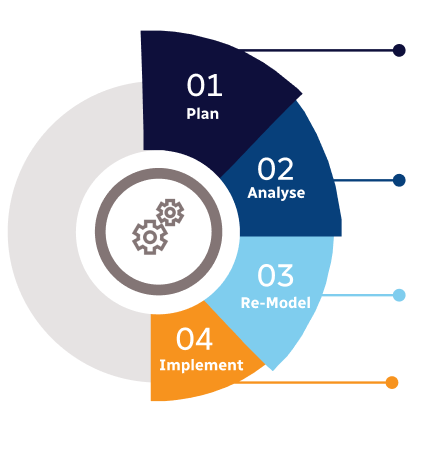
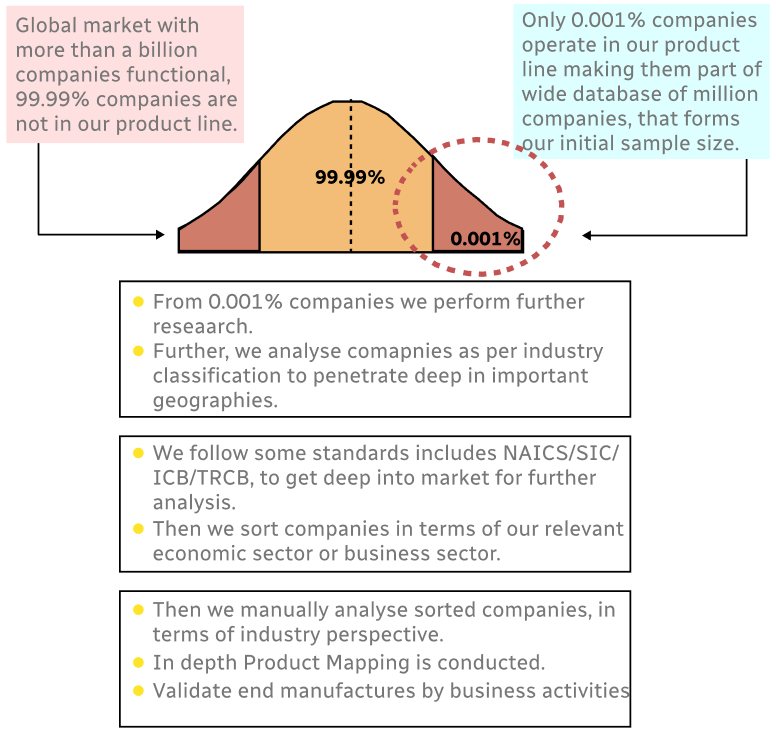
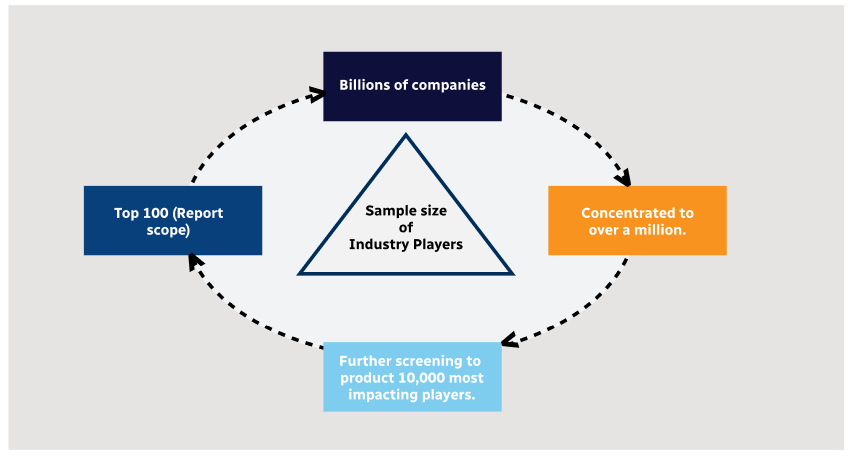
Step 1 - Identification of Relevant Samples Size from Population Database
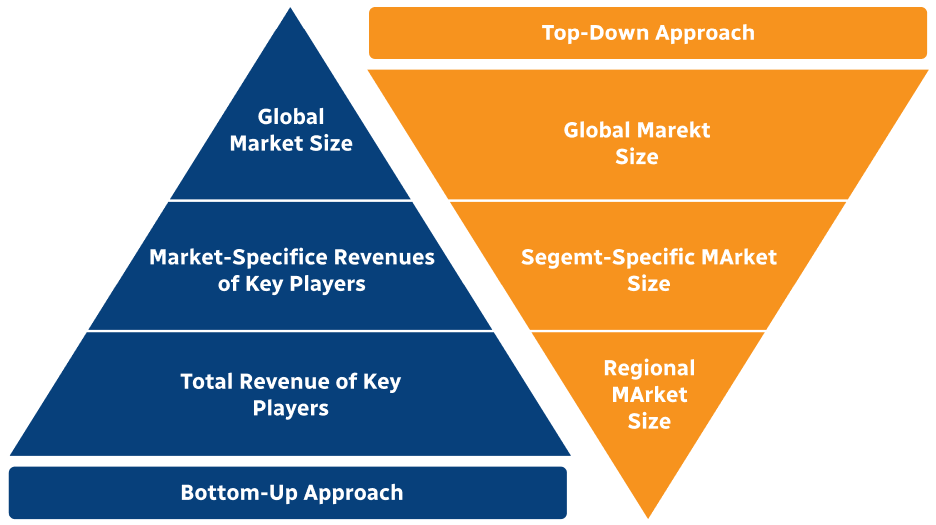
Step 2 - Approaches for Defining Global Market Size (Value, Volume* & Price*)
Note*: In applicable scenarios
Step 3 - Data Sources
Primary Research
- Web Analytics
- Survey Reports
- Research Institute
- Latest Research Reports
- Opinion Leaders
Secondary Research
- Annual Reports
- White Paper
- Latest Press Release
- Industry Association
- Paid Database
- Investor Presentations
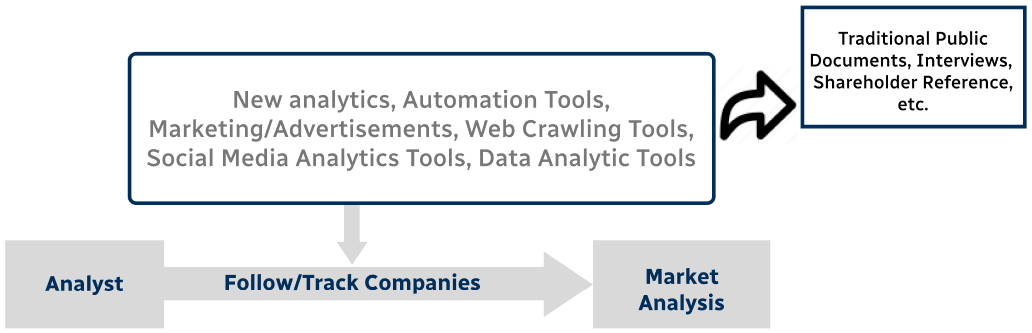
Step 4 - Data Triangulation
Involves using different sources of information in order to increase the validity of a study
These sources are likely to be stakeholders in a program - participants, other researchers, program staff, other community members, and so on.
Then we put all data in single framework & apply various statistical tools to find out the dynamic on the market.
During the analysis stage, feedback from the stakeholder groups would be compared to determine areas of agreement as well as areas of divergence


