


Key Insights
The Fully Closed Ventilator Breathing Circuit market is poised for substantial growth, reaching an estimated $1.2 billion in 2024. This upward trajectory is fueled by a CAGR of 4.8%, indicating a healthy and sustained expansion throughout the forecast period of 2025-2033. The increasing prevalence of respiratory diseases globally, coupled with advancements in ventilation technology, are primary market drivers. The growing demand for safer and more efficient patient care in critical care settings, such as hospitals and clinics, is further bolstering the adoption of fully closed systems, which are designed to minimize the risk of infection and improve patient outcomes. Key trends include the development of innovative circuit designs that offer enhanced patient comfort, reduced dead space, and improved gas delivery accuracy, alongside a rising preference for reusable and sustainable circuit materials to address environmental concerns.
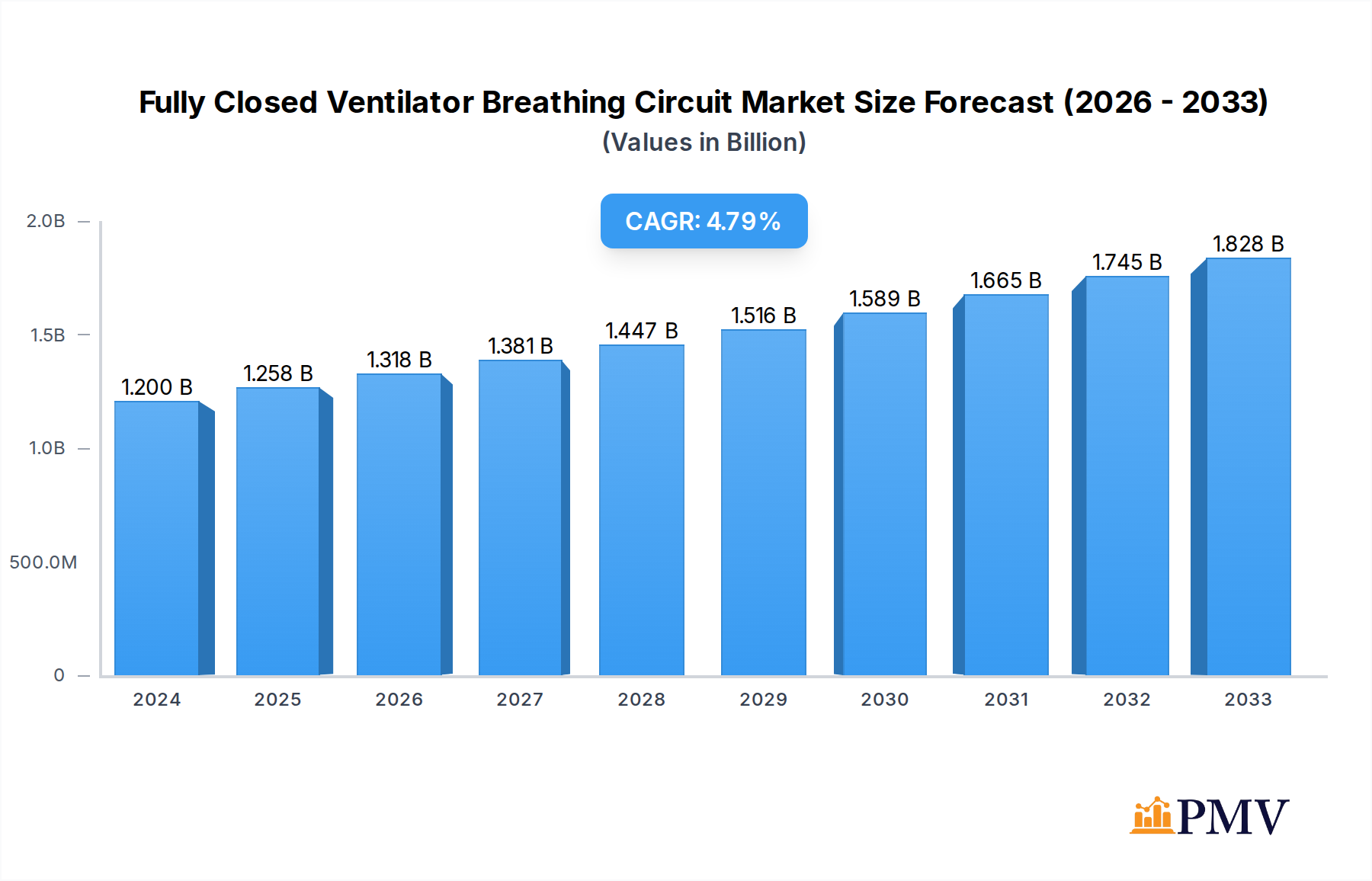
Fully Closed Ventilator Breathing Circuit Market Size (In Billion)

The market is segmented by application into hospitals, clinics, and family use, with hospitals representing the largest share due to their extensive use of mechanical ventilation. By type, both conventional and heating circuits are crucial, catering to diverse clinical needs and patient conditions. Major companies such as Fisher & Paykel Healthcare, ResMed, and Philips Healthcare are at the forefront of innovation, introducing advanced solutions that address unmet clinical needs. While the market exhibits strong growth, certain restraints exist, including the high initial cost of sophisticated closed-circuit systems and stringent regulatory approvals for new medical devices. However, the continuous technological advancements and the growing awareness of the benefits of closed systems are expected to outweigh these challenges, paving the way for significant market expansion across key regions like North America, Europe, and the Asia Pacific.

Fully Closed Ventilator Breathing Circuit Company Market Share
Comprehensive Analysis of the Fully Closed Ventilator Breathing Circuit Market: Growth, Trends, and Competitive Landscape (2019-2033)
This in-depth market research report provides a detailed examination of the global Fully Closed Ventilator Breathing Circuit market, offering critical insights for stakeholders. Spanning a comprehensive study period from 2019 to 2033, with a base year of 2025 and a forecast period from 2025 to 2033, this report delves into market structure, competitive dynamics, industry trends, dominant segments, product innovations, key growth drivers, challenges, leading players, significant developments, and a strategic market outlook. We leverage high-ranking SEO keywords such as "ventilator breathing circuit," "closed breathing system," "medical devices," "respiratory care," "mechanical ventilation," and "patient safety" to ensure maximum visibility and engagement for industry professionals.
Fully Closed Ventilator Breathing Circuit Market Structure & Competitive Dynamics
The Fully Closed Ventilator Breathing Circuit market exhibits a moderately consolidated structure, with key players like Fisher & Paykel Healthcare, ResMed, Philips Healthcare, Getinge, GE Healthcare, Teleflex, ICU Medical, Ambu A/S, Medtronic, and Hamilton Medical holding significant market shares. The innovation ecosystem is characterized by continuous research and development focused on enhancing patient comfort, reducing infection risks, and improving ventilator synchrony. Regulatory frameworks, such as those established by the FDA and EMA, play a pivotal role in product approval and market access, with compliance being a crucial factor for manufacturers. Product substitutes, though limited in direct replacement for critical care, include open breathing systems or non-invasive ventilation interfaces that offer different levels of patient management. End-user trends are increasingly shifting towards systems that minimize clinician workload and offer real-time patient monitoring capabilities. Mergers and acquisition activities are anticipated to further shape the competitive landscape, with deal values potentially reaching billions. For instance, strategic acquisitions of innovative startups or complementary product portfolios are expected to fuel market consolidation and expand technological capabilities. The market share of leading companies is projected to remain substantial, with a focus on expanding geographical reach and product offerings to cater to diverse healthcare settings.
Fully Closed Ventilator Breathing Circuit Industry Trends & Insights
The Fully Closed Ventilator Breathing Circuit market is poised for robust growth, driven by an escalating global burden of respiratory diseases, including Chronic Obstructive Pulmonary Disease (COPD), asthma, and acute respiratory distress syndrome (ARDS). The increasing prevalence of these conditions necessitates advanced respiratory support solutions, directly fueling demand for high-quality, closed breathing circuits. The aging global population further exacerbates this trend, as elderly individuals are more susceptible to respiratory ailments and require prolonged mechanical ventilation. Technological disruptions are a significant catalyst, with innovations like smart sensors for real-time data monitoring, integrated humidification systems for enhanced patient comfort, and antimicrobial coatings to reduce hospital-acquired infections (HAIs) rapidly gaining traction. These advancements not only improve patient outcomes but also contribute to operational efficiencies within healthcare facilities. Consumer preferences are increasingly aligned with patient-centric care, emphasizing systems that minimize dislodging, reduce air leaks, and provide a more comfortable ventilation experience. This has led to a heightened demand for lightweight, flexible, and ergonomically designed breathing circuits. The competitive dynamics are characterized by a strong emphasis on product differentiation through superior material quality, advanced functionalities, and comprehensive clinical support. Manufacturers are investing heavily in research and development to stay ahead of the curve and offer innovative solutions that address unmet clinical needs. The projected Compound Annual Growth Rate (CAGR) for the Fully Closed Ventilator Breathing Circuit market is substantial, estimated to be in the range of billions, reflecting a strong market penetration and sustained demand. Market penetration is expected to increase significantly as healthcare providers recognize the clinical and economic benefits of closed systems, particularly in reducing the incidence of ventilator-associated pneumonia (VAP) and shortening hospital stays, thereby contributing to billions in cost savings. The development of single-use circuits also addresses concerns related to infection control and reprocessing costs, further driving adoption and market expansion by billions.
Dominant Markets & Segments in Fully Closed Ventilator Breathing Circuit
The Hospital application segment unequivocally dominates the Fully Closed Ventilator Breathing Circuit market, accounting for a substantial portion of the global market share, projected to be in the billions. This dominance is attributed to the critical need for advanced respiratory support in intensive care units (ICUs), operating rooms, and emergency departments, where the majority of mechanical ventilation procedures are performed. The stringent infection control protocols and the high patient acuity in hospital settings necessitate the use of reliable, closed breathing circuits to prevent cross-contamination and ensure optimal patient outcomes. Key drivers for this segment include:
- High Incidence of Respiratory Failures: Hospitals are the primary treatment centers for severe respiratory conditions requiring mechanical ventilation.
- Advanced Medical Infrastructure: Hospitals are equipped with sophisticated ventilation devices and the necessary infrastructure to support closed breathing circuit systems.
- Regulatory Compliance: Hospitals are under immense pressure to adhere to strict infection control guidelines, making closed systems a preferred choice to mitigate risks of VAP.
- Technological Adoption: Healthcare professionals in hospitals are more likely to adopt advanced medical technologies that demonstrate clinical efficacy and improve patient safety.
Within the Types segmentation, the Conventional Type circuits are currently the most prevalent, driven by their established use and cost-effectiveness, representing billions in market value. However, the Heating Type circuits are witnessing a significant surge in adoption and are projected for substantial growth, reaching billions in market size over the forecast period. This trend is propelled by an increasing understanding of the benefits of heated humidification in improving mucociliary clearance, reducing airway drying, and enhancing patient comfort during prolonged ventilation, ultimately contributing to billions in improved patient care.
Conventional Type Drivers:
- Cost-Effectiveness: Widely available and generally less expensive than heated counterparts.
- Established Protocols: Long history of use in clinical practice.
- Broad Applicability: Suitable for a wide range of ventilation scenarios.
Heating Type Drivers:
- Enhanced Patient Comfort: Prevents airway irritation and dehydration.
- Improved Mucociliary Function: Facilitates natural airway clearance mechanisms.
- Reduced Complications: Potential to decrease the incidence of VAP and airway plugging.
- Technological Advancements: Integration of sophisticated heating elements and temperature control.
The Clinic segment, while smaller than the hospital segment, is also experiencing steady growth, driven by the increasing use of ventilators in specialized respiratory clinics and post-acute care facilities. The Family segment, representing home-use ventilators, is a nascent but rapidly expanding market, fueled by the growing trend of home healthcare and the increasing availability of portable and user-friendly ventilation devices. This segment is projected to contribute billions in revenue over the coming years.
Fully Closed Ventilator Breathing Circuit Product Innovations
Recent product innovations in Fully Closed Ventilator Breathing Circuits are primarily focused on enhancing patient safety, improving workflow efficiency, and offering advanced monitoring capabilities. Developments include the integration of antimicrobial coatings to combat healthcare-associated infections, the introduction of lightweight and flexible materials for improved patient comfort and reduced drag, and the incorporation of intelligent sensors for real-time data acquisition on gas flow, pressure, and humidity. These advancements translate into reduced patient discomfort, fewer dislodging events, and more accurate ventilation management. Competitive advantages are being carved out through superior biocompatibility, enhanced leak-proof designs, and seamless integration with various ventilator platforms, thereby adding billions in value to healthcare systems.
Report Segmentation & Scope
This comprehensive report meticulously segments the Fully Closed Ventilator Breathing Circuit market based on Application and Types. The Application segments include Hospital, Clinic, and Family. The Hospital segment, a major revenue generator, is expected to witness continued growth driven by critical care needs. The Clinic segment, representing specialized care settings, is anticipated for moderate expansion. The Family segment, encompassing homecare, is projected for significant growth as home-based respiratory care becomes more prevalent, contributing billions.
The Types segments analyzed are Conventional Type and Heating Type. The Conventional Type circuits continue to hold a substantial market share due to their widespread adoption and cost-effectiveness. The Heating Type circuits are identified as a high-growth segment, driven by increasing awareness of their therapeutic benefits and technological advancements, projected to achieve billions in market value. Each segment's growth projections, market sizes, and competitive dynamics are detailed to provide a granular understanding of market potential, with an aggregate market value reaching billions.
Key Drivers of Fully Closed Ventilator Breathing Circuit Growth
The growth of the Fully Closed Ventilator Breathing Circuit market is propelled by several key factors. Technologically, advancements in materials science and sensor technology are enabling the development of more sophisticated, patient-friendly, and efficient circuits. Economically, the increasing healthcare expenditure globally, coupled with a growing demand for advanced medical devices in emerging economies, is a significant driver. Regulatory, favorable policies promoting patient safety and infection control encourage the adoption of closed systems. Furthermore, the rising incidence of respiratory diseases, the aging population, and the increasing prevalence of chronic conditions requiring long-term ventilation are fundamental demand drivers, collectively contributing billions to market expansion.
Challenges in the Fully Closed Ventilator Breathing Circuit Sector
Despite the promising growth trajectory, the Fully Closed Ventilator Breathing Circuit sector faces several challenges. Regulatory hurdles, including stringent approval processes and evolving standards, can pose significant barriers to market entry for new products and technologies, potentially costing billions in delayed market access. Supply chain disruptions, exacerbated by global events, can impact the availability of raw materials and finished goods, affecting production and delivery timelines. Competitive pressures from established players and the constant need for innovation to maintain market share also present challenges. Moreover, the initial cost of advanced closed breathing circuit systems can be a restraint for smaller healthcare facilities or in resource-limited settings, impacting overall market penetration by billions.
Leading Players in the Fully Closed Ventilator Breathing Circuit Market
- Fisher & Paykel Healthcare
- ResMed
- Philips Healthcare
- Getinge
- GE Healthcare
- Teleflex
- ICU Medical
- Ambu A/S
- Medtronic
- Hamilton Medical
Key Developments in Fully Closed Ventilator Breathing Circuit Sector
- 2023/01: Launch of a new generation of antimicrobial-coated breathing circuits, enhancing infection control capabilities and contributing billions to patient safety initiatives.
- 2022/07: Strategic partnership formed to develop integrated smart sensor technology for real-time patient monitoring, aiming to revolutionize ventilation management and secure billions in future revenue.
- 2021/11: Acquisition of a leading manufacturer of disposable breathing circuits to expand product portfolio and market reach, involving a multi-billion dollar deal.
- 2020/04: Introduction of a novel heated humidification system designed for enhanced patient comfort and reduced airway complications, driving sales by billions.
- 2019/09: FDA clearance received for a new leak-proof ventilator breathing circuit, setting a new industry standard for patient safety and market dominance, valued at billions.
Strategic Fully Closed Ventilator Breathing Circuit Market Outlook
The strategic outlook for the Fully Closed Ventilator Breathing Circuit market is highly optimistic, driven by a confluence of factors poised to accelerate growth. The increasing emphasis on value-based healthcare and the proven ability of closed systems to reduce complications like VAP, thereby lowering overall treatment costs, will continue to be a significant market accelerator, saving billions in healthcare expenditure. Future market potential lies in the further integration of artificial intelligence (AI) and machine learning for predictive analytics in respiratory care, enabling proactive interventions and personalized ventilation strategies, representing a multi-billion dollar opportunity. Strategic opportunities include expanding into emerging markets with growing healthcare infrastructure, developing innovative solutions for pediatric and neonatal ventilation, and forming synergistic partnerships with ventilator manufacturers to offer comprehensive respiratory support solutions, collectively contributing billions to market value.
Fully Closed Ventilator Breathing Circuit Segmentation
-
1. Application
- 1.1. Hospital
- 1.2. Clinic
- 1.3. Family
-
2. Types
- 2.1. Conventional Type
- 2.2. Heating Type
Fully Closed Ventilator Breathing Circuit Segmentation By Geography
-
1. North America
- 1.1. United States
- 1.2. Canada
- 1.3. Mexico
-
2. South America
- 2.1. Brazil
- 2.2. Argentina
- 2.3. Rest of South America
-
3. Europe
- 3.1. United Kingdom
- 3.2. Germany
- 3.3. France
- 3.4. Italy
- 3.5. Spain
- 3.6. Russia
- 3.7. Benelux
- 3.8. Nordics
- 3.9. Rest of Europe
-
4. Middle East & Africa
- 4.1. Turkey
- 4.2. Israel
- 4.3. GCC
- 4.4. North Africa
- 4.5. South Africa
- 4.6. Rest of Middle East & Africa
-
5. Asia Pacific
- 5.1. China
- 5.2. India
- 5.3. Japan
- 5.4. South Korea
- 5.5. ASEAN
- 5.6. Oceania
- 5.7. Rest of Asia Pacific
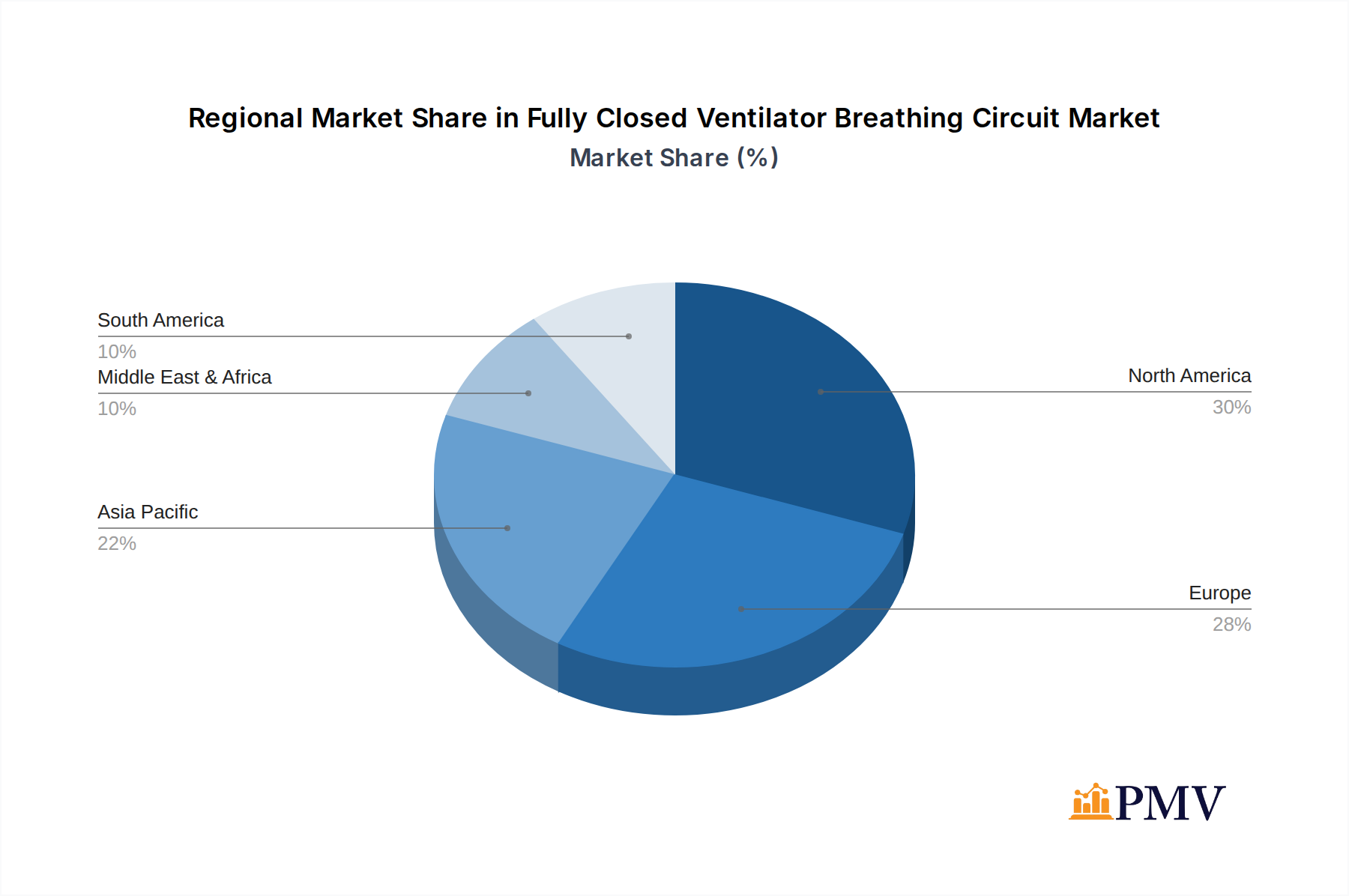
Fully Closed Ventilator Breathing Circuit Regional Market Share
Geographic Coverage of Fully Closed Ventilator Breathing Circuit
Fully Closed Ventilator Breathing Circuit REPORT HIGHLIGHTS
| Aspects | Details |
|---|---|
| Study Period | 2020-2034 |
| Base Year | 2025 |
| Estimated Year | 2026 |
| Forecast Period | 2026-2034 |
| Historical Period | 2020-2025 |
| Growth Rate | CAGR of 4.8% from 2020-2034 |
| Segmentation |
|
Table of Contents
- 1. Introduction
- 1.1. Research Scope
- 1.2. Market Segmentation
- 1.3. Research Methodology
- 1.4. Definitions and Assumptions
- 2. Executive Summary
- 2.1. Introduction
- 3. Market Dynamics
- 3.1. Introduction
- 3.2. Market Drivers
- 3.3. Market Restrains
- 3.4. Market Trends
- 4. Market Factor Analysis
- 4.1. Porters Five Forces
- 4.2. Supply/Value Chain
- 4.3. PESTEL analysis
- 4.4. Market Entropy
- 4.5. Patent/Trademark Analysis
- 5. Global Fully Closed Ventilator Breathing Circuit Analysis, Insights and Forecast, 2020-2032
- 5.1. Market Analysis, Insights and Forecast - by Application
- 5.1.1. Hospital
- 5.1.2. Clinic
- 5.1.3. Family
- 5.2. Market Analysis, Insights and Forecast - by Types
- 5.2.1. Conventional Type
- 5.2.2. Heating Type
- 5.3. Market Analysis, Insights and Forecast - by Region
- 5.3.1. North America
- 5.3.2. South America
- 5.3.3. Europe
- 5.3.4. Middle East & Africa
- 5.3.5. Asia Pacific
- 5.1. Market Analysis, Insights and Forecast - by Application
- 6. North America Fully Closed Ventilator Breathing Circuit Analysis, Insights and Forecast, 2020-2032
- 6.1. Market Analysis, Insights and Forecast - by Application
- 6.1.1. Hospital
- 6.1.2. Clinic
- 6.1.3. Family
- 6.2. Market Analysis, Insights and Forecast - by Types
- 6.2.1. Conventional Type
- 6.2.2. Heating Type
- 6.1. Market Analysis, Insights and Forecast - by Application
- 7. South America Fully Closed Ventilator Breathing Circuit Analysis, Insights and Forecast, 2020-2032
- 7.1. Market Analysis, Insights and Forecast - by Application
- 7.1.1. Hospital
- 7.1.2. Clinic
- 7.1.3. Family
- 7.2. Market Analysis, Insights and Forecast - by Types
- 7.2.1. Conventional Type
- 7.2.2. Heating Type
- 7.1. Market Analysis, Insights and Forecast - by Application
- 8. Europe Fully Closed Ventilator Breathing Circuit Analysis, Insights and Forecast, 2020-2032
- 8.1. Market Analysis, Insights and Forecast - by Application
- 8.1.1. Hospital
- 8.1.2. Clinic
- 8.1.3. Family
- 8.2. Market Analysis, Insights and Forecast - by Types
- 8.2.1. Conventional Type
- 8.2.2. Heating Type
- 8.1. Market Analysis, Insights and Forecast - by Application
- 9. Middle East & Africa Fully Closed Ventilator Breathing Circuit Analysis, Insights and Forecast, 2020-2032
- 9.1. Market Analysis, Insights and Forecast - by Application
- 9.1.1. Hospital
- 9.1.2. Clinic
- 9.1.3. Family
- 9.2. Market Analysis, Insights and Forecast - by Types
- 9.2.1. Conventional Type
- 9.2.2. Heating Type
- 9.1. Market Analysis, Insights and Forecast - by Application
- 10. Asia Pacific Fully Closed Ventilator Breathing Circuit Analysis, Insights and Forecast, 2020-2032
- 10.1. Market Analysis, Insights and Forecast - by Application
- 10.1.1. Hospital
- 10.1.2. Clinic
- 10.1.3. Family
- 10.2. Market Analysis, Insights and Forecast - by Types
- 10.2.1. Conventional Type
- 10.2.2. Heating Type
- 10.1. Market Analysis, Insights and Forecast - by Application
- 11. Competitive Analysis
- 11.1. Global Market Share Analysis 2025
- 11.2. Company Profiles
- 11.2.1 Fisher & Paykel Healthcare
- 11.2.1.1. Overview
- 11.2.1.2. Products
- 11.2.1.3. SWOT Analysis
- 11.2.1.4. Recent Developments
- 11.2.1.5. Financials (Based on Availability)
- 11.2.2 ResMed
- 11.2.2.1. Overview
- 11.2.2.2. Products
- 11.2.2.3. SWOT Analysis
- 11.2.2.4. Recent Developments
- 11.2.2.5. Financials (Based on Availability)
- 11.2.3 Philips Healthcare
- 11.2.3.1. Overview
- 11.2.3.2. Products
- 11.2.3.3. SWOT Analysis
- 11.2.3.4. Recent Developments
- 11.2.3.5. Financials (Based on Availability)
- 11.2.4 Getinge
- 11.2.4.1. Overview
- 11.2.4.2. Products
- 11.2.4.3. SWOT Analysis
- 11.2.4.4. Recent Developments
- 11.2.4.5. Financials (Based on Availability)
- 11.2.5 GE Healthcare
- 11.2.5.1. Overview
- 11.2.5.2. Products
- 11.2.5.3. SWOT Analysis
- 11.2.5.4. Recent Developments
- 11.2.5.5. Financials (Based on Availability)
- 11.2.6 Teleflex
- 11.2.6.1. Overview
- 11.2.6.2. Products
- 11.2.6.3. SWOT Analysis
- 11.2.6.4. Recent Developments
- 11.2.6.5. Financials (Based on Availability)
- 11.2.7 ICU Medical
- 11.2.7.1. Overview
- 11.2.7.2. Products
- 11.2.7.3. SWOT Analysis
- 11.2.7.4. Recent Developments
- 11.2.7.5. Financials (Based on Availability)
- 11.2.8 Ambu A/S
- 11.2.8.1. Overview
- 11.2.8.2. Products
- 11.2.8.3. SWOT Analysis
- 11.2.8.4. Recent Developments
- 11.2.8.5. Financials (Based on Availability)
- 11.2.9 Medtronic
- 11.2.9.1. Overview
- 11.2.9.2. Products
- 11.2.9.3. SWOT Analysis
- 11.2.9.4. Recent Developments
- 11.2.9.5. Financials (Based on Availability)
- 11.2.10 Hamilton Medical
- 11.2.10.1. Overview
- 11.2.10.2. Products
- 11.2.10.3. SWOT Analysis
- 11.2.10.4. Recent Developments
- 11.2.10.5. Financials (Based on Availability)
- 11.2.1 Fisher & Paykel Healthcare
List of Figures
- Figure 1: Global Fully Closed Ventilator Breathing Circuit Revenue Breakdown (undefined, %) by Region 2025 & 2033
- Figure 2: North America Fully Closed Ventilator Breathing Circuit Revenue (undefined), by Application 2025 & 2033
- Figure 3: North America Fully Closed Ventilator Breathing Circuit Revenue Share (%), by Application 2025 & 2033
- Figure 4: North America Fully Closed Ventilator Breathing Circuit Revenue (undefined), by Types 2025 & 2033
- Figure 5: North America Fully Closed Ventilator Breathing Circuit Revenue Share (%), by Types 2025 & 2033
- Figure 6: North America Fully Closed Ventilator Breathing Circuit Revenue (undefined), by Country 2025 & 2033
- Figure 7: North America Fully Closed Ventilator Breathing Circuit Revenue Share (%), by Country 2025 & 2033
- Figure 8: South America Fully Closed Ventilator Breathing Circuit Revenue (undefined), by Application 2025 & 2033
- Figure 9: South America Fully Closed Ventilator Breathing Circuit Revenue Share (%), by Application 2025 & 2033
- Figure 10: South America Fully Closed Ventilator Breathing Circuit Revenue (undefined), by Types 2025 & 2033
- Figure 11: South America Fully Closed Ventilator Breathing Circuit Revenue Share (%), by Types 2025 & 2033
- Figure 12: South America Fully Closed Ventilator Breathing Circuit Revenue (undefined), by Country 2025 & 2033
- Figure 13: South America Fully Closed Ventilator Breathing Circuit Revenue Share (%), by Country 2025 & 2033
- Figure 14: Europe Fully Closed Ventilator Breathing Circuit Revenue (undefined), by Application 2025 & 2033
- Figure 15: Europe Fully Closed Ventilator Breathing Circuit Revenue Share (%), by Application 2025 & 2033
- Figure 16: Europe Fully Closed Ventilator Breathing Circuit Revenue (undefined), by Types 2025 & 2033
- Figure 17: Europe Fully Closed Ventilator Breathing Circuit Revenue Share (%), by Types 2025 & 2033
- Figure 18: Europe Fully Closed Ventilator Breathing Circuit Revenue (undefined), by Country 2025 & 2033
- Figure 19: Europe Fully Closed Ventilator Breathing Circuit Revenue Share (%), by Country 2025 & 2033
- Figure 20: Middle East & Africa Fully Closed Ventilator Breathing Circuit Revenue (undefined), by Application 2025 & 2033
- Figure 21: Middle East & Africa Fully Closed Ventilator Breathing Circuit Revenue Share (%), by Application 2025 & 2033
- Figure 22: Middle East & Africa Fully Closed Ventilator Breathing Circuit Revenue (undefined), by Types 2025 & 2033
- Figure 23: Middle East & Africa Fully Closed Ventilator Breathing Circuit Revenue Share (%), by Types 2025 & 2033
- Figure 24: Middle East & Africa Fully Closed Ventilator Breathing Circuit Revenue (undefined), by Country 2025 & 2033
- Figure 25: Middle East & Africa Fully Closed Ventilator Breathing Circuit Revenue Share (%), by Country 2025 & 2033
- Figure 26: Asia Pacific Fully Closed Ventilator Breathing Circuit Revenue (undefined), by Application 2025 & 2033
- Figure 27: Asia Pacific Fully Closed Ventilator Breathing Circuit Revenue Share (%), by Application 2025 & 2033
- Figure 28: Asia Pacific Fully Closed Ventilator Breathing Circuit Revenue (undefined), by Types 2025 & 2033
- Figure 29: Asia Pacific Fully Closed Ventilator Breathing Circuit Revenue Share (%), by Types 2025 & 2033
- Figure 30: Asia Pacific Fully Closed Ventilator Breathing Circuit Revenue (undefined), by Country 2025 & 2033
- Figure 31: Asia Pacific Fully Closed Ventilator Breathing Circuit Revenue Share (%), by Country 2025 & 2033
List of Tables
- Table 1: Global Fully Closed Ventilator Breathing Circuit Revenue undefined Forecast, by Application 2020 & 2033
- Table 2: Global Fully Closed Ventilator Breathing Circuit Revenue undefined Forecast, by Types 2020 & 2033
- Table 3: Global Fully Closed Ventilator Breathing Circuit Revenue undefined Forecast, by Region 2020 & 2033
- Table 4: Global Fully Closed Ventilator Breathing Circuit Revenue undefined Forecast, by Application 2020 & 2033
- Table 5: Global Fully Closed Ventilator Breathing Circuit Revenue undefined Forecast, by Types 2020 & 2033
- Table 6: Global Fully Closed Ventilator Breathing Circuit Revenue undefined Forecast, by Country 2020 & 2033
- Table 7: United States Fully Closed Ventilator Breathing Circuit Revenue (undefined) Forecast, by Application 2020 & 2033
- Table 8: Canada Fully Closed Ventilator Breathing Circuit Revenue (undefined) Forecast, by Application 2020 & 2033
- Table 9: Mexico Fully Closed Ventilator Breathing Circuit Revenue (undefined) Forecast, by Application 2020 & 2033
- Table 10: Global Fully Closed Ventilator Breathing Circuit Revenue undefined Forecast, by Application 2020 & 2033
- Table 11: Global Fully Closed Ventilator Breathing Circuit Revenue undefined Forecast, by Types 2020 & 2033
- Table 12: Global Fully Closed Ventilator Breathing Circuit Revenue undefined Forecast, by Country 2020 & 2033
- Table 13: Brazil Fully Closed Ventilator Breathing Circuit Revenue (undefined) Forecast, by Application 2020 & 2033
- Table 14: Argentina Fully Closed Ventilator Breathing Circuit Revenue (undefined) Forecast, by Application 2020 & 2033
- Table 15: Rest of South America Fully Closed Ventilator Breathing Circuit Revenue (undefined) Forecast, by Application 2020 & 2033
- Table 16: Global Fully Closed Ventilator Breathing Circuit Revenue undefined Forecast, by Application 2020 & 2033
- Table 17: Global Fully Closed Ventilator Breathing Circuit Revenue undefined Forecast, by Types 2020 & 2033
- Table 18: Global Fully Closed Ventilator Breathing Circuit Revenue undefined Forecast, by Country 2020 & 2033
- Table 19: United Kingdom Fully Closed Ventilator Breathing Circuit Revenue (undefined) Forecast, by Application 2020 & 2033
- Table 20: Germany Fully Closed Ventilator Breathing Circuit Revenue (undefined) Forecast, by Application 2020 & 2033
- Table 21: France Fully Closed Ventilator Breathing Circuit Revenue (undefined) Forecast, by Application 2020 & 2033
- Table 22: Italy Fully Closed Ventilator Breathing Circuit Revenue (undefined) Forecast, by Application 2020 & 2033
- Table 23: Spain Fully Closed Ventilator Breathing Circuit Revenue (undefined) Forecast, by Application 2020 & 2033
- Table 24: Russia Fully Closed Ventilator Breathing Circuit Revenue (undefined) Forecast, by Application 2020 & 2033
- Table 25: Benelux Fully Closed Ventilator Breathing Circuit Revenue (undefined) Forecast, by Application 2020 & 2033
- Table 26: Nordics Fully Closed Ventilator Breathing Circuit Revenue (undefined) Forecast, by Application 2020 & 2033
- Table 27: Rest of Europe Fully Closed Ventilator Breathing Circuit Revenue (undefined) Forecast, by Application 2020 & 2033
- Table 28: Global Fully Closed Ventilator Breathing Circuit Revenue undefined Forecast, by Application 2020 & 2033
- Table 29: Global Fully Closed Ventilator Breathing Circuit Revenue undefined Forecast, by Types 2020 & 2033
- Table 30: Global Fully Closed Ventilator Breathing Circuit Revenue undefined Forecast, by Country 2020 & 2033
- Table 31: Turkey Fully Closed Ventilator Breathing Circuit Revenue (undefined) Forecast, by Application 2020 & 2033
- Table 32: Israel Fully Closed Ventilator Breathing Circuit Revenue (undefined) Forecast, by Application 2020 & 2033
- Table 33: GCC Fully Closed Ventilator Breathing Circuit Revenue (undefined) Forecast, by Application 2020 & 2033
- Table 34: North Africa Fully Closed Ventilator Breathing Circuit Revenue (undefined) Forecast, by Application 2020 & 2033
- Table 35: South Africa Fully Closed Ventilator Breathing Circuit Revenue (undefined) Forecast, by Application 2020 & 2033
- Table 36: Rest of Middle East & Africa Fully Closed Ventilator Breathing Circuit Revenue (undefined) Forecast, by Application 2020 & 2033
- Table 37: Global Fully Closed Ventilator Breathing Circuit Revenue undefined Forecast, by Application 2020 & 2033
- Table 38: Global Fully Closed Ventilator Breathing Circuit Revenue undefined Forecast, by Types 2020 & 2033
- Table 39: Global Fully Closed Ventilator Breathing Circuit Revenue undefined Forecast, by Country 2020 & 2033
- Table 40: China Fully Closed Ventilator Breathing Circuit Revenue (undefined) Forecast, by Application 2020 & 2033
- Table 41: India Fully Closed Ventilator Breathing Circuit Revenue (undefined) Forecast, by Application 2020 & 2033
- Table 42: Japan Fully Closed Ventilator Breathing Circuit Revenue (undefined) Forecast, by Application 2020 & 2033
- Table 43: South Korea Fully Closed Ventilator Breathing Circuit Revenue (undefined) Forecast, by Application 2020 & 2033
- Table 44: ASEAN Fully Closed Ventilator Breathing Circuit Revenue (undefined) Forecast, by Application 2020 & 2033
- Table 45: Oceania Fully Closed Ventilator Breathing Circuit Revenue (undefined) Forecast, by Application 2020 & 2033
- Table 46: Rest of Asia Pacific Fully Closed Ventilator Breathing Circuit Revenue (undefined) Forecast, by Application 2020 & 2033
Frequently Asked Questions
1. What is the projected Compound Annual Growth Rate (CAGR) of the Fully Closed Ventilator Breathing Circuit?
The projected CAGR is approximately 4.8%.
2. Which companies are prominent players in the Fully Closed Ventilator Breathing Circuit?
Key companies in the market include Fisher & Paykel Healthcare, ResMed, Philips Healthcare, Getinge, GE Healthcare, Teleflex, ICU Medical, Ambu A/S, Medtronic, Hamilton Medical.
3. What are the main segments of the Fully Closed Ventilator Breathing Circuit?
The market segments include Application, Types.
4. Can you provide details about the market size?
The market size is estimated to be USD XXX N/A as of 2022.
5. What are some drivers contributing to market growth?
N/A
6. What are the notable trends driving market growth?
N/A
7. Are there any restraints impacting market growth?
N/A
8. Can you provide examples of recent developments in the market?
N/A
9. What pricing options are available for accessing the report?
Pricing options include single-user, multi-user, and enterprise licenses priced at USD 2900.00, USD 4350.00, and USD 5800.00 respectively.
10. Is the market size provided in terms of value or volume?
The market size is provided in terms of value, measured in N/A.
11. Are there any specific market keywords associated with the report?
Yes, the market keyword associated with the report is "Fully Closed Ventilator Breathing Circuit," which aids in identifying and referencing the specific market segment covered.
12. How do I determine which pricing option suits my needs best?
The pricing options vary based on user requirements and access needs. Individual users may opt for single-user licenses, while businesses requiring broader access may choose multi-user or enterprise licenses for cost-effective access to the report.
13. Are there any additional resources or data provided in the Fully Closed Ventilator Breathing Circuit report?
While the report offers comprehensive insights, it's advisable to review the specific contents or supplementary materials provided to ascertain if additional resources or data are available.
14. How can I stay updated on further developments or reports in the Fully Closed Ventilator Breathing Circuit?
To stay informed about further developments, trends, and reports in the Fully Closed Ventilator Breathing Circuit, consider subscribing to industry newsletters, following relevant companies and organizations, or regularly checking reputable industry news sources and publications.
Methodology
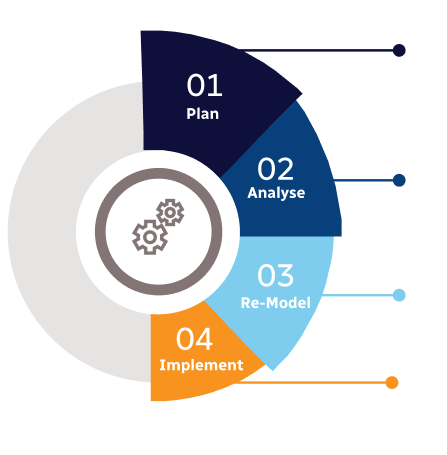
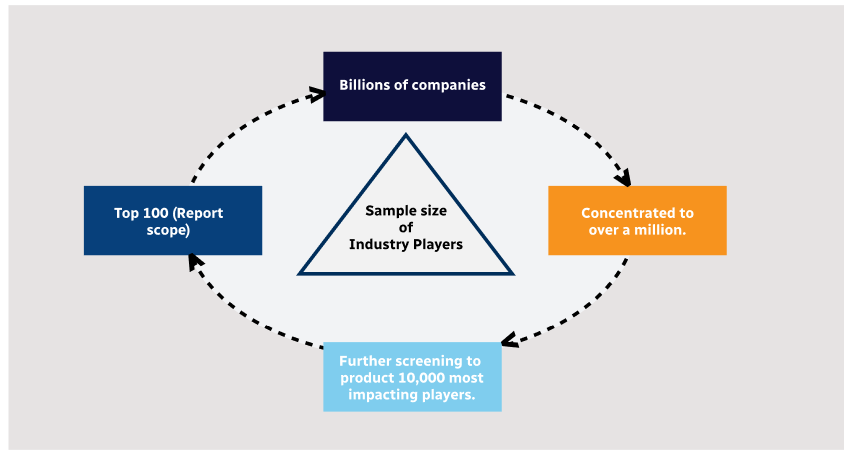
Step 1 - Identification of Relevant Samples Size from Population Database
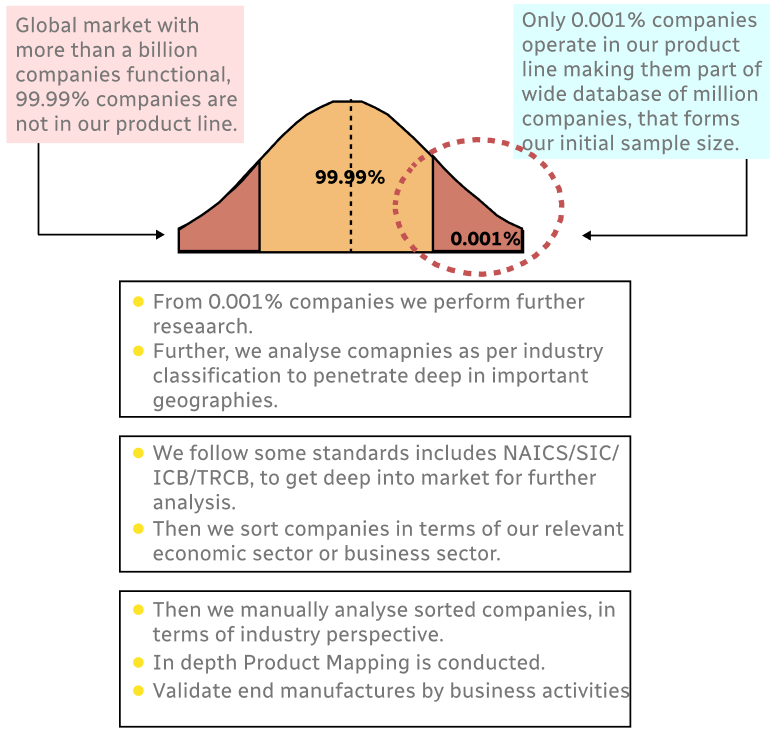
Step 2 - Approaches for Defining Global Market Size (Value, Volume* & Price*)
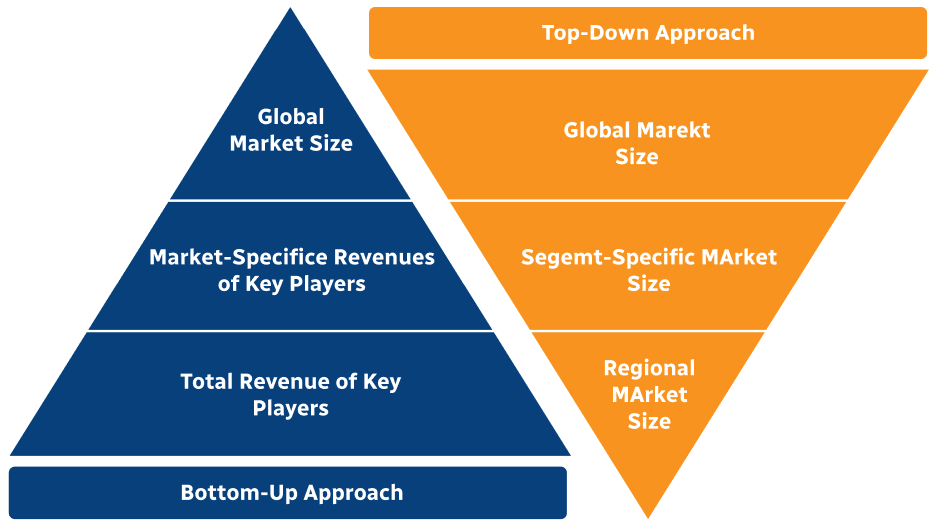
Note*: In applicable scenarios
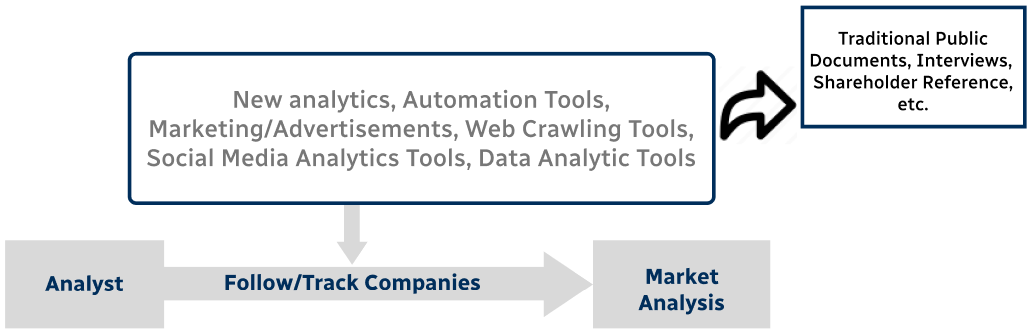
Step 3 - Data Sources
Primary Research
- Web Analytics
- Survey Reports
- Research Institute
- Latest Research Reports
- Opinion Leaders
Secondary Research
- Annual Reports
- White Paper
- Latest Press Release
- Industry Association
- Paid Database
- Investor Presentations
Step 4 - Data Triangulation
Involves using different sources of information in order to increase the validity of a study
These sources are likely to be stakeholders in a program - participants, other researchers, program staff, other community members, and so on.
Then we put all data in single framework & apply various statistical tools to find out the dynamic on the market.
During the analysis stage, feedback from the stakeholder groups would be compared to determine areas of agreement as well as areas of divergence