


Key Insights
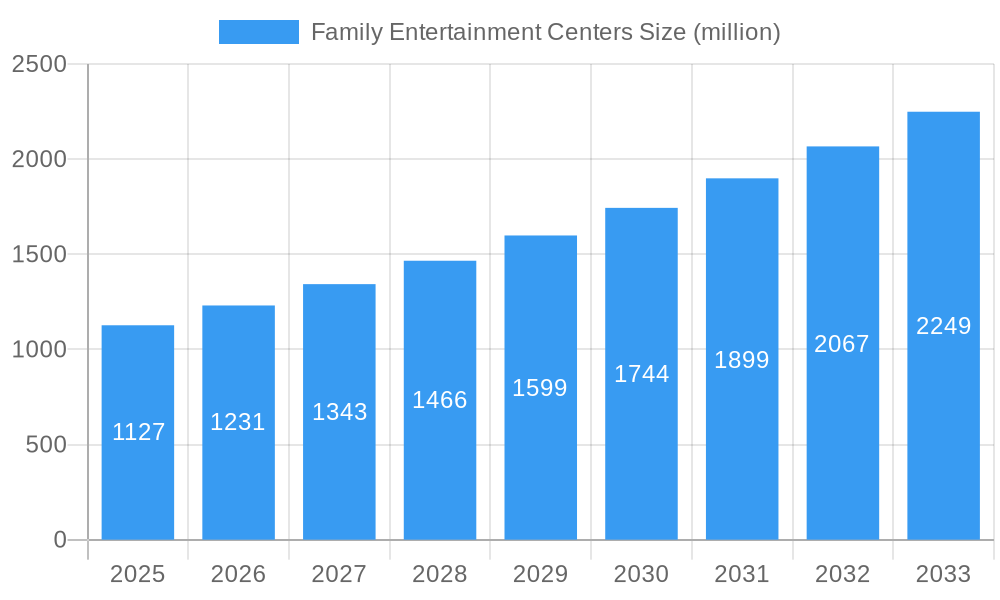
The global Family Entertainment Centers (FECs) market is experiencing robust expansion, projected to reach approximately USD 1127 million in 2025 and grow at a Compound Annual Growth Rate (CAGR) of 9.3% through 2033. This significant growth is fueled by increasing disposable incomes, a growing demand for experiential entertainment among families and younger demographics, and the continuous innovation in attraction offerings. Key drivers include the desire for social interaction and shared experiences, a burgeoning trend towards cashless payment systems, and the integration of advanced technologies such as augmented reality (AR) and virtual reality (VR) into FEC attractions. These advancements are crucial in keeping entertainment fresh and engaging for a diverse age range, from young children to adults. The market's expansion is further supported by the strategic establishment of FECs in high-traffic urban areas and the development of larger, more comprehensive entertainment complexes catering to a wider array of interests.
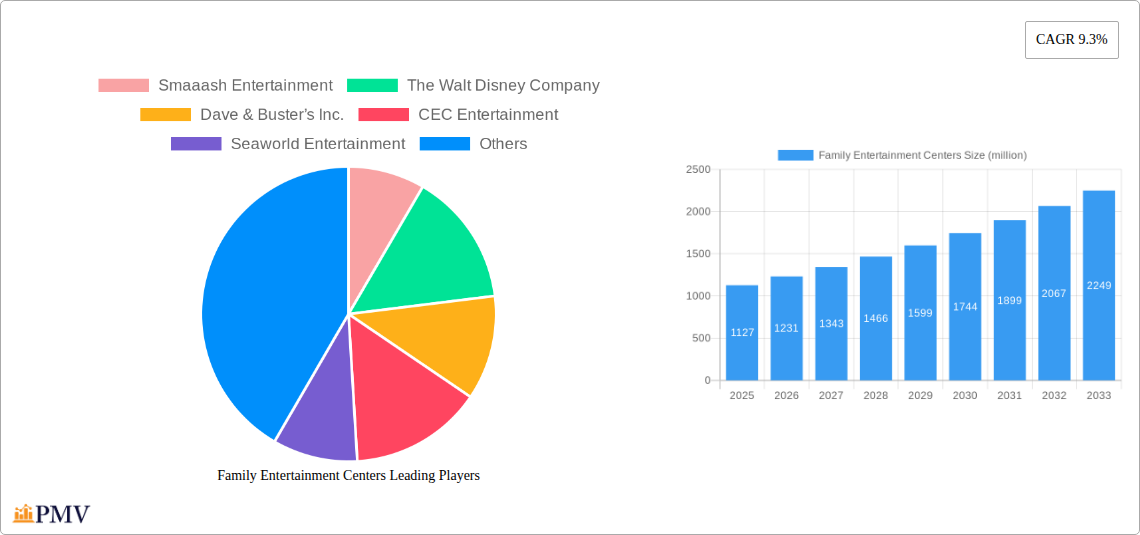
Family Entertainment Centers Market Size (In Billion)

The market segmentation reveals a diverse landscape, with applications spanning from very young children (0-8 years) to adults (ages 25+), indicating broad appeal. The "Adults (Ages Above 25-Year-old)" segment is likely to exhibit considerable growth as FECs increasingly offer sophisticated entertainment options appealing to this demographic, moving beyond traditional child-centric attractions. In terms of facility size, the "5,001-10,000 Sq Feet" and "10,001-20,000 Sq Feet" categories are expected to dominate, offering a balanced mix of attractions and operational efficiency. Geographically, North America and Asia Pacific are poised to lead market growth, driven by significant population bases and a strong consumer appetite for entertainment. The competitive landscape is marked by the presence of major players like The Walt Disney Company, Dave & Buster’s Inc., and Merlin Entertainments, who are continuously investing in new attractions and facility upgrades to capture market share.
Family Entertainment Centers Company Market Share
This in-depth Family Entertainment Centers (FEC) market report provides a critical analysis of the global FEC industry, offering unparalleled insights into market structure, competitive dynamics, emerging trends, and future outlook. Spanning from 2019 to 2033, with a base year of 2025 and a comprehensive forecast period of 2025–2033, this report is an essential resource for stakeholders seeking to understand and capitalize on the booming out-of-home entertainment landscape. We delve into key growth drivers, technological innovations, consumer preferences across diverse age demographics and facility sizes, and the strategic moves of industry giants. With an estimated market size expected to reach millions of dollars by the forecast end, this report dissects the opportunities and challenges within this vibrant sector, making it indispensable for investors, operators, and solution providers in the amusement park, family leisure, and entertainment venue space.
Family Entertainment Centers Market Structure & Competitive Dynamics
The Family Entertainment Centers market exhibits a dynamic and evolving structure. While some segments demonstrate moderate concentration with key players like Smaaash Entertainment, The Walt Disney Company, and Dave & Buster’s Inc. holding significant market share, the overall landscape is characterized by continuous innovation and the emergence of new entrants. The innovation ecosystem thrives on the integration of advanced technologies, including virtual reality (VR), augmented reality (AR), and interactive gaming experiences, to enhance customer engagement. Regulatory frameworks, primarily focused on safety and accessibility, play a crucial role in shaping operational standards. Product substitutes, such as home entertainment systems and other leisure activities, necessitate a constant drive for unique and compelling FEC experiences. End-user trends are strongly influenced by a growing demand for experiential family activities and a desire for social interaction. Mergers and acquisitions (M&A) activities are strategically shaping the market, with deal values in the millions of dollars indicating consolidation and expansion by leading companies like CEC Entertainment and Merlin Entertainment.
- Market Concentration: Moderate to High in specific niche segments, with fragmented growth in emerging markets.
- Innovation Ecosystem: Driven by technology integration (VR, AR, AI) and unique attraction development.
- Regulatory Frameworks: Focus on safety standards, zoning laws, and licensing requirements impacting operational costs and expansion.
- Product Substitutes: Home entertainment, gaming consoles, digital media, and other outdoor/indoor leisure activities.
- End-User Trends: Demand for personalized experiences, social gatherings, and technologically advanced attractions.
- M&A Activities: Strategic acquisitions and partnerships to expand geographical reach and diversify offerings, with millions of dollars invested in key deals.
Family Entertainment Centers Industry Trends & Insights
The Family Entertainment Centers industry is experiencing robust growth, projected to witness a Compound Annual Growth Rate (CAGR) of approximately XX% over the forecast period. This expansion is primarily fueled by increasing disposable incomes, a rising trend of urbanization, and a growing consumer preference for experiential entertainment. Technological disruptions are at the forefront, with the integration of AI-powered personalization, gamification strategies, and immersive VR/AR attractions significantly enhancing the customer experience. Digital transformation within FECs, including cashless payment systems and personalized loyalty programs, is becoming standard. Consumer preferences are evolving, with a heightened demand for unique, safe, and engaging activities that cater to diverse age groups, from toddlers aged 0-8 to adults over 25. The market penetration of FECs is steadily increasing globally, driven by strategic expansions into new geographical territories and the development of smaller, more accessible neighborhood FEC concepts. Companies are focusing on creating hybrid models that combine dining, gaming, and interactive attractions, fostering longer customer dwell times and increased revenue streams. The competitive dynamics are intensifying, with established players like Dave & Buster’s Inc. and Main Event Entertainment continuously innovating to maintain their market leadership, while newer entrants are leveraging niche strategies and advanced technologies to capture market share. The global FEC market is also seeing a rise in themed attractions and branded entertainment, drawing inspiration from popular media franchises.
Dominant Markets & Segments in Family Entertainment Centers
The Family Entertainment Centers market sees significant dominance from North America, particularly the United States, driven by high consumer spending on leisure and entertainment, well-established infrastructure, and a mature market for family attractions. Within this region, the Application: Families with Children (9-12 Year-old) segment is a key growth engine, as this age group exhibits a strong desire for interactive and engaging experiences. Furthermore, the Type: 10,001-20,000 Sq Feet category represents a dominant operational size, offering a balanced mix of attractions and amenities to cater to a broad audience without incurring excessive operational costs. Economic policies supporting the leisure and hospitality sector, coupled with significant investments in entertainment infrastructure, further bolster the dominance of these markets.
- Dominant Region: North America (specifically the USA)
- Key Drivers: High disposable income, strong consumer spending on entertainment, well-developed infrastructure, presence of major industry players.
- Dominant Country: United States
- Dominant Application Segment: Families with Children (9-12 Year-old)
- Key Drivers: Age-appropriate thrill-seeking interests, social interaction needs, influence of peer groups and digital trends, demand for interactive and educational play.
- Detailed Dominance Analysis: This segment represents a sweet spot for arcade games, competitive activities, and themed experiences. Parents are willing to invest in activities that provide both fun and a sense of accomplishment for their children in this age bracket.
- Dominant Type Segment: 10,001-20,000 Sq Feet
- Key Drivers: Optimal space for a diverse range of attractions, efficient operational costs, flexibility in layout and attraction rotation, ability to cater to a significant but manageable crowd size.
- Detailed Dominance Analysis: This size allows for a comprehensive offering including arcades, bowling, laser tag, and food and beverage areas, striking a balance between comprehensive offerings and manageable overheads.
Family Entertainment Centers Product Innovations
The Family Entertainment Centers industry is characterized by a rapid pace of product innovation. Key developments include the widespread adoption of virtual reality (VR) and augmented reality (AR) attractions, offering immersive and interactive experiences that captivate audiences across all age groups. Advances in gamification are transforming traditional arcade games into more engaging and social experiences, fostering repeat visits. The integration of AI-powered personalization allows FECs to tailor recommendations and experiences to individual preferences, enhancing customer satisfaction. Furthermore, there is a growing emphasis on eco-friendly attractions and sustainable operational practices, appealing to a more environmentally conscious consumer base. These innovations provide a significant competitive advantage by differentiating FECs and creating unique selling propositions that drive market demand.
Report Segmentation & Scope
This comprehensive Family Entertainment Centers market report meticulously segments the industry to provide granular insights. The segmentation is based on key parameters including:
- Application: The report analyzes market dynamics across Families with Children (0 Year-old-8 Year-old), a segment focused on safety and early learning, Families with Children (9-12 Year-old), driven by interactive and competitive play, Teenagers (13-19 Year-old), seeking social and thrilling experiences, Young Adults (20-25 Year-old), attracted to unique social venues and competitive gaming, and Adults (Ages Above 25 Year-old), looking for sophisticated entertainment and dining options.
- Type (Facility Size): The analysis covers Below 5,000 Sq Feet (niche, localized offerings), 5,001-10,000 Sq Feet (community-focused centers), 10,001-20,000 Sq Feet (comprehensive entertainment hubs), 20,001-40,000 Sq Feet (large-scale entertainment complexes), and Above 40,000 Sq Feet (mega entertainment destinations).
Each segment is analyzed for its projected market size, growth rates, and specific competitive landscapes, offering a detailed view of the opportunities within the out-of-home entertainment sector.
Key Drivers of Family Entertainment Centers Growth
The Family Entertainment Centers market is experiencing significant growth driven by a confluence of factors. A primary driver is the escalating demand for experiential entertainment as consumers, particularly millennials and Gen Z, prioritize spending on memorable activities over material possessions. Technological advancements, including the integration of virtual reality (VR), augmented reality (AR), and artificial intelligence (AI), are creating more immersive and engaging experiences, attracting a wider audience. Furthermore, rising disposable incomes and a growing middle class in emerging economies are contributing to increased spending on leisure and recreation. The social aspect of FECs, offering a venue for family bonding and social interaction, remains a powerful draw, especially post-pandemic. Strategic investments in new and innovative attractions by leading companies are also fueling market expansion.
Challenges in the Family Entertainment Centers Sector
Despite the robust growth, the Family Entertainment Centers sector faces several challenges. Intense competition from various forms of entertainment, including digital gaming, streaming services, and other leisure activities, necessitates continuous innovation and investment to retain customer interest. The high initial investment and operational costs associated with establishing and maintaining modern FEC facilities can be a significant barrier, especially for smaller operators. Evolving consumer preferences require constant adaptation of offerings, which can be resource-intensive. Furthermore, regulatory hurdles, including licensing, safety compliance, and zoning laws, can impact expansion plans and operational efficiency. Supply chain disruptions for specialized equipment and the need for skilled labor to operate advanced attractions also pose ongoing challenges.
Leading Players in the Family Entertainment Centers Market
- Smaaash Entertainment
- The Walt Disney Company
- Dave & Buster’s Inc.
- CEC Entertainment
- Seaworld Entertainment
- Merlin Entertainment
- Time Zone Entertainment.
- Cinergy Entertainment
- Funcity
- LEGOLAND Discovery Center
- Main Event Entertainment
- Scene 75 Entertainment Centers
- KidZania
- Lucky Strike Entertainment
Key Developments in Family Entertainment Centers Sector
- Q2 2024: Main Event Entertainment announced significant expansion plans, opening XX new venues across the United States, focusing on larger footprint entertainment complexes with enhanced F&B offerings.
- Q1 2024: Smaaash Entertainment launched a new line of VR-based cricket simulators, further integrating immersive technology into their sports entertainment offerings.
- Q4 2023: The Walt Disney Company unveiled plans for new interactive attractions at its theme parks, emphasizing personalized guest experiences and cutting-edge technology.
- Q3 2023: CEC Entertainment (Chuck E. Cheese) continued its strategy of modernizing its F&B offerings and introducing new arcade games to appeal to a broader demographic.
- Q2 2023: Merlin Entertainments acquired a significant stake in a regional FEC chain, signaling a consolidation strategy to expand its portfolio of attractions.
- Q1 2023: Dave & Buster’s Inc. reported strong revenue growth driven by its successful "Eat, Drink, Play" model and strategic marketing campaigns targeting young adults.
Strategic Family Entertainment Centers Market Outlook
The strategic outlook for the Family Entertainment Centers market is exceptionally promising, poised for sustained growth propelled by ongoing innovation and evolving consumer behaviors. Key growth accelerators include the continued integration of immersive technologies like VR and AR, the development of hybrid entertainment models that blend dining, gaming, and live experiences, and expansion into underserved emerging markets. Strategic opportunities lie in leveraging data analytics for hyper-personalized customer experiences and loyalty programs. Furthermore, a focus on themed entertainment and branded attractions will continue to draw significant interest. The market is expected to see increased investment in sustainability and eco-friendly operations, aligning with global trends. The FEC industry is well-positioned to capitalize on the enduring human need for social connection and memorable shared experiences, making it a highly attractive investment and operational landscape for the foreseeable future.
Family Entertainment Centers Segmentation
-
1. Application
- 1.1. Families with Children (0 Year-old-8 Year-old)
- 1.2. Families with Children (9-12 Year-old)
- 1.3. Teenagers (13-19 Year-old)
- 1.4. Young Adults (20-25 Year-old)
- 1.5. Adults (Ages Above 25 Year-old)
-
2. Type
- 2.1. Below 5,000 Sq Feet
- 2.2. 5,001-10,000 Sq Feet
- 2.3. 10,001-20,000 Sq Feet
- 2.4. 20,001-40,000 Sq Feet
- 2.5. Above 40,000 Sq Feet
Family Entertainment Centers Segmentation By Geography
-
1. North America
- 1.1. United States
- 1.2. Canada
- 1.3. Mexico
-
2. South America
- 2.1. Brazil
- 2.2. Argentina
- 2.3. Rest of South America
-
3. Europe
- 3.1. United Kingdom
- 3.2. Germany
- 3.3. France
- 3.4. Italy
- 3.5. Spain
- 3.6. Russia
- 3.7. Benelux
- 3.8. Nordics
- 3.9. Rest of Europe
-
4. Middle East & Africa
- 4.1. Turkey
- 4.2. Israel
- 4.3. GCC
- 4.4. North Africa
- 4.5. South Africa
- 4.6. Rest of Middle East & Africa
-
5. Asia Pacific
- 5.1. China
- 5.2. India
- 5.3. Japan
- 5.4. South Korea
- 5.5. ASEAN
- 5.6. Oceania
- 5.7. Rest of Asia Pacific
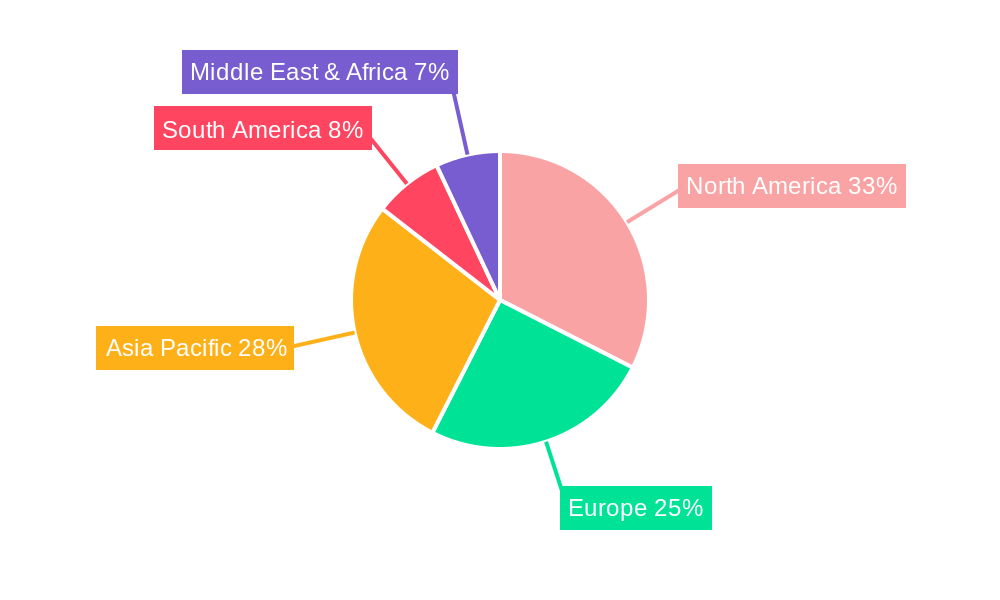
Family Entertainment Centers Regional Market Share
Geographic Coverage of Family Entertainment Centers
Family Entertainment Centers REPORT HIGHLIGHTS
| Aspects | Details |
|---|---|
| Study Period | 2020-2034 |
| Base Year | 2025 |
| Estimated Year | 2026 |
| Forecast Period | 2026-2034 |
| Historical Period | 2020-2025 |
| Growth Rate | CAGR of 9.3% from 2020-2034 |
| Segmentation |
|
Table of Contents
- 1. Introduction
- 1.1. Research Scope
- 1.2. Market Segmentation
- 1.3. Research Methodology
- 1.4. Definitions and Assumptions
- 2. Executive Summary
- 2.1. Introduction
- 3. Market Dynamics
- 3.1. Introduction
- 3.2. Market Drivers
- 3.3. Market Restrains
- 3.4. Market Trends
- 4. Market Factor Analysis
- 4.1. Porters Five Forces
- 4.2. Supply/Value Chain
- 4.3. PESTEL analysis
- 4.4. Market Entropy
- 4.5. Patent/Trademark Analysis
- 5. Global Family Entertainment Centers Analysis, Insights and Forecast, 2020-2032
- 5.1. Market Analysis, Insights and Forecast - by Application
- 5.1.1. Families with Children (0 Year-old-8 Year-old)
- 5.1.2. Families with Children (9-12 Year-old)
- 5.1.3. Teenagers (13-19 Year-old)
- 5.1.4. Young Adults (20-25 Year-old)
- 5.1.5. Adults (Ages Above 25 Year-old)
- 5.2. Market Analysis, Insights and Forecast - by Type
- 5.2.1. Below 5,000 Sq Feet
- 5.2.2. 5,001-10,000 Sq Feet
- 5.2.3. 10,001-20,000 Sq Feet
- 5.2.4. 20,001-40,000 Sq Feet
- 5.2.5. Above 40,000 Sq Feet
- 5.3. Market Analysis, Insights and Forecast - by Region
- 5.3.1. North America
- 5.3.2. South America
- 5.3.3. Europe
- 5.3.4. Middle East & Africa
- 5.3.5. Asia Pacific
- 5.1. Market Analysis, Insights and Forecast - by Application
- 6. North America Family Entertainment Centers Analysis, Insights and Forecast, 2020-2032
- 6.1. Market Analysis, Insights and Forecast - by Application
- 6.1.1. Families with Children (0 Year-old-8 Year-old)
- 6.1.2. Families with Children (9-12 Year-old)
- 6.1.3. Teenagers (13-19 Year-old)
- 6.1.4. Young Adults (20-25 Year-old)
- 6.1.5. Adults (Ages Above 25 Year-old)
- 6.2. Market Analysis, Insights and Forecast - by Type
- 6.2.1. Below 5,000 Sq Feet
- 6.2.2. 5,001-10,000 Sq Feet
- 6.2.3. 10,001-20,000 Sq Feet
- 6.2.4. 20,001-40,000 Sq Feet
- 6.2.5. Above 40,000 Sq Feet
- 6.1. Market Analysis, Insights and Forecast - by Application
- 7. South America Family Entertainment Centers Analysis, Insights and Forecast, 2020-2032
- 7.1. Market Analysis, Insights and Forecast - by Application
- 7.1.1. Families with Children (0 Year-old-8 Year-old)
- 7.1.2. Families with Children (9-12 Year-old)
- 7.1.3. Teenagers (13-19 Year-old)
- 7.1.4. Young Adults (20-25 Year-old)
- 7.1.5. Adults (Ages Above 25 Year-old)
- 7.2. Market Analysis, Insights and Forecast - by Type
- 7.2.1. Below 5,000 Sq Feet
- 7.2.2. 5,001-10,000 Sq Feet
- 7.2.3. 10,001-20,000 Sq Feet
- 7.2.4. 20,001-40,000 Sq Feet
- 7.2.5. Above 40,000 Sq Feet
- 7.1. Market Analysis, Insights and Forecast - by Application
- 8. Europe Family Entertainment Centers Analysis, Insights and Forecast, 2020-2032
- 8.1. Market Analysis, Insights and Forecast - by Application
- 8.1.1. Families with Children (0 Year-old-8 Year-old)
- 8.1.2. Families with Children (9-12 Year-old)
- 8.1.3. Teenagers (13-19 Year-old)
- 8.1.4. Young Adults (20-25 Year-old)
- 8.1.5. Adults (Ages Above 25 Year-old)
- 8.2. Market Analysis, Insights and Forecast - by Type
- 8.2.1. Below 5,000 Sq Feet
- 8.2.2. 5,001-10,000 Sq Feet
- 8.2.3. 10,001-20,000 Sq Feet
- 8.2.4. 20,001-40,000 Sq Feet
- 8.2.5. Above 40,000 Sq Feet
- 8.1. Market Analysis, Insights and Forecast - by Application
- 9. Middle East & Africa Family Entertainment Centers Analysis, Insights and Forecast, 2020-2032
- 9.1. Market Analysis, Insights and Forecast - by Application
- 9.1.1. Families with Children (0 Year-old-8 Year-old)
- 9.1.2. Families with Children (9-12 Year-old)
- 9.1.3. Teenagers (13-19 Year-old)
- 9.1.4. Young Adults (20-25 Year-old)
- 9.1.5. Adults (Ages Above 25 Year-old)
- 9.2. Market Analysis, Insights and Forecast - by Type
- 9.2.1. Below 5,000 Sq Feet
- 9.2.2. 5,001-10,000 Sq Feet
- 9.2.3. 10,001-20,000 Sq Feet
- 9.2.4. 20,001-40,000 Sq Feet
- 9.2.5. Above 40,000 Sq Feet
- 9.1. Market Analysis, Insights and Forecast - by Application
- 10. Asia Pacific Family Entertainment Centers Analysis, Insights and Forecast, 2020-2032
- 10.1. Market Analysis, Insights and Forecast - by Application
- 10.1.1. Families with Children (0 Year-old-8 Year-old)
- 10.1.2. Families with Children (9-12 Year-old)
- 10.1.3. Teenagers (13-19 Year-old)
- 10.1.4. Young Adults (20-25 Year-old)
- 10.1.5. Adults (Ages Above 25 Year-old)
- 10.2. Market Analysis, Insights and Forecast - by Type
- 10.2.1. Below 5,000 Sq Feet
- 10.2.2. 5,001-10,000 Sq Feet
- 10.2.3. 10,001-20,000 Sq Feet
- 10.2.4. 20,001-40,000 Sq Feet
- 10.2.5. Above 40,000 Sq Feet
- 10.1. Market Analysis, Insights and Forecast - by Application
- 11. Competitive Analysis
- 11.1. Global Market Share Analysis 2025
- 11.2. Company Profiles
- 11.2.1 Smaaash Entertainment
- 11.2.1.1. Overview
- 11.2.1.2. Products
- 11.2.1.3. SWOT Analysis
- 11.2.1.4. Recent Developments
- 11.2.1.5. Financials (Based on Availability)
- 11.2.2 The Walt Disney Company
- 11.2.2.1. Overview
- 11.2.2.2. Products
- 11.2.2.3. SWOT Analysis
- 11.2.2.4. Recent Developments
- 11.2.2.5. Financials (Based on Availability)
- 11.2.3 Dave & Buster’s Inc.
- 11.2.3.1. Overview
- 11.2.3.2. Products
- 11.2.3.3. SWOT Analysis
- 11.2.3.4. Recent Developments
- 11.2.3.5. Financials (Based on Availability)
- 11.2.4 CEC Entertainment
- 11.2.4.1. Overview
- 11.2.4.2. Products
- 11.2.4.3. SWOT Analysis
- 11.2.4.4. Recent Developments
- 11.2.4.5. Financials (Based on Availability)
- 11.2.5 Seaworld Entertainment
- 11.2.5.1. Overview
- 11.2.5.2. Products
- 11.2.5.3. SWOT Analysis
- 11.2.5.4. Recent Developments
- 11.2.5.5. Financials (Based on Availability)
- 11.2.6 Merlin Entertainment
- 11.2.6.1. Overview
- 11.2.6.2. Products
- 11.2.6.3. SWOT Analysis
- 11.2.6.4. Recent Developments
- 11.2.6.5. Financials (Based on Availability)
- 11.2.7 Time Zone Entertainment.
- 11.2.7.1. Overview
- 11.2.7.2. Products
- 11.2.7.3. SWOT Analysis
- 11.2.7.4. Recent Developments
- 11.2.7.5. Financials (Based on Availability)
- 11.2.8 Cinergy Entertainment
- 11.2.8.1. Overview
- 11.2.8.2. Products
- 11.2.8.3. SWOT Analysis
- 11.2.8.4. Recent Developments
- 11.2.8.5. Financials (Based on Availability)
- 11.2.9 Funcity
- 11.2.9.1. Overview
- 11.2.9.2. Products
- 11.2.9.3. SWOT Analysis
- 11.2.9.4. Recent Developments
- 11.2.9.5. Financials (Based on Availability)
- 11.2.10 LEGOLAND Discovery Center
- 11.2.10.1. Overview
- 11.2.10.2. Products
- 11.2.10.3. SWOT Analysis
- 11.2.10.4. Recent Developments
- 11.2.10.5. Financials (Based on Availability)
- 11.2.11 Main Event Entertainment
- 11.2.11.1. Overview
- 11.2.11.2. Products
- 11.2.11.3. SWOT Analysis
- 11.2.11.4. Recent Developments
- 11.2.11.5. Financials (Based on Availability)
- 11.2.12 Scene 75 Entertainment Centers
- 11.2.12.1. Overview
- 11.2.12.2. Products
- 11.2.12.3. SWOT Analysis
- 11.2.12.4. Recent Developments
- 11.2.12.5. Financials (Based on Availability)
- 11.2.13 KidZania
- 11.2.13.1. Overview
- 11.2.13.2. Products
- 11.2.13.3. SWOT Analysis
- 11.2.13.4. Recent Developments
- 11.2.13.5. Financials (Based on Availability)
- 11.2.14 Lucky Strike Entertainment
- 11.2.14.1. Overview
- 11.2.14.2. Products
- 11.2.14.3. SWOT Analysis
- 11.2.14.4. Recent Developments
- 11.2.14.5. Financials (Based on Availability)
- 11.2.1 Smaaash Entertainment
List of Figures
- Figure 1: Global Family Entertainment Centers Revenue Breakdown (million, %) by Region 2025 & 2033
- Figure 2: North America Family Entertainment Centers Revenue (million), by Application 2025 & 2033
- Figure 3: North America Family Entertainment Centers Revenue Share (%), by Application 2025 & 2033
- Figure 4: North America Family Entertainment Centers Revenue (million), by Type 2025 & 2033
- Figure 5: North America Family Entertainment Centers Revenue Share (%), by Type 2025 & 2033
- Figure 6: North America Family Entertainment Centers Revenue (million), by Country 2025 & 2033
- Figure 7: North America Family Entertainment Centers Revenue Share (%), by Country 2025 & 2033
- Figure 8: South America Family Entertainment Centers Revenue (million), by Application 2025 & 2033
- Figure 9: South America Family Entertainment Centers Revenue Share (%), by Application 2025 & 2033
- Figure 10: South America Family Entertainment Centers Revenue (million), by Type 2025 & 2033
- Figure 11: South America Family Entertainment Centers Revenue Share (%), by Type 2025 & 2033
- Figure 12: South America Family Entertainment Centers Revenue (million), by Country 2025 & 2033
- Figure 13: South America Family Entertainment Centers Revenue Share (%), by Country 2025 & 2033
- Figure 14: Europe Family Entertainment Centers Revenue (million), by Application 2025 & 2033
- Figure 15: Europe Family Entertainment Centers Revenue Share (%), by Application 2025 & 2033
- Figure 16: Europe Family Entertainment Centers Revenue (million), by Type 2025 & 2033
- Figure 17: Europe Family Entertainment Centers Revenue Share (%), by Type 2025 & 2033
- Figure 18: Europe Family Entertainment Centers Revenue (million), by Country 2025 & 2033
- Figure 19: Europe Family Entertainment Centers Revenue Share (%), by Country 2025 & 2033
- Figure 20: Middle East & Africa Family Entertainment Centers Revenue (million), by Application 2025 & 2033
- Figure 21: Middle East & Africa Family Entertainment Centers Revenue Share (%), by Application 2025 & 2033
- Figure 22: Middle East & Africa Family Entertainment Centers Revenue (million), by Type 2025 & 2033
- Figure 23: Middle East & Africa Family Entertainment Centers Revenue Share (%), by Type 2025 & 2033
- Figure 24: Middle East & Africa Family Entertainment Centers Revenue (million), by Country 2025 & 2033
- Figure 25: Middle East & Africa Family Entertainment Centers Revenue Share (%), by Country 2025 & 2033
- Figure 26: Asia Pacific Family Entertainment Centers Revenue (million), by Application 2025 & 2033
- Figure 27: Asia Pacific Family Entertainment Centers Revenue Share (%), by Application 2025 & 2033
- Figure 28: Asia Pacific Family Entertainment Centers Revenue (million), by Type 2025 & 2033
- Figure 29: Asia Pacific Family Entertainment Centers Revenue Share (%), by Type 2025 & 2033
- Figure 30: Asia Pacific Family Entertainment Centers Revenue (million), by Country 2025 & 2033
- Figure 31: Asia Pacific Family Entertainment Centers Revenue Share (%), by Country 2025 & 2033
List of Tables
- Table 1: Global Family Entertainment Centers Revenue million Forecast, by Application 2020 & 2033
- Table 2: Global Family Entertainment Centers Revenue million Forecast, by Type 2020 & 2033
- Table 3: Global Family Entertainment Centers Revenue million Forecast, by Region 2020 & 2033
- Table 4: Global Family Entertainment Centers Revenue million Forecast, by Application 2020 & 2033
- Table 5: Global Family Entertainment Centers Revenue million Forecast, by Type 2020 & 2033
- Table 6: Global Family Entertainment Centers Revenue million Forecast, by Country 2020 & 2033
- Table 7: United States Family Entertainment Centers Revenue (million) Forecast, by Application 2020 & 2033
- Table 8: Canada Family Entertainment Centers Revenue (million) Forecast, by Application 2020 & 2033
- Table 9: Mexico Family Entertainment Centers Revenue (million) Forecast, by Application 2020 & 2033
- Table 10: Global Family Entertainment Centers Revenue million Forecast, by Application 2020 & 2033
- Table 11: Global Family Entertainment Centers Revenue million Forecast, by Type 2020 & 2033
- Table 12: Global Family Entertainment Centers Revenue million Forecast, by Country 2020 & 2033
- Table 13: Brazil Family Entertainment Centers Revenue (million) Forecast, by Application 2020 & 2033
- Table 14: Argentina Family Entertainment Centers Revenue (million) Forecast, by Application 2020 & 2033
- Table 15: Rest of South America Family Entertainment Centers Revenue (million) Forecast, by Application 2020 & 2033
- Table 16: Global Family Entertainment Centers Revenue million Forecast, by Application 2020 & 2033
- Table 17: Global Family Entertainment Centers Revenue million Forecast, by Type 2020 & 2033
- Table 18: Global Family Entertainment Centers Revenue million Forecast, by Country 2020 & 2033
- Table 19: United Kingdom Family Entertainment Centers Revenue (million) Forecast, by Application 2020 & 2033
- Table 20: Germany Family Entertainment Centers Revenue (million) Forecast, by Application 2020 & 2033
- Table 21: France Family Entertainment Centers Revenue (million) Forecast, by Application 2020 & 2033
- Table 22: Italy Family Entertainment Centers Revenue (million) Forecast, by Application 2020 & 2033
- Table 23: Spain Family Entertainment Centers Revenue (million) Forecast, by Application 2020 & 2033
- Table 24: Russia Family Entertainment Centers Revenue (million) Forecast, by Application 2020 & 2033
- Table 25: Benelux Family Entertainment Centers Revenue (million) Forecast, by Application 2020 & 2033
- Table 26: Nordics Family Entertainment Centers Revenue (million) Forecast, by Application 2020 & 2033
- Table 27: Rest of Europe Family Entertainment Centers Revenue (million) Forecast, by Application 2020 & 2033
- Table 28: Global Family Entertainment Centers Revenue million Forecast, by Application 2020 & 2033
- Table 29: Global Family Entertainment Centers Revenue million Forecast, by Type 2020 & 2033
- Table 30: Global Family Entertainment Centers Revenue million Forecast, by Country 2020 & 2033
- Table 31: Turkey Family Entertainment Centers Revenue (million) Forecast, by Application 2020 & 2033
- Table 32: Israel Family Entertainment Centers Revenue (million) Forecast, by Application 2020 & 2033
- Table 33: GCC Family Entertainment Centers Revenue (million) Forecast, by Application 2020 & 2033
- Table 34: North Africa Family Entertainment Centers Revenue (million) Forecast, by Application 2020 & 2033
- Table 35: South Africa Family Entertainment Centers Revenue (million) Forecast, by Application 2020 & 2033
- Table 36: Rest of Middle East & Africa Family Entertainment Centers Revenue (million) Forecast, by Application 2020 & 2033
- Table 37: Global Family Entertainment Centers Revenue million Forecast, by Application 2020 & 2033
- Table 38: Global Family Entertainment Centers Revenue million Forecast, by Type 2020 & 2033
- Table 39: Global Family Entertainment Centers Revenue million Forecast, by Country 2020 & 2033
- Table 40: China Family Entertainment Centers Revenue (million) Forecast, by Application 2020 & 2033
- Table 41: India Family Entertainment Centers Revenue (million) Forecast, by Application 2020 & 2033
- Table 42: Japan Family Entertainment Centers Revenue (million) Forecast, by Application 2020 & 2033
- Table 43: South Korea Family Entertainment Centers Revenue (million) Forecast, by Application 2020 & 2033
- Table 44: ASEAN Family Entertainment Centers Revenue (million) Forecast, by Application 2020 & 2033
- Table 45: Oceania Family Entertainment Centers Revenue (million) Forecast, by Application 2020 & 2033
- Table 46: Rest of Asia Pacific Family Entertainment Centers Revenue (million) Forecast, by Application 2020 & 2033
Frequently Asked Questions
1. What is the projected Compound Annual Growth Rate (CAGR) of the Family Entertainment Centers?
The projected CAGR is approximately 9.3%.
2. Which companies are prominent players in the Family Entertainment Centers?
Key companies in the market include Smaaash Entertainment, The Walt Disney Company, Dave & Buster’s Inc., CEC Entertainment, Seaworld Entertainment, Merlin Entertainment, Time Zone Entertainment., Cinergy Entertainment, Funcity, LEGOLAND Discovery Center, Main Event Entertainment, Scene 75 Entertainment Centers, KidZania, Lucky Strike Entertainment.
3. What are the main segments of the Family Entertainment Centers?
The market segments include Application, Type.
4. Can you provide details about the market size?
The market size is estimated to be USD 1127 million as of 2022.
5. What are some drivers contributing to market growth?
N/A
6. What are the notable trends driving market growth?
N/A
7. Are there any restraints impacting market growth?
N/A
8. Can you provide examples of recent developments in the market?
N/A
9. What pricing options are available for accessing the report?
Pricing options include single-user, multi-user, and enterprise licenses priced at USD 2900.00, USD 4350.00, and USD 5800.00 respectively.
10. Is the market size provided in terms of value or volume?
The market size is provided in terms of value, measured in million.
11. Are there any specific market keywords associated with the report?
Yes, the market keyword associated with the report is "Family Entertainment Centers," which aids in identifying and referencing the specific market segment covered.
12. How do I determine which pricing option suits my needs best?
The pricing options vary based on user requirements and access needs. Individual users may opt for single-user licenses, while businesses requiring broader access may choose multi-user or enterprise licenses for cost-effective access to the report.
13. Are there any additional resources or data provided in the Family Entertainment Centers report?
While the report offers comprehensive insights, it's advisable to review the specific contents or supplementary materials provided to ascertain if additional resources or data are available.
14. How can I stay updated on further developments or reports in the Family Entertainment Centers?
To stay informed about further developments, trends, and reports in the Family Entertainment Centers, consider subscribing to industry newsletters, following relevant companies and organizations, or regularly checking reputable industry news sources and publications.
Methodology
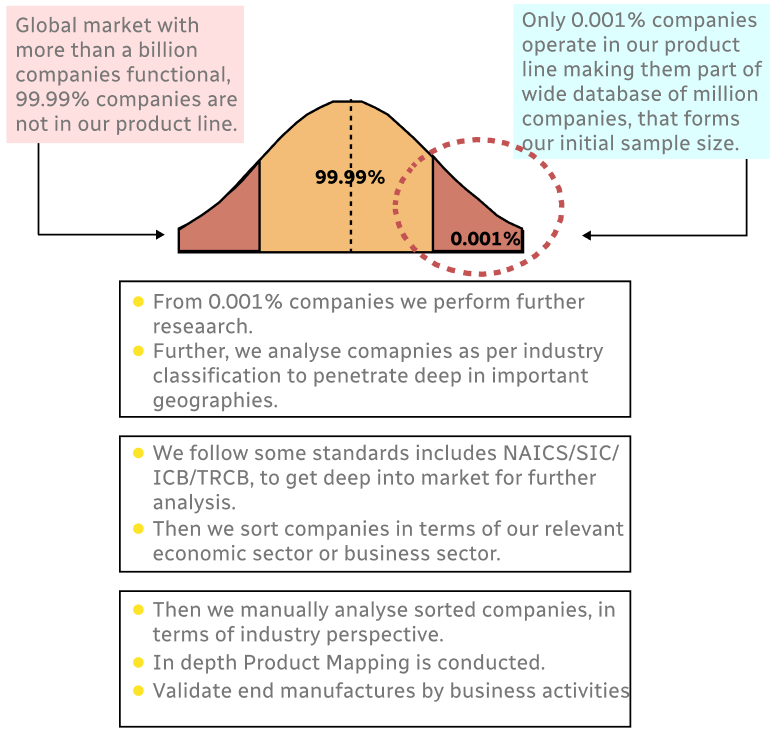
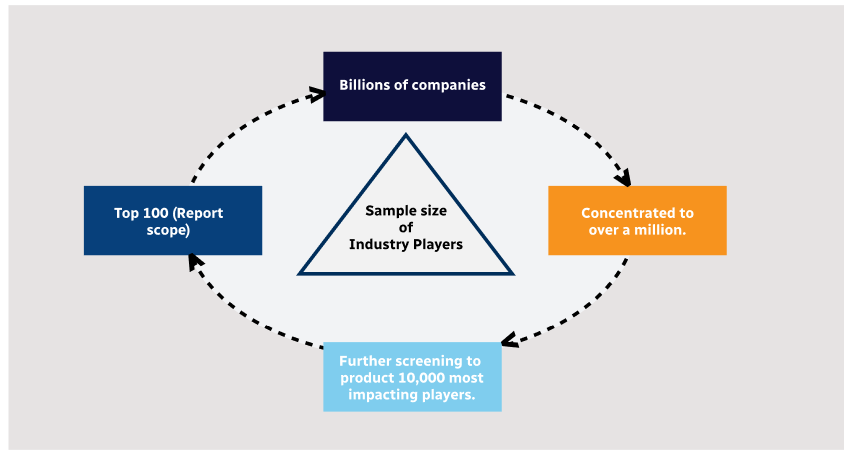
Step 1 - Identification of Relevant Samples Size from Population Database
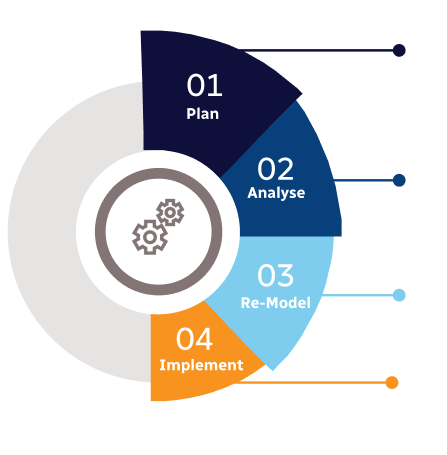
Step 2 - Approaches for Defining Global Market Size (Value, Volume* & Price*)
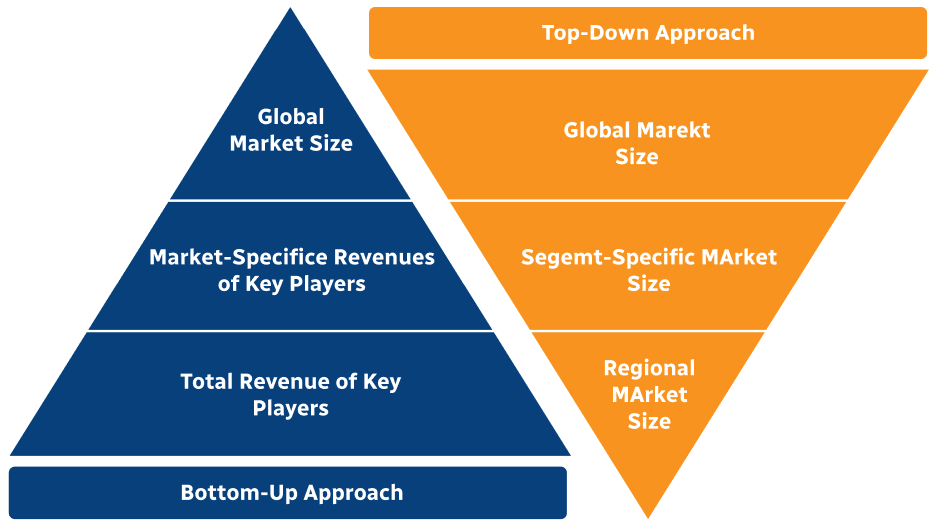
Note*: In applicable scenarios
Step 3 - Data Sources
Primary Research
- Web Analytics
- Survey Reports
- Research Institute
- Latest Research Reports
- Opinion Leaders
Secondary Research
- Annual Reports
- White Paper
- Latest Press Release
- Industry Association
- Paid Database
- Investor Presentations
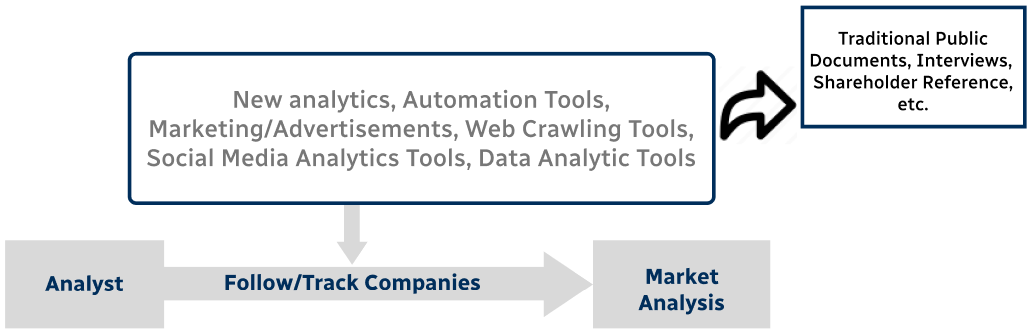
Step 4 - Data Triangulation
Involves using different sources of information in order to increase the validity of a study
These sources are likely to be stakeholders in a program - participants, other researchers, program staff, other community members, and so on.
Then we put all data in single framework & apply various statistical tools to find out the dynamic on the market.
During the analysis stage, feedback from the stakeholder groups would be compared to determine areas of agreement as well as areas of divergence