



Key Insights
The Europe Insecticide Market is poised for significant growth, projected to reach a substantial market size of approximately $9,200 million by 2025, with a robust Compound Annual Growth Rate (CAGR) of 6.30% anticipated to continue through 2033. This expansion is fueled by several key drivers, including the escalating demand for increased agricultural productivity to meet a growing global population, the continuous need to combat evolving pest resistance to existing treatments, and the adoption of advanced agricultural practices that necessitate effective pest management. Furthermore, increasing awareness among farmers regarding the economic impact of pest infestations on crop yields and quality is a critical motivator for insecticide adoption. Government initiatives promoting sustainable agriculture and integrated pest management (IPM) strategies are also contributing to market dynamics, encouraging the use of more targeted and environmentally conscious insecticide solutions.
The insecticide market in Europe is characterized by a dynamic interplay of trends and restraints. Key trends include a strong shift towards the development and adoption of bio-insecticides and reduced-risk chemical insecticides, driven by stringent environmental regulations and consumer demand for safer food products. Precision agriculture technologies, such as drone-based application and smart spraying systems, are also gaining traction, allowing for more targeted and efficient use of insecticides, thus minimizing environmental impact and optimizing resource allocation. However, restraints such as the increasing regulatory scrutiny on certain chemical insecticides, potential for pest resistance development, and the fluctuating cost of raw materials for insecticide production pose challenges. The market is segmented across various application modes, with Chemigation, Foliar, and Soil Treatment expected to witness significant adoption. Commercial Crops, Fruits & Vegetables, and Grains & Cereals represent the dominant crop types driving demand. Leading companies such as Bayer AG, Syngenta Group, BASF SE, and Corteva Agriscience are actively investing in research and development to launch innovative products and expand their market presence across key European nations like Germany, France, and the United Kingdom.
This in-depth Europe insecticide market report delivers a meticulous analysis of the current landscape and future trajectory of insecticide usage across the continent. Covering the study period of 2019–2033, with a base and estimated year of 2025, and a forecast period from 2025–2033, this report provides critical insights for stakeholders seeking to understand agricultural chemicals, crop protection solutions, and pest management strategies in Europe. We dissect market dynamics, identify growth drivers, and assess challenges, offering a strategic outlook for this vital sector.
Europe Insecticide Market Market Structure & Competitive Dynamics
The Europe insecticide market is characterized by a moderately concentrated structure, dominated by a few multinational corporations holding significant market share. Innovation plays a pivotal role, with companies heavily investing in Research & Development for more effective and environmentally sustainable insecticide formulations. The regulatory landscape, governed by stringent EU policies like the Registration, Evaluation, Authorisation and Restriction of Chemicals (REACH) and specific pesticide regulations, significantly influences product development and market entry. Product substitutes, including biological control agents and integrated pest management (IPM) strategies, are gaining traction, pushing traditional insecticide manufacturers to innovate. End-user trends indicate a growing demand for residue-free and targeted solutions, particularly in Fruits & Vegetables and Commercial Crops. Mergers and acquisitions (M&A) activity remains a key strategy for market consolidation and expansion, with notable deals impacting market share and competitive positioning. For instance, recent M&A activities within the broader agrochemical sector hint at potential shifts in market leadership and product portfolios.
Europe Insecticide Market Industry Trends & Insights
The Europe insecticide market is poised for steady growth, driven by an increasing global population necessitating enhanced agricultural productivity and the persistent threat of insect pests to crop yields. The forecast CAGR for the Europe insecticide market is robust, indicating significant expansion opportunities. Technological disruptions, such as the development of precision agriculture techniques and advanced application technologies like chemigation and fumigation, are transforming how insecticides are used, leading to more efficient and targeted pest control. Consumer preferences are evolving towards safer food production, creating a demand for eco-friendly crop protection solutions and insecticides with lower environmental impact and reduced toxicity. This shift is compelling manufacturers to invest in novel active ingredients and bio-based alternatives. Competitive dynamics are intense, with established players like Bayer AG and Syngenta Group continuously launching innovative products and expanding their market reach. The integration of digital tools for pest monitoring and disease forecasting further enhances the efficacy and strategic deployment of insecticides. The increasing awareness of food security and the need to protect valuable agricultural output from devastating pest infestations underpin the sustained market penetration of effective insecticide solutions. The market penetration of advanced seed treatment insecticides is also on an upward trajectory, offering proactive protection for young crops.
Dominant Markets & Segments in Europe Insecticide Market
The Europe insecticide market is segmented by Application Mode and Crop Type, with significant variations in regional dominance. In terms of Application Mode, Foliar application currently holds the largest market share due to its direct efficacy in controlling a broad spectrum of pests on growing crops. However, Seed Treatment is experiencing rapid growth, driven by its ability to provide early-stage protection and reduce the need for subsequent foliar applications, especially for Grains & Cereals and Pulses & Oilseeds. Soil Treatment also remains critical for managing soil-borne pests.
Geographically, Western Europe continues to be a dominant region, primarily due to its advanced agricultural infrastructure, higher disposable income for farmers, and strong demand for high-quality produce from Fruits & Vegetables and Commercial Crops. Countries like Germany, France, and Spain are key contributors to this dominance, fueled by supportive economic policies and substantial investment in agricultural technology.
Within Crop Type, Commercial Crops and Fruits & Vegetables represent significant market segments. The high value of these crops and their susceptibility to a wide range of insect pests make them primary targets for comprehensive pest management strategies. The demand for premium quality produce, free from cosmetic damage caused by insects, further propels the use of effective insecticides. Grains & Cereals and Pulses & Oilseeds form another substantial segment, crucial for food security and livestock feed. The increasing adoption of modern farming practices and the need to maximize yields from these staple crops drive the demand for efficient insecticide solutions. The Turf & Ornamental segment, while smaller, is also witnessing growth, particularly in professional landscaping and golf course management, where aesthetic appeal and pest-free environments are paramount. The development of specialized insecticides for these niche applications is a key driver.
Europe Insecticide Market Product Innovations
Product innovations in the Europe insecticide market are increasingly focused on developing targeted, lower-toxicity, and environmentally sustainable solutions. Companies are investing in new active ingredients with novel modes of action to combat insecticide resistance, as well as exploring the potential of bio-rational and biological insecticides. These innovations aim to provide effective pest control while minimizing off-target effects and residues, aligning with evolving regulatory demands and consumer expectations for safer food production. The integration of these advanced products with digital farming platforms enhances their precision and efficacy.
Report Segmentation & Scope
This report segments the Europe insecticide market by Application Mode and Crop Type. The Application Mode segmentation includes Chemigation, Foliar, Fumigation, Seed Treatment, and Soil Treatment. The Crop Type segmentation covers Commercial Crops, Fruits & Vegetables, Grains & Cereals, Pulses & Oilseeds, and Turf & Ornamental. Each segment is analyzed for its market size, growth projections, and competitive dynamics. For instance, the Seed Treatment segment is projected to witness a significant CAGR, driven by its prophylactic benefits and cost-effectiveness, particularly for large-scale grain and pulse cultivation. The Fruits & Vegetables segment, owing to its high value and pest sensitivity, will continue to represent a substantial market share with strong demand for innovative crop protection solutions.
Key Drivers of Europe Insecticide Market Growth
Key drivers propelling the Europe insecticide market include the persistent threat of pest infestations to agricultural productivity, particularly with climate change influencing pest patterns. The growing demand for food security, coupled with the need to enhance crop yields for a burgeoning population, necessitates efficient pest management strategies. Technological advancements in insecticide formulations and application methods, such as precision agriculture and advanced seed treatment technologies, are enhancing efficacy and reducing environmental impact. Furthermore, evolving consumer preferences for higher quality, residue-free produce are pushing for the development of safer and more targeted crop protection solutions. Stringent regulations, while presenting challenges, also incentivize innovation in more sustainable agricultural chemicals.
Challenges in the Europe Insecticide Market Sector
The Europe insecticide market faces several challenges, including increasingly stringent regulatory frameworks, which can lead to lengthy approval processes and restrict the availability of certain active ingredients. The growing issue of insecticide resistance necessitates continuous innovation and development of new products. Supply chain disruptions and rising raw material costs can impact manufacturing and pricing. Public perception and growing demand for organic and pesticide-free produce also present a competitive challenge, driving the adoption of alternative pest control methods. Moreover, the need for significant R&D investment to develop novel and compliant insecticide formulations adds to the financial burden on manufacturers.
Leading Players in the Europe Insecticide Market Market
- Sumitomo Chemical Co Ltd
- ADAMA Agricultural Solutions Ltd
- Bayer AG
- Wynca Group
- Syngenta Group
- UPL Limited
- BASF SE
- FMC Corporation
- Corteva Agriscience
- Nufarm Ltd
Key Developments in Europe Insecticide Market Sector
- January 2023: Bayer formed a new partnership with Oerth Bio to enhance crop protection technology and create more eco-friendly crop protection solutions.
- August 2022: Syngenta introduced Acelepryn, a novel insecticide for the control of white worms in lawns. The product can be used in sports courts, golf courses, racecourses, bowling fields, and aerodromes and for professional application in commercial and residential lawns.
- June 2022: Corteva Agriscience launched a new insecticide called Geronimo. The product is effective against important pests, especially certain lepidoptera, rigidoptera, bedbugs, and ticks.
Strategic Europe Insecticide Market Market Outlook
- January 2023: Bayer formed a new partnership with Oerth Bio to enhance crop protection technology and create more eco-friendly crop protection solutions.
- August 2022: Syngenta introduced Acelepryn, a novel insecticide for the control of white worms in lawns. The product can be used in sports courts, golf courses, racecourses, bowling fields, and aerodromes and for professional application in commercial and residential lawns.
- June 2022: Corteva Agriscience launched a new insecticide called Geronimo. The product is effective against important pests, especially certain lepidoptera, rigidoptera, bedbugs, and ticks.
Strategic Europe Insecticide Market Market Outlook
The strategic outlook for the Europe insecticide market is characterized by a significant opportunity for growth driven by innovation and a shift towards sustainable practices. The increasing adoption of precision agriculture and digital farming tools will optimize the application of insecticides, enhancing their effectiveness and reducing environmental footprint. Manufacturers focusing on developing novel, lower-toxicity active ingredients and bio-based alternatives are well-positioned to capture market share. The continuous need to protect crops from escalating pest threats, particularly in the Fruits & Vegetables and Commercial Crops segments, will sustain demand for effective crop protection solutions. Strategic collaborations and R&D investments will be crucial for navigating the complex regulatory landscape and staying ahead of the competition in this dynamic agricultural chemicals sector.
Europe Insecticide Market Segmentation
-
1. Application Mode
- 1.1. Chemigation
- 1.2. Foliar
- 1.3. Fumigation
- 1.4. Seed Treatment
- 1.5. Soil Treatment
-
2. Crop Type
- 2.1. Commercial Crops
- 2.2. Fruits & Vegetables
- 2.3. Grains & Cereals
- 2.4. Pulses & Oilseeds
- 2.5. Turf & Ornamental
-
3. Application Mode
- 3.1. Chemigation
- 3.2. Foliar
- 3.3. Fumigation
- 3.4. Seed Treatment
- 3.5. Soil Treatment
-
4. Crop Type
- 4.1. Commercial Crops
- 4.2. Fruits & Vegetables
- 4.3. Grains & Cereals
- 4.4. Pulses & Oilseeds
- 4.5. Turf & Ornamental
Europe Insecticide Market Segmentation By Geography
-
1. Europe
- 1.1. United Kingdom
- 1.2. Germany
- 1.3. France
- 1.4. Italy
- 1.5. Spain
- 1.6. Netherlands
- 1.7. Belgium
- 1.8. Sweden
- 1.9. Norway
- 1.10. Poland
- 1.11. Denmark
Europe Insecticide Market REPORT HIGHLIGHTS
| Aspects | Details |
|---|---|
| Study Period | 2019-2033 |
| Base Year | 2024 |
| Estimated Year | 2025 |
| Forecast Period | 2025-2033 |
| Historical Period | 2019-2024 |
| Growth Rate | CAGR of 6.30% from 2019-2033 |
| Segmentation |
|
Table of Contents
- 1. Introduction
- 1.1. Research Scope
- 1.2. Market Segmentation
- 1.3. Research Methodology
- 1.4. Definitions and Assumptions
- 2. Executive Summary
- 2.1. Introduction
- 3. Market Dynamics
- 3.1. Introduction
- 3.2. Market Drivers
- 3.2.1. Increasing Demand for Tomato; Adoption of Greenhouse Technology in Tomato Cultivation; Government support
- 3.3. Market Restrains
- 3.3.1 Increasing Loses due to Physiological Disorder
- 3.3.2 Pest and Disease; Unfavourable Climatic Condition
- 3.4. Market Trends
- 3.4.1. Germany's dominance in the market is fueled by the increasing demand for insecticides driven by the necessity for effective insect control.
- 4. Market Factor Analysis
- 4.1. Porters Five Forces
- 4.2. Supply/Value Chain
- 4.3. PESTEL analysis
- 4.4. Market Entropy
- 4.5. Patent/Trademark Analysis
- 5. Europe Insecticide Market Analysis, Insights and Forecast, 2019-2031
- 5.1. Market Analysis, Insights and Forecast - by Application Mode
- 5.1.1. Chemigation
- 5.1.2. Foliar
- 5.1.3. Fumigation
- 5.1.4. Seed Treatment
- 5.1.5. Soil Treatment
- 5.2. Market Analysis, Insights and Forecast - by Crop Type
- 5.2.1. Commercial Crops
- 5.2.2. Fruits & Vegetables
- 5.2.3. Grains & Cereals
- 5.2.4. Pulses & Oilseeds
- 5.2.5. Turf & Ornamental
- 5.3. Market Analysis, Insights and Forecast - by Application Mode
- 5.3.1. Chemigation
- 5.3.2. Foliar
- 5.3.3. Fumigation
- 5.3.4. Seed Treatment
- 5.3.5. Soil Treatment
- 5.4. Market Analysis, Insights and Forecast - by Crop Type
- 5.4.1. Commercial Crops
- 5.4.2. Fruits & Vegetables
- 5.4.3. Grains & Cereals
- 5.4.4. Pulses & Oilseeds
- 5.4.5. Turf & Ornamental
- 5.5. Market Analysis, Insights and Forecast - by Region
- 5.5.1. Europe
- 5.1. Market Analysis, Insights and Forecast - by Application Mode
- 6. Germany Europe Insecticide Market Analysis, Insights and Forecast, 2019-2031
- 7. France Europe Insecticide Market Analysis, Insights and Forecast, 2019-2031
- 8. Italy Europe Insecticide Market Analysis, Insights and Forecast, 2019-2031
- 9. United Kingdom Europe Insecticide Market Analysis, Insights and Forecast, 2019-2031
- 10. Netherlands Europe Insecticide Market Analysis, Insights and Forecast, 2019-2031
- 11. Sweden Europe Insecticide Market Analysis, Insights and Forecast, 2019-2031
- 12. Rest of Europe Europe Insecticide Market Analysis, Insights and Forecast, 2019-2031
- 13. Competitive Analysis
- 13.1. Market Share Analysis 2024
- 13.2. Company Profiles
- 13.2.1 Sumitomo Chemical Co Ltd
- 13.2.1.1. Overview
- 13.2.1.2. Products
- 13.2.1.3. SWOT Analysis
- 13.2.1.4. Recent Developments
- 13.2.1.5. Financials (Based on Availability)
- 13.2.2 ADAMA Agricultural Solutions Ltd
- 13.2.2.1. Overview
- 13.2.2.2. Products
- 13.2.2.3. SWOT Analysis
- 13.2.2.4. Recent Developments
- 13.2.2.5. Financials (Based on Availability)
- 13.2.3 Bayer AG
- 13.2.3.1. Overview
- 13.2.3.2. Products
- 13.2.3.3. SWOT Analysis
- 13.2.3.4. Recent Developments
- 13.2.3.5. Financials (Based on Availability)
- 13.2.4 Wynca Group (Wynca Chemicals
- 13.2.4.1. Overview
- 13.2.4.2. Products
- 13.2.4.3. SWOT Analysis
- 13.2.4.4. Recent Developments
- 13.2.4.5. Financials (Based on Availability)
- 13.2.5 Syngenta Group
- 13.2.5.1. Overview
- 13.2.5.2. Products
- 13.2.5.3. SWOT Analysis
- 13.2.5.4. Recent Developments
- 13.2.5.5. Financials (Based on Availability)
- 13.2.6 UPL Limited
- 13.2.6.1. Overview
- 13.2.6.2. Products
- 13.2.6.3. SWOT Analysis
- 13.2.6.4. Recent Developments
- 13.2.6.5. Financials (Based on Availability)
- 13.2.7 BASF SE
- 13.2.7.1. Overview
- 13.2.7.2. Products
- 13.2.7.3. SWOT Analysis
- 13.2.7.4. Recent Developments
- 13.2.7.5. Financials (Based on Availability)
- 13.2.8 FMC Corporation
- 13.2.8.1. Overview
- 13.2.8.2. Products
- 13.2.8.3. SWOT Analysis
- 13.2.8.4. Recent Developments
- 13.2.8.5. Financials (Based on Availability)
- 13.2.9 Corteva Agriscience
- 13.2.9.1. Overview
- 13.2.9.2. Products
- 13.2.9.3. SWOT Analysis
- 13.2.9.4. Recent Developments
- 13.2.9.5. Financials (Based on Availability)
- 13.2.10 Nufarm Ltd
- 13.2.10.1. Overview
- 13.2.10.2. Products
- 13.2.10.3. SWOT Analysis
- 13.2.10.4. Recent Developments
- 13.2.10.5. Financials (Based on Availability)
- 13.2.1 Sumitomo Chemical Co Ltd
List of Figures
- Figure 1: Europe Insecticide Market Revenue Breakdown (Million, %) by Product 2024 & 2032
- Figure 2: Europe Insecticide Market Share (%) by Company 2024
List of Tables
- Table 1: Europe Insecticide Market Revenue Million Forecast, by Region 2019 & 2032
- Table 2: Europe Insecticide Market Volume Kiloton Forecast, by Region 2019 & 2032
- Table 3: Europe Insecticide Market Revenue Million Forecast, by Application Mode 2019 & 2032
- Table 4: Europe Insecticide Market Volume Kiloton Forecast, by Application Mode 2019 & 2032
- Table 5: Europe Insecticide Market Revenue Million Forecast, by Crop Type 2019 & 2032
- Table 6: Europe Insecticide Market Volume Kiloton Forecast, by Crop Type 2019 & 2032
- Table 7: Europe Insecticide Market Revenue Million Forecast, by Application Mode 2019 & 2032
- Table 8: Europe Insecticide Market Volume Kiloton Forecast, by Application Mode 2019 & 2032
- Table 9: Europe Insecticide Market Revenue Million Forecast, by Crop Type 2019 & 2032
- Table 10: Europe Insecticide Market Volume Kiloton Forecast, by Crop Type 2019 & 2032
- Table 11: Europe Insecticide Market Revenue Million Forecast, by Region 2019 & 2032
- Table 12: Europe Insecticide Market Volume Kiloton Forecast, by Region 2019 & 2032
- Table 13: Europe Insecticide Market Revenue Million Forecast, by Country 2019 & 2032
- Table 14: Europe Insecticide Market Volume Kiloton Forecast, by Country 2019 & 2032
- Table 15: Germany Europe Insecticide Market Revenue (Million) Forecast, by Application 2019 & 2032
- Table 16: Germany Europe Insecticide Market Volume (Kiloton) Forecast, by Application 2019 & 2032
- Table 17: France Europe Insecticide Market Revenue (Million) Forecast, by Application 2019 & 2032
- Table 18: France Europe Insecticide Market Volume (Kiloton) Forecast, by Application 2019 & 2032
- Table 19: Italy Europe Insecticide Market Revenue (Million) Forecast, by Application 2019 & 2032
- Table 20: Italy Europe Insecticide Market Volume (Kiloton) Forecast, by Application 2019 & 2032
- Table 21: United Kingdom Europe Insecticide Market Revenue (Million) Forecast, by Application 2019 & 2032
- Table 22: United Kingdom Europe Insecticide Market Volume (Kiloton) Forecast, by Application 2019 & 2032
- Table 23: Netherlands Europe Insecticide Market Revenue (Million) Forecast, by Application 2019 & 2032
- Table 24: Netherlands Europe Insecticide Market Volume (Kiloton) Forecast, by Application 2019 & 2032
- Table 25: Sweden Europe Insecticide Market Revenue (Million) Forecast, by Application 2019 & 2032
- Table 26: Sweden Europe Insecticide Market Volume (Kiloton) Forecast, by Application 2019 & 2032
- Table 27: Rest of Europe Europe Insecticide Market Revenue (Million) Forecast, by Application 2019 & 2032
- Table 28: Rest of Europe Europe Insecticide Market Volume (Kiloton) Forecast, by Application 2019 & 2032
- Table 29: Europe Insecticide Market Revenue Million Forecast, by Application Mode 2019 & 2032
- Table 30: Europe Insecticide Market Volume Kiloton Forecast, by Application Mode 2019 & 2032
- Table 31: Europe Insecticide Market Revenue Million Forecast, by Crop Type 2019 & 2032
- Table 32: Europe Insecticide Market Volume Kiloton Forecast, by Crop Type 2019 & 2032
- Table 33: Europe Insecticide Market Revenue Million Forecast, by Application Mode 2019 & 2032
- Table 34: Europe Insecticide Market Volume Kiloton Forecast, by Application Mode 2019 & 2032
- Table 35: Europe Insecticide Market Revenue Million Forecast, by Crop Type 2019 & 2032
- Table 36: Europe Insecticide Market Volume Kiloton Forecast, by Crop Type 2019 & 2032
- Table 37: Europe Insecticide Market Revenue Million Forecast, by Country 2019 & 2032
- Table 38: Europe Insecticide Market Volume Kiloton Forecast, by Country 2019 & 2032
- Table 39: United Kingdom Europe Insecticide Market Revenue (Million) Forecast, by Application 2019 & 2032
- Table 40: United Kingdom Europe Insecticide Market Volume (Kiloton) Forecast, by Application 2019 & 2032
- Table 41: Germany Europe Insecticide Market Revenue (Million) Forecast, by Application 2019 & 2032
- Table 42: Germany Europe Insecticide Market Volume (Kiloton) Forecast, by Application 2019 & 2032
- Table 43: France Europe Insecticide Market Revenue (Million) Forecast, by Application 2019 & 2032
- Table 44: France Europe Insecticide Market Volume (Kiloton) Forecast, by Application 2019 & 2032
- Table 45: Italy Europe Insecticide Market Revenue (Million) Forecast, by Application 2019 & 2032
- Table 46: Italy Europe Insecticide Market Volume (Kiloton) Forecast, by Application 2019 & 2032
- Table 47: Spain Europe Insecticide Market Revenue (Million) Forecast, by Application 2019 & 2032
- Table 48: Spain Europe Insecticide Market Volume (Kiloton) Forecast, by Application 2019 & 2032
- Table 49: Netherlands Europe Insecticide Market Revenue (Million) Forecast, by Application 2019 & 2032
- Table 50: Netherlands Europe Insecticide Market Volume (Kiloton) Forecast, by Application 2019 & 2032
- Table 51: Belgium Europe Insecticide Market Revenue (Million) Forecast, by Application 2019 & 2032
- Table 52: Belgium Europe Insecticide Market Volume (Kiloton) Forecast, by Application 2019 & 2032
- Table 53: Sweden Europe Insecticide Market Revenue (Million) Forecast, by Application 2019 & 2032
- Table 54: Sweden Europe Insecticide Market Volume (Kiloton) Forecast, by Application 2019 & 2032
- Table 55: Norway Europe Insecticide Market Revenue (Million) Forecast, by Application 2019 & 2032
- Table 56: Norway Europe Insecticide Market Volume (Kiloton) Forecast, by Application 2019 & 2032
- Table 57: Poland Europe Insecticide Market Revenue (Million) Forecast, by Application 2019 & 2032
- Table 58: Poland Europe Insecticide Market Volume (Kiloton) Forecast, by Application 2019 & 2032
- Table 59: Denmark Europe Insecticide Market Revenue (Million) Forecast, by Application 2019 & 2032
- Table 60: Denmark Europe Insecticide Market Volume (Kiloton) Forecast, by Application 2019 & 2032
Frequently Asked Questions
1. What is the projected Compound Annual Growth Rate (CAGR) of the Europe Insecticide Market?
The projected CAGR is approximately 6.30%.
2. Which companies are prominent players in the Europe Insecticide Market?
Key companies in the market include Sumitomo Chemical Co Ltd, ADAMA Agricultural Solutions Ltd, Bayer AG, Wynca Group (Wynca Chemicals, Syngenta Group, UPL Limited, BASF SE, FMC Corporation, Corteva Agriscience, Nufarm Ltd.
3. What are the main segments of the Europe Insecticide Market?
The market segments include Application Mode, Crop Type, Application Mode, Crop Type.
4. Can you provide details about the market size?
The market size is estimated to be USD XX Million as of 2022.
5. What are some drivers contributing to market growth?
Increasing Demand for Tomato; Adoption of Greenhouse Technology in Tomato Cultivation; Government support.
6. What are the notable trends driving market growth?
Germany's dominance in the market is fueled by the increasing demand for insecticides driven by the necessity for effective insect control..
7. Are there any restraints impacting market growth?
Increasing Loses due to Physiological Disorder. Pest and Disease; Unfavourable Climatic Condition.
8. Can you provide examples of recent developments in the market?
January 2023: Bayer formed a new partnership with Oerth Bio to enhance crop protection technology and create more eco-friendly crop protection solutions.August 2022: Syngenta introduced Acelepryn, a novel insecticide for the control of white worms in lawns. The product can be used in sports courts, golf courses, racecourses, bowling fields, and aerodromes and for professional application in commercial and residential lawns.June 2022: Corteva Agriscience launched a new insecticide called Geronimo. The product is effective against important pests, especially certain lepidoptera, rigidoptera, bedbugs, and ticks.
9. What pricing options are available for accessing the report?
Pricing options include single-user, multi-user, and enterprise licenses priced at USD 3800, USD 4500, and USD 5800 respectively.
10. Is the market size provided in terms of value or volume?
The market size is provided in terms of value, measured in Million and volume, measured in Kiloton.
11. Are there any specific market keywords associated with the report?
Yes, the market keyword associated with the report is "Europe Insecticide Market," which aids in identifying and referencing the specific market segment covered.
12. How do I determine which pricing option suits my needs best?
The pricing options vary based on user requirements and access needs. Individual users may opt for single-user licenses, while businesses requiring broader access may choose multi-user or enterprise licenses for cost-effective access to the report.
13. Are there any additional resources or data provided in the Europe Insecticide Market report?
While the report offers comprehensive insights, it's advisable to review the specific contents or supplementary materials provided to ascertain if additional resources or data are available.
14. How can I stay updated on further developments or reports in the Europe Insecticide Market?
To stay informed about further developments, trends, and reports in the Europe Insecticide Market, consider subscribing to industry newsletters, following relevant companies and organizations, or regularly checking reputable industry news sources and publications.
Methodology
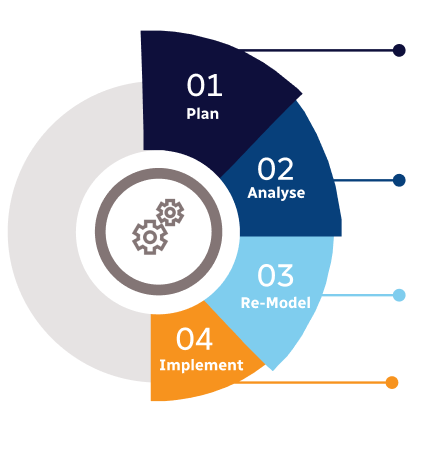
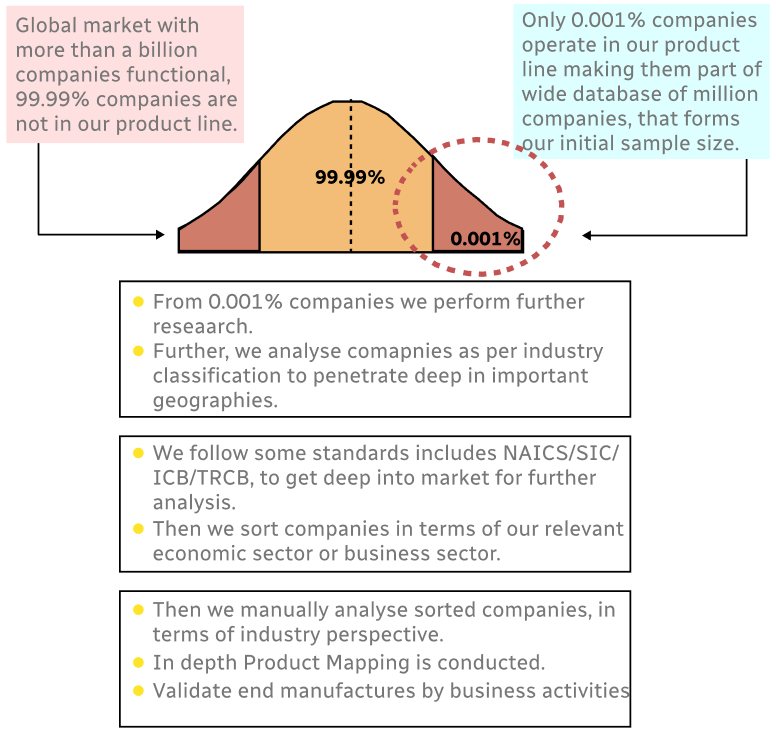
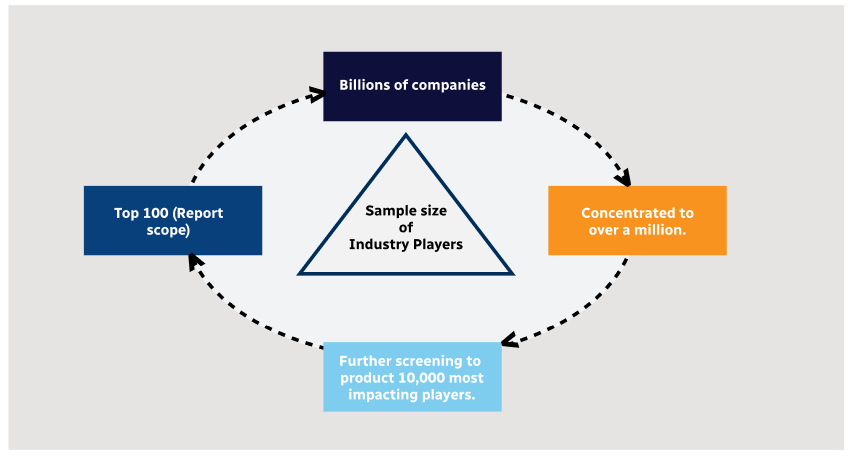
Step 1 - Identification of Relevant Samples Size from Population Database
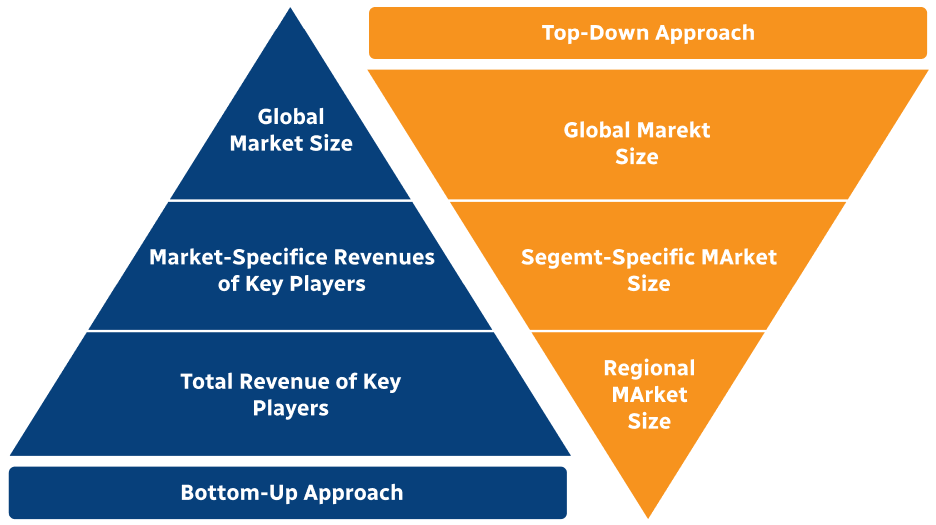
Step 2 - Approaches for Defining Global Market Size (Value, Volume* & Price*)
Note*: In applicable scenarios
Step 3 - Data Sources
Primary Research
- Web Analytics
- Survey Reports
- Research Institute
- Latest Research Reports
- Opinion Leaders
Secondary Research
- Annual Reports
- White Paper
- Latest Press Release
- Industry Association
- Paid Database
- Investor Presentations
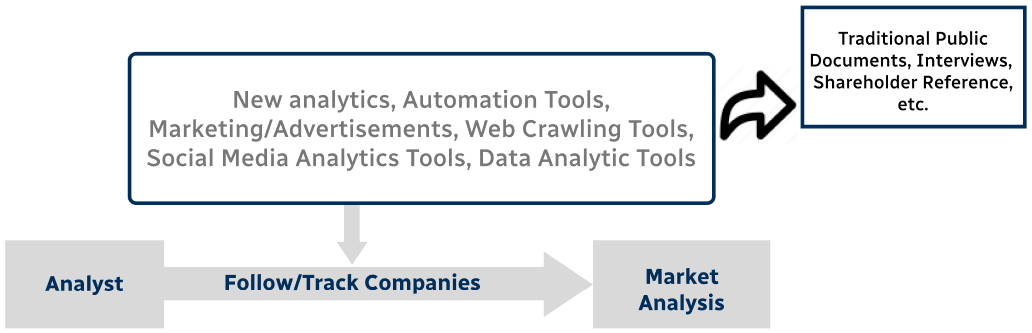
Step 4 - Data Triangulation
Involves using different sources of information in order to increase the validity of a study
These sources are likely to be stakeholders in a program - participants, other researchers, program staff, other community members, and so on.
Then we put all data in single framework & apply various statistical tools to find out the dynamic on the market.
During the analysis stage, feedback from the stakeholder groups would be compared to determine areas of agreement as well as areas of divergence


