



Key Insights
The Europe Pea Industry is poised for significant expansion, projected to reach a market size of $14.50 million by 2025, with a robust Compound Annual Growth Rate (CAGR) of 6.88% from 2019 to 2033. This growth is fueled by a confluence of factors, including increasing consumer demand for plant-based protein sources, a rising awareness of the health benefits associated with pea consumption, and the versatility of peas as an ingredient across various food and beverage applications. The industry is also benefiting from advancements in agricultural practices, leading to improved yields and quality. Furthermore, a growing emphasis on sustainable and ethically sourced food products positions peas favorably, as they are generally considered a more environmentally friendly protein alternative compared to animal-based options. Innovations in processing technologies are also expanding the range of pea-derived products, from pea protein isolates and concentrates to flours and starches, catering to diverse industrial needs.

Europe Pea Industry Market Size (In Million)

The market landscape is characterized by dynamic trends and specific regional focal points. Key drivers for this upward trajectory include the burgeoning demand for vegan and vegetarian food products, the expanding use of pea protein in sports nutrition and infant formula, and the growing application of pea starch in the pharmaceutical and industrial sectors. However, the industry also faces certain restraints, such as fluctuating raw material prices, the impact of adverse weather conditions on crop yields, and intense competition from other protein sources. Geographically, Russia, Ukraine, France, Spain, and the Netherlands are identified as key markets within Europe, each exhibiting unique production, consumption, import, and export dynamics. Russia, in particular, is a significant player, with detailed analysis of its production, consumption, and trade patterns being crucial for understanding the broader European market.

Europe Pea Industry Company Market Share

This in-depth report provides a detailed analysis of the Europe Pea Industry, offering critical insights into market dynamics, growth drivers, challenges, and future opportunities. Covering the period from 2019 to 2033, with a base and estimated year of 2025, this study is essential for stakeholders seeking to understand and capitalize on the burgeoning pea market in Europe. We meticulously analyze production, consumption, trade, and price trends across key European regions, including Russia, Ukraine, France, Spain, and the Netherlands, alongside the Rest of Europe. This report delivers actionable intelligence for investors, manufacturers, suppliers, and other industry participants.
Europe Pea Industry Market Structure & Competitive Dynamics
The Europe Pea Industry is characterized by a moderately concentrated market structure, with key players like Sensus, Tereos, Lantmännen, AGRANA, and Roquette holding significant market share. Innovation ecosystems are rapidly evolving, driven by advancements in pea processing technologies and an increasing demand for plant-based proteins. Regulatory frameworks, particularly concerning food safety and labeling, play a crucial role in shaping market entry and product development. Product substitutes, such as soy, fava bean, and other pulses, present a degree of competitive pressure, though peas offer unique nutritional and functional benefits. End-user trends indicate a strong shift towards health-conscious diets, sustainable agriculture, and ethical sourcing, all of which favor pea-based products. Mergers and acquisitions (M&A) activities, though not extensively detailed in this summary, are expected to increase as companies seek to consolidate their market position and expand their product portfolios. For instance, the investment by Lantmännen in a new pea protein facility signifies a strategic move to bolster production capacity and capture a larger market share. The overall M&A deal value is projected to grow as consolidation becomes a key strategy for competitive advantage.
Europe Pea Industry Industry Trends & Insights
The Europe Pea Industry is poised for substantial growth, propelled by several overarching trends. A primary growth driver is the escalating consumer demand for plant-based protein sources, fueled by increasing awareness of health benefits, ethical considerations, and environmental sustainability. This trend is reflected in the growing adoption of pea protein in food and beverage applications, from nutritional supplements to meat alternatives and dairy-free products. Technological disruptions are also playing a pivotal role. Innovations in pea processing, such as advanced extraction techniques for higher-purity pea protein and novel applications for pea starch, are enhancing product quality and expanding market possibilities. Furthermore, the development of specialized pea varieties with improved yield and nutritional profiles contributes to market expansion. Consumer preferences are shifting towards cleaner labels, natural ingredients, and traceable supply chains, creating opportunities for pea ingredient manufacturers who can meet these demands. The competitive dynamics are intensifying, with both established players and new entrants vying for market share. Investments in research and development, strategic partnerships, and capacity expansions are key strategies being employed to gain a competitive edge. The compound annual growth rate (CAGR) for the Europe Pea Industry is projected to be robust, estimated at xx%, driven by these multifaceted trends. Market penetration of pea-based products is expected to rise significantly across various food categories, further solidifying the industry's growth trajectory. The growing emphasis on sustainable agriculture practices also positions peas favorably, as they are known for their nitrogen-fixing capabilities, reducing the need for synthetic fertilizers. This aligns with broader European agricultural policies focused on environmental stewardship. The increasing demand for functional ingredients that offer specific health benefits, such as muscle building and satiety, further boosts the appeal of pea protein.
Dominant Markets & Segments in Europe Pea Industry
Within the Europe Pea Industry, Russia: Production Analysis emerges as a particularly dominant market, showcasing significant potential across its various sub-segments. The country's extensive agricultural land and established farming infrastructure provide a strong foundation for pea production.
- Russia: Production Analysis
- Consumption Analysis and Market Value: Russia exhibits a growing domestic consumption of peas, driven by demand for protein-rich foods and animal feed. The market value for pea consumption in Russia is substantial and projected to increase steadily.
- Import Market Analysis (Volume and Value): While Russia is a significant producer, it also engages in imports of specific pea varieties or processed pea products to meet niche demands. The import volume and value are influenced by domestic supply and global price fluctuations.
- Export Market Analysis (Volume and Value): Russia is a key exporter of peas, particularly to markets in Asia and the Middle East. The export volume and value are subject to international trade agreements, phytosanitary protocols, and global demand for pulses. The recent phytosanitary protocol with China is a significant development that will likely boost Russia's export potential to this crucial market, directly impacting competition with traditional suppliers like Canada.
- Price Trend Analysis: Pea prices in Russia are influenced by domestic harvest yields, global commodity prices, and export demand. The analysis of price trends reveals seasonal variations and the impact of market-specific events.
Other significant markets contributing to the Europe Pea Industry include:
- Ukraine: A major agricultural producer, Ukraine plays a vital role in European pea supply. Its production is driven by favorable climate conditions and extensive arable land. Economic policies and trade relationships significantly influence its market performance.
- France: Known for its advanced agricultural practices, France contributes to the pea market through both domestic production and consumption, particularly in value-added products and food ingredients. Innovation in pea processing and sustainable farming methods are key drivers in this region.
- Spain: Spain's pea market is influenced by its diverse culinary applications and the growing demand for plant-based diets. Investments in agricultural technology and supply chain efficiency are crucial for its growth.
- Netherlands: A hub for agricultural trade and innovation, the Netherlands plays a significant role in processing and distributing pea products across Europe. Its strategic location and advanced logistics infrastructure support its market influence.
- Rest of Europe: This encompasses a diverse range of countries with varying levels of pea production and consumption. Factors such as local agricultural policies, consumer trends, and import/export dynamics collectively shape the market within this segment.
The dominance of Russia in production and export, coupled with the collective contributions of other key regions, underscores the complex and interconnected nature of the Europe Pea Industry.
Europe Pea Industry Product Innovations
Recent product innovations in the Europe Pea Industry are primarily focused on enhancing the functionality and appeal of pea-derived ingredients. The launch of organic pea starch and organic pea protein by Roquette in October 2022 exemplifies a key trend towards catering to the growing demand for organic and plant-based alternatives. These innovations offer distinct advantages, such as improved texture, emulsification, and nutritional profiles, making them suitable for a wider range of food and beverage applications. Furthermore, advancements in processing technologies are enabling the extraction of higher purity pea protein isolates and concentrates, which possess superior functional properties and a milder flavor profile, thus increasing their market acceptance and competitiveness against other protein sources. These developments are crucial for expanding the market reach of pea ingredients into premium food products and specialized dietary supplements.
Report Segmentation & Scope
This report segments the Europe Pea Industry based on key geographical regions and their respective production, consumption, import, and export dynamics. The segmentation includes: Russia: Production Analysis (Consumption Analysis and Market Value, Import Market Analysis (Volume and Value), Export Market Analysis (Volume and Value), Price Trend Analysis), Ukraine, France, Spain, Netherlands, and the Rest of Europe. Each segment is analyzed for its specific market size, growth projections, and competitive landscape. For instance, the Russia segment is further detailed to provide a granular understanding of its production capabilities and trade activities. The scope covers the entire value chain, from raw pea cultivation and processing to the final application of pea-derived ingredients in various industries. The segmentation allows for a targeted analysis of regional opportunities and challenges within the broader European market.
Key Drivers of Europe Pea Industry Growth
The Europe Pea Industry's growth is propelled by several interconnected factors. Technological advancements in pea processing, leading to improved protein extraction and ingredient functionality, are paramount. The increasing consumer demand for plant-based proteins, driven by health consciousness, dietary trends (e.g., veganism, flexitarianism), and environmental concerns, is a significant economic driver. Government initiatives and subsidies supporting sustainable agriculture and alternative protein sources also contribute to market expansion. Furthermore, the nutritional profile of peas, rich in protein, fiber, and essential amino acids, makes them an attractive ingredient for the food and health industries. The development of specialized pea varieties tailored for specific applications also fuels innovation and market penetration.
Challenges in the Europe Pea Industry Sector
Despite its growth potential, the Europe Pea Industry faces several challenges. Regulatory hurdles and varying food safety standards across different European countries can complicate market access and product approvals. Supply chain volatility, including unpredictable weather patterns impacting crop yields and geopolitical factors affecting trade routes, poses a significant restraint. Competition from established protein sources like dairy and soy, as well as emerging alternative proteins, necessitates continuous innovation and effective market positioning. Price fluctuations of raw peas, influenced by global supply and demand, can impact profitability for processors and manufacturers. Overcoming these challenges requires strategic planning, resilient supply chain management, and ongoing investment in research and development.
Leading Players in the Europe Pea Industry Market
- Sensus
- Tereos
- Lantmännen
- AGRANA
- Roquette
Key Developments in Europe Pea Industry Sector
- October 2022: Roquette, a global leader in plant-based ingredients and a pioneer of plant proteins, launched a new line of organic pea ingredients: organic pea starch and organic pea protein to the Europe market.
- September 2022: Lantmännen, an agricultural cooperative in Northern Europe, invested over SEK 1 billion (USD 95.7 million) in a new large-scale production facility for pea protein in Lidköping, Sweden, which is expected to be completed in early 2026.
- May 2022: China and Russia signed a phytosanitary protocol for peas opening the door for competition in Canada's top market. In the upcoming years, Russia will start exporting peas to China, increasing competition for Canadian exports.
Strategic Europe Pea Industry Market Outlook
The strategic outlook for the Europe Pea Industry is highly promising, driven by sustained consumer demand for sustainable and nutritious food options. Growth accelerators include the ongoing innovation in pea-derived ingredients, expanding their applications across diverse food and beverage categories, and the increasing adoption of plant-based diets across all age demographics. Strategic opportunities lie in further developing value-added pea products, such as textured pea protein and specialized pea flours, to meet evolving market needs. Investments in advanced processing technologies and strengthening supply chain resilience will be crucial for capitalizing on future market potential. Collaborations between ingredient suppliers, food manufacturers, and research institutions will foster accelerated innovation and market penetration. The commitment to sustainability in agriculture will continue to favor peas, positioning them as a key component of future European food systems.
Europe Pea Industry Segmentation
-
1. Russia
-
1.1. Production Analysis
- 1.1.1. Consumption Analysis and Market Value
- 1.1.2. Import Market Analysis (Volume and Value)
- 1.1.3. Export Market Analysis (Volume and Value)
- 1.1.4. Price Trend Analysis
- 1.2. Ukraine
- 1.3. France
- 1.4. Spain
- 1.5. Netherlands
- 1.6. Rest of Europe
-
1.1. Production Analysis
-
2. Russia
-
2.1. Production Analysis
- 2.1.1. Consumption Analysis and Market Value
- 2.1.2. Import Market Analysis (Volume and Value)
- 2.1.3. Export Market Analysis (Volume and Value)
- 2.1.4. Price Trend Analysis
- 2.2. Ukraine
- 2.3. France
- 2.4. Spain
- 2.5. Netherlands
- 2.6. Rest of Europe
-
2.1. Production Analysis
Europe Pea Industry Segmentation By Geography
-
1. Europe
- 1.1. United Kingdom
- 1.2. Germany
- 1.3. France
- 1.4. Italy
- 1.5. Spain
- 1.6. Netherlands
- 1.7. Belgium
- 1.8. Sweden
- 1.9. Norway
- 1.10. Poland
- 1.11. Denmark

Europe Pea Industry Regional Market Share

Geographic Coverage of Europe Pea Industry
Europe Pea Industry REPORT HIGHLIGHTS
| Aspects | Details |
|---|---|
| Study Period | 2020-2034 |
| Base Year | 2025 |
| Estimated Year | 2026 |
| Forecast Period | 2026-2034 |
| Historical Period | 2020-2025 |
| Growth Rate | CAGR of 6.88% from 2020-2034 |
| Segmentation |
|
Table of Contents
- 1. Introduction
- 1.1. Research Scope
- 1.2. Market Segmentation
- 1.3. Research Methodology
- 1.4. Definitions and Assumptions
- 2. Executive Summary
- 2.1. Introduction
- 3. Market Dynamics
- 3.1. Introduction
- 3.2. Market Drivers
- 3.2.1. Rising Consumption of Cashew Nuts in the Country; Favorable Government Initiatives
- 3.3. Market Restrains
- 3.3.1. Hazardous Climatic Condition Hinders Cashew Production; Stringent Regulations Related to Food Quality Standards
- 3.4. Market Trends
- 3.4.1. Growing Export Opportunity
- 4. Market Factor Analysis
- 4.1. Porters Five Forces
- 4.2. Supply/Value Chain
- 4.3. PESTEL analysis
- 4.4. Market Entropy
- 4.5. Patent/Trademark Analysis
- 5. Europe Pea Industry Analysis, Insights and Forecast, 2020-2032
- 5.1. Market Analysis, Insights and Forecast - by Russia
- 5.1.1. Production Analysis
- 5.1.1.1. Consumption Analysis and Market Value
- 5.1.1.2. Import Market Analysis (Volume and Value)
- 5.1.1.3. Export Market Analysis (Volume and Value)
- 5.1.1.4. Price Trend Analysis
- 5.1.2. Ukraine
- 5.1.3. France
- 5.1.4. Spain
- 5.1.5. Netherlands
- 5.1.6. Rest of Europe
- 5.1.1. Production Analysis
- 5.2. Market Analysis, Insights and Forecast - by Russia
- 5.2.1. Production Analysis
- 5.2.1.1. Consumption Analysis and Market Value
- 5.2.1.2. Import Market Analysis (Volume and Value)
- 5.2.1.3. Export Market Analysis (Volume and Value)
- 5.2.1.4. Price Trend Analysis
- 5.2.2. Ukraine
- 5.2.3. France
- 5.2.4. Spain
- 5.2.5. Netherlands
- 5.2.6. Rest of Europe
- 5.2.1. Production Analysis
- 5.3. Market Analysis, Insights and Forecast - by Region
- 5.3.1. Europe
- 5.1. Market Analysis, Insights and Forecast - by Russia
- 6. Competitive Analysis
- 6.1. Market Share Analysis 2025
- 6.2. Company Profiles
- 6.2.1 Sensus
- 6.2.1.1. Overview
- 6.2.1.2. Products
- 6.2.1.3. SWOT Analysis
- 6.2.1.4. Recent Developments
- 6.2.1.5. Financials (Based on Availability)
- 6.2.2 Tereos
- 6.2.2.1. Overview
- 6.2.2.2. Products
- 6.2.2.3. SWOT Analysis
- 6.2.2.4. Recent Developments
- 6.2.2.5. Financials (Based on Availability)
- 6.2.3 Lantmännen
- 6.2.3.1. Overview
- 6.2.3.2. Products
- 6.2.3.3. SWOT Analysis
- 6.2.3.4. Recent Developments
- 6.2.3.5. Financials (Based on Availability)
- 6.2.4 AGRANA
- 6.2.4.1. Overview
- 6.2.4.2. Products
- 6.2.4.3. SWOT Analysis
- 6.2.4.4. Recent Developments
- 6.2.4.5. Financials (Based on Availability)
- 6.2.5 Roquette
- 6.2.5.1. Overview
- 6.2.5.2. Products
- 6.2.5.3. SWOT Analysis
- 6.2.5.4. Recent Developments
- 6.2.5.5. Financials (Based on Availability)
- 6.2.1 Sensus
List of Figures
- Figure 1: Europe Pea Industry Revenue Breakdown (Million, %) by Product 2025 & 2033
- Figure 2: Europe Pea Industry Share (%) by Company 2025
List of Tables
- Table 1: Europe Pea Industry Revenue Million Forecast, by Russia 2020 & 2033
- Table 2: Europe Pea Industry Volume million units Forecast, by Russia 2020 & 2033
- Table 3: Europe Pea Industry Revenue Million Forecast, by Russia 2020 & 2033
- Table 4: Europe Pea Industry Volume million units Forecast, by Russia 2020 & 2033
- Table 5: Europe Pea Industry Revenue Million Forecast, by Region 2020 & 2033
- Table 6: Europe Pea Industry Volume million units Forecast, by Region 2020 & 2033
- Table 7: Europe Pea Industry Revenue Million Forecast, by Russia 2020 & 2033
- Table 8: Europe Pea Industry Volume million units Forecast, by Russia 2020 & 2033
- Table 9: Europe Pea Industry Revenue Million Forecast, by Russia 2020 & 2033
- Table 10: Europe Pea Industry Volume million units Forecast, by Russia 2020 & 2033
- Table 11: Europe Pea Industry Revenue Million Forecast, by Country 2020 & 2033
- Table 12: Europe Pea Industry Volume million units Forecast, by Country 2020 & 2033
- Table 13: United Kingdom Europe Pea Industry Revenue (Million) Forecast, by Application 2020 & 2033
- Table 14: United Kingdom Europe Pea Industry Volume (million units) Forecast, by Application 2020 & 2033
- Table 15: Germany Europe Pea Industry Revenue (Million) Forecast, by Application 2020 & 2033
- Table 16: Germany Europe Pea Industry Volume (million units) Forecast, by Application 2020 & 2033
- Table 17: France Europe Pea Industry Revenue (Million) Forecast, by Application 2020 & 2033
- Table 18: France Europe Pea Industry Volume (million units) Forecast, by Application 2020 & 2033
- Table 19: Italy Europe Pea Industry Revenue (Million) Forecast, by Application 2020 & 2033
- Table 20: Italy Europe Pea Industry Volume (million units) Forecast, by Application 2020 & 2033
- Table 21: Spain Europe Pea Industry Revenue (Million) Forecast, by Application 2020 & 2033
- Table 22: Spain Europe Pea Industry Volume (million units) Forecast, by Application 2020 & 2033
- Table 23: Netherlands Europe Pea Industry Revenue (Million) Forecast, by Application 2020 & 2033
- Table 24: Netherlands Europe Pea Industry Volume (million units) Forecast, by Application 2020 & 2033
- Table 25: Belgium Europe Pea Industry Revenue (Million) Forecast, by Application 2020 & 2033
- Table 26: Belgium Europe Pea Industry Volume (million units) Forecast, by Application 2020 & 2033
- Table 27: Sweden Europe Pea Industry Revenue (Million) Forecast, by Application 2020 & 2033
- Table 28: Sweden Europe Pea Industry Volume (million units) Forecast, by Application 2020 & 2033
- Table 29: Norway Europe Pea Industry Revenue (Million) Forecast, by Application 2020 & 2033
- Table 30: Norway Europe Pea Industry Volume (million units) Forecast, by Application 2020 & 2033
- Table 31: Poland Europe Pea Industry Revenue (Million) Forecast, by Application 2020 & 2033
- Table 32: Poland Europe Pea Industry Volume (million units) Forecast, by Application 2020 & 2033
- Table 33: Denmark Europe Pea Industry Revenue (Million) Forecast, by Application 2020 & 2033
- Table 34: Denmark Europe Pea Industry Volume (million units) Forecast, by Application 2020 & 2033
Frequently Asked Questions
1. What is the projected Compound Annual Growth Rate (CAGR) of the Europe Pea Industry?
The projected CAGR is approximately 6.88%.
2. Which companies are prominent players in the Europe Pea Industry?
Key companies in the market include Sensus, Tereos , Lantmännen , AGRANA, Roquette .
3. What are the main segments of the Europe Pea Industry?
The market segments include Russia, Russia.
4. Can you provide details about the market size?
The market size is estimated to be USD 14.50 Million as of 2022.
5. What are some drivers contributing to market growth?
Rising Consumption of Cashew Nuts in the Country; Favorable Government Initiatives.
6. What are the notable trends driving market growth?
Growing Export Opportunity.
7. Are there any restraints impacting market growth?
Hazardous Climatic Condition Hinders Cashew Production; Stringent Regulations Related to Food Quality Standards.
8. Can you provide examples of recent developments in the market?
October 2022: Roquette, a global leader in plant-based ingredients and a pioneer of plant proteins, launched a new line of organic pea ingredients: organic pea starch and organic pea protein to the Europe market.
9. What pricing options are available for accessing the report?
Pricing options include single-user, multi-user, and enterprise licenses priced at USD 4750, USD 4950, and USD 6800 respectively.
10. Is the market size provided in terms of value or volume?
The market size is provided in terms of value, measured in Million and volume, measured in million units.
11. Are there any specific market keywords associated with the report?
Yes, the market keyword associated with the report is "Europe Pea Industry," which aids in identifying and referencing the specific market segment covered.
12. How do I determine which pricing option suits my needs best?
The pricing options vary based on user requirements and access needs. Individual users may opt for single-user licenses, while businesses requiring broader access may choose multi-user or enterprise licenses for cost-effective access to the report.
13. Are there any additional resources or data provided in the Europe Pea Industry report?
While the report offers comprehensive insights, it's advisable to review the specific contents or supplementary materials provided to ascertain if additional resources or data are available.
14. How can I stay updated on further developments or reports in the Europe Pea Industry?
To stay informed about further developments, trends, and reports in the Europe Pea Industry, consider subscribing to industry newsletters, following relevant companies and organizations, or regularly checking reputable industry news sources and publications.
Methodology
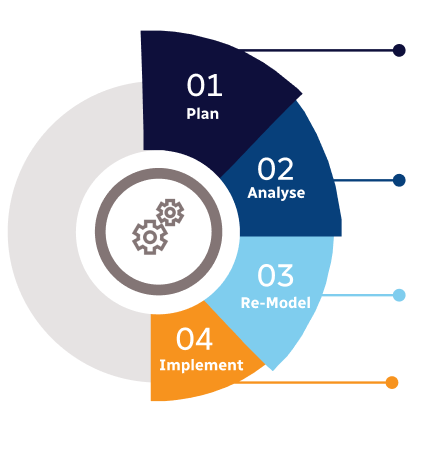
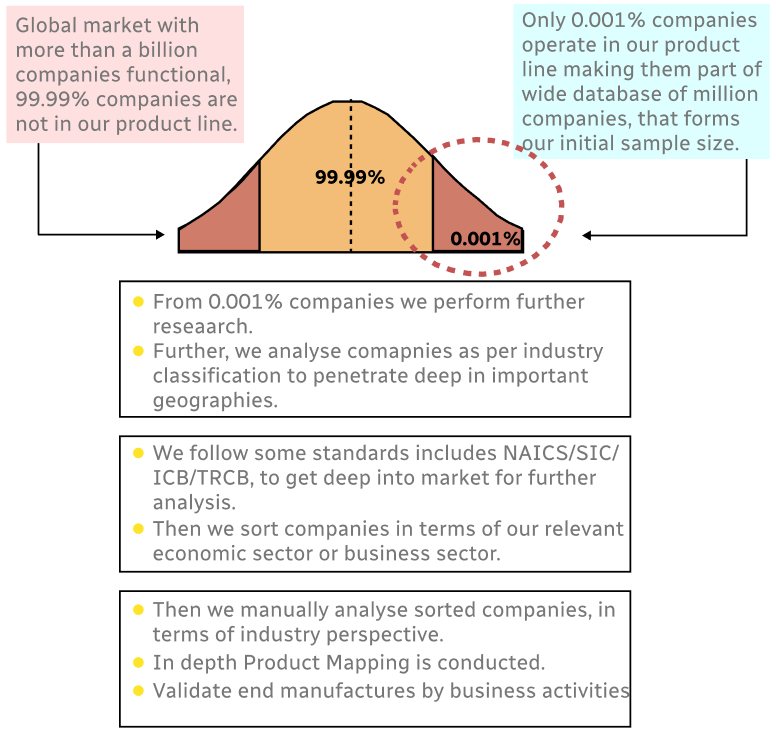
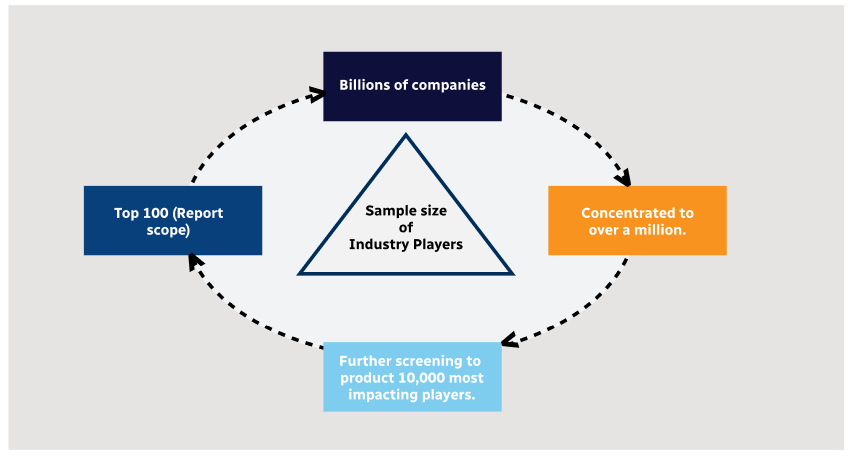
Step 1 - Identification of Relevant Samples Size from Population Database
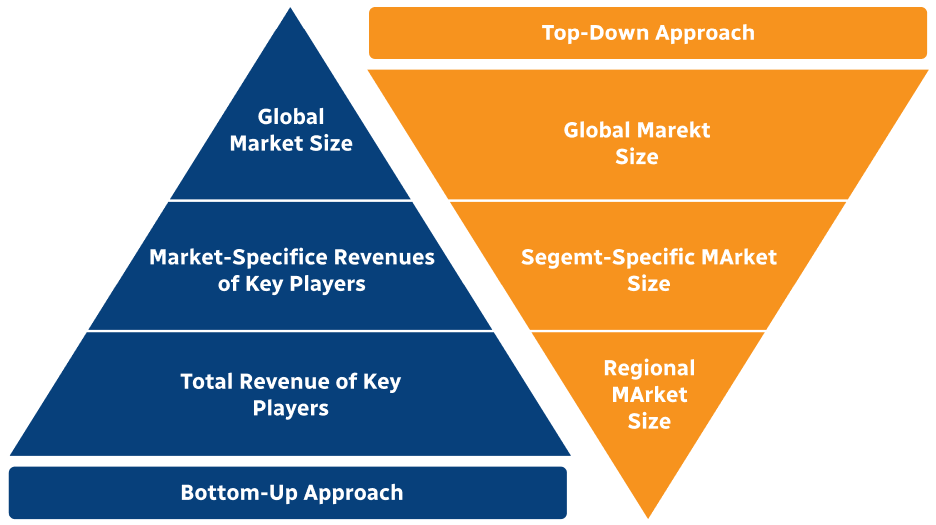
Step 2 - Approaches for Defining Global Market Size (Value, Volume* & Price*)
Note*: In applicable scenarios
Step 3 - Data Sources
Primary Research
- Web Analytics
- Survey Reports
- Research Institute
- Latest Research Reports
- Opinion Leaders
Secondary Research
- Annual Reports
- White Paper
- Latest Press Release
- Industry Association
- Paid Database
- Investor Presentations
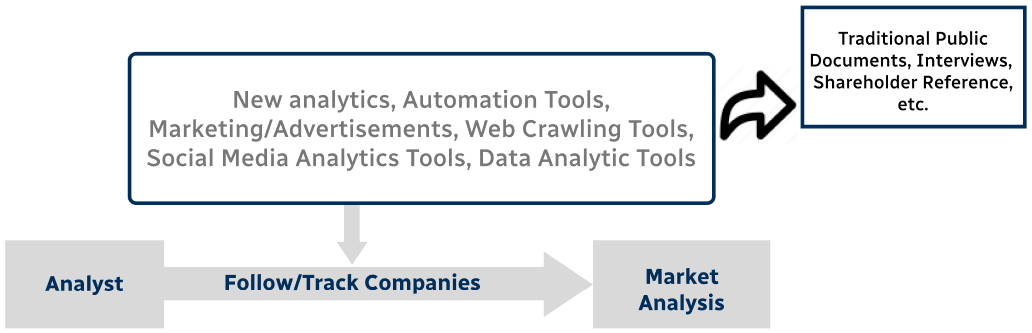
Step 4 - Data Triangulation
Involves using different sources of information in order to increase the validity of a study
These sources are likely to be stakeholders in a program - participants, other researchers, program staff, other community members, and so on.
Then we put all data in single framework & apply various statistical tools to find out the dynamic on the market.
During the analysis stage, feedback from the stakeholder groups would be compared to determine areas of agreement as well as areas of divergence


