


Key Insights
The global Endometrial Cancer Treatment market is projected for substantial growth, expected to reach **$32 billion** by 2033, with a Compound Annual Growth Rate (CAGR) of **6%** from the **2025** base year. This expansion is driven by the increasing incidence of endometrial cancer, linked to factors such as rising obesity, delayed childbirth, and an aging population. Key growth accelerators include advancements in diagnostics for earlier detection and the development of novel targeted therapies and immunotherapies. The market encompasses chemotherapy and surgical treatments, with hospitals and clinics as primary care centers. Leading companies such as Novartis, Roche, and Sanofi are actively investing in innovative treatment modalities. Growing awareness and government initiatives supporting women's health further contribute to market expansion.
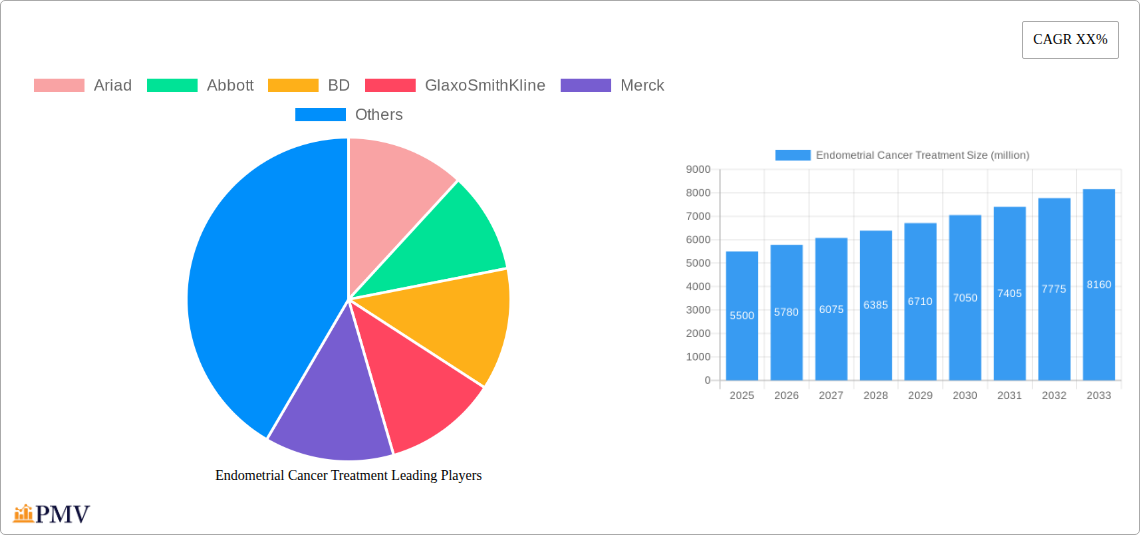
Endometrial Cancer Treatment Market Size (In Billion)

The competitive environment is marked by strategic collaborations, mergers, and acquisitions aimed at portfolio and geographic expansion. North America currently dominates the market, attributed to high healthcare spending, advanced infrastructure, and early technology adoption. The Asia Pacific region is anticipated to experience the most rapid growth, driven by improved healthcare access, a growing patient base, and increased investment in cancer research and treatment facilities. Challenges to market expansion include the high cost of advanced treatments and rigorous regulatory approval processes for new drugs. However, ongoing research in personalized medicine and the development of more effective, less toxic regimens are expected to mitigate these challenges, ensuring sustained market growth and improved patient outcomes.
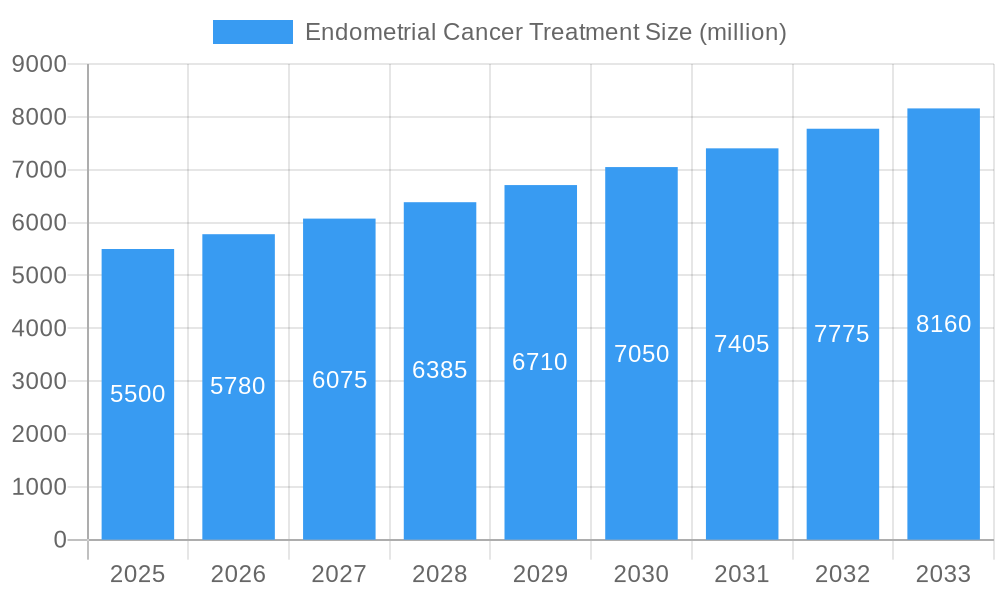
Endometrial Cancer Treatment Company Market Share
Endometrial Cancer Treatment Market: Comprehensive Analysis and Future Outlook (2019-2033)
This in-depth report provides an exhaustive analysis of the global endometrial cancer treatment market, covering historical trends, current dynamics, and future projections from 2019 to 2033. It delves into key market segments, technological advancements, competitive landscapes, and growth drivers, offering actionable insights for stakeholders across the healthcare industry.
Endometrial Cancer Treatment Market Structure & Competitive Dynamics
The endometrial cancer treatment market exhibits a moderately concentrated structure, with established pharmaceutical giants and emerging biotech firms vying for market share. Innovation is a critical differentiator, driven by ongoing research into targeted therapies, immunotherapies, and advanced surgical techniques. Regulatory frameworks, primarily governed by agencies like the FDA and EMA, significantly influence drug approvals and market access. Product substitutes, such as palliative care and complementary therapies, exist but often supplement rather than replace conventional treatments. End-user preferences are shifting towards minimally invasive procedures and personalized treatment plans, fueled by increased patient awareness and a demand for improved quality of life. Mergers and acquisitions (M&A) are prevalent, with significant deals valued in the hundreds of millions reshaping the competitive landscape. For instance, a major acquisition in 2023 saw a market leader absorb a smaller oncology firm, bolstering its pipeline and expanding its geographical reach, with an estimated deal value of 250 million. Market concentration is further influenced by patent expirations and the introduction of biosimilars. Key players are actively investing in R&D to develop novel treatment modalities, aiming to capture a larger share of the projected 15 billion market by 2030. The competitive intensity is high, with companies like Merck, Novartis, and Sanofi leading the charge in developing innovative solutions. The ecosystem fosters collaboration between pharmaceutical companies, academic institutions, and contract research organizations (CROs) to accelerate drug development and clinical trials. Understanding these complex dynamics is crucial for navigating the evolving endometrial cancer treatment market.
Endometrial Cancer Treatment Industry Trends & Insights
The endometrial cancer treatment industry is experiencing robust growth, propelled by several interconnected trends. A primary driver is the increasing global incidence of endometrial cancer, attributed to factors such as rising obesity rates, later age of menopause, and greater access to diagnostic tools. This surge in prevalence translates directly into a growing demand for effective treatment options. The market penetration of advanced treatment modalities is steadily increasing, with the CAGR projected to be 7.5% during the forecast period (2025-2033). Technological disruptions are revolutionizing patient care. Minimally invasive surgical techniques, including robotic-assisted procedures, are gaining traction due to reduced recovery times and improved patient outcomes. In chemotherapy, the development of targeted therapies and immunotherapies that specifically attack cancer cells while minimizing damage to healthy tissues is a significant advancement. For example, Merck's Keytruda, an immunotherapy, has shown promising results in advanced or recurrent endometrial cancer, expanding its application. Consumer preferences are evolving towards personalized medicine, where treatment regimens are tailored to an individual's genetic makeup and tumor characteristics. This trend is fostering the growth of companion diagnostics and precision oncology. Competitive dynamics are characterized by intense R&D investment, strategic partnerships, and the pursuit of novel drug approvals. Abbott's diagnostic solutions play a crucial role in identifying genetic markers for personalized treatment. GlaxoSmithKline and Sanofi are actively investing in their oncology portfolios, exploring new drug targets and delivery mechanisms. Roche's comprehensive approach, encompassing diagnostics and therapeutics, positions it as a key player. The aging global population further contributes to market expansion, as older women are more susceptible to developing endometrial cancer. Furthermore, increased healthcare spending and government initiatives aimed at improving cancer care infrastructure in developing regions are creating new market opportunities. The study period (2019-2024) witnessed significant advancements in drug discovery and a growing emphasis on early detection, laying a strong foundation for future growth. The estimated market size in the base year 2025 is 10 billion, with projections reaching 18 billion by 2033.
Dominant Markets & Segments in Endometrial Cancer Treatment
North America currently dominates the global endometrial cancer treatment market, driven by a high prevalence of the disease, advanced healthcare infrastructure, significant R&D investments, and favorable reimbursement policies. The United States, in particular, represents a substantial portion of this dominance, with early adoption of innovative therapies and a strong presence of leading pharmaceutical companies like Merck and Novartis. Key economic policies in the region prioritize healthcare access and innovation, further bolstering market growth.
Within the Application segmentation, the Hospital segment holds a commanding share. This is due to the complexity of endometrial cancer treatment, often requiring multidisciplinary care teams, specialized surgical procedures, and intensive chemotherapy regimens that are best delivered within a hospital setting. Hospitals possess the necessary infrastructure, equipment, and trained personnel to manage advanced stages of the disease and critical patient care. Projections indicate the hospital segment will continue to grow at a CAGR of 8.0% from 2025 to 2033, reflecting ongoing investments in cancer centers and advanced medical technologies.
The Types of treatment also reveal distinct dominance patterns. Surgical treatment remains a cornerstone for early-stage endometrial cancer, often leading to complete remission. The accessibility and established efficacy of surgical interventions contribute to its significant market share. However, Chemotherapy, particularly with the advent of targeted therapies and immunotherapies, is witnessing rapid expansion, especially in advanced and recurrent cases. The projected growth rate for chemotherapy is higher at 9.2% for the forecast period, indicating a shift towards systemic treatments for more complex scenarios.
In terms of regional dominance beyond North America, Europe follows closely, characterized by a well-developed healthcare system and increasing patient awareness. Asia-Pacific is emerging as a high-growth region, fueled by a rising cancer incidence, improving healthcare access, and growing investments in oncology research.
Key drivers for this dominance include:
- Technological Advancements: Early adoption of robotic surgery and advanced chemotherapy agents.
- R&D Investment: Significant financial commitment from pharmaceutical companies for drug development.
- Healthcare Expenditure: High per capita spending on healthcare, enabling access to premium treatments.
- Awareness and Screening: Robust public health campaigns promoting early detection.
The Clinic application segment, while smaller, is expected to grow substantially as outpatient cancer treatment centers become more sophisticated and offer a wider range of services, including infusion therapies and post-operative care.
Endometrial Cancer Treatment Product Innovations
Product innovations in endometrial cancer treatment are primarily focused on enhancing efficacy, reducing side effects, and personalizing patient care. Key advancements include the development of novel targeted therapies that inhibit specific molecular pathways crucial for cancer cell growth, such as tyrosine kinase inhibitors. Immunotherapy agents, like checkpoint inhibitors, are showing considerable promise in treating advanced or recurrent endometrial cancer by harnessing the patient's immune system to fight the disease. Roche’s work in companion diagnostics is crucial for identifying patients most likely to respond to specific treatments. Furthermore, advancements in surgical techniques, including minimally invasive robotic surgery, are improving patient outcomes and reducing recovery times. Ariad Pharmaceuticals’ contributions to targeted therapy research, even if acquired, highlight the impact of such innovations. The market is witnessing a surge in combination therapies that synergistically attack cancer cells, offering greater therapeutic benefit.
Report Segmentation & Scope
This report meticulously segments the endometrial cancer treatment market across key dimensions to provide granular insights. The Application segmentation includes Hospital and Clinic. The Hospital segment is projected to hold a dominant market share of approximately 75% in 2025, with an estimated market size of 7.5 billion, and is anticipated to grow at a CAGR of 8.0% through 2033. The Clinic segment, while smaller, is forecast to grow at a CAGR of 10.5%, reaching an estimated 2.5 billion by 2033, as outpatient care models expand.
The Types segmentation encompasses Chemotherapy and Surgical treatments. The Surgical treatment segment is expected to account for 60% of the market in 2025, with a market size of 6 billion, growing at a CAGR of 6.0%. The Chemotherapy segment, encompassing traditional cytotoxic agents, targeted therapies, and immunotherapies, is projected to grow at a faster CAGR of 9.2%, reaching an estimated 9 billion by 2033, reflecting the increasing adoption of advanced systemic treatments. The scope of this report covers the analysis of these segments, their respective growth projections, market sizes, and the competitive dynamics within each.
Key Drivers of Endometrial Cancer Treatment Growth
Several critical factors are propelling the growth of the endometrial cancer treatment market. The increasing global incidence of endometrial cancer, directly linked to rising rates of obesity and hormonal changes, creates a sustained demand for therapeutic interventions. Significant advancements in medical technology have led to the development of more effective and less toxic treatment options, including targeted therapies and immunotherapies, which are improving patient outcomes and survival rates. Merck's investment in precision oncology and Sanofi's commitment to novel drug discovery are key examples. Government initiatives and healthcare policies worldwide are prioritizing cancer care, leading to increased funding for research and development, as well as improved access to treatments. Growing awareness among patients and healthcare providers regarding early detection and available treatment modalities also plays a crucial role in market expansion. Furthermore, the aging global population, as older individuals are more susceptible to developing endometrial cancer, contributes to the growing patient pool.
Challenges in the Endometrial Cancer Treatment Sector
Despite the positive growth trajectory, the endometrial cancer treatment sector faces several significant challenges. High research and development costs associated with novel drug discovery and clinical trials pose a substantial barrier, particularly for smaller biotech companies. Stringent regulatory approval processes, while ensuring patient safety, can lead to prolonged timelines for bringing new treatments to market. Supply chain disruptions, as experienced during recent global events, can impact the availability of essential medications and medical supplies. BD's role in the diagnostic and delivery segment means they are also susceptible to these challenges. Furthermore, the increasing cost of advanced cancer therapies can lead to affordability and accessibility issues for patients, particularly in resource-limited settings. Competitive pressures from generic drugs and the emergence of alternative treatments, while beneficial for patients, can also impact the profitability of established players.
Leading Players in the Endometrial Cancer Treatment Market
- Ariad
- Abbott
- BD
- GlaxoSmithKline
- Merck
- Novartis
- Sanofi
- Siemens
- Roche
Key Developments in Endometrial Cancer Treatment Sector
- 2023 October: Merck announced positive Phase III trial results for its novel immunotherapy combination therapy in advanced endometrial cancer, demonstrating significantly improved progression-free survival.
- 2023 July: Novartis expanded its targeted therapy pipeline with the acquisition of a biotech firm specializing in uterine cancer research, valued at an estimated 300 million.
- 2022 December: GlaxoSmithKline received FDA approval for a new chemotherapy regimen for recurrent endometrial cancer, offering a more tolerable treatment option for patients.
- 2022 August: Roche launched an advanced companion diagnostic test to identify specific genetic mutations in endometrial tumors, enabling more personalized treatment selection.
- 2022 May: Sanofi announced a strategic collaboration with a leading academic medical center to accelerate clinical trials for a new class of targeted agents for endometrial cancer.
- 2021 November: Abbott introduced a new diagnostic platform designed to improve the detection and staging of endometrial cancer, enhancing early intervention capabilities.
- 2021 April: BD unveiled an innovative drug delivery system designed to optimize the administration of chemotherapy for gynecological cancers.
- 2020 September: Siemens Healthineers announced an expansion of its oncology imaging solutions, supporting improved diagnosis and treatment planning for endometrial cancer.
Strategic Endometrial Cancer Treatment Market Outlook
The strategic outlook for the endometrial cancer treatment market is highly promising, characterized by sustained growth and evolving therapeutic landscapes. The increasing focus on personalized medicine, driven by advancements in genomics and companion diagnostics, will continue to be a major growth accelerator. Strategic collaborations between pharmaceutical companies, academic institutions, and technology providers are crucial for translating groundbreaking research into clinically relevant treatments. Investments in minimally invasive surgical technologies and advanced chemotherapy formulations will further enhance patient care and market penetration. Emerging markets present significant untapped potential, requiring tailored market entry strategies and partnerships to address local healthcare needs and regulatory environments. The market's future success hinges on continuous innovation, cost-effective solutions, and a commitment to improving patient outcomes and quality of life.
Endometrial Cancer Treatment Segmentation
-
1. Application
- 1.1. Hospital
- 1.2. Clinic
-
2. Types
- 2.1. Chemotherapy
- 2.2. Surgical
Endometrial Cancer Treatment Segmentation By Geography
-
1. North America
- 1.1. United States
- 1.2. Canada
- 1.3. Mexico
-
2. South America
- 2.1. Brazil
- 2.2. Argentina
- 2.3. Rest of South America
-
3. Europe
- 3.1. United Kingdom
- 3.2. Germany
- 3.3. France
- 3.4. Italy
- 3.5. Spain
- 3.6. Russia
- 3.7. Benelux
- 3.8. Nordics
- 3.9. Rest of Europe
-
4. Middle East & Africa
- 4.1. Turkey
- 4.2. Israel
- 4.3. GCC
- 4.4. North Africa
- 4.5. South Africa
- 4.6. Rest of Middle East & Africa
-
5. Asia Pacific
- 5.1. China
- 5.2. India
- 5.3. Japan
- 5.4. South Korea
- 5.5. ASEAN
- 5.6. Oceania
- 5.7. Rest of Asia Pacific
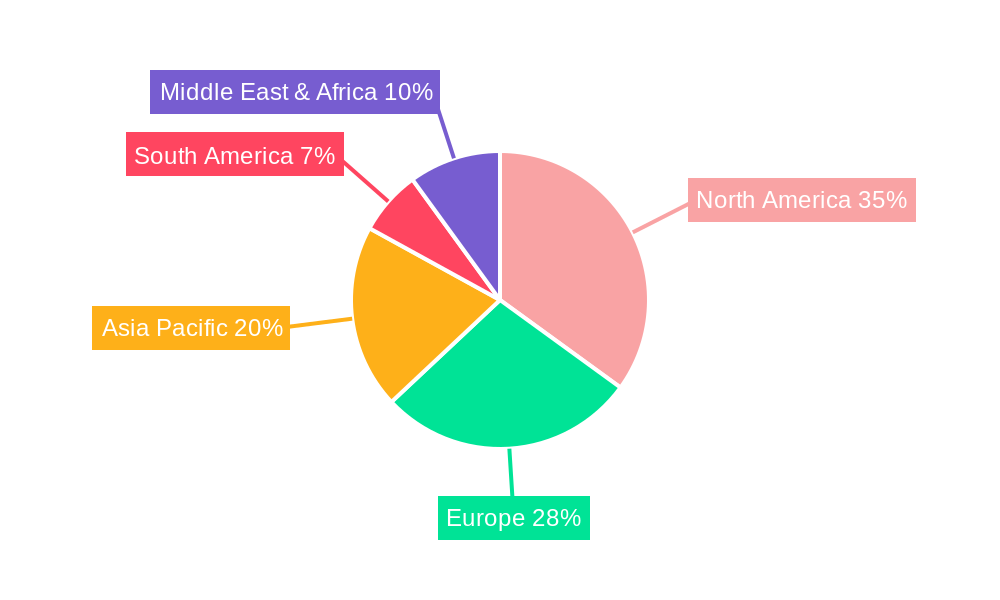
Endometrial Cancer Treatment Regional Market Share
Geographic Coverage of Endometrial Cancer Treatment
Endometrial Cancer Treatment REPORT HIGHLIGHTS
| Aspects | Details |
|---|---|
| Study Period | 2020-2034 |
| Base Year | 2025 |
| Estimated Year | 2026 |
| Forecast Period | 2026-2034 |
| Historical Period | 2020-2025 |
| Growth Rate | CAGR of 6% from 2020-2034 |
| Segmentation |
|
Table of Contents
- 1. Introduction
- 1.1. Research Scope
- 1.2. Market Segmentation
- 1.3. Research Methodology
- 1.4. Definitions and Assumptions
- 2. Executive Summary
- 2.1. Introduction
- 3. Market Dynamics
- 3.1. Introduction
- 3.2. Market Drivers
- 3.3. Market Restrains
- 3.4. Market Trends
- 4. Market Factor Analysis
- 4.1. Porters Five Forces
- 4.2. Supply/Value Chain
- 4.3. PESTEL analysis
- 4.4. Market Entropy
- 4.5. Patent/Trademark Analysis
- 5. Global Endometrial Cancer Treatment Analysis, Insights and Forecast, 2020-2032
- 5.1. Market Analysis, Insights and Forecast - by Application
- 5.1.1. Hospital
- 5.1.2. Clinic
- 5.2. Market Analysis, Insights and Forecast - by Types
- 5.2.1. Chemotherapy
- 5.2.2. Surgical
- 5.3. Market Analysis, Insights and Forecast - by Region
- 5.3.1. North America
- 5.3.2. South America
- 5.3.3. Europe
- 5.3.4. Middle East & Africa
- 5.3.5. Asia Pacific
- 5.1. Market Analysis, Insights and Forecast - by Application
- 6. North America Endometrial Cancer Treatment Analysis, Insights and Forecast, 2020-2032
- 6.1. Market Analysis, Insights and Forecast - by Application
- 6.1.1. Hospital
- 6.1.2. Clinic
- 6.2. Market Analysis, Insights and Forecast - by Types
- 6.2.1. Chemotherapy
- 6.2.2. Surgical
- 6.1. Market Analysis, Insights and Forecast - by Application
- 7. South America Endometrial Cancer Treatment Analysis, Insights and Forecast, 2020-2032
- 7.1. Market Analysis, Insights and Forecast - by Application
- 7.1.1. Hospital
- 7.1.2. Clinic
- 7.2. Market Analysis, Insights and Forecast - by Types
- 7.2.1. Chemotherapy
- 7.2.2. Surgical
- 7.1. Market Analysis, Insights and Forecast - by Application
- 8. Europe Endometrial Cancer Treatment Analysis, Insights and Forecast, 2020-2032
- 8.1. Market Analysis, Insights and Forecast - by Application
- 8.1.1. Hospital
- 8.1.2. Clinic
- 8.2. Market Analysis, Insights and Forecast - by Types
- 8.2.1. Chemotherapy
- 8.2.2. Surgical
- 8.1. Market Analysis, Insights and Forecast - by Application
- 9. Middle East & Africa Endometrial Cancer Treatment Analysis, Insights and Forecast, 2020-2032
- 9.1. Market Analysis, Insights and Forecast - by Application
- 9.1.1. Hospital
- 9.1.2. Clinic
- 9.2. Market Analysis, Insights and Forecast - by Types
- 9.2.1. Chemotherapy
- 9.2.2. Surgical
- 9.1. Market Analysis, Insights and Forecast - by Application
- 10. Asia Pacific Endometrial Cancer Treatment Analysis, Insights and Forecast, 2020-2032
- 10.1. Market Analysis, Insights and Forecast - by Application
- 10.1.1. Hospital
- 10.1.2. Clinic
- 10.2. Market Analysis, Insights and Forecast - by Types
- 10.2.1. Chemotherapy
- 10.2.2. Surgical
- 10.1. Market Analysis, Insights and Forecast - by Application
- 11. Competitive Analysis
- 11.1. Global Market Share Analysis 2025
- 11.2. Company Profiles
- 11.2.1 Ariad
- 11.2.1.1. Overview
- 11.2.1.2. Products
- 11.2.1.3. SWOT Analysis
- 11.2.1.4. Recent Developments
- 11.2.1.5. Financials (Based on Availability)
- 11.2.2 Abbott
- 11.2.2.1. Overview
- 11.2.2.2. Products
- 11.2.2.3. SWOT Analysis
- 11.2.2.4. Recent Developments
- 11.2.2.5. Financials (Based on Availability)
- 11.2.3 BD
- 11.2.3.1. Overview
- 11.2.3.2. Products
- 11.2.3.3. SWOT Analysis
- 11.2.3.4. Recent Developments
- 11.2.3.5. Financials (Based on Availability)
- 11.2.4 GlaxoSmithKline
- 11.2.4.1. Overview
- 11.2.4.2. Products
- 11.2.4.3. SWOT Analysis
- 11.2.4.4. Recent Developments
- 11.2.4.5. Financials (Based on Availability)
- 11.2.5 Merck
- 11.2.5.1. Overview
- 11.2.5.2. Products
- 11.2.5.3. SWOT Analysis
- 11.2.5.4. Recent Developments
- 11.2.5.5. Financials (Based on Availability)
- 11.2.6 Novartis
- 11.2.6.1. Overview
- 11.2.6.2. Products
- 11.2.6.3. SWOT Analysis
- 11.2.6.4. Recent Developments
- 11.2.6.5. Financials (Based on Availability)
- 11.2.7 Sanofi
- 11.2.7.1. Overview
- 11.2.7.2. Products
- 11.2.7.3. SWOT Analysis
- 11.2.7.4. Recent Developments
- 11.2.7.5. Financials (Based on Availability)
- 11.2.8 Siemens
- 11.2.8.1. Overview
- 11.2.8.2. Products
- 11.2.8.3. SWOT Analysis
- 11.2.8.4. Recent Developments
- 11.2.8.5. Financials (Based on Availability)
- 11.2.9 Roche
- 11.2.9.1. Overview
- 11.2.9.2. Products
- 11.2.9.3. SWOT Analysis
- 11.2.9.4. Recent Developments
- 11.2.9.5. Financials (Based on Availability)
- 11.2.1 Ariad
List of Figures
- Figure 1: Global Endometrial Cancer Treatment Revenue Breakdown (billion, %) by Region 2025 & 2033
- Figure 2: North America Endometrial Cancer Treatment Revenue (billion), by Application 2025 & 2033
- Figure 3: North America Endometrial Cancer Treatment Revenue Share (%), by Application 2025 & 2033
- Figure 4: North America Endometrial Cancer Treatment Revenue (billion), by Types 2025 & 2033
- Figure 5: North America Endometrial Cancer Treatment Revenue Share (%), by Types 2025 & 2033
- Figure 6: North America Endometrial Cancer Treatment Revenue (billion), by Country 2025 & 2033
- Figure 7: North America Endometrial Cancer Treatment Revenue Share (%), by Country 2025 & 2033
- Figure 8: South America Endometrial Cancer Treatment Revenue (billion), by Application 2025 & 2033
- Figure 9: South America Endometrial Cancer Treatment Revenue Share (%), by Application 2025 & 2033
- Figure 10: South America Endometrial Cancer Treatment Revenue (billion), by Types 2025 & 2033
- Figure 11: South America Endometrial Cancer Treatment Revenue Share (%), by Types 2025 & 2033
- Figure 12: South America Endometrial Cancer Treatment Revenue (billion), by Country 2025 & 2033
- Figure 13: South America Endometrial Cancer Treatment Revenue Share (%), by Country 2025 & 2033
- Figure 14: Europe Endometrial Cancer Treatment Revenue (billion), by Application 2025 & 2033
- Figure 15: Europe Endometrial Cancer Treatment Revenue Share (%), by Application 2025 & 2033
- Figure 16: Europe Endometrial Cancer Treatment Revenue (billion), by Types 2025 & 2033
- Figure 17: Europe Endometrial Cancer Treatment Revenue Share (%), by Types 2025 & 2033
- Figure 18: Europe Endometrial Cancer Treatment Revenue (billion), by Country 2025 & 2033
- Figure 19: Europe Endometrial Cancer Treatment Revenue Share (%), by Country 2025 & 2033
- Figure 20: Middle East & Africa Endometrial Cancer Treatment Revenue (billion), by Application 2025 & 2033
- Figure 21: Middle East & Africa Endometrial Cancer Treatment Revenue Share (%), by Application 2025 & 2033
- Figure 22: Middle East & Africa Endometrial Cancer Treatment Revenue (billion), by Types 2025 & 2033
- Figure 23: Middle East & Africa Endometrial Cancer Treatment Revenue Share (%), by Types 2025 & 2033
- Figure 24: Middle East & Africa Endometrial Cancer Treatment Revenue (billion), by Country 2025 & 2033
- Figure 25: Middle East & Africa Endometrial Cancer Treatment Revenue Share (%), by Country 2025 & 2033
- Figure 26: Asia Pacific Endometrial Cancer Treatment Revenue (billion), by Application 2025 & 2033
- Figure 27: Asia Pacific Endometrial Cancer Treatment Revenue Share (%), by Application 2025 & 2033
- Figure 28: Asia Pacific Endometrial Cancer Treatment Revenue (billion), by Types 2025 & 2033
- Figure 29: Asia Pacific Endometrial Cancer Treatment Revenue Share (%), by Types 2025 & 2033
- Figure 30: Asia Pacific Endometrial Cancer Treatment Revenue (billion), by Country 2025 & 2033
- Figure 31: Asia Pacific Endometrial Cancer Treatment Revenue Share (%), by Country 2025 & 2033
List of Tables
- Table 1: Global Endometrial Cancer Treatment Revenue billion Forecast, by Application 2020 & 2033
- Table 2: Global Endometrial Cancer Treatment Revenue billion Forecast, by Types 2020 & 2033
- Table 3: Global Endometrial Cancer Treatment Revenue billion Forecast, by Region 2020 & 2033
- Table 4: Global Endometrial Cancer Treatment Revenue billion Forecast, by Application 2020 & 2033
- Table 5: Global Endometrial Cancer Treatment Revenue billion Forecast, by Types 2020 & 2033
- Table 6: Global Endometrial Cancer Treatment Revenue billion Forecast, by Country 2020 & 2033
- Table 7: United States Endometrial Cancer Treatment Revenue (billion) Forecast, by Application 2020 & 2033
- Table 8: Canada Endometrial Cancer Treatment Revenue (billion) Forecast, by Application 2020 & 2033
- Table 9: Mexico Endometrial Cancer Treatment Revenue (billion) Forecast, by Application 2020 & 2033
- Table 10: Global Endometrial Cancer Treatment Revenue billion Forecast, by Application 2020 & 2033
- Table 11: Global Endometrial Cancer Treatment Revenue billion Forecast, by Types 2020 & 2033
- Table 12: Global Endometrial Cancer Treatment Revenue billion Forecast, by Country 2020 & 2033
- Table 13: Brazil Endometrial Cancer Treatment Revenue (billion) Forecast, by Application 2020 & 2033
- Table 14: Argentina Endometrial Cancer Treatment Revenue (billion) Forecast, by Application 2020 & 2033
- Table 15: Rest of South America Endometrial Cancer Treatment Revenue (billion) Forecast, by Application 2020 & 2033
- Table 16: Global Endometrial Cancer Treatment Revenue billion Forecast, by Application 2020 & 2033
- Table 17: Global Endometrial Cancer Treatment Revenue billion Forecast, by Types 2020 & 2033
- Table 18: Global Endometrial Cancer Treatment Revenue billion Forecast, by Country 2020 & 2033
- Table 19: United Kingdom Endometrial Cancer Treatment Revenue (billion) Forecast, by Application 2020 & 2033
- Table 20: Germany Endometrial Cancer Treatment Revenue (billion) Forecast, by Application 2020 & 2033
- Table 21: France Endometrial Cancer Treatment Revenue (billion) Forecast, by Application 2020 & 2033
- Table 22: Italy Endometrial Cancer Treatment Revenue (billion) Forecast, by Application 2020 & 2033
- Table 23: Spain Endometrial Cancer Treatment Revenue (billion) Forecast, by Application 2020 & 2033
- Table 24: Russia Endometrial Cancer Treatment Revenue (billion) Forecast, by Application 2020 & 2033
- Table 25: Benelux Endometrial Cancer Treatment Revenue (billion) Forecast, by Application 2020 & 2033
- Table 26: Nordics Endometrial Cancer Treatment Revenue (billion) Forecast, by Application 2020 & 2033
- Table 27: Rest of Europe Endometrial Cancer Treatment Revenue (billion) Forecast, by Application 2020 & 2033
- Table 28: Global Endometrial Cancer Treatment Revenue billion Forecast, by Application 2020 & 2033
- Table 29: Global Endometrial Cancer Treatment Revenue billion Forecast, by Types 2020 & 2033
- Table 30: Global Endometrial Cancer Treatment Revenue billion Forecast, by Country 2020 & 2033
- Table 31: Turkey Endometrial Cancer Treatment Revenue (billion) Forecast, by Application 2020 & 2033
- Table 32: Israel Endometrial Cancer Treatment Revenue (billion) Forecast, by Application 2020 & 2033
- Table 33: GCC Endometrial Cancer Treatment Revenue (billion) Forecast, by Application 2020 & 2033
- Table 34: North Africa Endometrial Cancer Treatment Revenue (billion) Forecast, by Application 2020 & 2033
- Table 35: South Africa Endometrial Cancer Treatment Revenue (billion) Forecast, by Application 2020 & 2033
- Table 36: Rest of Middle East & Africa Endometrial Cancer Treatment Revenue (billion) Forecast, by Application 2020 & 2033
- Table 37: Global Endometrial Cancer Treatment Revenue billion Forecast, by Application 2020 & 2033
- Table 38: Global Endometrial Cancer Treatment Revenue billion Forecast, by Types 2020 & 2033
- Table 39: Global Endometrial Cancer Treatment Revenue billion Forecast, by Country 2020 & 2033
- Table 40: China Endometrial Cancer Treatment Revenue (billion) Forecast, by Application 2020 & 2033
- Table 41: India Endometrial Cancer Treatment Revenue (billion) Forecast, by Application 2020 & 2033
- Table 42: Japan Endometrial Cancer Treatment Revenue (billion) Forecast, by Application 2020 & 2033
- Table 43: South Korea Endometrial Cancer Treatment Revenue (billion) Forecast, by Application 2020 & 2033
- Table 44: ASEAN Endometrial Cancer Treatment Revenue (billion) Forecast, by Application 2020 & 2033
- Table 45: Oceania Endometrial Cancer Treatment Revenue (billion) Forecast, by Application 2020 & 2033
- Table 46: Rest of Asia Pacific Endometrial Cancer Treatment Revenue (billion) Forecast, by Application 2020 & 2033
Frequently Asked Questions
1. What is the projected Compound Annual Growth Rate (CAGR) of the Endometrial Cancer Treatment?
The projected CAGR is approximately 6%.
2. Which companies are prominent players in the Endometrial Cancer Treatment?
Key companies in the market include Ariad, Abbott, BD, GlaxoSmithKline, Merck, Novartis, Sanofi, Siemens, Roche.
3. What are the main segments of the Endometrial Cancer Treatment?
The market segments include Application, Types.
4. Can you provide details about the market size?
The market size is estimated to be USD 32 billion as of 2022.
5. What are some drivers contributing to market growth?
N/A
6. What are the notable trends driving market growth?
N/A
7. Are there any restraints impacting market growth?
N/A
8. Can you provide examples of recent developments in the market?
N/A
9. What pricing options are available for accessing the report?
Pricing options include single-user, multi-user, and enterprise licenses priced at USD 5600.00, USD 8400.00, and USD 11200.00 respectively.
10. Is the market size provided in terms of value or volume?
The market size is provided in terms of value, measured in billion.
11. Are there any specific market keywords associated with the report?
Yes, the market keyword associated with the report is "Endometrial Cancer Treatment," which aids in identifying and referencing the specific market segment covered.
12. How do I determine which pricing option suits my needs best?
The pricing options vary based on user requirements and access needs. Individual users may opt for single-user licenses, while businesses requiring broader access may choose multi-user or enterprise licenses for cost-effective access to the report.
13. Are there any additional resources or data provided in the Endometrial Cancer Treatment report?
While the report offers comprehensive insights, it's advisable to review the specific contents or supplementary materials provided to ascertain if additional resources or data are available.
14. How can I stay updated on further developments or reports in the Endometrial Cancer Treatment?
To stay informed about further developments, trends, and reports in the Endometrial Cancer Treatment, consider subscribing to industry newsletters, following relevant companies and organizations, or regularly checking reputable industry news sources and publications.
Methodology
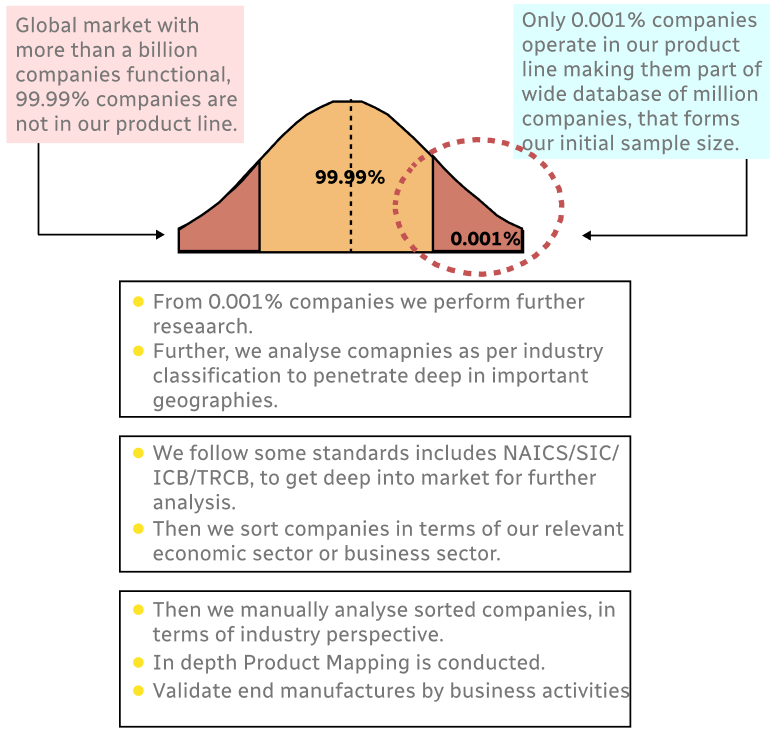
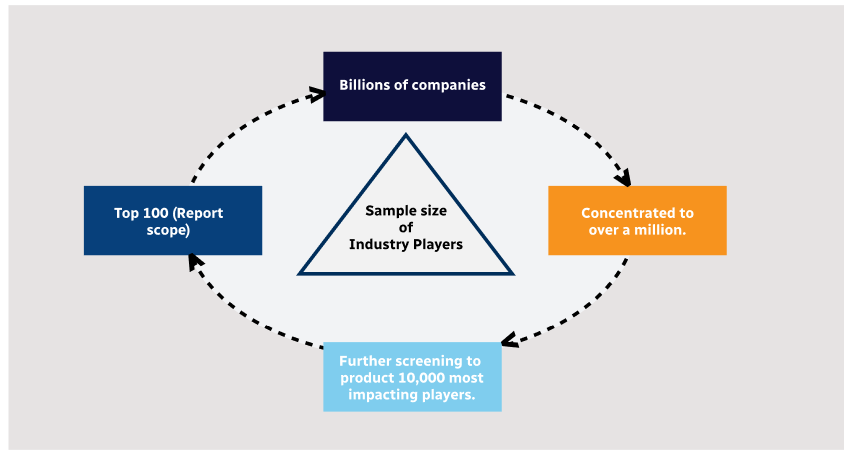
Step 1 - Identification of Relevant Samples Size from Population Database
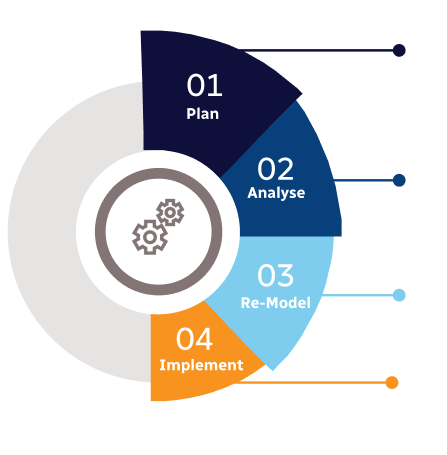
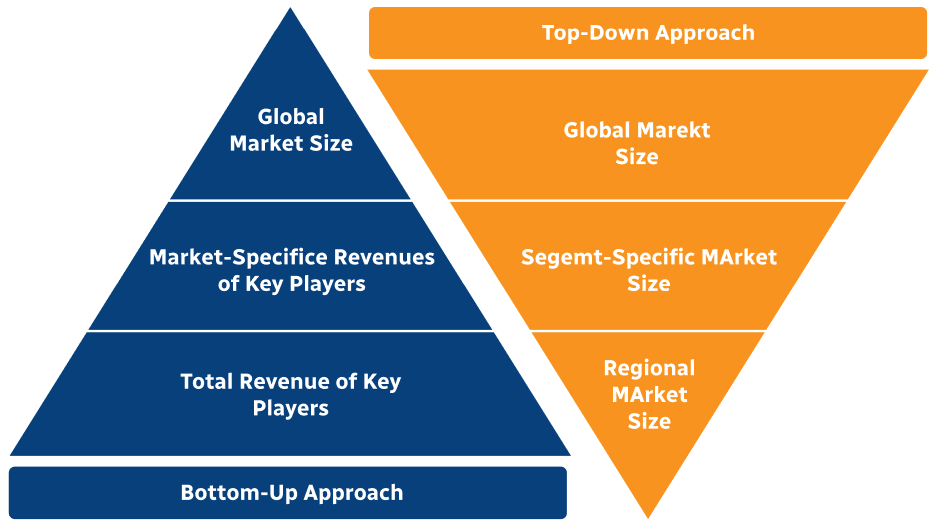
Step 2 - Approaches for Defining Global Market Size (Value, Volume* & Price*)
Note*: In applicable scenarios
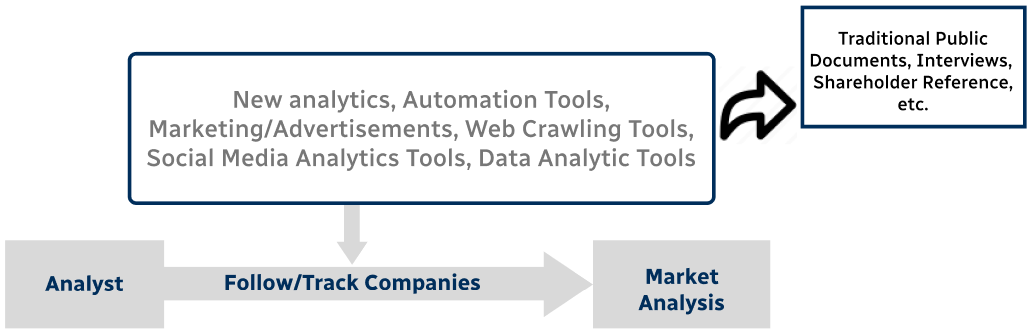
Step 3 - Data Sources
Primary Research
- Web Analytics
- Survey Reports
- Research Institute
- Latest Research Reports
- Opinion Leaders
Secondary Research
- Annual Reports
- White Paper
- Latest Press Release
- Industry Association
- Paid Database
- Investor Presentations
Step 4 - Data Triangulation
Involves using different sources of information in order to increase the validity of a study
These sources are likely to be stakeholders in a program - participants, other researchers, program staff, other community members, and so on.
Then we put all data in single framework & apply various statistical tools to find out the dynamic on the market.
During the analysis stage, feedback from the stakeholder groups would be compared to determine areas of agreement as well as areas of divergence