


Key Insights
The global Bus Rapid Transit (BRT) Systems market is poised for significant expansion, projected to reach an estimated USD 2.45 billion in 2025. This robust growth is underpinned by a compound annual growth rate (CAGR) of 8.3% over the forecast period of 2025-2033. The escalating need for sustainable and efficient urban mobility solutions is the primary catalyst for this market surge. As cities grapple with increasing traffic congestion, rising pollution levels, and the imperative to reduce carbon footprints, BRT systems emerge as a cost-effective and scalable alternative to traditional public transportation and expensive subway projects. The development of dedicated, often segregated lanes, coupled with prioritized signaling and off-board fare collection, significantly enhances passenger throughput and reliability, making it an attractive option for both commuters and urban planners. The market's dynamism is further fueled by technological advancements in vehicle design, real-time information systems, and intelligent traffic management, all contributing to a more streamlined and user-friendly transit experience.
-Systems.png)
Bus Rapid Transit (BRT) Systems Market Size (In Billion)

The market is segmented by application into Large City and Medium-Sized City, with both demonstrating substantial growth potential as urbanization continues unabated globally. Within the types of BRT systems, Open Type Exclusive Lanes and Semi-Open Exclusive Lanes are expected to dominate, catering to diverse urban infrastructure capabilities and budgetary constraints. Key market drivers include government initiatives promoting public transportation, increasing investments in urban infrastructure development, and a growing public awareness of environmental sustainability. While the market exhibits strong growth prospects, potential restraints such as high initial investment costs for infrastructure development in certain regions and challenges in land acquisition for dedicated corridors need to be addressed. Nevertheless, the compelling economic and environmental benefits of BRT systems, supported by a diverse range of industry players like Volvo Group, Siemens, and Yutong Group, are expected to propel the market forward. The Asia Pacific region, driven by rapid urbanization in countries like China and India, is anticipated to be a significant contributor to market growth, followed closely by Europe and North America, which are actively upgrading and expanding their existing BRT networks.
-Systems.png)
Bus Rapid Transit (BRT) Systems Company Market Share
Here's a detailed, SEO-optimized report description for Bus Rapid Transit (BRT) Systems, crafted to attract industry professionals and boost search visibility.
Bus Rapid Transit (BRT) Systems Market Structure & Competitive Dynamics
The Bus Rapid Transit (BRT) Systems market is characterized by a dynamic competitive landscape, influenced by strategic alliances and ongoing innovation. Market concentration varies regionally, with some areas exhibiting a high degree of consolidation while others remain fragmented. Key players are actively investing in R&D to enhance system efficiency, passenger experience, and sustainability, fostering a vibrant innovation ecosystem. Regulatory frameworks play a crucial role, with government policies and urban planning initiatives directly shaping BRT development and adoption. Product substitutes, such as light rail and traditional bus services, pose a competitive challenge, necessitating continuous improvement in BRT offerings. End-user trends, driven by increasing urbanization and demand for efficient public transportation, are significant growth accelerators. Mergers and acquisitions (M&A) activities are moderately prevalent, with deal values estimated to reach billions, as companies seek to expand their market share and technological capabilities. For instance, key M&A deals are projected to account for billions in value over the forecast period. The market share of leading providers is estimated to be around xx%.
- Market Concentration: Moderate to high in developed markets, fragmented in emerging regions.
- Innovation Ecosystem: Driven by technology providers and urban planning agencies.
- Regulatory Frameworks: Supportive government policies in key regions are crucial.
- Product Substitutes: Light rail, metro systems, and advanced bus services.
- End-User Trends: Demand for sustainable, efficient, and affordable urban mobility.
- M&A Activities: Strategic acquisitions to gain market share and technological advancements, valued at billions.
Bus Rapid Transit (BRT) Systems Industry Trends & Insights
The Bus Rapid Transit (BRT) Systems industry is poised for substantial growth, propelled by a confluence of factors including increasing urbanization, a global focus on sustainable transportation, and advancements in intelligent transportation systems (ITS). The market is projected to experience a Compound Annual Growth Rate (CAGR) of approximately xx% from 2025 to 2033, with the base year 2025 showcasing a market value estimated at billions. This robust growth is fundamentally driven by the pressing need for efficient and cost-effective public transit solutions in densely populated urban centers worldwide. Governments and municipal authorities are increasingly recognizing BRT as a viable and scalable alternative to more capital-intensive infrastructure projects like subways and light rail, particularly in developing economies where budget constraints are a significant consideration.
Technological disruptions are a major catalyst for industry evolution. The integration of advanced technologies such as real-time passenger information systems, smart ticketing, automated vehicle guidance, and enhanced fleet management software is transforming the BRT experience, making it more attractive to commuters. Furthermore, the development of electric and hybrid BRT buses is gaining momentum, aligning with global sustainability goals and reducing the environmental impact of public transportation. This shift towards greener technologies not only addresses environmental concerns but also presents new opportunities for innovation and market differentiation among manufacturers and technology providers.
Consumer preferences are also shifting towards public transport that offers reliability, speed, and comfort. BRT systems, with their dedicated lanes, priority signaling, and well-designed stations, are uniquely positioned to meet these demands. The perception of BRT is evolving from a basic bus service to a high-quality, rapid transit solution comparable to rail-based systems. This positive perception is crucial for increasing ridership and fostering modal shift away from private vehicles.
Competitive dynamics within the BRT sector are intensifying as more companies vie for market share. Key players are focusing on offering integrated solutions that encompass vehicle manufacturing, infrastructure development, and intelligent system management. This holistic approach allows them to provide end-to-end services to city authorities, thereby strengthening their competitive advantage. The market penetration of BRT systems is expected to expand significantly, particularly in rapidly urbanizing regions across Asia, Latin America, and Africa, where the demand for improved urban mobility infrastructure is most acute. The total market size is estimated to reach billions by 2033.
Dominant Markets & Segments in Bus Rapid Transit (BRT) Systems
The Bus Rapid Transit (BRT) Systems market is experiencing significant dominance from certain regions and application segments, driven by a combination of economic, infrastructural, and policy-related factors. Asia Pacific, particularly China, is a leading region due to its rapid urbanization, substantial government investment in public infrastructure, and the presence of major BRT system manufacturers. The region's economic policies actively promote the development of sustainable urban mobility solutions, making it a fertile ground for BRT expansion.
Within the application segments, Large City applications are currently the dominant force. These metropolises face immense pressure from population growth and traffic congestion, necessitating high-capacity and efficient transit solutions like BRT. The scale of operations in large cities allows for the implementation of comprehensive BRT networks, maximizing ridership and impact. For example, cities like Jakarta and Delhi have ambitious BRT plans that are already underway, demonstrating the significant market size and potential in this segment, estimated at billions.
In terms of types, the Open Type Exclusive Lane segment holds a significant market share. This type of BRT offers the highest level of service and efficiency due to completely segregated lanes, minimizing interference from general traffic. This is particularly attractive for cities prioritizing speed and reliability. The infrastructure development costs for open type exclusive lanes are substantial, but the operational benefits and passenger experience often justify the investment. Projections indicate the open type exclusive lane segment will continue to lead, driven by demand for premium BRT services, with an estimated market value of billions.
The Medium-Sized City application segment is also showing robust growth, albeit at a slightly slower pace than large cities. As medium-sized cities continue to expand, they are increasingly looking towards BRT as a cost-effective solution to manage growing commuter demands and improve urban livability. The infrastructure requirements for BRT in medium-sized cities are often more manageable, making it an accessible option for a wider range of urban areas. This segment is estimated to grow to billions by 2033.
The Semi-Open Exclusive Lane type represents a more flexible and potentially cost-effective alternative to fully dedicated lanes, often incorporating features like queue jumps and signal priority. This type is gaining traction in cities where the full segregation of open-type lanes might be logistically or financially challenging. While not as dominant as the open type, its adaptability makes it a strong contender for future growth, with an estimated market size of billions.
The dominance of these segments is underpinned by several key drivers:
- Economic Policies: Government incentives and funding for public transportation projects.
- Infrastructure Development: Urban planning that prioritizes dedicated corridors for BRT.
- Population Density: High population concentrations in urban areas creating demand for efficient transit.
- Environmental Concerns: Growing awareness and policies favoring sustainable mobility.
Bus Rapid Transit (BRT) Systems Product Innovations
Product innovations in the BRT systems sector are primarily focused on enhancing passenger experience, operational efficiency, and environmental sustainability. Manufacturers are integrating smart technologies, such as real-time information displays, contactless payment systems, and advanced passenger counting devices, to improve commuter convenience and operational data collection. Vehicle design is evolving to include more accessible features, improved comfort, and higher capacity, often in the form of articulated or bi-articulated buses. The development of electric and hybrid BRT vehicles is a significant trend, reducing emissions and operational costs. These innovations provide a competitive advantage by offering cities more efficient, user-friendly, and eco-friendly transit solutions.
Report Segmentation & Scope
This report provides an in-depth analysis of the Bus Rapid Transit (BRT) Systems market, segmented by Application and Type.
Application: Large City: This segment focuses on BRT systems implemented in major metropolitan areas with high population density and complex transit needs. These systems are characterized by high passenger volumes and extensive network coverage. The market for large city BRT is projected to reach billions by 2033, driven by ongoing urbanization and demand for efficient mass transit solutions.
Application: Medium-Sized City: This segment covers BRT systems in cities with moderate population sizes and developing urban infrastructure. These applications often represent a more cost-effective entry point for BRT implementation. The market for medium-sized city BRT is anticipated to grow to billions by 2033, fueled by the increasing adoption of sustainable transport solutions in growing urban centers.
Types: Open Type Exclusive Lane: This segment analyzes BRT systems that operate on fully segregated, dedicated lanes, offering the highest level of service and operational efficiency. These systems prioritize speed and reliability. The market for open-type exclusive lanes is estimated at billions and is expected to see sustained growth due to its proven effectiveness in high-demand corridors.
Types: Semi-Open Exclusive Lane: This segment examines BRT systems that utilize partially exclusive lanes, often incorporating features like signal priority and queue jumps. These systems offer a balance between efficiency and implementation flexibility. The market for semi-open exclusive lanes is projected to reach billions by 2033, as cities seek adaptable and cost-effective BRT solutions.
Types: Other: This category encompasses BRT-like systems or hybrid models that may not strictly fit the defined exclusive lane categories but offer similar benefits of prioritized transit. This segment's market size is estimated at billions and its growth will depend on innovative adaptations to unique urban contexts.
Key Drivers of Bus Rapid Transit (BRT) Systems Growth
The growth of the Bus Rapid Transit (BRT) Systems market is propelled by several key factors. Technological advancements in vehicle design, ITS, and ticketing systems are making BRT more efficient and attractive to passengers. The increasing global emphasis on sustainability and environmental consciousness is driving the adoption of electric and hybrid BRT fleets. Furthermore, supportive economic policies and government initiatives aimed at improving urban mobility and reducing traffic congestion are providing significant impetus. The relatively lower capital cost and faster implementation time compared to traditional rail systems make BRT a preferred choice for many cities, especially in developing economies.
Challenges in the Bus Rapid Transit (BRT) Systems Sector
Despite its advantages, the BRT sector faces several challenges. Regulatory hurdles and complex permitting processes can delay project implementation. Land acquisition and right-of-way challenges, particularly in densely populated urban areas, pose significant constraints. Competition from other modes of transport, including private vehicles and emerging mobility solutions, requires continuous innovation to maintain ridership. Funding and financing models can also be a challenge, especially for large-scale projects, requiring substantial upfront investment. Supply chain disruptions, although currently at xx%, can also impact project timelines and costs.
Leading Players in the Bus Rapid Transit (BRT) Systems Market
- Novasbus
- ITDP
- MAN Corporation
- ZF
- Volvo Group
- Siemens
- Samarthyam
- Rapid Transit
- Init
- Innovation
- Cubic
- Youngman
- Xiamen Kinglong
- Yutong Group
- Lantianyuan Technology
- Qingdao Hinsense
- Yutong Group
- Jiangsu Huimin Traffic Facility
Key Developments in Bus Rapid Transit (BRT) Systems Sector
- 2024: Launch of next-generation electric BRT buses by Volvo Group, offering extended range and faster charging.
- 2023: Siemens announces a billion dollar contract for an advanced traffic management system for a major BRT network in Asia.
- 2023: Cubic Corporation secures a contract to implement a new integrated fare collection system for a BRT project in Latin America.
- 2022: Yutong Group delivers a large fleet of advanced autonomous driving BRT buses for testing in China.
- 2022: ITDP releases a comprehensive guide on optimizing BRT operations for enhanced passenger experience.
- 2021: Novasbus introduces a modular BRT station design, allowing for flexible and rapid deployment.
- 2021: MAN Corporation unveils a new fuel-efficient diesel-electric hybrid BRT bus.
- 2020: Jiangsu Huimin Traffic Facility develops innovative BRT signaling solutions to improve traffic flow.
Strategic Bus Rapid Transit (BRT) Systems Market Outlook
The strategic outlook for the Bus Rapid Transit (BRT) Systems market is highly optimistic, driven by the increasing global imperative for sustainable urban development and efficient public transportation. Future growth will be shaped by continued technological innovation, particularly in autonomous driving, electrification, and data-driven operations. The integration of BRT with other mobility services, such as ride-sharing and micro-mobility, will be crucial for creating seamless urban transit networks. Strategic opportunities lie in emerging markets with rapid urbanization and in cities prioritizing climate action. Public-private partnerships will play a pivotal role in financing and implementing large-scale BRT projects, ensuring continued market expansion and delivering significant value to urban populations worldwide.
Bus Rapid Transit (BRT) Systems Segmentation
-
1. Application
- 1.1. Large City
- 1.2. Medium-Sized City
-
2. Types
- 2.1. Open Type Exclusive Lane
- 2.2. Semi-Open Exclusive Lane
- 2.3. Other
Bus Rapid Transit (BRT) Systems Segmentation By Geography
-
1. North America
- 1.1. United States
- 1.2. Canada
- 1.3. Mexico
-
2. South America
- 2.1. Brazil
- 2.2. Argentina
- 2.3. Rest of South America
-
3. Europe
- 3.1. United Kingdom
- 3.2. Germany
- 3.3. France
- 3.4. Italy
- 3.5. Spain
- 3.6. Russia
- 3.7. Benelux
- 3.8. Nordics
- 3.9. Rest of Europe
-
4. Middle East & Africa
- 4.1. Turkey
- 4.2. Israel
- 4.3. GCC
- 4.4. North Africa
- 4.5. South Africa
- 4.6. Rest of Middle East & Africa
-
5. Asia Pacific
- 5.1. China
- 5.2. India
- 5.3. Japan
- 5.4. South Korea
- 5.5. ASEAN
- 5.6. Oceania
- 5.7. Rest of Asia Pacific
-Systems.png)
Bus Rapid Transit (BRT) Systems Regional Market Share
Geographic Coverage of Bus Rapid Transit (BRT) Systems
Bus Rapid Transit (BRT) Systems REPORT HIGHLIGHTS
| Aspects | Details |
|---|---|
| Study Period | 2020-2034 |
| Base Year | 2025 |
| Estimated Year | 2026 |
| Forecast Period | 2026-2034 |
| Historical Period | 2020-2025 |
| Growth Rate | CAGR of 8.3% from 2020-2034 |
| Segmentation |
|
Table of Contents
- 1. Introduction
- 1.1. Research Scope
- 1.2. Market Segmentation
- 1.3. Research Methodology
- 1.4. Definitions and Assumptions
- 2. Executive Summary
- 2.1. Introduction
- 3. Market Dynamics
- 3.1. Introduction
- 3.2. Market Drivers
- 3.3. Market Restrains
- 3.4. Market Trends
- 4. Market Factor Analysis
- 4.1. Porters Five Forces
- 4.2. Supply/Value Chain
- 4.3. PESTEL analysis
- 4.4. Market Entropy
- 4.5. Patent/Trademark Analysis
- 5. Global Bus Rapid Transit (BRT) Systems Analysis, Insights and Forecast, 2020-2032
- 5.1. Market Analysis, Insights and Forecast - by Application
- 5.1.1. Large City
- 5.1.2. Medium-Sized City
- 5.2. Market Analysis, Insights and Forecast - by Types
- 5.2.1. Open Type Exclusive Lane
- 5.2.2. Semi-Open Exclusive Lane
- 5.2.3. Other
- 5.3. Market Analysis, Insights and Forecast - by Region
- 5.3.1. North America
- 5.3.2. South America
- 5.3.3. Europe
- 5.3.4. Middle East & Africa
- 5.3.5. Asia Pacific
- 5.1. Market Analysis, Insights and Forecast - by Application
- 6. North America Bus Rapid Transit (BRT) Systems Analysis, Insights and Forecast, 2020-2032
- 6.1. Market Analysis, Insights and Forecast - by Application
- 6.1.1. Large City
- 6.1.2. Medium-Sized City
- 6.2. Market Analysis, Insights and Forecast - by Types
- 6.2.1. Open Type Exclusive Lane
- 6.2.2. Semi-Open Exclusive Lane
- 6.2.3. Other
- 6.1. Market Analysis, Insights and Forecast - by Application
- 7. South America Bus Rapid Transit (BRT) Systems Analysis, Insights and Forecast, 2020-2032
- 7.1. Market Analysis, Insights and Forecast - by Application
- 7.1.1. Large City
- 7.1.2. Medium-Sized City
- 7.2. Market Analysis, Insights and Forecast - by Types
- 7.2.1. Open Type Exclusive Lane
- 7.2.2. Semi-Open Exclusive Lane
- 7.2.3. Other
- 7.1. Market Analysis, Insights and Forecast - by Application
- 8. Europe Bus Rapid Transit (BRT) Systems Analysis, Insights and Forecast, 2020-2032
- 8.1. Market Analysis, Insights and Forecast - by Application
- 8.1.1. Large City
- 8.1.2. Medium-Sized City
- 8.2. Market Analysis, Insights and Forecast - by Types
- 8.2.1. Open Type Exclusive Lane
- 8.2.2. Semi-Open Exclusive Lane
- 8.2.3. Other
- 8.1. Market Analysis, Insights and Forecast - by Application
- 9. Middle East & Africa Bus Rapid Transit (BRT) Systems Analysis, Insights and Forecast, 2020-2032
- 9.1. Market Analysis, Insights and Forecast - by Application
- 9.1.1. Large City
- 9.1.2. Medium-Sized City
- 9.2. Market Analysis, Insights and Forecast - by Types
- 9.2.1. Open Type Exclusive Lane
- 9.2.2. Semi-Open Exclusive Lane
- 9.2.3. Other
- 9.1. Market Analysis, Insights and Forecast - by Application
- 10. Asia Pacific Bus Rapid Transit (BRT) Systems Analysis, Insights and Forecast, 2020-2032
- 10.1. Market Analysis, Insights and Forecast - by Application
- 10.1.1. Large City
- 10.1.2. Medium-Sized City
- 10.2. Market Analysis, Insights and Forecast - by Types
- 10.2.1. Open Type Exclusive Lane
- 10.2.2. Semi-Open Exclusive Lane
- 10.2.3. Other
- 10.1. Market Analysis, Insights and Forecast - by Application
- 11. Competitive Analysis
- 11.1. Global Market Share Analysis 2025
- 11.2. Company Profiles
- 11.2.1 Novasbus
- 11.2.1.1. Overview
- 11.2.1.2. Products
- 11.2.1.3. SWOT Analysis
- 11.2.1.4. Recent Developments
- 11.2.1.5. Financials (Based on Availability)
- 11.2.2 ITDP
- 11.2.2.1. Overview
- 11.2.2.2. Products
- 11.2.2.3. SWOT Analysis
- 11.2.2.4. Recent Developments
- 11.2.2.5. Financials (Based on Availability)
- 11.2.3 MAN Corporation
- 11.2.3.1. Overview
- 11.2.3.2. Products
- 11.2.3.3. SWOT Analysis
- 11.2.3.4. Recent Developments
- 11.2.3.5. Financials (Based on Availability)
- 11.2.4 ZF
- 11.2.4.1. Overview
- 11.2.4.2. Products
- 11.2.4.3. SWOT Analysis
- 11.2.4.4. Recent Developments
- 11.2.4.5. Financials (Based on Availability)
- 11.2.5 Volvo Group
- 11.2.5.1. Overview
- 11.2.5.2. Products
- 11.2.5.3. SWOT Analysis
- 11.2.5.4. Recent Developments
- 11.2.5.5. Financials (Based on Availability)
- 11.2.6 Siemens
- 11.2.6.1. Overview
- 11.2.6.2. Products
- 11.2.6.3. SWOT Analysis
- 11.2.6.4. Recent Developments
- 11.2.6.5. Financials (Based on Availability)
- 11.2.7 Samarthyam
- 11.2.7.1. Overview
- 11.2.7.2. Products
- 11.2.7.3. SWOT Analysis
- 11.2.7.4. Recent Developments
- 11.2.7.5. Financials (Based on Availability)
- 11.2.8 Rapid Transit
- 11.2.8.1. Overview
- 11.2.8.2. Products
- 11.2.8.3. SWOT Analysis
- 11.2.8.4. Recent Developments
- 11.2.8.5. Financials (Based on Availability)
- 11.2.9 Init
- 11.2.9.1. Overview
- 11.2.9.2. Products
- 11.2.9.3. SWOT Analysis
- 11.2.9.4. Recent Developments
- 11.2.9.5. Financials (Based on Availability)
- 11.2.10 Innovation
- 11.2.10.1. Overview
- 11.2.10.2. Products
- 11.2.10.3. SWOT Analysis
- 11.2.10.4. Recent Developments
- 11.2.10.5. Financials (Based on Availability)
- 11.2.11 Cubic
- 11.2.11.1. Overview
- 11.2.11.2. Products
- 11.2.11.3. SWOT Analysis
- 11.2.11.4. Recent Developments
- 11.2.11.5. Financials (Based on Availability)
- 11.2.12 Youngman
- 11.2.12.1. Overview
- 11.2.12.2. Products
- 11.2.12.3. SWOT Analysis
- 11.2.12.4. Recent Developments
- 11.2.12.5. Financials (Based on Availability)
- 11.2.13 Xiamen Kinglong
- 11.2.13.1. Overview
- 11.2.13.2. Products
- 11.2.13.3. SWOT Analysis
- 11.2.13.4. Recent Developments
- 11.2.13.5. Financials (Based on Availability)
- 11.2.14 Yutong Group
- 11.2.14.1. Overview
- 11.2.14.2. Products
- 11.2.14.3. SWOT Analysis
- 11.2.14.4. Recent Developments
- 11.2.14.5. Financials (Based on Availability)
- 11.2.15 Lantianyuan Technology
- 11.2.15.1. Overview
- 11.2.15.2. Products
- 11.2.15.3. SWOT Analysis
- 11.2.15.4. Recent Developments
- 11.2.15.5. Financials (Based on Availability)
- 11.2.16 Qingdao Hinsense
- 11.2.16.1. Overview
- 11.2.16.2. Products
- 11.2.16.3. SWOT Analysis
- 11.2.16.4. Recent Developments
- 11.2.16.5. Financials (Based on Availability)
- 11.2.17 Yutong Group
- 11.2.17.1. Overview
- 11.2.17.2. Products
- 11.2.17.3. SWOT Analysis
- 11.2.17.4. Recent Developments
- 11.2.17.5. Financials (Based on Availability)
- 11.2.18 Jiangsu Huimin Traffic Facility
- 11.2.18.1. Overview
- 11.2.18.2. Products
- 11.2.18.3. SWOT Analysis
- 11.2.18.4. Recent Developments
- 11.2.18.5. Financials (Based on Availability)
- 11.2.1 Novasbus
List of Figures
- Figure 1: Global Bus Rapid Transit (BRT) Systems Revenue Breakdown (billion, %) by Region 2025 & 2033
- Figure 2: North America Bus Rapid Transit (BRT) Systems Revenue (billion), by Application 2025 & 2033
- Figure 3: North America Bus Rapid Transit (BRT) Systems Revenue Share (%), by Application 2025 & 2033
- Figure 4: North America Bus Rapid Transit (BRT) Systems Revenue (billion), by Types 2025 & 2033
- Figure 5: North America Bus Rapid Transit (BRT) Systems Revenue Share (%), by Types 2025 & 2033
- Figure 6: North America Bus Rapid Transit (BRT) Systems Revenue (billion), by Country 2025 & 2033
- Figure 7: North America Bus Rapid Transit (BRT) Systems Revenue Share (%), by Country 2025 & 2033
- Figure 8: South America Bus Rapid Transit (BRT) Systems Revenue (billion), by Application 2025 & 2033
- Figure 9: South America Bus Rapid Transit (BRT) Systems Revenue Share (%), by Application 2025 & 2033
- Figure 10: South America Bus Rapid Transit (BRT) Systems Revenue (billion), by Types 2025 & 2033
- Figure 11: South America Bus Rapid Transit (BRT) Systems Revenue Share (%), by Types 2025 & 2033
- Figure 12: South America Bus Rapid Transit (BRT) Systems Revenue (billion), by Country 2025 & 2033
- Figure 13: South America Bus Rapid Transit (BRT) Systems Revenue Share (%), by Country 2025 & 2033
- Figure 14: Europe Bus Rapid Transit (BRT) Systems Revenue (billion), by Application 2025 & 2033
- Figure 15: Europe Bus Rapid Transit (BRT) Systems Revenue Share (%), by Application 2025 & 2033
- Figure 16: Europe Bus Rapid Transit (BRT) Systems Revenue (billion), by Types 2025 & 2033
- Figure 17: Europe Bus Rapid Transit (BRT) Systems Revenue Share (%), by Types 2025 & 2033
- Figure 18: Europe Bus Rapid Transit (BRT) Systems Revenue (billion), by Country 2025 & 2033
- Figure 19: Europe Bus Rapid Transit (BRT) Systems Revenue Share (%), by Country 2025 & 2033
- Figure 20: Middle East & Africa Bus Rapid Transit (BRT) Systems Revenue (billion), by Application 2025 & 2033
- Figure 21: Middle East & Africa Bus Rapid Transit (BRT) Systems Revenue Share (%), by Application 2025 & 2033
- Figure 22: Middle East & Africa Bus Rapid Transit (BRT) Systems Revenue (billion), by Types 2025 & 2033
- Figure 23: Middle East & Africa Bus Rapid Transit (BRT) Systems Revenue Share (%), by Types 2025 & 2033
- Figure 24: Middle East & Africa Bus Rapid Transit (BRT) Systems Revenue (billion), by Country 2025 & 2033
- Figure 25: Middle East & Africa Bus Rapid Transit (BRT) Systems Revenue Share (%), by Country 2025 & 2033
- Figure 26: Asia Pacific Bus Rapid Transit (BRT) Systems Revenue (billion), by Application 2025 & 2033
- Figure 27: Asia Pacific Bus Rapid Transit (BRT) Systems Revenue Share (%), by Application 2025 & 2033
- Figure 28: Asia Pacific Bus Rapid Transit (BRT) Systems Revenue (billion), by Types 2025 & 2033
- Figure 29: Asia Pacific Bus Rapid Transit (BRT) Systems Revenue Share (%), by Types 2025 & 2033
- Figure 30: Asia Pacific Bus Rapid Transit (BRT) Systems Revenue (billion), by Country 2025 & 2033
- Figure 31: Asia Pacific Bus Rapid Transit (BRT) Systems Revenue Share (%), by Country 2025 & 2033
List of Tables
- Table 1: Global Bus Rapid Transit (BRT) Systems Revenue billion Forecast, by Application 2020 & 2033
- Table 2: Global Bus Rapid Transit (BRT) Systems Revenue billion Forecast, by Types 2020 & 2033
- Table 3: Global Bus Rapid Transit (BRT) Systems Revenue billion Forecast, by Region 2020 & 2033
- Table 4: Global Bus Rapid Transit (BRT) Systems Revenue billion Forecast, by Application 2020 & 2033
- Table 5: Global Bus Rapid Transit (BRT) Systems Revenue billion Forecast, by Types 2020 & 2033
- Table 6: Global Bus Rapid Transit (BRT) Systems Revenue billion Forecast, by Country 2020 & 2033
- Table 7: United States Bus Rapid Transit (BRT) Systems Revenue (billion) Forecast, by Application 2020 & 2033
- Table 8: Canada Bus Rapid Transit (BRT) Systems Revenue (billion) Forecast, by Application 2020 & 2033
- Table 9: Mexico Bus Rapid Transit (BRT) Systems Revenue (billion) Forecast, by Application 2020 & 2033
- Table 10: Global Bus Rapid Transit (BRT) Systems Revenue billion Forecast, by Application 2020 & 2033
- Table 11: Global Bus Rapid Transit (BRT) Systems Revenue billion Forecast, by Types 2020 & 2033
- Table 12: Global Bus Rapid Transit (BRT) Systems Revenue billion Forecast, by Country 2020 & 2033
- Table 13: Brazil Bus Rapid Transit (BRT) Systems Revenue (billion) Forecast, by Application 2020 & 2033
- Table 14: Argentina Bus Rapid Transit (BRT) Systems Revenue (billion) Forecast, by Application 2020 & 2033
- Table 15: Rest of South America Bus Rapid Transit (BRT) Systems Revenue (billion) Forecast, by Application 2020 & 2033
- Table 16: Global Bus Rapid Transit (BRT) Systems Revenue billion Forecast, by Application 2020 & 2033
- Table 17: Global Bus Rapid Transit (BRT) Systems Revenue billion Forecast, by Types 2020 & 2033
- Table 18: Global Bus Rapid Transit (BRT) Systems Revenue billion Forecast, by Country 2020 & 2033
- Table 19: United Kingdom Bus Rapid Transit (BRT) Systems Revenue (billion) Forecast, by Application 2020 & 2033
- Table 20: Germany Bus Rapid Transit (BRT) Systems Revenue (billion) Forecast, by Application 2020 & 2033
- Table 21: France Bus Rapid Transit (BRT) Systems Revenue (billion) Forecast, by Application 2020 & 2033
- Table 22: Italy Bus Rapid Transit (BRT) Systems Revenue (billion) Forecast, by Application 2020 & 2033
- Table 23: Spain Bus Rapid Transit (BRT) Systems Revenue (billion) Forecast, by Application 2020 & 2033
- Table 24: Russia Bus Rapid Transit (BRT) Systems Revenue (billion) Forecast, by Application 2020 & 2033
- Table 25: Benelux Bus Rapid Transit (BRT) Systems Revenue (billion) Forecast, by Application 2020 & 2033
- Table 26: Nordics Bus Rapid Transit (BRT) Systems Revenue (billion) Forecast, by Application 2020 & 2033
- Table 27: Rest of Europe Bus Rapid Transit (BRT) Systems Revenue (billion) Forecast, by Application 2020 & 2033
- Table 28: Global Bus Rapid Transit (BRT) Systems Revenue billion Forecast, by Application 2020 & 2033
- Table 29: Global Bus Rapid Transit (BRT) Systems Revenue billion Forecast, by Types 2020 & 2033
- Table 30: Global Bus Rapid Transit (BRT) Systems Revenue billion Forecast, by Country 2020 & 2033
- Table 31: Turkey Bus Rapid Transit (BRT) Systems Revenue (billion) Forecast, by Application 2020 & 2033
- Table 32: Israel Bus Rapid Transit (BRT) Systems Revenue (billion) Forecast, by Application 2020 & 2033
- Table 33: GCC Bus Rapid Transit (BRT) Systems Revenue (billion) Forecast, by Application 2020 & 2033
- Table 34: North Africa Bus Rapid Transit (BRT) Systems Revenue (billion) Forecast, by Application 2020 & 2033
- Table 35: South Africa Bus Rapid Transit (BRT) Systems Revenue (billion) Forecast, by Application 2020 & 2033
- Table 36: Rest of Middle East & Africa Bus Rapid Transit (BRT) Systems Revenue (billion) Forecast, by Application 2020 & 2033
- Table 37: Global Bus Rapid Transit (BRT) Systems Revenue billion Forecast, by Application 2020 & 2033
- Table 38: Global Bus Rapid Transit (BRT) Systems Revenue billion Forecast, by Types 2020 & 2033
- Table 39: Global Bus Rapid Transit (BRT) Systems Revenue billion Forecast, by Country 2020 & 2033
- Table 40: China Bus Rapid Transit (BRT) Systems Revenue (billion) Forecast, by Application 2020 & 2033
- Table 41: India Bus Rapid Transit (BRT) Systems Revenue (billion) Forecast, by Application 2020 & 2033
- Table 42: Japan Bus Rapid Transit (BRT) Systems Revenue (billion) Forecast, by Application 2020 & 2033
- Table 43: South Korea Bus Rapid Transit (BRT) Systems Revenue (billion) Forecast, by Application 2020 & 2033
- Table 44: ASEAN Bus Rapid Transit (BRT) Systems Revenue (billion) Forecast, by Application 2020 & 2033
- Table 45: Oceania Bus Rapid Transit (BRT) Systems Revenue (billion) Forecast, by Application 2020 & 2033
- Table 46: Rest of Asia Pacific Bus Rapid Transit (BRT) Systems Revenue (billion) Forecast, by Application 2020 & 2033
Frequently Asked Questions
1. What is the projected Compound Annual Growth Rate (CAGR) of the Bus Rapid Transit (BRT) Systems?
The projected CAGR is approximately 8.3%.
2. Which companies are prominent players in the Bus Rapid Transit (BRT) Systems?
Key companies in the market include Novasbus, ITDP, MAN Corporation, ZF, Volvo Group, Siemens, Samarthyam, Rapid Transit, Init, Innovation, Cubic, Youngman, Xiamen Kinglong, Yutong Group, Lantianyuan Technology, Qingdao Hinsense, Yutong Group, Jiangsu Huimin Traffic Facility.
3. What are the main segments of the Bus Rapid Transit (BRT) Systems?
The market segments include Application, Types.
4. Can you provide details about the market size?
The market size is estimated to be USD 2.45 billion as of 2022.
5. What are some drivers contributing to market growth?
N/A
6. What are the notable trends driving market growth?
N/A
7. Are there any restraints impacting market growth?
N/A
8. Can you provide examples of recent developments in the market?
N/A
9. What pricing options are available for accessing the report?
Pricing options include single-user, multi-user, and enterprise licenses priced at USD 2900.00, USD 4350.00, and USD 5800.00 respectively.
10. Is the market size provided in terms of value or volume?
The market size is provided in terms of value, measured in billion.
11. Are there any specific market keywords associated with the report?
Yes, the market keyword associated with the report is "Bus Rapid Transit (BRT) Systems," which aids in identifying and referencing the specific market segment covered.
12. How do I determine which pricing option suits my needs best?
The pricing options vary based on user requirements and access needs. Individual users may opt for single-user licenses, while businesses requiring broader access may choose multi-user or enterprise licenses for cost-effective access to the report.
13. Are there any additional resources or data provided in the Bus Rapid Transit (BRT) Systems report?
While the report offers comprehensive insights, it's advisable to review the specific contents or supplementary materials provided to ascertain if additional resources or data are available.
14. How can I stay updated on further developments or reports in the Bus Rapid Transit (BRT) Systems?
To stay informed about further developments, trends, and reports in the Bus Rapid Transit (BRT) Systems, consider subscribing to industry newsletters, following relevant companies and organizations, or regularly checking reputable industry news sources and publications.
Methodology
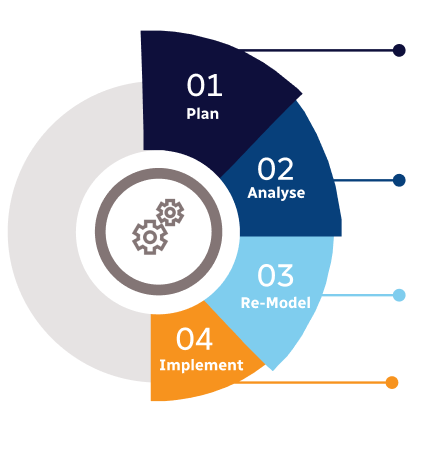
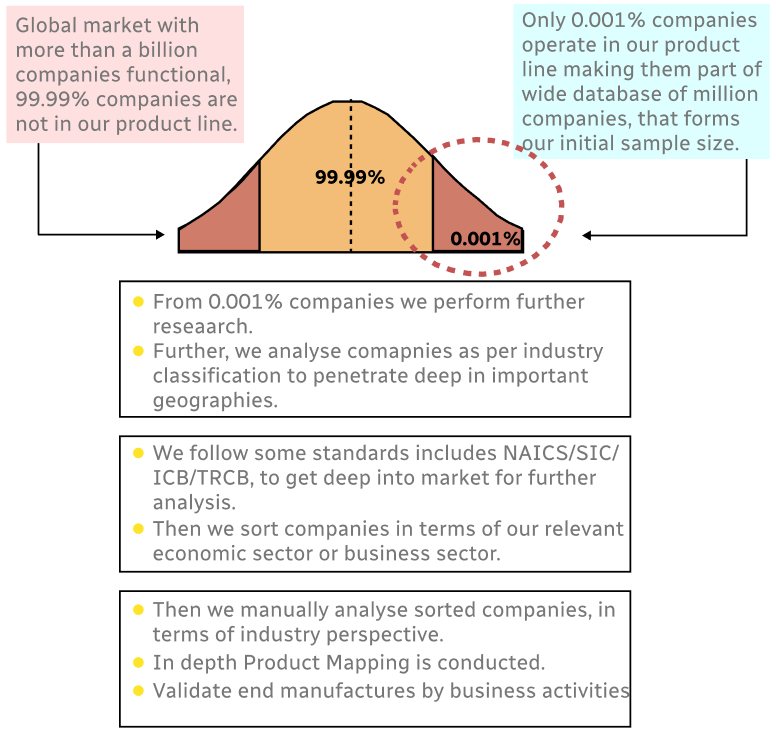
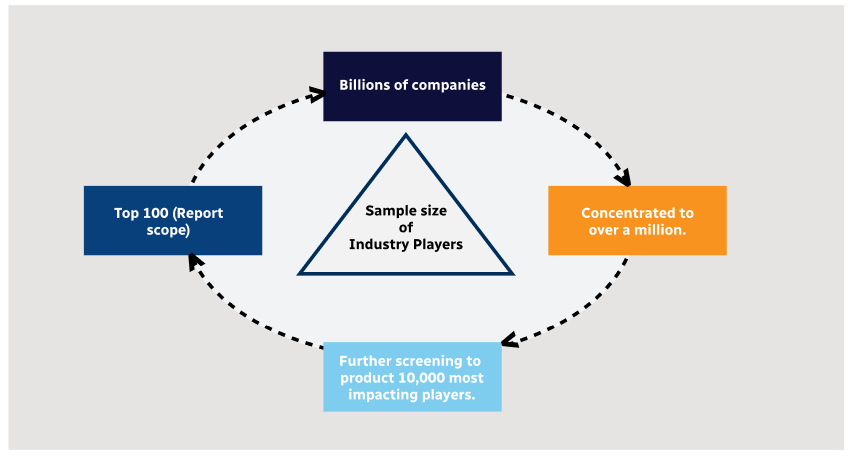
Step 1 - Identification of Relevant Samples Size from Population Database
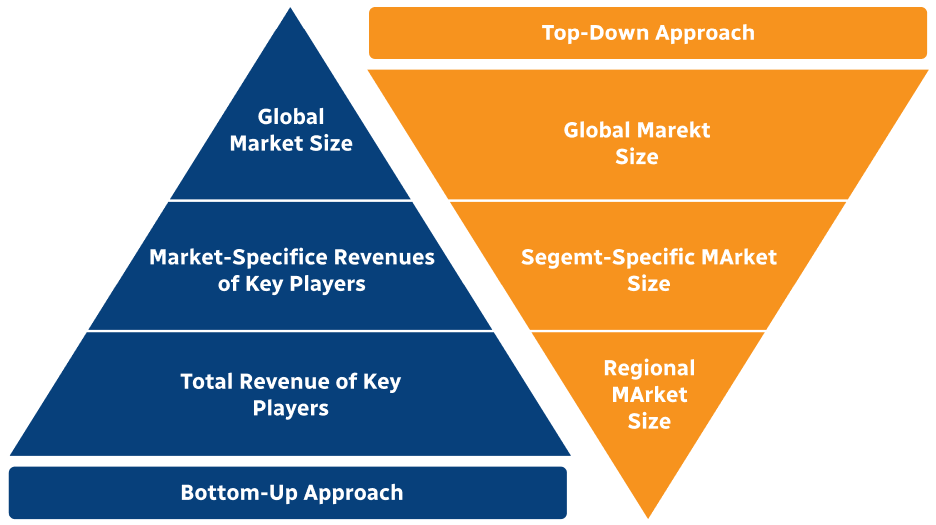
Step 2 - Approaches for Defining Global Market Size (Value, Volume* & Price*)
Note*: In applicable scenarios
Step 3 - Data Sources
Primary Research
- Web Analytics
- Survey Reports
- Research Institute
- Latest Research Reports
- Opinion Leaders
Secondary Research
- Annual Reports
- White Paper
- Latest Press Release
- Industry Association
- Paid Database
- Investor Presentations
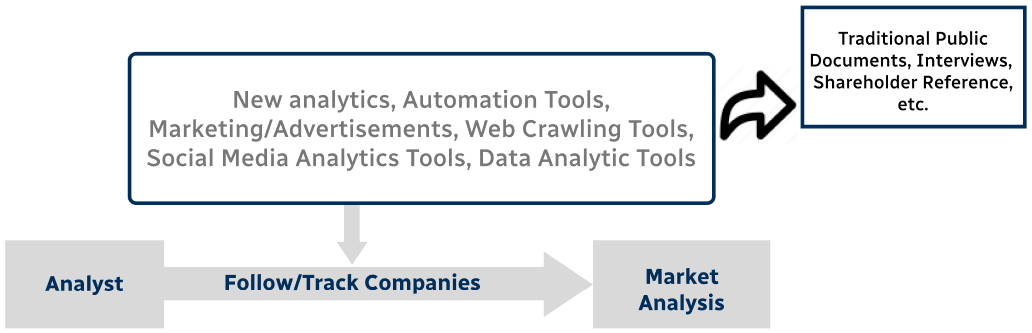
Step 4 - Data Triangulation
Involves using different sources of information in order to increase the validity of a study
These sources are likely to be stakeholders in a program - participants, other researchers, program staff, other community members, and so on.
Then we put all data in single framework & apply various statistical tools to find out the dynamic on the market.
During the analysis stage, feedback from the stakeholder groups would be compared to determine areas of agreement as well as areas of divergence