


Key Insights
The global Botanical Cleansing Oil market is poised for substantial growth, projected to reach an estimated market size of $5,800 million by 2025 and expand at a Compound Annual Growth Rate (CAGR) of 7.2% through 2033. This expansion is driven by a growing consumer preference for natural and organic skincare solutions, a heightened awareness of the benefits of plant-derived ingredients, and the increasing demand for gentle yet effective cleansing methods. As consumers become more discerning about product formulations, seeking alternatives to harsh chemical-based cleansers, botanical cleansing oils are emerging as a preferred choice for their nourishing and skin-friendly properties. The market's robust growth trajectory is further fueled by celebrity endorsements, social media influencer marketing, and the continuous innovation by key players introducing new formulations with unique botanical extracts and enhanced efficacy.
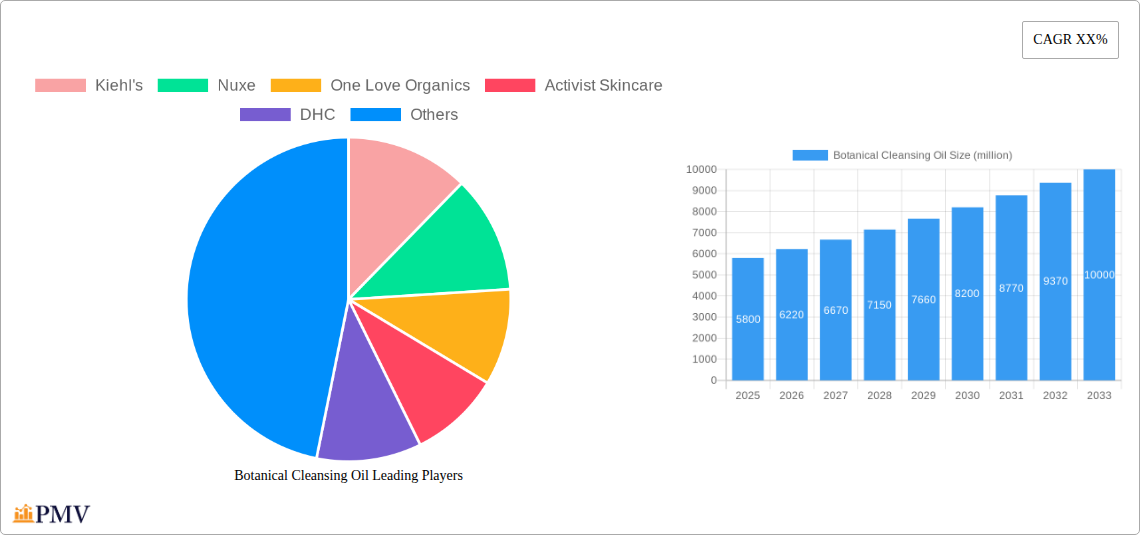
Botanical Cleansing Oil Market Size (In Billion)

The market segmentation reveals diverse opportunities, with "Online Sales" expected to outpace "Offline Sales" due to the convenience and accessibility offered by e-commerce platforms, especially among younger demographics. Across skin types, "Dry Skin" and "Mixed Skin" are anticipated to represent significant segments as botanical cleansing oils are lauded for their ability to cleanse without stripping essential moisture. Geographically, Asia Pacific, particularly China and India, is emerging as a high-growth region due to rising disposable incomes, increasing urbanization, and a burgeoning middle class with a growing interest in premium skincare. North America and Europe remain established markets with a strong consumer base for natural beauty products. Key market restraints include the relatively higher cost of sourcing premium botanical ingredients and the potential for allergic reactions in a small subset of the population, necessitating clear ingredient labeling and patch testing recommendations.
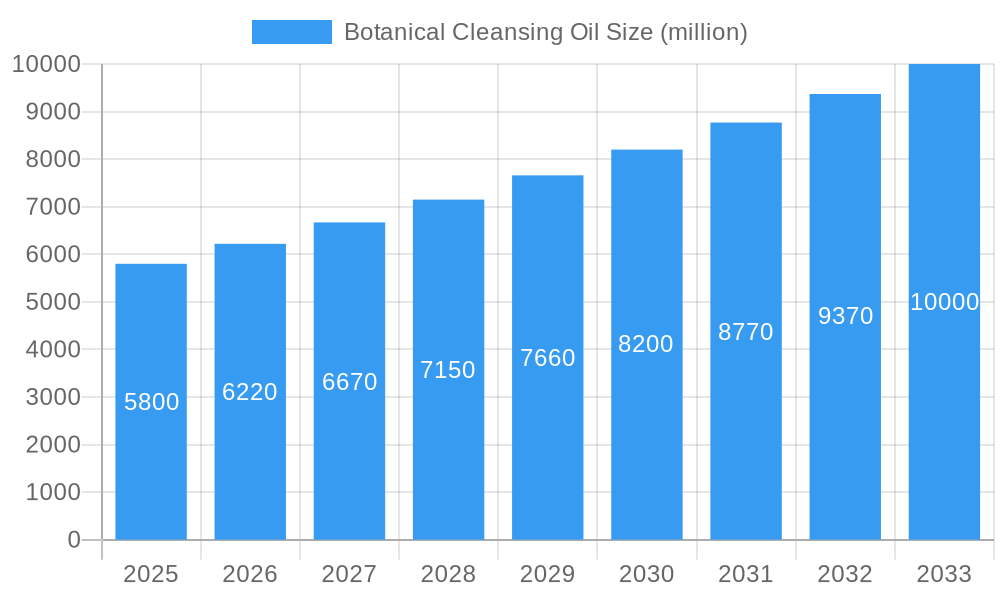
Botanical Cleansing Oil Company Market Share
Botanical Cleansing Oil Market Report: Comprehensive Analysis & Future Outlook (2019-2033)
This in-depth report provides a granular analysis of the global botanical cleansing oil market, offering critical insights for stakeholders across the skincare and beauty industries. We delve into market dynamics, emerging trends, and competitive landscapes, equipping you with actionable intelligence to navigate this rapidly evolving sector. Our study covers the historical period from 2019 to 2024, with a base year of 2025, and projects growth through 2033, encompassing a forecast period of 2025-2033.
Botanical Cleansing Oil Market Structure & Competitive Dynamics
The botanical cleansing oil market exhibits a moderately concentrated structure, with a blend of established global players and agile niche brands actively shaping the competitive landscape. Innovation ecosystems are driven by advancements in natural ingredient sourcing, sustainable packaging, and effective formulation for diverse skin types. Regulatory frameworks, primarily focused on ingredient safety and product claims, are becoming increasingly stringent globally, influencing product development and market entry strategies. Product substitutes, including micellar waters, cream cleansers, and foaming cleansers, present ongoing competition, necessitating a clear differentiation strategy for botanical cleansing oils based on their unique benefits. End-user trends emphasize a growing demand for clean beauty, vegan formulations, and multi-functional products. Mergers and acquisitions (M&A) activities are present, with strategic acquisitions aimed at expanding product portfolios and market reach. Notable M&A deal values are estimated in the hundreds of millions, bolstering the market presence of acquiring entities. Key market share indicators suggest a steady growth trajectory, with a projected XX% market share held by leading brands.
- Market Concentration: Moderately concentrated with key players holding significant market share.
- Innovation Focus: Natural ingredients, sustainability, efficacy for diverse skin concerns.
- Regulatory Landscape: Evolving with a focus on safety and transparency.
- Product Substitutes: Micellar waters, cream cleansers, foaming cleansers.
- End-User Demand: Clean beauty, vegan, multi-functional products.
- M&A Activity: Strategic acquisitions to enhance market position and product offerings.
- M&A Deal Values: Estimated in the hundreds of millions.
Botanical Cleansing Oil Industry Trends & Insights
The botanical cleansing oil industry is experiencing robust growth, driven by a confluence of powerful trends and evolving consumer preferences. The increasing consumer awareness regarding the benefits of natural and plant-derived ingredients in skincare is a primary growth catalyst. This has led to a surge in demand for botanical cleansing oils formulated with beneficial plant extracts, essential oils, and carrier oils known for their nourishing and restorative properties. Technological disruptions are playing a crucial role, with advancements in extraction techniques and formulation science enabling the creation of highly effective and stable botanical cleansing oil products. Consumers are actively seeking out clean beauty products, free from harsh chemicals, synthetic fragrances, and parabens, further propelling the adoption of botanical cleansing oils.
The competitive dynamics are characterized by a focus on product differentiation through unique ingredient blends, efficacy claims, and sustainable sourcing and packaging. Brands are investing heavily in research and development to create formulations that cater to specific skin concerns, such as dryness, oiliness, sensitivity, and aging. Market penetration of botanical cleansing oils is steadily increasing as consumers become more educated about their efficacy in effectively removing makeup, impurities, and excess sebum while maintaining skin's natural moisture barrier. The overall market penetration is estimated to reach XX% by the end of the forecast period.
The Compound Annual Growth Rate (CAGR) for the botanical cleansing oil market is projected to be a healthy XX% over the forecast period. This growth is underpinned by increasing disposable incomes in emerging economies, a growing emphasis on self-care routines, and the influential role of social media and beauty influencers in promoting natural skincare solutions. The market is also witnessing a trend towards minimalist skincare routines, where a single effective cleansing step, like using a botanical cleansing oil, is highly valued. The market size is projected to reach several billion dollars, with significant growth potential across all segments.
Dominant Markets & Segments in Botanical Cleansing Oil
The global botanical cleansing oil market demonstrates significant dominance from certain regions and specific product segments, driven by distinct economic, cultural, and regulatory factors.
Dominant Regions and Countries:
- North America: This region, particularly the United States and Canada, leads the market due to high consumer disposable income, a strong emphasis on natural and organic beauty products, and a well-established clean beauty movement. Favorable economic policies supporting the beauty industry and robust retail infrastructure, including a significant online sales channel, contribute to its dominance.
- Europe: European countries, especially the UK, Germany, and France, are major contributors, driven by a long-standing appreciation for high-quality skincare, stringent regulations favoring natural ingredients, and a growing consumer preference for sustainable and ethically sourced products.
- Asia-Pacific: This region, led by South Korea, Japan, and increasingly China, represents a rapidly growing market. Factors driving this growth include a burgeoning middle class, a cultural predisposition towards multi-step skincare routines, and a rising awareness of the benefits of botanical ingredients. The expanding e-commerce landscape is a key infrastructure development supporting market penetration.
Dominant Segments by Application:
- Online Sales: This segment is experiencing exponential growth. The convenience of online shopping, the accessibility of a wider product selection, and the influence of social media marketing make online channels a primary driver for botanical cleansing oil sales. E-retailers and direct-to-consumer (DTC) brand websites are key platforms.
- Key Drivers: Convenience, wider product availability, influencer marketing, promotional offers.
- Market Size Projection: Expected to account for over XX% of total market revenue.
- Offline Sales: Traditional brick-and-mortar retail, including department stores, specialty beauty retailers, and pharmacies, continues to hold a significant market share. The ability for consumers to physically interact with products and receive expert advice remains a crucial aspect of purchasing decisions.
- Key Drivers: Tactile product experience, expert consultation, impulse purchases, brand presence.
- Market Size Projection: Remaining a substantial contributor, though growth is slower compared to online.
Dominant Segments by Skin Type:
- Dry Skin: This segment is a major driver of botanical cleansing oil sales. Consumers with dry skin often seek cleansing solutions that are gentle and hydrating, and botanical cleansing oils excel in this regard, effectively removing impurities without stripping the skin of essential moisture.
- Key Drivers: Hydration, gentleness, nourishment, ingredient efficacy for dry skin.
- Market Size Projection: Estimated to hold a significant XX% of the market share.
- Mixed Skin: Consumers with mixed skin types, experiencing both oily and dry or normal areas, also find botanical cleansing oils beneficial. These formulations can effectively balance the skin, cleansing oily zones without exacerbating dryness.
- Key Drivers: Balancing properties, effective impurity removal, suitability for multi-zone concerns.
- Market Size Projection: A substantial segment with steady growth.
- Oily Skin: While initially perceived as counterintuitive, botanical cleansing oils are gaining traction among consumers with oily skin. Certain formulations, particularly those with lightweight oils and cleansing botanicals, can help to dissolve excess sebum and impurities without over-drying the skin, which can paradoxically lead to increased oil production.
- Key Drivers: Sebum dissolution, effective cleansing without stripping, potential for oil balancing.
- Market Size Projection: A growing segment with increasing consumer education.
Botanical Cleansing Oil Product Innovations
The botanical cleansing oil market is witnessing a wave of innovative product developments focused on enhancing efficacy, sustainability, and consumer experience. Formulations are increasingly incorporating advanced botanical extracts with targeted benefits, such as anti-inflammatory properties, antioxidant protection, and enhanced moisturizing capabilities. Innovations in extraction methods ensure the preservation of beneficial compounds, leading to more potent and effective cleansing oils. Furthermore, there's a strong trend towards multi-functional products that not only cleanse but also offer serum-like benefits, such as brightening or anti-aging effects. The competitive advantage lies in creating unique, synergistic botanical blends that deliver visible results and cater to specific consumer concerns, alongside a commitment to eco-friendly packaging solutions, utilizing recycled materials and refillable options to meet the growing demand for sustainable beauty.
Report Segmentation & Scope
This report comprehensively segments the botanical cleansing oil market to provide detailed insights into each area. The segmentation is categorized by application and by skin type, allowing for a granular understanding of market dynamics and growth opportunities.
Application Segmentation:
- Online Sales: This segment encompasses sales through e-commerce platforms, brand websites, and online beauty retailers. It is projected to grow significantly due to convenience and accessibility.
- Offline Sales: This includes sales through brick-and-mortar stores such as department stores, specialty beauty retailers, pharmacies, and supermarkets.
Skin Type Segmentation:
- Dry Skin: This segment focuses on botanical cleansing oils formulated to address the needs of dry and dehydrated skin, emphasizing hydration and nourishment.
- Oily Skin: This segment covers products designed for oily and acne-prone skin, focusing on effective sebum dissolution and gentle cleansing.
- Mixed Skin: This segment includes formulations suitable for combination skin types, aiming to balance different skin zones effectively. Each segment's projected market size and competitive dynamics are analyzed throughout the report.
Key Drivers of Botanical Cleansing Oil Growth
The botanical cleansing oil market is propelled by several key drivers, including a significant shift in consumer preference towards natural and organic ingredients, fueled by increasing awareness of their skincare benefits and a desire for cleaner beauty products. Technological advancements in ingredient extraction and formulation are enabling more effective and potent botanical cleansing oil products, enhancing their appeal. The growing emphasis on self-care and holistic wellness routines contributes to increased demand for gentle yet effective skincare, positioning botanical cleansing oils as a preferred choice for many. Furthermore, supportive economic policies in key markets and the rising disposable incomes in emerging economies are expanding the consumer base for premium and natural skincare products.
Challenges in the Botanical Cleansing Oil Sector
Despite the robust growth, the botanical cleansing oil sector faces several challenges. Regulatory hurdles, particularly concerning ingredient claims and product labeling, can impact market entry and product development. Supply chain issues related to the sourcing of natural and organic botanical ingredients, including potential price volatility and availability fluctuations, can pose a restraint. Intense competitive pressures from established skincare brands and the emergence of new niche players necessitate continuous innovation and effective marketing strategies. Consumers may also have misconceptions about the suitability of oil-based cleansers for certain skin types, requiring ongoing education to drive broader adoption.
Leading Players in the Botanical Cleansing Oil Market
- Kiehl's
- Nuxe
- One Love Organics
- Activist Skincare
- DHC
- Kosé
- Avon
- Kao
- Unilever
- Johnson & Johnson
- Amorepacific
- Pierre Fabre
Key Developments in Botanical Cleansing Oil Sector
- January 2024: Launch of a new vegan botanical cleansing oil with a focus on ethically sourced marula oil, targeting sensitive skin types.
- November 2023: A major player announced a strategic partnership with a sustainable packaging supplier to reduce their environmental footprint.
- July 2023: Introduction of a refillable packaging system for popular botanical cleansing oil products to enhance customer loyalty and sustainability.
- April 2023: A new entrant launched a range of botanical cleansing oils specifically formulated for men's skincare needs.
- February 2022: Acquisition of a smaller botanical skincare brand by a larger conglomerate to expand its natural product portfolio.
- September 2021: Significant investment in R&D for innovative extraction techniques to maximize the potency of botanical ingredients.
- May 2020: Increased focus on e-commerce and direct-to-consumer (DTC) sales channels by most leading brands.
- March 2019: Growing consumer demand for fragrance-free and hypoallergenic botanical cleansing oil formulations.
Strategic Botanical Cleansing Oil Market Outlook
The strategic outlook for the botanical cleansing oil market remains exceptionally positive, fueled by sustained consumer demand for effective, natural, and sustainable skincare solutions. Growth accelerators include the continued expansion of e-commerce channels, the increasing influence of beauty influencers and social media in product discovery, and the ongoing innovation in product formulation to address a wider array of skin concerns. Brands that prioritize transparency in ingredient sourcing, demonstrate a strong commitment to sustainability, and offer unique, high-performance botanical blends are well-positioned for significant market share gains. Future market potential lies in further educating consumers about the benefits of oil cleansing for all skin types and expanding into emerging geographic markets with tailored product offerings.
Botanical Cleansing Oil Segmentation
-
1. Application
- 1.1. Online Sales
- 1.2. Offline Sales
-
2. Types
- 2.1. Dry Skin
- 2.2. Oily Skin
- 2.3. Mixed Skin
Botanical Cleansing Oil Segmentation By Geography
-
1. North America
- 1.1. United States
- 1.2. Canada
- 1.3. Mexico
-
2. South America
- 2.1. Brazil
- 2.2. Argentina
- 2.3. Rest of South America
-
3. Europe
- 3.1. United Kingdom
- 3.2. Germany
- 3.3. France
- 3.4. Italy
- 3.5. Spain
- 3.6. Russia
- 3.7. Benelux
- 3.8. Nordics
- 3.9. Rest of Europe
-
4. Middle East & Africa
- 4.1. Turkey
- 4.2. Israel
- 4.3. GCC
- 4.4. North Africa
- 4.5. South Africa
- 4.6. Rest of Middle East & Africa
-
5. Asia Pacific
- 5.1. China
- 5.2. India
- 5.3. Japan
- 5.4. South Korea
- 5.5. ASEAN
- 5.6. Oceania
- 5.7. Rest of Asia Pacific
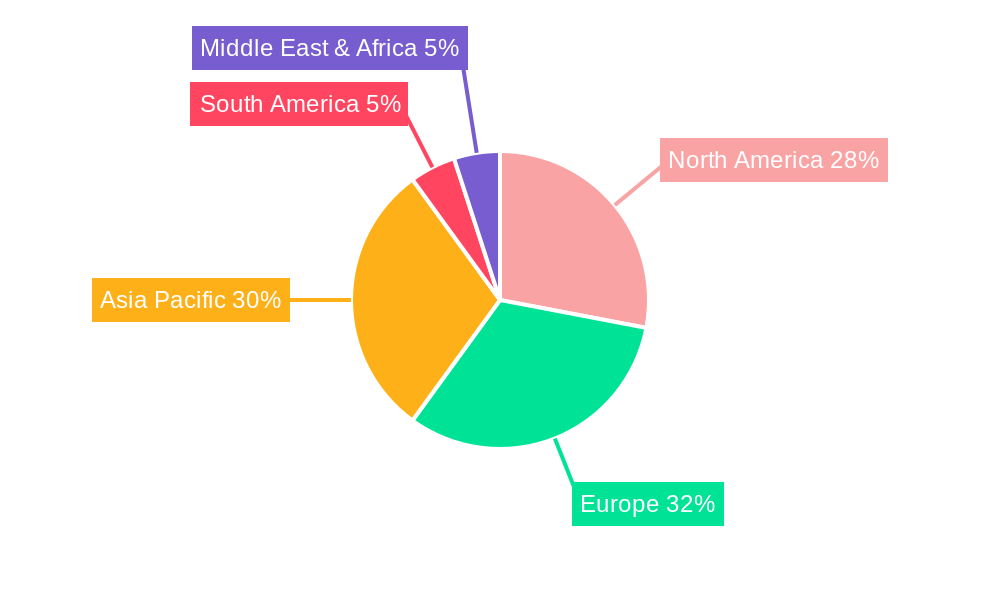
Botanical Cleansing Oil Regional Market Share
Geographic Coverage of Botanical Cleansing Oil
Botanical Cleansing Oil REPORT HIGHLIGHTS
| Aspects | Details |
|---|---|
| Study Period | 2020-2034 |
| Base Year | 2025 |
| Estimated Year | 2026 |
| Forecast Period | 2026-2034 |
| Historical Period | 2020-2025 |
| Growth Rate | CAGR of XX% from 2020-2034 |
| Segmentation |
|
Table of Contents
- 1. Introduction
- 1.1. Research Scope
- 1.2. Market Segmentation
- 1.3. Research Methodology
- 1.4. Definitions and Assumptions
- 2. Executive Summary
- 2.1. Introduction
- 3. Market Dynamics
- 3.1. Introduction
- 3.2. Market Drivers
- 3.3. Market Restrains
- 3.4. Market Trends
- 4. Market Factor Analysis
- 4.1. Porters Five Forces
- 4.2. Supply/Value Chain
- 4.3. PESTEL analysis
- 4.4. Market Entropy
- 4.5. Patent/Trademark Analysis
- 5. Global Botanical Cleansing Oil Analysis, Insights and Forecast, 2020-2032
- 5.1. Market Analysis, Insights and Forecast - by Application
- 5.1.1. Online Sales
- 5.1.2. Offline Sales
- 5.2. Market Analysis, Insights and Forecast - by Types
- 5.2.1. Dry Skin
- 5.2.2. Oily Skin
- 5.2.3. Mixed Skin
- 5.3. Market Analysis, Insights and Forecast - by Region
- 5.3.1. North America
- 5.3.2. South America
- 5.3.3. Europe
- 5.3.4. Middle East & Africa
- 5.3.5. Asia Pacific
- 5.1. Market Analysis, Insights and Forecast - by Application
- 6. North America Botanical Cleansing Oil Analysis, Insights and Forecast, 2020-2032
- 6.1. Market Analysis, Insights and Forecast - by Application
- 6.1.1. Online Sales
- 6.1.2. Offline Sales
- 6.2. Market Analysis, Insights and Forecast - by Types
- 6.2.1. Dry Skin
- 6.2.2. Oily Skin
- 6.2.3. Mixed Skin
- 6.1. Market Analysis, Insights and Forecast - by Application
- 7. South America Botanical Cleansing Oil Analysis, Insights and Forecast, 2020-2032
- 7.1. Market Analysis, Insights and Forecast - by Application
- 7.1.1. Online Sales
- 7.1.2. Offline Sales
- 7.2. Market Analysis, Insights and Forecast - by Types
- 7.2.1. Dry Skin
- 7.2.2. Oily Skin
- 7.2.3. Mixed Skin
- 7.1. Market Analysis, Insights and Forecast - by Application
- 8. Europe Botanical Cleansing Oil Analysis, Insights and Forecast, 2020-2032
- 8.1. Market Analysis, Insights and Forecast - by Application
- 8.1.1. Online Sales
- 8.1.2. Offline Sales
- 8.2. Market Analysis, Insights and Forecast - by Types
- 8.2.1. Dry Skin
- 8.2.2. Oily Skin
- 8.2.3. Mixed Skin
- 8.1. Market Analysis, Insights and Forecast - by Application
- 9. Middle East & Africa Botanical Cleansing Oil Analysis, Insights and Forecast, 2020-2032
- 9.1. Market Analysis, Insights and Forecast - by Application
- 9.1.1. Online Sales
- 9.1.2. Offline Sales
- 9.2. Market Analysis, Insights and Forecast - by Types
- 9.2.1. Dry Skin
- 9.2.2. Oily Skin
- 9.2.3. Mixed Skin
- 9.1. Market Analysis, Insights and Forecast - by Application
- 10. Asia Pacific Botanical Cleansing Oil Analysis, Insights and Forecast, 2020-2032
- 10.1. Market Analysis, Insights and Forecast - by Application
- 10.1.1. Online Sales
- 10.1.2. Offline Sales
- 10.2. Market Analysis, Insights and Forecast - by Types
- 10.2.1. Dry Skin
- 10.2.2. Oily Skin
- 10.2.3. Mixed Skin
- 10.1. Market Analysis, Insights and Forecast - by Application
- 11. Competitive Analysis
- 11.1. Global Market Share Analysis 2025
- 11.2. Company Profiles
- 11.2.1 Kiehl's
- 11.2.1.1. Overview
- 11.2.1.2. Products
- 11.2.1.3. SWOT Analysis
- 11.2.1.4. Recent Developments
- 11.2.1.5. Financials (Based on Availability)
- 11.2.2 Nuxe
- 11.2.2.1. Overview
- 11.2.2.2. Products
- 11.2.2.3. SWOT Analysis
- 11.2.2.4. Recent Developments
- 11.2.2.5. Financials (Based on Availability)
- 11.2.3 One Love Organics
- 11.2.3.1. Overview
- 11.2.3.2. Products
- 11.2.3.3. SWOT Analysis
- 11.2.3.4. Recent Developments
- 11.2.3.5. Financials (Based on Availability)
- 11.2.4 Activist Skincare
- 11.2.4.1. Overview
- 11.2.4.2. Products
- 11.2.4.3. SWOT Analysis
- 11.2.4.4. Recent Developments
- 11.2.4.5. Financials (Based on Availability)
- 11.2.5 DHC
- 11.2.5.1. Overview
- 11.2.5.2. Products
- 11.2.5.3. SWOT Analysis
- 11.2.5.4. Recent Developments
- 11.2.5.5. Financials (Based on Availability)
- 11.2.6 Kosé
- 11.2.6.1. Overview
- 11.2.6.2. Products
- 11.2.6.3. SWOT Analysis
- 11.2.6.4. Recent Developments
- 11.2.6.5. Financials (Based on Availability)
- 11.2.7 Avon
- 11.2.7.1. Overview
- 11.2.7.2. Products
- 11.2.7.3. SWOT Analysis
- 11.2.7.4. Recent Developments
- 11.2.7.5. Financials (Based on Availability)
- 11.2.8 Kao
- 11.2.8.1. Overview
- 11.2.8.2. Products
- 11.2.8.3. SWOT Analysis
- 11.2.8.4. Recent Developments
- 11.2.8.5. Financials (Based on Availability)
- 11.2.9 Unilever
- 11.2.9.1. Overview
- 11.2.9.2. Products
- 11.2.9.3. SWOT Analysis
- 11.2.9.4. Recent Developments
- 11.2.9.5. Financials (Based on Availability)
- 11.2.10 Johnson & Johnson
- 11.2.10.1. Overview
- 11.2.10.2. Products
- 11.2.10.3. SWOT Analysis
- 11.2.10.4. Recent Developments
- 11.2.10.5. Financials (Based on Availability)
- 11.2.11 Amorepacific
- 11.2.11.1. Overview
- 11.2.11.2. Products
- 11.2.11.3. SWOT Analysis
- 11.2.11.4. Recent Developments
- 11.2.11.5. Financials (Based on Availability)
- 11.2.12 Pierre Fabre
- 11.2.12.1. Overview
- 11.2.12.2. Products
- 11.2.12.3. SWOT Analysis
- 11.2.12.4. Recent Developments
- 11.2.12.5. Financials (Based on Availability)
- 11.2.1 Kiehl's
List of Figures
- Figure 1: Global Botanical Cleansing Oil Revenue Breakdown (million, %) by Region 2025 & 2033
- Figure 2: North America Botanical Cleansing Oil Revenue (million), by Application 2025 & 2033
- Figure 3: North America Botanical Cleansing Oil Revenue Share (%), by Application 2025 & 2033
- Figure 4: North America Botanical Cleansing Oil Revenue (million), by Types 2025 & 2033
- Figure 5: North America Botanical Cleansing Oil Revenue Share (%), by Types 2025 & 2033
- Figure 6: North America Botanical Cleansing Oil Revenue (million), by Country 2025 & 2033
- Figure 7: North America Botanical Cleansing Oil Revenue Share (%), by Country 2025 & 2033
- Figure 8: South America Botanical Cleansing Oil Revenue (million), by Application 2025 & 2033
- Figure 9: South America Botanical Cleansing Oil Revenue Share (%), by Application 2025 & 2033
- Figure 10: South America Botanical Cleansing Oil Revenue (million), by Types 2025 & 2033
- Figure 11: South America Botanical Cleansing Oil Revenue Share (%), by Types 2025 & 2033
- Figure 12: South America Botanical Cleansing Oil Revenue (million), by Country 2025 & 2033
- Figure 13: South America Botanical Cleansing Oil Revenue Share (%), by Country 2025 & 2033
- Figure 14: Europe Botanical Cleansing Oil Revenue (million), by Application 2025 & 2033
- Figure 15: Europe Botanical Cleansing Oil Revenue Share (%), by Application 2025 & 2033
- Figure 16: Europe Botanical Cleansing Oil Revenue (million), by Types 2025 & 2033
- Figure 17: Europe Botanical Cleansing Oil Revenue Share (%), by Types 2025 & 2033
- Figure 18: Europe Botanical Cleansing Oil Revenue (million), by Country 2025 & 2033
- Figure 19: Europe Botanical Cleansing Oil Revenue Share (%), by Country 2025 & 2033
- Figure 20: Middle East & Africa Botanical Cleansing Oil Revenue (million), by Application 2025 & 2033
- Figure 21: Middle East & Africa Botanical Cleansing Oil Revenue Share (%), by Application 2025 & 2033
- Figure 22: Middle East & Africa Botanical Cleansing Oil Revenue (million), by Types 2025 & 2033
- Figure 23: Middle East & Africa Botanical Cleansing Oil Revenue Share (%), by Types 2025 & 2033
- Figure 24: Middle East & Africa Botanical Cleansing Oil Revenue (million), by Country 2025 & 2033
- Figure 25: Middle East & Africa Botanical Cleansing Oil Revenue Share (%), by Country 2025 & 2033
- Figure 26: Asia Pacific Botanical Cleansing Oil Revenue (million), by Application 2025 & 2033
- Figure 27: Asia Pacific Botanical Cleansing Oil Revenue Share (%), by Application 2025 & 2033
- Figure 28: Asia Pacific Botanical Cleansing Oil Revenue (million), by Types 2025 & 2033
- Figure 29: Asia Pacific Botanical Cleansing Oil Revenue Share (%), by Types 2025 & 2033
- Figure 30: Asia Pacific Botanical Cleansing Oil Revenue (million), by Country 2025 & 2033
- Figure 31: Asia Pacific Botanical Cleansing Oil Revenue Share (%), by Country 2025 & 2033
List of Tables
- Table 1: Global Botanical Cleansing Oil Revenue million Forecast, by Application 2020 & 2033
- Table 2: Global Botanical Cleansing Oil Revenue million Forecast, by Types 2020 & 2033
- Table 3: Global Botanical Cleansing Oil Revenue million Forecast, by Region 2020 & 2033
- Table 4: Global Botanical Cleansing Oil Revenue million Forecast, by Application 2020 & 2033
- Table 5: Global Botanical Cleansing Oil Revenue million Forecast, by Types 2020 & 2033
- Table 6: Global Botanical Cleansing Oil Revenue million Forecast, by Country 2020 & 2033
- Table 7: United States Botanical Cleansing Oil Revenue (million) Forecast, by Application 2020 & 2033
- Table 8: Canada Botanical Cleansing Oil Revenue (million) Forecast, by Application 2020 & 2033
- Table 9: Mexico Botanical Cleansing Oil Revenue (million) Forecast, by Application 2020 & 2033
- Table 10: Global Botanical Cleansing Oil Revenue million Forecast, by Application 2020 & 2033
- Table 11: Global Botanical Cleansing Oil Revenue million Forecast, by Types 2020 & 2033
- Table 12: Global Botanical Cleansing Oil Revenue million Forecast, by Country 2020 & 2033
- Table 13: Brazil Botanical Cleansing Oil Revenue (million) Forecast, by Application 2020 & 2033
- Table 14: Argentina Botanical Cleansing Oil Revenue (million) Forecast, by Application 2020 & 2033
- Table 15: Rest of South America Botanical Cleansing Oil Revenue (million) Forecast, by Application 2020 & 2033
- Table 16: Global Botanical Cleansing Oil Revenue million Forecast, by Application 2020 & 2033
- Table 17: Global Botanical Cleansing Oil Revenue million Forecast, by Types 2020 & 2033
- Table 18: Global Botanical Cleansing Oil Revenue million Forecast, by Country 2020 & 2033
- Table 19: United Kingdom Botanical Cleansing Oil Revenue (million) Forecast, by Application 2020 & 2033
- Table 20: Germany Botanical Cleansing Oil Revenue (million) Forecast, by Application 2020 & 2033
- Table 21: France Botanical Cleansing Oil Revenue (million) Forecast, by Application 2020 & 2033
- Table 22: Italy Botanical Cleansing Oil Revenue (million) Forecast, by Application 2020 & 2033
- Table 23: Spain Botanical Cleansing Oil Revenue (million) Forecast, by Application 2020 & 2033
- Table 24: Russia Botanical Cleansing Oil Revenue (million) Forecast, by Application 2020 & 2033
- Table 25: Benelux Botanical Cleansing Oil Revenue (million) Forecast, by Application 2020 & 2033
- Table 26: Nordics Botanical Cleansing Oil Revenue (million) Forecast, by Application 2020 & 2033
- Table 27: Rest of Europe Botanical Cleansing Oil Revenue (million) Forecast, by Application 2020 & 2033
- Table 28: Global Botanical Cleansing Oil Revenue million Forecast, by Application 2020 & 2033
- Table 29: Global Botanical Cleansing Oil Revenue million Forecast, by Types 2020 & 2033
- Table 30: Global Botanical Cleansing Oil Revenue million Forecast, by Country 2020 & 2033
- Table 31: Turkey Botanical Cleansing Oil Revenue (million) Forecast, by Application 2020 & 2033
- Table 32: Israel Botanical Cleansing Oil Revenue (million) Forecast, by Application 2020 & 2033
- Table 33: GCC Botanical Cleansing Oil Revenue (million) Forecast, by Application 2020 & 2033
- Table 34: North Africa Botanical Cleansing Oil Revenue (million) Forecast, by Application 2020 & 2033
- Table 35: South Africa Botanical Cleansing Oil Revenue (million) Forecast, by Application 2020 & 2033
- Table 36: Rest of Middle East & Africa Botanical Cleansing Oil Revenue (million) Forecast, by Application 2020 & 2033
- Table 37: Global Botanical Cleansing Oil Revenue million Forecast, by Application 2020 & 2033
- Table 38: Global Botanical Cleansing Oil Revenue million Forecast, by Types 2020 & 2033
- Table 39: Global Botanical Cleansing Oil Revenue million Forecast, by Country 2020 & 2033
- Table 40: China Botanical Cleansing Oil Revenue (million) Forecast, by Application 2020 & 2033
- Table 41: India Botanical Cleansing Oil Revenue (million) Forecast, by Application 2020 & 2033
- Table 42: Japan Botanical Cleansing Oil Revenue (million) Forecast, by Application 2020 & 2033
- Table 43: South Korea Botanical Cleansing Oil Revenue (million) Forecast, by Application 2020 & 2033
- Table 44: ASEAN Botanical Cleansing Oil Revenue (million) Forecast, by Application 2020 & 2033
- Table 45: Oceania Botanical Cleansing Oil Revenue (million) Forecast, by Application 2020 & 2033
- Table 46: Rest of Asia Pacific Botanical Cleansing Oil Revenue (million) Forecast, by Application 2020 & 2033
Frequently Asked Questions
1. What is the projected Compound Annual Growth Rate (CAGR) of the Botanical Cleansing Oil?
The projected CAGR is approximately XX%.
2. Which companies are prominent players in the Botanical Cleansing Oil?
Key companies in the market include Kiehl's, Nuxe, One Love Organics, Activist Skincare, DHC, Kosé, Avon, Kao, Unilever, Johnson & Johnson, Amorepacific, Pierre Fabre.
3. What are the main segments of the Botanical Cleansing Oil?
The market segments include Application, Types.
4. Can you provide details about the market size?
The market size is estimated to be USD XXX million as of 2022.
5. What are some drivers contributing to market growth?
N/A
6. What are the notable trends driving market growth?
N/A
7. Are there any restraints impacting market growth?
N/A
8. Can you provide examples of recent developments in the market?
N/A
9. What pricing options are available for accessing the report?
Pricing options include single-user, multi-user, and enterprise licenses priced at USD 2900.00, USD 4350.00, and USD 5800.00 respectively.
10. Is the market size provided in terms of value or volume?
The market size is provided in terms of value, measured in million.
11. Are there any specific market keywords associated with the report?
Yes, the market keyword associated with the report is "Botanical Cleansing Oil," which aids in identifying and referencing the specific market segment covered.
12. How do I determine which pricing option suits my needs best?
The pricing options vary based on user requirements and access needs. Individual users may opt for single-user licenses, while businesses requiring broader access may choose multi-user or enterprise licenses for cost-effective access to the report.
13. Are there any additional resources or data provided in the Botanical Cleansing Oil report?
While the report offers comprehensive insights, it's advisable to review the specific contents or supplementary materials provided to ascertain if additional resources or data are available.
14. How can I stay updated on further developments or reports in the Botanical Cleansing Oil?
To stay informed about further developments, trends, and reports in the Botanical Cleansing Oil, consider subscribing to industry newsletters, following relevant companies and organizations, or regularly checking reputable industry news sources and publications.
Methodology
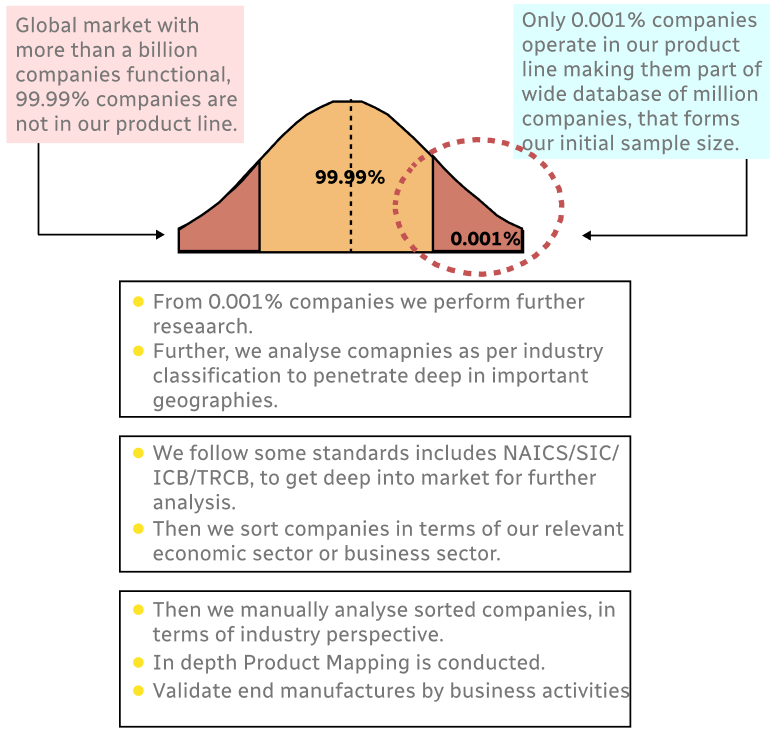
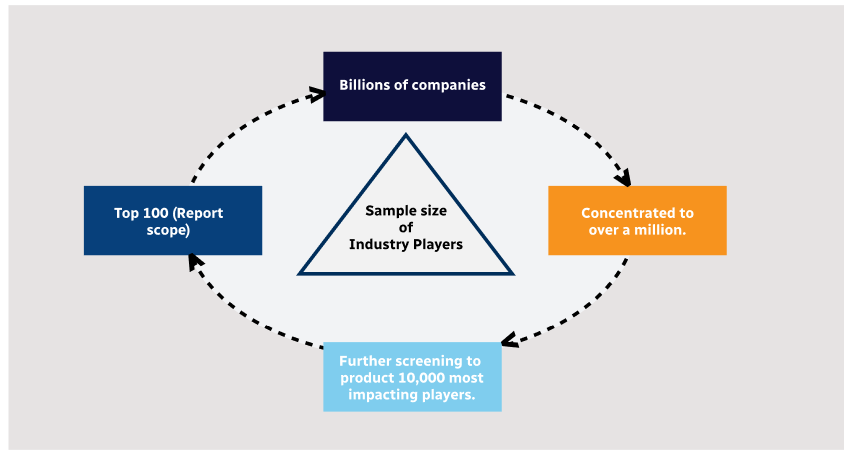
Step 1 - Identification of Relevant Samples Size from Population Database
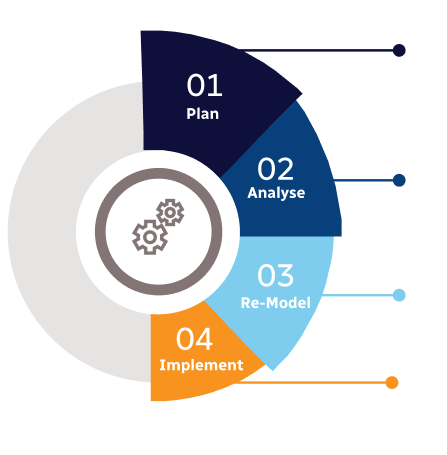
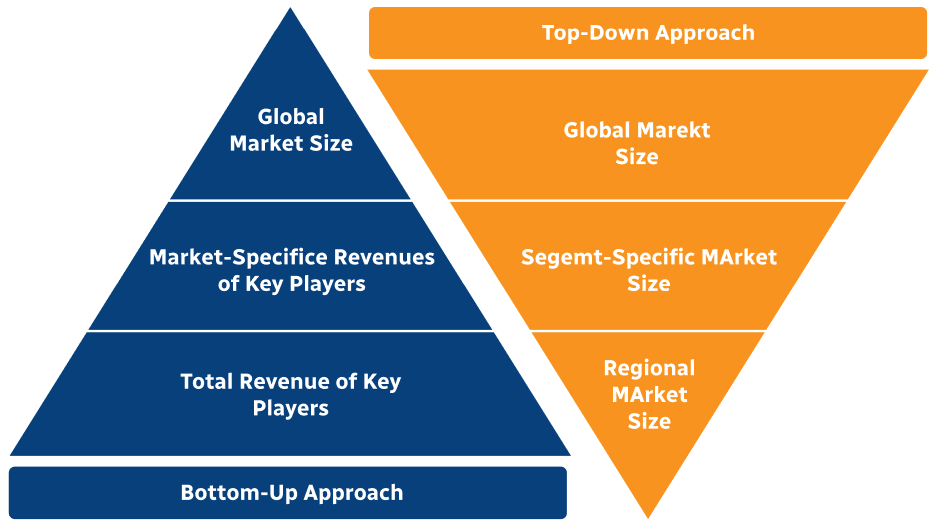
Step 2 - Approaches for Defining Global Market Size (Value, Volume* & Price*)
Note*: In applicable scenarios
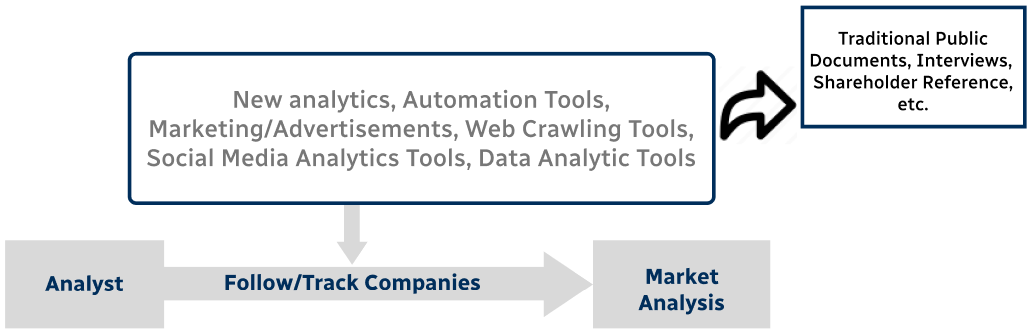
Step 3 - Data Sources
Primary Research
- Web Analytics
- Survey Reports
- Research Institute
- Latest Research Reports
- Opinion Leaders
Secondary Research
- Annual Reports
- White Paper
- Latest Press Release
- Industry Association
- Paid Database
- Investor Presentations
Step 4 - Data Triangulation
Involves using different sources of information in order to increase the validity of a study
These sources are likely to be stakeholders in a program - participants, other researchers, program staff, other community members, and so on.
Then we put all data in single framework & apply various statistical tools to find out the dynamic on the market.
During the analysis stage, feedback from the stakeholder groups would be compared to determine areas of agreement as well as areas of divergence