


Key Insights
The global alloy wheel refurbishment market is projected for substantial growth, estimated at USD 6,613 million in 2025, with a Compound Annual Growth Rate (CAGR) of 6.5% expected to continue through 2033. This robust expansion is primarily driven by the increasing number of vehicles on the road, a growing emphasis on vehicle aesthetics, and the rising cost of new alloy wheels. As consumers become more conscious of vehicle maintenance and resale value, the demand for professional alloy wheel repair and refurbishment services is surging. The market benefits from a strong aftermarket segment where owners seek cost-effective solutions to restore damaged or worn-out wheels rather than replacing them entirely. This trend is particularly prevalent in the passenger vehicle segment, which represents a significant portion of the market due to the sheer volume of cars. Furthermore, the commercial vehicle sector is also contributing to growth, as fleet operators prioritize maintaining their vehicles' appearance for brand image and operational efficiency. The shift towards more complex and stylish wheel designs also necessitates specialized refurbishment techniques, further fueling market expansion.
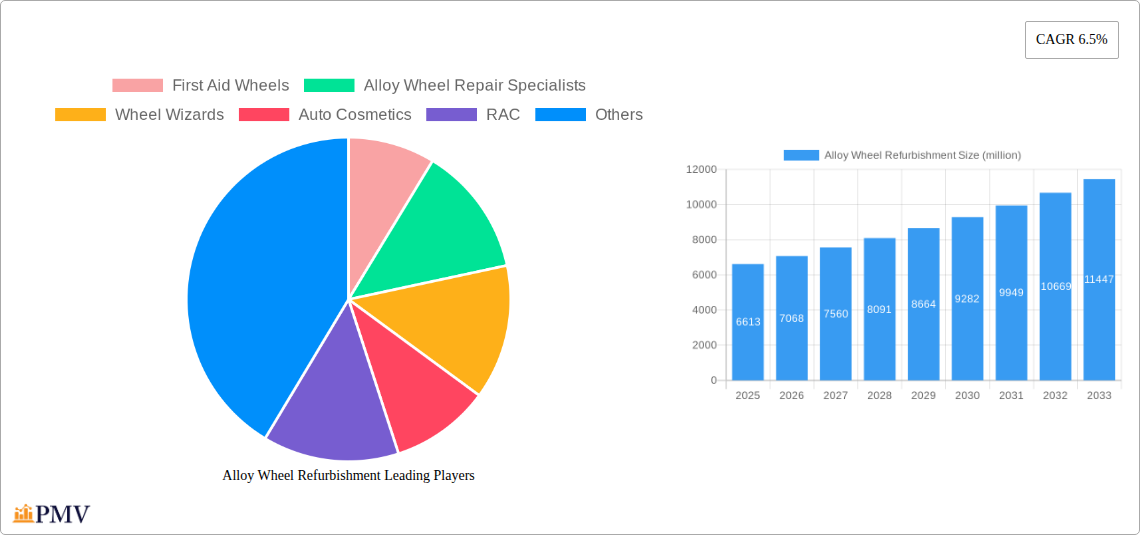
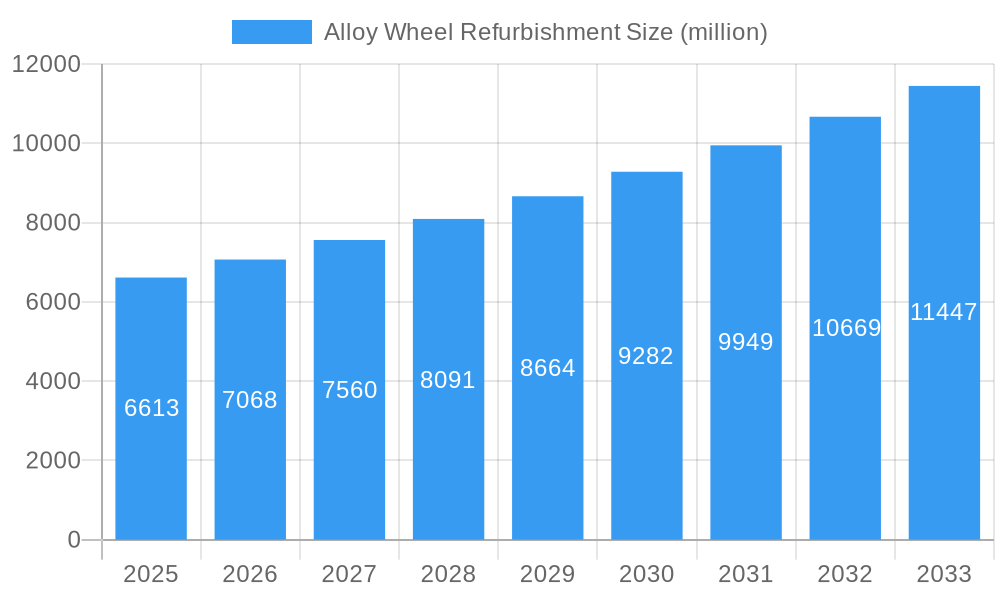
Alloy Wheel Refurbishment Market Size (In Billion)

The alloy wheel refurbishment market is characterized by a diverse range of services and technologies. Key applications include the refurbishment of wheels for both commercial and passenger vehicles. Within the refurbishment types, powder-coated finishes are widely adopted for their durability and aesthetic appeal, while diamond cut and ceramic polishing techniques cater to premium vehicle segments requiring superior finishes. The market is witnessing significant activity from a range of players, from specialized local repair shops to larger national service providers. Geographically, North America and Europe are anticipated to dominate the market due to high vehicle ownership and a well-established automotive aftermarket culture. However, the Asia Pacific region, particularly China and India, is poised for rapid growth, driven by increasing disposable incomes, a burgeoning automotive industry, and a rising trend of vehicle customization and maintenance. Emerging markets in the Middle East and Africa also present considerable untapped potential. The competitive landscape is expected to intensify, with companies focusing on service quality, technological innovation, and expanding their geographical reach to capture market share.
Alloy Wheel Refurbishment Company Market Share
This comprehensive market research report offers a detailed analysis of the global Alloy Wheel Refurbishment market, providing critical insights for stakeholders from 2019 to 2033. The study period encompasses historical trends (2019–2024), a base year analysis (2025), and an extensive forecast period (2025–2033), offering a strategic outlook on market evolution. The report delves into market structure, competitive dynamics, industry trends, dominant segments, product innovations, key growth drivers, challenges, leading players, pivotal developments, and a strategic market outlook. With an estimated market size of over one million for various metrics and CAGR projections, this report is an indispensable resource for understanding the future of alloy wheel repair and refurbishment.
Alloy Wheel Refurbishment Market Structure & Competitive Dynamics
The global Alloy Wheel Refurbishment market exhibits a moderately concentrated structure, with a blend of established national players and emerging regional specialists. Key companies like Lepsons, Revive, and Kerbed command significant market share, estimated to be over 15% collectively in key regions. The innovation ecosystem is driven by advancements in repair techniques, such as sophisticated powder coating finishes and precision diamond cutting technologies. Regulatory frameworks primarily focus on environmental standards for waste disposal and chemical usage during refurbishment processes, impacting operational costs and investment in sustainable practices. Product substitutes, including the outright replacement of alloy wheels, present a consistent competitive pressure, particularly for older or severely damaged wheels. End-user trends are leaning towards cost-effectiveness and sustainability, favoring refurbishment over replacement. Mergers and acquisitions (M&A) activities are observed, with deal values potentially reaching millions, indicating consolidation efforts and strategic expansion. For instance, an estimated M&A deal value of over $10 million in the forecast period could reshape market dynamics.
Alloy Wheel Refurbishment Industry Trends & Insights
The Alloy Wheel Refurbishment industry is experiencing robust growth, fueled by increasing vehicle parc, the rising cost of new alloy wheels, and a growing consumer preference for sustainable automotive maintenance solutions. The market is projected to witness a Compound Annual Growth Rate (CAGR) of approximately 7.5% over the forecast period. Technological disruptions are at the forefront, with advancements in robotic detailing, advanced powder coating techniques that offer superior durability and aesthetic appeal, and high-precision CNC diamond cutting machines enabling flawless finishes on even the most intricate wheel designs. Ceramic polishing, a newer entrant, is gaining traction for its protective and aesthetic benefits, contributing to market penetration. Consumer preferences are shifting towards personalized refurbishment options, allowing vehicle owners to customize their wheel aesthetics beyond standard repairs. This includes a demand for a wider palette of powder coat colors and finishes. Furthermore, the increasing lifespan of vehicles and the desire to maintain their resale value are significant market penetration drivers. The industry is also witnessing a rise in mobile refurbishment services, offering convenience and accessibility, particularly for passenger vehicles. This trend is expected to contribute over $50 million in incremental revenue by 2030. The emphasis on eco-friendly refurbishment processes, utilizing low-VOC (Volatile Organic Compound) coatings and efficient waste management, is also becoming a key differentiator and growth accelerator.
Dominant Markets & Segments in Alloy Wheel Refurbishment
The Passenger Vehicles segment is the dominant market within Alloy Wheel Refurbishment, accounting for over 70% of the global market share. This dominance is propelled by the sheer volume of passenger cars on the road, coupled with the aesthetic and performance expectations of owners. Key drivers for this segment's dominance include:
- Economic Policies: Favorable financing options for new vehicles indirectly boost the demand for maintenance and refurbishment services for existing vehicles.
- Consumer Affluence: Rising disposable incomes in developed and emerging economies enable vehicle owners to invest in maintaining the aesthetic appeal of their cars.
- Resale Value Emphasis: The strong correlation between well-maintained alloy wheels and a higher resale value encourages proactive refurbishment.
Within the Type segmentation, Powder Coated Finish represents the largest market segment, estimated to hold over 45% of the global market share. This is due to its durability, wide range of color options, and cost-effectiveness compared to other finishing methods. Key drivers for its dominance include:
- Durability and Protection: Powder coating offers superior resistance to corrosion, chipping, and fading, making it ideal for diverse environmental conditions.
- Aesthetic Versatility: A vast spectrum of colors and finishes, from matte to gloss, allows for extensive customization.
- Cost-Effectiveness: Generally more affordable than diamond cutting or specialized ceramic finishes, making it accessible to a broader customer base.
The Diamond Cut segment, while smaller, is experiencing significant growth, driven by the premium aesthetic it offers. Its dominance is particularly strong in the luxury and performance vehicle categories.
- Premium Aesthetics: Provides a high-gloss, multi-dimensional finish that enhances the visual appeal of high-end vehicles.
- Technological Advancements: Precision CNC machining has made diamond cutting more accessible and accurate, reducing repair times and costs.
Ceramic Polishing is an emerging but rapidly growing segment, offering advanced protective qualities and a sophisticated finish, increasingly sought after by discerning vehicle owners.
Alloy Wheel Refurbishment Product Innovations
Key product innovations in the Alloy Wheel Refurbishment sector focus on enhanced durability, faster application times, and eco-friendly formulations. Advancements in powder coating technology are yielding finishes with superior UV resistance and improved scratch resilience, extending the lifespan of refurbished wheels. New ceramic coatings offer unparalleled hydrophobic properties and protection against harsh road chemicals. Furthermore, the development of more efficient and precise laser-cleaning technologies is reducing the environmental impact and time required for surface preparation. These innovations provide a significant competitive advantage by meeting the growing demand for longer-lasting, aesthetically pleasing, and sustainable wheel solutions, contributing to an estimated market value increase of over $100 million in innovative product adoption by 2030.
Report Segmentation & Scope
The market is segmented across two primary applications: Commercial Vehicles and Passenger Vehicles. The Passenger Vehicles segment is projected to reach over $800 million by 2030, driven by the vast global car parc and individual owner preferences. The Commercial Vehicles segment, while smaller, is expected to see consistent growth as fleet operators recognize the cost savings and extended lifespan offered by refurbishment. In terms of type, the report analyzes Powder Coated Finish, expected to retain its dominant market share with a projected value exceeding $700 million by 2030 due to its versatility and cost-effectiveness. Diamond Cut finishes are anticipated to experience a CAGR of approximately 8.5%, driven by demand for premium aesthetics. Ceramic Polishing is positioned as a high-growth segment with a projected CAGR of over 10%, as its advanced protective qualities gain wider recognition. Others, encompassing various specialized finishes and repair techniques, will also be analyzed for their niche market contributions.
Key Drivers of Alloy Wheel Refurbishment Growth
The Alloy Wheel Refurbishment market is propelled by several key drivers. The increasing global vehicle parc, coupled with the rising cost of new alloy wheels, makes refurbishment a more economical choice for vehicle owners and fleet managers. Technological advancements in repair techniques, including sophisticated powder coating and precise diamond cutting, enhance the quality and durability of refurbished wheels, boosting consumer confidence. Growing environmental consciousness and regulations are favoring refurbishment as a sustainable alternative to wheel replacement, reducing waste. Furthermore, the desire to maintain vehicle aesthetics and resale value encourages owners to invest in professional refurbishment services. The growing demand for personalized vehicle customization also fuels the need for a wider range of finishes and colors, which refurbishment services readily provide.
Challenges in the Alloy Wheel Refurbishment Sector
Despite robust growth, the Alloy Wheel Refurbishment sector faces several challenges. Fluctuations in raw material costs, particularly for specialized coatings and chemicals, can impact profitability, with potential cost increases of over 5% in certain periods. Intense competition from both established players and informal repair services can lead to price wars, squeezing margins. Regulatory hurdles concerning environmental compliance, such as waste disposal and chemical handling, can increase operational costs and necessitate significant investment in compliant infrastructure. The perception of refurbished wheels as inferior to new ones by some consumers can also be a barrier, requiring continuous education and marketing efforts. Supply chain disruptions for specialized parts or consumables can also impact service delivery timelines and customer satisfaction, potentially delaying projects worth millions.
Leading Players in the Alloy Wheel Refurbishment Market
- First Aid Wheels
- Alloy Wheel Repair Specialists
- Wheel Wizards
- Auto Cosmetics
- RAC
- Crystal Valet
- Wheel Specialist
- Diamond Alloys
- Lepsons
- Revive
- Kerbed
- Wheelmania
- Alloy Wheel Refurbishment UK Ltd
- Neutron Alloys
- Alloy Refresh
- ChipsAway
- Wicked Wheels
- Automotive Repair Systems
Key Developments in Alloy Wheel Refurbishment Sector
- 2023 Q4: Lepsons launched a new line of eco-friendly powder coatings, reducing VOC emissions by over 20%.
- 2024 Q1: Alloy Wheel Repair Specialists expanded its mobile service fleet by 15% to cater to growing demand in suburban areas.
- 2024 Q2: Kerbed invested in advanced CNC machinery, reducing diamond cut refurbishment time by an average of 10%.
- 2024 Q3: Wheel Wizards partnered with a major automotive insurer to offer integrated refurbishment services for accidental damage, impacting over $5 million in potential claims.
- 2024 Q4: Revive introduced a subscription-based maintenance plan for commercial fleets, focusing on proactive wheel care and refurbishment, aiming to secure over $2 million in annual recurring revenue.
Strategic Alloy Wheel Refurbishment Market Outlook
The strategic outlook for the Alloy Wheel Refurbishment market is highly promising, characterized by sustained growth driven by economic and environmental factors. The increasing lifespan of vehicles and the rising cost of new components will continue to push consumers and businesses towards cost-effective refurbishment solutions. Technological advancements in repair materials and processes will further enhance the quality and appeal of refurbished wheels, bridging the gap with new products. The growing emphasis on sustainability and circular economy principles positions refurbishment as a preferred choice. Strategic opportunities lie in expanding service networks, particularly mobile units, to enhance convenience, and in investing in advanced, eco-friendly technologies. Companies that can effectively communicate the value proposition of quality refurbishment – encompassing cost savings, environmental benefits, and aesthetic enhancement – are poised for significant market share gains and will likely see their operations contribute to a market value exceeding several million in increased revenue by 2033.
Alloy Wheel Refurbishment Segmentation
-
1. Application
- 1.1. Commercial Vehicles
- 1.2. Passenger Vehicles
-
2. Type
- 2.1. Powder Coated Finish
- 2.2. Diamond Cut
- 2.3. Ceramic Polishing
- 2.4. Others
Alloy Wheel Refurbishment Segmentation By Geography
-
1. North America
- 1.1. United States
- 1.2. Canada
- 1.3. Mexico
-
2. South America
- 2.1. Brazil
- 2.2. Argentina
- 2.3. Rest of South America
-
3. Europe
- 3.1. United Kingdom
- 3.2. Germany
- 3.3. France
- 3.4. Italy
- 3.5. Spain
- 3.6. Russia
- 3.7. Benelux
- 3.8. Nordics
- 3.9. Rest of Europe
-
4. Middle East & Africa
- 4.1. Turkey
- 4.2. Israel
- 4.3. GCC
- 4.4. North Africa
- 4.5. South Africa
- 4.6. Rest of Middle East & Africa
-
5. Asia Pacific
- 5.1. China
- 5.2. India
- 5.3. Japan
- 5.4. South Korea
- 5.5. ASEAN
- 5.6. Oceania
- 5.7. Rest of Asia Pacific
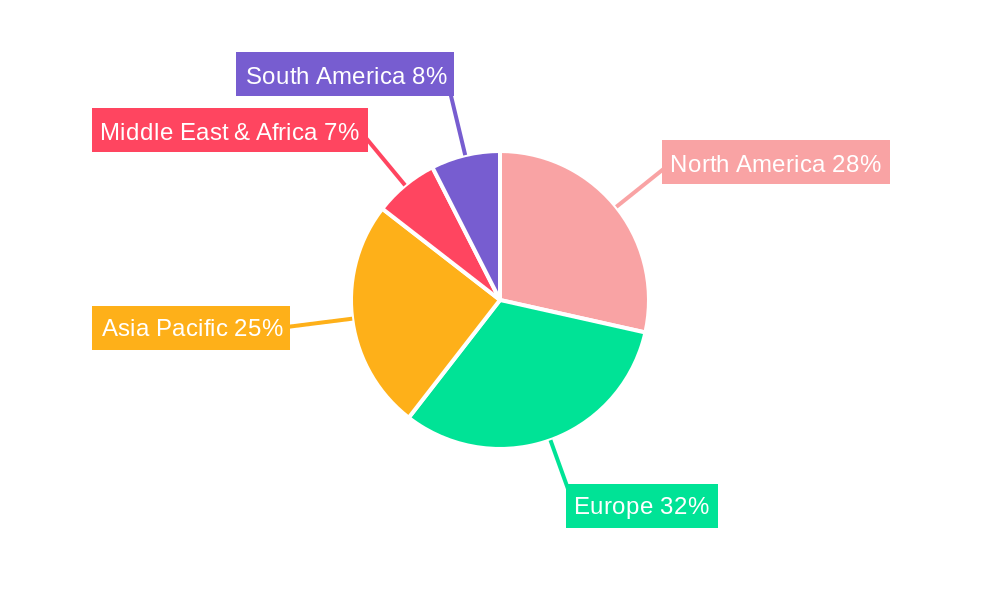
Alloy Wheel Refurbishment Regional Market Share
Geographic Coverage of Alloy Wheel Refurbishment
Alloy Wheel Refurbishment REPORT HIGHLIGHTS
| Aspects | Details |
|---|---|
| Study Period | 2020-2034 |
| Base Year | 2025 |
| Estimated Year | 2026 |
| Forecast Period | 2026-2034 |
| Historical Period | 2020-2025 |
| Growth Rate | CAGR of 6.5% from 2020-2034 |
| Segmentation |
|
Table of Contents
- 1. Introduction
- 1.1. Research Scope
- 1.2. Market Segmentation
- 1.3. Research Methodology
- 1.4. Definitions and Assumptions
- 2. Executive Summary
- 2.1. Introduction
- 3. Market Dynamics
- 3.1. Introduction
- 3.2. Market Drivers
- 3.3. Market Restrains
- 3.4. Market Trends
- 4. Market Factor Analysis
- 4.1. Porters Five Forces
- 4.2. Supply/Value Chain
- 4.3. PESTEL analysis
- 4.4. Market Entropy
- 4.5. Patent/Trademark Analysis
- 5. Global Alloy Wheel Refurbishment Analysis, Insights and Forecast, 2020-2032
- 5.1. Market Analysis, Insights and Forecast - by Application
- 5.1.1. Commercial Vehicles
- 5.1.2. Passenger Vehicles
- 5.2. Market Analysis, Insights and Forecast - by Type
- 5.2.1. Powder Coated Finish
- 5.2.2. Diamond Cut
- 5.2.3. Ceramic Polishing
- 5.2.4. Others
- 5.3. Market Analysis, Insights and Forecast - by Region
- 5.3.1. North America
- 5.3.2. South America
- 5.3.3. Europe
- 5.3.4. Middle East & Africa
- 5.3.5. Asia Pacific
- 5.1. Market Analysis, Insights and Forecast - by Application
- 6. North America Alloy Wheel Refurbishment Analysis, Insights and Forecast, 2020-2032
- 6.1. Market Analysis, Insights and Forecast - by Application
- 6.1.1. Commercial Vehicles
- 6.1.2. Passenger Vehicles
- 6.2. Market Analysis, Insights and Forecast - by Type
- 6.2.1. Powder Coated Finish
- 6.2.2. Diamond Cut
- 6.2.3. Ceramic Polishing
- 6.2.4. Others
- 6.1. Market Analysis, Insights and Forecast - by Application
- 7. South America Alloy Wheel Refurbishment Analysis, Insights and Forecast, 2020-2032
- 7.1. Market Analysis, Insights and Forecast - by Application
- 7.1.1. Commercial Vehicles
- 7.1.2. Passenger Vehicles
- 7.2. Market Analysis, Insights and Forecast - by Type
- 7.2.1. Powder Coated Finish
- 7.2.2. Diamond Cut
- 7.2.3. Ceramic Polishing
- 7.2.4. Others
- 7.1. Market Analysis, Insights and Forecast - by Application
- 8. Europe Alloy Wheel Refurbishment Analysis, Insights and Forecast, 2020-2032
- 8.1. Market Analysis, Insights and Forecast - by Application
- 8.1.1. Commercial Vehicles
- 8.1.2. Passenger Vehicles
- 8.2. Market Analysis, Insights and Forecast - by Type
- 8.2.1. Powder Coated Finish
- 8.2.2. Diamond Cut
- 8.2.3. Ceramic Polishing
- 8.2.4. Others
- 8.1. Market Analysis, Insights and Forecast - by Application
- 9. Middle East & Africa Alloy Wheel Refurbishment Analysis, Insights and Forecast, 2020-2032
- 9.1. Market Analysis, Insights and Forecast - by Application
- 9.1.1. Commercial Vehicles
- 9.1.2. Passenger Vehicles
- 9.2. Market Analysis, Insights and Forecast - by Type
- 9.2.1. Powder Coated Finish
- 9.2.2. Diamond Cut
- 9.2.3. Ceramic Polishing
- 9.2.4. Others
- 9.1. Market Analysis, Insights and Forecast - by Application
- 10. Asia Pacific Alloy Wheel Refurbishment Analysis, Insights and Forecast, 2020-2032
- 10.1. Market Analysis, Insights and Forecast - by Application
- 10.1.1. Commercial Vehicles
- 10.1.2. Passenger Vehicles
- 10.2. Market Analysis, Insights and Forecast - by Type
- 10.2.1. Powder Coated Finish
- 10.2.2. Diamond Cut
- 10.2.3. Ceramic Polishing
- 10.2.4. Others
- 10.1. Market Analysis, Insights and Forecast - by Application
- 11. Competitive Analysis
- 11.1. Global Market Share Analysis 2025
- 11.2. Company Profiles
- 11.2.1 First Aid Wheels
- 11.2.1.1. Overview
- 11.2.1.2. Products
- 11.2.1.3. SWOT Analysis
- 11.2.1.4. Recent Developments
- 11.2.1.5. Financials (Based on Availability)
- 11.2.2 Alloy Wheel Repair Specialists
- 11.2.2.1. Overview
- 11.2.2.2. Products
- 11.2.2.3. SWOT Analysis
- 11.2.2.4. Recent Developments
- 11.2.2.5. Financials (Based on Availability)
- 11.2.3 Wheel Wizards
- 11.2.3.1. Overview
- 11.2.3.2. Products
- 11.2.3.3. SWOT Analysis
- 11.2.3.4. Recent Developments
- 11.2.3.5. Financials (Based on Availability)
- 11.2.4 Auto Cosmetics
- 11.2.4.1. Overview
- 11.2.4.2. Products
- 11.2.4.3. SWOT Analysis
- 11.2.4.4. Recent Developments
- 11.2.4.5. Financials (Based on Availability)
- 11.2.5 RAC
- 11.2.5.1. Overview
- 11.2.5.2. Products
- 11.2.5.3. SWOT Analysis
- 11.2.5.4. Recent Developments
- 11.2.5.5. Financials (Based on Availability)
- 11.2.6 Crystal Valet
- 11.2.6.1. Overview
- 11.2.6.2. Products
- 11.2.6.3. SWOT Analysis
- 11.2.6.4. Recent Developments
- 11.2.6.5. Financials (Based on Availability)
- 11.2.7 Wheel Specialist
- 11.2.7.1. Overview
- 11.2.7.2. Products
- 11.2.7.3. SWOT Analysis
- 11.2.7.4. Recent Developments
- 11.2.7.5. Financials (Based on Availability)
- 11.2.8 Diamond Alloys
- 11.2.8.1. Overview
- 11.2.8.2. Products
- 11.2.8.3. SWOT Analysis
- 11.2.8.4. Recent Developments
- 11.2.8.5. Financials (Based on Availability)
- 11.2.9 Lepsons
- 11.2.9.1. Overview
- 11.2.9.2. Products
- 11.2.9.3. SWOT Analysis
- 11.2.9.4. Recent Developments
- 11.2.9.5. Financials (Based on Availability)
- 11.2.10 Revive
- 11.2.10.1. Overview
- 11.2.10.2. Products
- 11.2.10.3. SWOT Analysis
- 11.2.10.4. Recent Developments
- 11.2.10.5. Financials (Based on Availability)
- 11.2.11 Kerbed
- 11.2.11.1. Overview
- 11.2.11.2. Products
- 11.2.11.3. SWOT Analysis
- 11.2.11.4. Recent Developments
- 11.2.11.5. Financials (Based on Availability)
- 11.2.12 Wheelmania
- 11.2.12.1. Overview
- 11.2.12.2. Products
- 11.2.12.3. SWOT Analysis
- 11.2.12.4. Recent Developments
- 11.2.12.5. Financials (Based on Availability)
- 11.2.13 Alloy Wheel Refurbishment UK Ltd
- 11.2.13.1. Overview
- 11.2.13.2. Products
- 11.2.13.3. SWOT Analysis
- 11.2.13.4. Recent Developments
- 11.2.13.5. Financials (Based on Availability)
- 11.2.14 Neutron Alloys
- 11.2.14.1. Overview
- 11.2.14.2. Products
- 11.2.14.3. SWOT Analysis
- 11.2.14.4. Recent Developments
- 11.2.14.5. Financials (Based on Availability)
- 11.2.15 Alloy Refresh
- 11.2.15.1. Overview
- 11.2.15.2. Products
- 11.2.15.3. SWOT Analysis
- 11.2.15.4. Recent Developments
- 11.2.15.5. Financials (Based on Availability)
- 11.2.16 ChipsAway
- 11.2.16.1. Overview
- 11.2.16.2. Products
- 11.2.16.3. SWOT Analysis
- 11.2.16.4. Recent Developments
- 11.2.16.5. Financials (Based on Availability)
- 11.2.17 Wicked Wheels
- 11.2.17.1. Overview
- 11.2.17.2. Products
- 11.2.17.3. SWOT Analysis
- 11.2.17.4. Recent Developments
- 11.2.17.5. Financials (Based on Availability)
- 11.2.18 Automotive Repair Systems
- 11.2.18.1. Overview
- 11.2.18.2. Products
- 11.2.18.3. SWOT Analysis
- 11.2.18.4. Recent Developments
- 11.2.18.5. Financials (Based on Availability)
- 11.2.1 First Aid Wheels
List of Figures
- Figure 1: Global Alloy Wheel Refurbishment Revenue Breakdown (million, %) by Region 2025 & 2033
- Figure 2: North America Alloy Wheel Refurbishment Revenue (million), by Application 2025 & 2033
- Figure 3: North America Alloy Wheel Refurbishment Revenue Share (%), by Application 2025 & 2033
- Figure 4: North America Alloy Wheel Refurbishment Revenue (million), by Type 2025 & 2033
- Figure 5: North America Alloy Wheel Refurbishment Revenue Share (%), by Type 2025 & 2033
- Figure 6: North America Alloy Wheel Refurbishment Revenue (million), by Country 2025 & 2033
- Figure 7: North America Alloy Wheel Refurbishment Revenue Share (%), by Country 2025 & 2033
- Figure 8: South America Alloy Wheel Refurbishment Revenue (million), by Application 2025 & 2033
- Figure 9: South America Alloy Wheel Refurbishment Revenue Share (%), by Application 2025 & 2033
- Figure 10: South America Alloy Wheel Refurbishment Revenue (million), by Type 2025 & 2033
- Figure 11: South America Alloy Wheel Refurbishment Revenue Share (%), by Type 2025 & 2033
- Figure 12: South America Alloy Wheel Refurbishment Revenue (million), by Country 2025 & 2033
- Figure 13: South America Alloy Wheel Refurbishment Revenue Share (%), by Country 2025 & 2033
- Figure 14: Europe Alloy Wheel Refurbishment Revenue (million), by Application 2025 & 2033
- Figure 15: Europe Alloy Wheel Refurbishment Revenue Share (%), by Application 2025 & 2033
- Figure 16: Europe Alloy Wheel Refurbishment Revenue (million), by Type 2025 & 2033
- Figure 17: Europe Alloy Wheel Refurbishment Revenue Share (%), by Type 2025 & 2033
- Figure 18: Europe Alloy Wheel Refurbishment Revenue (million), by Country 2025 & 2033
- Figure 19: Europe Alloy Wheel Refurbishment Revenue Share (%), by Country 2025 & 2033
- Figure 20: Middle East & Africa Alloy Wheel Refurbishment Revenue (million), by Application 2025 & 2033
- Figure 21: Middle East & Africa Alloy Wheel Refurbishment Revenue Share (%), by Application 2025 & 2033
- Figure 22: Middle East & Africa Alloy Wheel Refurbishment Revenue (million), by Type 2025 & 2033
- Figure 23: Middle East & Africa Alloy Wheel Refurbishment Revenue Share (%), by Type 2025 & 2033
- Figure 24: Middle East & Africa Alloy Wheel Refurbishment Revenue (million), by Country 2025 & 2033
- Figure 25: Middle East & Africa Alloy Wheel Refurbishment Revenue Share (%), by Country 2025 & 2033
- Figure 26: Asia Pacific Alloy Wheel Refurbishment Revenue (million), by Application 2025 & 2033
- Figure 27: Asia Pacific Alloy Wheel Refurbishment Revenue Share (%), by Application 2025 & 2033
- Figure 28: Asia Pacific Alloy Wheel Refurbishment Revenue (million), by Type 2025 & 2033
- Figure 29: Asia Pacific Alloy Wheel Refurbishment Revenue Share (%), by Type 2025 & 2033
- Figure 30: Asia Pacific Alloy Wheel Refurbishment Revenue (million), by Country 2025 & 2033
- Figure 31: Asia Pacific Alloy Wheel Refurbishment Revenue Share (%), by Country 2025 & 2033
List of Tables
- Table 1: Global Alloy Wheel Refurbishment Revenue million Forecast, by Application 2020 & 2033
- Table 2: Global Alloy Wheel Refurbishment Revenue million Forecast, by Type 2020 & 2033
- Table 3: Global Alloy Wheel Refurbishment Revenue million Forecast, by Region 2020 & 2033
- Table 4: Global Alloy Wheel Refurbishment Revenue million Forecast, by Application 2020 & 2033
- Table 5: Global Alloy Wheel Refurbishment Revenue million Forecast, by Type 2020 & 2033
- Table 6: Global Alloy Wheel Refurbishment Revenue million Forecast, by Country 2020 & 2033
- Table 7: United States Alloy Wheel Refurbishment Revenue (million) Forecast, by Application 2020 & 2033
- Table 8: Canada Alloy Wheel Refurbishment Revenue (million) Forecast, by Application 2020 & 2033
- Table 9: Mexico Alloy Wheel Refurbishment Revenue (million) Forecast, by Application 2020 & 2033
- Table 10: Global Alloy Wheel Refurbishment Revenue million Forecast, by Application 2020 & 2033
- Table 11: Global Alloy Wheel Refurbishment Revenue million Forecast, by Type 2020 & 2033
- Table 12: Global Alloy Wheel Refurbishment Revenue million Forecast, by Country 2020 & 2033
- Table 13: Brazil Alloy Wheel Refurbishment Revenue (million) Forecast, by Application 2020 & 2033
- Table 14: Argentina Alloy Wheel Refurbishment Revenue (million) Forecast, by Application 2020 & 2033
- Table 15: Rest of South America Alloy Wheel Refurbishment Revenue (million) Forecast, by Application 2020 & 2033
- Table 16: Global Alloy Wheel Refurbishment Revenue million Forecast, by Application 2020 & 2033
- Table 17: Global Alloy Wheel Refurbishment Revenue million Forecast, by Type 2020 & 2033
- Table 18: Global Alloy Wheel Refurbishment Revenue million Forecast, by Country 2020 & 2033
- Table 19: United Kingdom Alloy Wheel Refurbishment Revenue (million) Forecast, by Application 2020 & 2033
- Table 20: Germany Alloy Wheel Refurbishment Revenue (million) Forecast, by Application 2020 & 2033
- Table 21: France Alloy Wheel Refurbishment Revenue (million) Forecast, by Application 2020 & 2033
- Table 22: Italy Alloy Wheel Refurbishment Revenue (million) Forecast, by Application 2020 & 2033
- Table 23: Spain Alloy Wheel Refurbishment Revenue (million) Forecast, by Application 2020 & 2033
- Table 24: Russia Alloy Wheel Refurbishment Revenue (million) Forecast, by Application 2020 & 2033
- Table 25: Benelux Alloy Wheel Refurbishment Revenue (million) Forecast, by Application 2020 & 2033
- Table 26: Nordics Alloy Wheel Refurbishment Revenue (million) Forecast, by Application 2020 & 2033
- Table 27: Rest of Europe Alloy Wheel Refurbishment Revenue (million) Forecast, by Application 2020 & 2033
- Table 28: Global Alloy Wheel Refurbishment Revenue million Forecast, by Application 2020 & 2033
- Table 29: Global Alloy Wheel Refurbishment Revenue million Forecast, by Type 2020 & 2033
- Table 30: Global Alloy Wheel Refurbishment Revenue million Forecast, by Country 2020 & 2033
- Table 31: Turkey Alloy Wheel Refurbishment Revenue (million) Forecast, by Application 2020 & 2033
- Table 32: Israel Alloy Wheel Refurbishment Revenue (million) Forecast, by Application 2020 & 2033
- Table 33: GCC Alloy Wheel Refurbishment Revenue (million) Forecast, by Application 2020 & 2033
- Table 34: North Africa Alloy Wheel Refurbishment Revenue (million) Forecast, by Application 2020 & 2033
- Table 35: South Africa Alloy Wheel Refurbishment Revenue (million) Forecast, by Application 2020 & 2033
- Table 36: Rest of Middle East & Africa Alloy Wheel Refurbishment Revenue (million) Forecast, by Application 2020 & 2033
- Table 37: Global Alloy Wheel Refurbishment Revenue million Forecast, by Application 2020 & 2033
- Table 38: Global Alloy Wheel Refurbishment Revenue million Forecast, by Type 2020 & 2033
- Table 39: Global Alloy Wheel Refurbishment Revenue million Forecast, by Country 2020 & 2033
- Table 40: China Alloy Wheel Refurbishment Revenue (million) Forecast, by Application 2020 & 2033
- Table 41: India Alloy Wheel Refurbishment Revenue (million) Forecast, by Application 2020 & 2033
- Table 42: Japan Alloy Wheel Refurbishment Revenue (million) Forecast, by Application 2020 & 2033
- Table 43: South Korea Alloy Wheel Refurbishment Revenue (million) Forecast, by Application 2020 & 2033
- Table 44: ASEAN Alloy Wheel Refurbishment Revenue (million) Forecast, by Application 2020 & 2033
- Table 45: Oceania Alloy Wheel Refurbishment Revenue (million) Forecast, by Application 2020 & 2033
- Table 46: Rest of Asia Pacific Alloy Wheel Refurbishment Revenue (million) Forecast, by Application 2020 & 2033
Frequently Asked Questions
1. What is the projected Compound Annual Growth Rate (CAGR) of the Alloy Wheel Refurbishment?
The projected CAGR is approximately 6.5%.
2. Which companies are prominent players in the Alloy Wheel Refurbishment?
Key companies in the market include First Aid Wheels, Alloy Wheel Repair Specialists, Wheel Wizards, Auto Cosmetics, RAC, Crystal Valet, Wheel Specialist, Diamond Alloys, Lepsons, Revive, Kerbed, Wheelmania, Alloy Wheel Refurbishment UK Ltd, Neutron Alloys, Alloy Refresh, ChipsAway, Wicked Wheels, Automotive Repair Systems.
3. What are the main segments of the Alloy Wheel Refurbishment?
The market segments include Application, Type.
4. Can you provide details about the market size?
The market size is estimated to be USD 6613 million as of 2022.
5. What are some drivers contributing to market growth?
N/A
6. What are the notable trends driving market growth?
N/A
7. Are there any restraints impacting market growth?
N/A
8. Can you provide examples of recent developments in the market?
N/A
9. What pricing options are available for accessing the report?
Pricing options include single-user, multi-user, and enterprise licenses priced at USD 3950.00, USD 5925.00, and USD 7900.00 respectively.
10. Is the market size provided in terms of value or volume?
The market size is provided in terms of value, measured in million.
11. Are there any specific market keywords associated with the report?
Yes, the market keyword associated with the report is "Alloy Wheel Refurbishment," which aids in identifying and referencing the specific market segment covered.
12. How do I determine which pricing option suits my needs best?
The pricing options vary based on user requirements and access needs. Individual users may opt for single-user licenses, while businesses requiring broader access may choose multi-user or enterprise licenses for cost-effective access to the report.
13. Are there any additional resources or data provided in the Alloy Wheel Refurbishment report?
While the report offers comprehensive insights, it's advisable to review the specific contents or supplementary materials provided to ascertain if additional resources or data are available.
14. How can I stay updated on further developments or reports in the Alloy Wheel Refurbishment?
To stay informed about further developments, trends, and reports in the Alloy Wheel Refurbishment, consider subscribing to industry newsletters, following relevant companies and organizations, or regularly checking reputable industry news sources and publications.
Methodology
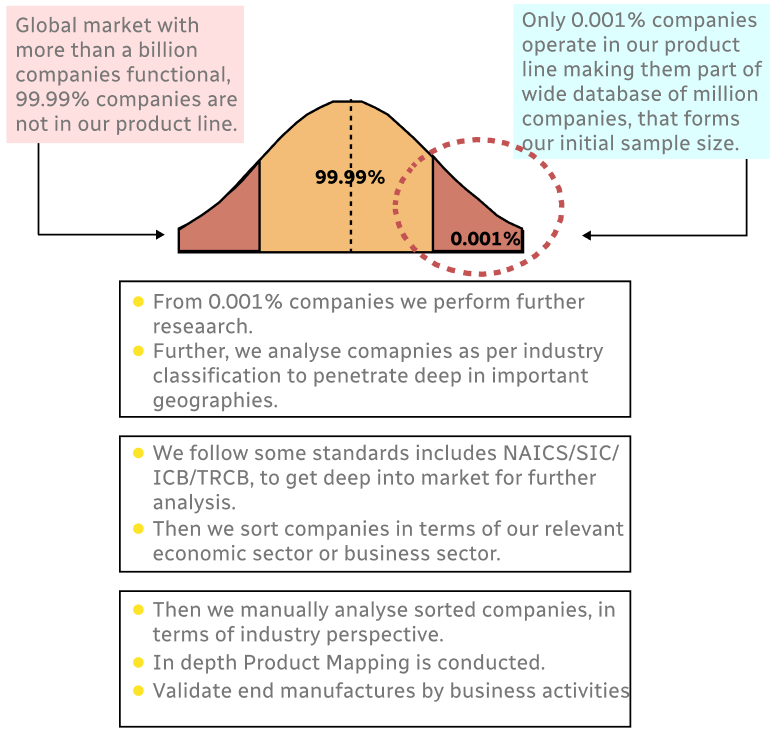
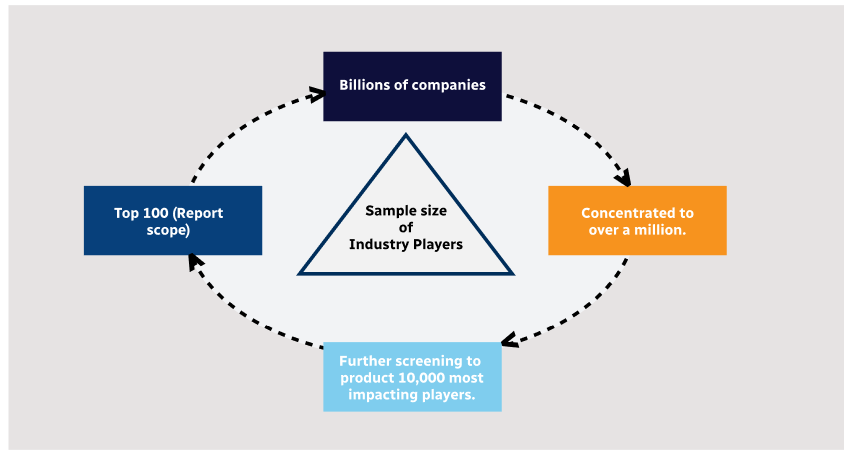
Step 1 - Identification of Relevant Samples Size from Population Database
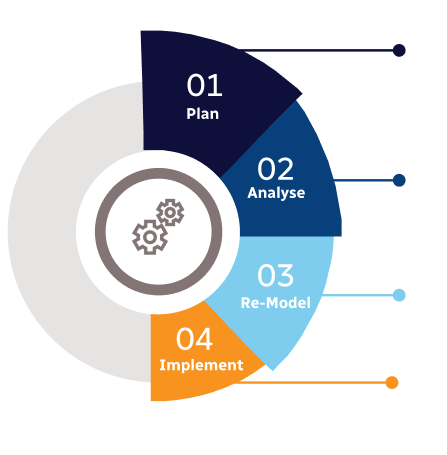
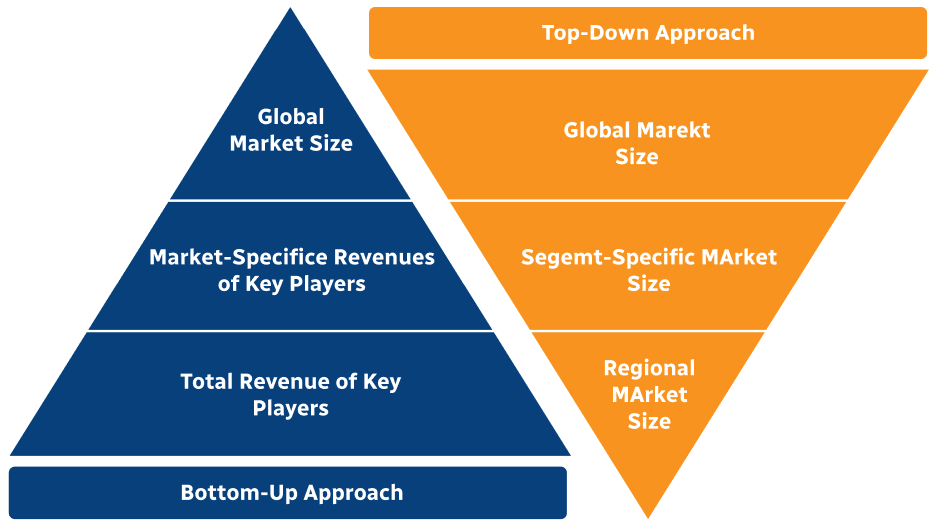
Step 2 - Approaches for Defining Global Market Size (Value, Volume* & Price*)
Note*: In applicable scenarios
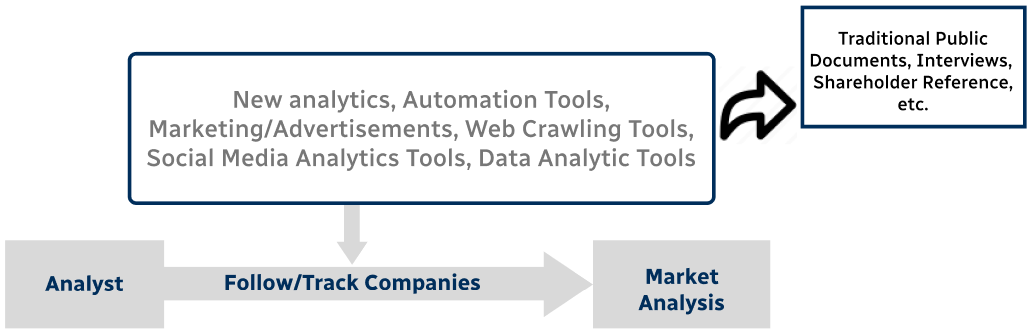
Step 3 - Data Sources
Primary Research
- Web Analytics
- Survey Reports
- Research Institute
- Latest Research Reports
- Opinion Leaders
Secondary Research
- Annual Reports
- White Paper
- Latest Press Release
- Industry Association
- Paid Database
- Investor Presentations
Step 4 - Data Triangulation
Involves using different sources of information in order to increase the validity of a study
These sources are likely to be stakeholders in a program - participants, other researchers, program staff, other community members, and so on.
Then we put all data in single framework & apply various statistical tools to find out the dynamic on the market.
During the analysis stage, feedback from the stakeholder groups would be compared to determine areas of agreement as well as areas of divergence