



Key Insights
The African Electric Vehicles (EVs) industry is poised for significant expansion, with a projected market size of USD 15.80 Billion and a remarkable Compound Annual Growth Rate (CAGR) of 10.20% expected between 2019 and 2033. This robust growth is being propelled by a confluence of factors, including increasing environmental consciousness across key African nations, government initiatives aimed at promoting sustainable transportation, and a growing demand for cost-effective and efficient mobility solutions. As fossil fuel prices remain volatile, electric vehicles present an attractive long-term economic proposition for both consumers and commercial entities. Furthermore, advancements in battery technology are leading to longer ranges and reduced charging times, addressing a critical adoption barrier. The burgeoning middle class in countries like Nigeria, South Africa, and Kenya is increasingly seeking modern and eco-friendly transportation options, further fueling this upward trajectory.

Africa Electric Vehicles Industry Market Size (In Billion)

The market is characterized by diverse propulsion types, with Battery Electric Vehicles (BEVs) currently leading the charge, followed by Hybrid Electric Vehicles (HEVs) and Plug-in Hybrid Electric Vehicles (PHEVs). Fuel Cell Electric Vehicles (FCEVs) represent a nascent but promising segment for the future. Passenger cars are dominating sales, but the commercial vehicle segment is anticipated to witness substantial growth as businesses recognize the operational cost savings and environmental benefits of electrifying their fleets. The drive towards electrification is also influencing vehicle drive types, with a gradual shift towards All-wheel Drive (AWD) systems in certain regions and vehicle categories. Major global automotive players, alongside emerging local startups, are actively investing in this dynamic market, introducing a wider range of affordable and feature-rich EV models to cater to the evolving needs of African consumers.

Africa Electric Vehicles Industry Company Market Share

This comprehensive report offers an in-depth analysis of the burgeoning Africa Electric Vehicles (EV) Industry. Spanning from 2019 to 2033, with a base and estimated year of 2025, this study delves into market dynamics, technological advancements, dominant segments, and future growth prospects. We examine key players, market drivers, and challenges to provide strategic insights for stakeholders navigating this transformative sector. Our analysis includes market share estimations, CAGR projections, and a granular breakdown of market segments, empowering businesses with actionable intelligence for strategic planning and investment decisions in Africa's rapidly evolving electric mobility landscape.
Africa Electric Vehicles Industry Market Structure & Competitive Dynamics
The Africa Electric Vehicles industry exhibits a nascent yet rapidly evolving market structure, characterized by increasing investment and growing player interest. Market concentration is currently low, with significant opportunities for new entrants and established automotive giants to gain substantial market share. Innovation ecosystems are nascent but gaining momentum, driven by a growing focus on sustainable transportation and government incentives across various African nations. Regulatory frameworks are in their early stages, with several countries actively developing policies to support EV adoption, including import duty reductions and charging infrastructure development plans. Product substitutes, primarily internal combustion engine (ICE) vehicles, still hold a dominant position, but their market share is projected to decline as EV adoption accelerates. End-user trends are shifting towards eco-consciousness, reduced running costs, and the adoption of advanced automotive technologies. Mergers & Acquisitions (M&A) activities are limited but expected to increase as the market matures, with potential for strategic partnerships and consolidation to drive economies of scale and accelerate market penetration. The M&A deal values are currently in the range of tens to hundreds of Million, with expectations for larger transactions in the future.
Africa Electric Vehicles Industry Industry Trends & Insights
The Africa Electric Vehicles Industry is poised for exponential growth, driven by a confluence of factors that are reshaping the continent's automotive landscape. The market is projected to witness a significant Compound Annual Growth Rate (CAGR) of XX% from 2025 to 2033. This robust expansion is fueled by increasing government initiatives aimed at promoting green transport, including favorable tax policies, subsidies for EV purchases, and investments in charging infrastructure. As of 2025, market penetration of EVs in Africa stands at a modest XX%, but this is expected to surge dramatically over the forecast period. Technological disruptions are at the forefront, with advancements in battery technology leading to longer ranges, faster charging times, and reduced battery costs, making EVs more accessible and practical for African consumers. Innovations in electric powertrains and vehicle efficiency are further enhancing the appeal of electric mobility. Consumer preferences are evolving; a growing segment of the African population is becoming more aware of environmental issues and seeking sustainable transportation alternatives. The allure of lower running costs, reduced maintenance, and the perceived technological sophistication of EVs are also significant drivers of consumer adoption. Furthermore, a rising middle class with increasing disposable income is more likely to consider purchasing premium EVs. The competitive dynamics are intensifying as global automotive manufacturers, including Tesla Inc., Nissan Motor Co Ltd, and Volkswagen AG, are strategically entering or expanding their presence in African markets, bringing a diverse range of EV models. Local players and startups are also emerging, focusing on developing affordable EVs and localized charging solutions. The development of charging infrastructure remains a critical factor, with significant investments planned for public and private charging stations across major urban centers and along key transport routes. This trend is crucial for alleviating range anxiety and facilitating widespread EV adoption.
Dominant Markets & Segments in Africa Electric Vehicles Industry
The Africa Electric Vehicles Industry is characterized by distinct regional and segment dominance, driven by varying economic conditions, policy support, and consumer demand. Battery Electric Vehicles (BEVs) are emerging as the dominant propulsion type, projected to capture a substantial market share by 2033. This dominance is propelled by advancements in battery technology that are steadily reducing costs and increasing driving ranges, making them increasingly viable for African consumers. Furthermore, a growing number of African governments are prioritizing BEVs in their decarbonization strategies, offering incentives and developing charging infrastructure specifically for these vehicles.
- Economic Policies and Incentives: Countries with strong government backing, such as South Africa and potentially future leaders like Nigeria or Kenya, are witnessing higher adoption rates for BEVs. Policies like import duty exemptions, tax credits, and subsidies significantly reduce the upfront cost of BEVs, making them more competitive with traditional internal combustion engine vehicles. For instance, South Africa's commitment to green transport, as highlighted by their plans for local EV production, is a strong indicator of BEV dominance in the region.
- Infrastructure Development: The availability of robust charging infrastructure is a critical enabler for BEV segment dominance. Investments in public charging stations, workplace charging, and home charging solutions are crucial for alleviating range anxiety. Regions with proactive infrastructure development plans are expected to lead in BEV adoption.
- Consumer Preferences: As awareness of environmental benefits and lower running costs grows, consumers are increasingly favoring BEVs. The appeal of cutting-edge technology and the desire for a sustainable lifestyle are also contributing factors.
In terms of Vehicle Type, Passenger Cars currently dominate the market and are expected to continue their reign. This segment benefits from broader consumer appeal and the availability of a wider range of models from global manufacturers. However, the Commercial Vehicles segment is exhibiting significant growth potential, driven by fleet operators seeking to reduce operational costs through lower fuel and maintenance expenses associated with electric trucks and vans.
- Fleet Electrification: Businesses are increasingly recognizing the economic benefits of electrifying their fleets, leading to a surge in demand for electric commercial vehicles. This trend is particularly pronounced in logistics and delivery services, where reduced operational expenditures can significantly impact profitability.
- Urban Mobility Solutions: The growth of ride-sharing services and the increasing need for efficient last-mile delivery solutions are also contributing to the demand for electric commercial vehicles in urban areas.
Vehicle Drive Type analysis reveals that Front-wheel Drive vehicles are likely to maintain a significant presence due to their prevalence in mass-market passenger cars. However, All-wheel Drive (AWD) systems are gaining traction, especially in SUVs and performance-oriented EVs, offering enhanced traction and driving dynamics. The adoption of AWD in electric vehicles is also influenced by the increasing popularity of SUVs across the African continent.
Africa Electric Vehicles Industry Product Innovations
The Africa Electric Vehicles Industry is witnessing a wave of product innovations focused on enhancing affordability, range, and charging capabilities. Manufacturers are introducing more compact and cost-effective battery solutions, along with faster charging technologies that significantly reduce downtime. The integration of advanced digital features, including smart connectivity, driver-assistance systems, and over-the-air updates, is becoming a key differentiator. Many new EV models are incorporating durable designs suitable for diverse African road conditions and climatic variations. Competitive advantages are being built around localized manufacturing, affordable pricing strategies, and the development of integrated charging and energy solutions tailored to the African context.
Report Segmentation & Scope
This report segments the Africa Electric Vehicles Industry across key categories for detailed analysis.
Propulsion Type: This segmentation includes Battery Electric Vehicles (BEVs), Hybrid Electric Vehicles (HEVs), Fuel Cell Electric Vehicles (FCEVs), and Plug-in Hybrid Electric Vehicles (PHEVs). BEVs are expected to dominate, driven by technological advancements and policy support, with projections indicating a market share of XX% by 2033. HEVs and PHEVs will continue to play a transitional role, offering a bridge to full electrification. FCEVs are in nascent stages of development for the African market, with limited current market share and projections for slower growth compared to BEVs.
Vehicle Type: The analysis covers Passenger Cars and Commercial Vehicles. Passenger cars currently hold the largest market share, estimated at XX% in 2025, with a projected CAGR of XX%. The Commercial Vehicles segment is set for rapid expansion, driven by fleet electrification and last-mile delivery solutions, with an anticipated CAGR of XX%.
Vehicle Drive Type: This segmentation includes Front-wheel Drive (FWD), Rear-wheel Drive (RWD), and All-wheel Drive (AWD). FWD vehicles are projected to maintain a significant market share, particularly in entry-level and mid-range passenger cars. RWD will remain relevant for specific vehicle types and performance applications. AWD is expected to see robust growth, especially in SUVs and premium EVs, catering to diverse terrain and performance demands, with a projected CAGR of XX%.
Key Drivers of Africa Electric Vehicles Industry Growth
The Africa Electric Vehicles Industry's growth is propelled by several interconnected drivers. Government policies and incentives play a pivotal role, with initiatives like import duty waivers, tax credits for EV purchases, and subsidies for charging infrastructure development significantly reducing the cost barrier for consumers. Technological advancements in battery technology are crucial, leading to improved energy density, faster charging speeds, and decreasing battery costs, thereby enhancing EV range and affordability. Growing environmental awareness and concern among consumers are also contributing to the demand for cleaner transportation alternatives. Furthermore, the decreasing total cost of ownership for EVs, due to lower fuel and maintenance expenses compared to internal combustion engine vehicles, presents a compelling economic argument for adoption. The expanding charging infrastructure network, supported by both public and private investments, is critical for alleviating range anxiety and fostering widespread adoption.
Challenges in the Africa Electric Vehicles Industry Sector
Despite the promising growth trajectory, the Africa Electric Vehicles Industry faces several significant challenges. High upfront costs of EVs remain a major barrier, as imported EVs are often expensive, and local manufacturing is still in its nascent stages. Inadequate charging infrastructure across many regions, particularly outside major urban centers, creates range anxiety and limits the practicality of EV ownership. Limited electricity grid capacity and reliability in some areas can also pose challenges for widespread EV charging. Supply chain issues related to the sourcing of raw materials for batteries and the assembly of components present another hurdle. Lack of consumer awareness and education about EV technology, benefits, and maintenance further slows adoption. Regulatory fragmentation and policy inconsistencies across different African nations can create uncertainty for investors and businesses. Competitive pressures from established ICE vehicle manufacturers also continue to be a factor.
Leading Players in the Africa Electric Vehicles Industry Market
- Mercedes-Benz Group
- Nissan Motor Co Ltd
- Volvo Car Corporation
- Volkswagen AG
- BMW AG
- Kia Corporation
- Tesla Inc
- Groupe Renault
- Toyota Motor Corporation
- Rivian Automotive Inc
Key Developments in Africa Electric Vehicles Industry Sector
- December 2024: South Africa's motoring industry outlined plans for the country’s green transport transition, with the first electric vehicle (EV) production anticipated in 2026.
- January 2024: Toyota's first electric vehicle (EV) was sold in South Africa, with the BZ4X model scheduled for arrival in the country in 2025. Toyota also announced its State of the Motoring Industry 2024 event in Johannesburg.
Strategic Africa Electric Vehicles Industry Market Outlook
The strategic outlook for the Africa Electric Vehicles Industry is exceptionally bright, characterized by significant growth accelerators. The ongoing global shift towards sustainable mobility, coupled with increasing governmental support and private sector investments in the continent, will continue to drive market expansion. Emerging opportunities lie in localized manufacturing, the development of affordable EV models tailored to African needs, and the expansion of charging and battery swapping infrastructure. Strategic partnerships between international manufacturers and local entities will be crucial for navigating regulatory landscapes and establishing robust supply chains. The focus on innovation in battery technology and grid integration will further unlock the continent's potential for widespread EV adoption, positioning Africa as a key emerging market in the global electric mobility revolution.
Africa Electric Vehicles Industry Segmentation
-
1. Propulsion Type
- 1.1. Battery Electric Vehicles
- 1.2. Hybrid Electric Vehicles
- 1.3. Fuel Cell Electric Vehicles
- 1.4. Plug-in Hybrid Electric Vehicles
-
2. Vehicle Type
- 2.1. Passenger Cars
- 2.2. Commercial Vehicles
-
3. Vehicle Drive Type
- 3.1. Front-wheel Drive
- 3.2. Rear-wheel Drive
- 3.3. All-wheel Drive
Africa Electric Vehicles Industry Segmentation By Geography
-
1. Africa
- 1.1. Nigeria
- 1.2. South Africa
- 1.3. Egypt
- 1.4. Kenya
- 1.5. Ethiopia
- 1.6. Morocco
- 1.7. Ghana
- 1.8. Algeria
- 1.9. Tanzania
- 1.10. Ivory Coast

Africa Electric Vehicles Industry Regional Market Share

Geographic Coverage of Africa Electric Vehicles Industry
Africa Electric Vehicles Industry REPORT HIGHLIGHTS
| Aspects | Details |
|---|---|
| Study Period | 2020-2034 |
| Base Year | 2025 |
| Estimated Year | 2026 |
| Forecast Period | 2026-2034 |
| Historical Period | 2020-2025 |
| Growth Rate | CAGR of 10.20% from 2020-2034 |
| Segmentation |
|
Table of Contents
- 1. Introduction
- 1.1. Research Scope
- 1.2. Market Segmentation
- 1.3. Research Methodology
- 1.4. Definitions and Assumptions
- 2. Executive Summary
- 2.1. Introduction
- 3. Market Dynamics
- 3.1. Introduction
- 3.2. Market Drivers
- 3.2.1. Government Policies to promote electric Vehicles Sales
- 3.3. Market Restrains
- 3.3.1. High Cost of Capital Expenditure for Electric Vehicle Infrastructure
- 3.4. Market Trends
- 3.4.1. Passenger Car holds Highest Share in the Market
- 4. Market Factor Analysis
- 4.1. Porters Five Forces
- 4.2. Supply/Value Chain
- 4.3. PESTEL analysis
- 4.4. Market Entropy
- 4.5. Patent/Trademark Analysis
- 5. Africa Electric Vehicles Industry Analysis, Insights and Forecast, 2020-2032
- 5.1. Market Analysis, Insights and Forecast - by Propulsion Type
- 5.1.1. Battery Electric Vehicles
- 5.1.2. Hybrid Electric Vehicles
- 5.1.3. Fuel Cell Electric Vehicles
- 5.1.4. Plug-in Hybrid Electric Vehicles
- 5.2. Market Analysis, Insights and Forecast - by Vehicle Type
- 5.2.1. Passenger Cars
- 5.2.2. Commercial Vehicles
- 5.3. Market Analysis, Insights and Forecast - by Vehicle Drive Type
- 5.3.1. Front-wheel Drive
- 5.3.2. Rear-wheel Drive
- 5.3.3. All-wheel Drive
- 5.4. Market Analysis, Insights and Forecast - by Region
- 5.4.1. Africa
- 5.1. Market Analysis, Insights and Forecast - by Propulsion Type
- 6. Competitive Analysis
- 6.1. Market Share Analysis 2025
- 6.2. Company Profiles
- 6.2.1 Mercedes-Benz Group
- 6.2.1.1. Overview
- 6.2.1.2. Products
- 6.2.1.3. SWOT Analysis
- 6.2.1.4. Recent Developments
- 6.2.1.5. Financials (Based on Availability)
- 6.2.2 Nissan Motor Co Ltd
- 6.2.2.1. Overview
- 6.2.2.2. Products
- 6.2.2.3. SWOT Analysis
- 6.2.2.4. Recent Developments
- 6.2.2.5. Financials (Based on Availability)
- 6.2.3 Volvo Car Corporation
- 6.2.3.1. Overview
- 6.2.3.2. Products
- 6.2.3.3. SWOT Analysis
- 6.2.3.4. Recent Developments
- 6.2.3.5. Financials (Based on Availability)
- 6.2.4 Volkswagen AG
- 6.2.4.1. Overview
- 6.2.4.2. Products
- 6.2.4.3. SWOT Analysis
- 6.2.4.4. Recent Developments
- 6.2.4.5. Financials (Based on Availability)
- 6.2.5 BMW AG
- 6.2.5.1. Overview
- 6.2.5.2. Products
- 6.2.5.3. SWOT Analysis
- 6.2.5.4. Recent Developments
- 6.2.5.5. Financials (Based on Availability)
- 6.2.6 Kia Corporation
- 6.2.6.1. Overview
- 6.2.6.2. Products
- 6.2.6.3. SWOT Analysis
- 6.2.6.4. Recent Developments
- 6.2.6.5. Financials (Based on Availability)
- 6.2.7 Tesla Inc
- 6.2.7.1. Overview
- 6.2.7.2. Products
- 6.2.7.3. SWOT Analysis
- 6.2.7.4. Recent Developments
- 6.2.7.5. Financials (Based on Availability)
- 6.2.8 Groupe Renault*List Not Exhaustive
- 6.2.8.1. Overview
- 6.2.8.2. Products
- 6.2.8.3. SWOT Analysis
- 6.2.8.4. Recent Developments
- 6.2.8.5. Financials (Based on Availability)
- 6.2.9 Toyota Motor Corporation
- 6.2.9.1. Overview
- 6.2.9.2. Products
- 6.2.9.3. SWOT Analysis
- 6.2.9.4. Recent Developments
- 6.2.9.5. Financials (Based on Availability)
- 6.2.10 Rivian Automotive Inc
- 6.2.10.1. Overview
- 6.2.10.2. Products
- 6.2.10.3. SWOT Analysis
- 6.2.10.4. Recent Developments
- 6.2.10.5. Financials (Based on Availability)
- 6.2.1 Mercedes-Benz Group
List of Figures
- Figure 1: Africa Electric Vehicles Industry Revenue Breakdown (Million, %) by Product 2025 & 2033
- Figure 2: Africa Electric Vehicles Industry Share (%) by Company 2025
List of Tables
- Table 1: Africa Electric Vehicles Industry Revenue Million Forecast, by Propulsion Type 2020 & 2033
- Table 2: Africa Electric Vehicles Industry Revenue Million Forecast, by Vehicle Type 2020 & 2033
- Table 3: Africa Electric Vehicles Industry Revenue Million Forecast, by Vehicle Drive Type 2020 & 2033
- Table 4: Africa Electric Vehicles Industry Revenue Million Forecast, by Region 2020 & 2033
- Table 5: Africa Electric Vehicles Industry Revenue Million Forecast, by Propulsion Type 2020 & 2033
- Table 6: Africa Electric Vehicles Industry Revenue Million Forecast, by Vehicle Type 2020 & 2033
- Table 7: Africa Electric Vehicles Industry Revenue Million Forecast, by Vehicle Drive Type 2020 & 2033
- Table 8: Africa Electric Vehicles Industry Revenue Million Forecast, by Country 2020 & 2033
- Table 9: Nigeria Africa Electric Vehicles Industry Revenue (Million) Forecast, by Application 2020 & 2033
- Table 10: South Africa Africa Electric Vehicles Industry Revenue (Million) Forecast, by Application 2020 & 2033
- Table 11: Egypt Africa Electric Vehicles Industry Revenue (Million) Forecast, by Application 2020 & 2033
- Table 12: Kenya Africa Electric Vehicles Industry Revenue (Million) Forecast, by Application 2020 & 2033
- Table 13: Ethiopia Africa Electric Vehicles Industry Revenue (Million) Forecast, by Application 2020 & 2033
- Table 14: Morocco Africa Electric Vehicles Industry Revenue (Million) Forecast, by Application 2020 & 2033
- Table 15: Ghana Africa Electric Vehicles Industry Revenue (Million) Forecast, by Application 2020 & 2033
- Table 16: Algeria Africa Electric Vehicles Industry Revenue (Million) Forecast, by Application 2020 & 2033
- Table 17: Tanzania Africa Electric Vehicles Industry Revenue (Million) Forecast, by Application 2020 & 2033
- Table 18: Ivory Coast Africa Electric Vehicles Industry Revenue (Million) Forecast, by Application 2020 & 2033
Frequently Asked Questions
1. What is the projected Compound Annual Growth Rate (CAGR) of the Africa Electric Vehicles Industry?
The projected CAGR is approximately 10.20%.
2. Which companies are prominent players in the Africa Electric Vehicles Industry?
Key companies in the market include Mercedes-Benz Group, Nissan Motor Co Ltd, Volvo Car Corporation, Volkswagen AG, BMW AG, Kia Corporation, Tesla Inc, Groupe Renault*List Not Exhaustive, Toyota Motor Corporation, Rivian Automotive Inc.
3. What are the main segments of the Africa Electric Vehicles Industry?
The market segments include Propulsion Type, Vehicle Type, Vehicle Drive Type.
4. Can you provide details about the market size?
The market size is estimated to be USD 15.80 Million as of 2022.
5. What are some drivers contributing to market growth?
Government Policies to promote electric Vehicles Sales.
6. What are the notable trends driving market growth?
Passenger Car holds Highest Share in the Market.
7. Are there any restraints impacting market growth?
High Cost of Capital Expenditure for Electric Vehicle Infrastructure.
8. Can you provide examples of recent developments in the market?
In December 2024, South Africa’s motoring industry will likely produce its first electric vehicle (EV) in 2026 and outlined plans for the country’s green transport transition.
9. What pricing options are available for accessing the report?
Pricing options include single-user, multi-user, and enterprise licenses priced at USD 4750, USD 4950, and USD 6800 respectively.
10. Is the market size provided in terms of value or volume?
The market size is provided in terms of value, measured in Million.
11. Are there any specific market keywords associated with the report?
Yes, the market keyword associated with the report is "Africa Electric Vehicles Industry," which aids in identifying and referencing the specific market segment covered.
12. How do I determine which pricing option suits my needs best?
The pricing options vary based on user requirements and access needs. Individual users may opt for single-user licenses, while businesses requiring broader access may choose multi-user or enterprise licenses for cost-effective access to the report.
13. Are there any additional resources or data provided in the Africa Electric Vehicles Industry report?
While the report offers comprehensive insights, it's advisable to review the specific contents or supplementary materials provided to ascertain if additional resources or data are available.
14. How can I stay updated on further developments or reports in the Africa Electric Vehicles Industry?
To stay informed about further developments, trends, and reports in the Africa Electric Vehicles Industry, consider subscribing to industry newsletters, following relevant companies and organizations, or regularly checking reputable industry news sources and publications.
Methodology
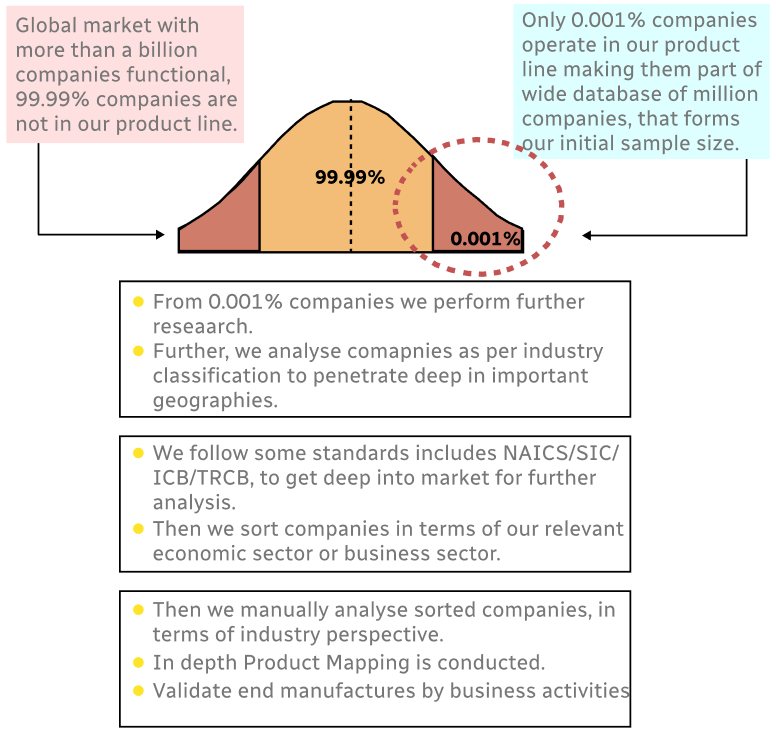
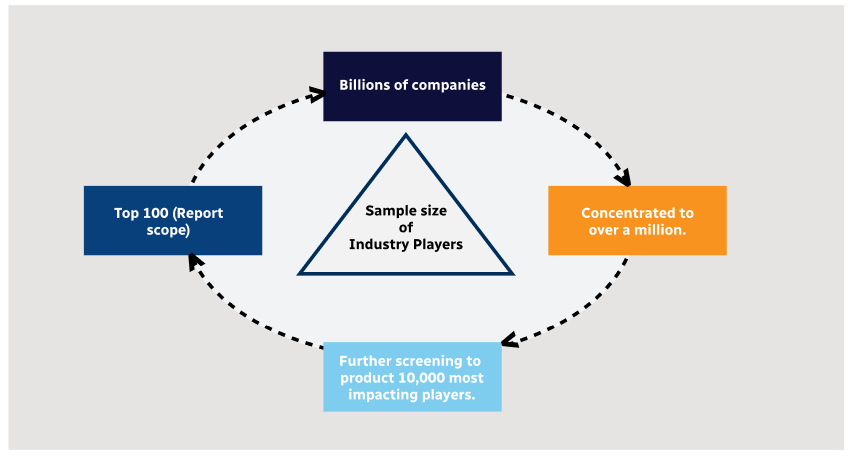
Step 1 - Identification of Relevant Samples Size from Population Database
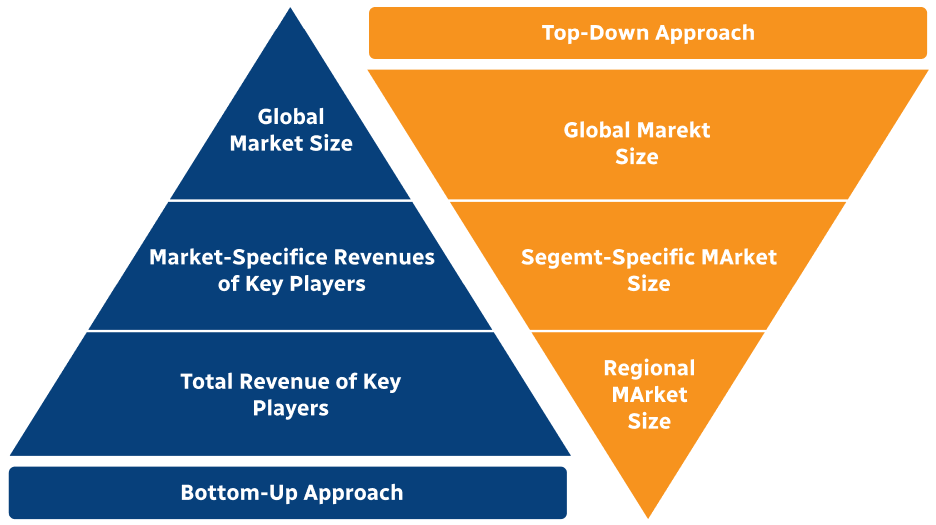
Step 2 - Approaches for Defining Global Market Size (Value, Volume* & Price*)
Note*: In applicable scenarios
Step 3 - Data Sources
Primary Research
- Web Analytics
- Survey Reports
- Research Institute
- Latest Research Reports
- Opinion Leaders
Secondary Research
- Annual Reports
- White Paper
- Latest Press Release
- Industry Association
- Paid Database
- Investor Presentations
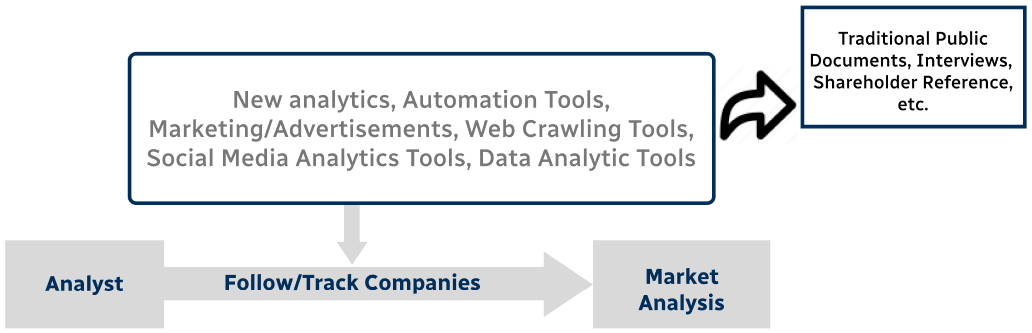
Step 4 - Data Triangulation
Involves using different sources of information in order to increase the validity of a study
These sources are likely to be stakeholders in a program - participants, other researchers, program staff, other community members, and so on.
Then we put all data in single framework & apply various statistical tools to find out the dynamic on the market.
During the analysis stage, feedback from the stakeholder groups would be compared to determine areas of agreement as well as areas of divergence


