


Key Insights
The Adventure Travel Insurance market is poised for substantial expansion, projected to reach an estimated USD 2.1 billion in 2025. This growth is fueled by a robust compound annual growth rate (CAGR) of 10.77%, indicating a dynamic and evolving sector. The increasing global appetite for unique and experiential travel, including activities like trekking, diving, mountaineering, and exploring remote destinations, is a primary driver. Travelers are increasingly recognizing the inherent risks associated with these pursuits and are seeking comprehensive insurance solutions to mitigate potential financial losses due to accidents, medical emergencies, trip cancellations, or lost equipment. The market segments are diverse, encompassing both personal and group insurance policies, catering to individual adventurers as well as organized tour groups. Distribution channels are also varied, with agencies, digital platforms, direct sales, and bancassurance all playing significant roles in reaching a broad customer base.

Adventure Travel Insurance Market Size (In Billion)

Key trends shaping the Adventure Travel Insurance market include the rise of specialized policies tailored to specific adventure activities, offering enhanced coverage for high-risk sports. The integration of advanced technology, such as AI-powered risk assessment and digital claims processing, is also streamlining operations and improving customer experience. Furthermore, growing awareness of the importance of travel insurance, especially in the wake of global health crises, has significantly boosted demand. While the market benefits from these positive drivers, potential restraints include the complexity of pricing for niche, high-risk activities and the challenge of educating a wider audience about the necessity of specialized adventure travel coverage. Nonetheless, the overarching positive sentiment and the continuous innovation within the industry suggest a bright future for adventure travel insurance providers.

Adventure Travel Insurance Company Market Share
This in-depth report provides a comprehensive analysis of the global adventure travel insurance market, charting its evolution from 2019 to 2033. With a base year of 2025 and a forecast period extending to 2033, this study offers critical insights into market dynamics, trends, key players, and future outlook. The report leverages advanced data analytics to project market sizes, compound annual growth rates (CAGR), and market penetration, making it an indispensable resource for stakeholders seeking to navigate this dynamic sector. The adventure travel insurance market size is projected to reach billions of dollars by 2033.
Adventure Travel Insurance Market Structure & Competitive Dynamics
The adventure travel insurance market exhibits a moderately consolidated structure, with a few dominant global players and a growing number of specialized providers catering to niche adventure activities. Innovation ecosystems are thriving, driven by advancements in digital platforms and personalized product offerings. Regulatory frameworks vary significantly by region, impacting market entry and product development. Key substitutes include self-insurance, credit card insurance, and basic travel insurance policies that may not adequately cover high-risk activities. End-user trends highlight a burgeoning demand for comprehensive coverage for activities like trekking, diving, extreme sports, and remote expeditions. Mergers and acquisitions (M&A) activity is a significant factor in shaping the competitive landscape, with deal values estimated to be in the billions of dollars. Companies are actively pursuing strategic acquisitions to expand their market reach, enhance their product portfolios, and integrate cutting-edge technologies. The overall adventure travel insurance market share is influenced by the strategic maneuvers of these leading entities.
- Market Concentration: Moderately consolidated with a strong presence of established insurers and emerging specialists.
- Innovation Ecosystems: Driven by InsurTech adoption, data analytics, and the development of bespoke policies.
- Regulatory Frameworks: Diverse across jurisdictions, necessitating a nuanced approach to market penetration.
- Product Substitutes: Basic travel insurance, credit card coverage, and self-reliance.
- End-User Trends: Increasing participation in adventure tourism, demand for specialized coverage.
- M&A Activities: Ongoing consolidation to achieve scale, expand product offerings, and acquire technological capabilities. Estimated M&A deal values in the billions.
Adventure Travel Insurance Industry Trends & Insights
The adventure travel insurance industry is experiencing robust growth, propelled by several converging trends. The increasing global interest in adventure tourism, fueled by a desire for unique experiences and escape from routine, is a primary market growth driver. This is further amplified by rising disposable incomes in emerging economies, making adventure travel more accessible to a wider population. Technological disruptions, particularly the widespread adoption of digital channels and InsurTech solutions, are revolutionizing how adventure travel insurance is sold and managed. Mobile applications, online portals, and AI-powered claims processing are enhancing customer experience and streamlining operations. Consumer preferences are shifting towards personalized and flexible insurance policies that cater to specific adventure activities, duration of travel, and destination risks. The adventure travel insurance market penetration is steadily increasing as awareness of its importance grows. Competitive dynamics are intense, with companies differentiating themselves through innovative product features, competitive pricing, and superior customer service. The CAGR of the adventure travel insurance market is expected to remain strong throughout the forecast period. The demand for coverage for activities such as mountaineering, scuba diving, heli-skiing, and remote trekking continues to surge. The adventure travel insurance market size is set for significant expansion, driven by these evolving dynamics and a growing appetite for risk mitigation among adventure enthusiasts. Furthermore, the rise of remote work and digital nomadism has also contributed to longer travel durations, increasing the need for comprehensive and extended adventure travel insurance coverage. The integration of IoT devices for real-time risk monitoring and personalized policy adjustments is an emerging trend.
Dominant Markets & Segments in Adventure Travel Insurance
The adventure travel insurance market exhibits significant dominance in several key regions and segments. North America and Europe currently lead in terms of market size and penetration, driven by well-established adventure tourism industries and a high propensity for insurance uptake among consumers. However, the Asia-Pacific region is emerging as a rapid growth market, fueled by increasing disposable incomes, a growing middle class, and a surge in domestic and international adventure travel.
Application Segments:
- Digital & Direct Channels: This segment is witnessing the most substantial growth, propelled by the increasing reliance on online platforms for travel bookings and insurance purchases. Consumers are actively seeking convenient, fast, and transparent ways to acquire adventure travel insurance.
- Brokers: Traditional brokers continue to play a crucial role, especially for complex policies or for travelers seeking expert advice on specialized adventure activities. Their expertise in navigating the intricacies of adventure travel insurance remains highly valued.
- Agency: Travel agencies are increasingly integrating adventure travel insurance into their package offerings, providing a one-stop solution for travelers. This channel benefits from the trust and convenience established with existing customers.
- Bancassurance: While a smaller segment currently, bancassurance holds potential for growth, particularly for customers seeking bundled financial products that include travel insurance.
Type Segments:
- Personal Insurance: This is the dominant segment, catering to individual travelers and small groups undertaking adventure holidays. The rising trend of solo adventure travel and curated group experiences fuels this segment's expansion.
- Group Insurance: This segment is growing, driven by adventure tour operators, corporate incentive trips, and specialized adventure clubs or organizations. Providing group adventure travel insurance allows for streamlined policy management and potential cost savings.
Key drivers for dominance in these regions and segments include robust economic policies supporting tourism, significant investments in adventure tourism infrastructure, a proactive regulatory environment that encourages innovation in insurance products, and a growing consumer awareness of the necessity of comprehensive adventure travel insurance for high-risk activities. The adventure travel insurance market value in these dominant areas is substantial and projected for continued growth.
Adventure Travel Insurance Product Innovations
Product innovations in the adventure travel insurance market are primarily focused on customization and technological integration. Insurers are developing policies that offer granular coverage for specific adventure activities, such as high-altitude trekking, cave diving, or backcountry skiing, addressing the limitations of generic travel insurance. The application of AI and data analytics enables personalized risk assessment and premium calculation, leading to more competitive and tailored offerings. Competitive advantages are being gained through features like real-time incident support, repatriation services for remote locations, and coverage for specialized medical evacuation. The integration of wearable technology for health monitoring and activity tracking is an emerging trend aimed at proactive risk management and potentially influencing policy premiums.
Report Segmentation & Scope
This report segments the adventure travel insurance market across key application and type categories. The scope encompasses a thorough analysis of each segment's current market size, projected growth rates, and competitive dynamics.
- Agency: Analyzes the role and growth of travel agencies in distributing adventure travel insurance. Projections indicate steady growth driven by package holidays.
- Digital & Direct Channels: Focuses on online sales platforms, mobile apps, and direct-to-consumer strategies. This segment is expected to exhibit the highest growth rate due to evolving consumer purchasing habits.
- Brokers: Examines the continued importance of independent brokers in providing expert advice and specialized coverage. Market share is stable, serving a niche but valuable customer base.
- Bancassurance: Explores the potential and current penetration of adventure travel insurance through banking channels. Growth is projected to be moderate but significant as financial institutions enhance their offerings.
- Personal Insurance: Details the largest segment, covering individual travelers and small groups. Strong growth is anticipated due to the increasing popularity of individual adventure pursuits.
- Group Insurance: Analyzes policies for organized tours, corporate travel, and clubs. This segment is set for substantial expansion driven by the growth of organized adventure tourism.
Key Drivers of Adventure Travel Insurance Growth
Several key factors are propelling the adventure travel insurance growth. The escalating global participation in adventure tourism, driven by a desire for unique experiences, is a primary catalyst. Technological advancements, including the proliferation of online booking platforms and the development of sophisticated InsurTech solutions, are enhancing accessibility and convenience. Favorable economic conditions and rising disposable incomes, particularly in emerging markets, are making adventure travel and its associated insurance more attainable. Furthermore, evolving regulatory landscapes in some regions are encouraging the development of specialized insurance products. The increasing awareness among travelers about the potential risks associated with adventurous activities and the importance of comprehensive coverage also significantly contributes to market expansion.
Challenges in the Adventure Travel Insurance Sector
Despite robust growth, the adventure travel insurance sector faces several challenges. Regulatory hurdles in different jurisdictions can complicate product offerings and market entry strategies, requiring extensive compliance efforts. Supply chain issues, particularly concerning the availability of specialized medical facilities or emergency services in remote adventure destinations, can impact claims handling and response times. Intense competitive pressures from both established insurers and agile InsurTech startups necessitate continuous innovation and cost-effective solutions. Additionally, the perception of adventure travel insurance as a discretionary expense by some travelers can hinder market penetration, requiring effective marketing and education campaigns to highlight its essential nature for mitigating significant financial and personal risks.
Leading Players in the Adventure Travel Insurance Market
- Allianz
- AIG
- Zurich
- Generali
- AXA Group
- PICC
- Tokio Marine
- Sompo Japan
- Chubb
- MetLife
- Mapfre Asistencia
- Hanse Merkur
- Ping An
- XX (Placeholder for other significant regional players)
Key Developments in Adventure Travel Insurance Sector
- 2019/06: Launch of AI-powered personalized policy pricing for extreme sports by a leading insurer.
- 2020/03: Significant increase in demand for COVID-19 related adventure travel insurance coverage.
- 2021/09: Acquisition of a specialized adventure travel insurance provider by a major global insurer to expand niche offerings.
- 2022/04: Introduction of on-demand adventure travel insurance via mobile app for short-term, activity-specific coverage.
- 2023/07: Partnership between a travel technology company and an insurer to integrate seamless insurance purchase options into adventure booking platforms.
- 2024/01: Enhanced coverage for mental health support and repatriation for remote medical emergencies introduced by several providers.
- 2025/xx: Predicted expansion of parametric insurance solutions for specific adventure travel risks.
Strategic Adventure Travel Insurance Market Outlook
The strategic adventure travel insurance market outlook is exceptionally positive, characterized by strong growth accelerators and significant future potential. The increasing commoditization of basic travel insurance is pushing providers to focus on specialized niches like adventure travel, where higher premiums and greater value-added services can be offered. Opportunities lie in leveraging advanced data analytics and InsurTech to create highly personalized and dynamic insurance products that adapt to evolving traveler needs and risk profiles. Strategic partnerships with adventure tour operators, equipment manufacturers, and travel technology platforms will be crucial for market penetration and customer acquisition. The adventure travel insurance market is poised for continued innovation, with a focus on enhancing customer experience through seamless digital journeys, rapid claims processing, and proactive risk mitigation services. The increasing global demand for unique travel experiences, coupled with a growing awareness of the need for robust protection, positions this sector for sustained, high-value growth throughout the forecast period.
Adventure Travel Insurance Segmentation
-
1. Application
- 1.1. Agency
- 1.2. Digital & Direct Channels
- 1.3. Brokers
- 1.4. Bancassurance
-
2. Type
- 2.1. Personal Insurance
- 2.2. Group Insurance
Adventure Travel Insurance Segmentation By Geography
-
1. North America
- 1.1. United States
- 1.2. Canada
- 1.3. Mexico
-
2. South America
- 2.1. Brazil
- 2.2. Argentina
- 2.3. Rest of South America
-
3. Europe
- 3.1. United Kingdom
- 3.2. Germany
- 3.3. France
- 3.4. Italy
- 3.5. Spain
- 3.6. Russia
- 3.7. Benelux
- 3.8. Nordics
- 3.9. Rest of Europe
-
4. Middle East & Africa
- 4.1. Turkey
- 4.2. Israel
- 4.3. GCC
- 4.4. North Africa
- 4.5. South Africa
- 4.6. Rest of Middle East & Africa
-
5. Asia Pacific
- 5.1. China
- 5.2. India
- 5.3. Japan
- 5.4. South Korea
- 5.5. ASEAN
- 5.6. Oceania
- 5.7. Rest of Asia Pacific

Adventure Travel Insurance Regional Market Share
Geographic Coverage of Adventure Travel Insurance
Adventure Travel Insurance REPORT HIGHLIGHTS
| Aspects | Details |
|---|---|
| Study Period | 2020-2034 |
| Base Year | 2025 |
| Estimated Year | 2026 |
| Forecast Period | 2026-2034 |
| Historical Period | 2020-2025 |
| Growth Rate | CAGR of 10.77% from 2020-2034 |
| Segmentation |
|
Table of Contents
- 1. Introduction
- 1.1. Research Scope
- 1.2. Market Segmentation
- 1.3. Research Methodology
- 1.4. Definitions and Assumptions
- 2. Executive Summary
- 2.1. Introduction
- 3. Market Dynamics
- 3.1. Introduction
- 3.2. Market Drivers
- 3.3. Market Restrains
- 3.4. Market Trends
- 4. Market Factor Analysis
- 4.1. Porters Five Forces
- 4.2. Supply/Value Chain
- 4.3. PESTEL analysis
- 4.4. Market Entropy
- 4.5. Patent/Trademark Analysis
- 5. Global Adventure Travel Insurance Analysis, Insights and Forecast, 2020-2032
- 5.1. Market Analysis, Insights and Forecast - by Application
- 5.1.1. Agency
- 5.1.2. Digital & Direct Channels
- 5.1.3. Brokers
- 5.1.4. Bancassurance
- 5.2. Market Analysis, Insights and Forecast - by Type
- 5.2.1. Personal Insurance
- 5.2.2. Group Insurance
- 5.3. Market Analysis, Insights and Forecast - by Region
- 5.3.1. North America
- 5.3.2. South America
- 5.3.3. Europe
- 5.3.4. Middle East & Africa
- 5.3.5. Asia Pacific
- 5.1. Market Analysis, Insights and Forecast - by Application
- 6. North America Adventure Travel Insurance Analysis, Insights and Forecast, 2020-2032
- 6.1. Market Analysis, Insights and Forecast - by Application
- 6.1.1. Agency
- 6.1.2. Digital & Direct Channels
- 6.1.3. Brokers
- 6.1.4. Bancassurance
- 6.2. Market Analysis, Insights and Forecast - by Type
- 6.2.1. Personal Insurance
- 6.2.2. Group Insurance
- 6.1. Market Analysis, Insights and Forecast - by Application
- 7. South America Adventure Travel Insurance Analysis, Insights and Forecast, 2020-2032
- 7.1. Market Analysis, Insights and Forecast - by Application
- 7.1.1. Agency
- 7.1.2. Digital & Direct Channels
- 7.1.3. Brokers
- 7.1.4. Bancassurance
- 7.2. Market Analysis, Insights and Forecast - by Type
- 7.2.1. Personal Insurance
- 7.2.2. Group Insurance
- 7.1. Market Analysis, Insights and Forecast - by Application
- 8. Europe Adventure Travel Insurance Analysis, Insights and Forecast, 2020-2032
- 8.1. Market Analysis, Insights and Forecast - by Application
- 8.1.1. Agency
- 8.1.2. Digital & Direct Channels
- 8.1.3. Brokers
- 8.1.4. Bancassurance
- 8.2. Market Analysis, Insights and Forecast - by Type
- 8.2.1. Personal Insurance
- 8.2.2. Group Insurance
- 8.1. Market Analysis, Insights and Forecast - by Application
- 9. Middle East & Africa Adventure Travel Insurance Analysis, Insights and Forecast, 2020-2032
- 9.1. Market Analysis, Insights and Forecast - by Application
- 9.1.1. Agency
- 9.1.2. Digital & Direct Channels
- 9.1.3. Brokers
- 9.1.4. Bancassurance
- 9.2. Market Analysis, Insights and Forecast - by Type
- 9.2.1. Personal Insurance
- 9.2.2. Group Insurance
- 9.1. Market Analysis, Insights and Forecast - by Application
- 10. Asia Pacific Adventure Travel Insurance Analysis, Insights and Forecast, 2020-2032
- 10.1. Market Analysis, Insights and Forecast - by Application
- 10.1.1. Agency
- 10.1.2. Digital & Direct Channels
- 10.1.3. Brokers
- 10.1.4. Bancassurance
- 10.2. Market Analysis, Insights and Forecast - by Type
- 10.2.1. Personal Insurance
- 10.2.2. Group Insurance
- 10.1. Market Analysis, Insights and Forecast - by Application
- 11. Competitive Analysis
- 11.1. Global Market Share Analysis 2025
- 11.2. Company Profiles
- 11.2.1 Allianz
- 11.2.1.1. Overview
- 11.2.1.2. Products
- 11.2.1.3. SWOT Analysis
- 11.2.1.4. Recent Developments
- 11.2.1.5. Financials (Based on Availability)
- 11.2.2 AIG
- 11.2.2.1. Overview
- 11.2.2.2. Products
- 11.2.2.3. SWOT Analysis
- 11.2.2.4. Recent Developments
- 11.2.2.5. Financials (Based on Availability)
- 11.2.3 Zurich
- 11.2.3.1. Overview
- 11.2.3.2. Products
- 11.2.3.3. SWOT Analysis
- 11.2.3.4. Recent Developments
- 11.2.3.5. Financials (Based on Availability)
- 11.2.4 Genarali
- 11.2.4.1. Overview
- 11.2.4.2. Products
- 11.2.4.3. SWOT Analysis
- 11.2.4.4. Recent Developments
- 11.2.4.5. Financials (Based on Availability)
- 11.2.5 AXA Group
- 11.2.5.1. Overview
- 11.2.5.2. Products
- 11.2.5.3. SWOT Analysis
- 11.2.5.4. Recent Developments
- 11.2.5.5. Financials (Based on Availability)
- 11.2.6 PICC
- 11.2.6.1. Overview
- 11.2.6.2. Products
- 11.2.6.3. SWOT Analysis
- 11.2.6.4. Recent Developments
- 11.2.6.5. Financials (Based on Availability)
- 11.2.7 Tokio Marine
- 11.2.7.1. Overview
- 11.2.7.2. Products
- 11.2.7.3. SWOT Analysis
- 11.2.7.4. Recent Developments
- 11.2.7.5. Financials (Based on Availability)
- 11.2.8 Sompo Japan
- 11.2.8.1. Overview
- 11.2.8.2. Products
- 11.2.8.3. SWOT Analysis
- 11.2.8.4. Recent Developments
- 11.2.8.5. Financials (Based on Availability)
- 11.2.9 Chubb
- 11.2.9.1. Overview
- 11.2.9.2. Products
- 11.2.9.3. SWOT Analysis
- 11.2.9.4. Recent Developments
- 11.2.9.5. Financials (Based on Availability)
- 11.2.10 MetLife
- 11.2.10.1. Overview
- 11.2.10.2. Products
- 11.2.10.3. SWOT Analysis
- 11.2.10.4. Recent Developments
- 11.2.10.5. Financials (Based on Availability)
- 11.2.11 Mapfre Asistencia
- 11.2.11.1. Overview
- 11.2.11.2. Products
- 11.2.11.3. SWOT Analysis
- 11.2.11.4. Recent Developments
- 11.2.11.5. Financials (Based on Availability)
- 11.2.12 Hanse Merkur
- 11.2.12.1. Overview
- 11.2.12.2. Products
- 11.2.12.3. SWOT Analysis
- 11.2.12.4. Recent Developments
- 11.2.12.5. Financials (Based on Availability)
- 11.2.13 Pin An
- 11.2.13.1. Overview
- 11.2.13.2. Products
- 11.2.13.3. SWOT Analysis
- 11.2.13.4. Recent Developments
- 11.2.13.5. Financials (Based on Availability)
- 11.2.1 Allianz
List of Figures
- Figure 1: Global Adventure Travel Insurance Revenue Breakdown (undefined, %) by Region 2025 & 2033
- Figure 2: North America Adventure Travel Insurance Revenue (undefined), by Application 2025 & 2033
- Figure 3: North America Adventure Travel Insurance Revenue Share (%), by Application 2025 & 2033
- Figure 4: North America Adventure Travel Insurance Revenue (undefined), by Type 2025 & 2033
- Figure 5: North America Adventure Travel Insurance Revenue Share (%), by Type 2025 & 2033
- Figure 6: North America Adventure Travel Insurance Revenue (undefined), by Country 2025 & 2033
- Figure 7: North America Adventure Travel Insurance Revenue Share (%), by Country 2025 & 2033
- Figure 8: South America Adventure Travel Insurance Revenue (undefined), by Application 2025 & 2033
- Figure 9: South America Adventure Travel Insurance Revenue Share (%), by Application 2025 & 2033
- Figure 10: South America Adventure Travel Insurance Revenue (undefined), by Type 2025 & 2033
- Figure 11: South America Adventure Travel Insurance Revenue Share (%), by Type 2025 & 2033
- Figure 12: South America Adventure Travel Insurance Revenue (undefined), by Country 2025 & 2033
- Figure 13: South America Adventure Travel Insurance Revenue Share (%), by Country 2025 & 2033
- Figure 14: Europe Adventure Travel Insurance Revenue (undefined), by Application 2025 & 2033
- Figure 15: Europe Adventure Travel Insurance Revenue Share (%), by Application 2025 & 2033
- Figure 16: Europe Adventure Travel Insurance Revenue (undefined), by Type 2025 & 2033
- Figure 17: Europe Adventure Travel Insurance Revenue Share (%), by Type 2025 & 2033
- Figure 18: Europe Adventure Travel Insurance Revenue (undefined), by Country 2025 & 2033
- Figure 19: Europe Adventure Travel Insurance Revenue Share (%), by Country 2025 & 2033
- Figure 20: Middle East & Africa Adventure Travel Insurance Revenue (undefined), by Application 2025 & 2033
- Figure 21: Middle East & Africa Adventure Travel Insurance Revenue Share (%), by Application 2025 & 2033
- Figure 22: Middle East & Africa Adventure Travel Insurance Revenue (undefined), by Type 2025 & 2033
- Figure 23: Middle East & Africa Adventure Travel Insurance Revenue Share (%), by Type 2025 & 2033
- Figure 24: Middle East & Africa Adventure Travel Insurance Revenue (undefined), by Country 2025 & 2033
- Figure 25: Middle East & Africa Adventure Travel Insurance Revenue Share (%), by Country 2025 & 2033
- Figure 26: Asia Pacific Adventure Travel Insurance Revenue (undefined), by Application 2025 & 2033
- Figure 27: Asia Pacific Adventure Travel Insurance Revenue Share (%), by Application 2025 & 2033
- Figure 28: Asia Pacific Adventure Travel Insurance Revenue (undefined), by Type 2025 & 2033
- Figure 29: Asia Pacific Adventure Travel Insurance Revenue Share (%), by Type 2025 & 2033
- Figure 30: Asia Pacific Adventure Travel Insurance Revenue (undefined), by Country 2025 & 2033
- Figure 31: Asia Pacific Adventure Travel Insurance Revenue Share (%), by Country 2025 & 2033
List of Tables
- Table 1: Global Adventure Travel Insurance Revenue undefined Forecast, by Application 2020 & 2033
- Table 2: Global Adventure Travel Insurance Revenue undefined Forecast, by Type 2020 & 2033
- Table 3: Global Adventure Travel Insurance Revenue undefined Forecast, by Region 2020 & 2033
- Table 4: Global Adventure Travel Insurance Revenue undefined Forecast, by Application 2020 & 2033
- Table 5: Global Adventure Travel Insurance Revenue undefined Forecast, by Type 2020 & 2033
- Table 6: Global Adventure Travel Insurance Revenue undefined Forecast, by Country 2020 & 2033
- Table 7: United States Adventure Travel Insurance Revenue (undefined) Forecast, by Application 2020 & 2033
- Table 8: Canada Adventure Travel Insurance Revenue (undefined) Forecast, by Application 2020 & 2033
- Table 9: Mexico Adventure Travel Insurance Revenue (undefined) Forecast, by Application 2020 & 2033
- Table 10: Global Adventure Travel Insurance Revenue undefined Forecast, by Application 2020 & 2033
- Table 11: Global Adventure Travel Insurance Revenue undefined Forecast, by Type 2020 & 2033
- Table 12: Global Adventure Travel Insurance Revenue undefined Forecast, by Country 2020 & 2033
- Table 13: Brazil Adventure Travel Insurance Revenue (undefined) Forecast, by Application 2020 & 2033
- Table 14: Argentina Adventure Travel Insurance Revenue (undefined) Forecast, by Application 2020 & 2033
- Table 15: Rest of South America Adventure Travel Insurance Revenue (undefined) Forecast, by Application 2020 & 2033
- Table 16: Global Adventure Travel Insurance Revenue undefined Forecast, by Application 2020 & 2033
- Table 17: Global Adventure Travel Insurance Revenue undefined Forecast, by Type 2020 & 2033
- Table 18: Global Adventure Travel Insurance Revenue undefined Forecast, by Country 2020 & 2033
- Table 19: United Kingdom Adventure Travel Insurance Revenue (undefined) Forecast, by Application 2020 & 2033
- Table 20: Germany Adventure Travel Insurance Revenue (undefined) Forecast, by Application 2020 & 2033
- Table 21: France Adventure Travel Insurance Revenue (undefined) Forecast, by Application 2020 & 2033
- Table 22: Italy Adventure Travel Insurance Revenue (undefined) Forecast, by Application 2020 & 2033
- Table 23: Spain Adventure Travel Insurance Revenue (undefined) Forecast, by Application 2020 & 2033
- Table 24: Russia Adventure Travel Insurance Revenue (undefined) Forecast, by Application 2020 & 2033
- Table 25: Benelux Adventure Travel Insurance Revenue (undefined) Forecast, by Application 2020 & 2033
- Table 26: Nordics Adventure Travel Insurance Revenue (undefined) Forecast, by Application 2020 & 2033
- Table 27: Rest of Europe Adventure Travel Insurance Revenue (undefined) Forecast, by Application 2020 & 2033
- Table 28: Global Adventure Travel Insurance Revenue undefined Forecast, by Application 2020 & 2033
- Table 29: Global Adventure Travel Insurance Revenue undefined Forecast, by Type 2020 & 2033
- Table 30: Global Adventure Travel Insurance Revenue undefined Forecast, by Country 2020 & 2033
- Table 31: Turkey Adventure Travel Insurance Revenue (undefined) Forecast, by Application 2020 & 2033
- Table 32: Israel Adventure Travel Insurance Revenue (undefined) Forecast, by Application 2020 & 2033
- Table 33: GCC Adventure Travel Insurance Revenue (undefined) Forecast, by Application 2020 & 2033
- Table 34: North Africa Adventure Travel Insurance Revenue (undefined) Forecast, by Application 2020 & 2033
- Table 35: South Africa Adventure Travel Insurance Revenue (undefined) Forecast, by Application 2020 & 2033
- Table 36: Rest of Middle East & Africa Adventure Travel Insurance Revenue (undefined) Forecast, by Application 2020 & 2033
- Table 37: Global Adventure Travel Insurance Revenue undefined Forecast, by Application 2020 & 2033
- Table 38: Global Adventure Travel Insurance Revenue undefined Forecast, by Type 2020 & 2033
- Table 39: Global Adventure Travel Insurance Revenue undefined Forecast, by Country 2020 & 2033
- Table 40: China Adventure Travel Insurance Revenue (undefined) Forecast, by Application 2020 & 2033
- Table 41: India Adventure Travel Insurance Revenue (undefined) Forecast, by Application 2020 & 2033
- Table 42: Japan Adventure Travel Insurance Revenue (undefined) Forecast, by Application 2020 & 2033
- Table 43: South Korea Adventure Travel Insurance Revenue (undefined) Forecast, by Application 2020 & 2033
- Table 44: ASEAN Adventure Travel Insurance Revenue (undefined) Forecast, by Application 2020 & 2033
- Table 45: Oceania Adventure Travel Insurance Revenue (undefined) Forecast, by Application 2020 & 2033
- Table 46: Rest of Asia Pacific Adventure Travel Insurance Revenue (undefined) Forecast, by Application 2020 & 2033
Frequently Asked Questions
1. What is the projected Compound Annual Growth Rate (CAGR) of the Adventure Travel Insurance?
The projected CAGR is approximately 10.77%.
2. Which companies are prominent players in the Adventure Travel Insurance?
Key companies in the market include Allianz, AIG, Zurich, Genarali, AXA Group, PICC, Tokio Marine, Sompo Japan, Chubb, MetLife, Mapfre Asistencia, Hanse Merkur, Pin An.
3. What are the main segments of the Adventure Travel Insurance?
The market segments include Application, Type.
4. Can you provide details about the market size?
The market size is estimated to be USD XXX N/A as of 2022.
5. What are some drivers contributing to market growth?
N/A
6. What are the notable trends driving market growth?
N/A
7. Are there any restraints impacting market growth?
N/A
8. Can you provide examples of recent developments in the market?
N/A
9. What pricing options are available for accessing the report?
Pricing options include single-user, multi-user, and enterprise licenses priced at USD 4250.00, USD 6375.00, and USD 8500.00 respectively.
10. Is the market size provided in terms of value or volume?
The market size is provided in terms of value, measured in N/A.
11. Are there any specific market keywords associated with the report?
Yes, the market keyword associated with the report is "Adventure Travel Insurance," which aids in identifying and referencing the specific market segment covered.
12. How do I determine which pricing option suits my needs best?
The pricing options vary based on user requirements and access needs. Individual users may opt for single-user licenses, while businesses requiring broader access may choose multi-user or enterprise licenses for cost-effective access to the report.
13. Are there any additional resources or data provided in the Adventure Travel Insurance report?
While the report offers comprehensive insights, it's advisable to review the specific contents or supplementary materials provided to ascertain if additional resources or data are available.
14. How can I stay updated on further developments or reports in the Adventure Travel Insurance?
To stay informed about further developments, trends, and reports in the Adventure Travel Insurance, consider subscribing to industry newsletters, following relevant companies and organizations, or regularly checking reputable industry news sources and publications.
Methodology
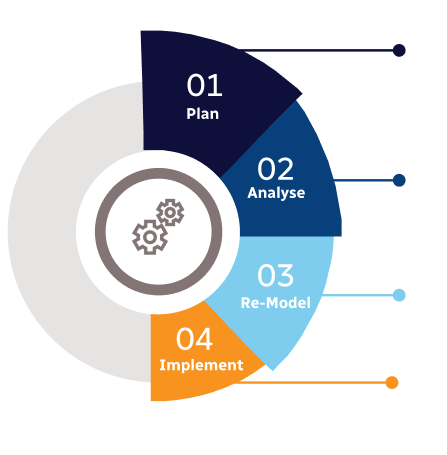
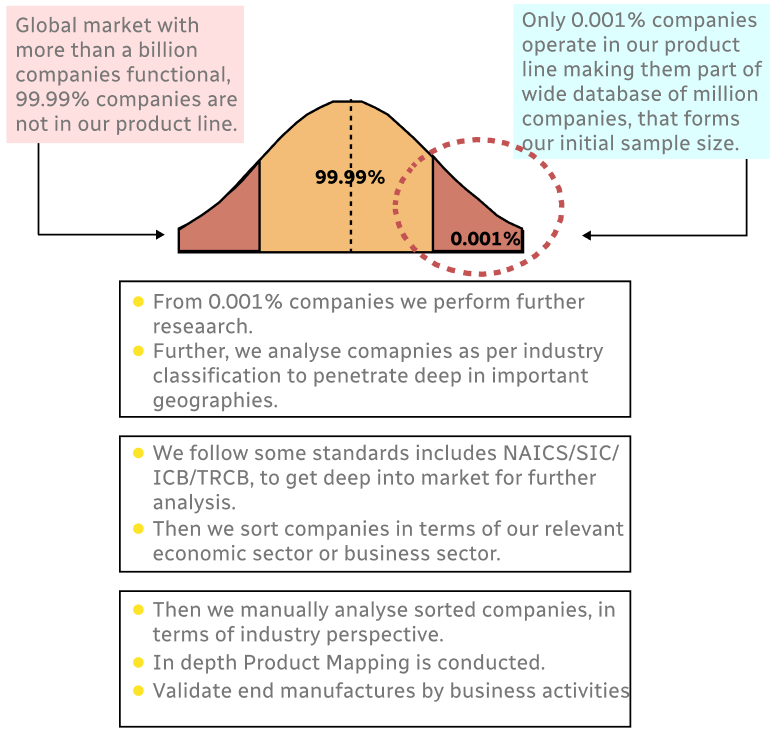
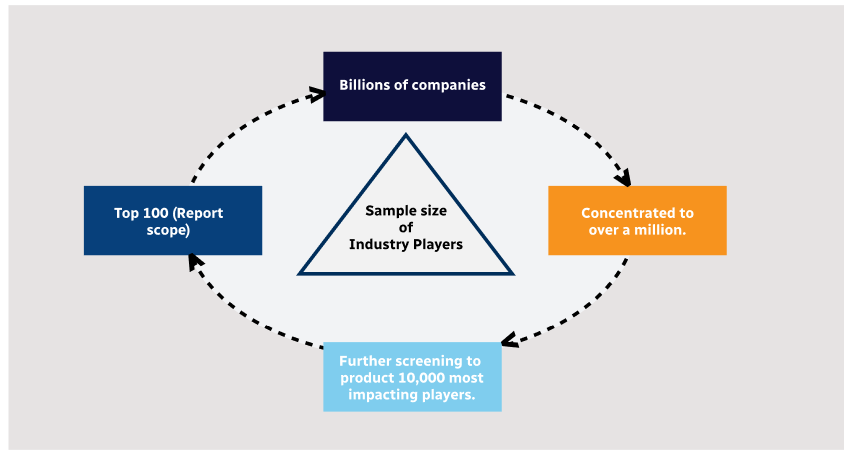
Step 1 - Identification of Relevant Samples Size from Population Database
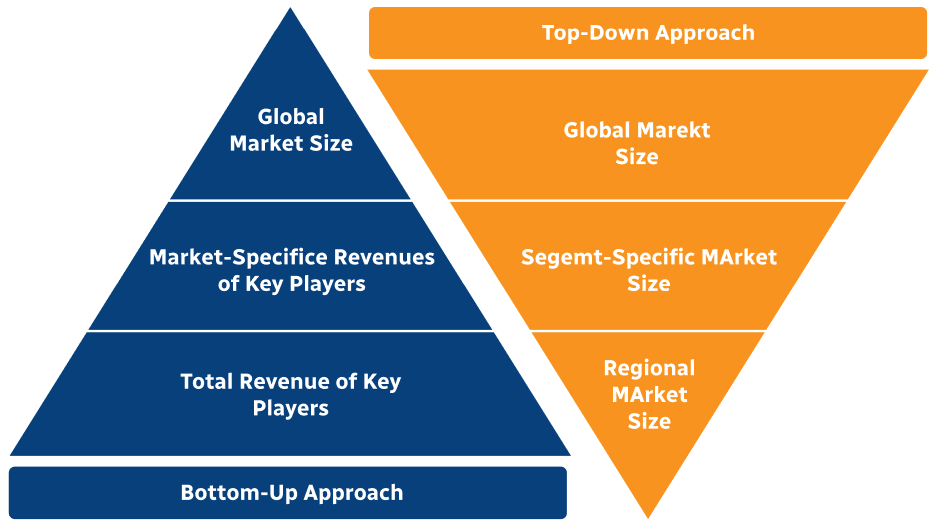
Step 2 - Approaches for Defining Global Market Size (Value, Volume* & Price*)
Note*: In applicable scenarios
Step 3 - Data Sources
Primary Research
- Web Analytics
- Survey Reports
- Research Institute
- Latest Research Reports
- Opinion Leaders
Secondary Research
- Annual Reports
- White Paper
- Latest Press Release
- Industry Association
- Paid Database
- Investor Presentations
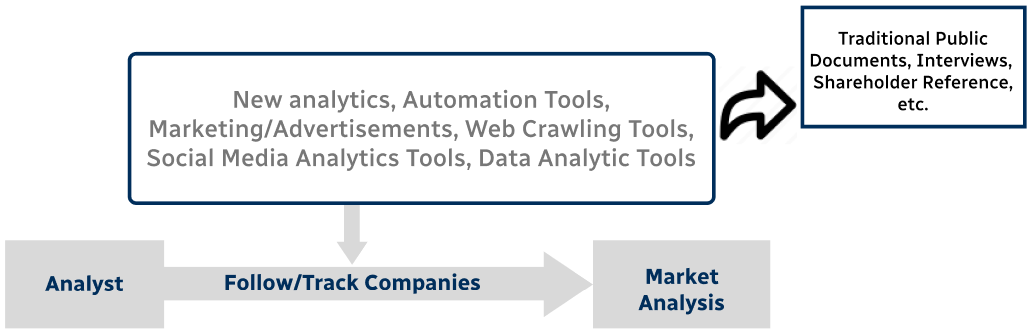
Step 4 - Data Triangulation
Involves using different sources of information in order to increase the validity of a study
These sources are likely to be stakeholders in a program - participants, other researchers, program staff, other community members, and so on.
Then we put all data in single framework & apply various statistical tools to find out the dynamic on the market.
During the analysis stage, feedback from the stakeholder groups would be compared to determine areas of agreement as well as areas of divergence